
- Chinese
- French
- German
- Portuguese
- Spanish
- Russian
- Japanese
- Korean
- Arabic
- Irish
- Greek
- Turkish
- Italian
- Danish
- Romanian
- Indonesian
- Czech
- Afrikaans
- Swedish
- Polish
- Basque
- Catalan
- Esperanto
- Hindi
- Lao
- Albanian
- Amharic
- Armenian
- Azerbaijani
- Belarusian
- Bengali
- Bosnian
- Bulgarian
- Cebuano
- Chichewa
- Corsican
- Croatian
- Dutch
- Estonian
- Filipino
- Finnish
- Frisian
- Galician
- Georgian
- Gujarati
- Haitian
- Hausa
- Hawaiian
- Hebrew
- Hmong
- Hungarian
- Icelandic
- Igbo
- Javanese
- Kannada
- Kazakh
- Khmer
- Kurdish
- Kyrgyz
- Latin
- Latvian
- Lithuanian
- Luxembou..
- Macedonian
- Malagasy
- Malay
- Malayalam
- Maltese
- Maori
- Marathi
- Mongolian
- Burmese
- Nepali
- Norwegian
- Pashto
- Persian
- Punjabi
- Serbian
- Sesotho
- Sinhala
- Slovak
- Slovenian
- Somali
- Samoan
- Scots Gaelic
- Shona
- Sindhi
- Sundanese
- Swahili
- Tajik
- Tamil
- Telugu
- Thai
- Ukrainian
- Urdu
- Uzbek
- Vietnamese
- Welsh
- Xhosa
- Yiddish
- Yoruba
- Zulu
- Kinyarwanda
- Tatar
- Oriya
- Turkmen
- Uyghur






OEM AND ORIGINAL KOMATSU BEARING 208-27-62110
Let's talk about that part number, . If you're searching for it, you're likely in a bind, trying to get a Komatsu machine back up. The immediate thought is find the OEM bearing. But here's the thing – in the aftermarket, the terms OEM and Original get thrown around so loosely they've almost lost meaning. I've seen boxes stamped Genuine that contained bearings which, while functional, had a different internal cage design than the one that came out of the machine. The assumption that a bearing matching this Komatsu number is identical to the one installed at the Komatsu factory is the first, and most expensive, misconception.
The Nuance Behind the Part Number
isn't just a SKU; it's a Komatsu assembly number. It refers to a specific bearing application within their system. Komatsu themselves sources these components from major bearing manufacturers – think along the lines of NTN, KOYO, or NSK. They buy in massive volumes, often with proprietary specifications or tolerances that are good enough for the application but might differ slightly from the bearing maker's standard catalog offering. So, when we say OEM, we're talking about the bearing supplied to Komatsu for that assembly. When a company like Jining Gaosong Construction Machinery Co., Ltd. claims OEM status, the critical question is: are they providing the exact same physical component from the same production line that feeds Komatsu's assembly plants, or a functionally equivalent substitute?
I learned this distinction the hard way years ago. We installed a so-called OEM-equivalent 62110 bearing in a PC300 pump. It fit, it ran, but it developed a high-frequency whine after about 400 hours. The failure wasn't catastrophic, but it was premature. Tearing it down, we compared it to a failed original. The metallurgy looked similar, but the original had a slightly different heat treatment on the outer race, evident under a simple acid test, and its internal radial clearance was at the tighter end of the ISO standard. The substitute was within spec, but at the looser end. In that high-precision, high-load environment, that tiny variance mattered. It changed how I source parts.
This is where the role of a specialized supplier becomes crucial. A company operating within the Komatsu ecosystem, like the one mentioned on takematsumachinery.com, which states it's an OEM product supplier within Komatsu and helps solve parts supply challenges, is positioned differently than a general online parts store. Their value isn't just in having the box; it's in understanding which box is correct for the context – be it a genuine Komatsu-boxed part, a direct-from-source OEM component, or a vetted cross-reference.
Supply Chain Realities and Original Claims
The global parts network is fragmented. In some regions, getting a Komatsu-branded part can take weeks. This gap is filled by companies that have direct access to the original component manufacturers (OCMs). The bearing with number might be sitting in an NTN warehouse, identical to the ones shipped to Komatsu, but in NTN packaging. Is this original? Technically, yes – it's the original design from the original manufacturer. But it lacks the Komatsu logo and the Komatsu price tag. This is often the sweet spot for knowledgeable buyers: original quality without the brand premium.
However, the pitfall is the compatible bearing. These are made by other factories to approximate the dimensions. They might use a different grade of steel or a less precise grinding process. They'll often work, especially in less critical applications or older machines, but you're rolling the dice on lifespan. I've used them in pinch situations on auxiliary systems, but never in a final drive or swing circle without clear client sign-off on the risk. The cost savings evaporate with a second downtime event.
The website for Jining Gaosong Construction Machinery Co., Ltd. explicitly mentions solving parts supply challenges in certain countries. This rings true. Their operational insight likely tells them where the official supply chain is thin and where their model – supplying the OEM component directly – adds real value. They aren't just selling a bearing; they're selling a solution to a logistics and availability problem, which for a site manager with a downed excavator, is what matters most.
Practical Identification and Sourcing Advice
So, how do you navigate this? First, don't just trust the listing title. Scrutinize the description. Phrases like 100% New Original Quality are red flags—they're trying to have it both ways. Look for specifics: Manufactured by NTN, Fits Komatsu P/N , or Direct OEM Source. The presence of the actual bearing manufacturer's part number (e.g., an NTN JLM104948) alongside the Komatsu number is a good sign. It shows the seller knows the cross-reference.
Second, ask the supplier direct questions. Is this the NTN (or KOYO) bearing supplied to Komatsu, or a compatible alternative? A reputable supplier, especially one positioning itself as an insider like the company behind takematsumachinery.com, should be able to answer this transparently. Their business hinges on being a reliable conduit within the Komatsu system, not just another reseller.
In one project in Southeast Asia, we were rebuilding three D65 dozers. The local Komatsu dealer had a 12-week lead time on the track roller bearings. We reached out to a supplier with a similar profile to Gaosong. They confirmed they had the KOYO-produced bearings, showed us the KOYO packaging and certificates, and air-freighted them in 5 days. We inspected them against the worn originals – the markings, the finish, the packaging all checked out. They performed flawlessly. That experience cemented the value of this niche supplier model.
When Good Enough Isn't Good Enough
It's tempting to go for the cheapest option that says it fits. For the , this is a bearing often found in critical drive train or hydraulic pump locations. A failure here isn't a simple swap; it's major teardown labor all over again, plus potential collateral damage to gears or housings. The calculus isn't just part cost; it's total cost of ownership and risk. Using a sub-par bearing is a false economy.
I recall a contractor who bought a cheap original bearing online for a Komatsu wheel loader. It seized after 200 hours, scarring the spindle. The cost of the spindle repair, the new (proper) bearing, and the extra downtime was triple what the proper OEM-sourced bearing would have cost initially. The lesson was painful but clear: provenance matters.
This is the core service of a specialized supplier. They filter that risk for you. By stating they are an OEM product supplier within the Komatsu system, they are implicitly staking their reputation on providing components that meet the engineering intent, not just the dimensional fit. For a maintenance manager, that assurance is part of the product.
Concluding Thoughts on the Bearing and the Business
Ultimately, the search for OEM AND ORIGINAL KOMATSU BEARING is a search for reliability and minimized downtime. The part number is your starting point, but the journey is about understanding the layers beneath it. The original can mean Komatsu-branded or OCM-branded from the same source. OEM should mean it came from the factory that supplies Komatsu.
The landscape has companies like Jining Gaosong Construction Machinery Co., Ltd. operating in that space between the monolithic official dealer network and the chaotic open market. Their stated role as a third-party sales company for Komatsu solving supply challenges isn't marketing fluff; it's a specific operational model for a real-world problem. They can often provide that crucial bearing, the genuine article in all but the outer box, when the official channels are empty.
So next time you key in that part number, look beyond the title and the price. Look for the evidence of source. Look for the supplier's specific place in the ecosystem. Because getting your machine running is one thing. Keeping it running, with confidence, is everything. The right supplier for this bearing isn't just a vendor; they're a partner in uptime.
Related Products
Related Products

Best Selling Products
Best Selling Products-
 702-16-02290,702-16-02210,702-16-02212 LEVER ASS’Y Komatsu Original Factory
 -
 14X-15-19210 14X-15-19220 for D65 D68 D85 WA500 Bulldozer…
 -
 21N-38-12310 Flange (Komatsu)
 -
 Komatsu Parçaları için İnşaatın Omurgası 566-14-41160 Braketi
 -
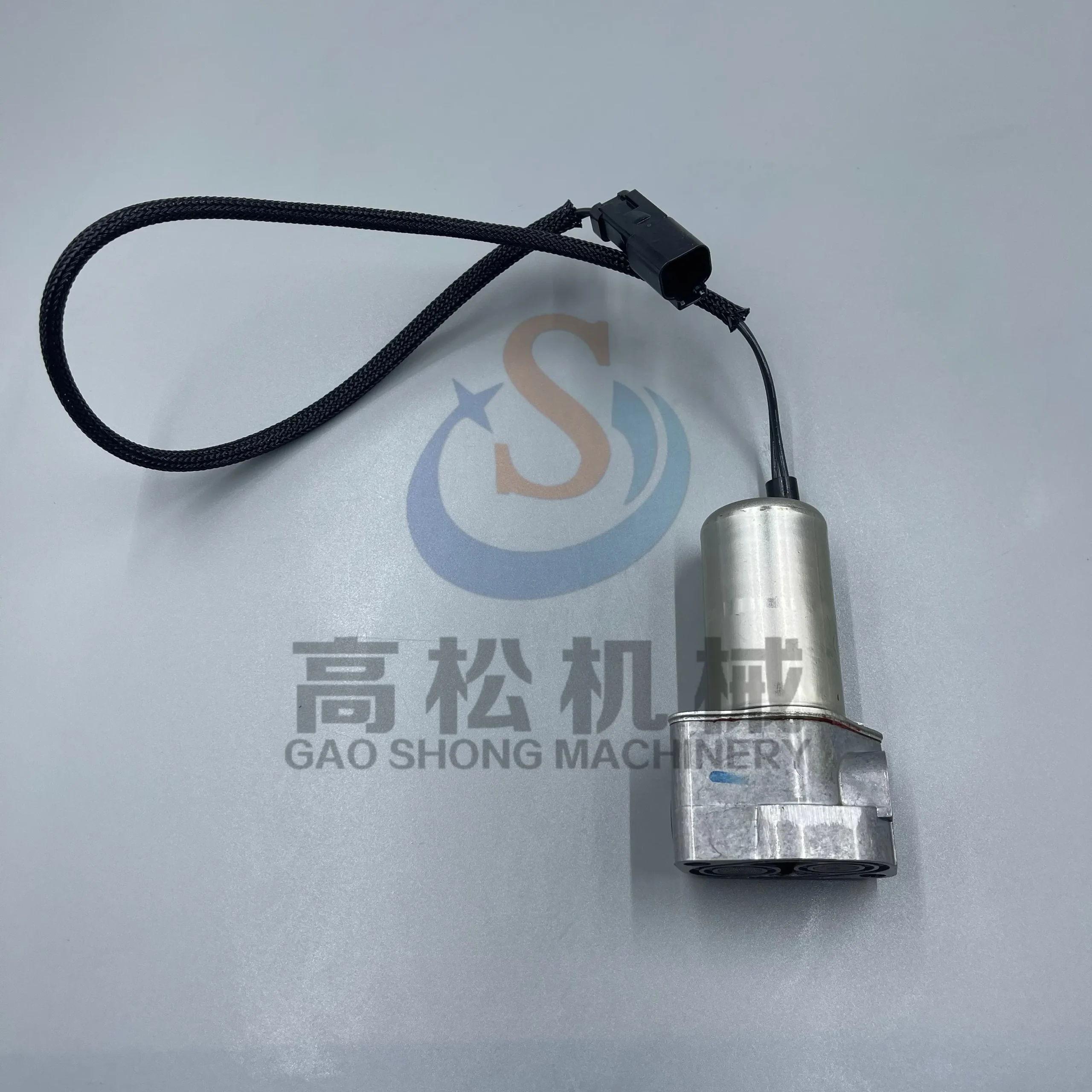 702-21-07620 SOLENOID VALVE (Komatsu)
 -
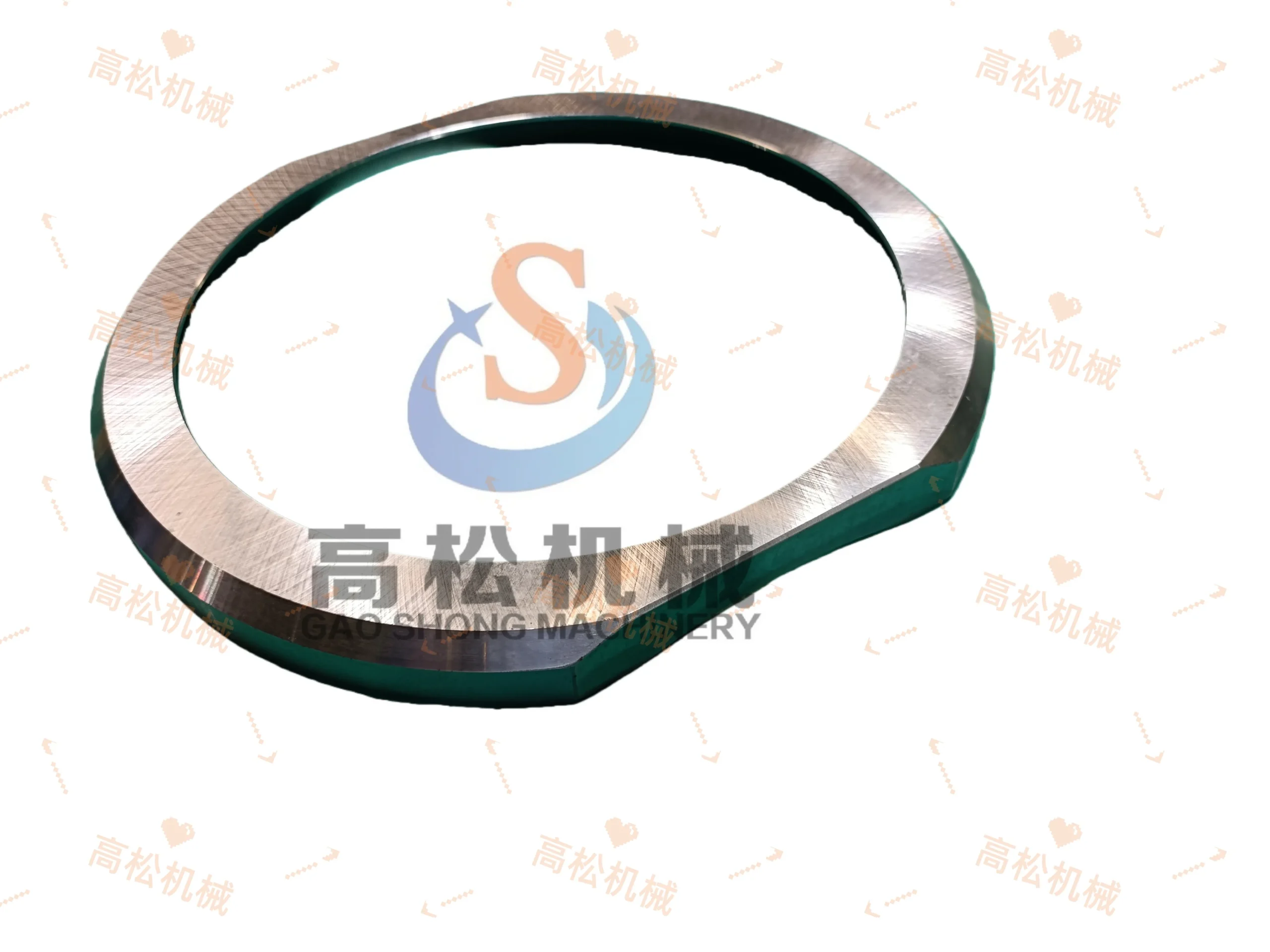 2A8-70-13410 Seal PC500LC-10M0 2A8-70-13420 Seal PC500LC-10R 2A8-70-13680Spacer PC500LC-10M0 2A8-70-13690Spacer PC500LC-10M0 2W71-21380 2WT27-72350
 -
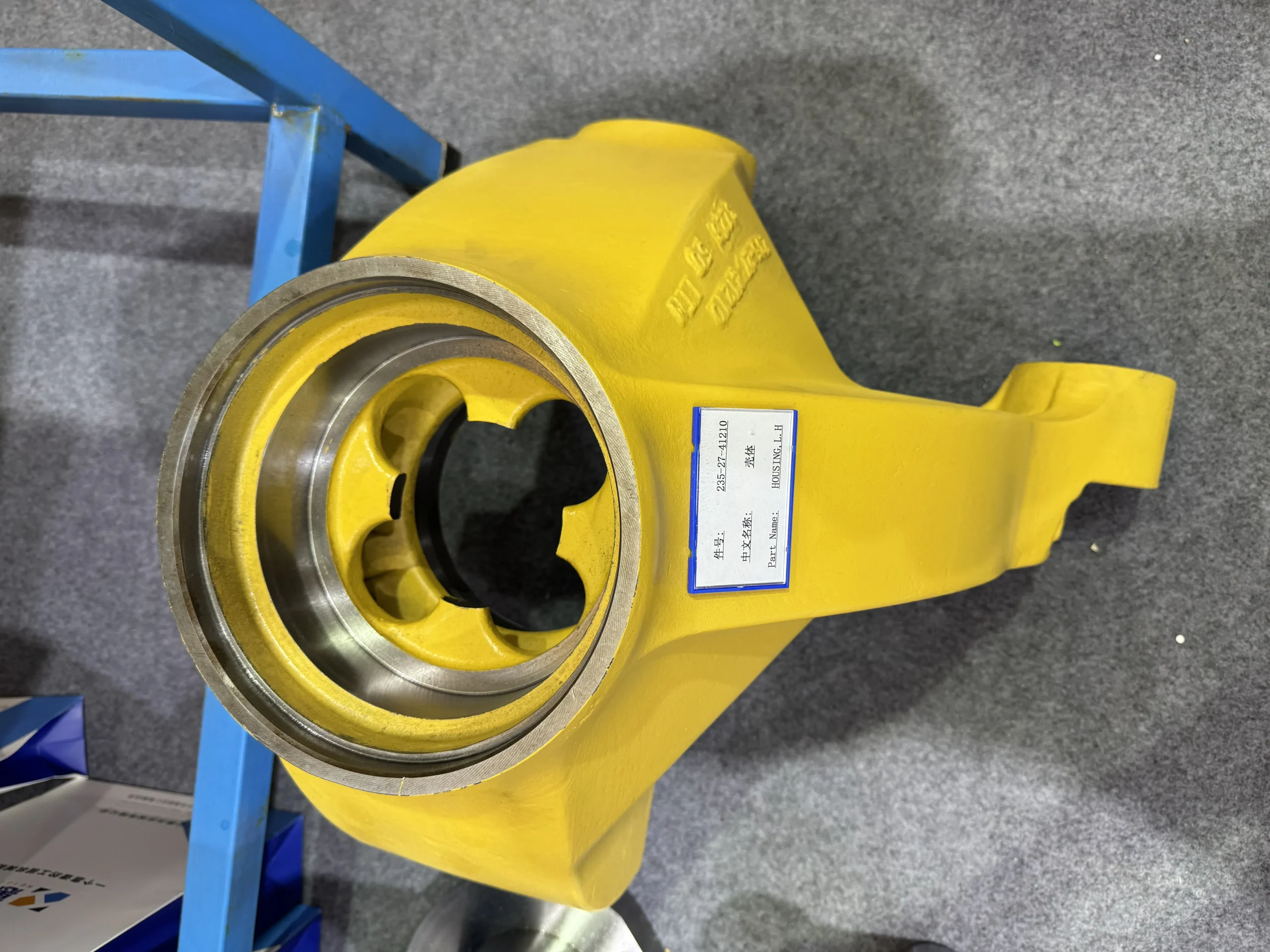 GD825A-2 shell 235-27-41210
 -
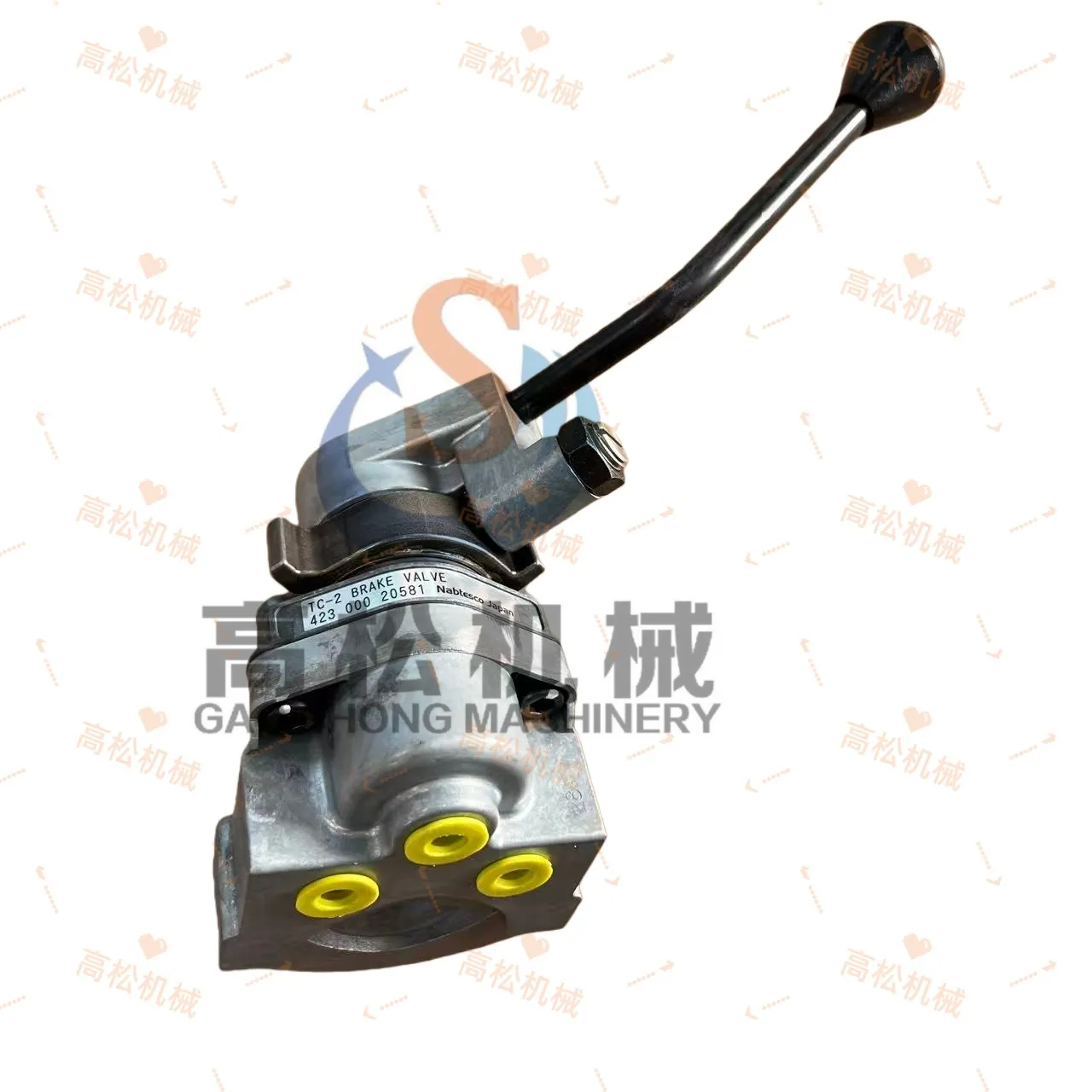 RETARDER VALVE ASS’Y HD785-5 RETARDER VALVE ASS’Y HD985-5 RETARDER VALVE ASS’Y HD255-5
 -
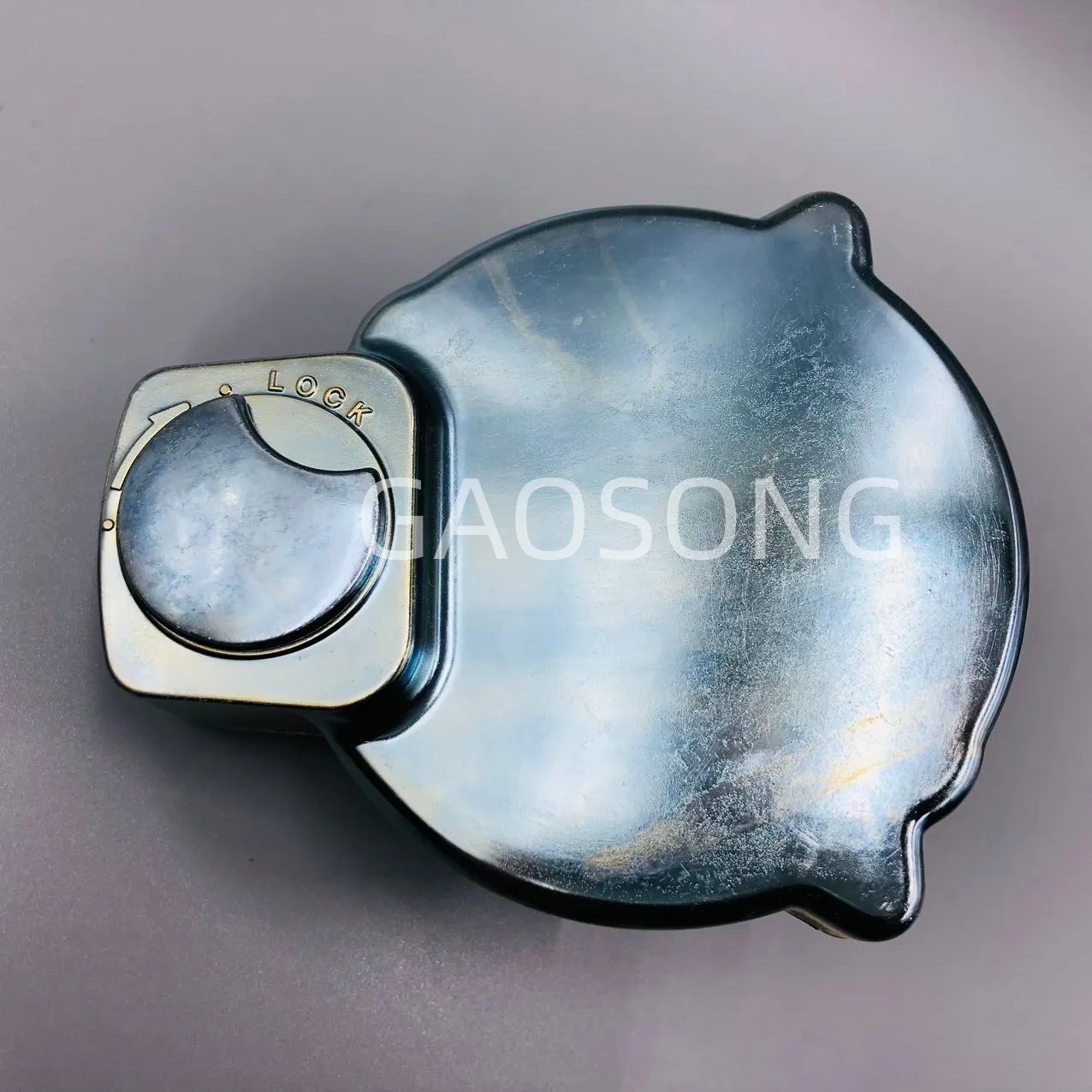 17A-60-11310 CAP ASS’Y-Komatsu Original Factory
 -
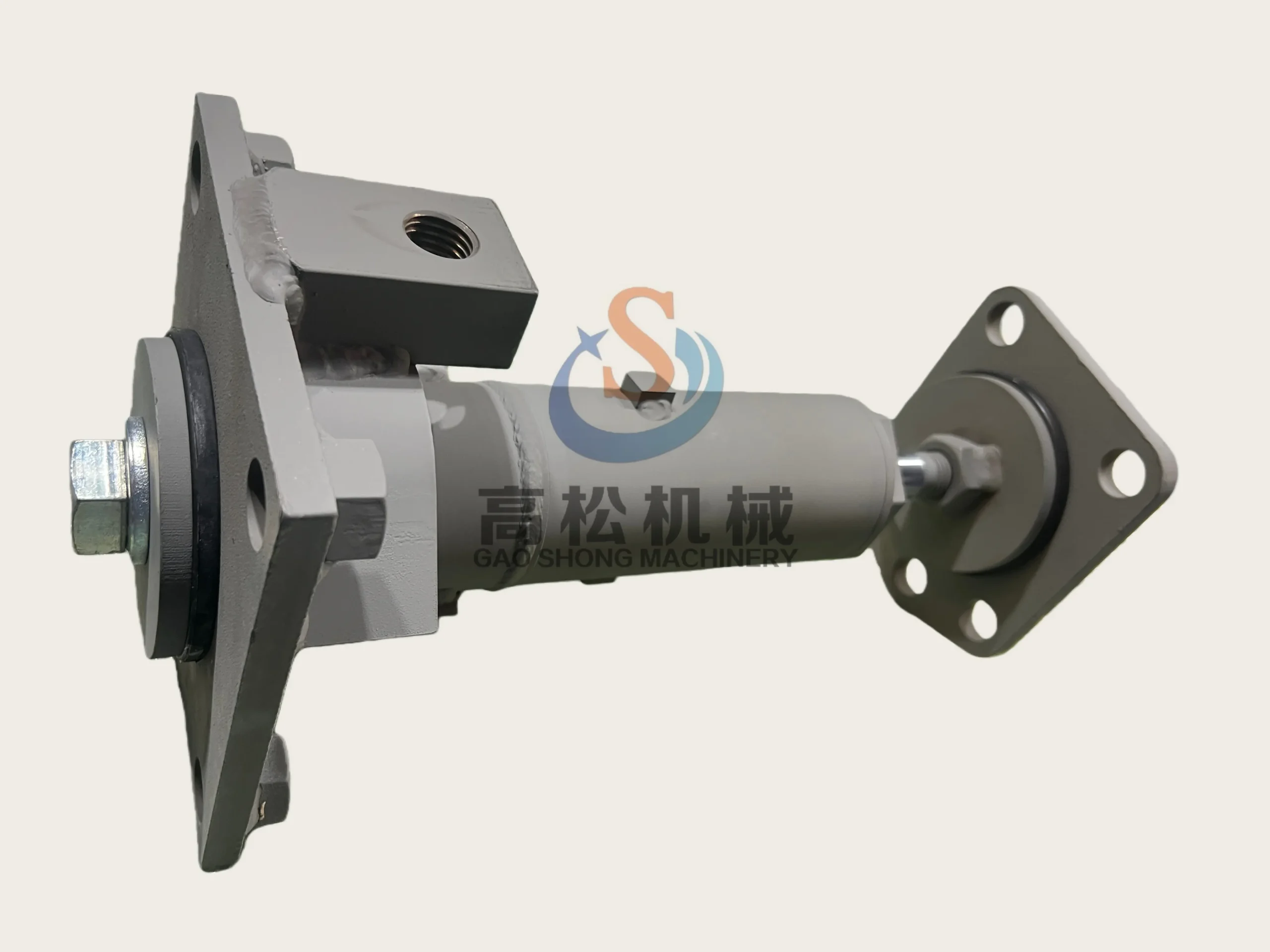 SUSPENSION ASS’Y 17A-54-16201 D155AX-3 D155AX-3 FLOOR FRAME MOUNT
 -
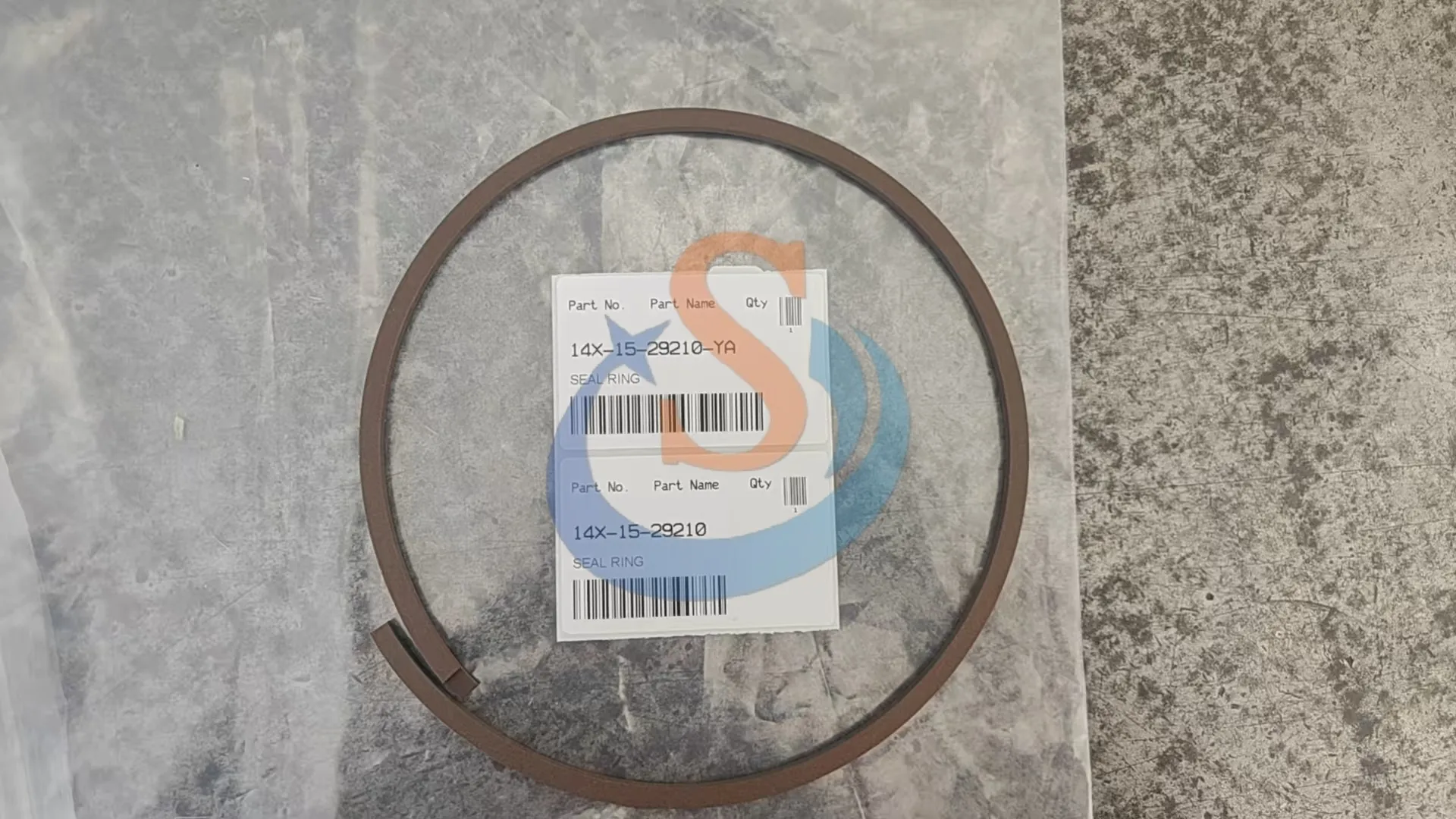 14X-15-29210,SEAL RING,D65PX,D85ESS-2,HD605-7R
 -
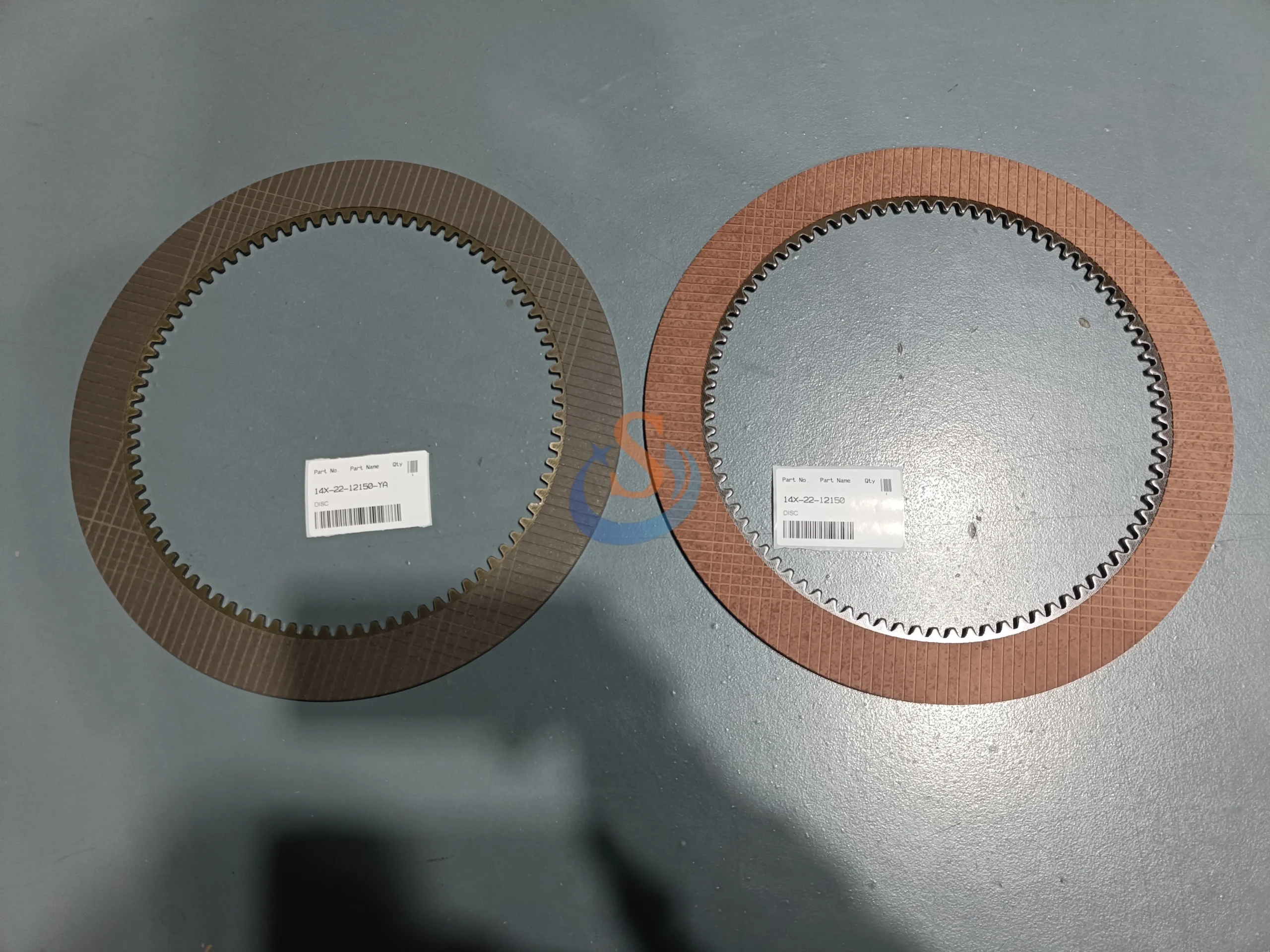 14X-22-12150,DISC,D85ESS,D275A