
- Chinese
- French
- German
- Portuguese
- Spanish
- Russian
- Japanese
- Korean
- Arabic
- Irish
- Greek
- Turkish
- Italian
- Danish
- Romanian
- Indonesian
- Czech
- Afrikaans
- Swedish
- Polish
- Basque
- Catalan
- Esperanto
- Hindi
- Lao
- Albanian
- Amharic
- Armenian
- Azerbaijani
- Belarusian
- Bengali
- Bosnian
- Bulgarian
- Cebuano
- Chichewa
- Corsican
- Croatian
- Dutch
- Estonian
- Filipino
- Finnish
- Frisian
- Galician
- Georgian
- Gujarati
- Haitian
- Hausa
- Hawaiian
- Hebrew
- Hmong
- Hungarian
- Icelandic
- Igbo
- Javanese
- Kannada
- Kazakh
- Khmer
- Kurdish
- Kyrgyz
- Latin
- Latvian
- Lithuanian
- Luxembou..
- Macedonian
- Malagasy
- Malay
- Malayalam
- Maltese
- Maori
- Marathi
- Mongolian
- Burmese
- Nepali
- Norwegian
- Pashto
- Persian
- Punjabi
- Serbian
- Sesotho
- Sinhala
- Slovak
- Slovenian
- Somali
- Samoan
- Scots Gaelic
- Shona
- Sindhi
- Sundanese
- Swahili
- Tajik
- Tamil
- Telugu
- Thai
- Ukrainian
- Urdu
- Uzbek
- Vietnamese
- Welsh
- Xhosa
- Yiddish
- Yoruba
- Zulu
- Kinyarwanda
- Tatar
- Oriya
- Turkmen
- Uyghur






OEM AND ORIGINAL KOMATSU BEARING 208-27-51240
When you punch in 'OEM AND ORIGINAL KOMATSU BEARING ' into a parts search, you're already hitting the core tension in this business. A lot of guys, even seasoned mechanics, conflate the two terms. They see 'OEM' and think it's the exact same part that came off the assembly line in Japan. That's not always the case, and the bearing is a perfect example to unpack that. My own journey with this specific SKU involved a costly misstep on a PC300-8 excavator, where I assumed an OEM-sourced bearing was identical to the original. The performance delta was subtle at first—a slightly higher operating temperature under continuous load—but it taught me to dig deeper into the supply chain.
The Specification Trap: More Than Just a Number
The isn't just a rolling element; it's a system component. The original Komatsu spec involves more than dimensional accuracy. It's about the grade of steel, the precise heat treatment cycle for the inner and outer races, and the proprietary clearance pre-set for Komatsu's final drive assembly. I've seen aftermarket versions that match the bore, OD, and width perfectly, but they use a different carburizing depth. Under the brutal, cyclical loading of a mining shovel, that difference manifests as spalling, and not after 10,000 hours, but sometimes as early as 4,000.
This is where a supplier's position matters. A company like Jining Gaosong Construction Machinery Co., Ltd. operates in a interesting space. Being an OEM product supplier within the Komatsu system suggests they have access to the technical production protocols, not just the blueprint. It's the difference between making a copy and having the recipe. Their role in solving parts supply challenges, as noted on their site https://www.takematsumachinery.com, isn't just logistics; it's often about providing a part that adheres to the factory's material and process standards when the pure original channel is blocked.
I recall a scenario in Indonesia where a port project was stalled waiting for this exact bearing. The local Komatsu dealer had a 12-week backorder. The team sourced an OEM bearing from a different regional supplier. It failed in 6 weeks. The post-mortem pointed to inferior sealing, allowing abrasive dust into the raceway. The original Komatsu design for that environment uses a specific, multi-labyrinth seal configuration. The takeaway? OEM can be a spectrum. True system suppliers understand these application-specific nuances.
The Authenticity Gray Zone and Practical Verification
So how do you verify what you're getting? The packaging and holograms can be faked, sadly. For the , we developed a few field-expedient checks. First, the weight. The original has a very consistent weight due to its material density. We keep a calibrated original on hand as a master. A deviation of more than 2-3% is a red flag. Second, the finish on the side of the races. The original has a specific grind pattern, almost a cross-hatch, that's distinct from the more common circular grind on generic replacements.
This is where partnering with a knowledgeable supplier is critical. When I engage with a company that explicitly states it's a third-party sales company for Komatsu, I probe their technical support. I'll ask them: What's the Rockwell C scale range for the race on the ? or Is the cage on this unit polyamide or machined brass? Their ability to answer instantly, without referring to a generic catalog, tells me if they're moving boxes or supplying engineered components. The Jining Gaosong model of being embedded in the system often means their answers come from first-hand factory knowledge, not a translated spec sheet.
We learned this the hard way on a fleet of HD785 trucks. We used a bearing marketed as OEM-equivalent for the final drive. They passed the basic checks. But in operation, they created a harmonic vibration that the original didn't, which eventually fatigued a bolt pattern on the housing. The root cause was a microscopic run-out tolerance on the outer race that wasn't called out in the basic dimensional spec, but was controlled in Komatsu's own manufacturing. Now, our purchase orders always include a clause about compliance with all OEM performance specifications, not just geometry.
Cost vs. Uptime: The Real Calculation
The upfront price difference between a true original part, an OEM-system part, and a generic can be staggering. For the , it could be a 1:3:7 ratio. The temptation to go cheap is huge, especially for contractors on razor-thin margins. But the math changes completely when you factor in machine uptime. A bearing failure on a PC360 isn't a 2-hour job. It's draining the case, pulling the final drive, disassembly, cleaning, reassembly, refilling, and testing. You're looking at 16-24 hours of mechanic time, plus secondary damage risk.
My rule now is this: for non-critical, easily accessible bearings, a verified high-quality OEM alternative might be justifiable. But for a core, high-load, high-value component like the , which is buried deep in the powertrain, I lean heavily towards the original or the closest possible thing. This is the value proposition of a supplier that focuses on solving supply challenges within the Komatsu ecosystem. They aren't just selling a part; they're selling reduced downtime risk. Their business, as their site implies, is built on being a reliable bridge when the main route is closed.
I worked with a mining operation in Australia that standardized on a specific channel for these bearings after tracking total cost of ownership across three different sources. The original Komatsu parts lasted an average of 8,500 hours. Parts from a certified OEM-system supplier (which they sourced through a partner like Jining Gaosong) averaged 8,100 hours. A well-regarded aftermarket brand averaged 5,200 hours. When you multiplied the difference in failure intervals by the cost of downtime (~$450/hour), the cheaper bearing was, in fact, 40% more expensive per operating hour.
Sourcing Strategy: Building a Resilient Supply Chain
Relying on a single source, even if it's the official dealer, is a vulnerability. Geopolitical issues, factory fires, or simple logistics snarls can halt a project. The smart approach is to qualify multiple streams. One of these streams should be a specialist in OEM and surplus channels, precisely the niche filled by companies like the one mentioned. Their website, https://www.takematsumachinery.com, positions them as problem-solvers for parts supply challenges in certain countries. In practice, this means they often have access to inventory or production slots that the standard distribution network doesn't.
For the , we maintain a qualified supplier list. The official dealer is Tier 1. Tier 2 is a short list of vetted system suppliers who have proven they can provide traceable, specification-compliant parts. Qualification involves trial orders, tear-down comparisons, and spectrographic analysis of the steel. It's not quick, but it's necessary. This tiered approach saved a river dredging project in South America last year when the main distributor had no stock.
The relationship with these suppliers shouldn't be transactional. It's technical. I'll send them failed components and ask for their analysis. I'll share our service logs. In return, I expect transparency on their sourcing. If they tell me a batch of bearings is from a specific Komatsu affiliate factory in Thailand, I should be able to verify that through the packaging codes and the physical markings on the part itself. This level of detail is what separates parts peddlers from genuine engineering partners.
Closing the Loop: Experience as the Final Arbiter
At the end of the day, all the specs and supplier promises come down to performance in the dirt. The bearing has become a kind of litmus test for me. When evaluating a new supplier, it's one of the first items I inquire about. Their response—the depth of detail, the willingness to provide material certs, the understanding of its application—tells me almost everything I need to know.
The industry is moving towards more transparency, but caveat emptor still rules. The terms OEM and original will continue to be blurred in marketing. Our job as end-users and fleet managers is to develop the forensic skills to distinguish between them. It involves building relationships with technically-astute suppliers, conducting our own validation, and always, always calculating total cost, not just purchase price.
That failed bearing on the PC300-8 years ago was a expensive lesson. But it framed my entire approach. Now, when I see that part number, I think beyond the bearing itself. I think about the final drive housing, the gear mesh, the machine's productivity, and the operator counting on it. The right part, from the right source, isn't an expense. It's the cheapest insurance you can buy.
Related Products
Related Products

Best Selling Products
Best Selling Products-
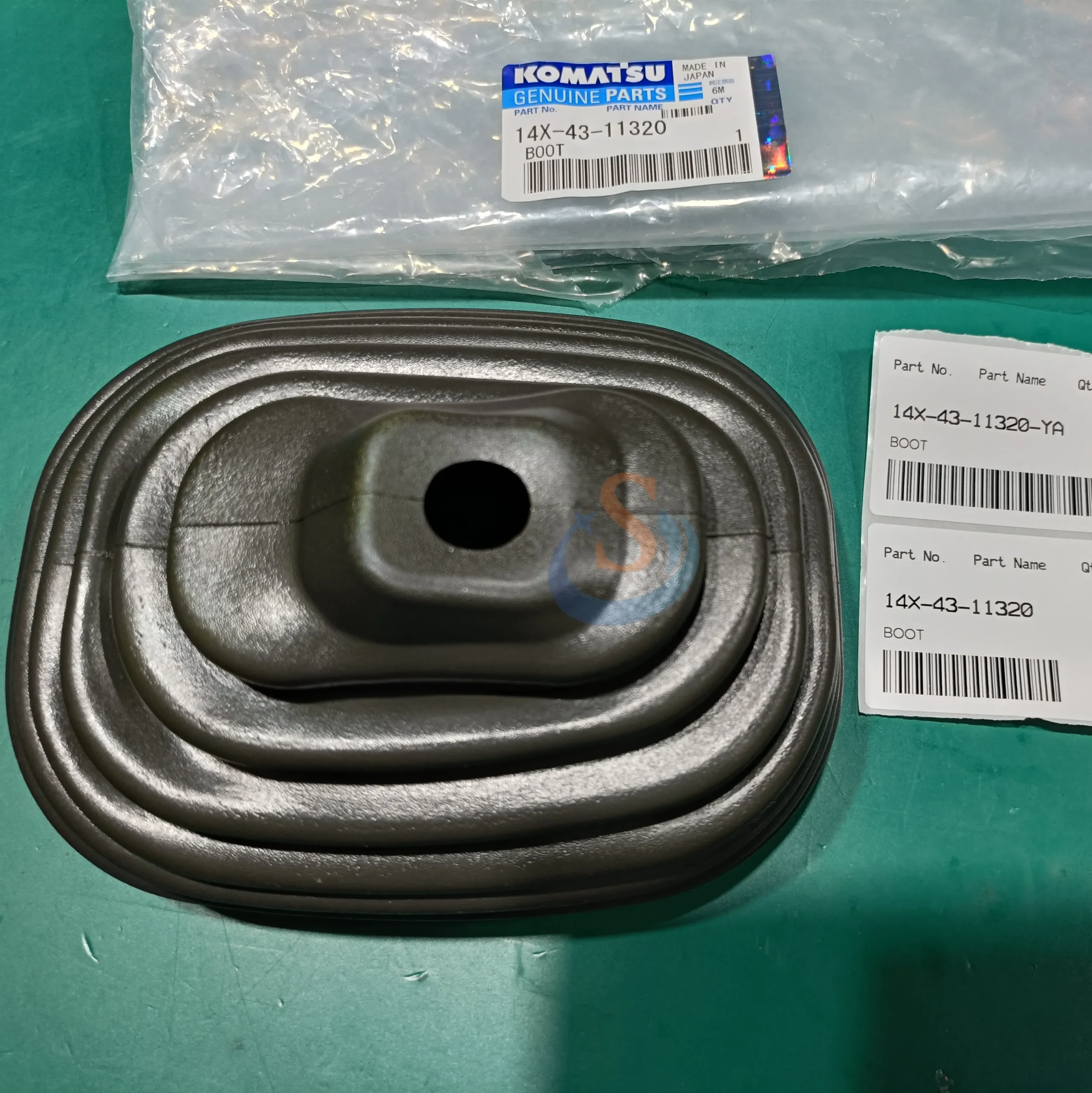 14X-43-11320,BOOT,D65PX,D85E,D155A
 -
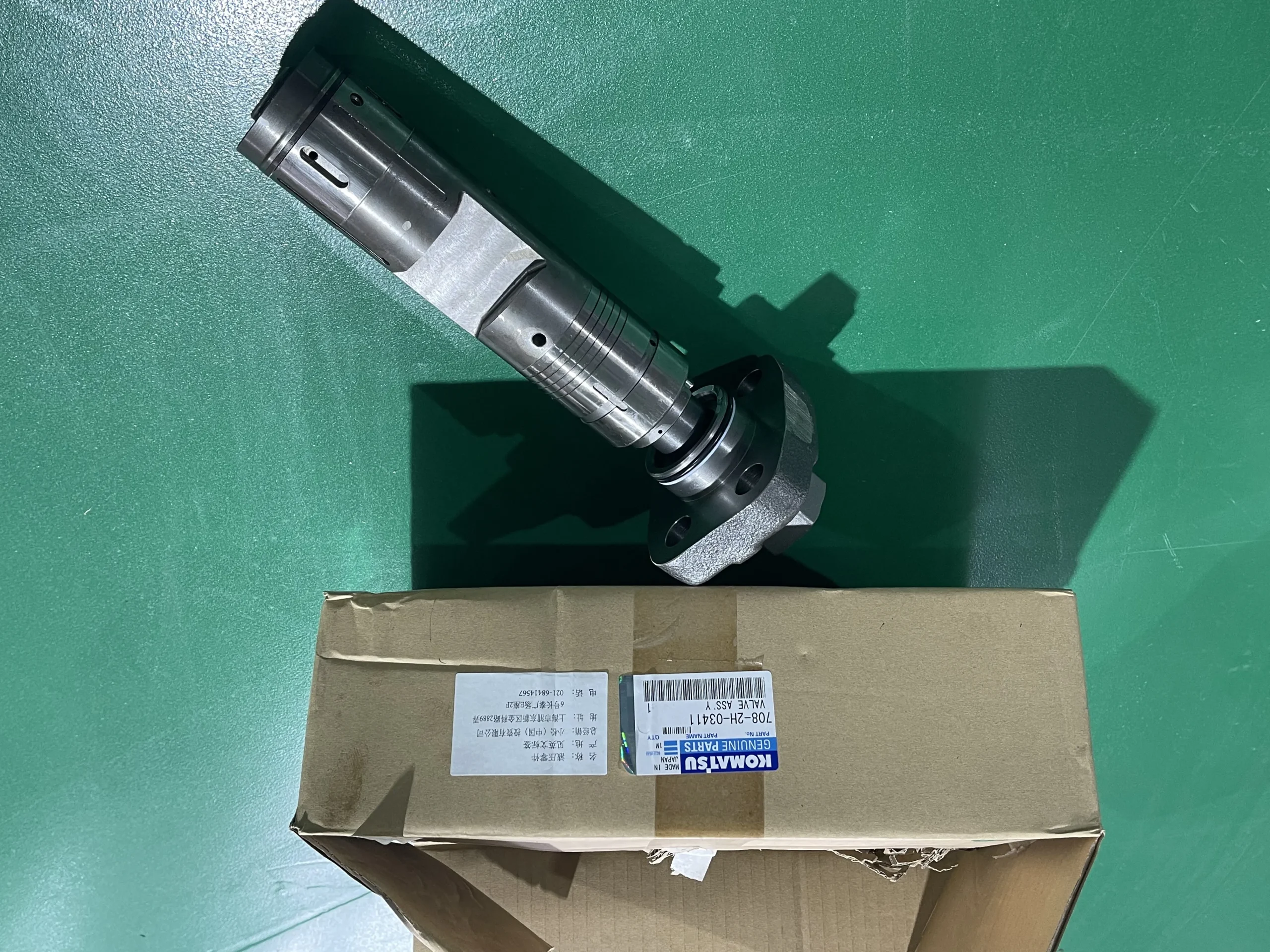 Relief Valve 708-2H-03411
 -
 PLATE – 195-04-42170
 -
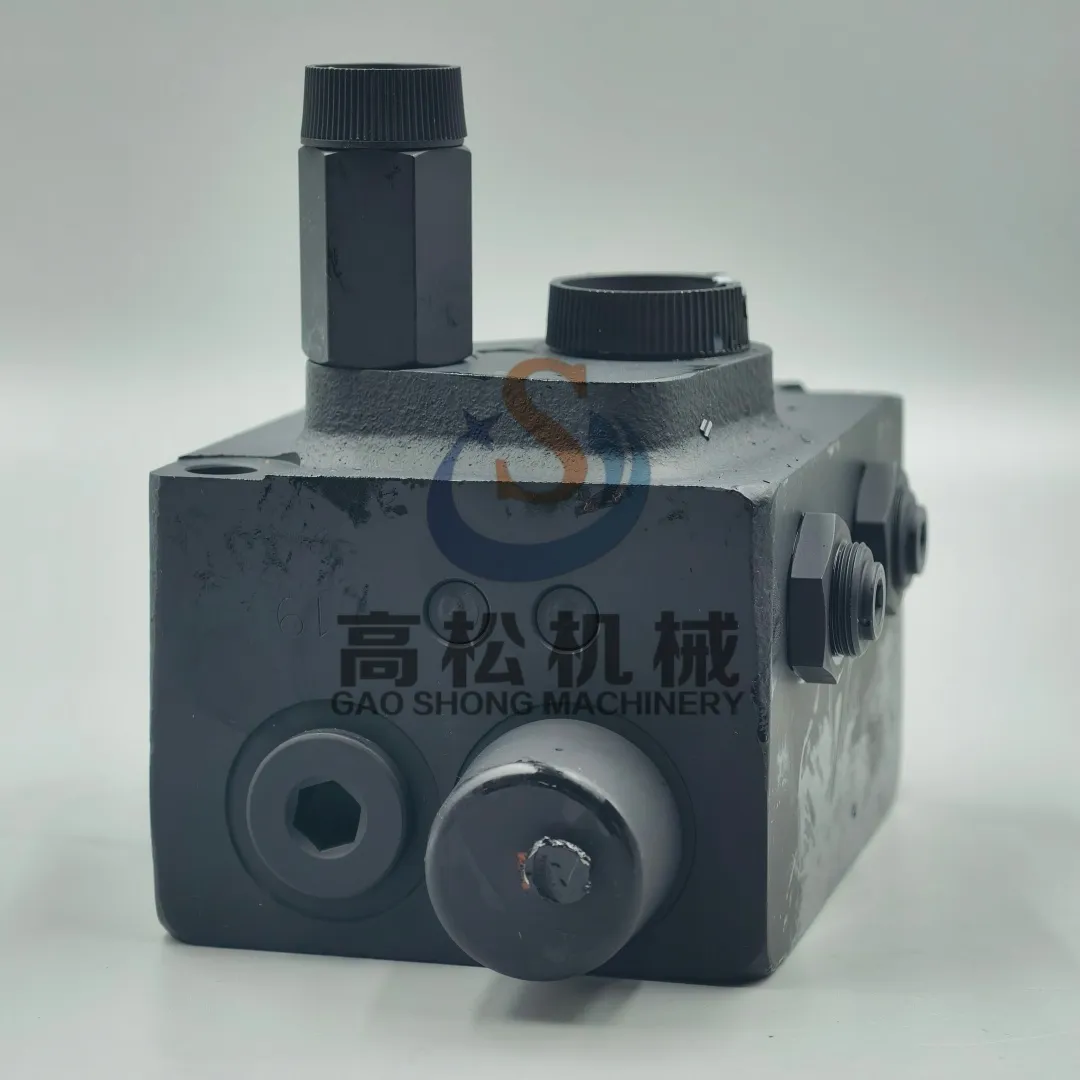 419-43-27401WA320-3 Loader Parts Charge Valve 419-43-27401
 -
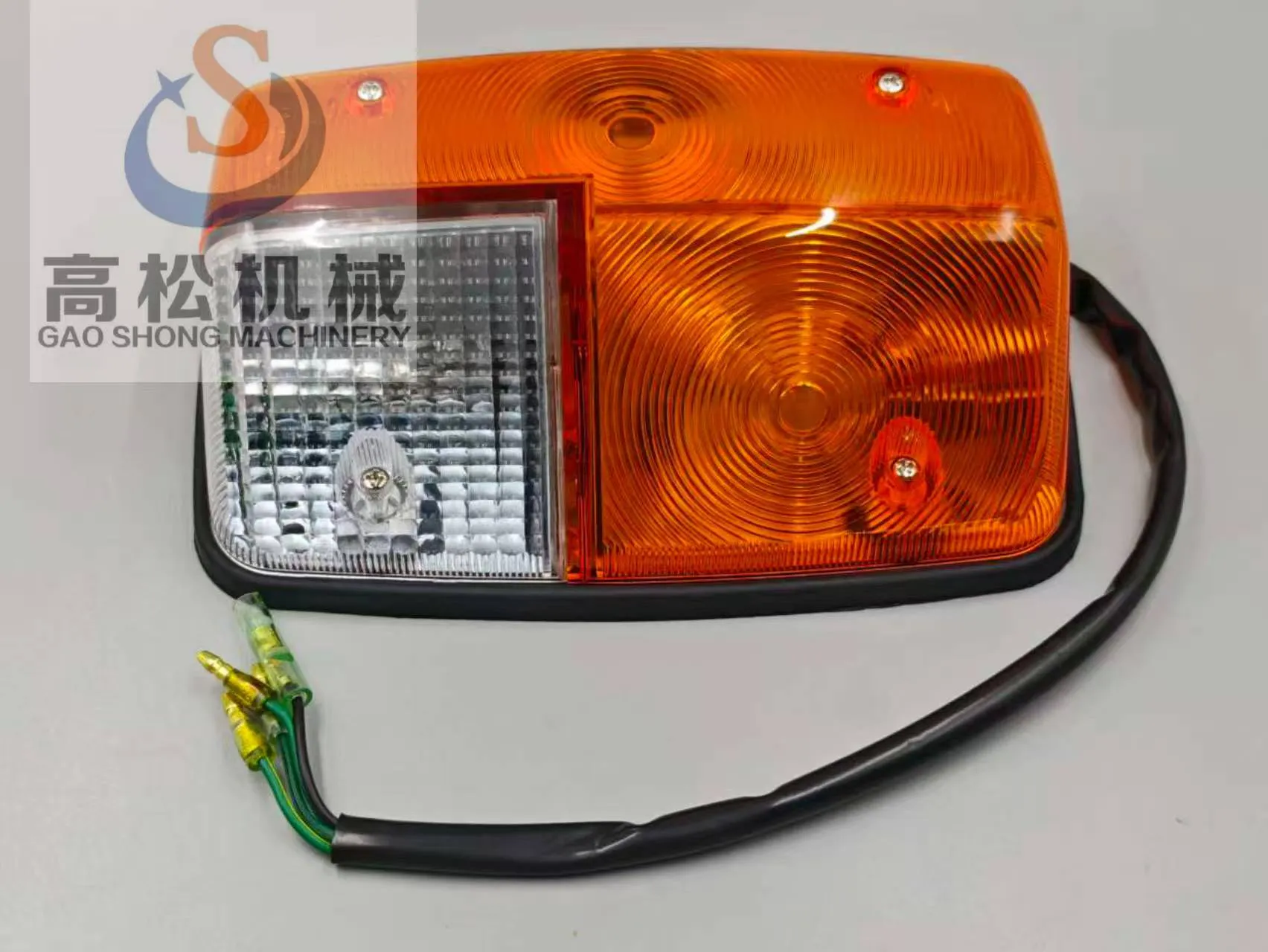 High quality, sales leader, light assembly 421-06-13401 421-06-13301, light assembly for komatsu gd405a-2 hd785-5lc 542 558
 -
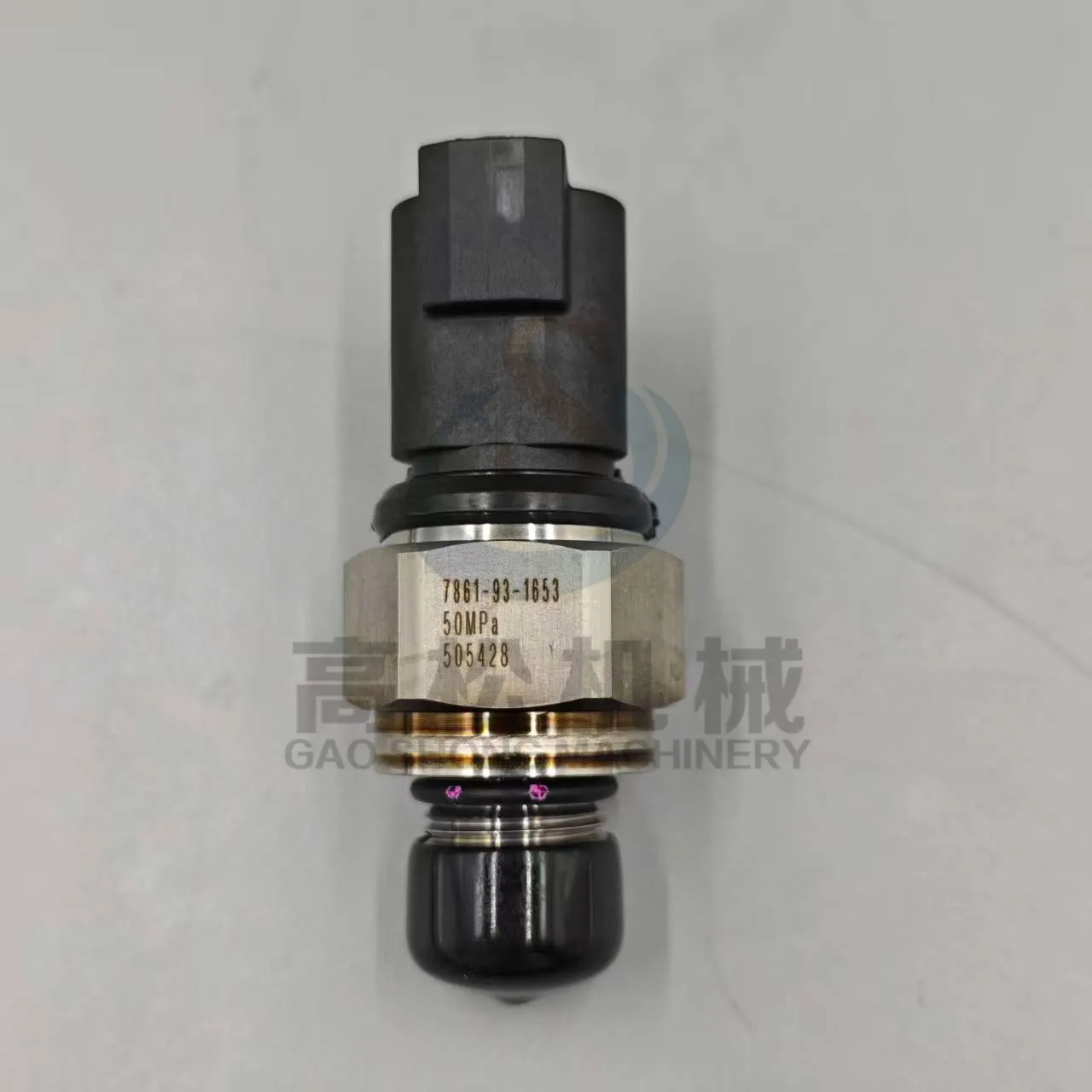 Komatsu 7861-93-1653 Sensor Pres
 -
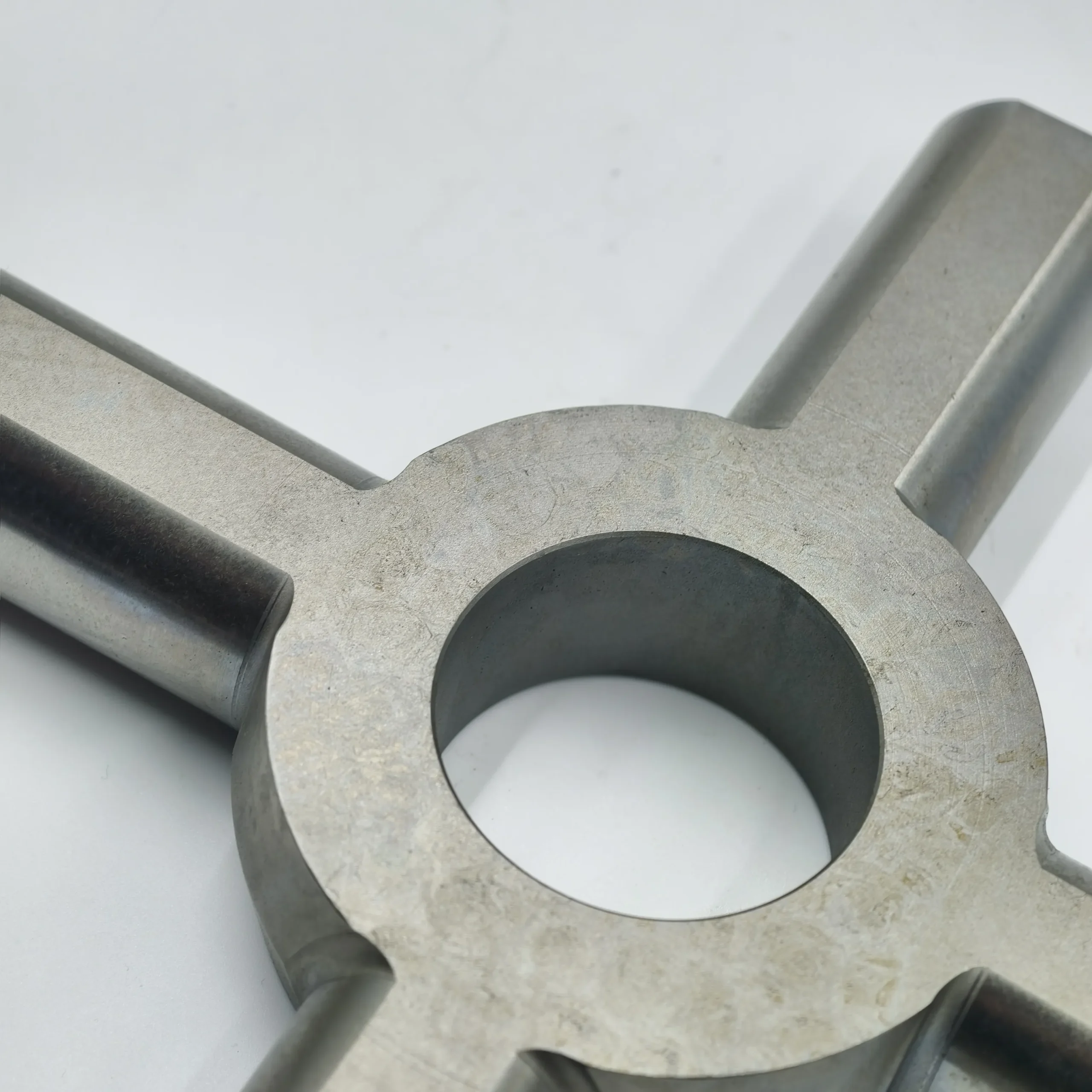 Komatsu Construction Machinery Full Series Accessories 421-22-11440 Loading Parts
 -
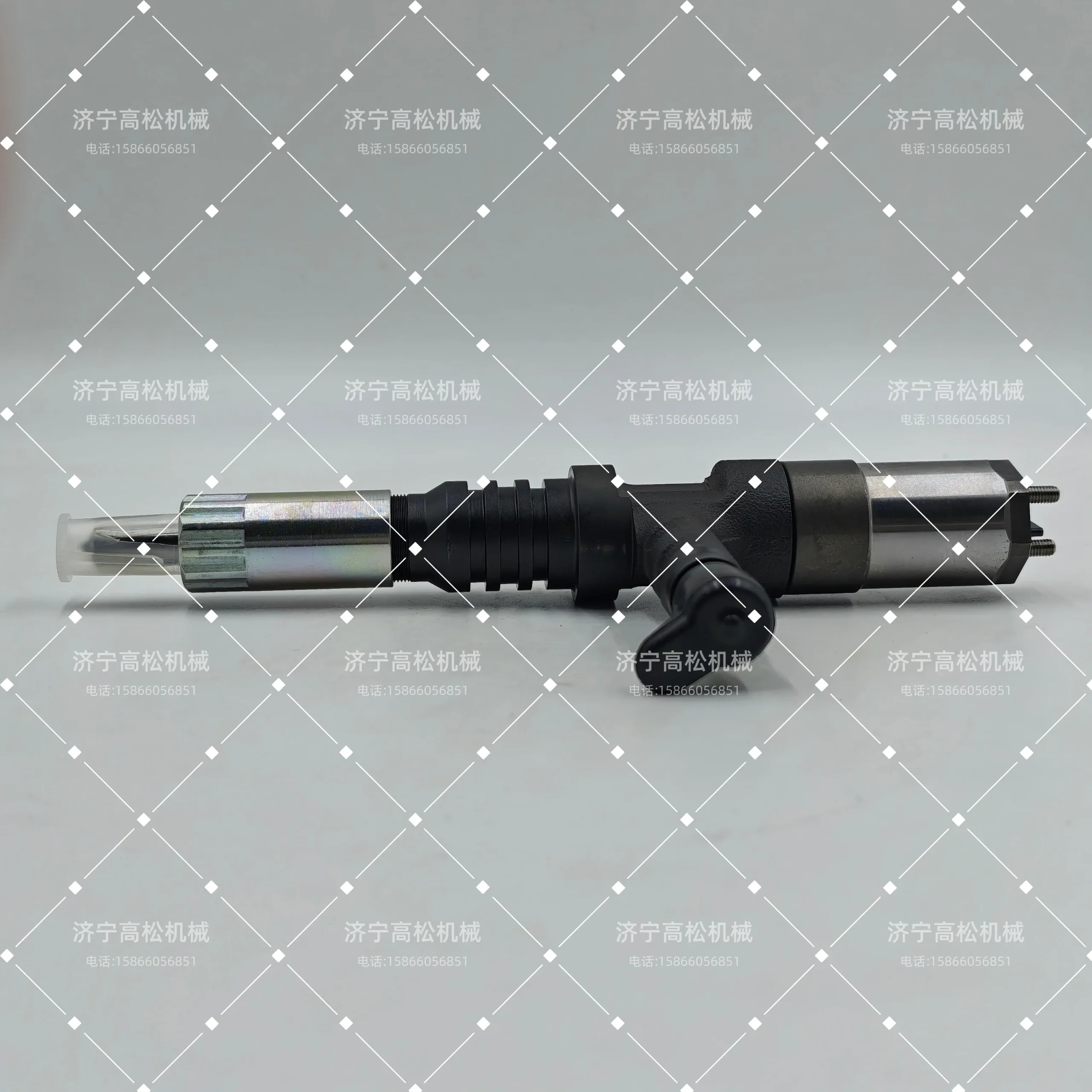 Original Injector Assembly 6218-11-3101 6218-11-3100 for Diesel…
 -
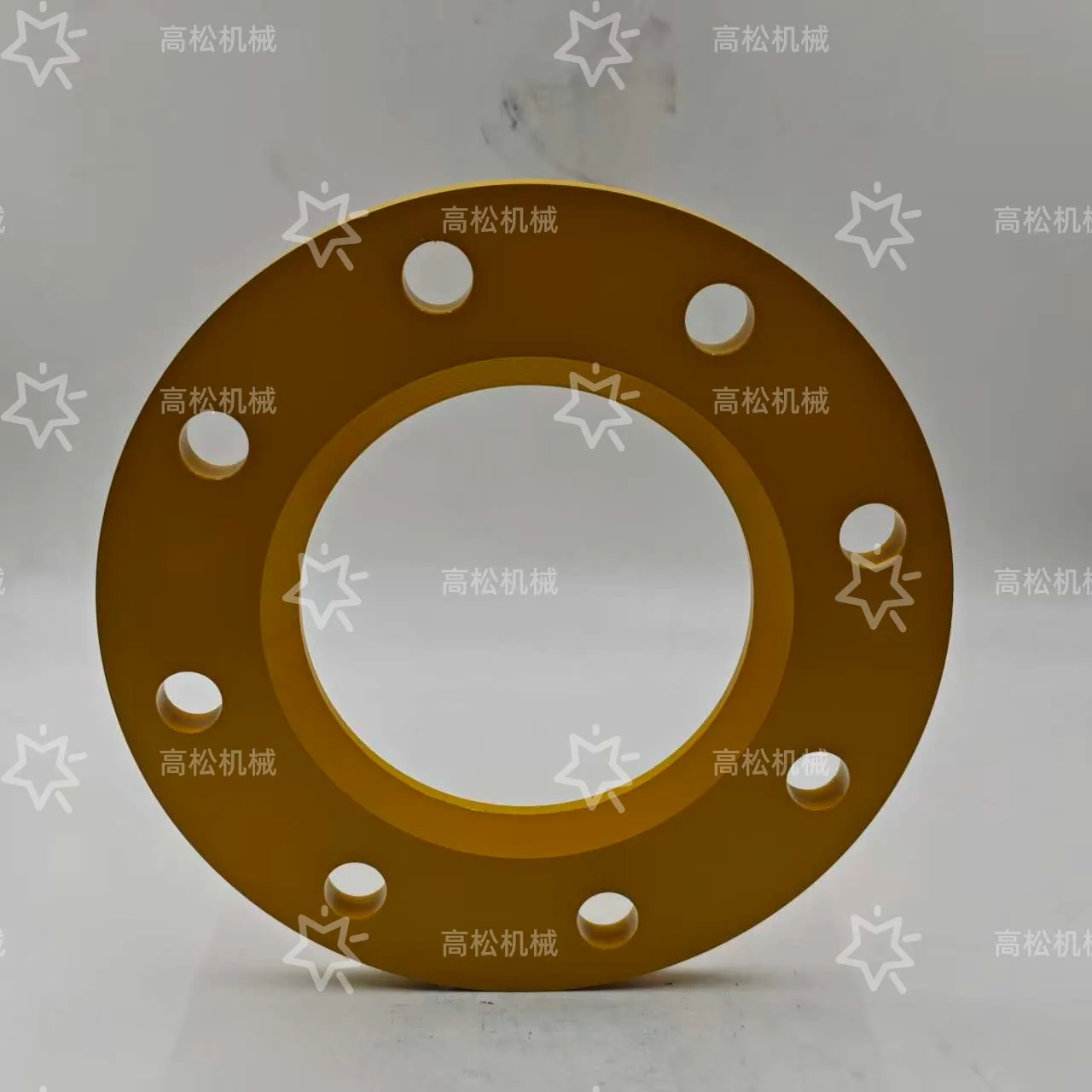 Komatsu 41E-70-15461 board
 -
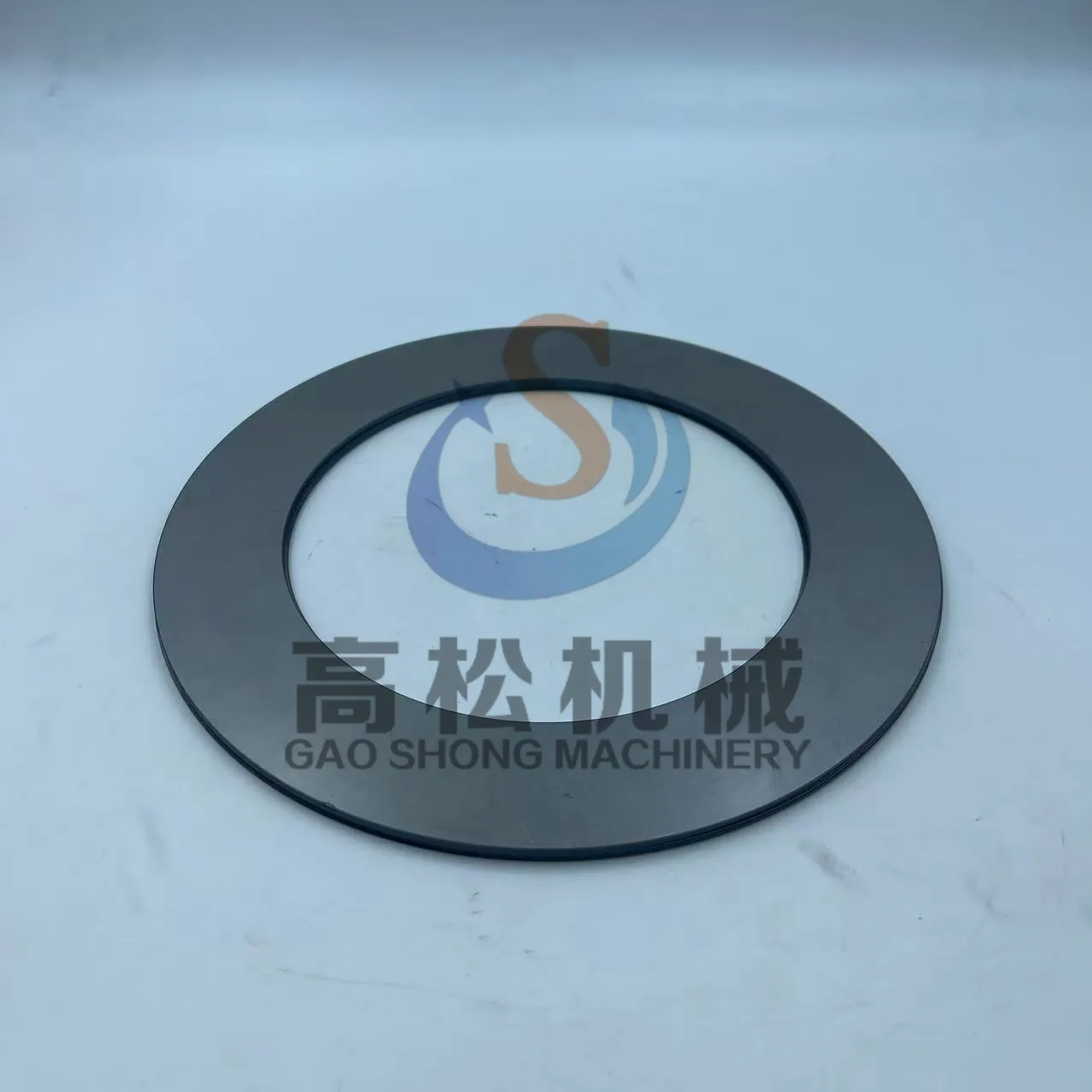 Komatsu D275 17M-50-41170 ring
 -
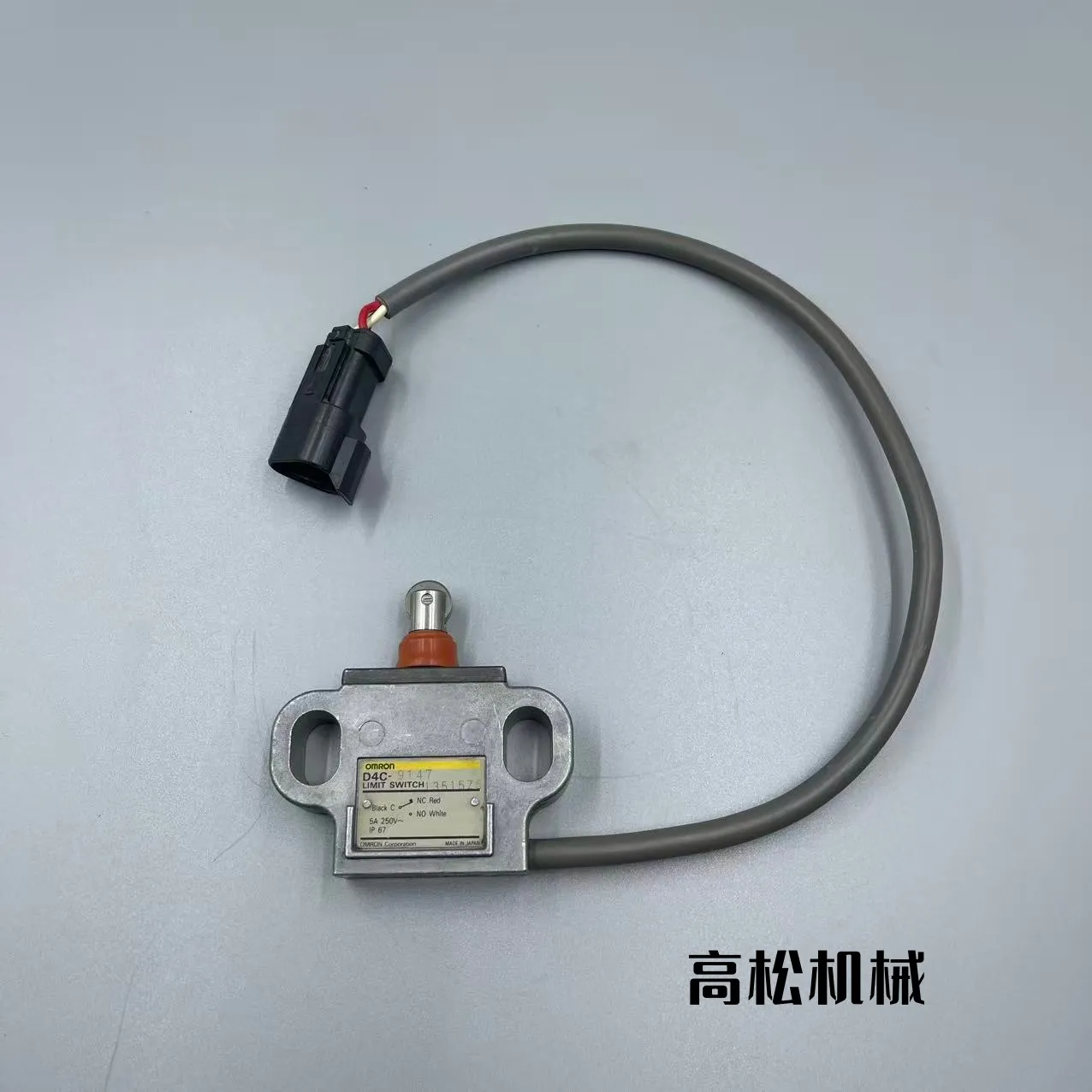 11Y-06-22150-SWITCH Komatsu Original Factory
 -
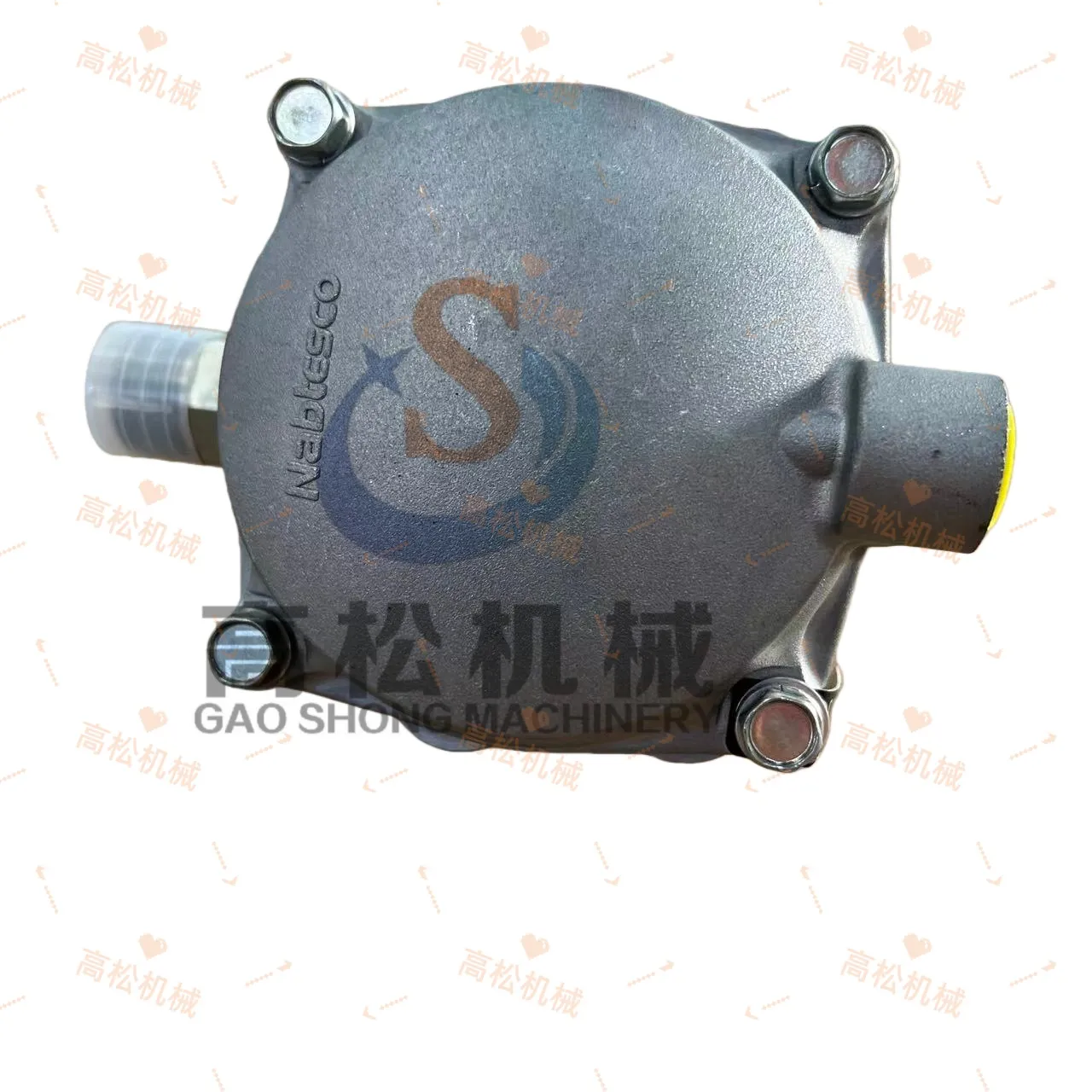 Komatsu HD785-5 Relay Valve 565-44-11200
Related Search
Related Search- OEM AND ORIGINAL KOMATSU BEARING 561-27-61940
- komatsu pc40 engine
- komatsu crusher parts
- OEM AND ORIGINAL KOMATSU GEAR 195-27-31273
- Komatsu switch
- OEM AND ORIGINAL KOMATSU BEARING 209-27-61520
- komatsu parts book online
- komatsu fg25t 12 parts manual
- OEM AND ORIGINAL KOMATSU GEAR 195-27-31360
- OEM AND ORIGINAL KOMATSU BEARING 421-20-15123