
- Chinese
- French
- German
- Portuguese
- Spanish
- Russian
- Japanese
- Korean
- Arabic
- Irish
- Greek
- Turkish
- Italian
- Danish
- Romanian
- Indonesian
- Czech
- Afrikaans
- Swedish
- Polish
- Basque
- Catalan
- Esperanto
- Hindi
- Lao
- Albanian
- Amharic
- Armenian
- Azerbaijani
- Belarusian
- Bengali
- Bosnian
- Bulgarian
- Cebuano
- Chichewa
- Corsican
- Croatian
- Dutch
- Estonian
- Filipino
- Finnish
- Frisian
- Galician
- Georgian
- Gujarati
- Haitian
- Hausa
- Hawaiian
- Hebrew
- Hmong
- Hungarian
- Icelandic
- Igbo
- Javanese
- Kannada
- Kazakh
- Khmer
- Kurdish
- Kyrgyz
- Latin
- Latvian
- Lithuanian
- Luxembou..
- Macedonian
- Malagasy
- Malay
- Malayalam
- Maltese
- Maori
- Marathi
- Mongolian
- Burmese
- Nepali
- Norwegian
- Pashto
- Persian
- Punjabi
- Serbian
- Sesotho
- Sinhala
- Slovak
- Slovenian
- Somali
- Samoan
- Scots Gaelic
- Shona
- Sindhi
- Sundanese
- Swahili
- Tajik
- Tamil
- Telugu
- Thai
- Ukrainian
- Urdu
- Uzbek
- Vietnamese
- Welsh
- Xhosa
- Yiddish
- Yoruba
- Zulu
- Kinyarwanda
- Tatar
- Oriya
- Turkmen
- Uyghur






OEM AND ORIGINAL KOMATSU BEARING 208-26-71540
When someone searches for 'OEM AND ORIGINAL KOMATSU BEARING ', they're usually in a bind, trying to navigate a minefield of claims. The immediate assumption is that 'OEM' and 'Original' are the same thing. In the trenches, they're not. Not always. An OEM part for Komatsu could mean it's made to the same spec by a licensed manufacturer—sometimes the same factory line—but the 'Original' tag and packaging is what Komatsu itself slaps on for distribution through its official channels. The nuance is everything, especially for a critical component like this bearing.
The in the Real World
This isn't just a number. On the bench, the is a specific tapered roller bearing assembly you'll find in the final drives and swing circles of older but brutally reliable models like the PC300-6 or PC400-5. Its failure mode is rarely sudden; it's a grind. You get increased backlash, a metallic whine under load, and eventually, contamination of the entire gearbox if it's not caught. The challenge is that when it does go, the machine is down hard. You can't half-fix it.
I've seen shops try to save a few hundred bucks by going with a 'compatible' bearing from a general supplier. The dimensions match on paper. But the heat treatment on the races or the precision of the roller crowning is off. The result? It might last 2000 hours instead of the 8000 you'd expect from the proper part. The cost of a second teardown, new seals, new gear oil, and labor obliterates any initial savings. That's the hidden math with this part.
This is where the promise of a company like Jining Gaosong Construction Machinery Co., Ltd. makes sense. Their stated position as an OEM product supplier within the Komatsu system and a third-party sales company speaks directly to this gray area. They're not claiming to be the Komatsu parts counter, but they are claiming access to that OEM-level manufacturing pipeline. For a user in a region where the official Komatsu supply chain is slow or non-existent, that's a legitimate value proposition. Their site, takematsumachinery.com, frames it as solving parts supply challenges, which is the real pain point.
Decoding OEM in the Komatsu Ecosystem
OEM product supplier within the Komatsu system is a phrase that requires translation. It doesn't automatically mean every bearing in their warehouse is identical to the one in a Komatsu box. It can mean they have a relationship with a Tier-1 or Tier-2 manufacturer who holds the original blueprints and production contracts. For a bearing, this is crucial because the metallurgy and grinding tolerances are proprietary. A true OEM-spec bearing from such a source should, in theory, perform identically.
The trap is assuming all suppliers using the OEM label have that access. Many don't. They might be selling a reverse-engineered part. For a dynamic, high-load component, that's a gamble. My own rule, learned the hard way, is to ask for material certifications and country of origin. A genuine OEM-track part for Komatsu will often trace back to known bearing giants in Japan or Europe, not unmarked factories.
I recall a job in Indonesia where we sourced a from a local vendor who swore it was OEM. The packaging was convincing. It failed in under 500 hours. The post-mortem showed spalling on the inner race due to substandard steel. The vendor vanished. After that, we started working with channels that had clear upstream links, like the model Jining Gaosong describes. The difference wasn't just the part; it was the traceability.
The Original Dilemma and Supply Gaps
Then there's Original. This is the gold standard, the part with the Komatsu logo. It's also the most expensive and, in many emerging markets, the hardest to get. The official distribution network can be thin, lead times absurd. This creates the perfect niche for third-party sales companies that specialize in Komatsu. Their entire business is bridging that gap.
But here's the professional judgment: sometimes, the Original part and the true OEM part are physically the same item, just from different doors of the same factory. The OEM part might lack the final Komatsu branding and packaging, which is where the cost difference comes from. If your supplier is truly embedded in the system, you might be getting that identical bearing without the premium for the logo. This is the sweet spot for cost-conscious but reliability-focused operations.
The website for Takematsu Machinery explicitly states they help solve parts supply challenges in certain countries. This rings true. I've been the guy waiting 12 weeks for an Original bearing to clear customs, while the machine sits on blocks. A reliable third-party with OEM credentials isn't just a vendor; they're a business continuity partner. The key is verifying those credentials beyond the website copy.
Practical Verification and Risk Mitigation
So how do you, as a mechanic or fleet manager, make the call? First, don't just buy the part number. For the , you need the cross-reference. Know which Komatsu assembly it fits into (like the SWING CIRCLE GEAR CASE). Ask the supplier for that specific application data. A knowledgeable supplier will provide it instantly; a box-dropper will hesitate.
Second, request documentation. Even a simple test report for hardness, or a certificate of conformity, separates the serious players from the rest. A company operating as a genuine partner within the ecosystem, like Jining Gaosong Construction Machinery Co., Ltd. suggests, should be able to provide some paper trail, not just a commercial invoice.
Finally, start small. Don't outfit your entire fleet on a first order. Buy one OEM AND ORIGINAL KOMATSU BEARING . Install it. Monitor it. Check for abnormal heat, noise, and wear debris in the oil at the first 50-hour service. The proof is in the performance, not the marketing. This part is a workhorse; it should perform like one, whether it comes in a Komatsu box or a plain white box from a trusted intermediary.
Beyond the Bearing: The System View
Focusing solely on the bearing is a common mistake. The doesn't fail in isolation. Its lifespan is dictated by the integrity of the mating surfaces, the quality of the installation (proper pre-load is critical!), and the cleanliness of the lubricant. I've seen perfect bearings destroyed by a single piece of grit left in the housing during a field repair.
This is where a good supplier's value extends. The best ones don't just sell you a component; they understand its context. They might ask about the machine serial number or the failure symptoms. They might even have technical bulletins about updated seal kits or installation procedures for that specific application. That's the kind of support that hints at deep system knowledge, not just a parts catalog.
In the end, the search for the right is a search for reliability and minimizing total cost of ownership. It's about finding a supply chain partner you can trust when the official channels are out of reach. Whether it's through an established third-party sales company with clear OEM ties or a direct order from Japan, the goal is the same: get the machine back to work and keep it there. The label matters less than the pedigree and the proof behind it.
Related Products
Related Products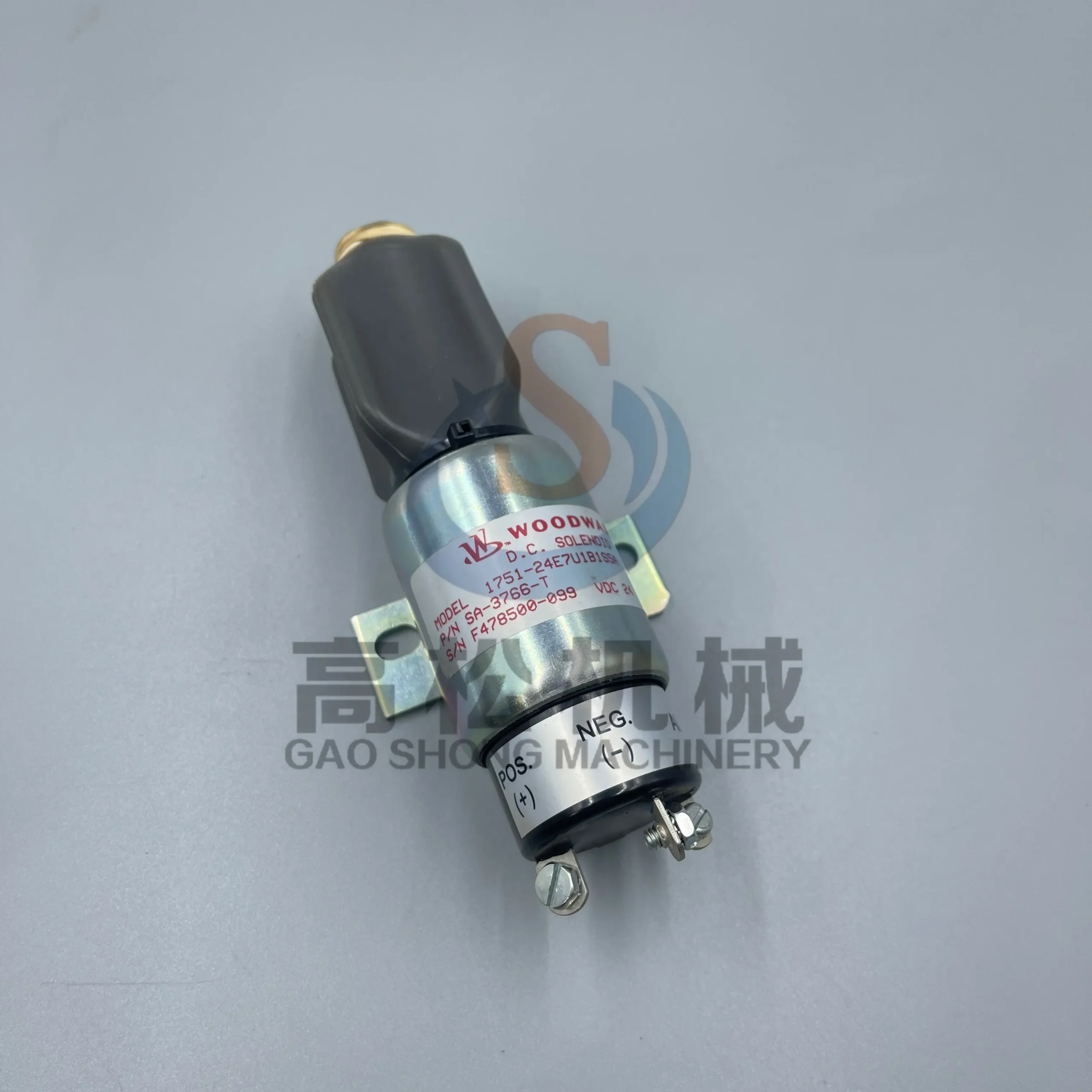
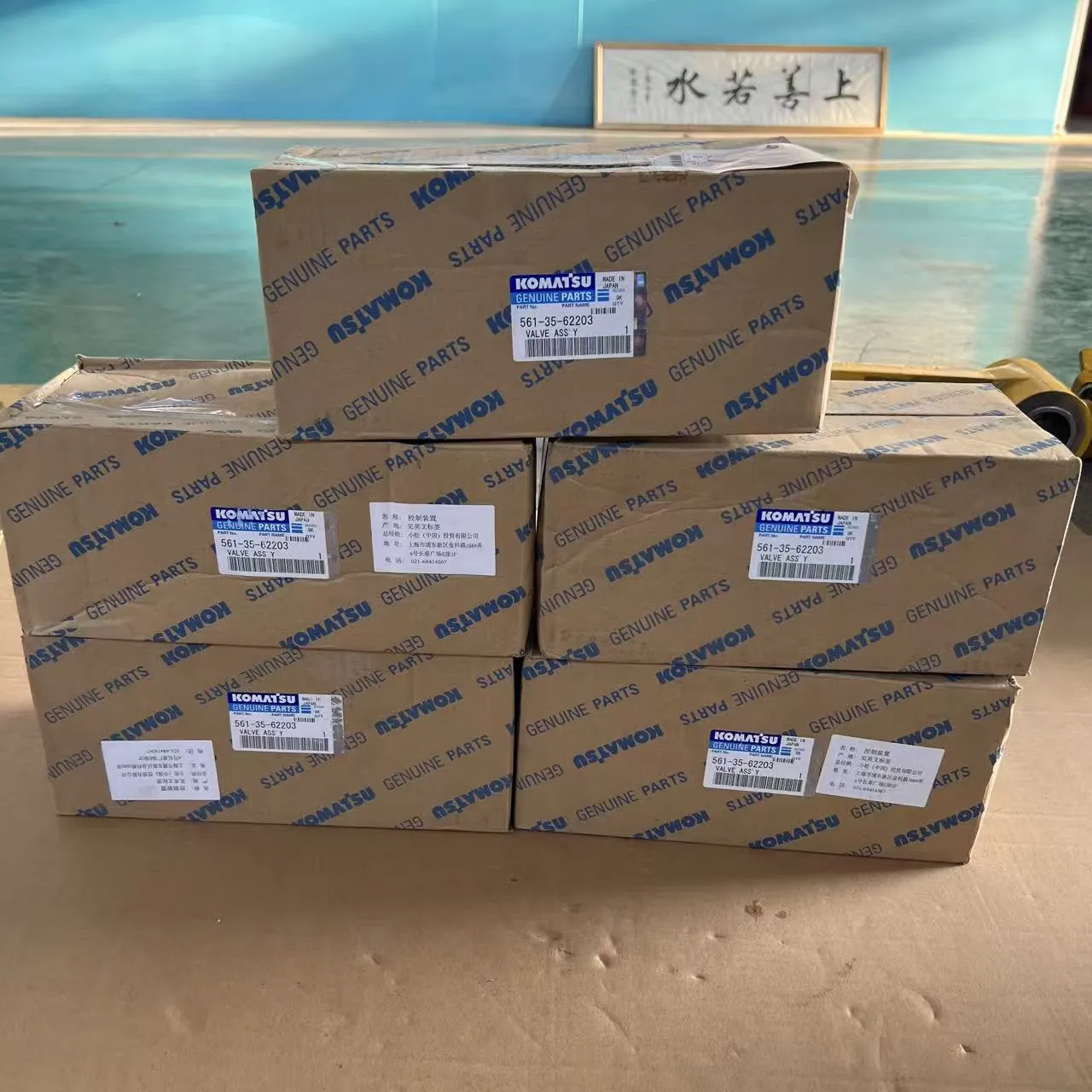
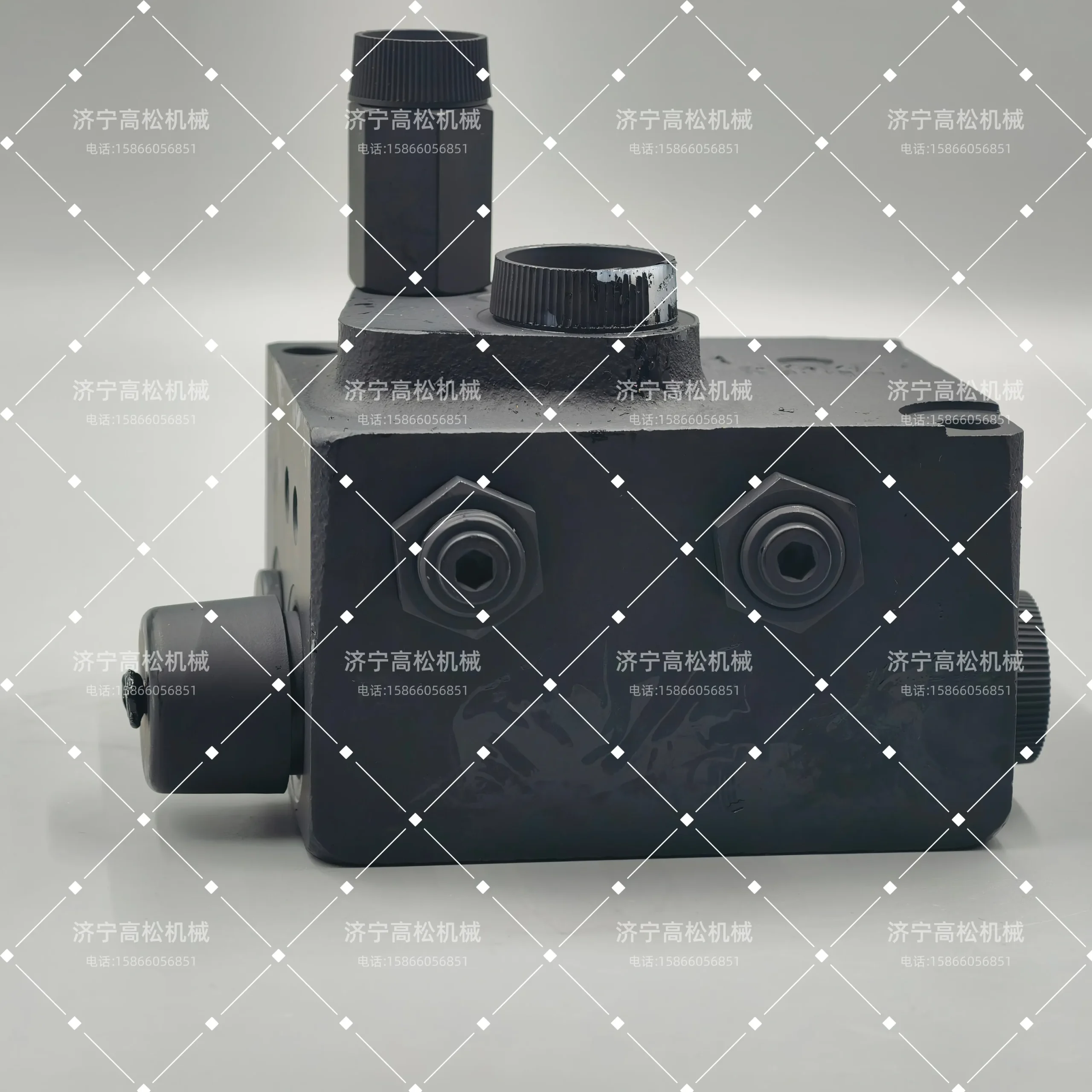
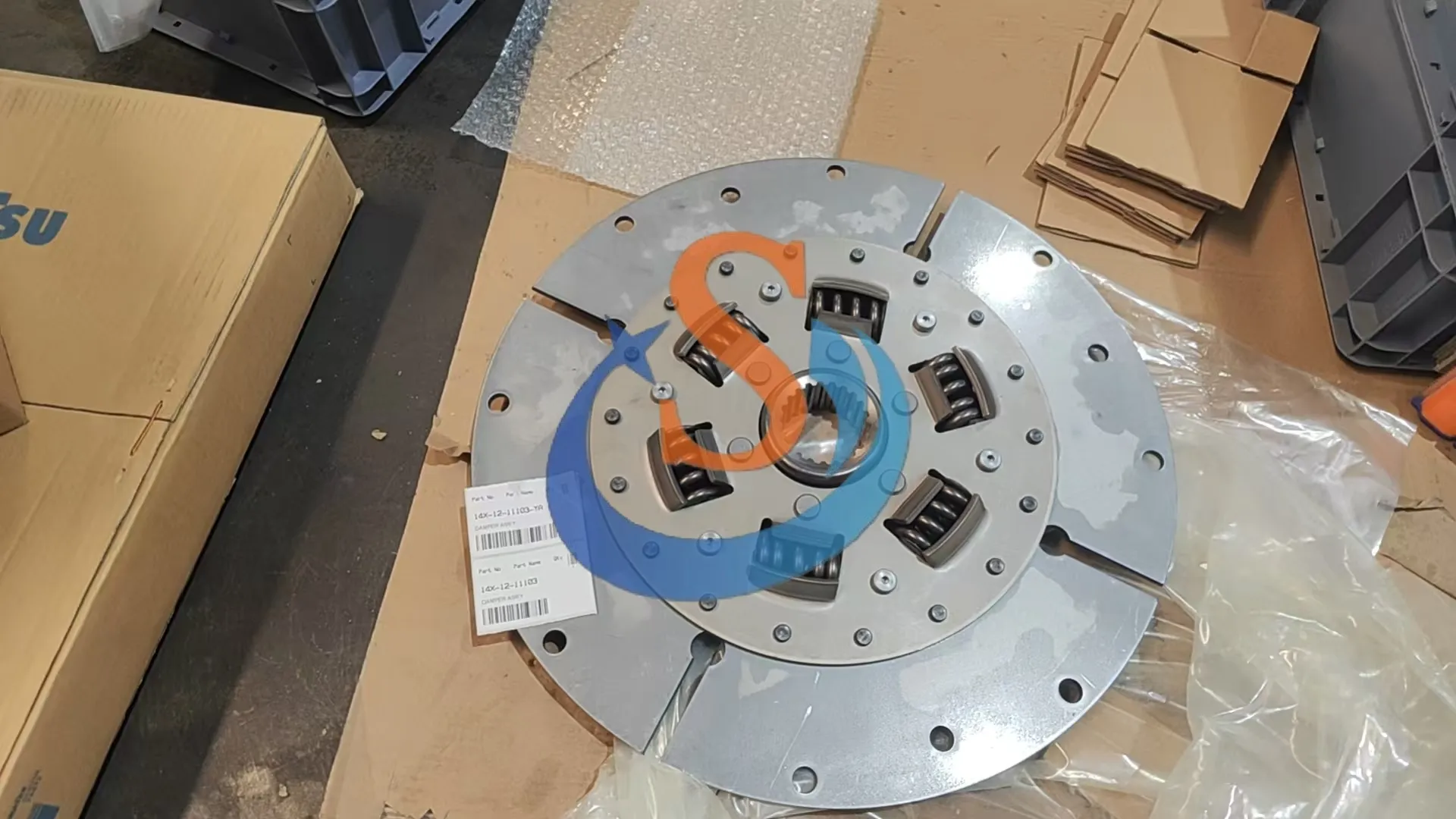

Best Selling Products
Best Selling Products-
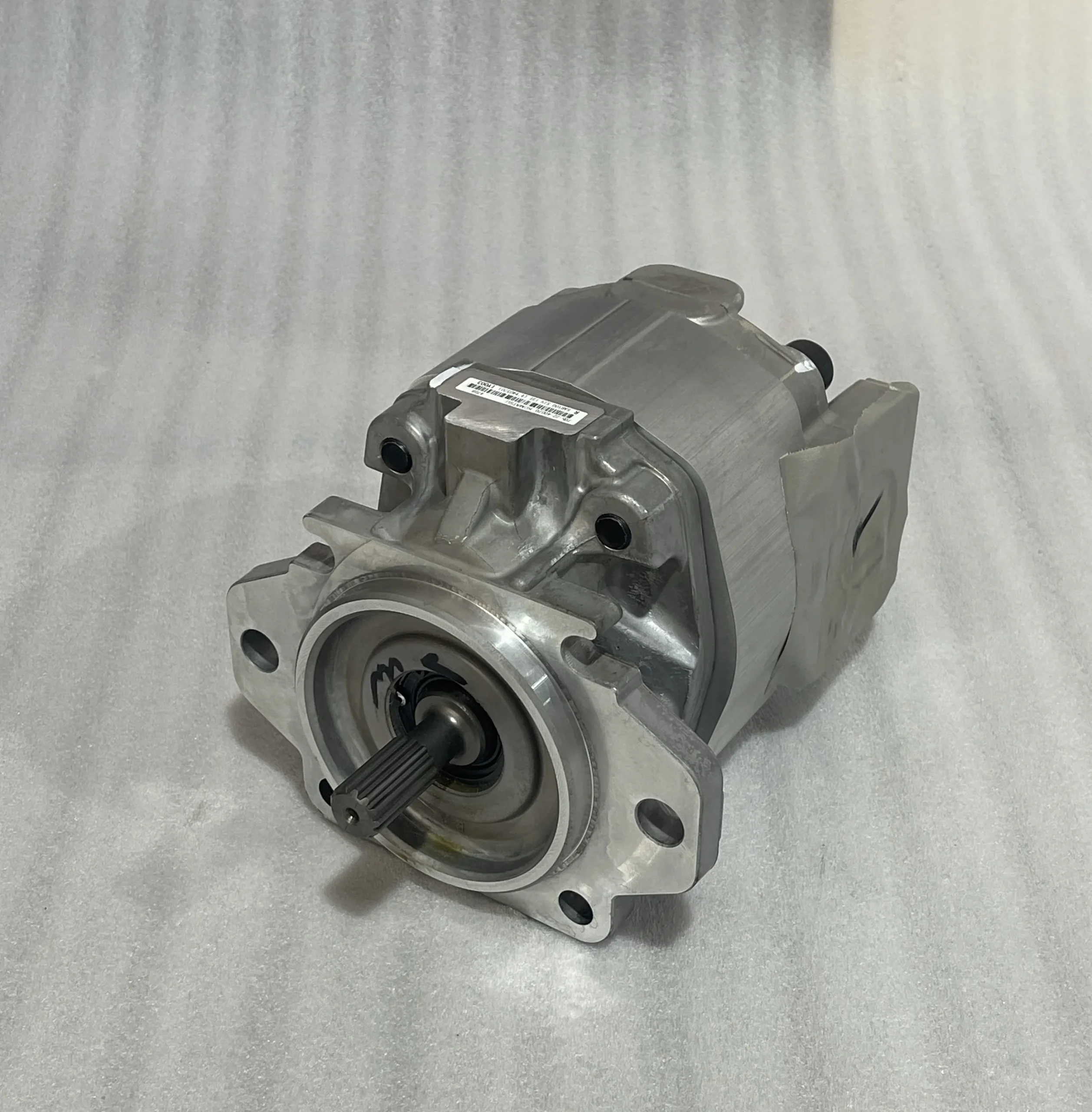 WA470-3 Gear Pump 705-22-40070
 -
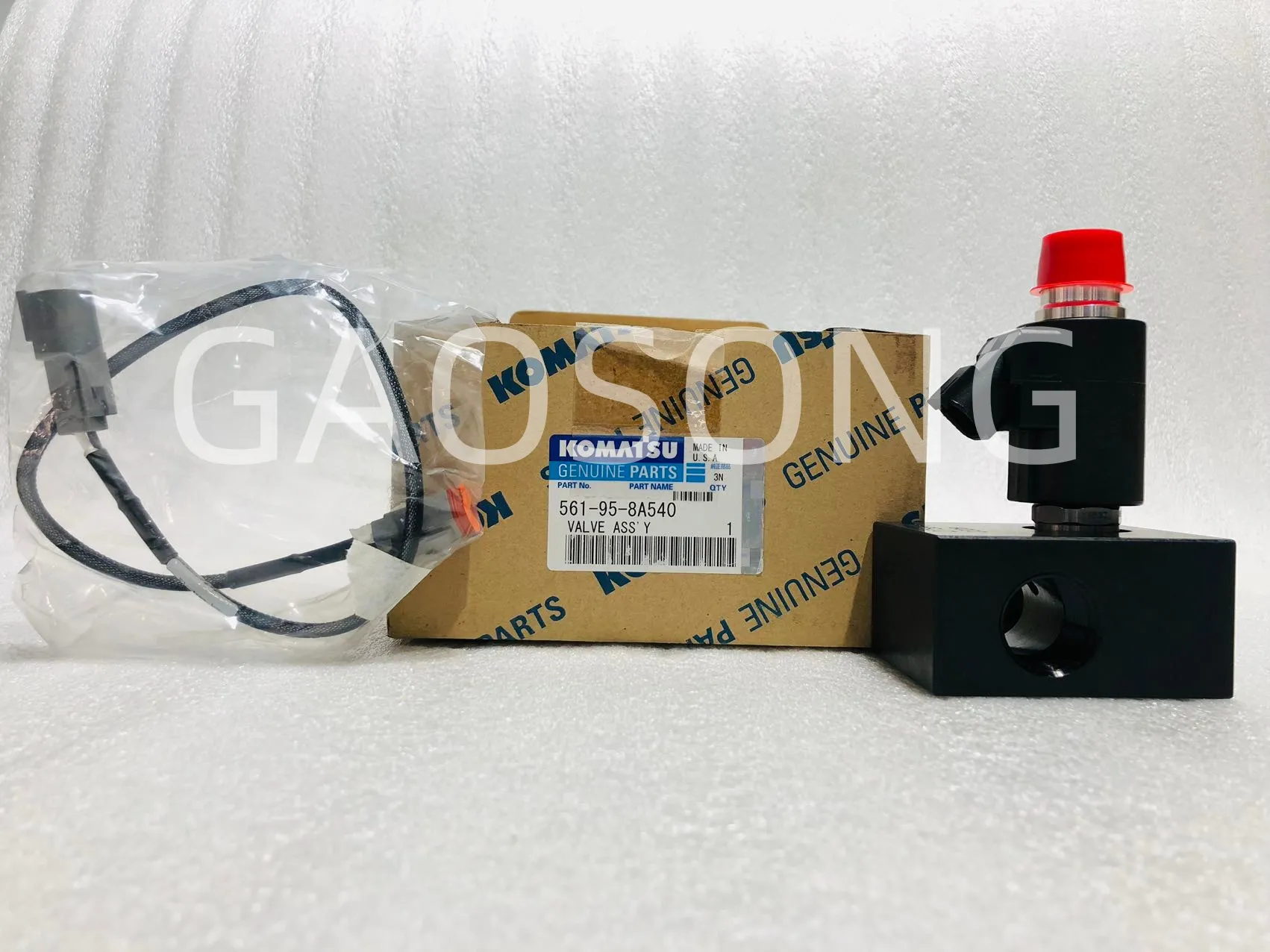 561-95-8A530 • PUMP ASSEMBLY-Komatsu Original Factory
 -
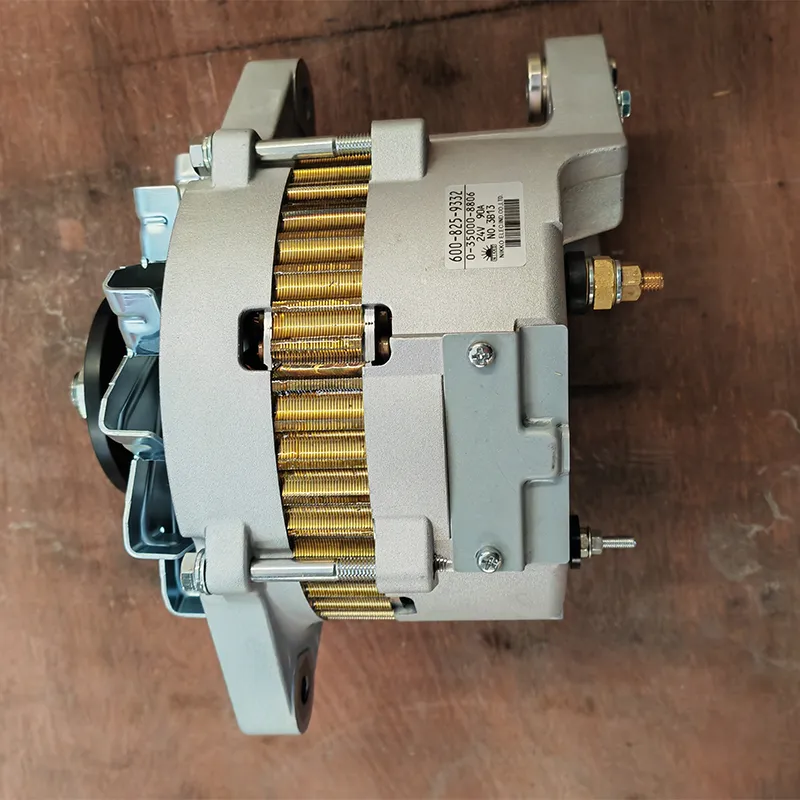 600-825-9332 Original komatsu alternator for S6D125 6D140 12V140
 -
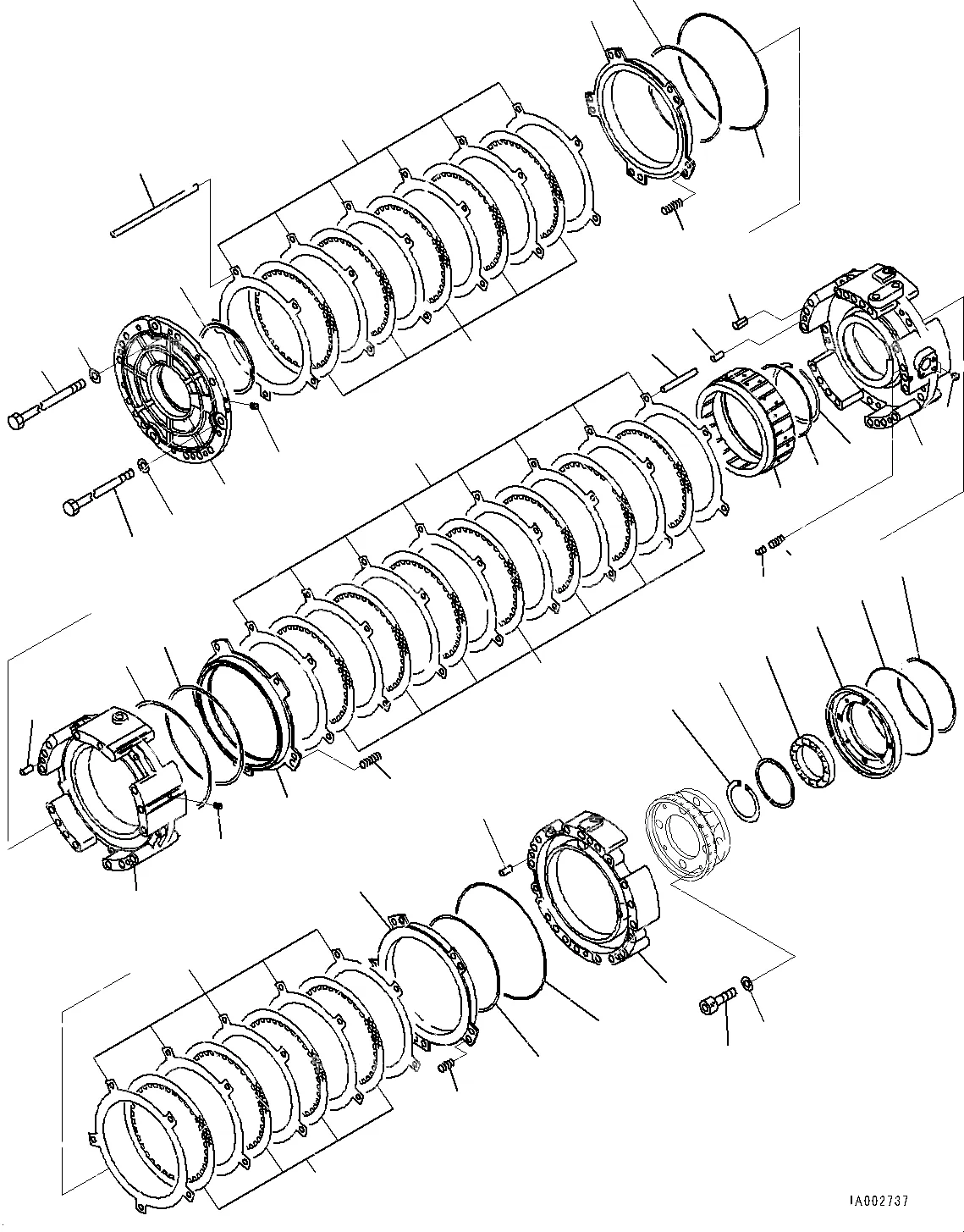 14X-15-19210 14X-15-19220 for D65 D68 D85 WA500 Bulldozer…
 -
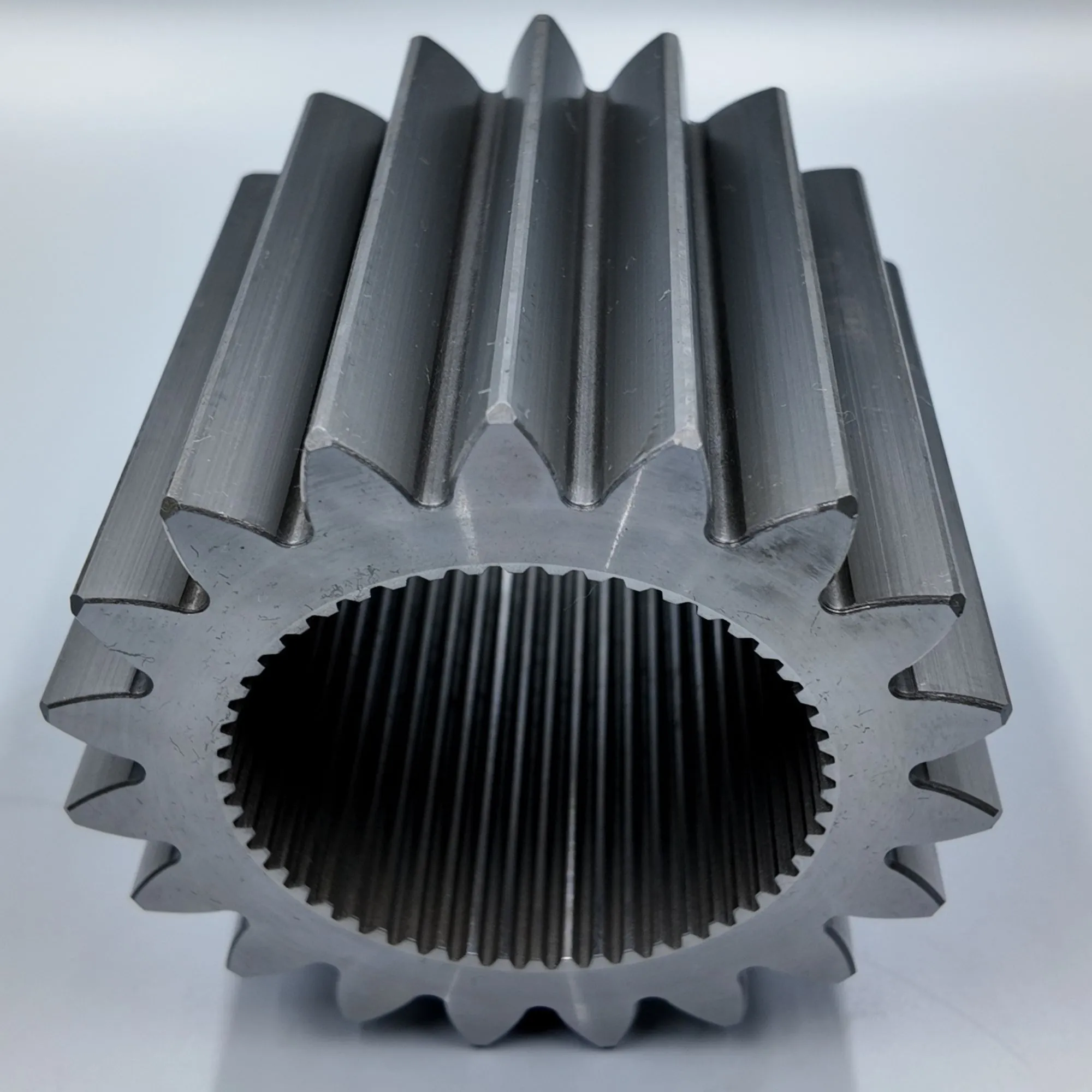 426-22-12421 •• GEAR-Komatsu Original Factory
 -
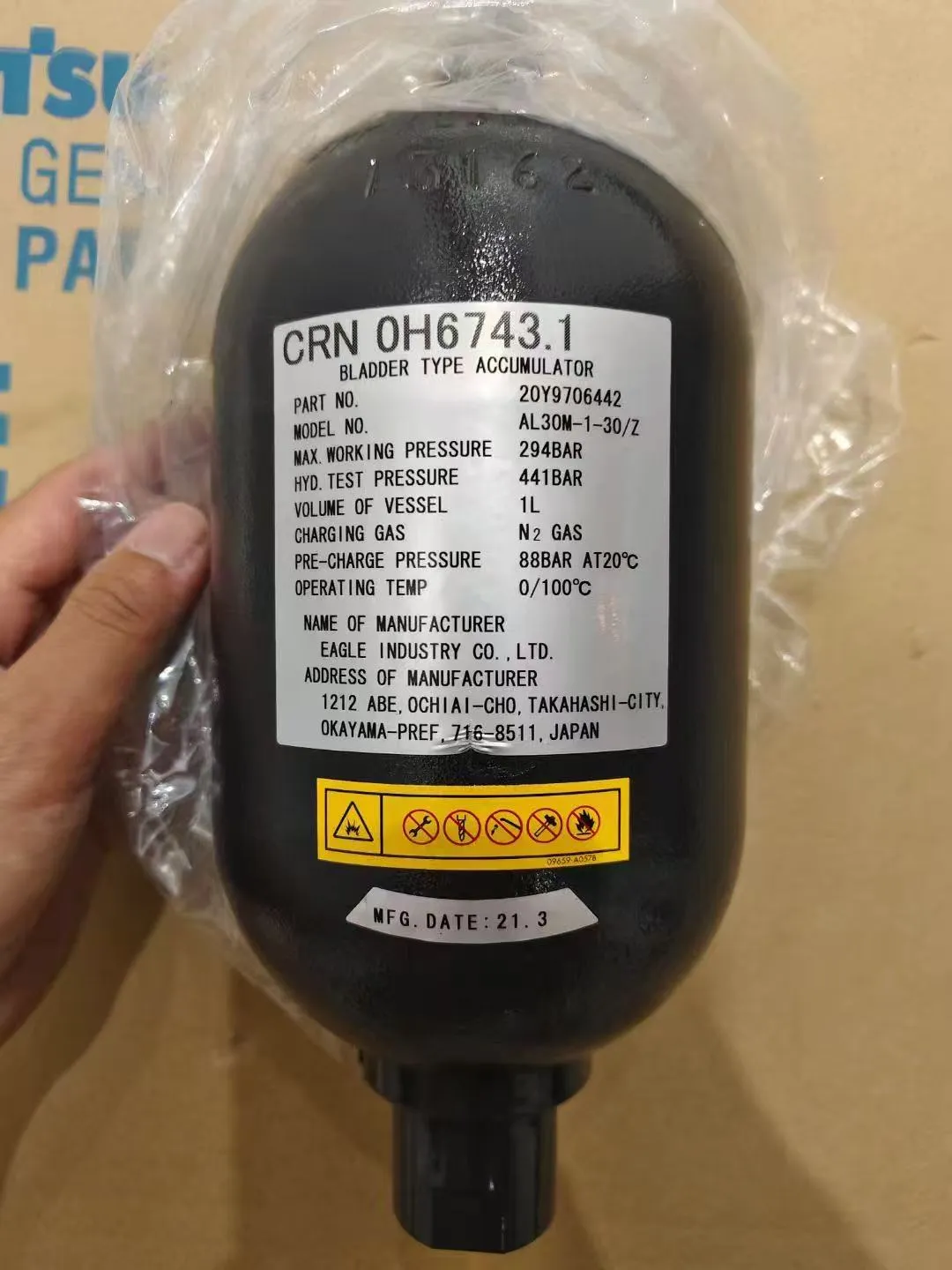 20Y-970-6442 Komatsu Accumulator Assembly
 -
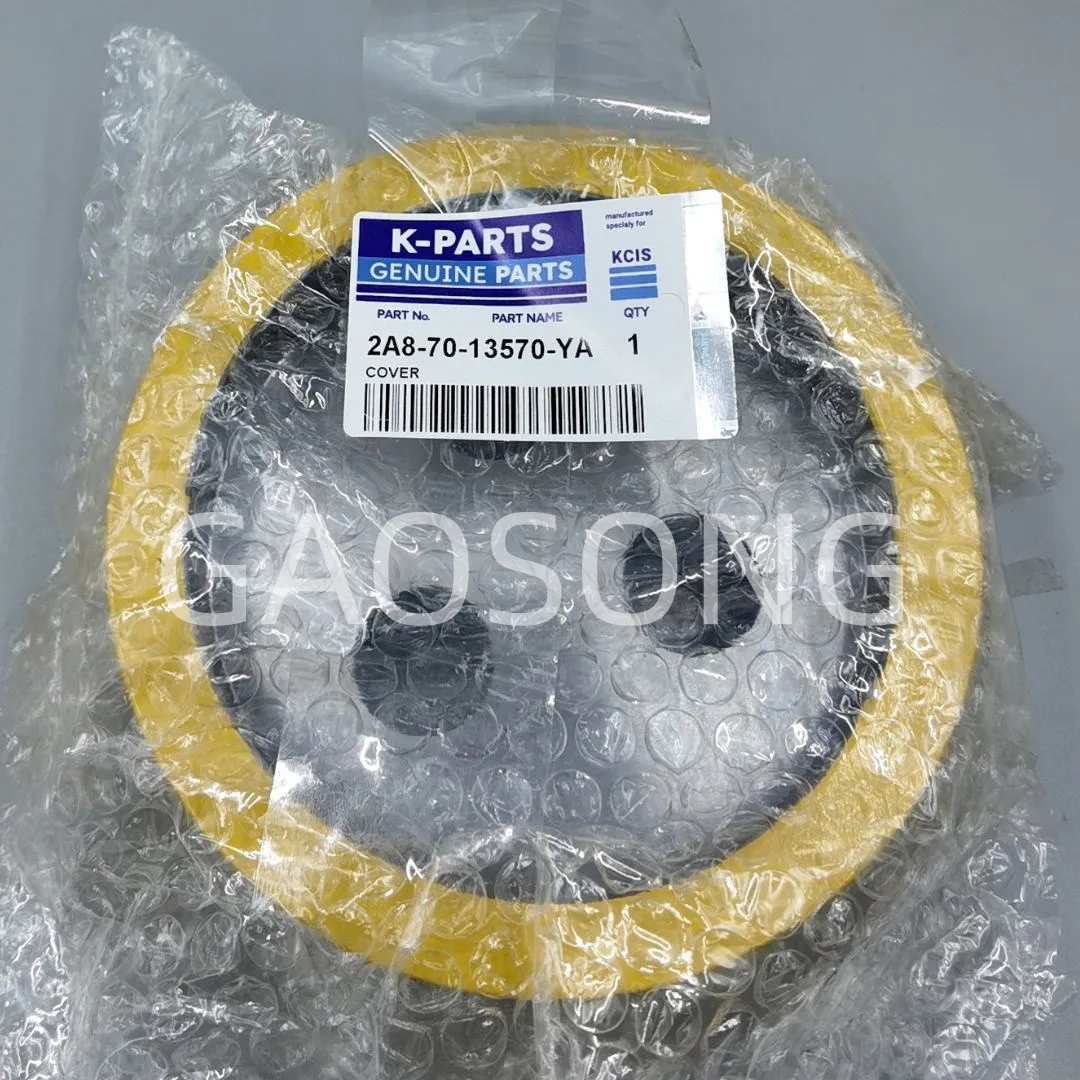 2A8-70-13570 Cover-Komatsu Original Factory
 -
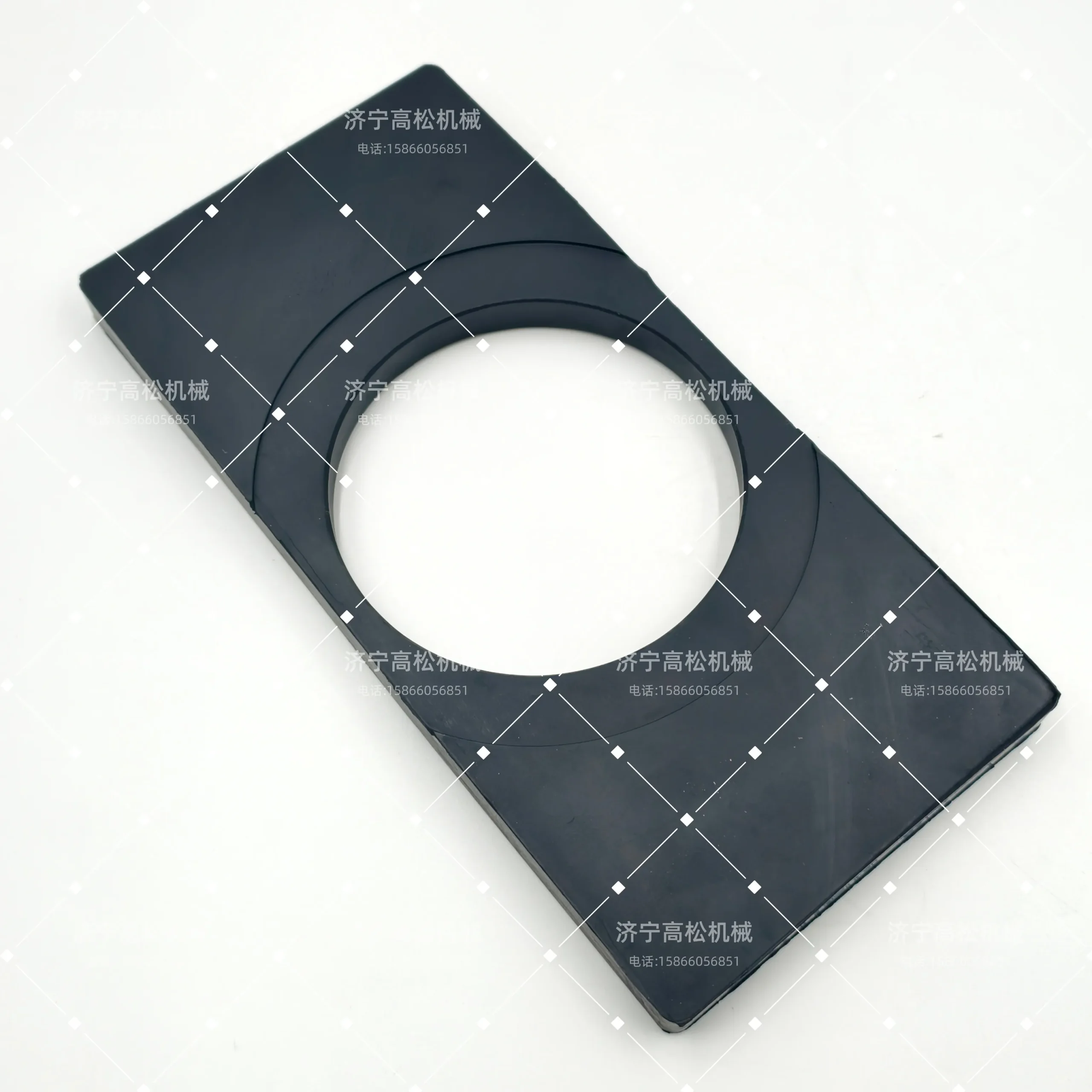 561-03-81550 High Quality Parts For Komatsu Hd465/hd785, High…
 -
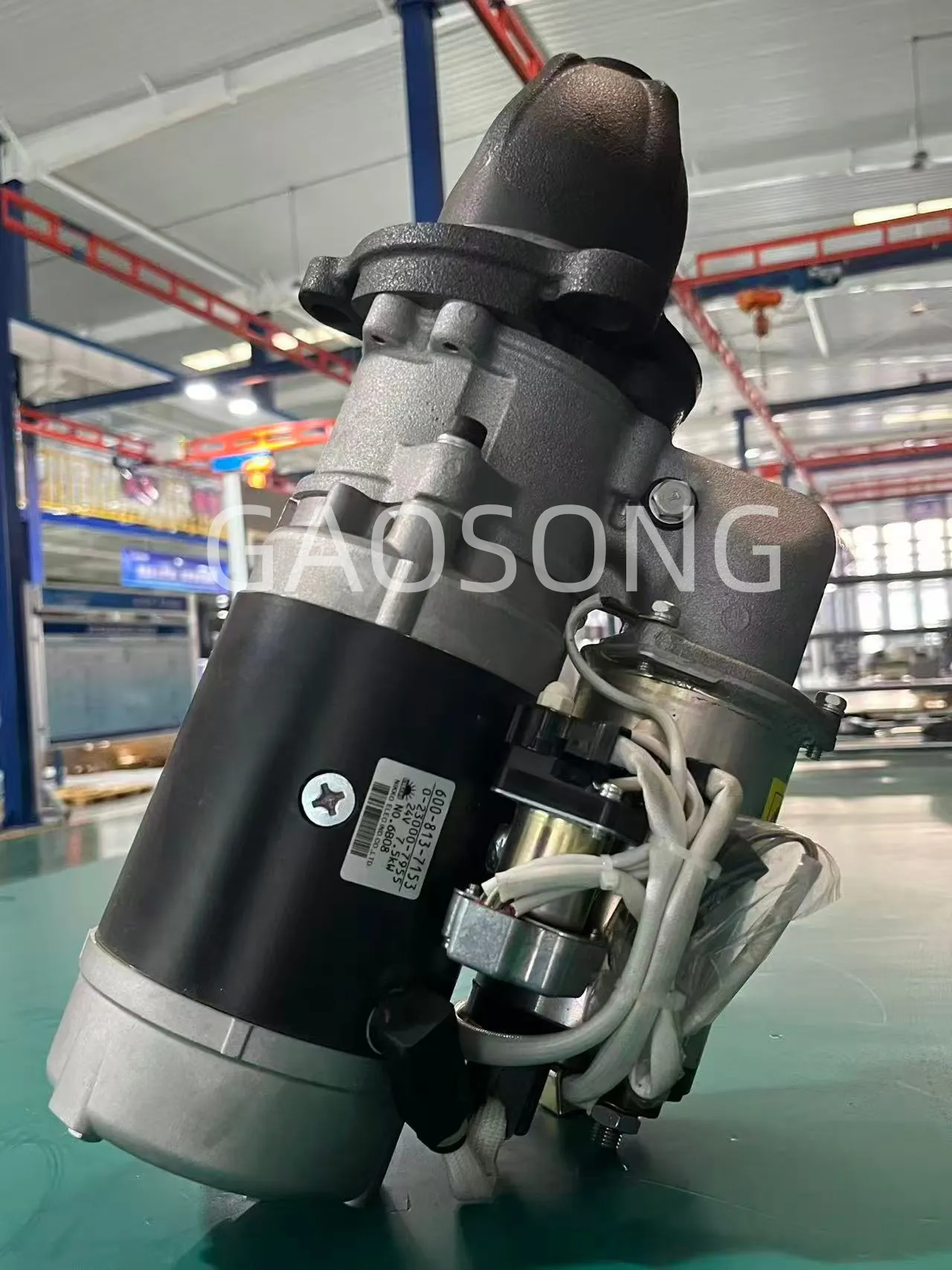 600-813-7153 Starting Motor, -Komatsu Original Factory
 -
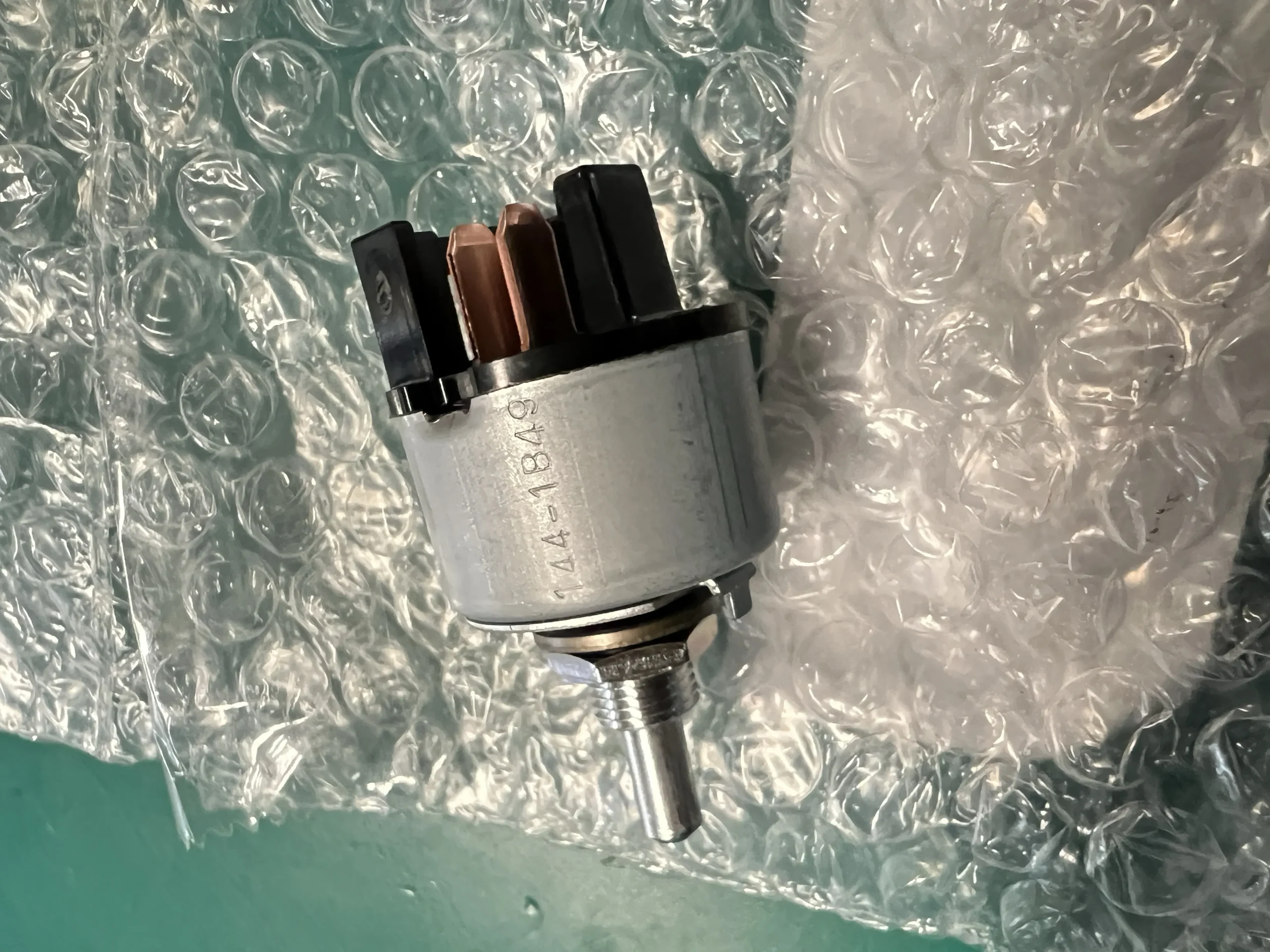 205-06-71380 Switch
 -
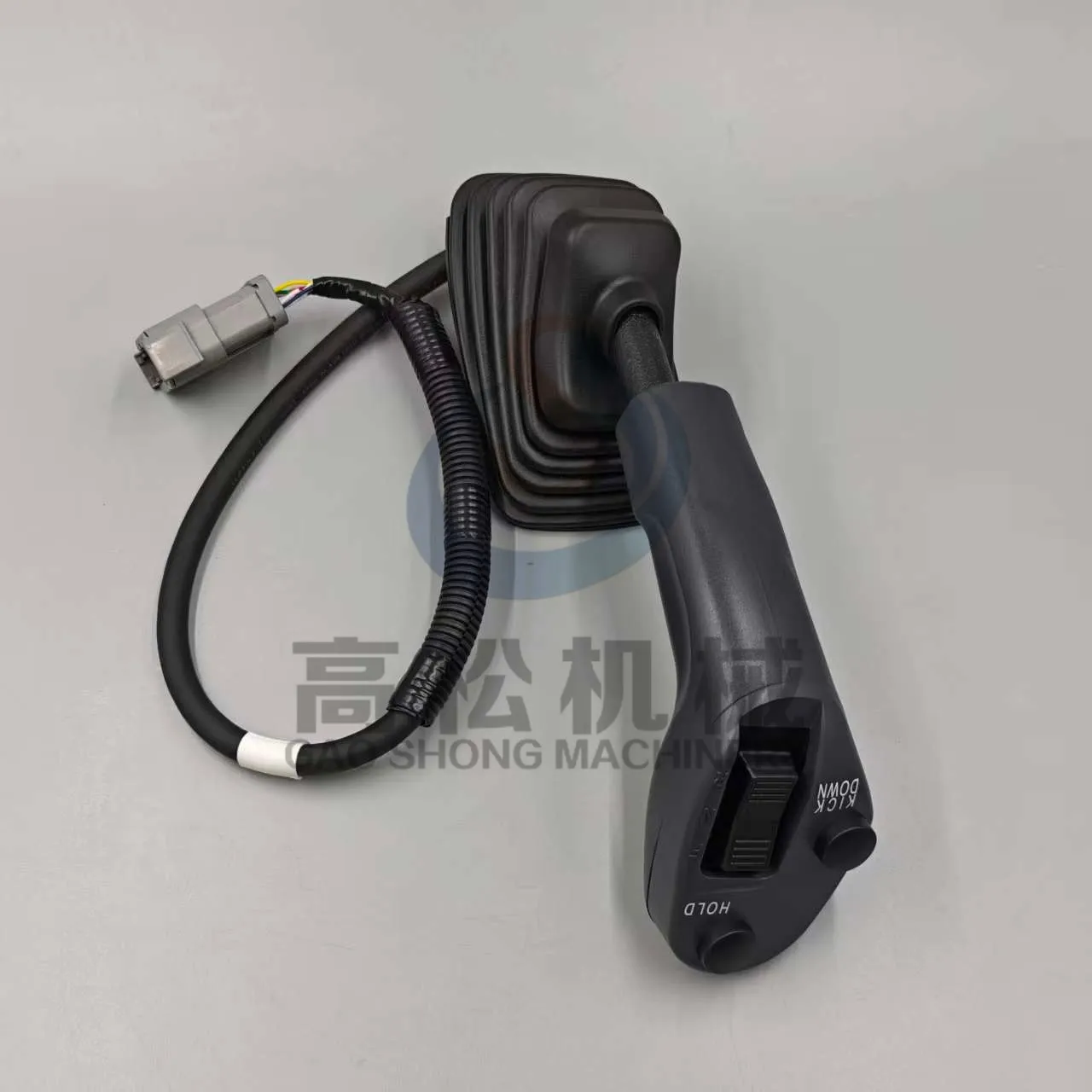 423-V91-4144 Komatsu Lever Assembly
 -
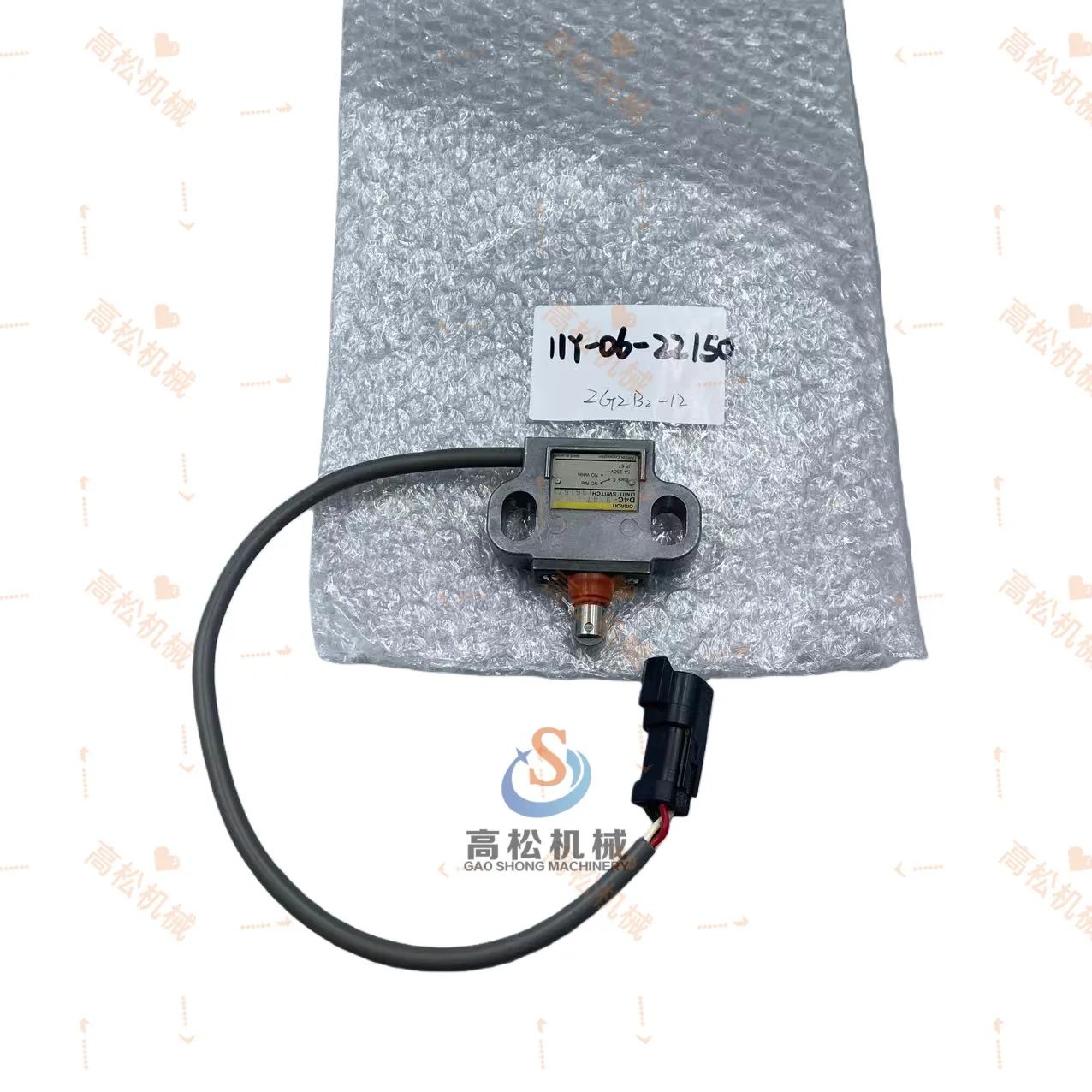 Komatsu original factory switch 11Y-06-22150