
- Chinese
- French
- German
- Portuguese
- Spanish
- Russian
- Japanese
- Korean
- Arabic
- Irish
- Greek
- Turkish
- Italian
- Danish
- Romanian
- Indonesian
- Czech
- Afrikaans
- Swedish
- Polish
- Basque
- Catalan
- Esperanto
- Hindi
- Lao
- Albanian
- Amharic
- Armenian
- Azerbaijani
- Belarusian
- Bengali
- Bosnian
- Bulgarian
- Cebuano
- Chichewa
- Corsican
- Croatian
- Dutch
- Estonian
- Filipino
- Finnish
- Frisian
- Galician
- Georgian
- Gujarati
- Haitian
- Hausa
- Hawaiian
- Hebrew
- Hmong
- Hungarian
- Icelandic
- Igbo
- Javanese
- Kannada
- Kazakh
- Khmer
- Kurdish
- Kyrgyz
- Latin
- Latvian
- Lithuanian
- Luxembou..
- Macedonian
- Malagasy
- Malay
- Malayalam
- Maltese
- Maori
- Marathi
- Mongolian
- Burmese
- Nepali
- Norwegian
- Pashto
- Persian
- Punjabi
- Serbian
- Sesotho
- Sinhala
- Slovak
- Slovenian
- Somali
- Samoan
- Scots Gaelic
- Shona
- Sindhi
- Sundanese
- Swahili
- Tajik
- Tamil
- Telugu
- Thai
- Ukrainian
- Urdu
- Uzbek
- Vietnamese
- Welsh
- Xhosa
- Yiddish
- Yoruba
- Zulu
- Kinyarwanda
- Tatar
- Oriya
- Turkmen
- Uyghur






OEM AND ORIGINAL KOMATSU BEARING 170-09-13250
When you see that part number, , pop up on a screen or a quote, the immediate assumption is that you're dealing with a genuine Komatsu part. That's where the first layer of confusion starts. In our world, 'OEM' and 'Original' get thrown around almost interchangeably, but they're not the same animal, especially with a critical component like a final drive or swing circle bearing. The 'OEM' tag on a bearing can mean it was made for Komatsu by their contracted manufacturer—it's to spec, it's approved, it's the real deal. But it can also be a clever label used by aftermarket suppliers to imply equivalence. The 'Original' stamp, that's the one that comes in the Komatsu box, with the Komatsu part number laser-etched, not just a sticker. For , used in a range of mid-sized excavators like the PC200-8 or PC220-8, that distinction isn't academic; it's the difference between a rebuild that lasts 8,000 hours and one that starts howling at 1,500.
The Supply Chain Maze and a Practical Solution
Here's the reality check. Getting that true Original Komatsu Bearing in certain regions—think parts of Africa, South America, or even some remote mining sites in Australia—can be a nightmare. The official distribution channels are tight, and if you're not a massive direct account, you're waiting. And waiting. I've seen projects stall for weeks over a single bearing. This is where the legitimate third-party ecosystem comes in, not the fly-by-night outfits, but the integrated suppliers. A company like Jining Gaosong Construction Machinery Co., Ltd. fits that niche. They operate as an OEM product supplier within the Komatsu system, which is a key phrase. It suggests they have access to the genuine supply chain, not just reverse-engineered copies. Their stated goal of helping to solve parts supply challenges in certain countries isn't just marketing fluff; it's the daily grind for equipment managers outside the major hubs.
I recall a situation in Chile a few years back. A PC220-8 went down with a failed swing bearing—yep, the . The local dealer quoted a 6-week lead time. The site manager was under immense pressure. We sourced a bearing through a channel that pointed back to a supplier with a profile much like Gaosong's. The part arrived in 10 days. It had the correct OEM manufacturer's markings (not just the Komatsu number), the packaging was right, and the metallurgy matched when we did a basic spark test. It wasn't in a Komatsu box, but it was clearly from the same factory line. That's the value proposition: same spec, legitimate origin, but a different, more agile logistics path. You can find their portal at https://www.takematsumachinery.com—it's worth a look to understand their scope.
The risk, of course, is the gray area. Some suppliers claim OEM Quality which is a meaningless term. It's either to OEM specification or it isn't. For the , the spec includes precise case hardening depth, specific grease channel tolerances, and a defined Rockwell hardness. A true OEM-supplied part will hit all those marks. A quality aftermarket part might get close on hardness but mess up the grease flow, leading to premature wear. You have to vet the supplier. Do they provide mill certificates? Can they trace the batch? Gaosong's positioning as part of the Komatsu system implies they should have that traceability, which is a step above the purely aftermarket guys.
Spotting the Differences: A Hands-On Guide
Let's get tactile. Unboxing a bearing tells you a lot. The original has a very specific finish—not too shiny, a consistent matte-grey surface treatment. The stamping of the part number and manufacturer code (often something like 'K' or 'JTEKT') is crisp and deep, not etched or painted on. The grease holes are deburred perfectly; run your finger inside, you shouldn't feel any roughness or machining swarf. The packaging, even if it's not Komatsu-branded from a third-party supplier, should be robust, with proper anti-corrosion VCI paper. If it's just wrapped in cheap plastic or newspaper, red flag immediately.
Weight is another quick check. We once received a supposed OEM bearing that was literally 1.5 kg lighter than the one we pulled out. That's a massive discrepancy. It pointed to inferior steel or incorrect internal geometry. It turned out to be a cast imitation, not forged. It failed catastrophically within months. The genuine/OEM-spec has a heft to it that's hard to fake. If you have a scale in your shop, use it.
The most telling test often happens during installation. The genuine bearing should slide onto the mating surfaces with a consistent, firm pressure. It shouldn't need a sledgehammer, nor should it be loose. If you're having to heat it excessively beyond the recommended specs to get it on, the tolerances are off. I've seen aftermarket bearings that were slightly undersized on the ID, leading to a false brinelling during what was supposed to be a press-fit. That creates a weak point from day one.
Cost vs. Uptime: The Real Calculation
Everyone looks at the price tag first. A true Original Komatsu Bearing might be 50-70% more expensive than a no-name alternative. The OEM-spec version from a reliable third-party like Jining Gaosong Construction Machinery Co., Ltd. might come in at a 20-30% discount to the official part. The math isn't about the part cost, though. It's about machine uptime. A bearing failure on a swing circle doesn't just mean replacing the bearing. It means disassembling the entire upper structure, potential damage to the gear teeth, days of labor, and lost production. That cost dwarfs any savings from a cheap bearing.
We tried the cost-saving route once on a fleet of older machines we were phasing out. Used a budget aftermarket bearing. Three out of five failed before their first recommended regreasing interval. The downtime and secondary repair costs wiped out any savings from all five machines and then some. It was a painful lesson. Now, the rule is either genuine from the dealer if time allows, or a vetted OEM-system supplier if it doesn't. The website takematsumachinery.com lists them as a third-party sales company for Komatsu; that's the kind of affiliation that adds a layer of credibility, as they're leveraging the official supply network.
The sweet spot is finding the supplier that gets you the part that meets the spec without the brand-name premium and the logistical bottleneck. That requires asking pointed questions: Is this bearing from Komatsu's authorized factory for this part number? Can you provide documentation linking this batch to the OEM? If they can answer yes, you're likely in good hands. If they hedge or talk only about quality, walk away.
Beyond the Bearing: The System View
Focusing solely on the as a component is a mistake. It's part of a system. When you install it, you're also committing to a maintenance regimen. The original Komatsu spec includes a specific grease type and a strict re-lubrication schedule based on operating conditions. Using a subpar grease with an OEM-spec bearing will still kill it. I've seen it happen. The bearing was legit, but the site was using a generic lithium grease instead of the specified extreme-pressure moly grease. The result was spalling and premature wear.
Installation torque matters immensely. The mounting bolts for this bearing have a very specific torque sequence and value, often followed by a rotation angle tightening procedure. Over-torquing can distort the bearing race. Under-torquing leads to loosening and fretting. The manual isn't a suggestion here. Even with a perfect bearing, a bad install is a guaranteed failure.
This systemic view is where a knowledgeable supplier adds value beyond the transaction. They should be able to offer the technical data sheet for the bearing, the OEM installation guidelines, and grease recommendations. If they're just selling a widget in a box, they're a parts store, not a construction machinery partner. The distinction matters for critical path components.
Concluding Thoughts: Navigating the Choice
So, when you're faced with sourcing a , the decision tree is fairly straightforward but requires diligence. First, determine your criticality and timeline. If the machine is essential and down, and the dealer lead time is unacceptable, you must look to the specialized third-party channels. In that search, prioritize suppliers embedded in the OEM system, like the model Jining Gaosong represents. Their role as an OEM product supplier within the Komatsu system is the key differentiator.
Second, validate the part physically upon arrival. Check the markings, the weight, the finish. Trust your senses and basic tools. Third, don't cheap out on the installation. Follow the procedure to the letter, use the right consumables. A bearing is only as good as the environment it's put into.
Ultimately, the part number is just a code. The substance behind it is what counts. It represents a precision-engineered component that carries immense load and rotational stress. Whether it comes in a bright Komatsu box or the plain packaging of a system-authorized supplier, the goal is the same: to get the correct, to-spec part that gets the machine back to work reliably. The market has space for both the official dealer and the agile, knowledgeable system supplier. Knowing how to identify and use the latter effectively is a core skill in keeping equipment running outside the easy reach of the main depots.
Related Products
Related Products

Best Selling Products
Best Selling Products-
 104-15-25480• VALVE Komatsu Original Factory
 -
 14X-22-05011,SERVICE KIT,D65PX,D65EX,D65WX
 -
 Komatsu Bogie Assembly, 195-30-66520 D375A-5 and D375A-5D TRACK FRAME, BOGIE
 -
 700-89-66000 RELIEF VALVE KOMATSU STEERING VALVE
 -
 21N-30-14160 for Excavator PC1250-7 PC1100 IDLER CUSHION PACKING
 -
 New PC800-8E0 SHAFT 6212-21-2511 for komatsu Spring-loaded Gas-charged Pneumatic Hydraulic
 -
 6D170-2 rocker arm shaft 6162-43-5300
 -
 6251-71-1121 Fuel Injector Pump
 -
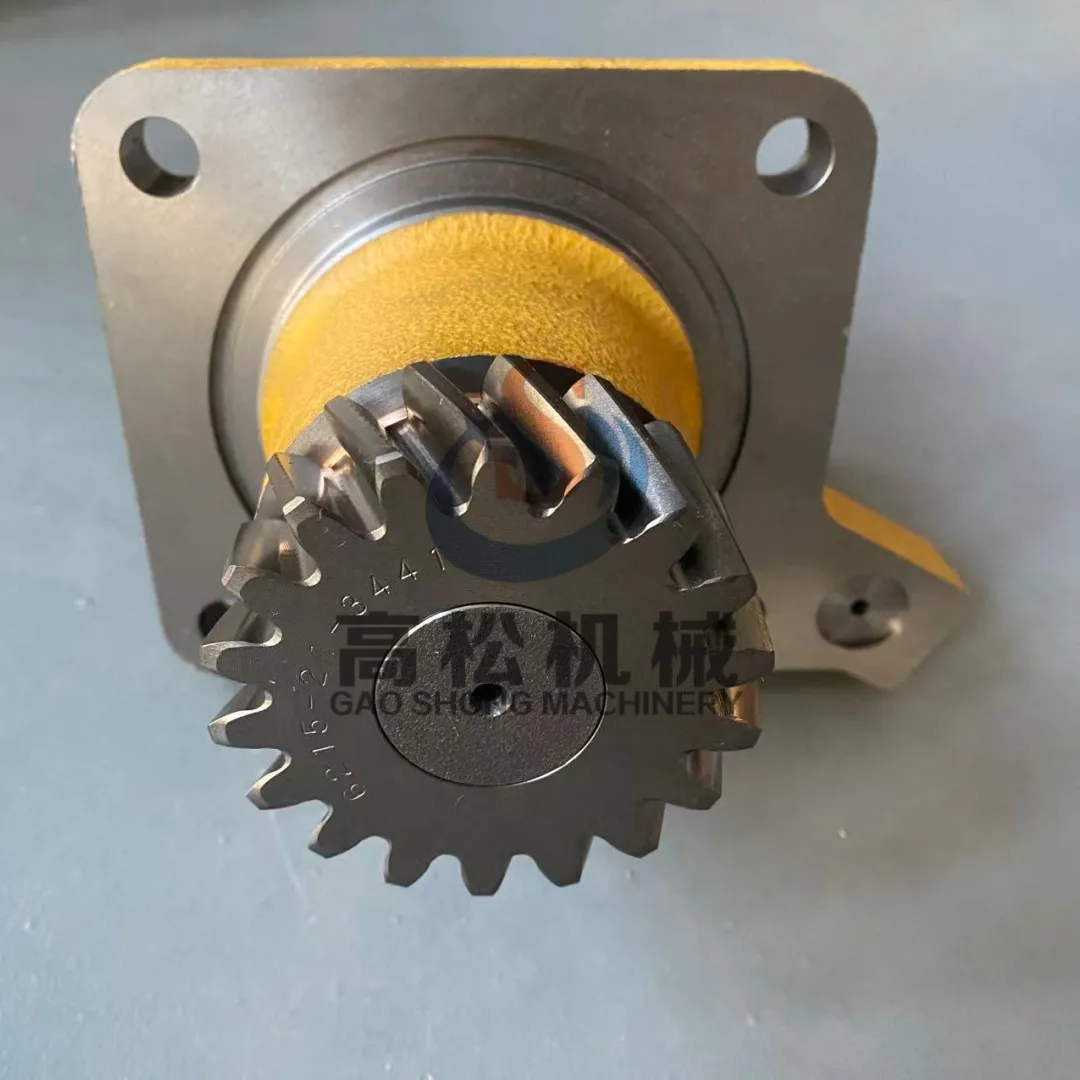 6266-21-3400Accessory Driver Assembly SAA12V140E ENGINE
 -
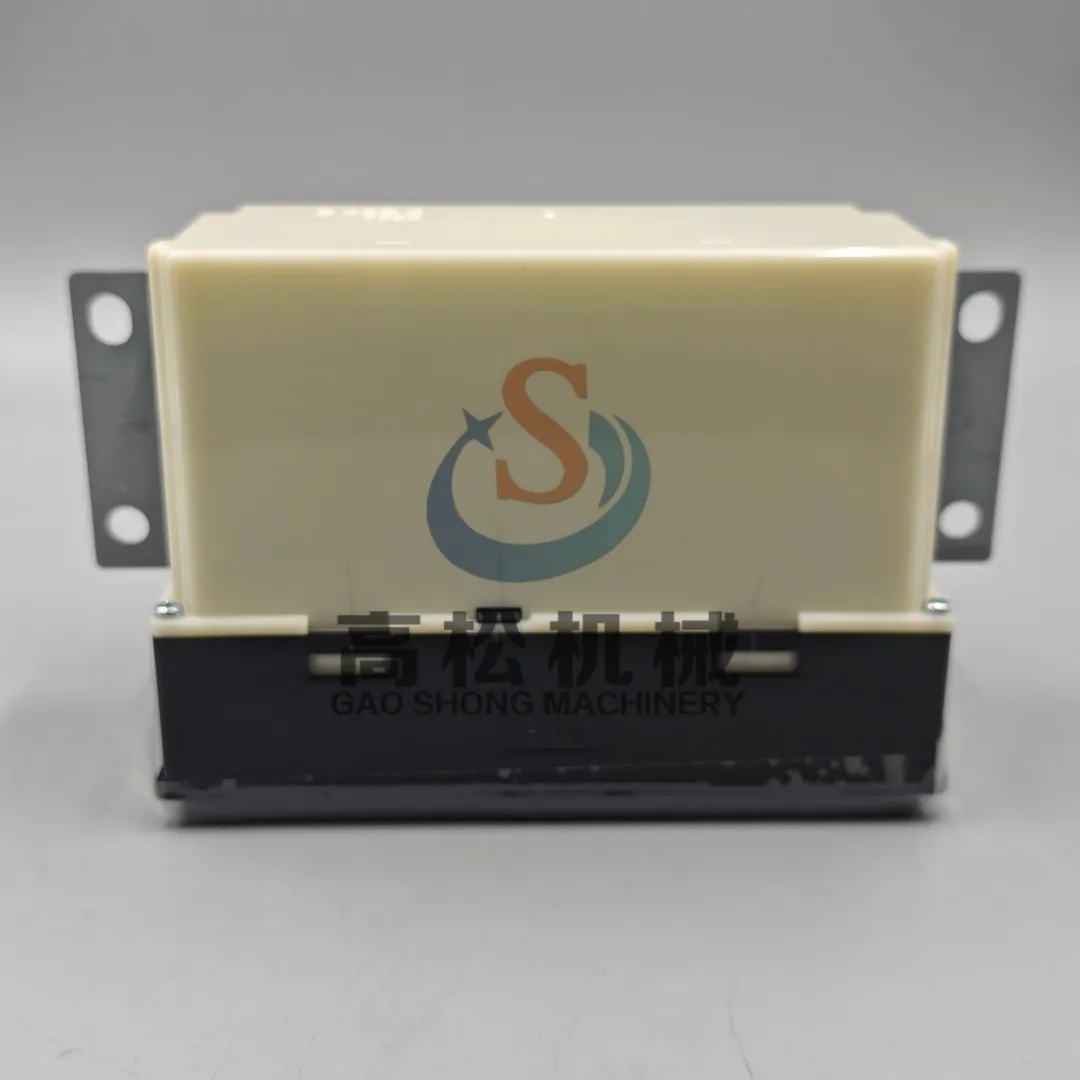 used Komatsu Controller 425-07-21121 for WA500-3H
 -
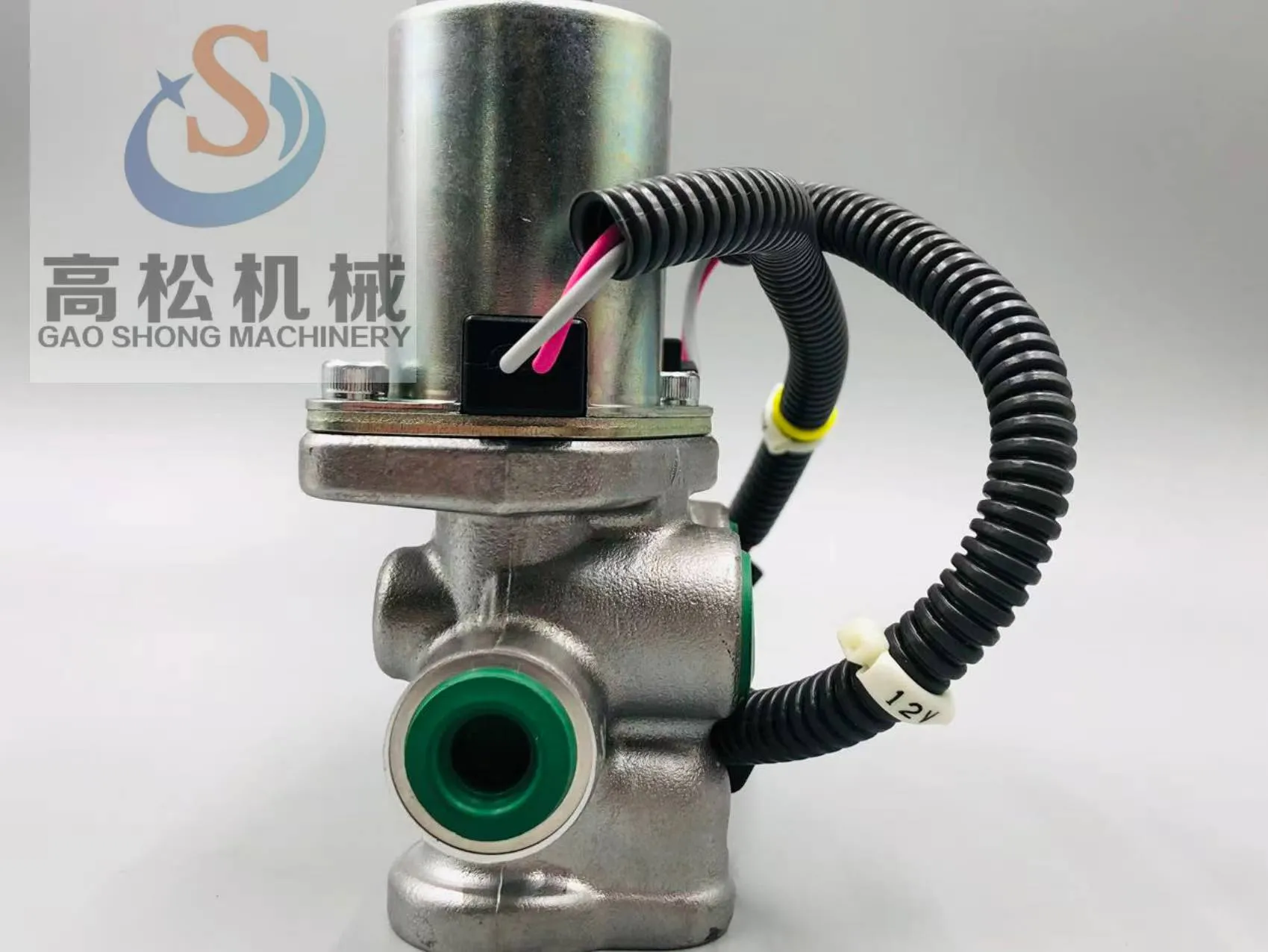 22F-60-21201 22F-60-31600 Solenoid Valve PC56-7 PC55MR-2
 -
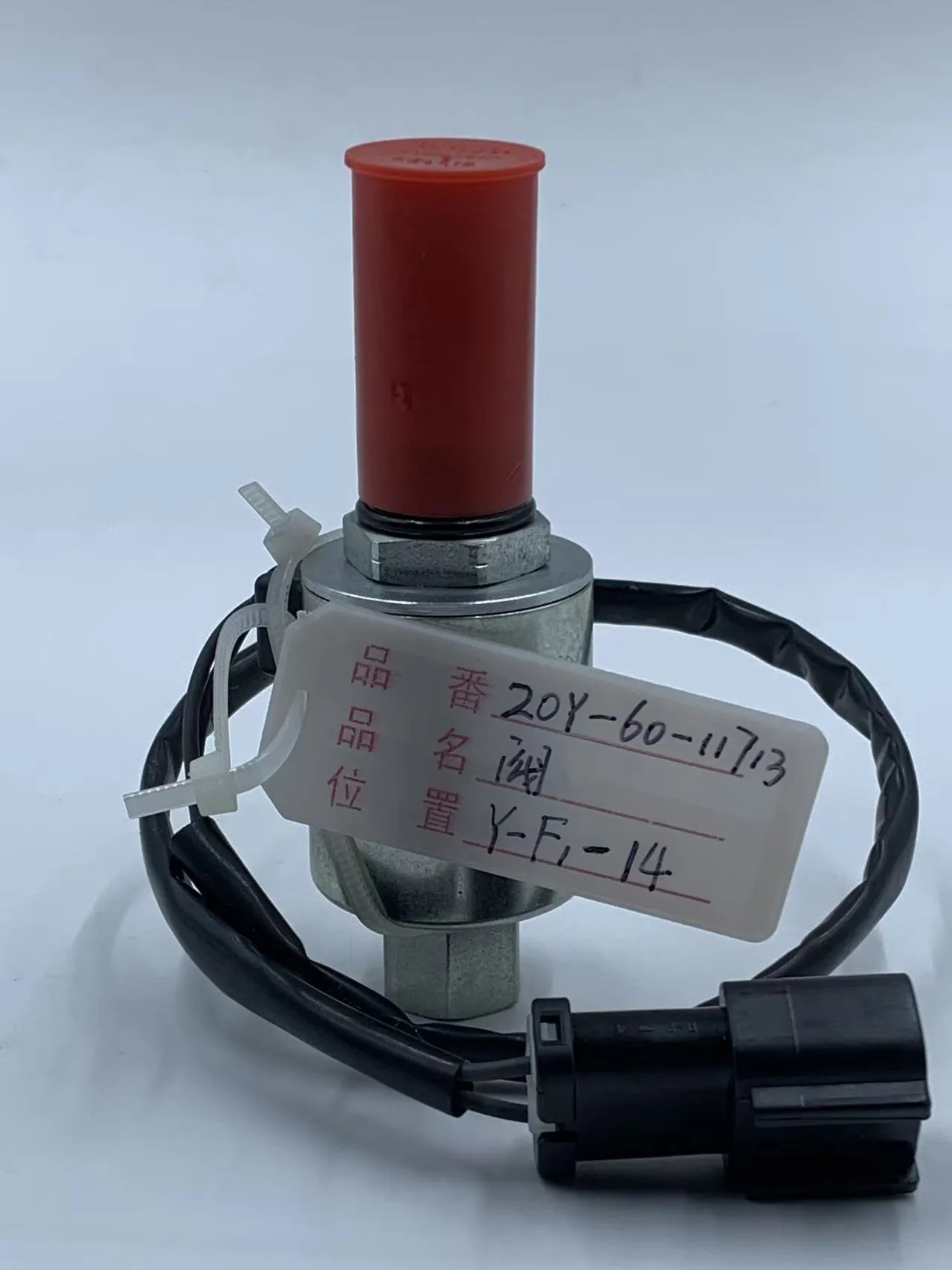 New Swing Solenoid Valve 20Y-60-11713 Excavator Parts for KOMATSU PC200-5 6D95