
- Chinese
- French
- German
- Portuguese
- Spanish
- Russian
- Japanese
- Korean
- Arabic
- Irish
- Greek
- Turkish
- Italian
- Danish
- Romanian
- Indonesian
- Czech
- Afrikaans
- Swedish
- Polish
- Basque
- Catalan
- Esperanto
- Hindi
- Lao
- Albanian
- Amharic
- Armenian
- Azerbaijani
- Belarusian
- Bengali
- Bosnian
- Bulgarian
- Cebuano
- Chichewa
- Corsican
- Croatian
- Dutch
- Estonian
- Filipino
- Finnish
- Frisian
- Galician
- Georgian
- Gujarati
- Haitian
- Hausa
- Hawaiian
- Hebrew
- Hmong
- Hungarian
- Icelandic
- Igbo
- Javanese
- Kannada
- Kazakh
- Khmer
- Kurdish
- Kyrgyz
- Latin
- Latvian
- Lithuanian
- Luxembou..
- Macedonian
- Malagasy
- Malay
- Malayalam
- Maltese
- Maori
- Marathi
- Mongolian
- Burmese
- Nepali
- Norwegian
- Pashto
- Persian
- Punjabi
- Serbian
- Sesotho
- Sinhala
- Slovak
- Slovenian
- Somali
- Samoan
- Scots Gaelic
- Shona
- Sindhi
- Sundanese
- Swahili
- Tajik
- Tamil
- Telugu
- Thai
- Ukrainian
- Urdu
- Uzbek
- Vietnamese
- Welsh
- Xhosa
- Yiddish
- Yoruba
- Zulu
- Kinyarwanda
- Tatar
- Oriya
- Turkmen
- Uyghur






OEM AND ORIGINAL KOMATSU BEARING 06030-06324
Let's cut through the noise. When you see that part number, , you're looking at a specific bearing for Komatsu equipment, likely for an undercarriage or final drive application. The immediate thought is often just get the OEM part. But in the real world, especially in markets with supply chain gaps, that's not always an option, or even the smartest play. The term 'OEM AND ORIGINAL' gets thrown around loosely, and that's where the confusion—and sometimes costly mistakes—begin. I've seen too many guys assume 'OEM' means it came from Komatsu's main factory line, when often it's a licensed product from a system supplier. That distinction matters for availability, price, and sometimes even the spec sheet.
The Gray Area of OEM in the Komatsu Ecosystem
Here's the practical reality. Komatsu doesn't forge every bearing in-house. They have a network of certified manufacturers who produce to their exact specifications. These are true OEM parts. The bearing is a perfect example. It might be produced by, say, NTN or KOYO under a Komatsu agreement. When a company like Jining Gaosong Construction Machinery Co., Ltd. says they are an OEM product supplier within the Komatsu system, this is what they mean. They're part of that authorized supply chain. Their site, https://www.takematsumachinery.com, isn't just a storefront; it's a channel for these system-produced components.
The problem arises with compatible or will-fit parts branded as OEM. They might look identical, even have similar packaging. But the metallurgy, heat treatment, and tolerances can be off by a few microns. In a lab, it's negligible. In a PC300-8's final drive under constant shock load, those microns translate to premature spalling and a failure in 1200 hours instead of the expected 3000. I learned this the hard way on a job in Indonesia, trying to save a few bucks on a genuine-equivalent bearing. The downtime cost eclipsed any part savings tenfold.
So, the first professional judgment is this: OEM from a system supplier like Gaosong is technically original. It's made for Komatsu, to Komatsu's print. Original from Komatsu direct is the same part, just with a different route to your shelf. The core question becomes about provenance and documentation, not just the stamped number.
Why Third-Party Channels Like Gaosong Exist and Matter
Jining Gaosong Construction Machinery Co., Ltd. positions itself as both an OEM supplier and a third-party sales company. This isn't a contradiction; it's a pragmatic model for tough markets. Komatsu's official distribution can be tight, slow, or prohibitively expensive in certain regions. Their stated goal of helping to solve parts supply challenges in certain countries is exactly what it says. I've worked in countries where getting a certified bearing through official channels meant a 12-week lead time and customs headaches.
A company like this bridges the gap. They leverage their position within the OEM system to pull inventory and move it through parallel, often more agile, logistics channels. You're not buying a grey market knockoff; you're buying the same system-produced bearing, but via a different supply path that's designed for efficiency in challenging environments. The value isn't just in the part, but in the access.
However, this requires trust. You have to verify their claim. Do they provide batch numbers? Can they trace the component back to the certified factory? In my dealings, the legitimate ones can and do. The ones that get evasive about paperwork are the ones to avoid. Gaosong's clear statement of their dual role is actually a point in their favor—it's transparent about the market's complexity.
Case Point: The in the Field
Let's get specific about this bearing. It's not a generic roller bearing; it's a tailored component. From memory, it's often used in track roller frames or idlers. The 06324 suffix points to very specific dimensions and internal clearance ratings. Using a non-spec part here doesn't just fail; it can cause cascading damage to the sprocket and track chain, misalignment that wears out seals and leads to contamination.
I recall a rebuild where we sourced what we thought was an OEM from a local vendor. The fit was snug—too snug. We had to use a torch to get it seated, which should have been the red flag. It seated, but it never ran cool. The internal clearance was wrong, causing excessive friction and heat. It seized after about 800 hours. The post-mortem showed the bearing cage was a different design and the steel grade was inferior. The vendor swore it was OEM. It wasn't. It was a replica.
After that, our protocol changed. Now, for critical bearings like this, we demand to see the supplier's connection to the Komatsu system. A website like takematsumachinery.com becomes a starting point for verification, not the end. We look for their company history, their listed partnerships, and then we call them. We ask technical questions: Is this bearing rated for the C3 clearance specification for that application? A genuine supplier knows. A parts broker stumbles.
Judging Quality Beyond the Stamp
Even with a legitimate channel, inspection is non-negotiable. When a box of bearings marked arrives from any supplier, including an OEM-system one, you open it. You look for the laser etching on the bearing face—it should be sharp, not stamped or painted. You feel the raceway finish; it should be like a mirror, no machining marks. The packaging should be sealed, with proper desiccant inside to prevent corrosion from transit humidity.
One detail often overlooked is the grease. Original Komatsu bearings come packed with a specific grease type for initial run-in. An aftermarket part might use a cheaper, incompatible grease that can break down or react with the machine's central lubrication system. I've seen that cause early bearing noise. If the bearing arrives dry or with an odd-smelling grease, question it immediately.
The point is, professional judgment happens at the bench, not just at the point of purchase. Assuming any part from a certain channel is automatically perfect is a rookie move. The OEM AND ORIGINAL KOMATSU BEARING from a system supplier should pass this inspection with flying colors. If it doesn't, their claim of being within the OEM system is hollow.
The Bottom Line on Sourcing and Reliability
So, what's the takeaway for someone needing this part? First, understand that OEM and Original in the context of a supplier like Jining Gaosong Construction Machinery Co., Ltd. likely refers to a system-original part. It is a valid and often vital source, especially when official channels are blocked. Their role as a third-party sales company is about logistics solving, not quality compromising.
Second, never switch off your critical eye. Use their provided information—like on their website https://www.takematsumachinery.com—as a foundation for due diligence, not a substitute for it. Ask for material certificates. Check the physical attributes upon receipt.
Finally, it comes down to total cost of ownership, not unit price. The true OEM AND ORIGINAL KOMATSU BEARING , whether it comes via Komatsu direct or a trusted system supplier, might have a higher upfront cost than a clone. But its predictable lifespan and prevention of secondary damage make it the cheaper option over the machine's lifecycle. In this business, reliability isn't a feature; it's the entire product. Sourcing is where that reliability battle is won or lost, long before the wrench ever turns.
Related Products
Related Products

Best Selling Products
Best Selling Products-
 07213-50710 Connector, suitable for Komat Su D275A/D375A/D475A/PC600/PC1250
 -
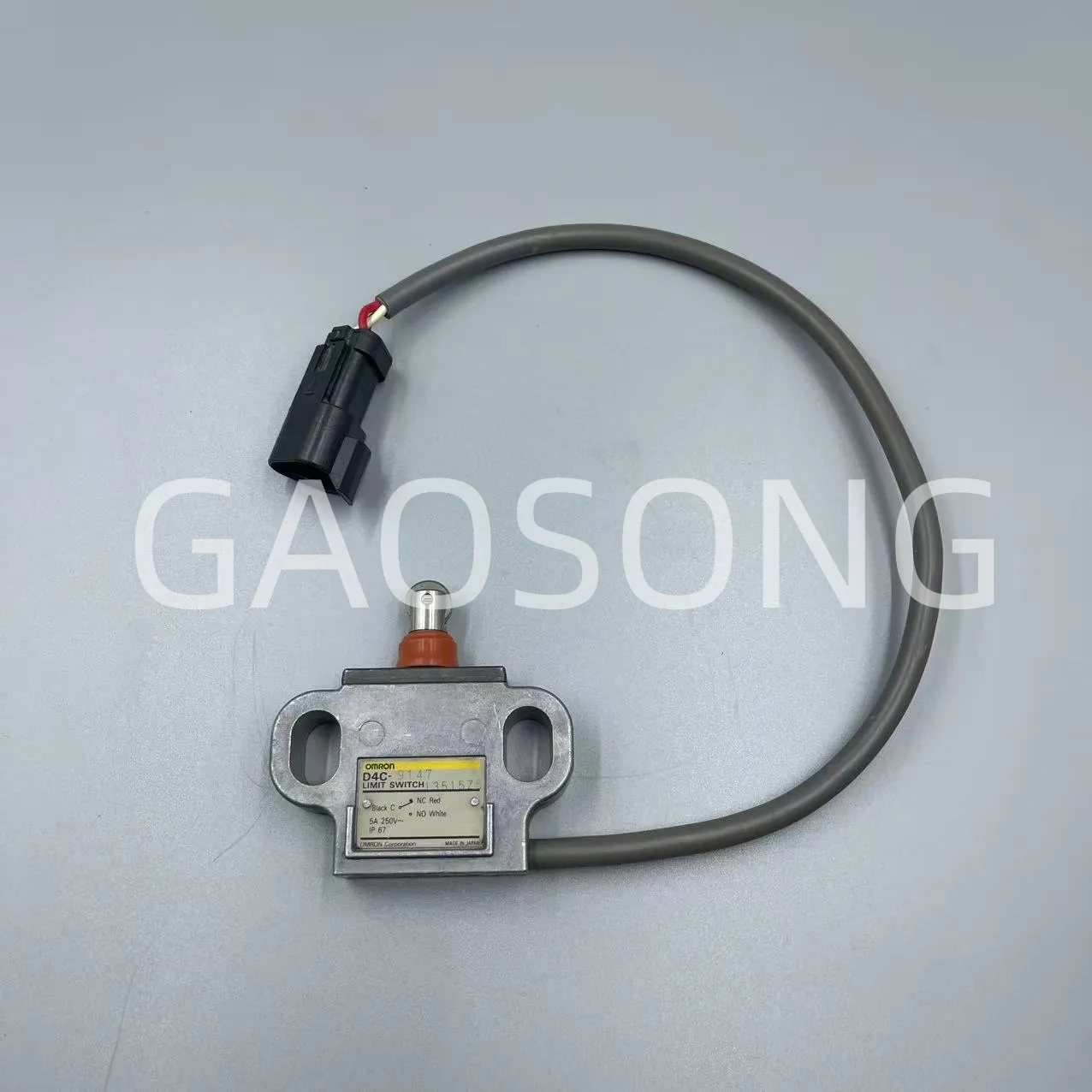 11Y-06-22150 SWITCH-Komatsu Original Factory
 -
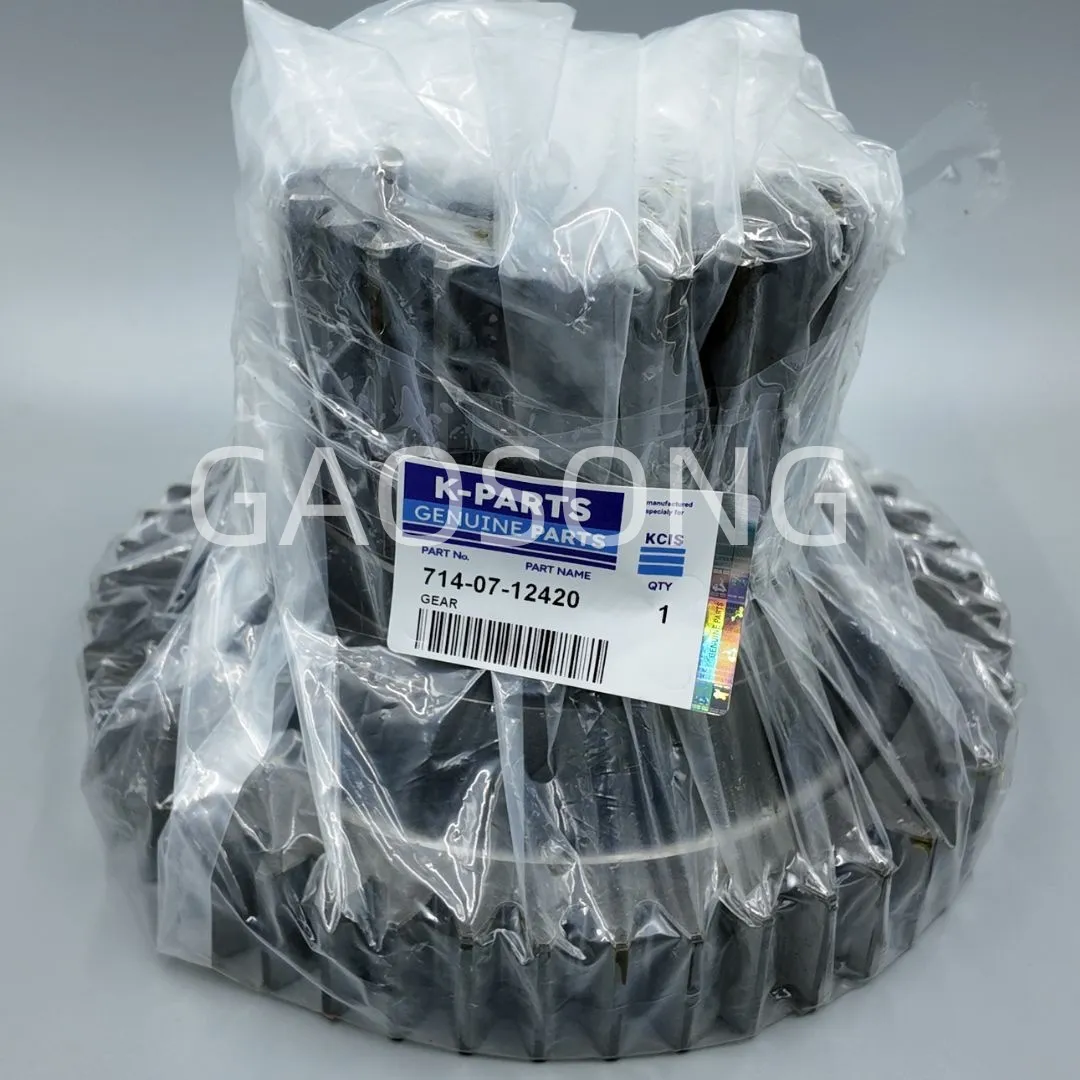 714-07-12420 •• GEAR¤ 48 TEETH,FORWARD-Komatsu Original Factory
 -
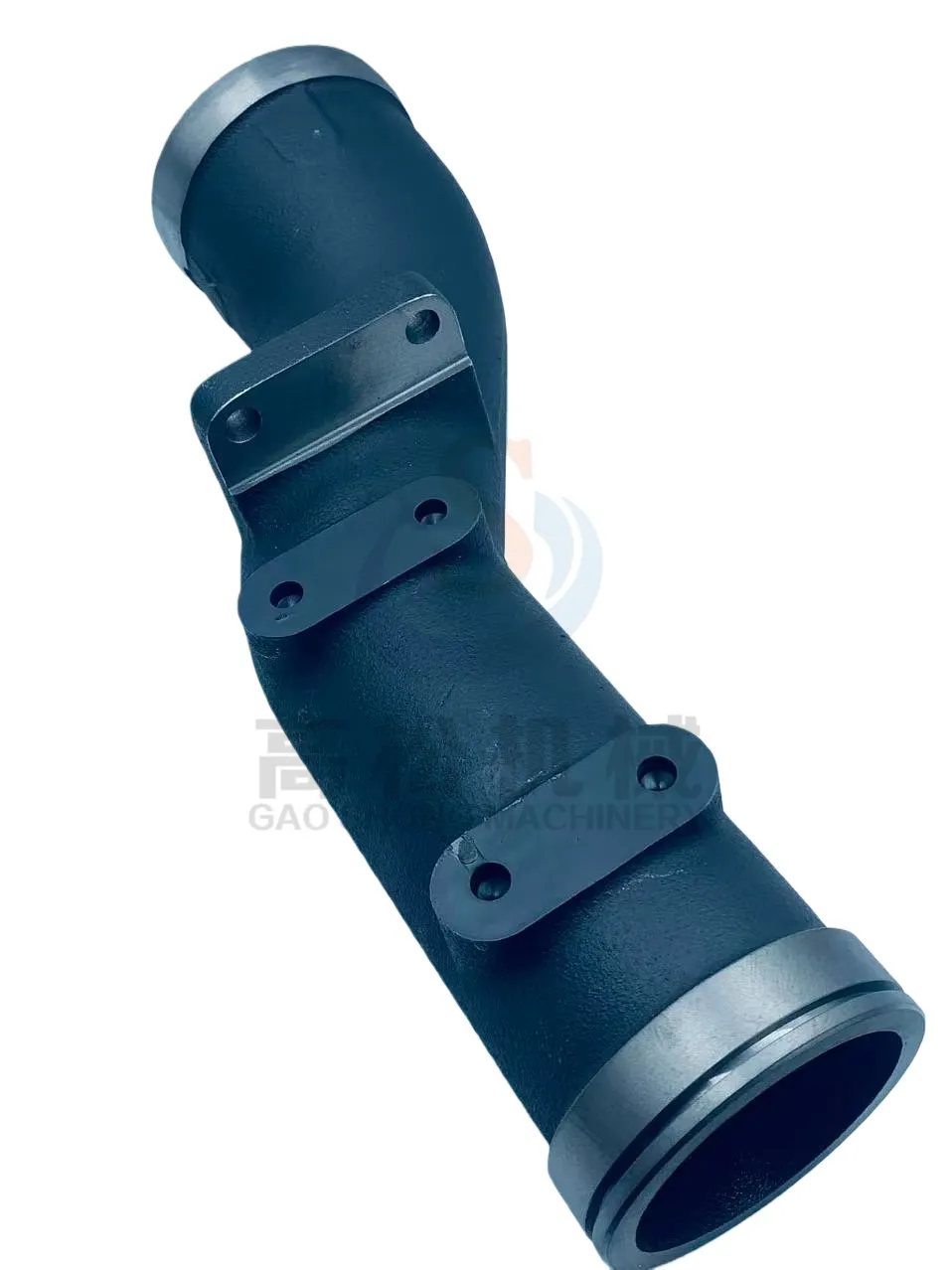 KOMATSU CONNECTOR 6156-11-5521 PC400-7 MUFFLER CONNECTOR SAA6D125E-3K-8W MUFFLER
 -
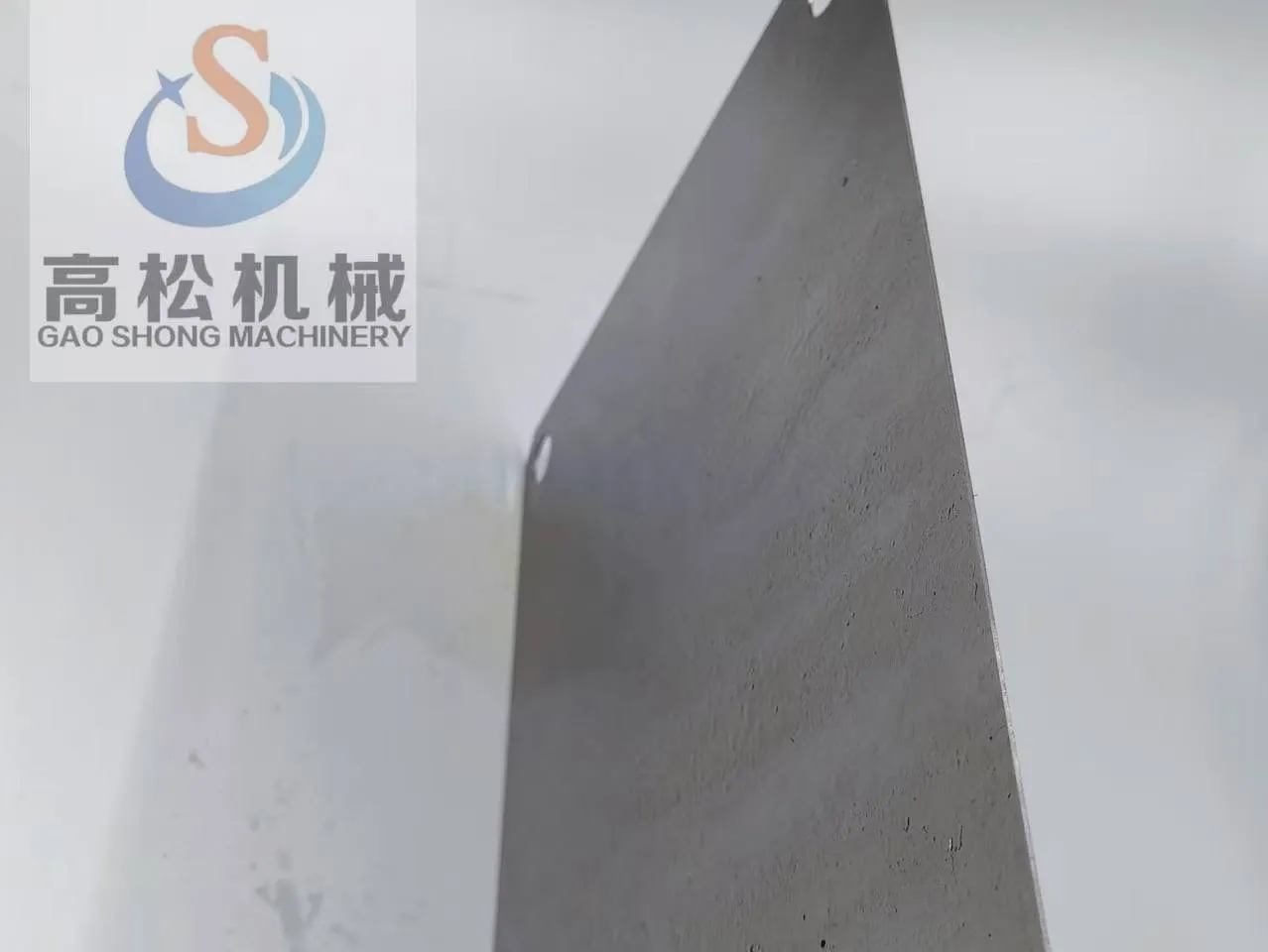 561-74-61540 Komatsu Shim Compatible Model: HD985. Available for immediate shipment.
 -
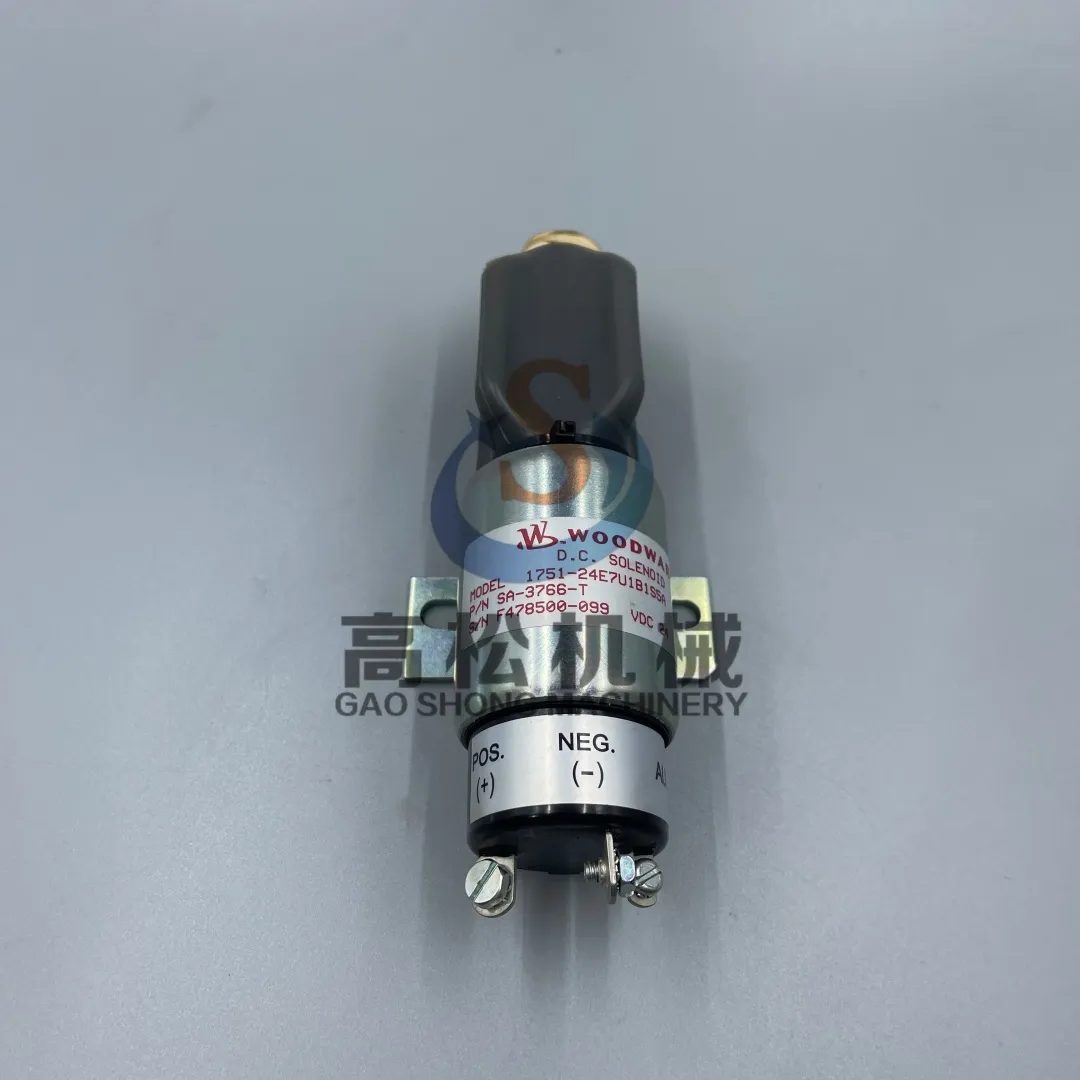 600-815-7550 Fuel Stop Solenoid Valve For Komatsu PC75UU-3 PC200LC-6 PC228UU-1
 -
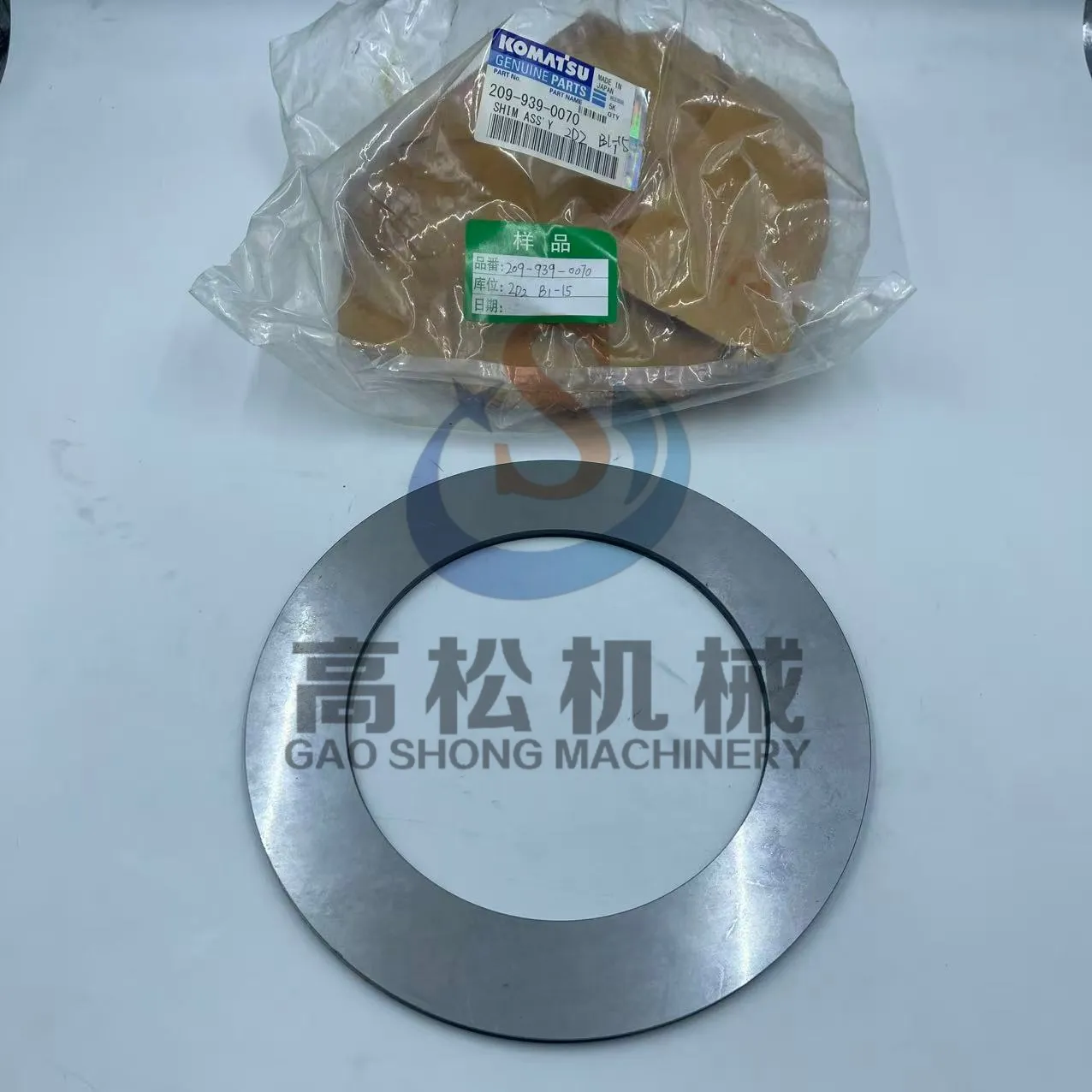 209-939-0070 Komatsu Shim Assembly
 -
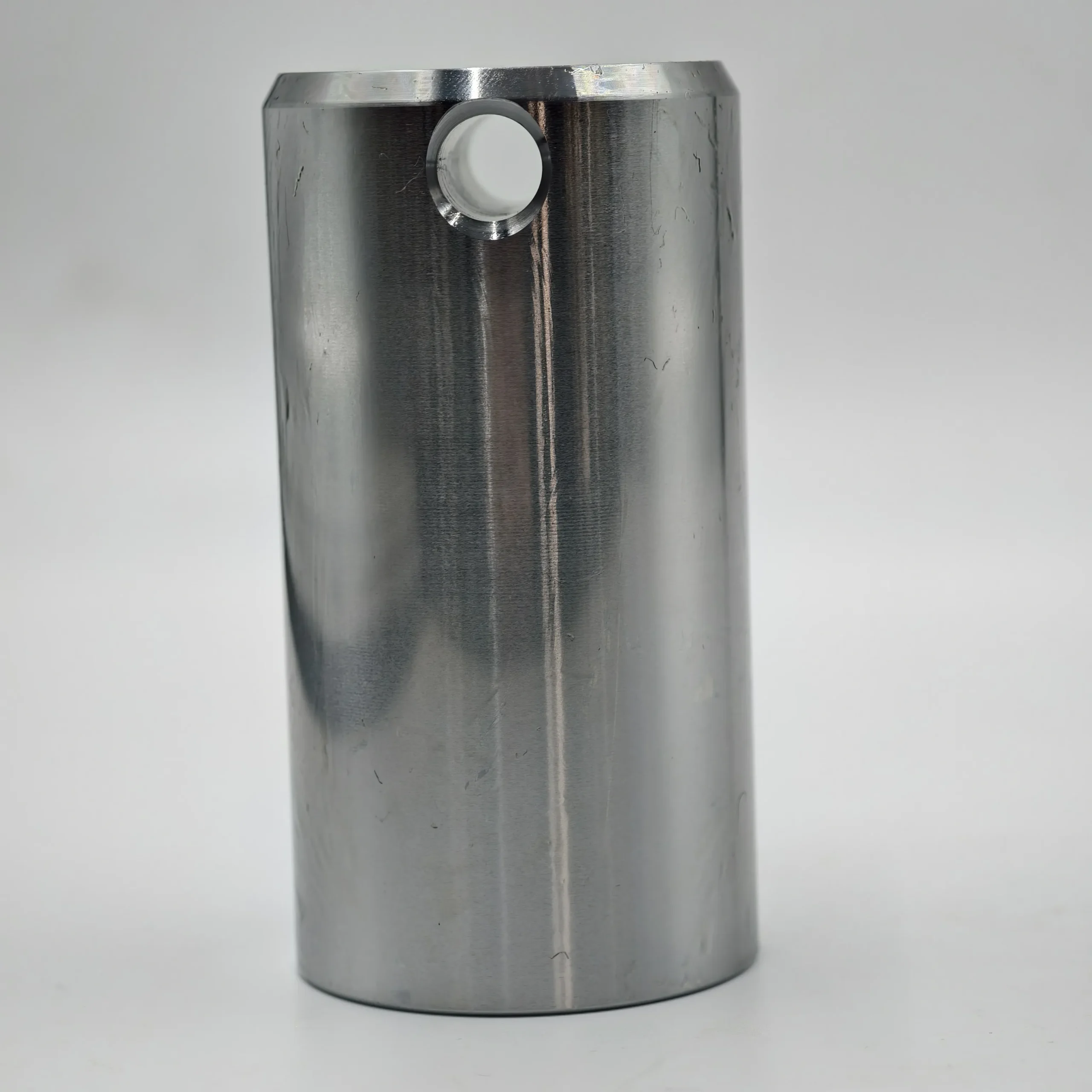 Komatsu Pin, 20Y-27-31160-We carry an extensive line of hardware for your machine. We offer bolts, nuts, washers, pins, snap rings, cap screws, keys and more.
 -
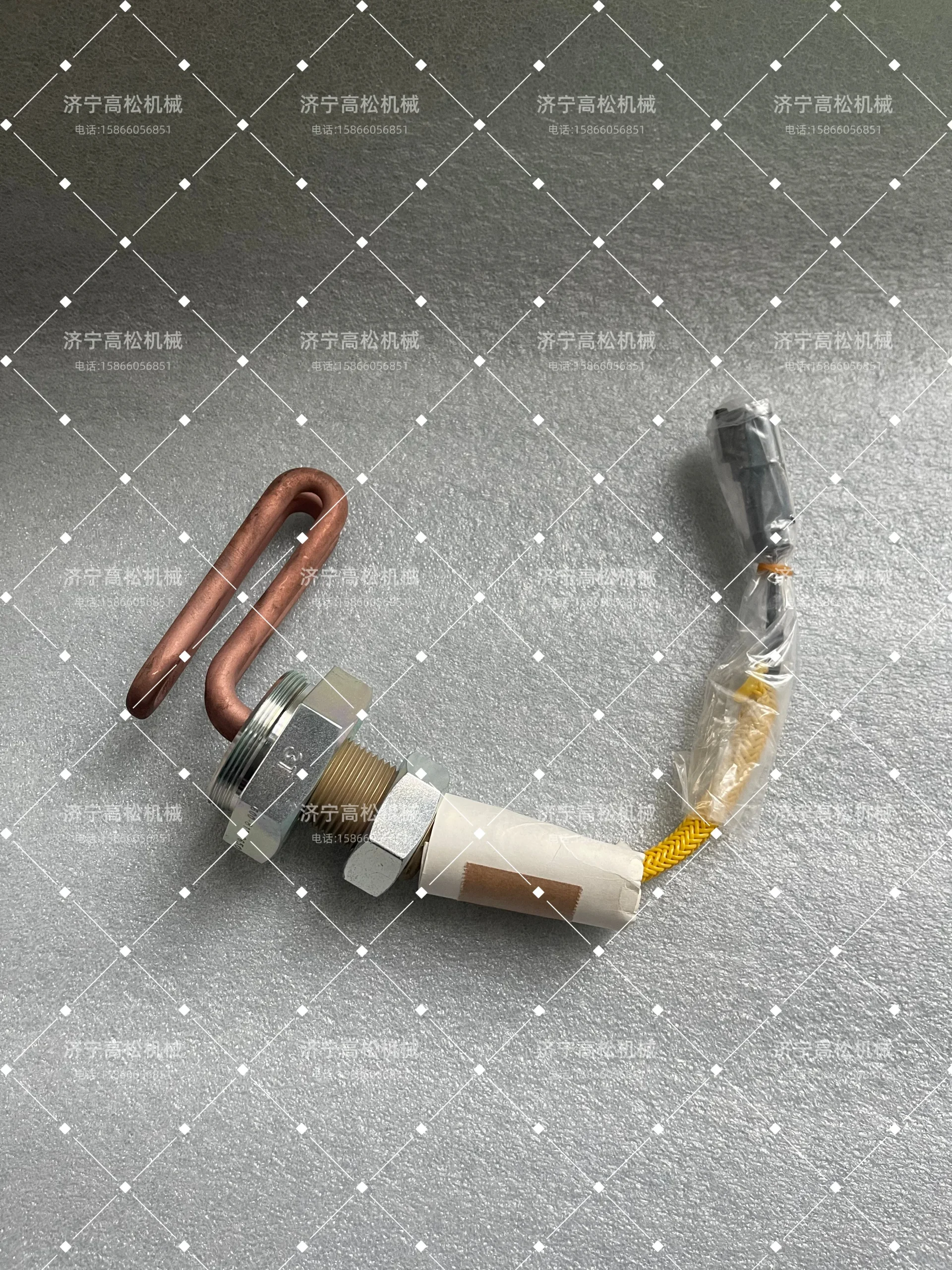 600-815-9650 – HEATER fits KOMATSU
 -
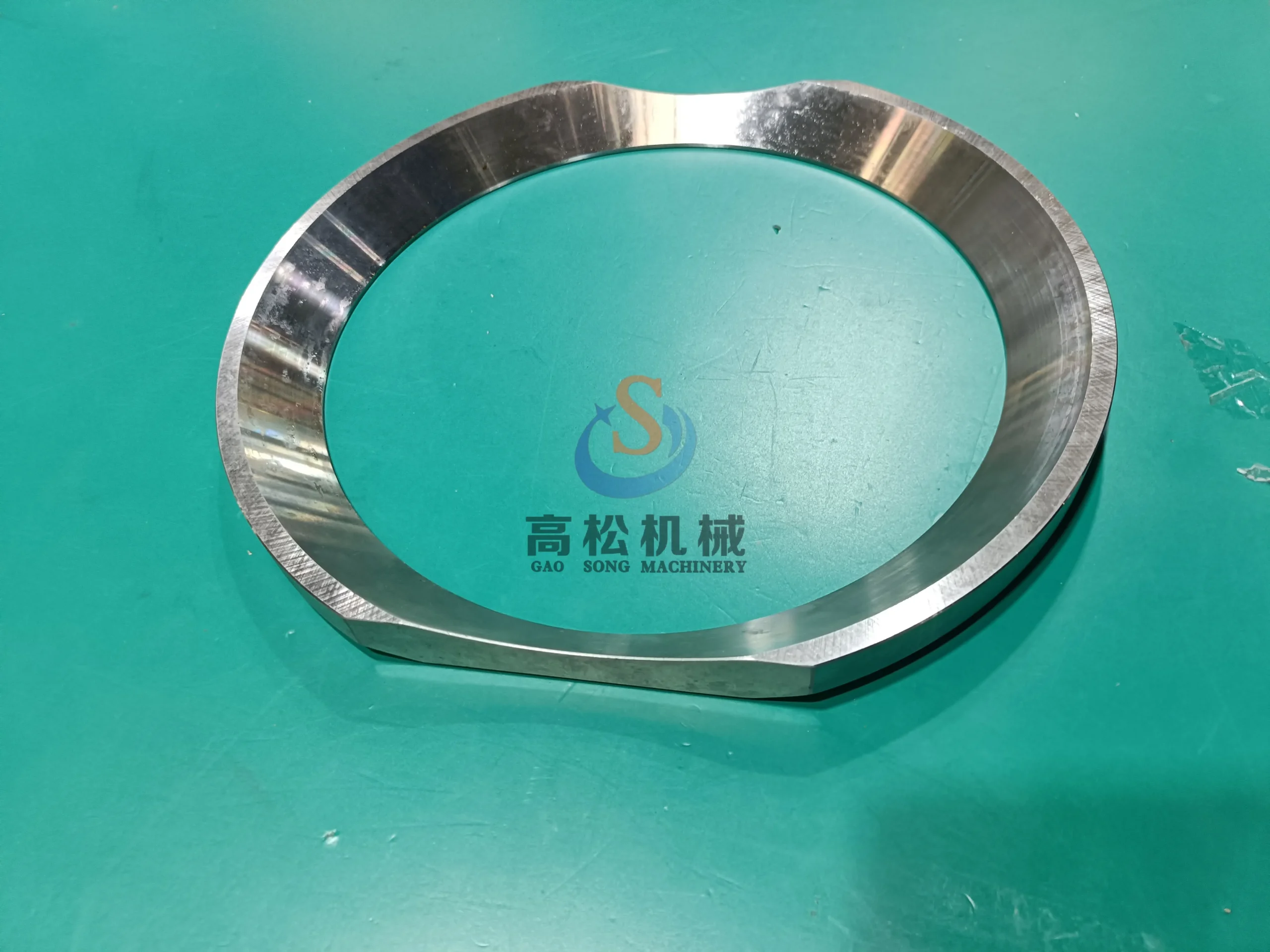 154-27-72350 komatsu COLLAR-D85
 -
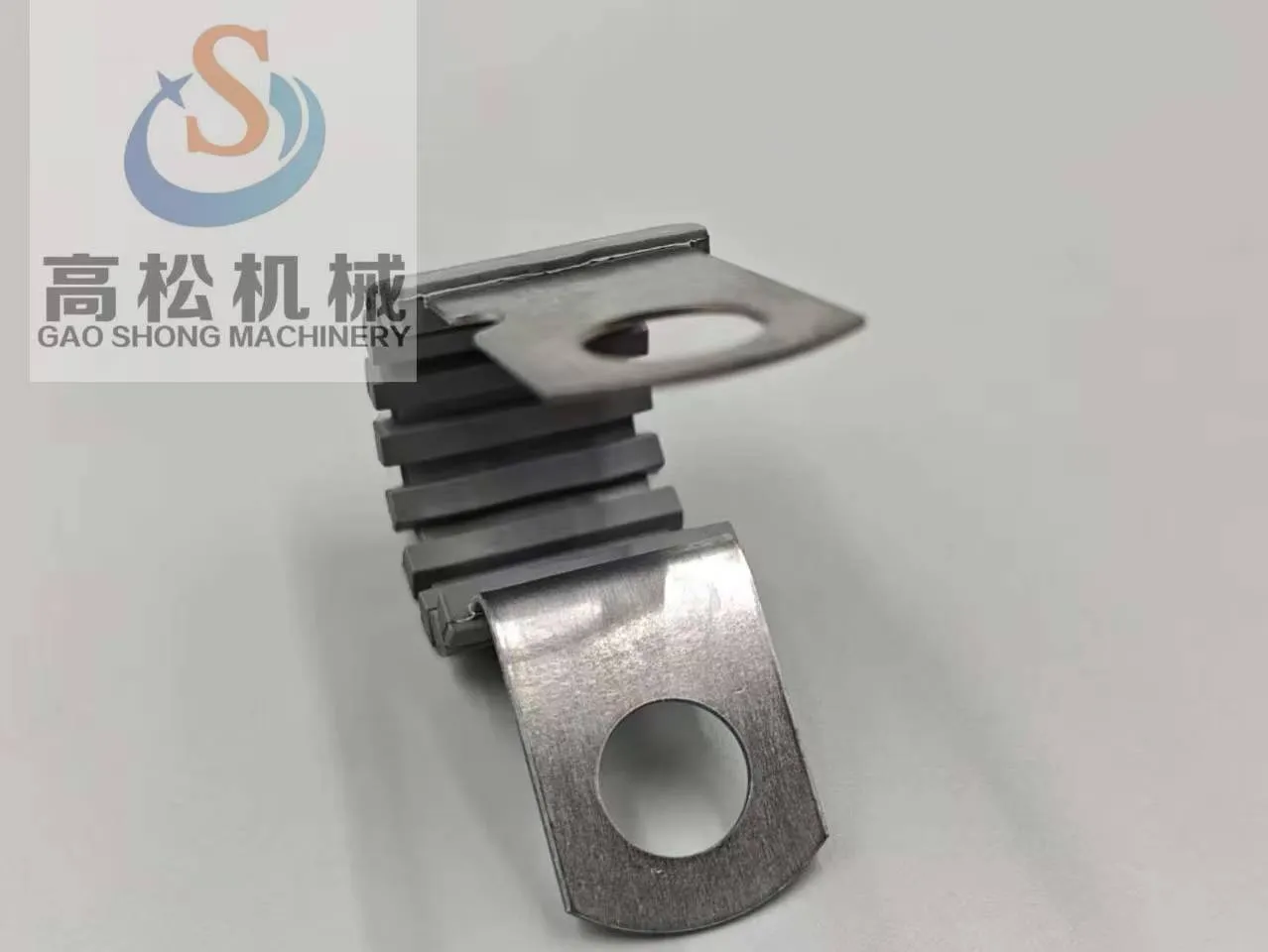 600-051-2180 Compatible models: D65 WA470-6 GD675 Komatsu original clip. Large inventory available.
 -
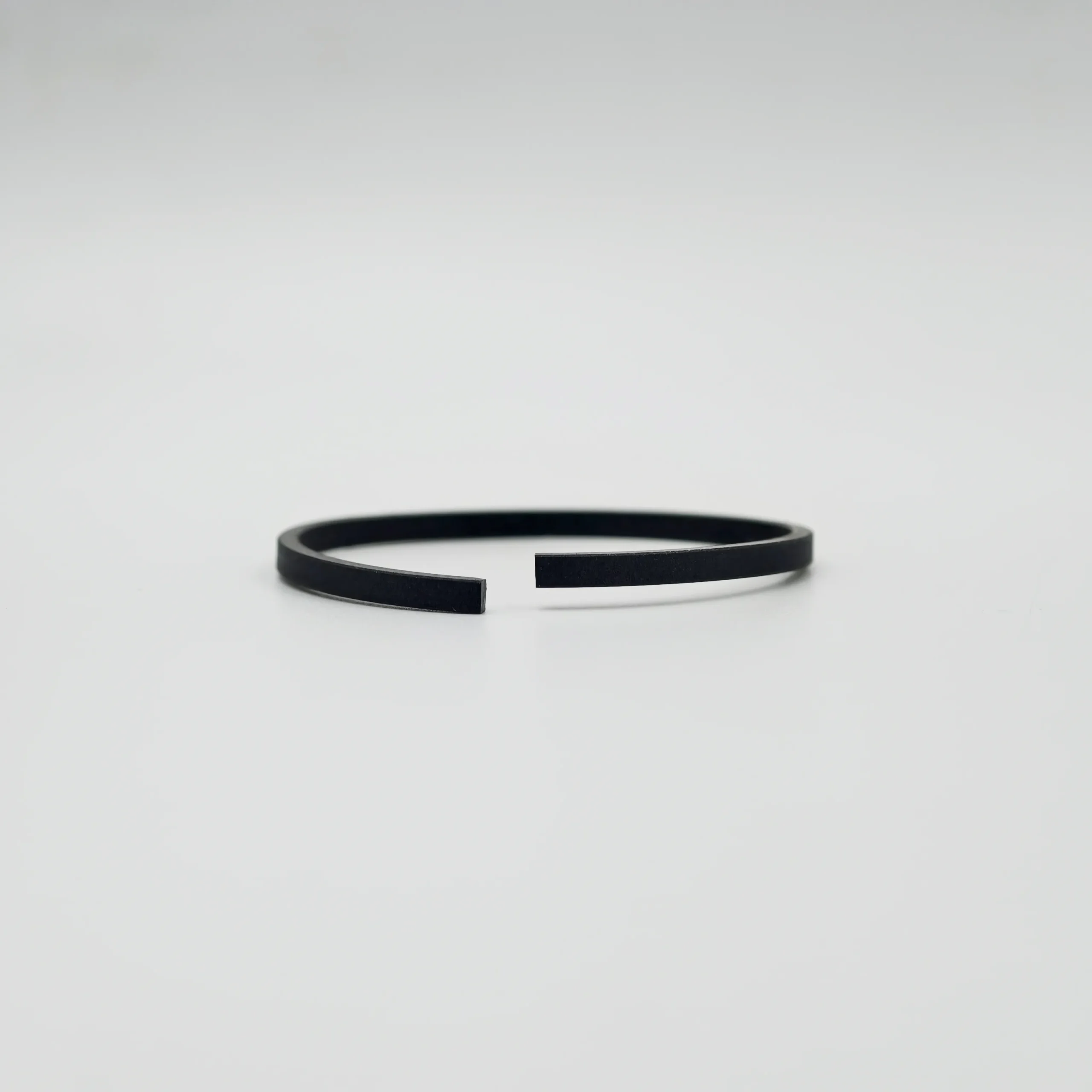 56D-15-19250 RING