
- Chinese
- French
- German
- Portuguese
- Spanish
- Russian
- Japanese
- Korean
- Arabic
- Irish
- Greek
- Turkish
- Italian
- Danish
- Romanian
- Indonesian
- Czech
- Afrikaans
- Swedish
- Polish
- Basque
- Catalan
- Esperanto
- Hindi
- Lao
- Albanian
- Amharic
- Armenian
- Azerbaijani
- Belarusian
- Bengali
- Bosnian
- Bulgarian
- Cebuano
- Chichewa
- Corsican
- Croatian
- Dutch
- Estonian
- Filipino
- Finnish
- Frisian
- Galician
- Georgian
- Gujarati
- Haitian
- Hausa
- Hawaiian
- Hebrew
- Hmong
- Hungarian
- Icelandic
- Igbo
- Javanese
- Kannada
- Kazakh
- Khmer
- Kurdish
- Kyrgyz
- Latin
- Latvian
- Lithuanian
- Luxembou..
- Macedonian
- Malagasy
- Malay
- Malayalam
- Maltese
- Maori
- Marathi
- Mongolian
- Burmese
- Nepali
- Norwegian
- Pashto
- Persian
- Punjabi
- Serbian
- Sesotho
- Sinhala
- Slovak
- Slovenian
- Somali
- Samoan
- Scots Gaelic
- Shona
- Sindhi
- Sundanese
- Swahili
- Tajik
- Tamil
- Telugu
- Thai
- Ukrainian
- Urdu
- Uzbek
- Vietnamese
- Welsh
- Xhosa
- Yiddish
- Yoruba
- Zulu
- Kinyarwanda
- Tatar
- Oriya
- Turkmen
- Uyghur






OEM AND ORIGINAL KOMATSU BEARING 06000-32056
Let's cut through the noise. When you see a listing for 'OEM AND ORIGINAL KOMATSU BEARING ', the immediate assumption is it's a genuine part from Komatsu. But in this business, that conjunction AND does a lot of heavy lifting, and it's where the real story—and the common pitfalls—begin. Many buyers, especially those sourcing from multi-brand platforms, conflate OEM with Original. In Komatsu's world, OEM often refers to the designated first-tier manufacturer that built the part for Komatsu's assembly line. Original should mean it came from Komatsu's own parts distribution network, with their packaging and part number stamp. For a bearing like the , used in a range of their mid-size excavator swing circles, the difference isn't just semantic; it's about metallurgy, heat treatment tolerances, and ultimately, machine uptime. I've seen too many service tickets where a failed aftermarket bearing, sold as OEM equivalent, took out the gear ring, costing ten times the part's price in downtime.
The in the Wild
This specific bearing isn't some obscure item. You'll find it in the swing assemblies of models like the PC200-8, PC220-8—workhorses globally. Its job is brutal: handling immense axial and radial loads during slewing, often with imperfect lubrication if maintenance schedules slip. A true Komatsu original part here has a specific cage design and a grease composition that's proprietary. The OEM version, from the factory Komatsu contracts, might be functionally identical on paper, but subtle differences in sealing lip material can be the gap between a 5000-hour service life and a 3000-hour failure.
I recall a contractor in Indonesia running three PC220s. Two had genuine bearings sourced through Komatsu distribution, one had a part from a supplier claiming OEM AND ORIGINAL. The failure pattern was telling. The two genuine ones wore evenly. The third developed a pronounced axial shimmy around the 3400-hour mark, which we initially blamed on the swing motor. Tear-down revealed the bearing's raceway had micro-spalling the others didn't show. The supplier swore it was from the same factory. Maybe it was, but it felt like a batch that didn't pass Komatsu's final QA and was sold off-spec into the secondary market. That's the grey zone.
This is where companies with a foot in both camps become critical. A supplier like Jining Gaosong Construction Machinery Co., Ltd. explicitly states its role: an OEM product supplier within the Komatsu system and a third-party sales company. That's a nuanced but honest positioning. It suggests they have access to the OEM production line output—the very parts made for Komatsu—and are also authorized to distribute them outside the official channel to address supply gaps. Their site, https://www.takematsumachinery.com, frames it as helping to solve parts supply challenges in certain countries. That's the real-world scenario: a mine in a remote location can't wait 12 weeks for official logistics; they need a reliable conduit to the same manufacturing source.
Decoding the Supply Chain
The traditional Komatsu supply chain is linear: Komatsu orders from Tier 1 OEM > parts go to Komatsu Central Depot > shipped to regional dealers. But surplus happens. OEMs have overruns. Regional demand fluctuates. This creates parallel streams. A legitimate supplier in this space isn't a back-alley counterfeiter; they're a logistics and relationship manager connecting this surplus to urgent demand. The risk for the buyer is verifying the link. Is this bearing from last year's OEM overrun, or is it a reverse-engineered copy? The product code is stamped, but the font depth and packaging film can be dead giveaways.
We did a side-by-side once: a bearing from a known grey-market source and one from a supplier like Gaosong, which claims its OEM-in-system status. The grey-market part had a slightly rougher finish on the sealing surface and the cardboard box lacked the specific batch-lot barcode. The one from the established intermediary matched the OEM-spec in every visual and caliper check we could perform without a spectrometer. It even had the same internal factory lot code etched in the same location. That's the level of detail that builds trust. It's not just about having the part; it's about having the traceability.
This model of supply is essential in markets where Komatsu's official presence is thin or where tariffs make official parts prohibitively expensive. The supplier acts as a buffer, but they also absorb the risk of verifying provenance. Their business hinges on being that reliable node. If they sell a dud that fails prematurely, their reputation in that specific, interconnected industry circle is finished. It's a self-policing mechanism to a degree.
Practical Checks and Field Realities
So, you're holding a bearing marked . What do you do? First, dismiss the shiny, perfect packaging. Genuine OEM/OEM-surplus parts sometimes have bland, even slightly battered industrial packaging. Look for the micro-etchings on the bearing race itself. Komatsu's OEMs use laser etching that's crisp and shallow. Cast or stamped markings that feel deep are red flags. Weigh it. A counterfeit often uses inferior steel and might be 2-3% lighter. It sounds basic, but a digital scale in the parts room has saved us more than once.
The real test is in the fit and sound. An original or true OEM-spec bearing will slide onto the shaft with a consistent, snug pressure. No hammering. When the machine is back together and slewing under load, listen for a consistent, low-frequency hum. Any high-pitched whine or irregular chatter during the swing brake application can indicate tolerance stack-up issues from a sub-par bearing. I've advised teams to keep a known-good bearing on the shelf just as a physical reference to compare new stock against—dimensions, weight, even the smell of the preservative grease.
This is where the stated mission of a company like Jining Gaosong to solve parts supply challenges gets practical. Their value isn't just inventory; it's their curated access. When you contact them for a , you're not just buying a box. You're tapping into their due diligence on the factory source. The good ones will provide documentation—not always Komatsu branded, but factory test certificates, material certifications, shipping manifests from the OEM plant. If they balk at that, walk away.
Cost vs. Value Calculus
Let's talk money. A genuine Komatsu-original from a dealer has a hefty premium. A compatible bearing from a generic aftermarket brand might be 40% of the cost. The OEM-spec part from a qualified intermediary sits in the middle, often 60-75% of the dealer price. The calculus isn't just part cost. It's total cost of ownership. For a critical, hard-to-replace component like a swing bearing, the extra 25% over the cheapest option is insurance. If the intermediary-supplied OEM part gives you 95% of the genuine part's life at 75% of the cost, that's a winning equation for most fleet managers.
I've made the mistake of going cheap. Early in my career, overseeing a fleet, we opted for a budget equivalent to the during a cost-cutting drive. We installed four. Two failed within 18 months, requiring complete swing disassembly—a 3-day job per machine with two techs. The downtime cost eclipsed the savings from buying a dozen genuine bearings. The lesson was brutal: for non-critical, wear-and-tear items, maybe explore alternatives. For core structural bearings, pivot points, and gears, the risk multiplier is too high. Now, the first question I ask a supplier is not just Is this OEM? but Can you trace which factory and production run this came from?
This is the niche Jining Gaosong Construction Machinery Co., Ltd. operates in. As an OEM supplier within the system, they theoretically have that traceability. Their role as a third-party sales company means they're not bound by Komatsu's geographic sales restrictions, allowing them to move parts to where the pain point is most acute. For a site manager staring at a downed PC220 with a failed bearing and a 3-month backorder from the local dealer, that's not a convenience; it's a business-saving service.
Concluding Thoughts on the AND
Coming back to that keyword: 'OEM AND ORIGINAL KOMATSU BEARING '. The AND should signify a part that is both from the original equipment manufacturer and meets the original specification, even if it didn't pass through Komatsu's final sales warehouse. In an ideal transaction, that's what you get. The reality is a market full of claims. The differentiation comes from the supplier's transparency and embeddedness in the Komatsu ecosystem.
Success in sourcing these parts is about building relationships with suppliers who understand the mechanical nuance, not just the part number. It's about verifying, testing, and maintaining a healthy skepticism. The bearing itself, the , is just a piece of engineered steel. The value is in the confidence that it was made to the right standard. That confidence comes from the chain of custody a reliable supplier provides.
So, when you're next searching for this part, look beyond the listing title. Look for the supplier's stated position in the supply chain. Look for their willingness to provide evidence. Companies that articulate a clear, dual role like being an OEM product supplier within the Komatsu system and a third-party solver of supply challenges are at least starting from a place of honesty. From there, it's on you to do the field checks, but your odds of getting a bearing that performs like an original are significantly higher. That's the difference between just buying a part and managing asset health.
Related Products
Related Products

Best Selling Products
Best Selling Products-
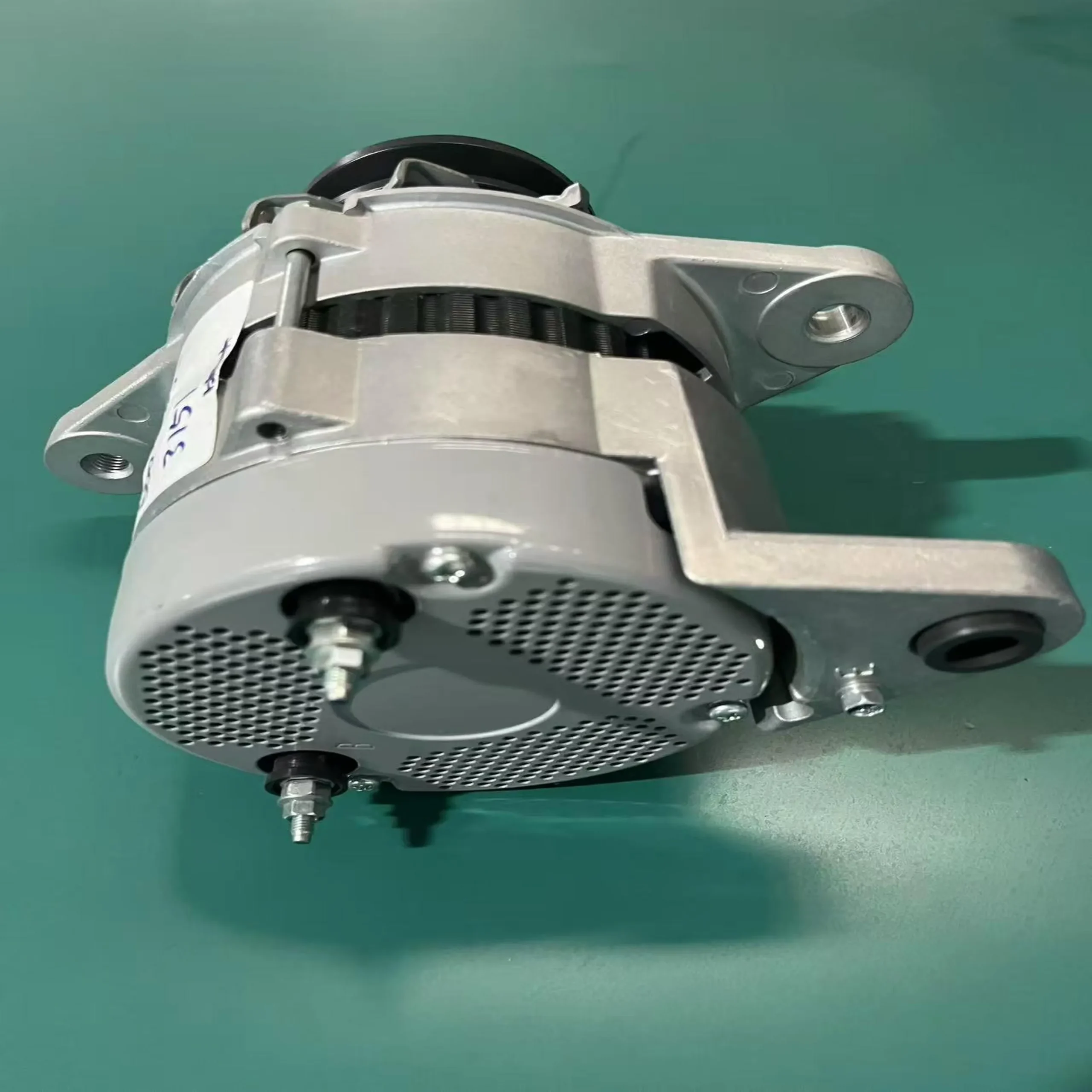 Komatsu D53a D53p Alternator Is Compatible600-825-3250 600-825-3260
 -
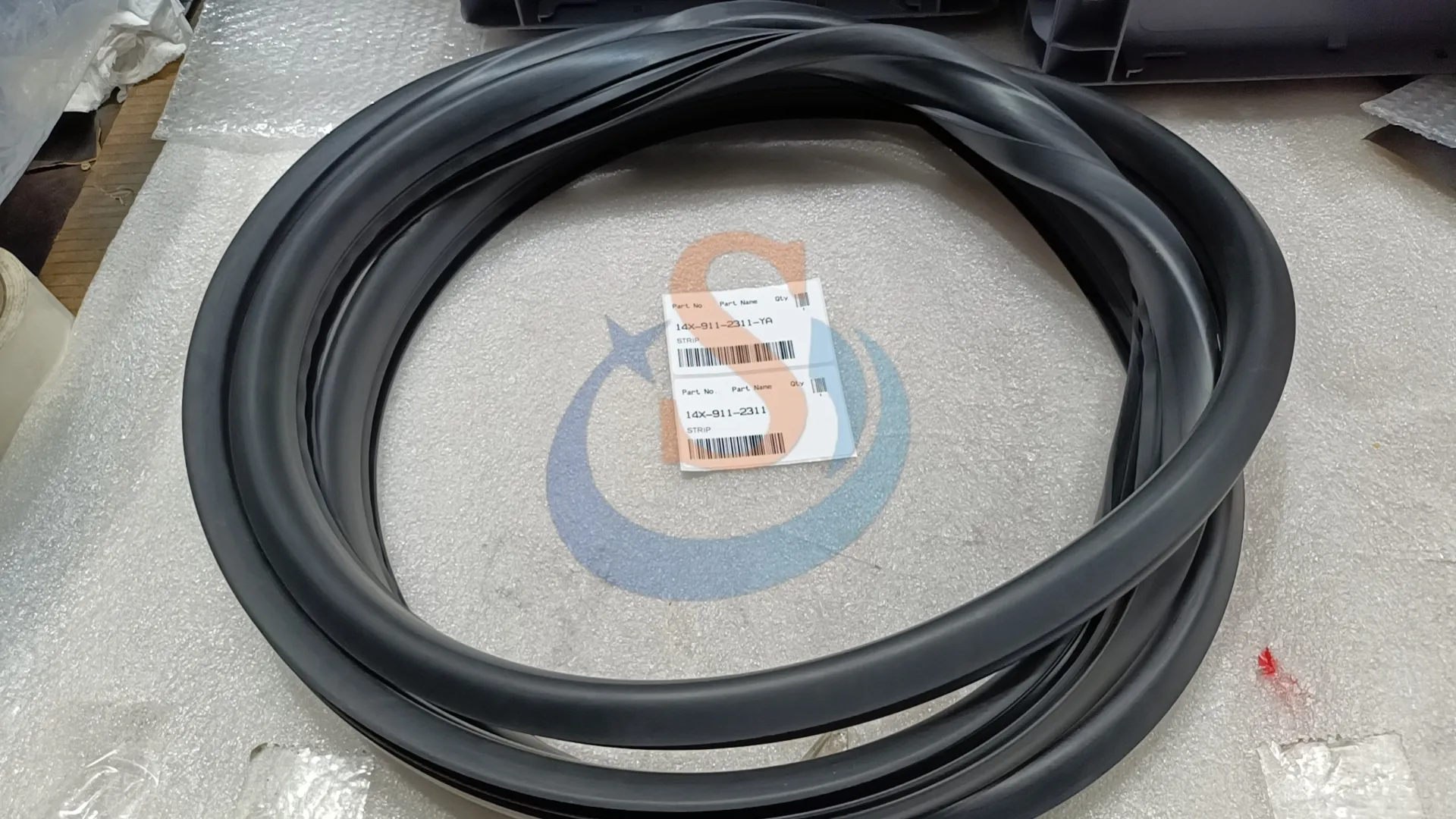 14X-911-2311,STRIP WEATHER,D155A,D375A,D65E
 -
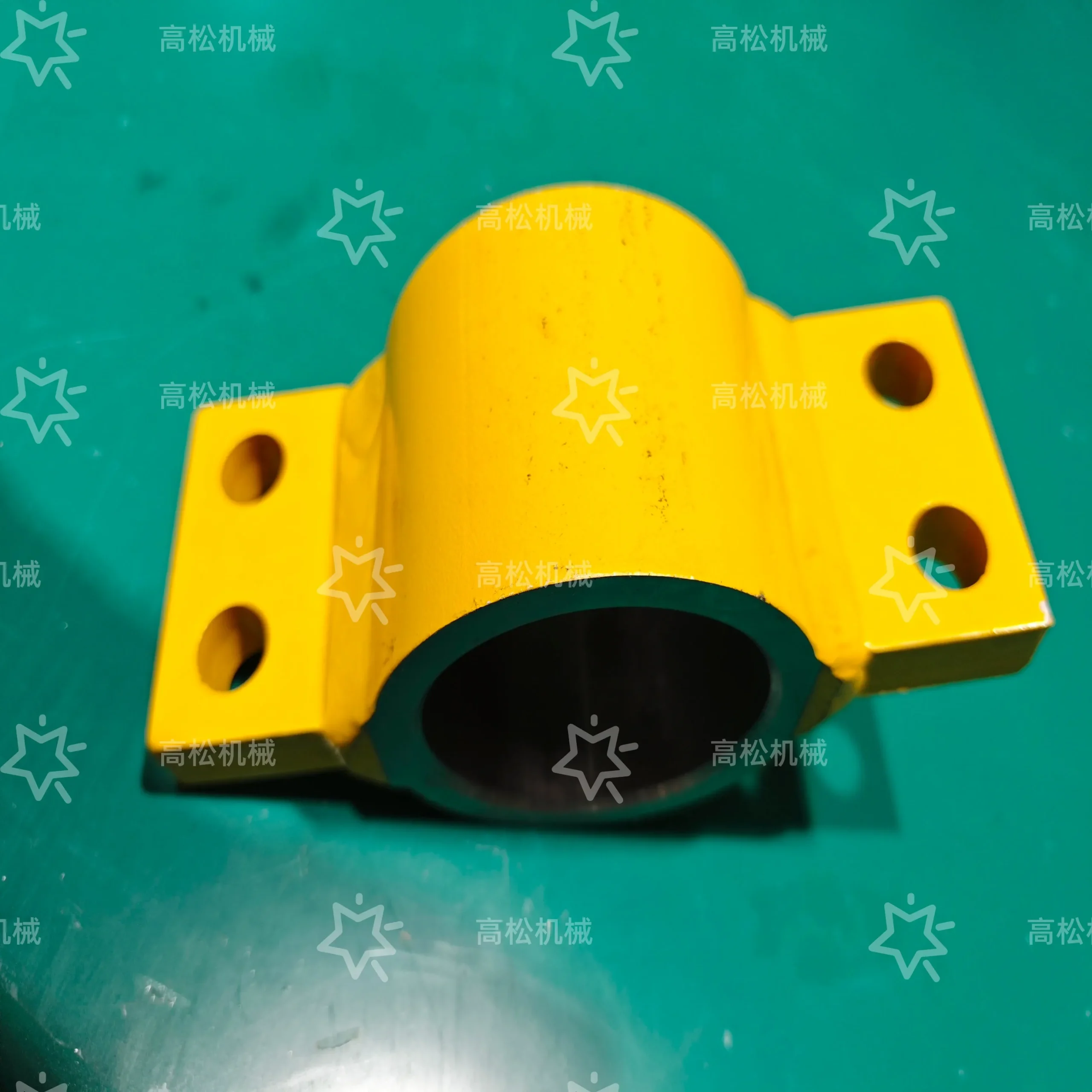 part 566-14-41160 Bracket (Komatsu)
 -
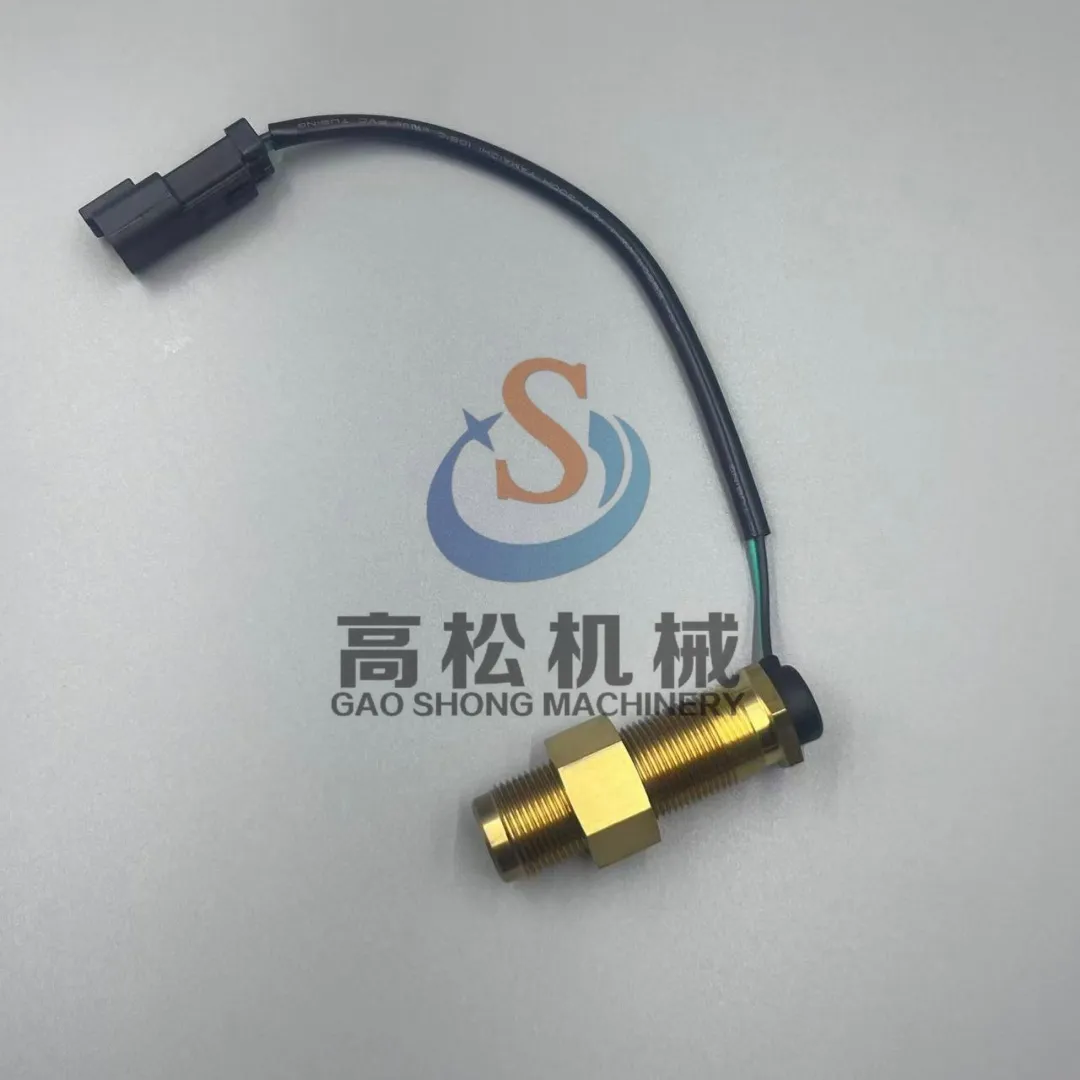 7861-92-2340 7861-93-2330 Fits for Komatsu PC200-3
 -
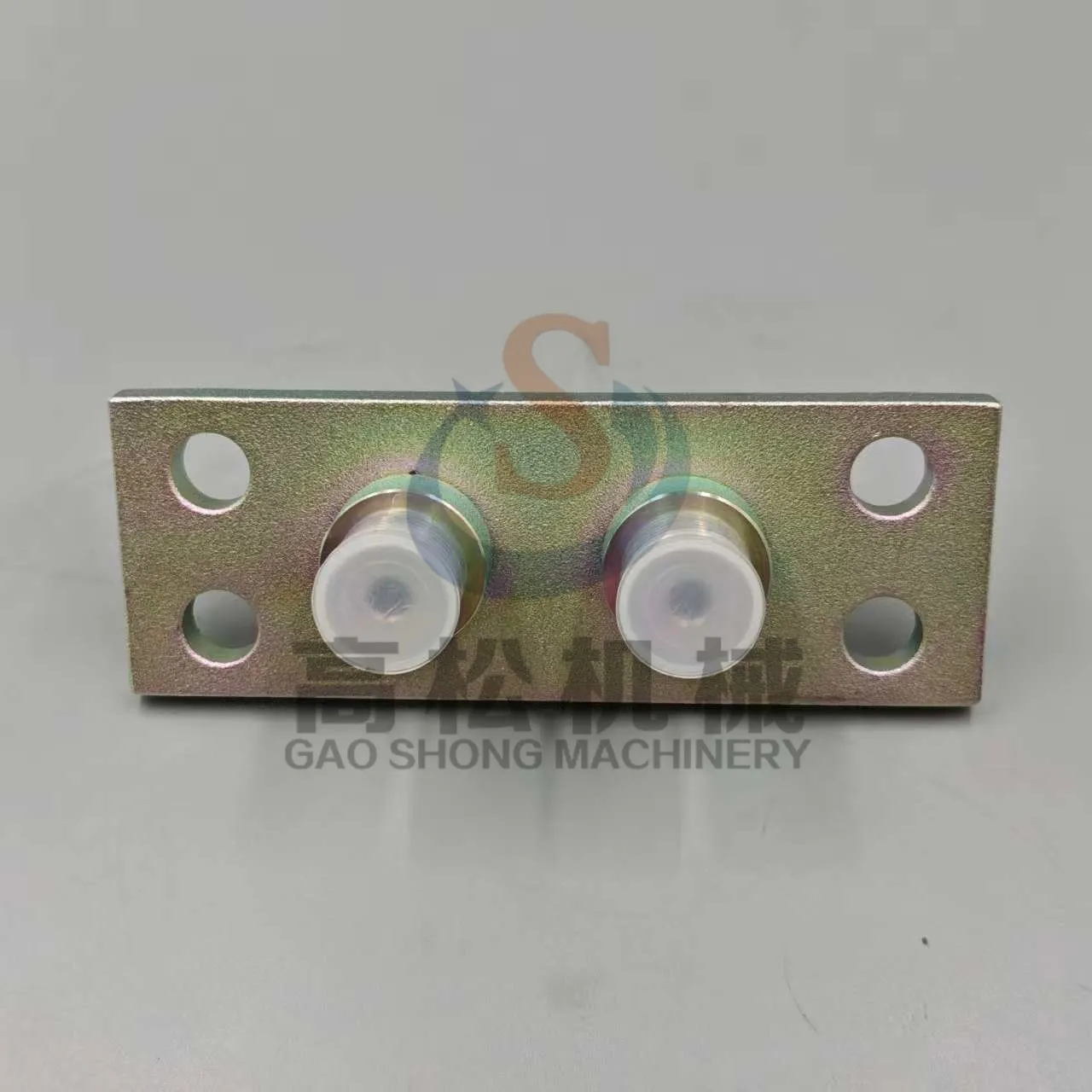 BRACKET 14Y-62-31411 – KOMATSU
 -
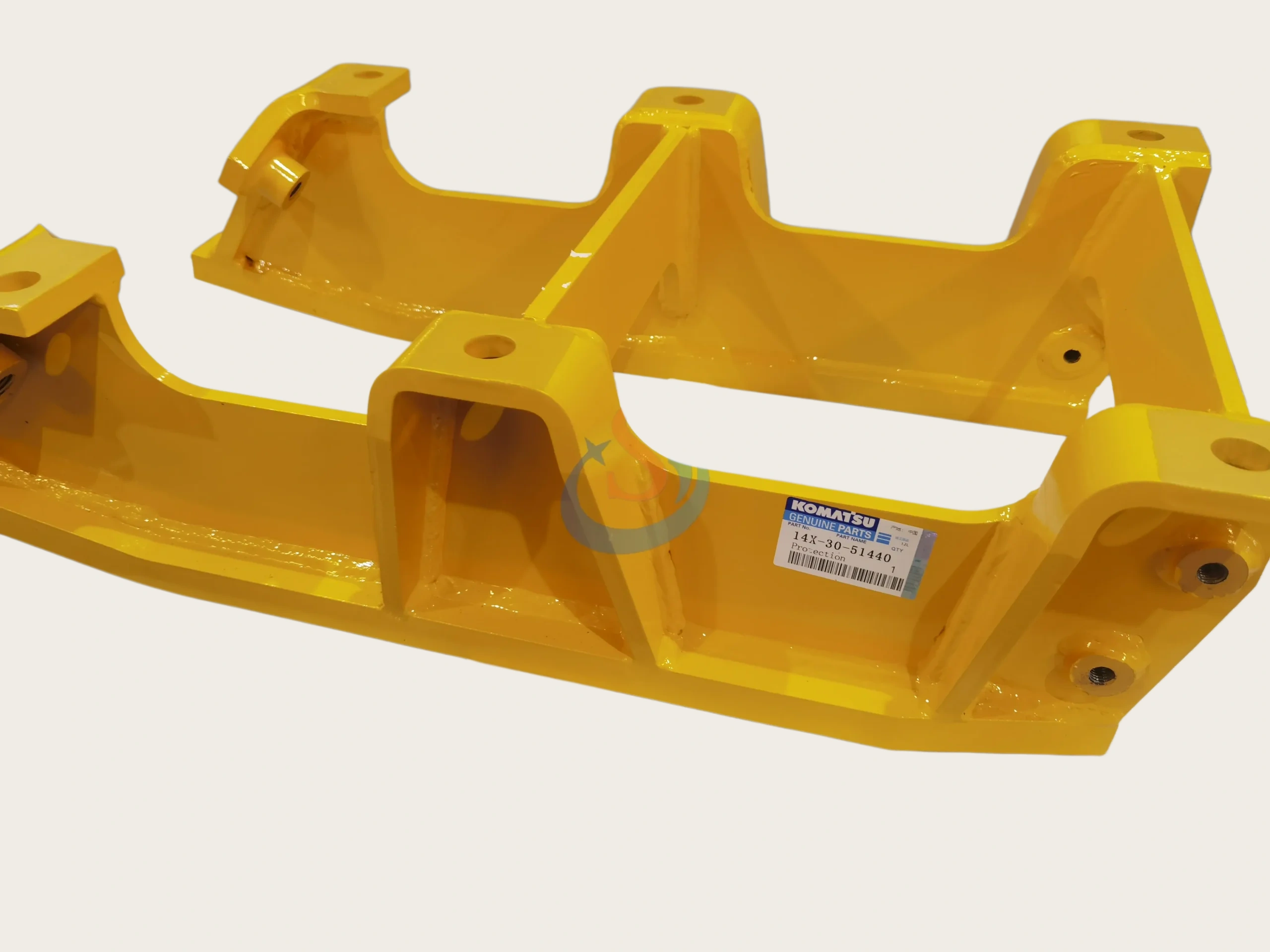 komatsu-part-14X-30-51440 Guard D65PX-16 D65PX-17 D65WX-18 D65EX-18E0 TRACK FRAME TRACK FRAME, (WITH POWER ANGLE POWER TILT DOZER, INSIDE FRAME)
 -
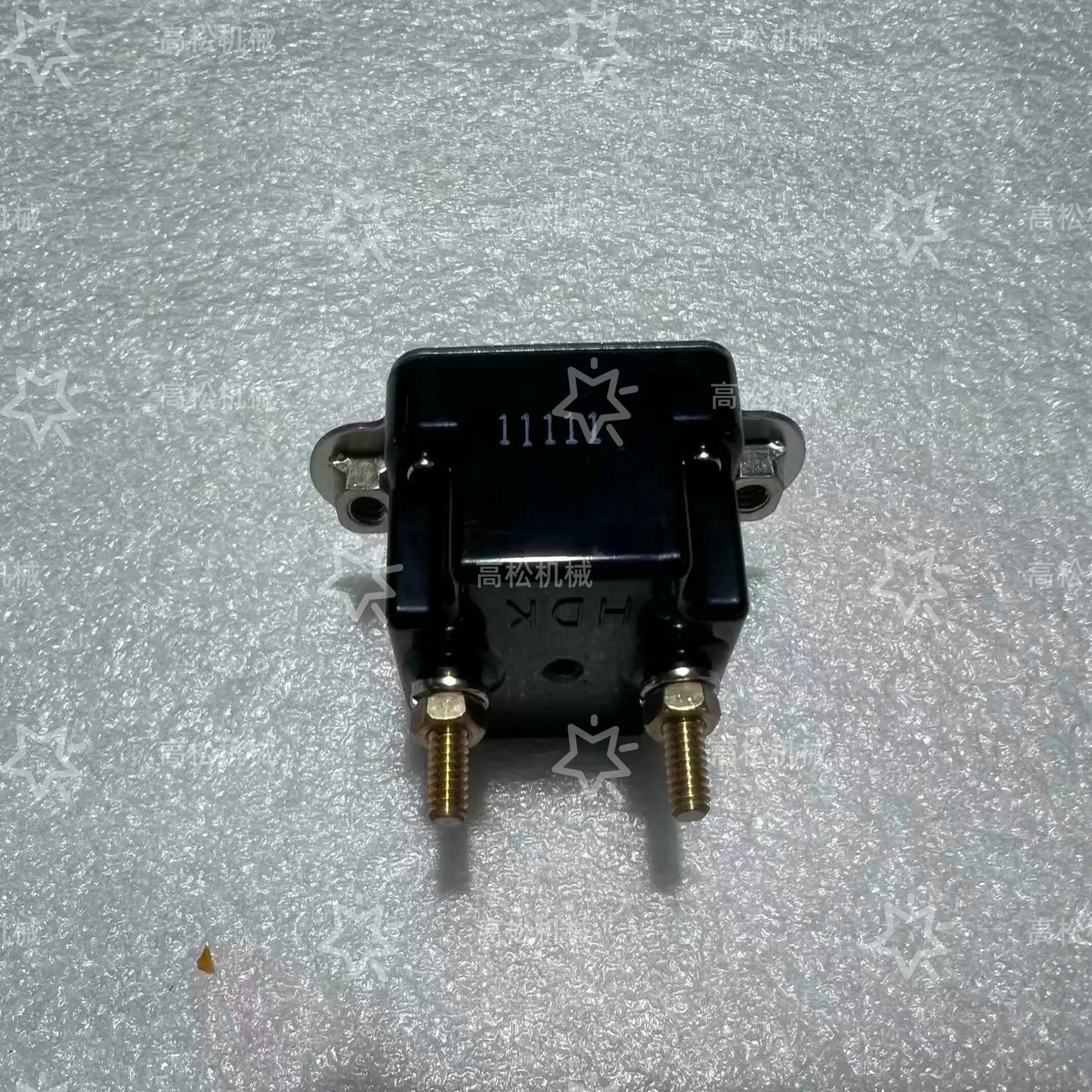 421-06-11440 BREAKER fits KOMATSU
 -
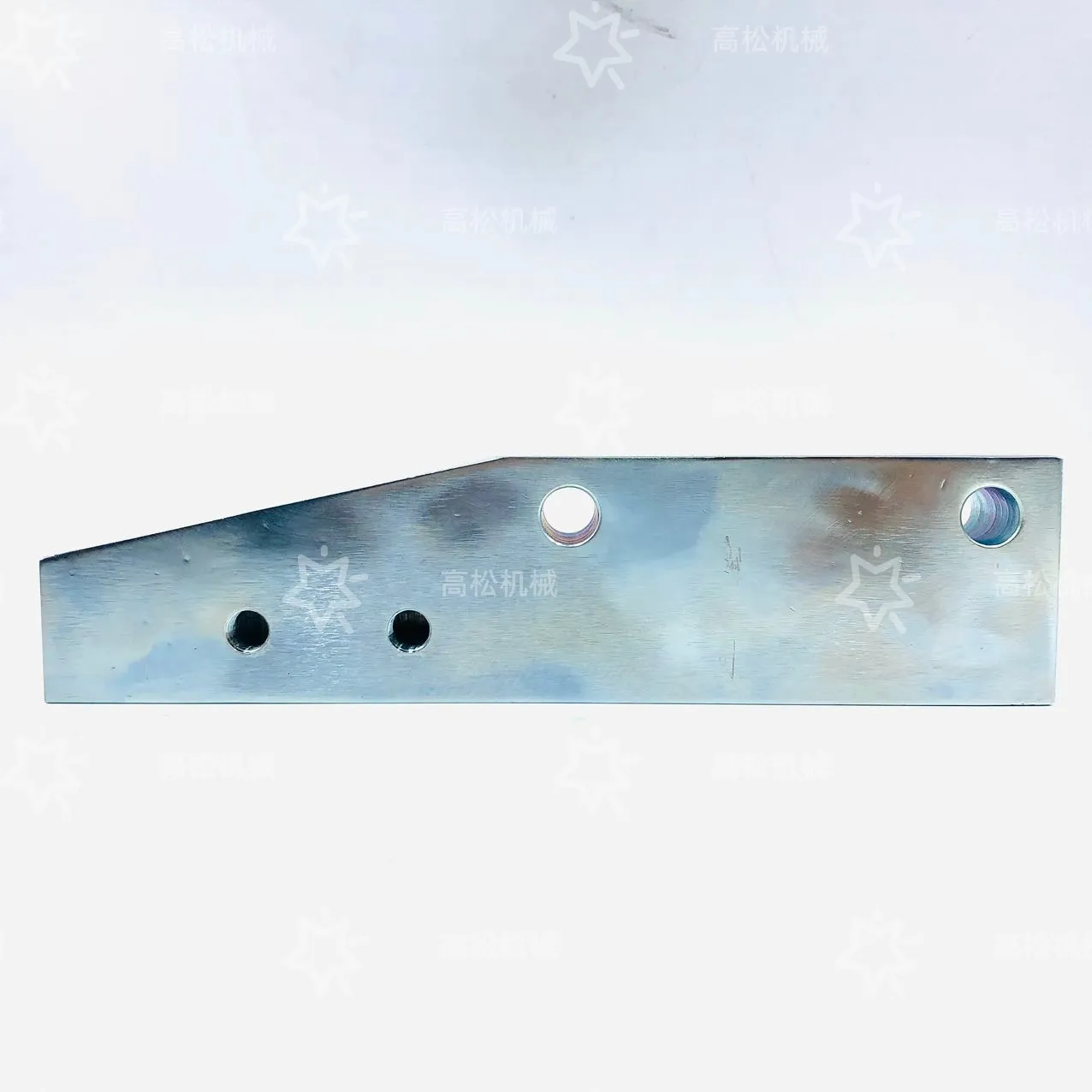 209-38-73281 BLOCK made to fit KOMATSU
 -
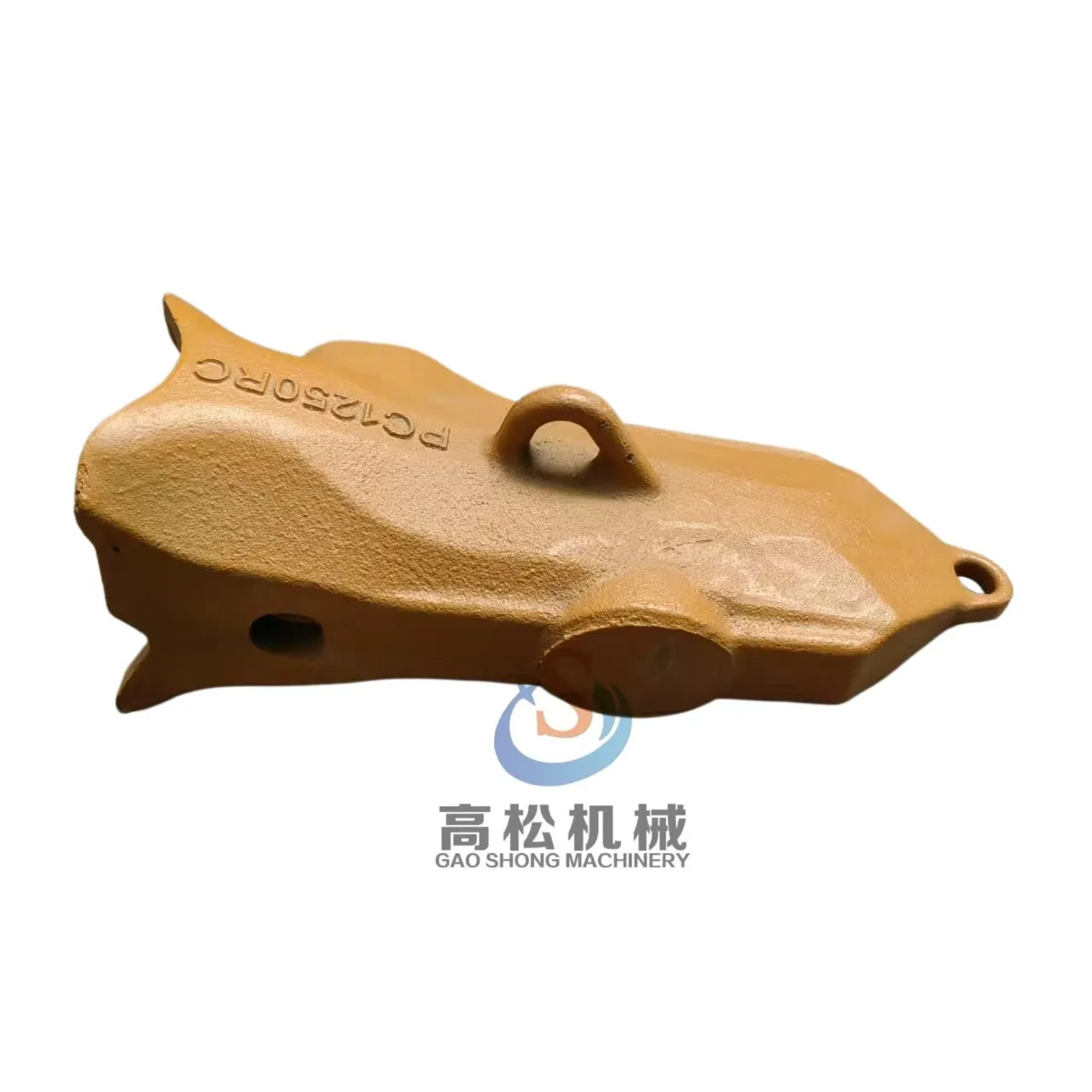 PC1250-8 Bucket Tooth 21N-70-37721 XS115RC
 -
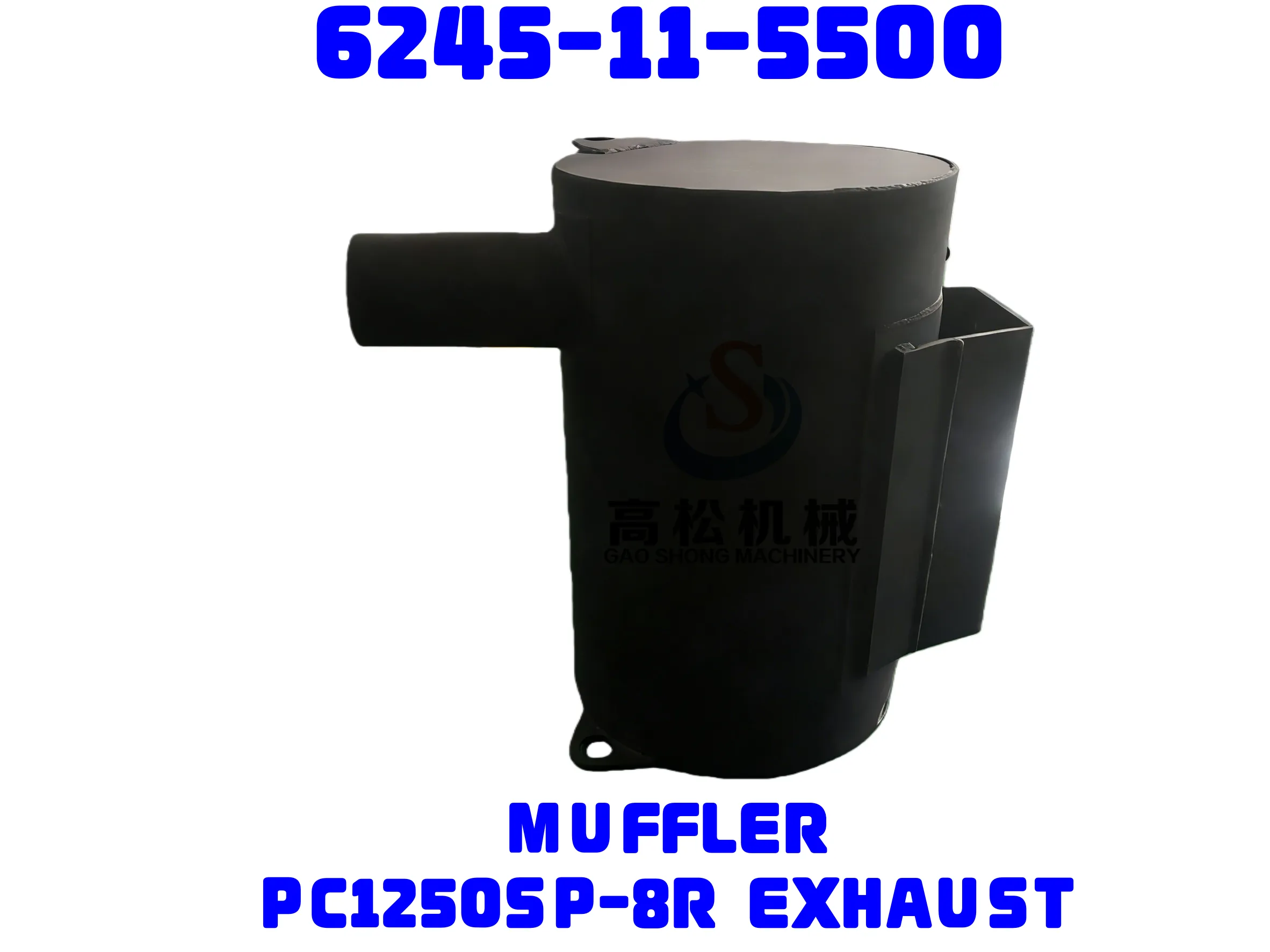 Muffler Silencer 6245-11-5500 for Komatsu Engine 6D170E-5 Excavator PC1250-8 PC1250-8R PC1250LC-8 PC1250SP-8 PC1250SP-8R
 -
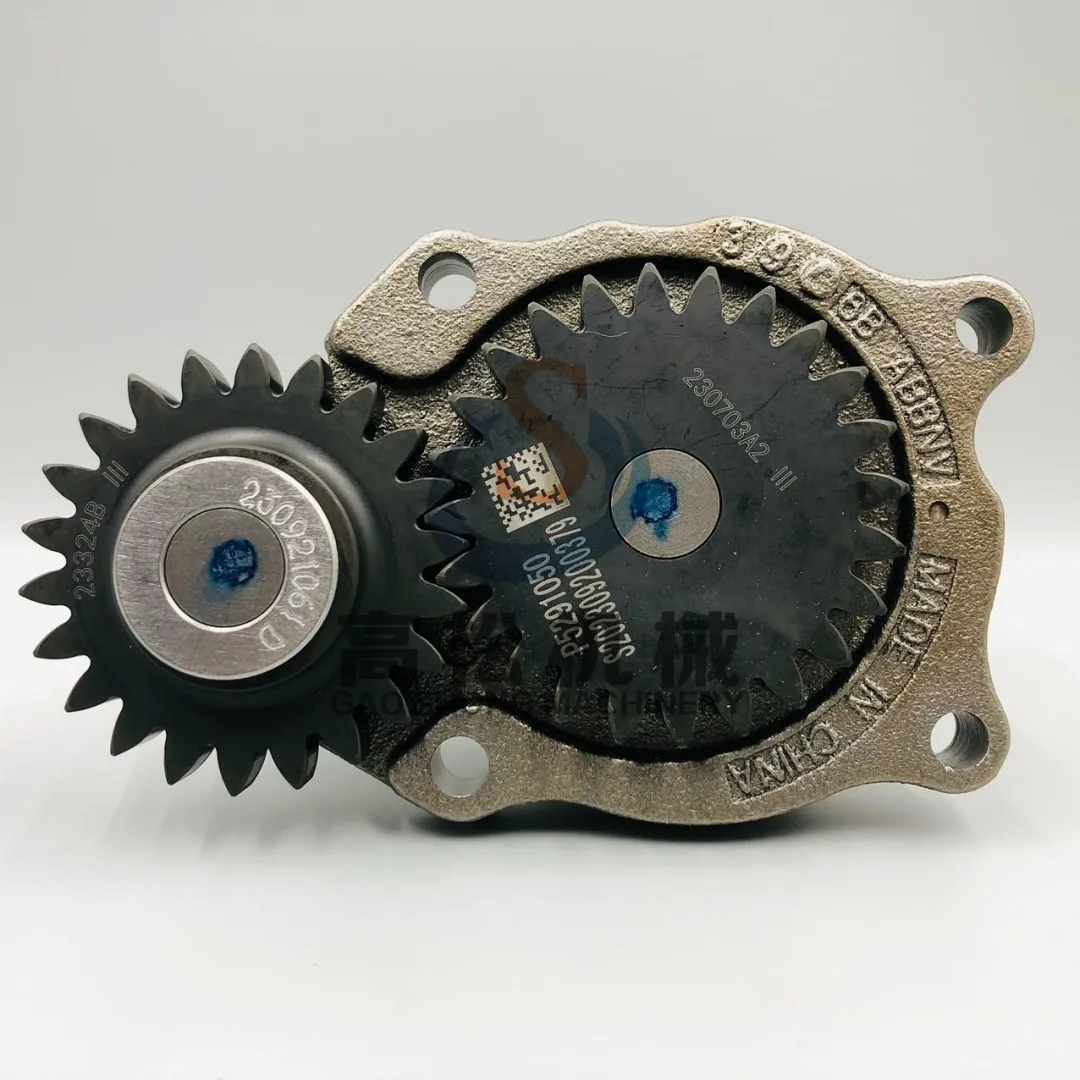 6754-51-1111 6754511111 Fuel Transfer Pump for Komatsu
 -
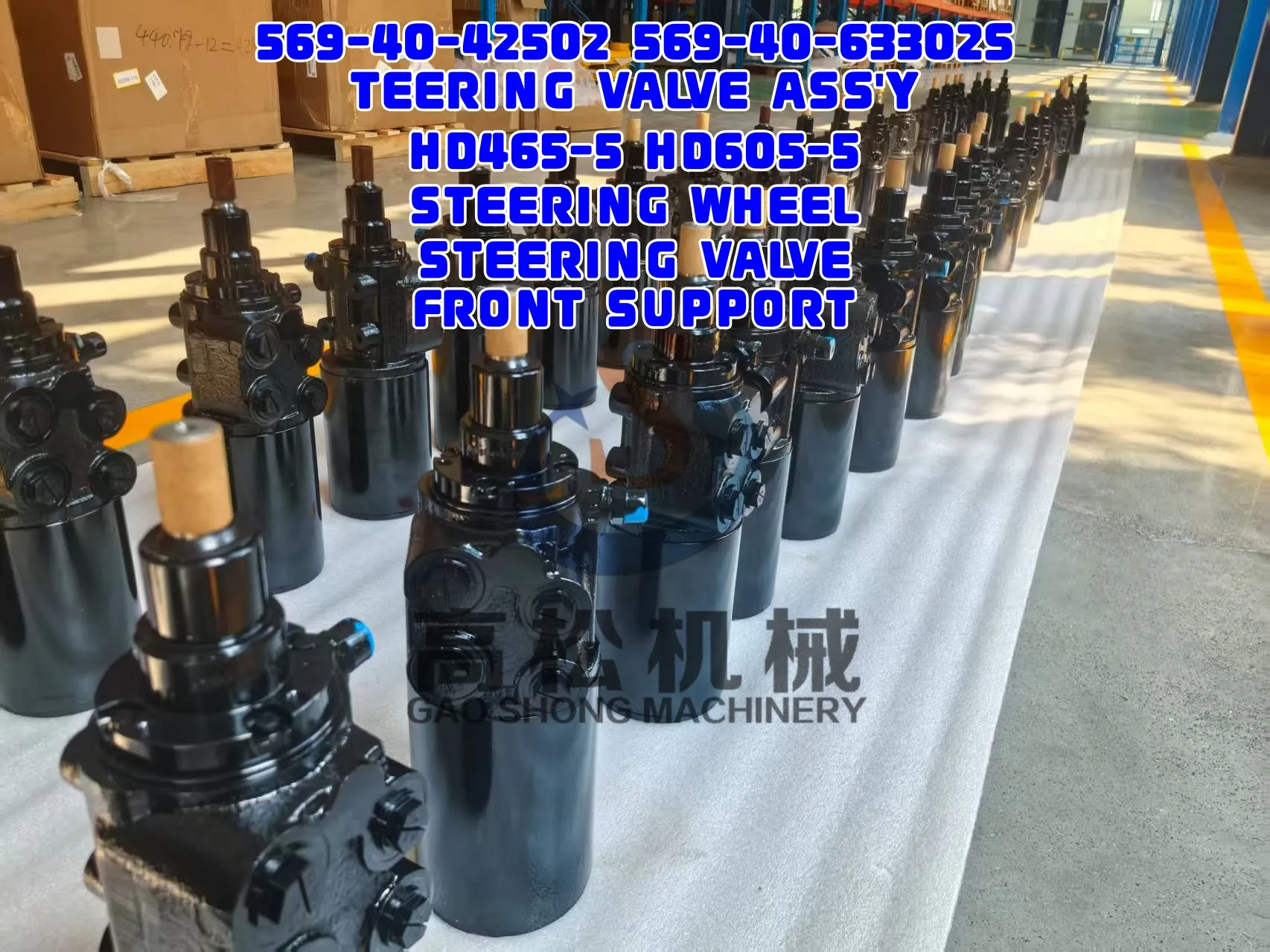 komatsu-part-569-40-42502 569-40-63302 STEERING