
- Chinese
- French
- German
- Portuguese
- Spanish
- Russian
- Japanese
- Korean
- Arabic
- Irish
- Greek
- Turkish
- Italian
- Danish
- Romanian
- Indonesian
- Czech
- Afrikaans
- Swedish
- Polish
- Basque
- Catalan
- Esperanto
- Hindi
- Lao
- Albanian
- Amharic
- Armenian
- Azerbaijani
- Belarusian
- Bengali
- Bosnian
- Bulgarian
- Cebuano
- Chichewa
- Corsican
- Croatian
- Dutch
- Estonian
- Filipino
- Finnish
- Frisian
- Galician
- Georgian
- Gujarati
- Haitian
- Hausa
- Hawaiian
- Hebrew
- Hmong
- Hungarian
- Icelandic
- Igbo
- Javanese
- Kannada
- Kazakh
- Khmer
- Kurdish
- Kyrgyz
- Latin
- Latvian
- Lithuanian
- Luxembou..
- Macedonian
- Malagasy
- Malay
- Malayalam
- Maltese
- Maori
- Marathi
- Mongolian
- Burmese
- Nepali
- Norwegian
- Pashto
- Persian
- Punjabi
- Serbian
- Sesotho
- Sinhala
- Slovak
- Slovenian
- Somali
- Samoan
- Scots Gaelic
- Shona
- Sindhi
- Sundanese
- Swahili
- Tajik
- Tamil
- Telugu
- Thai
- Ukrainian
- Urdu
- Uzbek
- Vietnamese
- Welsh
- Xhosa
- Yiddish
- Yoruba
- Zulu
- Kinyarwanda
- Tatar
- Oriya
- Turkmen
- Uyghur






OEM AND ORIGINAL KOMATSU BEARING 06000-32052
When you see that part number, , pop up in a search or on a quote, the immediate assumption is often that it's a genuine Komatsu part. But here's the thing – that's not always the case. The term 'OEM and Original' gets thrown around so loosely in our industry, especially for critical components like bearings, that it creates a real minefield for procurement and maintenance teams. I've seen too many instances where a bearing labeled as 'OEM' fails prematurely because it was, in reality, a compatible part that didn't meet the exact material spec or heat treatment. The 06000 series for Komatsu excavators and dozers is particularly sensitive; a failure here isn't just a downtime event, it can cascade into pinion or final drive damage. So, let's talk about what this number really means, the gaps in the supply chain, and how companies like Jining Gaosong Construction Machinery Co., Ltd. position themselves within this ecosystem.
The Nuance Behind OEM in the Komatsu World
Officially, Komatsu doesn't manufacture every single bearing in-house. They have a network of certified tier-one suppliers who produce to their exacting specifications. A true 'Original' comes from this network, packaged in Komatsu-branded boxes with traceable lot numbers. The 'OEM' tag, however, has been co-opted. Many suppliers use it to mean the part is made to 'OEM specifications,' which is a gray area. Is it from the same factory on the same production line on a different shift? Or is it a reverse-engineered product from a different foundry altogether? The distinction is everything.
In my experience, the telltale signs often aren't visible on day one. The dimensions will be perfect – a caliper won't help you. The difference is in the metallurgy and the micro-finish on the raceway. A true original has a consistent grain structure and a surface finish that minimizes initial wear-in. I've cut open failed 'OEM-spec' bearings and seen porosity or inconsistent hardness, something you'd never find in a part from Komatsu's approved chain. This is where the operational cost gets hidden.
This ambiguity is precisely why entities like Jining Gaosong Construction Machinery Co., Ltd. have a role. They operate as an OEM product supplier within the Komatsu system. In practice, this can mean they have access to genuine Komatsu parts channels, but they might also source from the original bearing manufacturer (like NTN or KOYO, who are known Komatsu suppliers) through parallel, non-Komatsu-branded avenues. Their stated goal of solving parts supply challenges in certain countries often involves navigating these very channels to get the correct physical part into a market where the official distribution is weak or backlogged.
Case in Point: The in a D65EX Dozer
Let me give you a concrete example from a few years back. We had a D65EX-12 pushing material in a quarry. The bearing in the final drive started making noise. The local dealer quoted a 6-week lead time and a staggering price. The site manager, under pressure, sourced an 'OEM and Original' bearing from a third-party vendor at half the cost and a 3-day delivery. It was installed.
For about 400 hours, it was fine. Then the temperature spikes began. The lube analysis came back with elevated iron particles. By the time we tore it down, the bearing had spalled, and the metal debris had scored the mating surface of the housing. The 'savings' were wiped out ten times over by the repair cost and three weeks of machine downtime. The post-mortem? The substitute bearing's cage material couldn't handle the specific shock loads of dozer counter-rotation. It was a design nuance the compatible manufacturer missed.
This is the core challenge companies like Gaosong aim to address. If you visit https://www.takematsumachinery.com, you'll see they frame themselves as part of the solution. The key question for a buyer is: are they providing the genuine article from Komatsu's system, or are they providing a part from the original bearing manufacturer that is physically identical? Both can be valid, but transparency is critical. In a scenario like our D65EX, knowing which one you're getting dictates your maintenance planning and risk assessment.
Identifying True Originals: It's in the Details
So, how do you hedge your bets without a lab? First, packaging is a primary indicator, but it's also the easiest to fake. A genuine Komatsu box has specific print quality, laminate textures, and multi-language safety warnings. The part itself should have laser-etched markings, not dot-peened, with the Komatsu logo, part number, and a supplier code. The should have a specific, almost greasy preservative coating that smells a certain way – veterans in the parts room will know what I mean.
Second, documentation. A legitimate supplier in the system should be able to provide a certificate of conformance or traceability back to a Komatsu-authorized shipment. If they hesitate or provide a generic mill certificate, that's a red flag. Jining Gaosong Construction Machinery Co., Ltd., by virtue of its stated business model, should be positioned to clarify this path. Are they a conduit to Komatsu's warehouse, or are they a specialist in sourcing the identical component from the industrial bearing network? Their value is in honest communication on this point.
Third, price. If it's too good to be true, it is. The raw material and precision grinding for a bearing of this grade have a global market cost. A price 40% below dealer list isn't a bargain; it's a signal that corners were cut in the alloy composition or the quality assurance process. You're not paying for the brand; you're paying for the rigorous testing and validation Komatsu imposes on its supply chain.
When Third-Party Sales Makes Sense
This isn't to say non-Komatsu-boxed parts are always wrong. There are legitimate scenarios. For older machines, like a Komatsu D155-1, the official part might be discontinued. A high-quality, precision-made bearing from a reputable industrial manufacturer that matches the original specs can be a lifesaver. This is where a competent third-party sales company earns its keep.
Their job is to cross-reference the Komatsu number to the underlying industrial bearing number (which Komatsu often grinds off), source it from a reliable producer, and validate its suitability. This requires deep cross-reference catalogs and engineering insight. Does the directly correlate to a standard JIS or ISO bearing number? Sometimes yes, sometimes no – Komatsu often requests custom internal clearances or seals. A good supplier knows this difference.
The company profile of Gaosong mentions they are a third-party sales company for Komatsu, helping to solve parts supply challenges in certain countries. This is most valuable in these edge cases: legacy equipment, embargoed regions, or urgent breakdowns where the official pipeline is clogged. Their integrity is proven by not selling a standard bearing as a direct replacement for a custom one, and by being upfront about the provenance.
Final Take: A Matter of Risk Management
At the end of the day, specifying the OEM AND ORIGINAL KOMATSU BEARING is a risk management decision. For a machine under warranty or in a critical, high-production application, there is no substitute for the traceable, genuine part. The premium is insurance.
For secondary machines or in cost-sensitive, non-critical applications, a verified high-quality alternative from the original bearing manufacturer can be a prudent choice. The role of suppliers like Gaosong is to be that verifying expert, not just another link in a opaque supply chain. They need to provide the 'why' behind the part they're offering.
So, next time you order that bearing, ask the hard questions. Who made it? What's the supply path? Can you see the documentation? The part number is just the starting point. The real value lies in the confidence behind it, and that comes from transparency built on real industry practice, not just a clever webpage. That's what separates parts peddlers from genuine solutions providers in this complex market.
Related Products
Related Products

Best Selling Products
Best Selling Products-
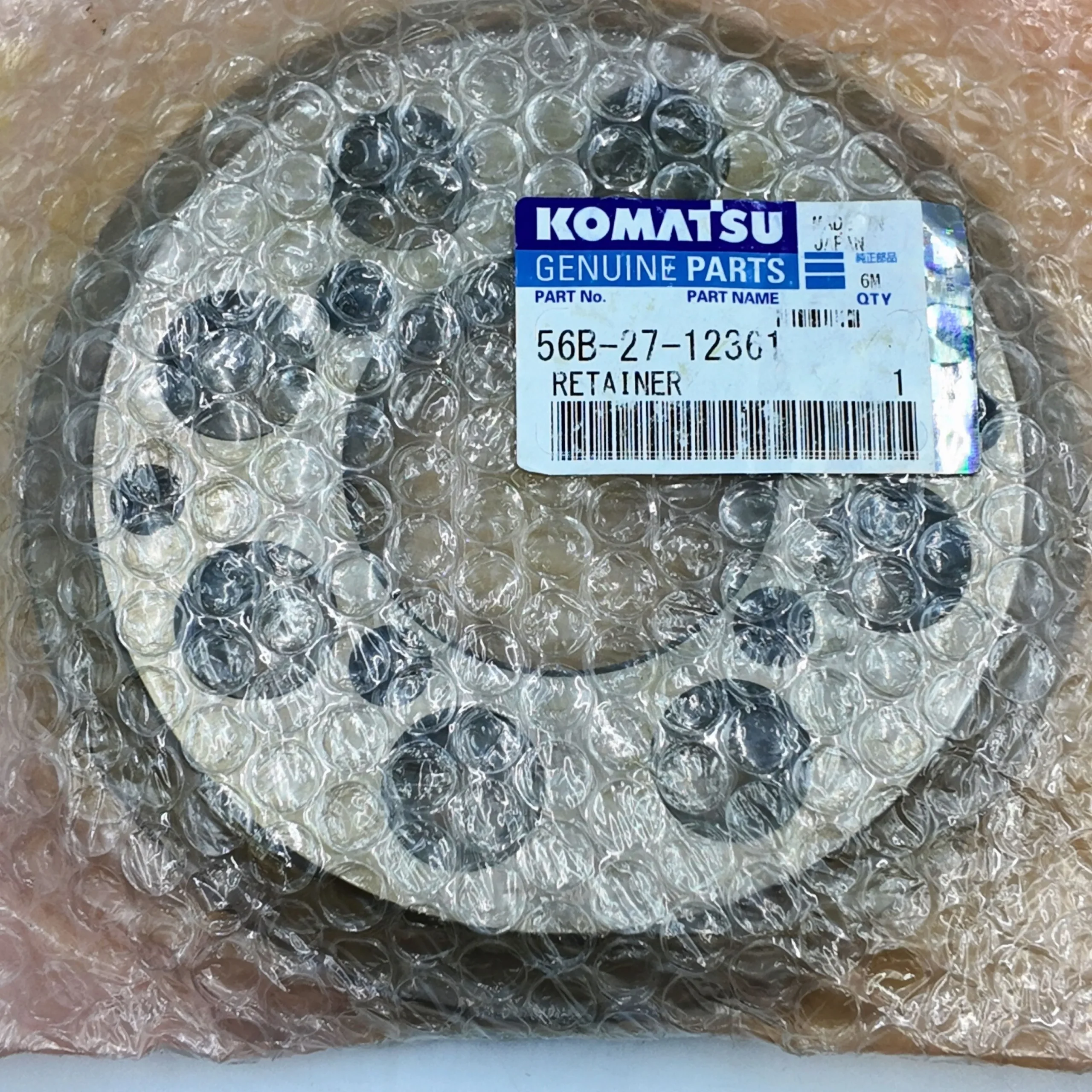 56B-27-12361•• RETAINER-Komatsu Original Factory
 -
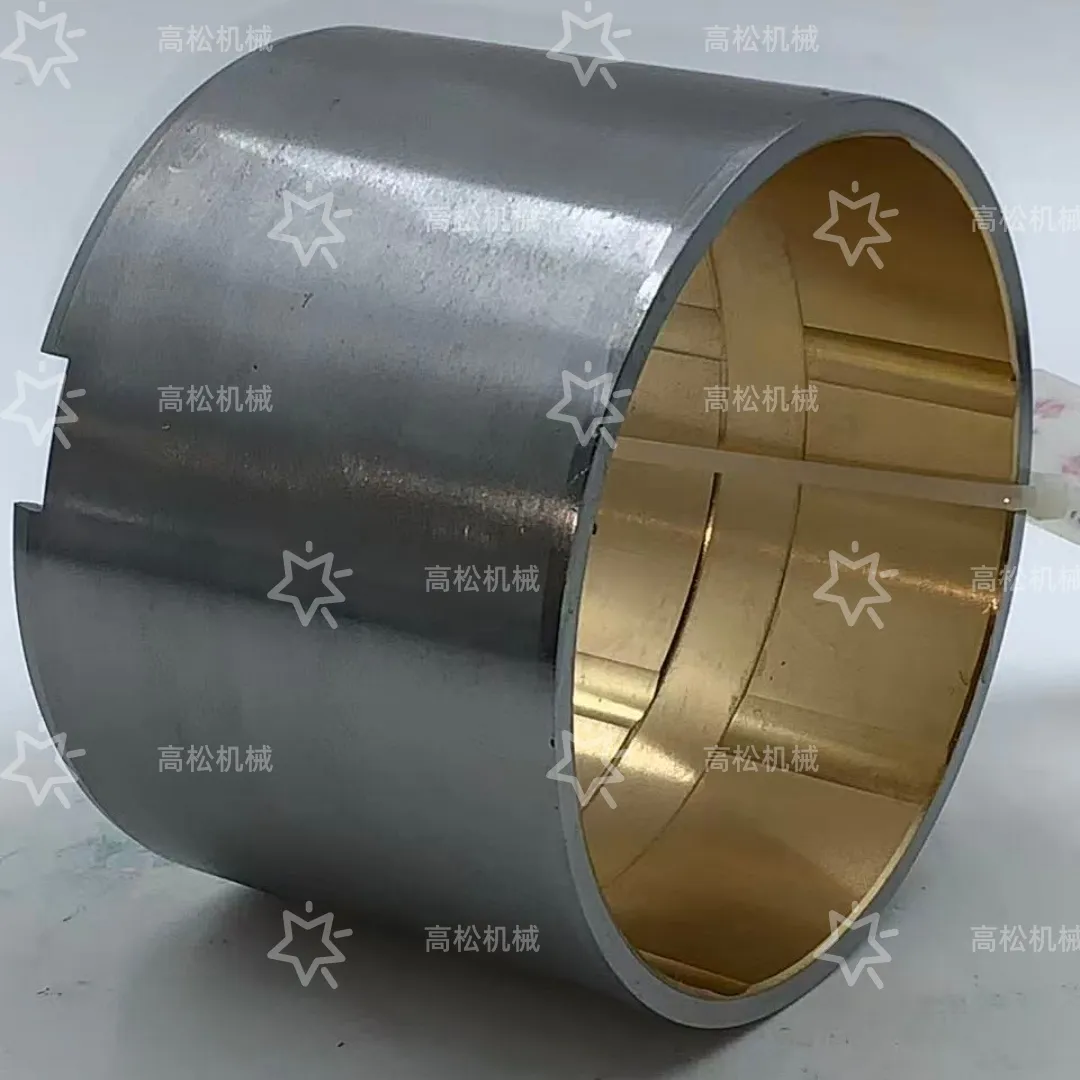 BUSHING 195-61-41160, myKomatsu – Buy Komatsu Parts
 -
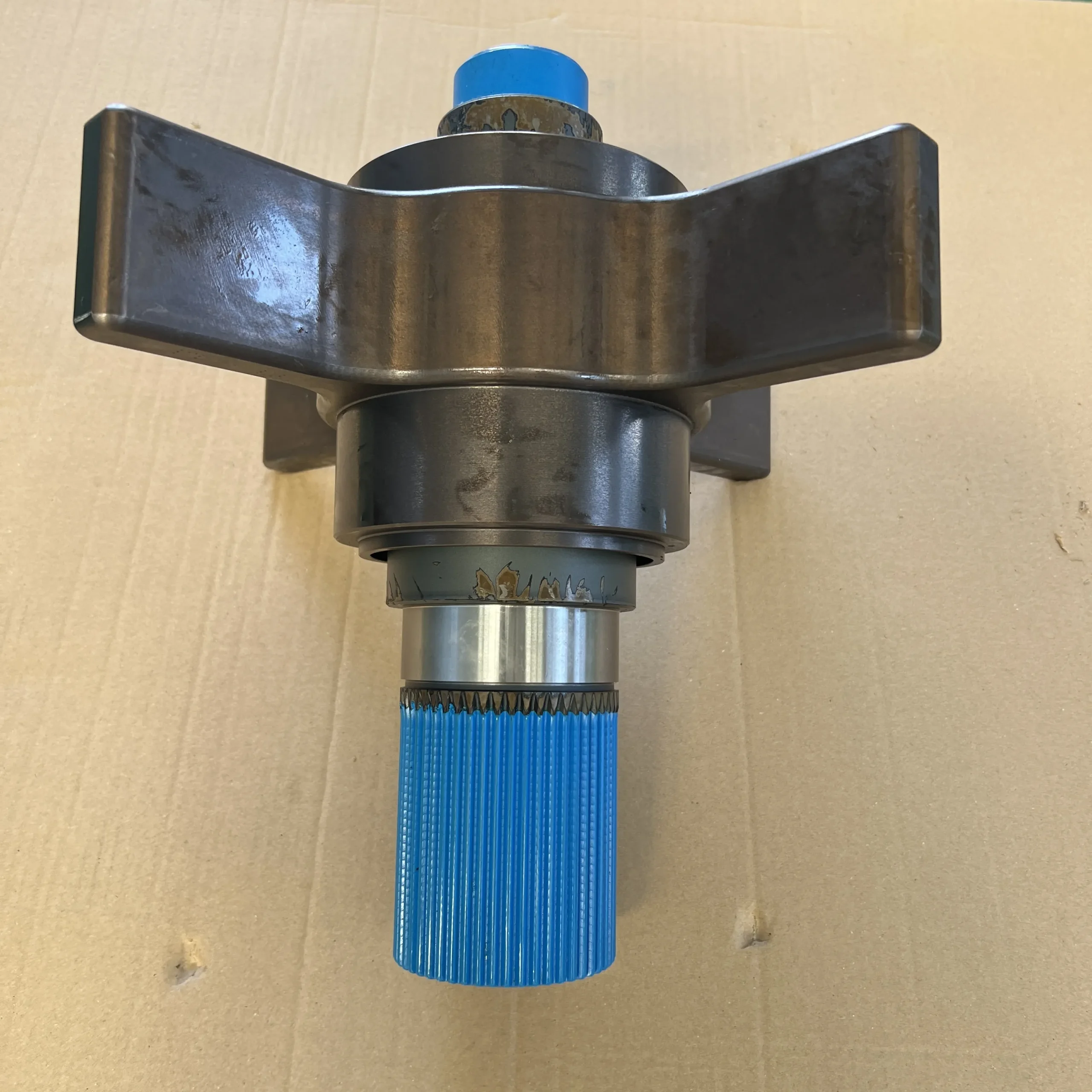 Shaft 569-01-72600 for Komatsu HD465-7
 -
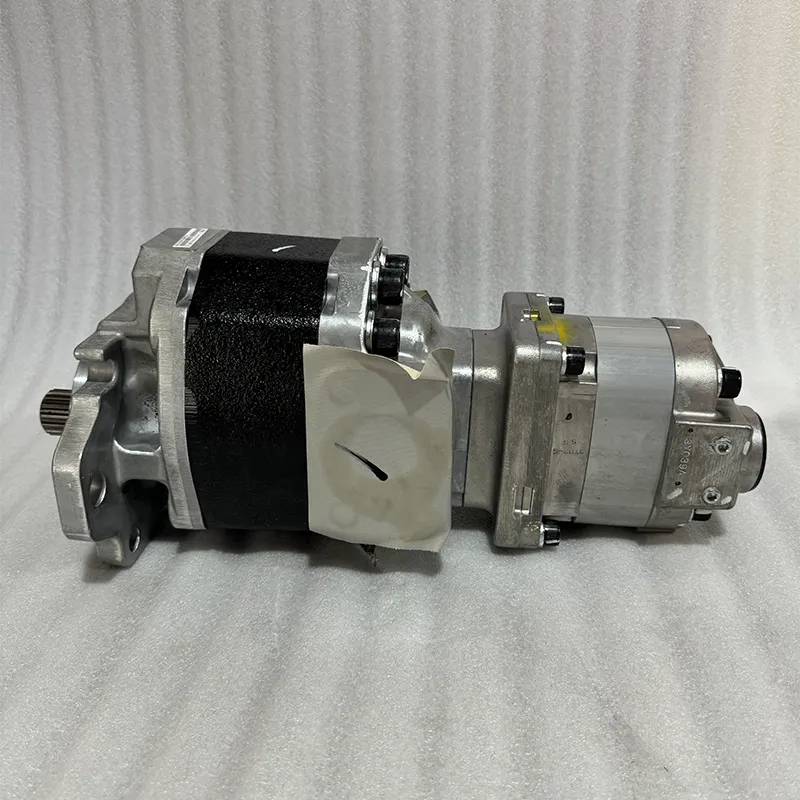 Original komatsu HD605-7R Gear Pump 705-95-05140
 -
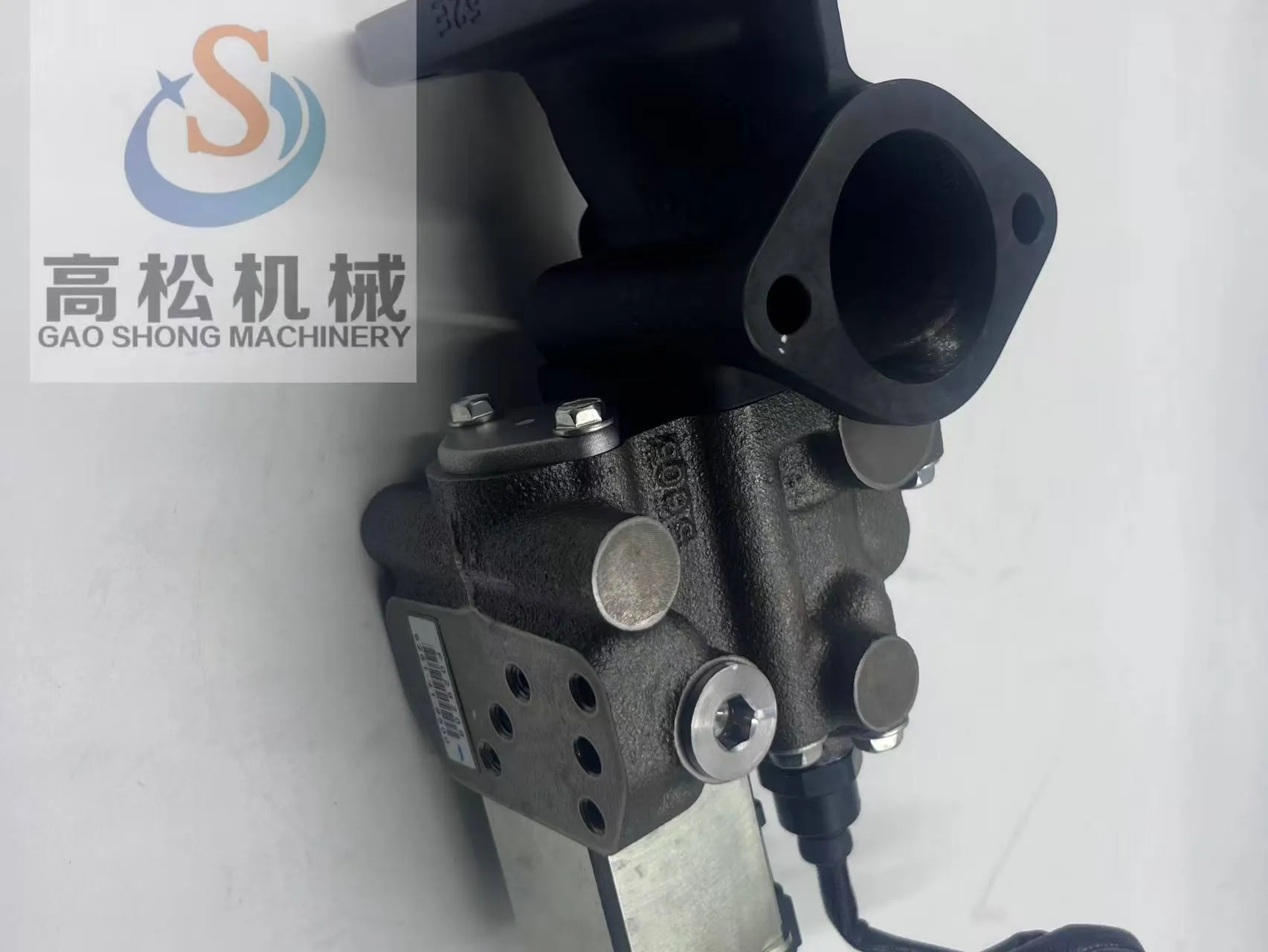 Dump truck HD465-7 valve assembly 6261-41-9500 6261419500
 -
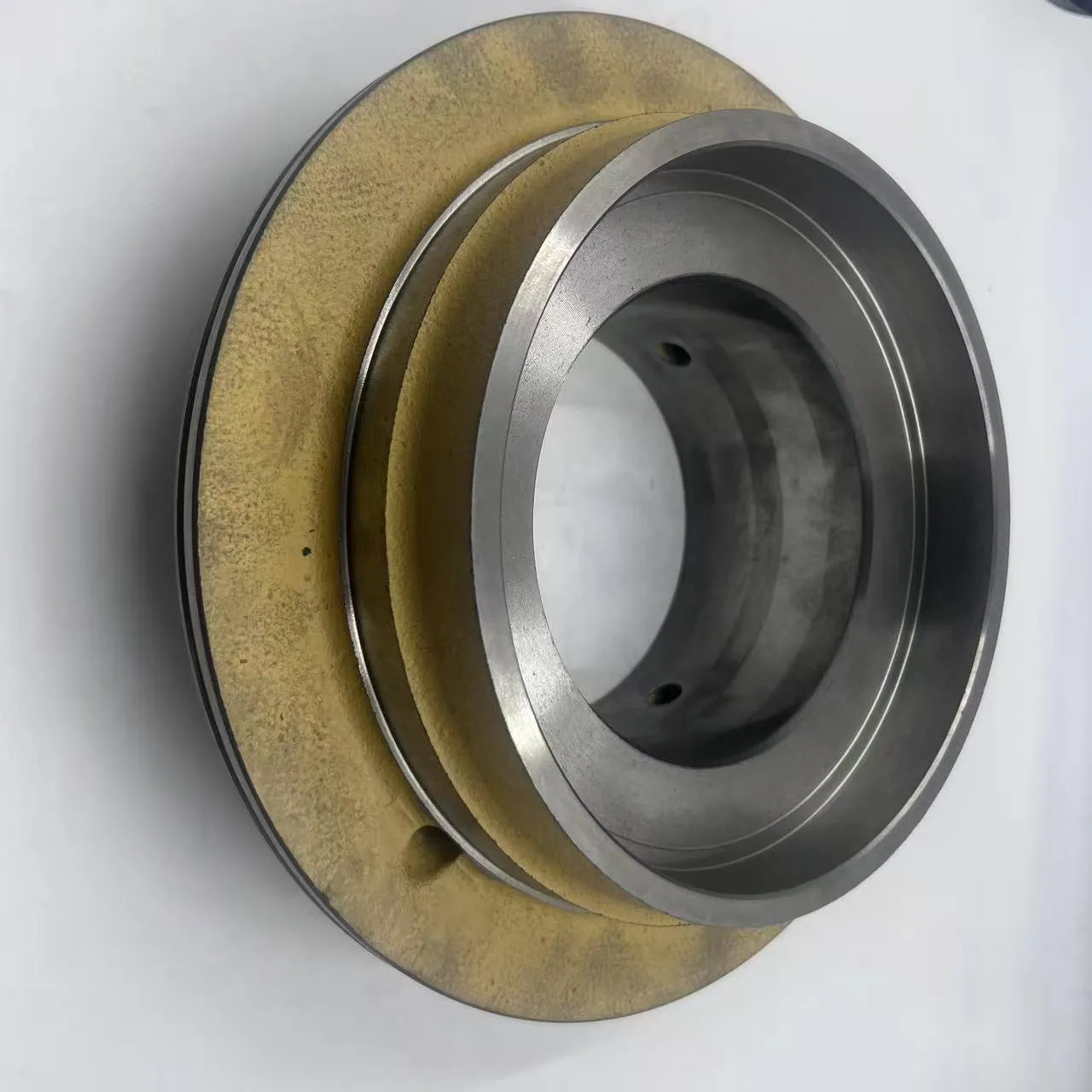 17A-22-11132 Komatsu Cylinder
 -
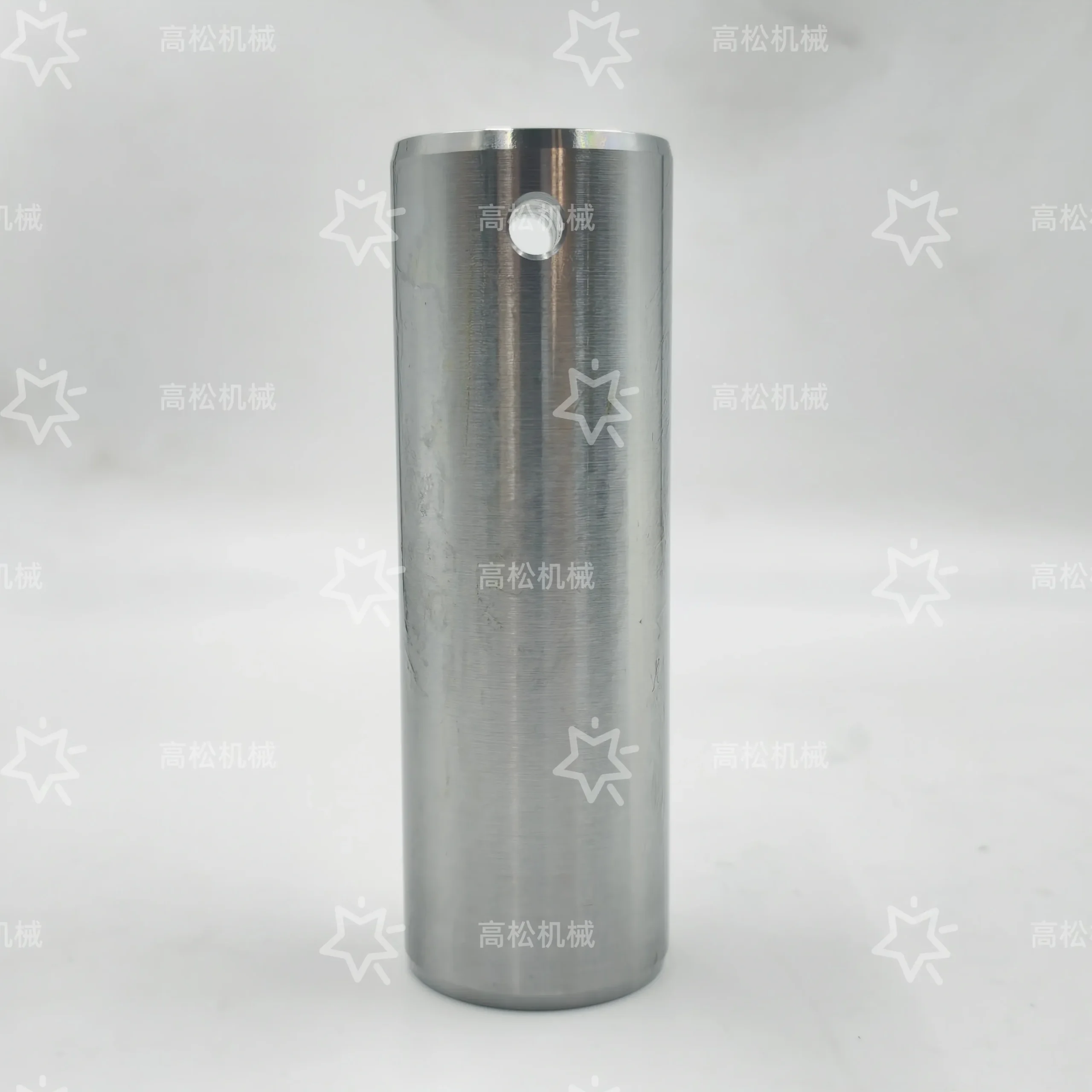 Komatsu Pin 421-22-32511 for Wheel loader WA470-6
 -
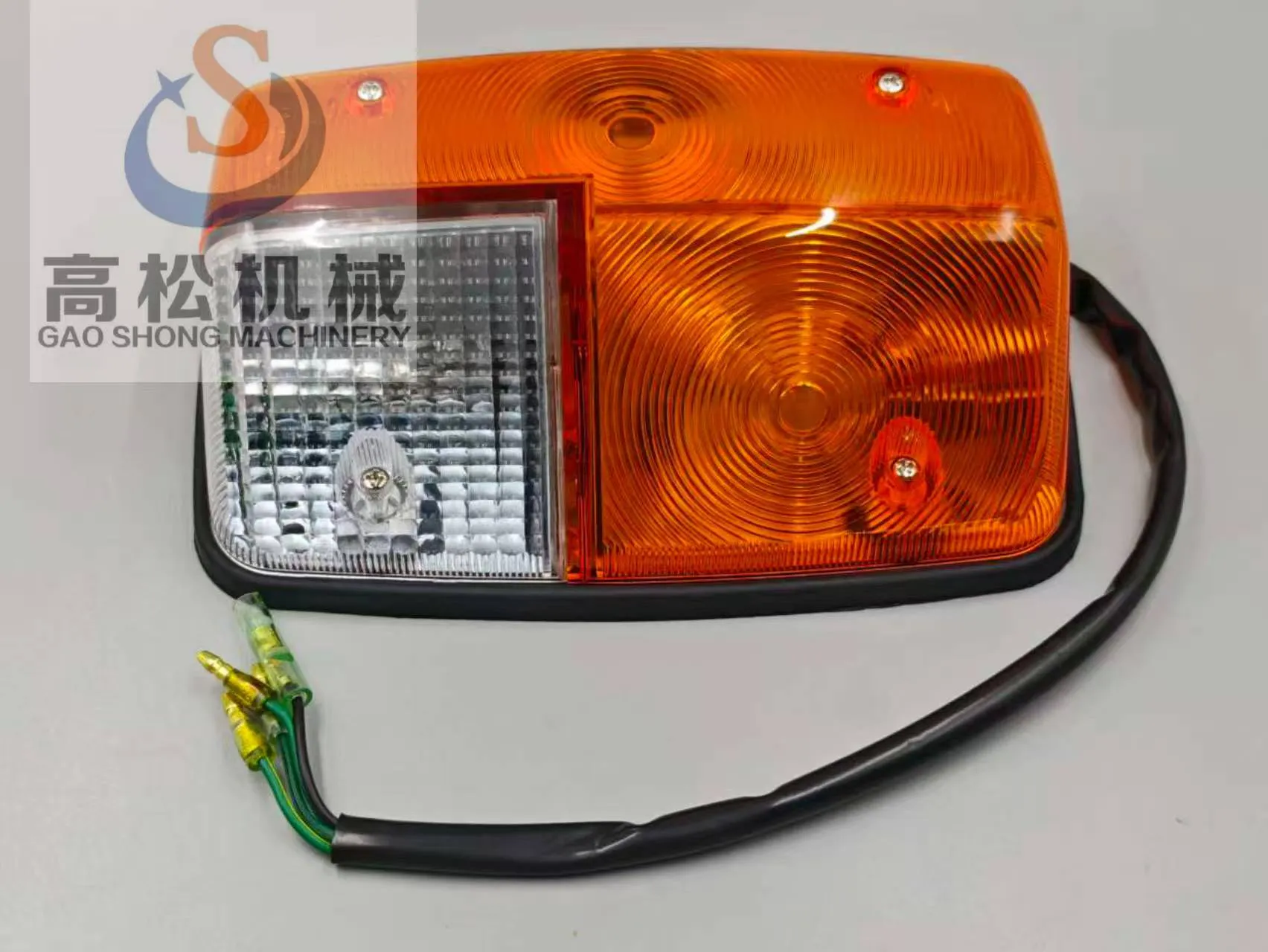 High quality, sales leader, light assembly 421-06-13401 421-06-13301, light assembly for komatsu gd405a-2 hd785-5lc 542 558
 -
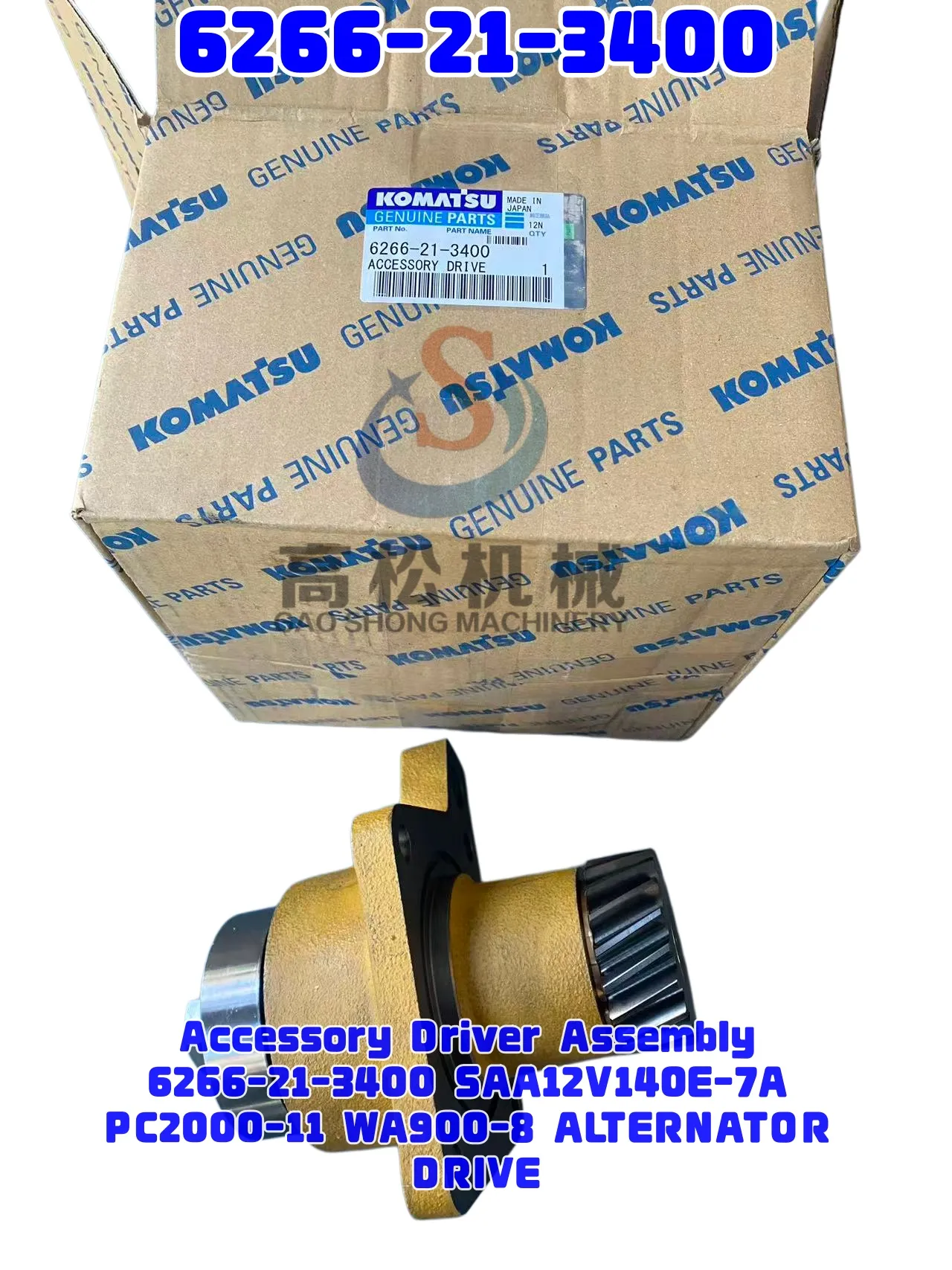 komatsu-part-6266-21-3400 Accessory Driver Assembly SAA12V140E-7A S/N 800001-UP (For PC2000-11) ALTERNATOR DRIVE Accessory Driver Assembly SAA12V140E-7 S/N 800004-UP (For WA900-8) ALTERNATOR DRIVE (#800004-)
 -
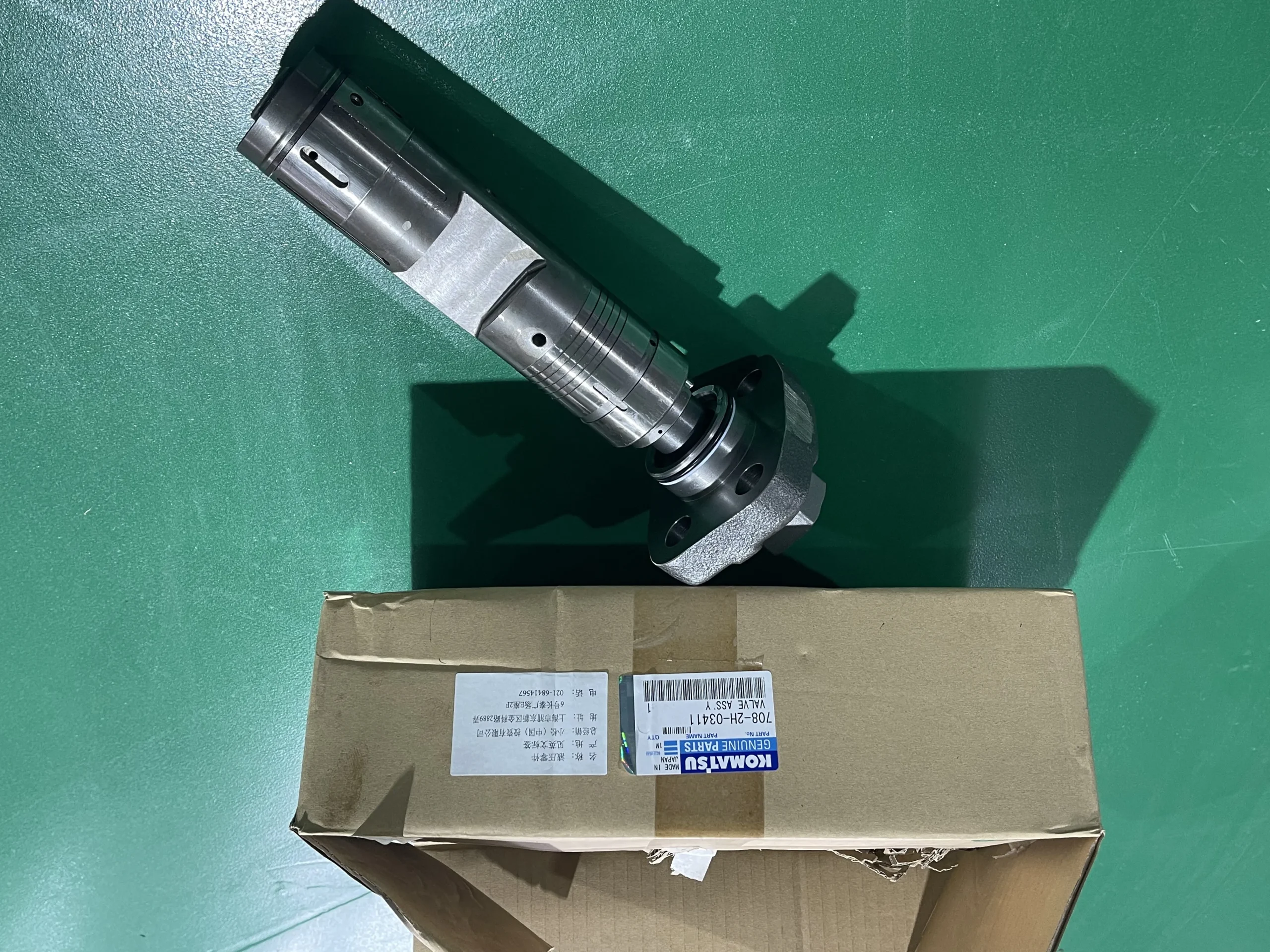 Relief Valve 708-2H-03411
 -
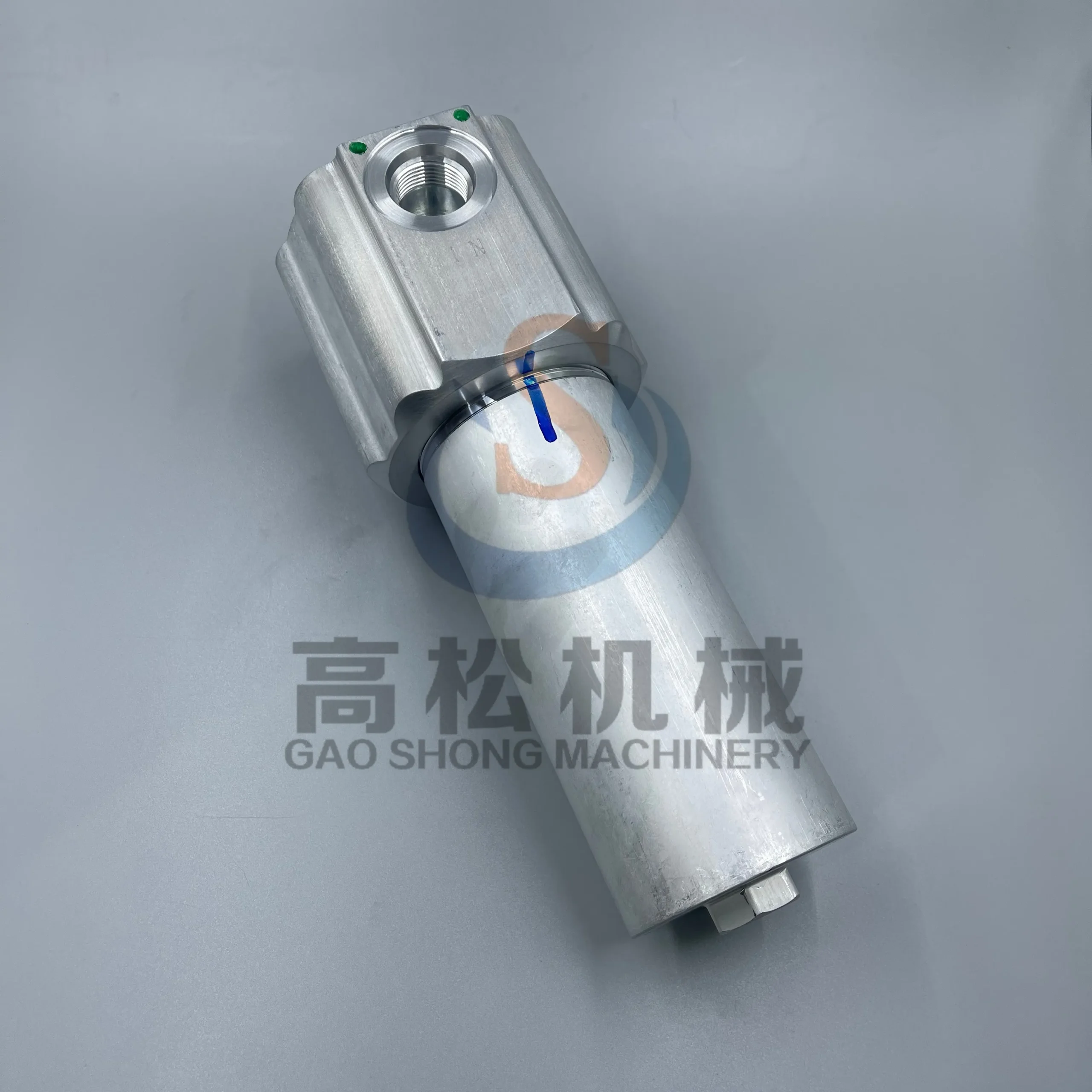 569-43-83911 Komatsu Filter Assembly
 -
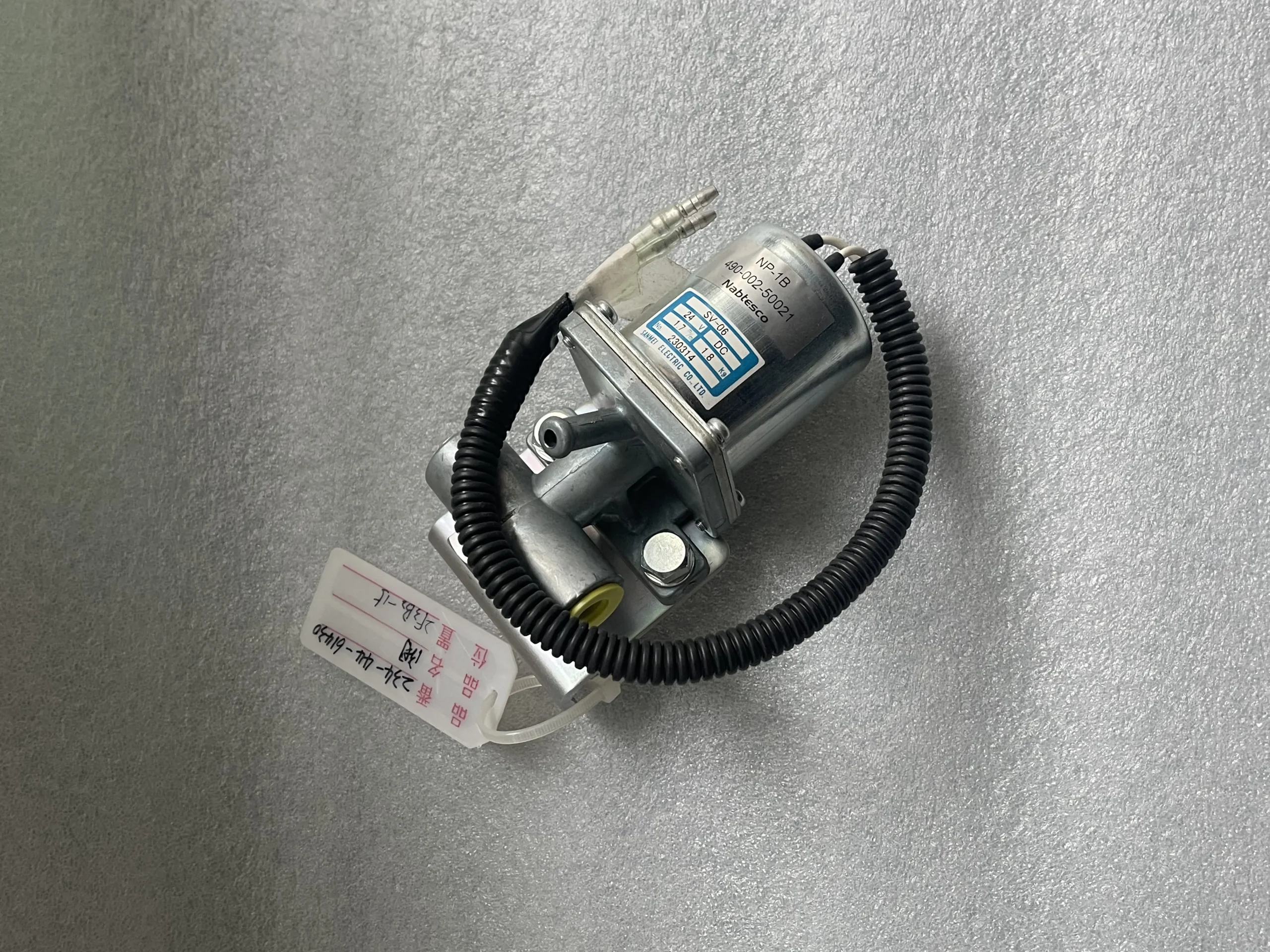 VALVE 234-44-61430