
- Chinese
- French
- German
- Portuguese
- Spanish
- Russian
- Japanese
- Korean
- Arabic
- Irish
- Greek
- Turkish
- Italian
- Danish
- Romanian
- Indonesian
- Czech
- Afrikaans
- Swedish
- Polish
- Basque
- Catalan
- Esperanto
- Hindi
- Lao
- Albanian
- Amharic
- Armenian
- Azerbaijani
- Belarusian
- Bengali
- Bosnian
- Bulgarian
- Cebuano
- Chichewa
- Corsican
- Croatian
- Dutch
- Estonian
- Filipino
- Finnish
- Frisian
- Galician
- Georgian
- Gujarati
- Haitian
- Hausa
- Hawaiian
- Hebrew
- Hmong
- Hungarian
- Icelandic
- Igbo
- Javanese
- Kannada
- Kazakh
- Khmer
- Kurdish
- Kyrgyz
- Latin
- Latvian
- Lithuanian
- Luxembou..
- Macedonian
- Malagasy
- Malay
- Malayalam
- Maltese
- Maori
- Marathi
- Mongolian
- Burmese
- Nepali
- Norwegian
- Pashto
- Persian
- Punjabi
- Serbian
- Sesotho
- Sinhala
- Slovak
- Slovenian
- Somali
- Samoan
- Scots Gaelic
- Shona
- Sindhi
- Sundanese
- Swahili
- Tajik
- Tamil
- Telugu
- Thai
- Ukrainian
- Urdu
- Uzbek
- Vietnamese
- Welsh
- Xhosa
- Yiddish
- Yoruba
- Zulu
- Kinyarwanda
- Tatar
- Oriya
- Turkmen
- Uyghur






OEM AND ORIGINAL KOMATSU BEARING 06000-22324
When you see a part number like , especially for a Komatsu bearing, the immediate assumption in many shops is that it's a straightforward, off-the-shelf genuine part. That's where the first mistake happens. The term 'OEM AND ORIGINAL' gets thrown around so loosely it's lost meaning. In my experience, for this specific bearing used in a range of Komatsu excavator swing drives, the distinction isn't just academic—it's the difference between a machine running for another 5,000 hours or a catastrophic failure in 500. I've seen both outcomes, and it often boils down to where that bearing came from and what people think they've bought.
The Illusion of Interchangeability
Let's get concrete. The isn't some generic roller bearing. It's a precisely engineered component for a specific load and alignment within a Komatsu assembly. The big pitfall? Assuming any bearing with that number stamped on it is functionally identical. We tried that years ago with a supplier claiming OEM-equivalent specs. The dimensions checked out with calipers, but the heat treatment and micro-geometry of the raceway were off. The result was premature spalling and a noisy, failing swing circle that cost us more in downtime and rework than the savings from the cheaper part ever justified.
This is where a company's stated role becomes critical. You need a supplier who understands the system from the inside. For instance, Jining Gaosong Construction Machinery Co., Ltd. positions itself uniquely. They are an OEM product supplier within the Komatsu system, but also operate as a third-party sales channel. That dual role is telling. It means they likely have access to the authentic production lines or certified subcontractors that manufacture the original Komatsu bearing to the exact material and tolerance specs, but they can also navigate the complex global parts distribution challenges that often leave contractors stranded.
Their approach, as outlined on their site https://www.takematsumachinery.com, of helping to solve parts supply challenges in certain countries isn't just marketing speak. I've been in situations in remote projects where the official dealer network was backlogged for months. A source that can provide a verifiable OEM AND ORIGINAL KOMATSU BEARING outside the standard pipeline isn't a convenience; it's a business continuity tool. But the key is verification.
Verification Beyond the Box
So how do you verify? The box and the part can have all the right logos. The real test often comes down to documentation and traceability. A genuine part will have a batch number that traces back to a Komatsu-approved manufacturing source. An OEM part from a non-system supplier might not. When evaluating a supplier like Gaosong, the question isn't just do you have it? but can you provide the pedigree? Their position within the OEM system suggests they should be able to, which separates them from pure aftermarket traders.
Another practical detail is the packaging of the bearing itself. The authentic comes with a very specific, wax-based rust inhibitor that has a distinct smell and texture. Knock-offs often use a cheaper, greasier compound. It's a small thing, but it's one of those first physical indicators on the shop floor. If the preservative feels wrong, it's a red flag to dig deeper into the certificates.
I recall a rebuild where we sourced two bearings from different channels for identical machines. One was from a known OEM-system supplier (similar to the model Gaosong operates), the other from a general parts aggregator. Under a microscope, the surface finish on the rollers was visibly different. The OEM-system part had a consistent, polished finish; the other showed minor tooling marks. That difference directly impacts stress concentration and fatigue life. The machine with the inferior bearing showed increased vibration spectra within 1,200 hours.
The Cost of Good Enough
The temptation is always to go for the lower-cost option, labeling the premium for the verified original as a brand tax. That's a dangerous calculation for core drivetrain components. The failure mode of a swing bearing isn't a simple swap. It requires tearing down the entire upper structure—massive labor costs, specialty tooling, and weeks of lost revenue. The part cost becomes a tiny fraction of the total bill. Suddenly, the extra few hundred dollars for the bearing with indisputable provenance looks like an insurance policy.
This is the value proposition a supplier embedded in the Komatsu system offers. They aren't just selling a piece of metal; they're selling risk mitigation. Their business, as Jining Gaosong Construction Machinery describes, is built on solving supply challenges. A true solution isn't just delivering a bearing; it's delivering the right bearing with the confidence that it won't fail prematurely. For a part like the , that confidence is everything.
We learned this through a failure that wasn't even our fault. A client insisted on using their own sourced OEM bearing for a rebuild we were contracted to perform. We installed it under protest, documenting our concerns. It failed in under 800 hours. The client blamed our installation until the metallurgical analysis came back showing sub-standard alloy composition. The liability battle was ugly and costly for everyone. Now, our policy is clear: for critical components, we only install parts from our vetted, system-connected suppliers. It protects us and the client.
Sourcing in the Real World
In practice, sourcing a part like this isn't a Google search. It's a series of calls, checking certificates of conformity (CoC), and sometimes even requesting sample material reports. A credible supplier will provide these without hesitation. When you look at a company profile like the one on takematsumachinery.com, the emphasis on being an OEM supplier within the system is a signal that they should have direct access to these quality assurance documents, not just the physical part.
Another nuance is the supply chain for older models. The is used in machines that might be 10-15 years old. Komatsu's official support for certain parts can wind down. This is where a third-party sales company that still has OEM links becomes invaluable. They might have access to old stock, or more likely, they know which certified factory lines are still authorized to produce that legacy part number. They bridge the gap between official discontinuation and the machine's actual end of life.
I've used this approach for a fleet of older PC400 excavators. The official local dealer said the bearing was on a 90-day backorder from Japan. A supplier operating on the Gaosong model had them in a warehouse in Singapore, with full traceability to the original manufacturer. We had the machines running in two weeks. That's solving a supply challenge.
Closing the Loop on
So, what's the final take? The part number is just a reference. The substance is in its provenance. The phrase OEM AND ORIGINAL should mean the part is produced on the same line, to the same drawing, with the same material, under the same quality audit as the bearing Komatsu installs at the factory. Anything less is a compromise.
Suppliers that exist within the ecosystem, like the model described by Jining Gaosong, provide a critical path for this assurance, especially in constrained markets. They understand that for engineers and fleet managers, the goal isn't to buy a bearing. The goal is to buy 10,000 hours of reliable operation. Every sourcing decision for a component this critical is a bet on that outcome.
Next time you need this bearing, look past the price and the stock photo. Ask for the story behind it. Ask for the proof. If the supplier can't provide it, or their business model isn't built on that level of integration and transparency, you're not buying an original Komatsu bearing. You're buying a gamble, and the house always wins in the long run. Stick with sources that are part of the system, even if they operate on its third-party edges. That's where you find the real thing.
Related Products
Related Products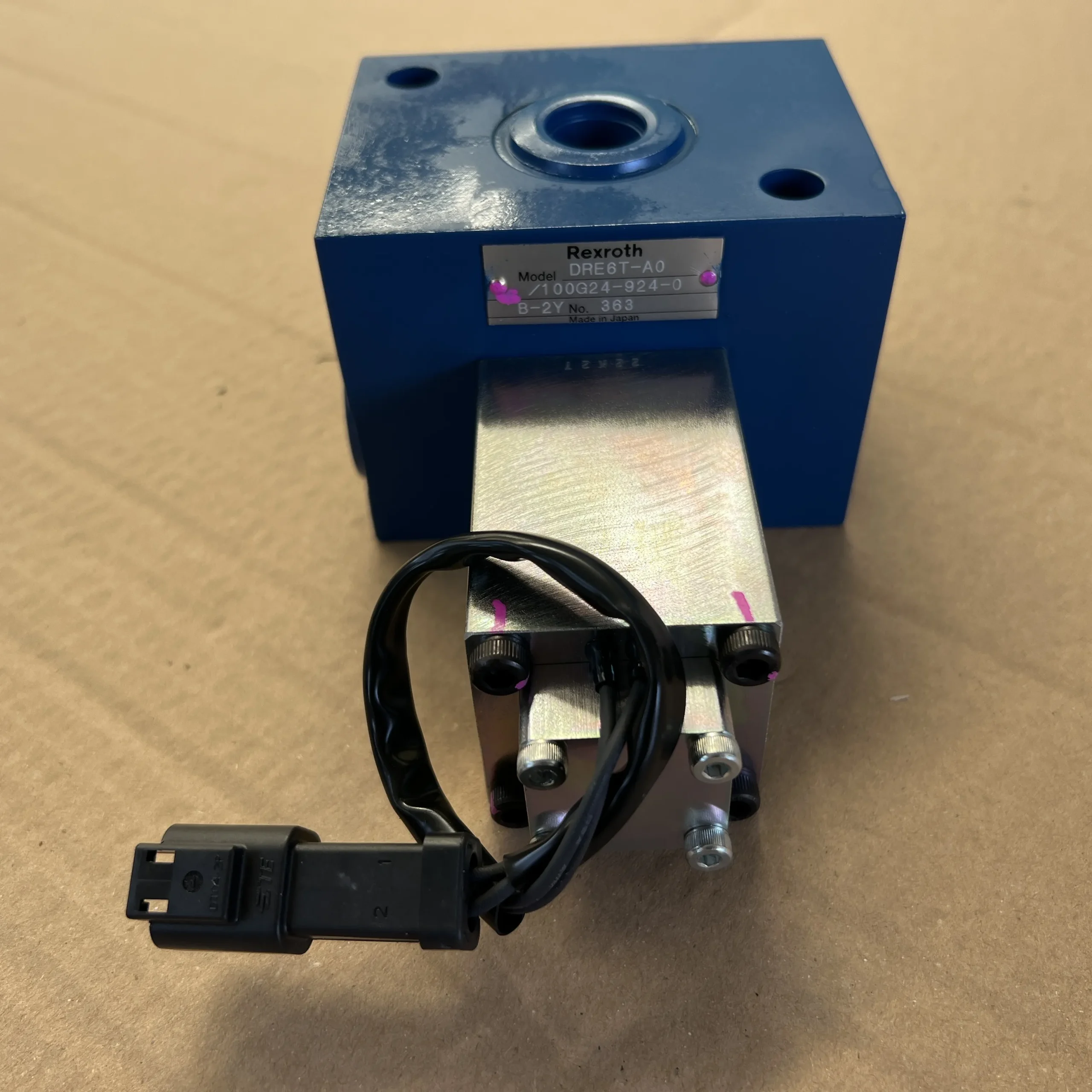
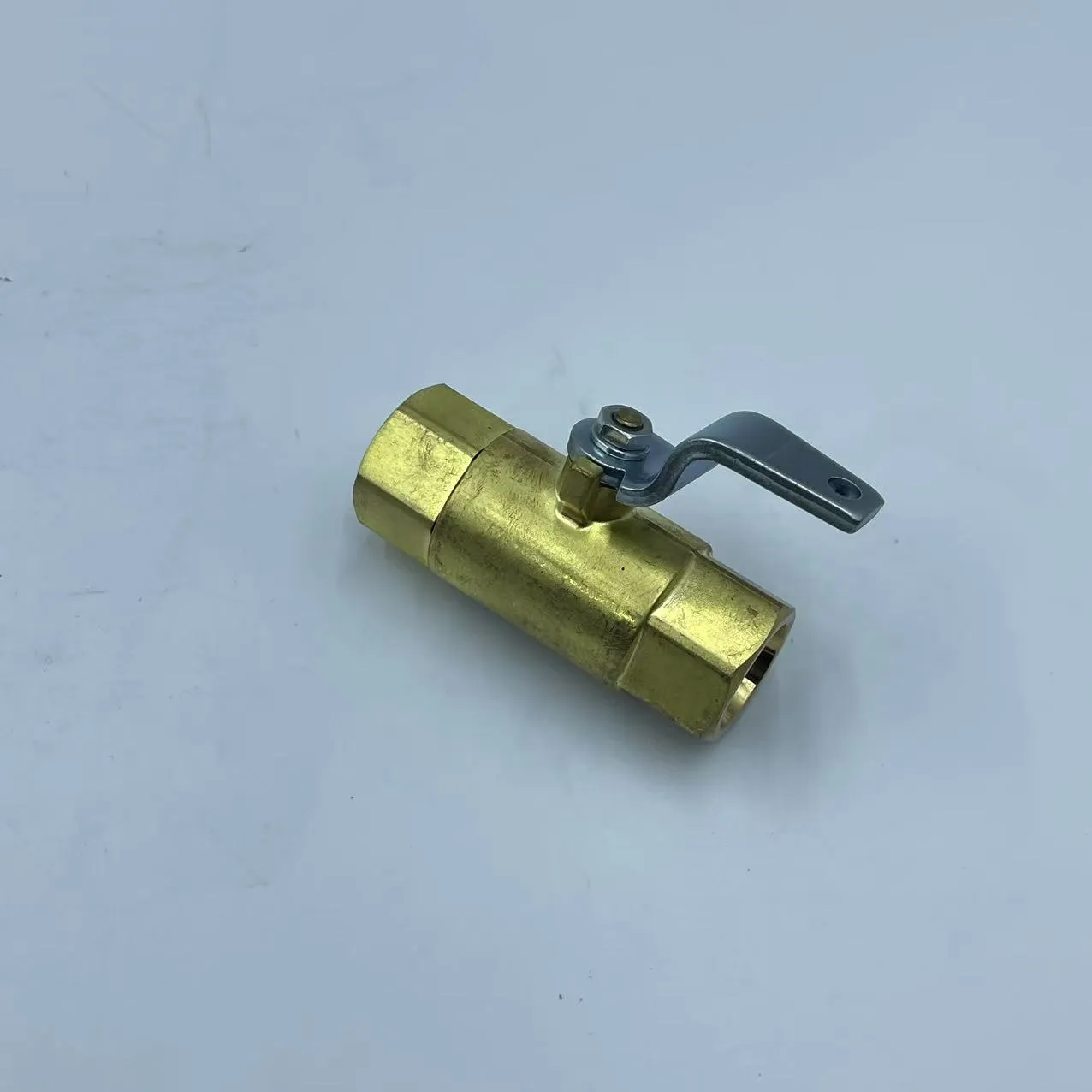
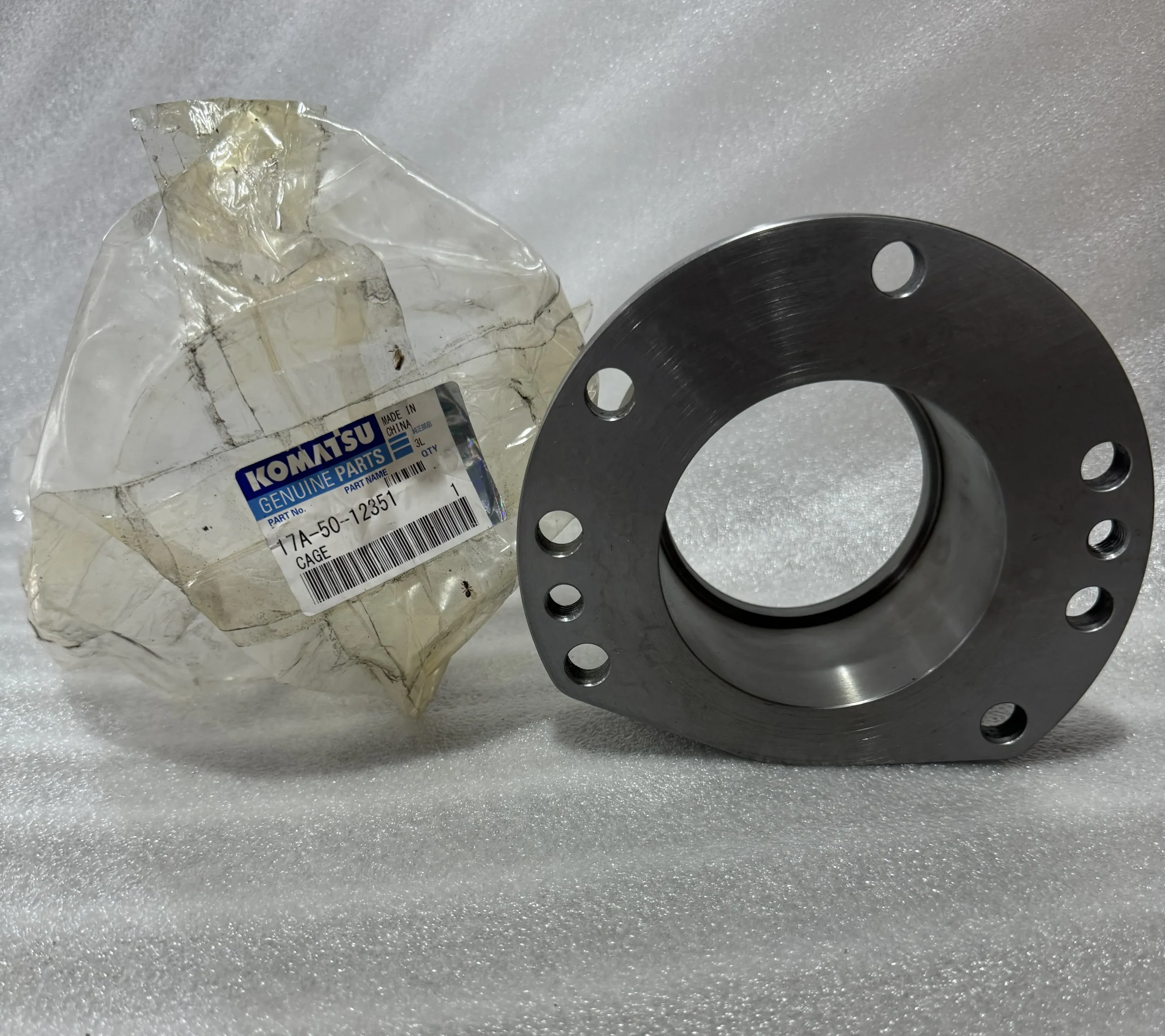
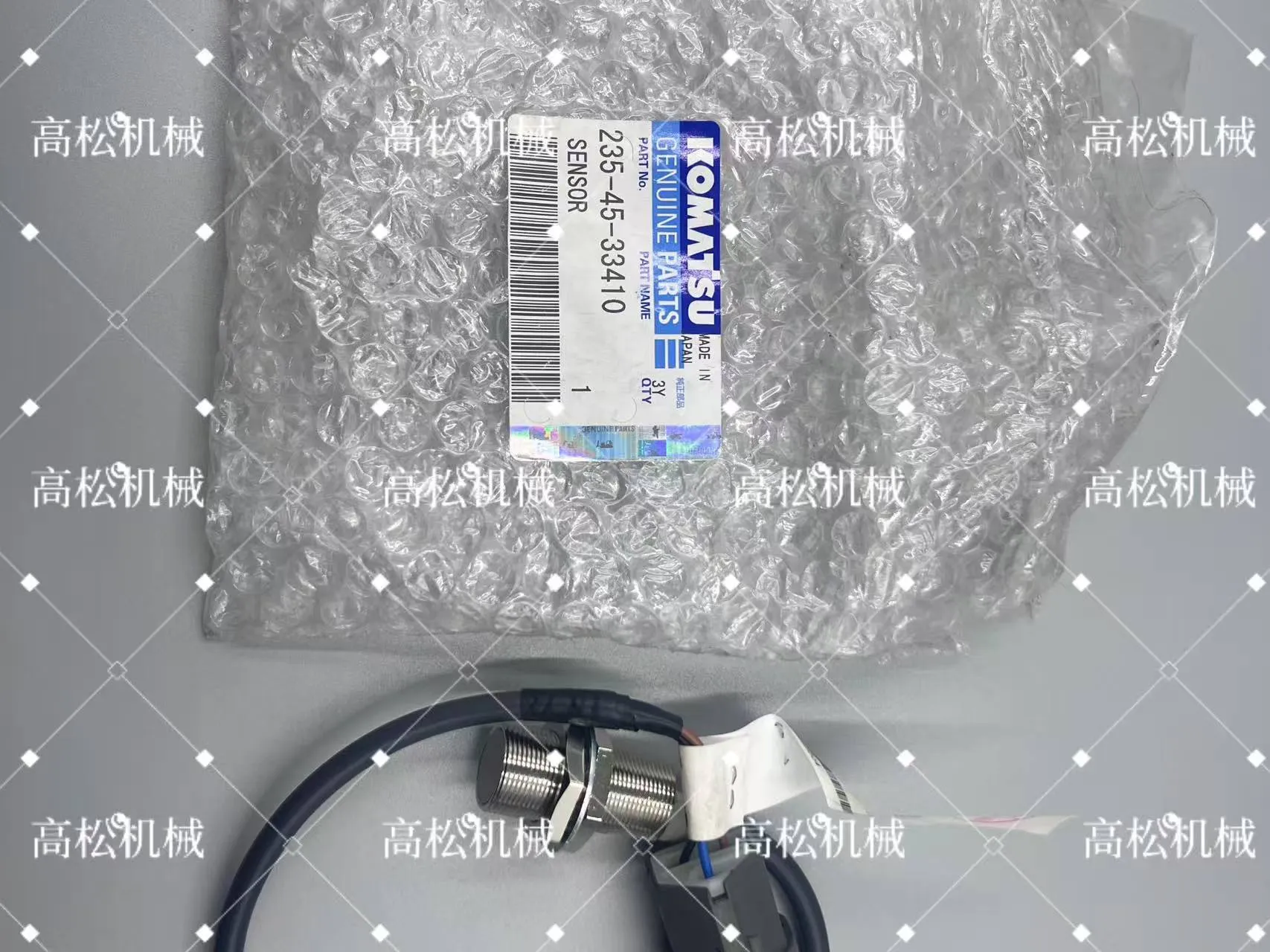
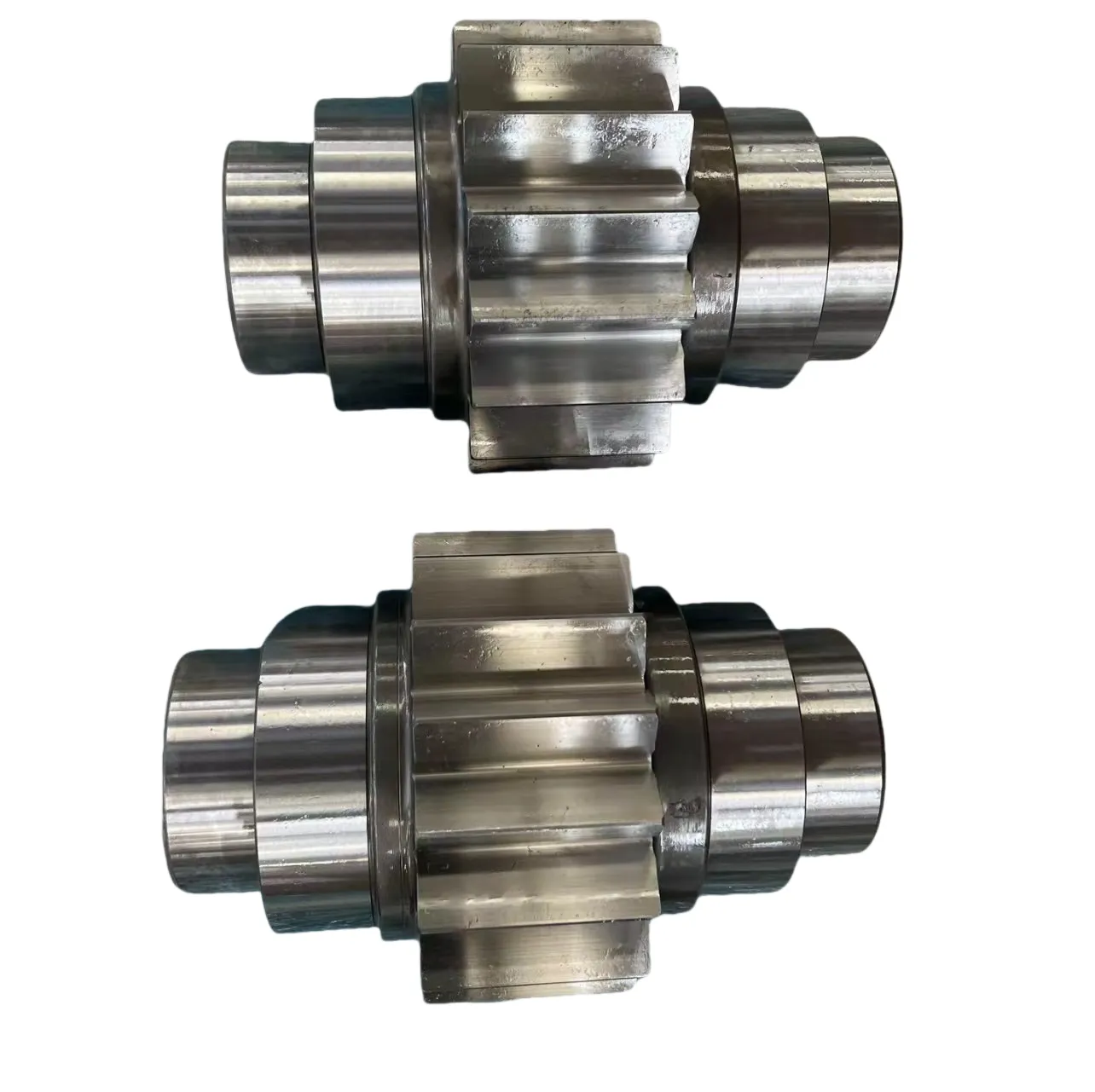
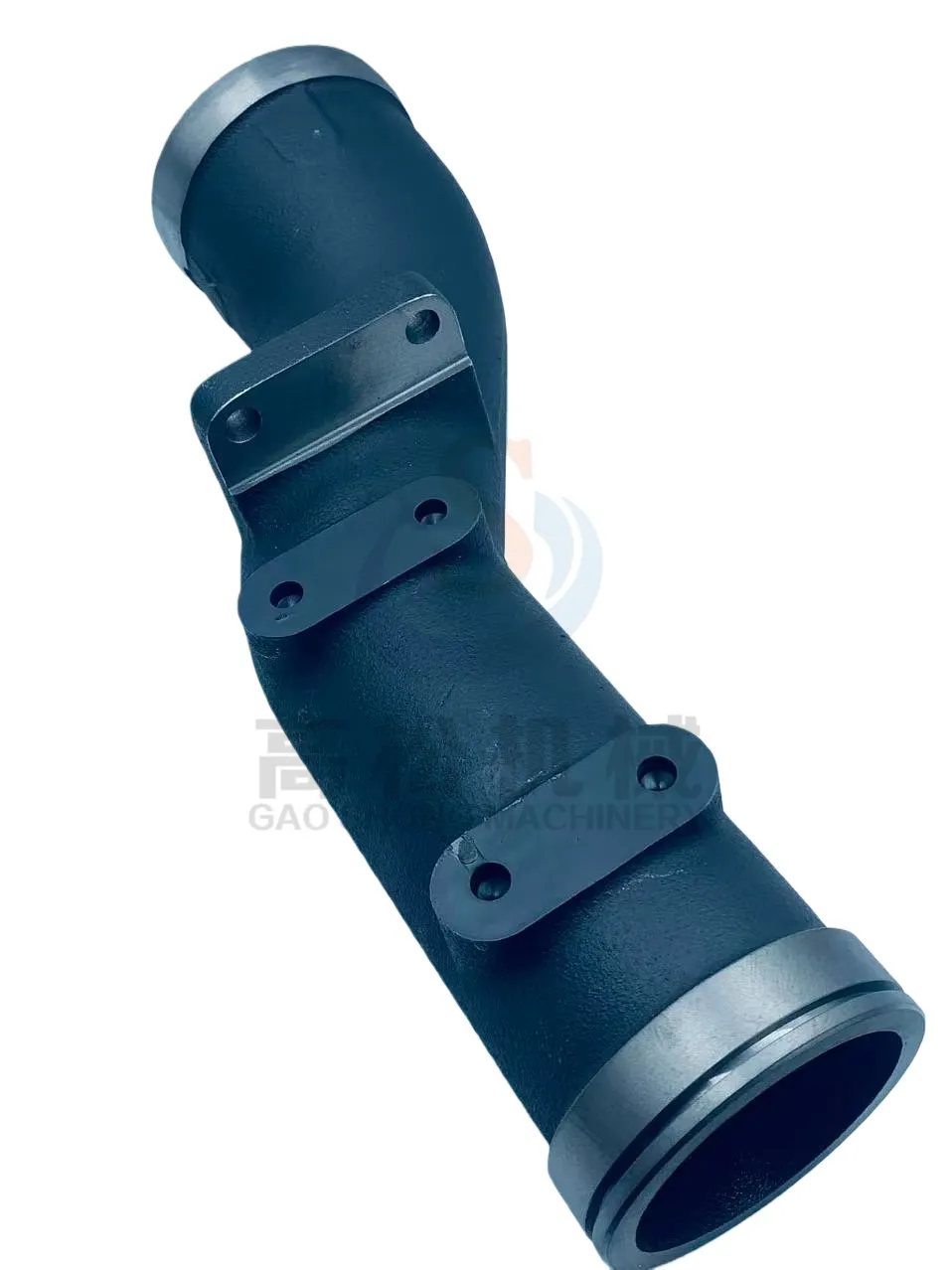
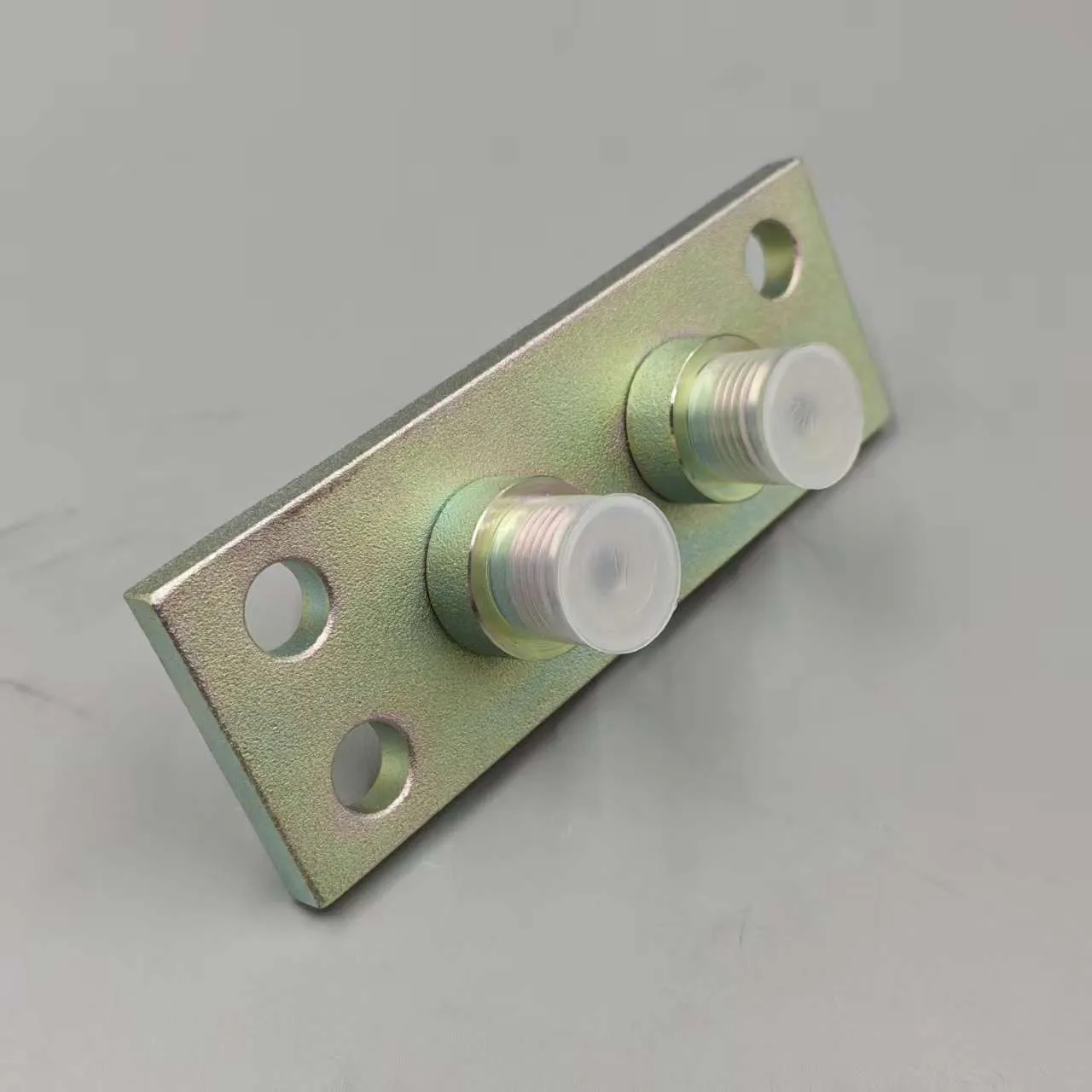

Best Selling Products
Best Selling Products-
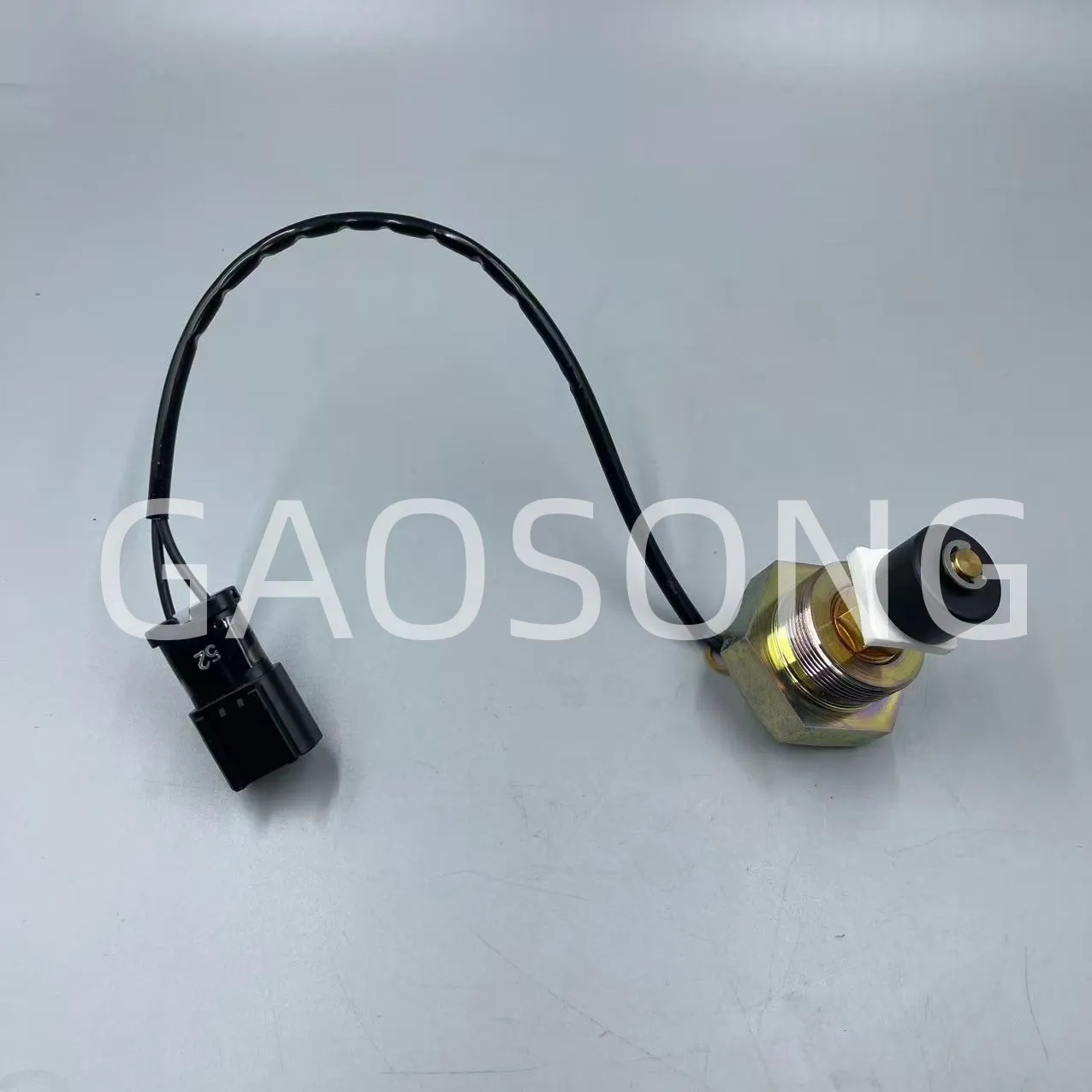 7861-92-4500 SENSOR,HYDRAULIC OIL LEVEL-Komatsu Original Factory
 -
 Komatsu D155A-5 cylinder 17A-22-11132
 -
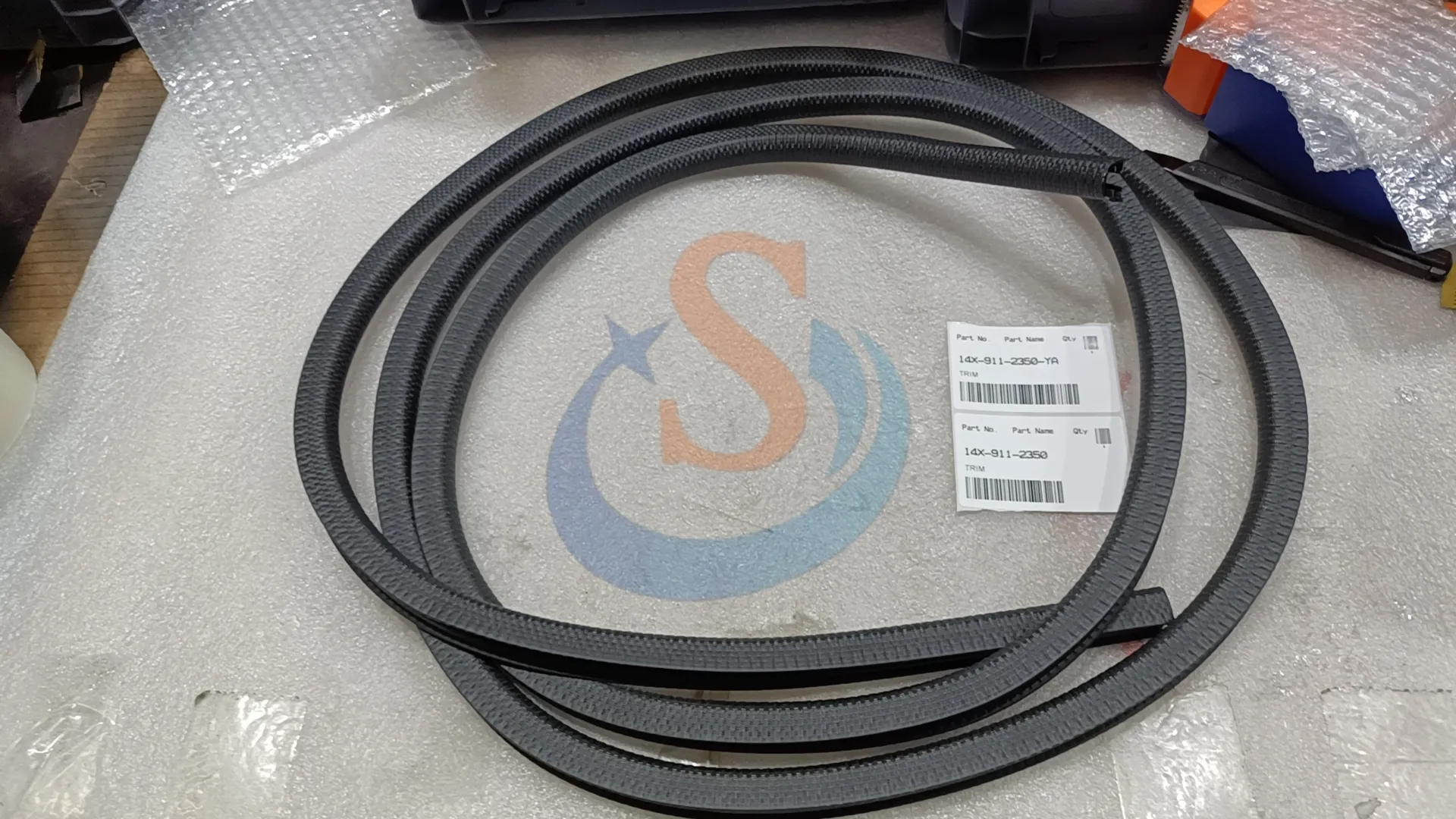 14X-911-2350,TRIM,D68ESS,D65PX,D155A,D375A
 -
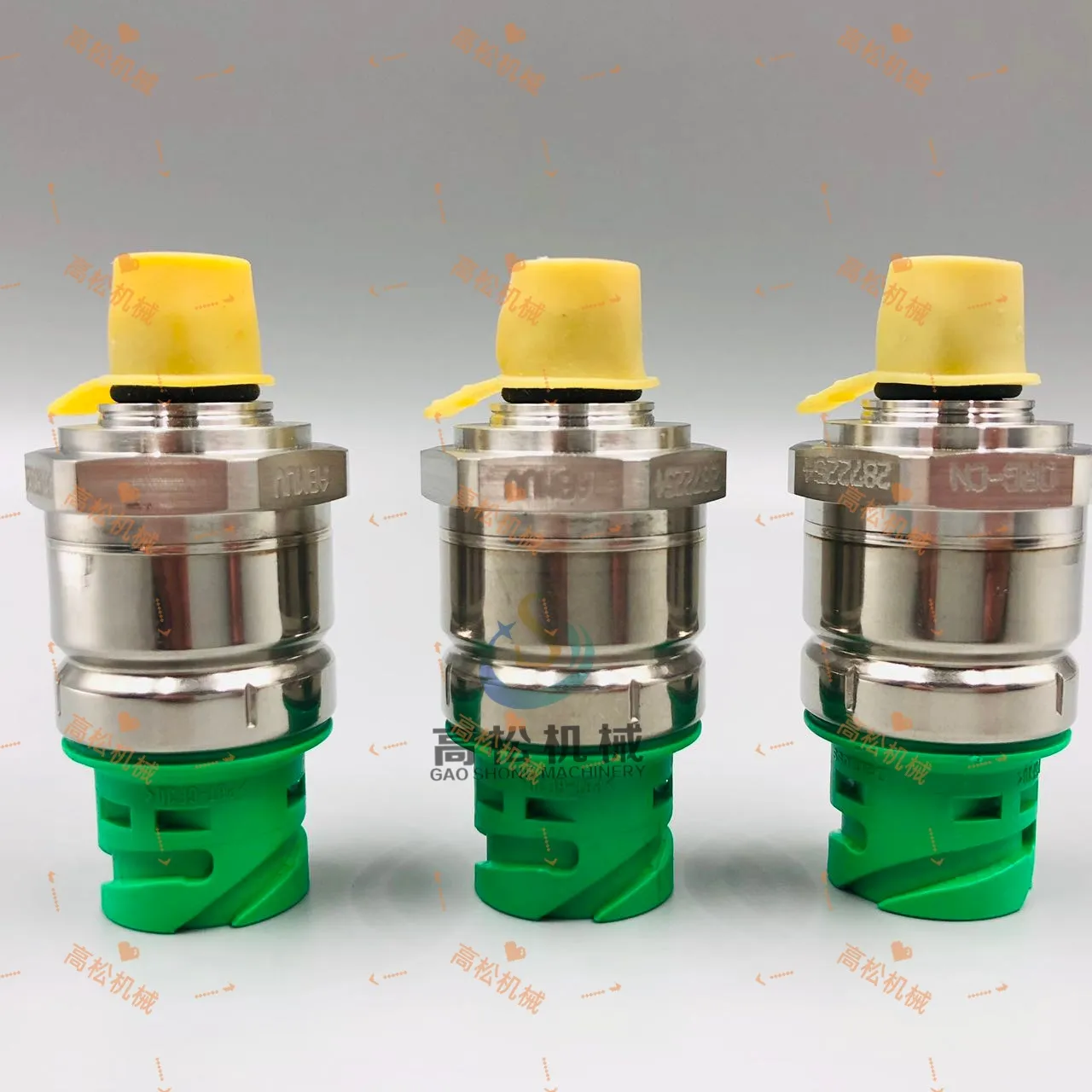 Komatsu, Sensor 6560-61-7202 Komatsu HM400 SAA6D140E WA500
 -
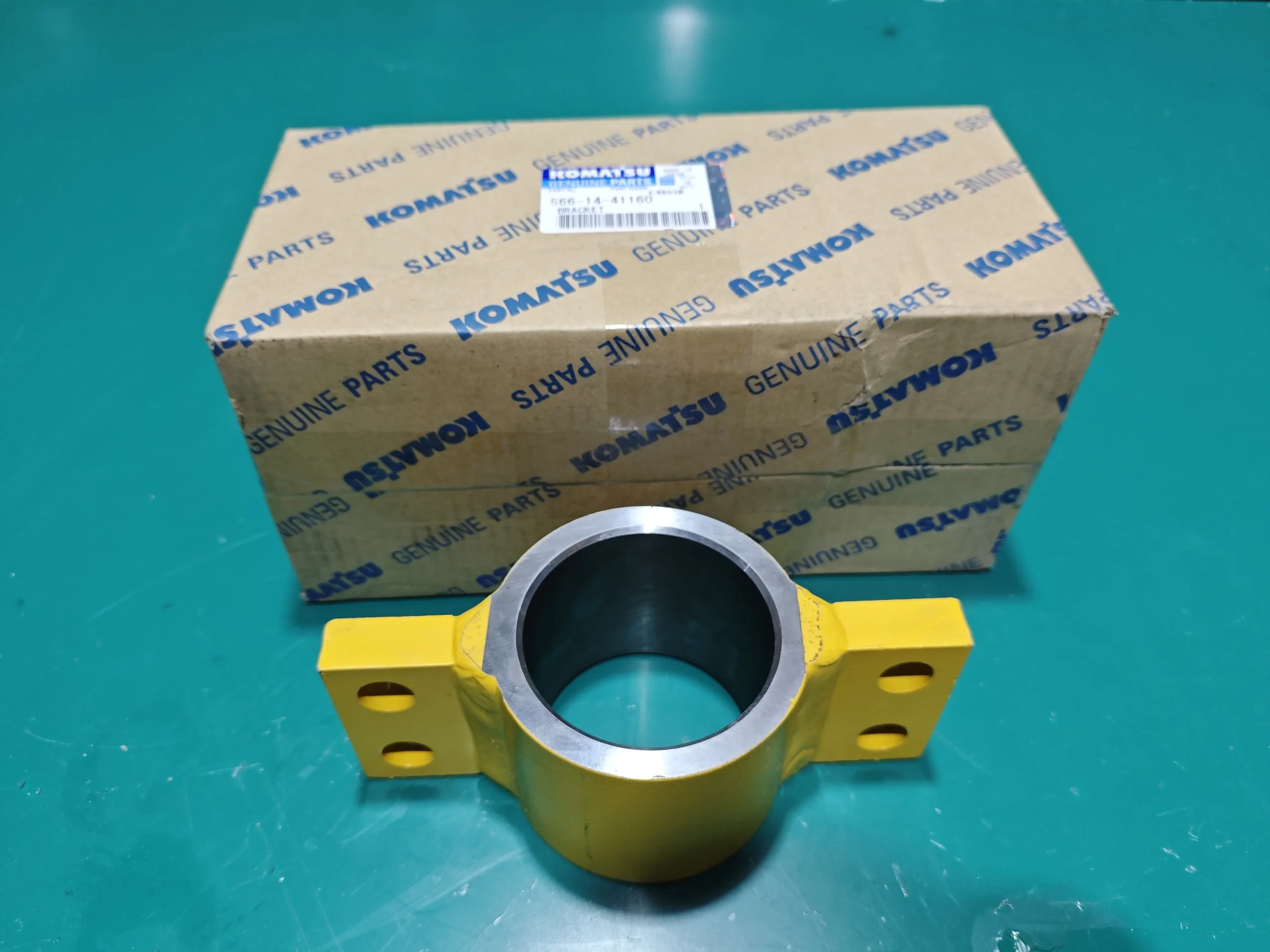 566-14-41160 Bracket
 -
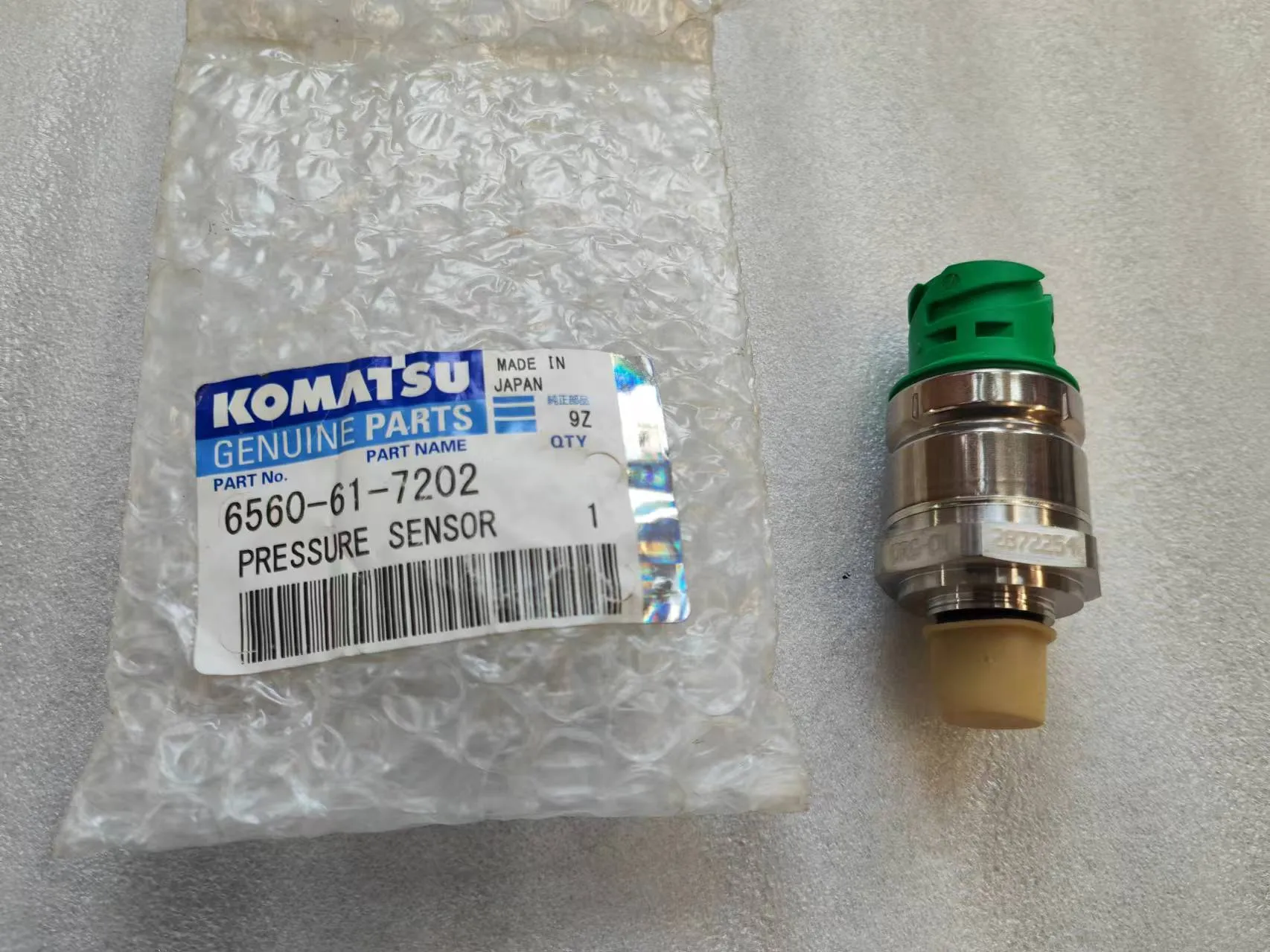 D155AX-6 Pressure Sensor 6560-61-7202
 -
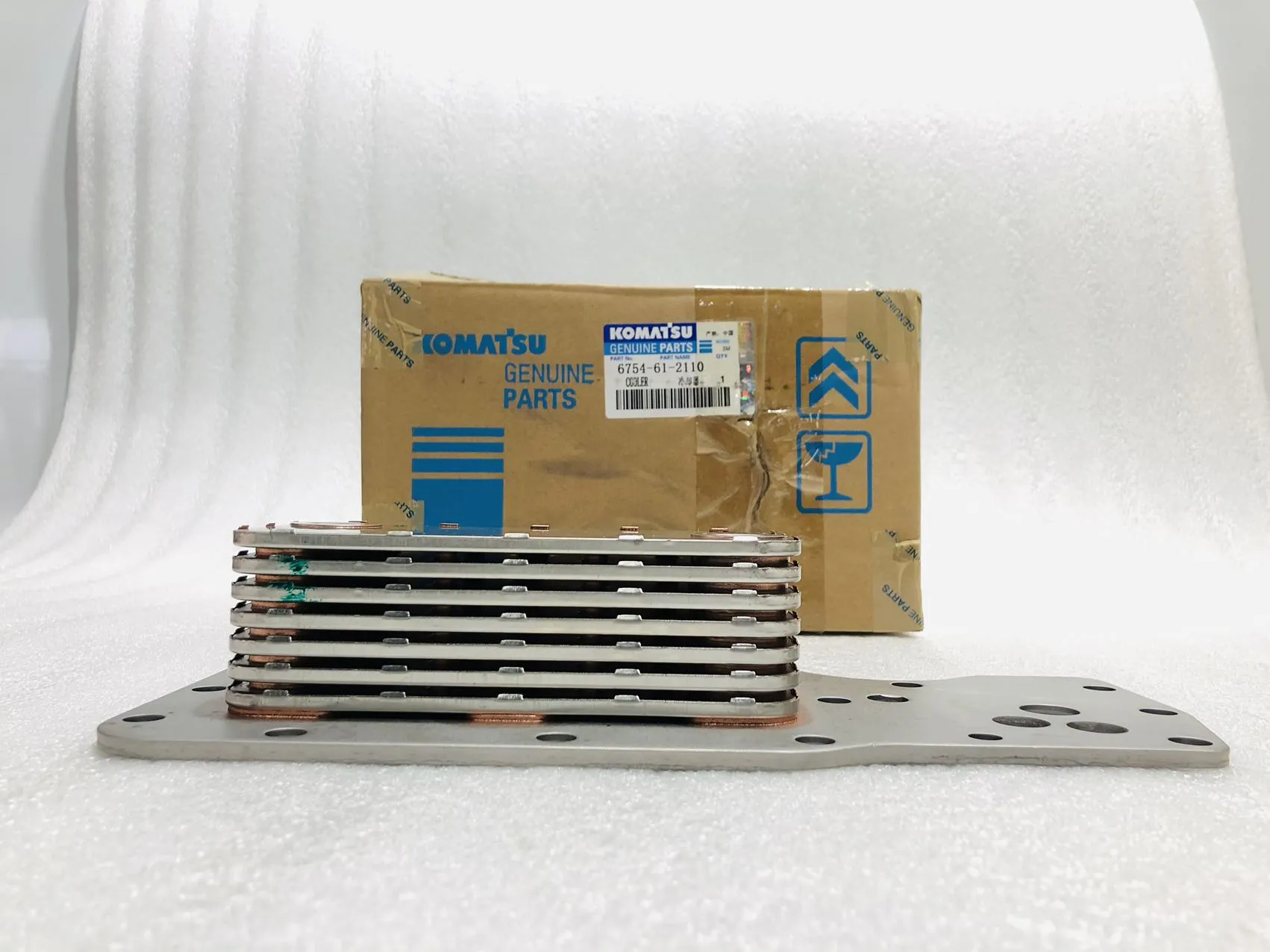 OIL COOLER 6754-61-2110 For Komatsu Engine SAA6D107E PC200-8
 -
 original-komatsu-23c02-15720_supplier
 -
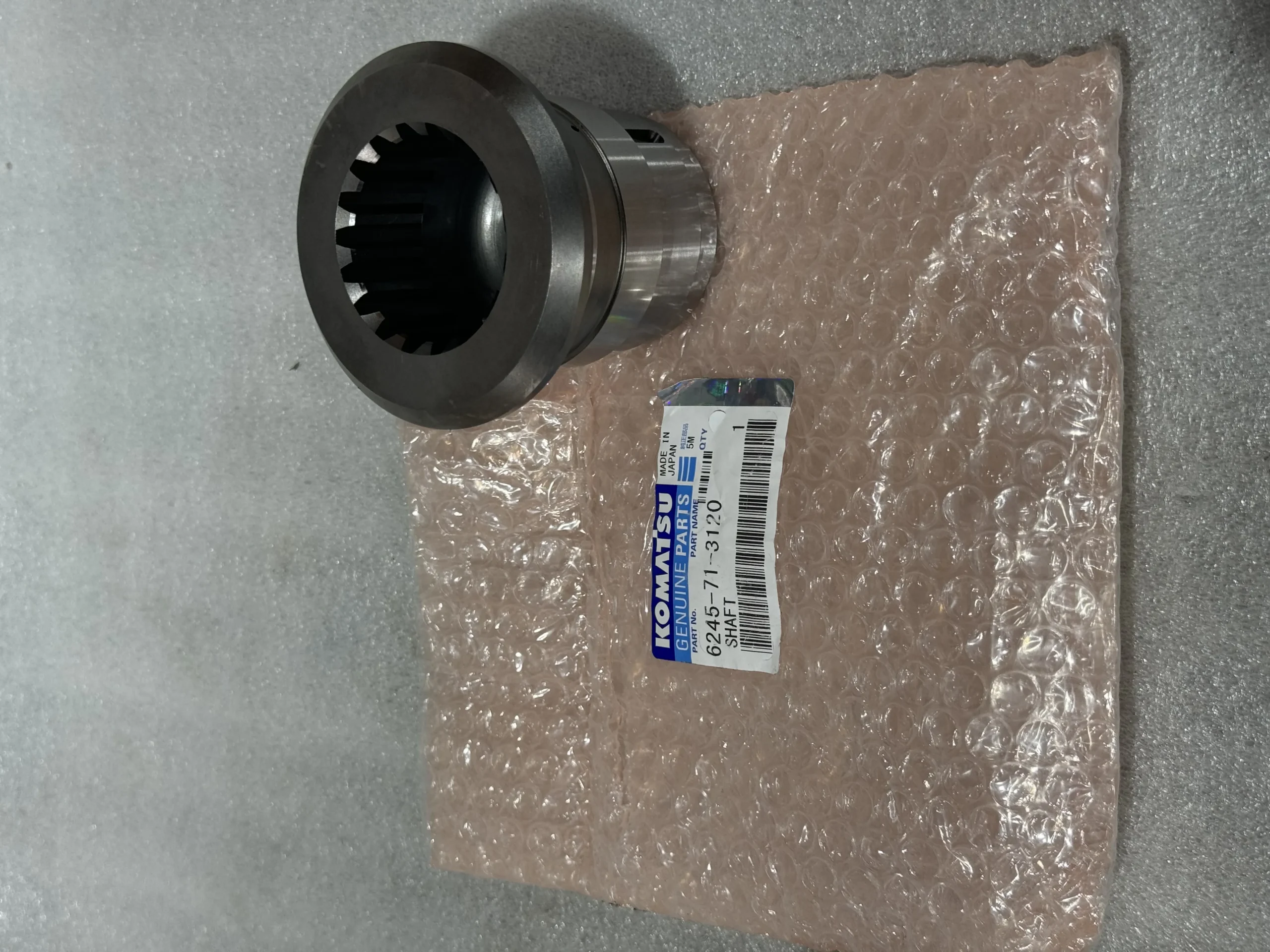 6D170-5 Axis 6245-71-3120
 -
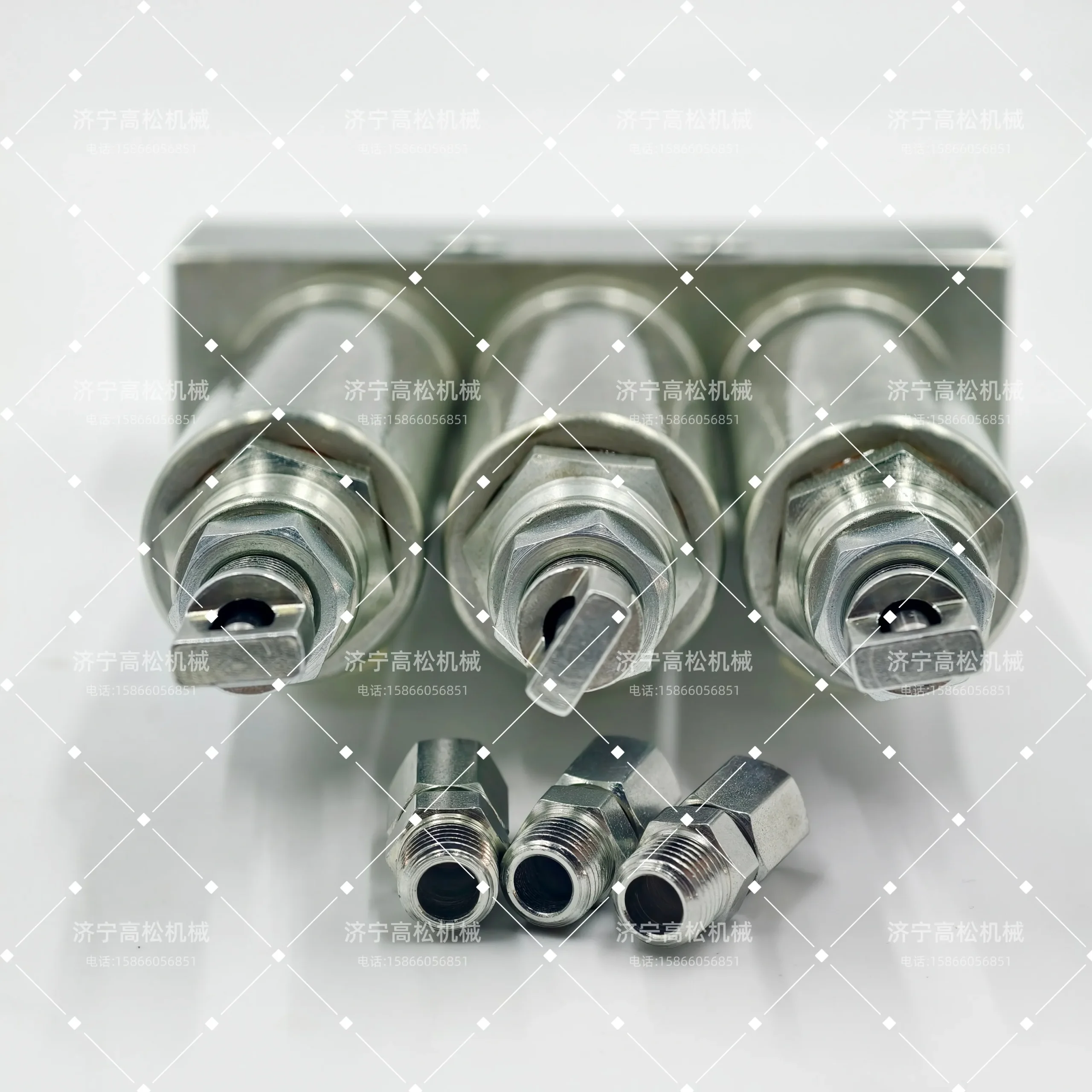 HD785 fuel injector 5819-961-9520
 -
 17M-50-24360 Seal (Komatsu)
 -
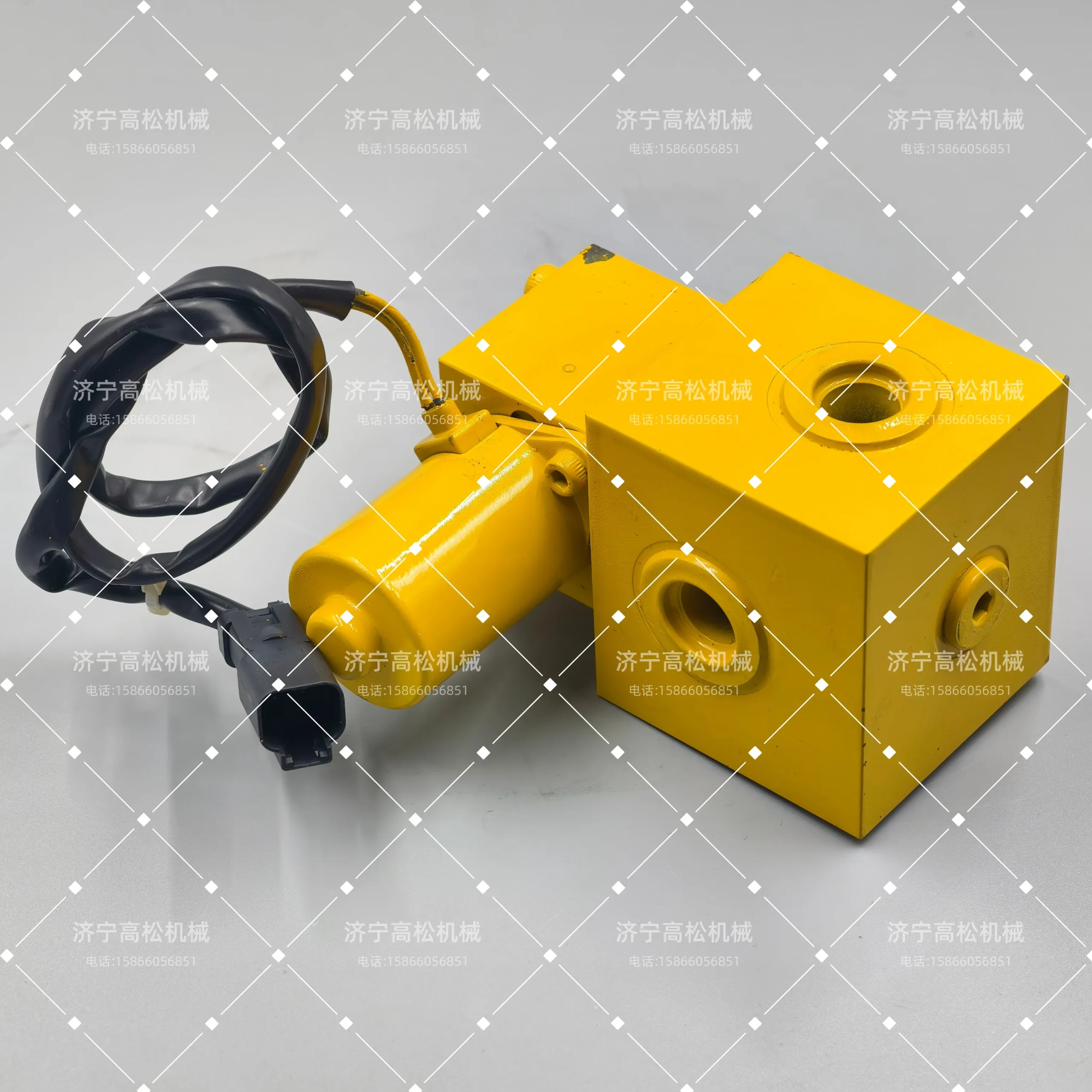 209-60-77220 Komatsu Valve Assembly
Related Search
Related Search- Komatsu main pump
- OEM AND ORIGINAL KOMATSU PIN 235-46-45110
- 426-815-1110
- BOLT
- komatsu excavator undercarriage parts
- OEM AND ORIGINAL KOMATSU UNIVERSAL JOINT 195-20-33000
- komatsu fg30ht 16 parts manual
- Komatsu engine overhaul kit
- free online komatsu parts catalog
- OEM AND ORIGINAL KOMATSU WIRING HARNESS 21T-06-32265