
- Chinese
- French
- German
- Portuguese
- Spanish
- Russian
- Japanese
- Korean
- Arabic
- Irish
- Greek
- Turkish
- Italian
- Danish
- Romanian
- Indonesian
- Czech
- Afrikaans
- Swedish
- Polish
- Basque
- Catalan
- Esperanto
- Hindi
- Lao
- Albanian
- Amharic
- Armenian
- Azerbaijani
- Belarusian
- Bengali
- Bosnian
- Bulgarian
- Cebuano
- Chichewa
- Corsican
- Croatian
- Dutch
- Estonian
- Filipino
- Finnish
- Frisian
- Galician
- Georgian
- Gujarati
- Haitian
- Hausa
- Hawaiian
- Hebrew
- Hmong
- Hungarian
- Icelandic
- Igbo
- Javanese
- Kannada
- Kazakh
- Khmer
- Kurdish
- Kyrgyz
- Latin
- Latvian
- Lithuanian
- Luxembou..
- Macedonian
- Malagasy
- Malay
- Malayalam
- Maltese
- Maori
- Marathi
- Mongolian
- Burmese
- Nepali
- Norwegian
- Pashto
- Persian
- Punjabi
- Serbian
- Sesotho
- Sinhala
- Slovak
- Slovenian
- Somali
- Samoan
- Scots Gaelic
- Shona
- Sindhi
- Sundanese
- Swahili
- Tajik
- Tamil
- Telugu
- Thai
- Ukrainian
- Urdu
- Uzbek
- Vietnamese
- Welsh
- Xhosa
- Yiddish
- Yoruba
- Zulu
- Kinyarwanda
- Tatar
- Oriya
- Turkmen
- Uyghur






OEM AND ORIGINAL KOMATSU ARM 569-40-81120
When you see a part number like for a Komatsu arm, the immediate assumption is you're dealing with a genuine, factory-original component. That's where the first mistake happens. In our line of work, that string of digits isn't just a SKU; it's a gateway into a complex conversation about origin, quality, and supply chain realities. The term OEM AND ORIGINAL gets thrown around loosely, especially online, creating a fog for buyers who just need a reliable arm for their PC300 or similar model. I've seen too many guys get burned thinking they've bagged a deal on an original arm, only to find casting marks that don't align or weld patterns that look... off. The truth is, for a critical structural component like this arm, the distinction isn't academic—it's operational.
The OEM Within the System Reality Check
This is where context from a supplier like Jining Gaosong Construction Machinery Co., Ltd. becomes relevant. Their stated position as an OEM product supplier within the Komatsu system is a nuanced one. It doesn't automatically mean they pour the steel for every that leaves Komatsu's own factories. More often, it signifies a sanctioned partnership where they might produce sub-assemblies or full components to Komatsu's proprietary specs and under their quality audit, often for specific regional distribution. I've visited facilities operating under similar agreements. The machinery is top-notch, and the blueprints on the floor are unmistakably Komatsu. The finished arm might even be shipped to a Komatsu depot for final inspection before it enters the official parts network. So, is it original? Technically, yes, if it's gone through that channel. Is it identical to one from Komatsu's direct line? In theory, it should be. But the should be is what keeps you up at night.
I recall a shipment we handled a couple years back, where the OEM AND ORIGINAL KOMATSU ARM in question came from such a channel. The documentation was perfect, right down to the certificate of conformity. But during a routine fit-up, the pin bosses required a slight ream. Nothing major, maybe a half-thou, but it was a deviation. That's the hidden variable: process control. The OEM spec might call for a H9 tolerance, but the consistency in achieving it across different foundries and machining centers can waver. For the end user, it doesn't matter if the part is OEM if it doesn't drop straight onto the machine without fuss. That minor reaming job was the difference between a two-hour installation and a six-hour headache, costing more in downtime than the part saved.
This is precisely the gap companies like Gaosong aim to bridge. By being both an OEM supplier and a third-party sales agent, they can help solve parts supply challenges in certain countries, as their site says. In practice, this means when the official pipeline is clogged—say, due to logistics or allocation issues—they can sometimes facilitate access to components that meet the OEM standard, but through a parallel, often faster, route. You're not just buying a part; you're buying a solution to a supply chain bottleneck. But you have to verify the pathway every single time.
The Allure and Risk of the Aftermarket Clone
Now, let's talk about the elephant in the room: the pure aftermarket copies. Search for and you'll find pages of them, often at 40-50% below the price of the OEM-tagged part. Some are decent, many are dangerous. I made the mistake early in my career of approving one for a lower-priority machine, thinking the savings justified the risk. The arm itself looked the part, but the material certification was vague, just listing high-strength steel. It performed fine for about 1,200 hours before a hairline crack developed from a stress riser near the cylinder mount—a location the original design had specifically reinforced with a different grain structure. The failure wasn't catastrophic, but it was a full stop. The cost of replacement, plus the downtime, far exceeded the initial savings. It was a cheap lesson on the value of metallurgy.
The failure point is rarely in the obvious places. It's in the heat-affected zones of the welds, the internal integrity of the castings for the pivot points, and the precise hardness gradient across the structure. A clone might get the outer geometry 99% right, but that missing 1% is in the material science and the non-destructive testing that OEMs and their sanctioned partners mandate. When Gaosong says they are within the Komatsu system, it implies (or should imply) adherence to that full suite of quality protocols, not just the final dimensional check.
We've since developed a simple checklist for any structural component, especially arms. It starts with traceability: a verifiable heat number for the steel. Then, it moves to documentation: not just a CoC, but mill certificates and if possible, weld procedure records. Finally, a physical inspection for casting marks, Komatsu logos (often subtly cast in), and the quality of the finish in non-cosmetic areas. A genuine or proper OEM-sourced Komatsu arm will have a consistency to it that becomes intuitive after you've handled a few dozen. The paint is tougher, the casting surfaces are cleaner, and everything just feels... substantial.
Practical Sourcing and the Third-Party Lifeline
So, how do you navigate this in the real world? You build relationships with suppliers who are transparent about their pipeline. A website like https://www.takematsumachinery.com is a starting point, not the finish line. The useful information is in the follow-up. When you inquire about part , the key questions are: Can you provide the full material certification trail? and Is this component currently in the Komatsu global catalog, or is it a legacy stock item? The answer tells you a lot. A legacy stock item from an OEM partner can be a goldmine—often genuine, shelf-worn, and discounted. A part that's equivalent but not in the catalog requires extreme diligence.
The third-party sales role is crucial in markets where Komatsu's direct presence is thin or where import regulations are Byzantine. I've worked in territories where getting a genuine arm through official channels meant a 90-day lead time and a 30% customs hassle fee. A reputable third-party agent, leveraging their OEM network, cut that to 35 days and handled the clearance. The part arrived with Komatsu-branded crating (albeit faded) and all the right paperwork. It was, for all intents and purposes, an original part that took a detour. That's the value-add. The risk is when the third-party supplier blurs the line between their OEM-sourced goods and their purely aftermarket lines. Clarity is king.
One practical tip: always ask for photos of the actual part in stock, not a catalog image. Focus on the detail shots—the part number stamping, the weld seams, the inside of the pin bores. An OEM or OEM-partner produced arm will have clean, precise stamping. The welds will be uniform, often with a specific bead pattern that's characteristic of automated welding stations. The bores will have a machined finish, not a rough, as-cast surface. If a supplier hesitates to provide these, it's a red flag.
Cost vs. Value in the Long Run
Let's be blunt: the OEM AND ORIGINAL KOMATSU ARM from any source will carry a premium. The decision often comes down to the finance team seeing a line item and the operations team seeing a machine on standby. My argument to management has always been framed in total cost of ownership. An arm isn't a filter; it's a foundational component of the machine's front-end structure. A failure doesn't just stop that machine; it can damage the cylinder, the pins, and even the mainframe if it goes badly. The liability alone is a nightmare.
I've calculated it for our fleet: using a verified OEM-sourced arm, even at a 60% price premium over a top-tier clone, the ROI comes from extended service life and eliminated unplanned downtime. We track mean time between failures (MTBF) religiously. For structural components, the OEM-sourced parts consistently hit 1.8 to 2.2 times the service life of the best aftermarket alternatives. When you factor in the cost of a service truck, a field mechanic, and lost production, the math becomes unequivocal. The initial purchase price is just the entry fee.
This is where a supplier's dual role is again critical. A company like Jining Gaosong, by understanding the OEM standard intimately, should also be able to articulate this value proposition, not just compete on price. They can explain why their part, sourced through their OEM channel, justifies its cost. If they can't, or if they immediately pivot to offering a cheaper alternative, you know where their priority lies. The best suppliers we work with are those who talk about fit, function, and longevity first, and price second.
Wrapping It Up: A Matter of Trust and Traceability
In the end, dealing with a part number like boils down to two things: trust and traceability. The term OEM AND ORIGINAL is a claim that needs verification. The involvement of a firm that operates both as an OEM partner and a third-party seller adds a layer of potential convenience but also requires more due diligence. They can be the solution to a genuine supply problem, providing a part that is functionally and qualitatively original, or they can be another link in a confusing chain.
The industry is full of gray areas, but the stress on an excavator arm is not gray. It's a precise calculation of load, cycle, and material strength. Your sourcing strategy should match that precision. Don't just buy a part number. Buy the history behind the part, the quality system that produced it, and the reputation of the people who stand behind it. Ask the hard questions, demand the proof, and inspect what you expect. Sometimes the faster, third-party route via a company like Jining Gaosong Construction Machinery Co., Ltd. gets you the right part quicker. Other times, waiting for the direct pipeline is the only safe bet. Knowing the difference isn't just part of the job; it is the job.
So next time that part number pops up on a requisition, look past the digits. Think about the machine it's going on, the hours it needs to endure, and the consequences of a compromise. The right choice is rarely the easiest one, but in this business, it's the only one that keeps you running.
Related Products
Related Products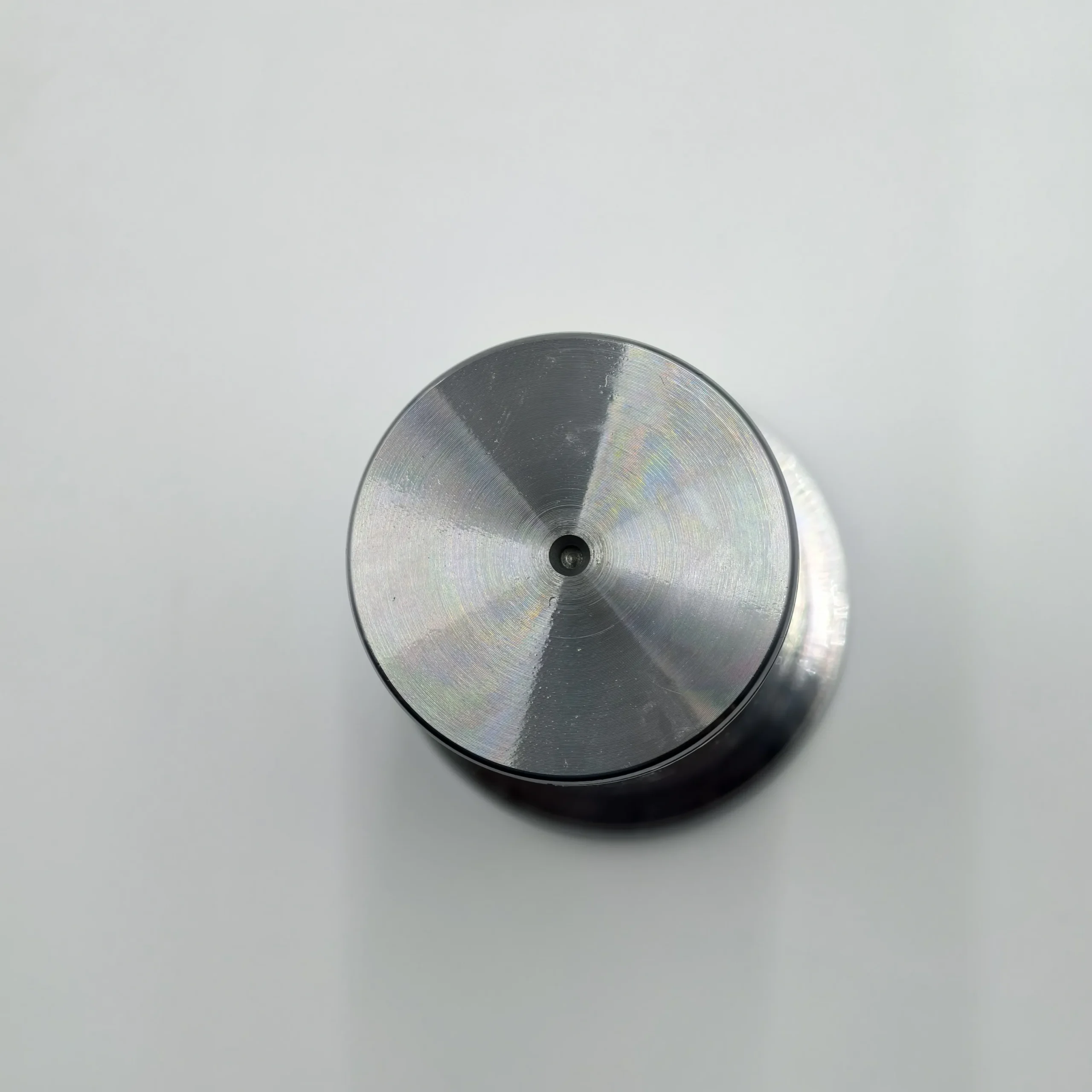
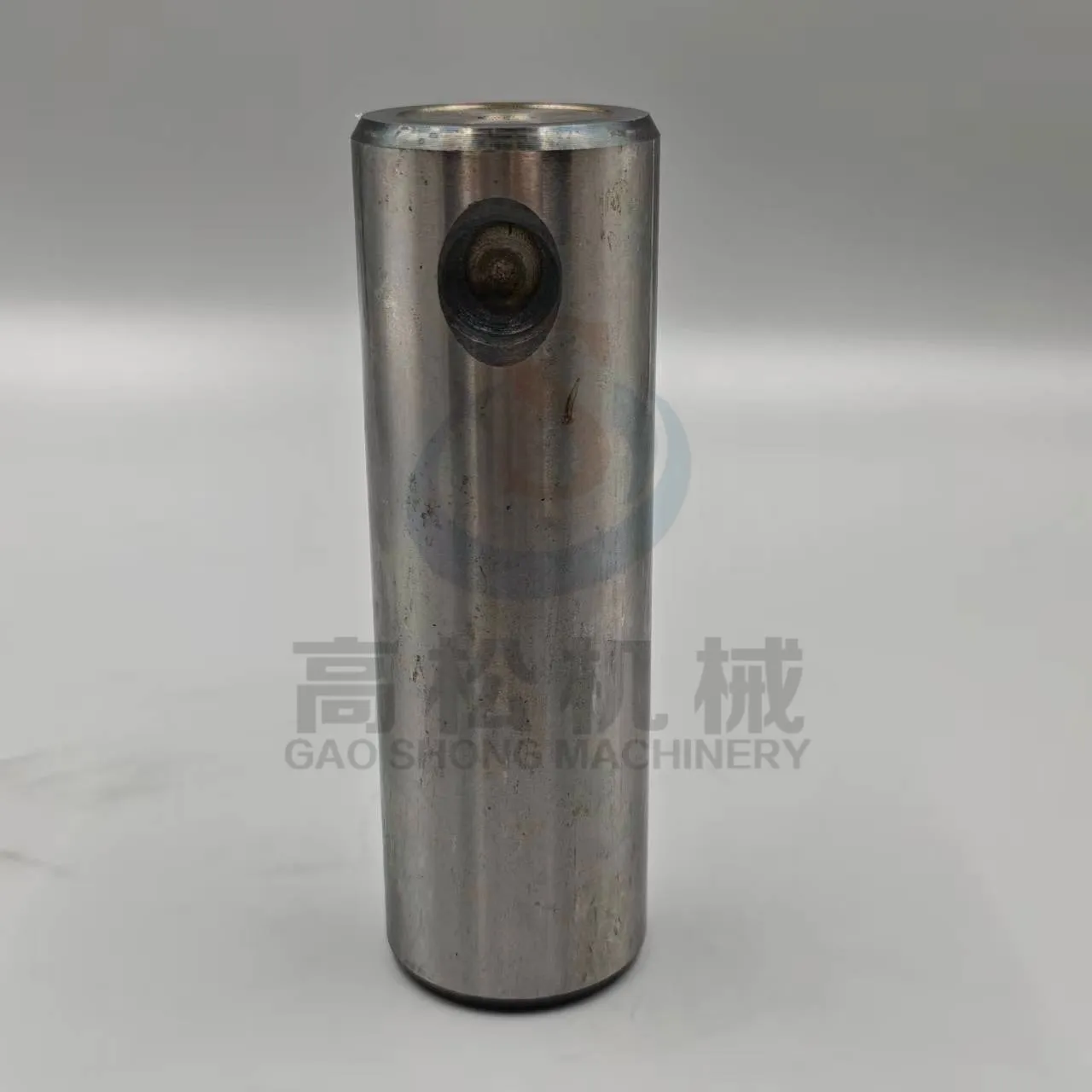

Best Selling Products
Best Selling Products-
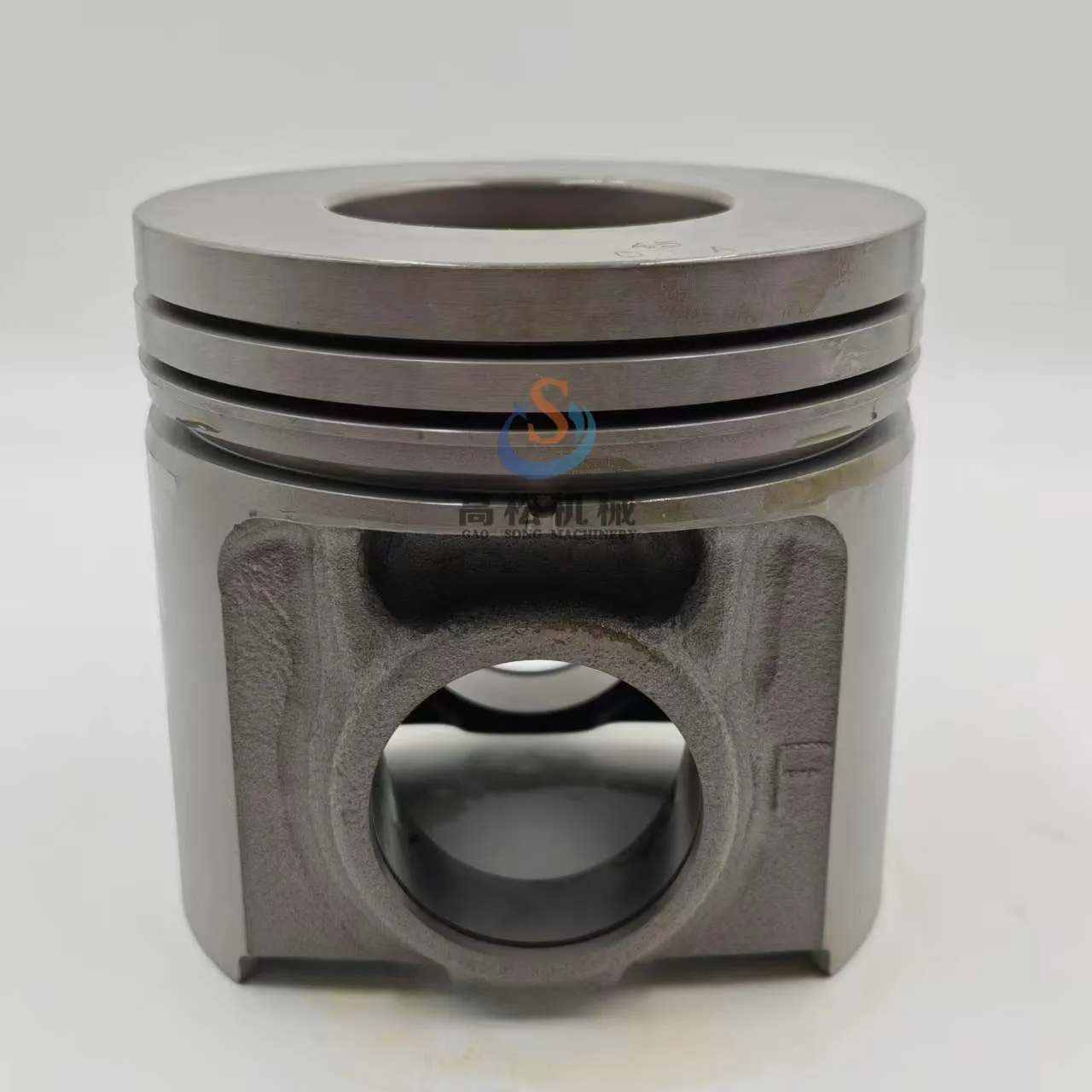 6152-32-2510 komatsu-parts piston
 -
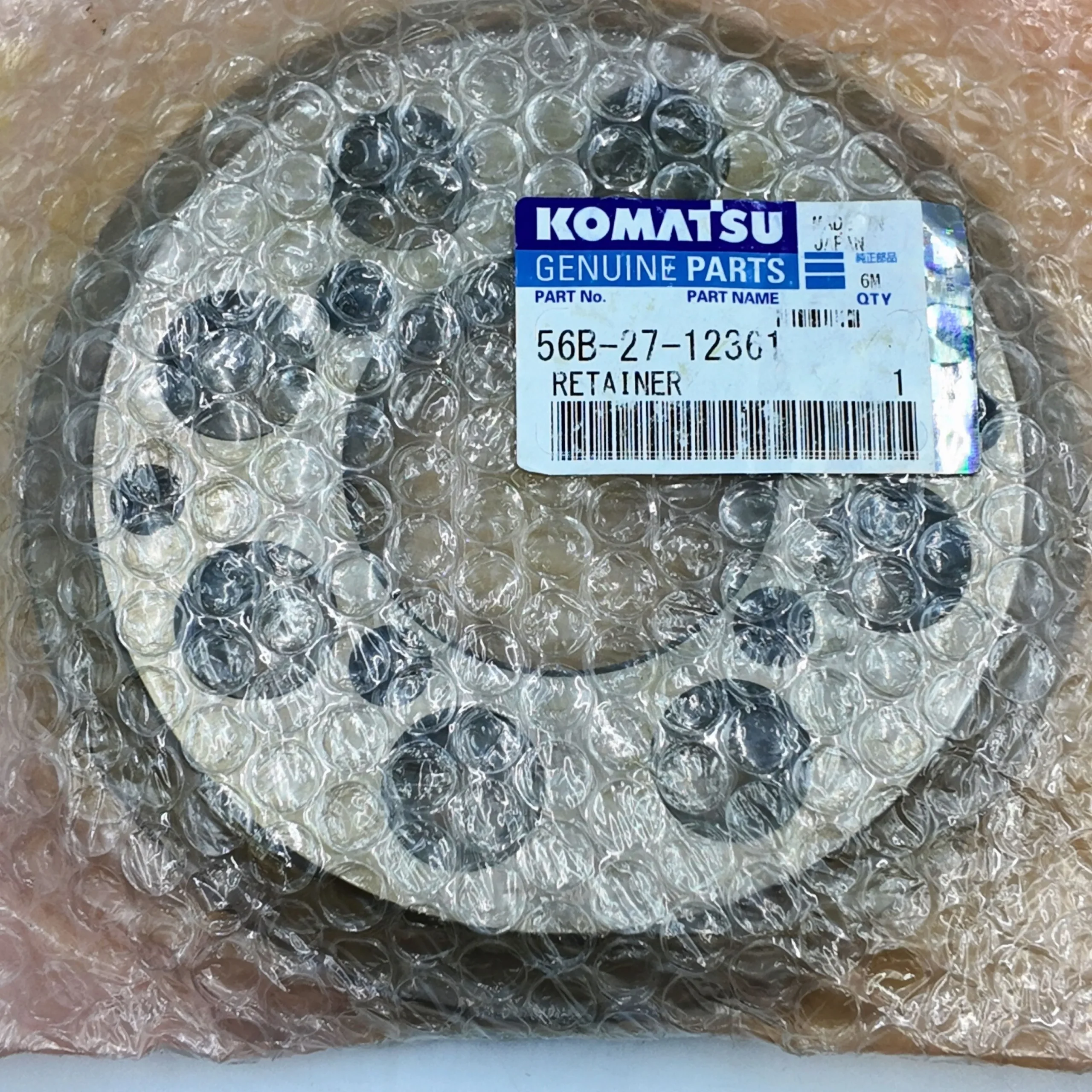 56B-27-12361•• RETAINER-Komatsu Original Factory
 -
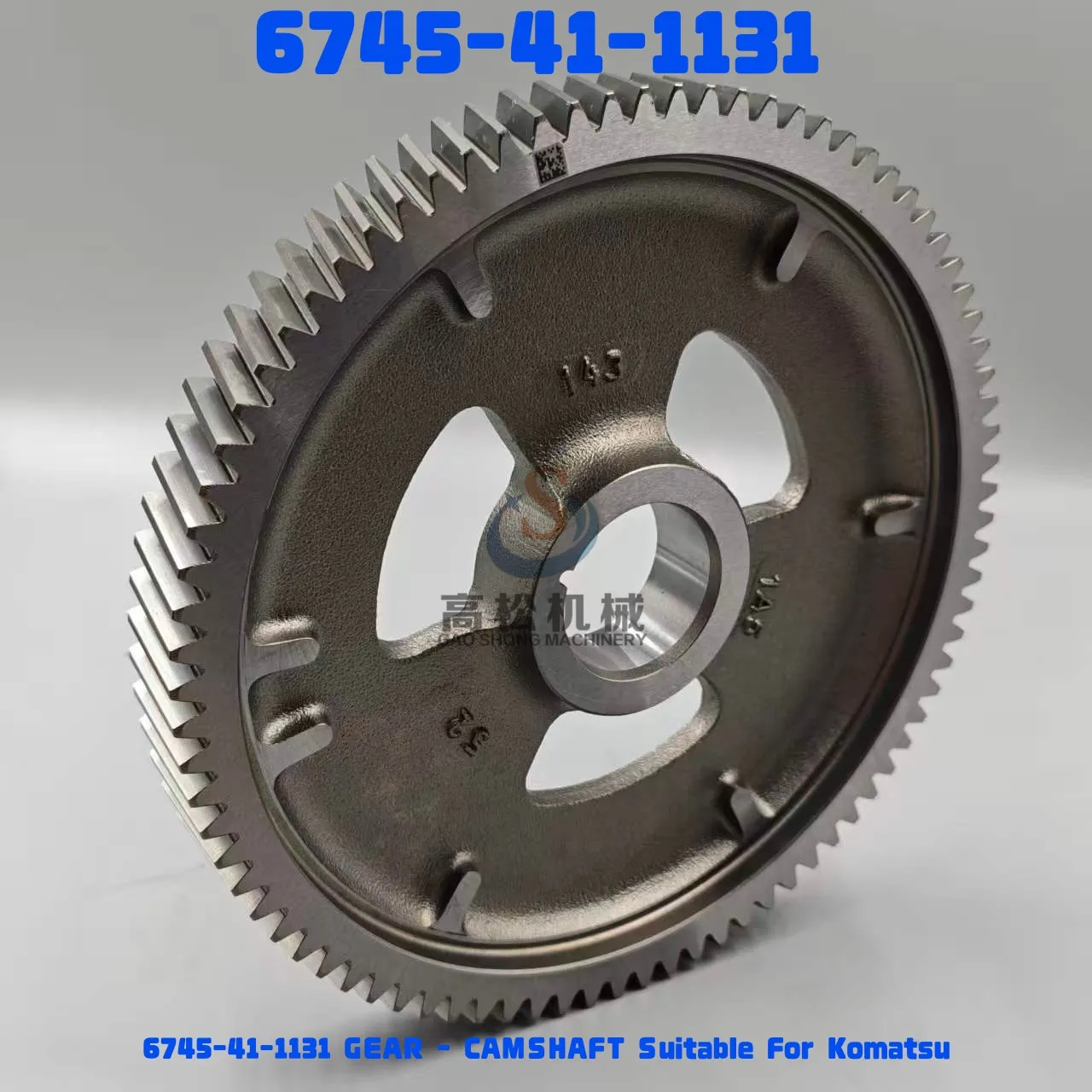 6745-41-1131 GEAR – CAMSHAFT Suitable For Komatsu 6745411131Compatible Models: SAA6D114E-3B-WT (BUILD 9K), SAA6D114E-3E (BUILD 9L), SAA6D114E-6A & SAA6D114E-6B (BUILD 9J)
 -
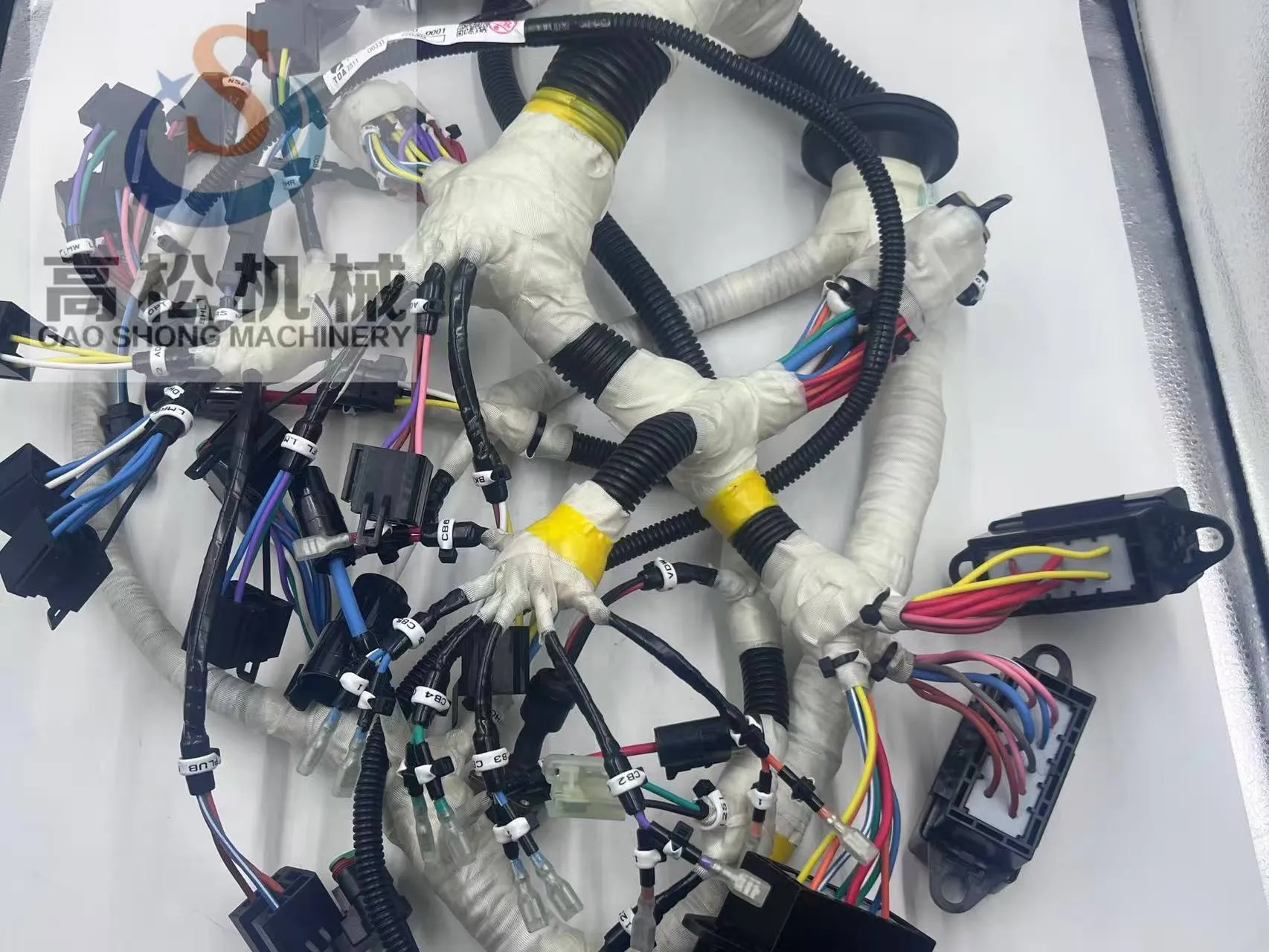 D375A-6Wiring harness 195-06-84641
 -
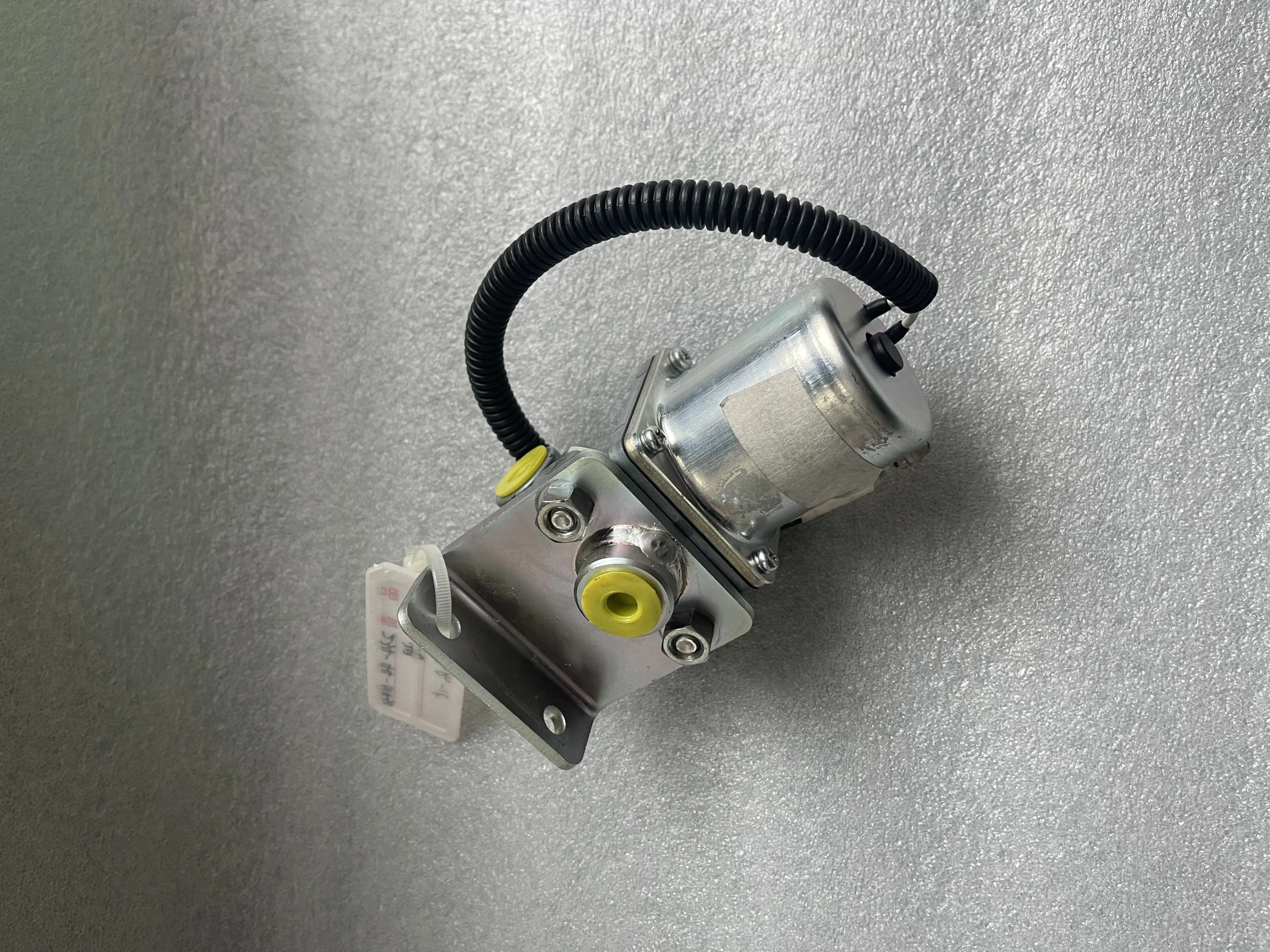 234-44-61430-VALVE Applicable: Komatsu GD825 / GD705
 -
 21N-30-14160 PACKING (Komatsu)
 -
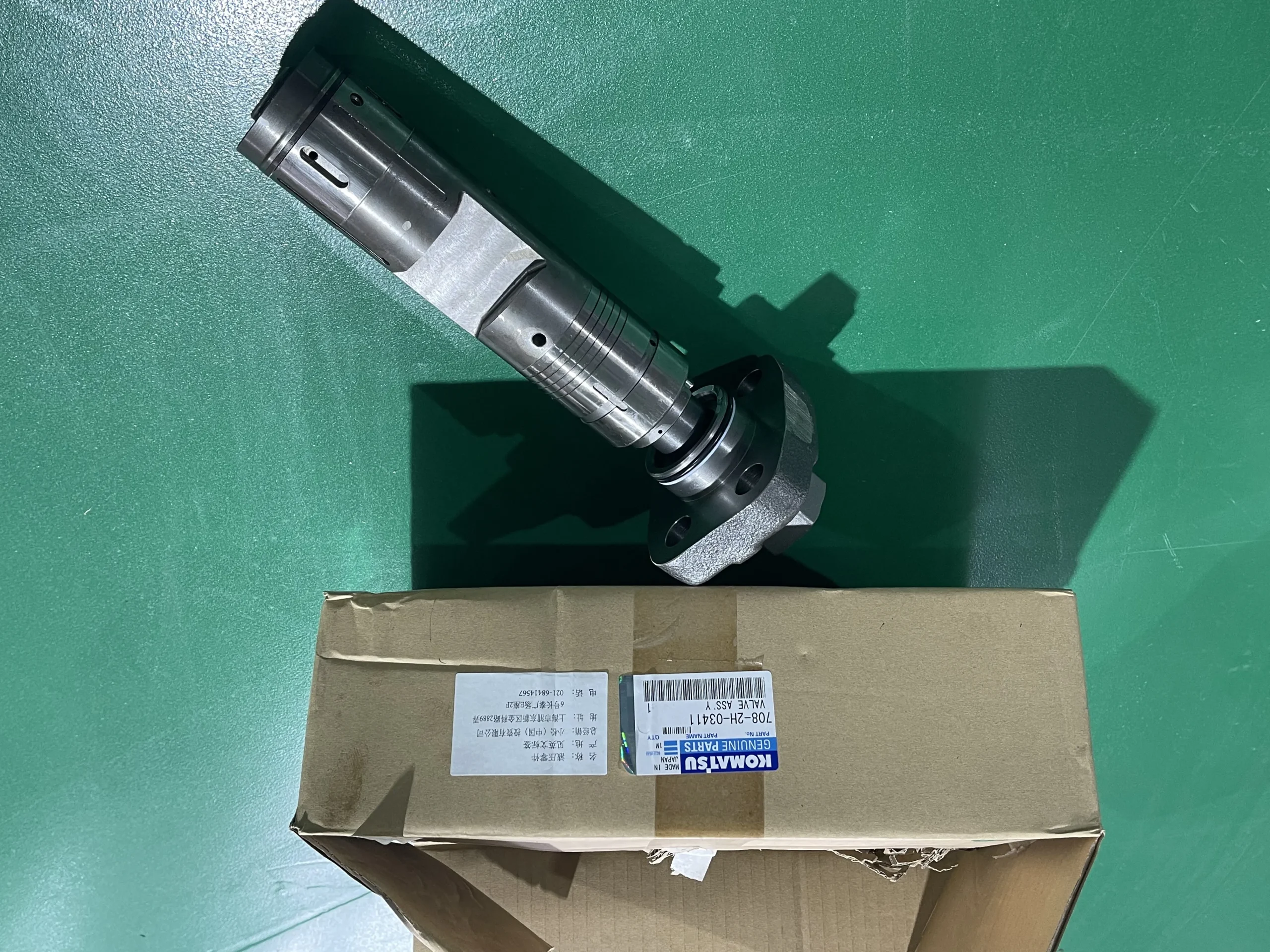 Relief Valve 708-2H-03411
 -
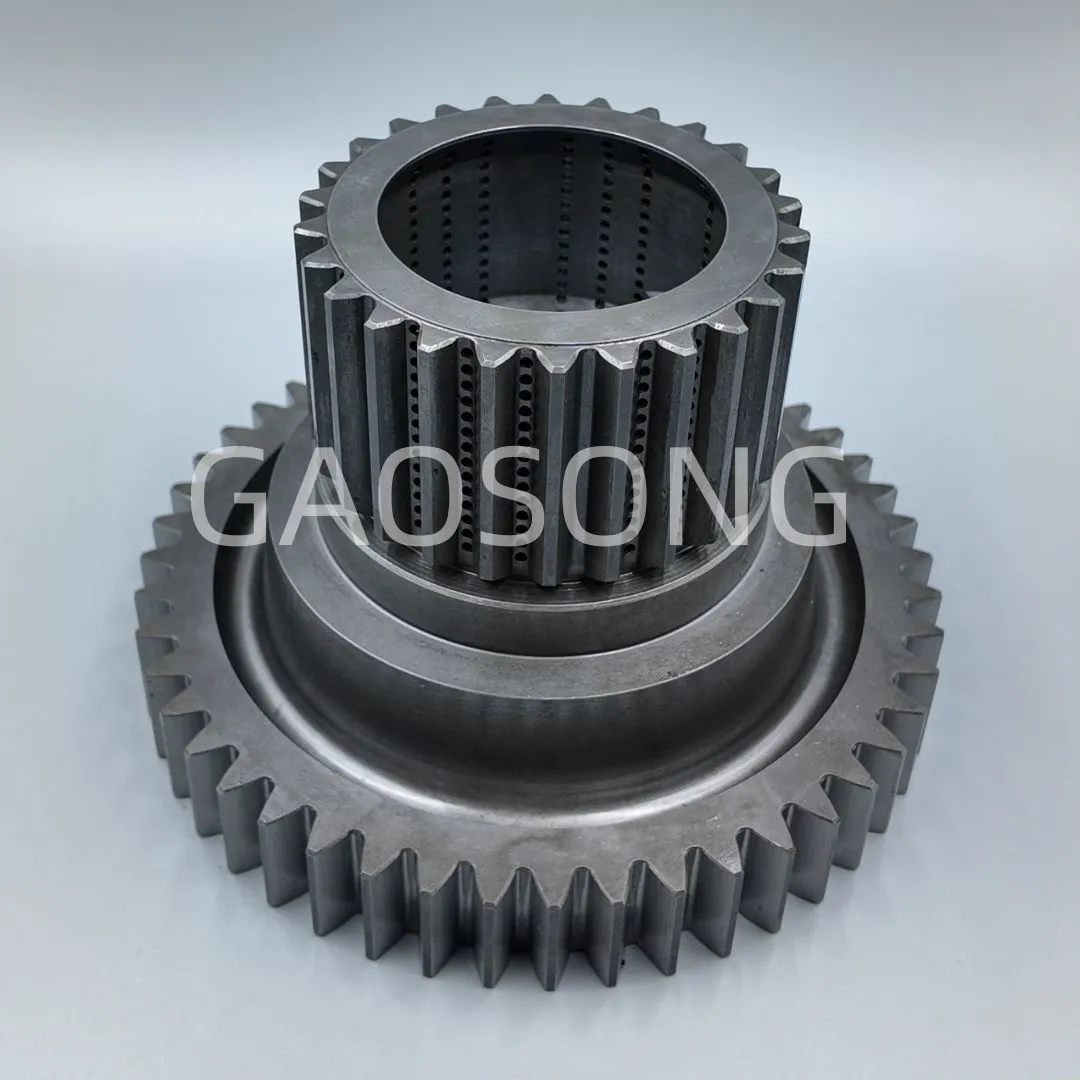 714-07-12420 •• GEAR¤ 48 TEETH,FORWARD–Komatsu Original Factory
 -
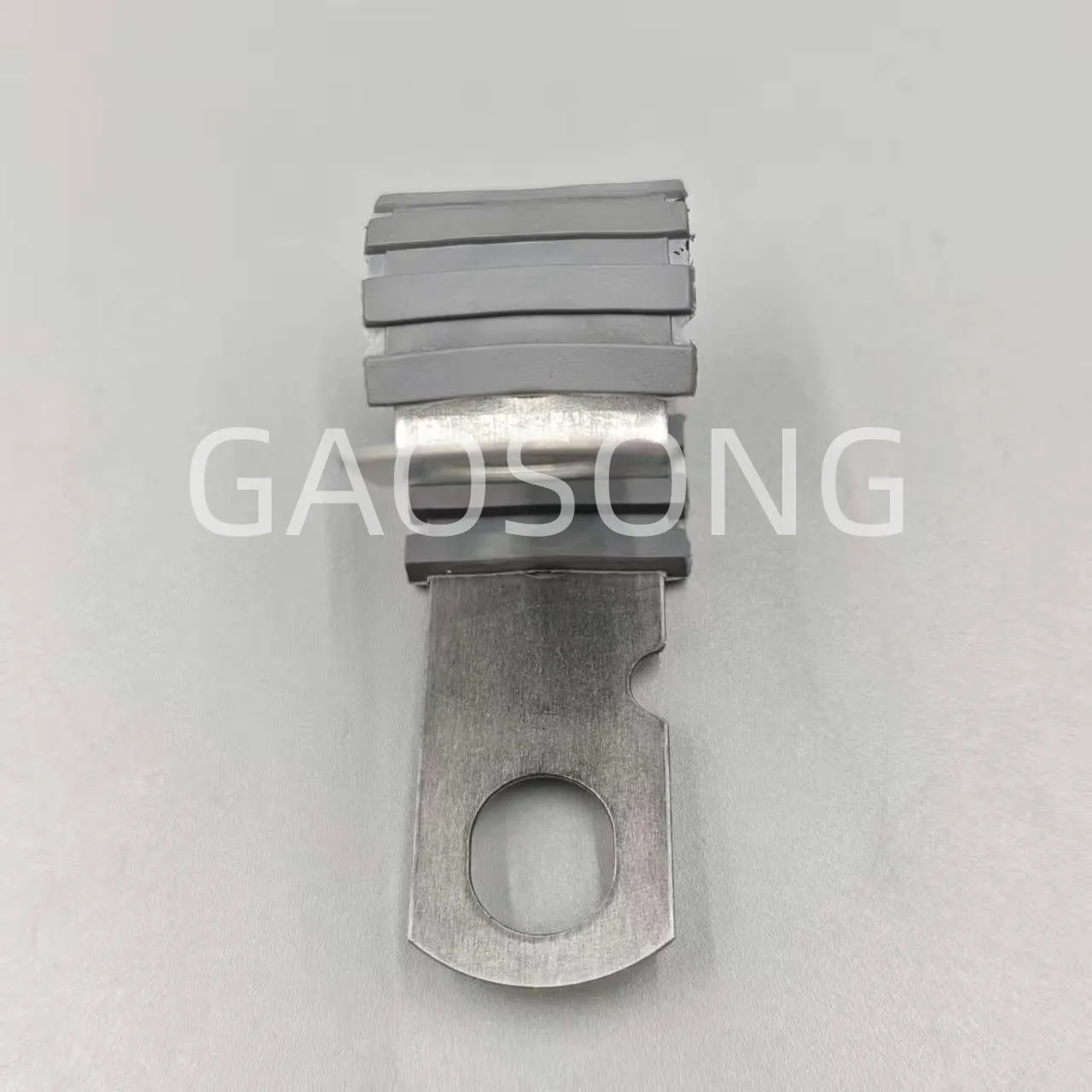 600-051-2180 CLIP-Komatsu Original Factory
 -
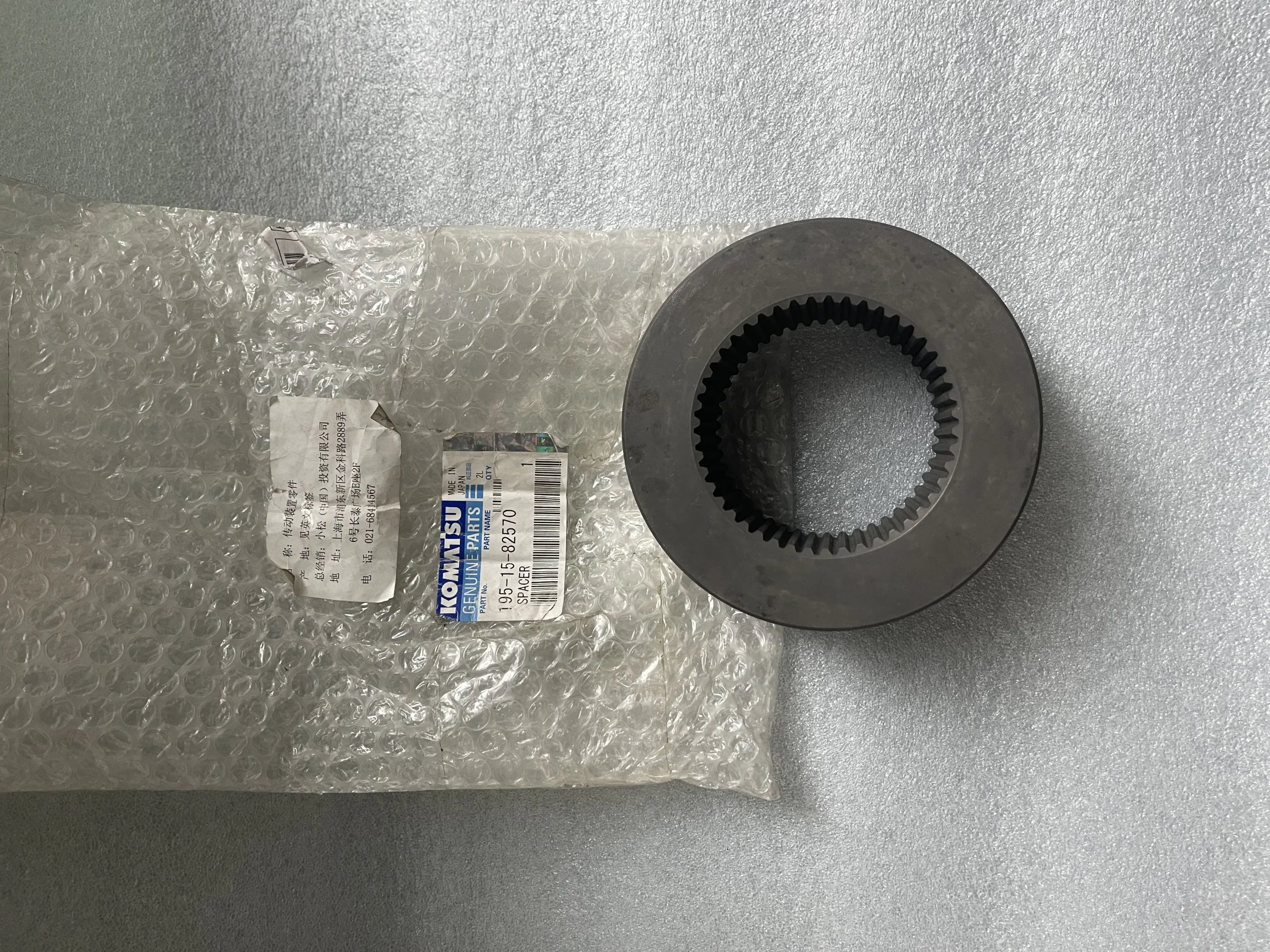 D375A-5 SPACER 195-15-82570 for komatsu Sealed-type Open-type Shielded Hybrid-ceramic
 -
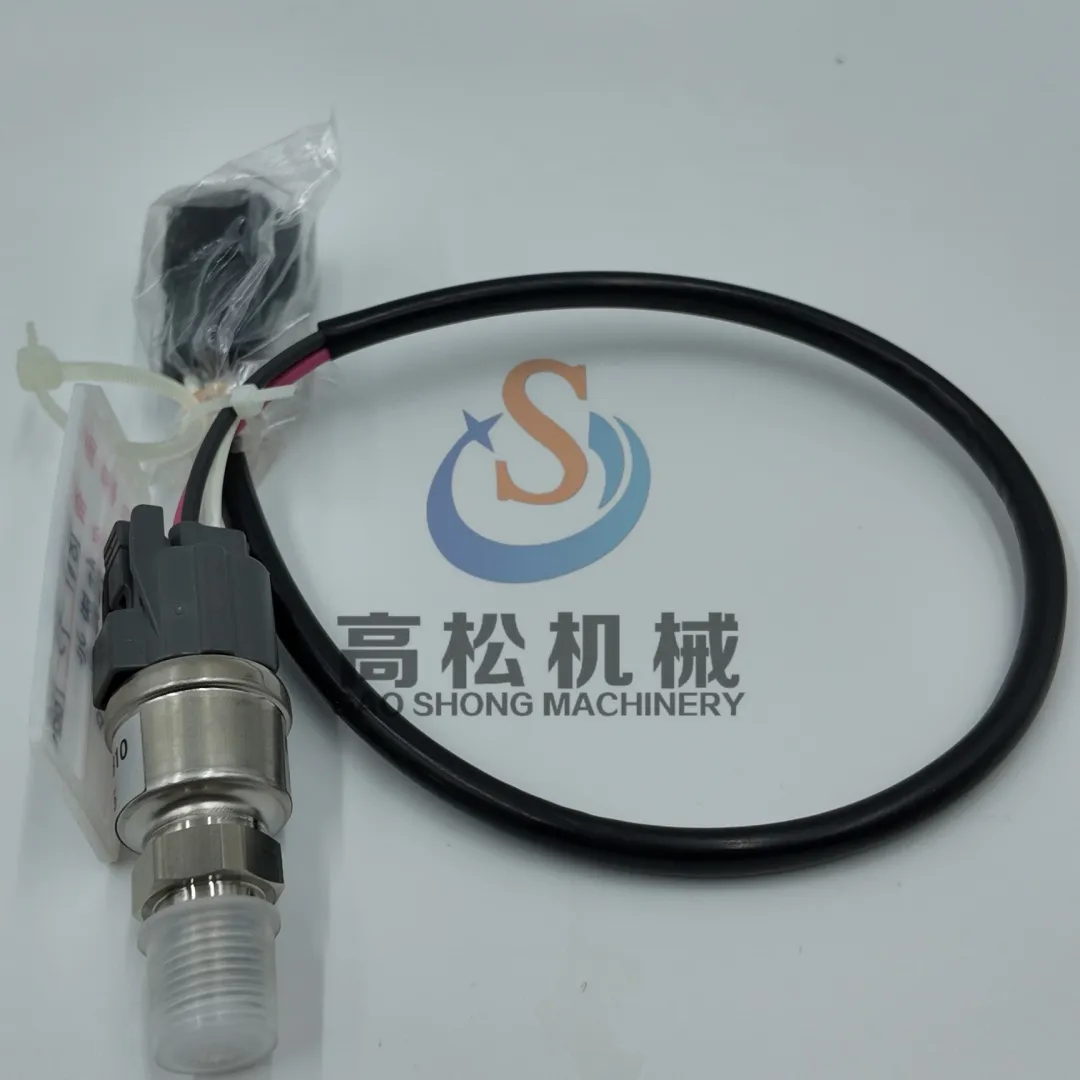 7861-93-1680 Pressure Sensor For Komatsu WA1200 SDA12V140E
 -
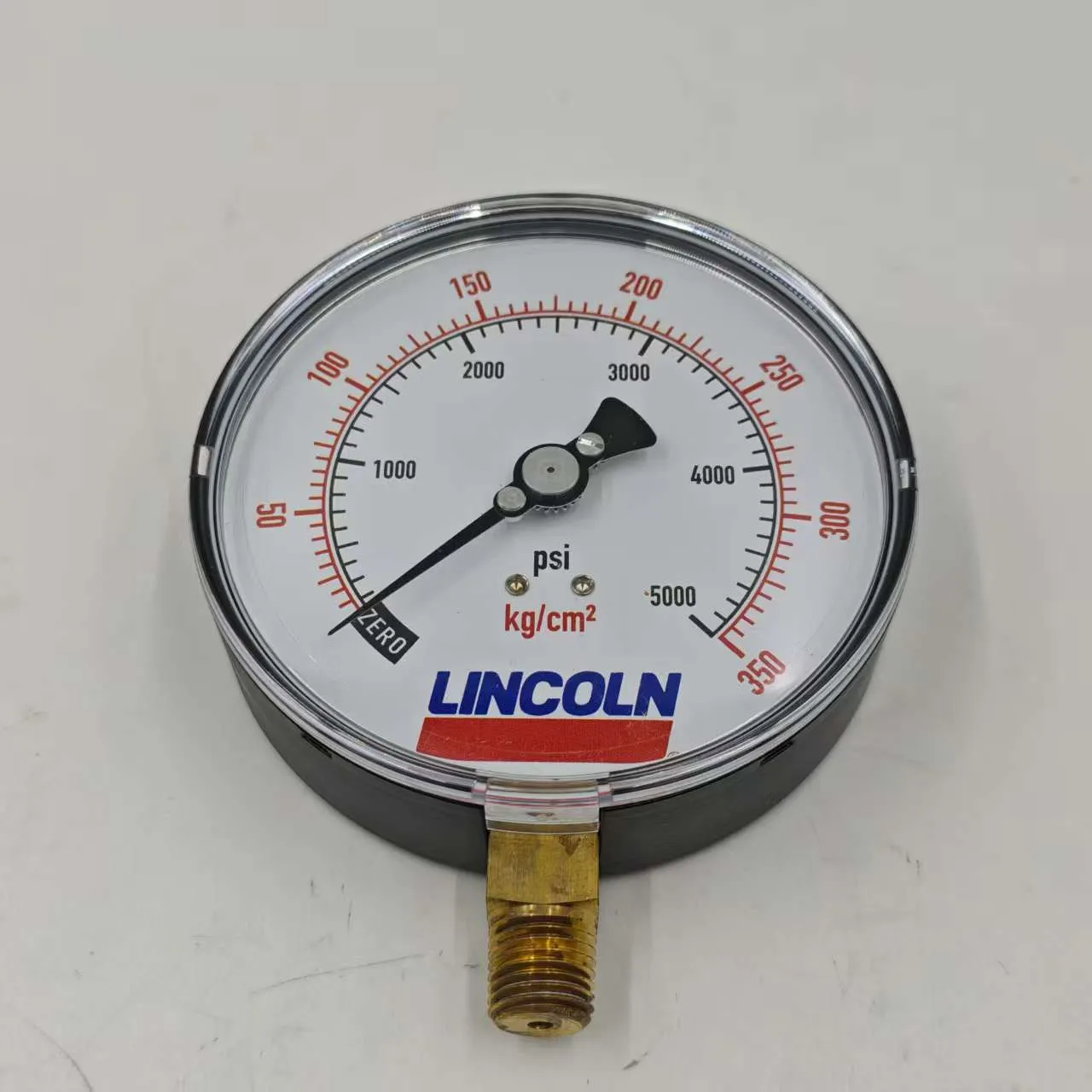 427-S95-2410PC1100 PC1250SE-7 komatsu