
- Chinese
- French
- German
- Portuguese
- Spanish
- Russian
- Japanese
- Korean
- Arabic
- Irish
- Greek
- Turkish
- Italian
- Danish
- Romanian
- Indonesian
- Czech
- Afrikaans
- Swedish
- Polish
- Basque
- Catalan
- Esperanto
- Hindi
- Lao
- Albanian
- Amharic
- Armenian
- Azerbaijani
- Belarusian
- Bengali
- Bosnian
- Bulgarian
- Cebuano
- Chichewa
- Corsican
- Croatian
- Dutch
- Estonian
- Filipino
- Finnish
- Frisian
- Galician
- Georgian
- Gujarati
- Haitian
- Hausa
- Hawaiian
- Hebrew
- Hmong
- Hungarian
- Icelandic
- Igbo
- Javanese
- Kannada
- Kazakh
- Khmer
- Kurdish
- Kyrgyz
- Latin
- Latvian
- Lithuanian
- Luxembou..
- Macedonian
- Malagasy
- Malay
- Malayalam
- Maltese
- Maori
- Marathi
- Mongolian
- Burmese
- Nepali
- Norwegian
- Pashto
- Persian
- Punjabi
- Serbian
- Sesotho
- Sinhala
- Slovak
- Slovenian
- Somali
- Samoan
- Scots Gaelic
- Shona
- Sindhi
- Sundanese
- Swahili
- Tajik
- Tamil
- Telugu
- Thai
- Ukrainian
- Urdu
- Uzbek
- Vietnamese
- Welsh
- Xhosa
- Yiddish
- Yoruba
- Zulu
- Kinyarwanda
- Tatar
- Oriya
- Turkmen
- Uyghur






OEM AND ORIGINAL KOMATSU ALTERNATOR 600-861-9131
When you see that part number, , pop up on a screen or a quote, it’s easy to think the story ends there. It's a Komatsu alternator, just get it. But that's where most of the headaches begin. The real divide isn't just between genuine and counterfeit; it's between OEM AND ORIGINAL KOMATSU parts that trace back through the proper system, and parts that simply carry the number. I've seen too many mechanics, even seasoned ones, get tripped up assuming the label tells the whole truth. The alternator for a PC300 or a D85, especially this , is a perfect example of a part where the sourcing path makes all the difference in uptime.
The OEM Reality vs. The Aftermarket Illusion
Let's be clear about OEM within the Komatsu world. It doesn't just mean fits. It means the component was manufactured for Komatsu, to their spec, often in the same factory that produces the line-fit parts. The key is the supply chain. A company like Jining Gaosong Construction Machinery Co., Ltd. operates within that system. They're an OEM product supplier, which is different from a generic aftermarket warehouse. This access is crucial for parts like this alternator, where the regulator's voltage thresholds or the bearing's heat tolerance are calibrated for specific Komatsu machine electrical systems.
I recall a site manager insisting on a cheaper OEM-spec alternator for a fleet of HD785 trucks. The part looked identical, even had a convincing stamp. But within 400 hours, we had a rash of failures. The issue? The internal diode bridge couldn't handle the sustained high-amperage output during extended downhill retardation where the system dumps load. The genuine KOMATSU ALTERNATOR is built for that specific duty cycle. The spec part was built to a general automotive standard. That's a distinction you only learn by frying a few units.
This is where the third-party sales role of a supplier like Gaosong becomes practical, not just theoretical. They aren't just moving boxes. They're solving the logistical gap. For countries where official distribution is thin or slow, they provide a channel back to that OEM-quality part. You're not buying a mystery; you're buying a part with provenance that just took a different route to your dock.
Why the is More Than Its Housing
Focusing on this specific alternator, the isn't a commodity. Crack open a true original and a high-quality clone, and the differences seem minor—until you measure. The rotor's slip ring material, the grade of copper in the windings, the seal on the bearing housing. The OEM unit uses a specific, proprietary grease in the bearing that handles the vibration from a large diesel differently. I've seen clone bearings desiccate and howl in half the time because they used a standard industrial grease.
The voltage regulator is the brain, and here's a common pitfall. Many rebuilds or non-OEM new units will use a generic regulator set to 14.4V. Seems fine, right? But on some Komatsu applications, the system expects a tighter band, say 14.2V, to optimize battery life and communication with the monitor. A mismatch here won't cause immediate failure, but it leads to chronic undercharging and a cascade of unrelated electrical gremlins that drive technicians in circles.
We learned this the hard way on a remote mining project. We used a well-regarded aftermarket alternator, and machines started showing random fault codes. Spent weeks chasing wiring harnesses and sensors. Finally, we scoped the charging circuit and found slight voltage ripple and an off-spec peak voltage. Swapped back to a verified OEM ALTERNATOR from a reliable pipeline, and the ghosts disappeared. It was a costly lesson in systems engineering.
Sourcing and the Trust Factor
So, how do you actually get the right part? The part number is your starting point, but the supplier is your guarantee. You need a source that understands the difference between we can get one and we supply the OEM part. This is the operational value of a specialist. When you engage with a supplier like the one mentioned, their entire model is predicated on that access. They're not just a reseller; they're a conduit into Komatsu's own production ecosystem.
I've developed a simple, non-scientific test over the years: ask about the packaging and the documentation. A true OEM/OE part will come in Komatsu-branded or plain but high-quality packaging, with a parts sheet that has the correct logos and traceability codes. The cheap alternatives often have flimsy boxes and photocopied manuals. More importantly, ask the supplier how they source it. If they hesitate or give a vague from our partner factory answer, be wary. A credible answer references systems, contracts, and direct relationships.
For instance, in a recent order for a D155 dozer, we needed this exact alternator. Our usual channel was back-ordered for months. We found Takematsu Machinery's site and their clear statement about being an OEM supplier within Komatsu's system gave enough confidence to try. The part that arrived had full traceability, the correct sub-component markings from the original manufacturer (like Mitsubishi Electric or Hitachi, who actually make many of these for Komatsu), and performed flawlessly. It validated their claim of helping solve supply challenges.
The Cost of Savings in Downtime
Everyone wants to save money on parts. The trap is calculating cost per unit instead of cost per operating hour. A genuine OEM AND ORIGINAL KOMATSU alternator might carry a 40-60% premium over a high-quality aftermarket unit. But if that aftermarket unit fails in 3000 hours and takes 48 hours to replace (including diagnosis and re-installation), you've lost more in machine rental and labor than the entire premium of the OEM part.
Let's talk about rebuilds. A professionally rebuilt OEM core can be an excellent value—if it's done by a shop that understands these industrial units. The core is everything. You must start with a true Komatsu core, not a clone housing. The rebuild must use OEM-spec or better internal components. I've had great success with rebuilds on the , but only from two specific shops that specialize in heavy equipment electrical, not truck alternators. They source their diode trios and regulators from the same tier-1 suppliers Komatsu uses.
The worst financial decision I've witnessed was a contractor buying a new from a non-specialist online marketplace at a 70% discount. It was a counterfeit with a stamped number. It failed catastrophically within a week, sending metal shards into the cooling fan and causing secondary damage to the radiator. The total repair bill was five times the price of just buying the right part from the start. The illusion of savings evaporated instantly.
Practical Steps for Procurement
Based on all this, my field advice is straightforward but requires discipline. First, verify the part number twice, cross-referencing it with your machine's serial number prefix. Komatsu does make running changes. Second, prioritize suppliers whose business model is transparent about their OEM access. Look for the language Jining Gaosong uses: OEM product supplier within the Komatsu system. That's a specific claim with weight behind it.
When you get the part, inspect it before it goes on the machine. Check for the subtle Komatsu markings on the housing (often a small K or the Komatsu logo cast in). Weigh it—counterfeits are often noticeably lighter due to inferior materials and smaller copper bundles. Check the connector and terminal finish; OEM parts have a precise, robust feel.
Finally, build a relationship with a specialist. The parts business, especially for critical components like the KOMATSU ALTERNATOR , is still a relationship business. Having a direct line to a supplier who understands the engineering behind the part, and who stakes their reputation on providing the real thing, is an asset. It turns a transactional purchase into risk management. In our world, that's the only thing that keeps machines earning and costs predictable.
Related Products
Related Products

Best Selling Products
Best Selling Products-
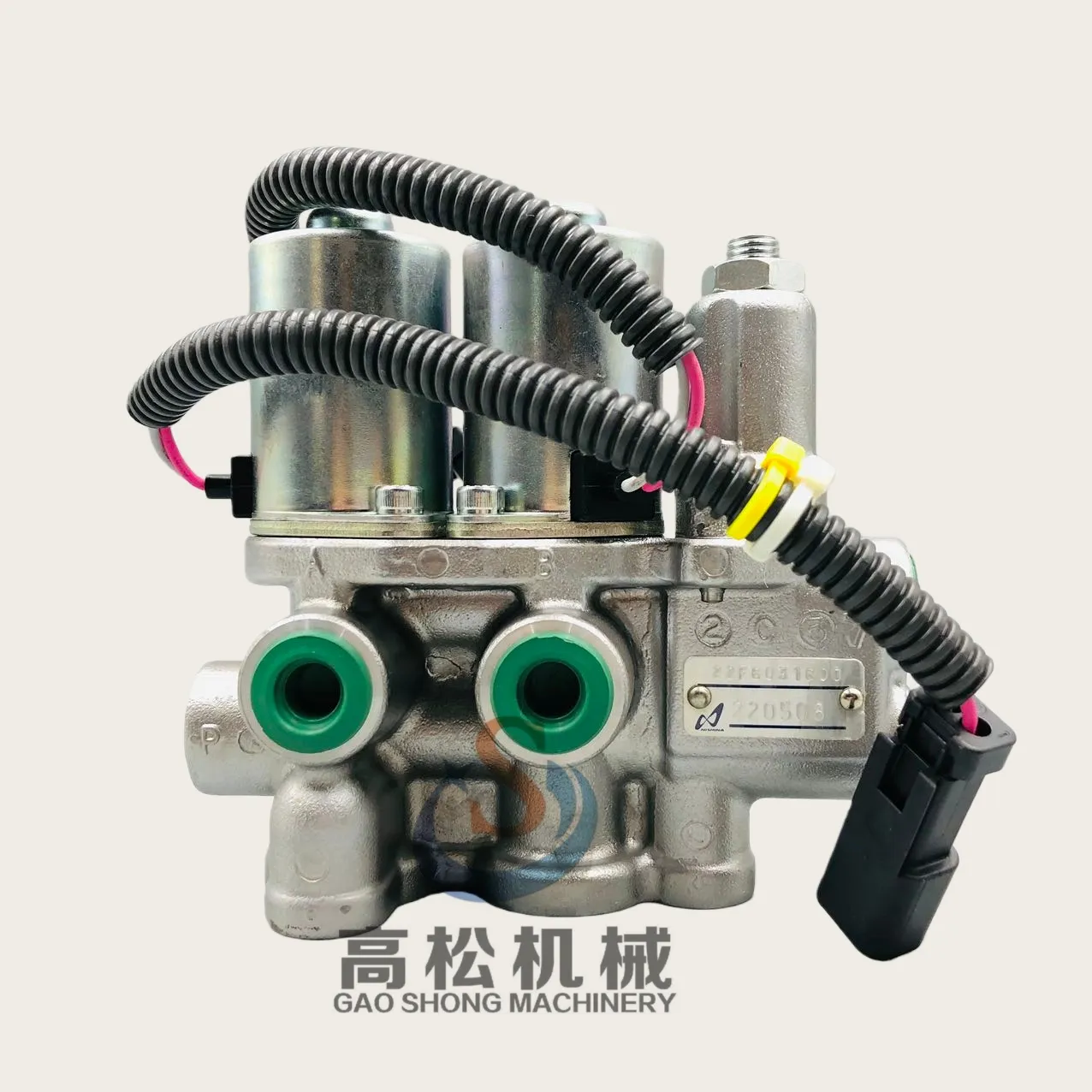 komatsu 22F-60-31600 VALVE ASS’Y PC18MR-3 PC35MR-3 PC45MR-3 PC55MR-3 MAIN VALVE
 -
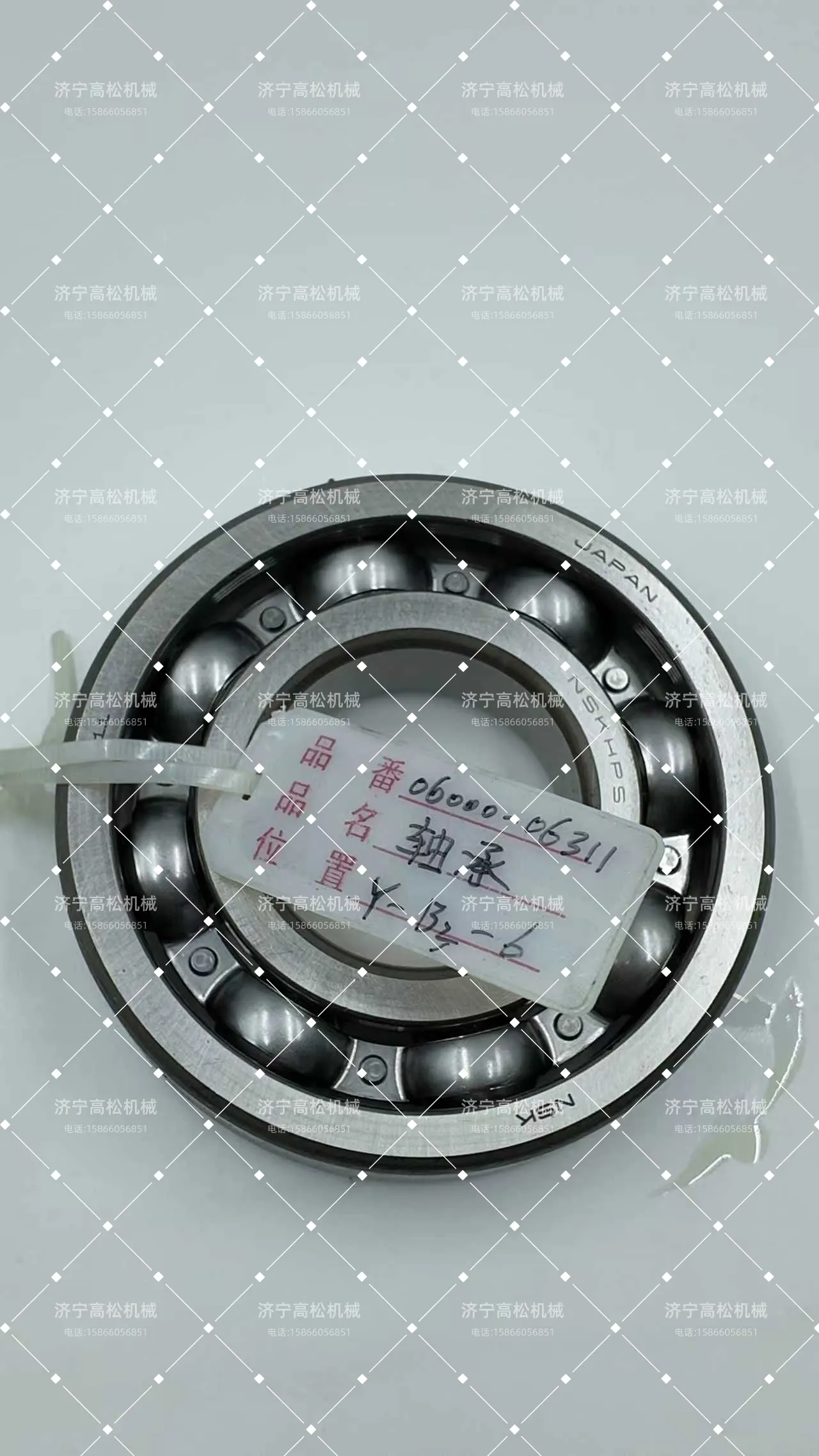 Custom KOMATSU Bulldozer Slewing Gearbox Bearing 06000-06311…
 -
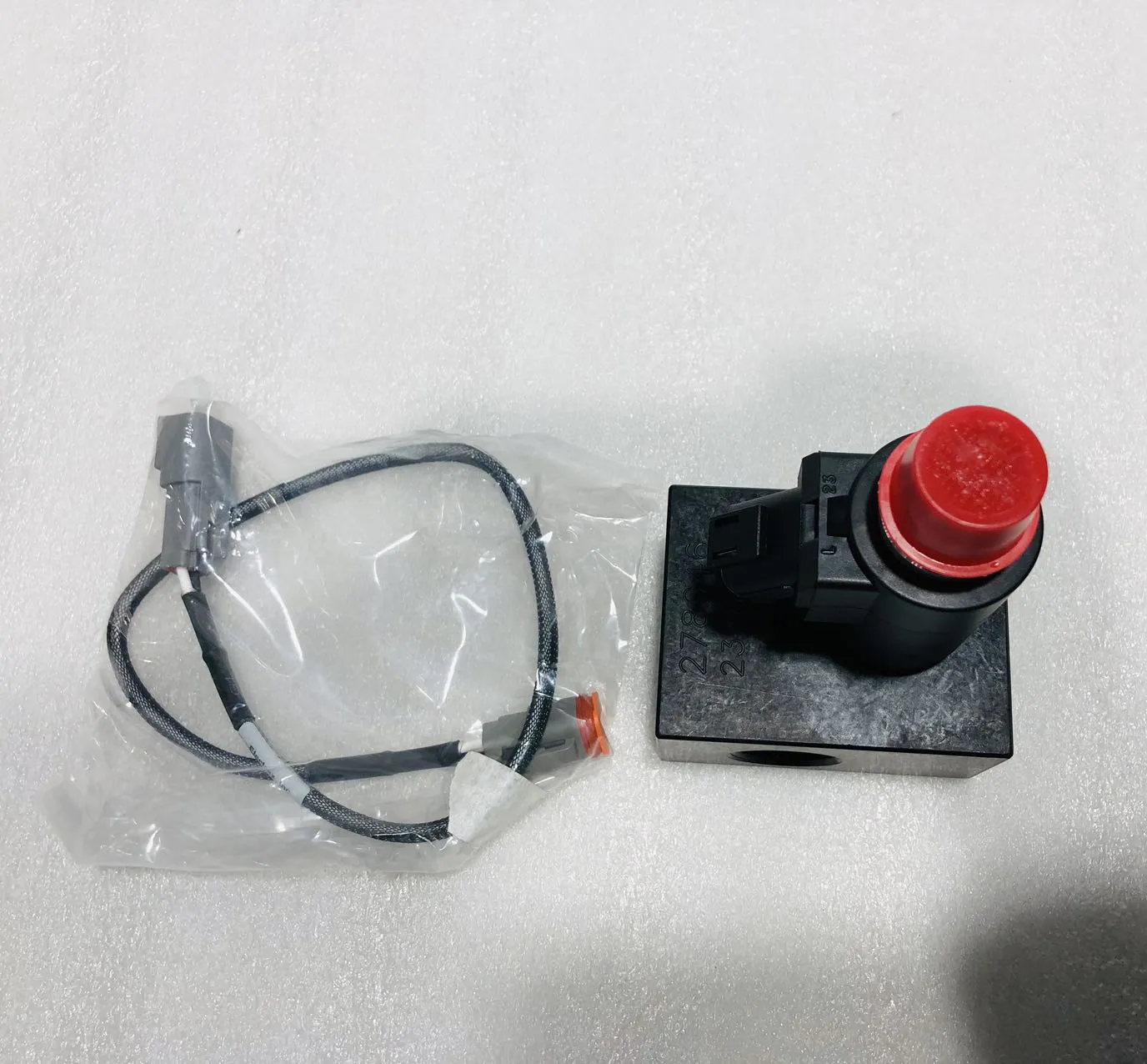 Komatsu 561-95-8A540 VALVE… — Pricing.Parts
 -
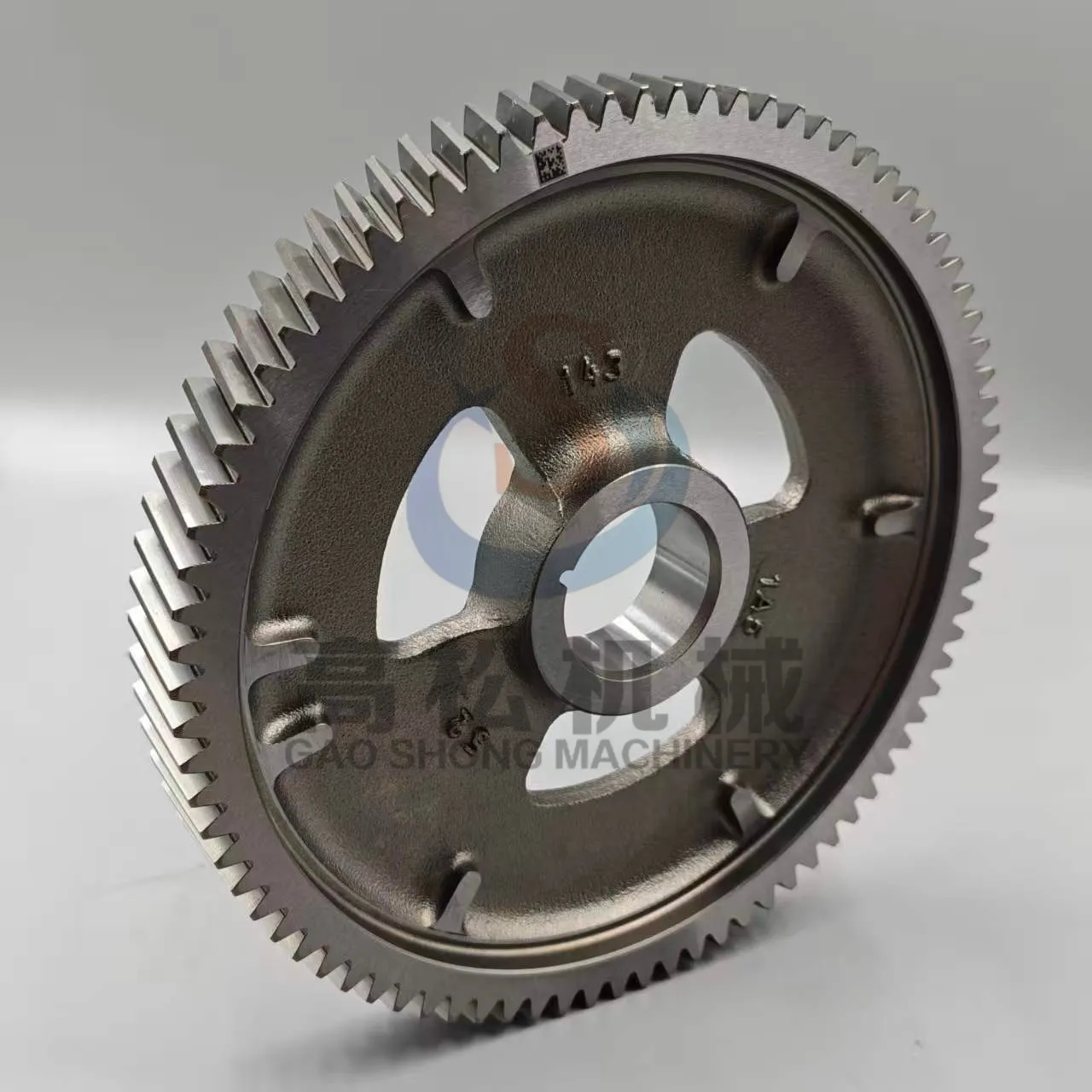 GEAR 6745-41-1131 – KOMATSU
 -
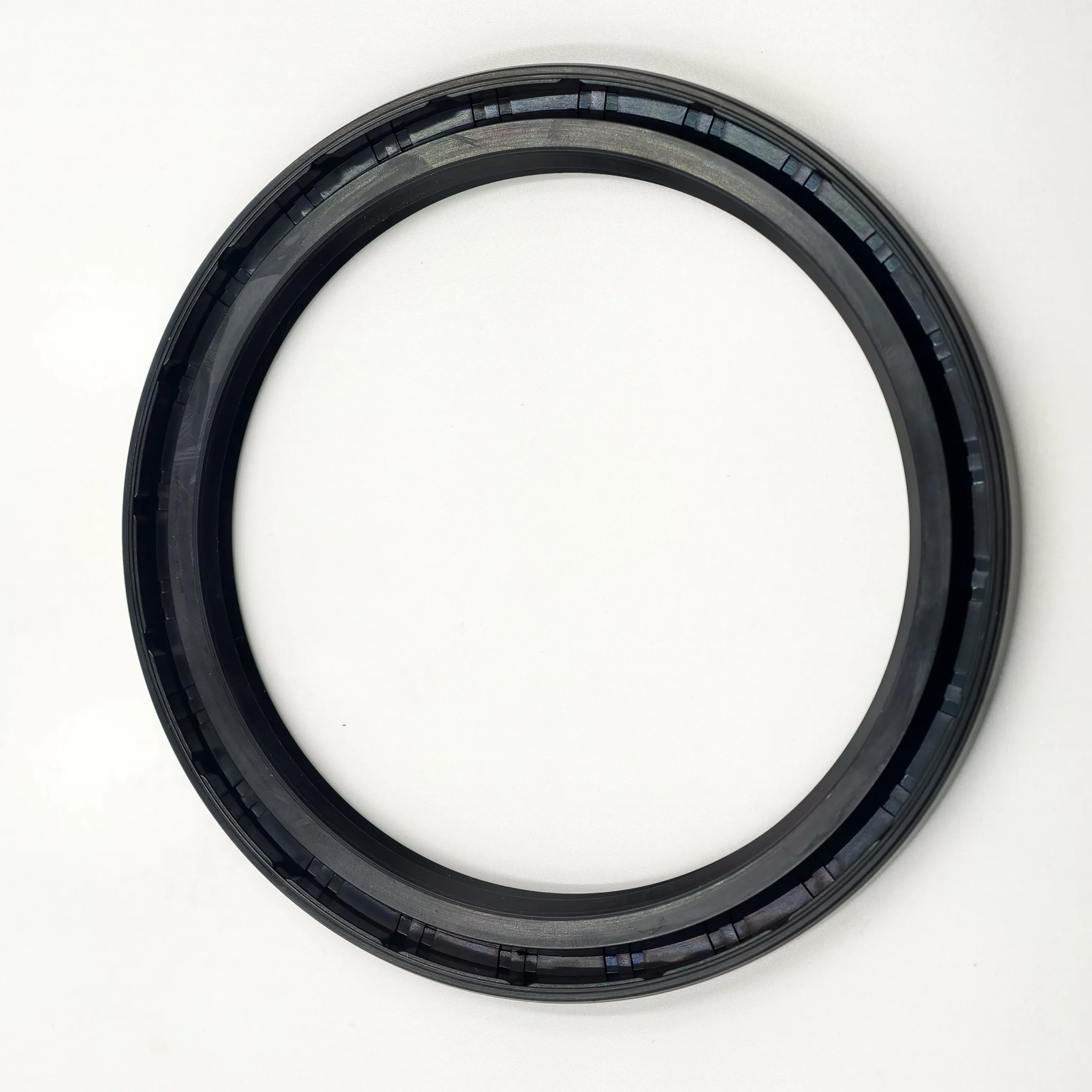 Komatsu56D-15-19810 Seal, Dust
 -
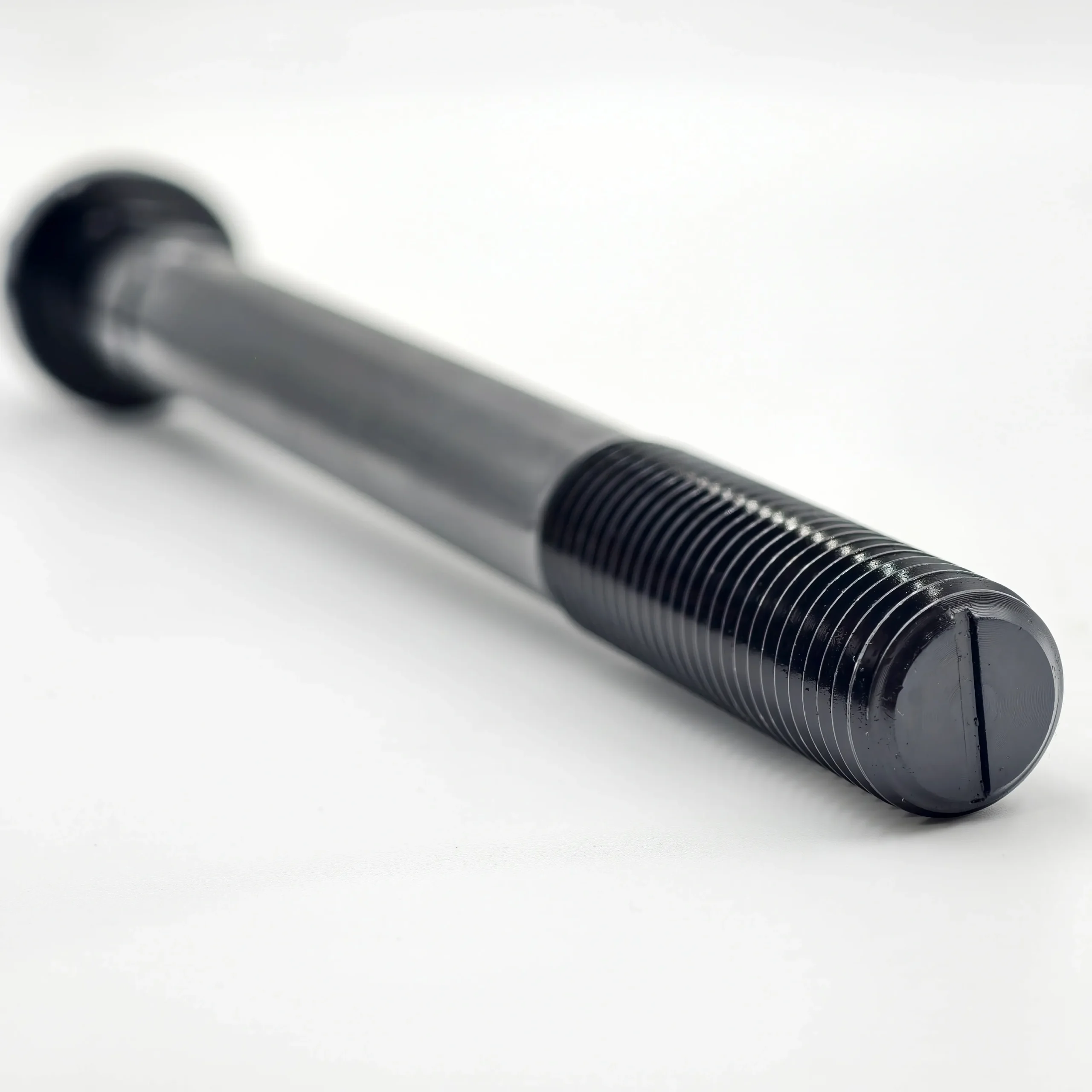 6217-11-1610-BOLT,HEAD- Komatsu Original Factory
 -
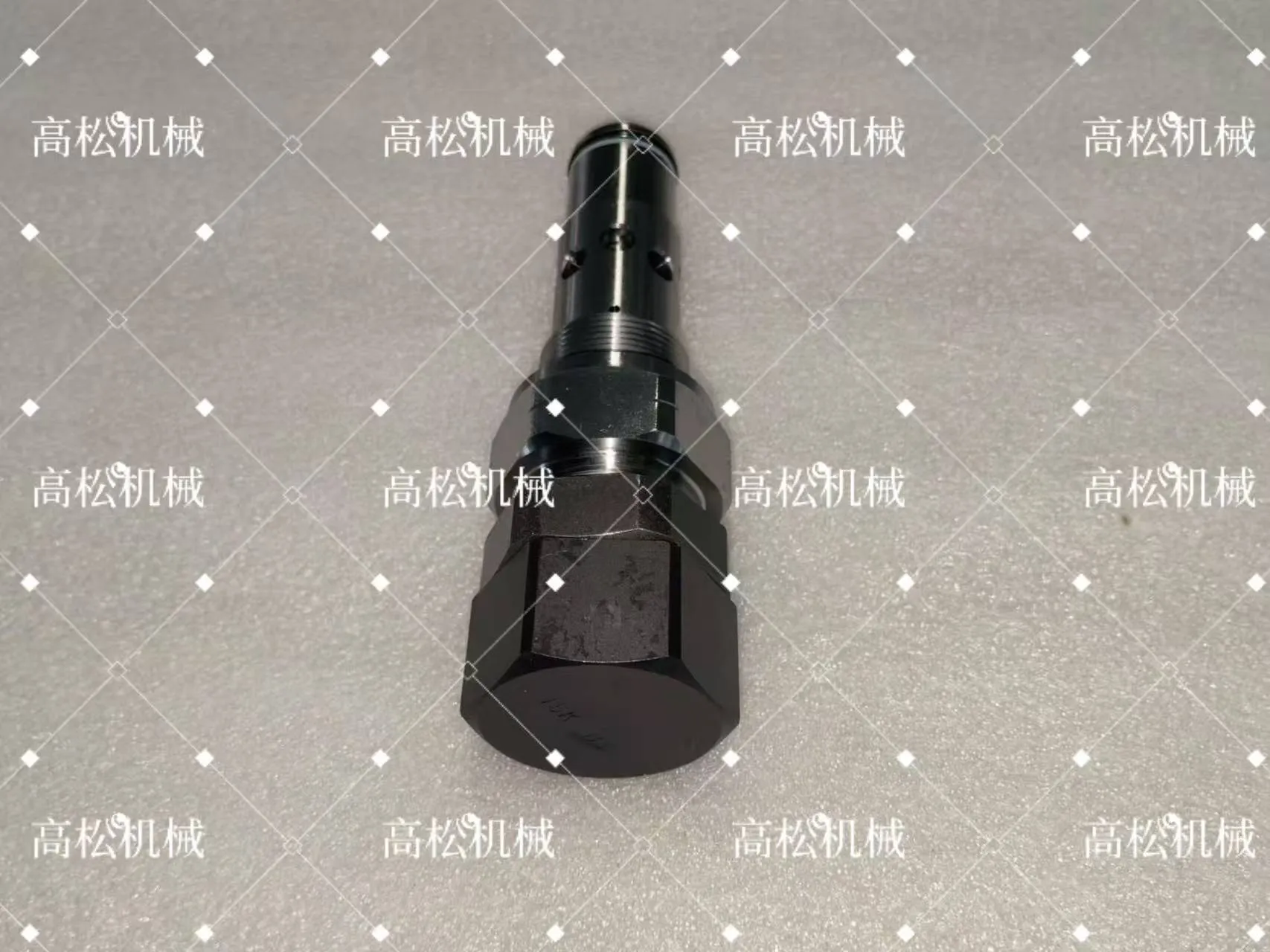 Komatsu original valve assembly, part no.702-75-01900, fits model PC750SE-7
 -
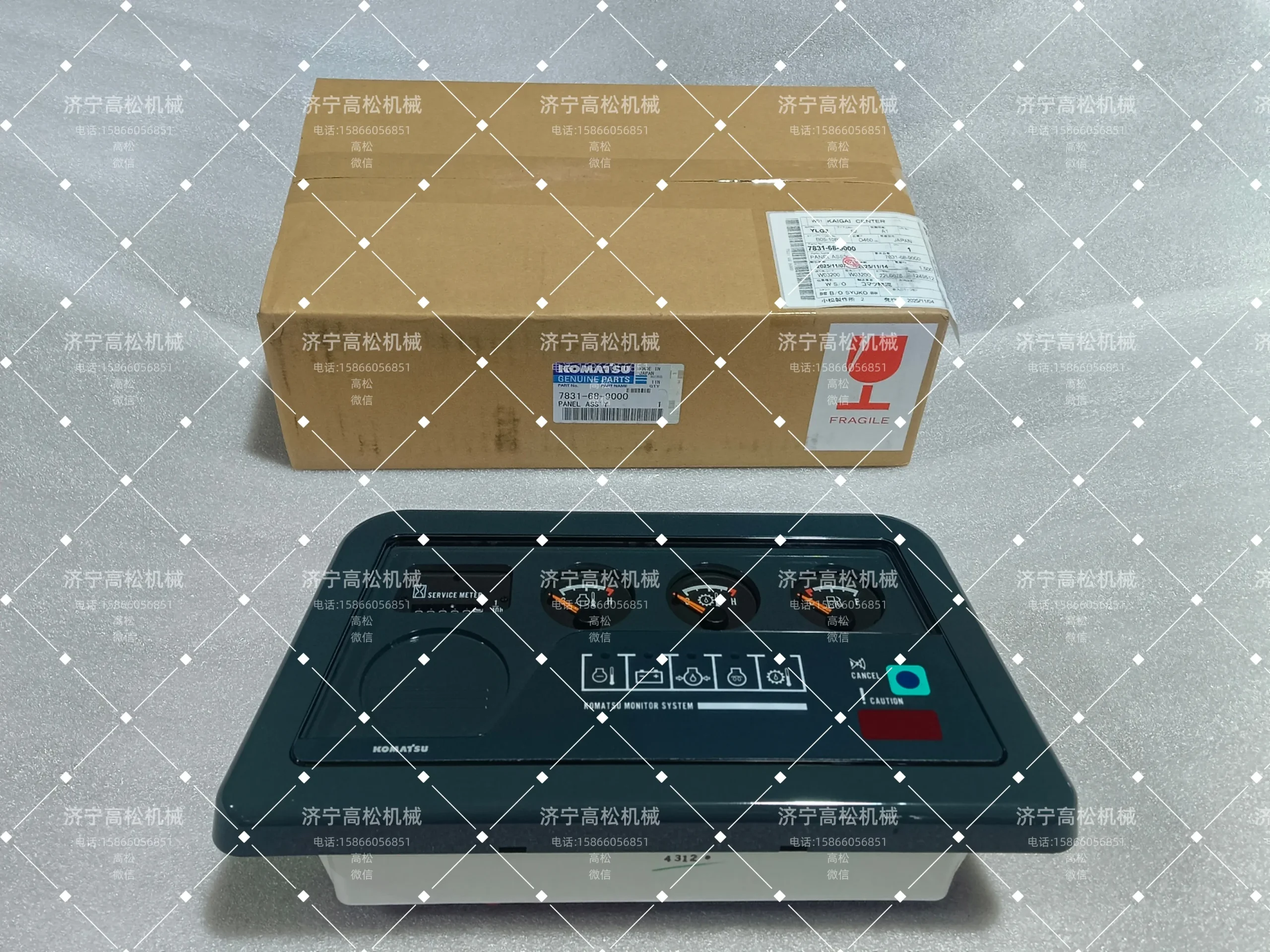 Komatsu 7831-68-9000 PANEL ASS’Y, price for… — Pricing.Parts
 -
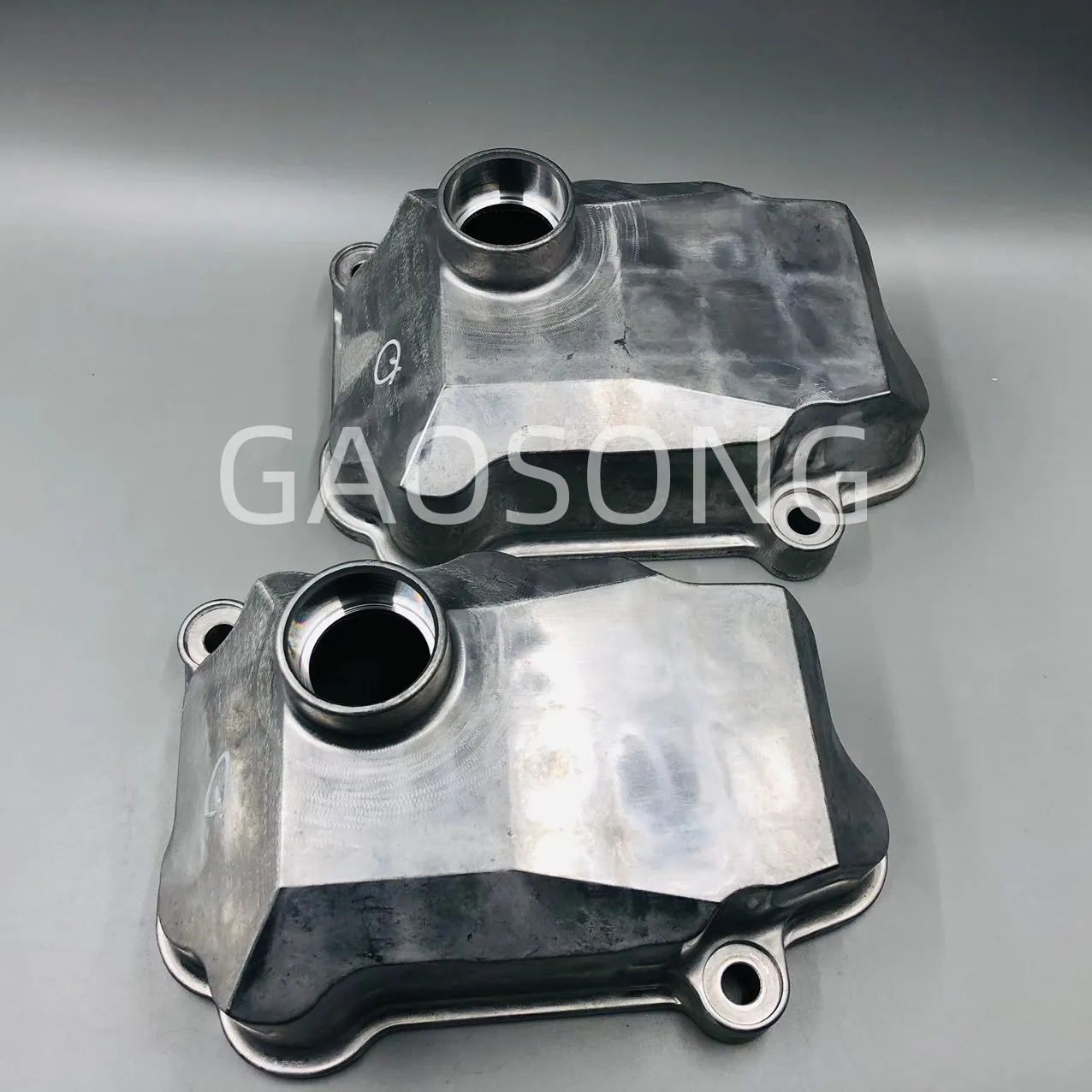 6251-11-8150 COVER, ROCKER ARM HOUSING-Komatsu Original Factory
 -
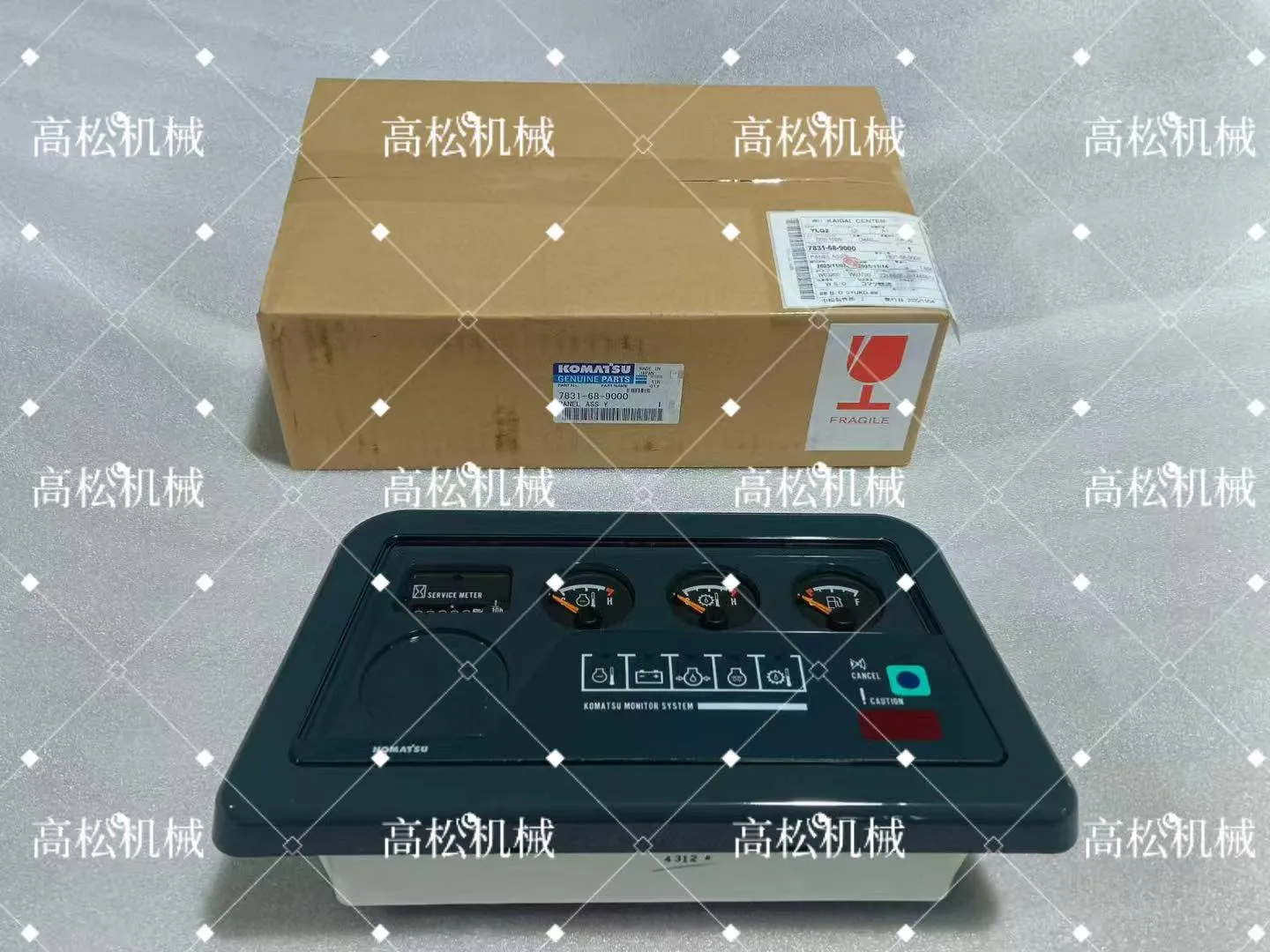 n-stock items. Part No.: 7831-68-9000. Genuine Komatsu panel. Suitable for D155 and D375 models.
 -
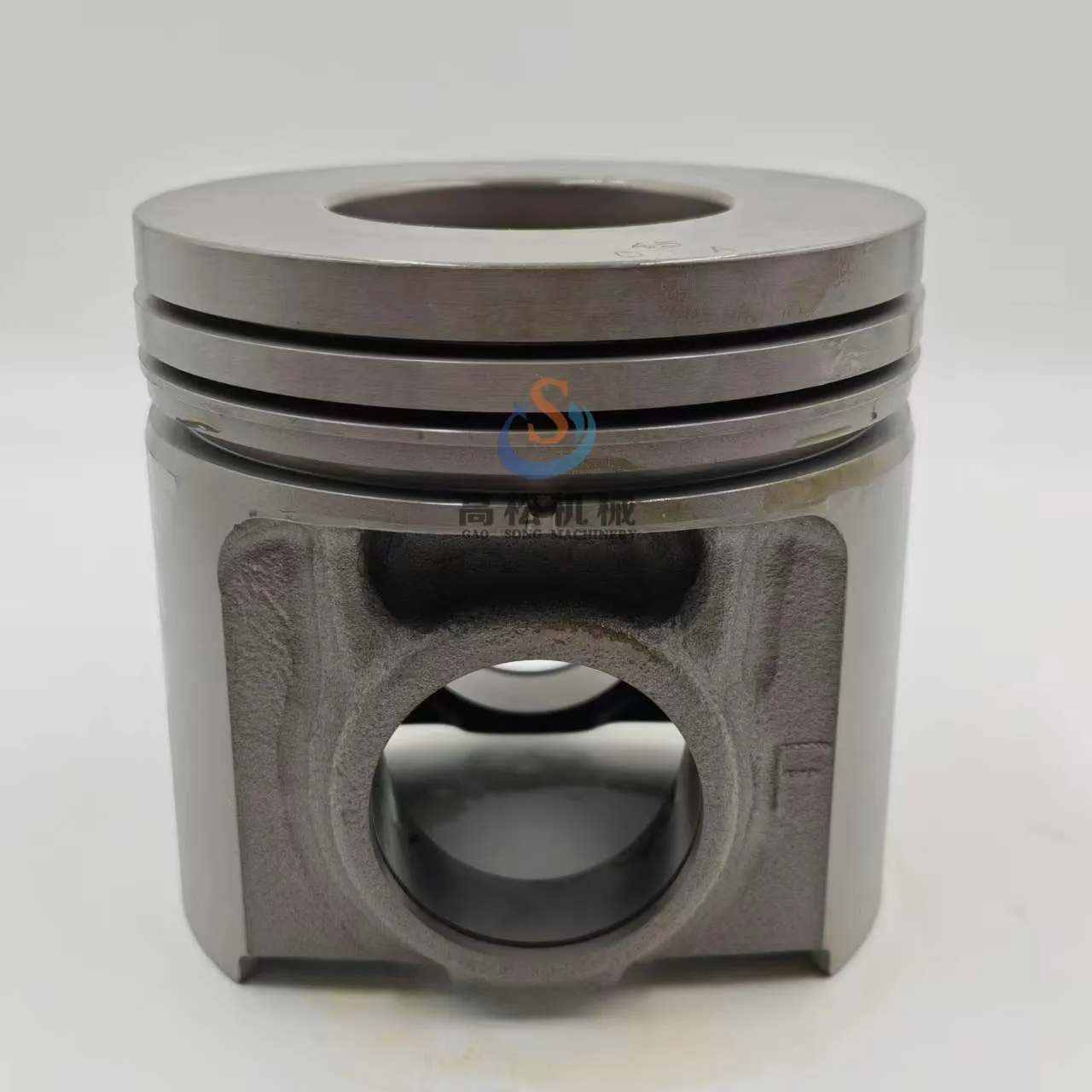 6152-32-2510 komatsu-parts piston
 -
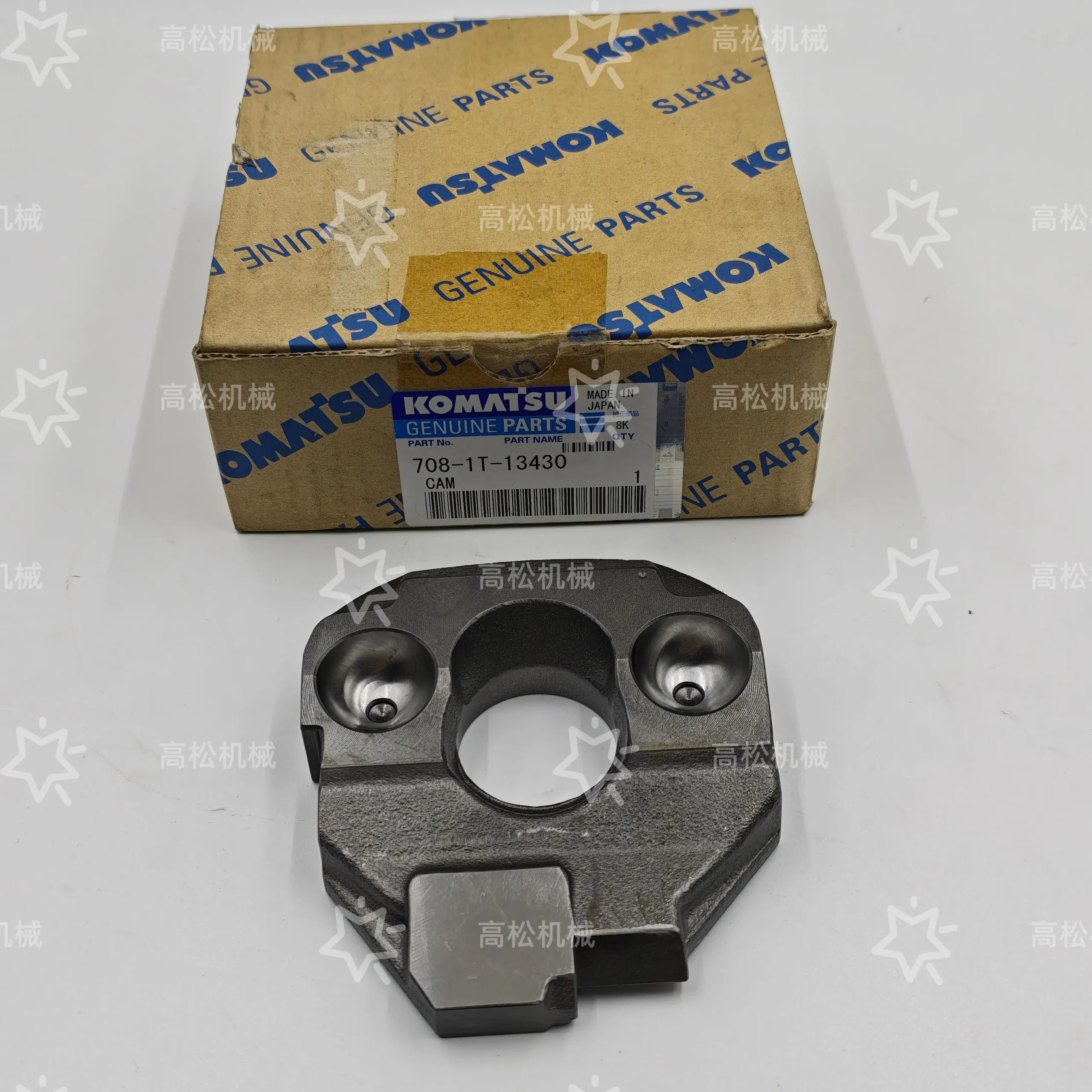 ROCKER CAM 708-1T-13430 for BULLDOZER D275A
Related Search
Related Search- komatsu pc450 parts manual
- OEM AND ORIGINAL KOMATSU COVER 17M-12-41150
- OEM AND ORIGINAL KOMATSU PIN 428-70-11281
- na parts komatsu
- OEM AND ORIGINAL KOMATSU GEAR 208-27-61150
- komatsu pc210 engine
- OEM AND ORIGINAL KOMATSU BUSHING 707-46-14050
- OEM AND ORIGINAL KOMATSU PANEL ASSY 20Y-979-6141
- komatsu lift truck parts
- komatsu excavator hydraulic pump