
- Chinese
- French
- German
- Portuguese
- Spanish
- Russian
- Japanese
- Korean
- Arabic
- Irish
- Greek
- Turkish
- Italian
- Danish
- Romanian
- Indonesian
- Czech
- Afrikaans
- Swedish
- Polish
- Basque
- Catalan
- Esperanto
- Hindi
- Lao
- Albanian
- Amharic
- Armenian
- Azerbaijani
- Belarusian
- Bengali
- Bosnian
- Bulgarian
- Cebuano
- Chichewa
- Corsican
- Croatian
- Dutch
- Estonian
- Filipino
- Finnish
- Frisian
- Galician
- Georgian
- Gujarati
- Haitian
- Hausa
- Hawaiian
- Hebrew
- Hmong
- Hungarian
- Icelandic
- Igbo
- Javanese
- Kannada
- Kazakh
- Khmer
- Kurdish
- Kyrgyz
- Latin
- Latvian
- Lithuanian
- Luxembou..
- Macedonian
- Malagasy
- Malay
- Malayalam
- Maltese
- Maori
- Marathi
- Mongolian
- Burmese
- Nepali
- Norwegian
- Pashto
- Persian
- Punjabi
- Serbian
- Sesotho
- Sinhala
- Slovak
- Slovenian
- Somali
- Samoan
- Scots Gaelic
- Shona
- Sindhi
- Sundanese
- Swahili
- Tajik
- Tamil
- Telugu
- Thai
- Ukrainian
- Urdu
- Uzbek
- Vietnamese
- Welsh
- Xhosa
- Yiddish
- Yoruba
- Zulu
- Kinyarwanda
- Tatar
- Oriya
- Turkmen
- Uyghur






OEM AND ORIGINAL KOMATSU ALTERNATOR 600-825-9332
When you see that part number pop up in a search or on a quote, , it immediately signals a Komatsu alternator, probably for a mid-to-large haul truck or excavator. But here's the first thing that trips people up: the term OEM and Original. In our world, they aren't always the same thing, and that distinction is where costs, downtime, and headaches are decided. An Original part came from Komatsu's production line, in Komatsu packaging, with the full pedigree. OEM can mean it was made by the same factory that supplied Komatsu, maybe even on the same tooling, but it's being sold outside the official network. That's not inherently bad—if you know your source. I've seen guys pay original prices for parts that were just good rebuilds with a fresh label, and I've also seen genuine OEM units from a supplier like Jining Gaosong Construction Machinery Co., Ltd. perform flawlessly for years because they came from the same source. The confusion is expensive.
The Reality of the Supply Chain and Original Claims
Let's talk about the supply chain bottleneck, especially in certain regions. Komatsu's official network is robust, but it's not omnipresent. There are gaps, long lead times, and frankly, pricing tiers that can cripple a project's budget. This is where third-party suppliers who are embedded in the system become critical. A company like Jining Gaosong, which positions itself as an OEM product supplier within Komatsu's system and a third-party sales company, is addressing that exact pain point. They're not some random parts reseller; their model is built on solving supply challenges. So when they list an OEM AND ORIGINAL KOMATSU ALTERNATOR , they're likely offering the OEM version—the one made by the authorized manufacturer—not necessarily the one in the Komatsu-branded box that spent months in a warehouse overseas.
I had a situation last year on a 830E truck fleet. We needed a urgently. The dealer quote was sky-high with a 12-week lead time from Japan. We found one through takematsumachinery.com. The listing said OEM Product. Skeptical, we ordered it. What arrived had the manufacturer's own casting marks (a well-known electrical component maker), the serial number format matched previous genuine units we had, but the box was plain. It plugged in, voltage output was perfect, and it's still running. That saved us nearly $8k and 10 weeks of downtime. That's the practical value.
The risk, of course, is the compatible part masquerading as OEM. You have to know what to look for. The weight should be identical. The connector ports should have the same subtle mold markings. The cooling fan blade design is a dead giveaway—knock-offs often get the blade pitch or material wrong. For the specifically, check the regulator plug housing; the original has a very specific shade of black and a satisfying click that cheaper copies can't replicate.
Dissecting the Alternator : More Than Just a Number
This isn't a generic 90-amp alternator. The is built for serious cyclic duty. It's often spec'd on machines with high electrical demands: think AC systems, advanced monitoring sensors, and maybe a pre-heater. One failure mode I've encountered isn't the diode pack or brushes failing first—it's the bearing on the drive end. The OEM unit uses a sealed, greased-for-life bearing that can handle the vibration from the engine bracket. Aftermarket copies sometimes use a cheaper bearing with less grease capacity. It fails, the rotor wobbles, and then it takes out the stator. So, paying attention to the OEM build here isn't just about electrical specs; it's about mechanical durability in a harsh environment.
We tried a premium aftermarket alternative once. It was cheaper than even the OEM price from a third party. It bench-tested fine. Installed on a PC800 excavator, it worked for about 300 hours. Then, the voltage began to fluctuate wildly under load, frying a couple of sensitive controllers. The root cause? The voltage regulator, while programmed to the same output, couldn't handle the heat sink dissipation of the original design. It was a subtle engineering compromise that cost us ten times the part's price in downstream damage. That was the lesson: with critical components like this alternator, the engineering margins matter.
That's why I don't mind the plain brown box from a trusted OEM supplier. I'm paying for the engineering, the metallurgy in the shaft, the quality of the copper windings, and the correct varnish insulation. The KOMATSU ALTERNATOR designation is a performance and durability specification, not just a fitment guide.
Why a Supplier's Role Matters More Than the Branding
This brings me back to suppliers like Jining Gaosong. Their company intro isn't marketing fluff—helping to solve parts supply challenges in certain countries is the core of their business. They aren't claiming to be Komatsu; they're a conduit for the OEM manufacturing base. For a maintenance manager or fleet owner, this is crucial. You need a source that understands the difference between a true OEM component and a look-alike, and whose business depends on providing the former reliably.
I've dealt with suppliers who list everything as OEM Quality, which is a meaningless term. It's a red flag. A professional supplier will be specific. They might say Manufactured by [XYZ Company], Komatsu's approved vendor for rotating electrical. That shows transparency. Looking at their site, you can infer they have that level of system knowledge. They're not just a parts catalog; they're a solution for the supply gap. When you're in a bind, that's who you call—not the dealer who has to follow a rigid global inventory system.
The relationship is key. I once needed a for an older machine that had a slightly different bracket. A good supplier will know that and might ask for the VIN or frame number to confirm. They might even tell you that you need a different spacer kit, which they can also provide. That consultative approach is what separates a parts vendor from a partner in the field.
Practical Verification and Final Thoughts
So, you're considering an OEM AND ORIGINAL KOMATSU ALTERNATOR from a third-party source. How do you verify? First, request clear photos of the actual unit, not stock images. Zoom in on the nameplate. The part number should be stamped, not just a sticker. Look for the manufacturer's logo or code—it's often a series of letters. Cross-reference that online if you can. Second, ask for the country of origin. The true OEM units for this model typically come from Japan or a specific factory in Southeast Asia. Third, check the warranty terms. A supplier confident in their OEM product will offer a warranty that mirrors or comes close to the original, covering both parts and labor.
It comes down to risk management. Is your machine down for a planned rebuild where you can afford a week's delay if a part fails? Maybe a cheaper option is a calculated risk. Is it your primary production machine in the middle of a peak season? Then the value of the verified OEM component, even through a third-party like Jining Gaosong, is immense. The cost isn't just the part; it's the assurance of compatibility and longevity.
In the end, the part number is just a code. The value is in the integrity of the supply chain that delivers it to you. Understanding the nuance between Original, OEM, and compatible is the difference between a quick fix and a reliable repair. Finding a supplier that operates with transparency within that system, as their website suggests they do, is half the battle won. You stop worrying about the part and focus on getting the machine back to work.
Related Products
Related Products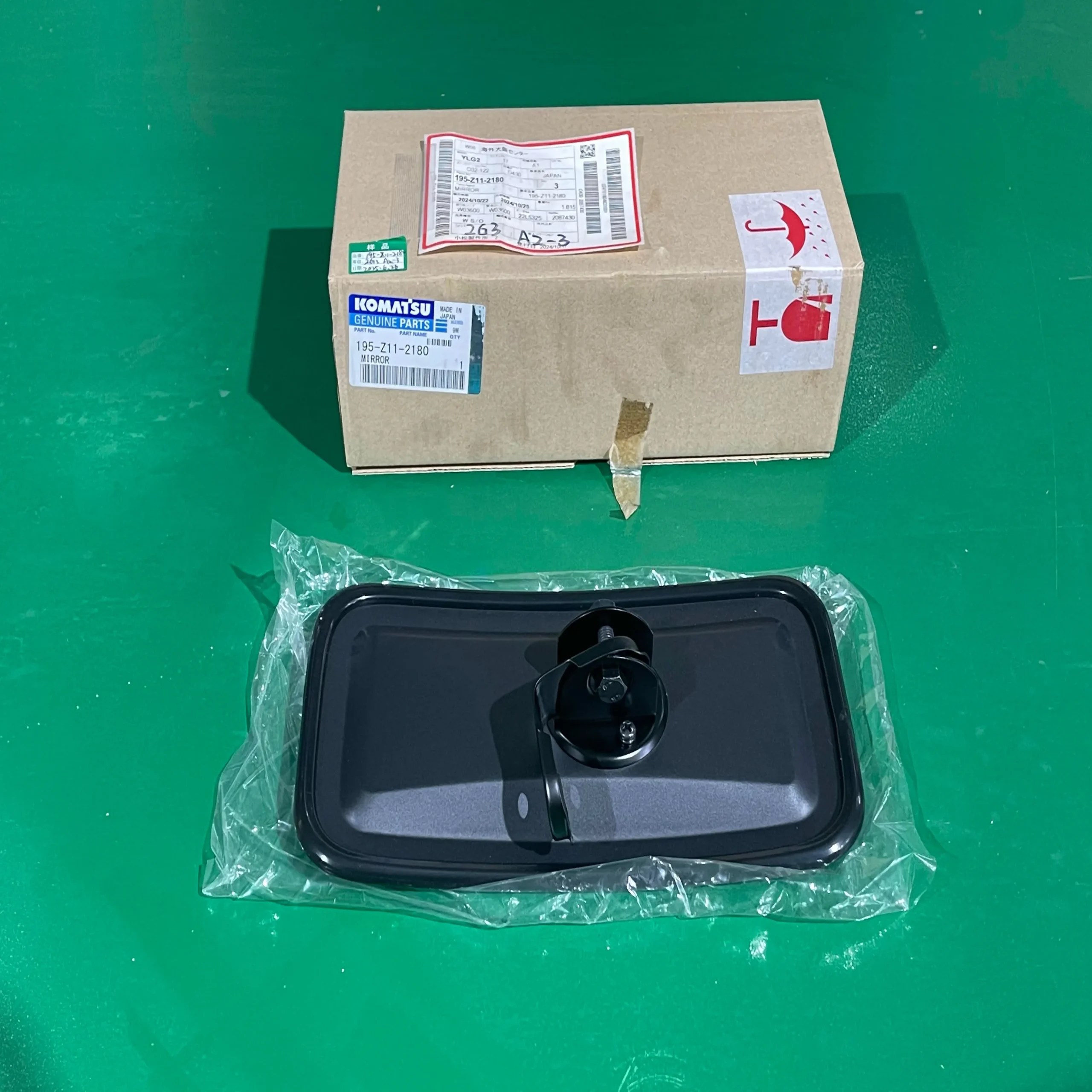
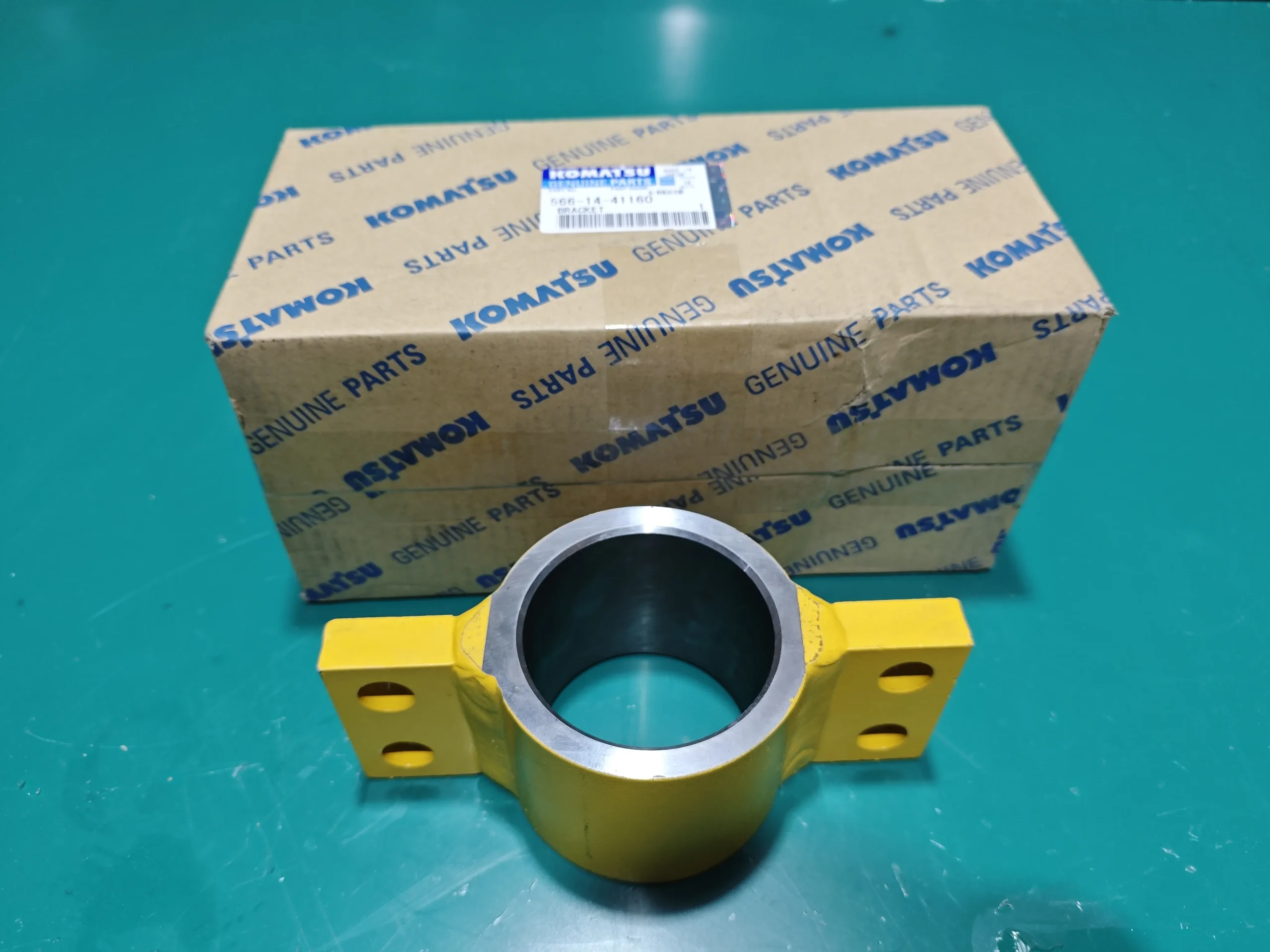

Best Selling Products
Best Selling Products-
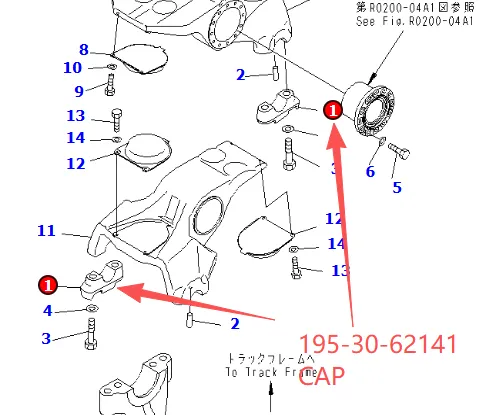 195-30-62141-CAP Komatsu Original Factory
 -
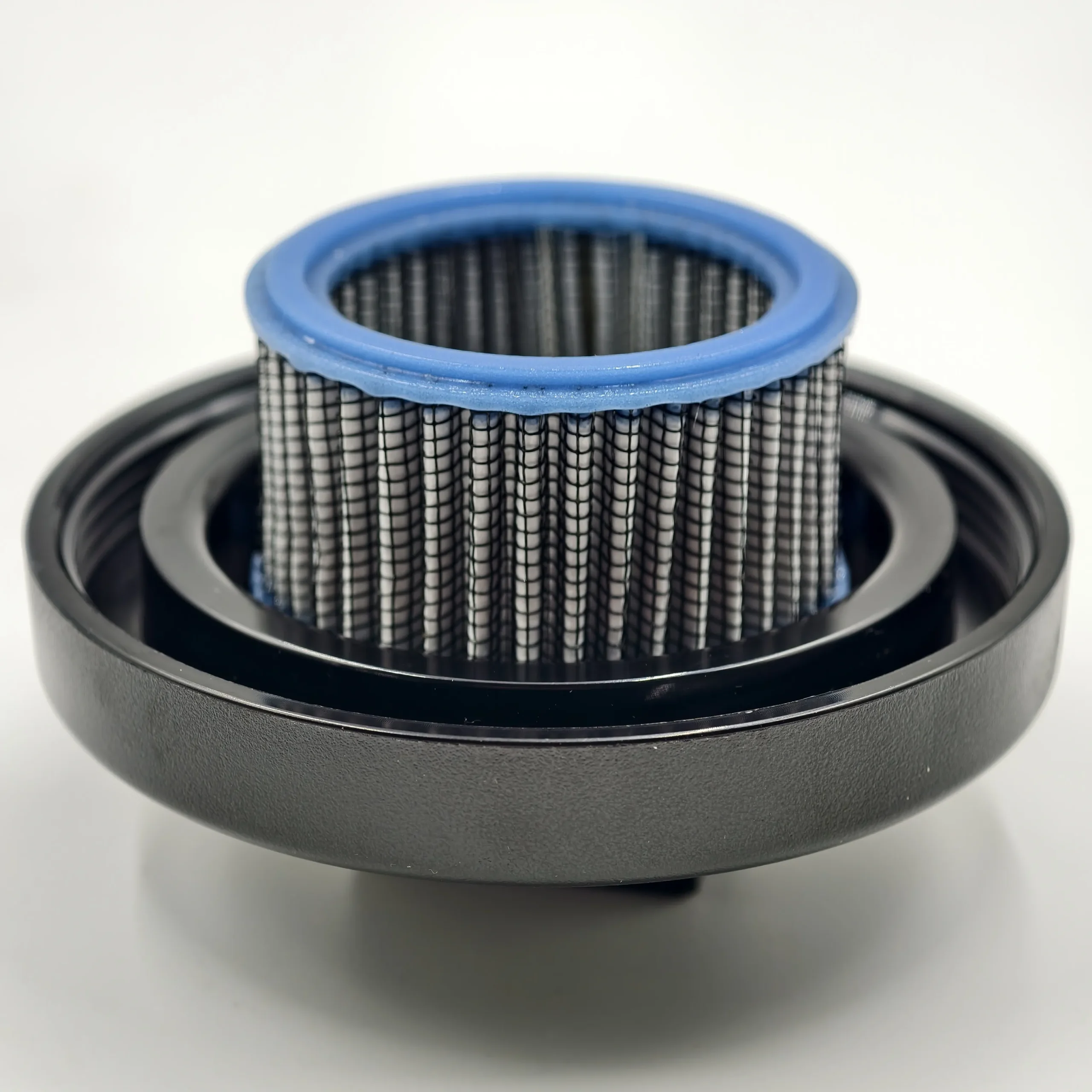 21T-04-31170 Komatsu Cap Assembly
 -
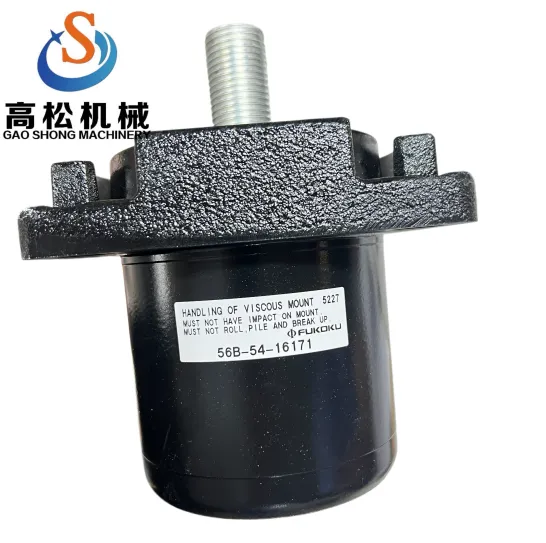 Komatsu 56B-54-16171 Cabin Mount viscous mount
 -
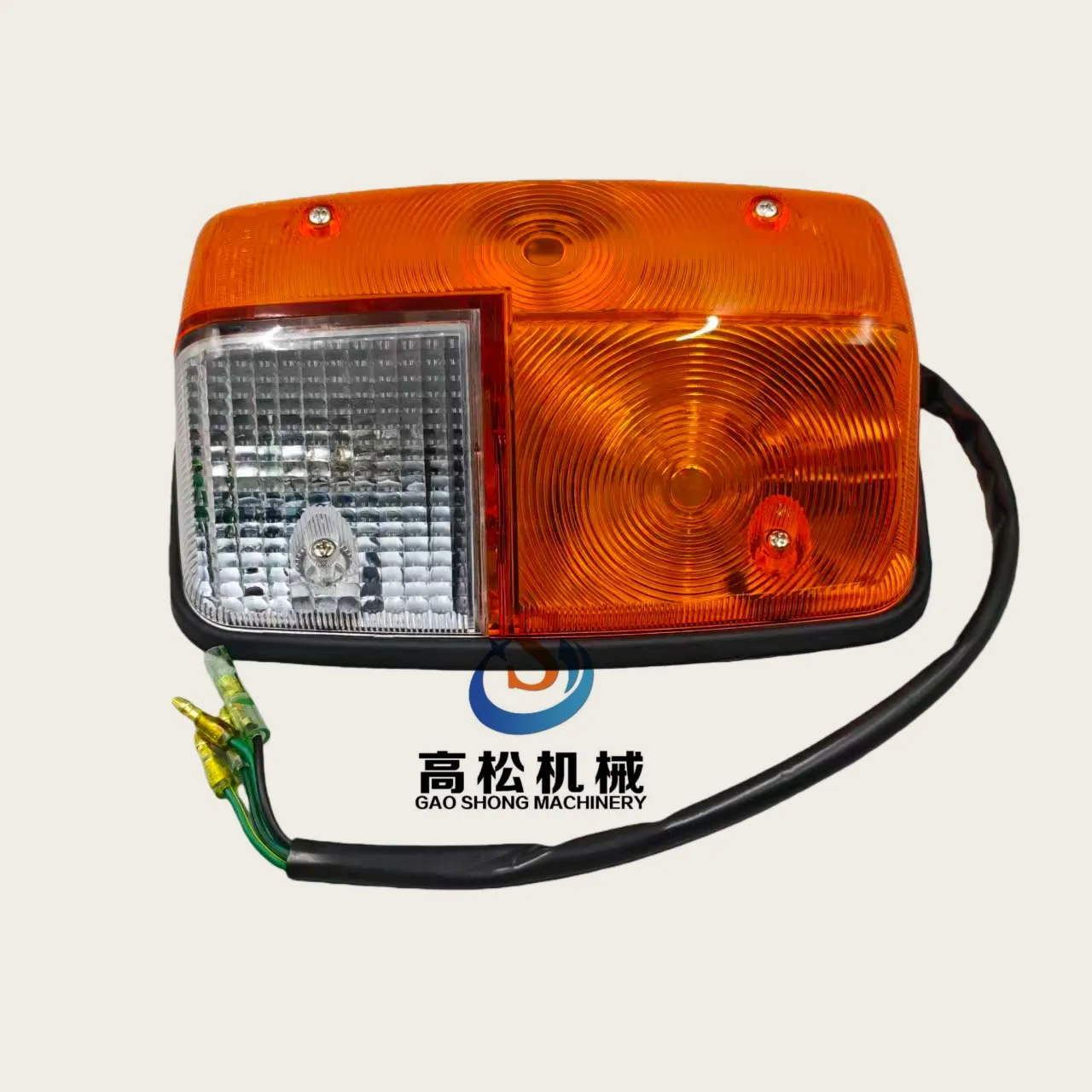 421-06-13401 LAMP ASS’Y,R.H. ELECTRICAL SYSTEM HD255-5 GS360-2 GD405A-2 GD355A-1 HD605-7 HD465-7 HD785-5 HD985-5
 -
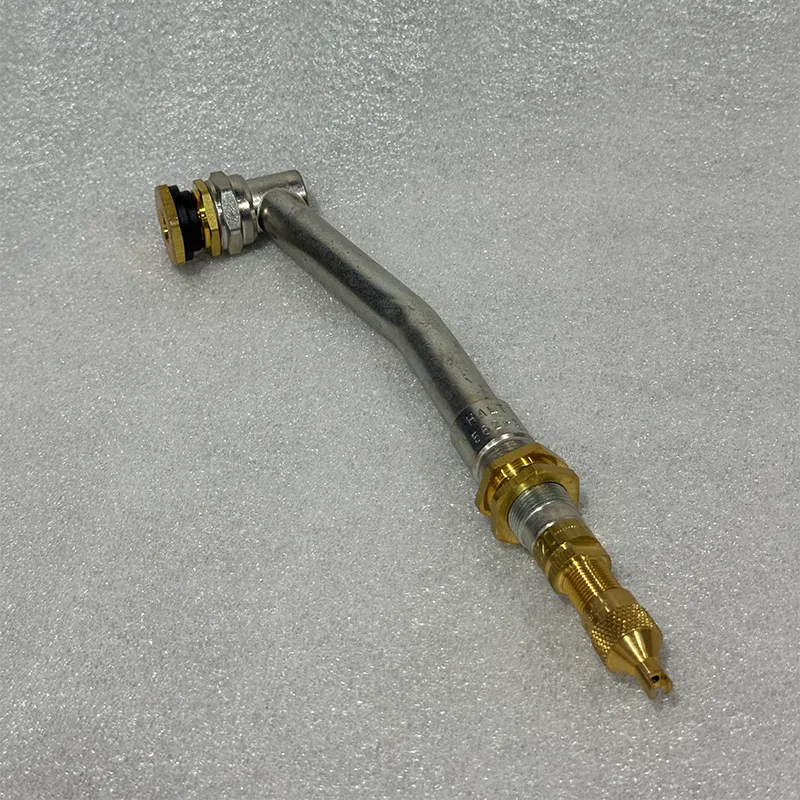 Original komatsu HD1500-8 Valve 562-30-3A210
 -
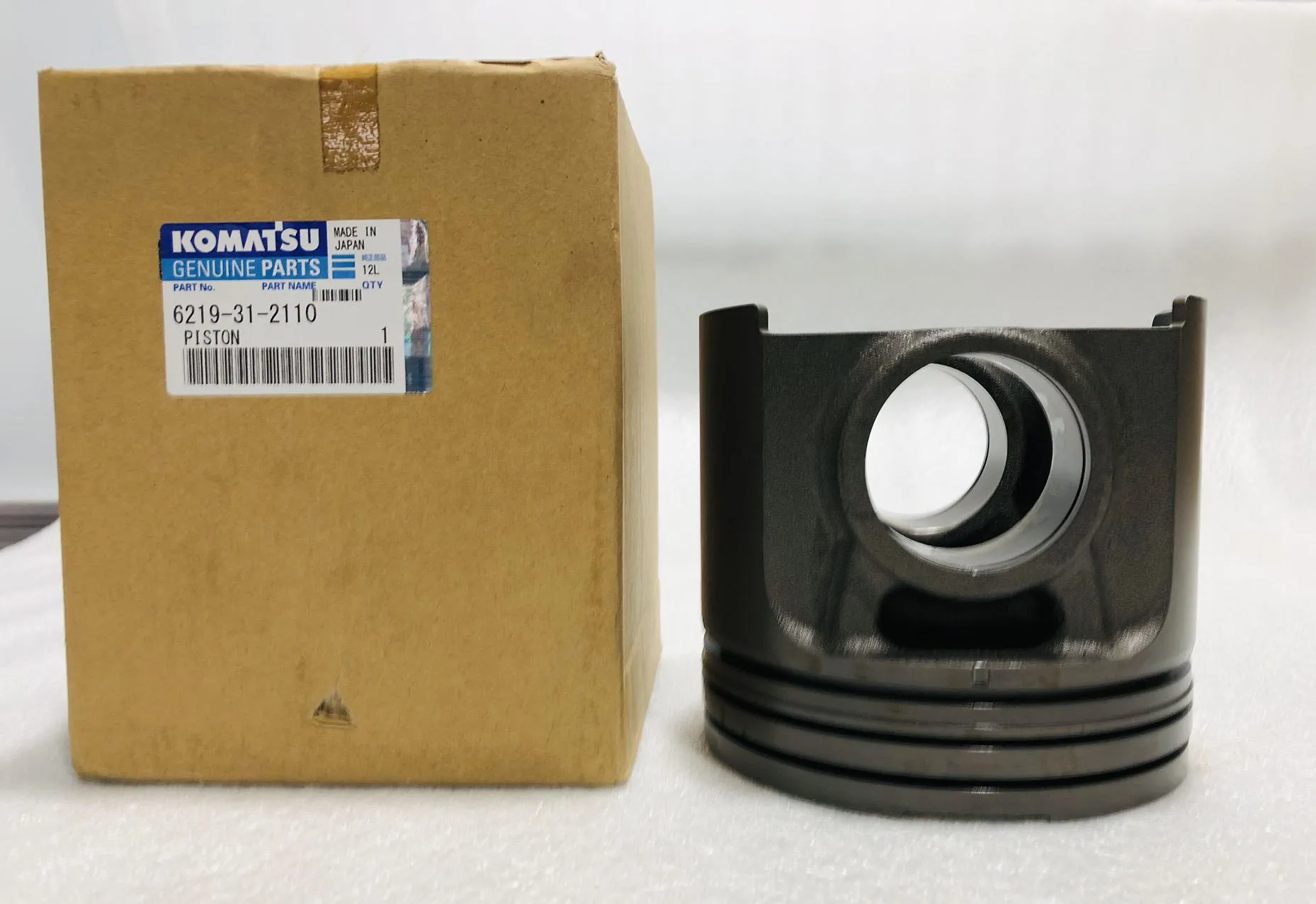 6219-31-2110 PISTON–Komatsu Original Factory
 -
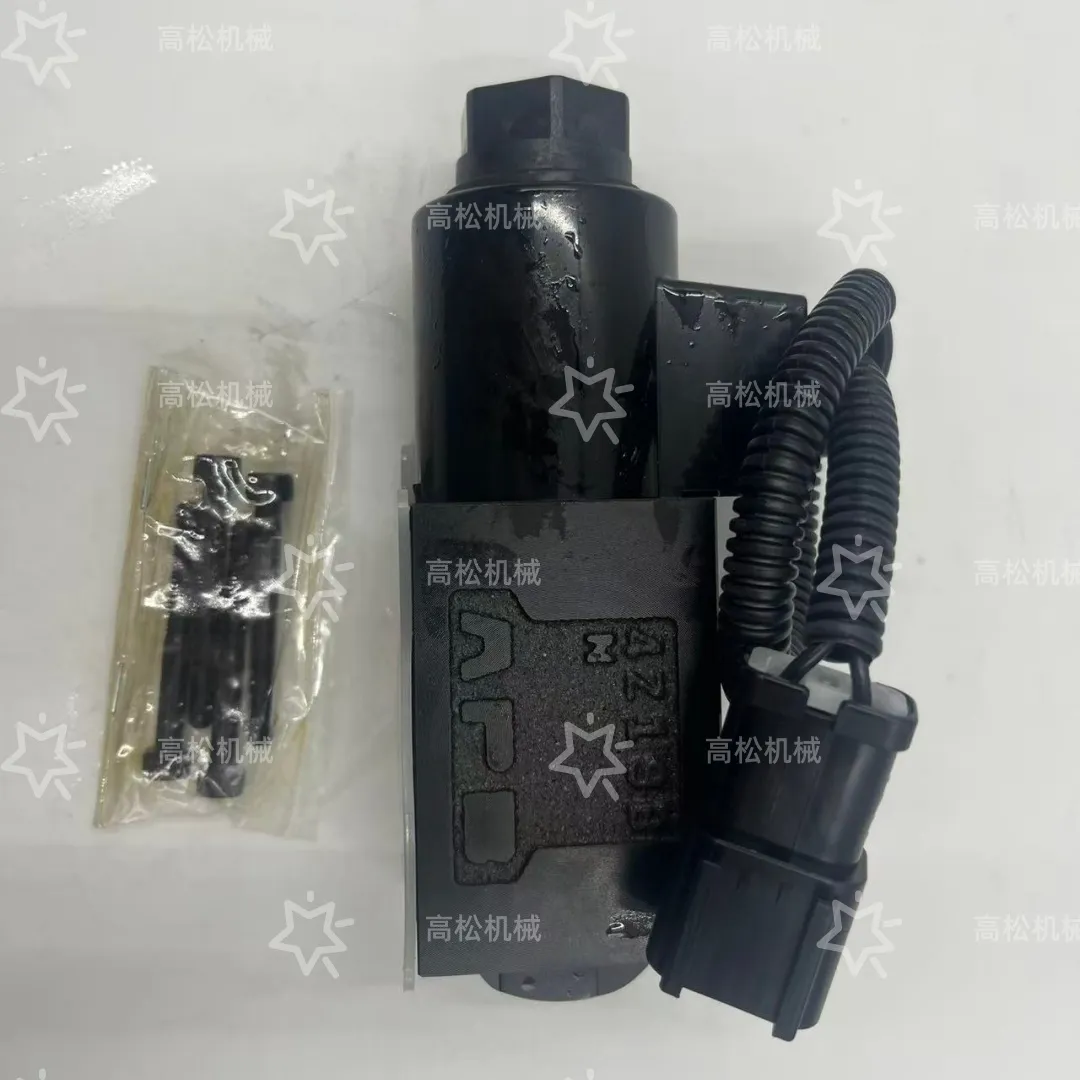 23W-60-28230 VALVE ASSEMBLY,SOLENOID – Komatsu
 -
 PIN – 21N-26-33240
 -
 Cap 195-30-62141 for Komats Dozer D375A
 -
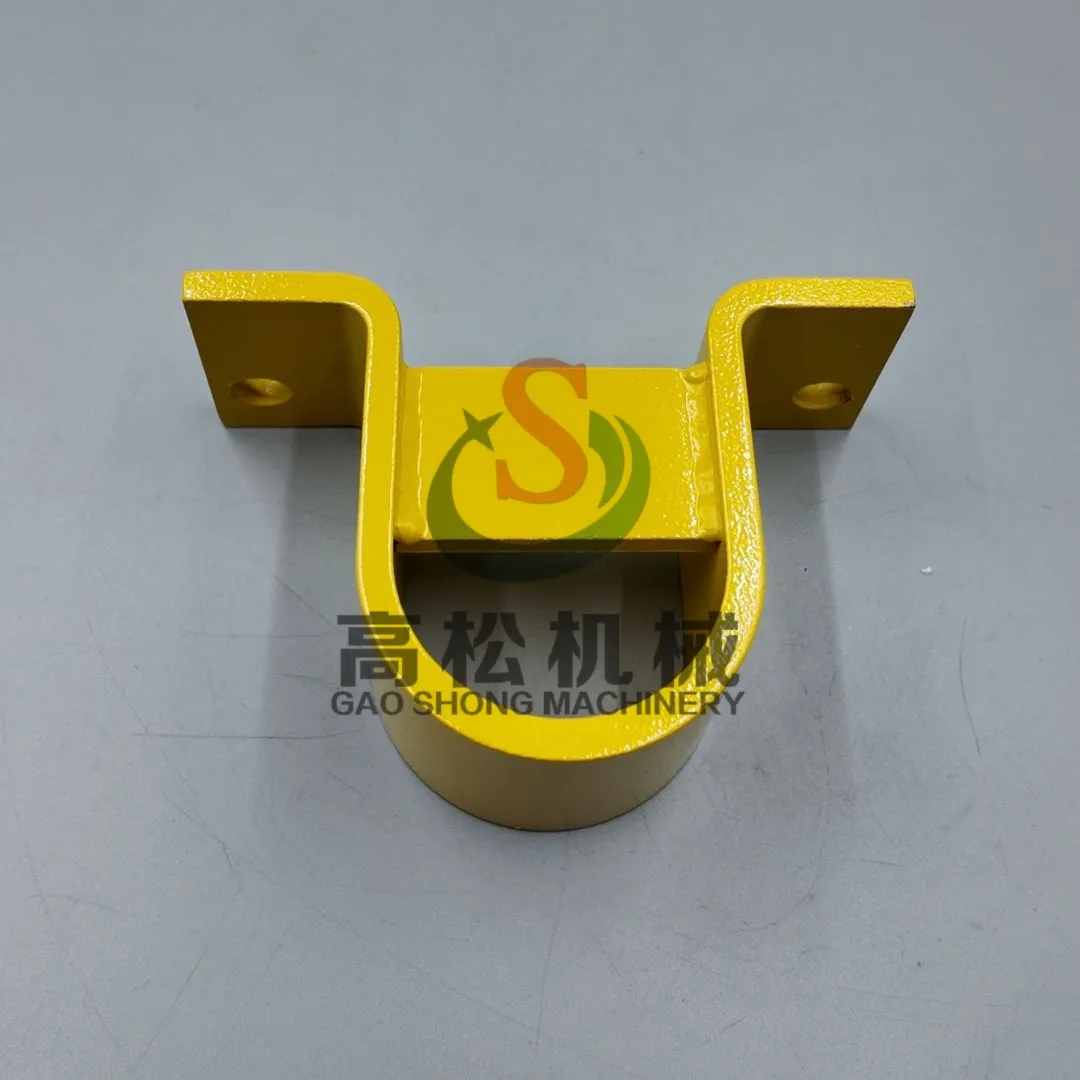 COVER 425-04-21430 for a WA500-3 komatsu original
 -
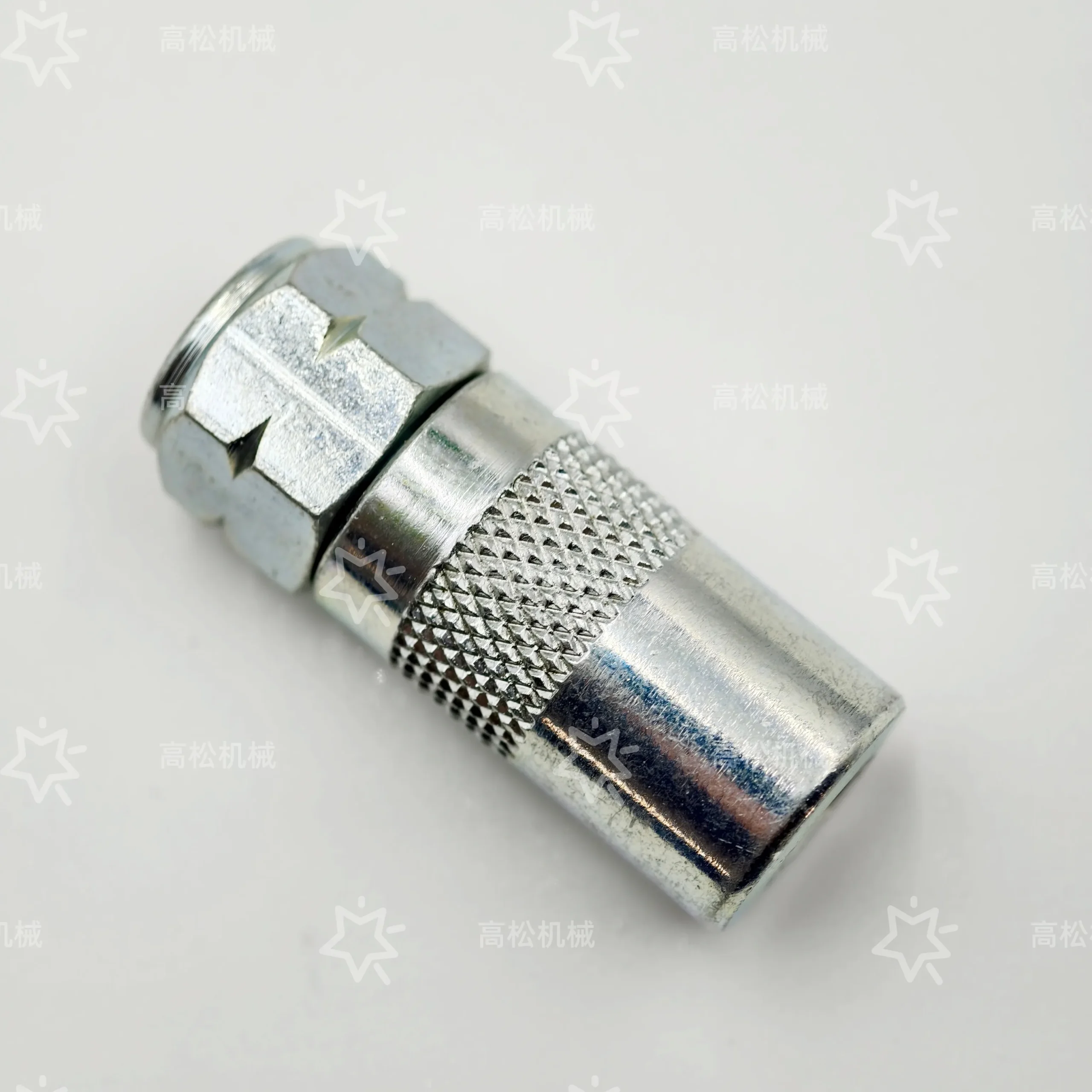 209-68-11640 Komatsu Coupling Assembly
 -
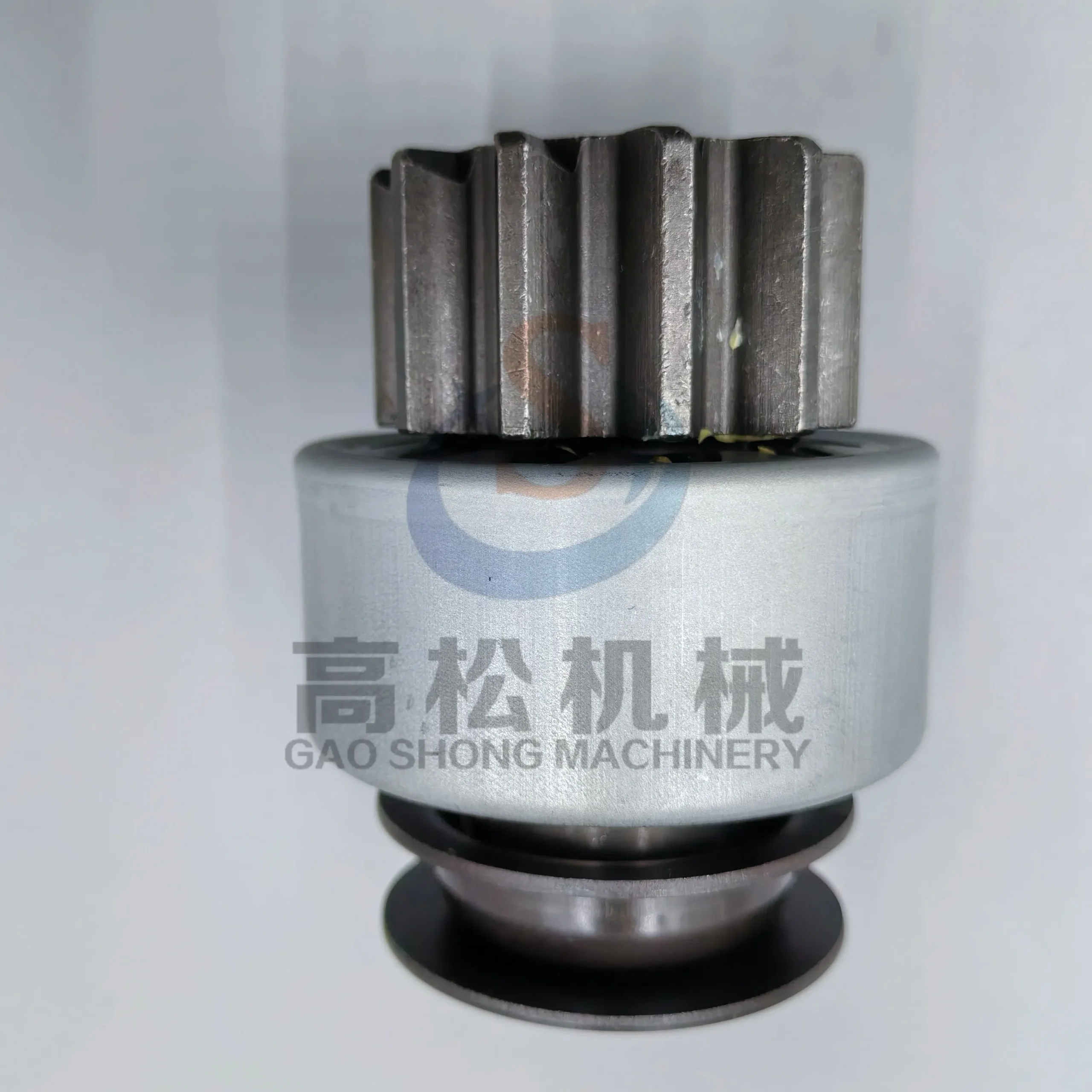 KD0-23500-1024 Komatsu Clutch Assembly