
- Chinese
- French
- German
- Portuguese
- Spanish
- Russian
- Japanese
- Korean
- Arabic
- Irish
- Greek
- Turkish
- Italian
- Danish
- Romanian
- Indonesian
- Czech
- Afrikaans
- Swedish
- Polish
- Basque
- Catalan
- Esperanto
- Hindi
- Lao
- Albanian
- Amharic
- Armenian
- Azerbaijani
- Belarusian
- Bengali
- Bosnian
- Bulgarian
- Cebuano
- Chichewa
- Corsican
- Croatian
- Dutch
- Estonian
- Filipino
- Finnish
- Frisian
- Galician
- Georgian
- Gujarati
- Haitian
- Hausa
- Hawaiian
- Hebrew
- Hmong
- Hungarian
- Icelandic
- Igbo
- Javanese
- Kannada
- Kazakh
- Khmer
- Kurdish
- Kyrgyz
- Latin
- Latvian
- Lithuanian
- Luxembou..
- Macedonian
- Malagasy
- Malay
- Malayalam
- Maltese
- Maori
- Marathi
- Mongolian
- Burmese
- Nepali
- Norwegian
- Pashto
- Persian
- Punjabi
- Serbian
- Sesotho
- Sinhala
- Slovak
- Slovenian
- Somali
- Samoan
- Scots Gaelic
- Shona
- Sindhi
- Sundanese
- Swahili
- Tajik
- Tamil
- Telugu
- Thai
- Ukrainian
- Urdu
- Uzbek
- Vietnamese
- Welsh
- Xhosa
- Yiddish
- Yoruba
- Zulu
- Kinyarwanda
- Tatar
- Oriya
- Turkmen
- Uyghur






OEM AND ORIGINAL KOMATSU ALTERNATOR 600-825-7111
When you see that part number, , pop up on a screen or a quote, especially paired with terms like 'OEM' and 'original Komatsu,' it sets off a specific expectation. But in the trenches, that's where the real story starts. I've seen too many guys, good mechanics even, just assume that if the number matches the Komatsu parts book, the unit on the pallet is the genuine article from Komatsu Ltd. That's the first, and often most expensive, mistake. The landscape for parts like this alternator is fractured. You've got the true Komatsu factory part, you've got licensed OEM production, and then you've got a whole universe of 'will-fit' units that might carry that number but are pure aftermarket. The distinction isn't academic; it's about the copper windings, the regulator's tolerance to voltage spikes, and whether you're doing this job once or twice.
The OEM Reality in the Komatsu Ecosystem
This is where it gets practical. Komatsu doesn't necessarily forge every diode or wind every stator in-house. They rely on a network of approved manufacturers—the real OEMs—who build to Komatsu's exacting specifications. These components are then either assembled by Komatsu or supplied as finished units to be distributed as genuine parts. The alternator is a perfect example. A company acting within that system, like Jining Gaosong Construction Machinery Co., Ltd., occupies a critical space. They're not just a reseller; they're a participant in that OEM supply chain. Visiting their operation, you see the same production lines that feed Komatsu's central parts network. The difference is, their channel, like their site https://www.takematsumachinery.com, often exists to serve markets or situations where the official pipeline is clogged or non-existent.
So, when they say they are an OEM product supplier within the Komatsu system, it carries weight. It means the alternator you receive shares its DNA with the one you'd get from a Komatsu dealer. Same drawings, same material specs, often the same assembly line. But—and this is a big but—it might not come in the classic Komatsu yellow box. The branding might be different, but the pedigree is there. This is a nuance lost on procurement teams that only look at the box. I've had to argue this point on site: the part on the right is the same as the part on the left, just without the markup for the global logistics and dealer overhead.
The challenge they aim to solve, as their line about helping to solve parts supply challenges in certain countries hints at, is real. I've waited 12 weeks for an 'official' for a PC700 in a remote quarry. Project dead in the water. Sourcing from a parallel, yet legitimate, OEM channel like Gaosong's cut that to three. The machine was running, but the site manager still had that nagging doubt: Is this really the same? You prove it by comparing the casting marks, the insulator codes, the bearing stamps. They match.
Original vs. Original-Spec: A Costly Gray Area
Here's where experience bites you. The term 'original Komatsu' is sacred. It should mean the part was ordered from Komatsu's parts system. But in advertising, it's been stretched to mean fits the original specification. That's a canyon of difference. I've unpacked units sold as original Komatsu alternator that were clearly reverse-engineered. The housing was close, but the heat dissipation fins were slightly thinner. The plug connector was the same shape, but the plastic felt cheaper. It worked... for about 400 hours. Then the voltage output became erratic under load, frying a control board. A $2,500 'savings' turned into a $15,000 repair bill.
The true test for the isn't a bench test at 70 degrees Fahrenheit. It's on a Dash-8 engine in the middle of a Brazilian summer, with the hydraulic system cycling constantly and dust choking the cooling vents. The OEM-spec unit from a certified supplier holds up. The look-alike fails. The failure mode is usually the regulator or the rectifier bridge overheating. You can spot a potential weak one sometimes by the weight—inferior materials are often lighter—or by the quality of the labeling. The genuine and true OEM parts have crisp, laser-etched or deeply stamped labels. The fakes often use a superficial printed sticker.
I learned this the hard way early on. Bought two alternators from a seemingly reputable supplier, same part number. One failed prematurely. Tearing both down revealed the good one had Mitsubishi diodes and a NTN bearing. The failed one had no-name diodes and a bearing with blurred markings. Both were sold as OEM. That was the lesson: OEM is a manufacturing status, not a universal quality badge. You have to know who is behind that claim.
Sourcing and Verification: A Field Protocol
So how do you navigate this? First, you de-mystify the source. A company like the one mentioned, with a clear statement of being within the Komatsu system, is a starting point. Their website, Takematsumachinery.com, should be a resource, not just a storefront. Do they show manufacturing processes? Detail their quality controls? Reference their relationship with Komatsu? Or is it just a parts catalog? The former builds trust.
My protocol now is to ask for specific documentation before a big purchase: a certificate of conformity, material test reports for the copper wire and core steel, and most importantly, traceability. A real OEM part will have a batch number that traces back to a specific production run and raw material lot. If a supplier can't or won't provide that, it's a red flag. For the , I also physically check the voltage regulator part number. Komatsu often uses specific Denso or Mitsubishi units within their alternators. If it's been swapped for a generic, you know immediately.
This isn't paranoia; it's standard practice in heavy equipment maintenance. We once received a shipment where the alternator's pulley was a different width by 2mm. It fit the shaft, but the belt alignment was off. It caused rapid wear. The supplier argued it was within tolerance. The Komatsu spec sheet said otherwise. Having that spec sheet, which we got from an OEM technical data pack, was what won the argument and got the correct parts shipped.
The Business of Filling Supply Gaps
The value of a third-party sales company that's also an OEM supplier, as Gaosong describes itself, is immense for operations in Africa, parts of South America, or the CIS. The official dealer network might be thin or prioritize large mining clients. Their model isn't to undercut the dealer on price for the exact same boxed part—that would get them cut off. It's to provide the same core quality through a more agile, direct channel for markets Komatsu's primary structure underserves.
I've worked with similar entities. They often have deeper stock of high-failure-rate items like this alternator. They understand the urgency. You call with a breakdown, they know the machine model, the engine serial number prefix, and they can cross-reference the exact alternator variant you need. That knowledge comes from being in the system, not just looking at a compatibility chart.
Their challenge is credibility. They fight against the flood of cheap copies. So their entire operation hinges on proving their OEM lineage. That means being transparent, providing technical support, and standing behind the part with a warranty that isn't just a piece of paper. I've seen them send an engineer to site to diagnose an intermittent charging issue that turned out to be a harness problem, not the alternator. That builds the kind of trust that turns a transaction into a partnership.
Conclusion: Beyond the Part Number
At the end of the day, the number is just an identifier. What matters is the chain of custody from the foundry to your shop. The idea of a pure original is becoming more fluid, replaced by a tiered reality: Komatsu-branded, OEM-system, and aftermarket. For critical electrical components, staying within the first two tiers is non-negotiable for uptime.
Companies that are explicit about their role, like Jining Gaosong when they state their dual function, provide a viable, reliable path. They aren't a mystery. They're a pragmatic solution in a complex global market. You use them not just to buy a part, but to buy certainty—the certainty that when you bolt on that alternator, you can close the hood and not think about it again for thousands of hours.
The final check? Install it, load-test the machine, and monitor the charging voltage. A true OEM-spec unit will hold rock steady. That's the proof no brochure can give you. It's the only one that matters on a Friday afternoon with a deadline looming.
Related Products
Related Products
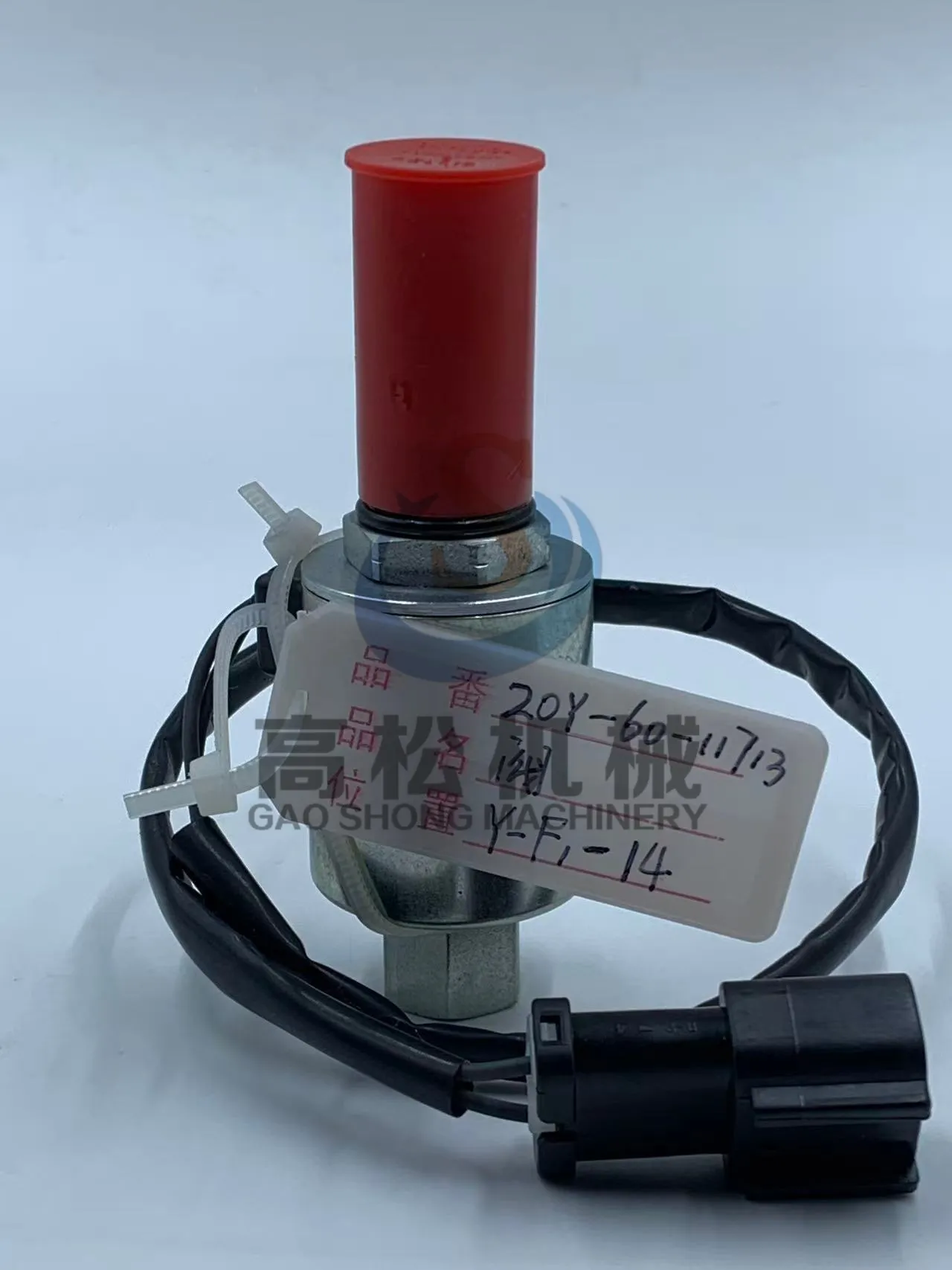
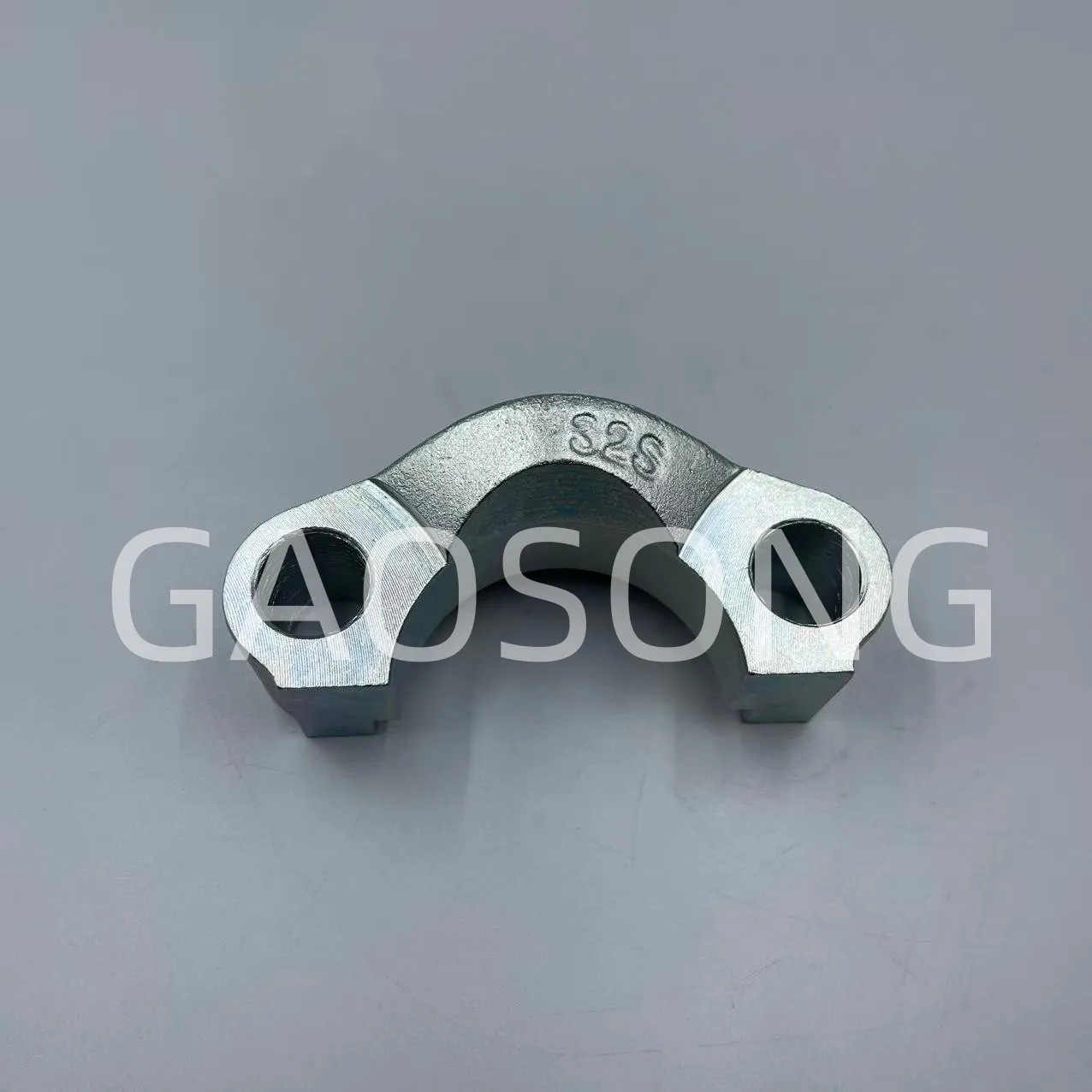
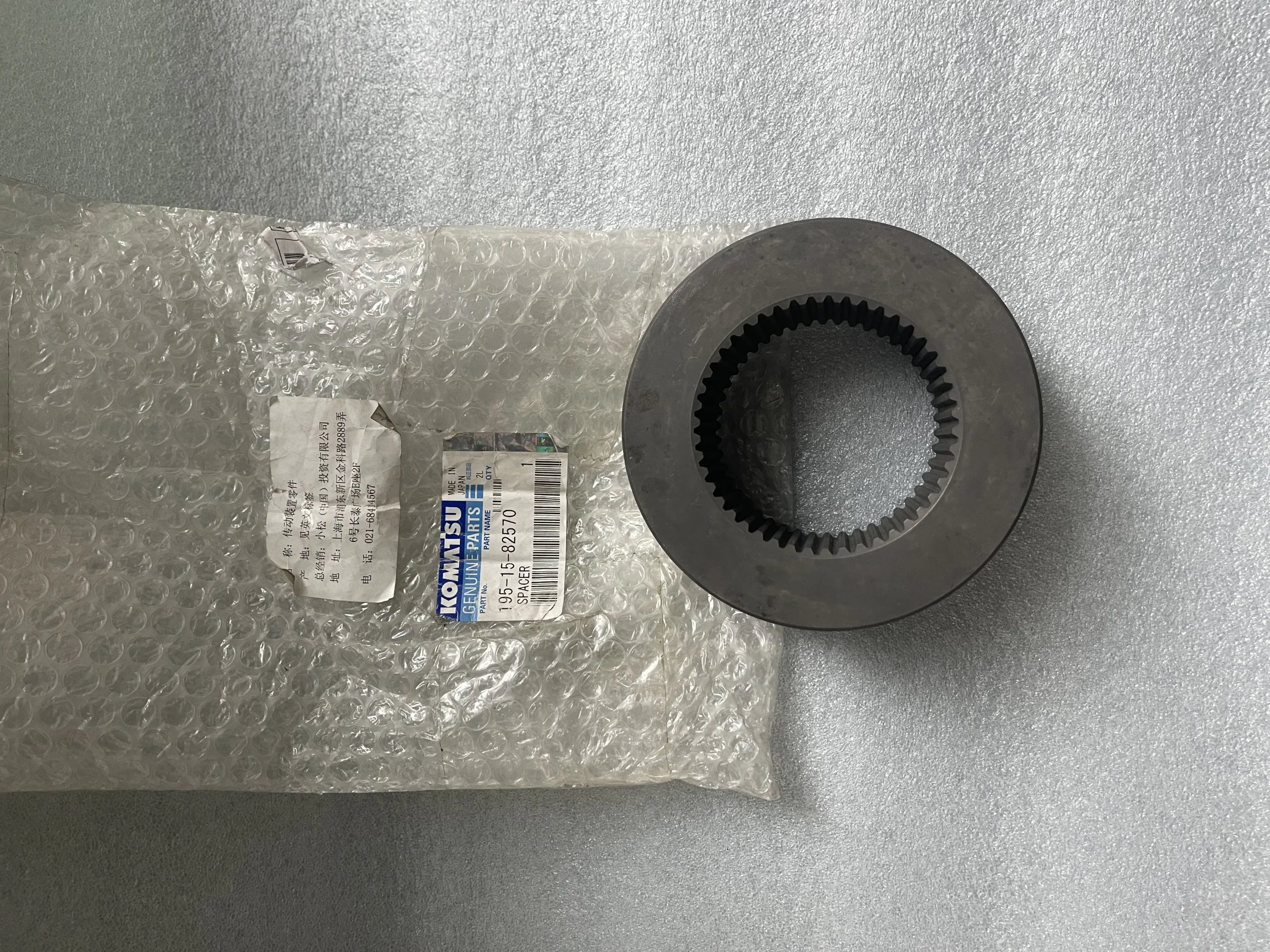
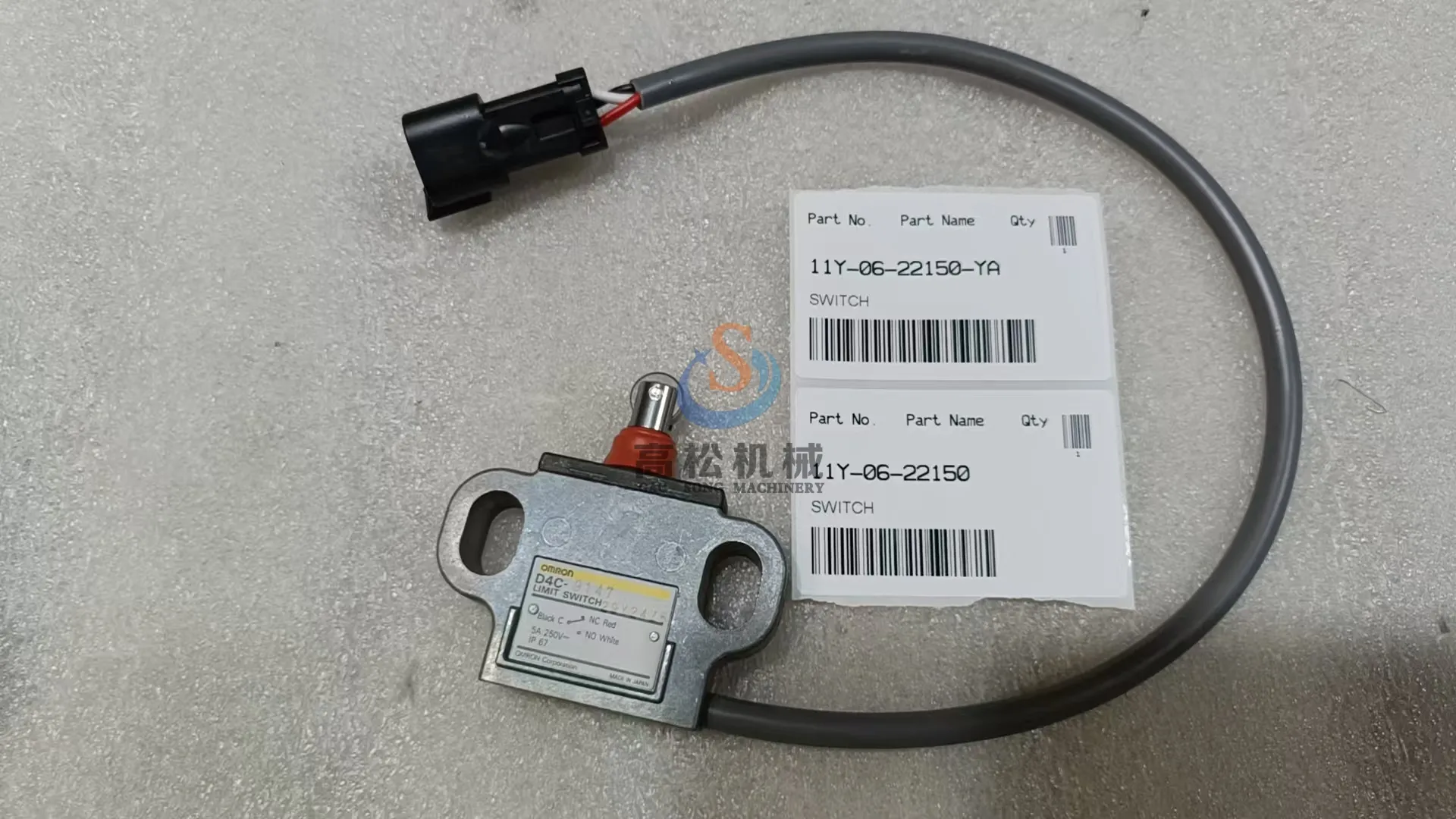

Best Selling Products
Best Selling Products-
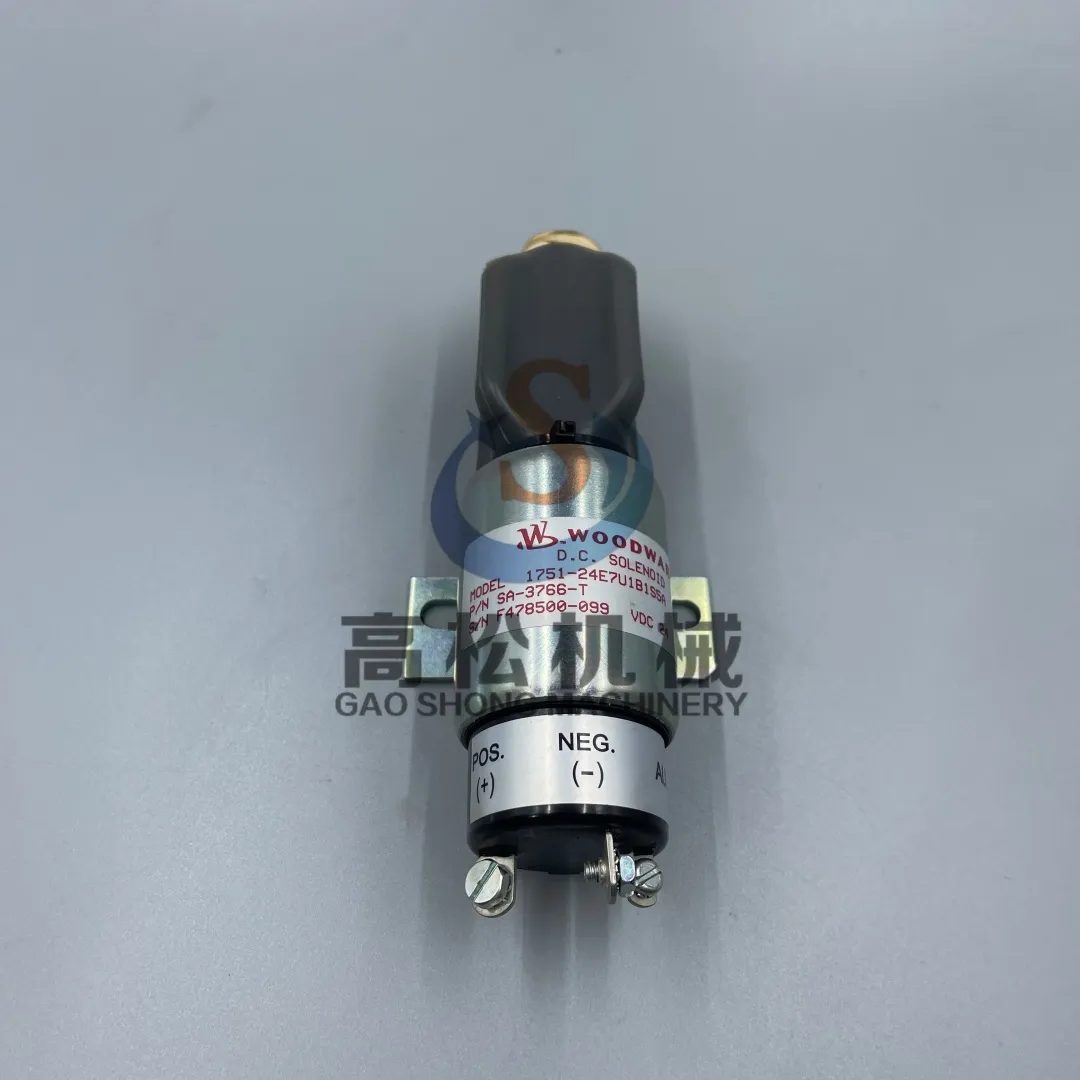 600-815-7550 Fuel Stop Solenoid Valve For Komatsu PC75UU-3 PC200LC-6 PC228UU-1
 -
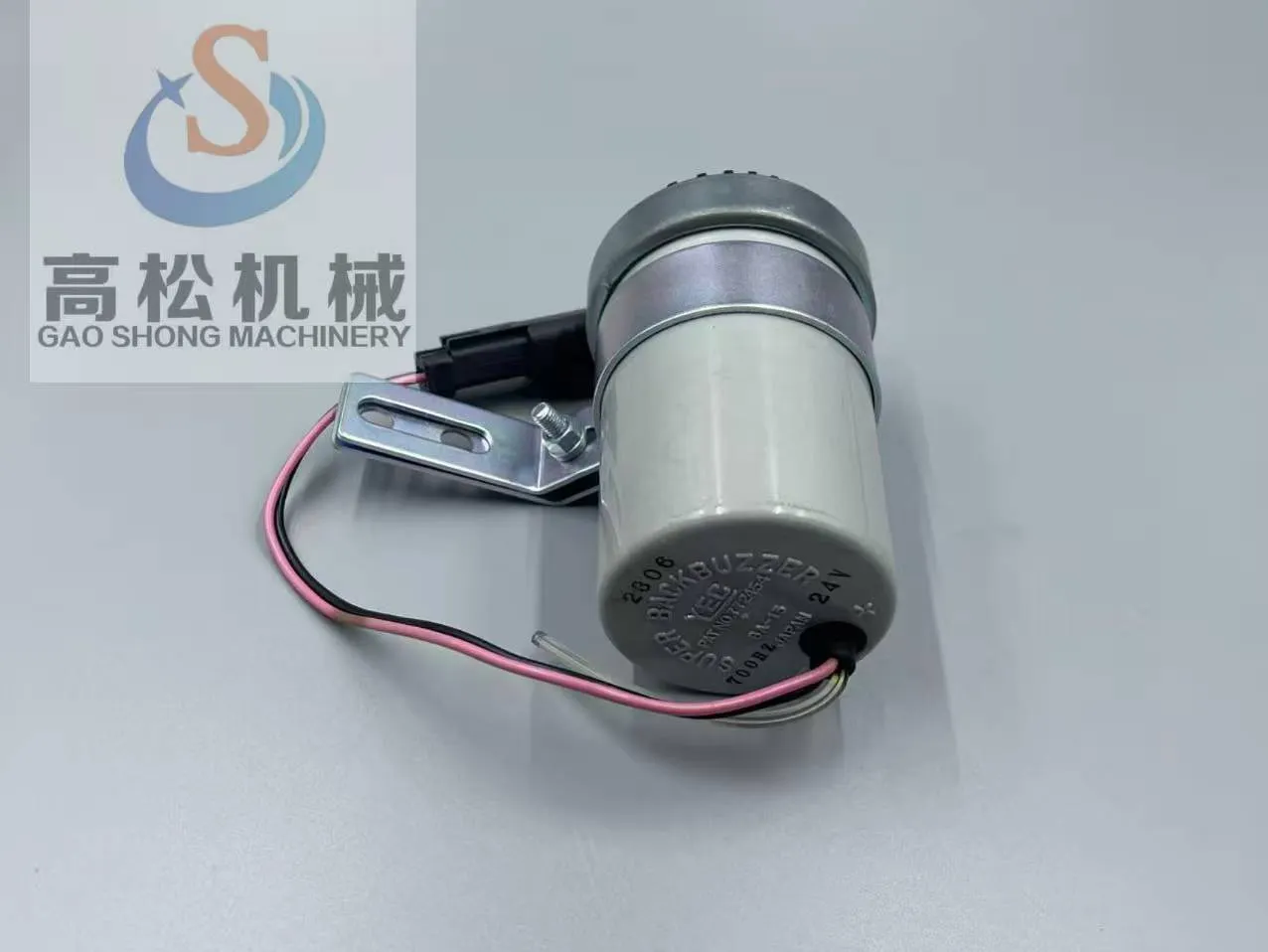 198-06-56570 1980656570 summer for bulldozer D85 D375 D275 D65
 -
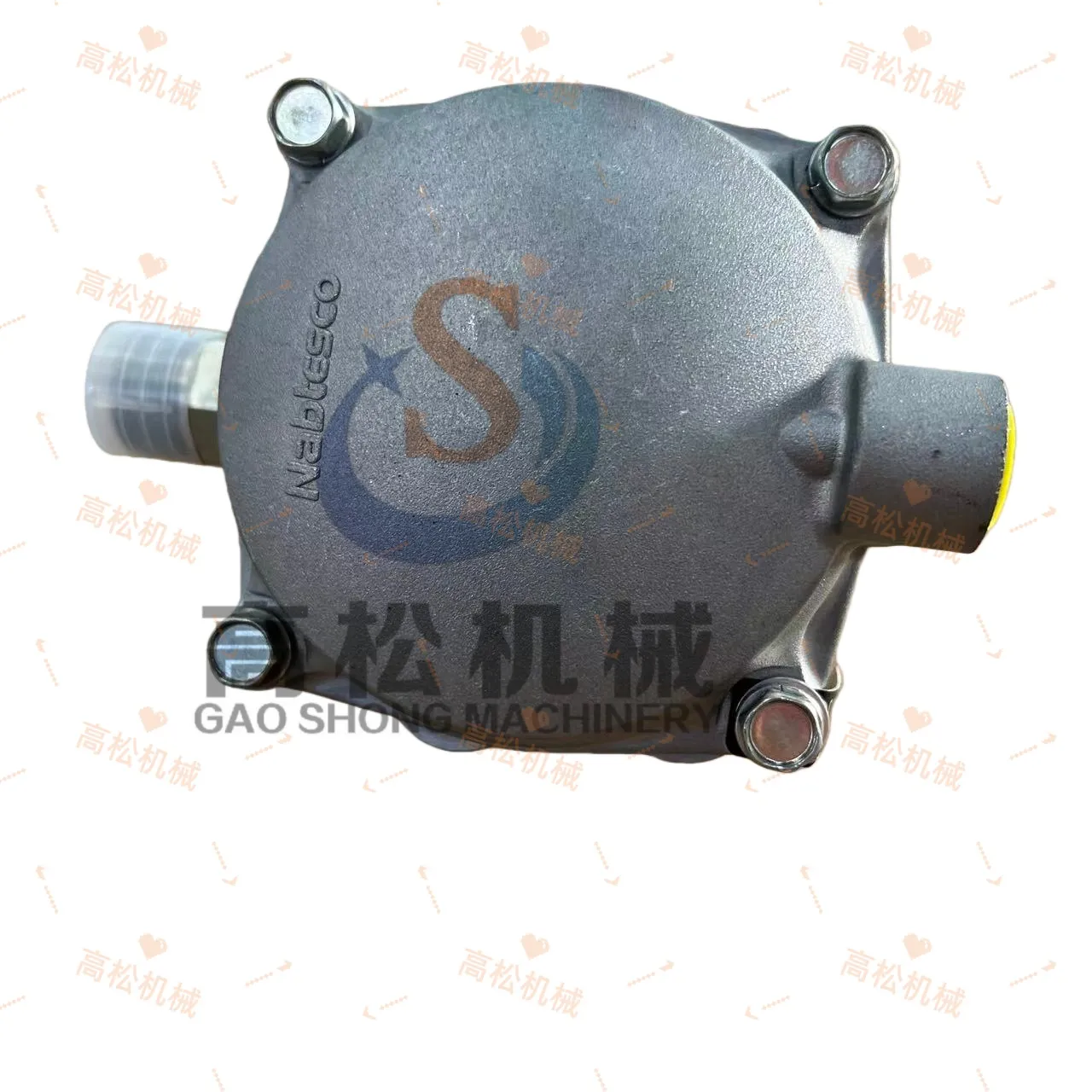 Komatsu HD785-5 Relay Valve 565-44-11200
 -
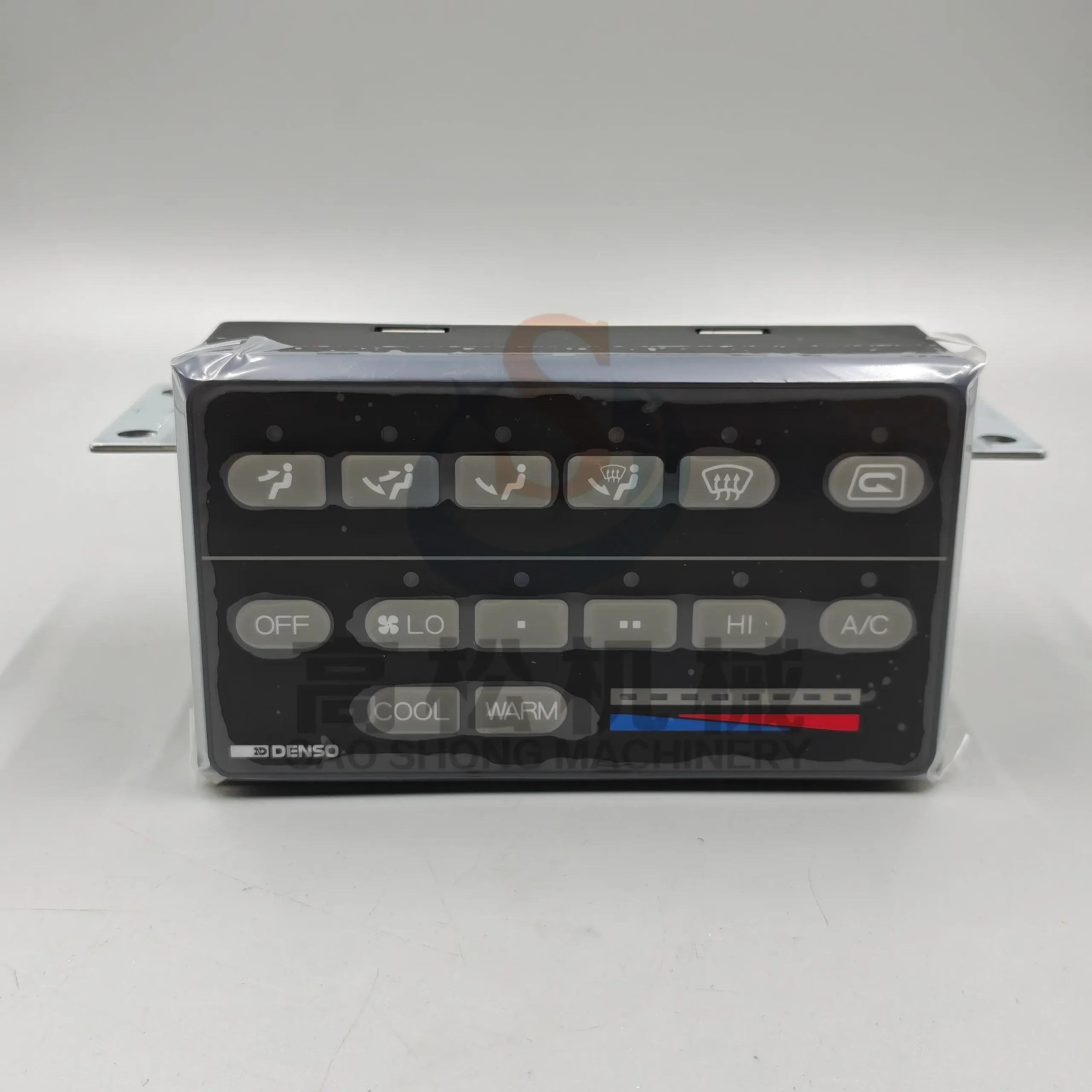 425-07-21121 Controller
 -
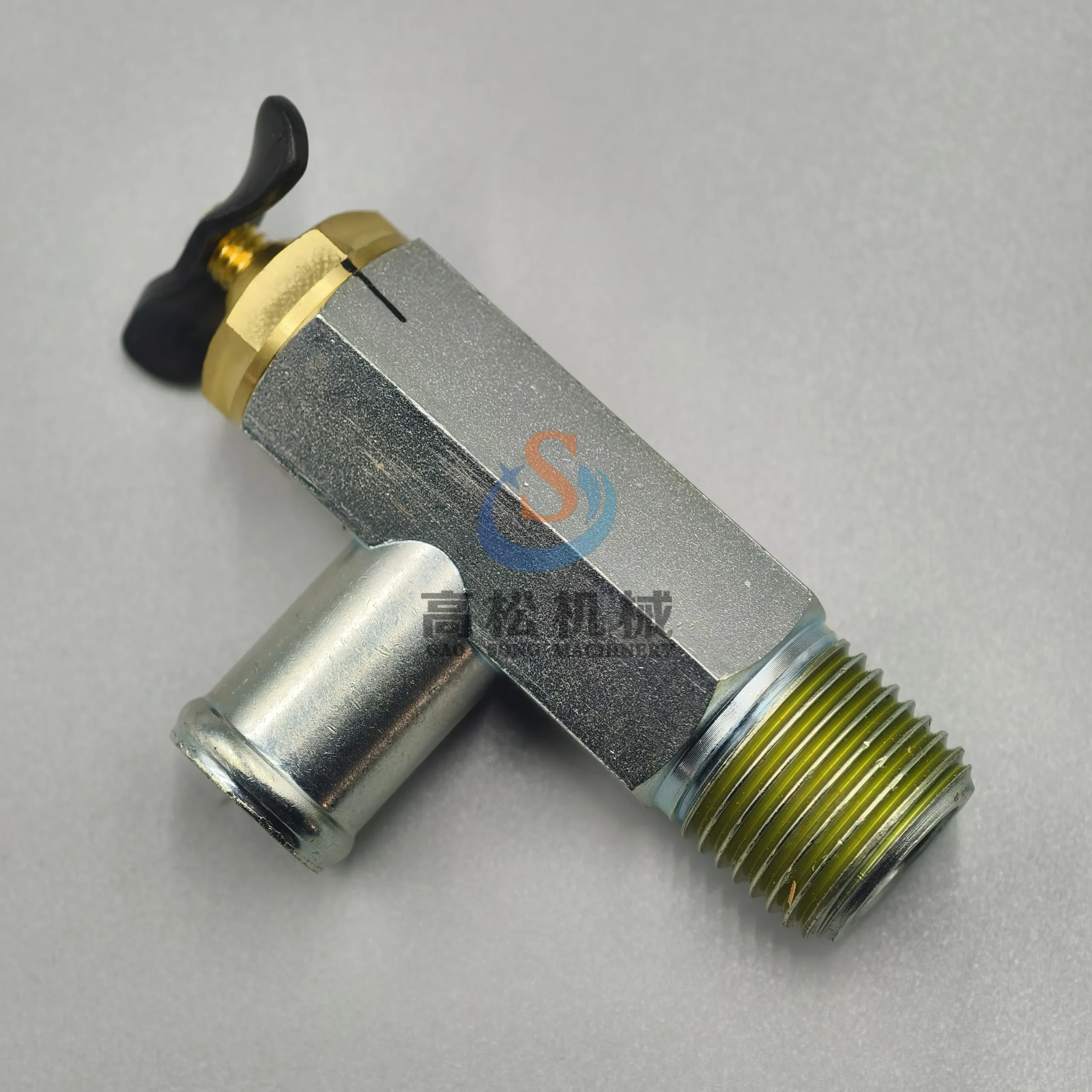 09482-10000 komatsu vavle-D275A/PC750/WA800
 -
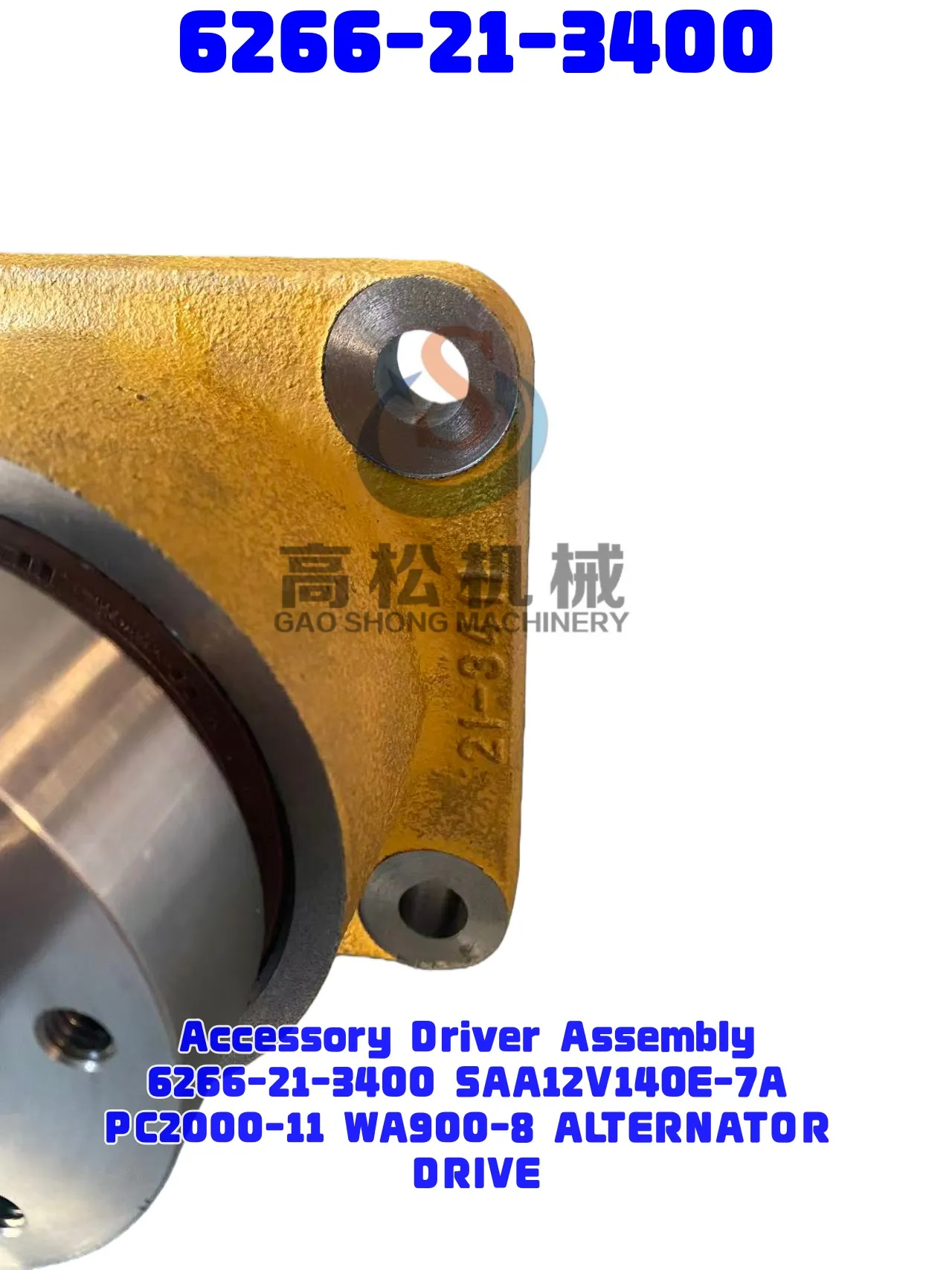 Water Pump 6154-61-1102 6251-61-1105 6251-61-1111 For Komatsu S6D125E PC400-6 PC450-6 New Aftermarket Parts
 -
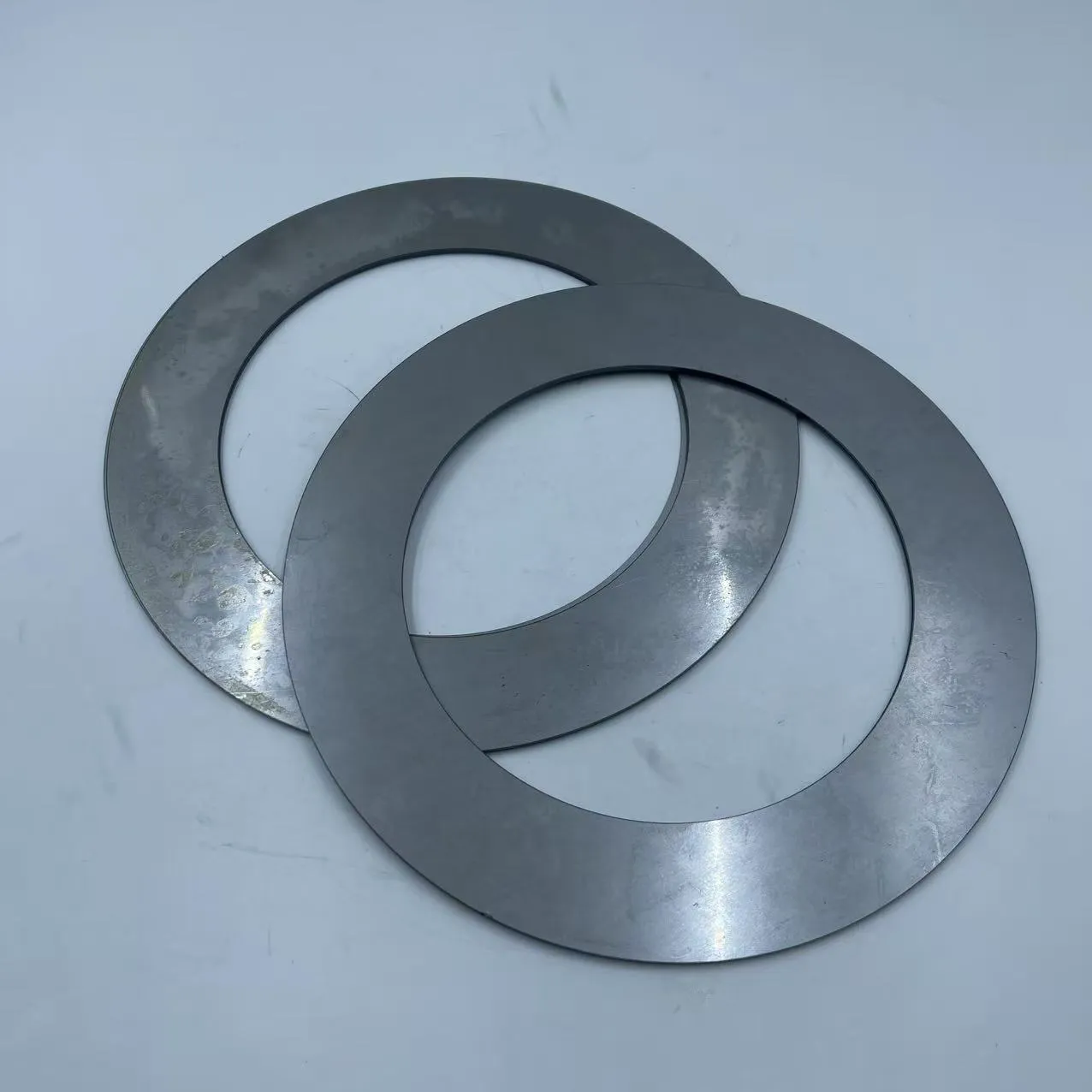 209-939-0070 Komatsu Shim Assembly PC800SE-8EO PC850SE-8EO
 -
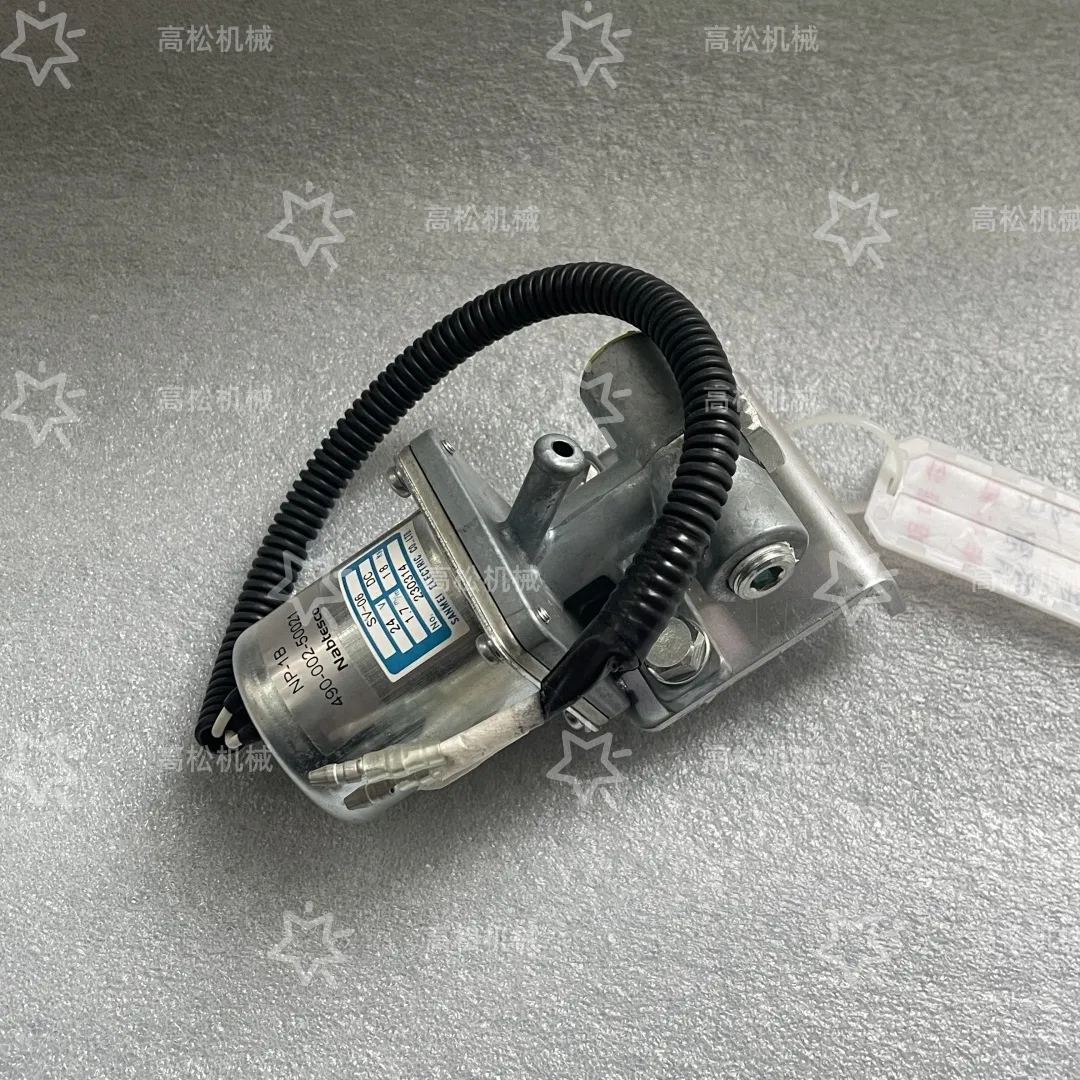 234-44-61430SOLENOID VALVE 234-44-61430 BANK CUTTING CONTROL PIPING AUTO TRANSMISSION SPEC for GD705/825
 -
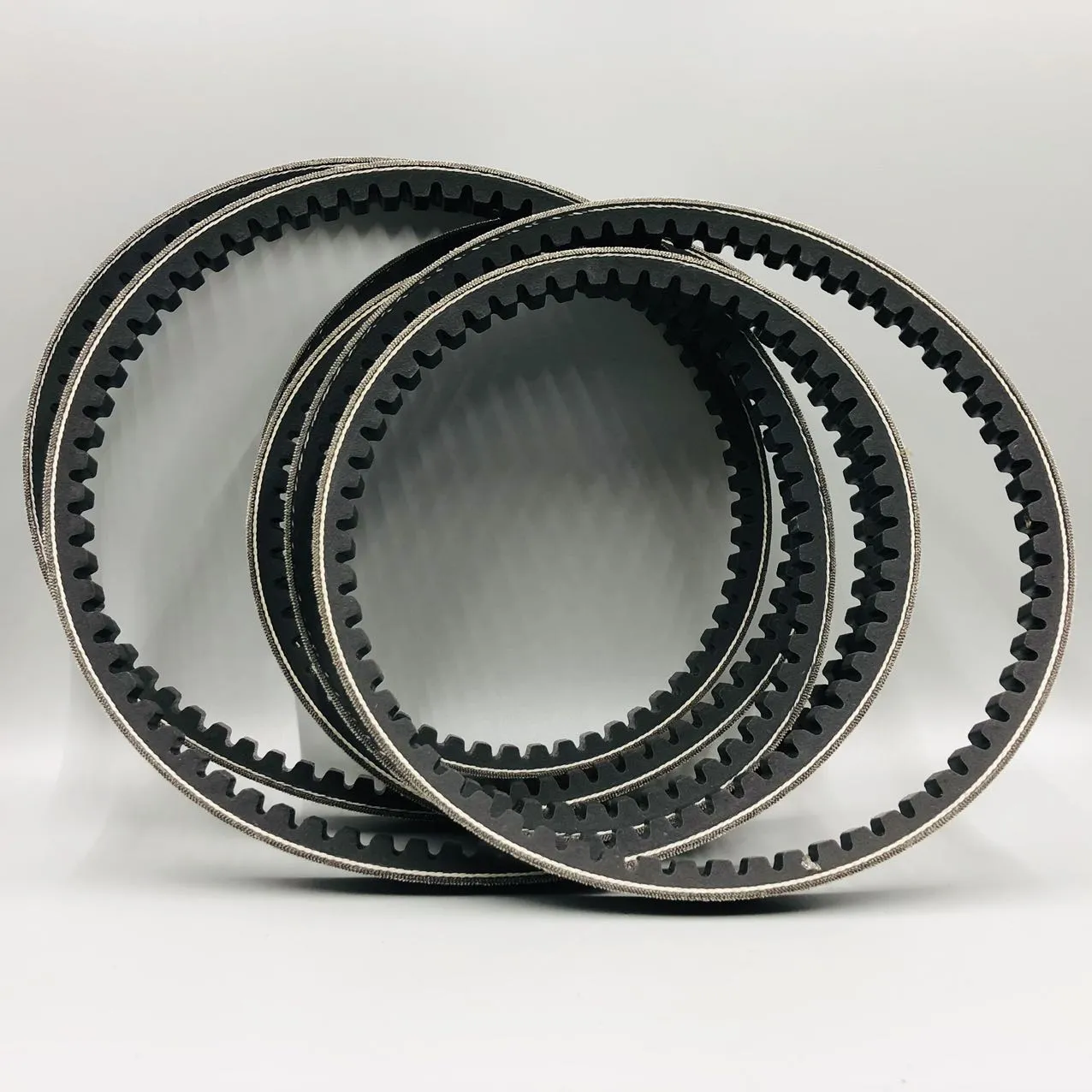 Komatsu mechanical belt6219-61-3420
 -
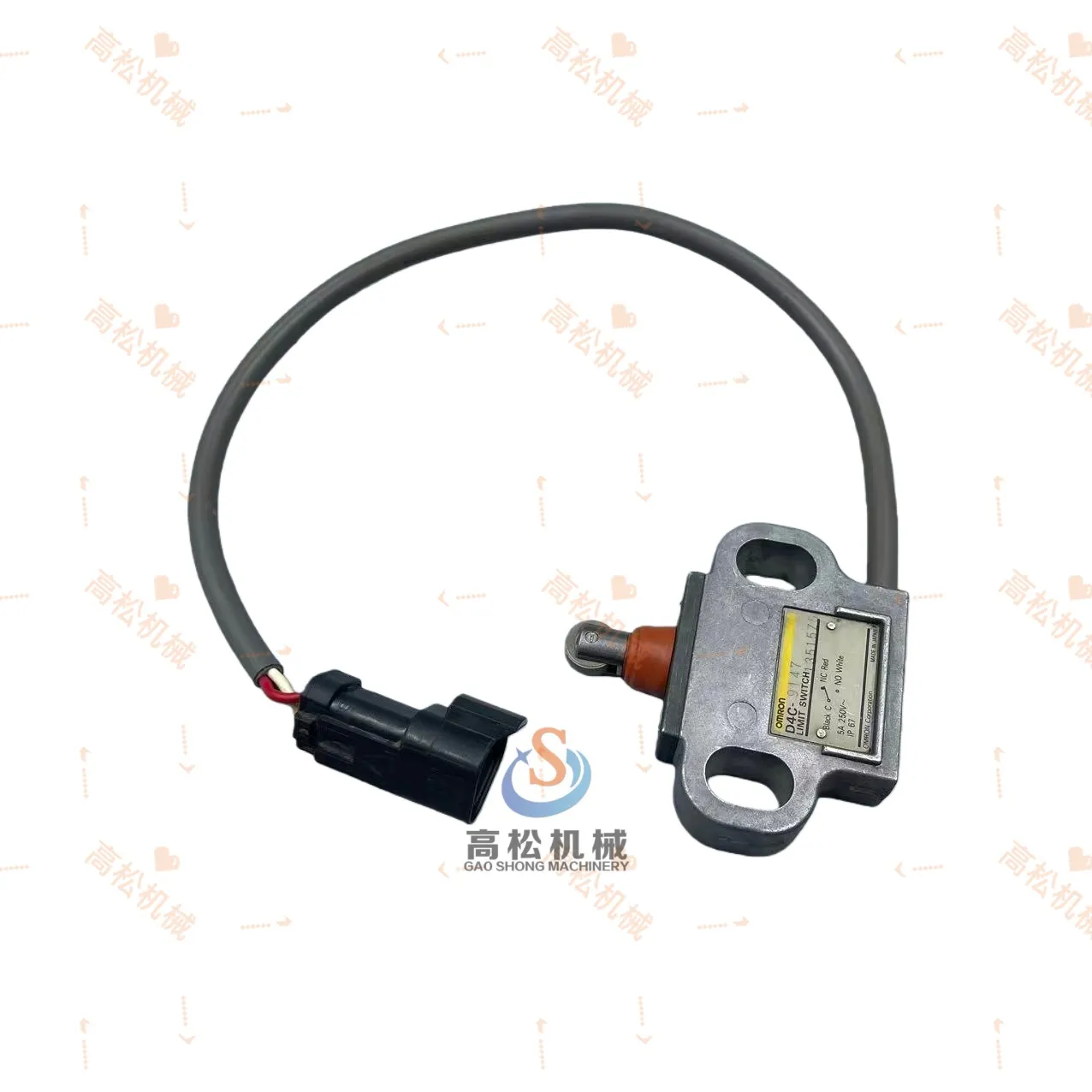 11Y-06-22150 SWITCH D31PX-21A S/N 50501-UP CENTER FLOOR Komatsu – 14X-06-12160, SWITCH
 -
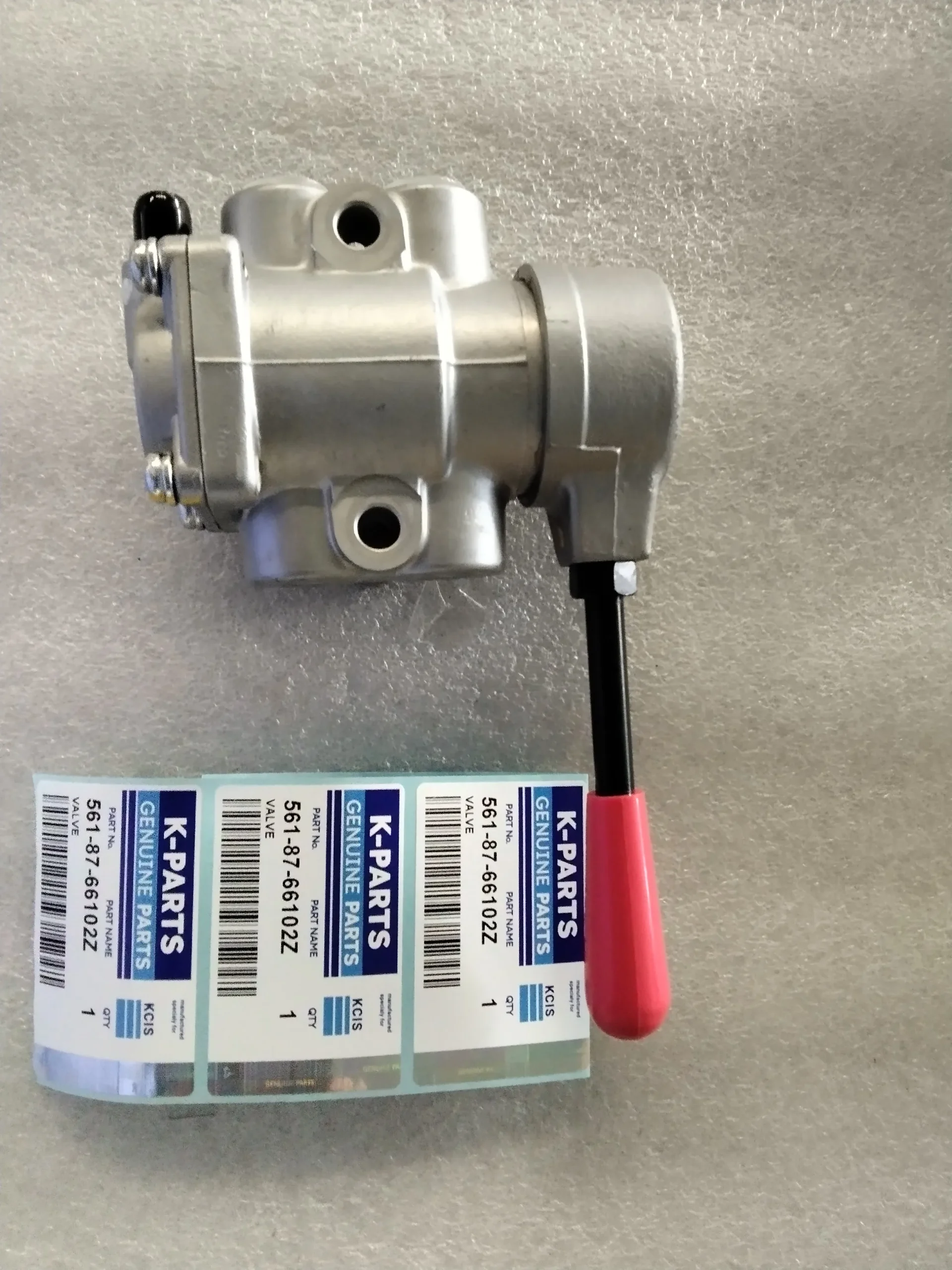 Komatsu dump truck HD785 valve component 561-87-66102
 -
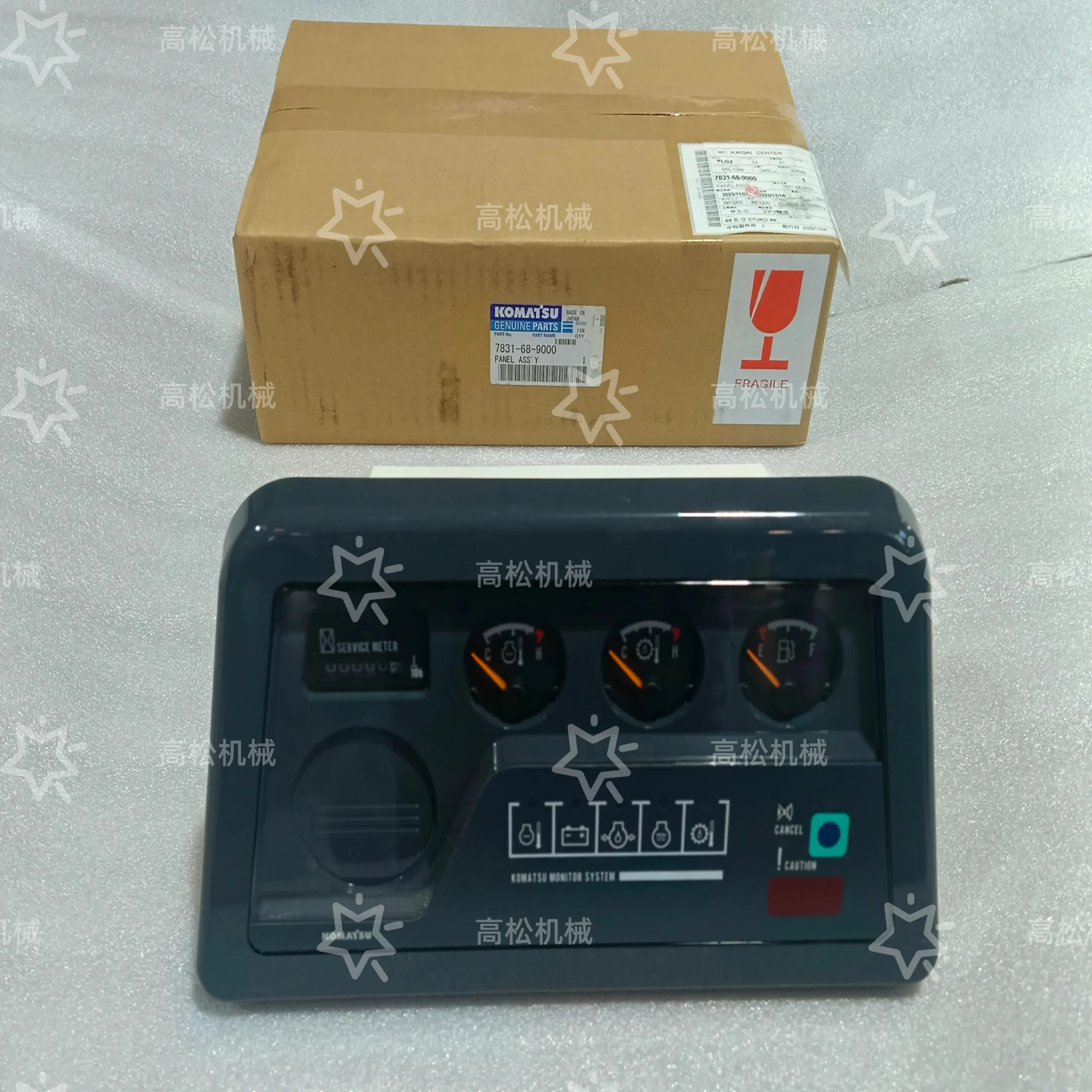 Original New Stock Panel 7831-68-9000 Instrument Panel Assembly Suitable for Komatsu D375A-3/5 Bulldozer