
- Chinese
- French
- German
- Portuguese
- Spanish
- Russian
- Japanese
- Korean
- Arabic
- Irish
- Greek
- Turkish
- Italian
- Danish
- Romanian
- Indonesian
- Czech
- Afrikaans
- Swedish
- Polish
- Basque
- Catalan
- Esperanto
- Hindi
- Lao
- Albanian
- Amharic
- Armenian
- Azerbaijani
- Belarusian
- Bengali
- Bosnian
- Bulgarian
- Cebuano
- Chichewa
- Corsican
- Croatian
- Dutch
- Estonian
- Filipino
- Finnish
- Frisian
- Galician
- Georgian
- Gujarati
- Haitian
- Hausa
- Hawaiian
- Hebrew
- Hmong
- Hungarian
- Icelandic
- Igbo
- Javanese
- Kannada
- Kazakh
- Khmer
- Kurdish
- Kyrgyz
- Latin
- Latvian
- Lithuanian
- Luxembou..
- Macedonian
- Malagasy
- Malay
- Malayalam
- Maltese
- Maori
- Marathi
- Mongolian
- Burmese
- Nepali
- Norwegian
- Pashto
- Persian
- Punjabi
- Serbian
- Sesotho
- Sinhala
- Slovak
- Slovenian
- Somali
- Samoan
- Scots Gaelic
- Shona
- Sindhi
- Sundanese
- Swahili
- Tajik
- Tamil
- Telugu
- Thai
- Ukrainian
- Urdu
- Uzbek
- Vietnamese
- Welsh
- Xhosa
- Yiddish
- Yoruba
- Zulu
- Kinyarwanda
- Tatar
- Oriya
- Turkmen
- Uyghur






OEM AND ORIGINAL KOMATSU ALTERNATOR 600-825-6371
When you see that part number, , pop up on a screen or a requisition form, the immediate reaction in this business is often a mix of recognition and mild dread. Everyone knows it's for a range of Komatsu excavators and dozers, but the path to actually getting a reliable unit is where the real story begins. The biggest misconception I keep running into is the idea that 'OEM' and 'Original' are always the same thing in a box. They're not. Not anymore. An OEM part means it was made by the company that had the original contract with Komatsu for that design—it should be identical. 'Original' in the aftermarket, however, can sometimes just be a marketing term for a clone that looks right. For a critical component like an alternator, that distinction isn't academic; it's the difference between a machine running a full shift or shutting down before lunch because the voltage regulator can't handle the heat.
The Anatomy of a Genuine
Let's get into the weeds on this specific model. It's not a small alternator. It's a 24V, high-output unit designed for machines with significant electrical demand. The mounting bracket configuration is specific, and the plug connector has a particular orientation that aftermarket units sometimes get wrong. I've seen 'compatible' alternators where the plug fits, but the pin-out is reversed, frying the circuit before you even crank the engine. The genuine one will have the Komatsu logo laser-etched, not stamped, and the serial number will be traceable. The internal bearings are a specific grade—a failure point I've traced back to cheaper substitutes in non-OEM units.
Why does this matter so much? Because the machine's ECU expects a certain voltage output curve. A sub-par alternator might show 28 volts at idle but crash to 22 under load, causing all sorts of erratic controller behavior. You'll get fault codes for sensors, hydraulics will get sluggish—it becomes a ghost-chasing nightmare. I learned this the hard way years ago on a PC300-6. We chased electrical gremlins for two days before swapping in a verified OEM alternator from a known supplier. Problem vanished. That was the lesson: the charging system is the heartbeat of the modern machine's electronics.
This is where a supplier's role becomes critical. You need a source that understands this from the ground up. A company like Jining Gaosong Construction Machinery Co., Ltd. positions itself within that exact space. Being an OEM product supplier within the Komatsu system means they theoretically have access to the same production lines that feed Komatsu's own parts network. Their stated mission of helping to solve parts supply challenges in certain countries rings true. In regions where official distribution is thin or backlogged, a reliable third-party conduit for genuine parts isn't just convenient; it's what keeps fleets operational.
The Gray Market and the Verification Dance
Now, the landscape is flooded with alternatives. You can find a from a dozen different brands at half the price. Some are decent rebuilds, many are new but inferior. The dance is in verification. When a part arrives, the first thing I do isn't install it. I check the weight. A genuine one has a heft to it—the copper windings are substantial. Then, the visual: the finish, the etching, the quality of the stamped steel fan. Then, bench test it if possible. Does it ramp up smoothly? A lot of the cheaper ones whine at high RPM.
I recall a batch we got in for a fleet of three machines. The parts numbers matched, the boxes looked professional. But upon installation, two failed within a week. The culprit? The rectifier bridge was underspec'd. It passed a static test but failed under the vibration and heat of actual operation. The supplier was a generic parts house. We had to eat the cost and the downtime. After that, we shifted to more specialized suppliers. The website https://www.takematsumachinery.com represents the kind of focused operation we started looking for—one that deals specifically with Komatsu and the OEM ecosystem, not every brand under the sun.
This is the practical value of a supplier being a third-party sales company for Komatsu. They aren't just a warehouse; they (should) have the technical liaison to confirm parts authenticity and application specifics. You can call and ask, Is this from the OEM factory for model XXX? and get a straight answer, not a sales script. That direct line to the source material is what you're paying for, beyond the physical part.
Failure Points and Field Observations
Beyond outright counterfeits, even with a proper OEM AND ORIGINAL KOMATSU ALTERNATOR, you have common failure modes. The brush assembly wears down, obviously. But more insidious is the failure of the internal voltage regulator due to heat soak. On machines that work in extreme conditions, I've started adding a small heat shield or rerouting a hose to get better airflow to the alternator. It extends the life significantly. Another point is the pulley. The genuine part has a balanced, machined pulley. Some replacements use a cast one that can wobble, wearing out the drive belt prematurely.
I've also seen issues with the replacement process itself. The electrical connector's locking clip is fragile. Force it, and it breaks, leading to a loose connection that corrodes and causes intermittent charging. A good practice is to have a new connector pigtail on hand when doing the swap. These are the tiny details you only learn from doing this dozens of times, or from a supplier who has seen the same issues and might even include the pigtail as part of a comprehensive kit.
This level of detail is where the promise of an OEM supplier should deliver. It's not just about selling the box. It's about understanding that the part exists in a harsh environment and that the installation is as critical as the component itself. A knowledgeable supplier might include those installation notes or tips on their platform, which adds immense practical value.
The Cost-Benefit Equation in Real Terms
Let's talk money. A genuine OEM AND ORIGINAL KOMATSU ALTERNATOR is a significant investment. A non-OEM can be 40-60% cheaper. The calculation isn't just part cost. It's: Cost of Part + Cost of Downtime + Cost of Secondary Damage Risk + Cost of Labor to Replace (potentially twice). For a critical machine on a tight project schedule, the math almost always favors the verified genuine part. The risk is too high.
For older machines, where the total value is lower, the calculation gets trickier. Sometimes a high-quality rebuild from a reputable shop is the most economical choice. But the core for that rebuild should ideally be a genuine, worn-out unit, not a cheap aftermarket carcass. This is another niche where a supplier with OEM links can be useful—they might offer a core exchange program that ensures the rebuilds start from a proper foundation.
The value proposition of a company like Jining Gaosong, in my view, is in streamlining this equation. By providing a direct channel to OEM-spec parts, they remove the risk variable from the first term of the equation (Cost of Part). You're paying for certainty. In contexts where the official Komatsu channel is slow or non-existent, that service has a tangible dollar value attached to the avoided downtime.
Closing the Loop: Sourcing with Context
So, when you need that , what's the move? First, confirm the exact machine serial number. Variations happen. Then, decide on the criticality. For a flagship machine on a major job, go genuine OEM through the most direct channel you trust. That might be the official dealer, or it might be a validated third-party like the one mentioned, which acts as a functional extension of the OEM system in challenging markets.
The key is moving from just buying a part number to buying a solution. Does the supplier provide technical data? Can they confirm the lot or factory origin? Do they understand the application? The website takematsumachinery.com suggests a focus that aligns with this need. It's not a bazaar; it's a specialized tool.
In the end, the alternator is more than a generator. It's the foundation of the machine's electrical stability. The part number is just a code. The substance is in the provenance, the material, and the precision behind it. Sourcing it correctly isn't a procurement task; it's a technical decision with direct operational consequences. And that decision is always easier when you have a source that speaks the same technical language, born from actual supply chain and field experience, not just a catalog.
Related Products
Related Products

Best Selling Products
Best Selling Products-
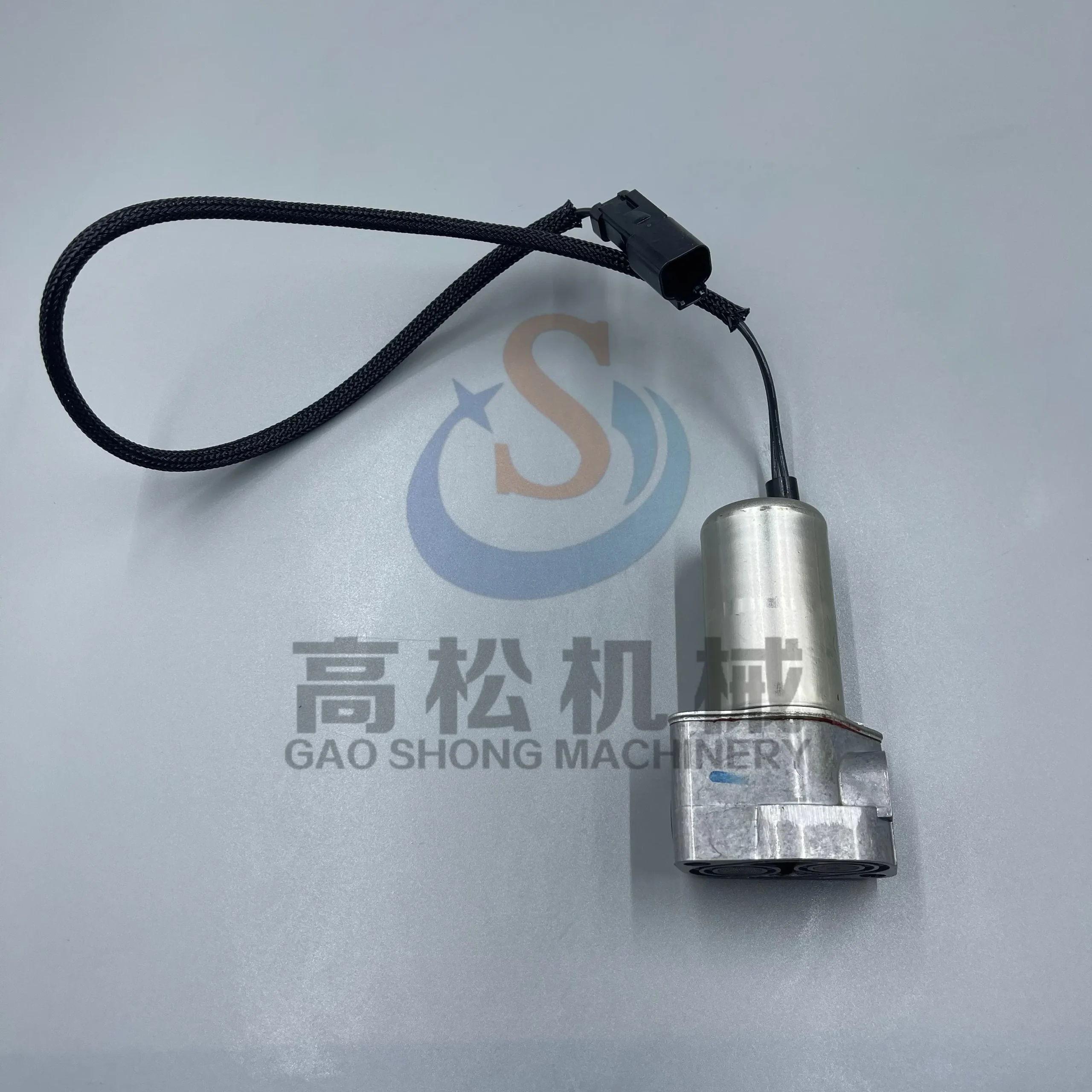 702-21-07620 SOLENOID VALVE (Komatsu)
 -
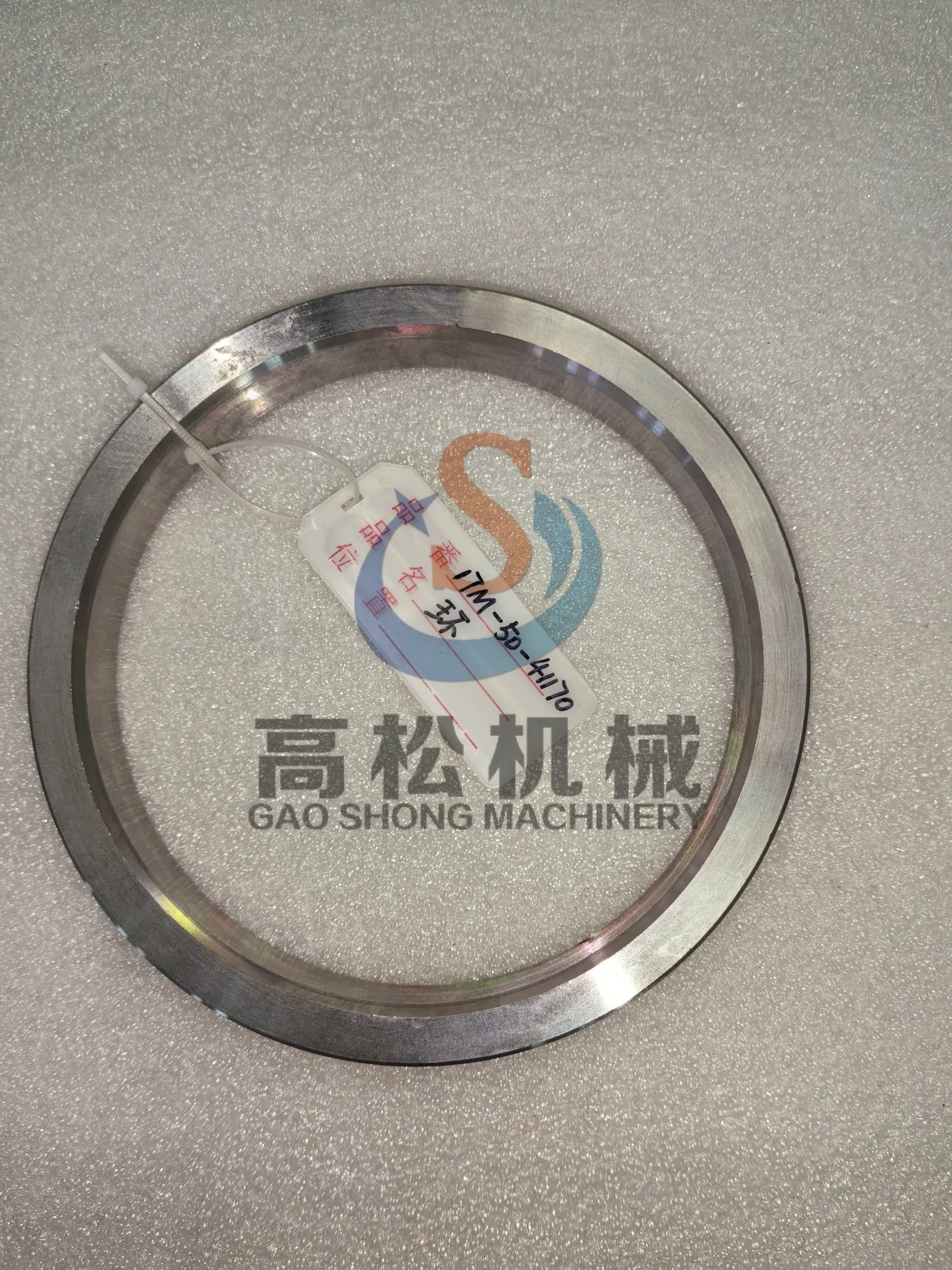 RING 17M-50-41170 – KOMATSU
 -
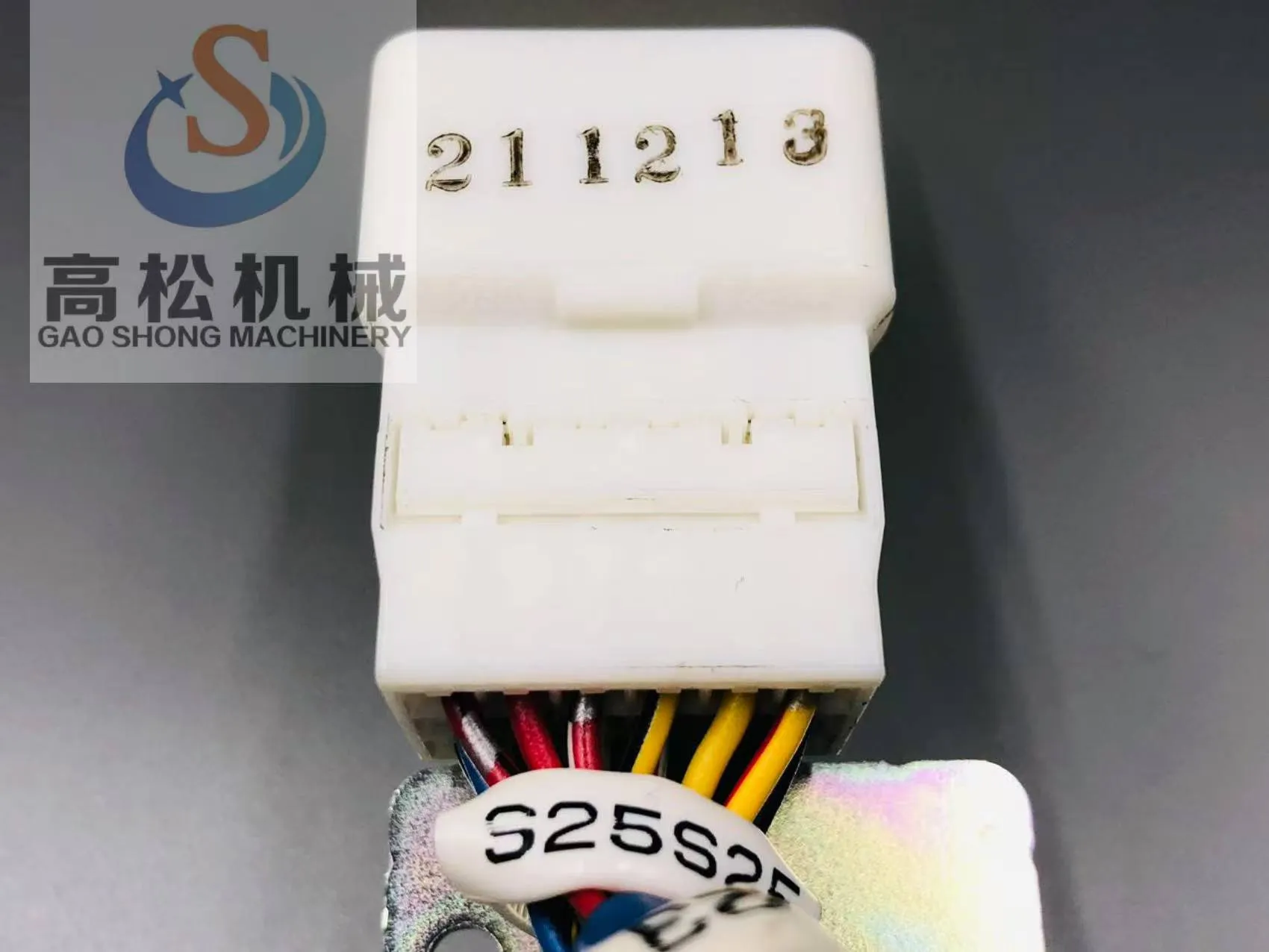 Factory wholesale of low-price 22U-06-22370 switch assemblies, suitable for Komatsu PC300LC, PC340LC, PC380LC construction machinery parts
 -
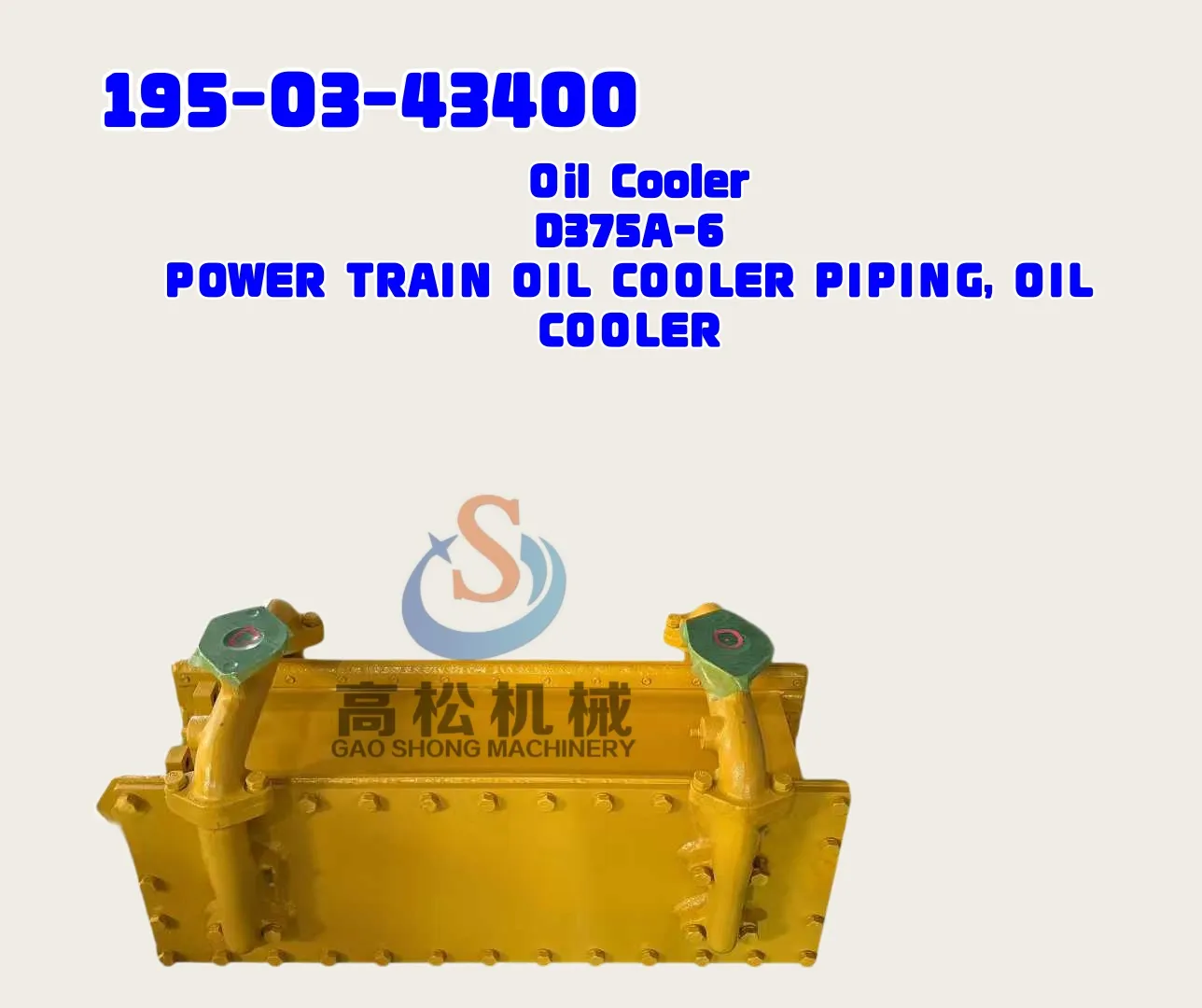 komatsu-part-195-03-43400 Oil Cooler D375A-6 D375A-6R POWER TRAIN OIL COOLER PIPING, OIL COOLER
 -
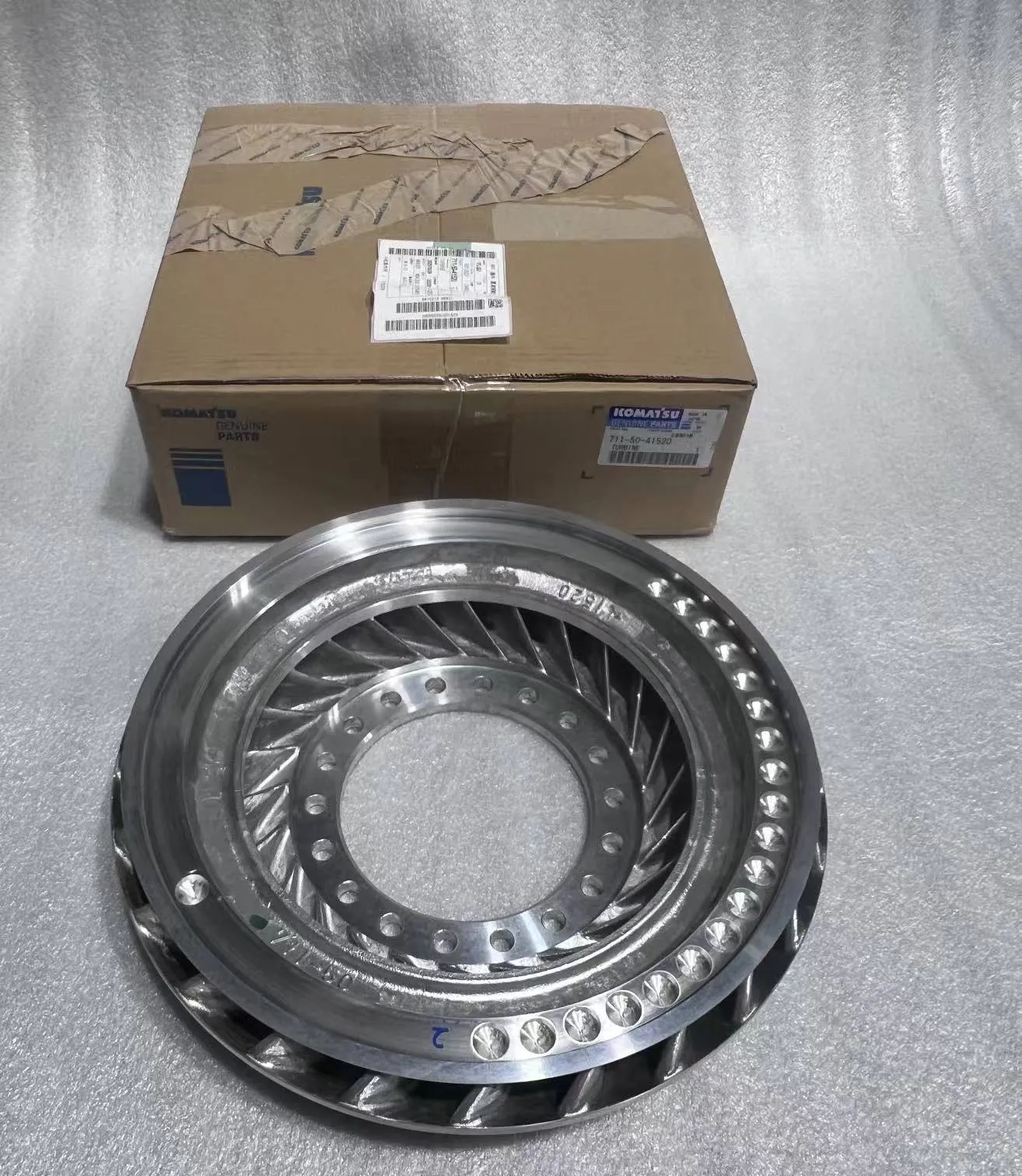 711-50-41520 Komatsu TURBINE
 -
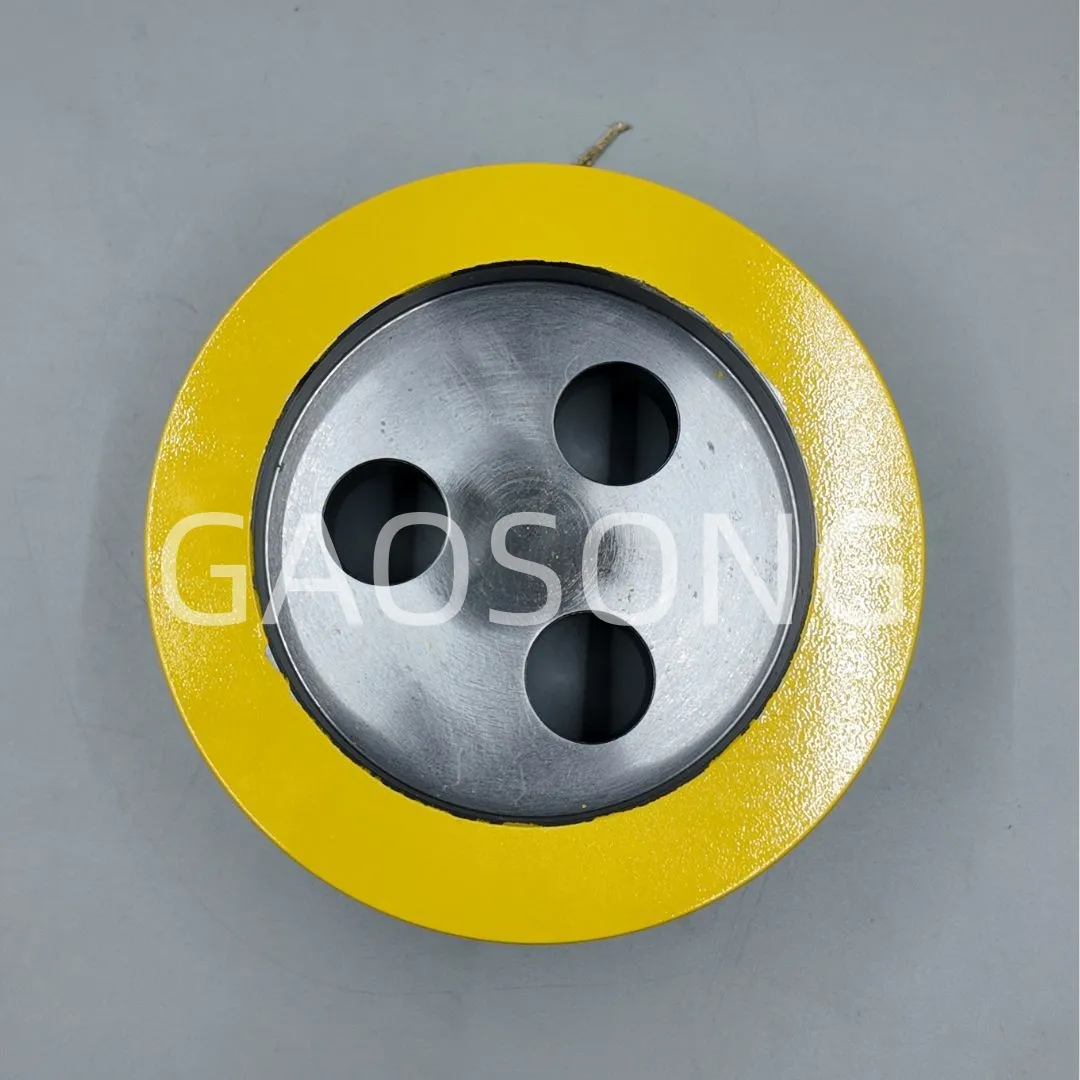 2A8-70-13570 Excavator Arm Bucket Link Cover for PC500-10 PC500-10M0
 -
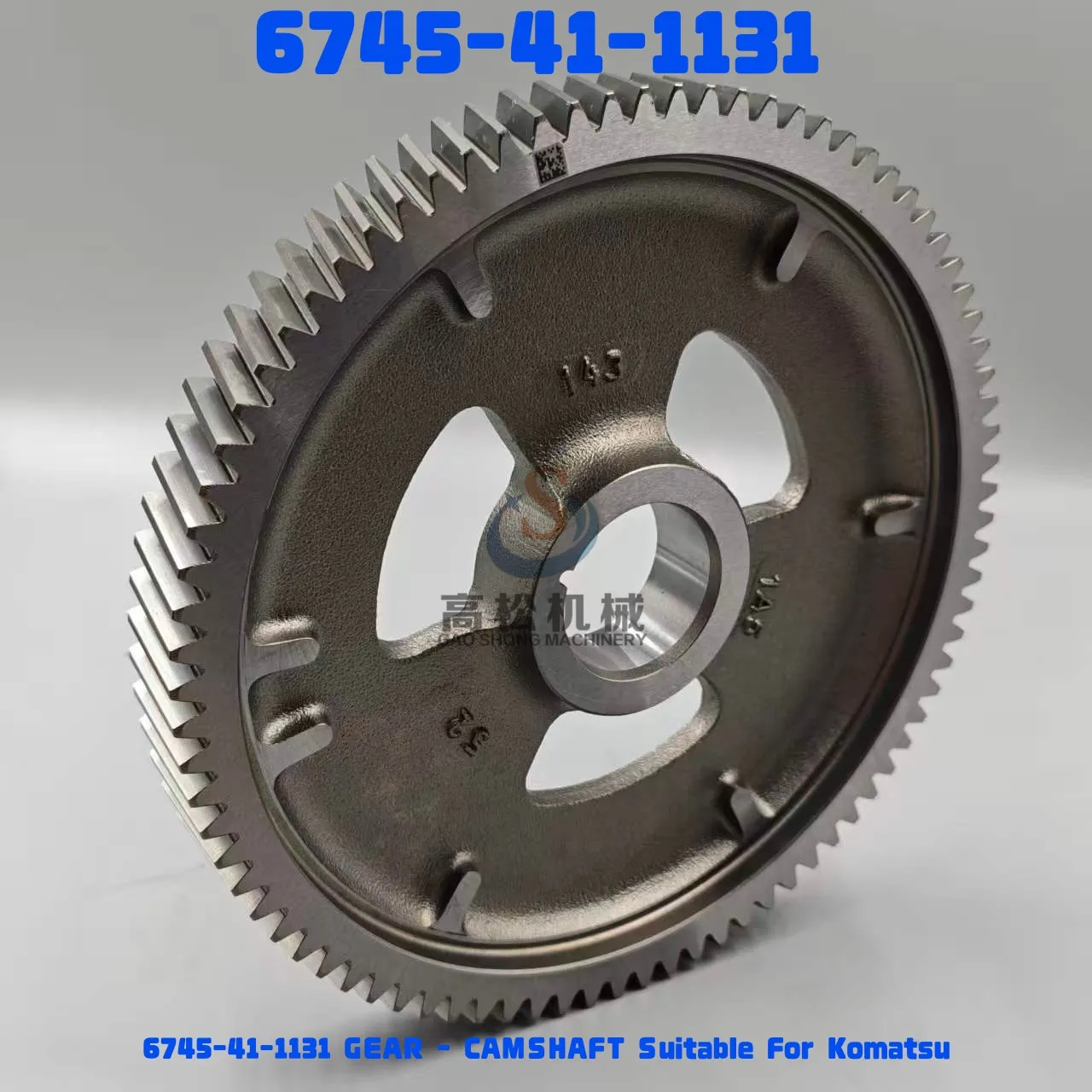 6745-41-1131 GEAR – CAMSHAFT Suitable For Komatsu 6745411131Compatible Models: SAA6D114E-3B-WT (BUILD 9K), SAA6D114E-3E (BUILD 9L), SAA6D114E-6A & SAA6D114E-6B (BUILD 9J)
 -
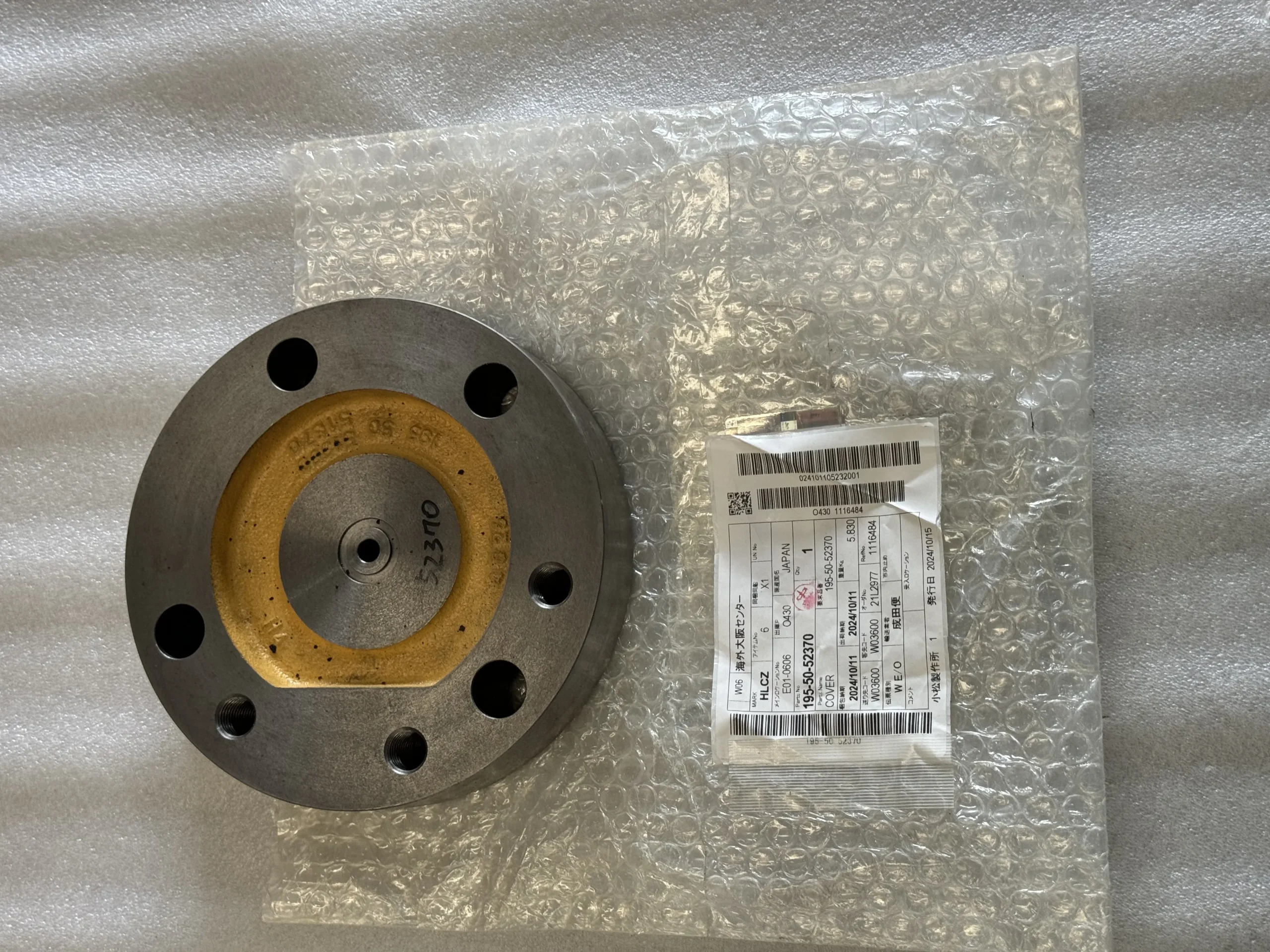 D375A-5 Cover 195-50-52370
 -
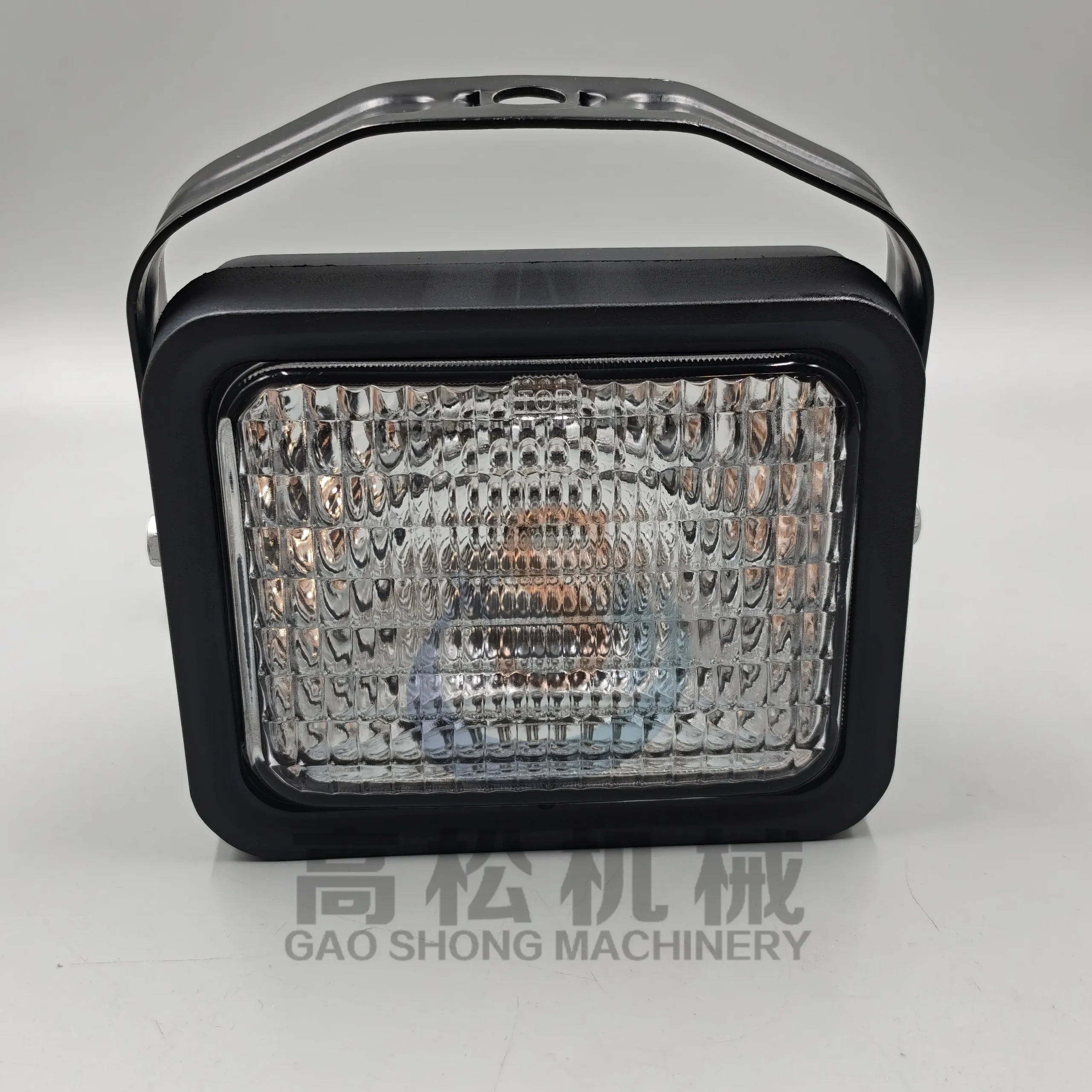 Lamp 421-06-23310 426-56-23360 Compatible for Komatsu WA500-3 WA800-3 WA420-3L HD785-7 HD325-7 HM250-2
 -
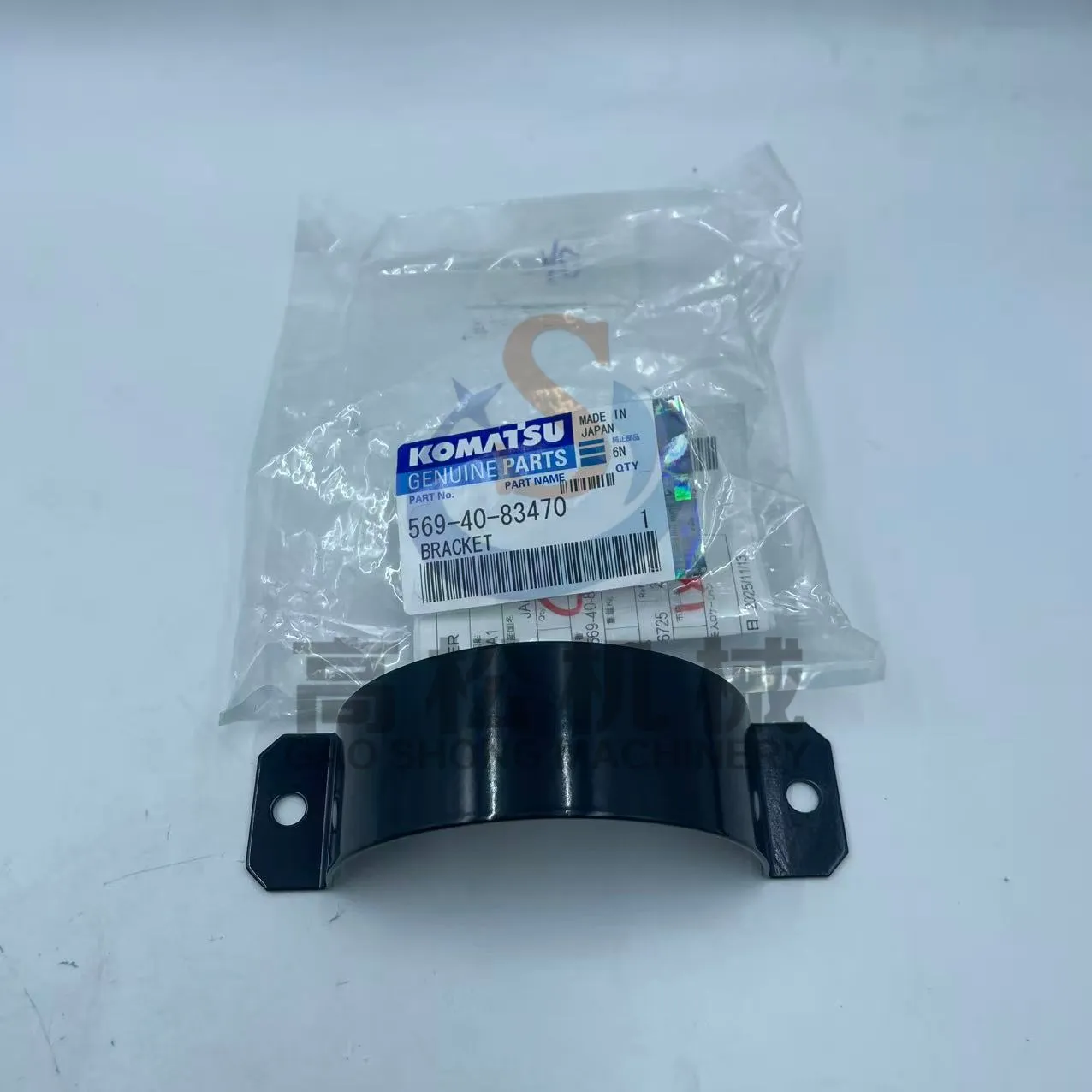 569-40-83470 Komatsu Bracket
 -
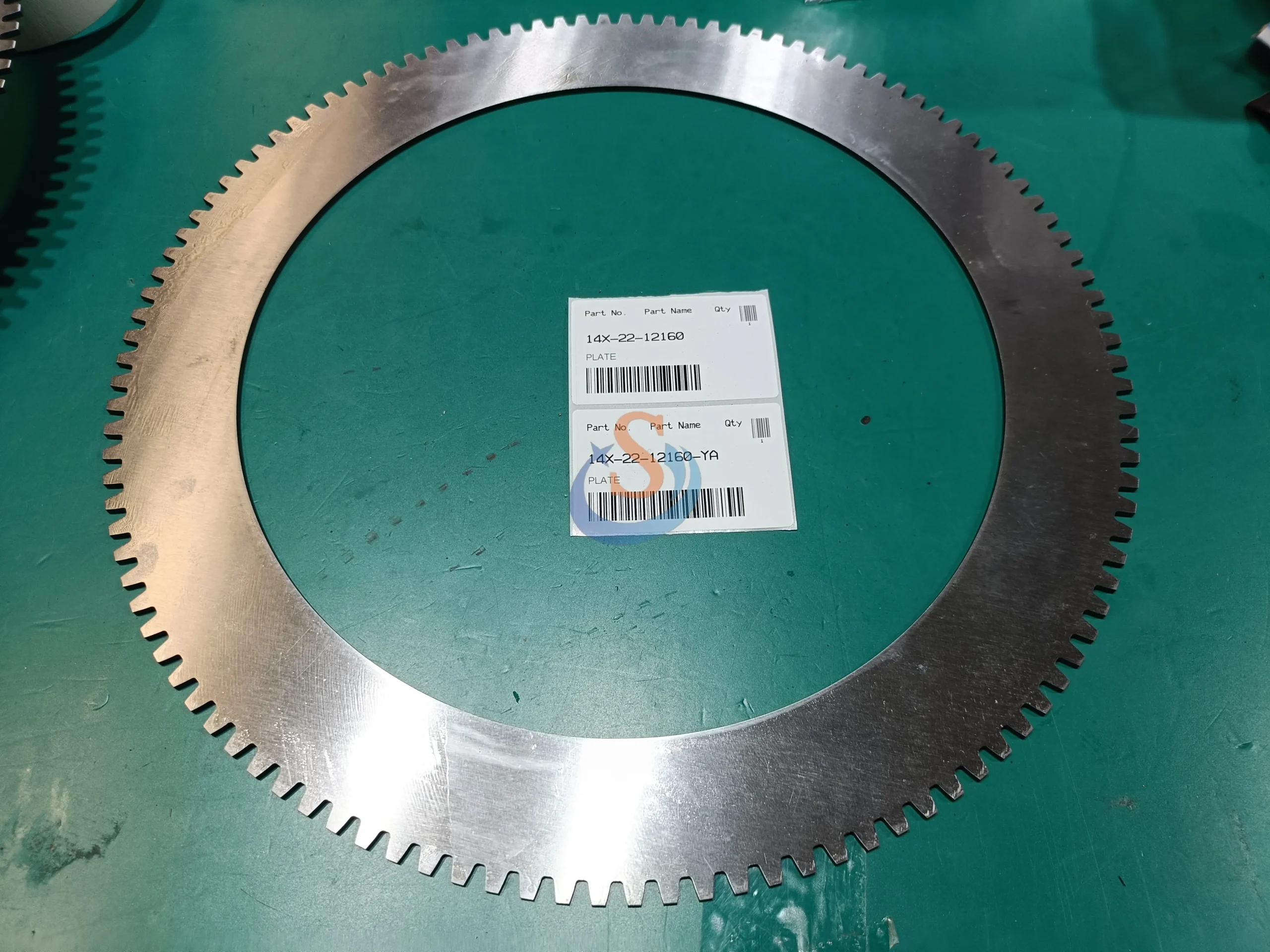 14X-22-12160,PLATE,D275A,D85ESS,D65E
 -
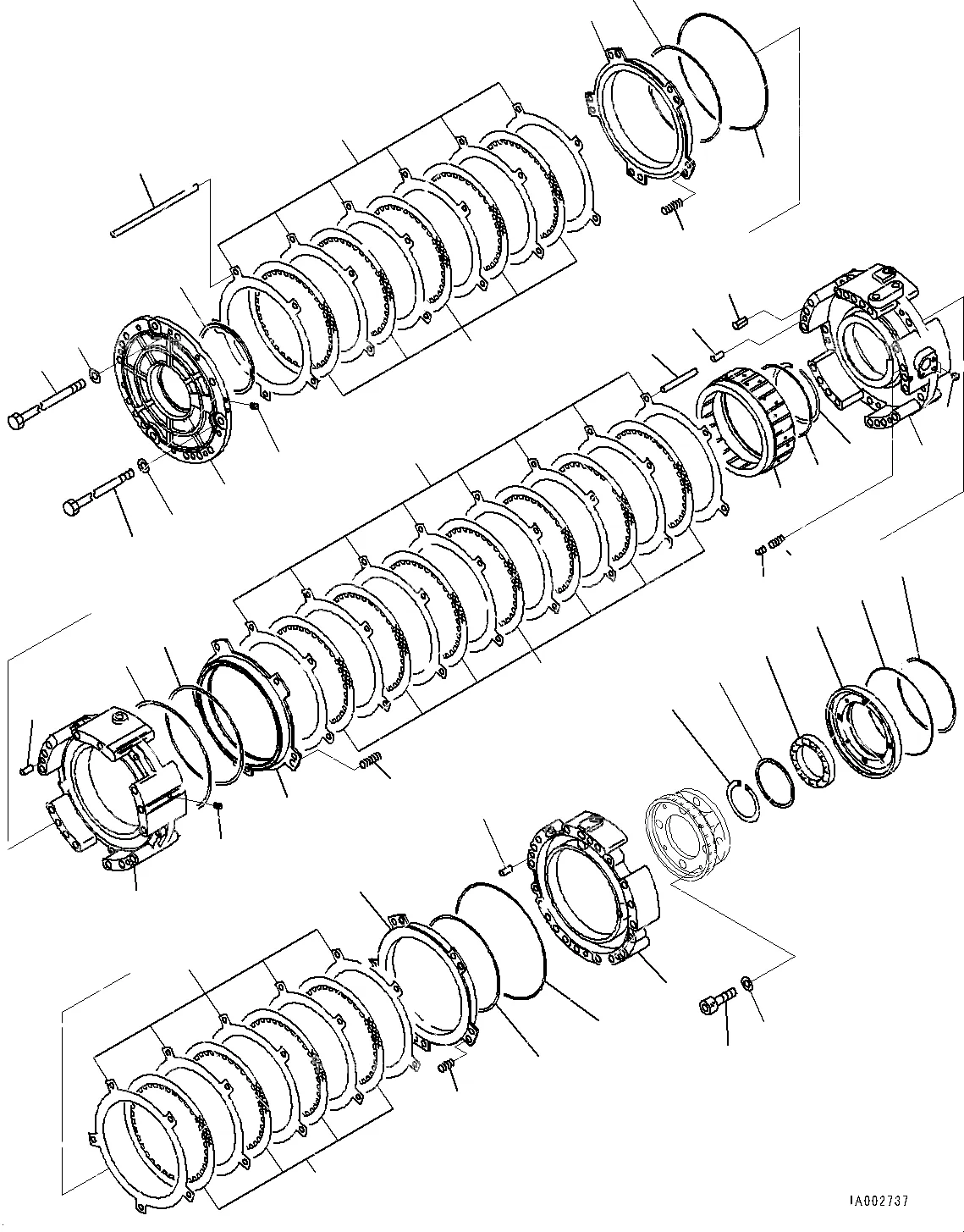 14X-15-19210 14X-15-19220 for D65 D68 D85 WA500 Bulldozer…