
- Chinese
- French
- German
- Portuguese
- Spanish
- Russian
- Japanese
- Korean
- Arabic
- Irish
- Greek
- Turkish
- Italian
- Danish
- Romanian
- Indonesian
- Czech
- Afrikaans
- Swedish
- Polish
- Basque
- Catalan
- Esperanto
- Hindi
- Lao
- Albanian
- Amharic
- Armenian
- Azerbaijani
- Belarusian
- Bengali
- Bosnian
- Bulgarian
- Cebuano
- Chichewa
- Corsican
- Croatian
- Dutch
- Estonian
- Filipino
- Finnish
- Frisian
- Galician
- Georgian
- Gujarati
- Haitian
- Hausa
- Hawaiian
- Hebrew
- Hmong
- Hungarian
- Icelandic
- Igbo
- Javanese
- Kannada
- Kazakh
- Khmer
- Kurdish
- Kyrgyz
- Latin
- Latvian
- Lithuanian
- Luxembou..
- Macedonian
- Malagasy
- Malay
- Malayalam
- Maltese
- Maori
- Marathi
- Mongolian
- Burmese
- Nepali
- Norwegian
- Pashto
- Persian
- Punjabi
- Serbian
- Sesotho
- Sinhala
- Slovak
- Slovenian
- Somali
- Samoan
- Scots Gaelic
- Shona
- Sindhi
- Sundanese
- Swahili
- Tajik
- Tamil
- Telugu
- Thai
- Ukrainian
- Urdu
- Uzbek
- Vietnamese
- Welsh
- Xhosa
- Yiddish
- Yoruba
- Zulu
- Kinyarwanda
- Tatar
- Oriya
- Turkmen
- Uyghur






OEM AND ORIGINAL KOMATSU AIR CONDITIONER 561-07-61103
If you're sourcing a Komatsu air conditioner assembly, specifically part , and you see OEM slapped on the listing, don't just assume it's identical to the genuine Komatsu box. That assumption has burned more than a few fleet managers. The reality in the aftermarket, especially for critical climate systems in cabs, is far messier. Having dealt with this exact part number for excavators and dozers, I've seen the spectrum from perfect matches to dangerous knock-offs. The term OEM gets thrown around loosely, but in the Komatsu ecosystem, it has a specific, valuable meaning that outfits like Jining Gaosong Construction Machinery Co., Ltd. actually represent. They operate at that interesting intersection—being an OEM product supplier within Komatsu's own system while also functioning as a third-party sales channel. This dual role is key to understanding reliable sourcing.
The : More Than Just a Cooling Unit
Let's break down the part itself. isn't just the compressor; it's typically the whole assembly—compressor, brackets, clutch, sometimes with lines. For a D65, D85, or similar series, it's a cab-saver in summer. The original one from Komatsu comes with a peace-of-mind premium, but also genuine compatibility. The mounting points, pulley alignment, and electrical connector are perfect. The issue is availability and cost, especially in regions outside main distribution networks.
This is where the legitimate OEM concept comes in. A company authorized by Komatsu to manufacture this assembly or its major components is producing to the exact engineering specs. The casting marks might be different, the packaging is plain, but the function and fit are validated. I recall a batch we got a few years back where the only visible difference was the lack of the Komatsu logo stamped on the compressor body. Performance-wise? Indistinguishable over a 3-year period.
The danger zone is the compatible or replacement part. I've unboxed units where the bracket holes were off by 2mm, or the clutch pulley was a different width, causing belt wear and throw. One failed prematurely because the internal seals weren't rated for the same pressure. That's the gamble. When a supplier says they are an OEM product supplier within the Komatsu system, like Gaosong's site states, it implies a formal manufacturing relationship, not just a reseller agreement. That's a crucial distinction.
Jining Gaosong's Role: Bridging the Supply Gap
Looking at their online presence at takematsumachinery.com, their stated mission—solving parts supply challenges in certain countries—rings true. In Africa and parts of Southeast Asia, getting an original Komatsu part can take months. Operations can't stop. A reliable OEM-source supplier becomes the lifeline.
Their model as a third-party sales company for Komatsu is interesting. It suggests they can access genuine parts inventory but also distribute their OEM-sourced lines. For a part like the , this might mean they can offer both: the genuine article when stock exists and the OEM equivalent when it doesn't, with clear communication. The trustworthy ones differentiate. I've dealt with suppliers who blur the lines intentionally.
From a practical stance, when I've evaluated such suppliers, I ask for proof of the OEM relationship. Can they show manufacturing documentation? Traceability? For a critical component like an A/C compressor, which can affect engine load and operator safety, this isn't nitpicking. A company like Jining Gaosong Construction Machinery Co., Ltd. leveraging its position within the system should be able to provide that assurance, turning a sourcing headache into a reliable pipeline.
Field Failures and Lessons Learned
Let me share a concrete hiccup. We once installed a non-OEM equivalent of the 61103. It cooled fine for about 200 hours. Then the clutch bearing seized, shearing the belt, which then took out the fan belt. Downtime compounded. The root cause? The bearing housing was a cheaper grade of steel that couldn't handle the heat cycling. A genuine or proper OEM part would have used a specified bearing alloy.
This is the hidden cost. The part was 40% cheaper, but the total repair bill and machine outage cost far more. After that, our policy shifted. For core system components, we only use verified OEM or original. The website for Takematsu Machinery explicitly mentions solving supply challenges, which inherently understands that downtime is the real enemy, not the part cost. Their value is in providing a spec-correct part that arrives in 10 days, not 10 weeks.
Another lesson was in electrical compatibility. Some aftermarket units come with different resistor setups for the clutch control, leading to blown fuses or erratic engagement. The true OEM version mirrors the original circuit design. It's these minute details that separate a part that fits from a part that works.
Verifying Authenticity and Specs
So how do you verify? First, documentation. A proper OEM supplier should provide material certifications for major components like the compressor core. Second, physical comparison. We keep a worn-out original unit for critical parts like this. Side-by-side comparison of casting, weld points, and port threads reveals a lot.
Third, and most pragmatic, is a phased trial. Don't buy 10 units. Buy one. Install it and monitor not just cooling, but amp draw on the clutch, vibration levels, and belt alignment over 50-100 hours. A legitimate OEM product supplier will support this because they know their product meets spec. Their business, as Gaosong's intro implies, is built on being a solution within the Komatsu ecosystem, not outside it.
Also, check the packaging and paperwork. Is there a Komatsu part number on the invoice or packing list, or just a generic description? Legitimate channels are precise. The part number should be front and center in all communications.
The Bottom Line for Procurement
Navigating the market for this Komatsu air conditioner part requires a filter. The keywords OEM and Original are not interchangeable, but a supplier operating as an integrated partner, like Jining Gaosong describes itself, can legitimately offer both. The original is for when budget and timeline allow. The OEM is for when you need reliability and speed, accepting a minor compromise on brand pedigree for equal performance.
In the end, it's about risk management. For a non-critical panel or a hose, maybe the tolerance is wider. For the 61103 assembly, which directly impacts operator productivity and machine reliability, the source matters immensely. The business model of helping solve parts supply challenges in certain countries is valid only if the solutions don't create new challenges in reliability.
My advice? Engage with suppliers on their technical knowledge. Ask them about the difference in dryer specifications for the 61103 between a Dash-3 and a Dash-8 machine. Their answer will tell you if they're moving boxes or providing parts support. The right partner understands the machine, not just the part number.
Related Products
Related Products

Best Selling Products
Best Selling Products-
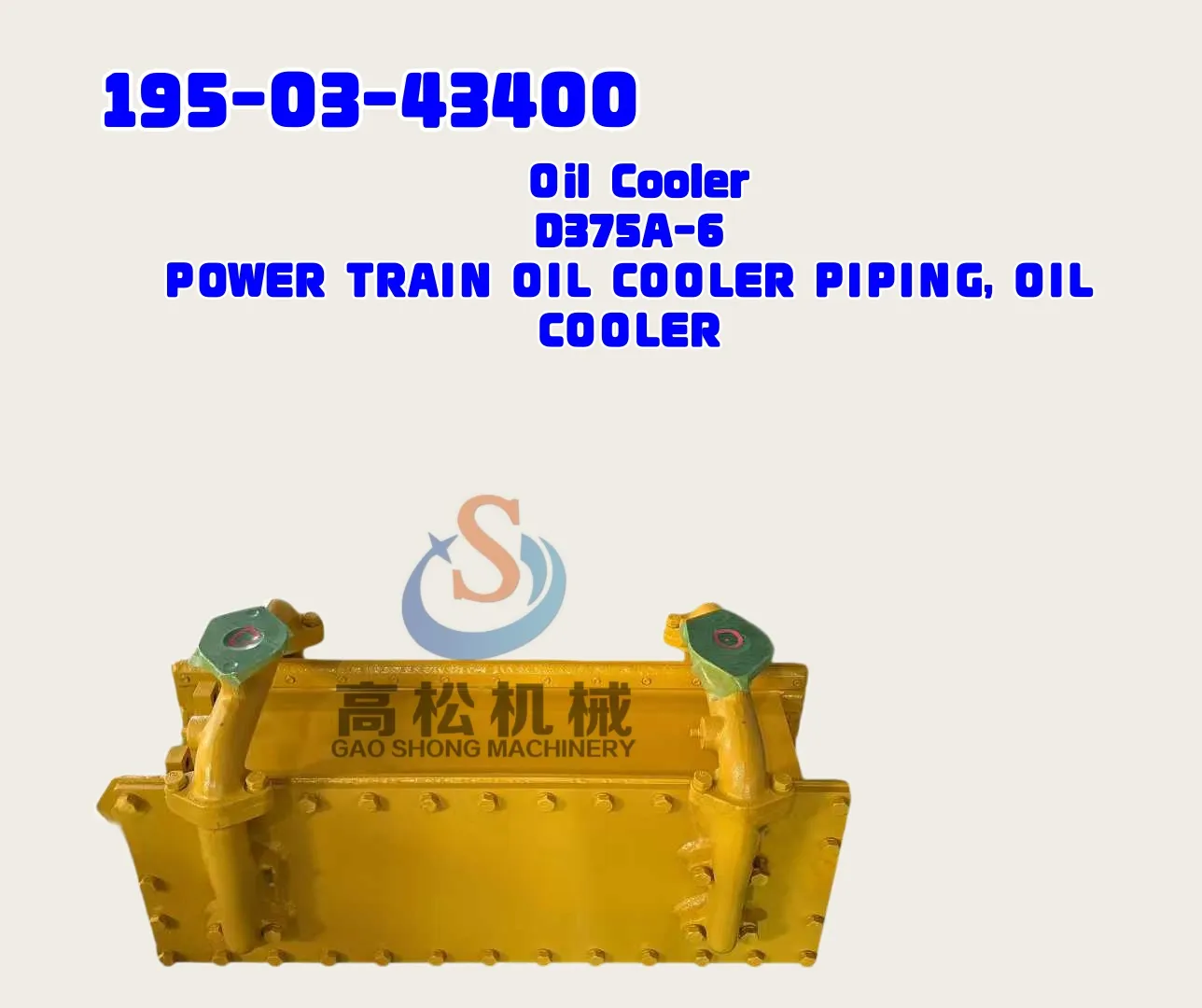 komatsu-part-195-03-43400 Oil Cooler D375A-6 D375A-6R POWER TRAIN OIL COOLER PIPING, OIL COOLER
 -
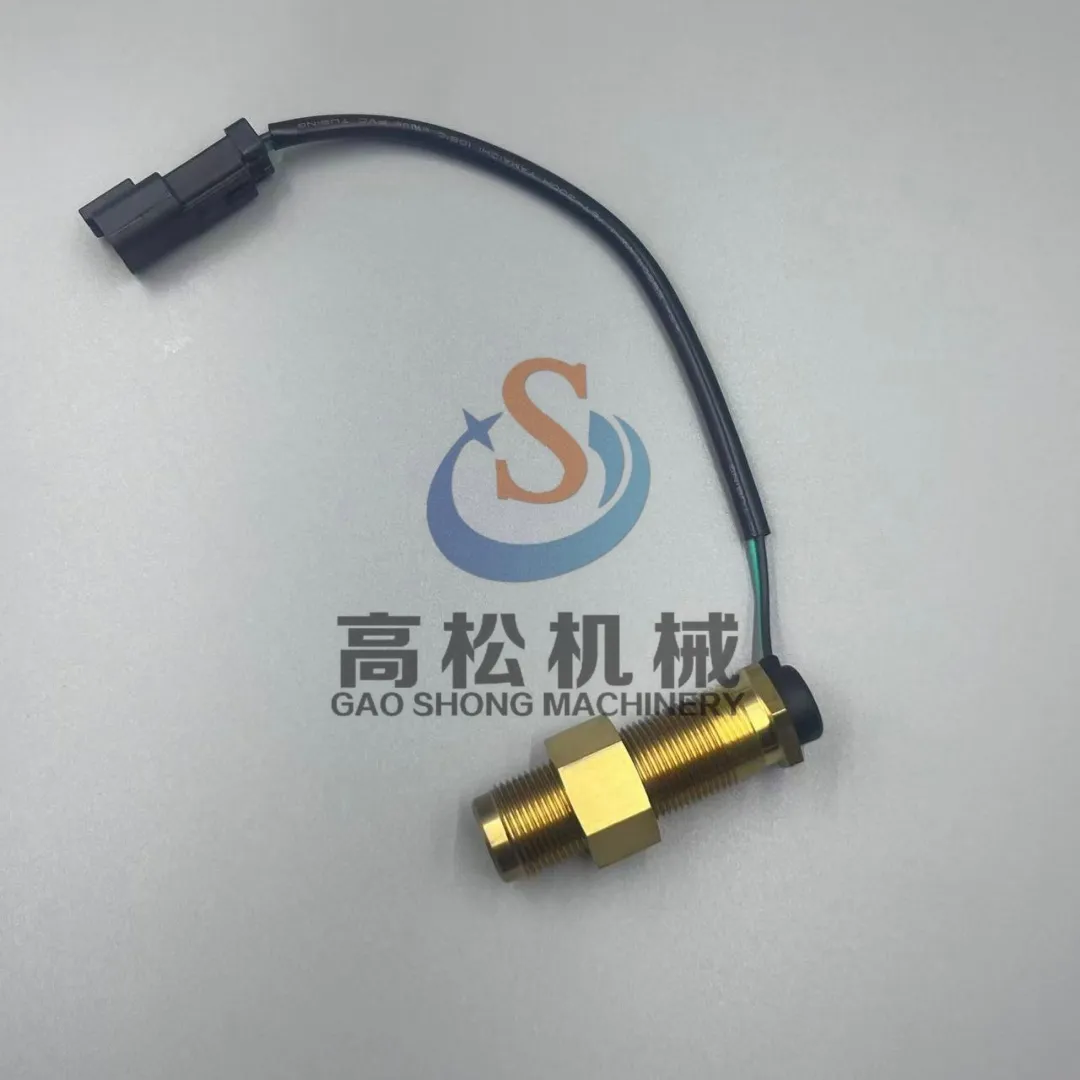 7861-92-2340 7861-93-2330 Fits for Komatsu PC200-3
 -
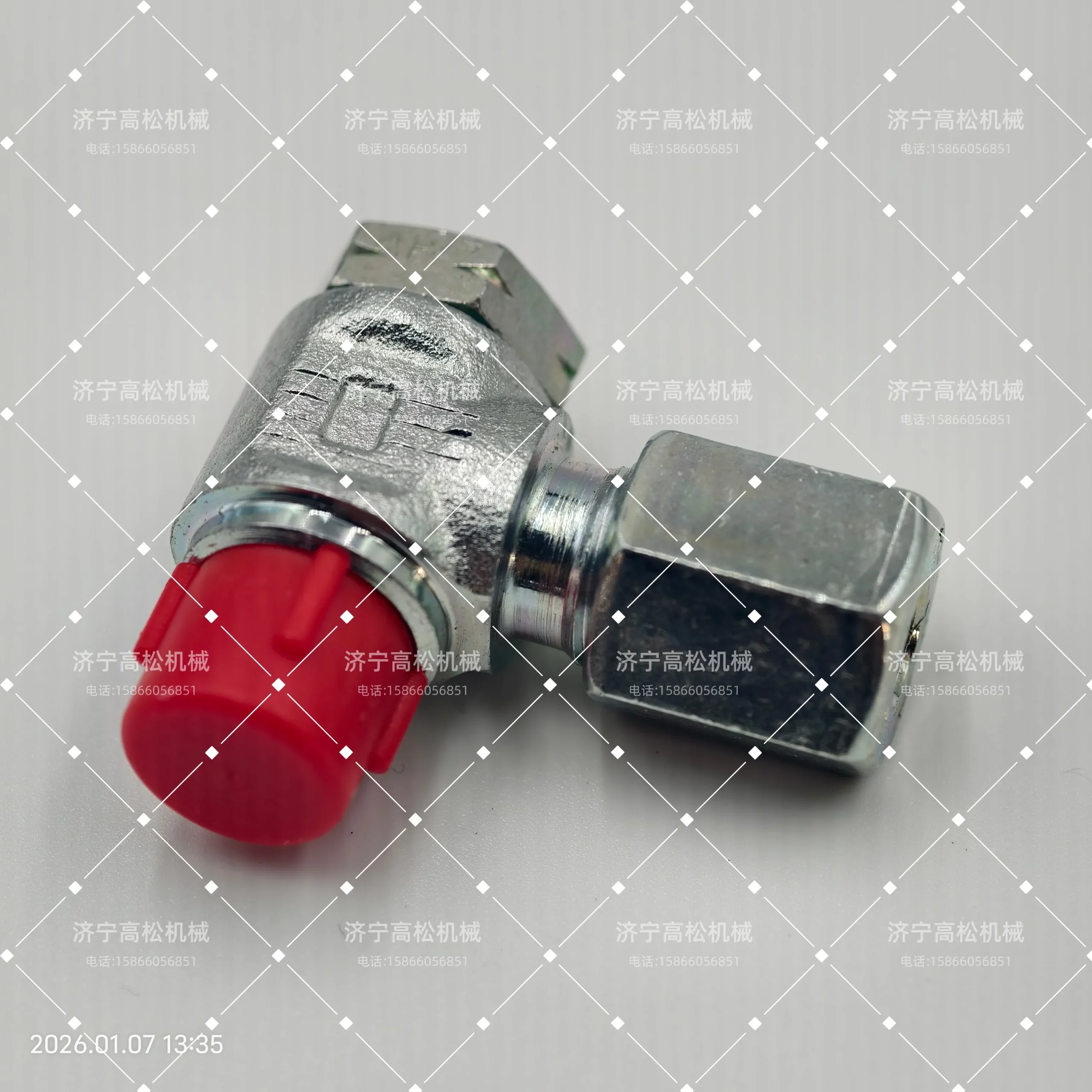 569-95-63520 – Connector fits KOMATSU
 -
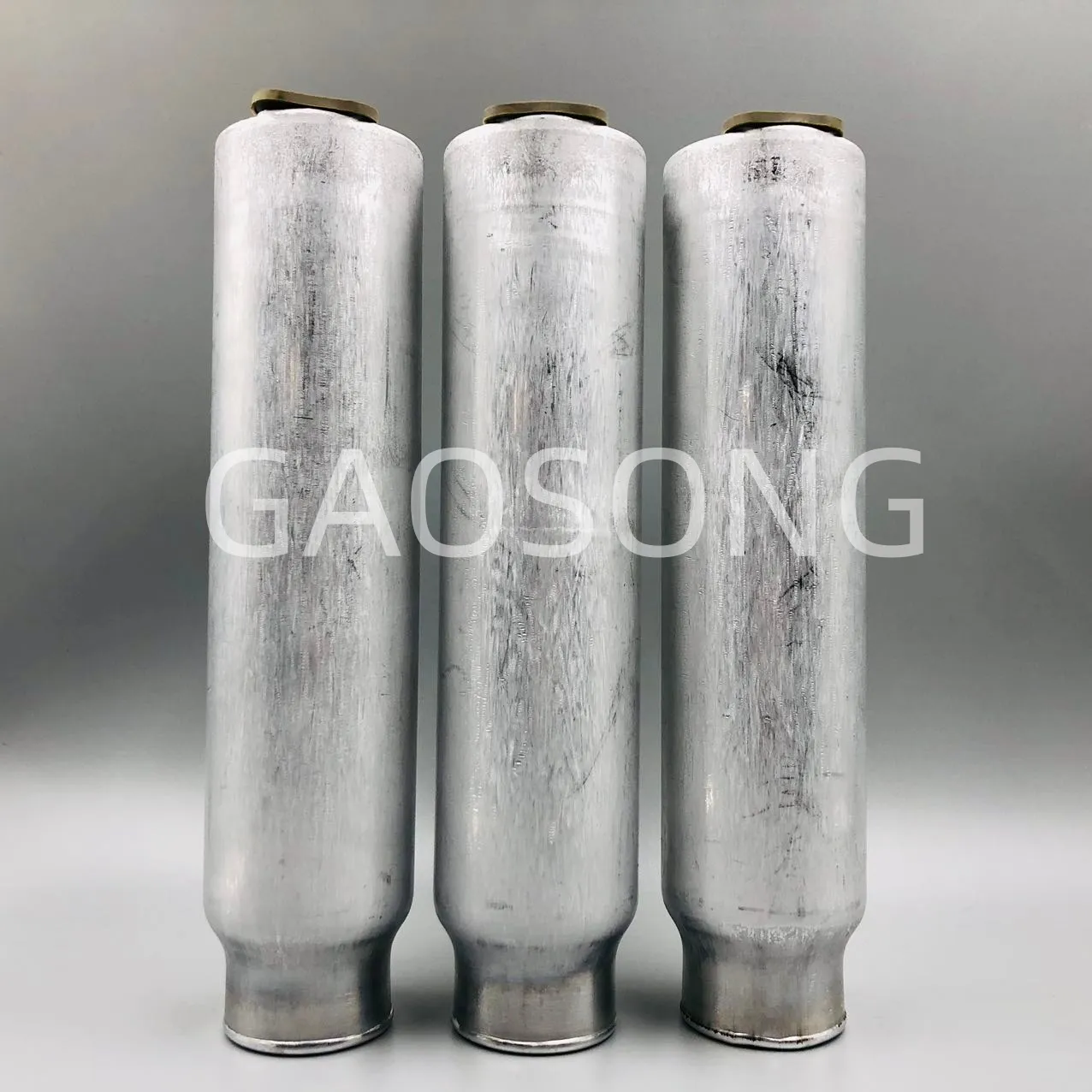 20Y-979-3120 TANK.-Komatsu Original Factory
 -
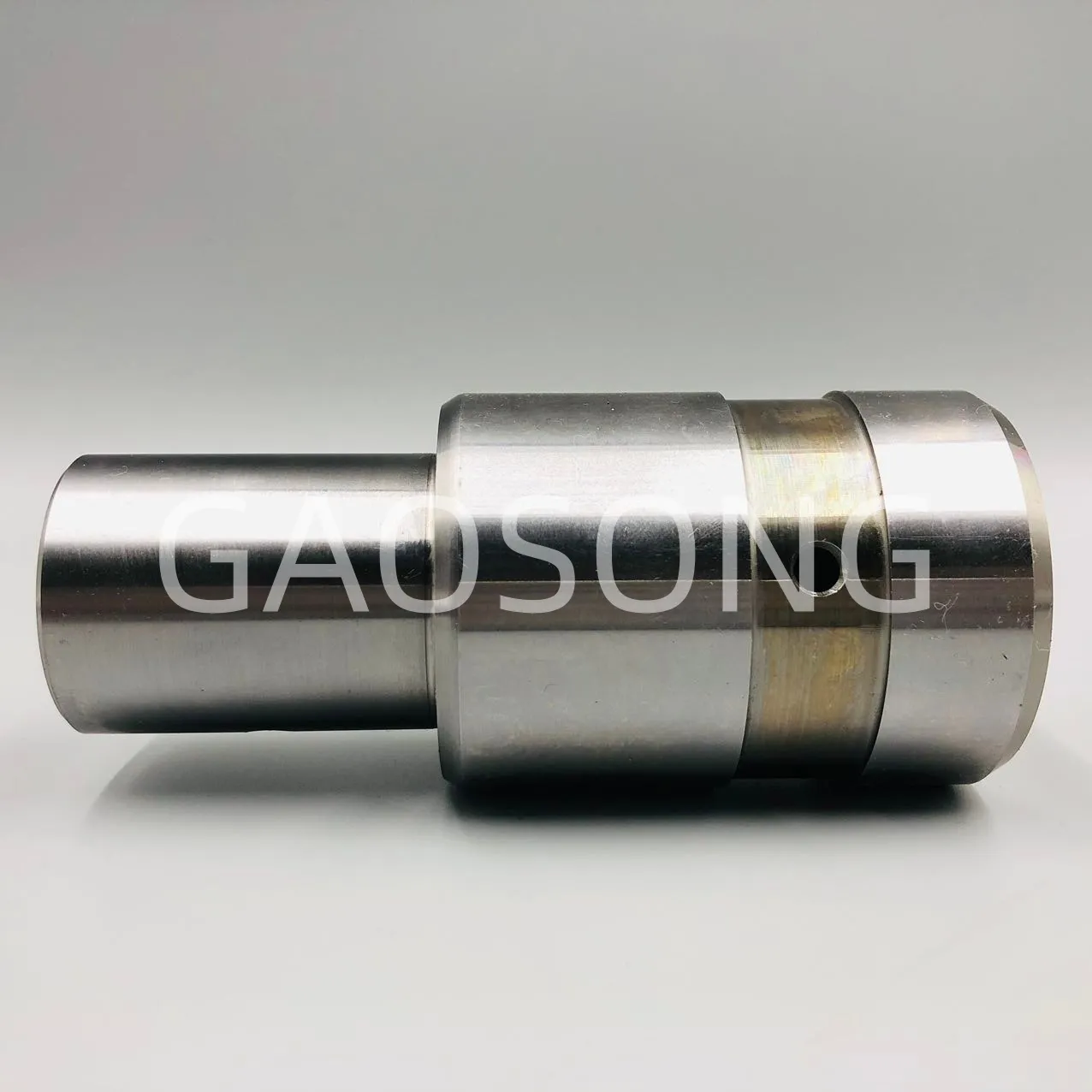 6240-61-4630 • SHAFT-Komatsu Original Factory
 -
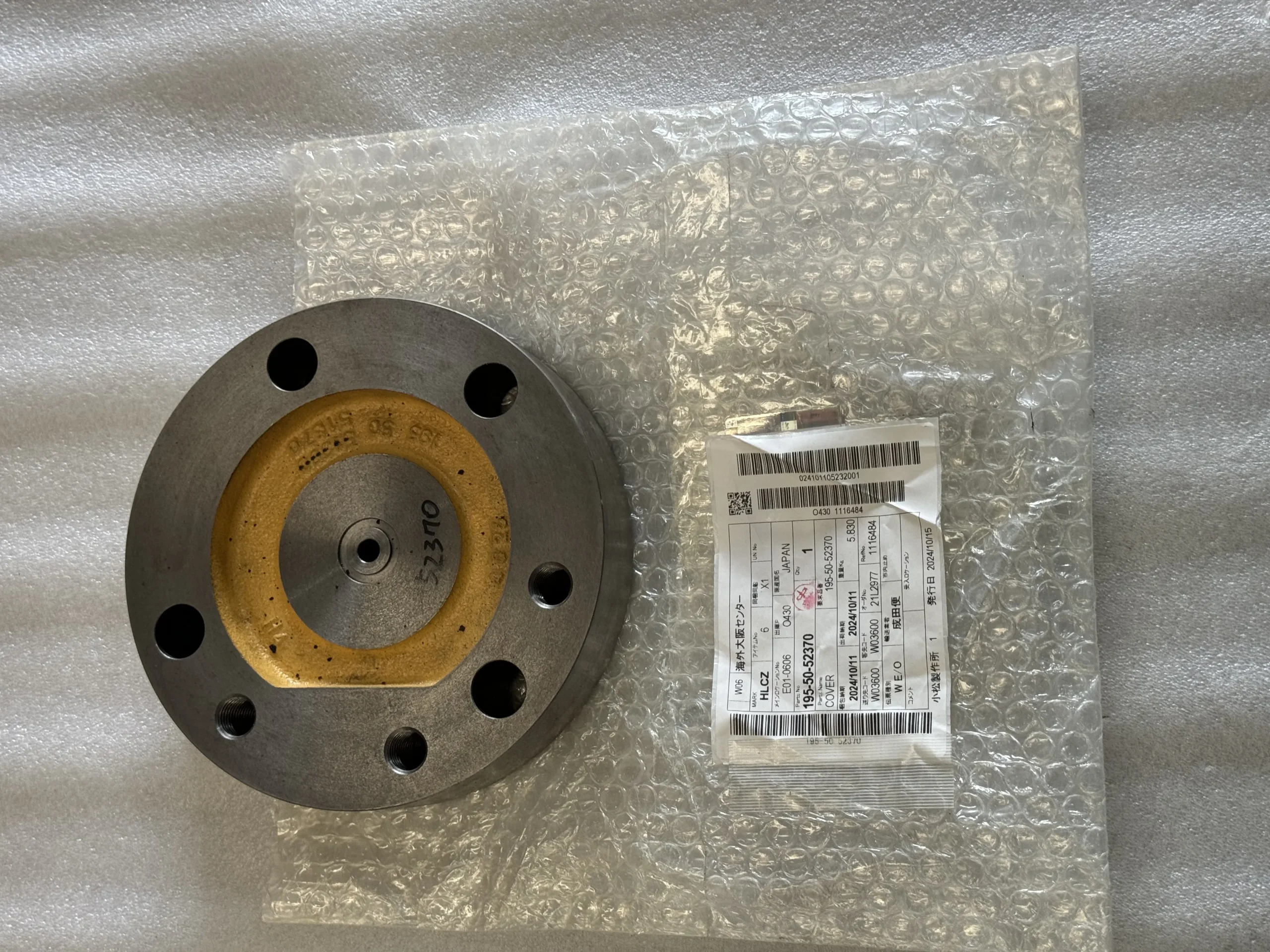 D375A-5 Cover 195-50-52370
 -
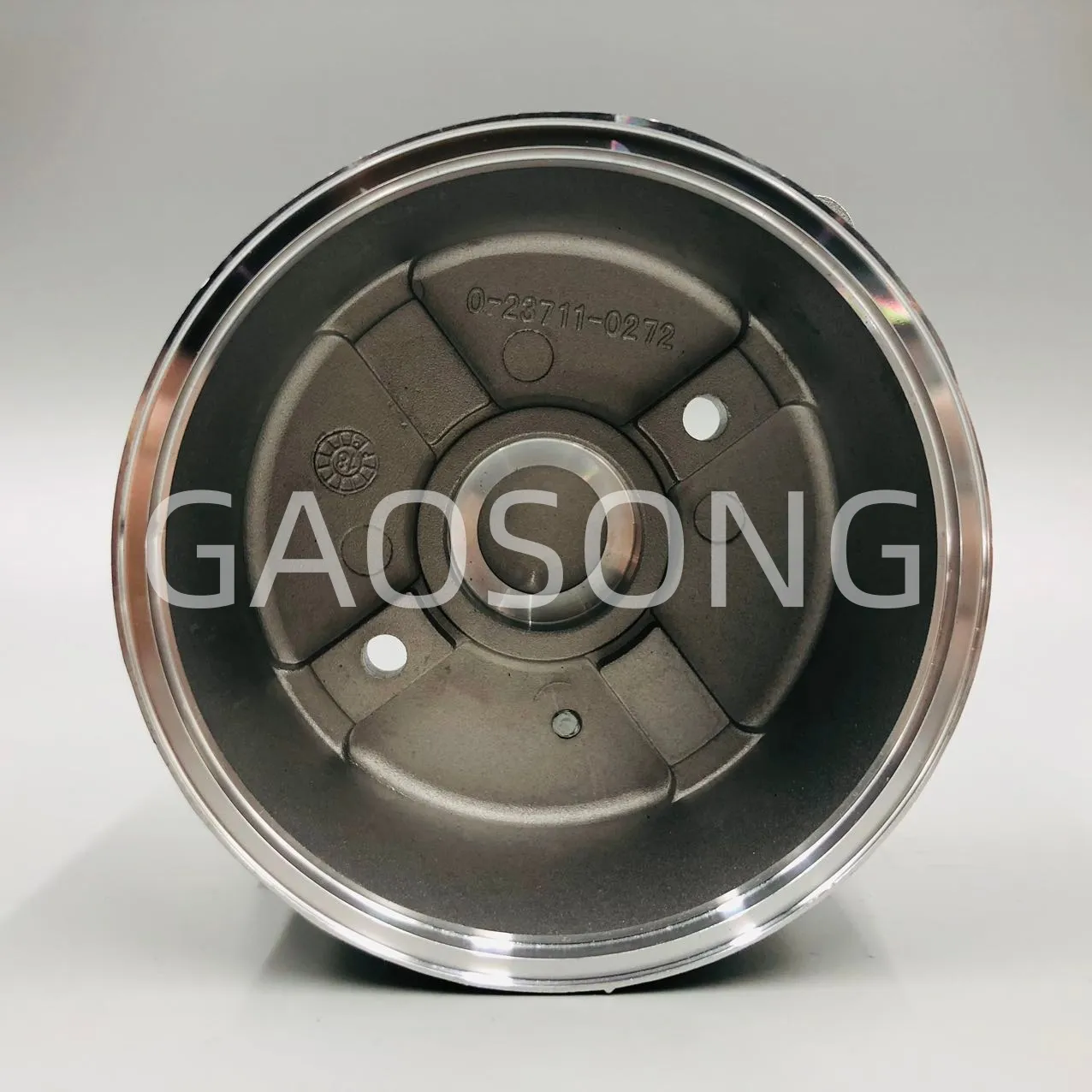 KD0-23700-0130 •• REAR BRACKET A-Komatsu Original Factory
 -
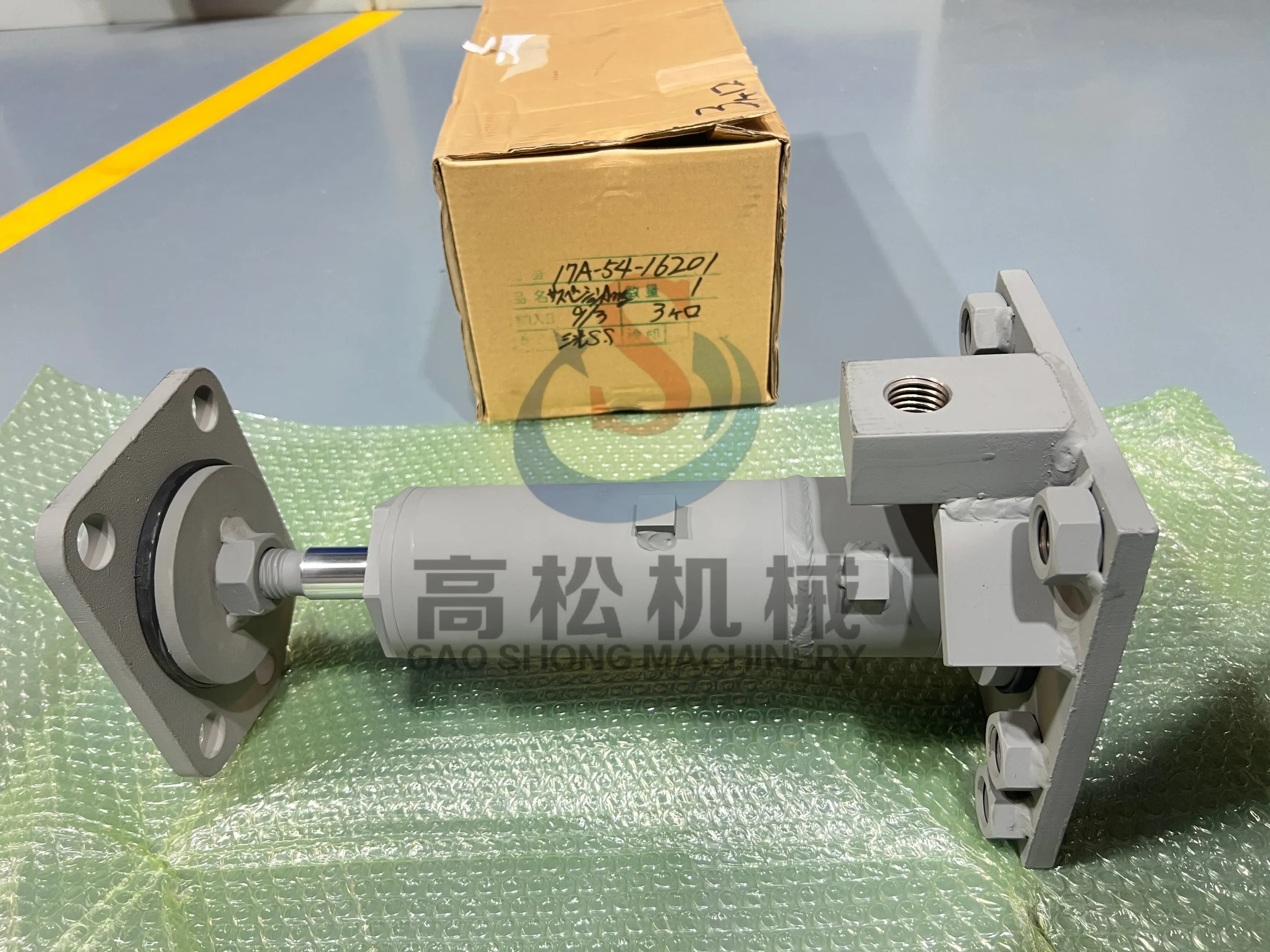 SUSPENSION ASS’Y 17A-54-16201 – KOMATSU
 -
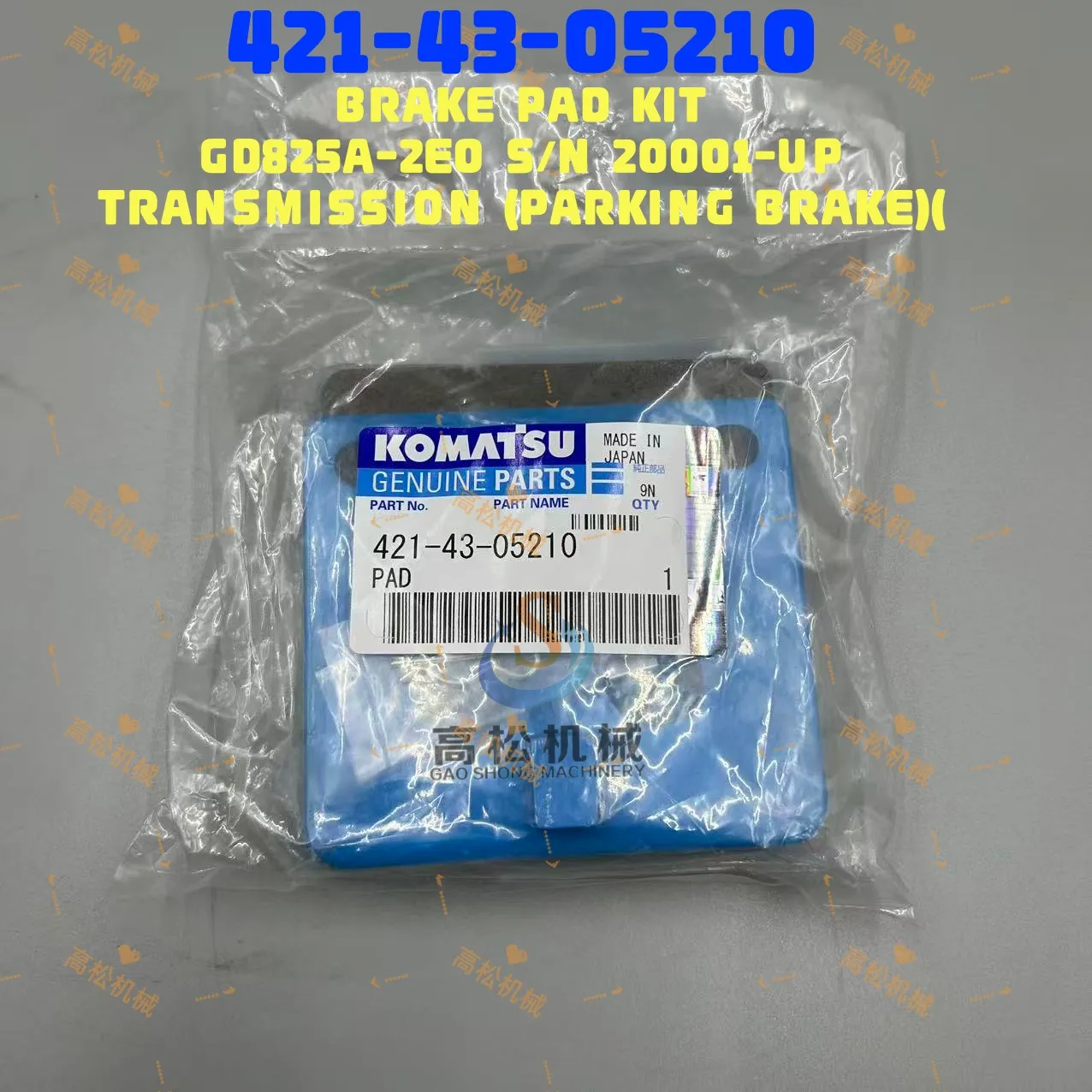 421-43-05210Brake pad kit 421-43-05210 for Komatsu GD825A-2 GD825A-2E0
 -
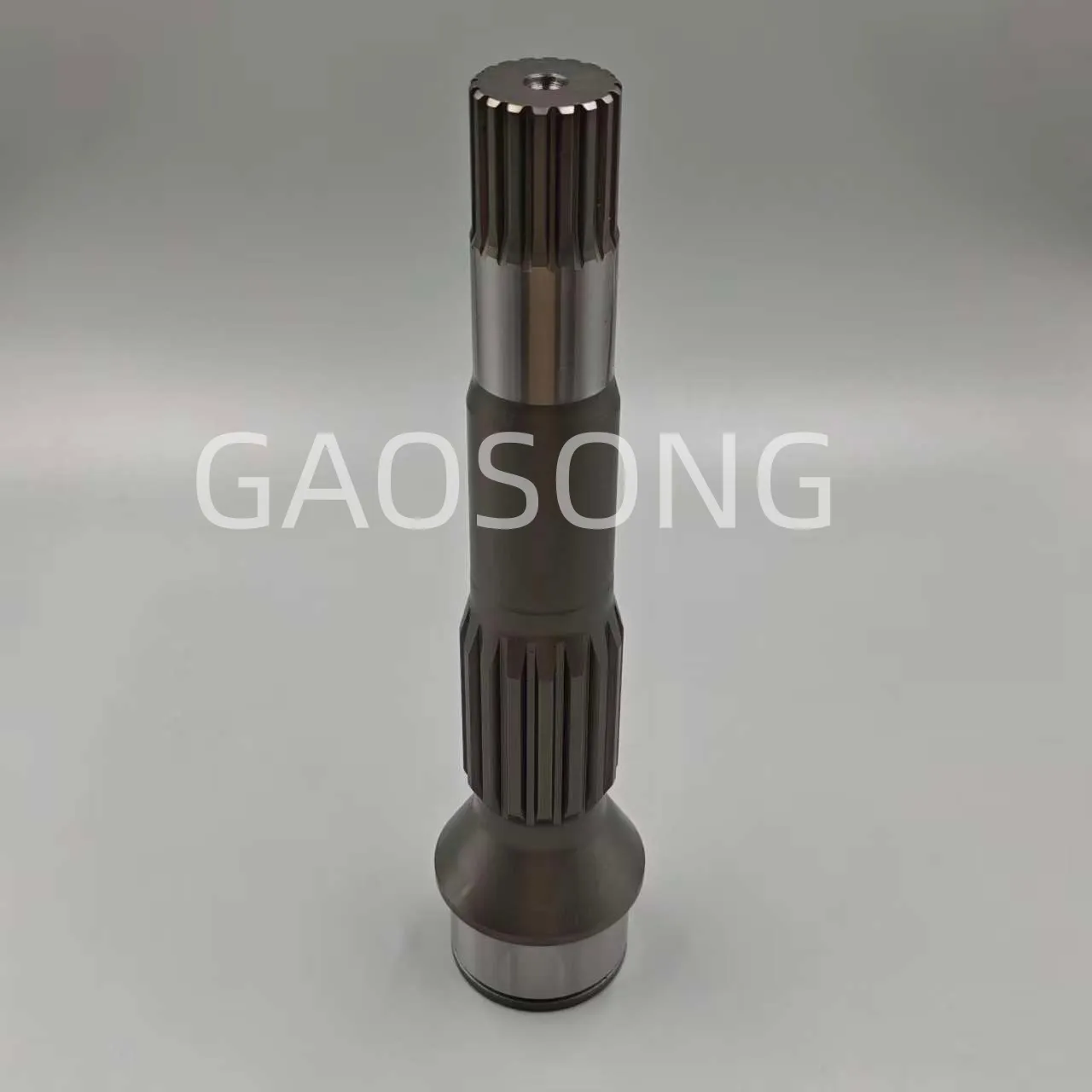 708-2G-12121 •• SHAFT-Komatsu Original Factory
 -
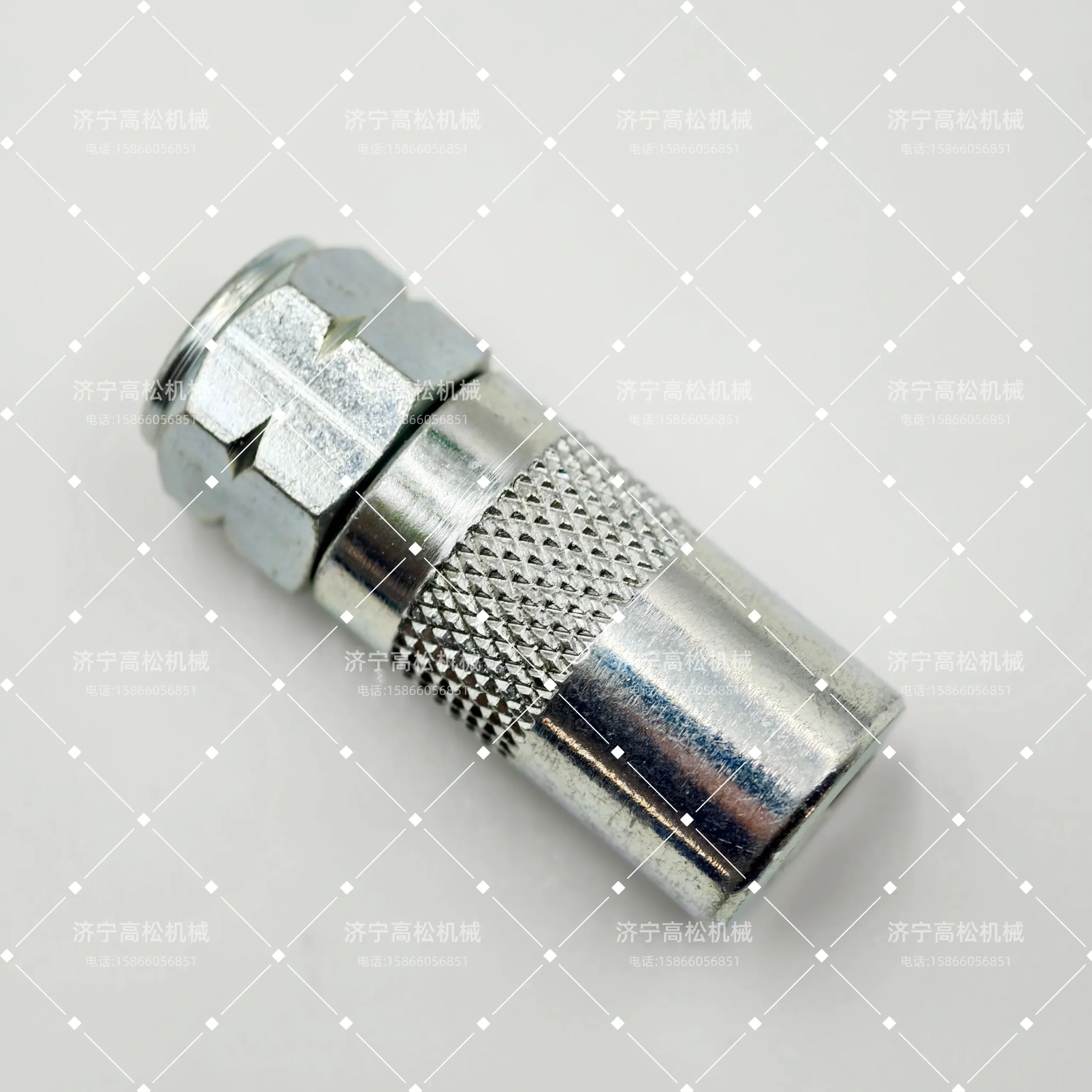 209-68-11640 Komatsu Coupling Assembly
 -
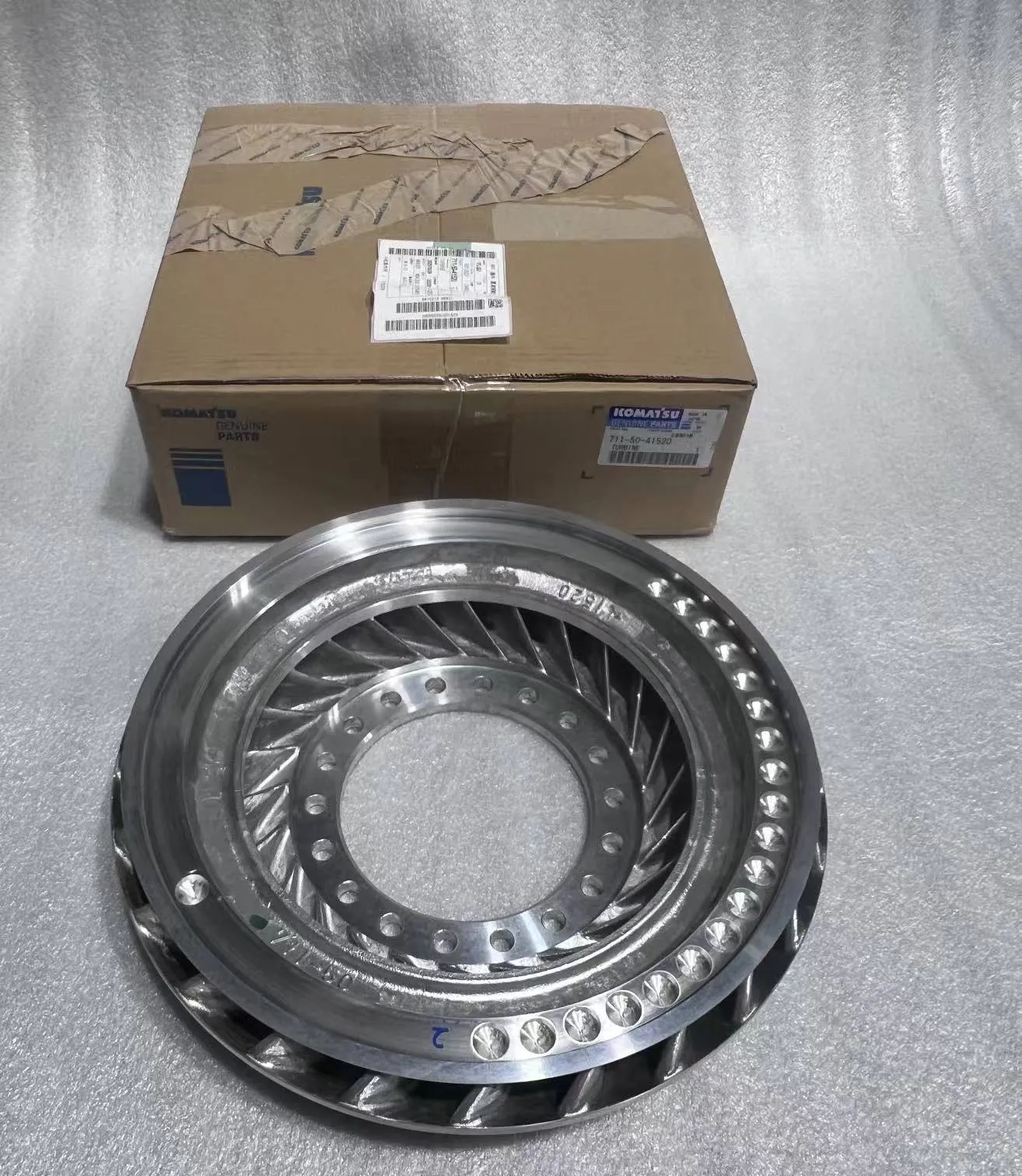 711-50-41520 Komatsu TURBINE