- Chinese
- French
- German
- Portuguese
- Spanish
- Russian
- Japanese
- Korean
- Arabic
- Irish
- Greek
- Turkish
- Italian
- Danish
- Romanian
- Indonesian
- Czech
- Afrikaans
- Swedish
- Polish
- Basque
- Catalan
- Esperanto
- Hindi
- Lao
- Albanian
- Amharic
- Armenian
- Azerbaijani
- Belarusian
- Bengali
- Bosnian
- Bulgarian
- Cebuano
- Chichewa
- Corsican
- Croatian
- Dutch
- Estonian
- Filipino
- Finnish
- Frisian
- Galician
- Georgian
- Gujarati
- Haitian
- Hausa
- Hawaiian
- Hebrew
- Hmong
- Hungarian
- Icelandic
- Igbo
- Javanese
- Kannada
- Kazakh
- Khmer
- Kurdish
- Kyrgyz
- Latin
- Latvian
- Lithuanian
- Luxembou..
- Macedonian
- Malagasy
- Malay
- Malayalam
- Maltese
- Maori
- Marathi
- Mongolian
- Burmese
- Nepali
- Norwegian
- Pashto
- Persian
- Punjabi
- Serbian
- Sesotho
- Sinhala
- Slovak
- Slovenian
- Somali
- Samoan
- Scots Gaelic
- Shona
- Sindhi
- Sundanese
- Swahili
- Tajik
- Tamil
- Telugu
- Thai
- Ukrainian
- Urdu
- Uzbek
- Vietnamese
- Welsh
- Xhosa
- Yiddish
- Yoruba
- Zulu
- Kinyarwanda
- Tatar
- Oriya
- Turkmen
- Uyghur






Where to buy Komatsu PC200 bucket teeth?
2026-02-28
You’d think finding a genuine Komatsu PC200 bucket tooth is straightforward, but that’s the first trap. Many just search online and end up with parts that fit but fail under pressure, or worse, damage the adapter system. The real question isn’t just ‘where,’ but ‘from whom’—and how to verify what you’re getting isn’t just a lookalike.
The Core Problem: Genuine vs. Fits Komatsu
Let’s cut to the chase. The biggest headache in sourcing these teeth is the blurry line between OEM, aftermarket, and outright counterfeit. A tooth stamped with the Komatsu logo doesn’t guarantee it came from Komatsu. I’ve seen boxes that look perfect, but the metal grade is off. They might last half the time, causing unexpected downtime that costs more than the part itself. The term Komatsu PC200 bucket teeth gets thrown around loosely by suppliers who are just selling generic castings.
This is where direct channels matter. If you’re operating in a region with a strong Komatsu distributor network, that’s your safest bet. But here’s the catch: what if you’re in a country where that network is thin, or official parts are stuck in lengthy supply chains? You need a workaround. That’s when third-party suppliers within the Komatsu ecosystem become critical. They’re not just resellers; they understand the specs and often help clear logistical bottlenecks.
I recall a project in Southeast Asia where we waited six weeks for a set of teeth through standard channels. The machine was idle. We finally sourced through a company that specifically markets itself as solving supply challenges in certain countries. The teeth arrived in 10 days, packaged with Komatsu OEM labels and documentation traceable back to the factory. It was a lesson: the right partner bridges the gap between the official system and the ground reality.
Evaluating a Supplier: More Than a Website
Anyone can build a shiny website. The real test is in the details. When I evaluate a source, I first look for specificity. Do they list the exact part numbers for the PC200-8 or PC200-10? There are differences. A good sign is when they list teeth by the Komatsu tooth style (like 2H, 3H) and the adapter group. Vague listings are a red flag.
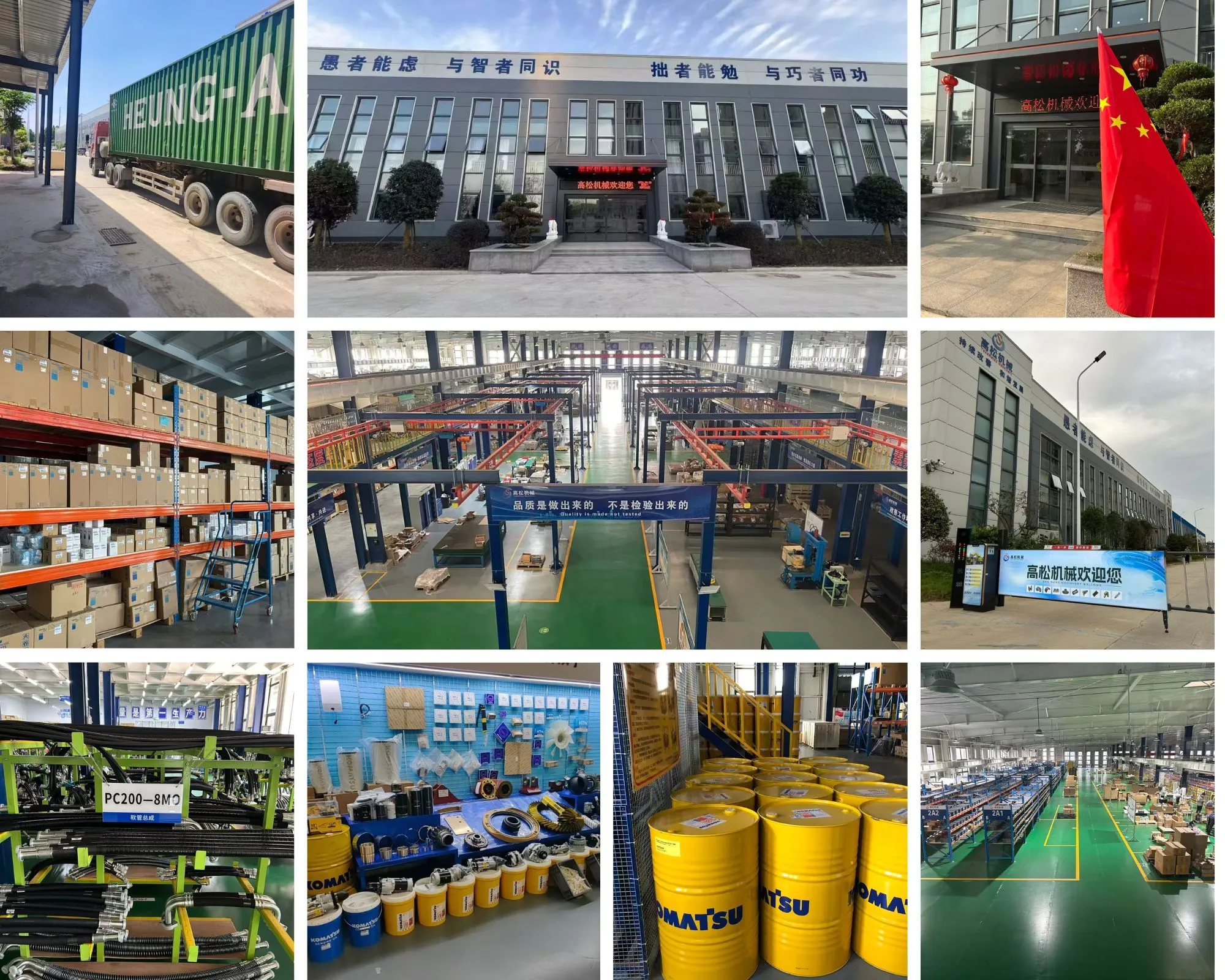
Then, there’s the claim of being an OEM product supplier within the Komatsu system. This is a specific status. It doesn’t mean they are Komatsu, but it implies a formal supply agreement to produce or distribute genuine components. You need to probe this. For instance, Jining Gaosong Construction Machinery Co., Ltd. positions itself this way. Their site, https://www.takematsumachinery.com, states they are an OEM product supplier within the Komatsu system and a third-party sales company, helping solve parts supply challenges. This is a credible profile because it addresses the exact pain point: availability in underserved markets.
I’d always recommend a direct inquiry. Ask for material certificates or batch numbers. A reputable supplier won’t hesitate. If they only talk price and avoid technical specs, walk away.
The Logistics and Cost Reality Check
Buying the tooth is one thing; getting it to your site is another. Freight for heavy, dense items like teeth can sometimes match the product cost. A supplier with experience in your region will know the efficient routes. From my experience, a company that explicitly mentions solving supply challenges in certain countries has already navigated these customs and shipping hurdles. They often consolidate shipments, which saves money and time.
Don’t just compare unit price. Compare landed cost. That includes duties, taxes, and port fees. A slightly higher unit price from a supplier who handles all that via DDP (Delivered Duty Paid) incoterms can be far cheaper and less stressful than a bargain-basement price on FOB terms that leaves you with a mountain of paperwork and unexpected charges.
Also, consider minimum order quantities. For a single set of teeth, you might need to go through a local dealer. But for a fleet, dealing directly with a supplier like the one mentioned can make sense. They might offer mixed containers with other wear parts like side cutters and adapters, optimizing the shipment.
When Things Go Wrong: The Fit and Wear Test
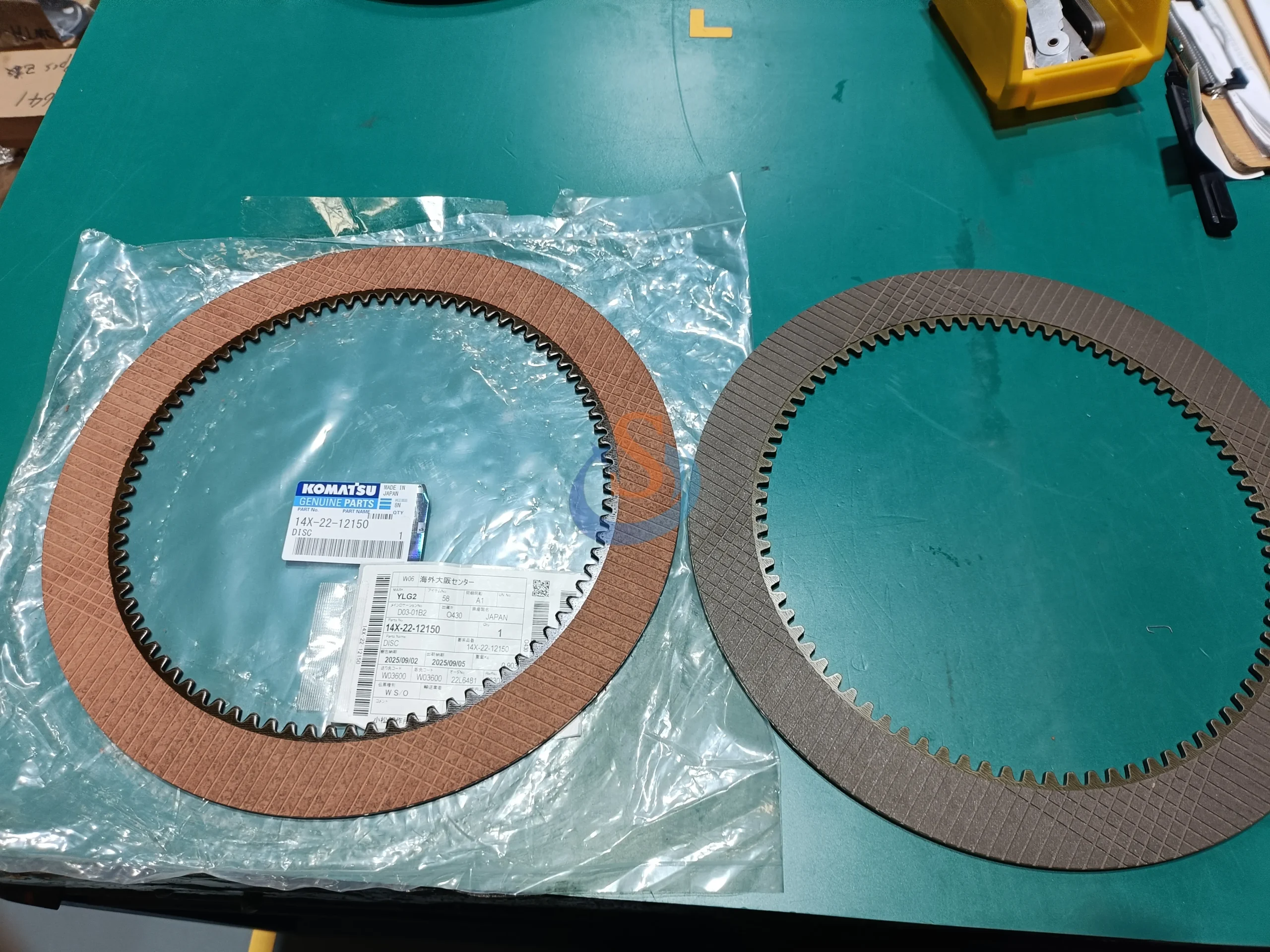
Even with the best sourcing, you must inspect upon arrival. The first fit is crucial. A genuine Komatsu tooth should seat onto the adapter with a solid, metallic ‘clunk’ from the lock, without excessive hammering. If it’s a struggle, something’s off—either the tooth or the adapter is worn or out of spec. I’ve had batches where one in ten teeth had a slight casting flaw in the lock groove. The supplier replaced them immediately, no questions. That’s service.
Then, monitor the wear. Authentic Komatsu teeth wear evenly. Premature cracking or chipping, especially at the tip or the back corner, suggests inferior steel or heat treatment. Keep a record. This data is gold for your next purchase negotiation and for holding the supplier accountable.
It’s also worth building a relationship with a technical contact, not just a salesperson. They can advise on tooth selection (maybe a different point style is better for your material) and warn you about common compatibility issues with specific machine serial number ranges.
The Final Verdict: A Practical Sourcing Path
So, where to buy? Start with your local Komatsu dealer. If they’re responsive and stock is good, stop there. If not, your search should target specialized intermediaries with formal ties to Komatsu. Look for the specific language: OEM product supplier within the Komatsu system. Verify it with technical dialogue.
Companies like Jining Gaosong, with their stated dual role, exist for this niche. They aren’t the only ones, but their model is correct. Use their website as a starting point for a conversation. Ask for references in your region. The goal is to establish a reliable pipeline, not just a one-time buy.
Ultimately, buying Komatsu PC200 bucket teeth is about risk management. The cheapest option carries the highest risk of machine damage and downtime. The right supplier reduces that risk, even if the price per piece isn’t the absolute lowest. Your time and machine availability are worth more. Find a partner who understands that calculus, and you’ve solved the problem for the long haul.