
- Chinese
- French
- German
- Portuguese
- Spanish
- Russian
- Japanese
- Korean
- Arabic
- Irish
- Greek
- Turkish
- Italian
- Danish
- Romanian
- Indonesian
- Czech
- Afrikaans
- Swedish
- Polish
- Basque
- Catalan
- Esperanto
- Hindi
- Lao
- Albanian
- Amharic
- Armenian
- Azerbaijani
- Belarusian
- Bengali
- Bosnian
- Bulgarian
- Cebuano
- Chichewa
- Corsican
- Croatian
- Dutch
- Estonian
- Filipino
- Finnish
- Frisian
- Galician
- Georgian
- Gujarati
- Haitian
- Hausa
- Hawaiian
- Hebrew
- Hmong
- Hungarian
- Icelandic
- Igbo
- Javanese
- Kannada
- Kazakh
- Khmer
- Kurdish
- Kyrgyz
- Latin
- Latvian
- Lithuanian
- Luxembou..
- Macedonian
- Malagasy
- Malay
- Malayalam
- Maltese
- Maori
- Marathi
- Mongolian
- Burmese
- Nepali
- Norwegian
- Pashto
- Persian
- Punjabi
- Serbian
- Sesotho
- Sinhala
- Slovak
- Slovenian
- Somali
- Samoan
- Scots Gaelic
- Shona
- Sindhi
- Sundanese
- Swahili
- Tajik
- Tamil
- Telugu
- Thai
- Ukrainian
- Urdu
- Uzbek
- Vietnamese
- Welsh
- Xhosa
- Yiddish
- Yoruba
- Zulu
- Kinyarwanda
- Tatar
- Oriya
- Turkmen
- Uyghur





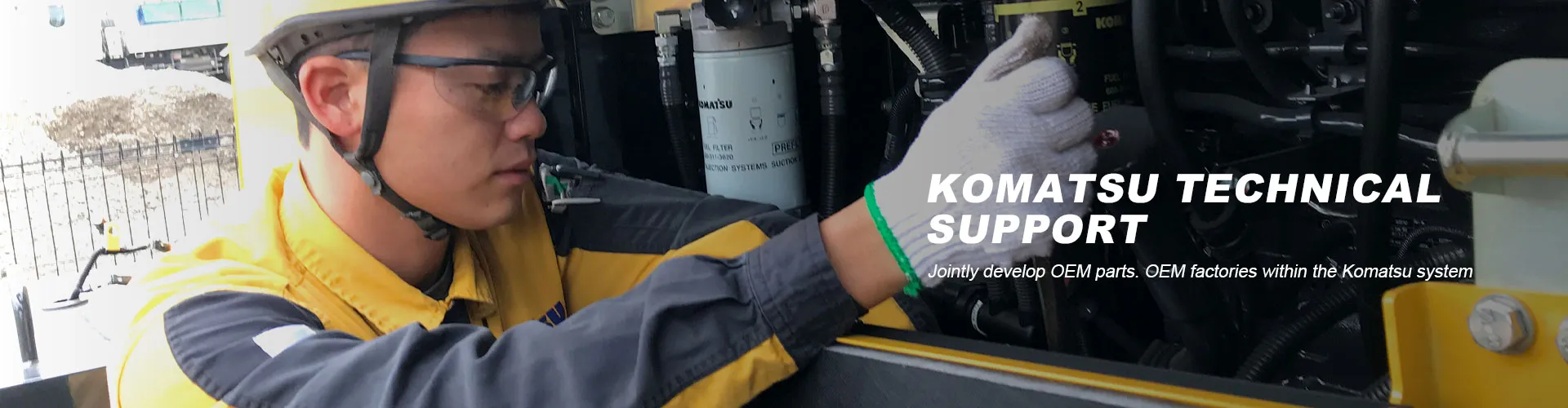
na parts komatsu
When you hear 'na parts komatsu', it's easy to just think of North American market specs. But in the trenches, it's never that clean. The real story is about fit, form, function, and a whole lot of cross-referencing headaches that catalogues don't show you. I've seen too many guys order a part labeled for a Komatsu PC360LC-8 NA spec, only to find the hydraulic fitting is different because the machine was actually built for Canada with a specific emissions package. That 'NA' tag can be misleading; it's a starting point, not a guarantee.
The OEM Promise and the On-Ground Reality
Working with an OEM supplier within the Komatsu system, like Jining Gaosong, you get a different perspective. Their position as an OEM product supplier means they see the blueprints and the bill of materials. But their parallel role as a third-party sales company exposes the gaps. The official channels are perfect for current models under warranty, but what about the PC400-6 that's still digging ten hours a day in a quarry? The parts supply challenges in certain regions aren't about availability, they're about logistics, cost, and downtime. An OEM-supplied seal kit might take six weeks, but the machine is down now.
This is where the practical knowledge kicks in. I recall a situation with a Komatsu WA470-6 wheel loader. The customer needed the steering cylinder. The NA system showed one part number. However, by checking the serial number prefix and cross-referencing with the supplier's data—the kind of deep access a company like Gaosong has—we identified it was a machine built for the Mexican market with a different pump supplier, hence a slightly different rod end. Sending the standard NA part would have meant another week of downtime and a frustrated customer.
The value isn't just in having the part; it's in having the context. A website like https://www.takematsumachinery.com becomes useful not as a simple storefront, but as a portal to entities that understand this duality. Their company description isn't marketing fluff; it's a operational model. They can provide the genuine Komatsu part when it's critical, but they can also help source or validate a compatible component when the situation demands a pragmatic solution. That's solving the real challenge.
Decoding the NA Designation Beyond Geography
Let's get more granular. 'NA' often ties to emissions (Tier 4 Final, mainly), but it also dictates ancillary systems. The air conditioning compressor on a Komatsu dozer for the Gulf Coast versus one for Alberta will have different specs, even though both fall under a broad NA category. The part numbers might differ by a single digit. I learned this the hard way early on, assuming climate packages were standard. They're not. The komatsu system is incredibly nuanced.
Another layer is the aftermarket. When you're dealing with a third-party sales company, their inventory intelligence is key. They often know which aftermarket manufacturers are hitting the mark on quality for specific components. For instance, a final drive seal on a Dash-3 model might be perfectly served by a high-quality aftermarket alternative, while the main control valve for a Dash-8 should be strictly OEM. This judgment call comes from seeing failure rates, not just spec sheets.
I remember trying to save a customer money on a hydraulic hose assembly for a Komatsu excavator. We went with a generic 'equivalent' that matched the NA spec length and fitting type. It failed in three months. The issue? The original Komatsu hose had a specific wire braid pattern to handle high-frequency pressure spikes from that particular model's pump. The generic hose didn't. The cost saving was wiped out by a second service call and more downtime. Sometimes, the OEM premium is just the cost of doing business right.
The Serial Number: Your Only Reliable Truth
Forget the model plate alone. The serial number is the DNA. Any professional worth their salt, and any competent supplier, starts there. The model PC300LC-8MO is just the family. The serial number tells you the factory, the production year, and the specific configuration bundle. This is how you truly identify the correct na parts. I've built a habit of taking a photo of the serial number tag before I even start looking up parts. It saves everyone time and grief.
Suppliers embedded in the komatsu ecosystem use this data differently. An OEM channel might use it to pull up the exact, pristine factory part. A third-party partner like the one mentioned might use it to run a cross-reference across multiple databases—OEM, aftermarket, and even salvage—to present options. For an older machine, a quality used component from a certified salvage machine can be a more rational choice than a brand-new, exorbitantly priced part. The goal is machine uptime, not purity.
There's a dozer, a Komatsu D65EX-18, that comes to mind. The undercarriage parts are brutal on cost. The serial number revealed it was a late-model -18 with the upgraded track links. A supplier with broad market insight was able to locate a new-old-stock set of links from a compatible model that was never commissioned, at a fraction of the current list price. That deal didn't come from a web search; it came from a supplier's network and their understanding of parts interchangeability deep within the NA spec variants.
Building a Reliable Supply Chain for the Long Haul
This business isn't transactional; it's relational. You find a few key partners who get it. You need someone who can provide the certified OEM part when it's non-negotiable (think electronics, engine controllers). But you also need them to be honest when an alternative exists. The description of helping to solve parts supply challenges is exactly this. It's not just selling a box; it's providing a solution that considers time, cost, and machine integrity.
For fleet managers, this means vetting your suppliers on their diagnostic ability. Can they ask the right questions? What's the serial number? What's the symptom? Is this for scheduled maintenance or a breakdown? The answers dictate the path. A scheduled rebuild allows for OEM lead times. A breakdown on a critical machine might justify a premium for air freight or a validated alternative.
My own network includes a handful of these hybrid suppliers. Their value peaks during a crisis. When a hydraulic pump on a Komatsu HD785-7 truck failed on a remote site, the local Komatsu dealer's lead time was 12 weeks. A call to a partner with third-party reach had a fully remanufactured unit, with core exchange, on a truck in 48 hours. It wasn't the factory-original part number, but it was a reman to OEM specifications for that exact serial number range. The truck was running in four days. That's solving the challenge.
Conclusion: Pragmatism Over Pedigree
So, when you're digging into the world of na parts komatsu, move beyond the acronym. See it as a complex map of regulations, configurations, and real-world wear. The most effective approach is to partner with resources that have multiple lanes of access—the OEM purity for when it's essential, and the pragmatic, experienced-based third-party insight for when reality bites. It's about keeping the iron moving.
The ideal isn't a warehouse full of every part. It's a network full of the right knowledge. It's knowing that a part from a Komatsu for the Brazilian market might, in some cases, fit a North American machine if you understand the engineering variances. That's the level of depth required. It's messy, imperfect, and far from the clean world of parts diagrams, but it's how machines actually get fixed and fleets stay profitable.
In the end, your best tool isn't a credit card with a parts website. It's the relationship with a supplier who understands the whole picture, like the dual role outlined by Jining Gaosong. That relationship turns the challenge of sourcing a specific komatsu part into a solved problem, not a waiting game. You stop looking for parts and start finding solutions.
Related Products
Related Products

Best Selling Products
Best Selling Products-
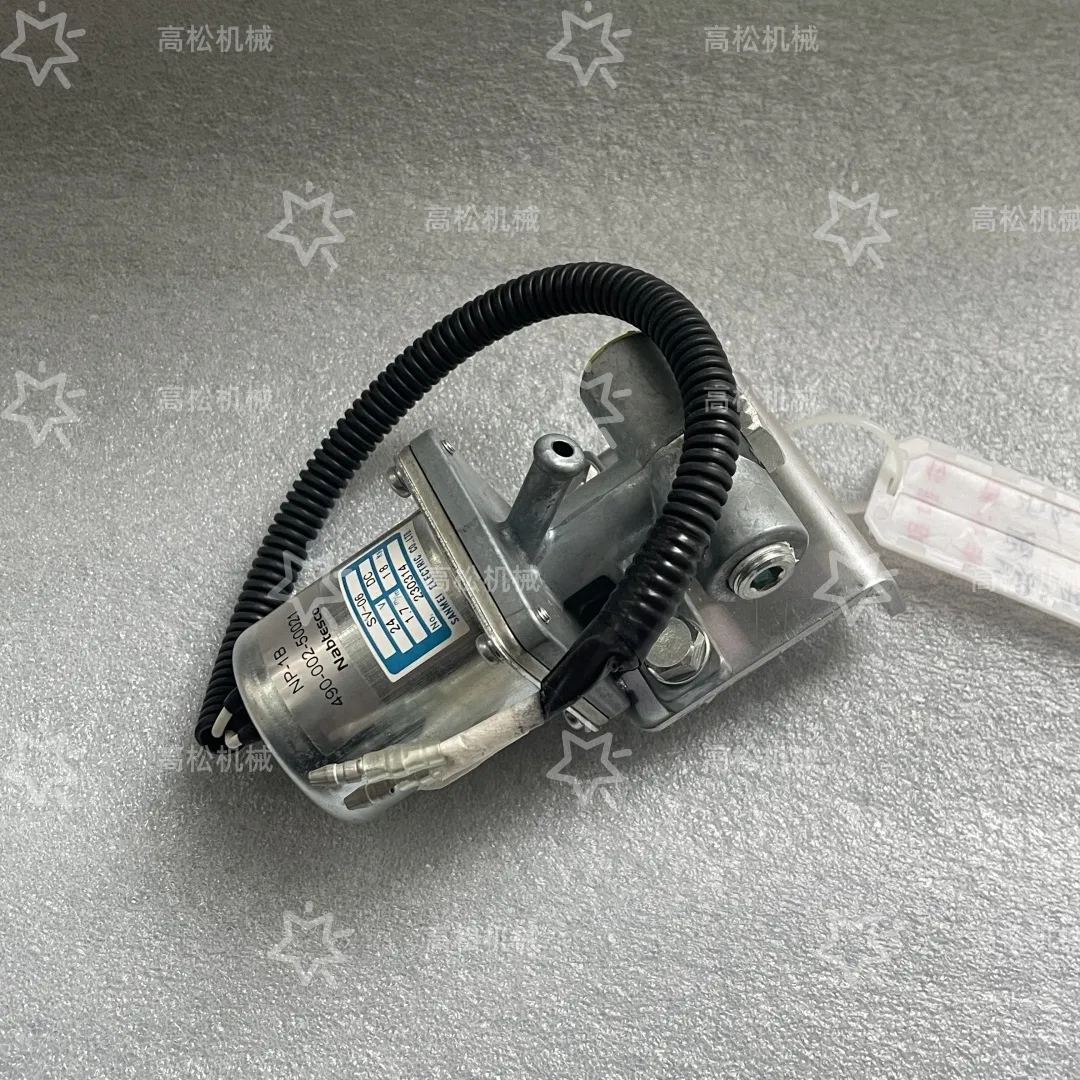 234-44-61430SOLENOID VALVE 234-44-61430 BANK CUTTING CONTROL PIPING AUTO TRANSMISSION SPEC for GD705/825
 -
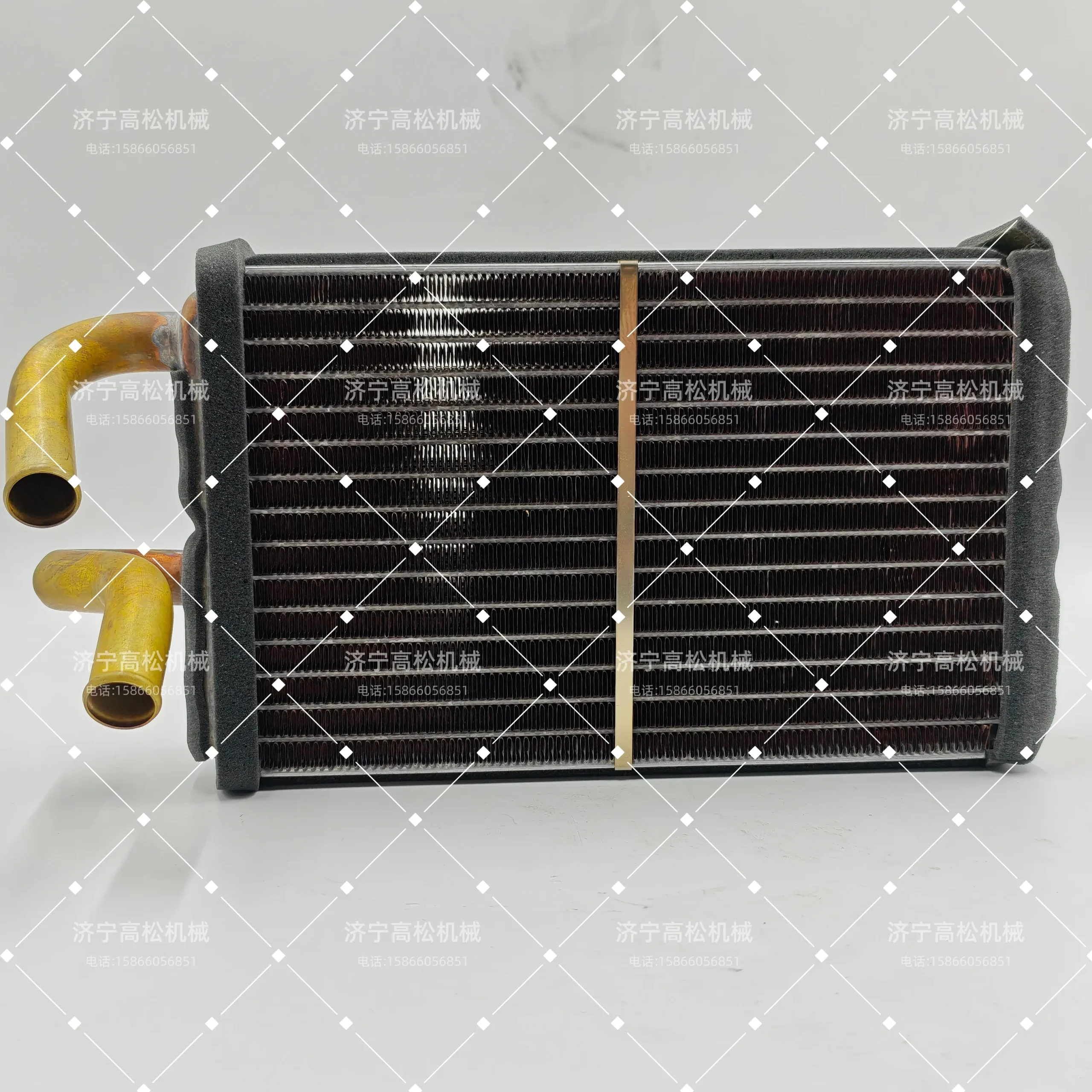 Genuine ND116410-9681 Unit Sub Assy for HD255, HD465, HD605
 -
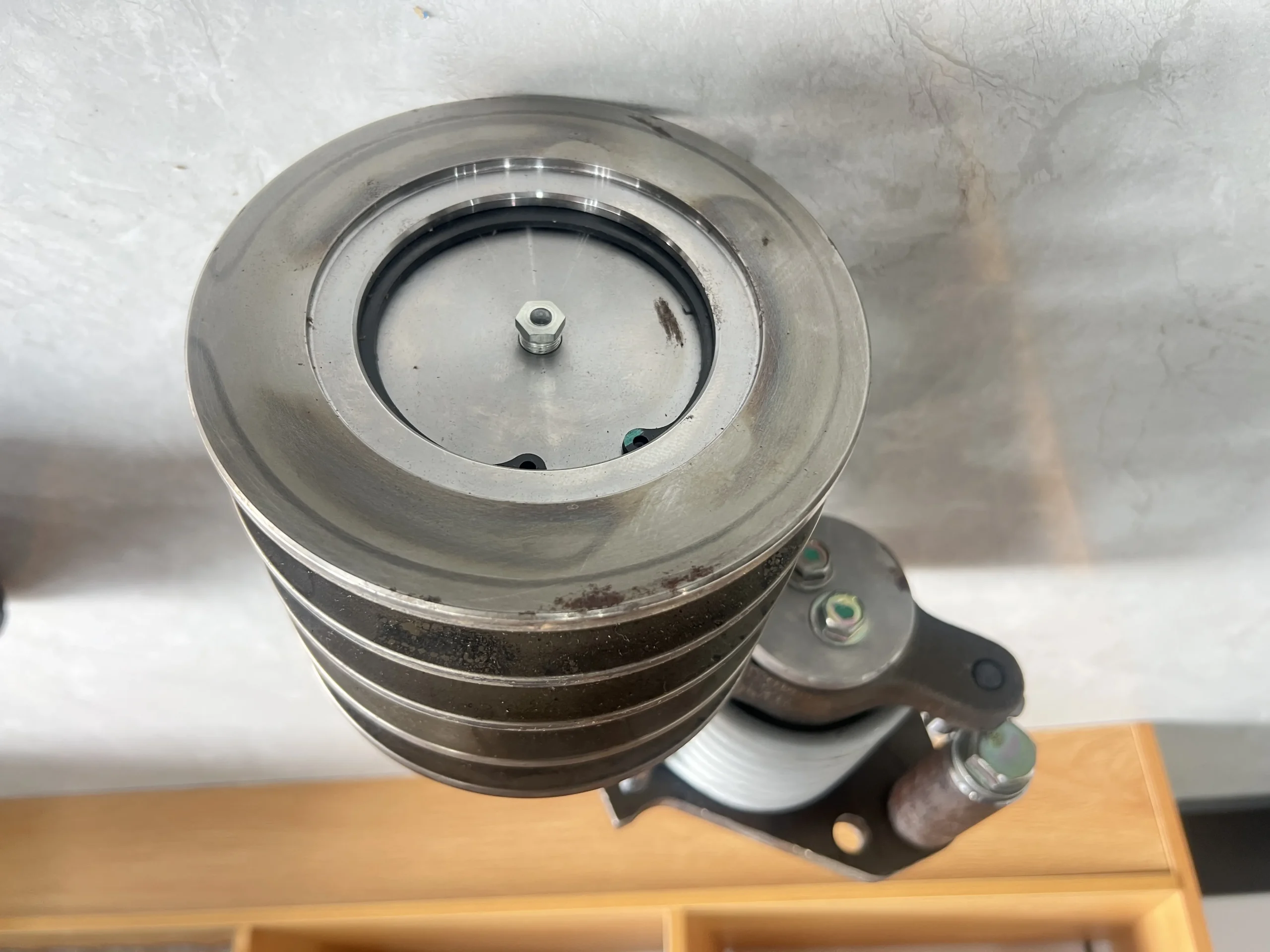 6240614500 TENSION PULLEY ASS’Y-Komatsu Original Factory
 -
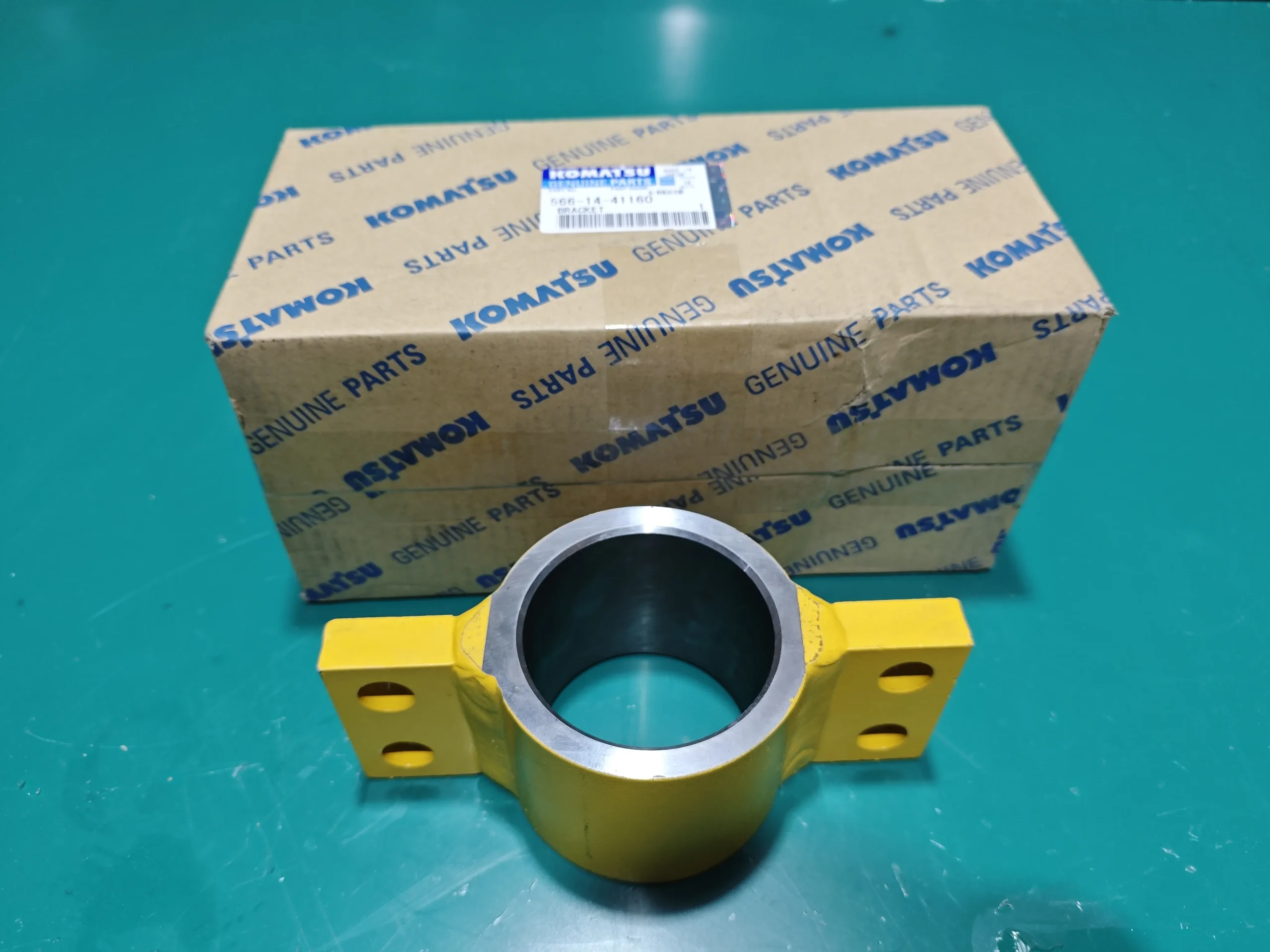 UrParts – Komatsu – Loader Parts – WA600-1H – 566-14-41160…
 -
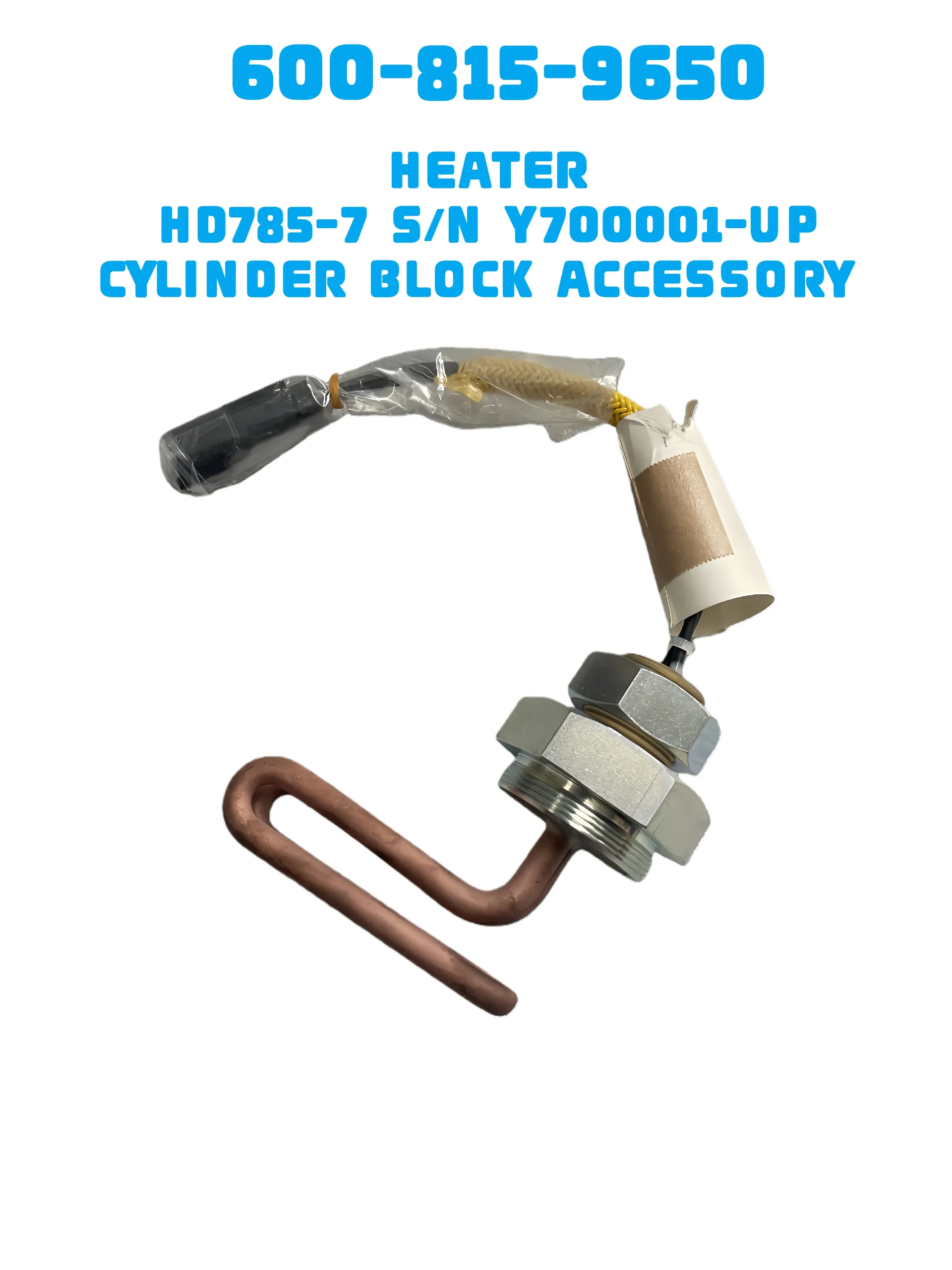 komatsu-part-600-815-9650 HEATER SAA12V140E-3B HD785-7 SAA12V140E-7 SAA12V140E-3D CYLINDER BLOCK ACCESSORY (OIL SENSOR¤ SWITCH AND WATER HEATER) OIL COOLER (COLD TERRAIN SPEC.) CYLINDER BLOCK ACCESSORY (FOR COLD AREA SPECIFICATION,ENGINE OIL PAN AND COOLANT HEATER) ENGINE OIL COOLER (FOR COLD AREA SPECIFICATION A (-30 DEG C),ENGINE OIL PAN AND COOLANT HEATER)
 -
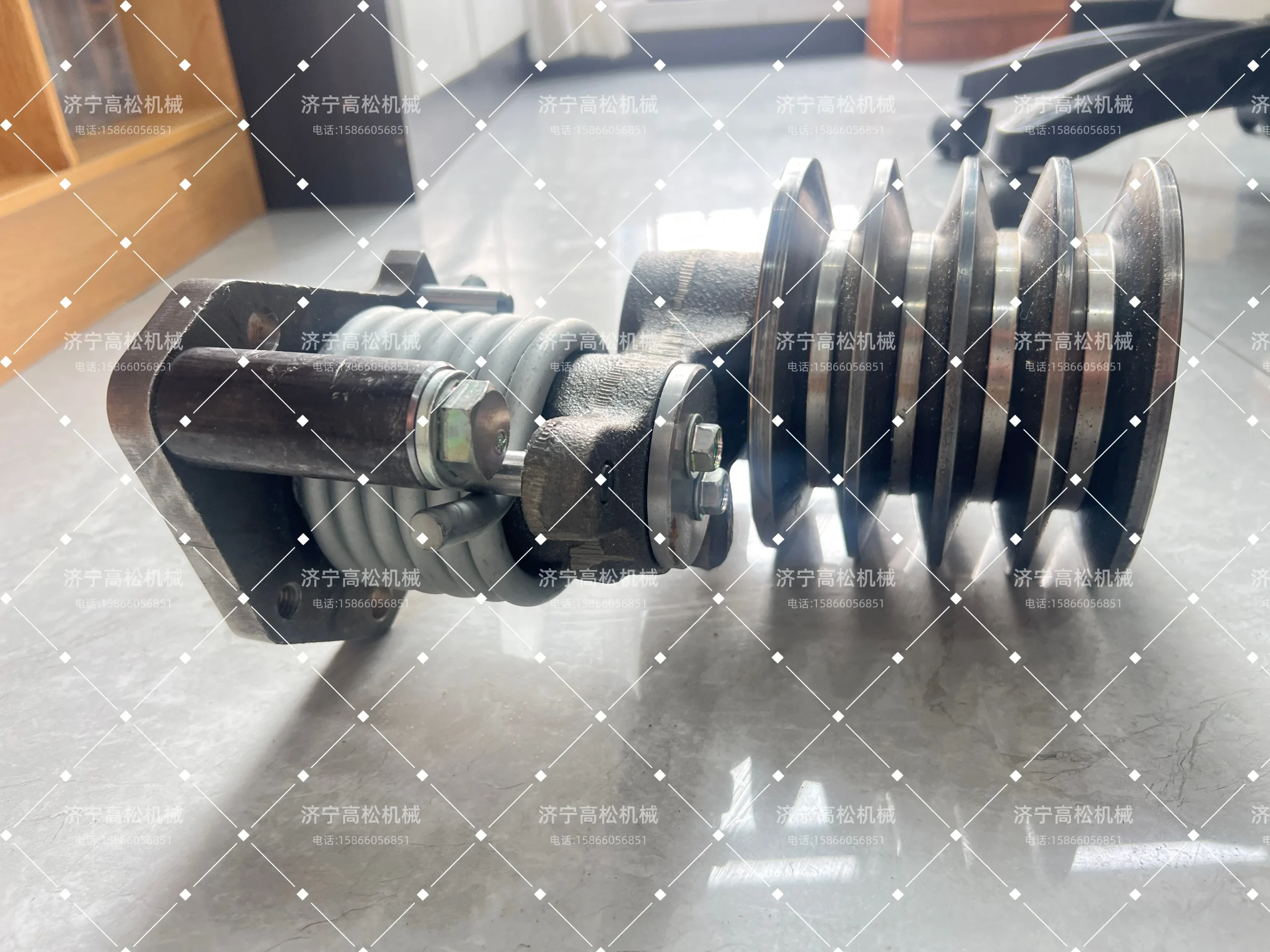 Original Hot Sale TENSION PULLEY ASS’Y 6240-61-4500 TENSION…
 -
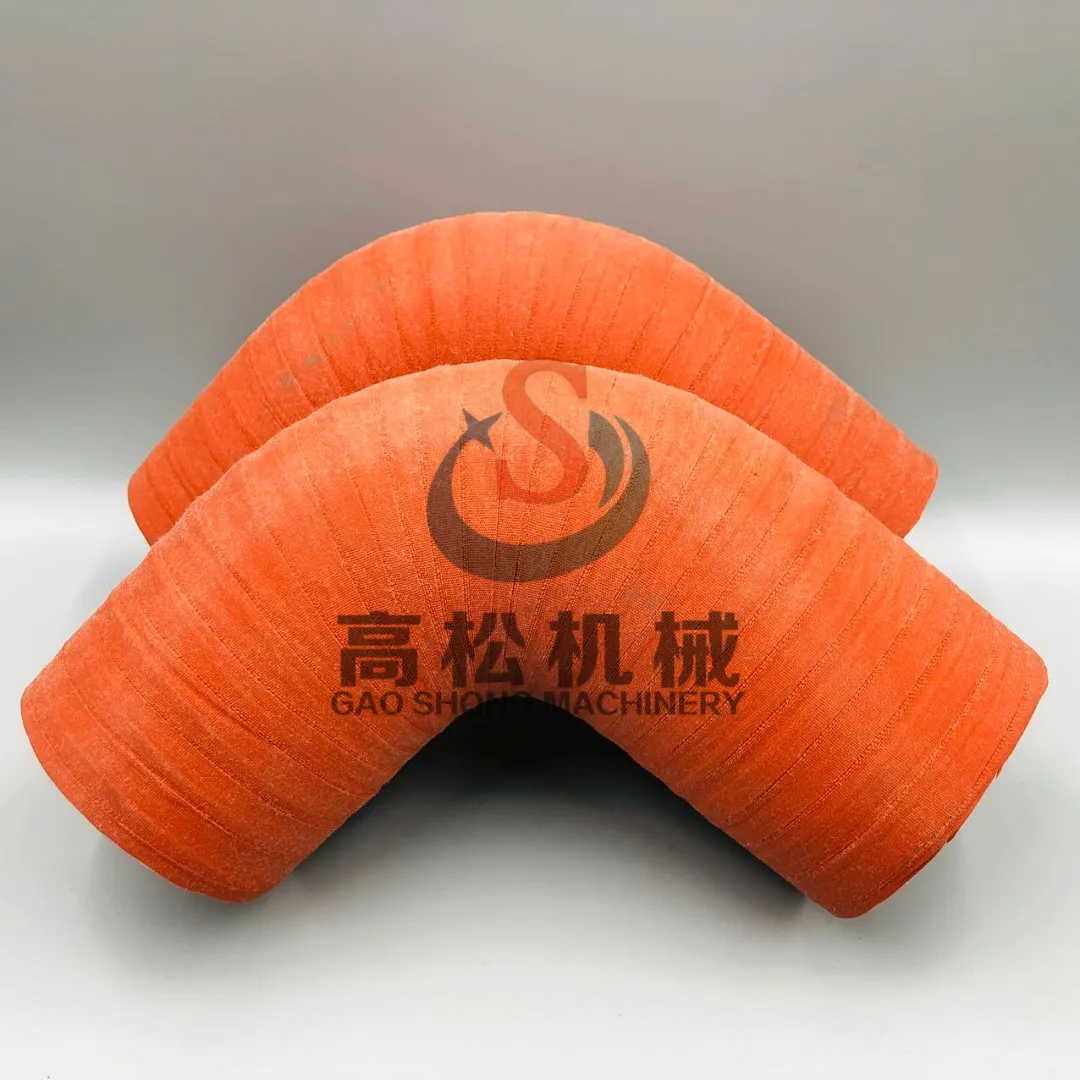 Hose 6743-11-4931 6743114931 Fits For Komatsu PC300 PC300HD PC340 PC350 PC360
 -
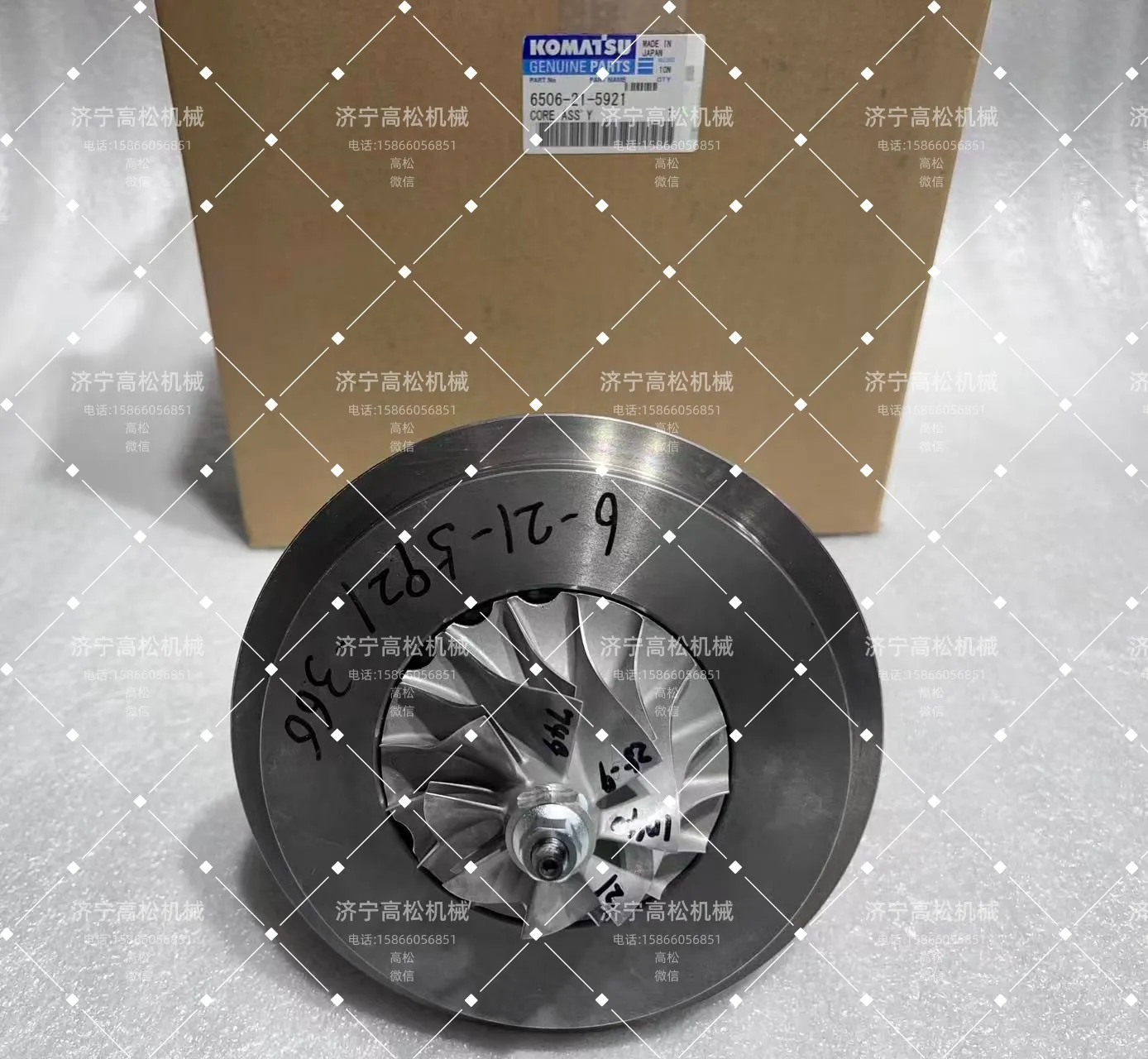 6506-21-5921 Komatsu Core Assembly
 -
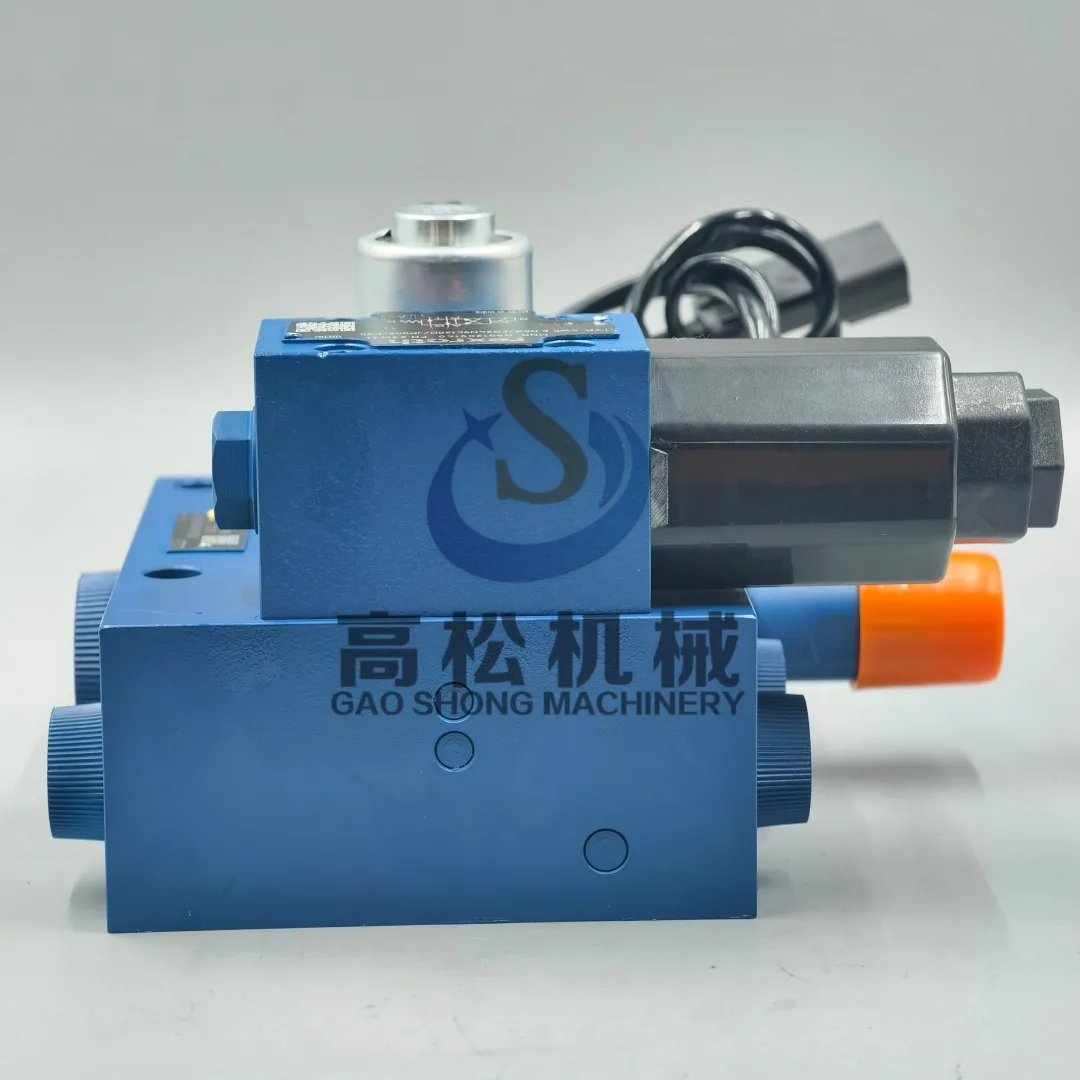 Original VALVE ASS’Y 56B-43-12402 for DUMP TRUCKS HD325 HD605
 -
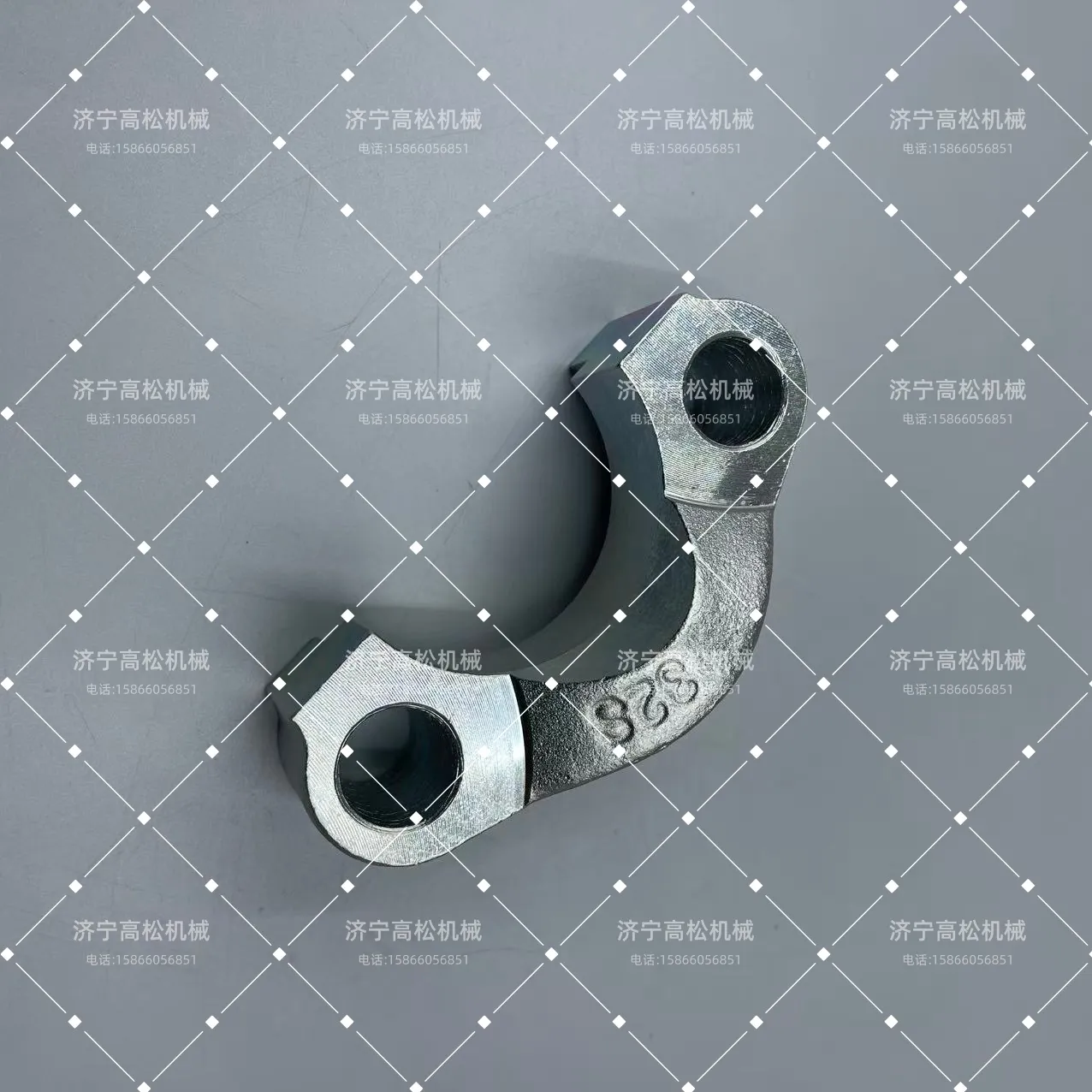 07371-52080 Komatsu FLANGE | AGA Parts
 -
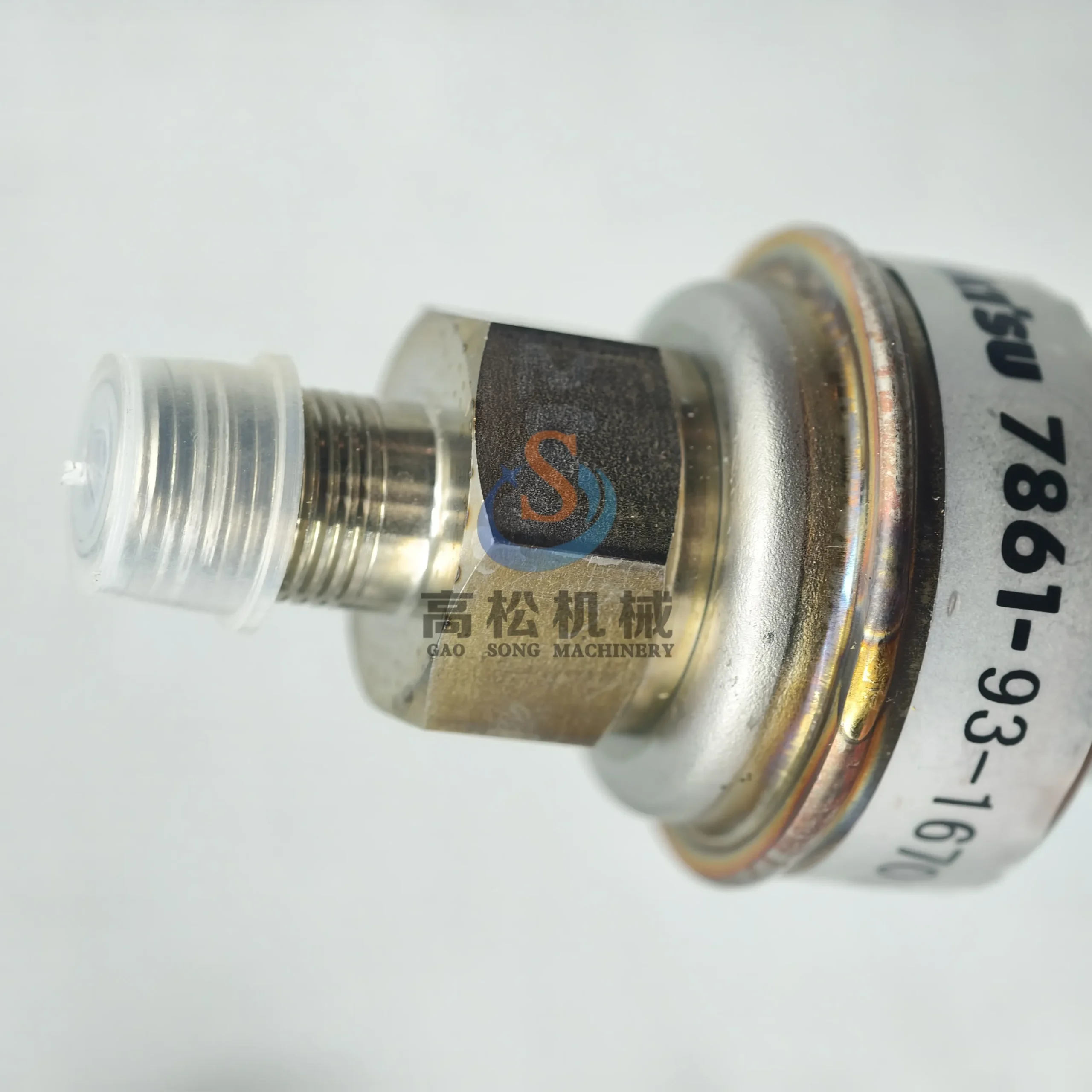 7861-93-1670 komatsu SENSOR
 -
 41E-70-15221 Komatsu Edge