
- Chinese
- French
- German
- Portuguese
- Spanish
- Russian
- Japanese
- Korean
- Arabic
- Irish
- Greek
- Turkish
- Italian
- Danish
- Romanian
- Indonesian
- Czech
- Afrikaans
- Swedish
- Polish
- Basque
- Catalan
- Esperanto
- Hindi
- Lao
- Albanian
- Amharic
- Armenian
- Azerbaijani
- Belarusian
- Bengali
- Bosnian
- Bulgarian
- Cebuano
- Chichewa
- Corsican
- Croatian
- Dutch
- Estonian
- Filipino
- Finnish
- Frisian
- Galician
- Georgian
- Gujarati
- Haitian
- Hausa
- Hawaiian
- Hebrew
- Hmong
- Hungarian
- Icelandic
- Igbo
- Javanese
- Kannada
- Kazakh
- Khmer
- Kurdish
- Kyrgyz
- Latin
- Latvian
- Lithuanian
- Luxembou..
- Macedonian
- Malagasy
- Malay
- Malayalam
- Maltese
- Maori
- Marathi
- Mongolian
- Burmese
- Nepali
- Norwegian
- Pashto
- Persian
- Punjabi
- Serbian
- Sesotho
- Sinhala
- Slovak
- Slovenian
- Somali
- Samoan
- Scots Gaelic
- Shona
- Sindhi
- Sundanese
- Swahili
- Tajik
- Tamil
- Telugu
- Thai
- Ukrainian
- Urdu
- Uzbek
- Vietnamese
- Welsh
- Xhosa
- Yiddish
- Yoruba
- Zulu
- Kinyarwanda
- Tatar
- Oriya
- Turkmen
- Uyghur






marubeni komatsu parts
When you hear 'Marubeni Komatsu parts,' a lot of folks immediately think of a straightforward, singular supply chain. That's the first misconception. In reality, it's a layered ecosystem involving the OEM, trading giants like Marubeni, and a whole network of third-party suppliers. The genuine challenge isn't just finding a part number; it's understanding which channel is viable for your specific project, region, and timeline, especially when official channels hit a wall.
The Official Channel and Its Inevitable Gaps
Working directly with Komatsu or their major distributors like Marubeni is the ideal path. You get certified quality, full traceability, and engineering support. But here's the rub: lead times can be astronomical for less common parts, and in some regions, certain parts are simply not prioritized in the allocation system. I've seen projects stall for weeks waiting for a final drive seal kit that was 'on backorder' from the main channel. That's where the real-world operations get messy.
This isn't a criticism of Komatsu's system—it's a global logistics reality. Their focus is naturally on high-volume items and supporting new machine sales. For older models, or for machines operating in remote locations, the pipeline can thin out dramatically. You learn to read between the lines of a distributor's email. Checking availability often translates to this might take a while, and I'm not sure from where.
This gap is precisely what creates the space for specialized third-party companies. They aren't just resellers; they are problem-solvers for these specific supply challenges. Their entire business model is built on sourcing the unobtainable, whether through surplus stock, alternative manufacturing, or deep network connections within the Komatsu ecosystem itself.
The Third-Party Landscape: Quality and Risk
Jumping into the third-party market for Marubeni Komatsu parts is a skill. It's not about finding the cheapest option; it's about assessing credibility. There are companies that sling counterfeit seals and bearings that fail in 100 hours, and then there are legitimate suppliers who provide OEM-equivalent or even OEM-original parts through alternate routes. The difference is profound.
I recall a situation with a PC300-8 pump assembly. The official quote was 12 weeks out, which was a non-starter. We turned to a third-party. The first supplier promised a 'genuine' part at a 40% discount, which was a major red flag. We dug deeper, asked for serial number traceability and packaging photos—it didn't add up. We passed. The second supplier, like Jining Gaosong Construction Machinery Co., Ltd., presented it differently. They were upfront: they were a third-party sales company within the Komatsu system, helping to solve parts supply challenges in certain countries. Their documentation showed a legitimate, albeit non-standard, procurement path. The part arrived in 3 weeks, packaged in Komatsu-branded boxes (often a sign of overstock or regional surplus), and it worked flawlessly. That's a reputable solve.
Their website, https://www.takematsumachinery.com, clarifies their position. They state they are an OEM product supplier within the Komatsu system. This nuance is critical. It suggests they have access to authentic Komatsu-spec parts, not just aftermarket copies. This aligns with a model we see more often now: companies that operate in the gray area between pure OEM and pure aftermarket, leveraging specific relationships to fill logistical holes. You have to vet these claims, but when they check out, they become invaluable partners.
Practical Sourcing and Verification Steps
So, how do you actually proceed? First, always cross-reference the part number. Komatsu numbers are specific, but supersessions happen. A good supplier will know if P/N has been replaced by . If they don't ask for your machine serial number for critical components, be wary. The serial number dictates the exact manufacturing batch and any running changes.
Second, demand visual proof before shipment. For a cylinder or a pump, ask for photos of the casting numbers and the overall condition. For sealed kits, the packaging should be Komatsu-original and intact. A legitimate supplier like the one mentioned won't balk at this; they'll expect it. I've avoided several disasters by insisting on a 2-minute WhatsApp video call to see the part on their shelf.
Finally, consider the total cost of downtime, not just the part price. A $2,000 part from a third party that gets you running in 3 days is far cheaper than a $1,500 part from the OEM that arrives in 8 weeks while your machine sits idle. This calculus is at the heart of every parts manager's decision-making process when dealing with Marubeni Komatsu parts shortages.
When Things Go Wrong: Lessons from the Field
Not every third-party story has a happy ending. I once sourced a set of track links from a supplier who swore they were Komatsu-grade. The hardness was off. They wore down 30% faster than the OEM links on the opposite side, creating a nasty mismatch and forcing a premature, expensive redo of the entire undercarriage. The lesson? For high-wear, structural items, the risk appetite must be much lower. The savings were wiped out tenfold.
This is why the supplier's stated role matters. A company positioning itself as helping to solve parts supply challenges is often more aligned with your operational continuity goals than a pure commodity trader. They stake their reputation on the part working, not just being delivered. It's a subtle but important distinction in their marketing and, ideally, their operational ethos.
Another common pitfall is compatibility assumptions. Just because a part fits a Komatsu excavator doesn't mean it's configured for the right hydraulic pressure or control valve setup. This is where the deep technical knowledge of a specialist supplier, one that understands the Komatsu system from the inside, becomes critical. They should be asking you as many questions as you're asking them.
The Evolving Future of Parts Supply
The landscape for Marubeni Komatsu parts is shifting. With longer machine lifecycles and global operations, the pressure on the traditional supply chain will only grow. I see companies like Jining Gaosong not as outliers, but as pioneers of a more hybrid model. They are effectively creating a parallel, agile network that complements the OEM structure, focusing on serviceability and uptime in regions or for models that are off the primary radar.
This isn't about undermining the value of genuine parts. It's about acknowledging the practical reality of keeping iron moving. The smart approach is to build a diversified supplier list: your primary OEM contact, your major distributor (like Marubeni), and two or three vetted, specialized third-party sources for when the primary channels fail. Each has its place.
In the end, managing parts procurement is about risk management and relationship management. You need partners who understand the gravity of a downed machine. From what I've seen, the suppliers who are transparent about their role—as an OEM-aligned helper solving specific challenges—are the ones that earn long-term trust. They move the conversation from a simple transaction to a collaborative solution, which is really what this business is all about when you're in the trenches.
Related Products
Related Products

Best Selling Products
Best Selling Products-
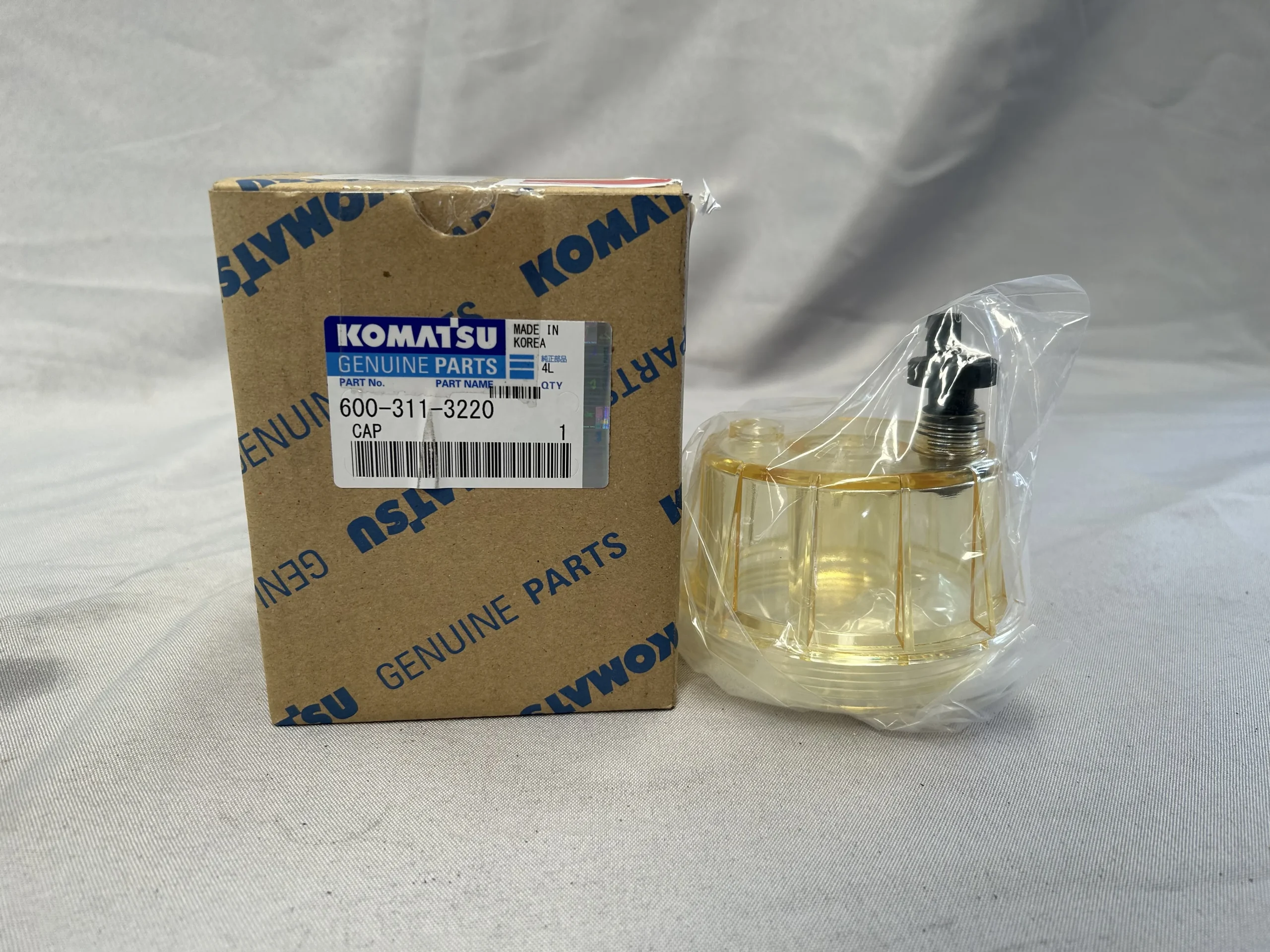 SA6D170E-3A Filter Cup 600-311-3220
 -
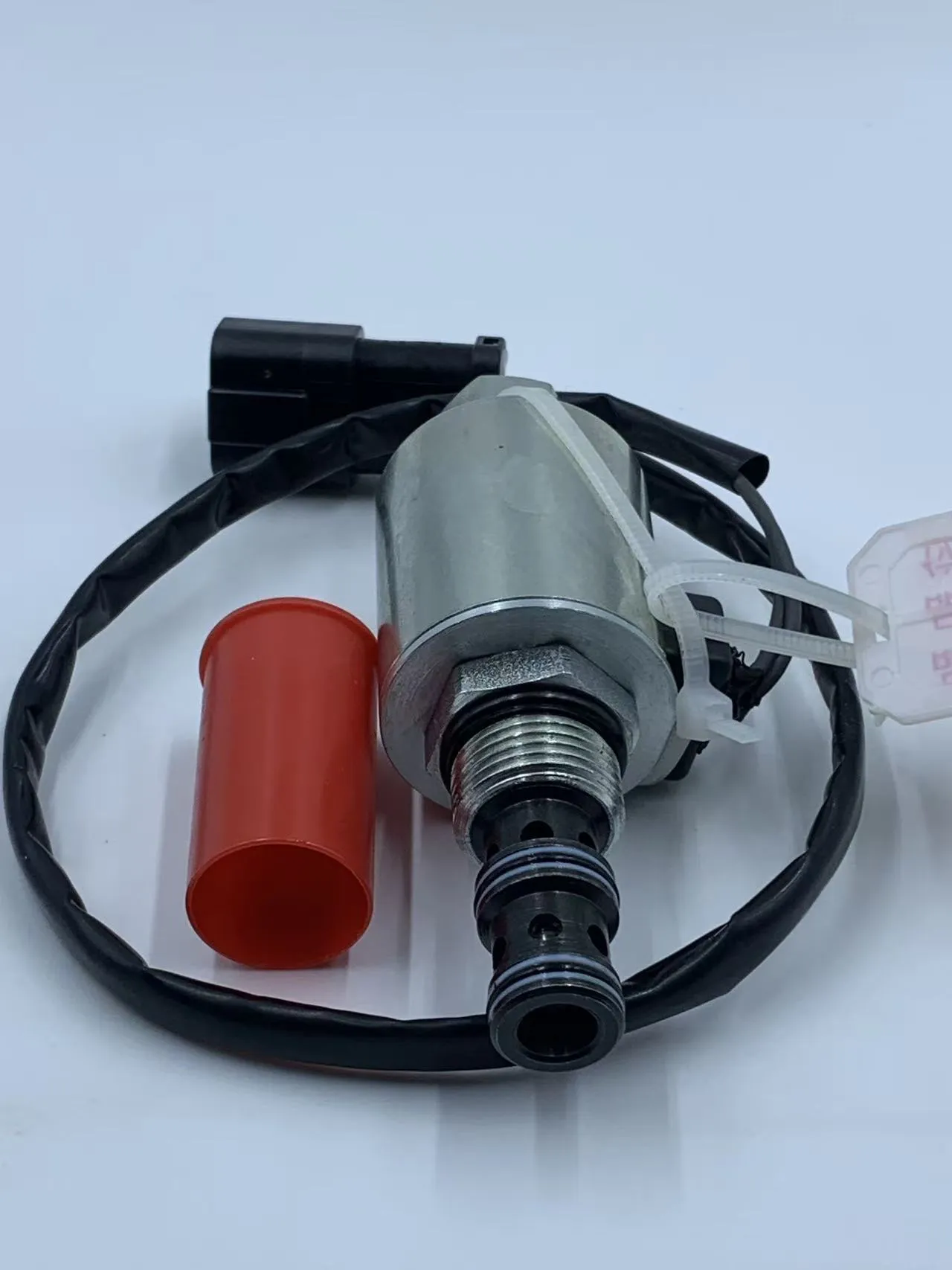 20Y6011713 excavator solenoid valve construction machinery parts suitable for Komatsu PC200-7 20Y-60-11713
 -
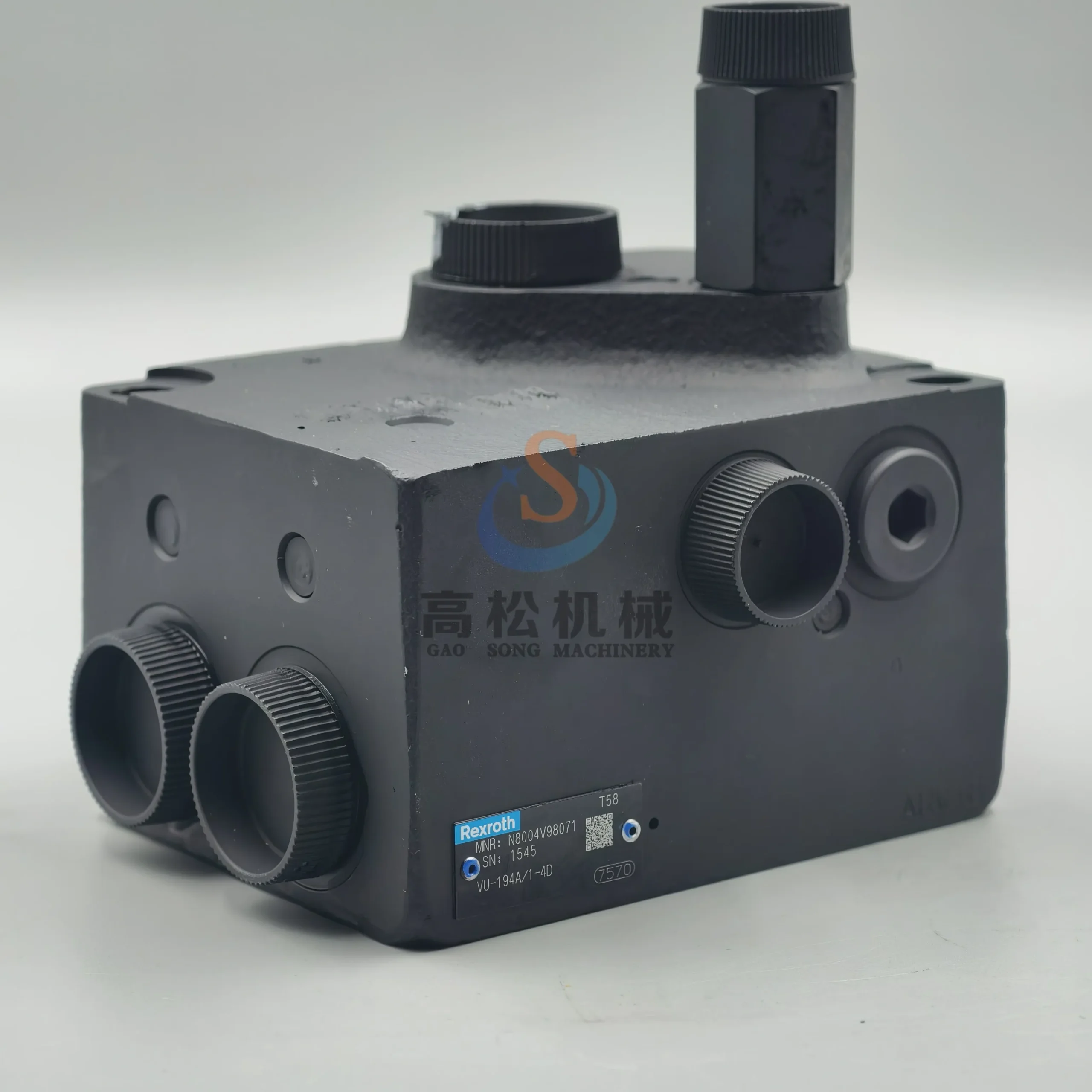 419-43-27401 komatsu vavle-WA400/WA300
 -
 209-68-11640• COUPLER ASS’Y-Komatsu Original Factory
 -
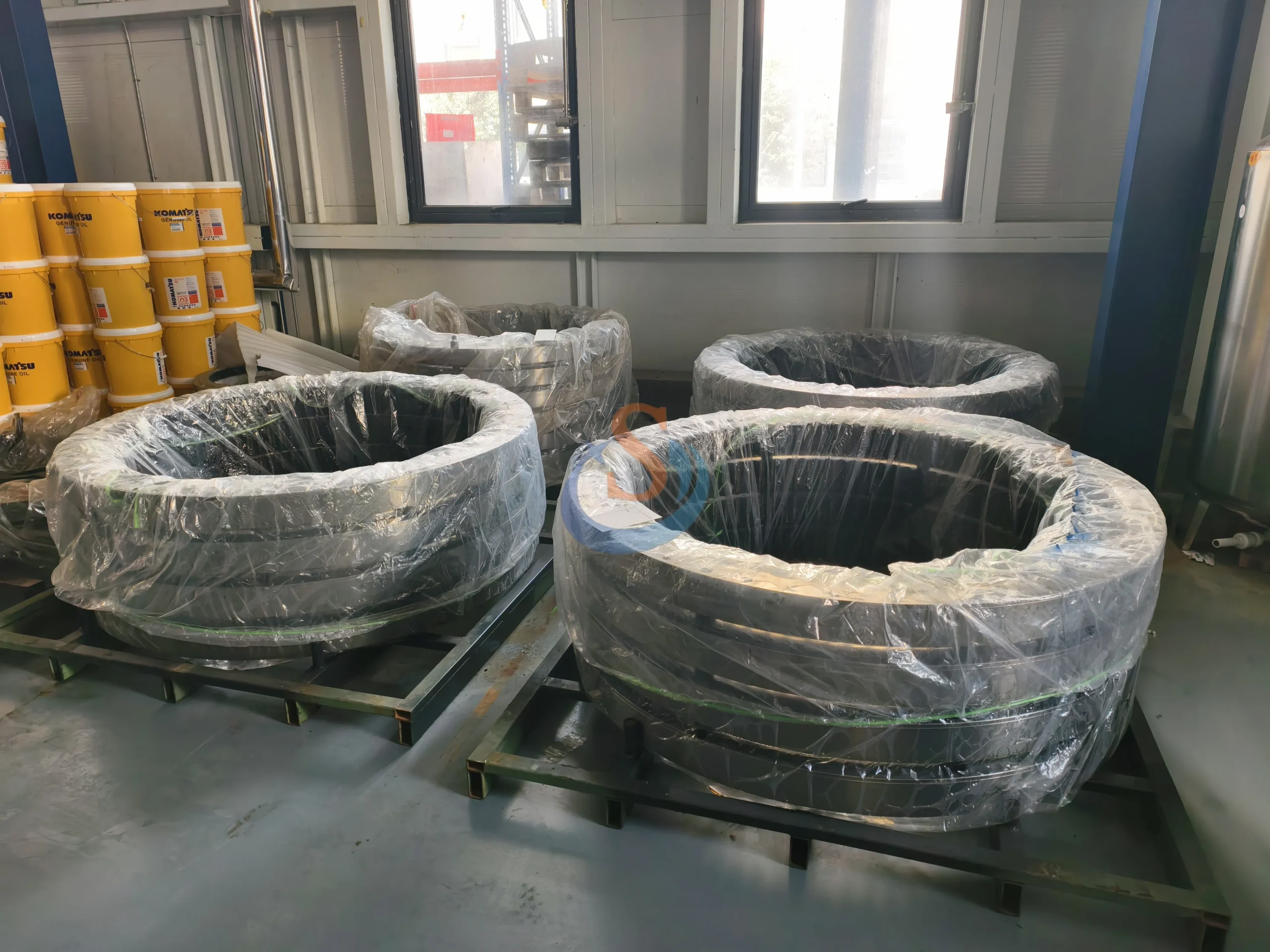 207-25-61100, SWING CIRCLE ASS’Y,PC300,PC360,PC350
 -
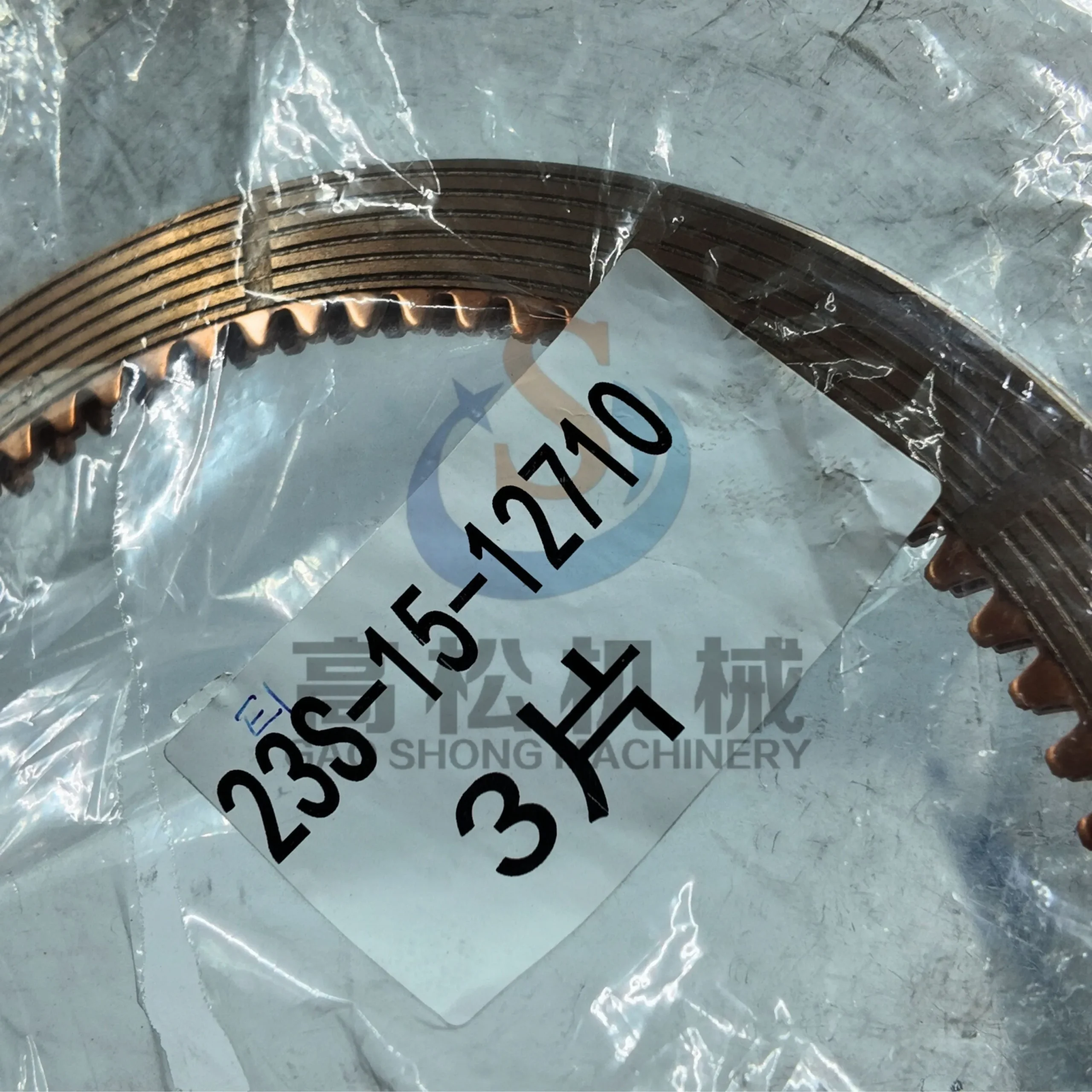 23S-15-12710 Komatsu Disc
 -
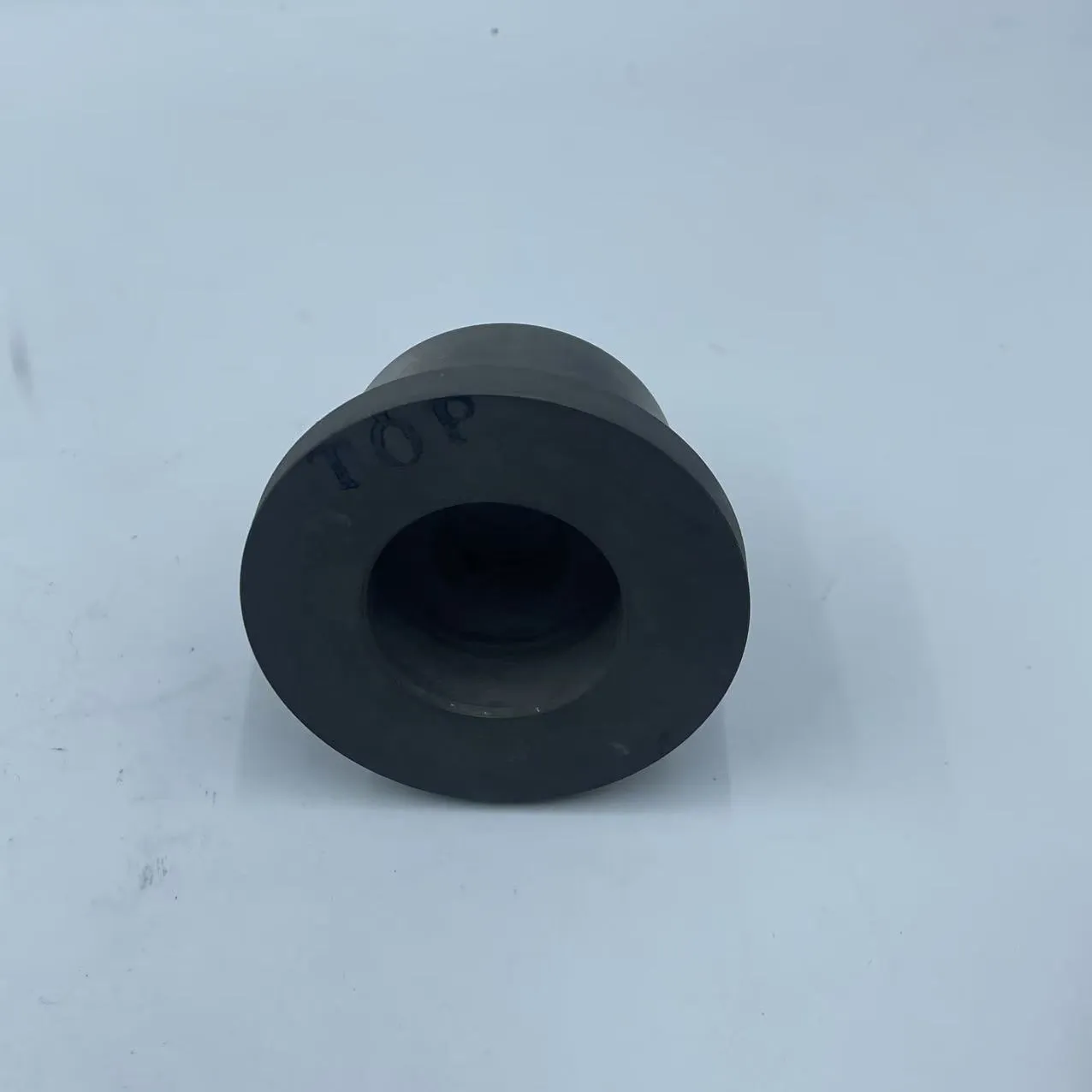 New PC800-8E0 SHAFT 6212-21-2511 for komatsu Spring-loaded Gas-charged Pneumatic Hydraulic
 -
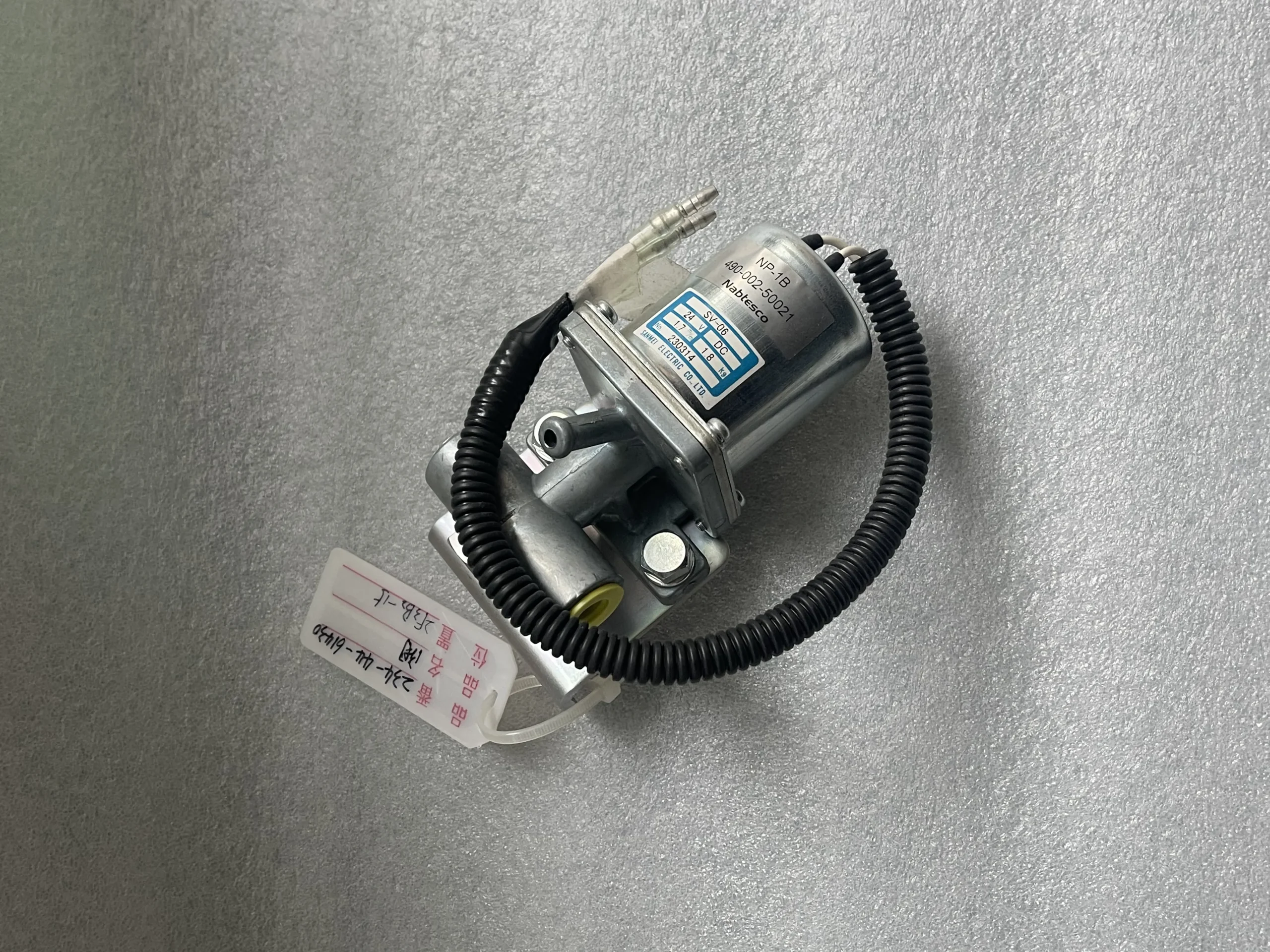 SOLENOID VALVE 234-44-61430 for GD705/825
 -
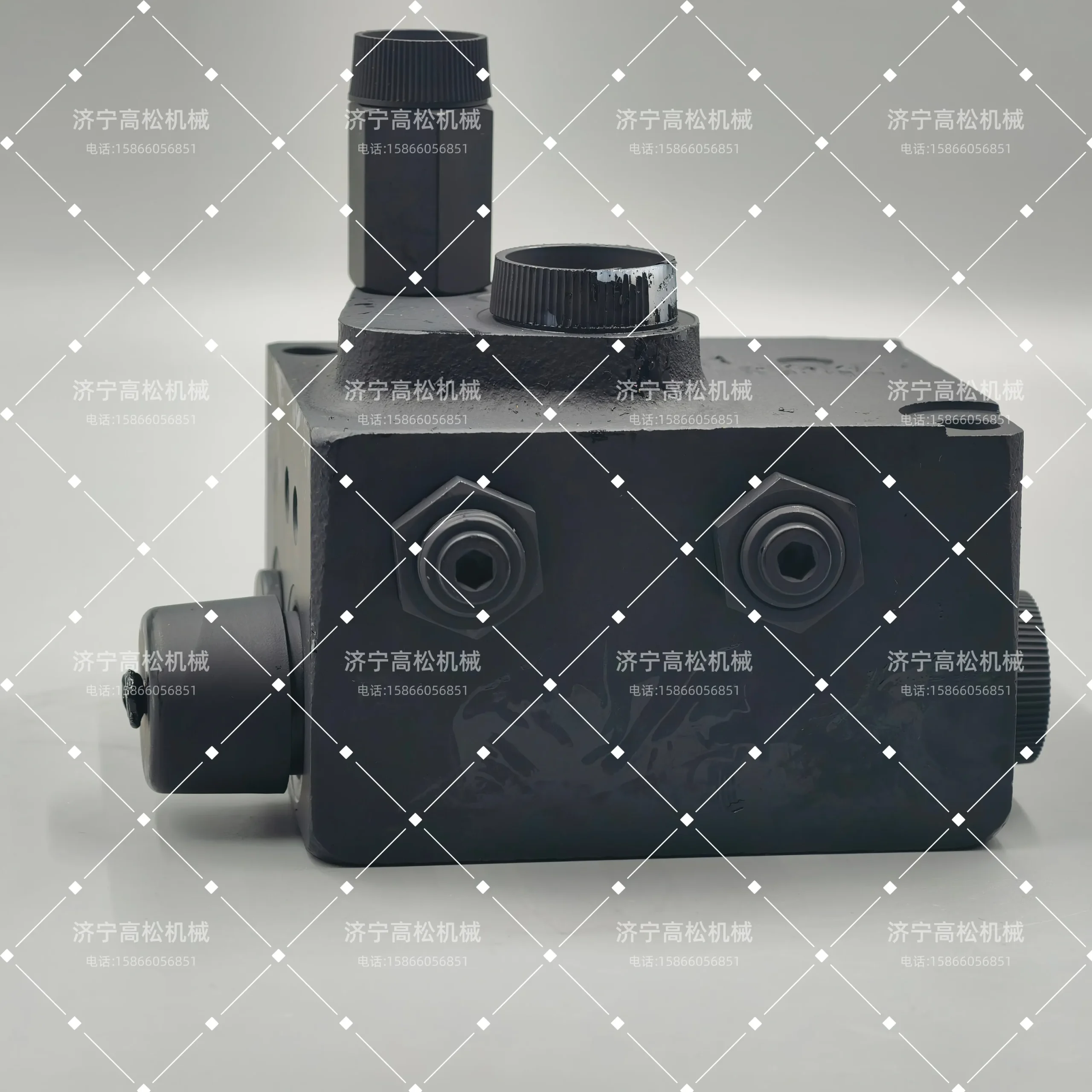 Komatsu Loader WA420-3 Charge Valve 419-43-27401 China…
 -
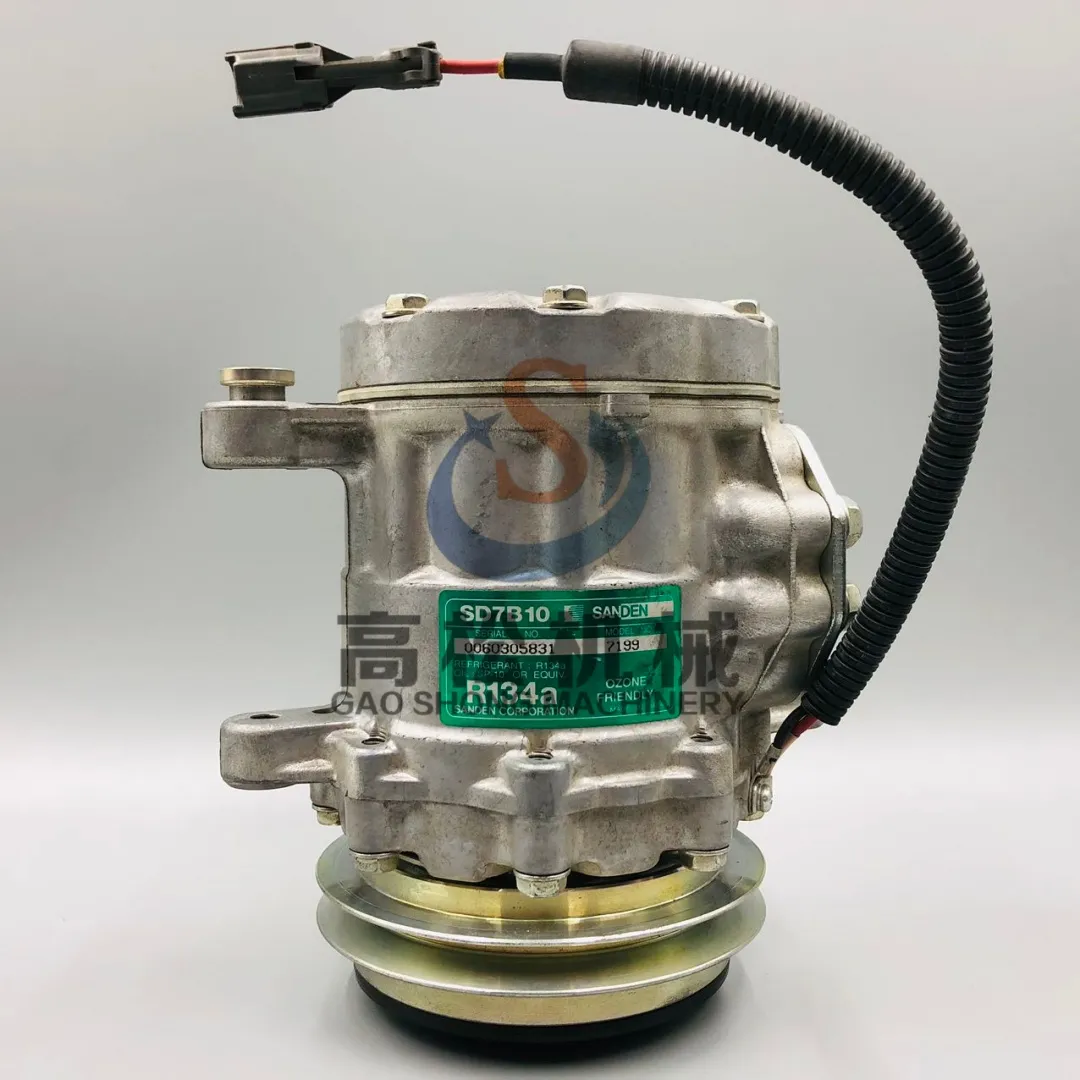 Disong 22L-979-2200 AIR CONDITIONER COMPRESSOR 22L-979-2200 for Excavator PC56-7
 -
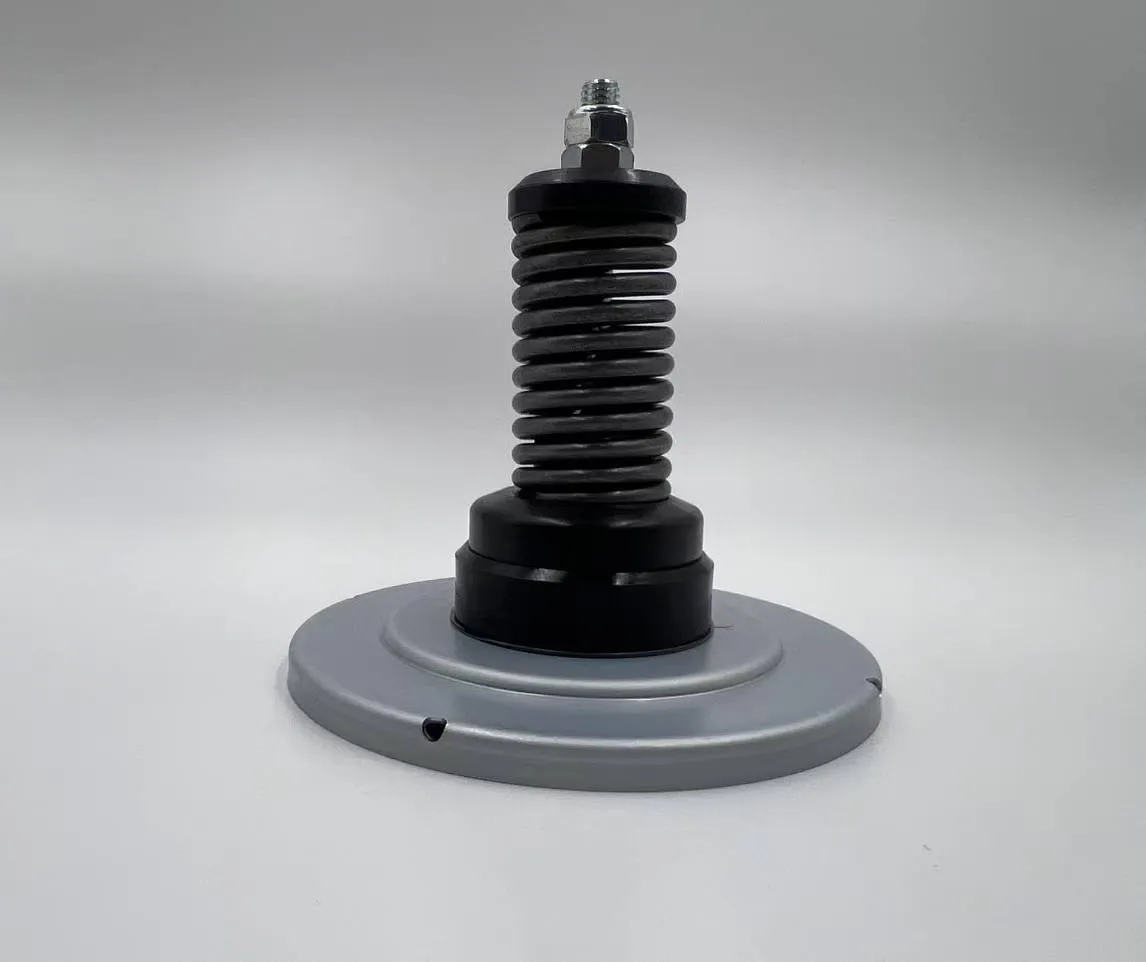 20Y-60-31450 Valve Assembly KOMATSU parts HB205, HB215, PC300, PC350
 -
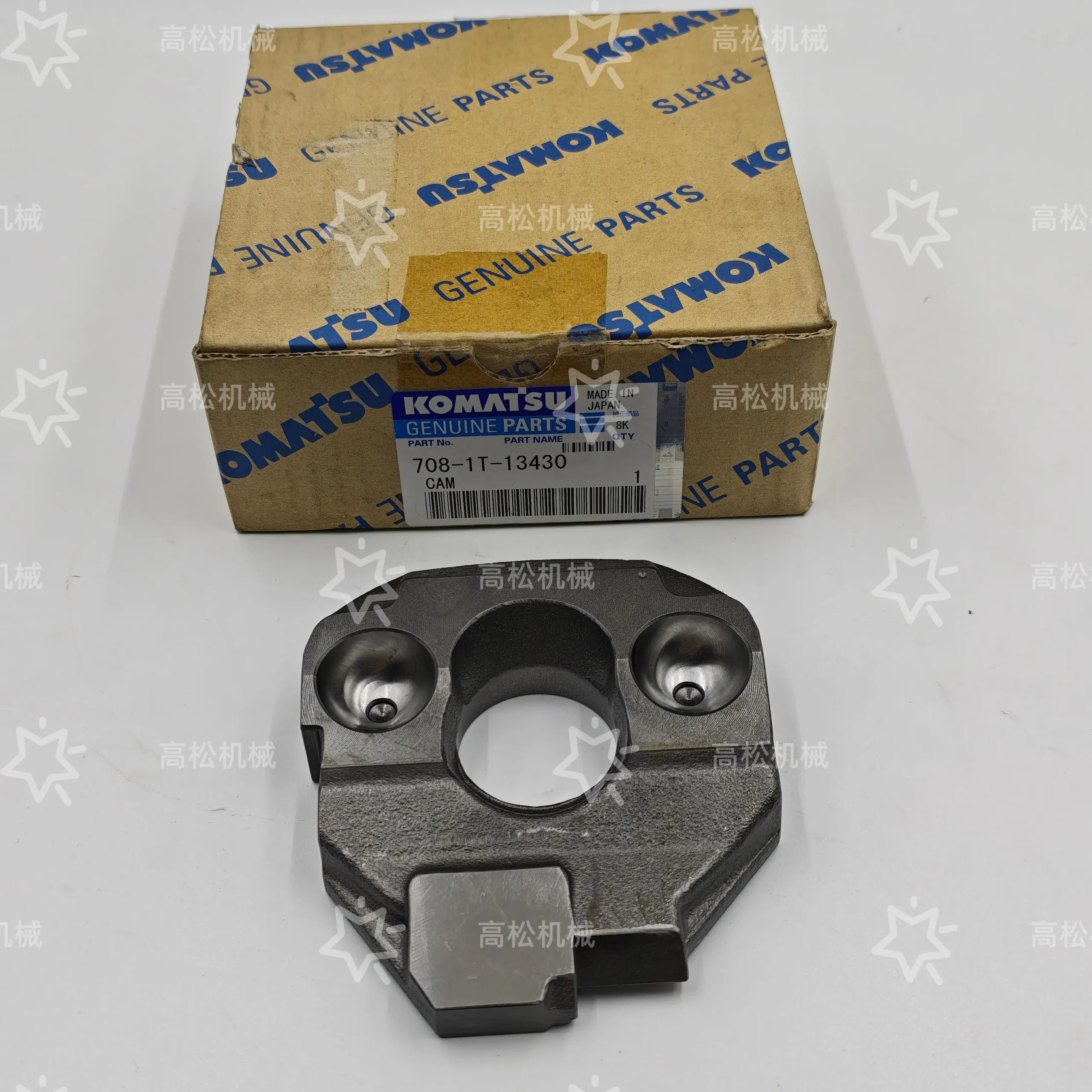 ROCKER CAM 708-1T-13430 for BULLDOZER D275A