
- Chinese
- French
- German
- Portuguese
- Spanish
- Russian
- Japanese
- Korean
- Arabic
- Irish
- Greek
- Turkish
- Italian
- Danish
- Romanian
- Indonesian
- Czech
- Afrikaans
- Swedish
- Polish
- Basque
- Catalan
- Esperanto
- Hindi
- Lao
- Albanian
- Amharic
- Armenian
- Azerbaijani
- Belarusian
- Bengali
- Bosnian
- Bulgarian
- Cebuano
- Chichewa
- Corsican
- Croatian
- Dutch
- Estonian
- Filipino
- Finnish
- Frisian
- Galician
- Georgian
- Gujarati
- Haitian
- Hausa
- Hawaiian
- Hebrew
- Hmong
- Hungarian
- Icelandic
- Igbo
- Javanese
- Kannada
- Kazakh
- Khmer
- Kurdish
- Kyrgyz
- Latin
- Latvian
- Lithuanian
- Luxembou..
- Macedonian
- Malagasy
- Malay
- Malayalam
- Maltese
- Maori
- Marathi
- Mongolian
- Burmese
- Nepali
- Norwegian
- Pashto
- Persian
- Punjabi
- Serbian
- Sesotho
- Sinhala
- Slovak
- Slovenian
- Somali
- Samoan
- Scots Gaelic
- Shona
- Sindhi
- Sundanese
- Swahili
- Tajik
- Tamil
- Telugu
- Thai
- Ukrainian
- Urdu
- Uzbek
- Vietnamese
- Welsh
- Xhosa
- Yiddish
- Yoruba
- Zulu
- Kinyarwanda
- Tatar
- Oriya
- Turkmen
- Uyghur






manual parts komatsu
When you hear 'manual parts Komatsu', most guys in the yard immediately think of the thick, bound service manuals—the WSM, the SEM. That's the first mistake. The real 'manual parts' story isn't about the books. It's about the physical components you have to source, handle, and fit when you're not running a fully authorized, OEM-only operation. It's the gritty side of keeping a PC300 or a D155 dozer running in markets where the official dealer network is thin or the lead times are impossible. I've seen too many project managers order a 'complete' manual set, only to find out the hard way that having the diagrams doesn't mean you can get the parts. The disconnect between documentation and procurement is where the real work begins.
The OEM Promise vs. The On-Ground Scramble
Komatsu's OEM system is brilliant for consistency. You get a part number, you order it, it fits. Perfect. But that model assumes you're in Tokyo, or Brisbane, or Houston. Try that in some landlocked region in Africa or a remote mining site in Southeast Asia. The official channel might quote you 12 weeks for a simple hydraulic pump shaft for an older model. The machine is down, costing thousands per day. That's when the scramble starts. You're not just looking for a part; you're looking for the manual parts komatsu specification—the precise material grade, heat treatment, torque specs, and clearance tolerances you scribbled from the manual—to find a match or get it made.
This is where companies positioned like Jining Gaosong Construction Machinery Co., Ltd. come into the picture. They operate in that crucial gap. Being an OEM product supplier within the Komatsu system gives them access to genuine specs and sometimes genuine runs, but their role as a third-party sales company is what saves projects. They help solve parts supply challenges in certain countries not by magic, but by leveraging a parallel network. You can find them at https://www.takematsumachinery.com. It’s not just a parts website; it’s a portal for a specific type of solution. You're not always buying a Komatsu-boxed part; you're buying a part that meets the manual parts komatsu standard, sourced through a channel that understands the urgency.
I remember a job on a Komatsu HD785-5 truck. The wheel hub failed. The official distributor's system showed zero stock globally for that vintage part. A manual part in this case meant we had to provide the local machining shop with not just the broken hub, but the exact dimensional drawing from the Komatsu parts manual, the material specification (SC450H, if I recall), and the required hardness. We sourced a rough forging through a contact, which likely passed through a network similar to Gaosong's, and had it finished locally. It worked, but it took 10 days of nail-biting. An outfit like the one mentioned understands this process intrinsically—they often have the forging or casting ready to go, cutting those 10 days down to three.
What Manual Really Means in the Field
Forget the book. In field parlance, 'manual' often implies a process that is hands-on, non-standard, and reliant on human judgment. A manual parts komatsu operation is the antithesis of scanning a barcode and having a new part arrive. It involves cross-referencing old and new part numbers, knowing that the seal kit for a PC200-7 valve might work on a -6 model with a slight modification, and having the confidence to make that call. It's about tactile knowledge—knowing that a certain batch of Komatsu track links from a specific year had a metallurgy issue, so you should avoid NOS (New Old Stock) from that period and instead look for a later revision or a certified aftermarket equivalent that fixed the flaw.
This is where pure third-party sellers fail. They sell a compatible track link. A company operating as an OEM supplier within the system, even while doing third-party sales, has a better chance of knowing that batch history. They've seen the technical service bulletins. Their compatibility list isn't just a spreadsheet; it's annotated with caveats like fit for machine S/N after XXXX or requires updated bolt set. That annotation is gold. It's the difference between a fix that lasts and a comeback that ruins your weekend.
I learned this through a costly mistake. We ordered a fan drive pump for a Komatsu excavator from a generic parts supplier. The part physically bolted on. Looked identical. But the internal gerotor's displacement was off by a few cc per revolution. The machine didn't overheat, but the fan speed was subtly wrong, causing a slight negative pressure issue that eventually sucked dust past a seal and toasted a bearing. The failure wasn't immediate; it was insidious. The part wasn't to manual parts komatsu spec; it was to fits-the-hole spec. A supplier with one foot in the OEM world would have flagged that displacement detail.
The Critical Role of Documentation in Sourcing
Here's a nuance: the best manual parts komatsu specialists are obsessive about documentation, but not the shiny manuals. I'm talking about the annotated PDFs, the spreadsheets of superceded part numbers, and the photos of failure modes. When you contact a technical salesperson at a company like Gaosong, the first thing they ask for isn't the part number. It's the machine model, the serial number, and if possible, a photo of the old part and the area it fits. Why? Because a Komatsu PC360LC-8 might have three different hydraulic pump configurations depending on the year and market. The official part number system accounts for this, but if you're in the parallel supply chain, you need that human cross-check.
Their website, takematsumachinery.com, likely functions as a front end for a deep, non-public database built from these interactions. The public-facing catalog is just the tip. The real value is in the email chain or the phone call where you describe the weird crack pattern on a boom cylinder bracket, and they say, Oh, that's the issue with the early -10 models, you need the reinforced version, part number Y, which also fits the later -8s if you use the updated bushing. That's industry practice. That's the knowledge you pay for.
We once needed a swing gear for a Komatsu PC138. The serial number plate was faded. Instead of just guessing, the supplier asked for photos of the swing motor mount and the bolt pattern. They identified it as a specific regional variant and supplied the correct ring gear, along with a note to check the mating pinion for wear patterns that were common on that setup. That's service that goes beyond selling a manual parts komatsu component; it's selling a solution that includes forensic identification.
When Genuine Isn't an Option: The Quality Spectrum
Let's be blunt. Sometimes, you cannot get genuine, even through channels like Gaosong. The part is obsolete, or the cost is prohibitive. The 'manual' process then shifts to qualifying alternatives. The spectrum is wide: from certified aftermarket (made to OEM print), to compatible aftermarket (reverse-engineered), to generic, to locally fabricated. A professional supplier in this space helps you navigate this, often by tiering their own inventory. They might offer a Premium line that is OEM-spec but unbranded, a Standard line that is high-quality aftermarket, and maybe a Economy line for non-critical components.
The key judgment is knowing which parts are tolerance-critical. A cylinder rod? You need the right chrome plating thickness, hardness, and straightness. Go premium. A seat cushion bracket? Standard or even economy might be fine. A good supplier will tell you this upfront. Their role as described—helping to solve parts supply challenges—means they are often the ones making these judgment calls for their clients, steering them away from risky compromises on critical components. I've had them advise against their own cheaper option for a final drive hub, saying For this application, with the high impact load, you need the premium material. The savings aren't worth the risk. That builds immense trust.
I've been burned going the other way. Pressured by budget, we opted for a generic pilot control valve for a Komatsu wheel loader. It worked... sort of. But the spool tolerances were looser, making the controls feel sloppy and unresponsive. The operator hated it, productivity dropped, and we eventually replaced it with a better unit. The total cost was higher. A knowledgeable supplier would have flagged that pilot valves are a high-precision, feel-critical component. That's the practical, on-the-ground judgment that defines this niche.
The Future: Digitization and the Manual Knowledge Base
It's ironic. The term manual parts komatsu feels analog, but its future is deeply digital. Not in a flashy AI way, but in the quiet digitization of legacy knowledge. The real asset of a company like Jining Gaosong Construction Machinery Co., Ltd. isn't a warehouse; it's the curated database linking machine serial numbers, failure histories, part supercessions, and cross-compatibility codes. This is what allows them to function as an effective third-party solver within the Komatsu ecosystem. When a mining company in Chile emails about a discontinued pump for a D375A-5, the speed of their solution depends on how well that historical data is indexed and accessible to their tech staff.
The challenge they face, and we all face, is the retiring of the old hands—the mechanics and parts managers who have this in their heads. The next step is capturing those Oh, that one... moments into a searchable system. Not a chatbot, but a robust internal wiki that notes, for instance, that a certain brand of aftermarket solenoid works better in high-vibration applications than the OEM part. That's the evolution: from a purely manual, experiential process to a digitally augmented one, without losing the essential human judgment.
In the end, the world of manual parts komatsu is about bridging gaps. It bridges the gap between OEM perfection and field reality, between obsolete documentation and available inventory, between a generic component and a machine-specific solution. Suppliers operating in this space, particularly those with a foot in both the OEM and third-party worlds, aren't just vendors. They are translators and problem-solvers. Their value isn't on a price tag; it's in the downtime they prevent, the mistakes they help you avoid, and the deep, practical knowledge they apply to keep iron moving when the official playbook falls short. That's the unglamorous, essential truth of it.
Related Products
Related Products

Best Selling Products
Best Selling Products-
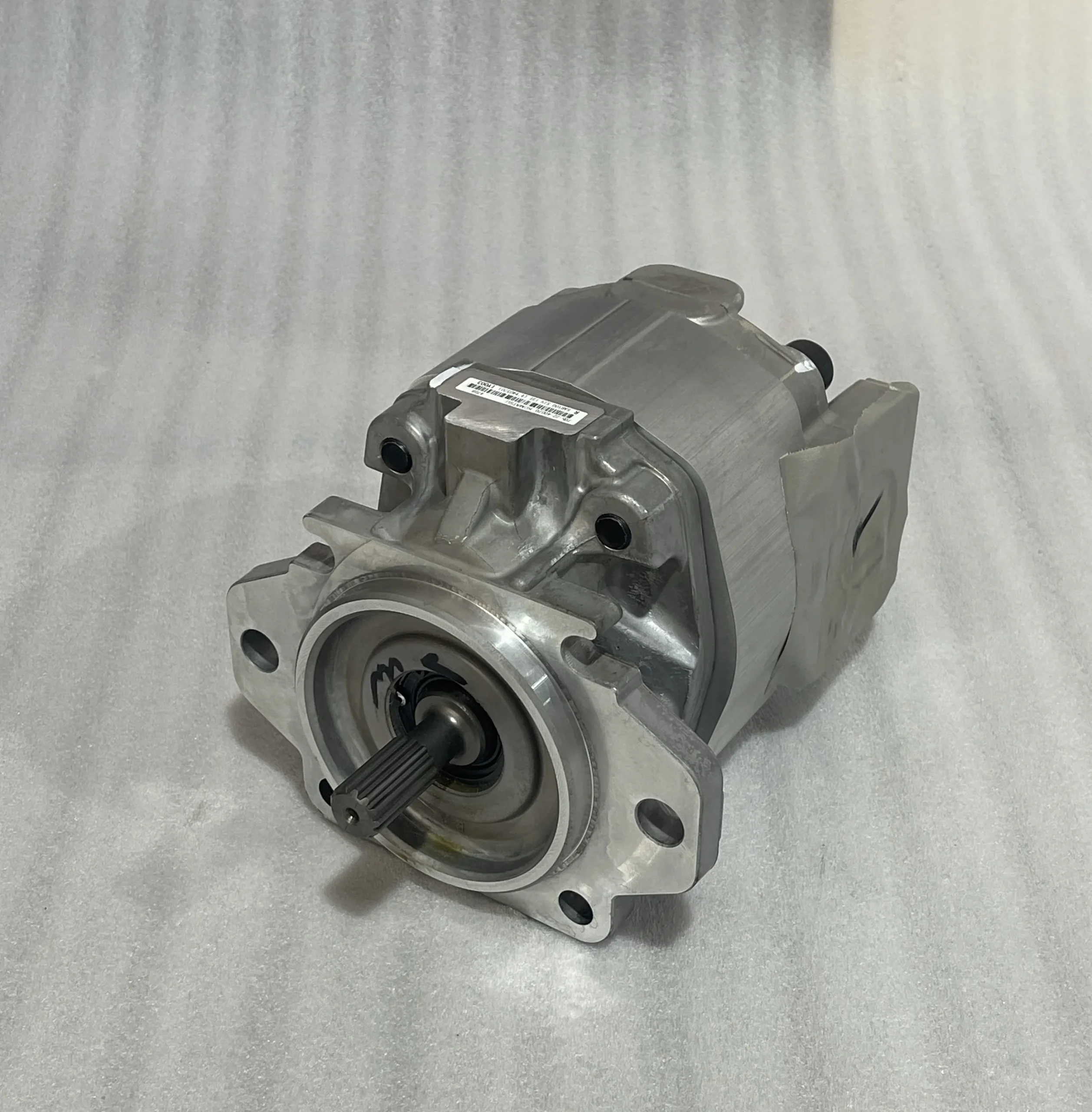 WA470-3 Gear Pump 705-22-40070
 -
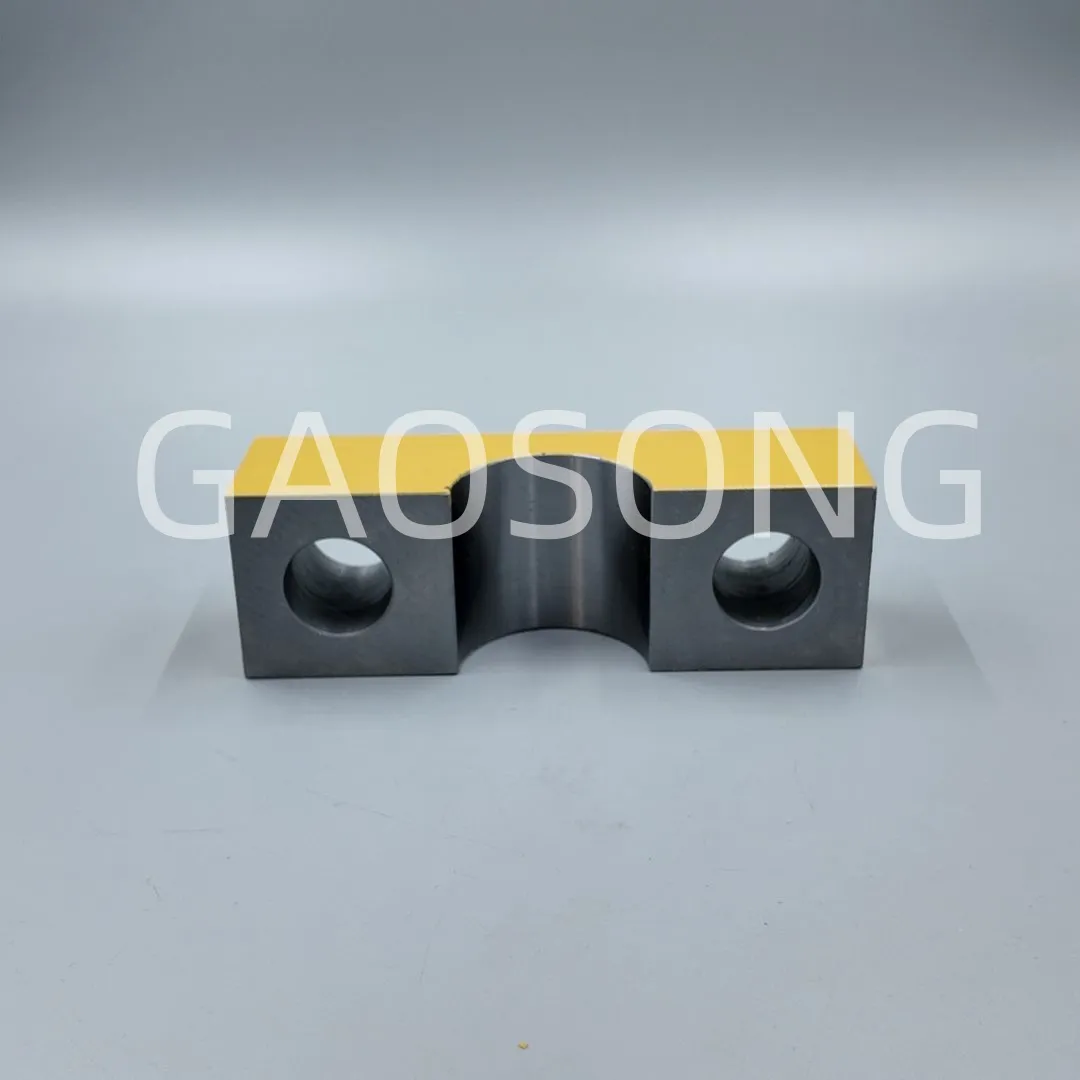 56B-50-12150 Komatsu Plate
 -
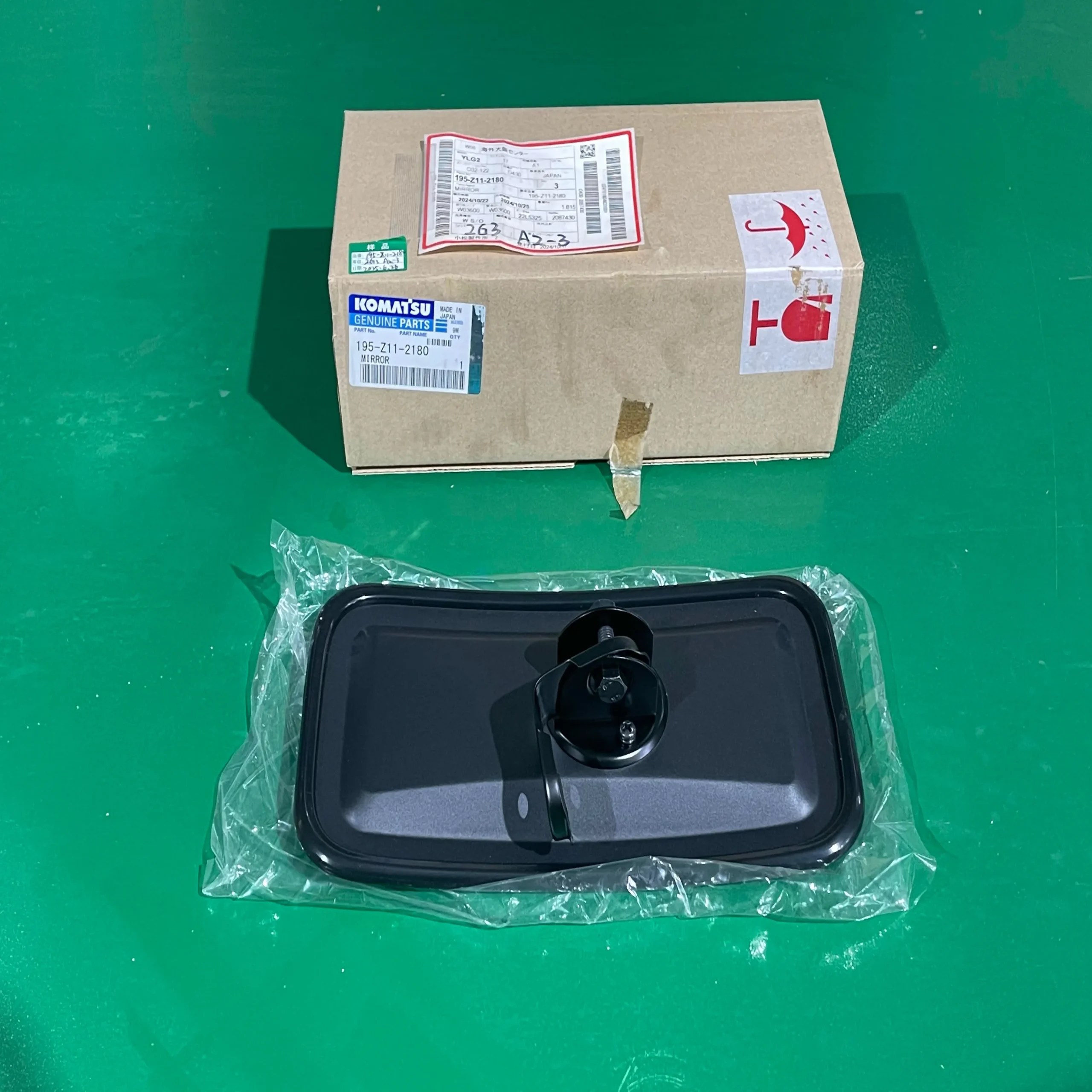 195-Z11-2180Fits Komatsu 195-Z11-2180 Dozer Replacement Mirror
 -
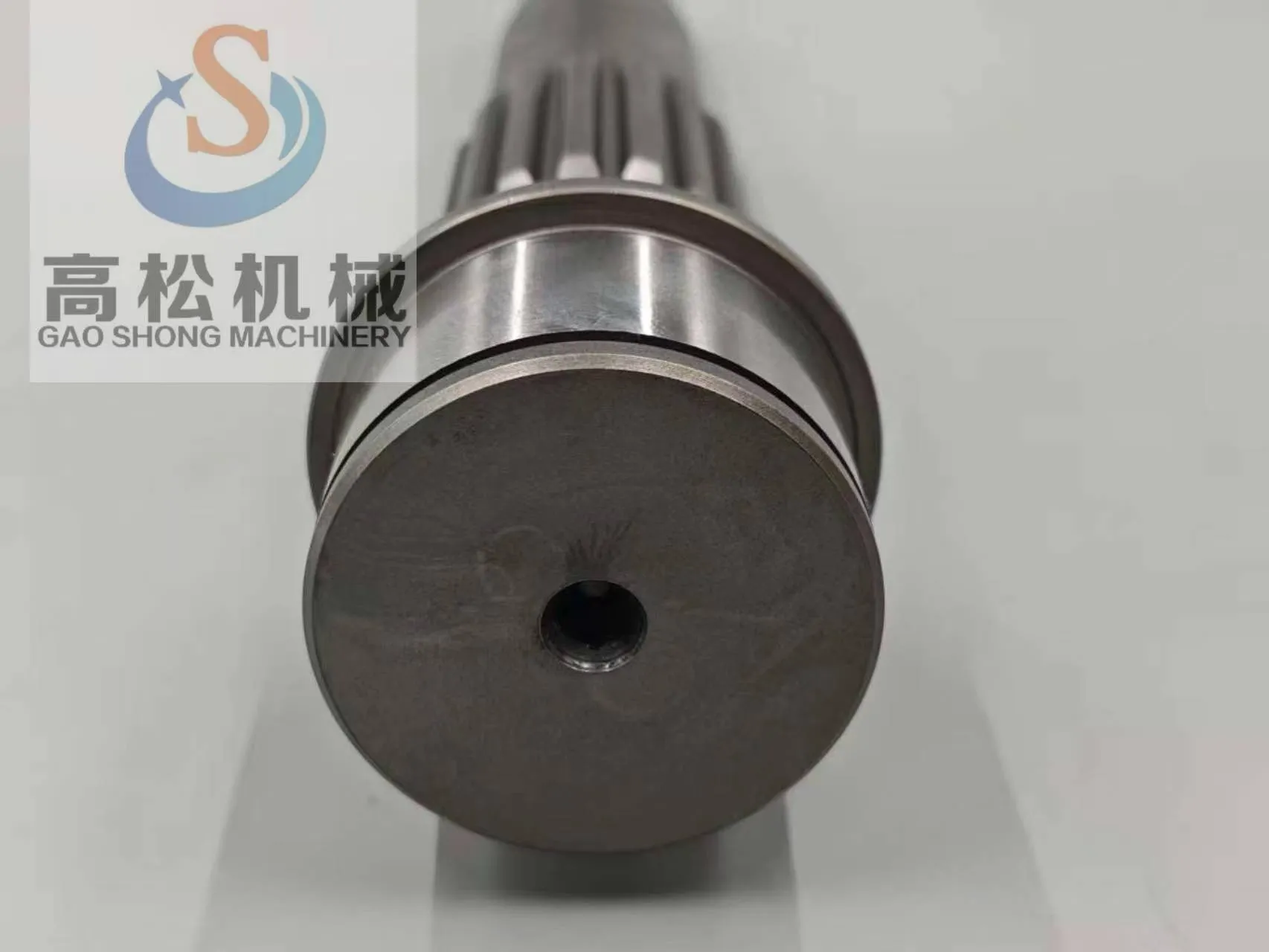 Driven Shaft Komatsu HPV140 708-2G-12121 | ASPECT PLUS
 -
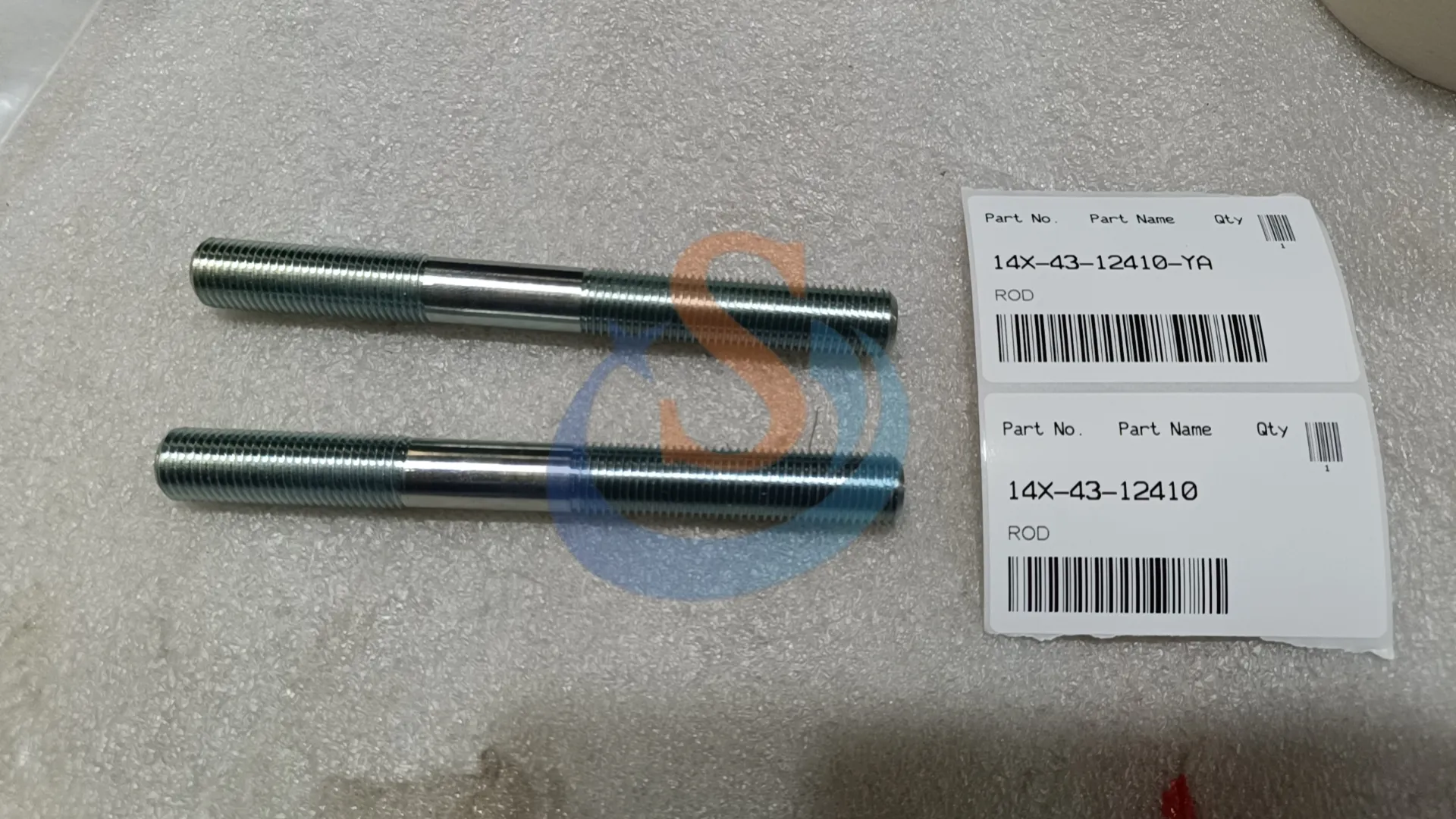 14X-43-12410,ROD,komatsu,D155A,D375A,D275A
 -
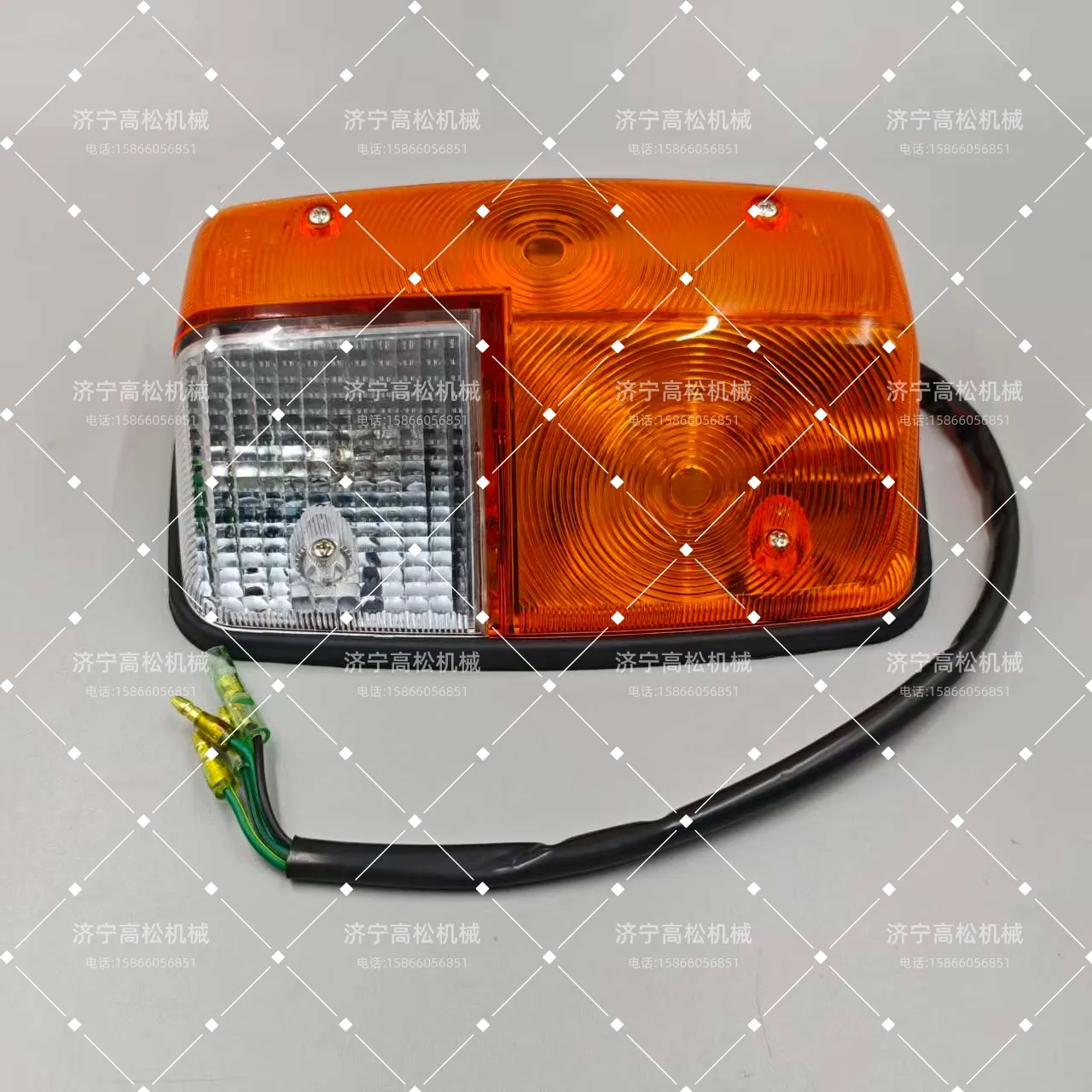 Komatsu WA380-1LC 421-06-13401 LIGHT… — Supply.Parts
 -
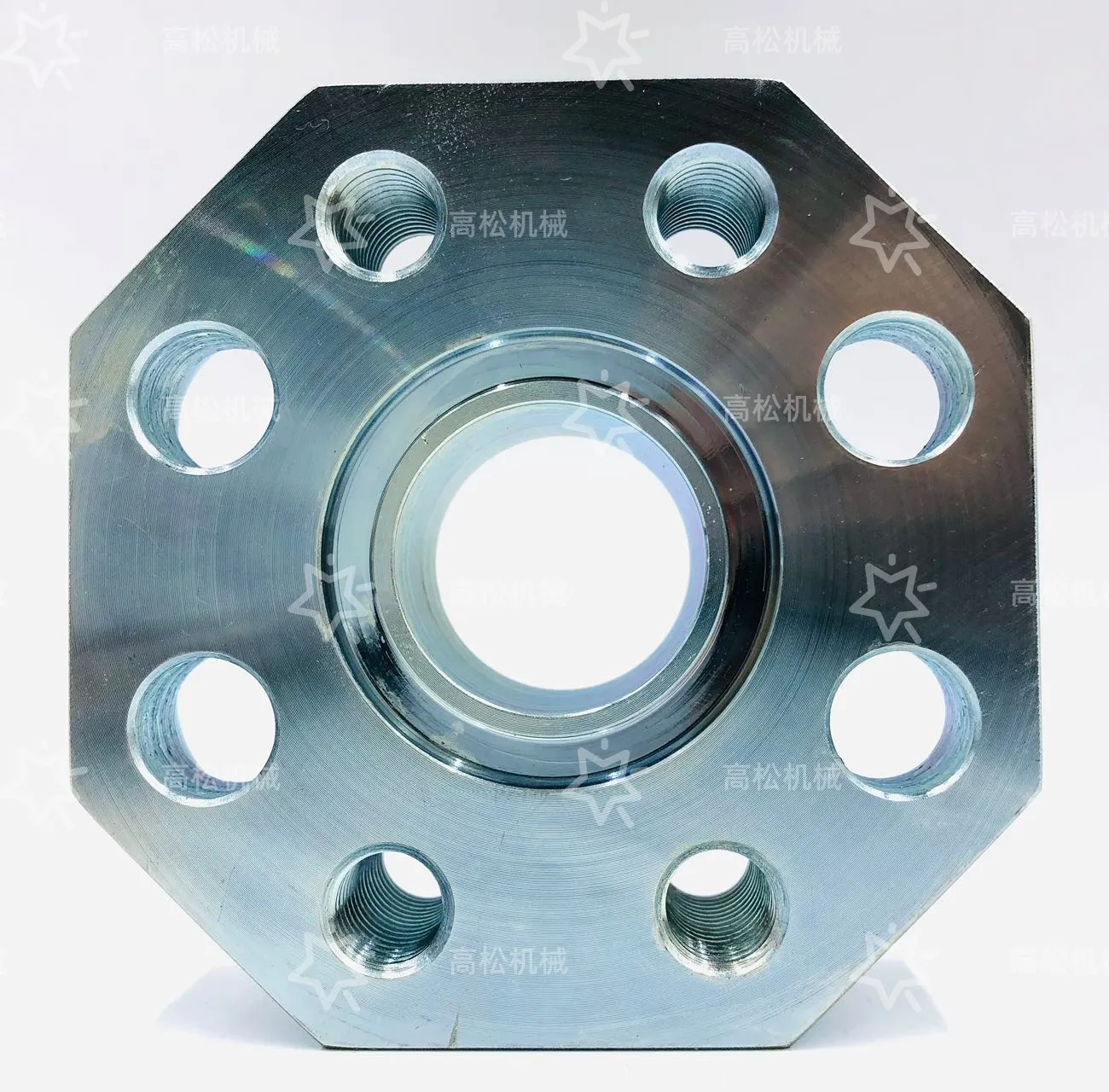 21N-62-11361 Komatsu FLANGE
 -
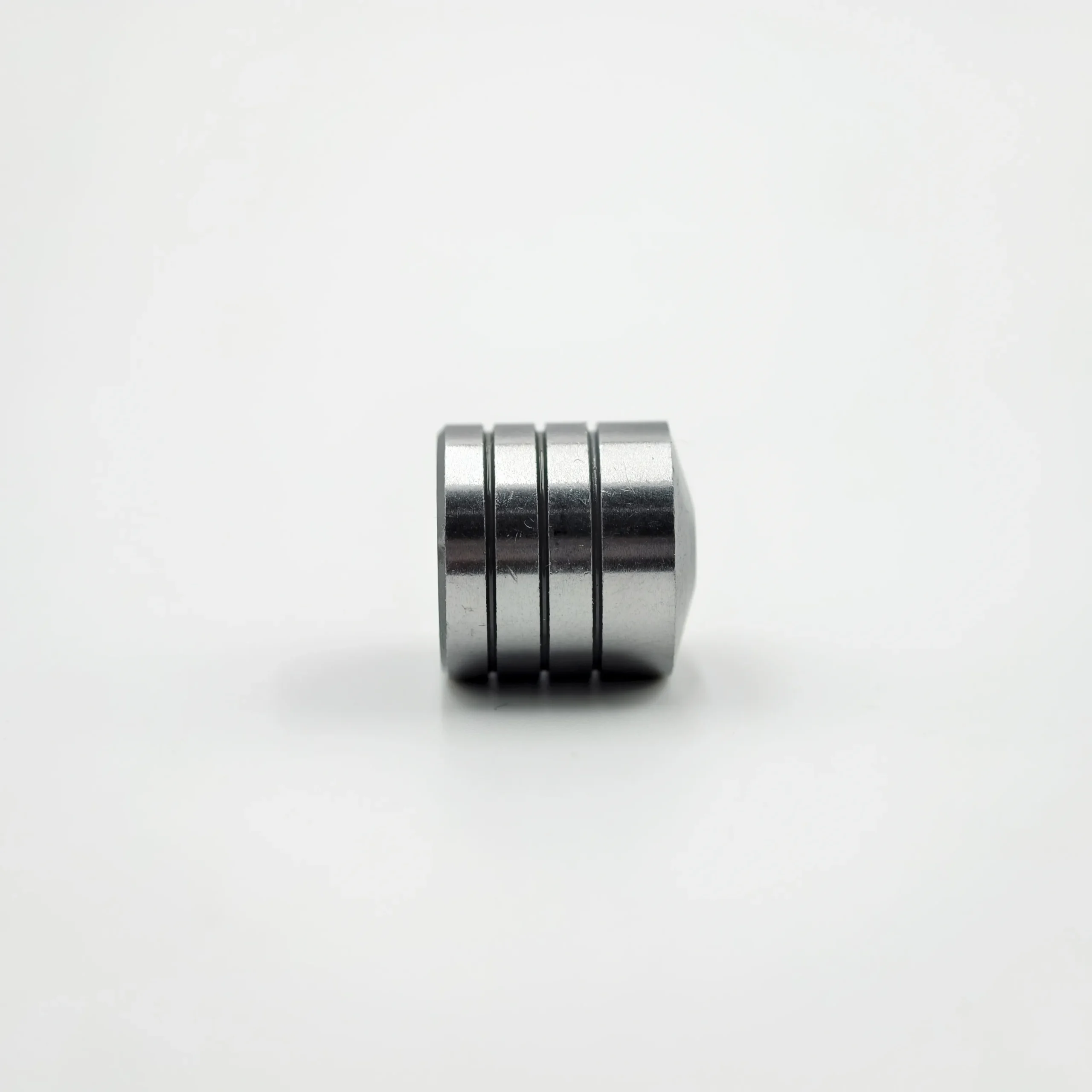 104-15-25480• VALVE Komatsu Original Factory
 -
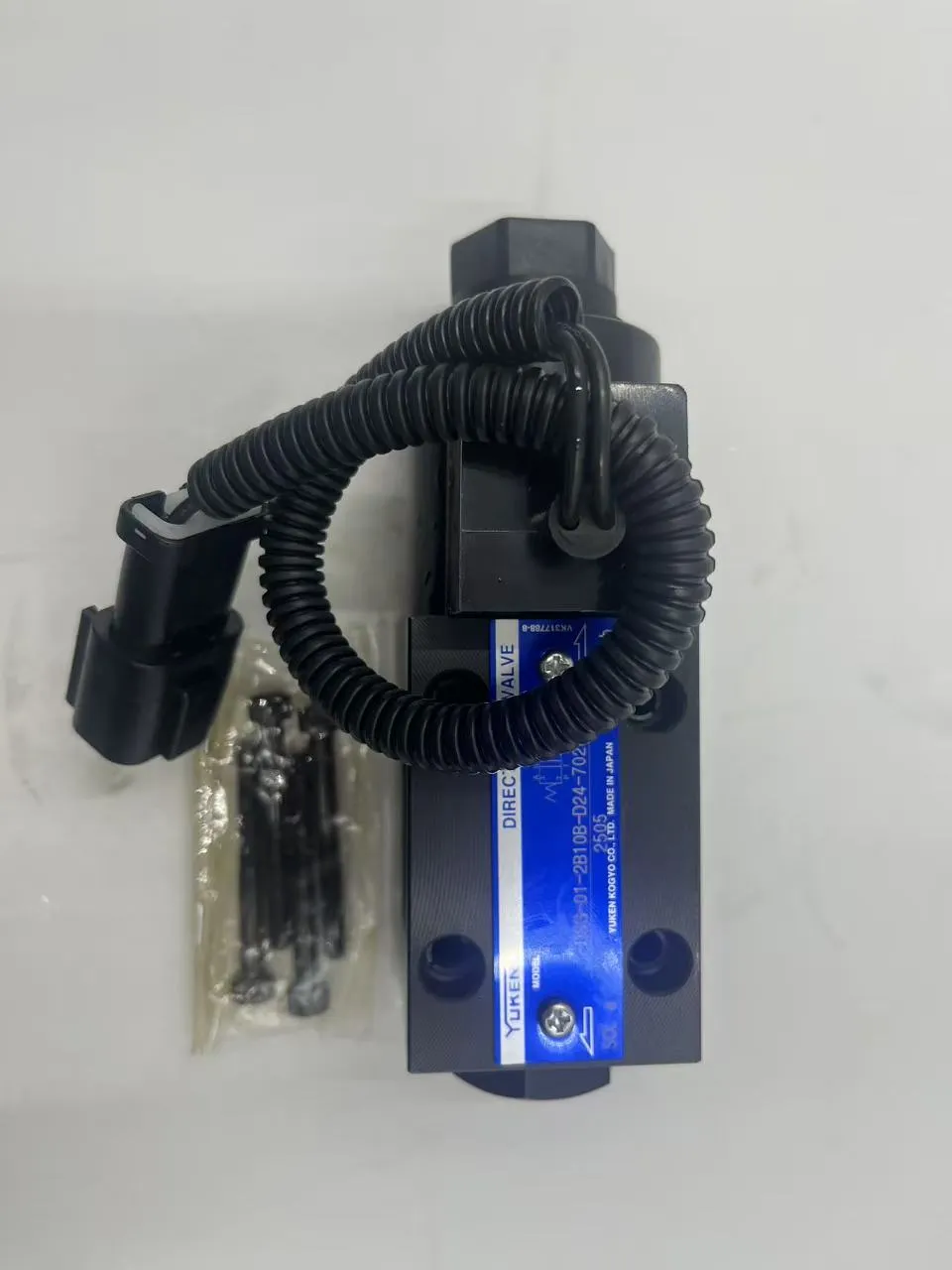 23W-60-28230 • VALVE ASS’Y-Komatsu Original Factory
 -
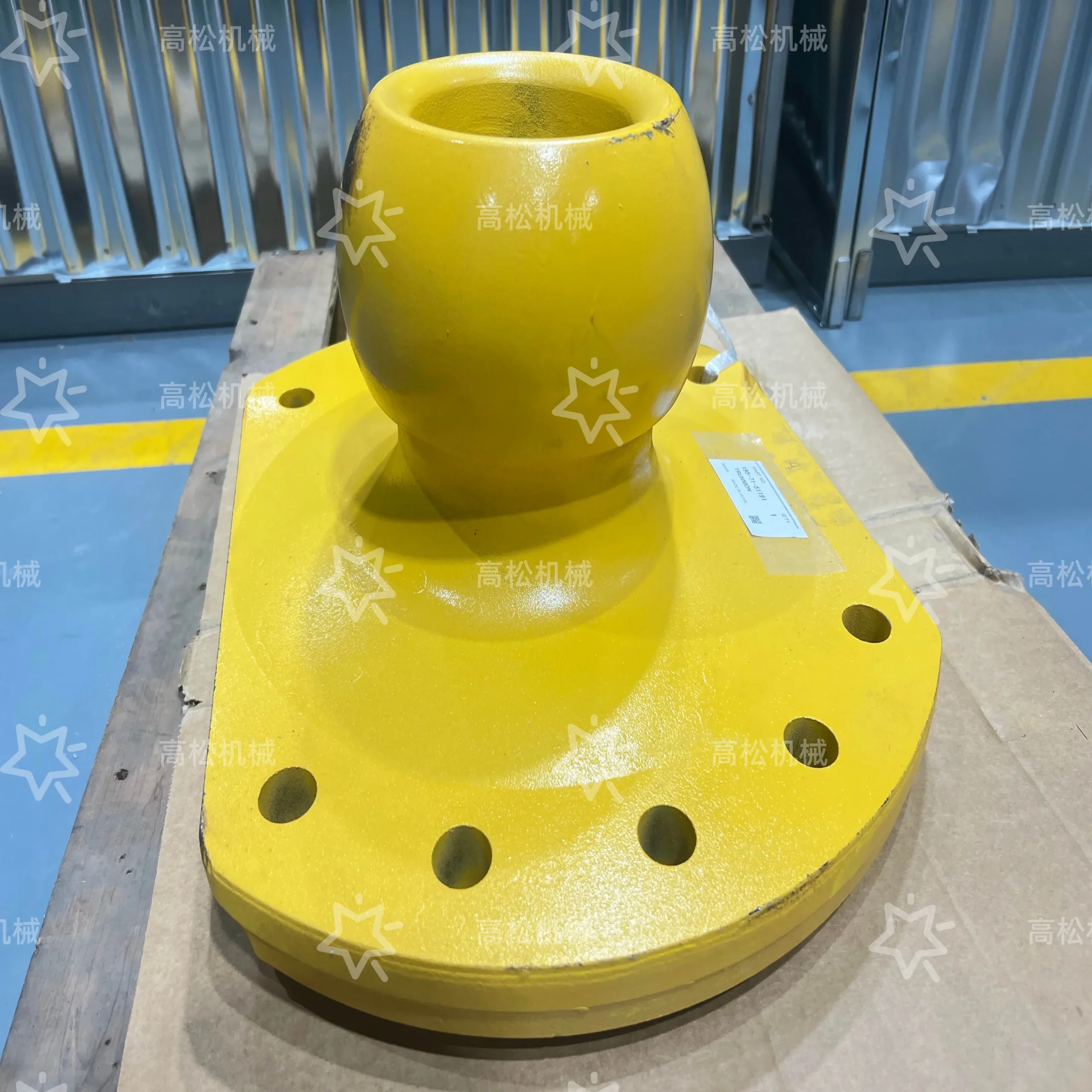 195-71-51191 TRUNNION – THIS TRUNNION HELPS MAINTAIN THE BALANCE OF THE MACHINE
 -
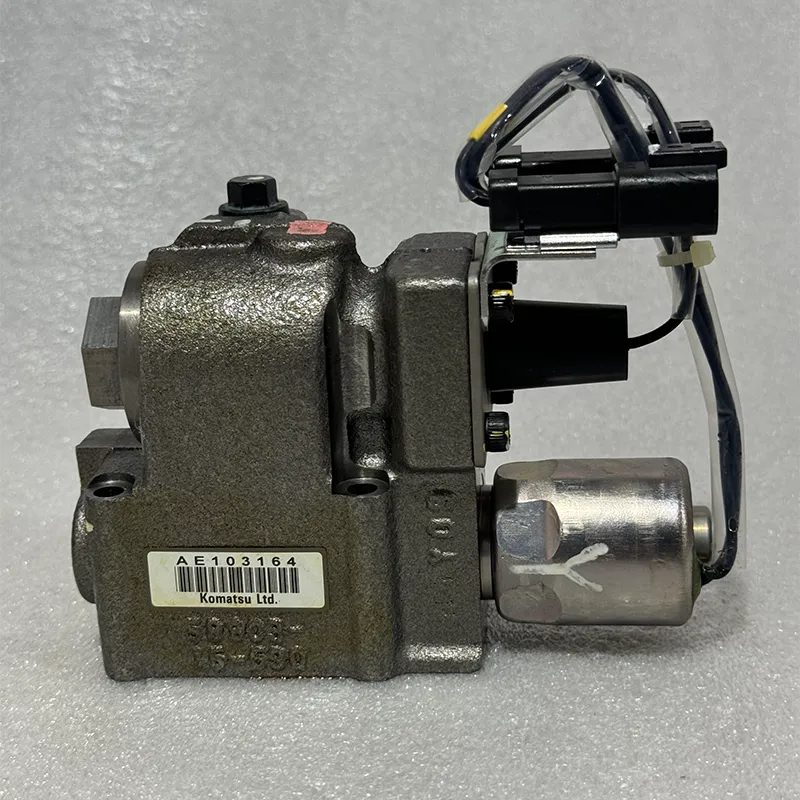 Original komatsu HD785-7 Valve 561-15-75701
 -
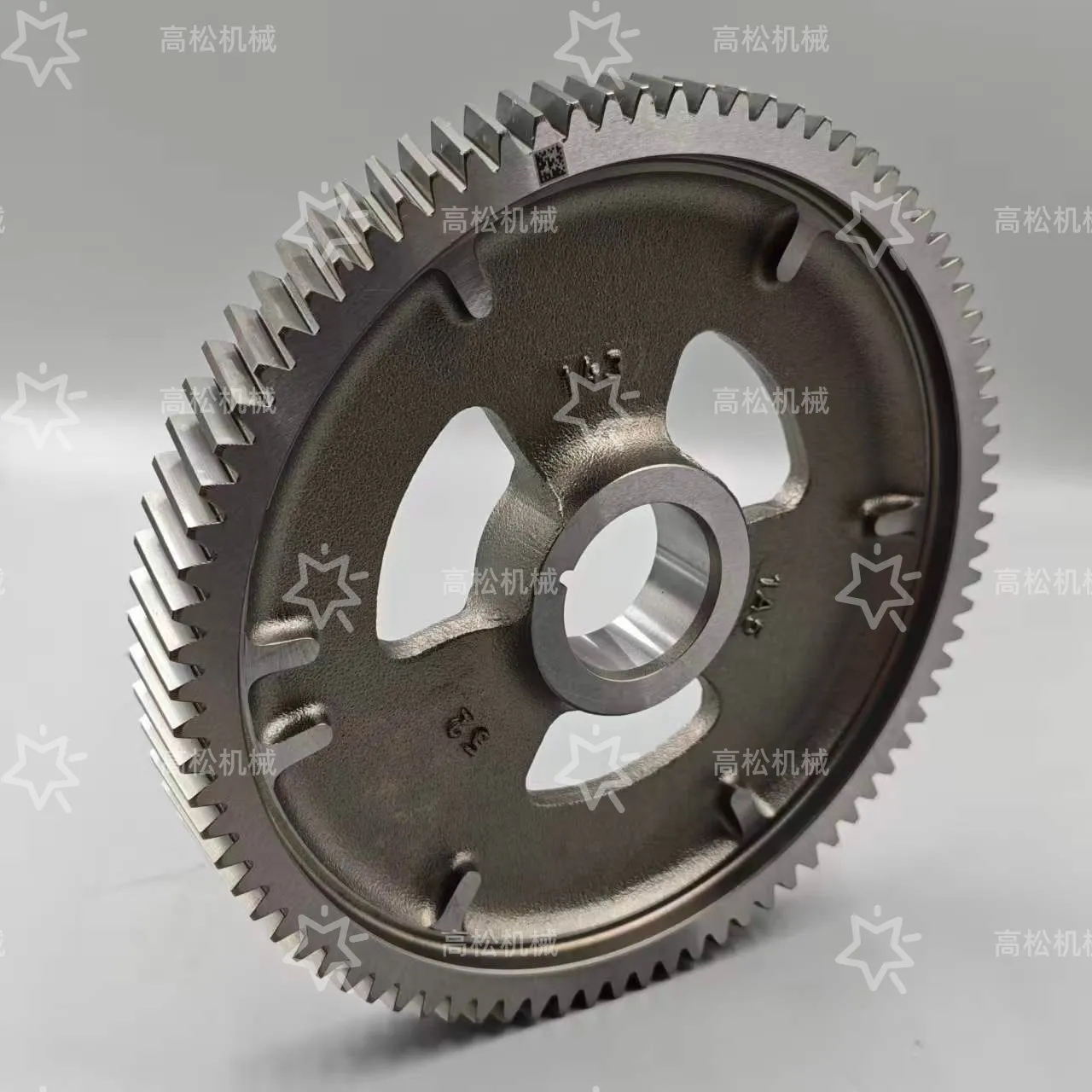 6745-41-1131 GEAR – CAMSHAFT Suitable for komatsu