
- Chinese
- French
- German
- Portuguese
- Spanish
- Russian
- Japanese
- Korean
- Arabic
- Irish
- Greek
- Turkish
- Italian
- Danish
- Romanian
- Indonesian
- Czech
- Afrikaans
- Swedish
- Polish
- Basque
- Catalan
- Esperanto
- Hindi
- Lao
- Albanian
- Amharic
- Armenian
- Azerbaijani
- Belarusian
- Bengali
- Bosnian
- Bulgarian
- Cebuano
- Chichewa
- Corsican
- Croatian
- Dutch
- Estonian
- Filipino
- Finnish
- Frisian
- Galician
- Georgian
- Gujarati
- Haitian
- Hausa
- Hawaiian
- Hebrew
- Hmong
- Hungarian
- Icelandic
- Igbo
- Javanese
- Kannada
- Kazakh
- Khmer
- Kurdish
- Kyrgyz
- Latin
- Latvian
- Lithuanian
- Luxembou..
- Macedonian
- Malagasy
- Malay
- Malayalam
- Maltese
- Maori
- Marathi
- Mongolian
- Burmese
- Nepali
- Norwegian
- Pashto
- Persian
- Punjabi
- Serbian
- Sesotho
- Sinhala
- Slovak
- Slovenian
- Somali
- Samoan
- Scots Gaelic
- Shona
- Sindhi
- Sundanese
- Swahili
- Tajik
- Tamil
- Telugu
- Thai
- Ukrainian
- Urdu
- Uzbek
- Vietnamese
- Welsh
- Xhosa
- Yiddish
- Yoruba
- Zulu
- Kinyarwanda
- Tatar
- Oriya
- Turkmen
- Uyghur






linkone komatsu parts online
When you type 'linkone komatsu parts online' into a search bar, you're not just looking for a website. You're looking for a solution to a very specific, often urgent, problem: getting the right genuine or compatible part for a machine that's probably down and costing money by the hour. The immediate results can be misleading. You'll see a dozen sites claiming to have the full Komatsu catalog, but many are just front-ends for the same outdated databases, or worse, they list parts they don't physically have. The real challenge isn't finding a list; it's finding a reliable partner who understands the supply chain gaps, especially outside major markets.
The Promise and Pitfall of Online Parts Searches
Early on, I thought the digitalization of parts catalogs like LinkOne was the ultimate answer. It promised accuracy and speed. But the reality on the ground is messier. You can pull up a perfect schematic, find the part number for, say, a D61EXi-24 track link assembly, and then hit a wall. The official channels might quote a 12-week lead time from Japan, or the local distributor might be out of stock. That's where the pure online catalog model fails. It shows you what exists, not what's obtainable. This gap is where the real industry players operate.
I've spent too much time on hold, confirming that a part listed as in stock online was actually a ghost listing—a data entry that hadn't been updated in months. It erodes trust fast. The value isn't in the database itself; it's in the logistics and honesty behind it. A reliable supplier's site might look less polished, but if they list it, they have it, or they have a clear path to get it. That distinction is everything.
This is precisely why companies that position themselves within the Komatsu ecosystem but with operational flexibility are critical. Take Jining Gaosong Construction Machinery Co., Ltd., for instance. Their setup is telling: an OEM product supplier within the Komatsu system and a third-party sales company. That dual role isn't a conflict; it's a strategic advantage. It means they can navigate both the official channels and the alternative supply networks to solve parts supply challenges in certain countries, as their site takematsumachinery.com states. That line isn't marketing fluff; it's a direct address to the core pain point.
Beyond the Catalog: The Supplier's Role as a Filter
So, what does a good partner do? They act as a filter. You come to them with your Komatsu parts need, maybe sourced from a LinkOne lookup, and they do the legwork you can't. They check multiple warehouses, they know which aftermarket manufacturers meet Komatsu's tolerances for non-critical components, and they're honest about lead times from day one. Jining Gaosong's model suggests they understand this. Being an OEM supplier implies access to genuine parts streams, while their third-party role allows them to source quality-compatible parts when the OEM pipeline is clogged or cost-prohibitive for a customer in a remote location.
I recall a project in Southeast Asia where we needed a hydraulic pump for an old PC300-6. The official channel was a dead end. We found a supplier—not unlike the profile of Jining Gaosong—who confirmed the OEM part was discontinued but cross-referenced it with a compatible unit from a reputable Japanese manufacturer. They provided the full spec sheets and service history of the alternative. We got the machine running in 10 days, not 10 weeks. That's the solving challenges part in action. It's proactive problem-solving, not just order-taking.
The lesson here is to use the online search for the initial identification, but then immediately evaluate the supplier. A site like takematsumachinery.com becomes useful not just for its catalog, but for its stated mission. It signals a focus on a specific problem set. You're not dealing with a generalist e-commerce site; you're dealing with a company that presumably knows the Komatsu parts numbering system, the common failure points on models like the Dash-8 series, and the logistical hurdles of shipping to certain regions.
The Reality of Genuine vs. Quality
This leads to the perennial debate: genuine vs. aftermarket. The online search for LinkOne Komatsu parts online often defaults to an assumption that only genuine parts will do. For critical, safety-related components like brake systems or engine rods, that's non-negotiable. But for many wear parts—seals, filters, even some hydraulic hoses—the aftermarket landscape is filled with high-quality options. A good supplier will differentiate this for you, not just push the most expensive SKU.
A failure I learned from involved stubbornly insisting on a genuine Komatsu cabin filter for a mid-life machine, waiting three weeks, and paying a premium, when a high-efficiency Donaldson or Fleetguard filter was sitting on a shelf locally for a third of the price. The machine didn't know the difference. The key is the supplier's curation. Do they vouch for the alternatives they carry? Jining Gaosong's dual-role structure suggests they have the OEM baseline but can also intelligently recommend vetted third-party solutions when appropriate, which is a huge value-add for cost-conscious operations.
You develop a sense for this. When inquiring online, look for suppliers that offer transparency. Can they tell you the country of manufacture for the part? Can they provide material certifications? If they only ever say yes, we have it without any technical follow-up, be wary. The conversation should feel collaborative, like you're troubleshooting with a technician who also handles logistics.
Logistics: The Make-or-Break After the Click
Finding the part is only 30% of the battle. The other 70% is getting it to your job site, through customs, without massive delays or hidden fees. This is where regional specialists shine. A company based in Jining, China, with a focus on solving supply challenges in certain countries, is likely deeply familiar with export documentation, Incoterms, and reliable freight forwarders for regions like Africa, the Middle East, or Central Asia—places where the major global distributors sometimes have weak links.
I've had shipments stuck in ports for weeks because of incomplete certificates of conformity or improper HS codes. A supplier who does this daily has their paperwork down to a science. They'll often offer DDP (Delivered Duty Paid) options, which, while more expensive upfront, remove a world of headache. When browsing a site, don't just look at the part price; look for information on shipping policies, typical transit times, and export compliance. Its absence is a red flag.
The website takematsumachinery.com, by its very address, shows an intent to bridge a specific gap—connecting the Komatsu (Take from Komatsu's founder, Takeuchi) machinery world with broader availability. It's a practical signal. Their operational knowledge likely extends beyond the warehouse shelf to the container ship and the customs broker, which is what you're really buying when you move past the simple online search.
Building a Shortlist, Not Finding a Silver Bullet
Ultimately, searching for LinkOne Komatsu parts online shouldn't be about finding one perfect source. It's about building a shortlist of two or three reliable, communicative suppliers who can cover different scenarios. One might be your go-to for urgent, genuine parts. Another, like a company with Jining Gaosong's profile, might be your specialist for hard-to-find components or for servicing machines in difficult geographic areas.
The digital catalog is the starting pistol. The race is won by the supplier's expertise, inventory honesty, and logistical competence. You start with a part number from LinkOne, but you end the transaction based on trust built through clear communication, accurate tracking, and the part arriving as described, on time. That's the unglamorous reality behind the search query.
So next time you run that search, look past the first-page SEO blitz. Dig into the About Us page. Look for clues about their physical operations, their partnerships, and the specific problems they claim to solve. A line like helping to solve parts supply challenges in certain countries is worth more than a thousand glossy catalog images. It tells you they've been in the trenches where machines are down, and they've built a business around getting them running again. That's the partner you need when the schematic is clear, but the path to the part is not.
Related Products
Related Products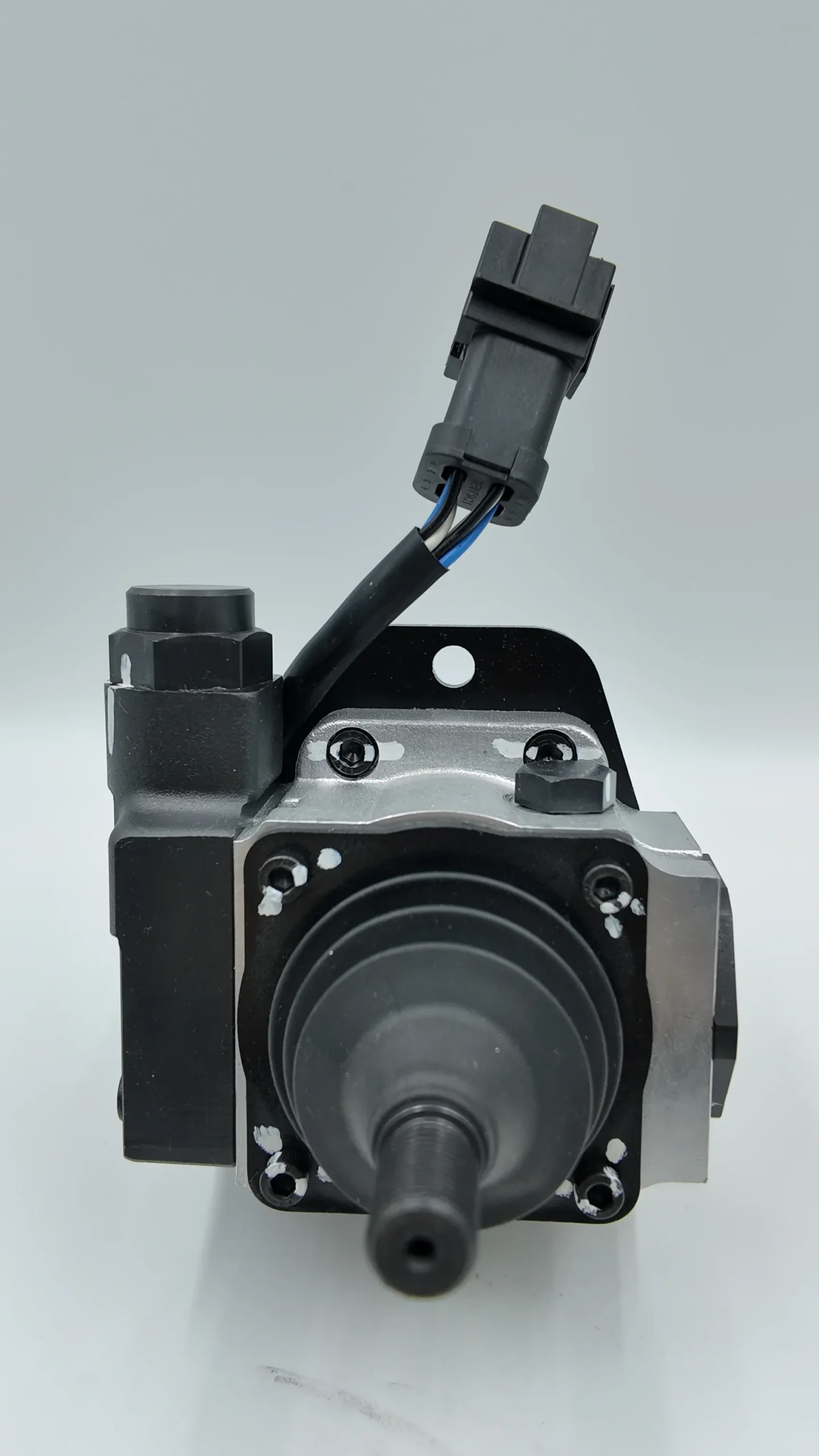
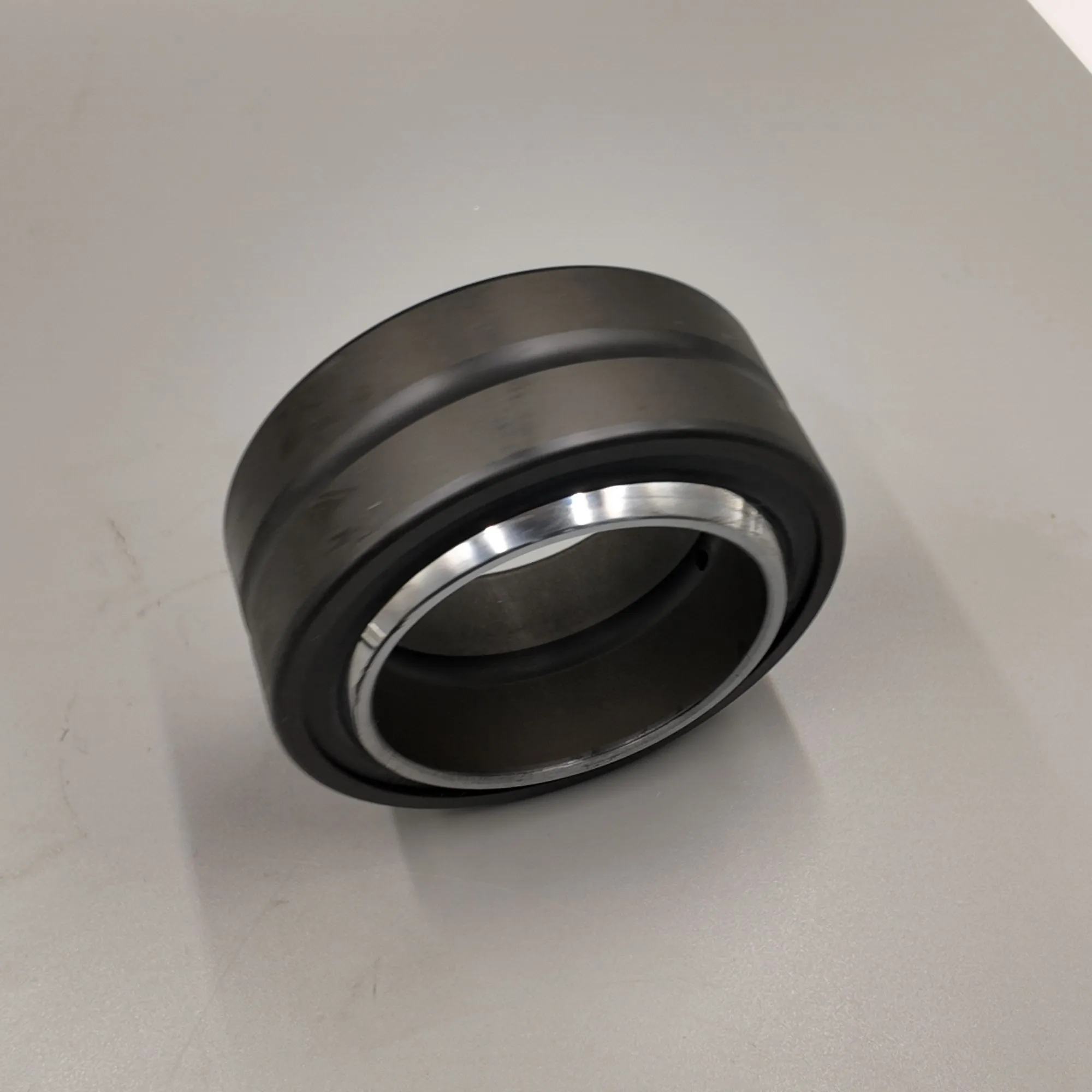
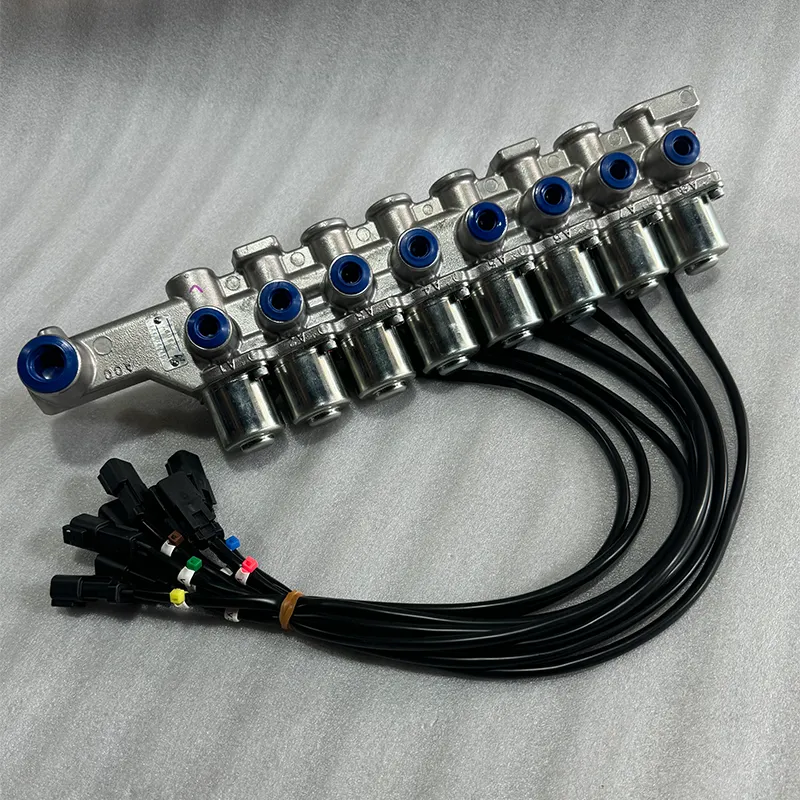
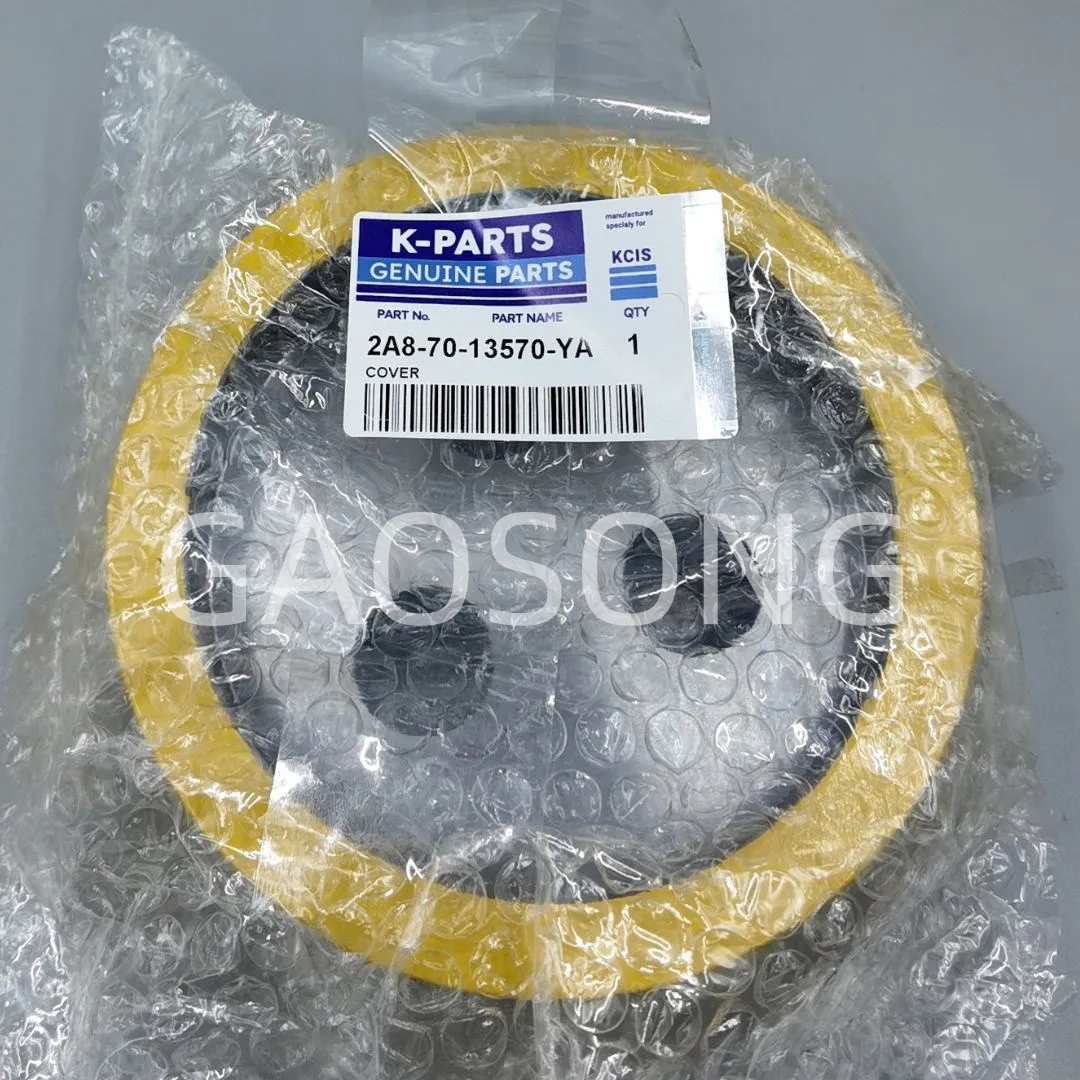

Best Selling Products
Best Selling Products-
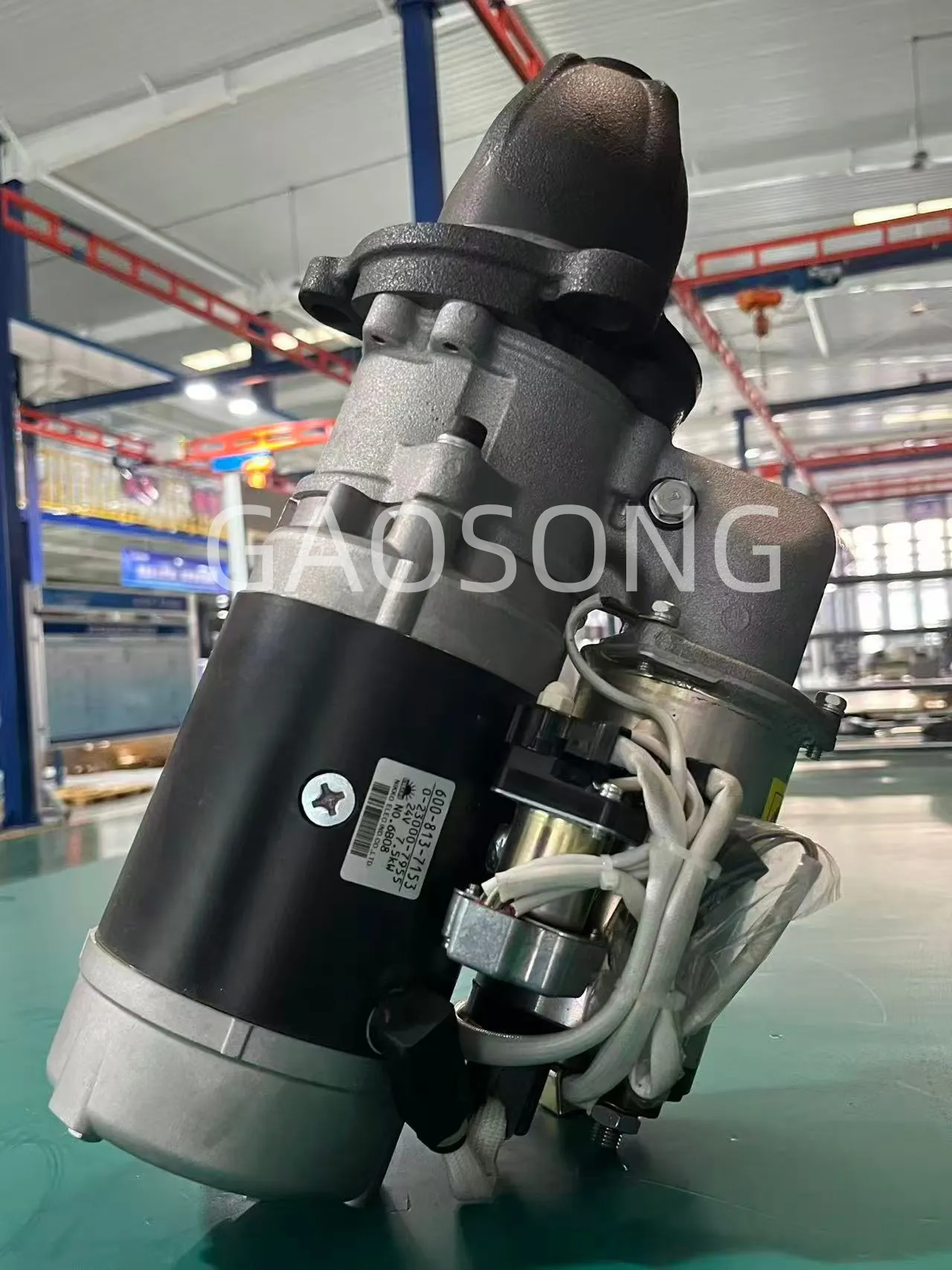 600-813-7153 Starting Motor, -Komatsu Original Factory
 -
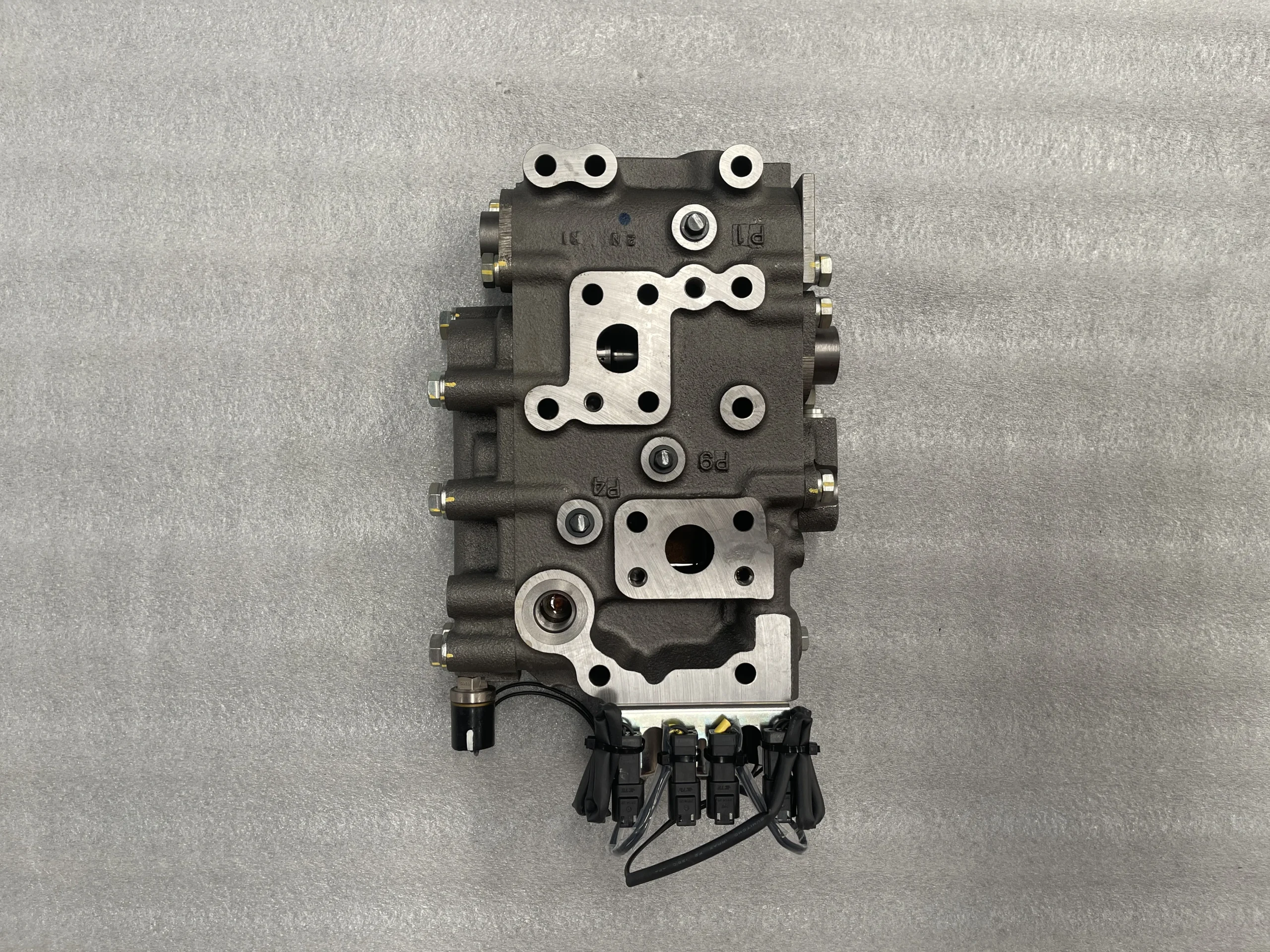 HD785-7 converter valve 561-13-76700
 -
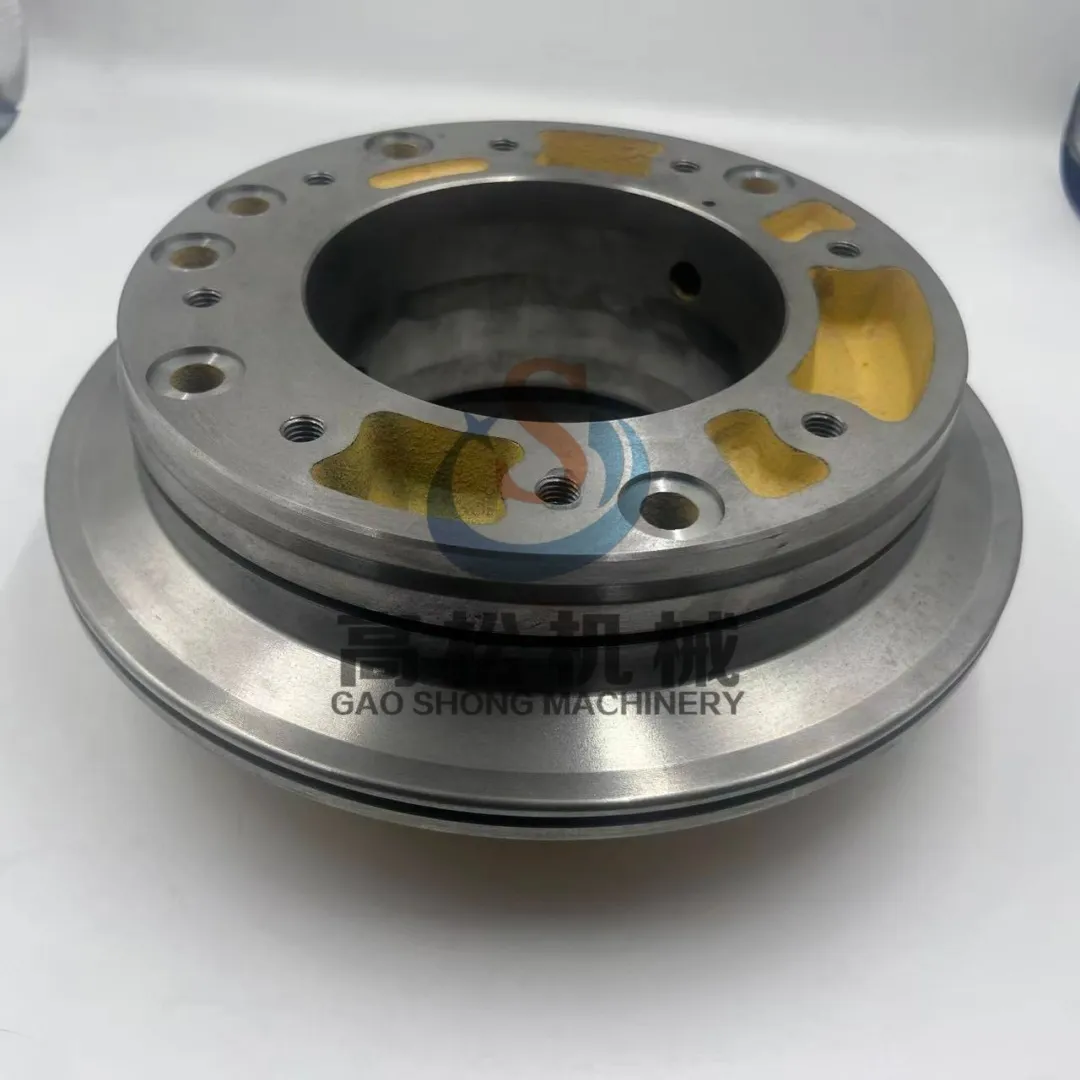 17A-22-11132 Cylinder (Komatsu)
 -
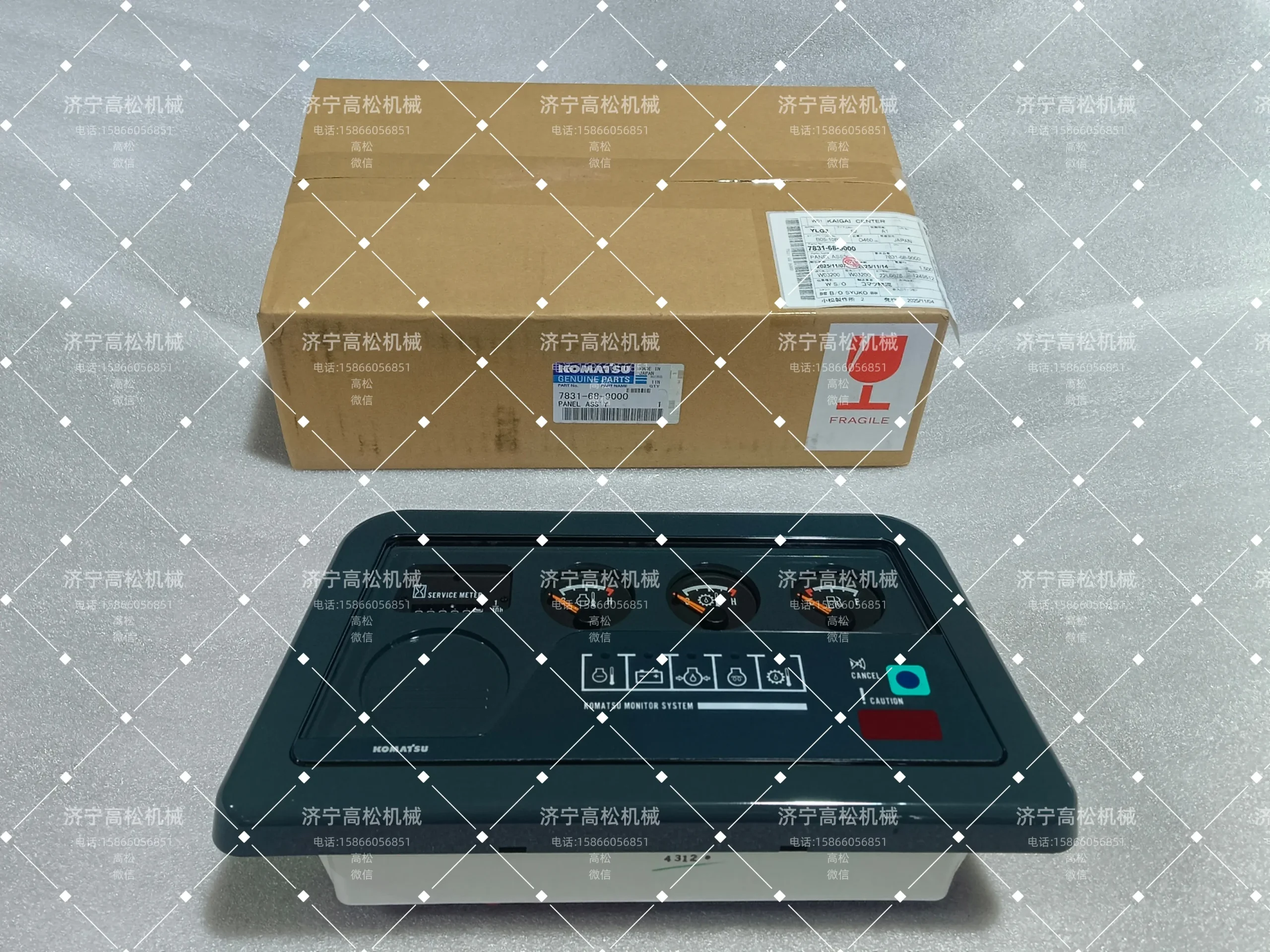 Komatsu 7831-68-9000 PANEL ASS’Y, price for… — Pricing.Parts
 -
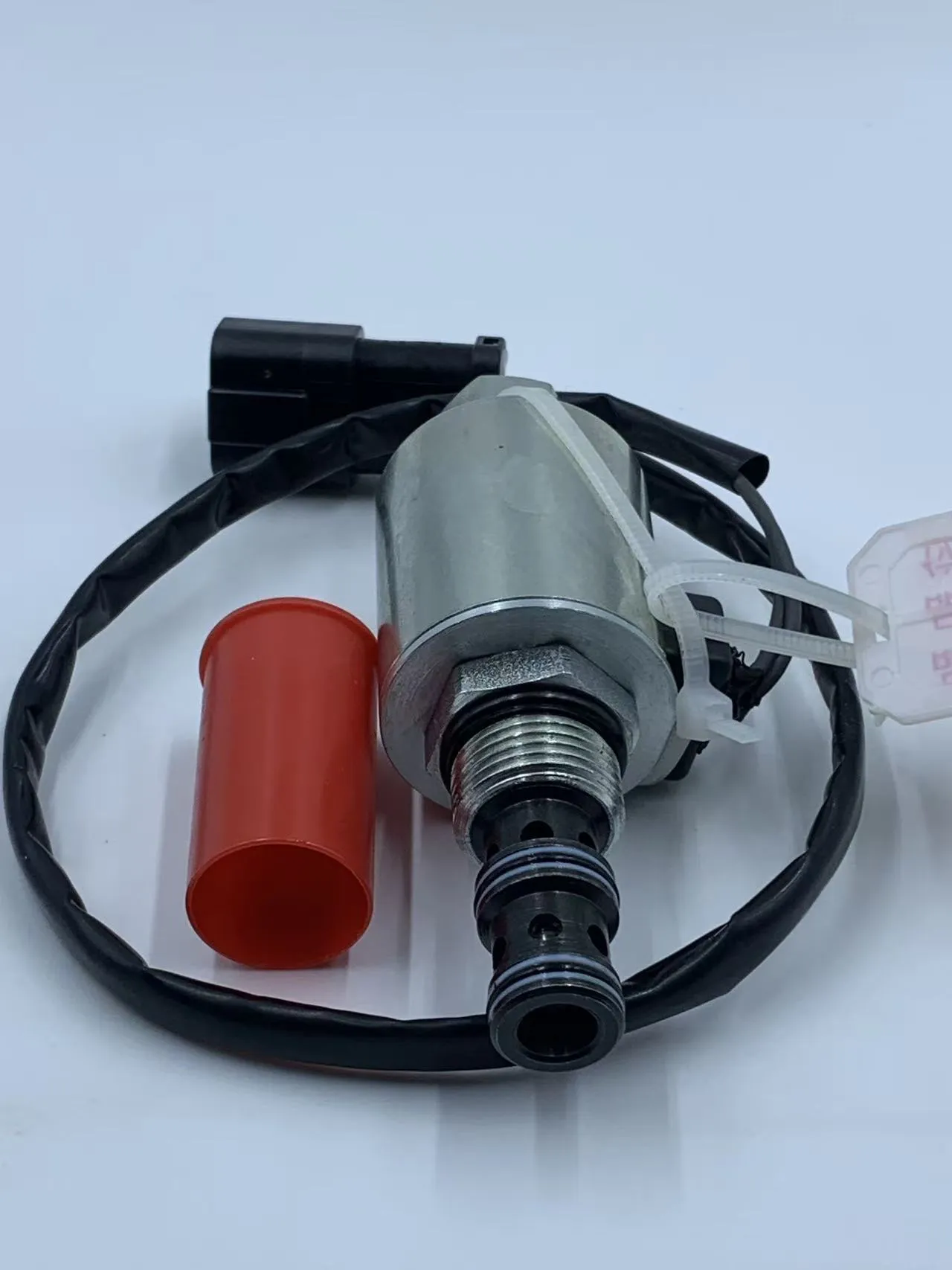 20Y6011713 excavator solenoid valve construction machinery parts suitable for Komatsu PC200-7 20Y-60-11713
 -
 Komatsu 21N-25-31130 WIRE
 -
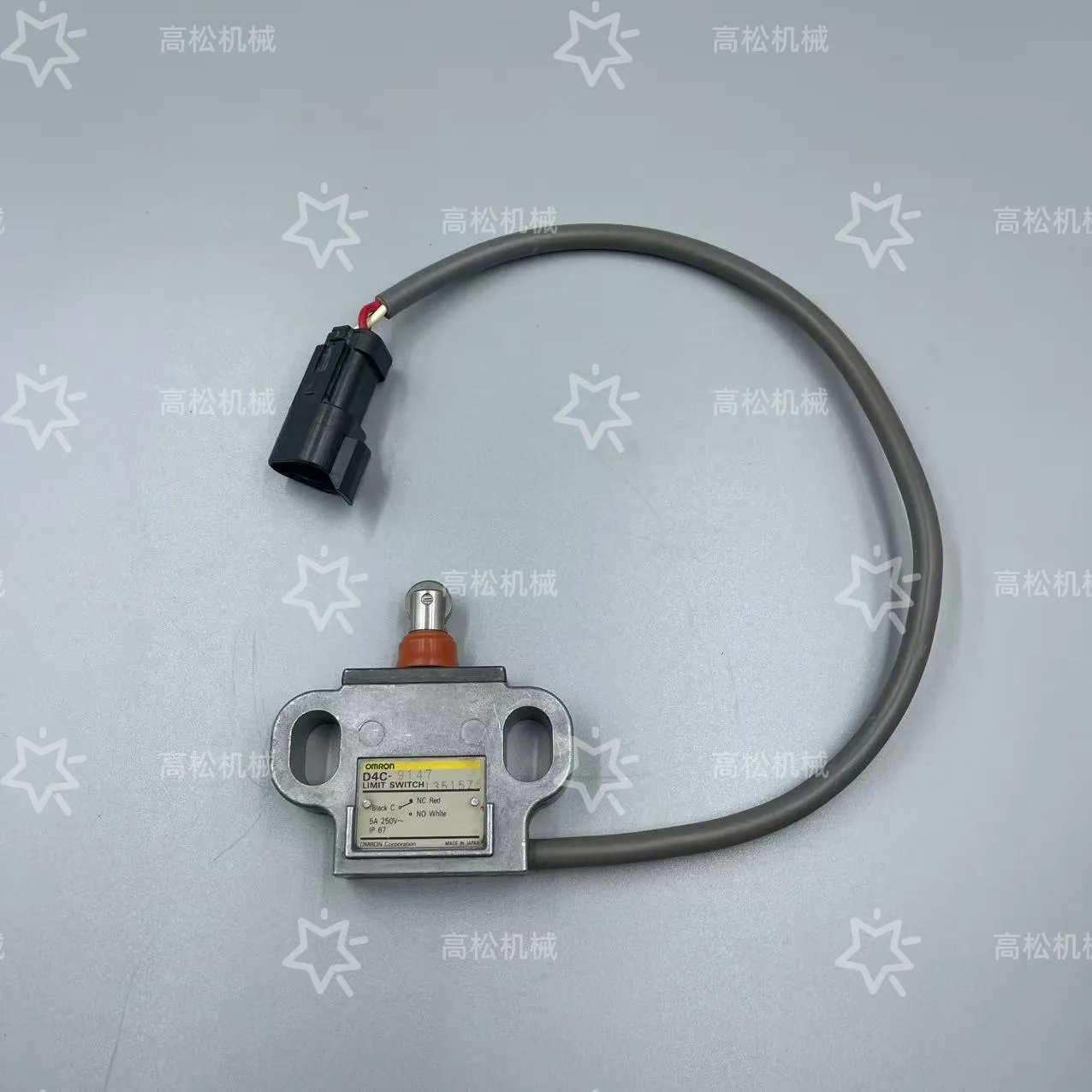 11Y-06-22150SWITCH 11Y-06-22150 for KOMATSU D65PX-16
 -
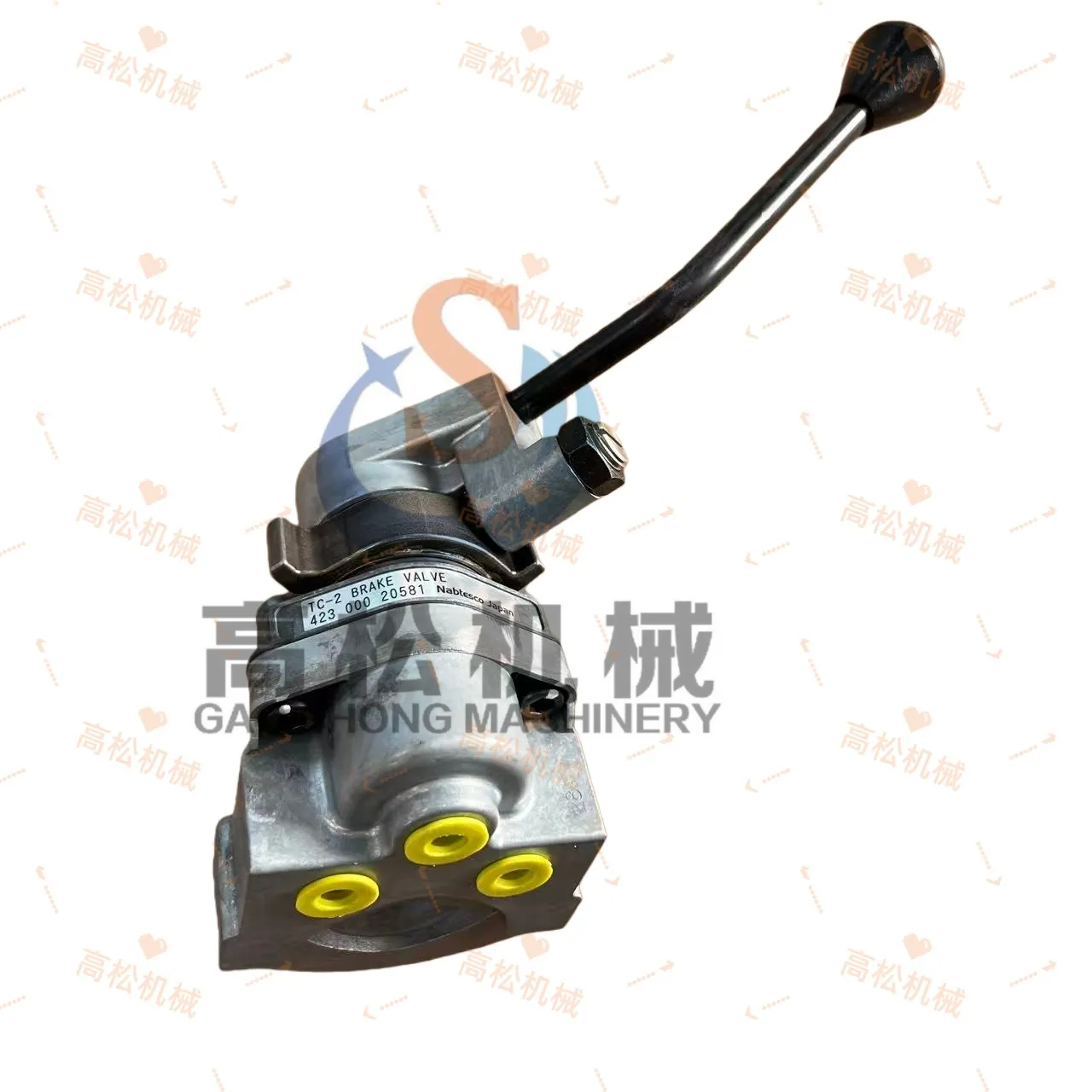 RETARDER VALVE ASS’Y HD785-5 RETARDER VALVE ASS’Y HD985-5 RETARDER VALVE ASS’Y HD255-5
 -
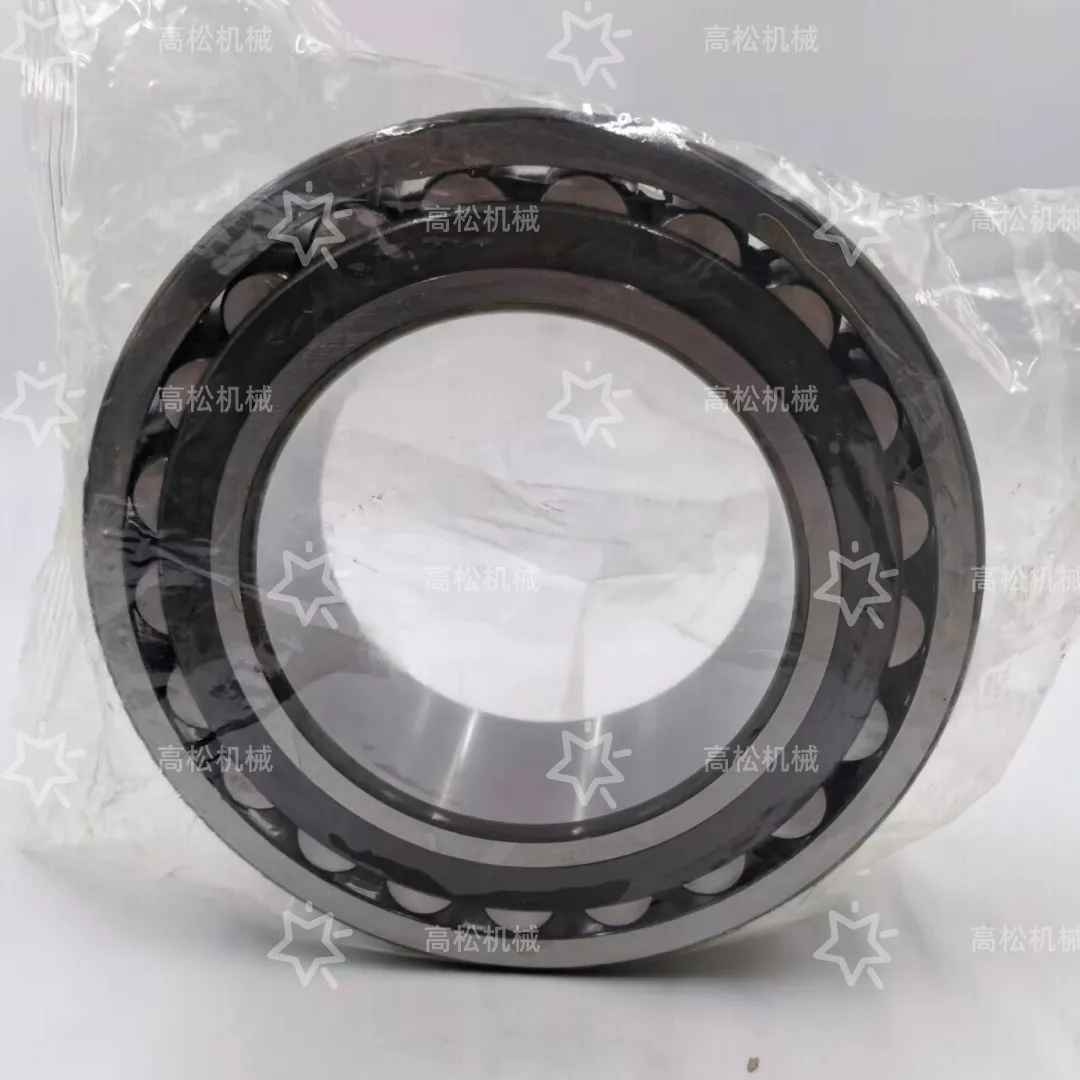 208-26-71530 2082671530 Bearing for Komatsu PC450 PC460 PC500 Excavator Swing Drive Bearing Reducer Bearing
 -
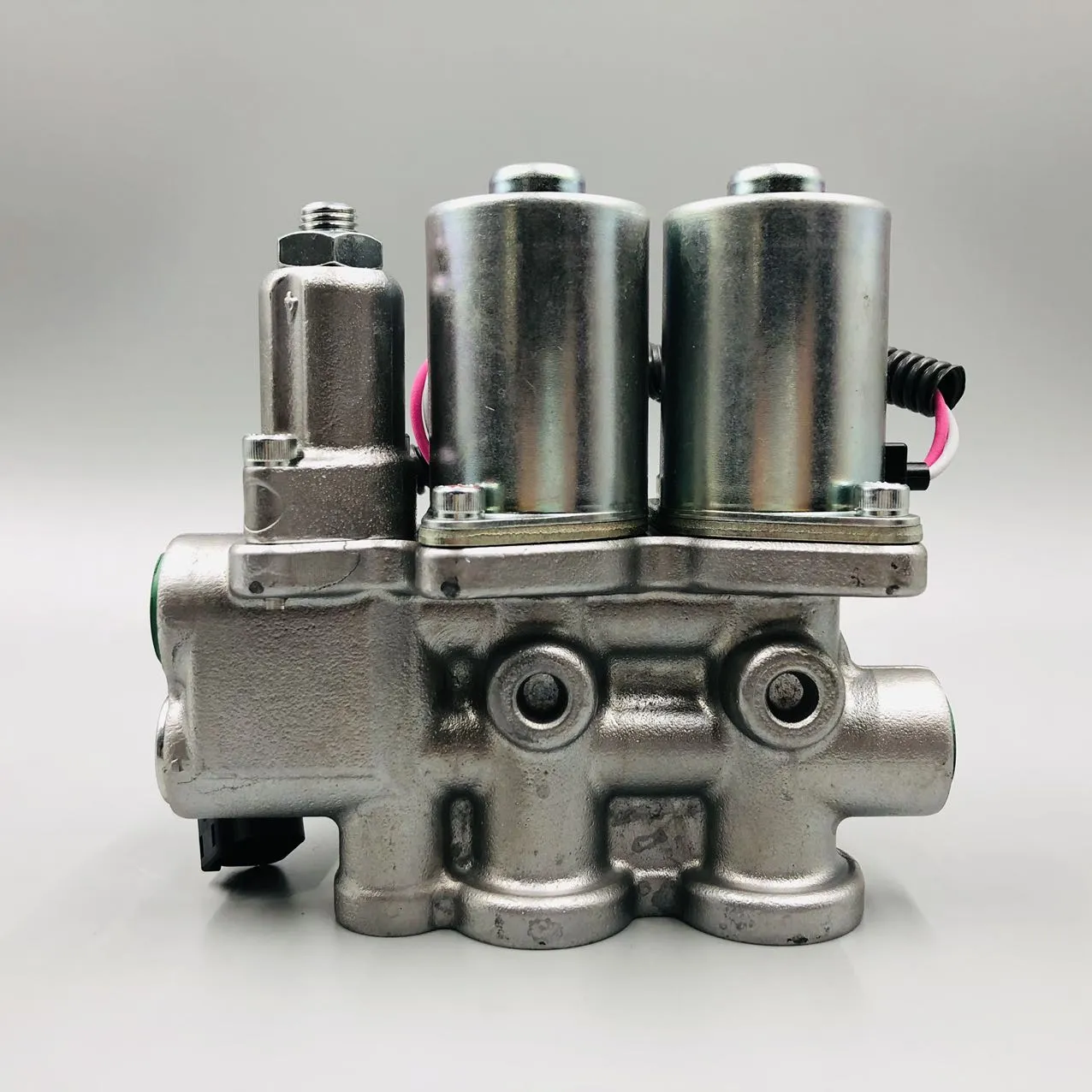 22F-60-31600Valve assembly
 -
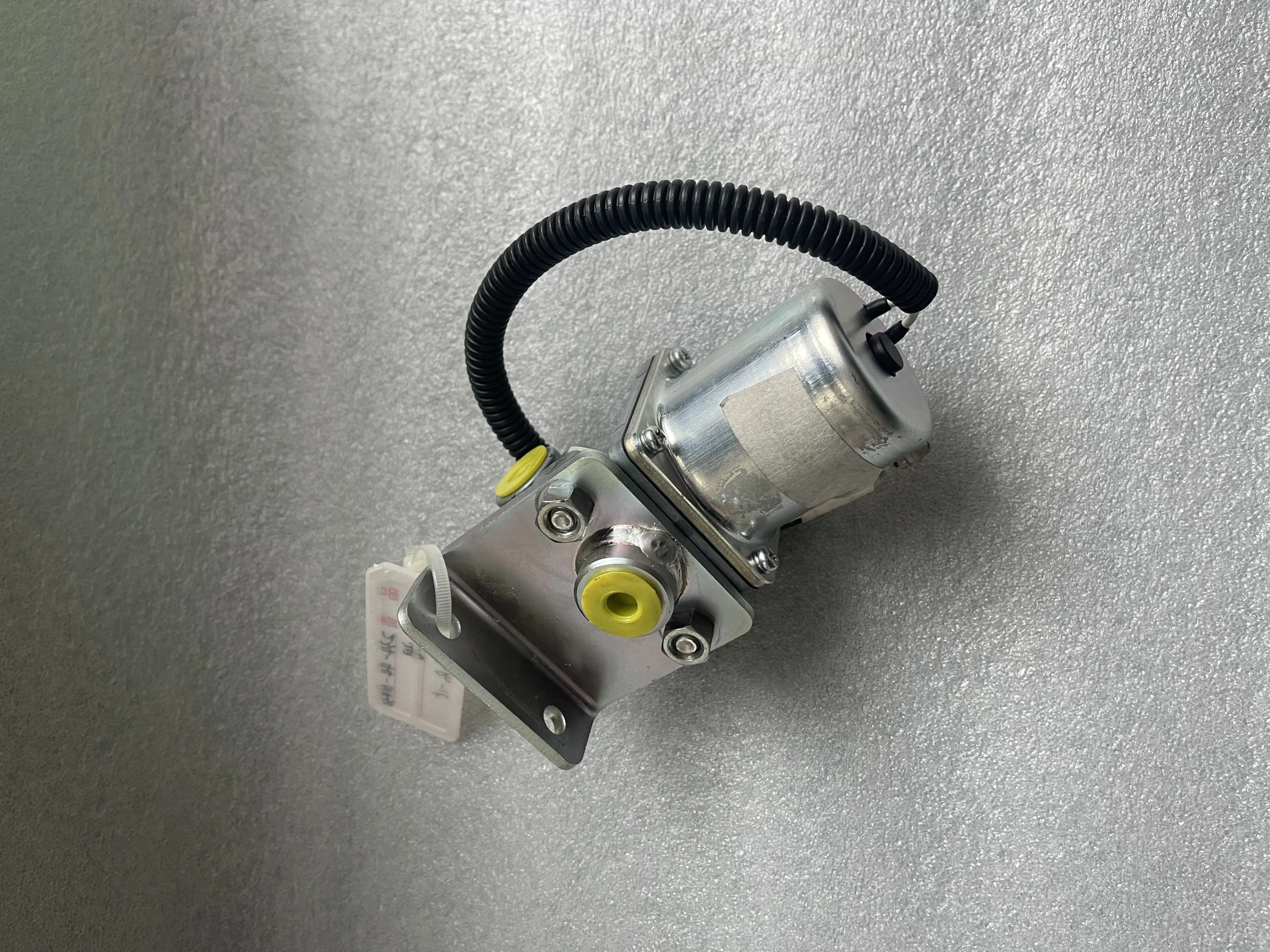 234-44-61430-VALVE Applicable: Komatsu GD825 / GD705
 -
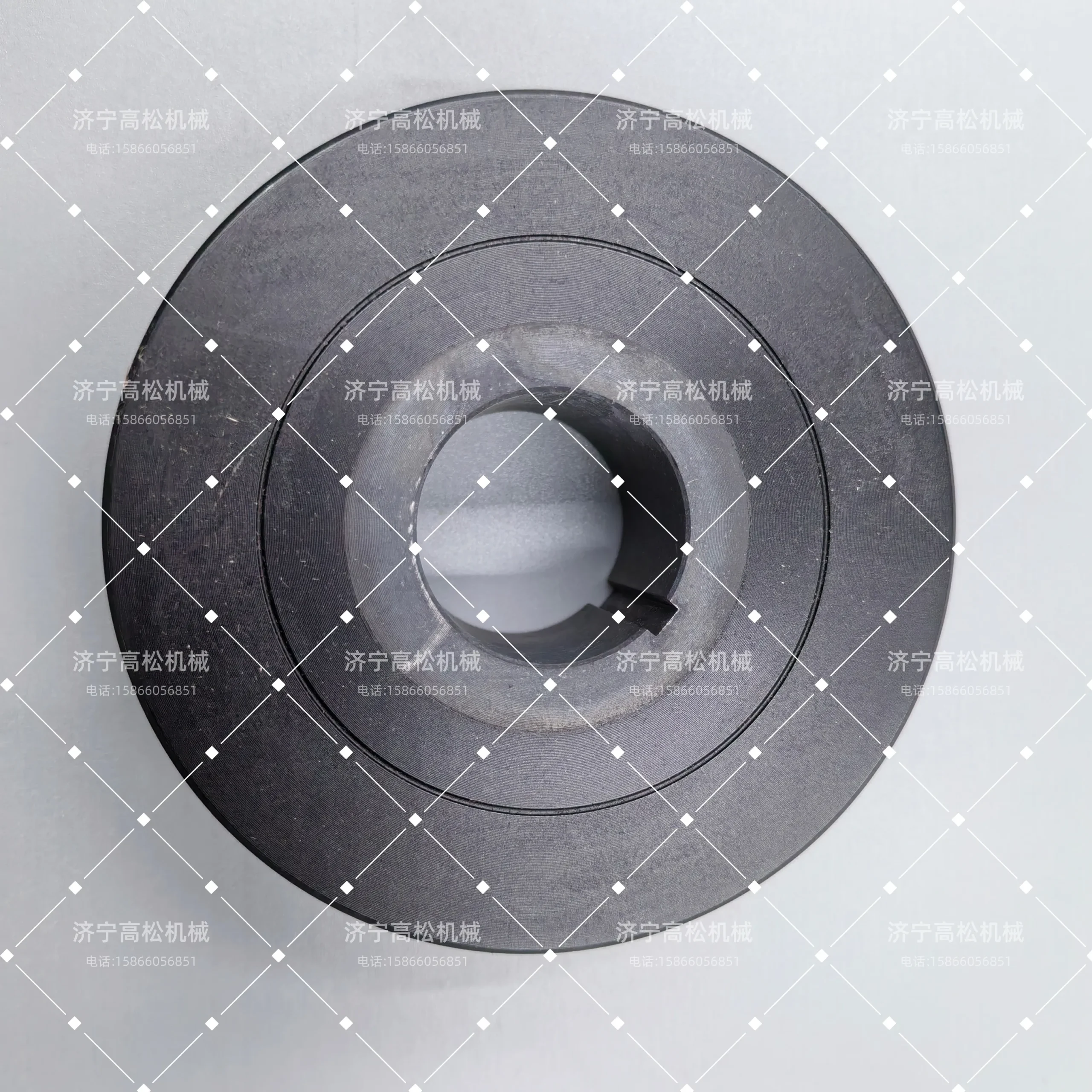 Original Parts Kd0-35411-0854 Pulley, High Quality Original Parts…