
- Chinese
- French
- German
- Portuguese
- Spanish
- Russian
- Japanese
- Korean
- Arabic
- Irish
- Greek
- Turkish
- Italian
- Danish
- Romanian
- Indonesian
- Czech
- Afrikaans
- Swedish
- Polish
- Basque
- Catalan
- Esperanto
- Hindi
- Lao
- Albanian
- Amharic
- Armenian
- Azerbaijani
- Belarusian
- Bengali
- Bosnian
- Bulgarian
- Cebuano
- Chichewa
- Corsican
- Croatian
- Dutch
- Estonian
- Filipino
- Finnish
- Frisian
- Galician
- Georgian
- Gujarati
- Haitian
- Hausa
- Hawaiian
- Hebrew
- Hmong
- Hungarian
- Icelandic
- Igbo
- Javanese
- Kannada
- Kazakh
- Khmer
- Kurdish
- Kyrgyz
- Latin
- Latvian
- Lithuanian
- Luxembou..
- Macedonian
- Malagasy
- Malay
- Malayalam
- Maltese
- Maori
- Marathi
- Mongolian
- Burmese
- Nepali
- Norwegian
- Pashto
- Persian
- Punjabi
- Serbian
- Sesotho
- Sinhala
- Slovak
- Slovenian
- Somali
- Samoan
- Scots Gaelic
- Shona
- Sindhi
- Sundanese
- Swahili
- Tajik
- Tamil
- Telugu
- Thai
- Ukrainian
- Urdu
- Uzbek
- Vietnamese
- Welsh
- Xhosa
- Yiddish
- Yoruba
- Zulu
- Kinyarwanda
- Tatar
- Oriya
- Turkmen
- Uyghur






komatsu yanmar engine
When you hear 'Komatsu Yanmar engine', there's a common misconception to clear up first. People often think it's a single, co-developed power unit. In reality, it's more about application and legacy. Komatsu has historically utilized Yanmar diesel engines in specific models, particularly in smaller equipment like compact excavators and wheel loaders. The relationship isn't about joint engineering per se, but about Komatsu sourcing reliable, efficient engines from a specialist like Yanmar for certain machine classes. This distinction matters because it shapes parts sourcing, service protocols, and long-term reliability assessments.
The OEM and Aftermarket Reality
Working with machines in the field, you see the lifecycle. A Komatsu mini-excavator with a Yanmar engine runs beautifully for the first 8,000 hours if maintenance is religious. The synergy is there—Komatsu's robust hydraulics paired with Yanmar's fuel-efficient, high-torque diesel. But the real test comes later, when you need a replacement turbo or a fuel injection pump. This is where the official channels can hit a wall, especially in regions without a strong Komatsu distribution network. Lead times stretch, costs balloon.
This is precisely the gap companies like Jining Gaosong Construction Machinery Co., Ltd. operate in. As an OEM product supplier within the Komatsu system, they have the genuine pipeline. But their real value-add, from my observation, is acting as a third-party solution provider. When a customer in a market with supply challenges is desperate for a Yanmar engine component for their Komatsu machine, the official route might take weeks. A specialized third-party supplier can often navigate that logistics maze faster, providing OEM-equivalent parts without the bottleneck.
I recall a project in Southeast Asia where two Komatsu PC78US-6 excavators were down with suspected injector issues on their Yanmar 4TNV98T engines. The local dealer's system showed a 45-day backorder. The site manager couldn't wait. We sourced a certified set through a channel similar to what's described on Takematsu Machinery's site—emphasizing their role in solving parts supply challenges. The parts arrived in 10 days, matched the specs perfectly, and got the machines back online. It wasn't a bargain-bin solution; it was about accessing the right part through an alternative but knowledgeable network.
Technical Nuances and Common Pitfalls
Not all Komatsu machines with Yanmar engines are the same. The engine model is critical. The 4TNV98T is a workhorse, but its cooling system can be finicky in high-dust environments. The earlier 4TNE98 variants had a different fuel rail design. A mistake I've seen—and nearly made myself—is assuming interchangeability based on machine model alone. You must cross-reference the engine serial number. A parts supplier that understands this depth, one that's an OEM product supplier within the Komatsu system, will ask for that S/N immediately. It shows they're not just order-takers.
Another nuance is the engine management integration. The Yanmar engine isn't just bolted in; it's wired into Komatsu's electronic monitoring system (EMMS or similar). Aftermarket sensors that don't match the resistance specs can cause false alarms or, worse, derate the engine. When evaluating a third-party part, you have to verify it communicates correctly with the machine's ECM. This is where the supplier's technical backing is crucial. Can they explain the tolerance? Do they know the fault code parameters?
We learned this the hard way on a repower job. A client wanted to save cost on a replacement long block for a Yanmar 4TNV94L in an older Komatsu loader. The physical fit was fine, but the replacement unit's cam position sensor had a slightly different pulse pattern. The machine's computer didn't throw a code, but it never achieved full rated rpm, killing productivity. We ended up swapping the sensor from the old block, but it was a week of downtime and diagnostics. The lesson? The engine is a system within a system. Compatibility is more than just bolt holes.
On Reliability and Total Cost of Ownership
The reputation for reliability is earned, but it's conditional. A Yanmar-powered Komatsu in a rental fleet, with irregular maintenance and different operators every week, will not have the same lifespan as one in a carefully managed civil engineering fleet. The engines are durable, but they punish poor fuel management. Water in the fuel is a killer. The lift pumps on these units are robust, but the high-pressure injection pumps are precision items. Contaminated fuel destroys them quickly, and that's a $5,000+ mistake.
From a TCO perspective, the initial purchase is just the entry fee. The real cost is in uptime. This is why having a reliable parts source is an operational strategy, not just a procurement task. If a company like Jining Gaosong Construction Machinery Co., Ltd. can reliably shorten parts lead time from 60 days to 10, they're not just selling a part; they're selling 50 days of machine productivity. That's a financial calculation every fleet manager should make. Is the official wait worth the potential lost revenue? Sometimes it is, for warranty or certification reasons. Often, it's not.
I've advised clients to build relationships with these specialized suppliers before a crisis. Send them your equipment list. Let them cross-reference your Komatsu model numbers and their corresponding Yanmar engine models. A good supplier will build a profile and might even pre-identify common failure points for your specific application—like the exhaust manifold studs on the 4TNV98T that are prone to corrosion in coastal environments.
The Future: Integration and Obsolescence
Looking ahead, the integration is getting tighter. Newer Komatsu machines with Yanmar engines have more proprietary software handshakes. This might make third-party part sourcing for certain electronic components more difficult, or even impossible, without dealer-level software. The era of purely mechanical swaps is fading. This puts more pressure on suppliers to have deeper technical partnerships or access to genuine firmware files.
Then there's obsolescence. For older machines—think early 2000s models—the challenge isn't just supply, it's existence. Yanmar may phase out production of a particular component. Here, the value of a supplier with deep OEM connections and a large inventory becomes immense. They might have NOS (New Old Stock) on a shelf, or they might have the drawings to have a reputable machine shop manufacture a batch of, say, valve guides. This isn't about selling generic parts; it's about preserving legacy equipment.
This is the niche that's often overlooked. Everyone chases the latest model. But there's a huge installed base of 15-year-old Komatsu compact excavators out there, all with Yanmar engines, that are still perfectly viable machines if you can keep them fed with critical parts. Supporting that base requires a specific kind of expertise—one that blends historical parts knowledge with active supply chain logistics. It's less glamorous than selling new iron, but it's what keeps the industry moving.
Final Thoughts: A Matter of Trust and Specifics
So, when we talk about Komatsu Yanmar engine, it's not a fanboy discussion. It's a practical one. The combination is proven. The pitfalls are known. The success in keeping these machines running often comes down to the quality and responsiveness of your support network beyond the primary dealer.
Companies that position themselves as problem-solvers, like the mentioned Jining Gaosong, are filling a critical role. Their stated mission—helping to solve parts supply challenges in certain countries—is exactly what the market needs. But the proof is always in the details. Can they get the right EGR cooler gasket for a 4TNE98-YJB engine in a Komatsu PC138US-10? Do they know the updated part number? That's the level of specificity that builds trust.
In the end, it comes down to this: the machine is a tool. Its value is in its work. The engine is its heart. Keeping that heart beating, through genuine parts, expert knowledge, and agile supply, is the real business. It's not about brand wars; it's about practical solutions for real-world downtime. That's the perspective you only get from getting your hands dirty in the field.
Related Products
Related Products
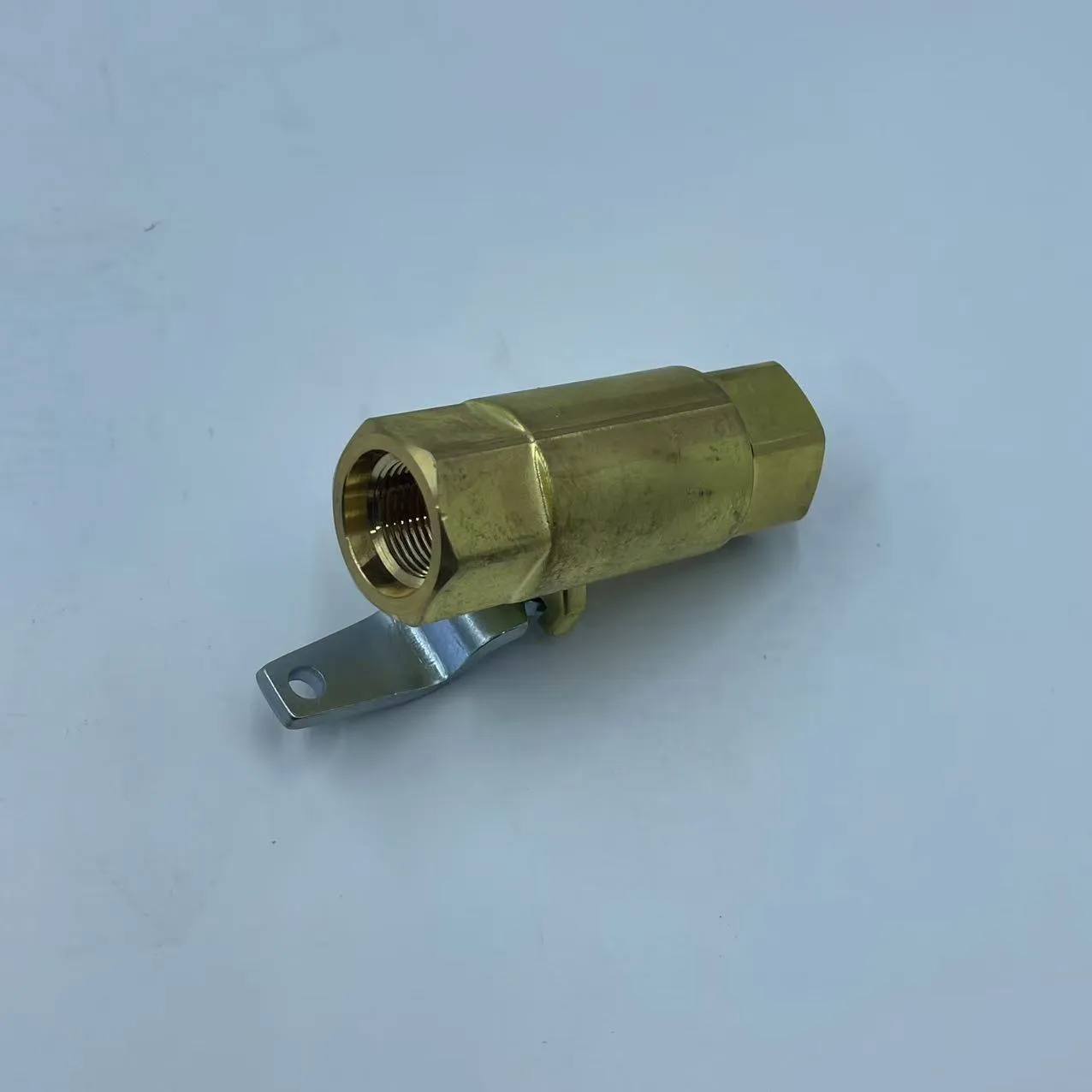
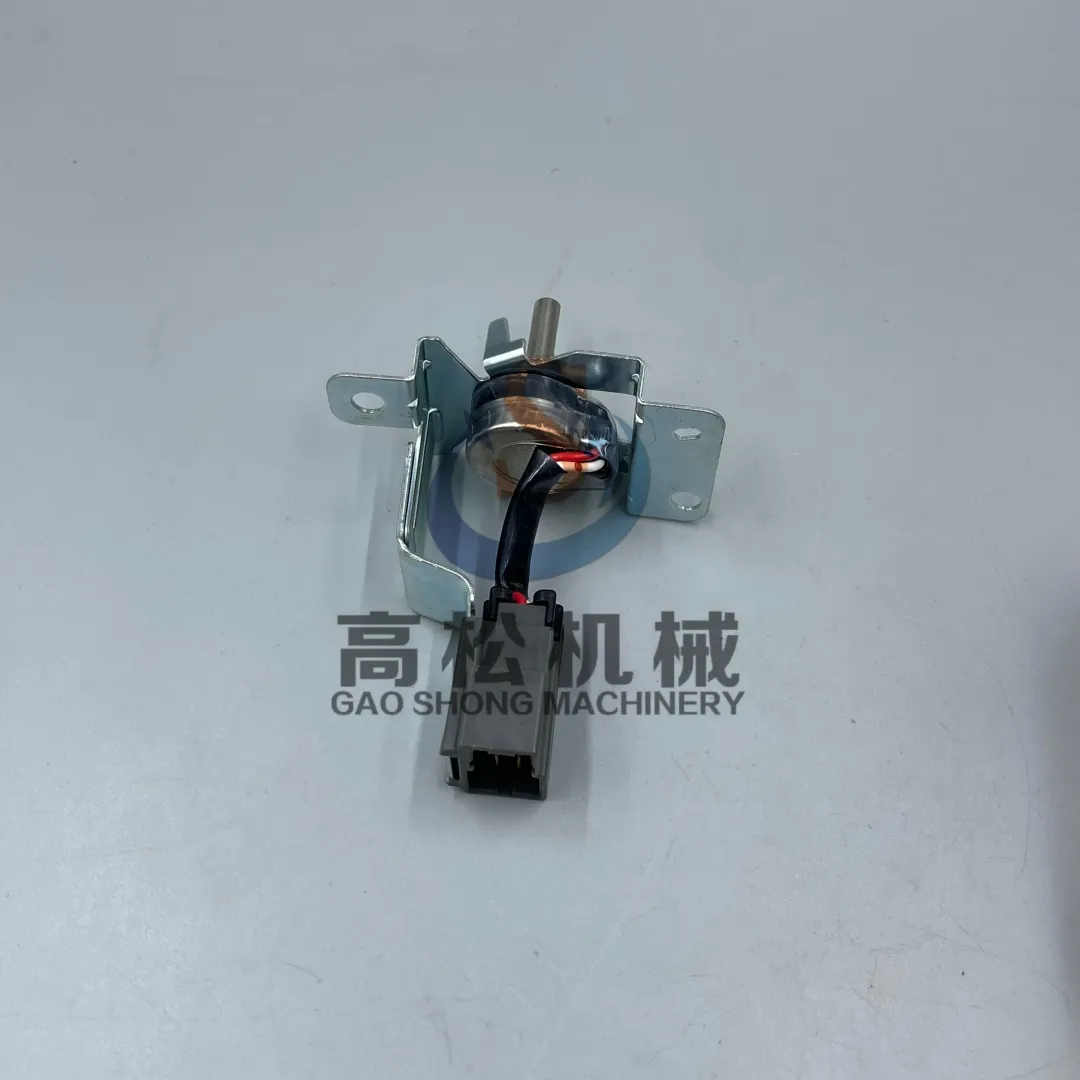
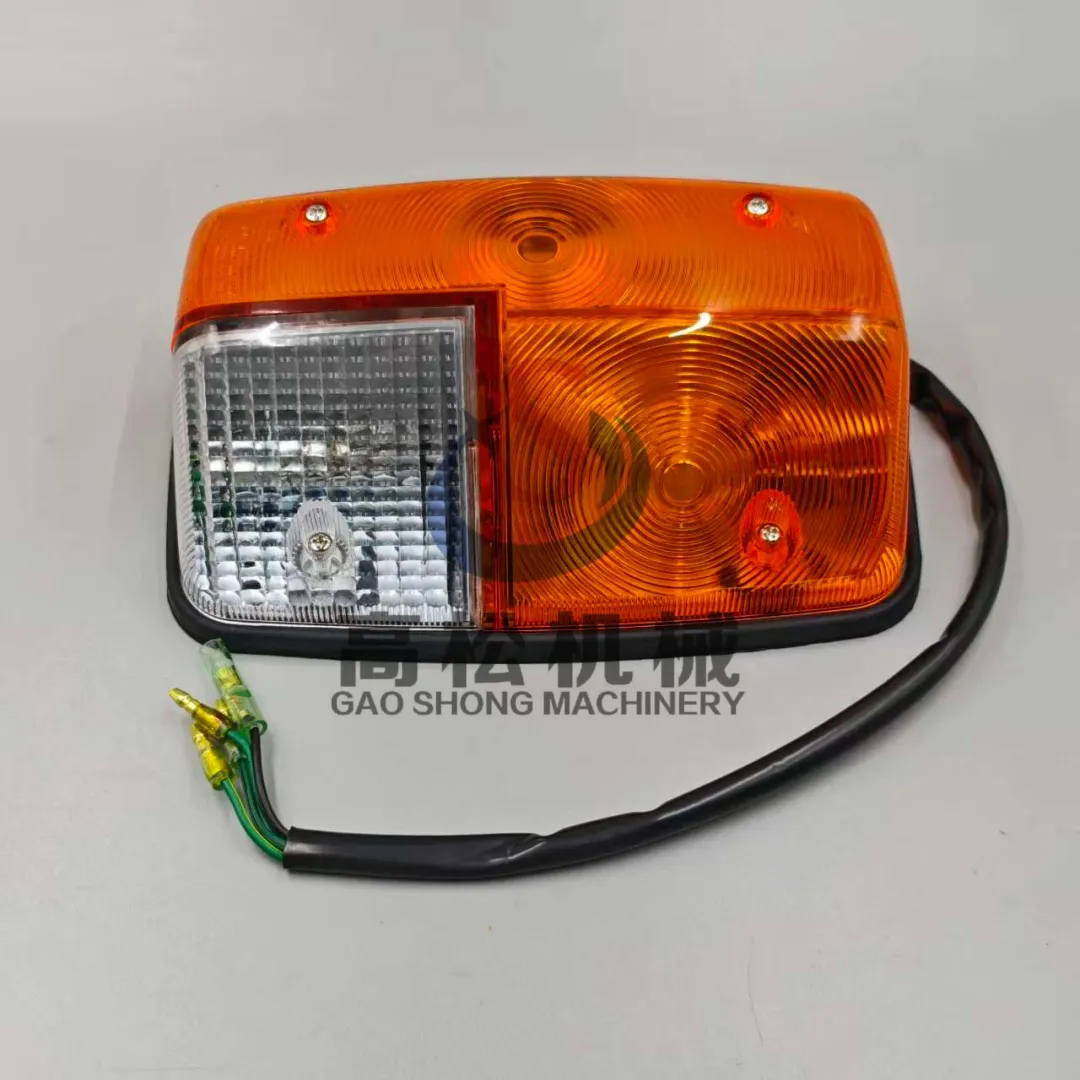
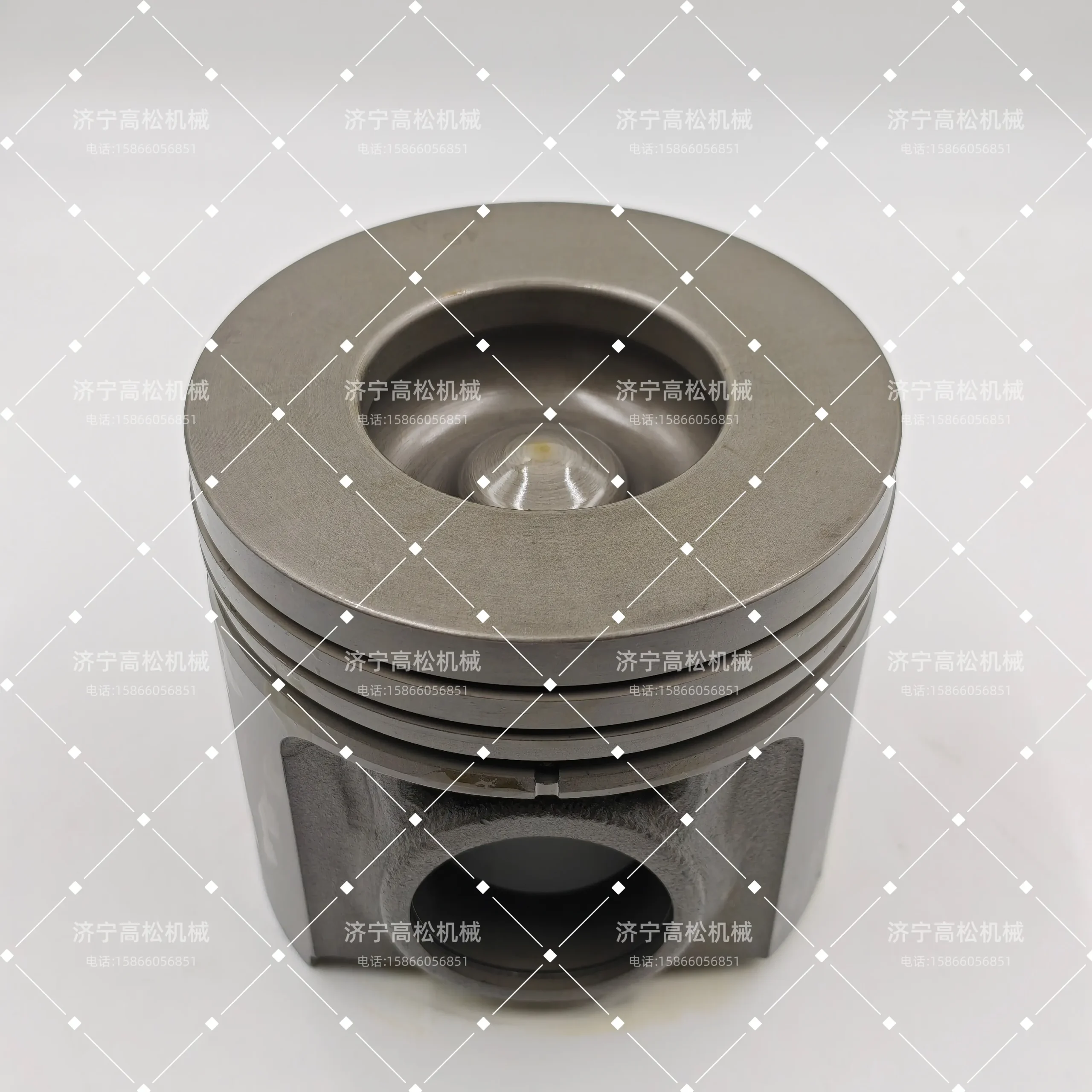

Best Selling Products
Best Selling Products-
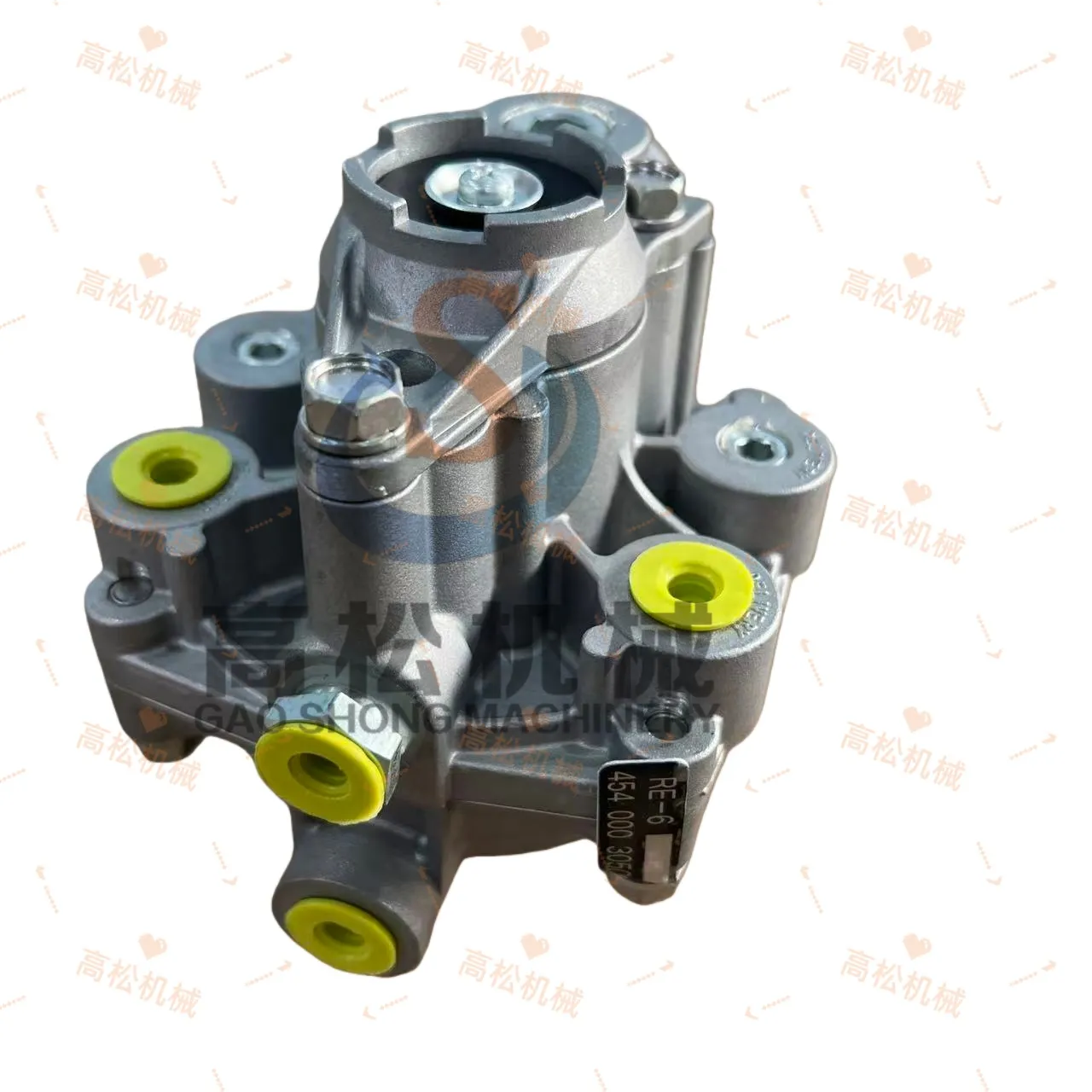 HD785 HD985HD465 HD605-5 HD255-5 561-35-61601RELAY VALVE ASS’Y
 -
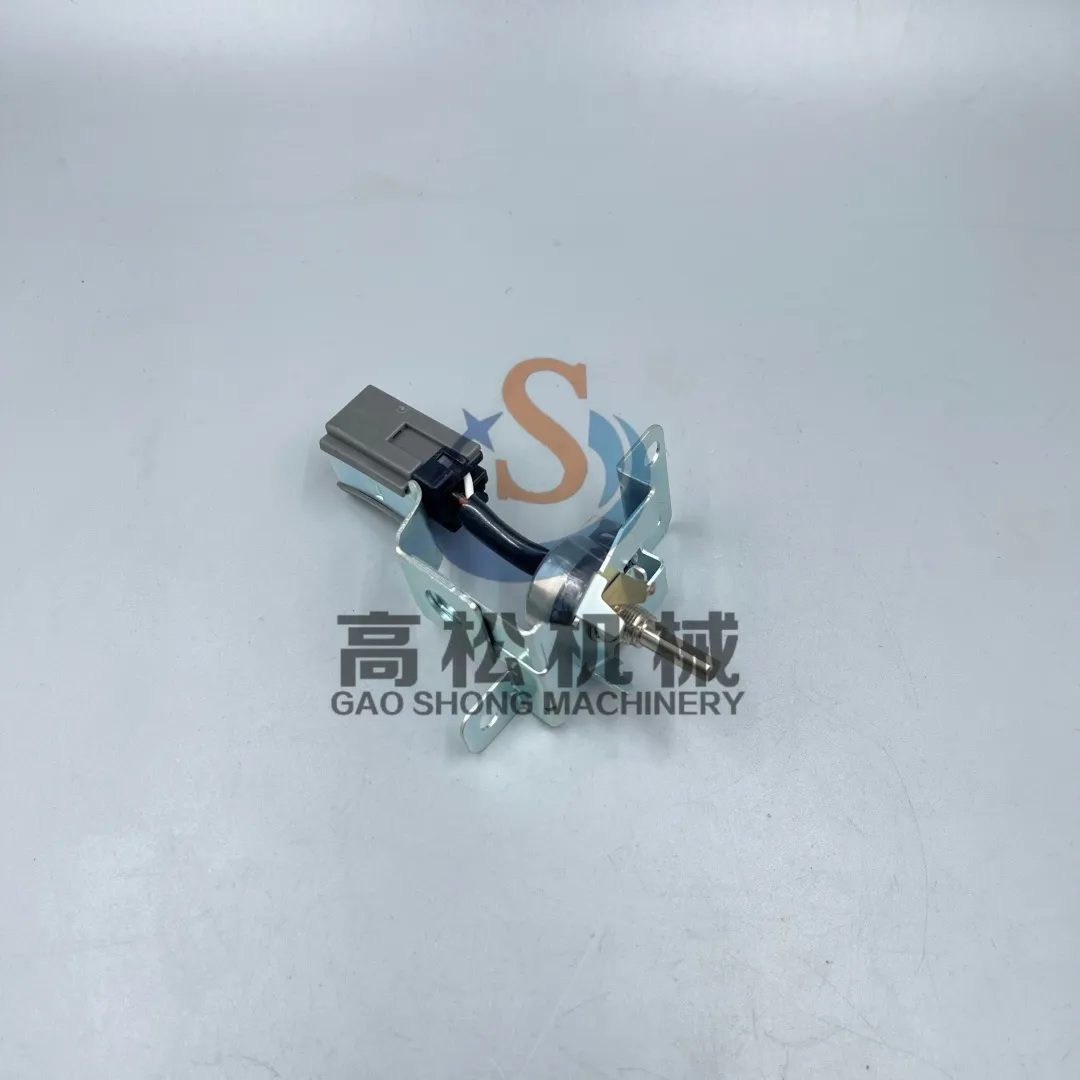 22U-06-22420 Komatsu Potentiometer Assembly
 -
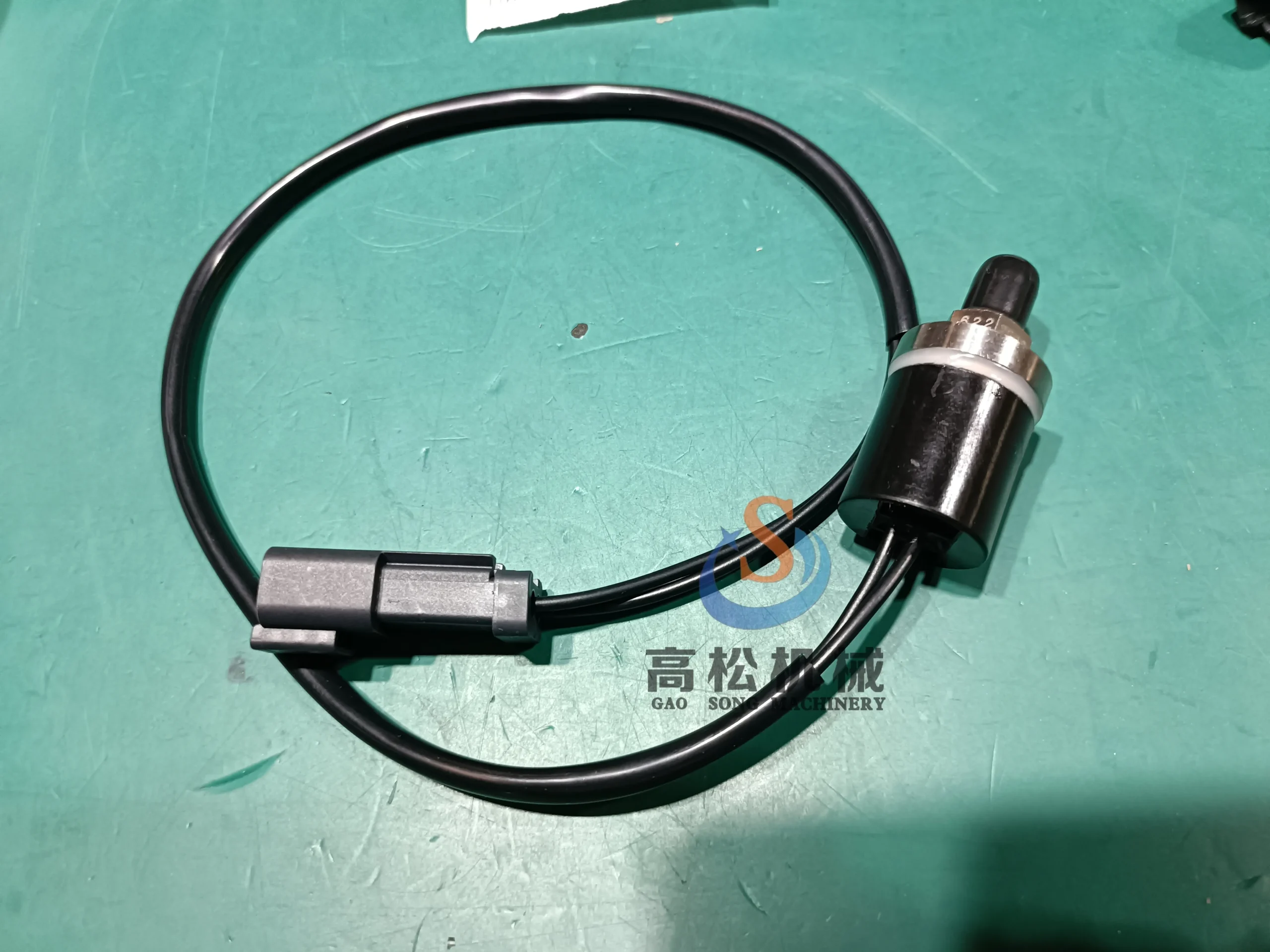 42C-06-15121 komatsu SWITCH-WA380/WA400/WA900
 -
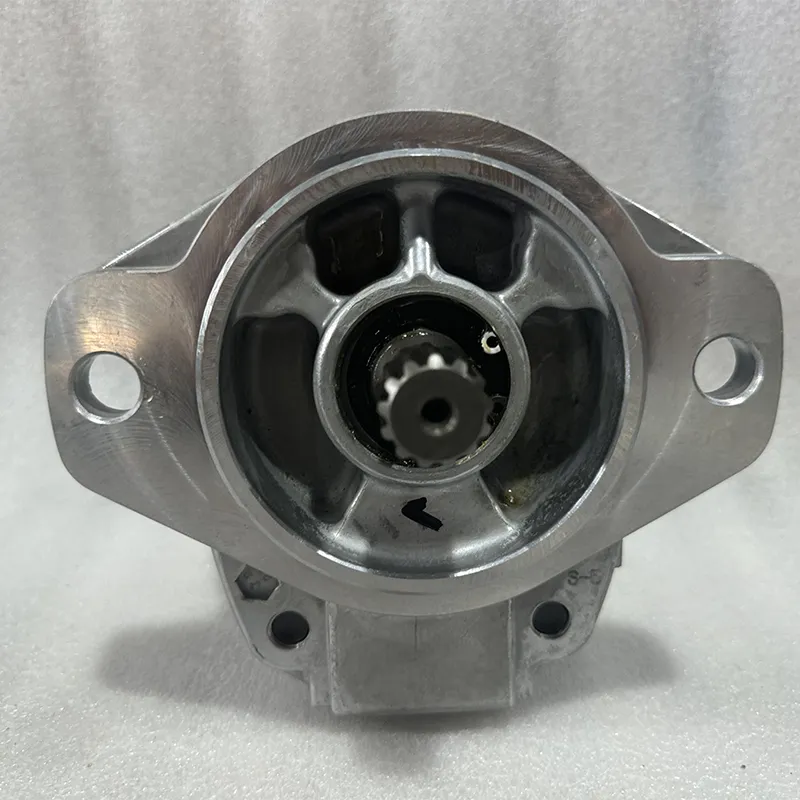 Original komatsu GD825A-2 Pump Assembly 705-61-22010
 -
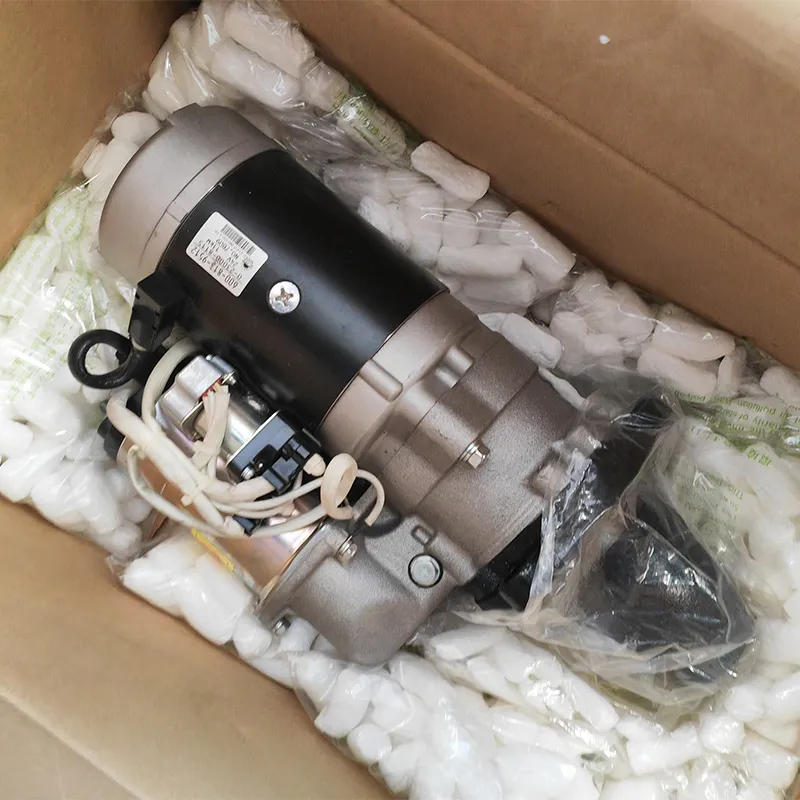 600-813-9512 Original komatsu Starter Motor for PC1250-8 D375-6 WA600-8
 -
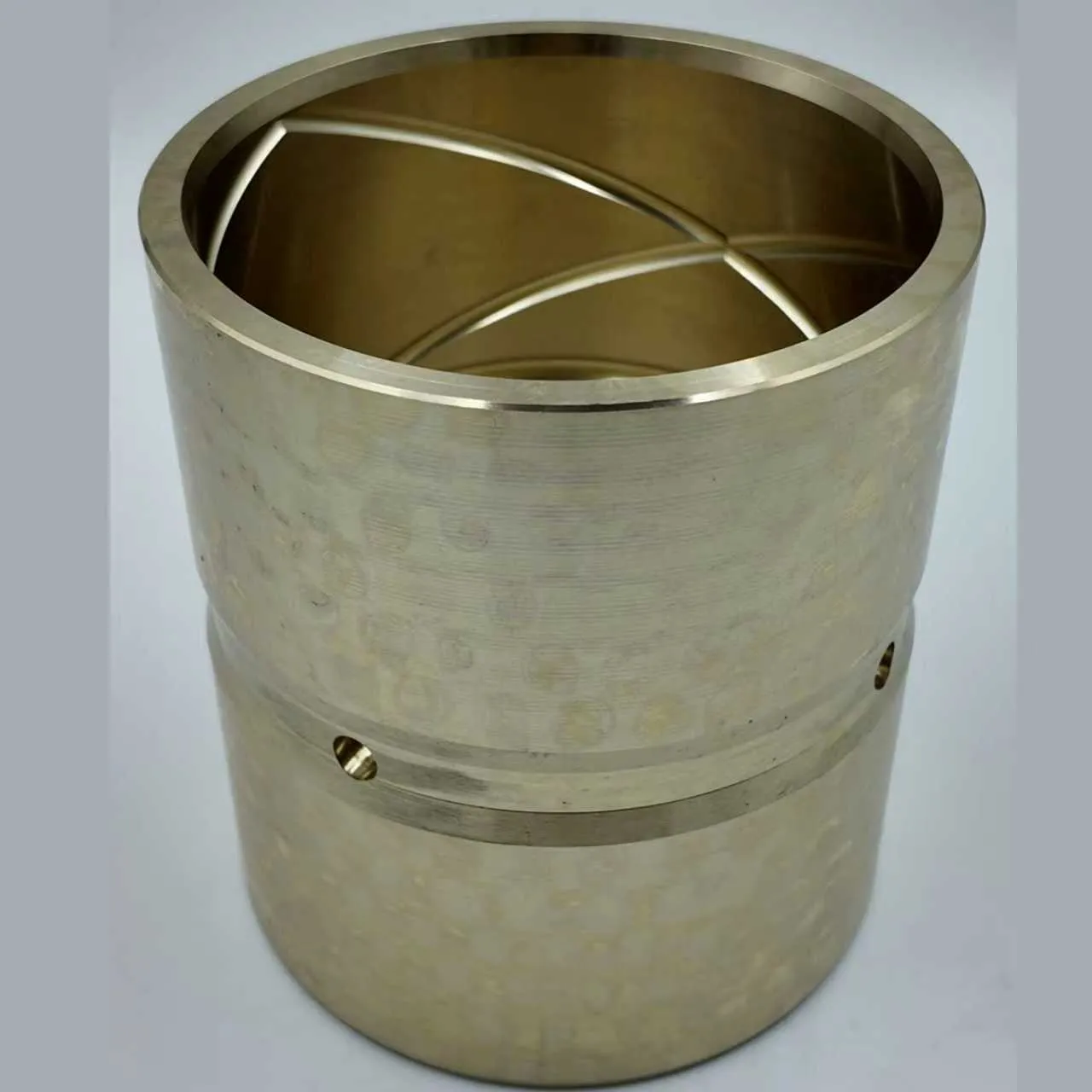 Bushing 207-70-61610 for Komatsu PC350-7 PC300LC-7 PC300-8 PC300LC-7L PC300-7
 -
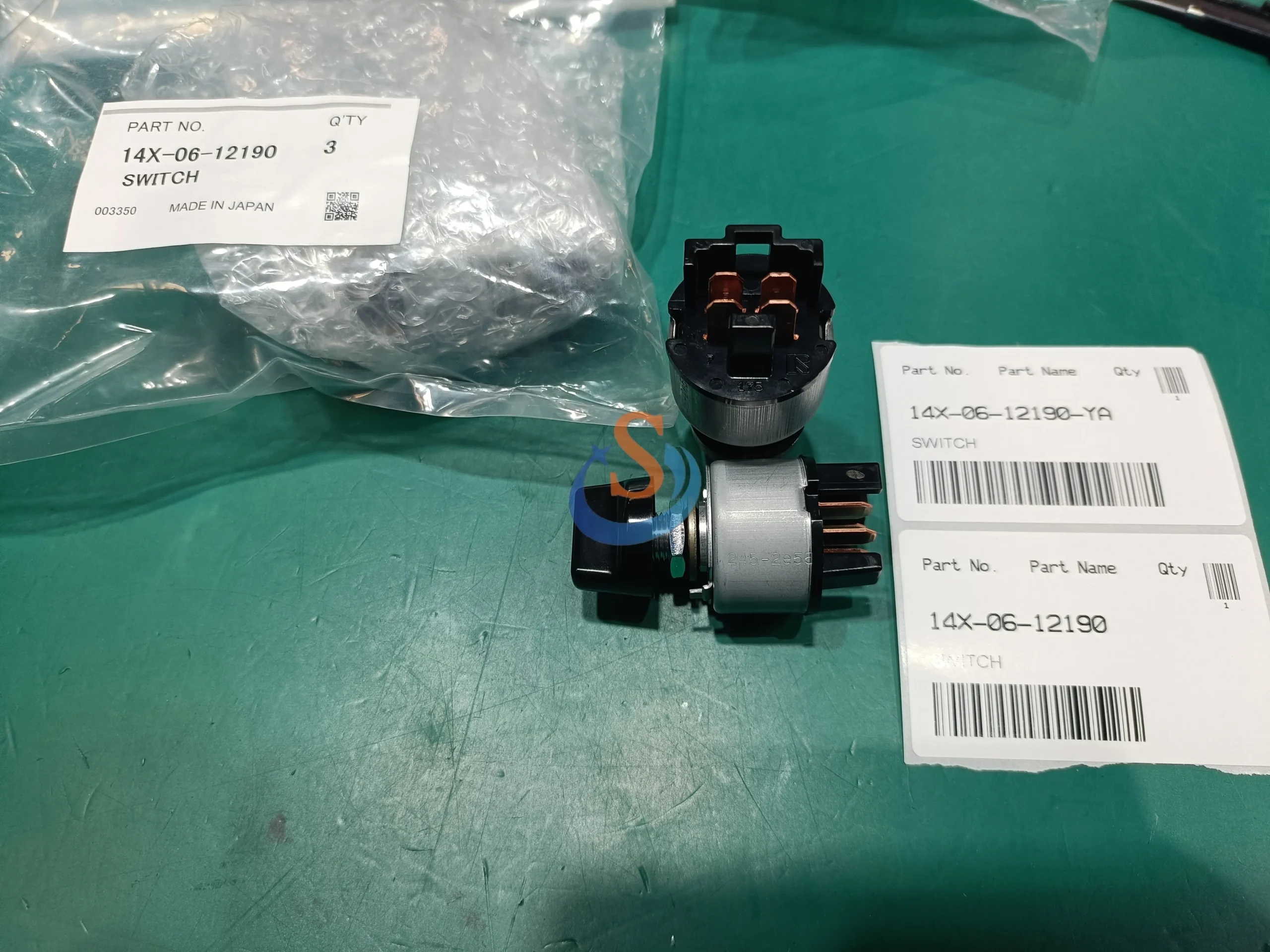 14X-06-12190 SWITCH D375A/D475A
 -
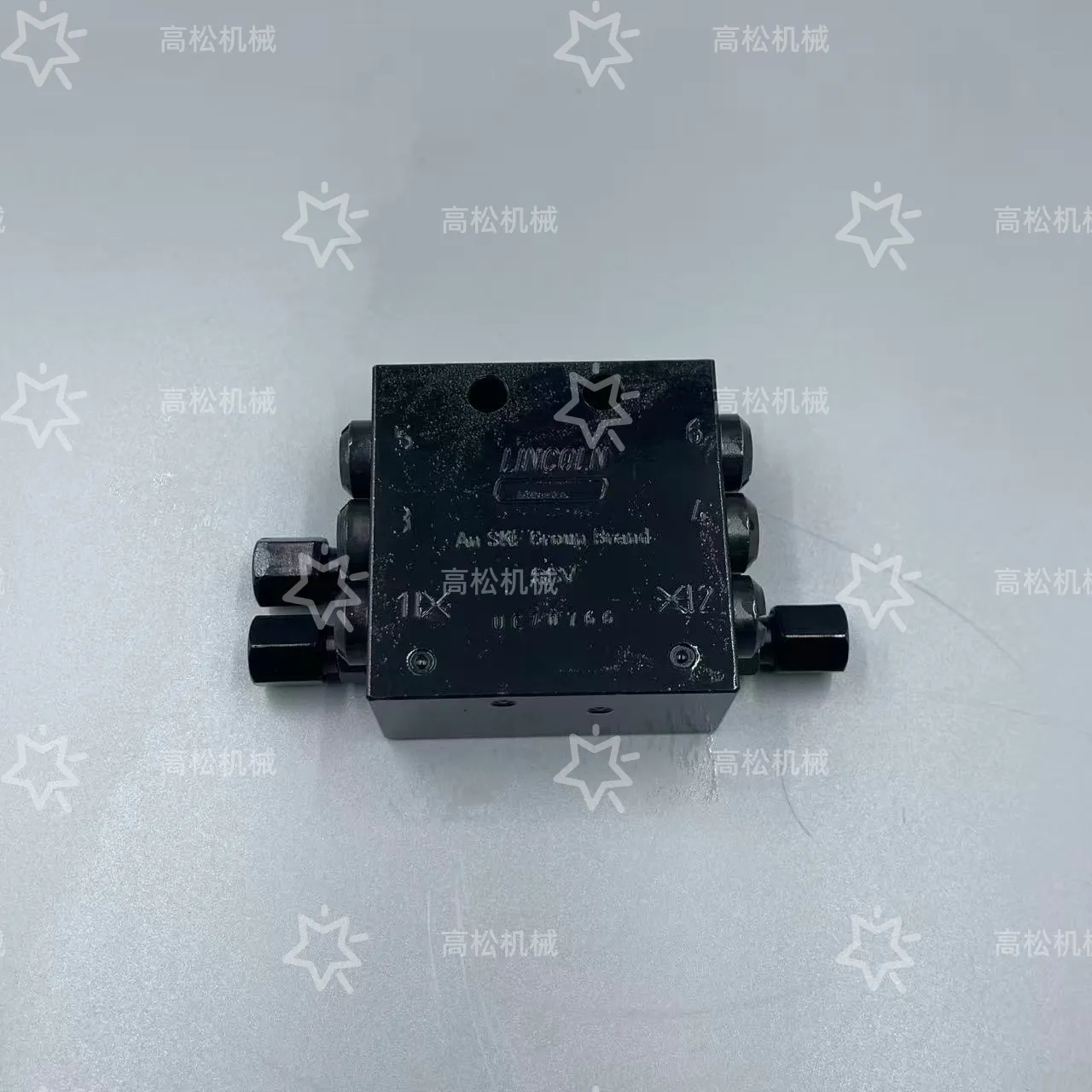 21T-68-67940 Komatsu Valve Assembly
 -
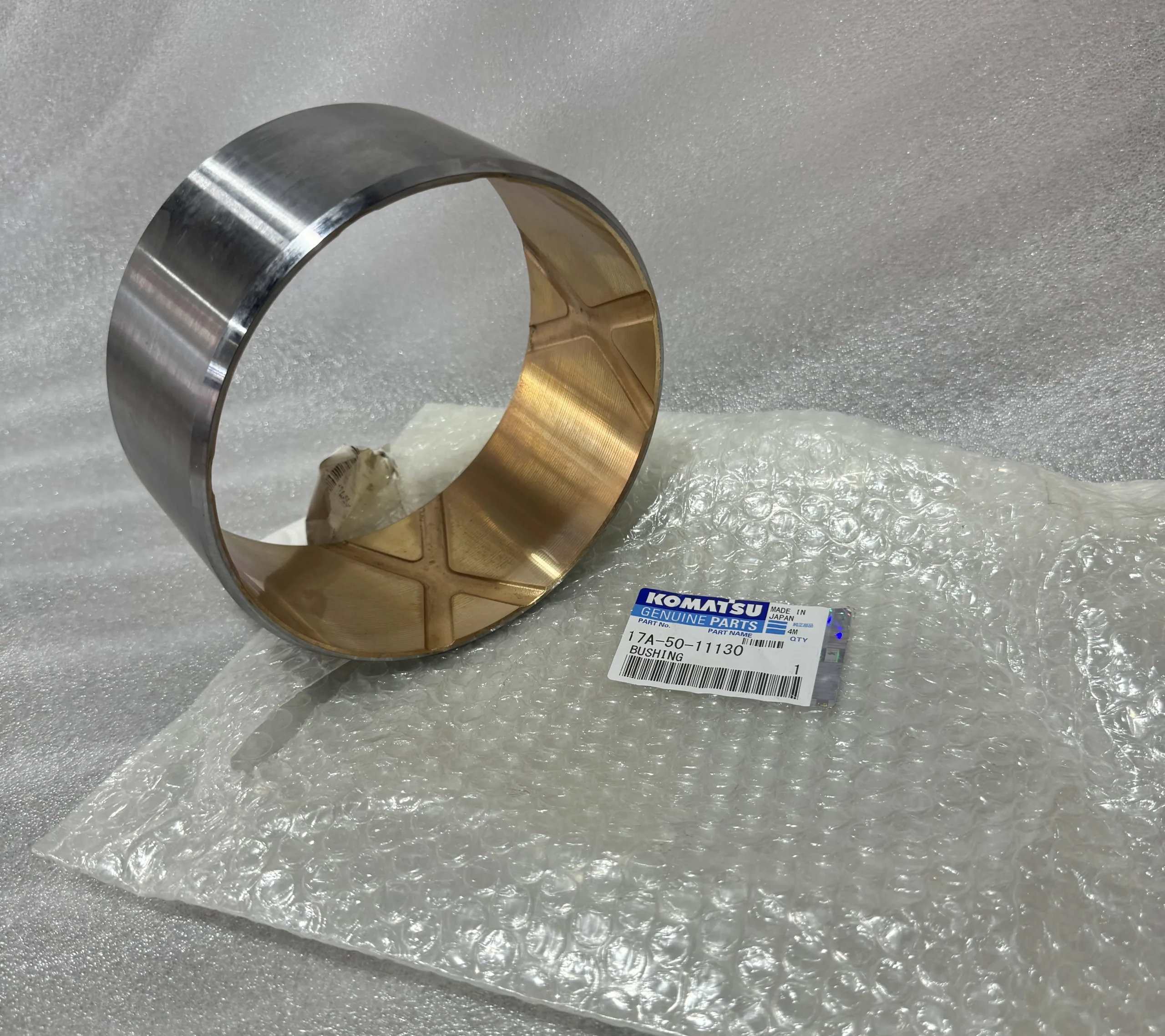 D155AX-3 Bushing 17A-50-11130
 -
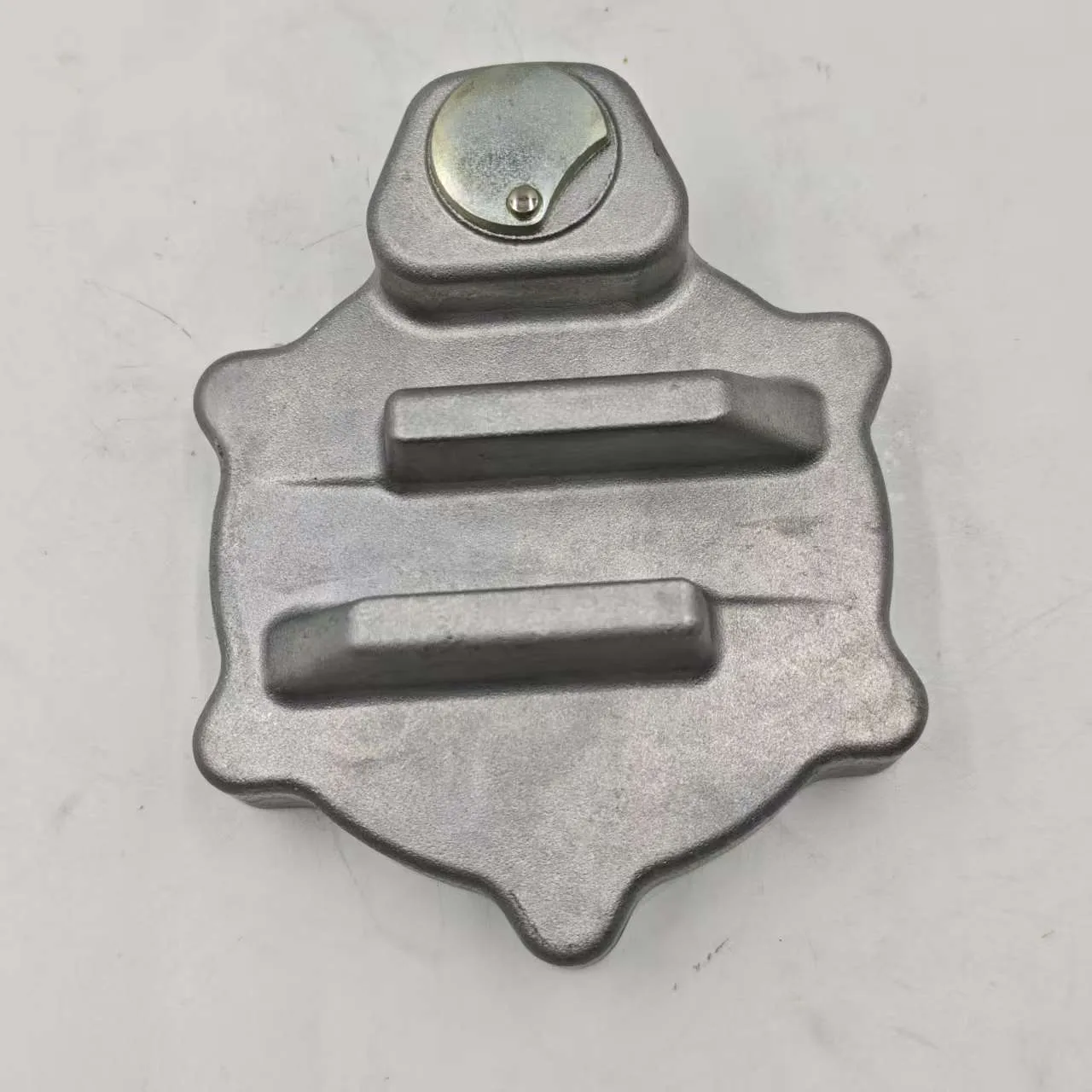 07053-10000 Cap-Radiator Fits KOMATSUU Models
 -
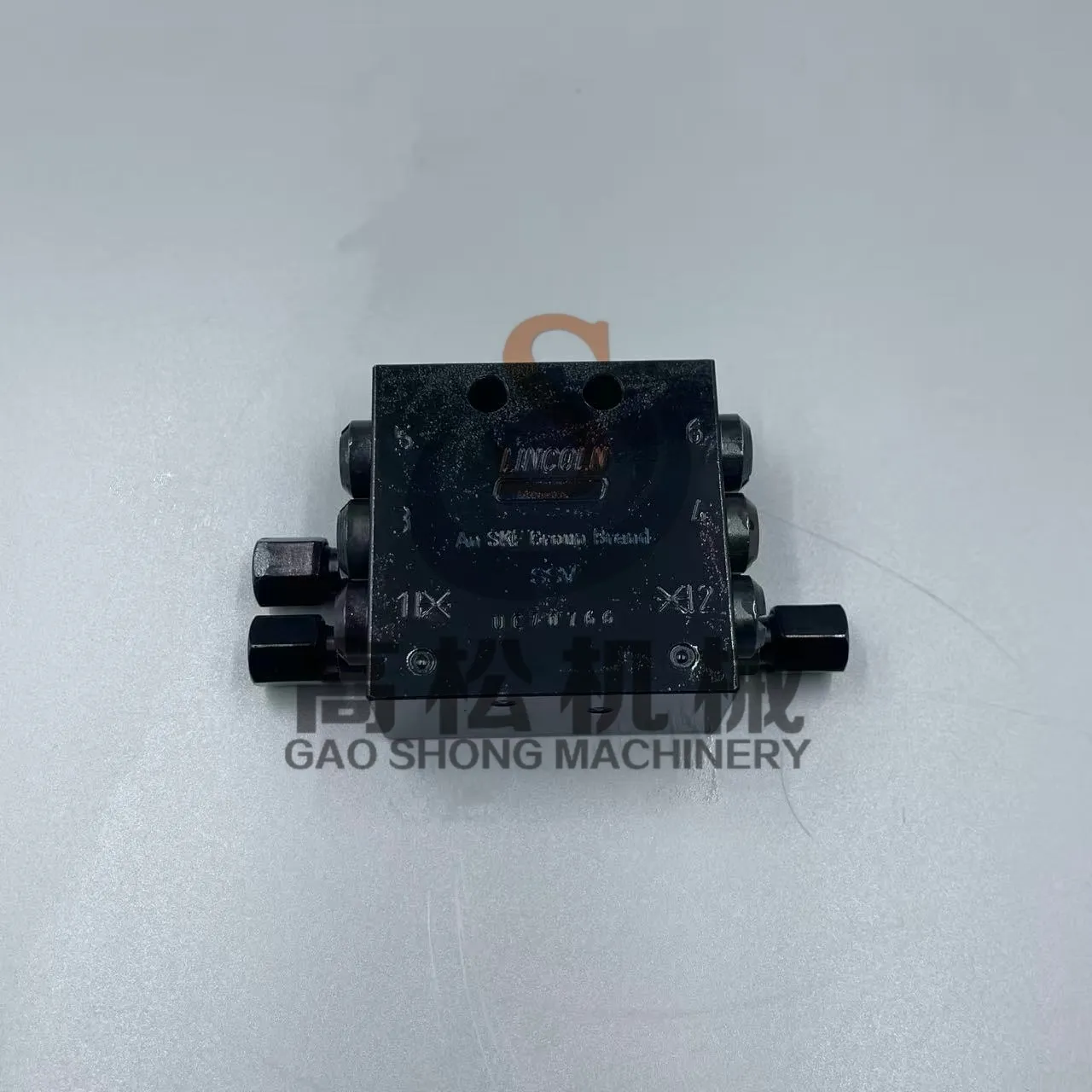 VALVE ASS’Y21T-68-67940
 -
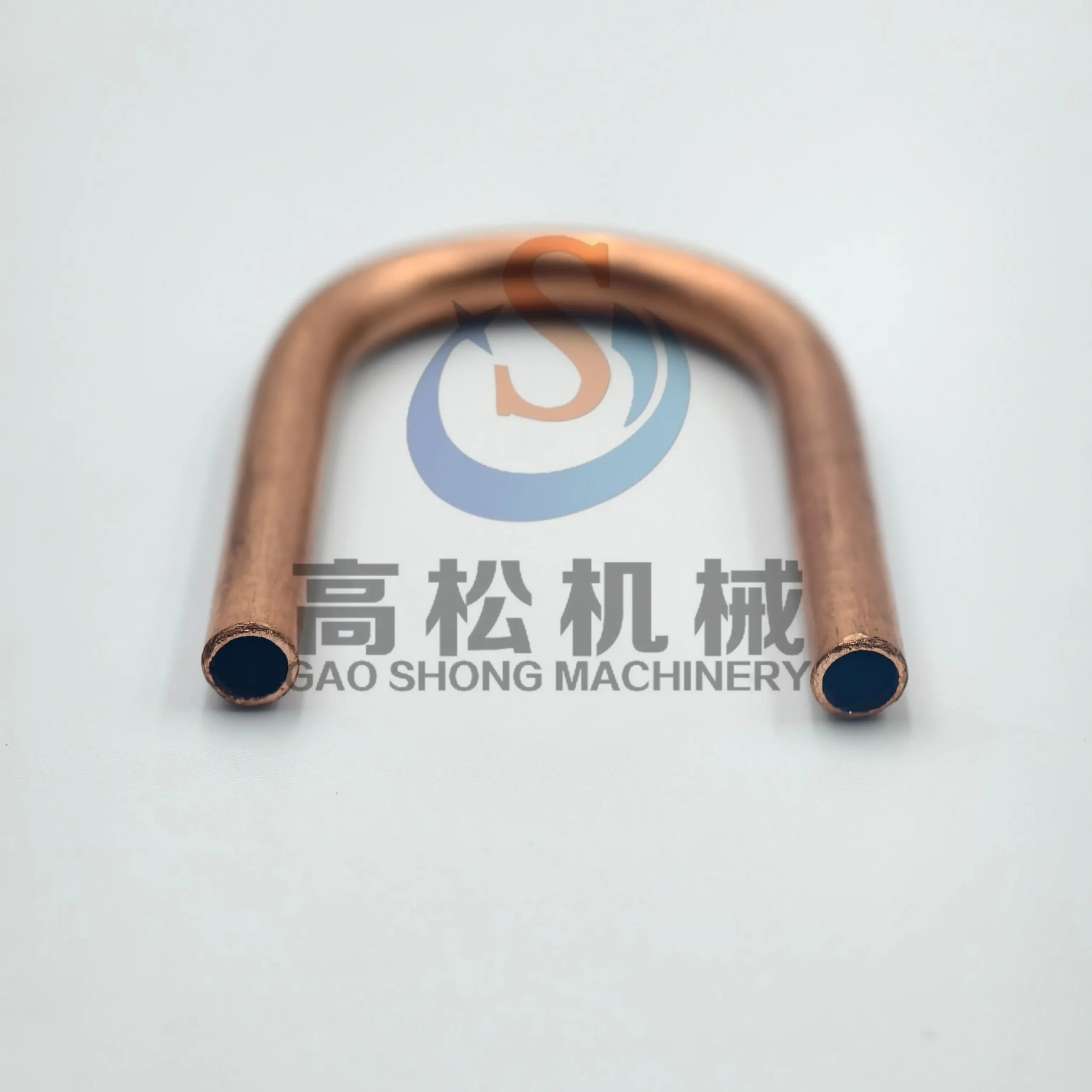 TUBE 21N-68-32360 – KOMATSU