
- Chinese
- French
- German
- Portuguese
- Spanish
- Russian
- Japanese
- Korean
- Arabic
- Irish
- Greek
- Turkish
- Italian
- Danish
- Romanian
- Indonesian
- Czech
- Afrikaans
- Swedish
- Polish
- Basque
- Catalan
- Esperanto
- Hindi
- Lao
- Albanian
- Amharic
- Armenian
- Azerbaijani
- Belarusian
- Bengali
- Bosnian
- Bulgarian
- Cebuano
- Chichewa
- Corsican
- Croatian
- Dutch
- Estonian
- Filipino
- Finnish
- Frisian
- Galician
- Georgian
- Gujarati
- Haitian
- Hausa
- Hawaiian
- Hebrew
- Hmong
- Hungarian
- Icelandic
- Igbo
- Javanese
- Kannada
- Kazakh
- Khmer
- Kurdish
- Kyrgyz
- Latin
- Latvian
- Lithuanian
- Luxembou..
- Macedonian
- Malagasy
- Malay
- Malayalam
- Maltese
- Maori
- Marathi
- Mongolian
- Burmese
- Nepali
- Norwegian
- Pashto
- Persian
- Punjabi
- Serbian
- Sesotho
- Sinhala
- Slovak
- Slovenian
- Somali
- Samoan
- Scots Gaelic
- Shona
- Sindhi
- Sundanese
- Swahili
- Tajik
- Tamil
- Telugu
- Thai
- Ukrainian
- Urdu
- Uzbek
- Vietnamese
- Welsh
- Xhosa
- Yiddish
- Yoruba
- Zulu
- Kinyarwanda
- Tatar
- Oriya
- Turkmen
- Uyghur






Komatsu wiring harness
When most people hear 'Komatsu wiring harness', they picture a simple bundle of wires, a commodity part you just plug in. That's the first mistake. In the field, especially with older models or machines operating in harsh environments, it's never that straightforward. The harness is the nervous system of the machine; a fault here can mimic hydraulic issues, sensor failures, or controller meltdowns. I've spent too many hours tracing phantom faults back to a single corroded pin or a chafed wire in a Komatsu wiring harness that looked perfectly fine from the outside.
The OEM Spec vs. Real-World Reality
Working with an OEM supplier like Jining Gaosong Construction Machinery Co., Ltd. gives you a clear baseline. Their direct supply channel, accessible through their portal at https://www.takematsumachinery.com, provides harnesses that are exact replicas. The gauge, the insulation, the connector moldings—all match the factory blueprint. This is crucial for new assemblies or warranty work. But their role as a third-party sales company points to the bigger picture: the official supply chain doesn't always reach everywhere, or economically serve every aging machine.
That's where the practical judgment starts. Say you're dealing with a Komatsu PC300-6 from the early 2000s. The OEM part might be discontinued or on a 12-week backorder from the main network. A supplier in their position bridges that gap. But you can't just take any aftermarket harness. The difference often lies in the secondary protection—the convoluted tubing, the zip-tie anchors, the quality of the PVC tape used at splices. A cheap substitute will fail at the rub points within months.
I recall a job on a PC360-7 where the machine had intermittent engine shutdowns. The diagnostics pointed to the fuel rail pressure sensor. Replaced it, problem persisted. Finally, we peeled back the main loom running along the valve cover. Inside the Komatsu wiring harness, a wire had broken its strands due to constant vibration, but the insulation was intact. It was making sporadic contact. The lesson? Always test for continuity under tension—wiggle the harness while metering. The OEM-spec part from a reliable alternate source like Gaosong typically has better strand count and flexibility in these high-stress sections.
Harness Failures: Reading the Damage
Not all failures are created equal. Heat damage near the engine block shows as brittle, discolored insulation. You need a harness with high-temp rated sleeves in that zone. Water ingress, common in dredging or wet mining, leads to green corrosion on the copper pins. Here, the connector sealing is everything. The OEM connectors have specific rubber grommets and sealants that many copies omit.
We had a customer with a fleet of WA380 loaders in a salt handling yard. They kept frying the transmission controllers. After the third replacement, we inspected the harness running to the transmission solenoids. The aftermarket harness they'd been using lacked the proper dielectric grease in the multi-pin connectors. Salt mist created a bridge, sending 24V straight into the low-voltage control line. We sourced a proper harness through the third-party channel, which included the factory-applied grease, and the problem stopped. It's a small detail with catastrophic consequences.
Sometimes the fix isn't a full replacement. For a localized burn on a power lead, a proper solder splice with heat-shrink tubing (the adhesive-lined kind) can be more reliable than a whole new harness, if you know the rest of the loom is sound. It's a judgment call between downtime, cost, and long-term reliability.
The Procurement Dilemma: Availability vs. Assurance
This is where a company's dual role becomes critical. As an OEM product supplier within the Komatsu system, Jining Gaosong provides traceability and peace of mind. You know what you're getting. But as a third-party sales company solving parts supply challenges, they offer availability. In some regions, getting a genuine part through standard channels can take months, halting a critical asset.
I've advised clients to use their site, https://www.takematsumachinery.com, not just for ordering, but as a reference. Cross-referencing part numbers there before you buy from anywhere else is a good habit. It confirms you're even looking for the right harness variant, as machine serial number breaks are vital.
The risk with pure third-party options is inconsistency. One batch might be okay, the next terrible. A supplier embedded in the OEM system but operating flexibly tends to have more stringent quality gates, even for parts destined for non-standard channels. They understand the system's tolerances.
On-Site Modifications and Adaptations
Rarely does a harness installation go perfectly. You might find a bracket mount doesn't align because the machine frame was repaired or modified. Or you need to extend a section to relocate a controller. Here, strict OEM purism has to bend to practicality.
The key is to maintain the integrity of the original design. Use the same wire gauge. Use crimp connectors with the correct tooling, not just pliers and electrical tape. Route the new section away from heat and sharp edges. I keep a stock of the correct Deutsch or Yazaki connectors used by Komatsu, often ordered from the same suppliers that feed companies like Gaosong, for these field repairs. It keeps the modification within the system's electrical parameters.
A failed adaptation I saw: a crew needed to temporarily bypass a damaged CAN bus line in a Komatsu wiring harness. They used a standard twisted-pair speaker wire. The machine ran, but with constant communication errors because the impedance and shielding were wrong. It created a week of ghost faults. The correct approach would have been to get a repair section with the proper shielded, twisted pair, even if it meant more downtime initially.
Future-Proofing and Obsolescence
The trend is towards more integrated, data-heavy harnesses. Newer Komatsu machines have more sensors, more communication lines (CAN J1939, Ethernet). The harness is no longer just for power and simple signals. This makes aftermarket reproduction harder and increases the value of a verified supply line.
For older machines, the challenge is obsolescence. A supplier focusing on solving supply challenges becomes a lifeline. They often have stock of, or can reproduce, harnesses for models the main network has forgotten. But you must verify. Ask for certification of materials, or at least, samples of wire and connector before committing to a large purchase.
Ultimately, dealing with a Komatsu wiring harness is about understanding context. Is it for a brand-new machine under warranty? Go strict OEM. Is it for a 15-year-old workhorse in a remote quarry? A trusted third-party source with OEM lineage is often the most pragmatic solution. The goal is machine uptime, not ideological purity. The wiring harness is a functional component, and its quality is judged by the machine's performance over the next thousand hours, not just by the label on the bag it came in.
Related Products
Related Products

Best Selling Products
Best Selling Products-
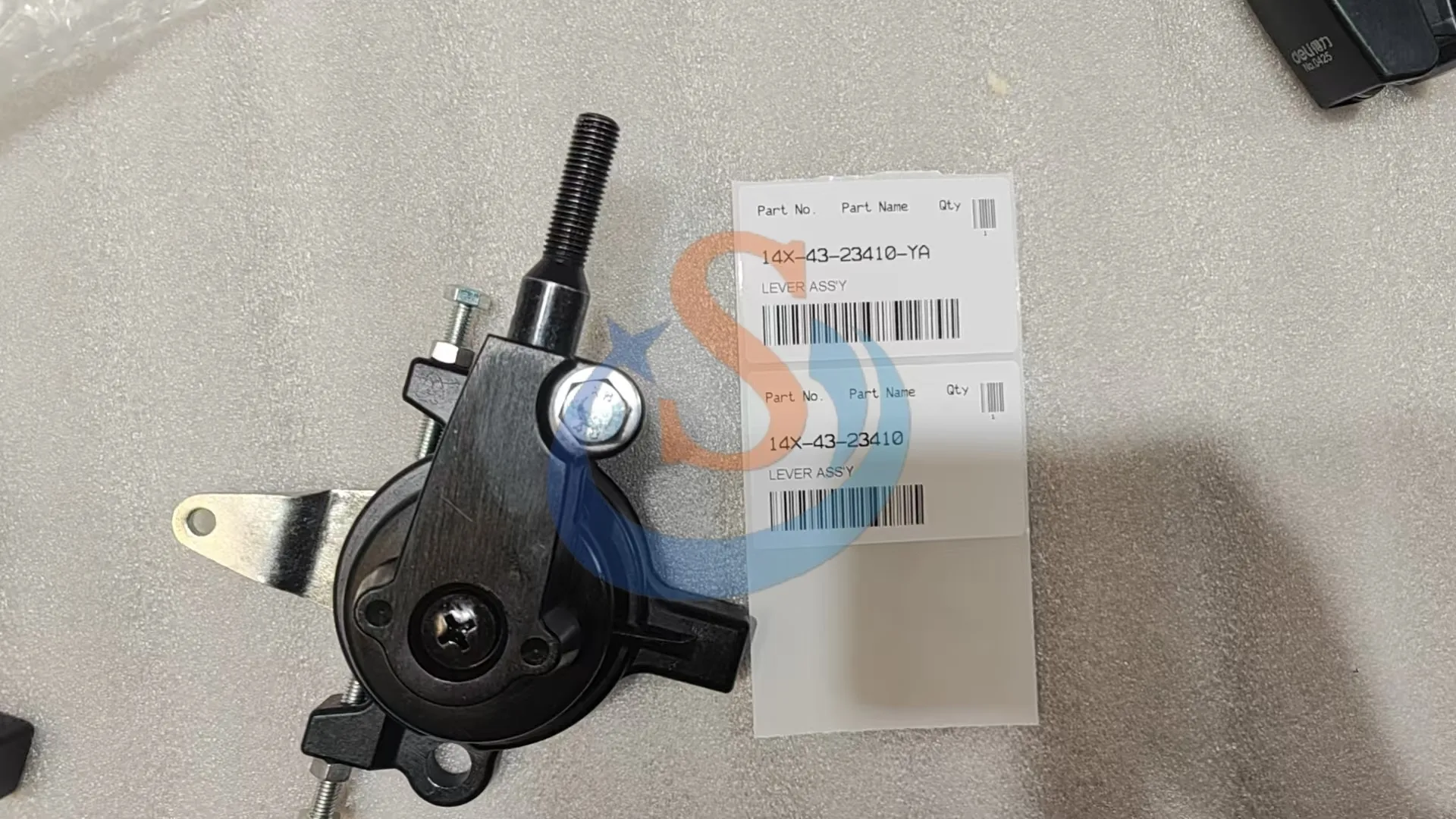 14X-43-23410,LEVER ASS’Y,D65PX,D85E,D65E
 -
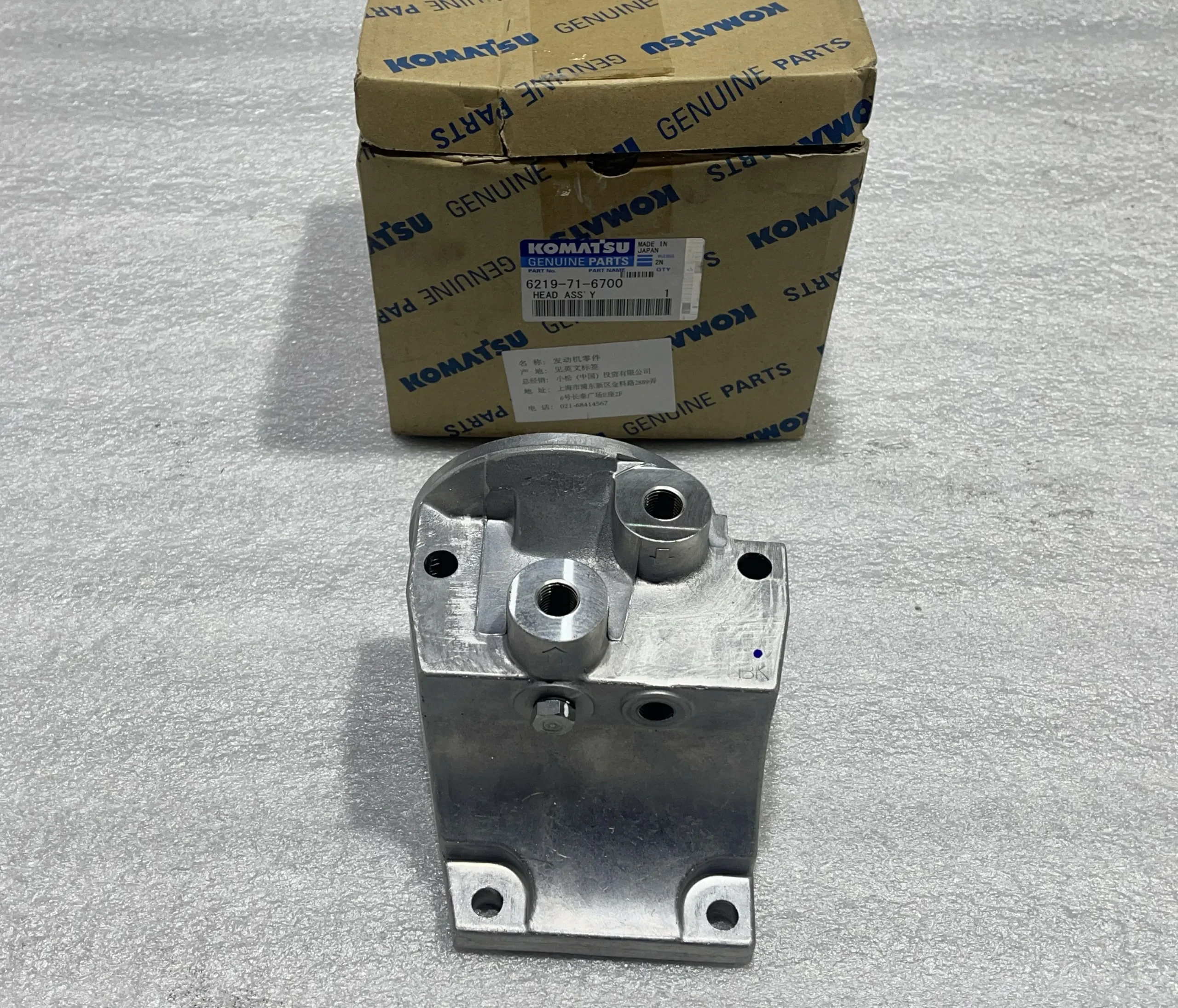 6219-71-6700 HEAD ASS’Y,FUEL FILTER-Komatsu Original Factory Accessories
 -
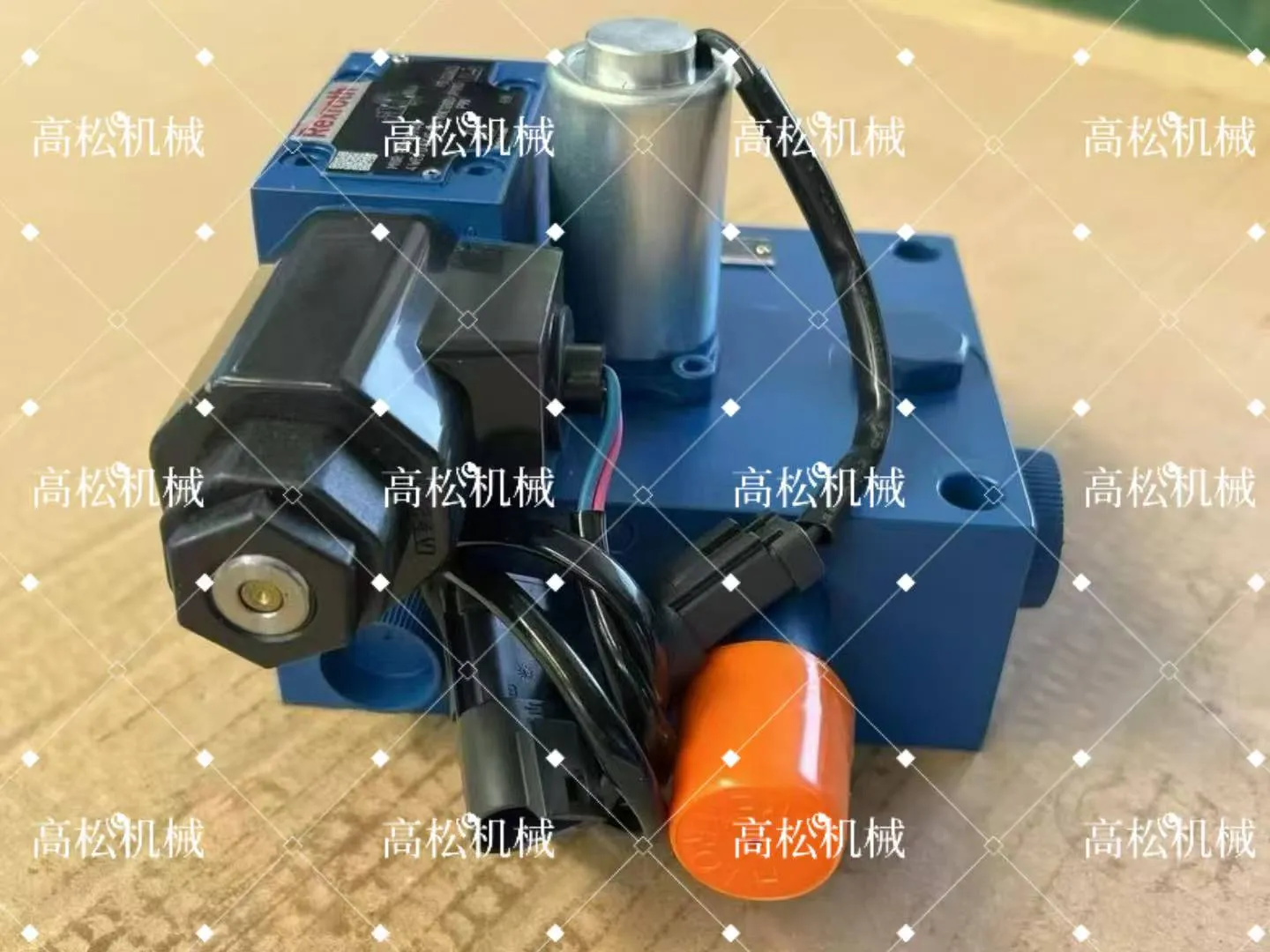 New available valve assembly hm300-5 for charging the hydraulic battery 56d-43-37101 for earth-digging machinery of komatsu
 -
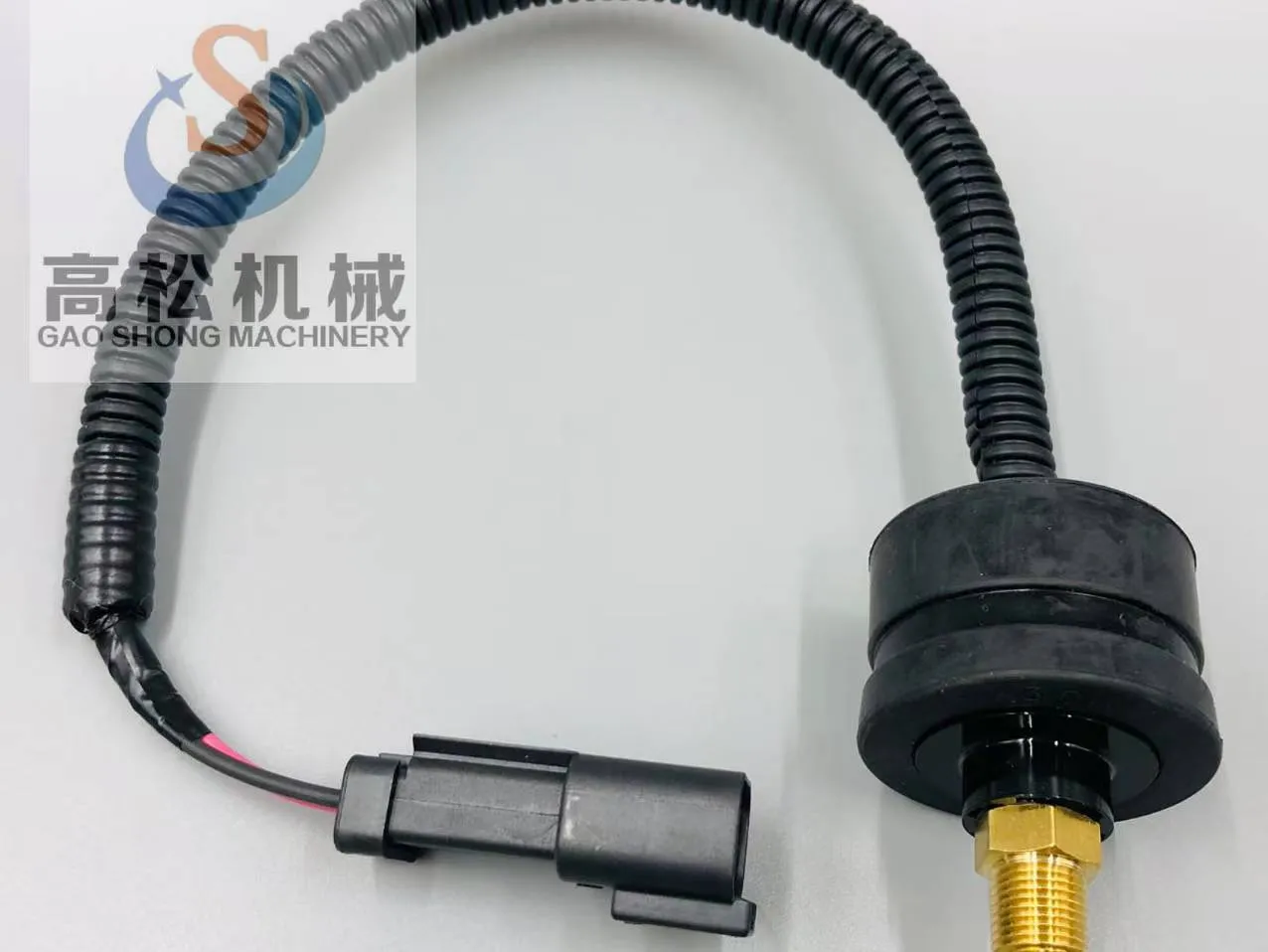 PC300-8 excavator air filter sensor 7861-93-1420 7861-93-1430 Construction machinery parts
 -
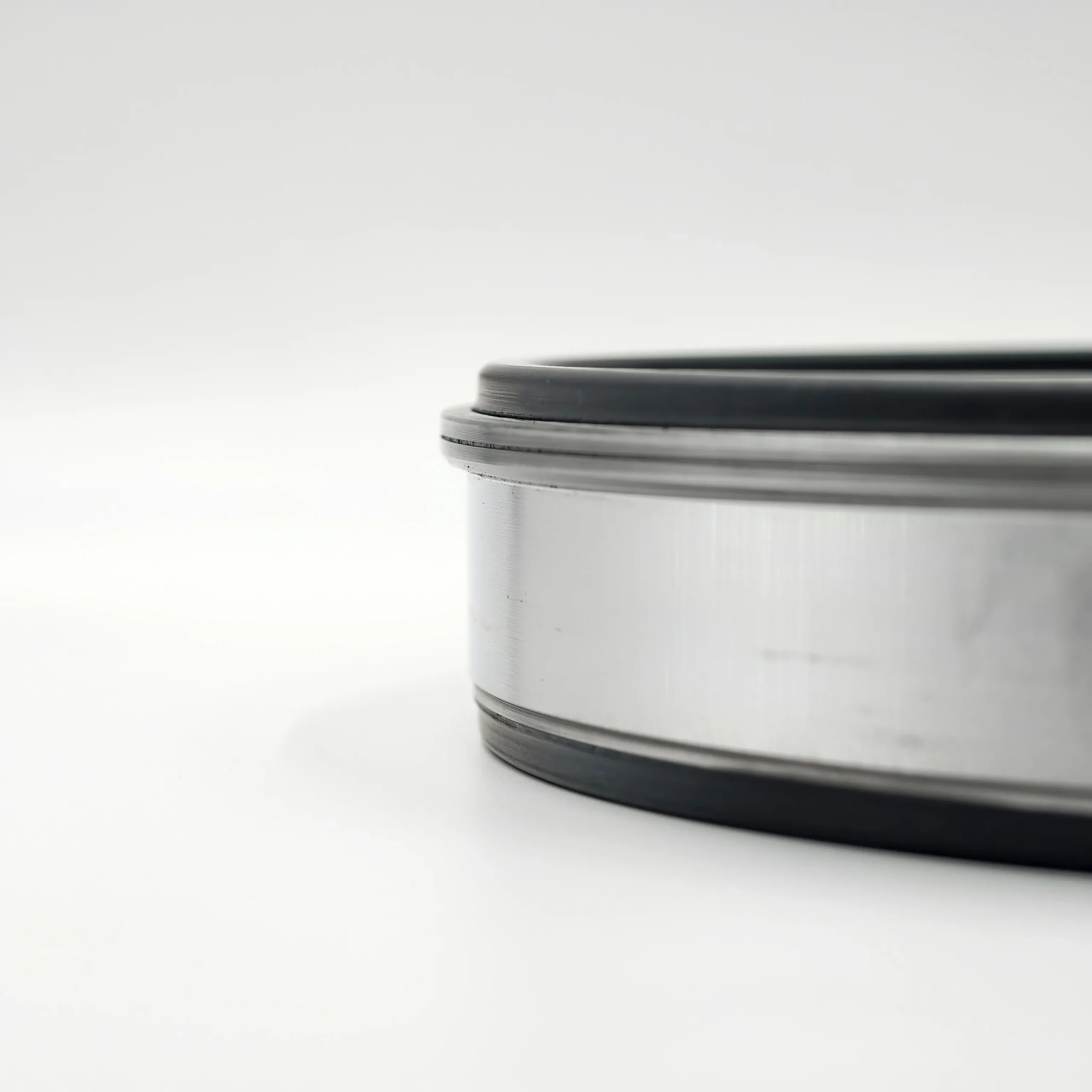 KOMATSU-Collar Assembly 14Y-21-13242
 -
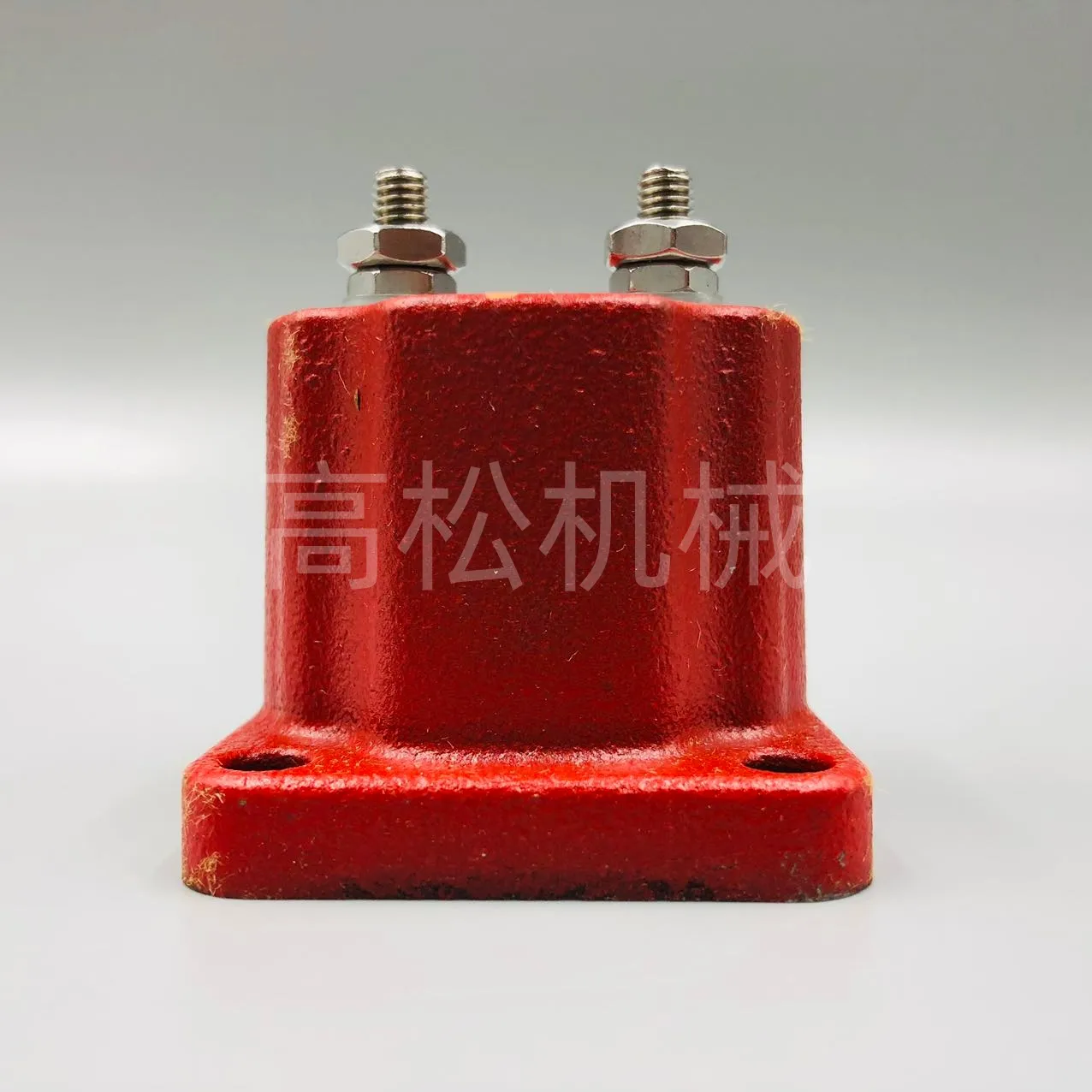 6560-51-1510 • SOLENOID-Komatsu Original Factory
 -
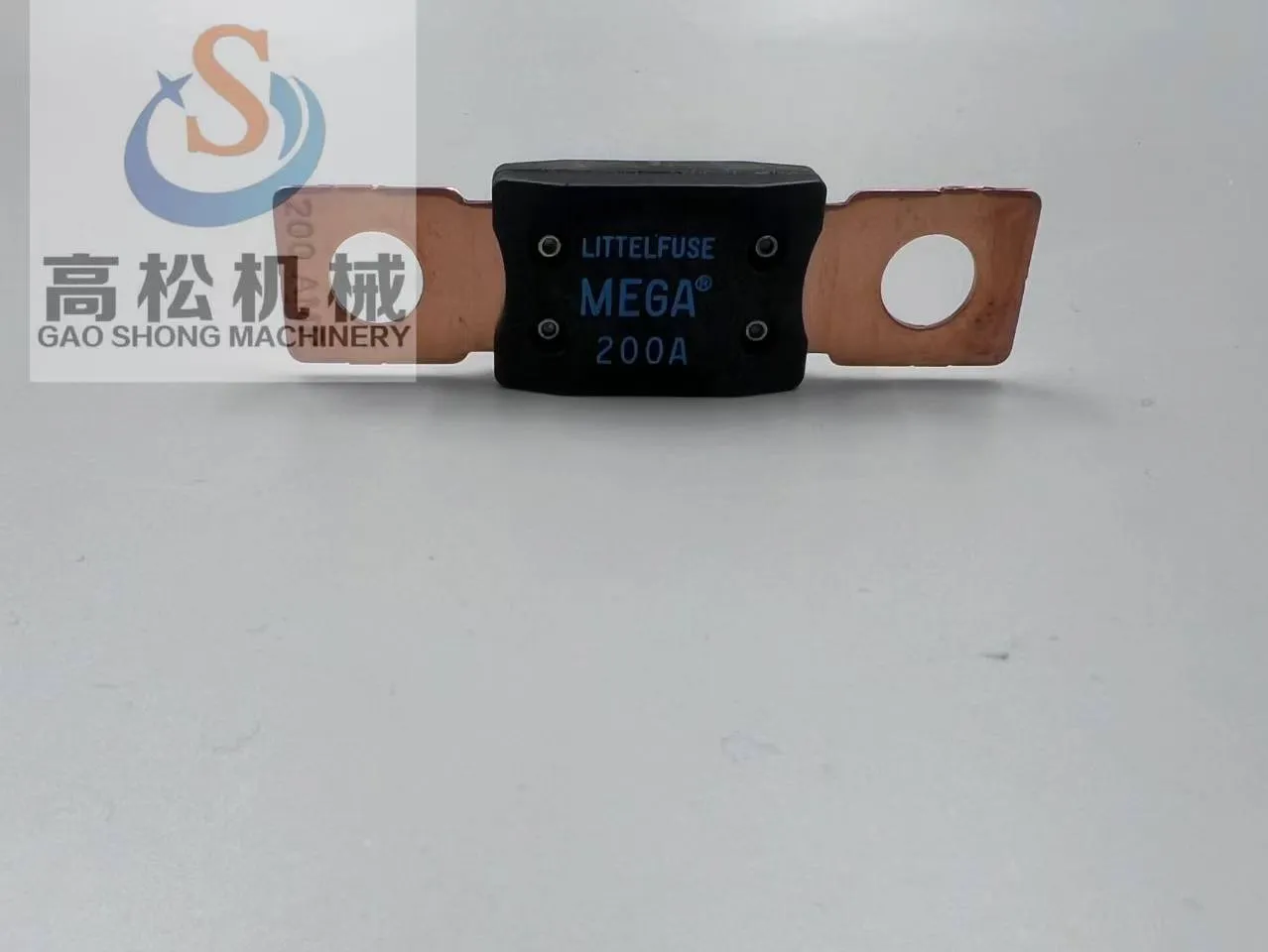 Original original fuse 561-06-81610 for hd785-7 wheel loaders wa500-6 bulldozer parts bulldozer parts ass ‘y
 -
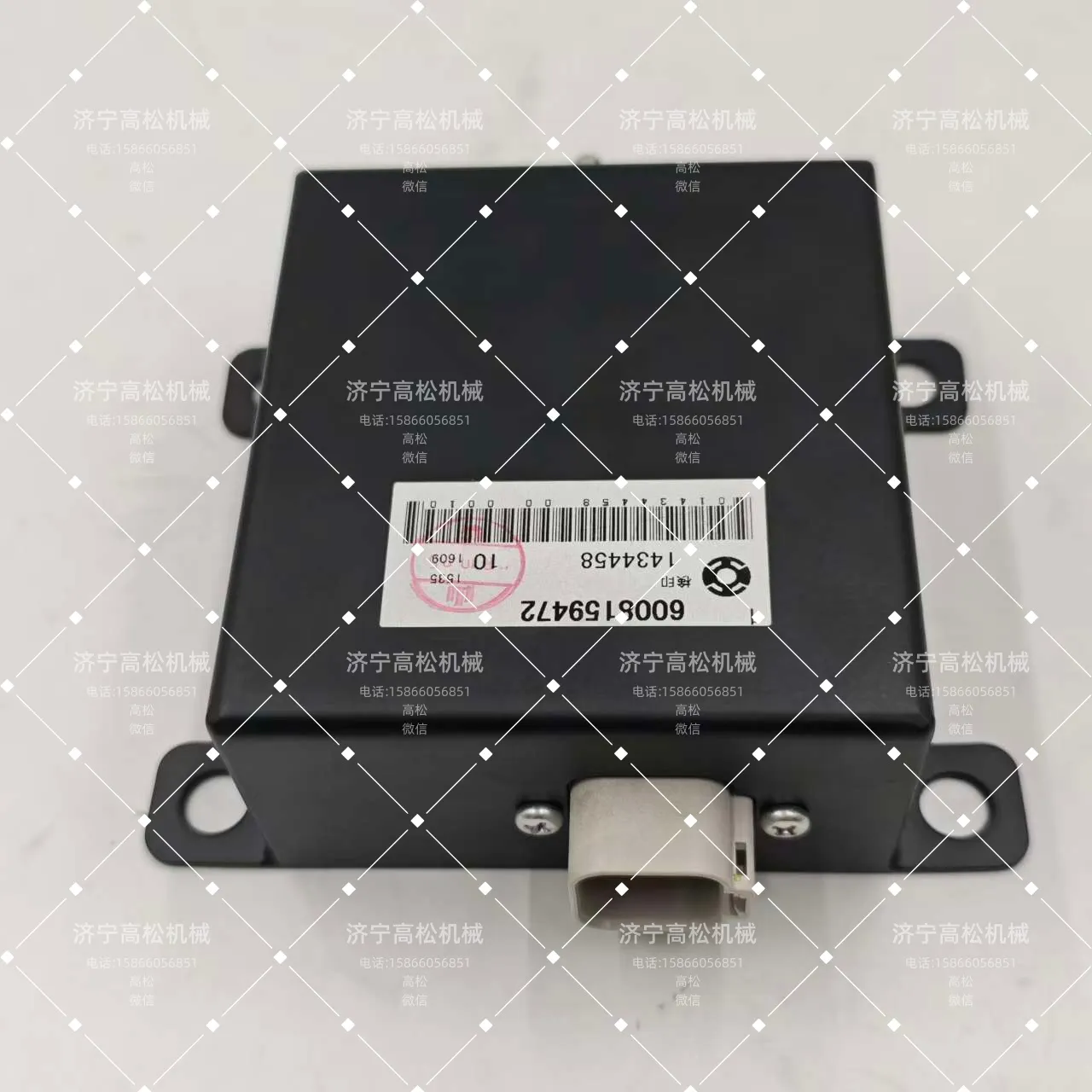 600-815-9472 Komatsu Switch
 -
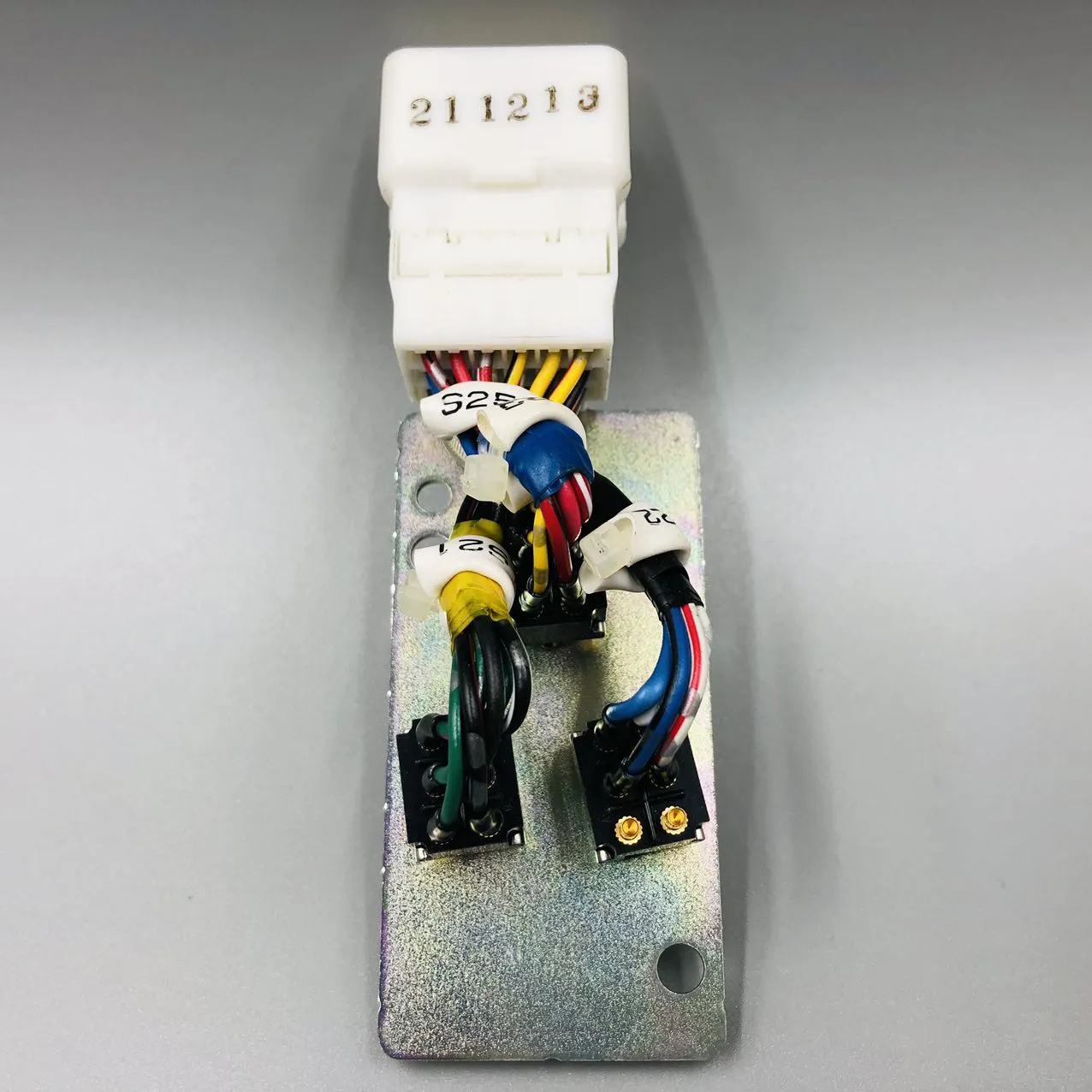 PC300-7 PC350-7 Switch Assy 22U-06-22370
 -
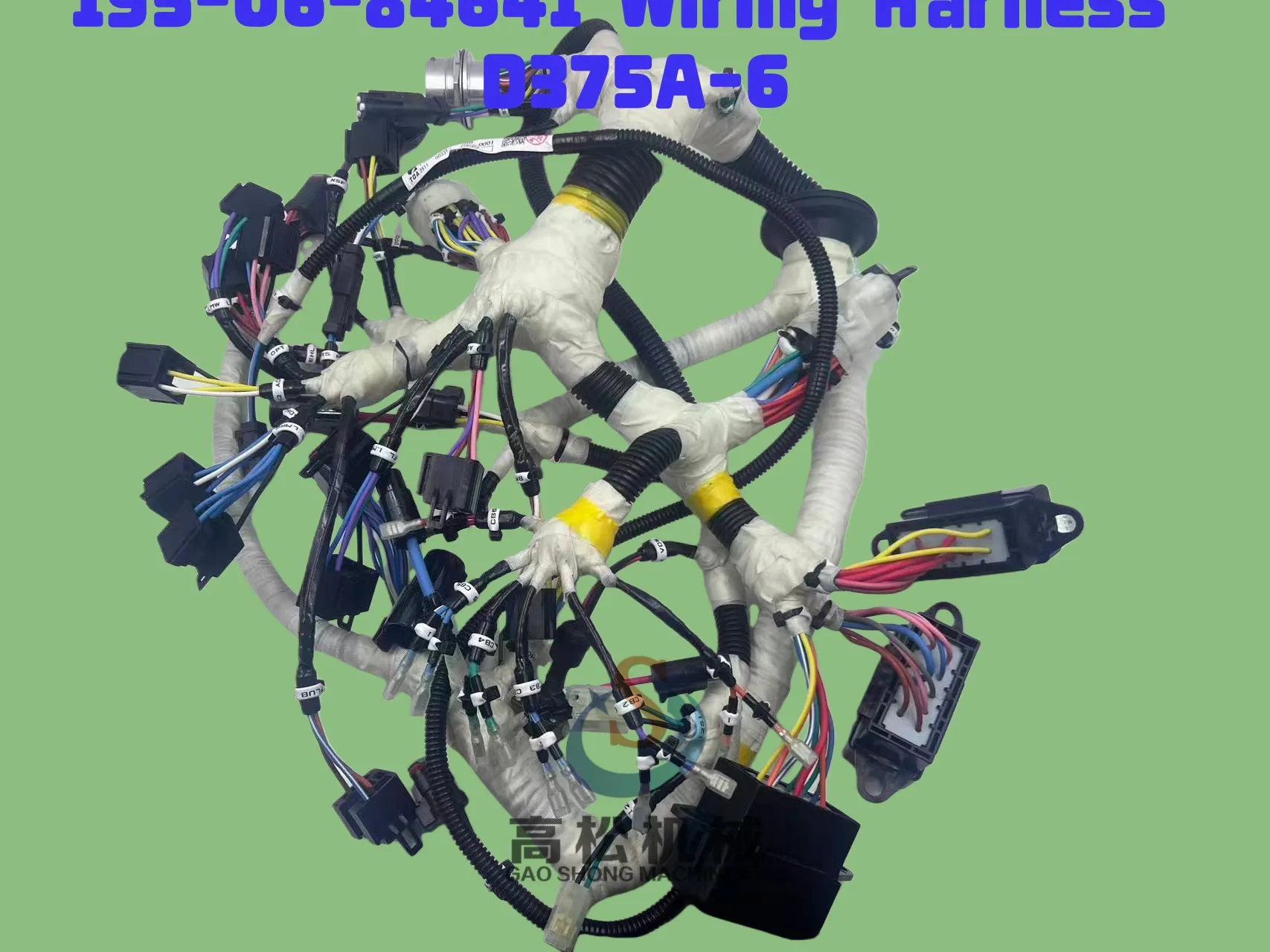 Wiring Harness 195-06-84641 D375A-6 S/N 60001-UP (Extreme Cold Area Arrangement (-40 deg C)) FLOOR FRAME, FUSE BOX AND RELAY
 -
 Komatsu D65EX-15 14Y-62-31411 BRACKET
 -
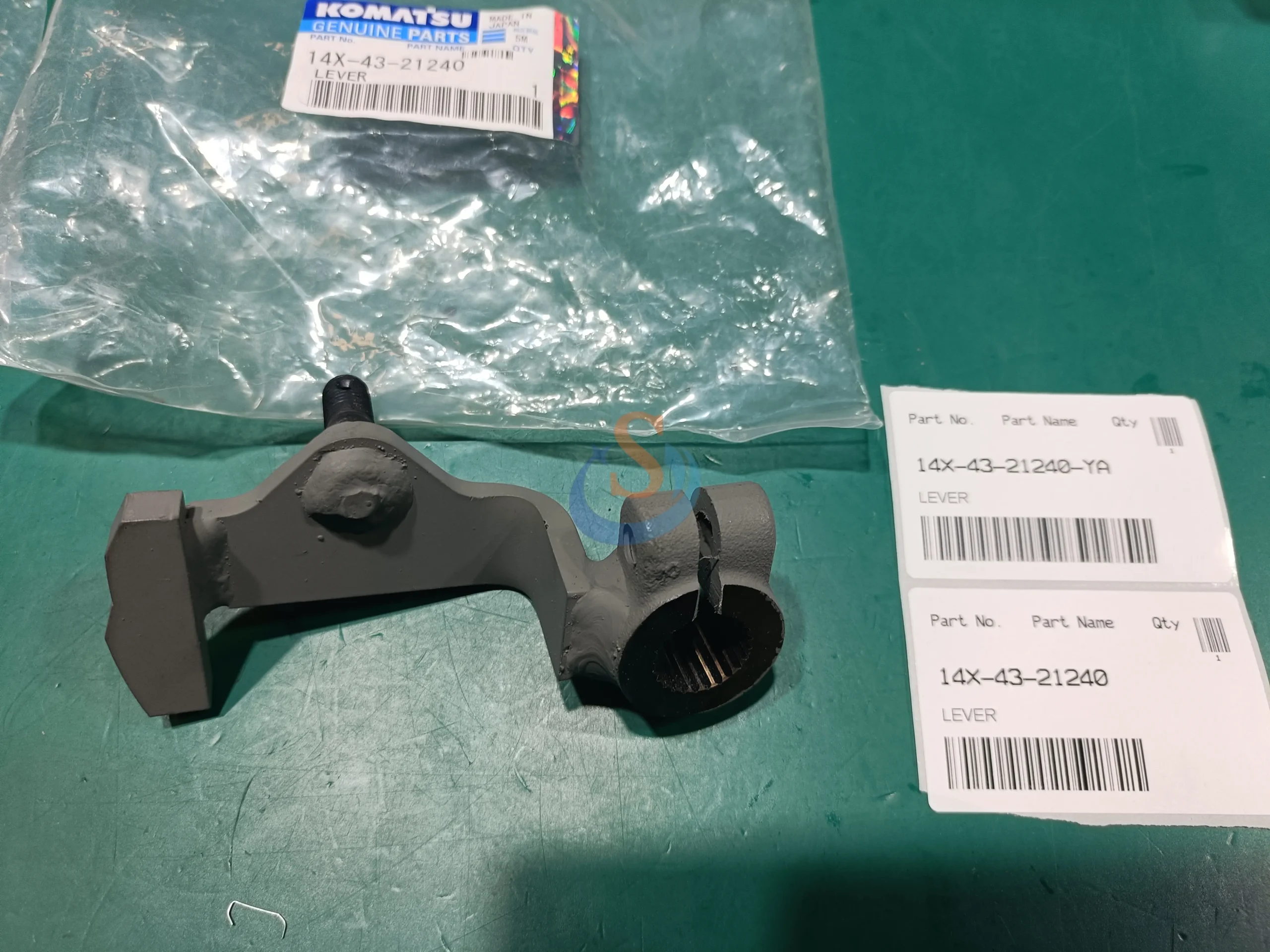 14X-43-21240,LEVER,D65P,D65E,D85E