
- Chinese
- French
- German
- Portuguese
- Spanish
- Russian
- Japanese
- Korean
- Arabic
- Irish
- Greek
- Turkish
- Italian
- Danish
- Romanian
- Indonesian
- Czech
- Afrikaans
- Swedish
- Polish
- Basque
- Catalan
- Esperanto
- Hindi
- Lao
- Albanian
- Amharic
- Armenian
- Azerbaijani
- Belarusian
- Bengali
- Bosnian
- Bulgarian
- Cebuano
- Chichewa
- Corsican
- Croatian
- Dutch
- Estonian
- Filipino
- Finnish
- Frisian
- Galician
- Georgian
- Gujarati
- Haitian
- Hausa
- Hawaiian
- Hebrew
- Hmong
- Hungarian
- Icelandic
- Igbo
- Javanese
- Kannada
- Kazakh
- Khmer
- Kurdish
- Kyrgyz
- Latin
- Latvian
- Lithuanian
- Luxembou..
- Macedonian
- Malagasy
- Malay
- Malayalam
- Maltese
- Maori
- Marathi
- Mongolian
- Burmese
- Nepali
- Norwegian
- Pashto
- Persian
- Punjabi
- Serbian
- Sesotho
- Sinhala
- Slovak
- Slovenian
- Somali
- Samoan
- Scots Gaelic
- Shona
- Sindhi
- Sundanese
- Swahili
- Tajik
- Tamil
- Telugu
- Thai
- Ukrainian
- Urdu
- Uzbek
- Vietnamese
- Welsh
- Xhosa
- Yiddish
- Yoruba
- Zulu
- Kinyarwanda
- Tatar
- Oriya
- Turkmen
- Uyghur






Komatsu wiper
When you hear 'Komatsu wiper', most guys in the yard immediately picture just the rubber blade. That's the first mistake. In our world, that term covers the entire linkage assembly—the arm, the motor, the pivot points, the whole mechanism that has to survive 5,000 hours in a quarry before anyone even thinks about it. The blade is just the part that fails and tells you something else might be worn out. I've seen too many mechanics order just the blade kit, slap it on a sloppy linkage, and wonder why it streaks again in two weeks. The real challenge isn't the part itself; it's diagnosing what around it has given up first.
The OEM vs. Aftermarket Reality
Working with an OEM supplier like Jining Gaosong gives you a different perspective on what 'genuine' means. They're within the Komatsu system, so their Komatsu wiper assemblies aren't just reverse-engineered copies. The pivot bushings on their linkage kits, for instance, have the same sintered bronze material specification as the part that came on the machine. That detail matters. An aftermarket arm might use a simple nylon bushing. It'll work, sure, until the constant vibration from a D375 dozer's engine turns it into powder. Then you get play, the arm chatters, and you burn through blades monthly.
But here's the practical judgement call: do you always need the full OEM-spec assembly? Not for every machine. For an older PC300-8 working a light-duty municipal site, a high-quality third-party blade and a check of the spring tension might be the perfect, cost-effective fix. The art is knowing the difference. Gaosong's role is interesting here—they are an OEM product supplier but also operate as a third-party sales channel. This means they can often provide the full spectrum, from the system-certified linkage down to just the blade, which is crucial for operations in regions where the official parts network is thin. Their site, takematsumachinery.com, essentially bridges that gap.
I learned this through a failure. We had a Komatsu HD785 truck whose wiper just wouldn't park. Replaced the motor twice with generic units. Finally, got a motor through a supplier linked to Gaosong's network. The difference was a small calibration tab on the gearbox, specific to that truck's cab wiring harness. The generic motor fit physically, but the circuit never completed the park cycle. It was a $2,000 lesson in system integration.
Environmental Failure Points You Don't See Coming
Dust is the obvious killer. But it's not the dust on the windshield; it's the dust in the cab cowl. The wiper shaft seals are a constant battle. I've pulled apart arms where the shaft was so packed with fine, cement-like dust that the motor had to work triple-time, burning itself out. The OEM design usually has a more robust felt seal here. A good test is to spray a little silicone around the base of the shaft—if the wiper stroke smooths out, you know the seal's gone and friction is your real problem, not the motor.
Then there's chemical exposure. In mining, acid mist from processing can eat the rubber compound of the blade in months, making it hard and brittle. A standard blade might last a year; in that environment, you need the nitrile-blend specification. Most parts catalogs don't make this easy to find. You have to dig into the material codes or work with a specialist who knows the application charts, which is where a company with dual OEM and third-party roles can cut through the noise.
Cold is another one. At -30°C, the entire linkage assembly contracts. If the grease in the pivots isn't the right low-temperature spec, the motor strains, draws excess current, and trips the breaker. You'll spend days chasing an electrical ghost when the issue is purely mechanical. I always specify lithium-complex grease for any pivot work in cold climates now. It's a small detail that never appears in the troubleshooting manual.
The Installation Pitfall: Torque and Geometry
Even with the perfect part, installation is where it goes wrong. The mounting nuts for the Komatsu wiper motor are typically low-torque, like 12 Nm. Over-tightening them distorts the mounting plate, misaligns the output gear, and causes binding. I use a calibrated torque wrench every time now, after having to replace a gearbox I'd just installed because I felt the nuts were tight enough. They weren't; they were too tight by about 5 Nm.
Geometry is everything. When you replace an arm, you must ensure the park position is set before you lock the arm to the splined shaft. If it's off by a few teeth, the blade will hit the cab molding or leave a huge unswept area. The official service manual has the procedure, but in the field, we often just mark the old arm's position with a paint pen before removal. It's a simple trick that saves 20 minutes of trial and error.
And never assume the splines are clean. A light coat of rust on the motor output shaft can make you think the arm is fully seated when it's not. It'll work loose in a week. A hit of penetrating oil and a brass brush to clean the splines is a mandatory five-minute step most people skip.
Supply Chain and the Unavailable Part
This is where the model of a company like Jining Gaosong Construction Machinery Co., Ltd. shows its value. Their stated mission is helping to solve parts supply challenges in certain countries. I've lived this. You need a wiper linkage for a Komatsu WA600 loader in a remote location. The official regional warehouse shows zero stock, with a 90-day lead time from Japan.
As an OEM supplier within the system, they can sometimes access production line allocations or regional stock that isn't in the main database. As a third-party seller, they might have a compatible, high-quality aftermarket unit that can be air-freighted in 48 hours. Their dual role provides options. I once sourced a complete motor and linkage for a PC138US excavator through such a channel when the dealer was back-ordered. The part had Komatsu branding on some components and the supplier's on others—a clear hybrid. But it worked flawlessly because the critical wear components were to OEM spec. The machine was back running in three days instead of three months.
The key is transparency. A good supplier will tell you exactly what you're getting: This is our OEM-grade assembly, or This is a certified third-party alternative we recommend for this application. The blurry middle is where trust is lost.
Final Thought: It's a Diagnostic Tool
Never underestimate what a failing Komatsu wiper system tells you. A wiper that slows down under load might indicate a voltage drop from a failing alternator, not a bad motor. A chattering blade on a new arm could point to a slightly twisted windshield frame from a past incident—a alignment issue no part can fix.
It's a small system, but it's connected to everything: electrical, mechanical, structural. Treating it as a simple consumable like a light bulb is a mistake. You have to look at the whole motion, listen to the sound, check the current draw. That's the professional habit. Getting the right part, whether through an official Komatsu dealer, an OEM-linked supplier like Gaosong, or a trusted third-party, is only half the job. The other half is understanding why the old one really failed, and what its struggle was trying to tell you about the machine.
Related Products
Related Products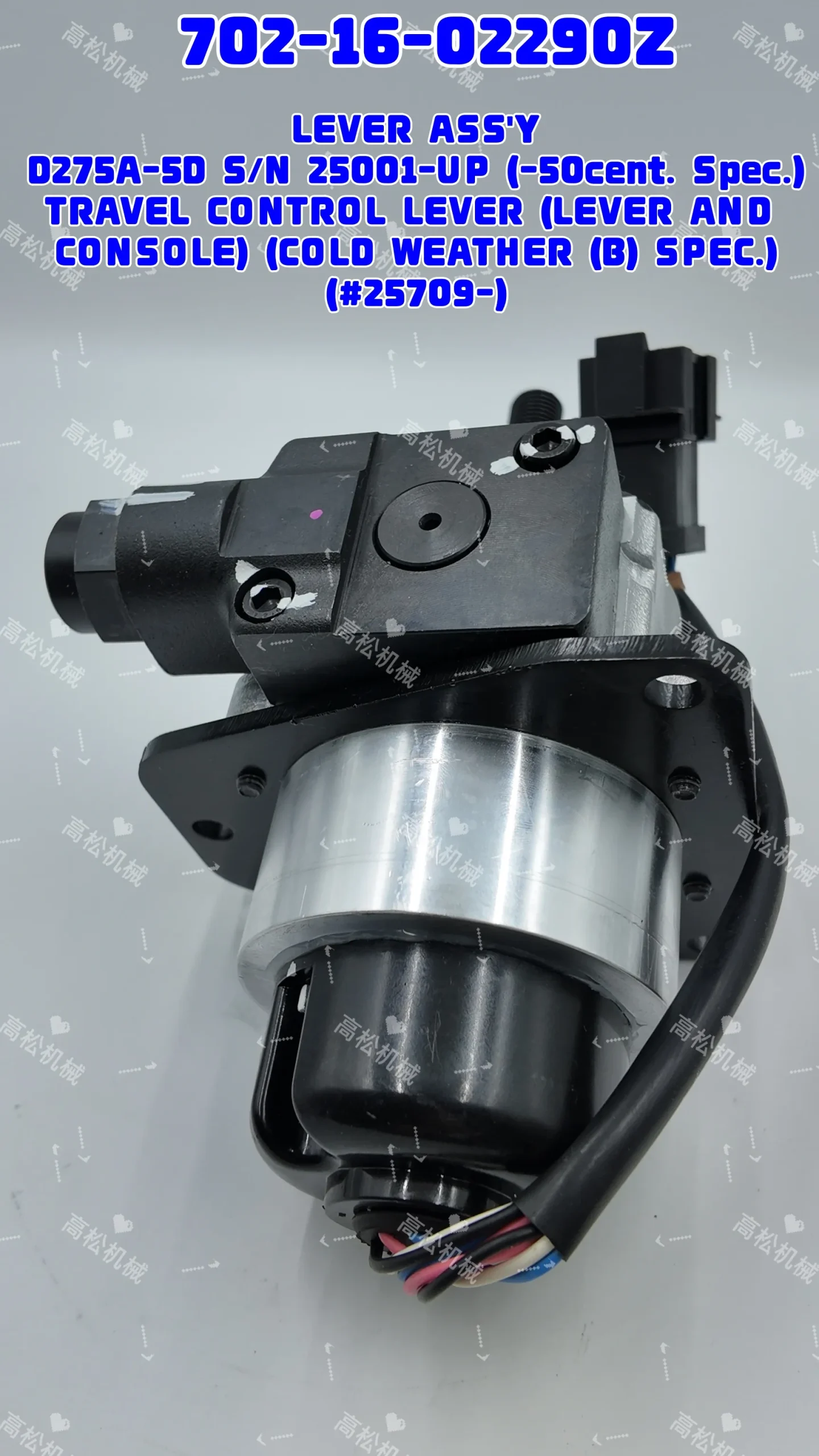
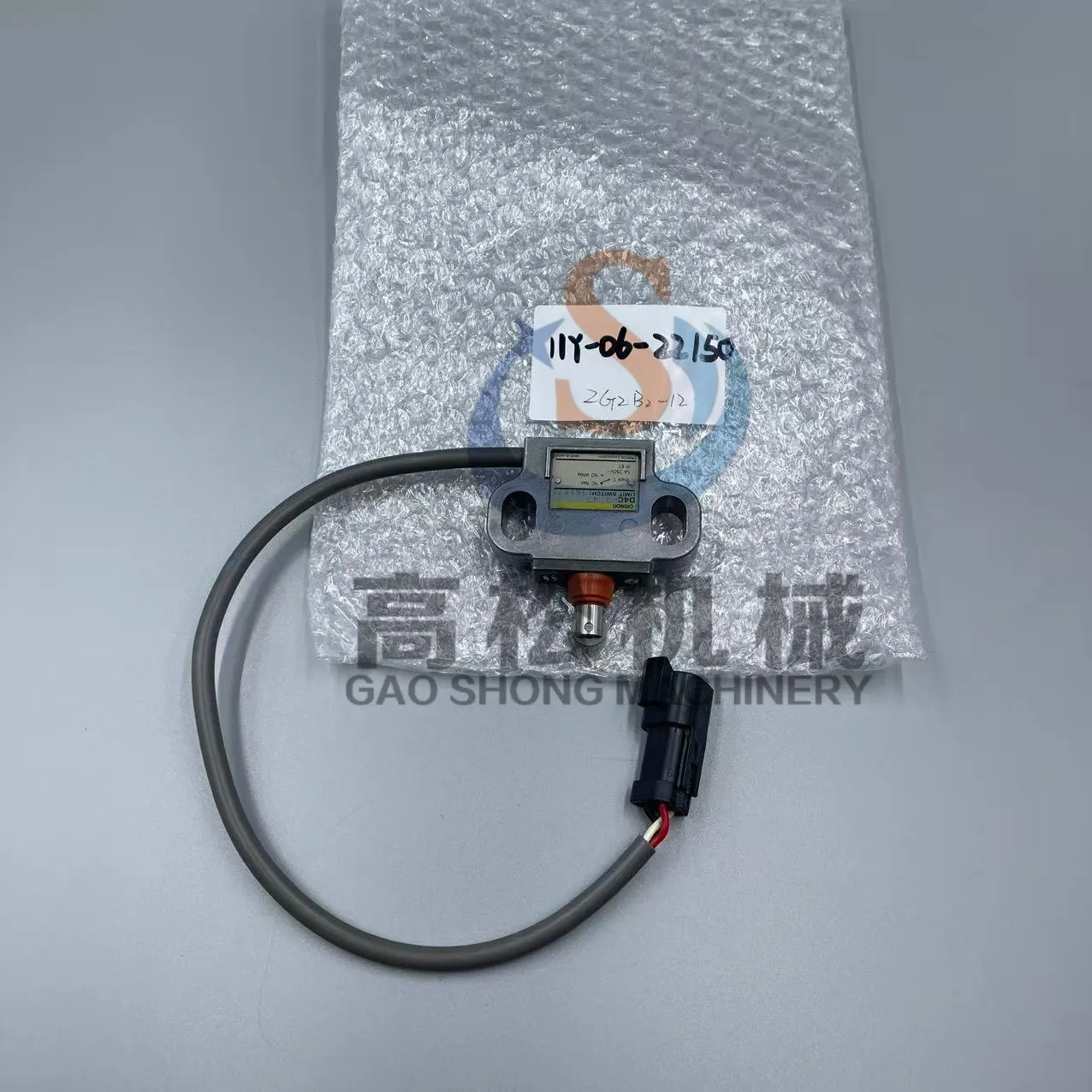
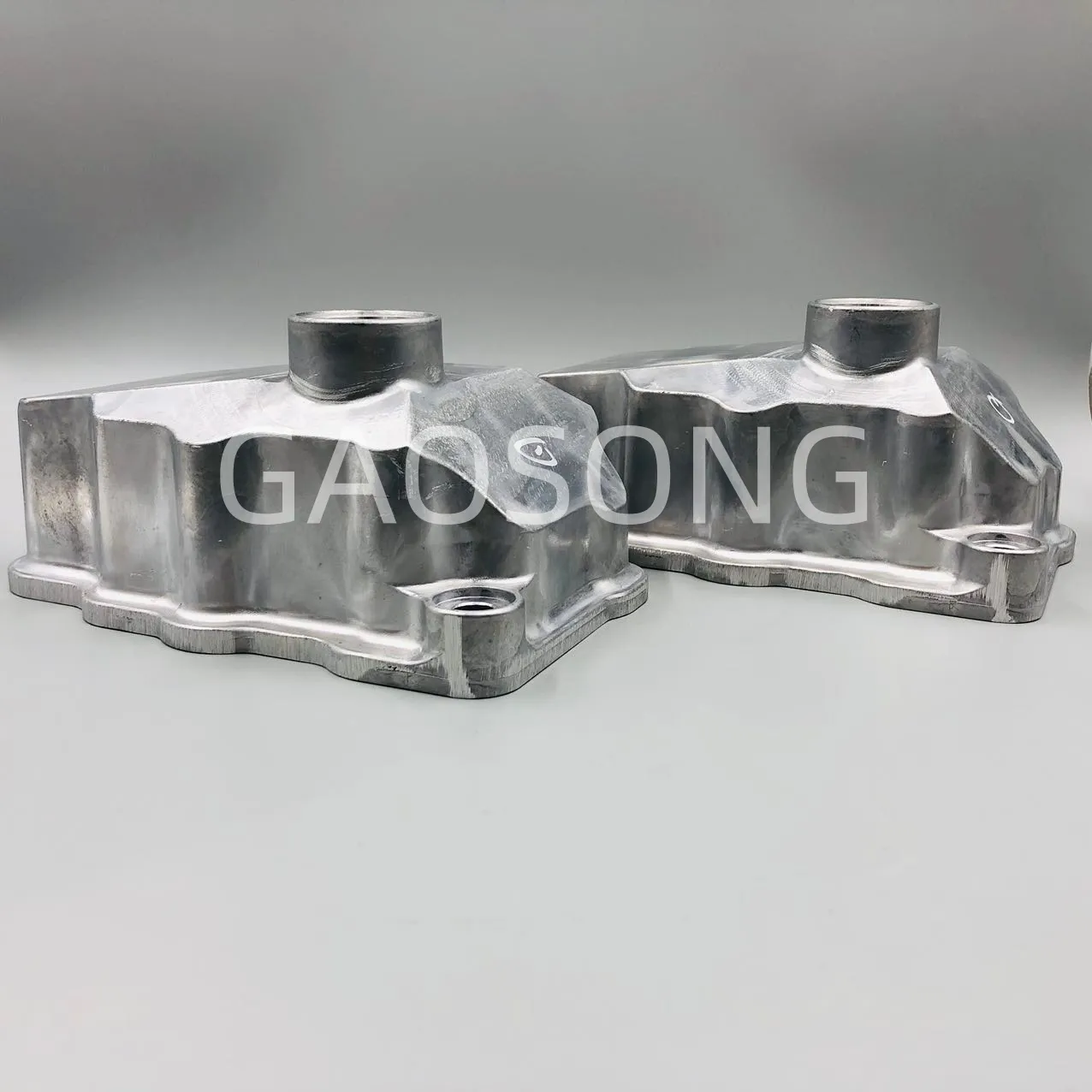
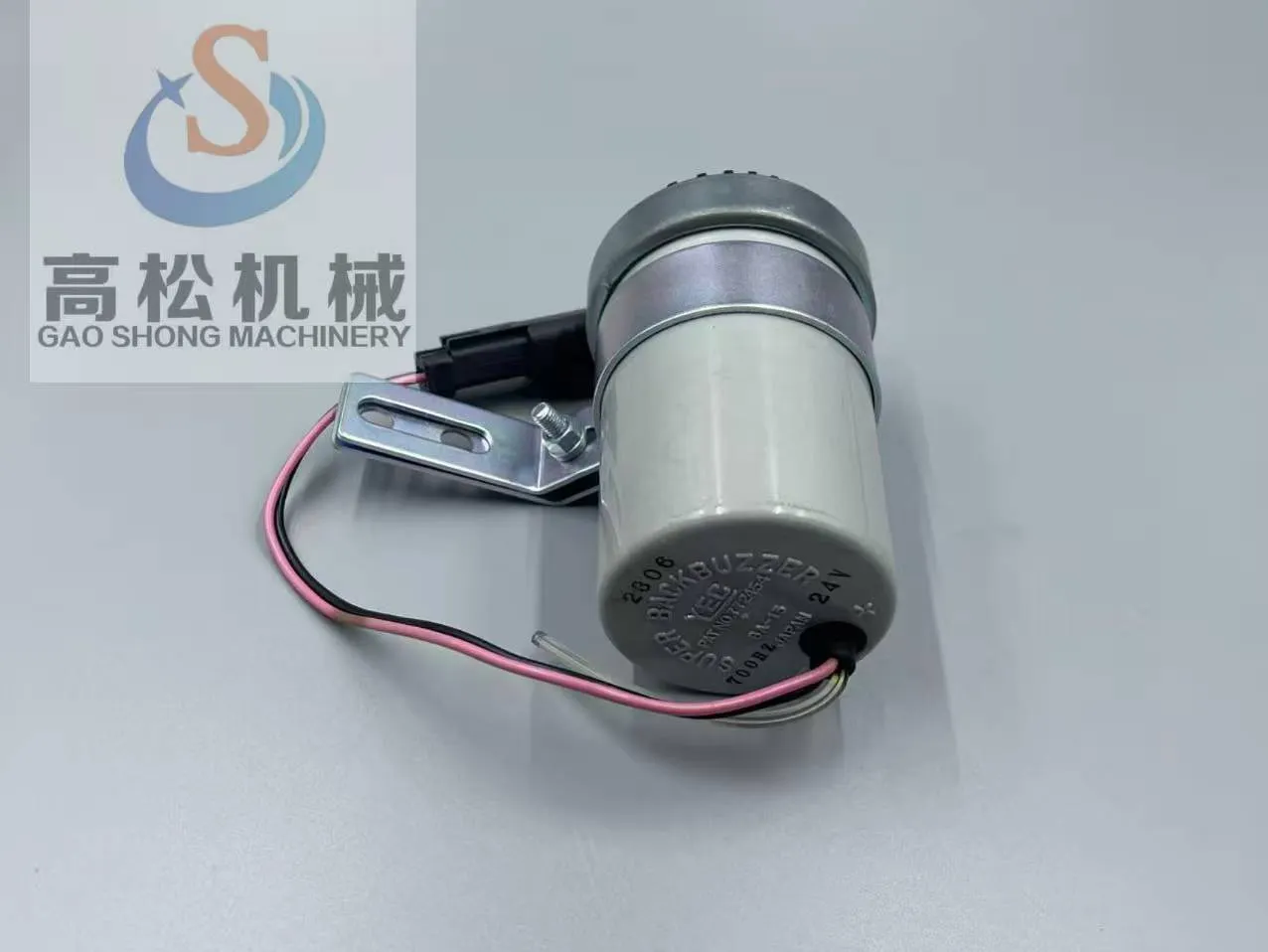

Best Selling Products
Best Selling Products-
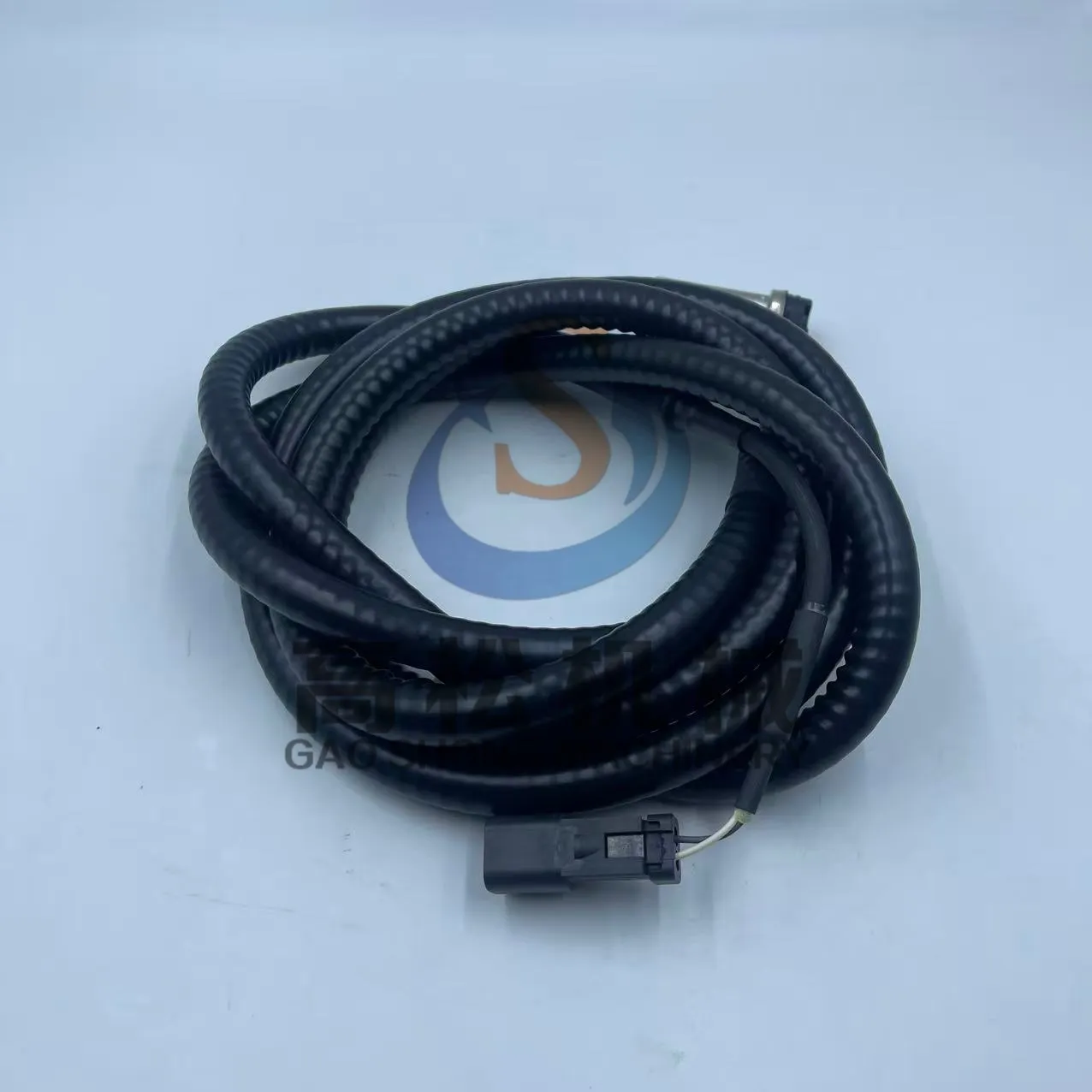 566-88-66143 – KOMATSU SENSOR
 -
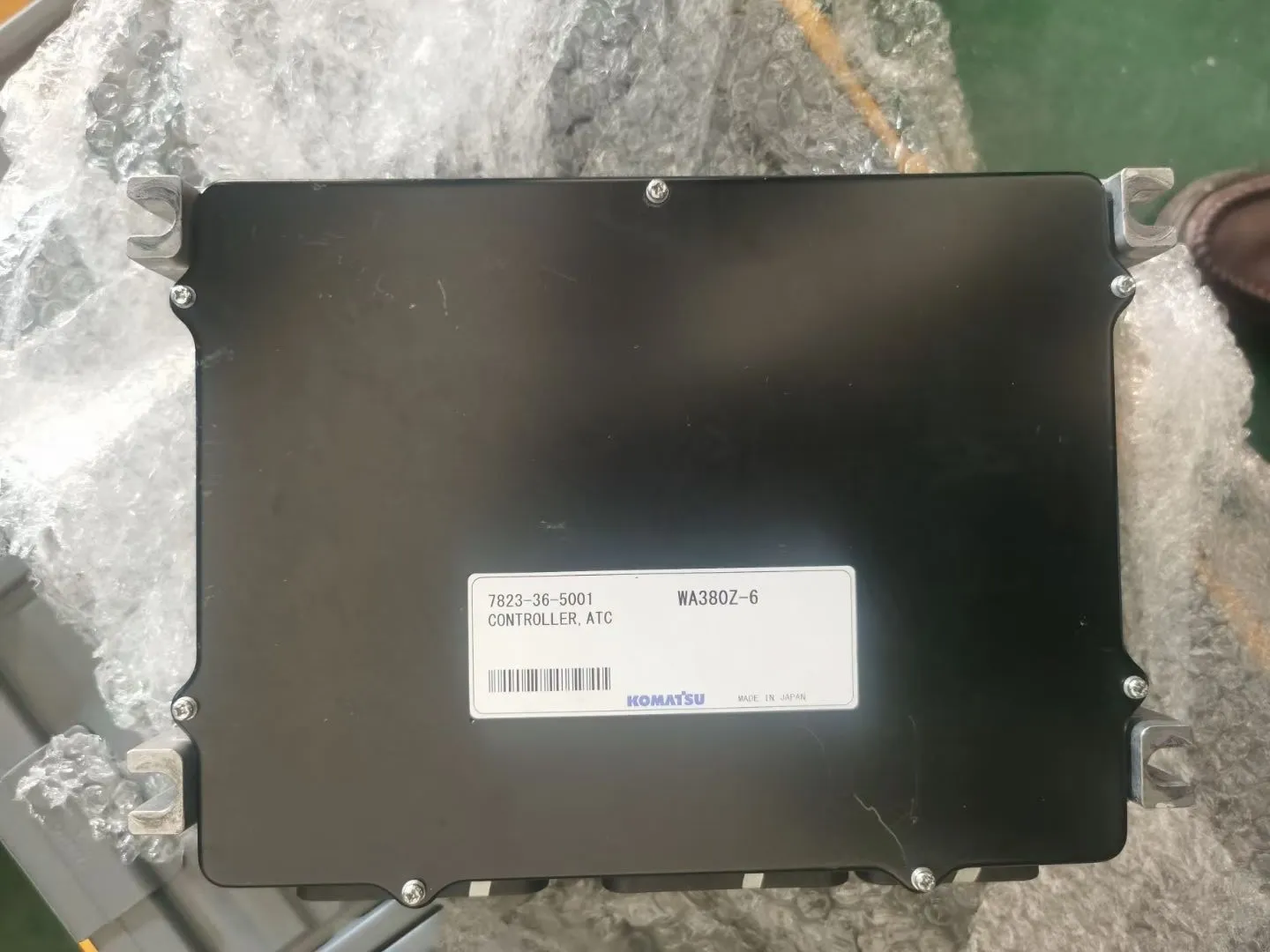 WA380Z-6 Controller 7823-36-5001
 -
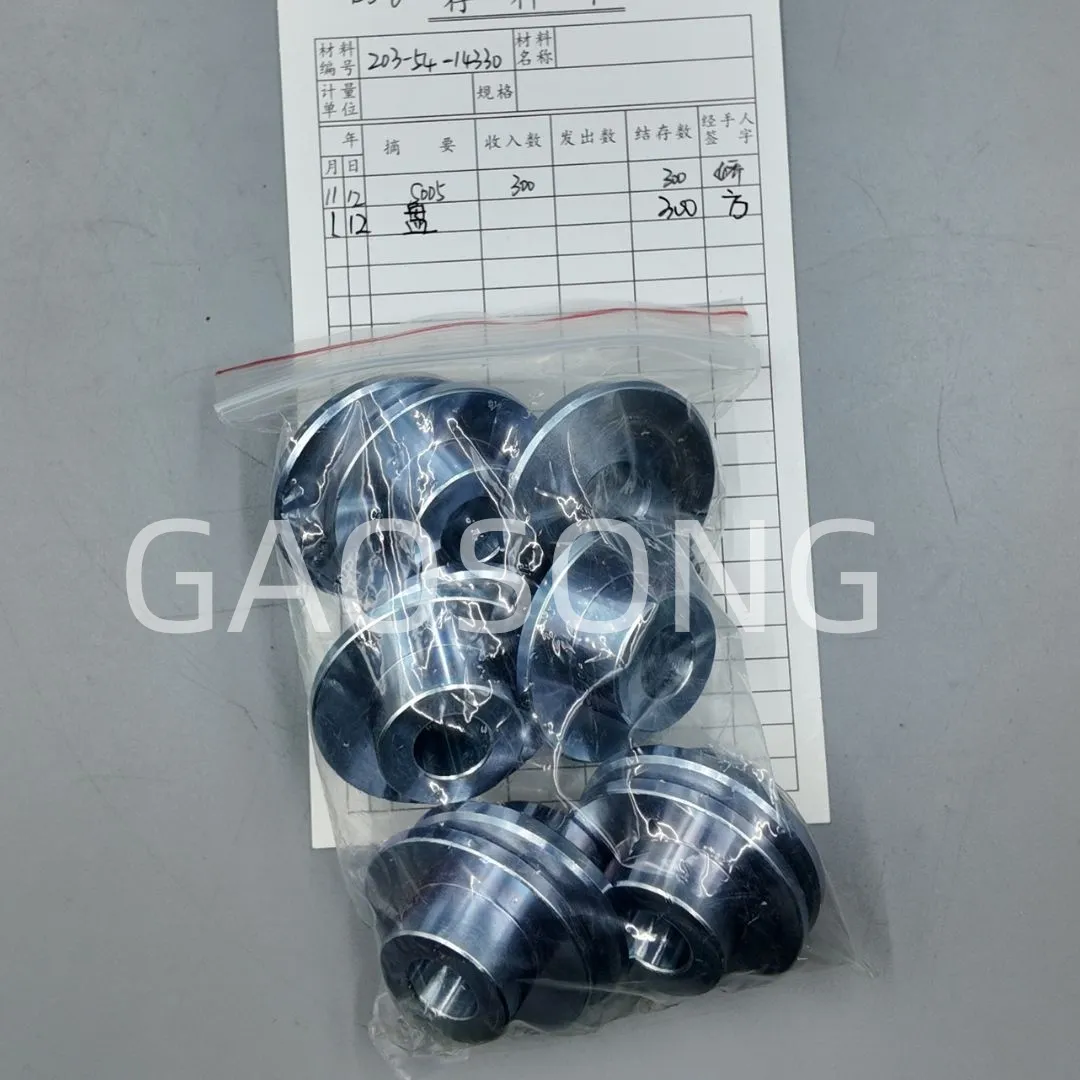 203-54-14330 COLLAR-Komatsu Original Factory
 -
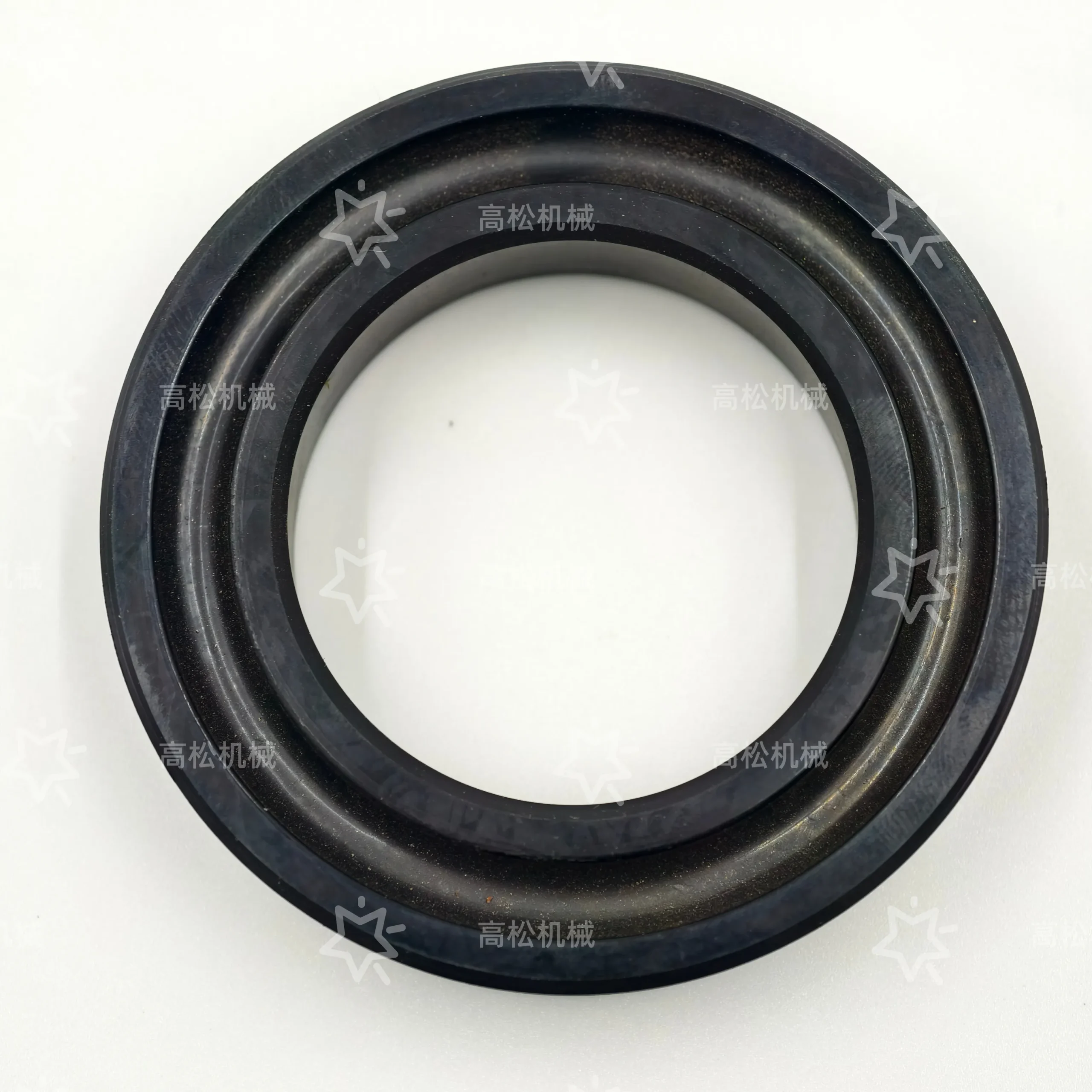 09370-00070 – U-PACKING fits Komatsu
 -
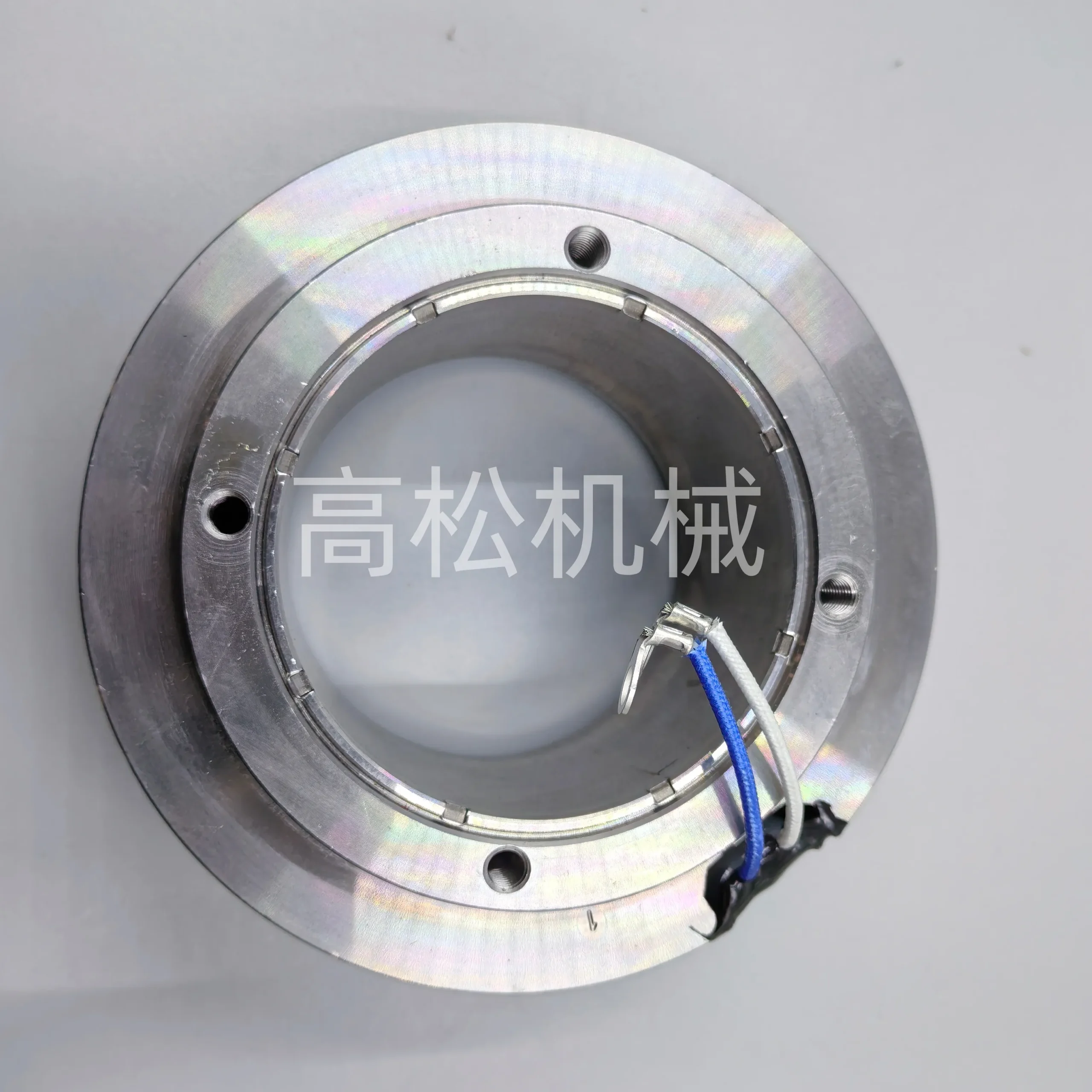 KD0-35120-0250 • FIELD COIL ASS’Y-Komatsu Original Factory
 -
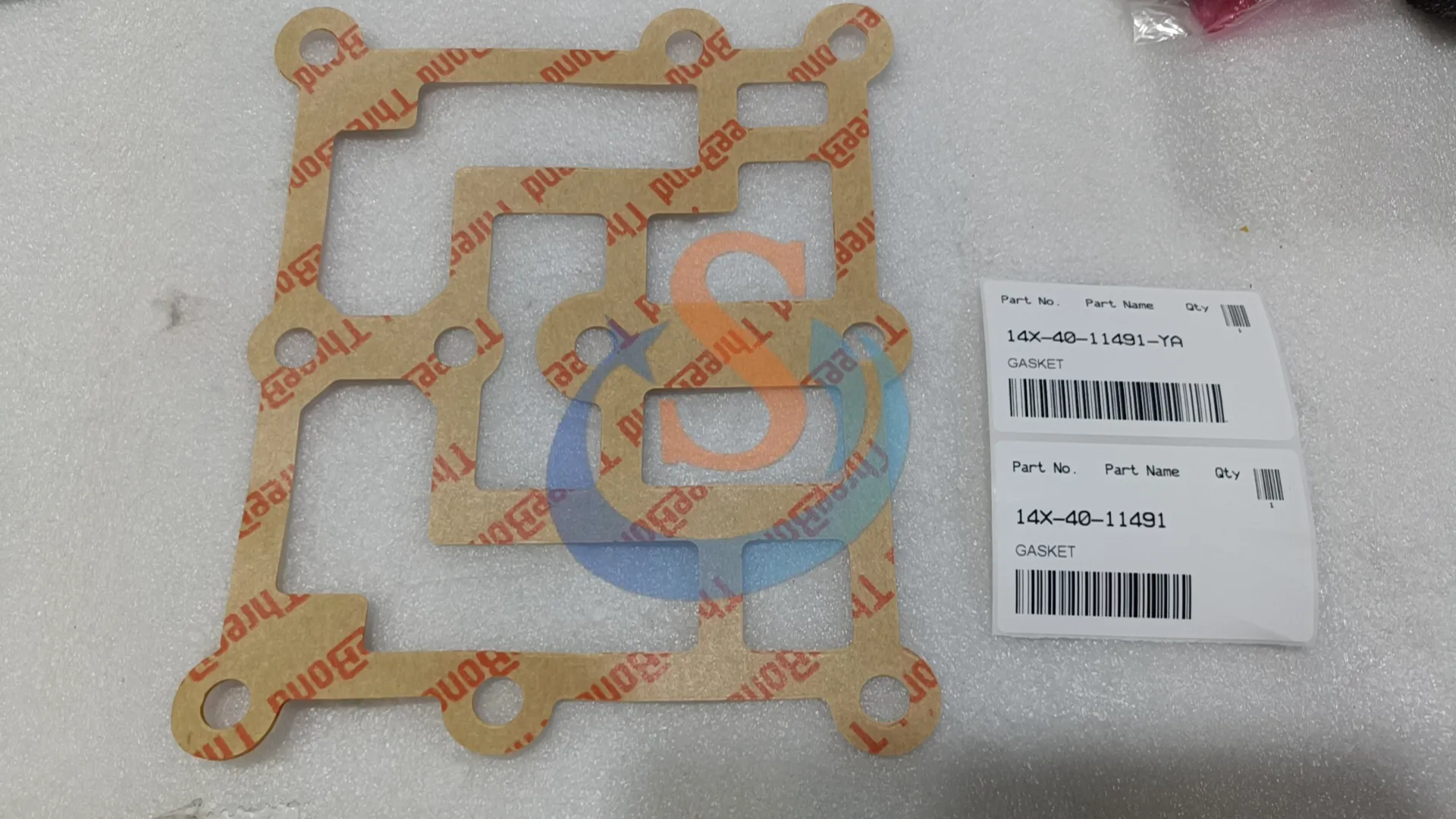 14X-40-11491,GASKET,D155A,D375A,D475A
 -
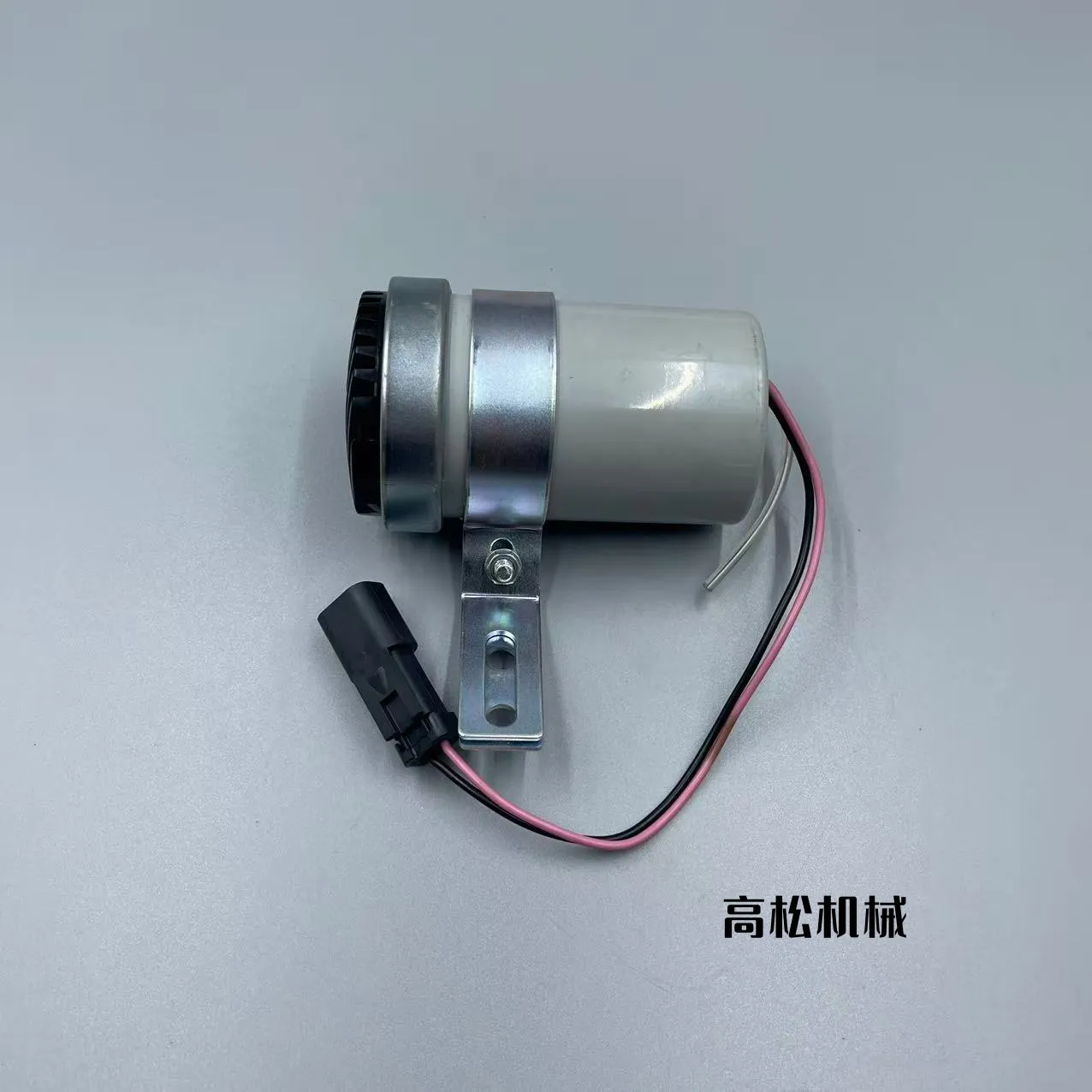 198-06-56570 BUZZER-Komatsu Original Factory
 -
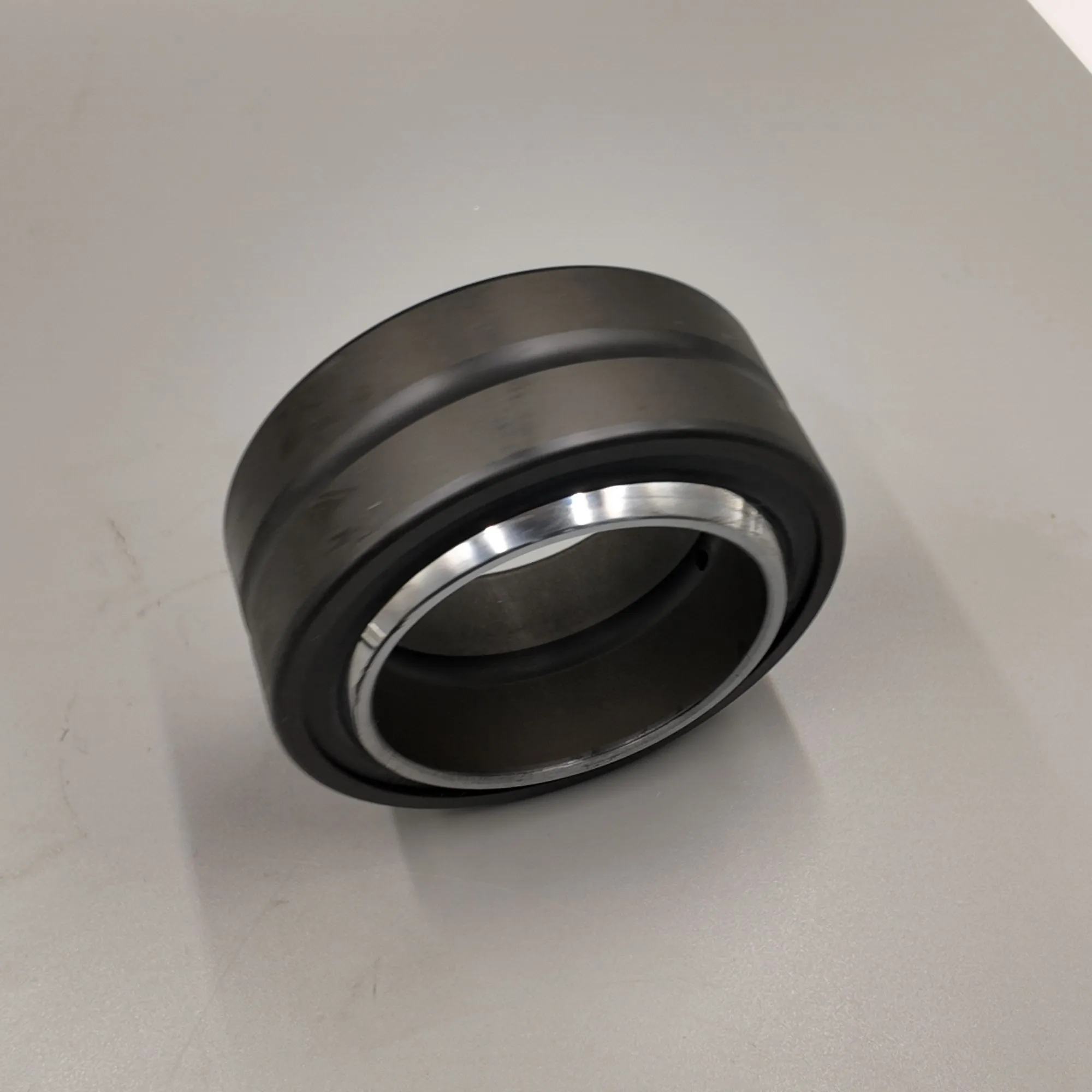 707-46-07040 • Bushing-Komatsu Original Factory
 -
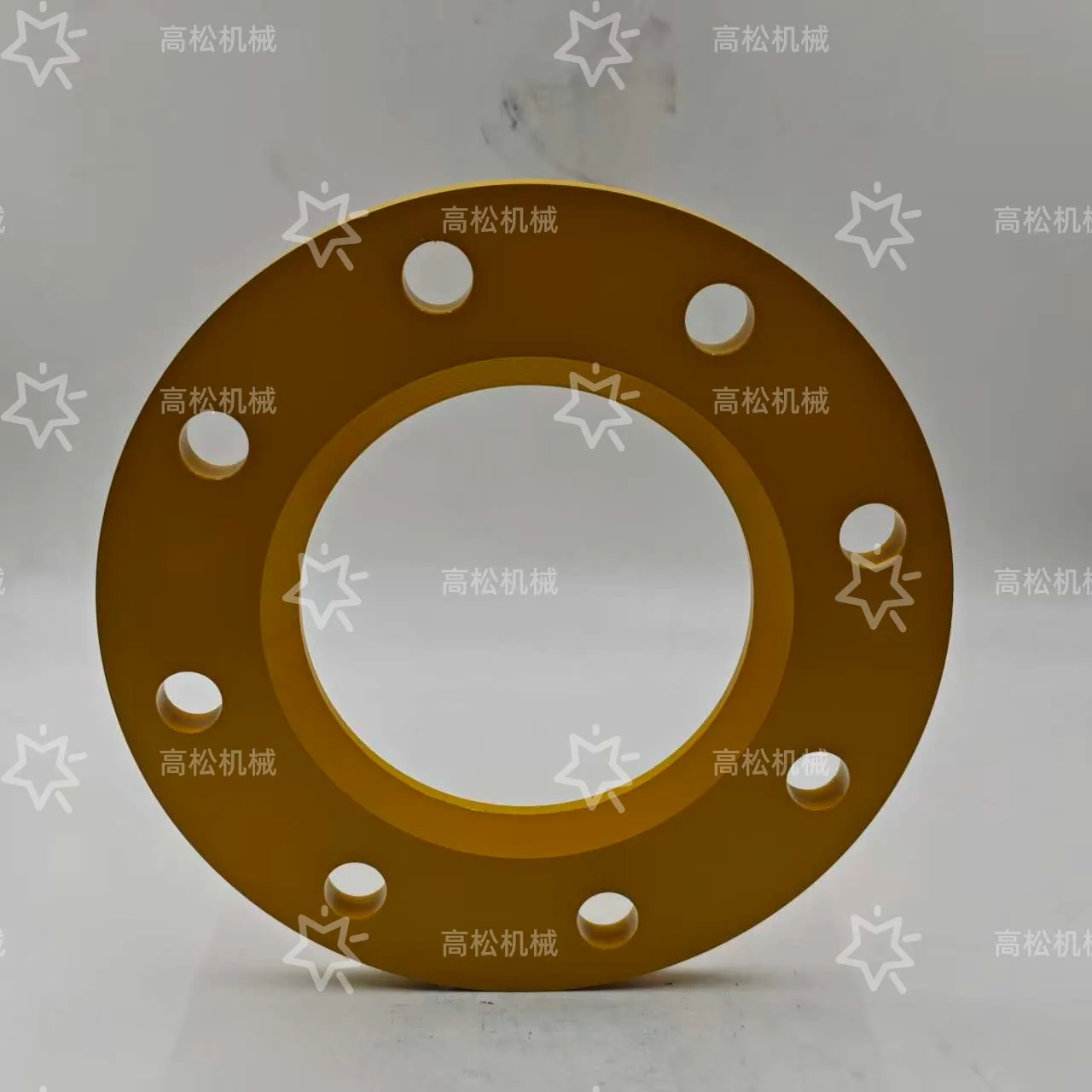 Komatsu 41E-70-15461 board
 -
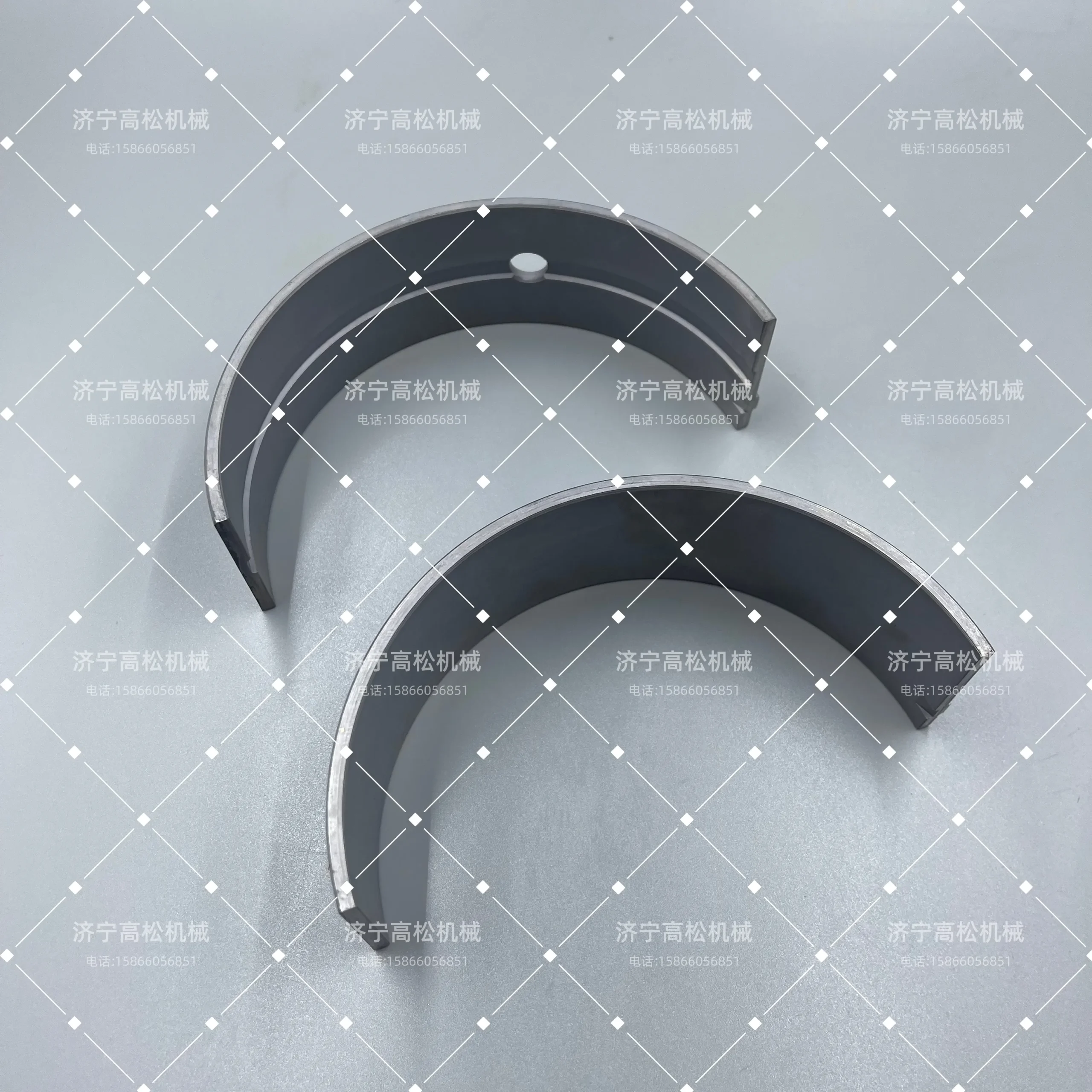 Komatsu Main Bearing STD – 6162-23-8010
 -
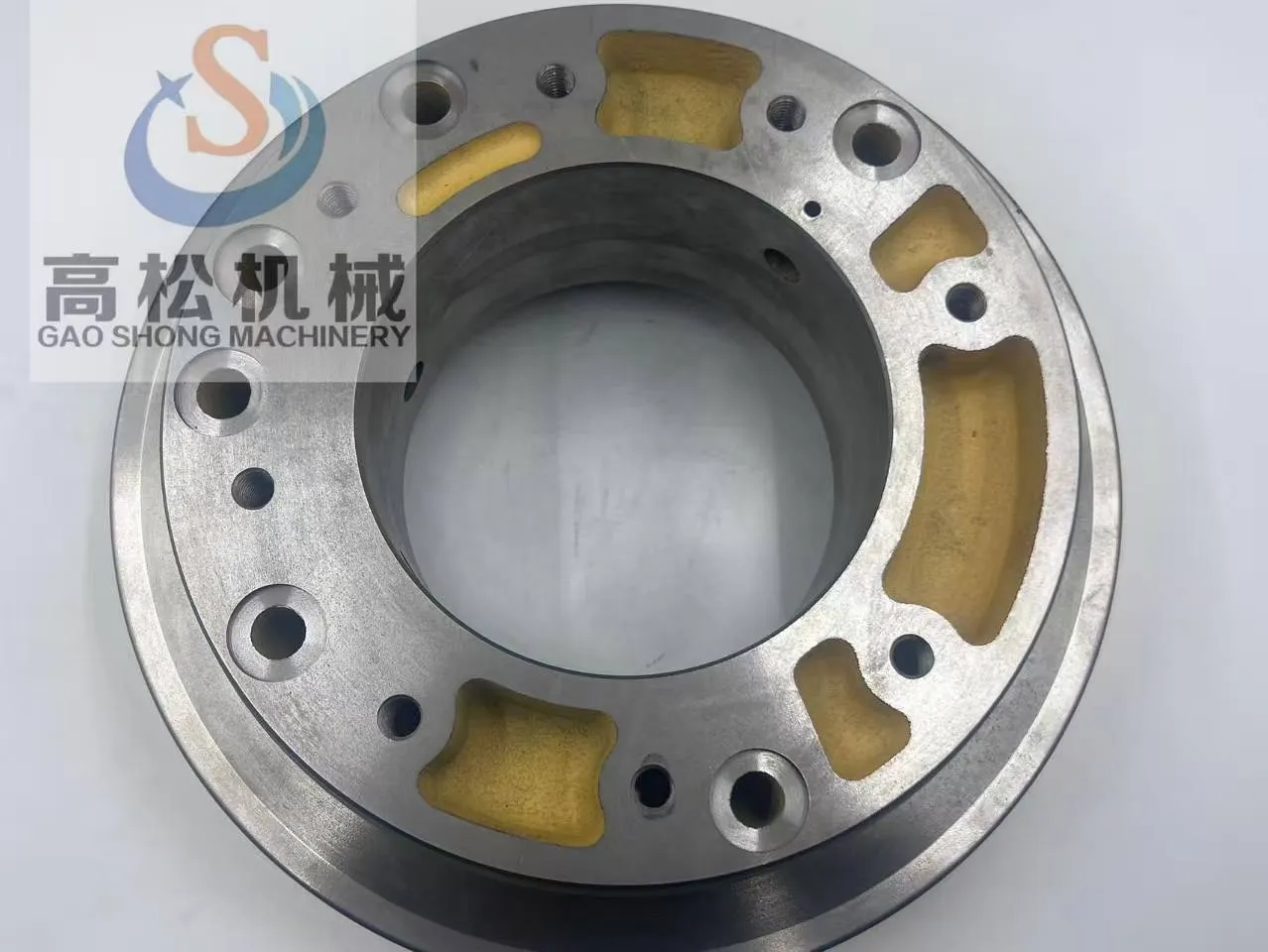 Komatsu D155A-5 cylinder 17A-22-11132
 -
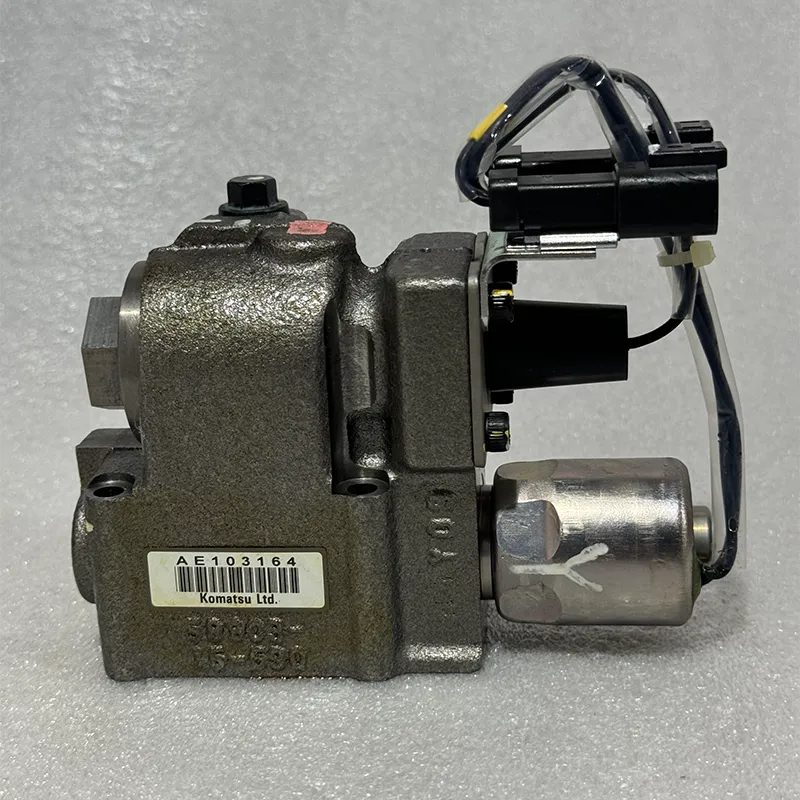 Original komatsu HD785-7 Valve 561-15-75701