
- Chinese
- French
- German
- Portuguese
- Spanish
- Russian
- Japanese
- Korean
- Arabic
- Irish
- Greek
- Turkish
- Italian
- Danish
- Romanian
- Indonesian
- Czech
- Afrikaans
- Swedish
- Polish
- Basque
- Catalan
- Esperanto
- Hindi
- Lao
- Albanian
- Amharic
- Armenian
- Azerbaijani
- Belarusian
- Bengali
- Bosnian
- Bulgarian
- Cebuano
- Chichewa
- Corsican
- Croatian
- Dutch
- Estonian
- Filipino
- Finnish
- Frisian
- Galician
- Georgian
- Gujarati
- Haitian
- Hausa
- Hawaiian
- Hebrew
- Hmong
- Hungarian
- Icelandic
- Igbo
- Javanese
- Kannada
- Kazakh
- Khmer
- Kurdish
- Kyrgyz
- Latin
- Latvian
- Lithuanian
- Luxembou..
- Macedonian
- Malagasy
- Malay
- Malayalam
- Maltese
- Maori
- Marathi
- Mongolian
- Burmese
- Nepali
- Norwegian
- Pashto
- Persian
- Punjabi
- Serbian
- Sesotho
- Sinhala
- Slovak
- Slovenian
- Somali
- Samoan
- Scots Gaelic
- Shona
- Sindhi
- Sundanese
- Swahili
- Tajik
- Tamil
- Telugu
- Thai
- Ukrainian
- Urdu
- Uzbek
- Vietnamese
- Welsh
- Xhosa
- Yiddish
- Yoruba
- Zulu
- Kinyarwanda
- Tatar
- Oriya
- Turkmen
- Uyghur






Komatsu wheel motor
If you ask most people in the yard about a Komatsu wheel motor, they'll probably just think of it as a black box that makes the wheel turn. The part number, the torque rating—that's where the conversation usually ends. But that's where the real problems begin. I've seen too many rebuilds fail because everyone focused on the motor in isolation, forgetting it's just one piece of a stressed system that includes the planetary, the brake, and the valve block feeding it. The specs are a starting point, not the whole story.
The OEM Promise and the On-Ground Reality
Working with an OEM supplier like Jining Gaosong Construction Machinery Co., Ltd. gives you a certain baseline confidence. When you get a part from their channel, at https://www.takematsumachinery.com, you're getting the geometry and metallurgy that Komatsu intended. That's crucial for something like a wheel motor where tolerances are tight. But here's the catch: an OEM-spec part assumes an OEM-spec environment. In the real world, that's rarely the case.
I remember a fleet of HD785 trucks where we kept seeing premature failure on the same position. We replaced the Komatsu wheel motor each time with genuine or OEM-equivalent units, but the problem came back. We were chasing the symptom. The real issue was a slight but persistent pressure spike from the steering circuit upstream, which the motor could handle for a while, but not for its full lifespan. The motor was the victim, not the culprit.
This is where a company's role as a third-party solutions provider, like Gaosong mentions, becomes tangible. It's not just about selling the part. It's about understanding that in certain countries, or frankly in any aging fleet, the supporting systems are degraded. The value is in asking, Why did this fail? before you just slot a new one in.
Failures That Aren't in the Manual
The manuals talk about wear on the cylinder block or the valve plate. Standard stuff. What they don't always prepare you for are the cascade failures. A classic one is heat. A failing wheel motor doesn't always just seize. More often, it starts running inefficiently, dumping excess heat into the oil. This cooks the seals in the adjacent planetary hub, leading to a catastrophic oil leak that gets blamed on the hub seal. You replace the seal, it blows again, and only later do you realize the root was the motor's internal bypassing all along.
Another subtle killer is contamination that's specific to the motor's port design. Some of the older Komatsu designs have these relatively fine cross-drilled passages in the port block. If your filtration isn't perfect—and whose is, after 10,000 hours?—these passages slowly plug with silt. The motor gets sluggish. The first instinct is to blame the pump or the valves. I've wasted days tracing pressures only to find a partially blocked motor port. Now, the first step is to swap motors from another corner as a test. Simple, but you learn that the hard way.
This is where having a reliable parts source is critical. When you're doing this kind of diagnostic swap, you need to know the part you're putting in is good. Using a trusted OEM supplier ensures your test variable is controlled. You're not troubleshooting with unknown parts.
The Rebuild Trap
Everyone tries rebuilding wheel motors to save cost. I get it. But for Komatsu units, it's a high-risk game. It's not just about new seals and a lapped valve plate. The housing itself can be stressed. I've seen rebuilds where everything was within spec on the bench, but under load, the case flexed just enough to ruin the critical clearance between the cylinder block and the valve plate. The result was a motor that worked fine at low pressure but lost all torque when it was needed.
The key components—the rotating group, the shaft splines, the bearing journals—they have a fatigue life. A rebuild can't reset that clock. On a critical machine where downtime costs thousands per hour, a saved $5k on a rebuild can lead to a $50k loss in productivity if it fails early. Sometimes, the smarter play is a new or quality-remanufactured unit from a source that guarantees the housing integrity.
Companies that operate as part of the Komatsu system, like the one mentioned earlier, often have better access to core units that are suitable for proper remanufacturing, or can advise when a rebuild is a false economy. That advice is worth more than a discount.
Integration is Everything
You can't talk about the motor without talking about the Komatsu final drive package. The motor bolts directly to the planetary reduction. The alignment isn't just about bolts; it's about the spline engagement. I've witnessed a case where a technician used a sledgehammer to seat the motor shaft into the planetary sun gear. It worked for a week. Then the shock loads from that misaligned engagement spalled the splines, sending metal through the entire system. Total loss.
The lesson? The installation procedure matters as much as the part quality. Cleanliness, alignment, and torque sequence. It sounds basic, but in a dusty pit with a supervisor asking how much longer, basics get skipped. The best wheel motor in the world will fail if it's installed wrong.
This integration point is also why part interchangeability can be tricky. A motor might fit physically from one model to a later one, but the porting or the control valve might be different. Just because it bolts on doesn't mean it works right. You need more than a parts cross-reference; you need system knowledge.
Looking Ahead: The Data Point
The new frontier is connecting motor performance to machine data. Temperature sensors on the case are becoming more common. A gradual creep in temperature differential between left and right side motors under similar load is a brilliant early warning sign of internal wear, long before you lose power or see a leak. We're not there yet on most older machines, but it's the direction.
For now, the best practice remains a combination: source critical rotating components from reputable channels that understand the system, like an OEM-aligned supplier. Don't just swap parts—read the failure. And respect the wheel motor for what it is: the final, stressed conversion point between hydraulic power and mechanical drive. It's not a commodity. Treat it like one, and it'll remind you of its importance in the most expensive way possible.
In the end, managing these assets is about mitigating risk. It's about knowing when to rebuild, when to replace, and who to call to get a part that won't let you down. Because in this business, the clock is always ticking.
Related Products
Related Products

Best Selling Products
Best Selling Products-
 56B-50-12150 Komatsu Plate
 -
 14X-13-54411 Housing D65PX/D65WX/D65EX
 -
 Hydraulic Steering Valve 561-40-83300 569-40-63302 for Komatsu HD785-7 HD465-7R Dump Trucks
 -
 komatsu parts427-16-11610 GAUGE,SIGHT (EXCEPT JAPAN) WA800-1-13 S/N 10001-UP TRANSMISSION OIL GAUGE427-16-11610 GAUGE,SIGHT KOMATSU parts WA1200, WA600, WA700, WA800, WA800L, WA900, WA900L, WD600, WD900
 -
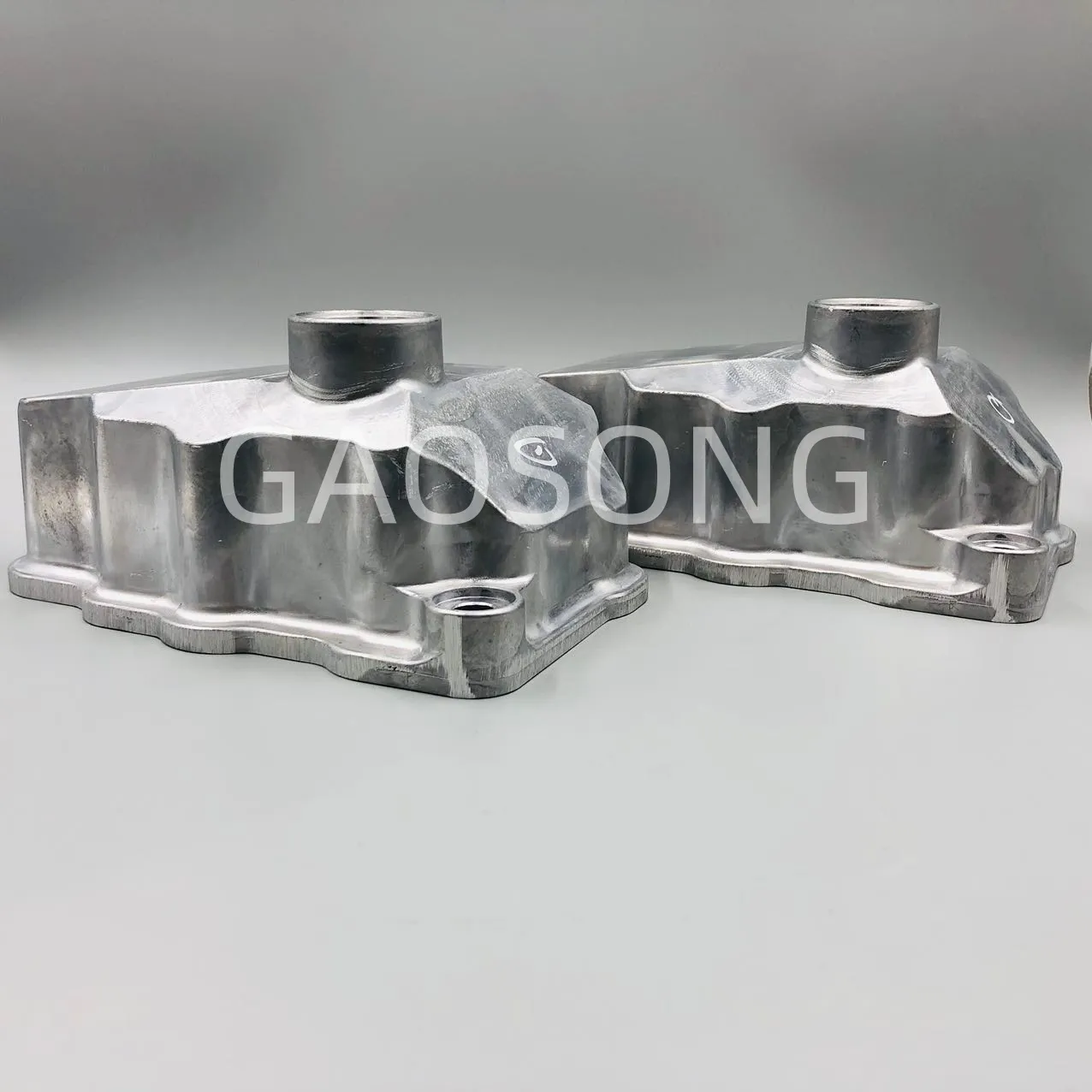 6251-11-8150 Komatsu Cover, Rocker Arm Housing
 -
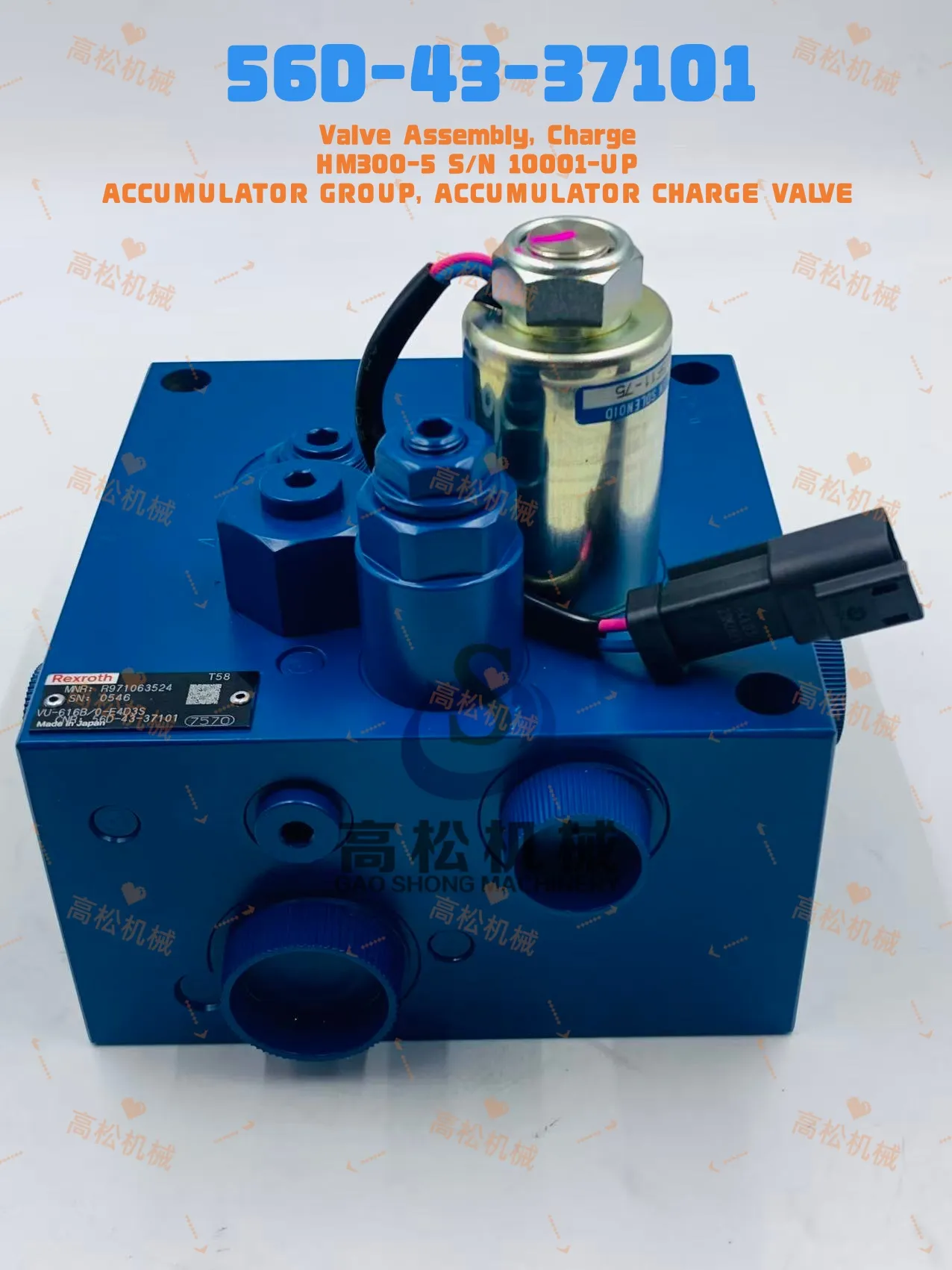 56D-43-37101 Valve Assembly, Charge HM300-5 ACCUMULATOR GROUP, ACCUMULATOR CHARGE VALVE
 -
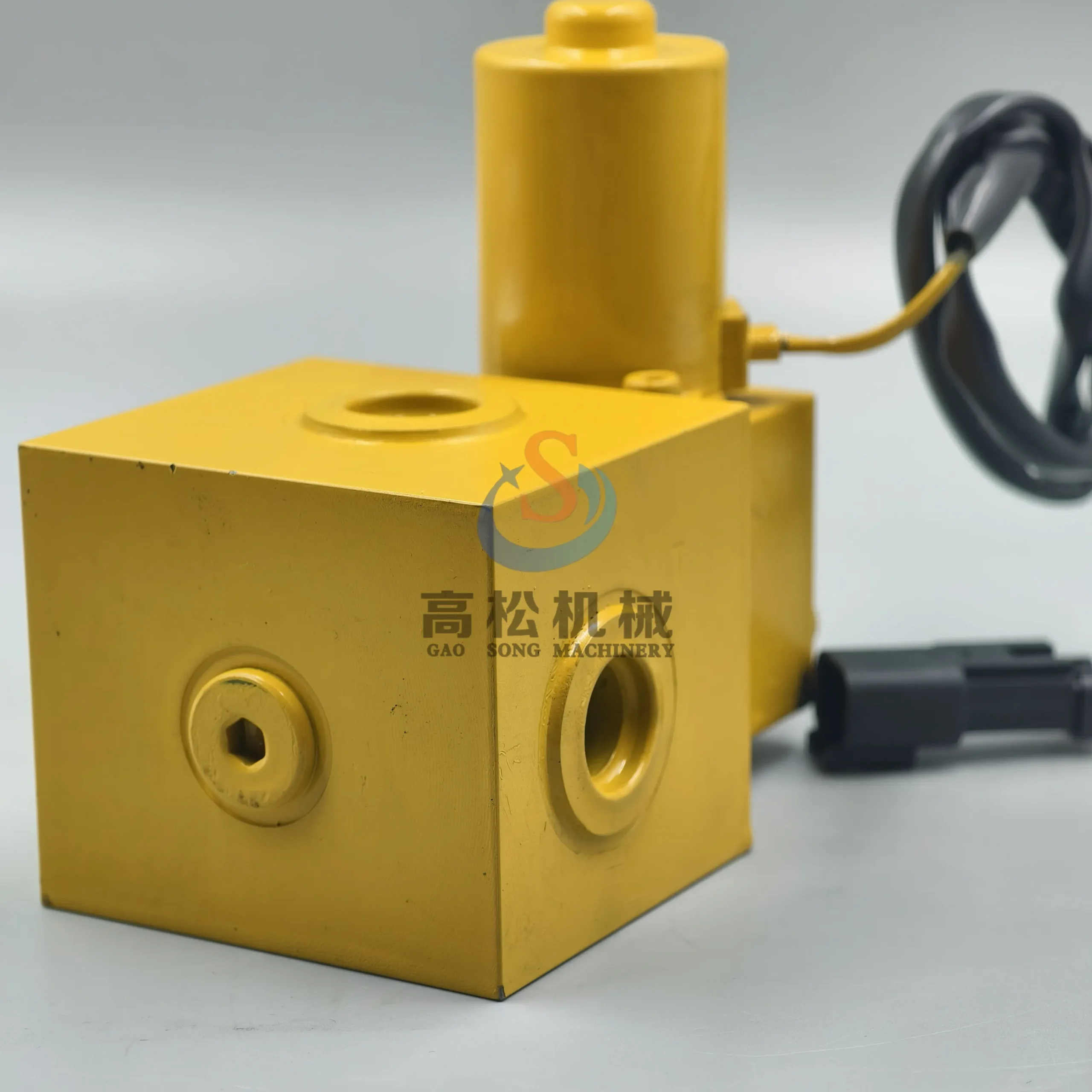 209-60-77220 komatsu vavle-PC600/PC700
 -
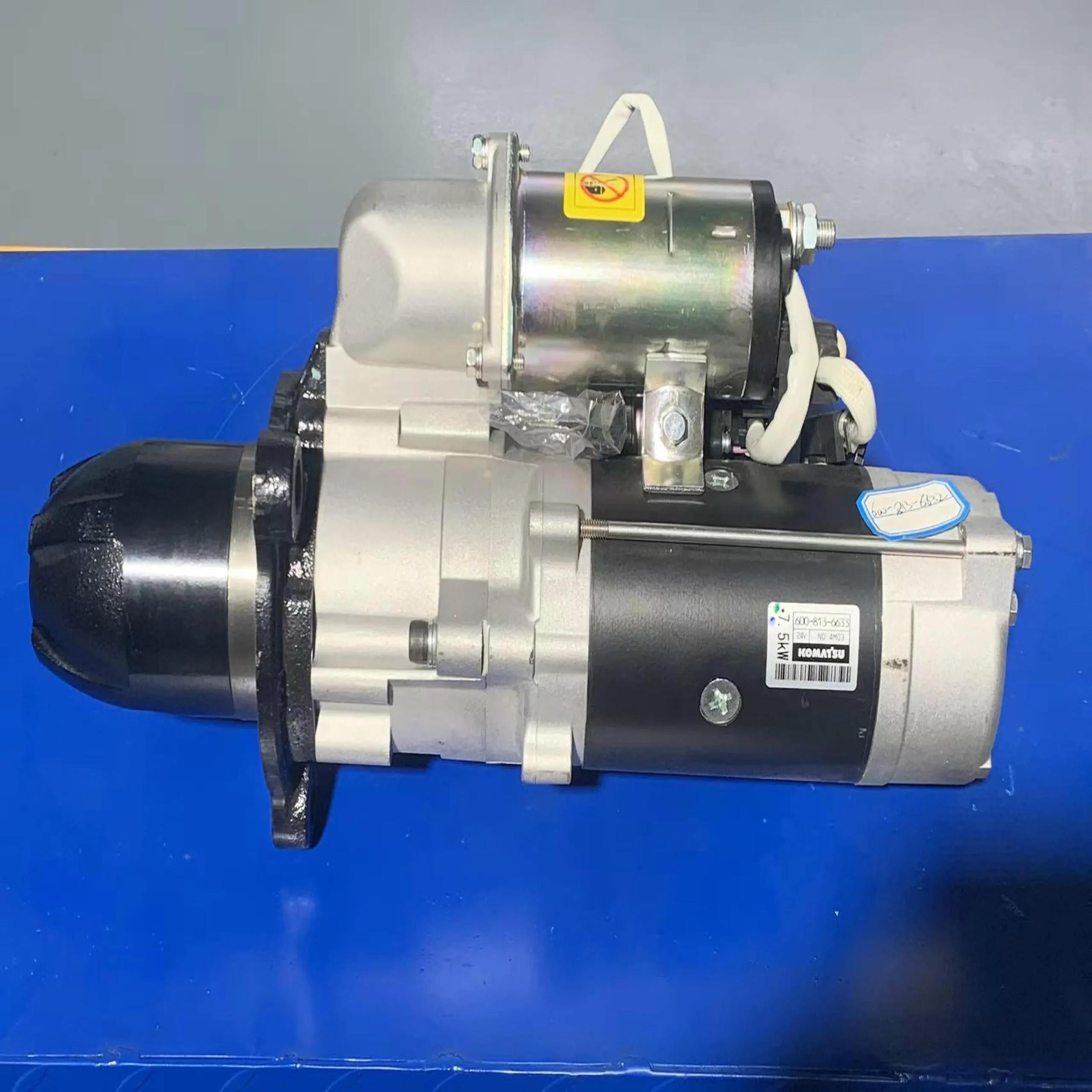 600-813-6632 PC400-8 Start Motor
 -
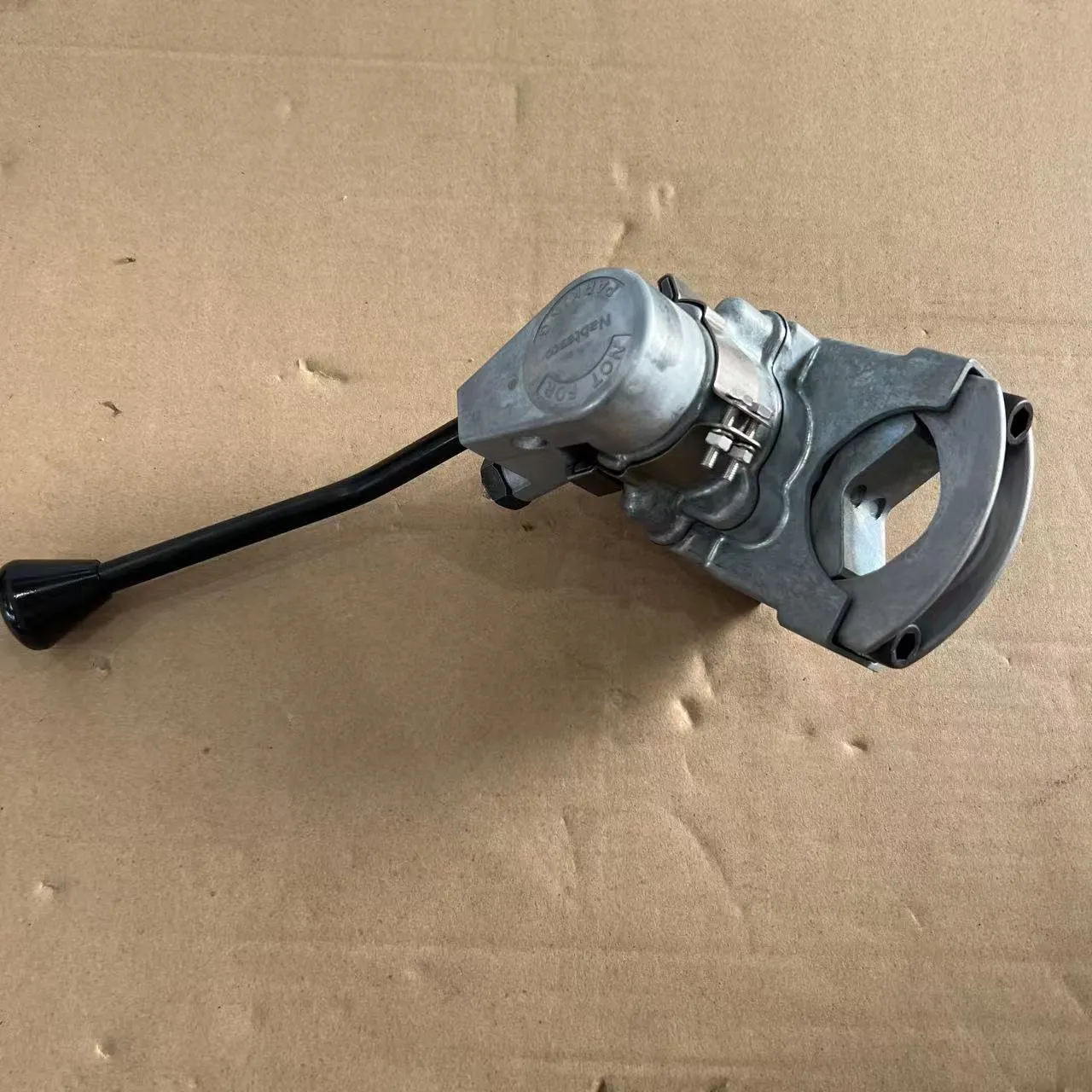 Hd785-5 Retarder 561-35-62203 For Dump Truck Original Parts, High…
 -
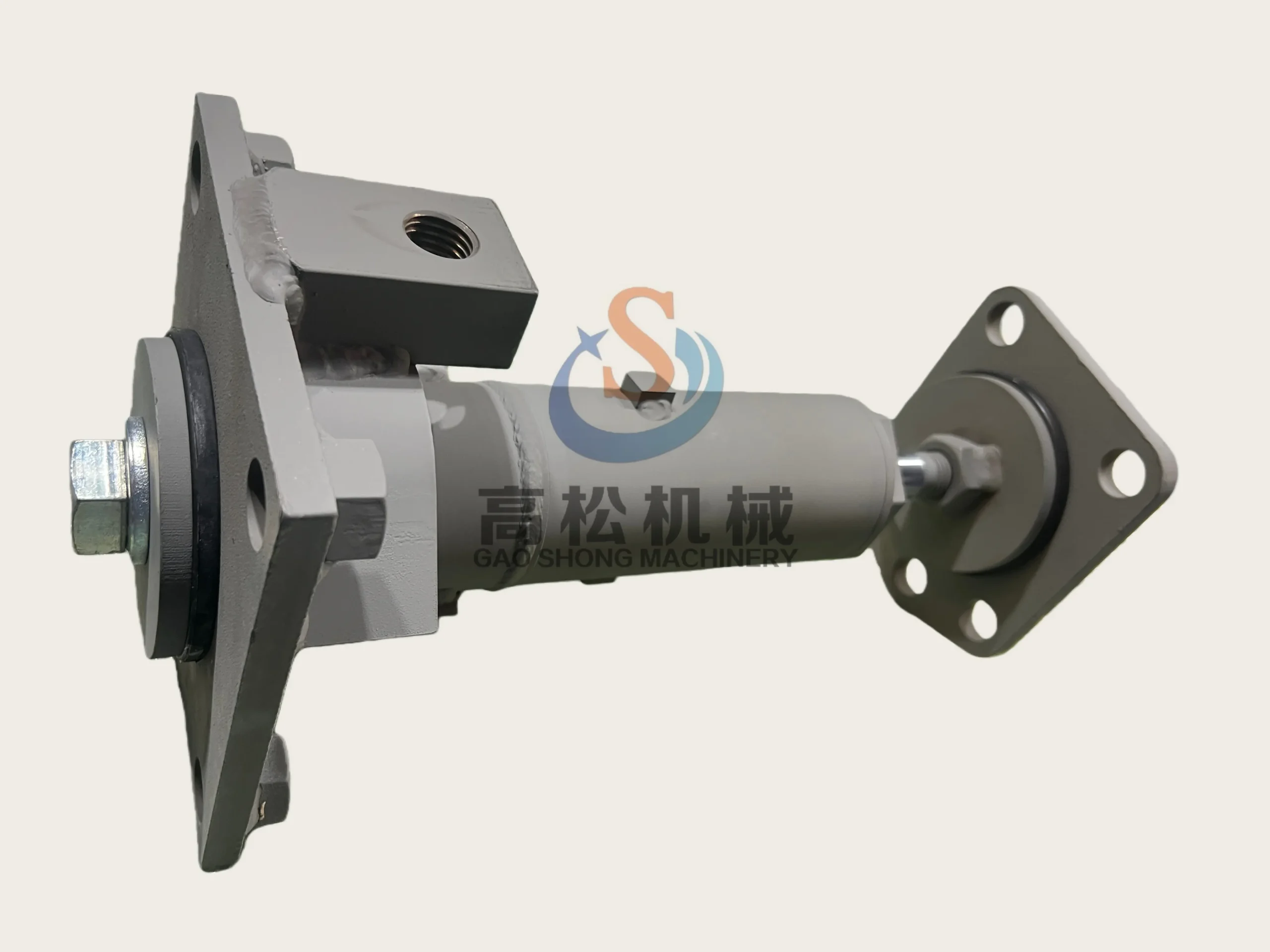 SUSPENSION ASS’Y 17A-54-16201 D155AX-3 D155AX-3 FLOOR FRAME MOUNT
 -
 6241-K6-9900
 -
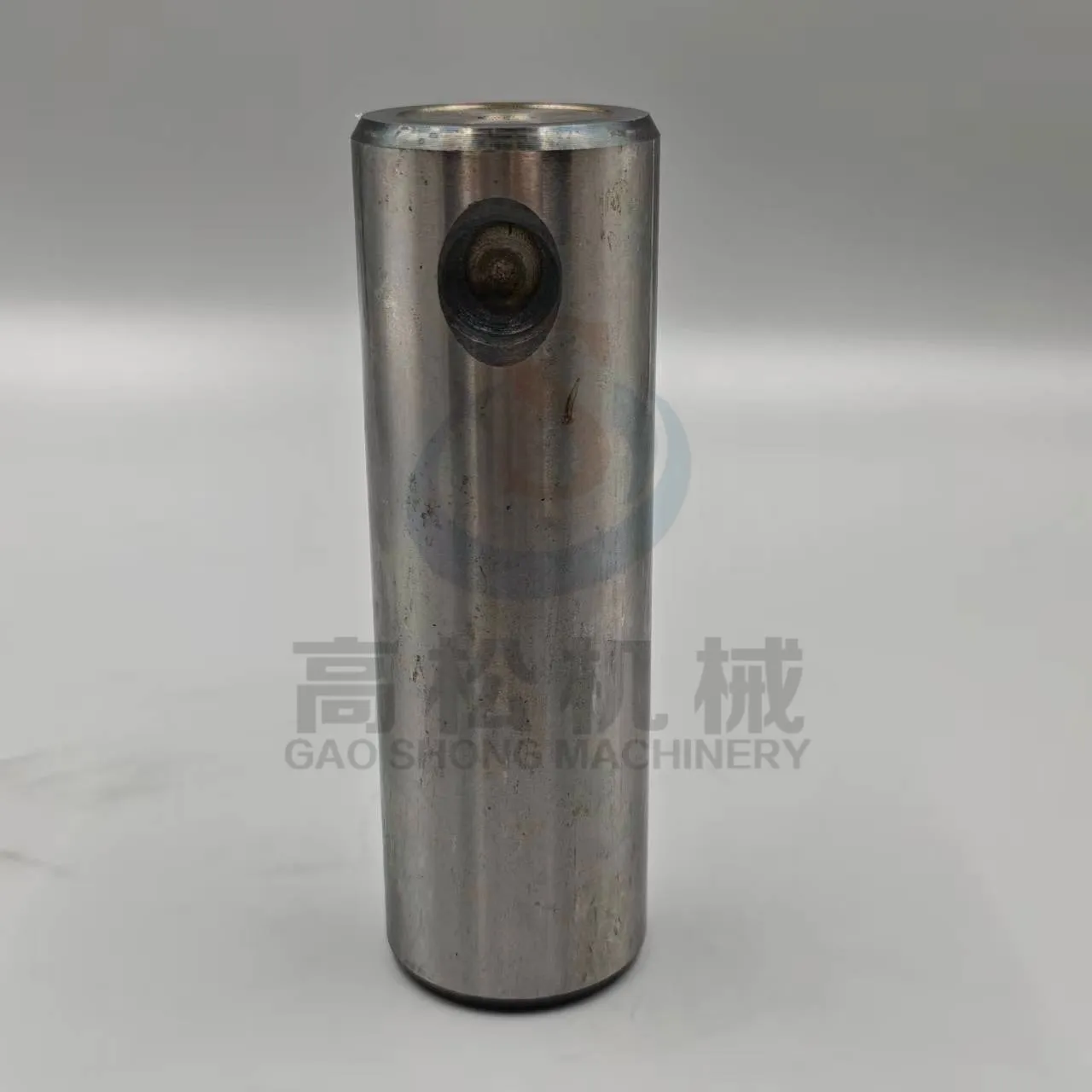 424-22-12510 Shaft (Komatsu)