
- Chinese
- French
- German
- Portuguese
- Spanish
- Russian
- Japanese
- Korean
- Arabic
- Irish
- Greek
- Turkish
- Italian
- Danish
- Romanian
- Indonesian
- Czech
- Afrikaans
- Swedish
- Polish
- Basque
- Catalan
- Esperanto
- Hindi
- Lao
- Albanian
- Amharic
- Armenian
- Azerbaijani
- Belarusian
- Bengali
- Bosnian
- Bulgarian
- Cebuano
- Chichewa
- Corsican
- Croatian
- Dutch
- Estonian
- Filipino
- Finnish
- Frisian
- Galician
- Georgian
- Gujarati
- Haitian
- Hausa
- Hawaiian
- Hebrew
- Hmong
- Hungarian
- Icelandic
- Igbo
- Javanese
- Kannada
- Kazakh
- Khmer
- Kurdish
- Kyrgyz
- Latin
- Latvian
- Lithuanian
- Luxembou..
- Macedonian
- Malagasy
- Malay
- Malayalam
- Maltese
- Maori
- Marathi
- Mongolian
- Burmese
- Nepali
- Norwegian
- Pashto
- Persian
- Punjabi
- Serbian
- Sesotho
- Sinhala
- Slovak
- Slovenian
- Somali
- Samoan
- Scots Gaelic
- Shona
- Sindhi
- Sundanese
- Swahili
- Tajik
- Tamil
- Telugu
- Thai
- Ukrainian
- Urdu
- Uzbek
- Vietnamese
- Welsh
- Xhosa
- Yiddish
- Yoruba
- Zulu
- Kinyarwanda
- Tatar
- Oriya
- Turkmen
- Uyghur






Komatsu wheel loader parts
When you hear 'Komatsu wheel loader parts', most people immediately think of the official dealer network. That's the obvious route, but it's not always the most practical or cost-effective, especially when you're dealing with an older model like a WA320-5 in a remote location, or when local dealer stock is perpetually on backorder. There's a whole ecosystem beyond the catalog that keeps these machines running.
The OEM Illusion and the Third-Party Reality
There's a common misconception that if it's not in a Komatsu-branded box, it's inferior. I used to believe that too. But after seeing genuine parts sourced from the same factory lines ending up in different packaging for different distribution channels, the picture gets murkier. The real value isn't just the stamp; it's the specification and the traceability. A company like Jining Gaosong Construction Machinery Co., Ltd. operates in that interesting space. They position themselves as an OEM product supplier within the Komatsu system, which is a key distinction. It suggests access to the original manufacturing specifications and supply chains, not just reverse-engineered copies.
This matters for parts like hydraulic pumps for the Komatsu wheel loader series or the intricate steering linkage components. A pattern part might fit, but the metallurgy or the sealing tolerances could be off by a few microns, leading to failure in 800 hours instead of the expected 3000. The challenge for buyers is verifying that claim of OEM lineage. It's not about blind trust; it's about asking for mill certificates for steel parts or batch codes that can be referenced.
Their role as a third-party sales company for Komatsu is the other side of the coin. This isn't about bypassing Komatsu, but rather supplementing the official channels. In some regions, say parts of Africa or Southeast Asia, getting a timely shipment of a WA470 radiator core or a complete bucket hinge kit through standard channels can take months. A dedicated third-party supplier focused on solving these logistical bottlenecks can cut that down to weeks. Their stated mission of helping to solve parts supply challenges in certain countries isn't just marketing fluff—it's the daily reality for many fleet managers.
Where the Rubber Meets the Road: Real-World Sourcing Scenarios
Let me give you a concrete example from a few years back. We had a Komatsu WA500-6 down with a failed torque converter. The local dealer quoted a 12-week lead time and a staggering price. The machine was critical for a port operation. We started digging into alternatives. We found suppliers offering OEM-equivalent units at half the price, which was a red flag—the torque converter is a heart component, not a place to gamble.
Then we connected with a supplier, similar to what Jining Gaosong describes, who provided documentation showing the unit was built to Komatsu's TCCS specs from an approved vendor. The price was about 30% less than the dealer, and they had one in a warehouse in Singapore. It was air-freighted in. We installed it with some apprehension, but the performance data and lifespan matched the original perfectly. That experience shifted my sourcing strategy for major assemblies.
The lesson? For non-safety-critical, wear-and-tear items like Komatsu wheel loader parts such as filters, hoses, or even bucket teeth, the aftermarket offers fantastic, reliable options. But for core powertrain, hydraulic, and electronic modules, the provenance is everything. A supplier's website, like https://www.takematsumachinery.com, becomes a tool. You're not just looking for a part number; you're looking for evidence of specialization—detailed sub-assembly diagrams, compatibility charts that go beyond the basic model, and clear communication about origin.
The Pitfalls and How to Dodge Them
It's not all smooth sailing. The biggest pitfall in this space is the will-fit part masquerading as OEM. I've been burned by a set of wheel bearings for a WA380. They looked identical, even had similar packaging. But the hardness rating was subpar, and they spalled within 400 hours. The cost savings were wiped out ten times over by the downtime and secondary damage. Now, our procurement requires a certificate of conformity for any critical rotating part.
Another issue is the global part number confusion. Komatsu updates part numbers, and different regions sometimes have different numbers for the same component. A competent supplier needs to navigate this. When you're searching for a part, providing the machine serial number is more valuable than just the model. A good third-party supplier will ask for it, because that's how you cross-reference accurately and avoid sending a part that's one revision off and won't interface with the existing system.
Communication is the unsung hero. When you're sourcing a part from a company positioned like Gaosong, you need clear answers. Where is the part physically located? What are the shipping terms (Incoterms)? Is there a warranty, and is it backed by a local service point or requires return to origin? The ability to get a straight answer on these questions in broken English over a WhatsApp call often tells you more about their reliability than a glossy PDF ever could.
Beyond the Part: The Value of Niche Knowledge
The true value of a specialized supplier isn't just in the box they ship. It's in the pre-sales and post-sales knowledge. For instance, a common point of failure on older WA models is the pilot control valve block. An official dealer might just sell you the whole, prohibitively expensive assembly. A specialist who has seen hundreds of these machines might know that 80% of the time, the issue is just two worn shuttle valves and springs inside, which they can supply as a kit, saving tens of thousands.
They also tend to know the chronic issues. Everyone knows the Komatsu wheel loader is a workhorse, but models like the WA800 have a known sensitivity to coolant quality affecting the cylinder heads. A good supplier won't just sell you a new head; they'll ask about your maintenance practices and might point you to a upgraded head gasket kit that addresses the root cause. That kind of insight is gold.
This is where the line between a parts seller and a technical partner blurs. When you find a source that provides that, you hold onto it. Their web presence, like the one at takematsumachinery.com, should reflect this depth. Look for technical bulletins, failure analysis notes, or even blog posts discussing specific repair scenarios. It shows engagement beyond the transactional.
Wrapping It Up: A Pragmatic Approach
So, what's the takeaway? Don't view the Komatsu wheel loader parts world as binary—genuine vs. aftermarket. See it as a spectrum. On one end, you have the full dealer support for warranty work and complex electronic modules. On the other, you have generic consumables. In the vital middle ground, you have companies that fill the gaps in availability, geography, and cost for major mechanical components.
Entities like Jining Gaosong Construction Machinery Co., Ltd. exist in that middle ground. Their dual identity as an OEM-system supplier and a third-party solver is exactly what the market needs in many areas. The key for equipment managers is diligent verification: audit their certifications, start with a non-critical order to test the waters, and build the relationship.
At the end of the day, the goal is uptime. Whether the part comes in a blue box, a white box, or no box at all, if it meets the spec, gets the machine back to work, and lasts the expected service life, it has done its job. The supply chain is just a means to that end, and understanding its nuances is half the battle in keeping your fleet productive.
Related Products
Related Products

Best Selling Products
Best Selling Products-
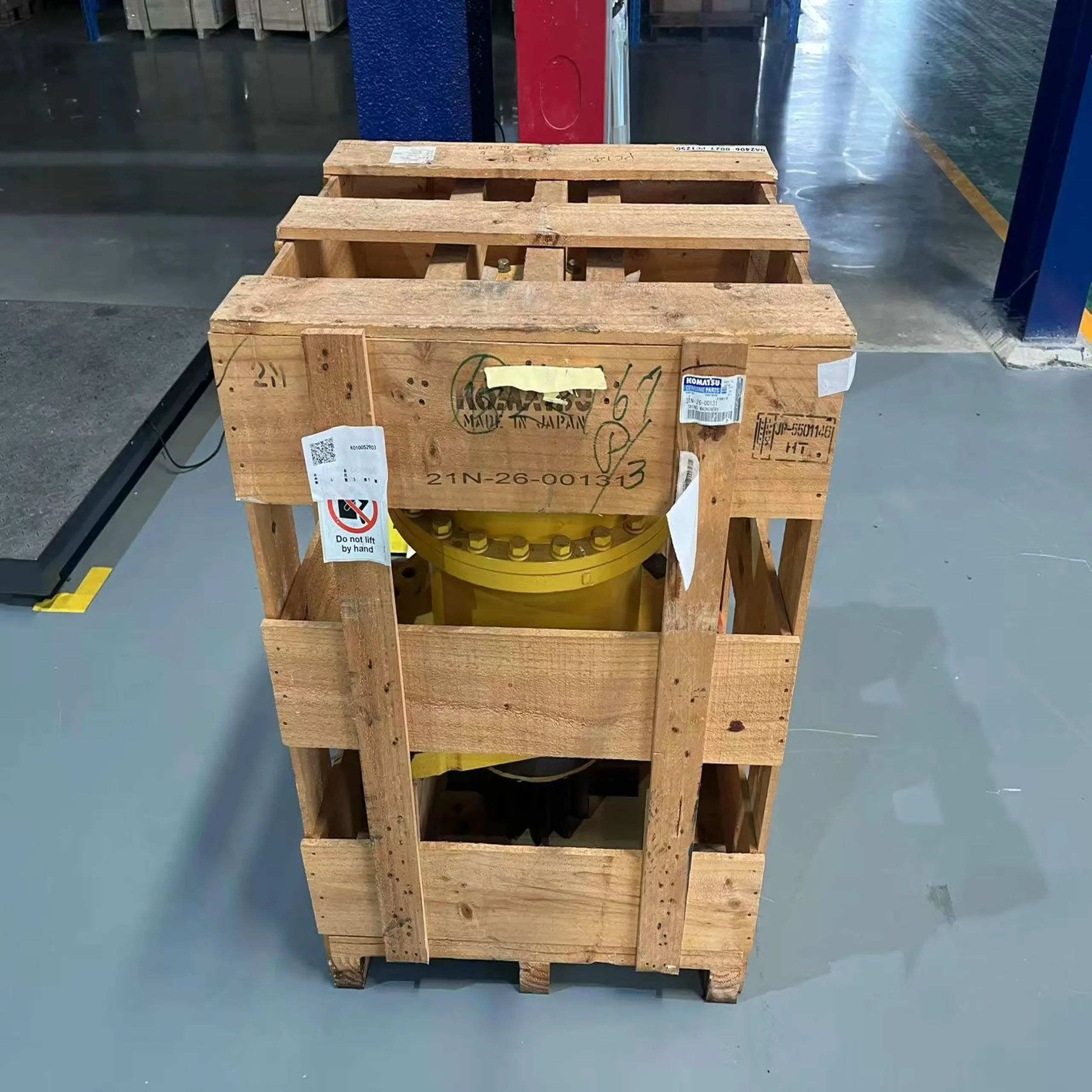 21N-26-00131 Rotary reducer, suitable for PC1250-11 #komatsu #komatsuparts #PC1250 #komatsurotaryreducer
 -
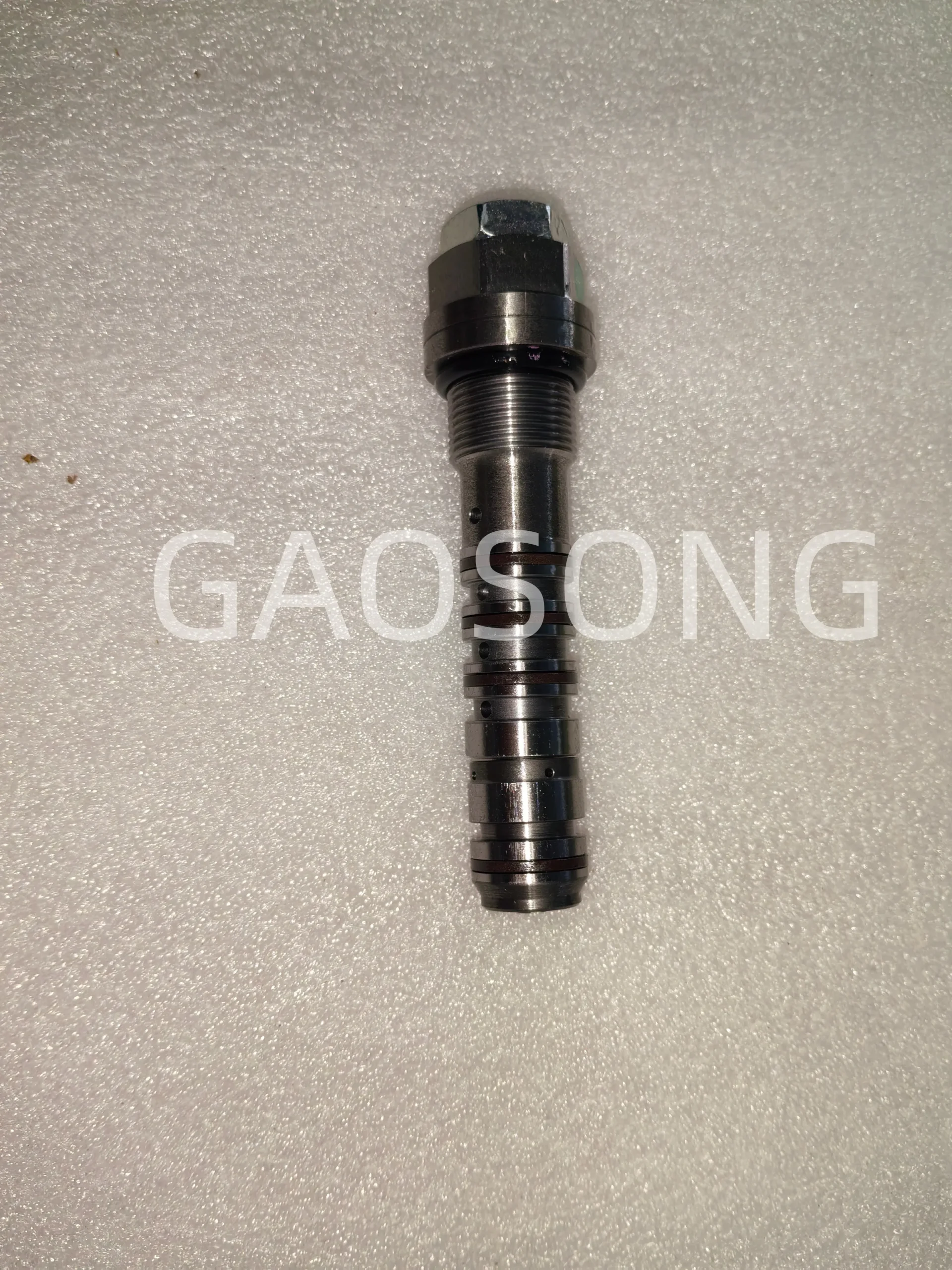 708-2G-03720 • Valve Assembly-Komatsu Original Factory
 -
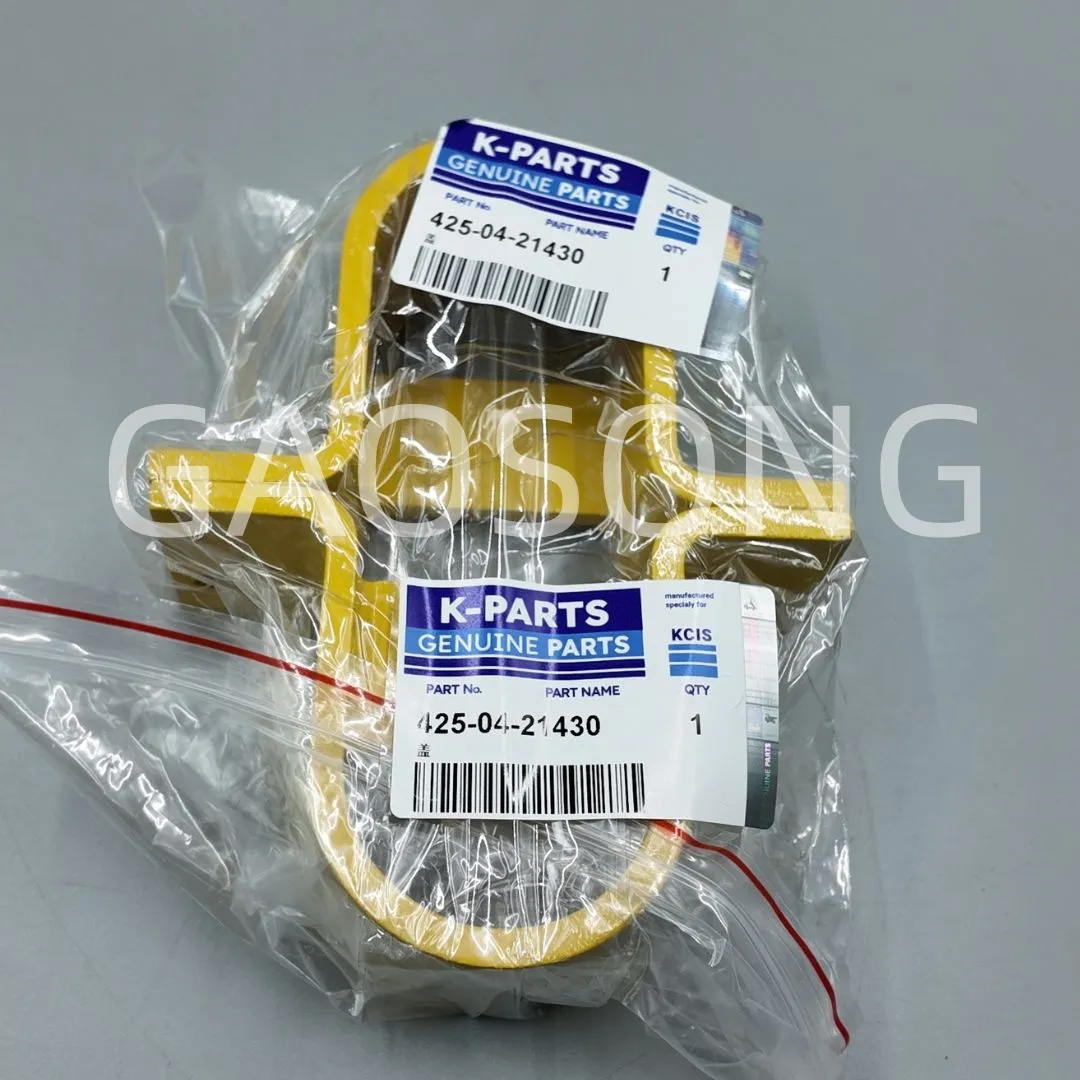 425-04-21430 COVER-Komatsu Original Factory
 -
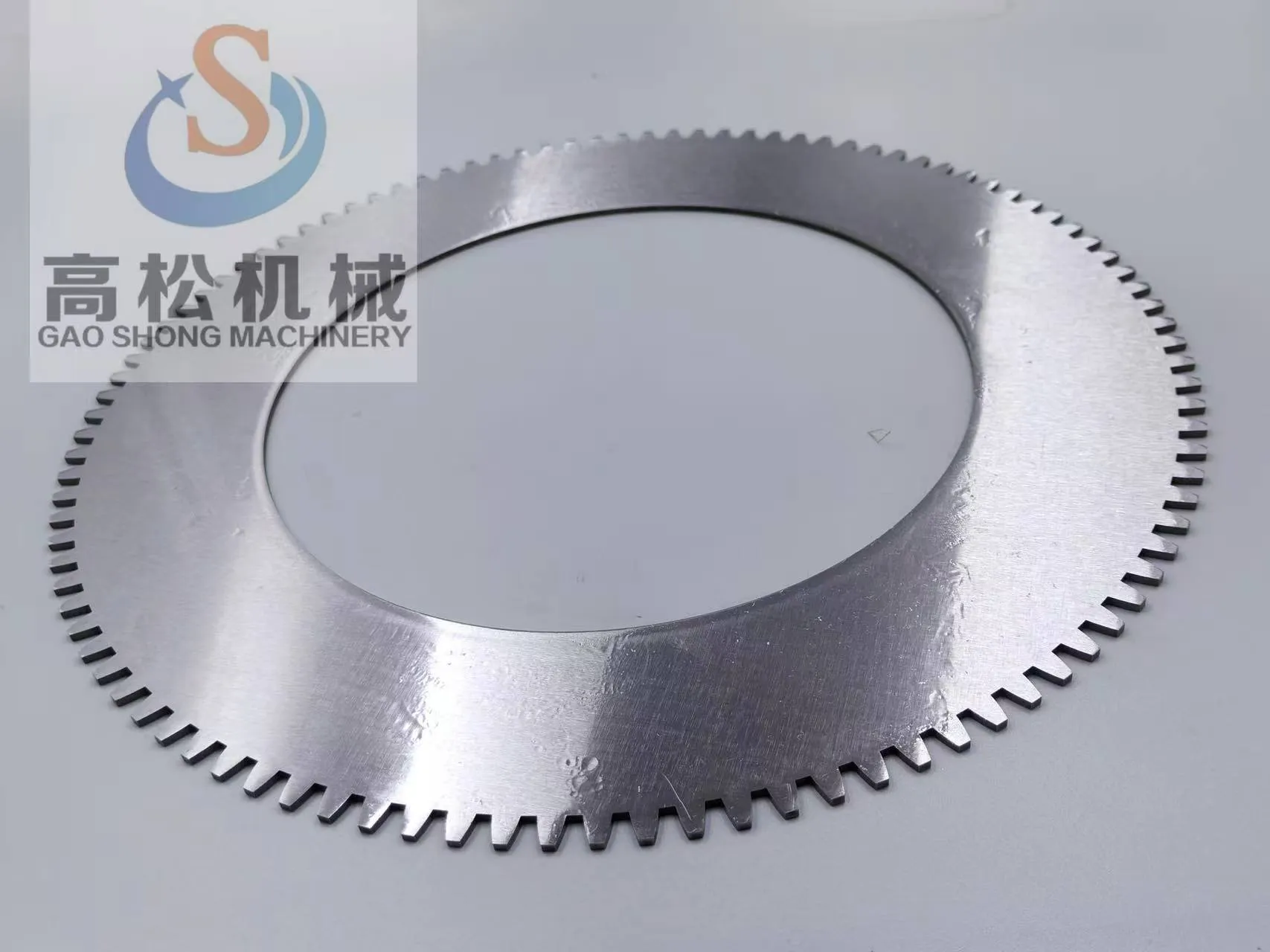 Ring seal gd825a grader 235-22-11550
 -
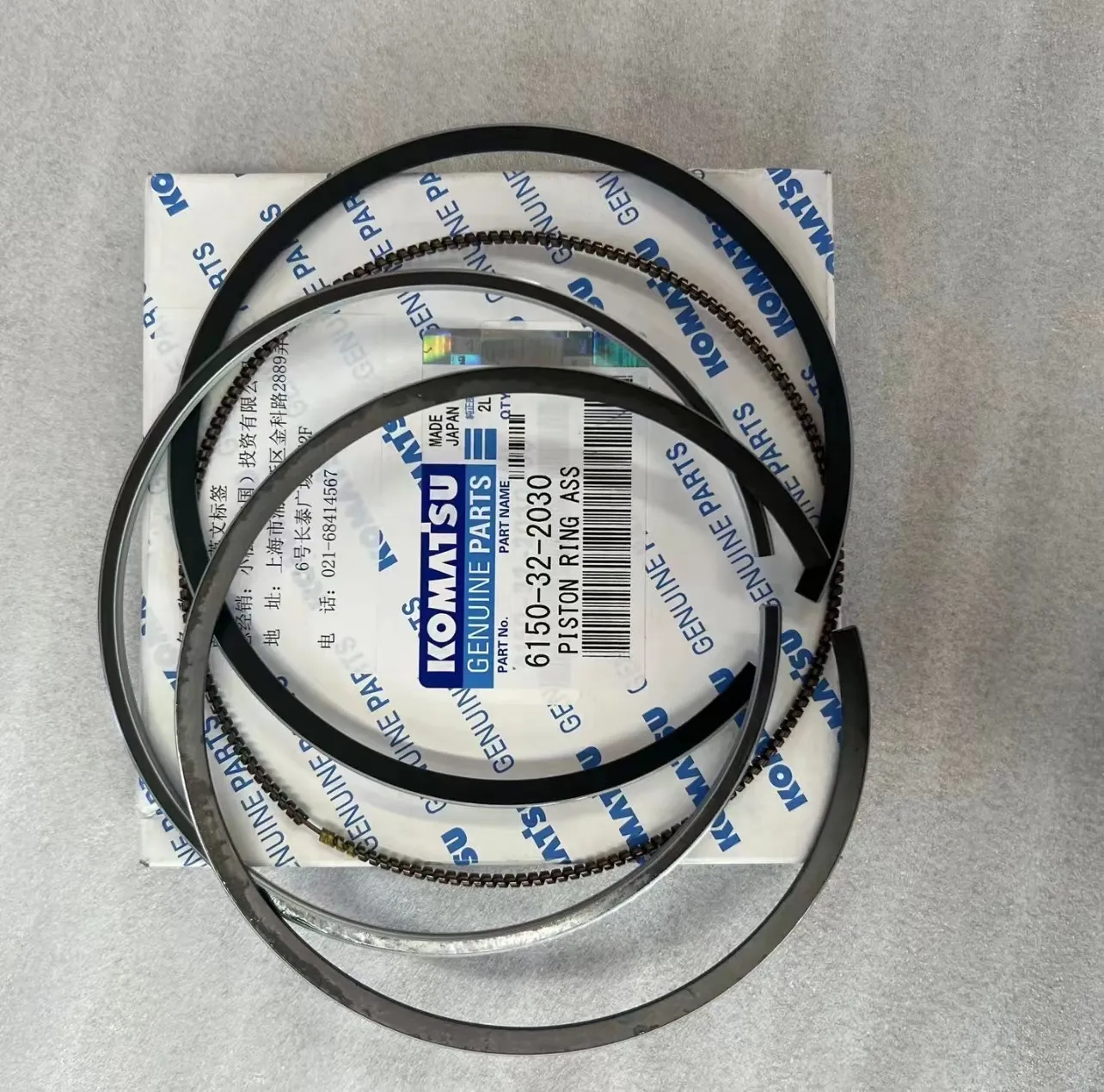 WA470-3 Piston Ring 6150-32-2030
 -
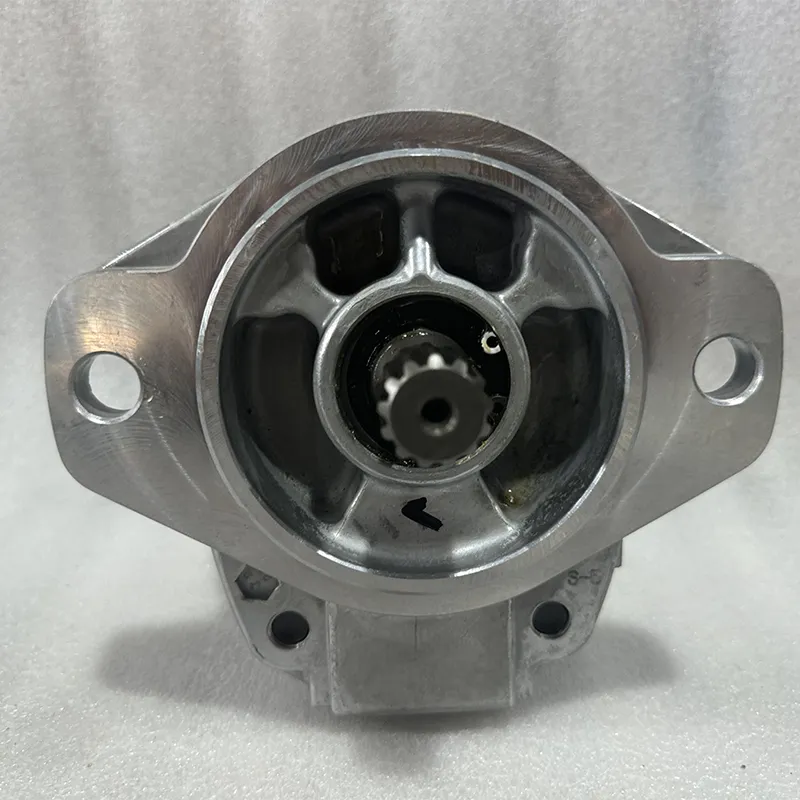 Original komatsu GD825A-2 Pump Assembly 705-61-22010
 -
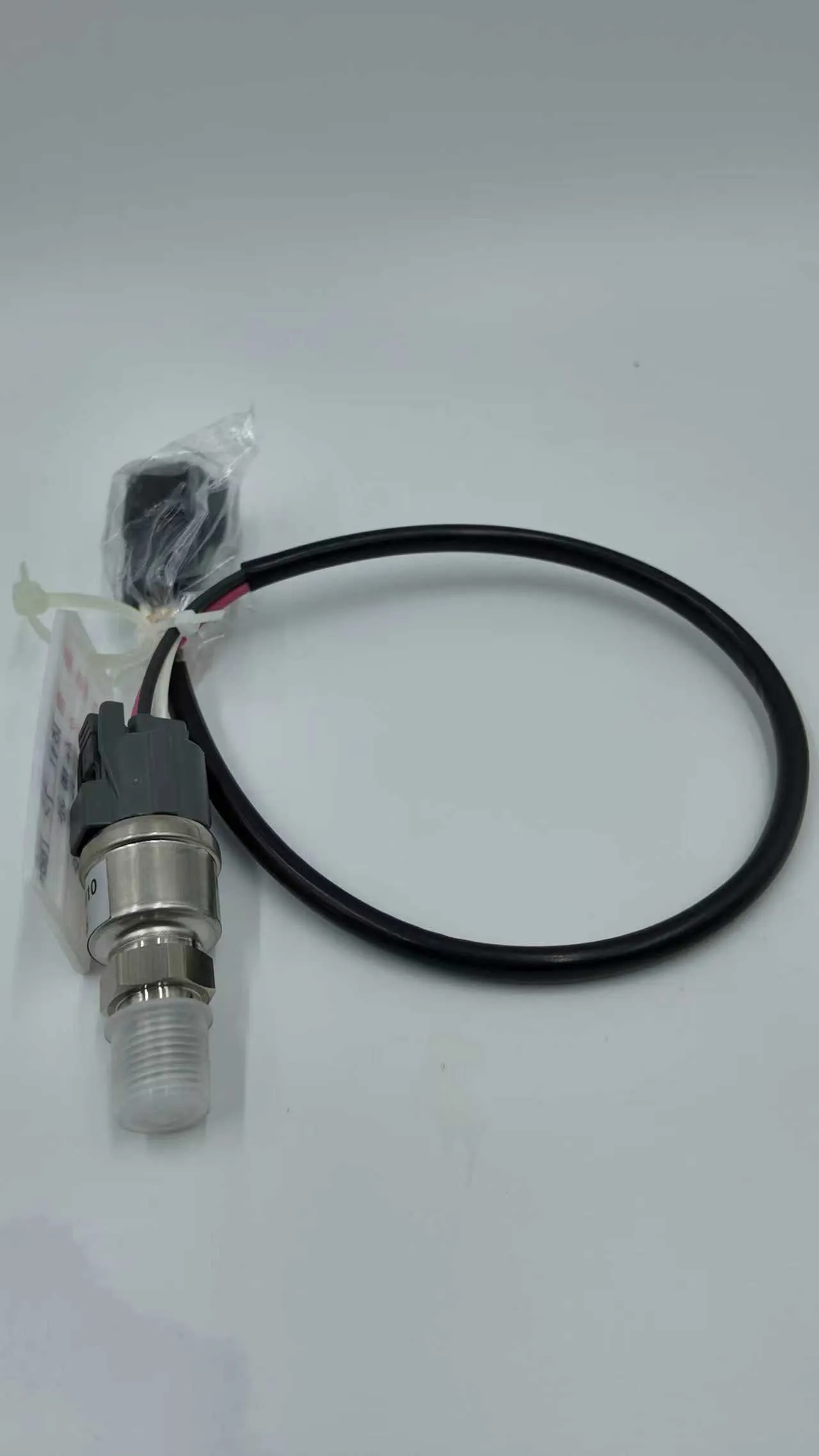 7861-93-1680-SENSOR-Komatsu Original Factory
 -
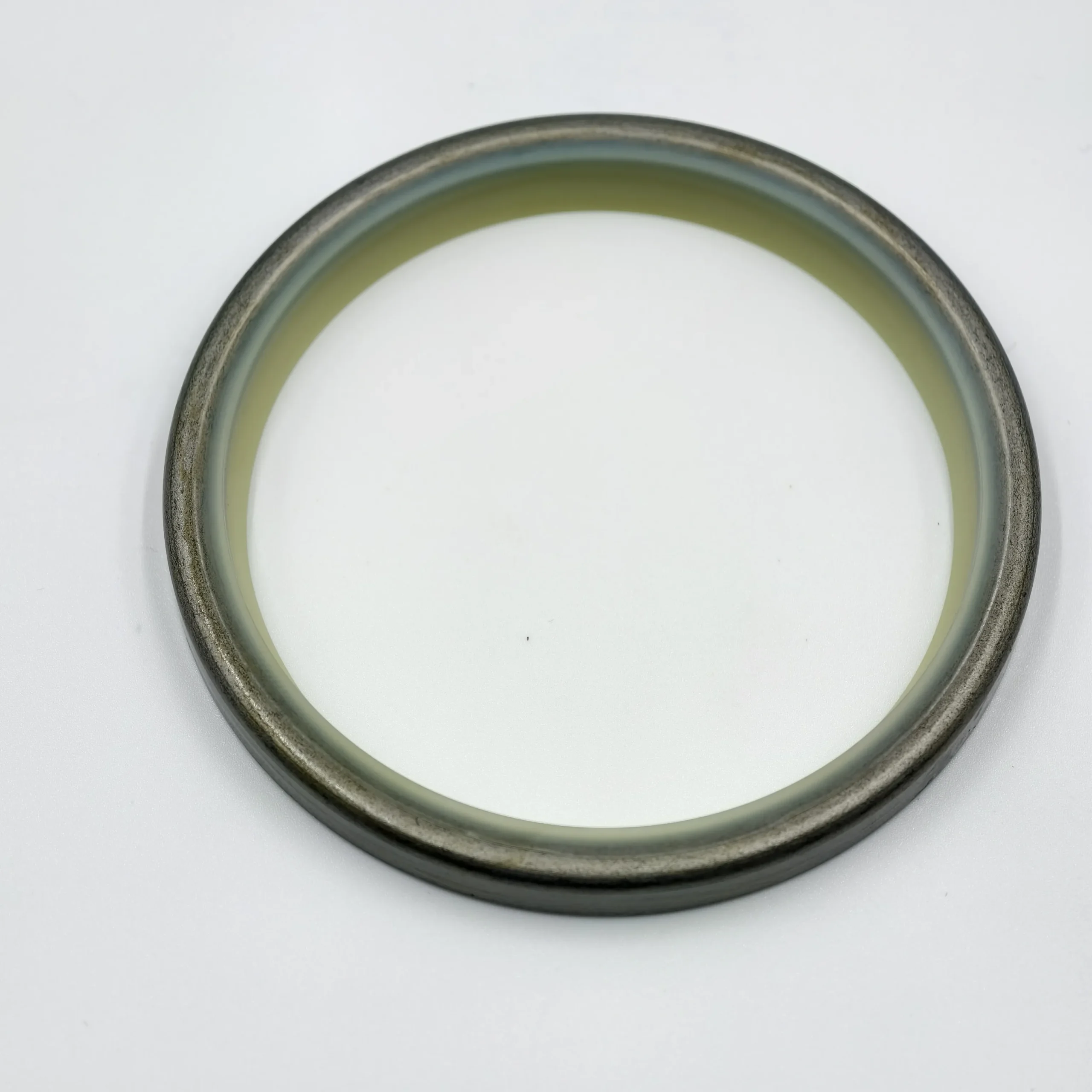 Komatsu 17M-50-24360 Seal, price for original and… — Pricing.Parts
 -
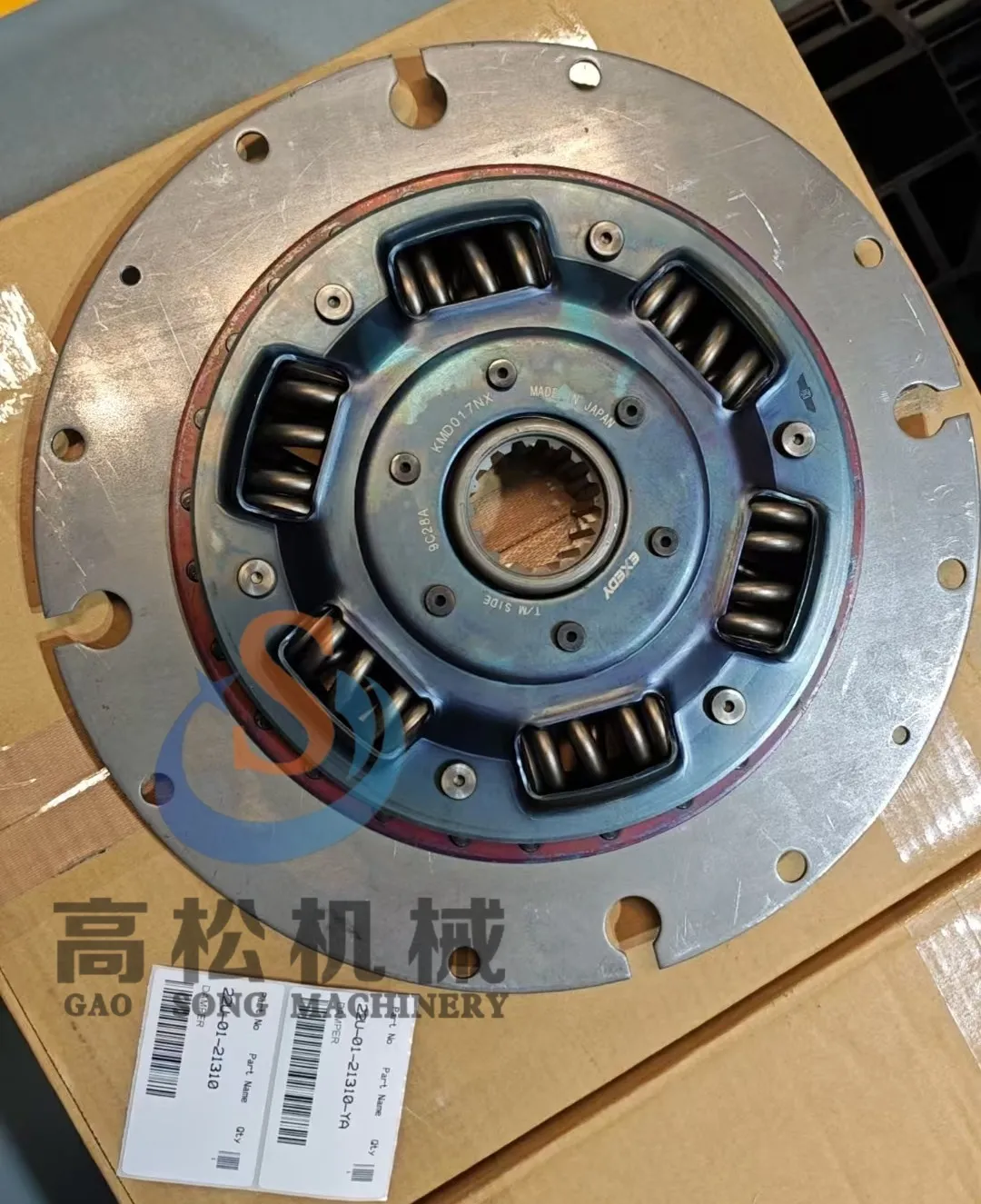 22U-01-21310 komatsu DAMPER-PC230/PC240/PC300
 -
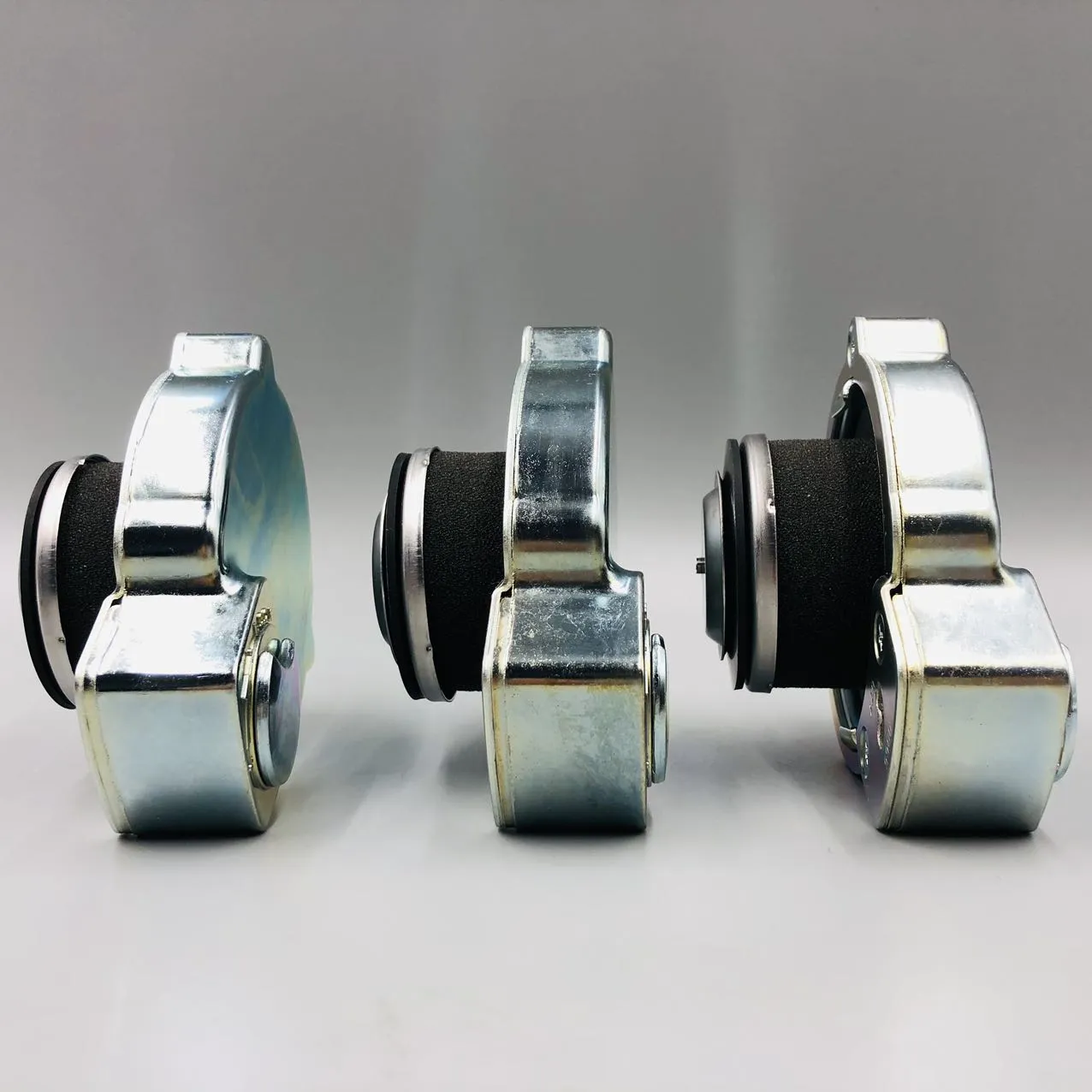 17A-60-11310Hydraulic oil cap assembly
 -
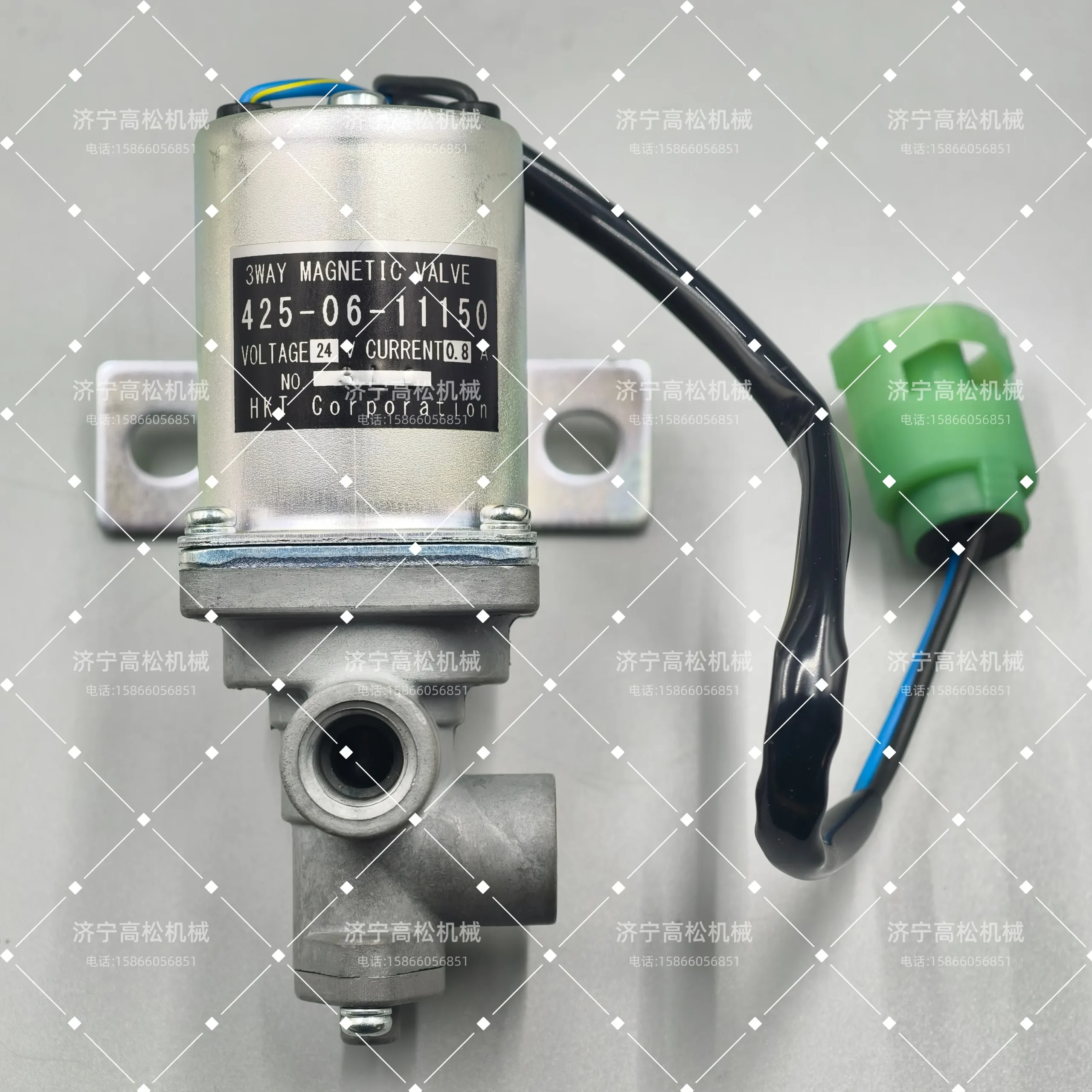 425-06-11150 Komatsu VALVE, PARKING BRAKE
 -
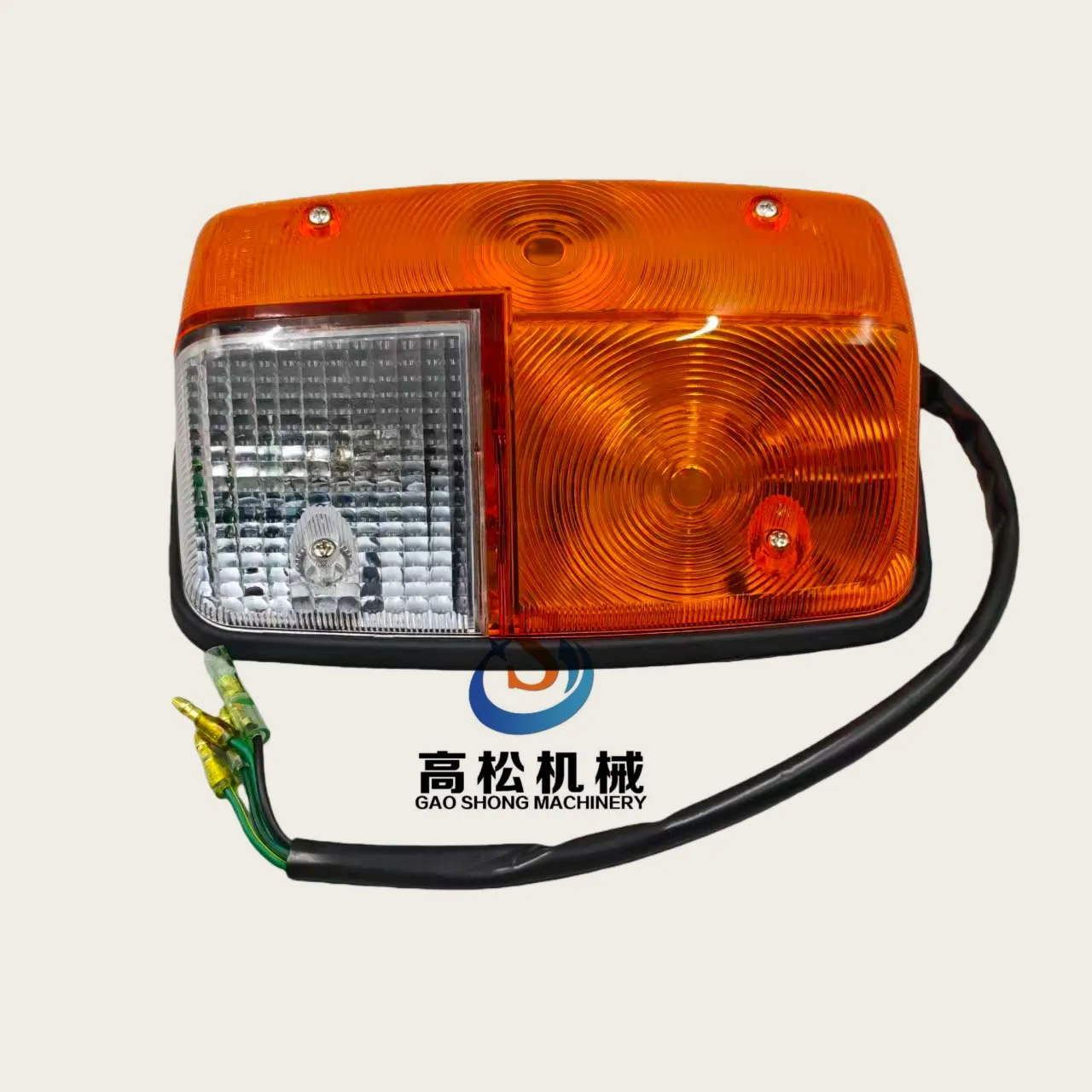 421-06-13401 Komatsu TURN SIGNAL AND PARKING