
- Chinese
- French
- German
- Portuguese
- Spanish
- Russian
- Japanese
- Korean
- Arabic
- Irish
- Greek
- Turkish
- Italian
- Danish
- Romanian
- Indonesian
- Czech
- Afrikaans
- Swedish
- Polish
- Basque
- Catalan
- Esperanto
- Hindi
- Lao
- Albanian
- Amharic
- Armenian
- Azerbaijani
- Belarusian
- Bengali
- Bosnian
- Bulgarian
- Cebuano
- Chichewa
- Corsican
- Croatian
- Dutch
- Estonian
- Filipino
- Finnish
- Frisian
- Galician
- Georgian
- Gujarati
- Haitian
- Hausa
- Hawaiian
- Hebrew
- Hmong
- Hungarian
- Icelandic
- Igbo
- Javanese
- Kannada
- Kazakh
- Khmer
- Kurdish
- Kyrgyz
- Latin
- Latvian
- Lithuanian
- Luxembou..
- Macedonian
- Malagasy
- Malay
- Malayalam
- Maltese
- Maori
- Marathi
- Mongolian
- Burmese
- Nepali
- Norwegian
- Pashto
- Persian
- Punjabi
- Serbian
- Sesotho
- Sinhala
- Slovak
- Slovenian
- Somali
- Samoan
- Scots Gaelic
- Shona
- Sindhi
- Sundanese
- Swahili
- Tajik
- Tamil
- Telugu
- Thai
- Ukrainian
- Urdu
- Uzbek
- Vietnamese
- Welsh
- Xhosa
- Yiddish
- Yoruba
- Zulu
- Kinyarwanda
- Tatar
- Oriya
- Turkmen
- Uyghur





Komatsu wheel loader accessories
When most folks hear 'Komatsu wheel loader accessories', they immediately think of buckets, forks, maybe a snow blade. That's the surface stuff. The real game, especially for operations running older WA models or working in regions with spotty official parts pipelines, is in the ecosystem of supporting components and the sourcing puzzle. It's not just about what you bolt on the front; it's about what keeps the machine itself running and productive, which is where the distinction between genuine, OEM, and reliable third-party gets critical.
The OEM Niche and the Supply Chain Reality
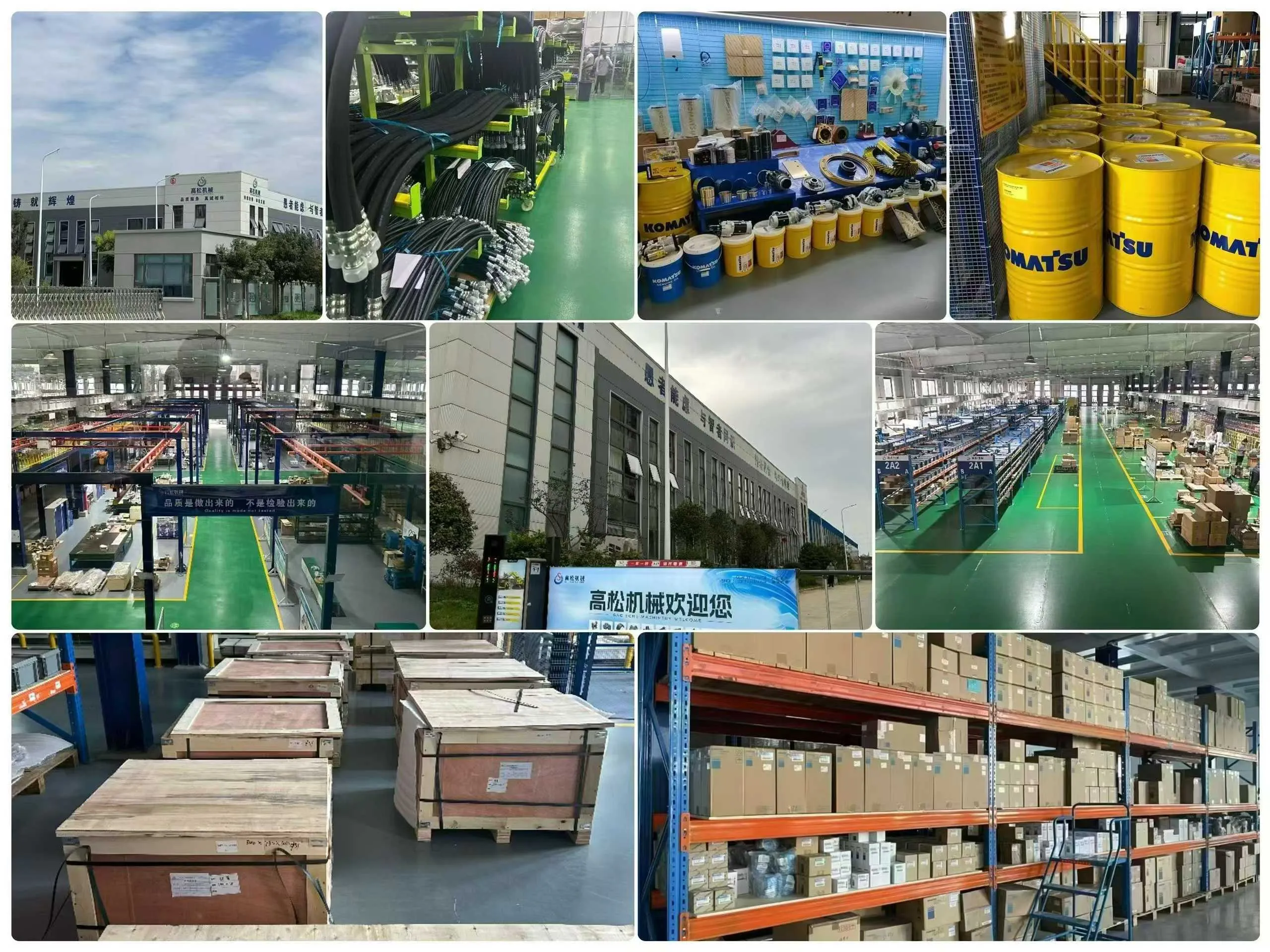
Working with Komatsu gear for years, you learn their official network is top-tier, but it's not universally omnipresent. There are gaps, long lead times in certain markets, or cost barriers for older, still-productive machines. That's where a company's position like Jining Gaosong Construction Machinery Co., Ltd. becomes relevant. They articulate it well on their site https://www.takematsumachinery.com – being an OEM product supplier within the Komatsu system and a third-party sales company. In practice, this means they likely produce or source components that meet Komatsu's specs for certain lines (OEM), while also aggregating and supplying other compatible parts to fill voids.
This dual role is key. For a wheel loader, an 'accessory' could be a specialized high-wear bucket liner (an OEM-supplied item) or it could be a complete aftermarket hydraulic pump for a WA320-3 that's no longer a priority for the main dealer network. The latter is the third-party side, solving supply challenges. The nuance is in knowing which components you can go third-party on without sweating, and which you absolutely shouldn't. My rule? Anything deeply integrated with the machine's logic or structural integrity – think ECMs, main control valves, certain gear sets – I lean hard towards genuine. But for things like cylinder rods, seal kits, specific pins and bushings, or even certain adapter plates for attachments, a reputable OEM-aligned supplier is a viable, often more agile option.
I recall a project in West Africa where two WA470s were down for simple pivot shaft seals. The local Komatsu dealer's estimate was 12 weeks out. A complete standstill. We sourced compatible seal kits through a channel similar to Gaosong's described model, had them air-freighted in under 10 days. Were they genuine in the branded sense? No. Did they meet the spec and get the machines back loading? Absolutely. That's the practical reality their business model addresses.
Defining Accessories in the Field Context
Let's broaden the term. In the field, we don't just call a bucket an 'accessory'; it's a primary tool. The real accessories are the enablers and protectors. Think of a quick coupler. Not Komatsu-branded per se, but an accessory that transforms the loader's versatility. Sourcing a robust, reliable coupler that interfaces perfectly with the WA loader's hydraulic circuit and doesn't stress the mounting frame—that's a procurement challenge. You need a supplier who understands the machine's pressure specs and physical load points.
Then there's cab and operator-focused add-ons. Upgraded filtration kits for extreme dust environments, which are often third-party solutions. Or, specific guarding for the radiator and hydraulics when working in demolition. These aren't flashy, but they prevent downtime. I've seen more machines sidelined by a punctured radiator from flying debris than by major engine failure. A well-designed bolt-on guard is a critical accessory, and you won't always find a bespoke one in the main catalog for an 8-year-old machine.
Lighting kits for night work are another example. The OEM offering might be limited. We often had to integrate third-party LED light bars and wiring harnesses, ensuring they matched the machine's alternator capacity and didn't interfere with the CAN bus system. It's this layer of integration knowledge that separates a good parts source from a great one. A supplier who just sells you a light bar is a vendor. One who asks for your loader model to confirm voltage and suggests a fused tap-in point is a partner.
The Pitfalls and How to Navigate Them
It's not all smooth sailing. The biggest mistake is treating all non-genuine parts as equal. The market is flooded with junk. I've had OEM-spec hydraulic hoses blow in 48 hours because the inner tube material couldn't handle the specific oil formulation Komatsu uses. The failure wasn't pressure-related; it was chemical compatibility. A quality supplier should know these details and vet their products accordingly.
Another pitfall is ignoring the documentation and fit. A proper accessory or part from a competent third-party or OEM-aligned supplier like those described by Jining Gaosong will come with proper installation drawings, torque specs, and maybe even notes on break-in procedures. If you're just getting a part in a plain box, be wary. For instance, installing an aftermarket turbocharger on a Komatsu SAA6D engine requires very specific pre-lubrication steps and a run-in protocol. Miss that, and you've got a very expensive paperweight.
We learned this the hard way on a fleet of WA500s. We sourced what seemed like a cost-effective alternative for the fan drive motor. They physically fit, but the rotational speed was off by just 5%. It was enough to cause chronic under-cooling in peak summer, leading to overheats and eventually, head gasket issues. The savings were wiped out tenfold. The lesson? Compatibility isn't just bolt holes and thread pitch. It's performance parameters.
Sourcing Strategy: Building a Reliable Pipeline
So how do you build a reliable accessory and parts pipeline? It starts with identifying your critical wear items and downtime drivers. For wheel loaders, that's often cutting edges, bucket teeth, hydraulic filters, and undercarriage components for the models with tracks. Then, you find specialists for each. You might use the main dealer for engine electronics, but a dedicated undercarriage company for chains and rollers, and a company operating in the OEM product supplier space for things like cylinder rebuild kits or custom-built buckets.
A website like takematsumachinery.com represents a node in this network. Their stated focus on solving parts supply challenges in certain countries suggests they've built logistics and inventory around specific pain points. For a fleet manager, the value isn't in them having every single part, but in them having reliable access to the ones that commonly bottleneck operations in your region. It's about their network and their technical understanding.
My strategy became multi-tiered: 1) Genuine for core logic and safety-critical components. 2) Certified/OEM-aligned suppliers for high-wear mechanical parts and performance-matched accessories. 3) Local fabrication for custom guards, non-critical brackets, and hoses, but only with approved materials. This mix controls cost, minimizes downtime, and manages risk. The middle tier—where many Komatsu-aligned suppliers operate—is often where the best value is captured, provided you've done your due diligence on the supplier's technical depth.
Looking Ahead: The Evolving Accessory Landscape
The definition of an accessory is also evolving with technology. Telematics gateways that plug into the machine's diagnostic port are now key accessories for fleet management. Camera systems for blind spots. Emissions monitoring kits for compliance. These are increasingly software-dependent and require a different kind of supplier expertise—one that understands both machine integration and data systems.
Furthermore, as machines age and the official support lifecycle ends, the role of companies that specialize in sustaining these assets grows. They become the de facto source not just for a spare valve, but for the knowledge of which valve iteration works with a specific serial number range. This archival, granular knowledge is an intangible but vital accessory in itself.
Ultimately, navigating Komatsu wheel loader accessories is less about shopping for products and more about building a support ecosystem. It's recognizing that the loader is a platform, and its productivity is extended by a mix of official, OEM-derived, and well-vetted third-party solutions. The goal is to keep the machine earning. Sometimes that comes from a Komatsu box, and sometimes it comes from a knowledgeable intermediary who understands the system well enough to provide a reliable alternative when the primary channel isn't the right fit for the situation. It's all about keeping the wheels turning and the bucket full.
Related Products
Related Products
Best Selling Products
Best Selling Products-
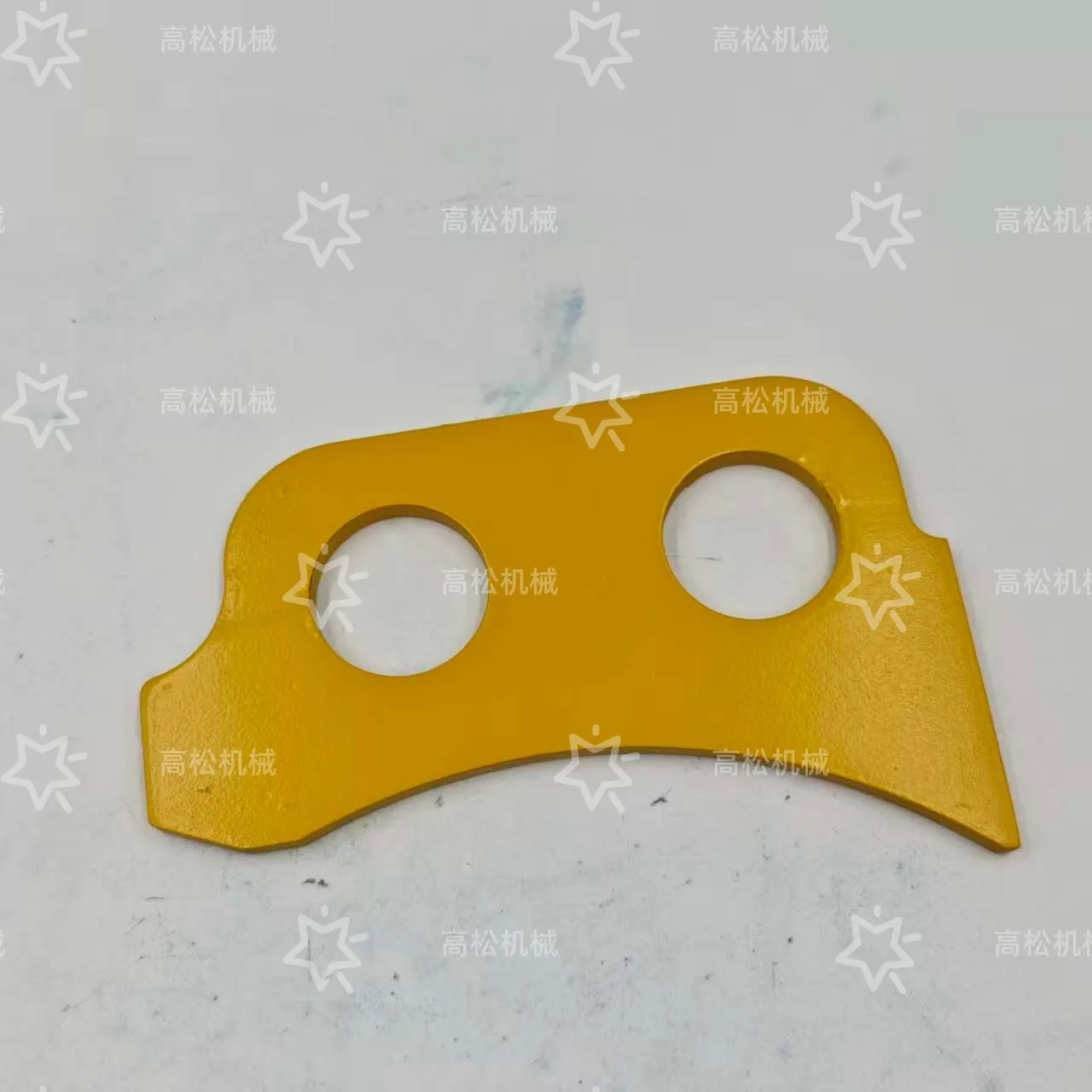 PLATE 195-71-74260Komatsu parts
 -
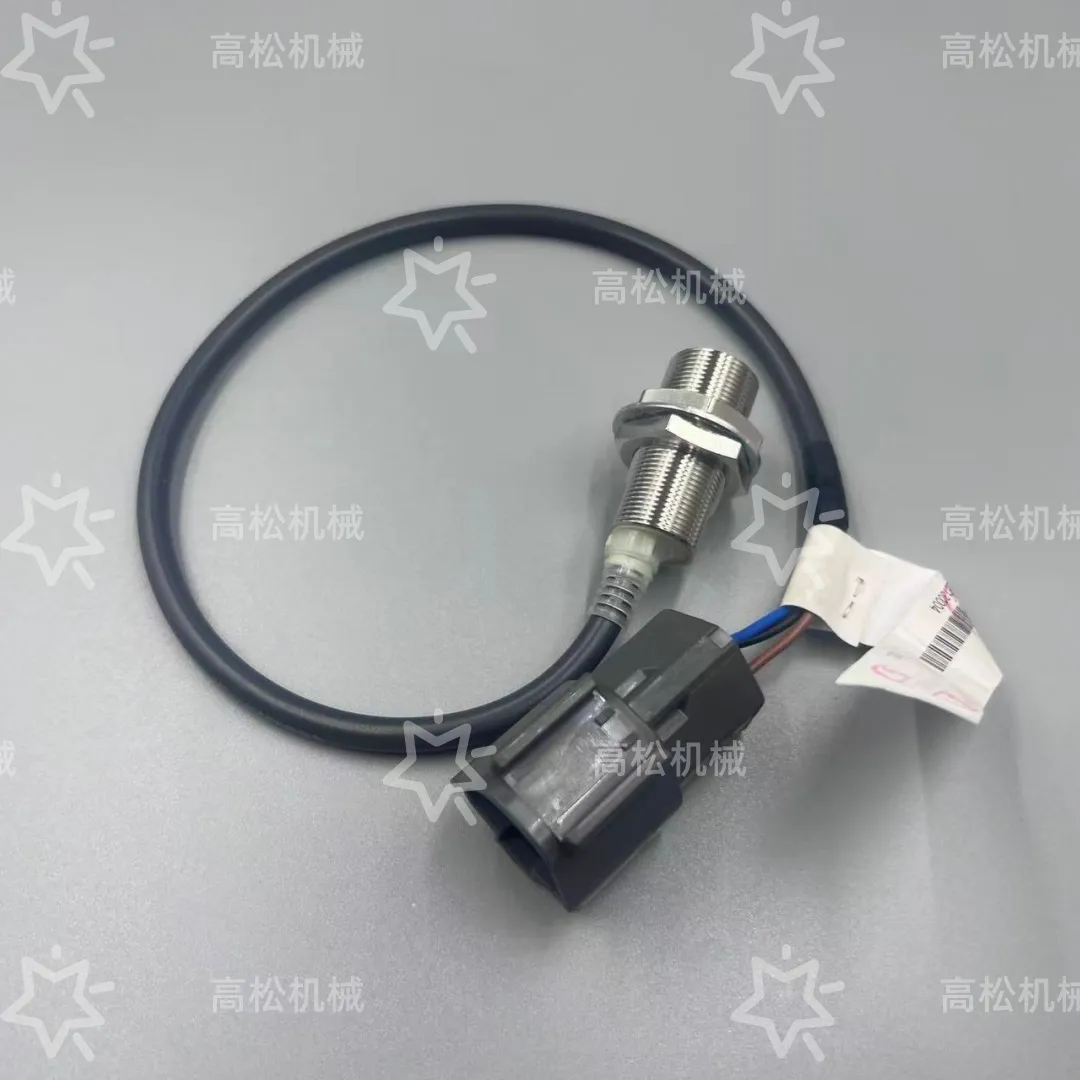 235-45-33410 SENSOR,SHIFT POTENTIO – Komatsu
 -
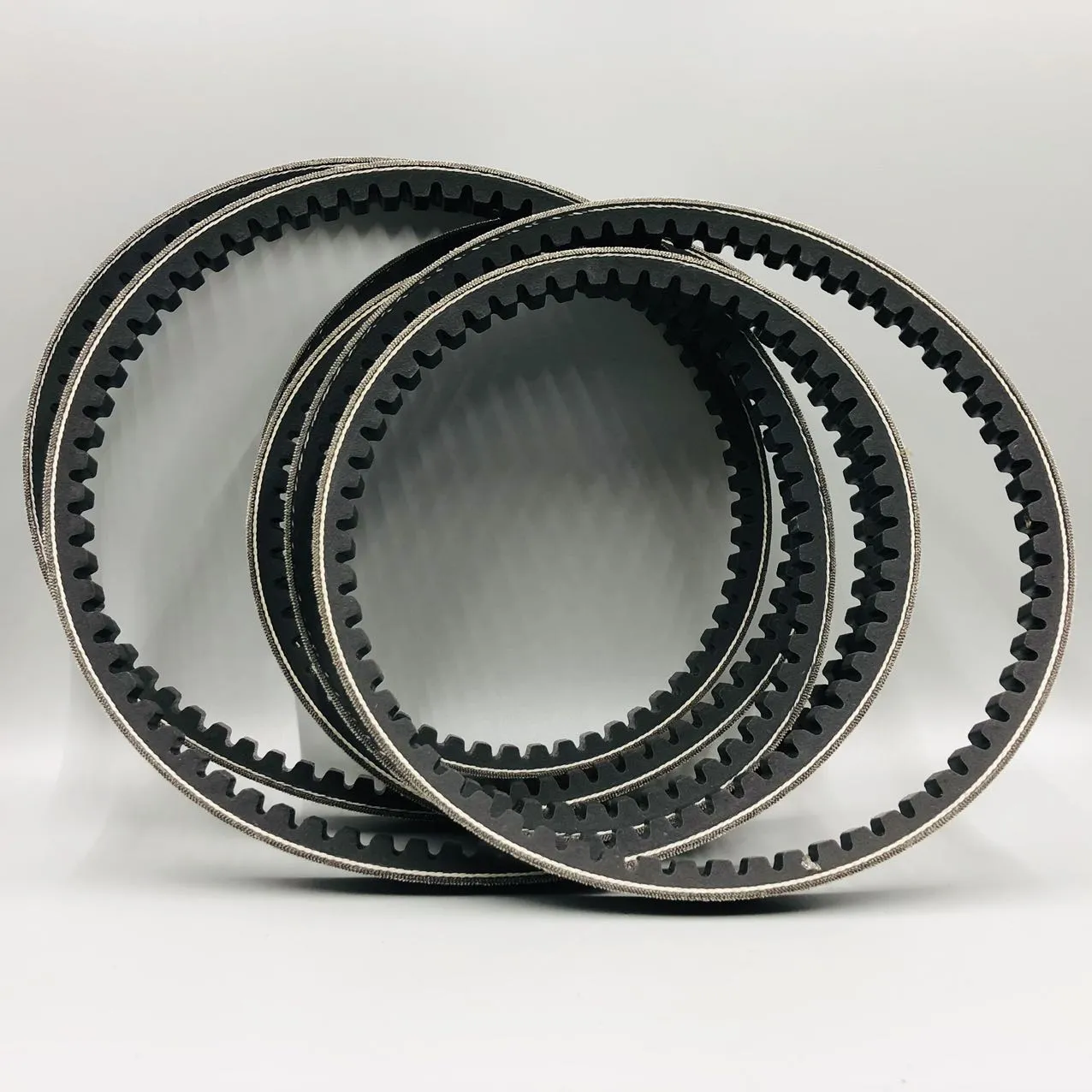 Komatsu mechanical belt6219-61-3420
 -
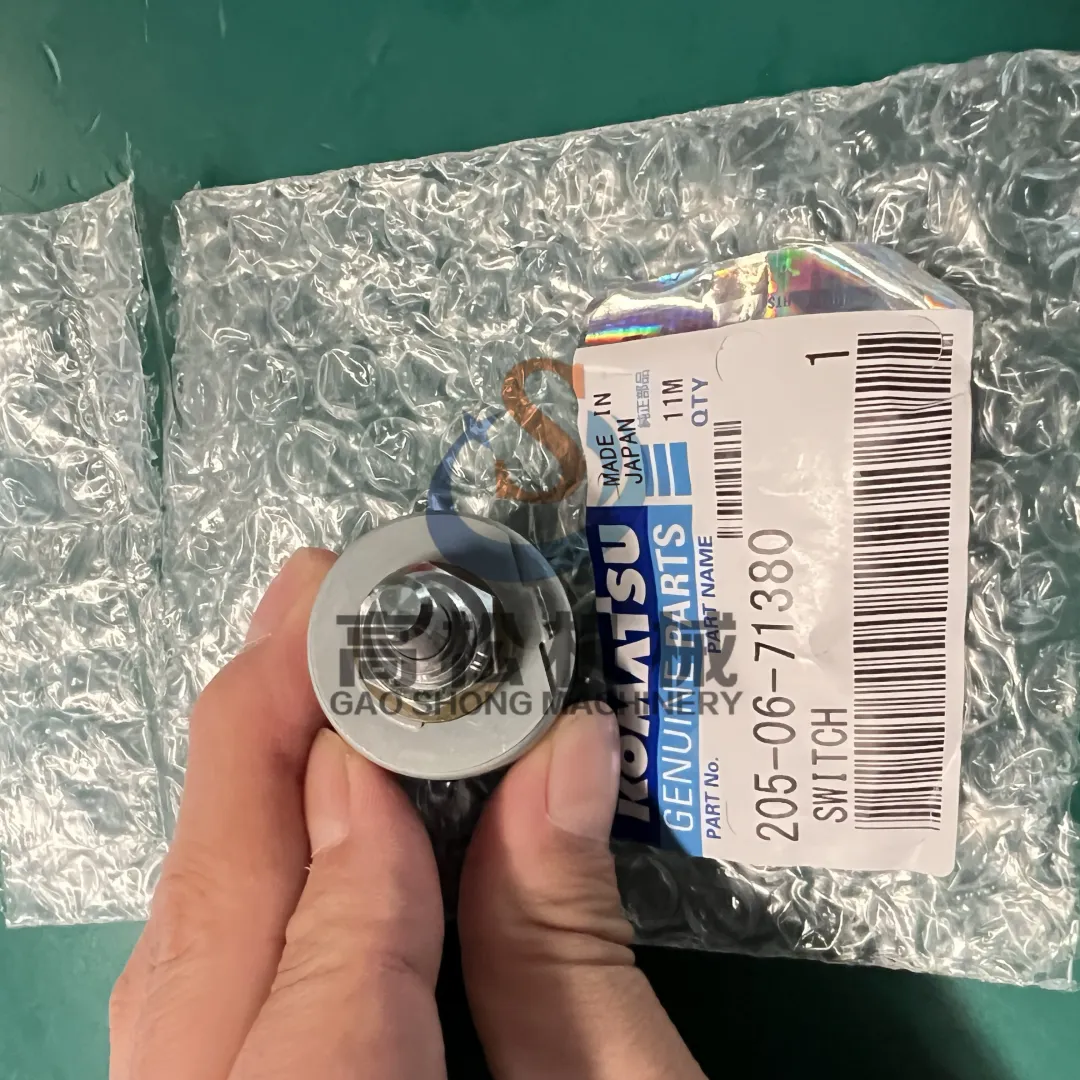 205-06-71380Spare part 205-06-71380 SWITCH,LIGHTING (Komatsu)
 -
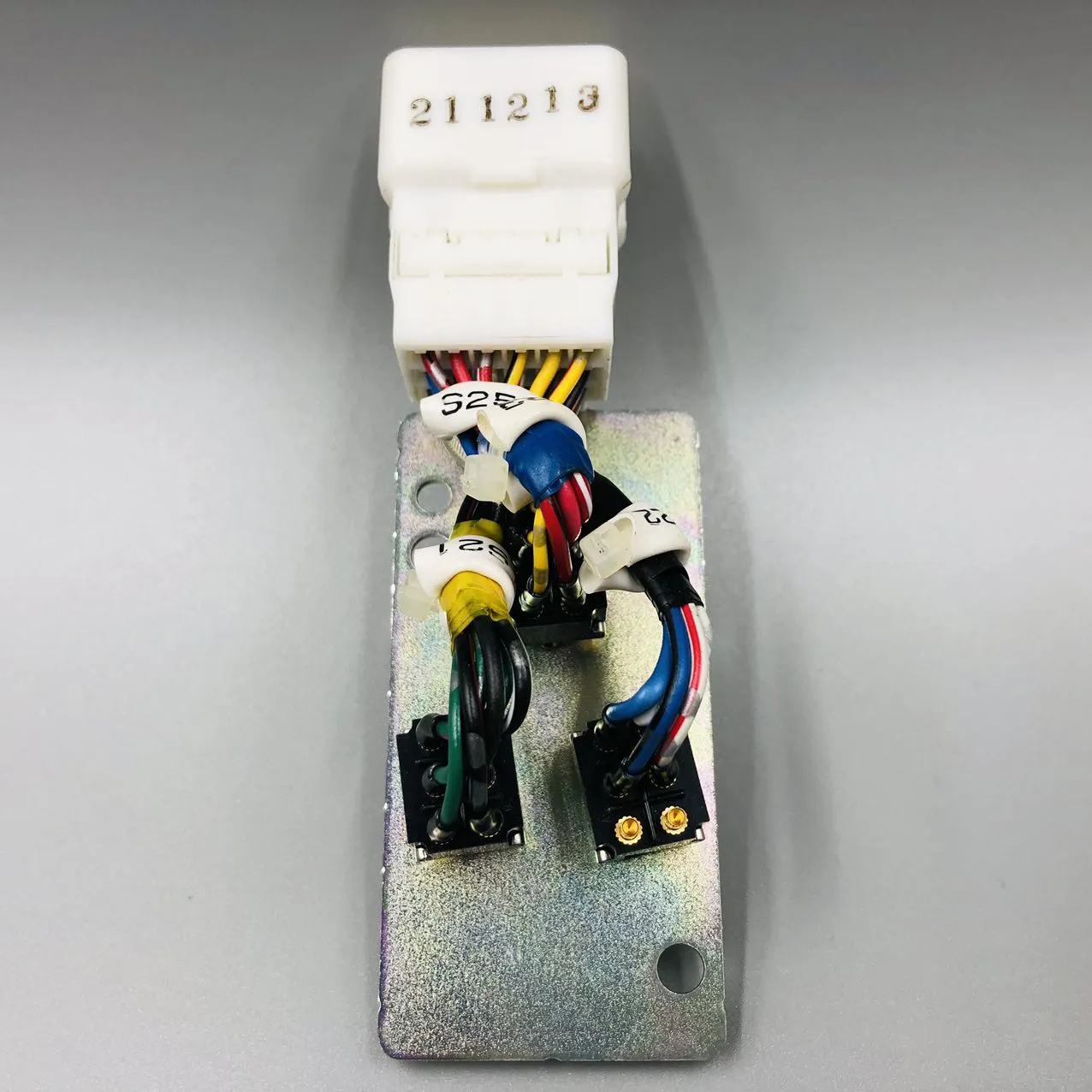 PC300-7 PC350-7 Switch Assy 22U-06-22370
 -
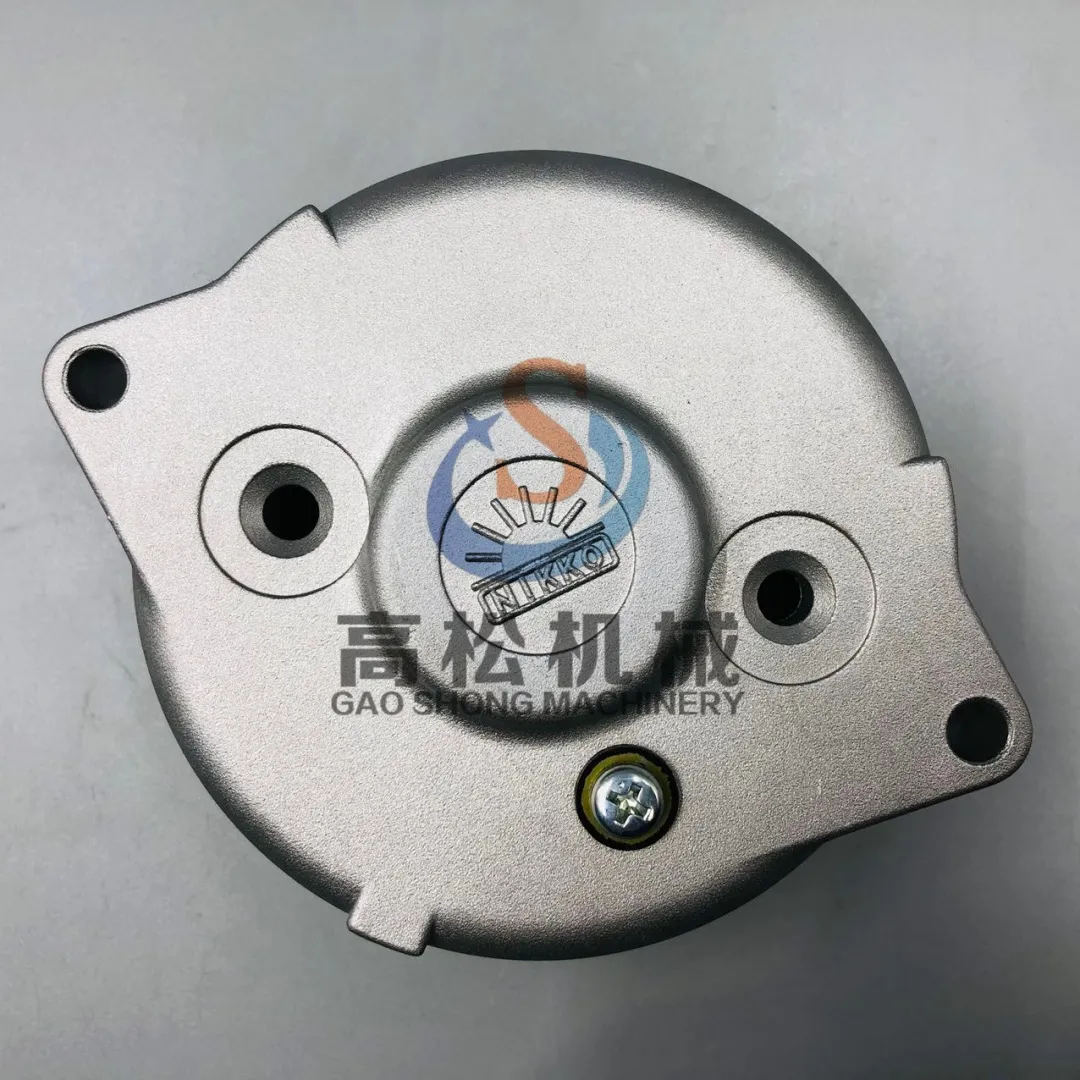 KD0-23700-0130 REAR BRACKET ASS’Y,REAR (Komatsu)
 -
 6156-71-1131 6156-71-1132 Fuel Injection Pump Compatible For Komatsu PC450-8 Excavator
 -
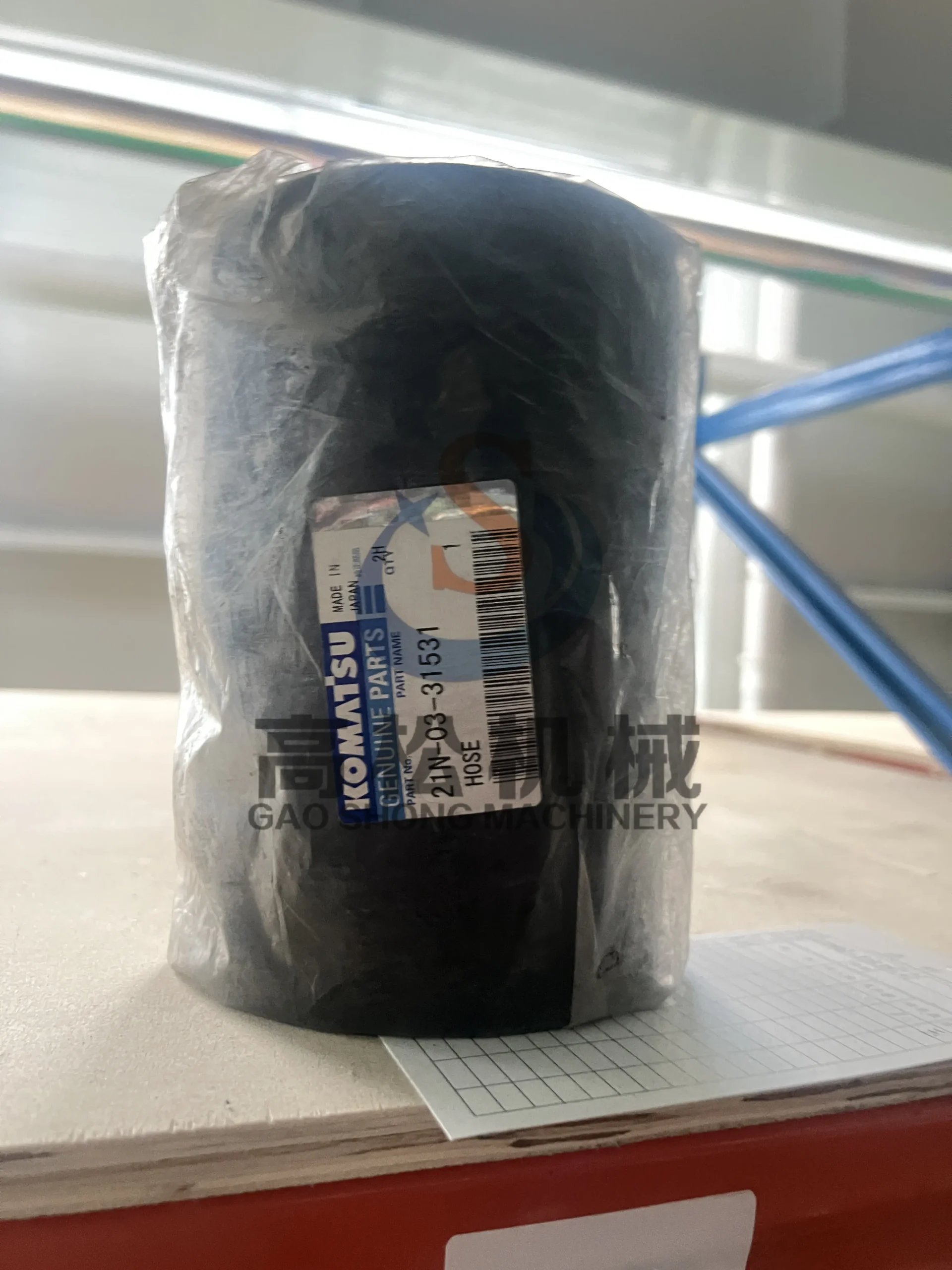 HOSE 21N-03-31531 – KOMATSU
 -
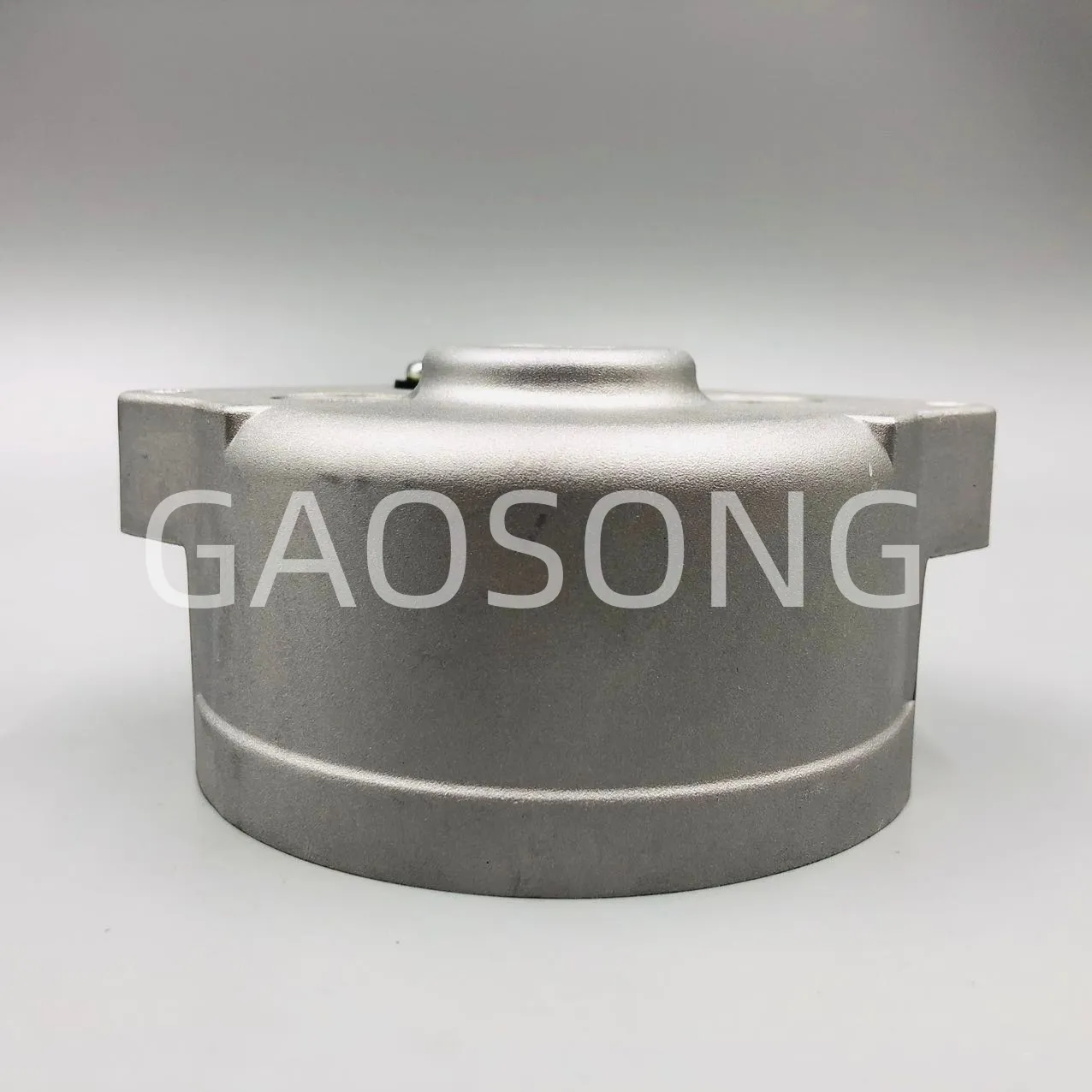 Komatsu KD0-23700-0130 REAR BRACKET… — Pricing.Parts
 -
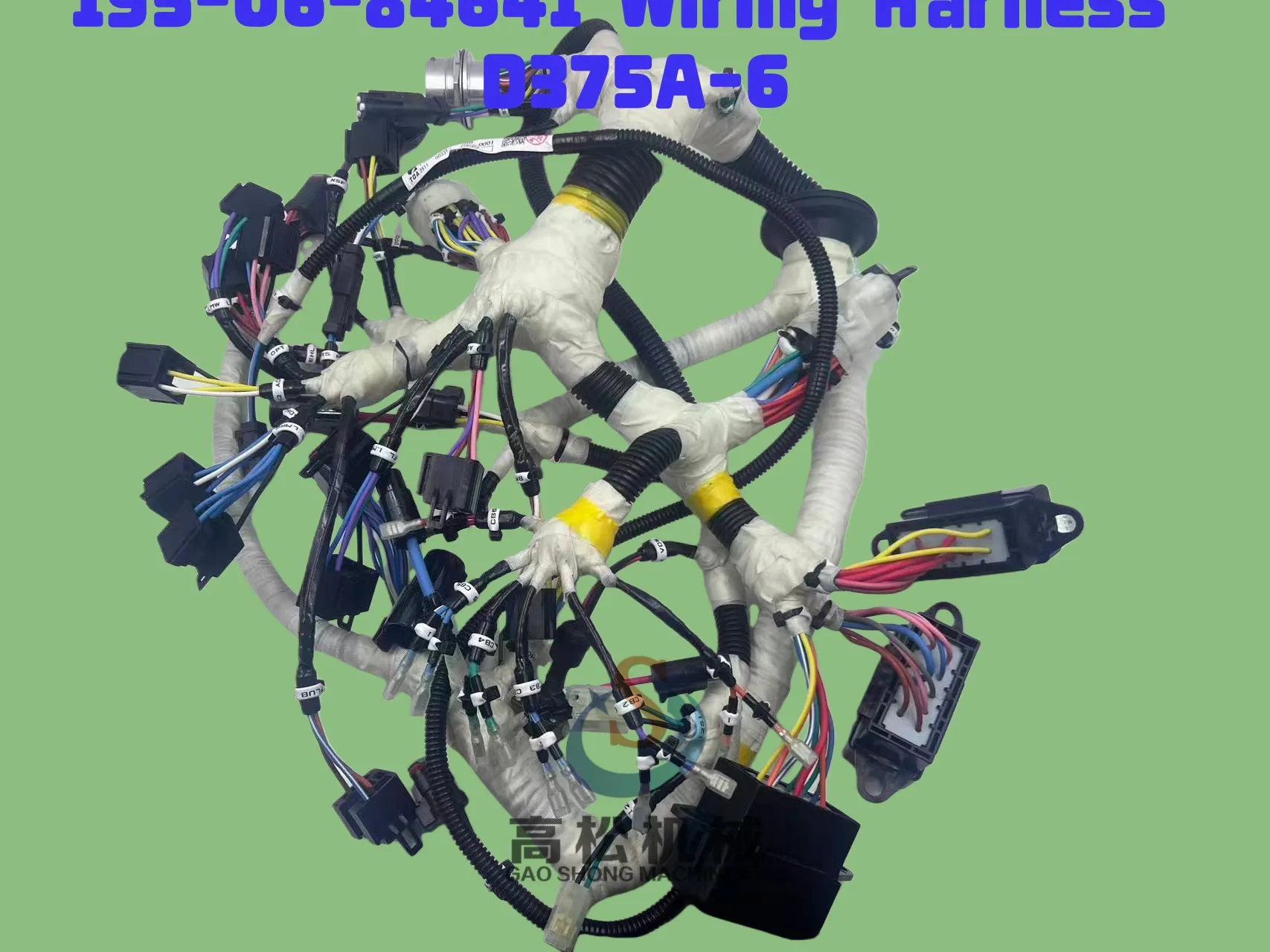 Wiring Harness 195-06-84641 D375A-6 S/N 60001-UP (Extreme Cold Area Arrangement (-40 deg C)) FLOOR FRAME, FUSE BOX AND RELAY
 -
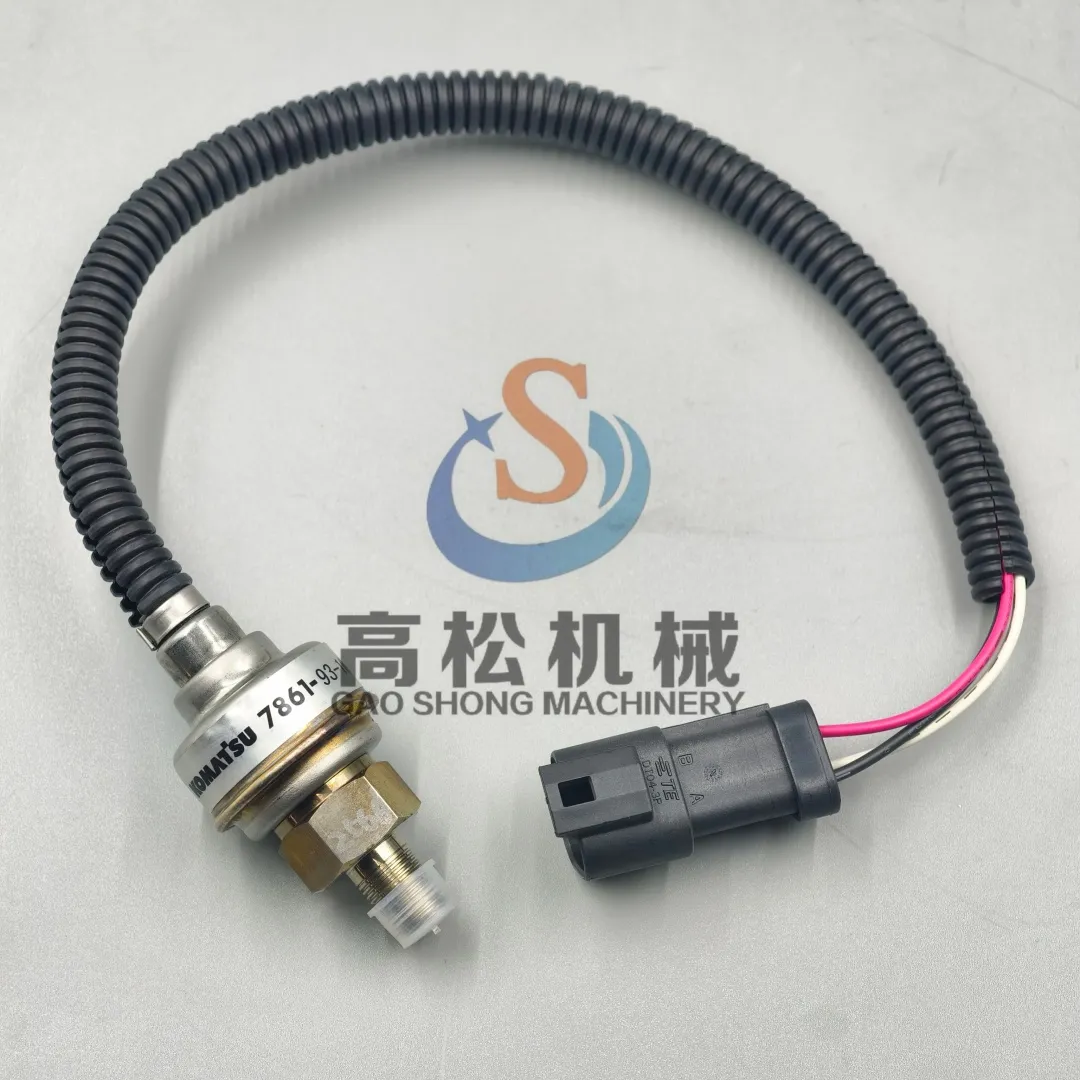 7861-93-1670 Main Pressure Sensor For Komatsu Bulldozers Parts D375 D475
 -
 21N-30-14160 PACKING (Komatsu)