
- Chinese
- French
- German
- Portuguese
- Spanish
- Russian
- Japanese
- Korean
- Arabic
- Irish
- Greek
- Turkish
- Italian
- Danish
- Romanian
- Indonesian
- Czech
- Afrikaans
- Swedish
- Polish
- Basque
- Catalan
- Esperanto
- Hindi
- Lao
- Albanian
- Amharic
- Armenian
- Azerbaijani
- Belarusian
- Bengali
- Bosnian
- Bulgarian
- Cebuano
- Chichewa
- Corsican
- Croatian
- Dutch
- Estonian
- Filipino
- Finnish
- Frisian
- Galician
- Georgian
- Gujarati
- Haitian
- Hausa
- Hawaiian
- Hebrew
- Hmong
- Hungarian
- Icelandic
- Igbo
- Javanese
- Kannada
- Kazakh
- Khmer
- Kurdish
- Kyrgyz
- Latin
- Latvian
- Lithuanian
- Luxembou..
- Macedonian
- Malagasy
- Malay
- Malayalam
- Maltese
- Maori
- Marathi
- Mongolian
- Burmese
- Nepali
- Norwegian
- Pashto
- Persian
- Punjabi
- Serbian
- Sesotho
- Sinhala
- Slovak
- Slovenian
- Somali
- Samoan
- Scots Gaelic
- Shona
- Sindhi
- Sundanese
- Swahili
- Tajik
- Tamil
- Telugu
- Thai
- Ukrainian
- Urdu
- Uzbek
- Vietnamese
- Welsh
- Xhosa
- Yiddish
- Yoruba
- Zulu
- Kinyarwanda
- Tatar
- Oriya
- Turkmen
- Uyghur





Komatsu wear parts
When most people hear 'Komatsu wear parts', they immediately think of the bucket teeth, adapters, and cutting edges. That's the surface. The real conversation, the one that happens on site between mechanics and procurement, is about the mismatch between the official supply chain's pace and the machine's relentless need to keep moving. It's about the gamble of using non-OEM alternatives that might save you a week but cost you three in unexpected downtime. I've seen too many operations get hung up on just the price tag of a single part, completely missing the total cost of the waiting period.
The OEM Promise and the Ground Reality
Officially, the system is perfect. You order a genuine Komatsu undercarriage component, and it arrives, perfectly engineered. But 'arrives' is the operative word. In several regions, especially where I've been involved, that timeline isn't measured in days but in weeks or even months. A D375 dozer sitting idle because a final drive seal kit is stuck in transit isn't a maintenance issue; it's a financial hemorrhage. This gap is where the entire ecosystem of third-party and aftermarket support flourishes, for better or worse.
This is precisely why outfits like Jining Gaosong Construction Machinery Co., Ltd. carve out a space. They position themselves as a hybrid. On one hand, they are an OEM product supplier within the Komatsu system, which gives them access to genuine lines. On the other, they act as a third-party solver for those supply logjams. Visiting their portal at https://www.takematsumachinery.com, you get that dual identity. It's not just a parts catalog; it's a proposition to help solve parts supply challenges in certain countries. That language tells me they know where the pain points are.
The tricky part is vetting this model. Does within the Komatsu system mean direct factory authorization or a licensed distributor network? The distinction matters for part traceability and warranty flow. In my experience, the most reliable third-party suppliers are transparent about these channels. They don't just sell you a part; they can often tell you which regional warehouse it's coming from, which adds a layer of credibility.
Material Science Isn't Just a Brochure Term
Let's get specific about wear. Take a Komatsu PC360 hydraulic excavator's bucket. The OEM lip and shrouds are made from a specific boron steel alloy, heat-treated for a balance of hardness and toughness. A common failure in aftermarket parts isn't that they wear faster—sometimes they do—but that they fail catastrophically. I've seen non-genuine shrouds crack and split because the material couldn't handle the cyclical impact loading, not just the abrasion. The wear pattern tells the story: genuine parts often wear more evenly; bad copies show brittle fracture lines.
This is where the OEM product supplier claim needs scrutiny. For a company like Gaosong, the value isn't just in having the part number. It's in having the correct metallurgical specification. For a wear plate on a HD785 truck bed, the Brinell hardness, the yield strength—these aren't abstract numbers. A few points off on the hardness to make the part cheaper to manufacture results in a bed that deforms prematurely, causing material adhesion and a whole new set of problems.
We ran a comparison once on a site, running genuine Komatsu side cutters against a reputable third-party claim on a fleet of WA600 loaders. The third-party part lasted about 75% of the genuine life. That sounds bad, but the math sometimes works if the price is 50% less and availability is immediate. The problem was the failure mode. The genuine part wore down to a nub. The other one lost a chunk, which then risked damaging the bucket cylinder hoses. The total cost shifted dramatically. It's never just a one-to-one swap.
The Logistics Web and the Certain Countries Niche
The phrase certain countries on Gaosong's site is a loaded one. It's diplomatic code for markets where Komatsu's primary distribution is thin, or where customs and logistics create massive delays. In parts of Africa, Southeast Asia, and South America, I've witnessed the chaos. You might have a regional distributor, but their stock is perpetually on the water. A supplier that specializes in navigating these specific corridors is worth its weight in gold.
Their role becomes less about just selling Komatsu wear parts and more about managing a micro-supply chain. It involves pre-clearing shipments, using specific freight forwarders who understand construction machinery parts, and having local staging warehouses. This isn't glamorous work. It's about knowing that a part shipped via one port gets held up for two weeks for inspection, while another route, though longer on the map, gets it to site in five days.
I recall a project in a remote mining area where we needed sprocket segments for a D155 dozer. The local Komatsu agent quoted 12 weeks. A general parts exporter quoted 6 weeks. We found a supplier with a similar profile to Gaosong—focused on these specific supply challenges—who had a set in a bonded warehouse in a neighboring country. We had them in 10 days. The premium was significant, but it paled against the cost of a deadlined dozer holding up overburden removal. That's the calculus.
When Genuine Has Shades of Gray
Here's an industry open secret: not all parts in an OEM box are created equal. Komatsu, like all major OEMs, has a tiered manufacturing system. Some components are made in Komatsu's own factories, some by dedicated first-tier suppliers, and others are sourced from qualified second-tier vendors. The performance is to spec, but the provenance differs. A sophisticated third-party supplier operating within the system might be tapping into that second-tier network directly, offering what is functionally the same part without the Komatsu logo and packaging, at a lower cost and sometimes faster.
This is a gray area but a critical one. For non-safety-critical wear parts like certain liners, grouser shoes, or even radiator cores, this can be a perfect solution. The risk is low, the savings are real. The key is the supplier's honesty. Do they tell you it's OEM-equivalent or do they try to pass it off as genuine? The good ones are clear. They'll say, This is from the same foundry that supplies Komatsu, but it won't have the part number laser etched. That transparency builds trust.
I've been burned by the lack of it. Ordered what was promised as a genuine swing circle bearing for a PC700. What arrived was a physical match, but the sealing was inferior. It lasted 18 months instead of the typical 3+ years. The supplier vanished. The lesson was that for high-value, hard-to-replace components, the paper trail and warranty from the official channel are worth the wait and cost. For high-wear, consumable items, the gray market, if sourced from a transparent and technically competent partner like the model Gaosong suggests, is a viable tool.
The Future is About Bundled Solutions, Not Just Parts
The discussion is evolving past the simple buy/sell transaction. The real value-add for companies operating in this space is moving toward bundled solutions. It's not just here are your GET (Ground Engaging Tools). It's here is your GET, plus the recommended installation torque specs for your material conditions, plus a wear monitoring service schedule, and a guaranteed exchange program for your worn parts. This turns a commodity purchase into a productivity partnership.
Looking at a supplier's website now, I'm less impressed by a huge part number database and more interested in whether they offer technical bulletins, cross-section diagrams, or wear measurement guides. Do they understand that the optimal bucket tooth for mining taconite is different from one for river dredging, even for the same machine model? That level of detail shows practical experience.
For a firm like Jining Gaosong Construction Machinery Co., Ltd., the future growth lies in deepening this advisory role. Their position as both an insider and an independent solver is unique. They can leverage OEM engineering data while providing the flexible, rapid-response service the official channel often lacks. The end goal isn't to sell the most parts, but to sell the most machine uptime. That's how you move from being a vendor to being a critical partner on the ground. And in this business, that's the only relationship that lasts.
Related Products
Related Products
Best Selling Products
Best Selling Products-
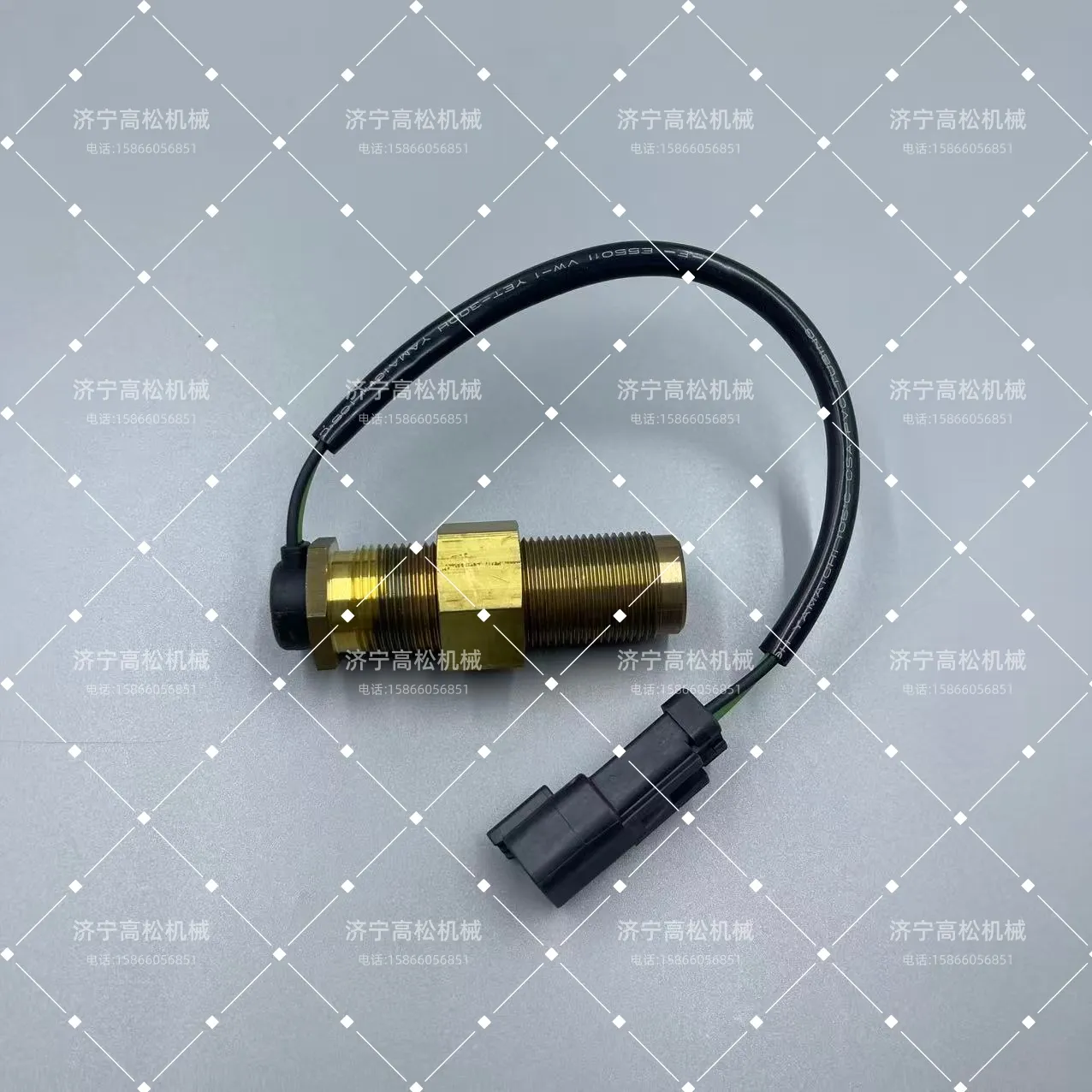 Revolution Sensor 7861-93-2330 for Bulldozer D85EX-15
 -
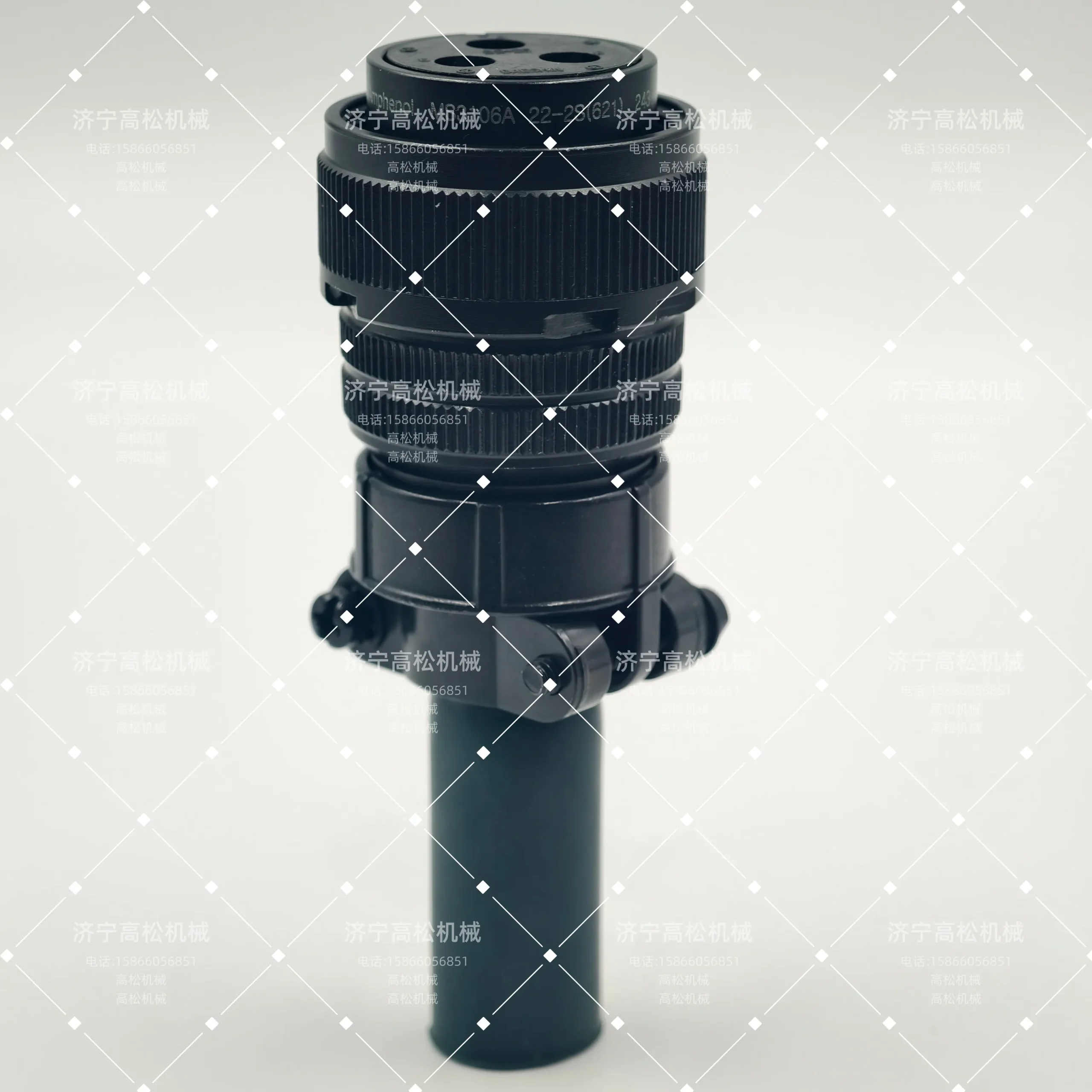 Top Quality 175-06-37871 Plug for Komatsu Mining Excavator Heavy…
 -
 21T-04-31130 VENT ASS’Y (Komatsu)
 -
 14X-60-11120,STRAINER,D31PX,D31EX,D65PX
 -
 419-43-27401 komatsu vavle-WA400/WA300
 -
 Komatsu 17M-50-24360 Seal, price for original and… — Pricing.Parts
 -
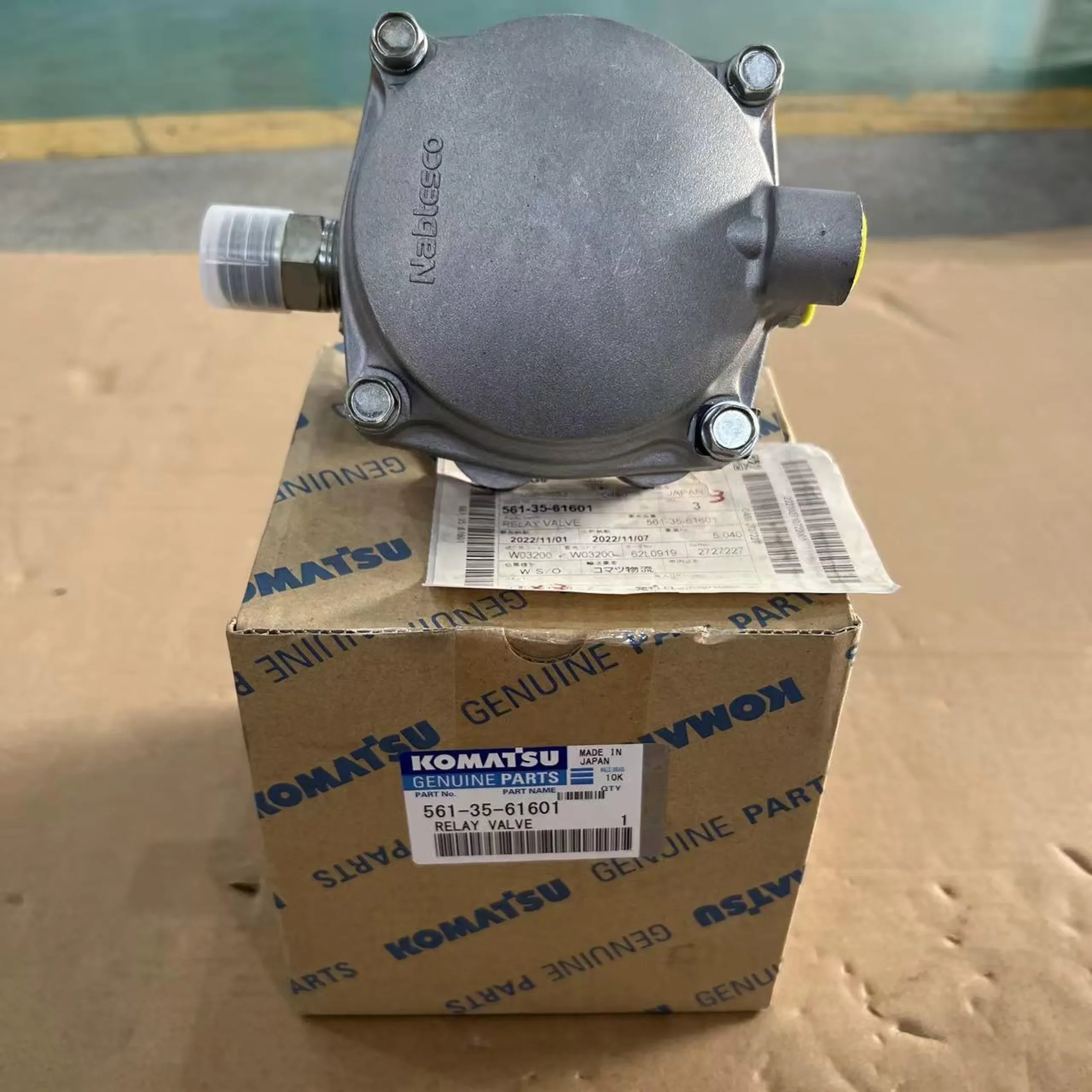 KOMATSU Relay Valve 561-35-61601 NIB
 -
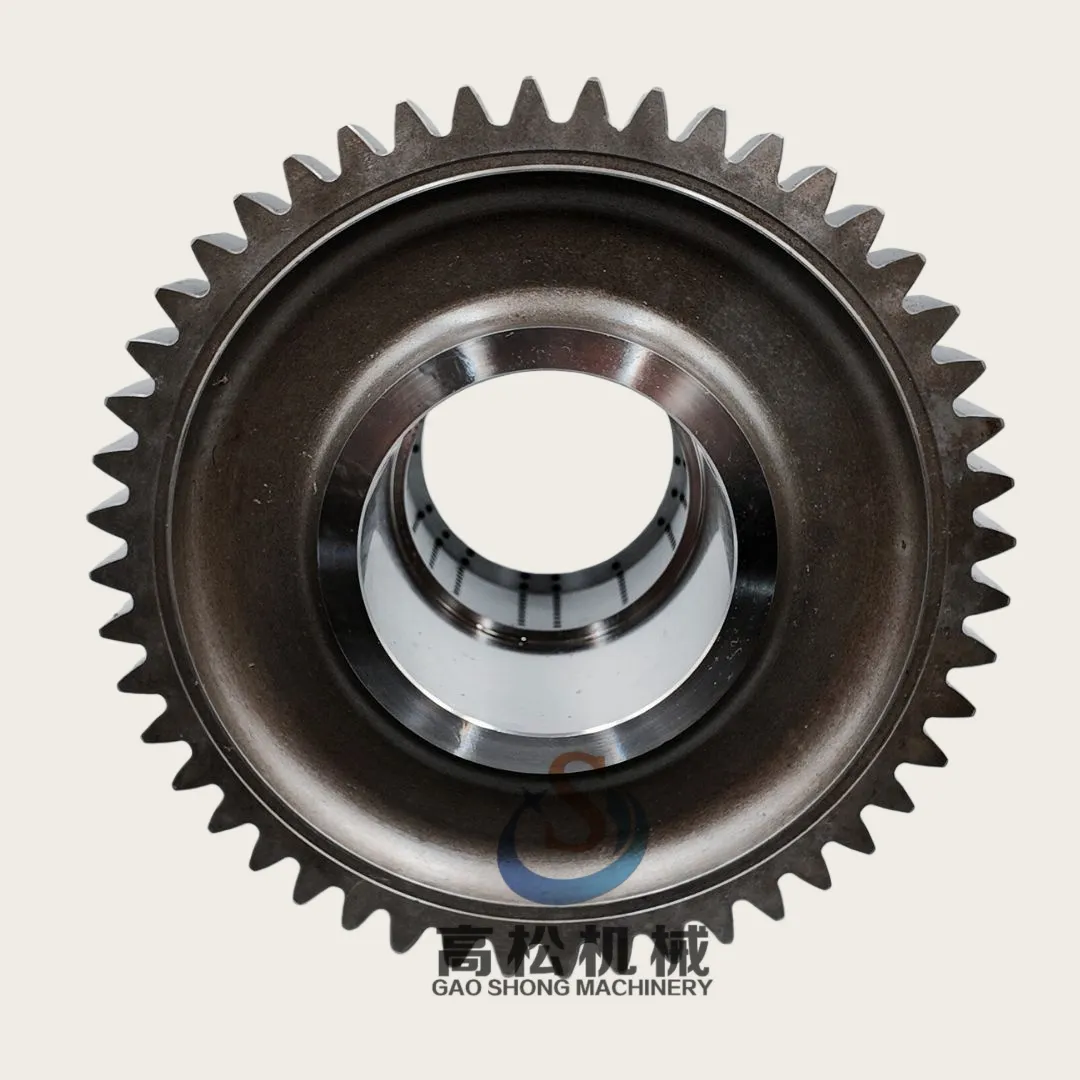 GEAR, 48 TEETH,FORWARD WA470-3 714-07-12420 GEAR, 48 TEETH,FORWARD WA450-3 S/N 53001-UP (For Taiwan / Tunnel Spec.) TRANSMISSION (FORWARD AND 1ST CLUTCH) (FOR EMERGENCY STEERING)
 -
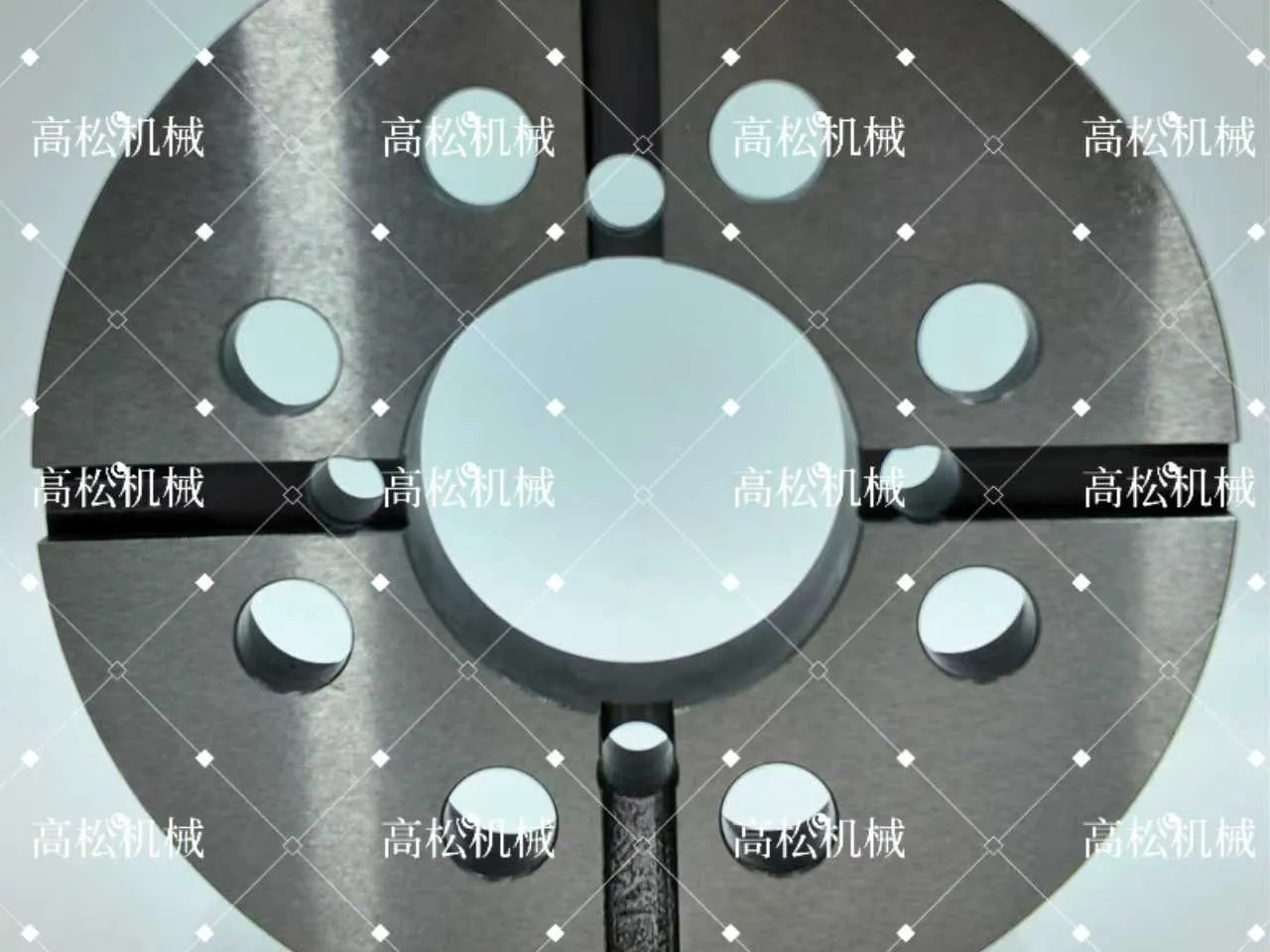 56B-27-12361 Fixed ring Komatsu parts HM350, HM400
 -
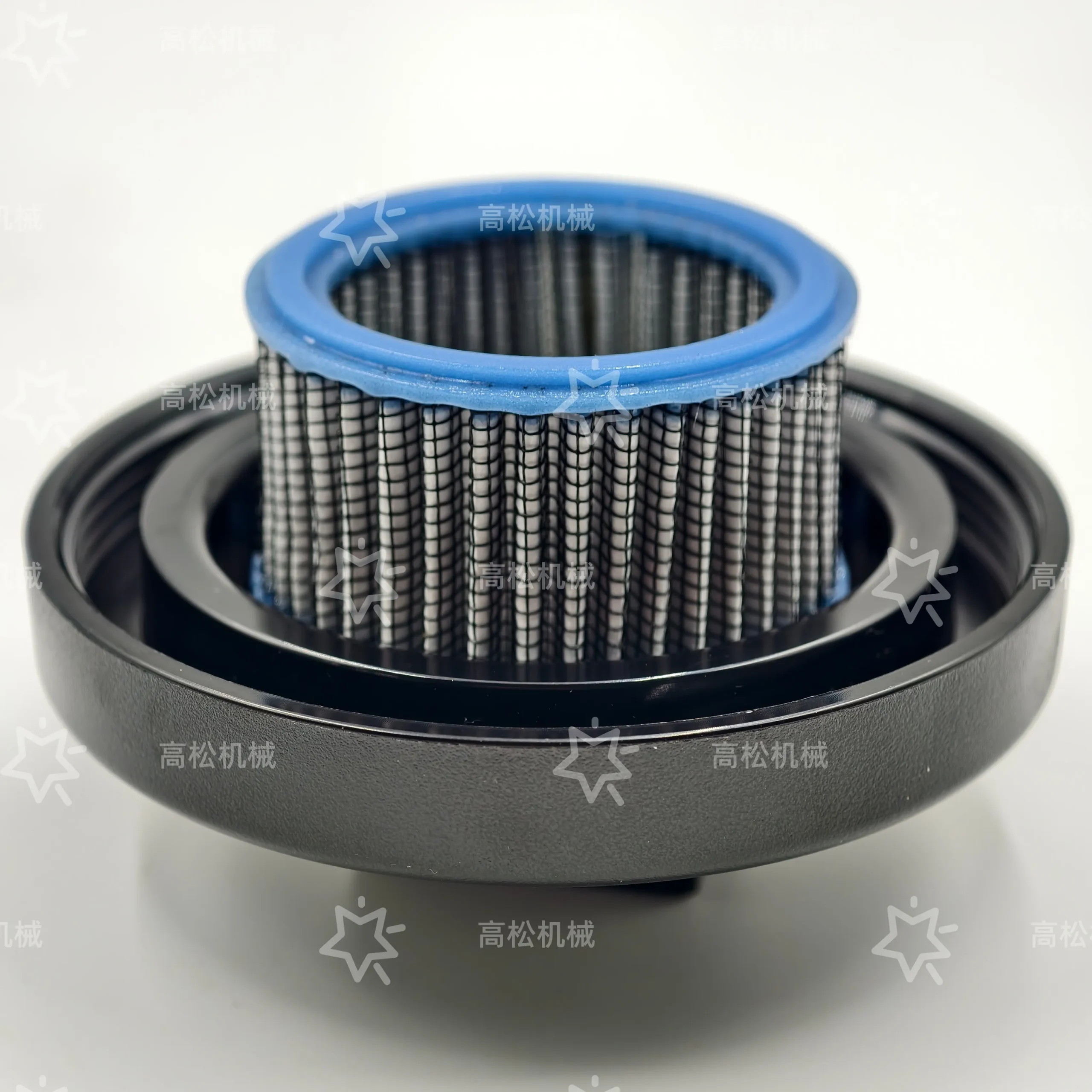 21T-04-31170 Komatsu Cap Assembly
 -
 56B-15-19210 RING
 -
 14Y-21-13242 Chainsaw Drive Sprocket Kit Alloy Steel 7-Tooth for…