
- Chinese
- French
- German
- Portuguese
- Spanish
- Russian
- Japanese
- Korean
- Arabic
- Irish
- Greek
- Turkish
- Italian
- Danish
- Romanian
- Indonesian
- Czech
- Afrikaans
- Swedish
- Polish
- Basque
- Catalan
- Esperanto
- Hindi
- Lao
- Albanian
- Amharic
- Armenian
- Azerbaijani
- Belarusian
- Bengali
- Bosnian
- Bulgarian
- Cebuano
- Chichewa
- Corsican
- Croatian
- Dutch
- Estonian
- Filipino
- Finnish
- Frisian
- Galician
- Georgian
- Gujarati
- Haitian
- Hausa
- Hawaiian
- Hebrew
- Hmong
- Hungarian
- Icelandic
- Igbo
- Javanese
- Kannada
- Kazakh
- Khmer
- Kurdish
- Kyrgyz
- Latin
- Latvian
- Lithuanian
- Luxembou..
- Macedonian
- Malagasy
- Malay
- Malayalam
- Maltese
- Maori
- Marathi
- Mongolian
- Burmese
- Nepali
- Norwegian
- Pashto
- Persian
- Punjabi
- Serbian
- Sesotho
- Sinhala
- Slovak
- Slovenian
- Somali
- Samoan
- Scots Gaelic
- Shona
- Sindhi
- Sundanese
- Swahili
- Tajik
- Tamil
- Telugu
- Thai
- Ukrainian
- Urdu
- Uzbek
- Vietnamese
- Welsh
- Xhosa
- Yiddish
- Yoruba
- Zulu
- Kinyarwanda
- Tatar
- Oriya
- Turkmen
- Uyghur






komatsu wb140 parts manual
You search for a 'Komatsu WB140 parts manual' and you get a thousand PDF links. That's the first trap. Thinking the manual is just a file. In the field, that manual is a starting point, a puzzle piece often missing the context of actual wear, regional part substitutions, and the reality of supply chains. It's not just about having the document; it's about interpreting it through the lens of available inventory and real machine behavior.
The Manual Isn't the Bible, It's the Map
I've got a well-thumbed, grease-stained copy of the WB140 manual in my office. The digital one is clean, sure. But my physical copy has notes in the margins—cross-referenced part numbers from different suppliers, reminders about torque sequences that the manual lists but doesn't emphasize enough for the swing cylinder pins. The official Komatsu manual is impeccable for the original build. But after 8,000 hours, that machine isn't original anymore. You're dealing with replaced hoses, upgraded seals from later models, and maybe a hydraulic pump that was swapped three years ago. The manual gives you the baseline. Your job is to overlay the machine's history on top of it.
This is where a supplier's role shifts from order-taker to interpreter. A company like Jining Gaosong Construction Machinery Co., Ltd. operates in this space. Being an OEM product supplier within the Komatsu system means they have access to the genuine diagrams and specs—the true north of the manual. But their parallel role as a third-party sales company is what adds the practical layer. They see which parts for the WB140 actually fail under specific conditions (like high-dust environments or extreme temperature cycles) and can often guide you to a more robust solution that still fits the manual's specifications.
I remember a job in West Africa where the official Komatsu WB140 parts manual called for a specific seal kit for the track motor. Lead time: 14 weeks. Not an option. We had a machine down, blocking a haul road. By working with a supplier who understood both the OEM system and the aftermarket landscape, we cross-referenced the seal dimensions and material specs, found a compatible kit from a European manufacturer that matched the hydraulic fluid and pressure ratings. It wasn't in the original manual, but it followed its engineering intent. The machine ran for another two years before we did a full OEM rebuild. The manual provided the parameters; field experience provided the solution.
Where the Parts Manual Falls Short (And What to Do)
The explosion diagrams are great, but they don't show you the shortcuts—or the pitfalls—of a real repair. For instance, the manual will list the procedure to replace the PTO shaft bearings. It tells you the tools and the steps. What it doesn't tell you is that on certain serial number ranges of the WB140, the housing has a slight casting lip that makes pressing the bearing out a nightmare if you don't grind a small relief first. You only learn that after destroying one housing, or from a technician who's been there.
This is the challenge part of parts supply. It's not just about having a bin with a part number on it. It's about knowing that part number might supersede to , but that the newer version requires a different shim set that isn't automatically included in the kit. A supplier focused on solving parts supply challenges will flag that when you order. The manual won't.
Another gap is the translation of technical terms. The manual is precise. But in a workshop in Southeast Asia or South America, local mechanics might use colloquial names for components. A good parts specialist, like the teams you'd engage with through a portal like https://www.takematsumachinery.com, needs to bridge that gap. They hear the wobble gear for the blade lift and know to correlate that to the oscillating gear in the final drive as per the manual's terminology. This interpretive skill is what gets you the right part faster.
The OEM vs. Aftermarket Dilemma for the WB140
This is a constant judgment call. The manual, of course, specifies Komatsu parts. For critical, high-wear items like the undercarriage group (rollers, idlers, track links) on a WB140, I lean heavily toward OEM or certified suppliers within the Komatsu system. The metallurgy and heat treatment matter too much. A failure here is catastrophic.
But for certain components, the aftermarket has innovated. Think about cab filters or generic hydraulic hoses with the correct SAE standard. For a machine that's maybe in its second or third life, using a high-quality aftermarket radiator or a non-Komatsu-but-certified alternator can be a cost-effective and reliable choice. The key is the supplier's vetting process. A company that is both an OEM supplier and a third-party seller has the comparative insight. They can tell you, For this pivot shaft, the OEM is 40% more expensive and has a 20-week lead time. We have a Japanese-made equivalent we've tested on five other machines with zero comebacks. Here are the dimensional reports. That's value beyond the manual.
I made a mistake once, going cheap on a aftermarket water pump for a WB140. It fit the bolt pattern, but the impeller was a different design, causing a 15% reduction in flow rate. The engine didn't overheat immediately, but it ran hotter, leading to premature thermostat and seal wear within six months. The manual just said water pump. It didn't specify flow rate curves. I learned to always ask for the performance data sheet, not just the compatibility sheet.
Leveraging the Manual for Efficient Sourcing
The parts manual is your primary communication tool. Never just say, I need a seal for the blade cylinder. You'll waste a day going back and forth. Always provide the full machine model (WB140-XX, the XX matters), serial number, and the specific figure number and item number from the manual. This eliminates 99% of confusion.
When you're dealing with a global supplier network, this precision is everything. It allows a company like Jining Gaosong to check not just their local warehouse, but their channels within the Komatsu system and their third-party networks across different regions. They might find that the part you need is out of stock in Japan but available as a surplus item in a warehouse in Chile because a mine project there was cancelled. The manual's universal part number is the key that unlocks that global search.
Also, use the manual to plan ahead. Don't wait for the hydraulic fan motor to scream. Look at the service intervals, identify the major components that are likely to need attention at the next 1,000-hour service, and start inquiring about availability and lead times early. This proactive approach, guided by the manual's schedule, is what separates a managed fleet from a reactive one.
Beyond the Book: The Human Layer of Parts Knowledge
Finally, the most important component isn't in the manual at all: the relationship with a knowledgeable parts supplier. The manual is static data. A good supplier adds dynamic intelligence—market trends, lead time fluctuations, common failure modes for your specific application (e.g., a WB140 used in logging vs. road building).
This is the core of what a partner offering to solve parts supply challenges in certain countries really provides. They understand the logistical hurdles, customs delays, and can often propose interim solutions—like a recommended temporary patch or a loaner component—to keep productivity loss to a minimum while the genuine or fully vetted part is in transit.
So, when you next pull up that Komatsu WB140 parts manual PDF, respect it as the authoritative source. But then, pick up the phone or send a detailed email to a specialist. Use the manual's language to ask precise questions. The real-world fix for your machine will come from the synergy between that pristine document and the messy, practical, experience-driven knowledge of the people who've seen a hundred WB140s come apart and go back together again.
Related Products
Related Products

Best Selling Products
Best Selling Products-
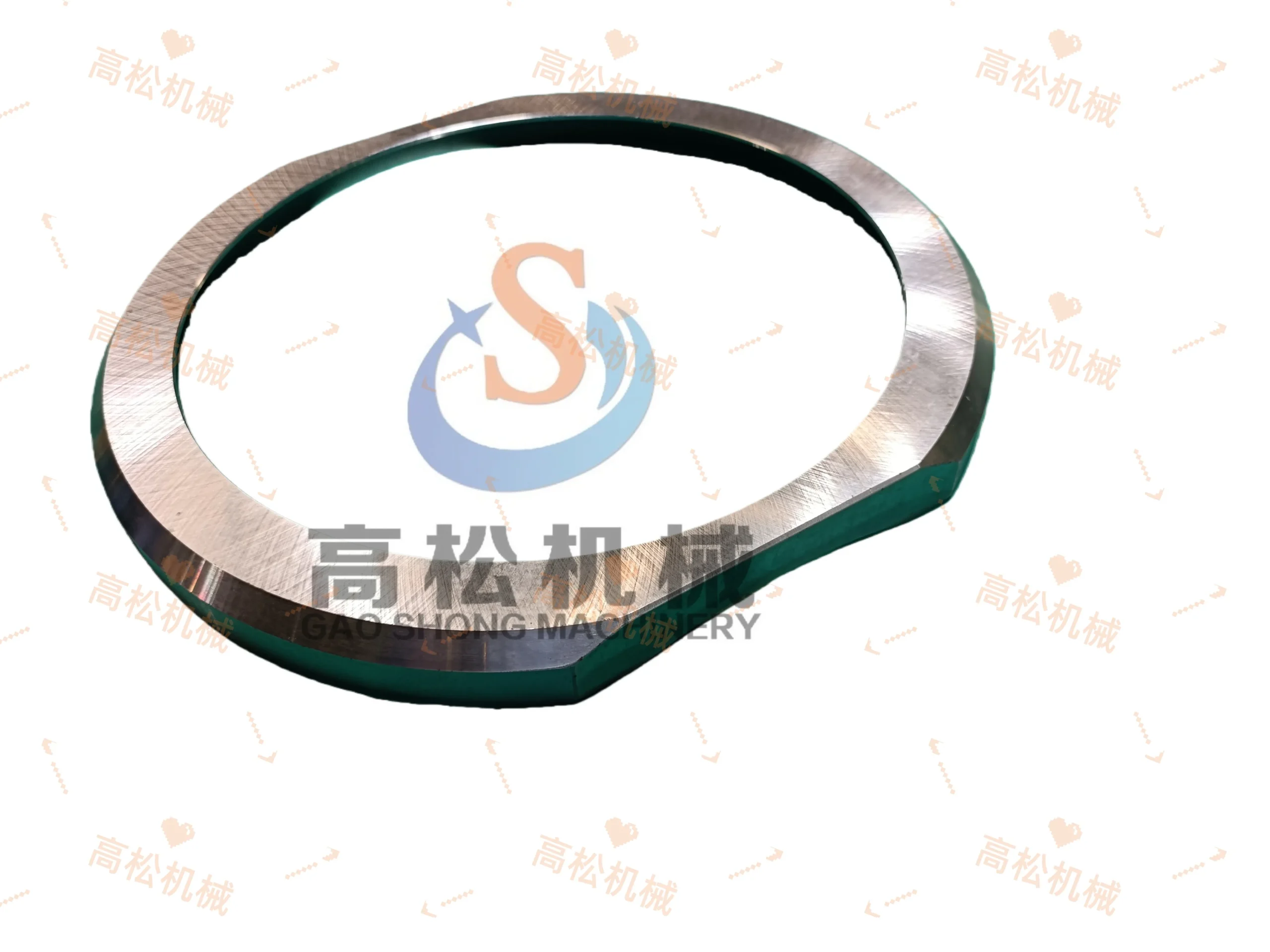 2A8-70-13410 Seal PC500LC-10M0 2A8-70-13420 Seal PC500LC-10R 2A8-70-13680Spacer PC500LC-10M0 2A8-70-13690Spacer PC500LC-10M0 2W71-21380 2WT27-72350
 -
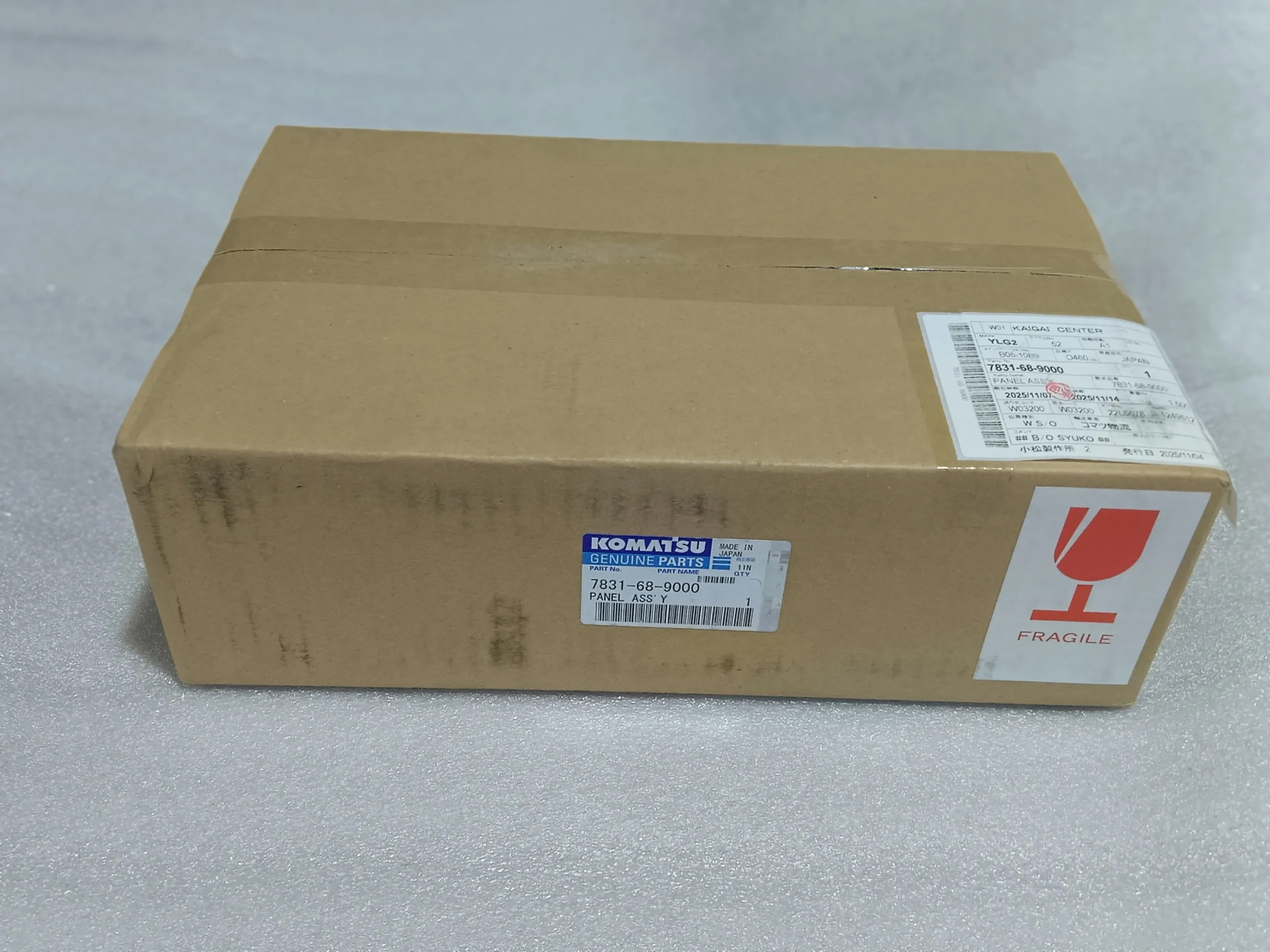 7831-68-9000 PANEL ASS’Y
 -
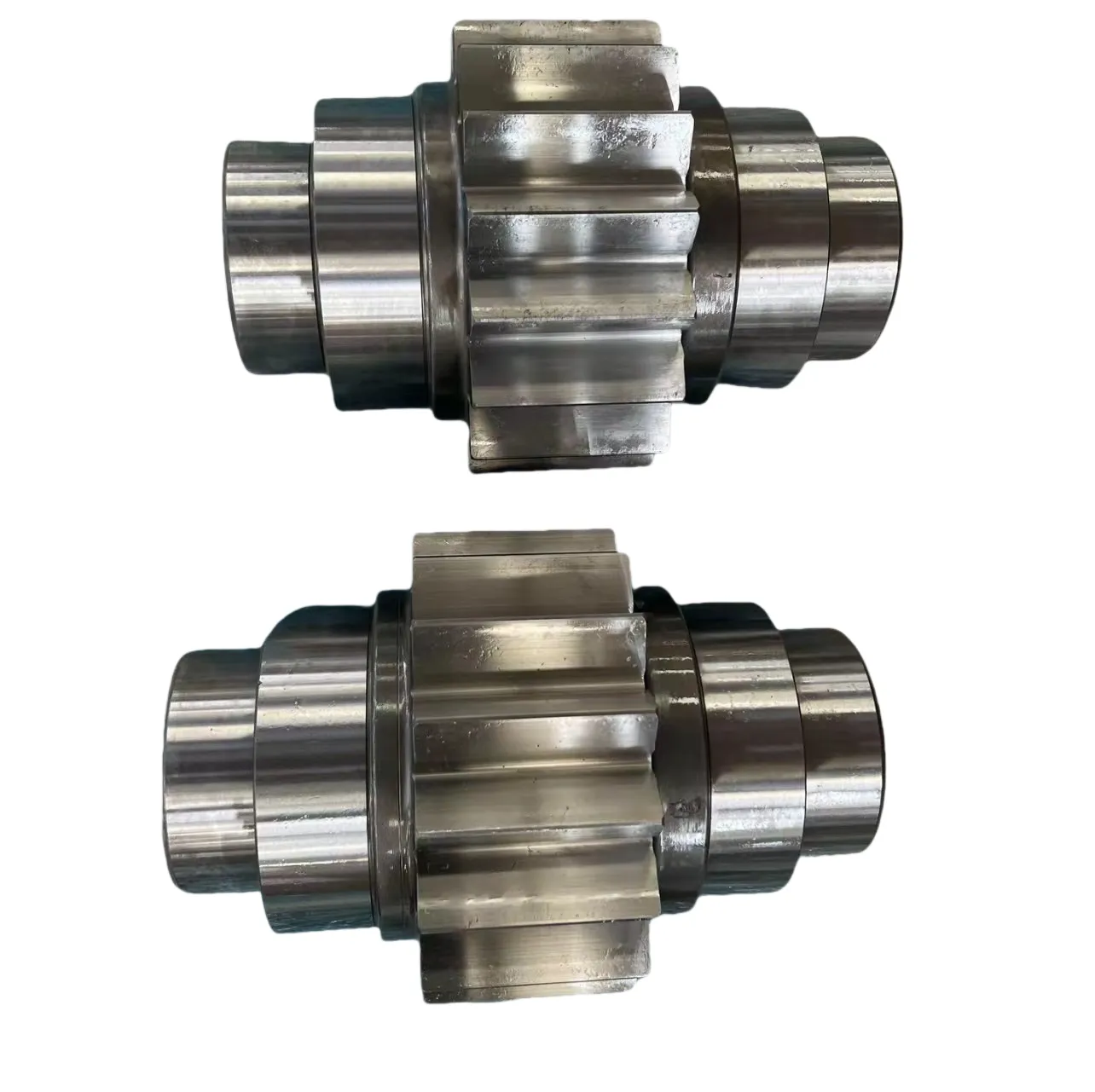 D475A-5 Final Drive Gear 198-27-45163
 -
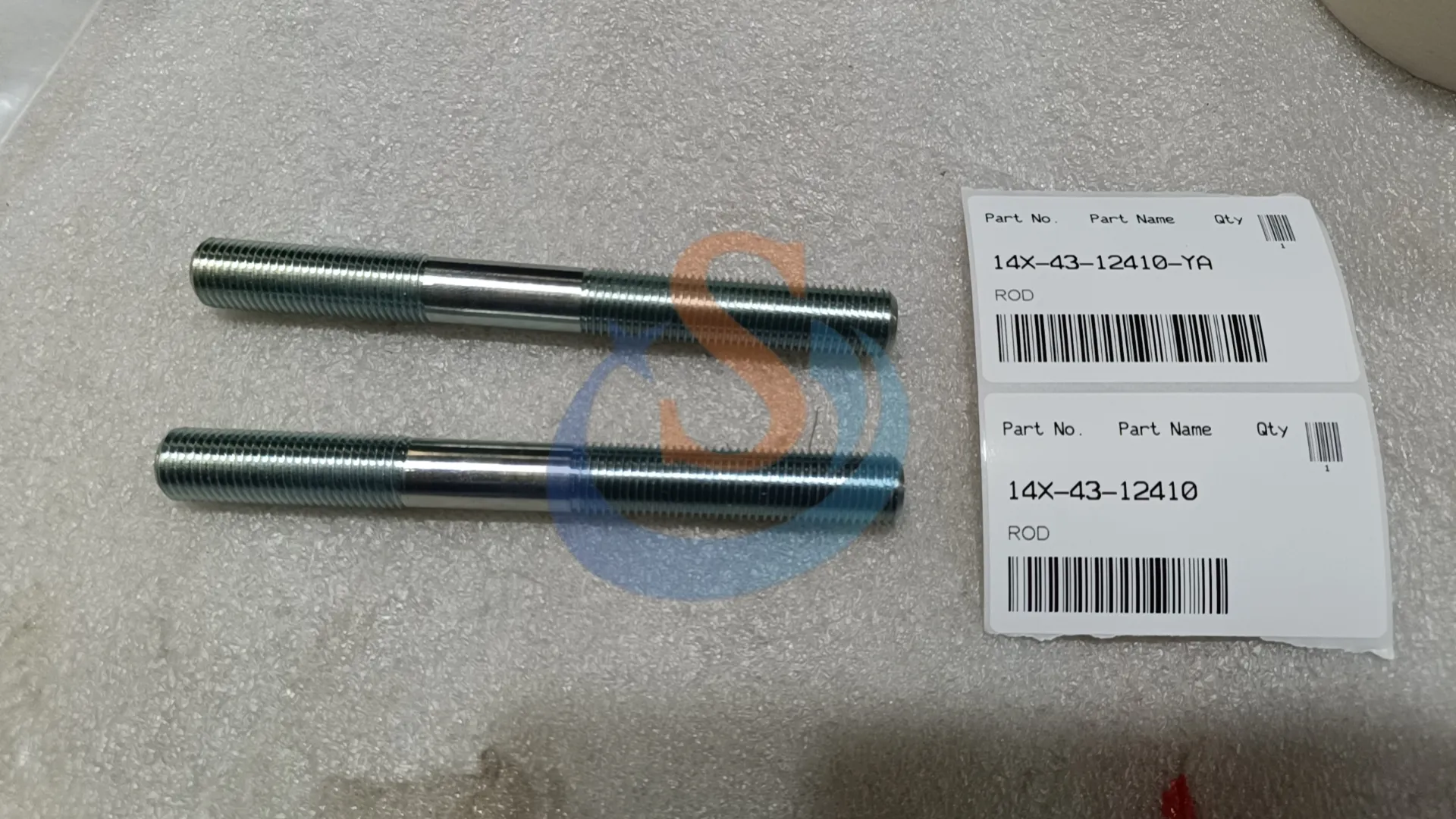 14X-43-12410,ROD,komatsu,D155A,D375A,D275A
 -
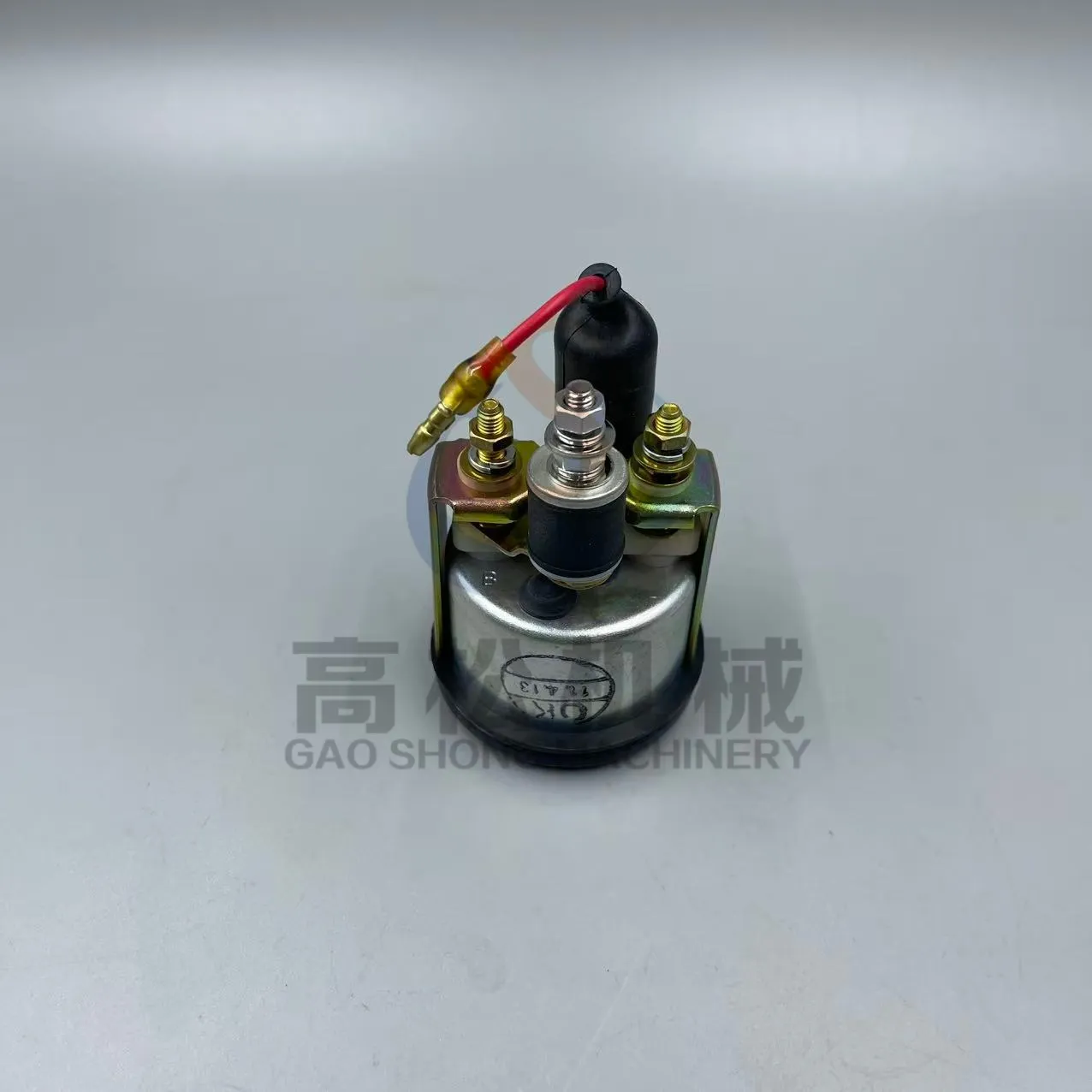 195-06-23110 – GAUGE
 -
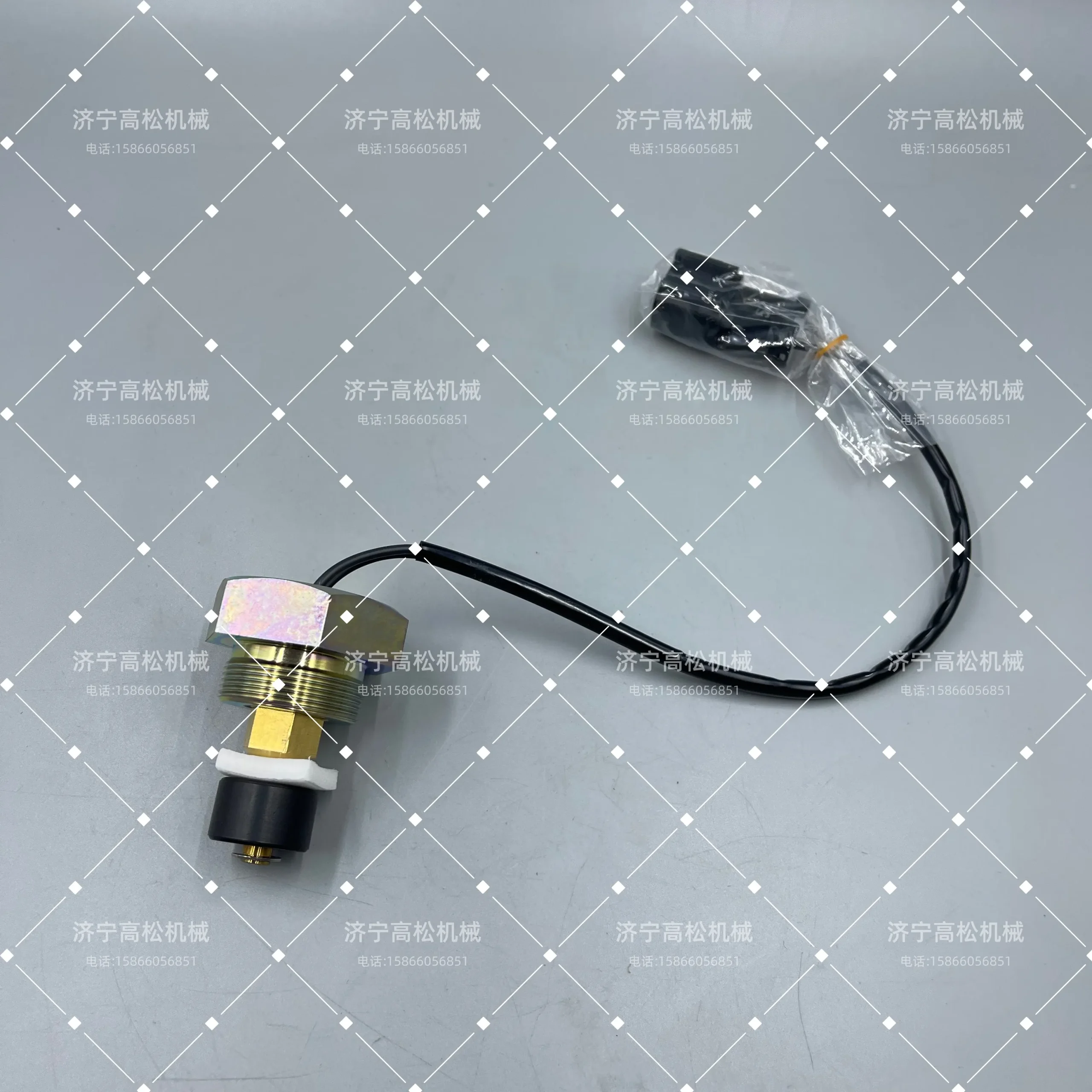 Sensor 7861-92-4500 for KOMATSU WA350-3A-S China…
 -
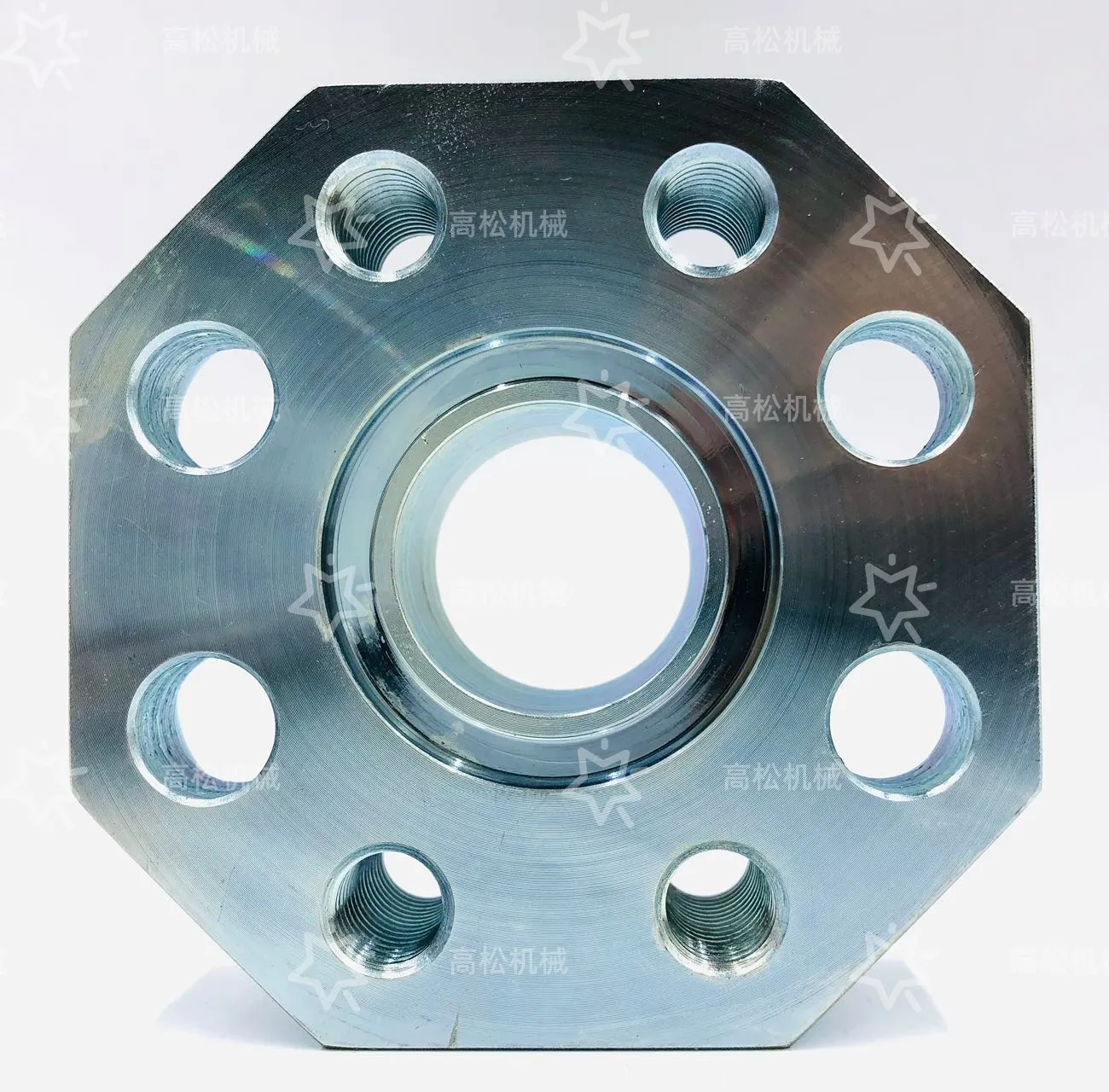 21N-62-11361 Komatsu FLANGE
 -
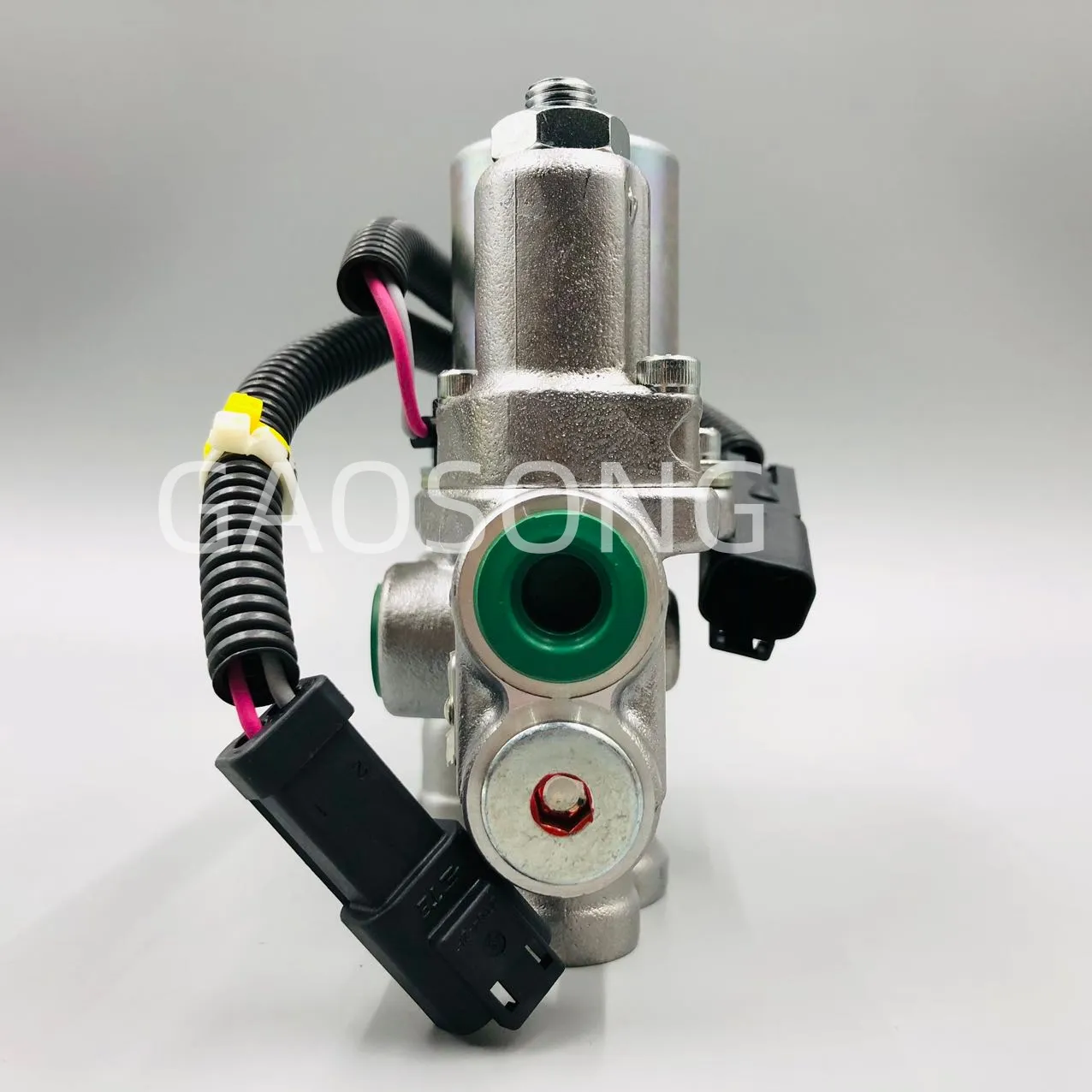 22F-60-31600 VALVE ASS’Y,(SEE FIG.Y1681-01A0).-Komatsu Original Factory
 -
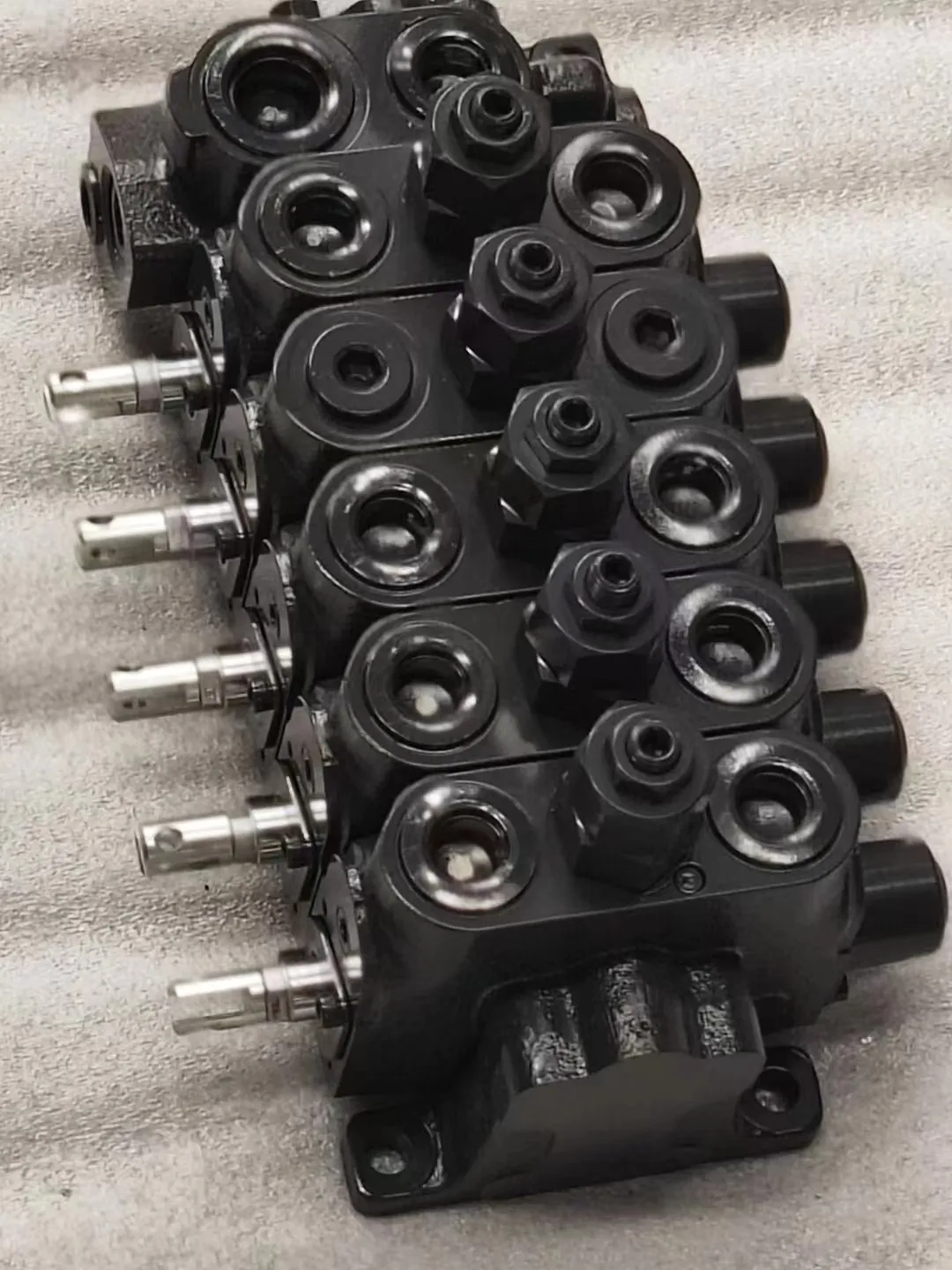 GD825A-2 Control Valve 235-60-35401
 -
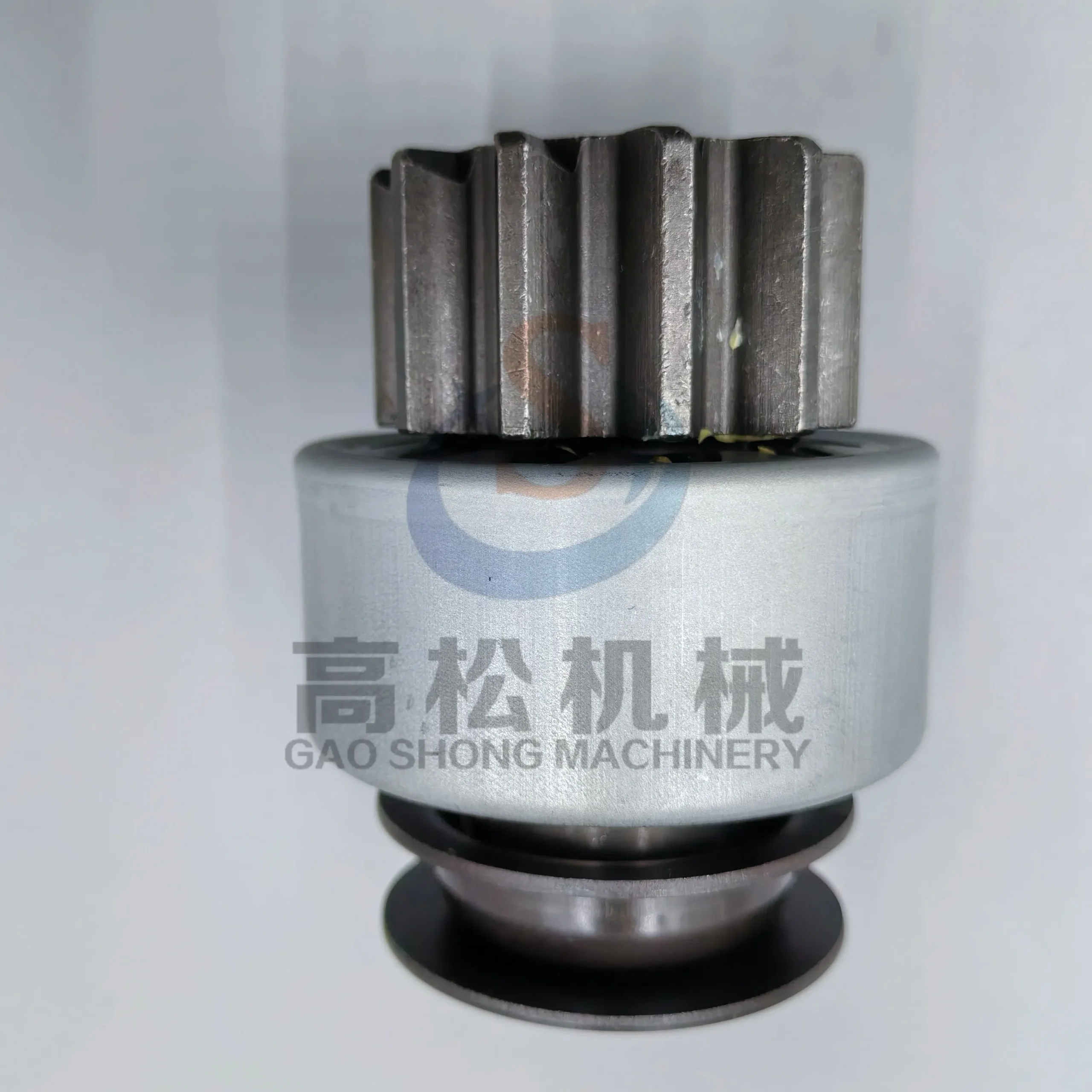 KD0-23500-1024 Komatsu Clutch Assembly
 -
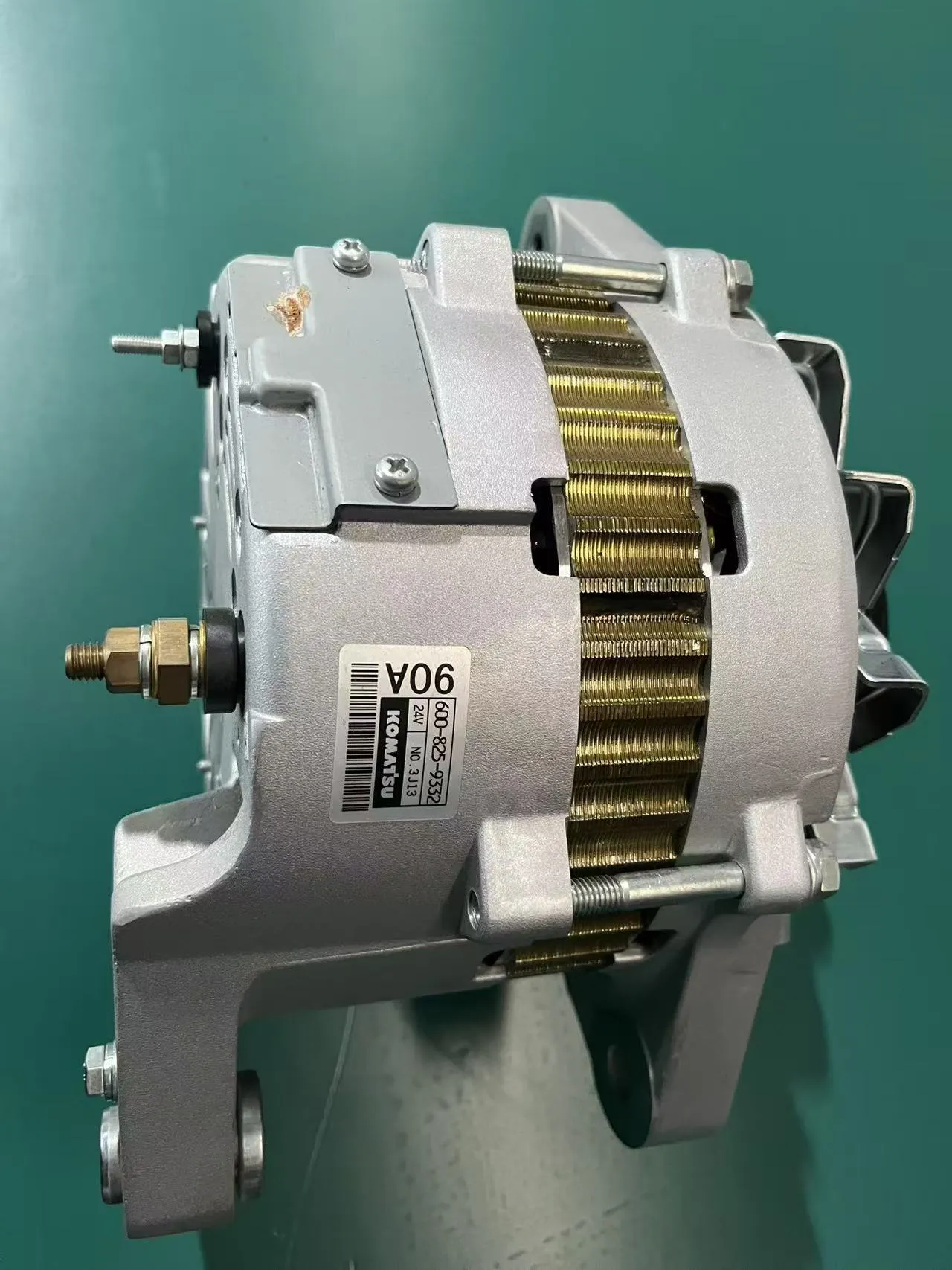 600-825-9332 alternator Generator
 -
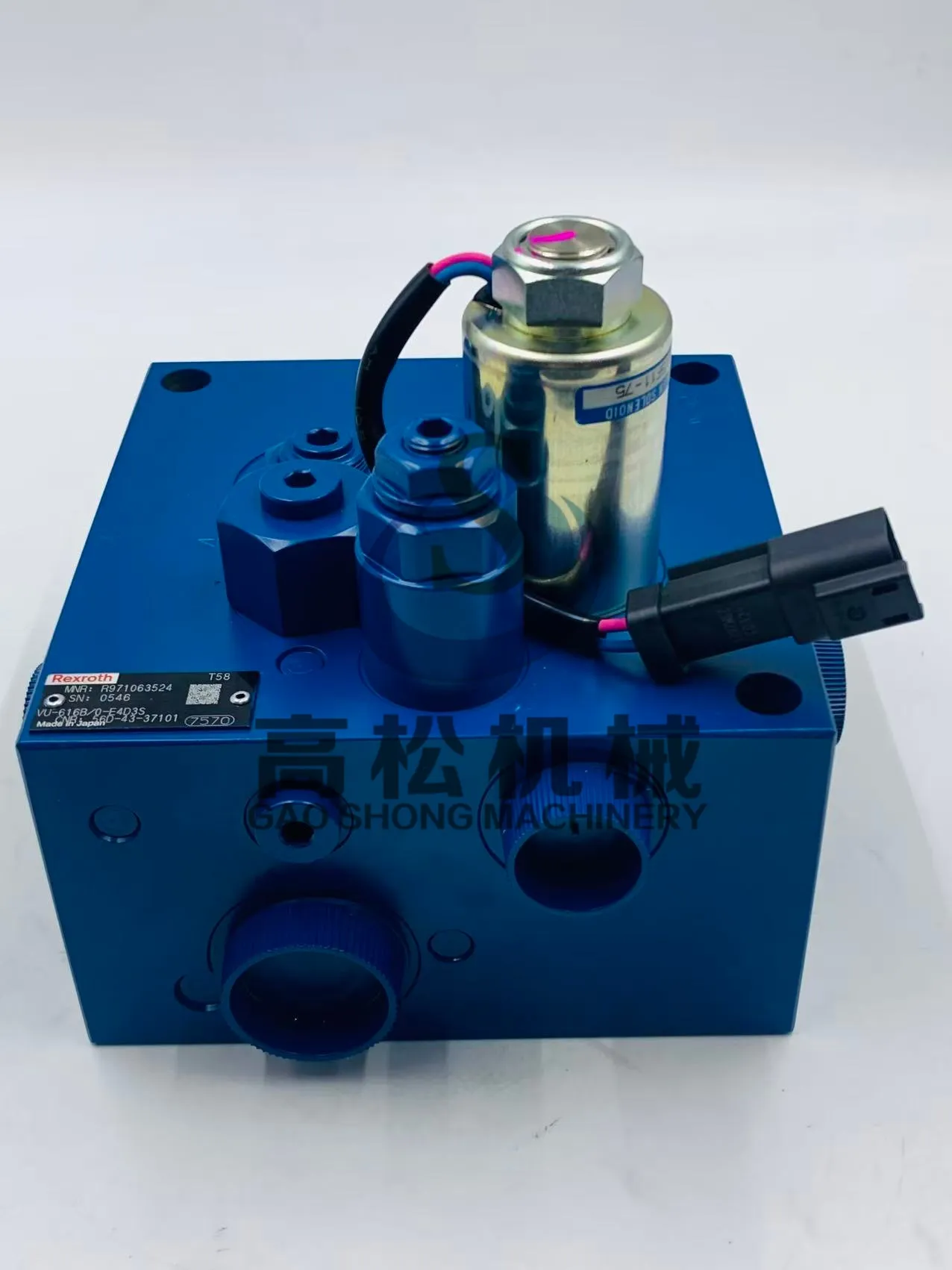 56D-43-37101 Komatsu Valve Assembly