
- Chinese
- French
- German
- Portuguese
- Spanish
- Russian
- Japanese
- Korean
- Arabic
- Irish
- Greek
- Turkish
- Italian
- Danish
- Romanian
- Indonesian
- Czech
- Afrikaans
- Swedish
- Polish
- Basque
- Catalan
- Esperanto
- Hindi
- Lao
- Albanian
- Amharic
- Armenian
- Azerbaijani
- Belarusian
- Bengali
- Bosnian
- Bulgarian
- Cebuano
- Chichewa
- Corsican
- Croatian
- Dutch
- Estonian
- Filipino
- Finnish
- Frisian
- Galician
- Georgian
- Gujarati
- Haitian
- Hausa
- Hawaiian
- Hebrew
- Hmong
- Hungarian
- Icelandic
- Igbo
- Javanese
- Kannada
- Kazakh
- Khmer
- Kurdish
- Kyrgyz
- Latin
- Latvian
- Lithuanian
- Luxembou..
- Macedonian
- Malagasy
- Malay
- Malayalam
- Maltese
- Maori
- Marathi
- Mongolian
- Burmese
- Nepali
- Norwegian
- Pashto
- Persian
- Punjabi
- Serbian
- Sesotho
- Sinhala
- Slovak
- Slovenian
- Somali
- Samoan
- Scots Gaelic
- Shona
- Sindhi
- Sundanese
- Swahili
- Tajik
- Tamil
- Telugu
- Thai
- Ukrainian
- Urdu
- Uzbek
- Vietnamese
- Welsh
- Xhosa
- Yiddish
- Yoruba
- Zulu
- Kinyarwanda
- Tatar
- Oriya
- Turkmen
- Uyghur






komatsu wb140 parts
When you're searching for 'Komatsu WB140 parts', you're not just looking for a part number. You're likely in the middle of a job that's stalled, and the clock is ticking. There's a common misconception that all parts for a machine like the WB140, a real workhorse in its class, are equally available through a single, straightforward channel. The reality on the ground is far more fragmented, especially for older models or machines operating in regions outside Komatsu's primary distribution networks. The supply challenge isn't just about finding a part; it's about finding the right source that balances authenticity, lead time, and cost without compromising the machine's integrity.
The OEM vs. Aftermarket Dilemma for the WB140
Let's get specific. The WB140's final drive, for instance. A genuine Komatsu unit is built to last, but the price and wait time can be prohibitive, especially if you're sourcing from halfway across the world. I've seen operations opt for a local aftermarket version to get running in 48 hours, only to have it fail again in six months under heavy load. The cost savings evaporated quickly. The key is knowing which components absolutely demand OEM quality. Hydraulic pumps, control valves? I'd lean heavily toward genuine or certified Komatsu WB140 parts. Seals, filters, some wear items? A high-quality aftermarket from a trusted supplier can be a perfectly rational choice.
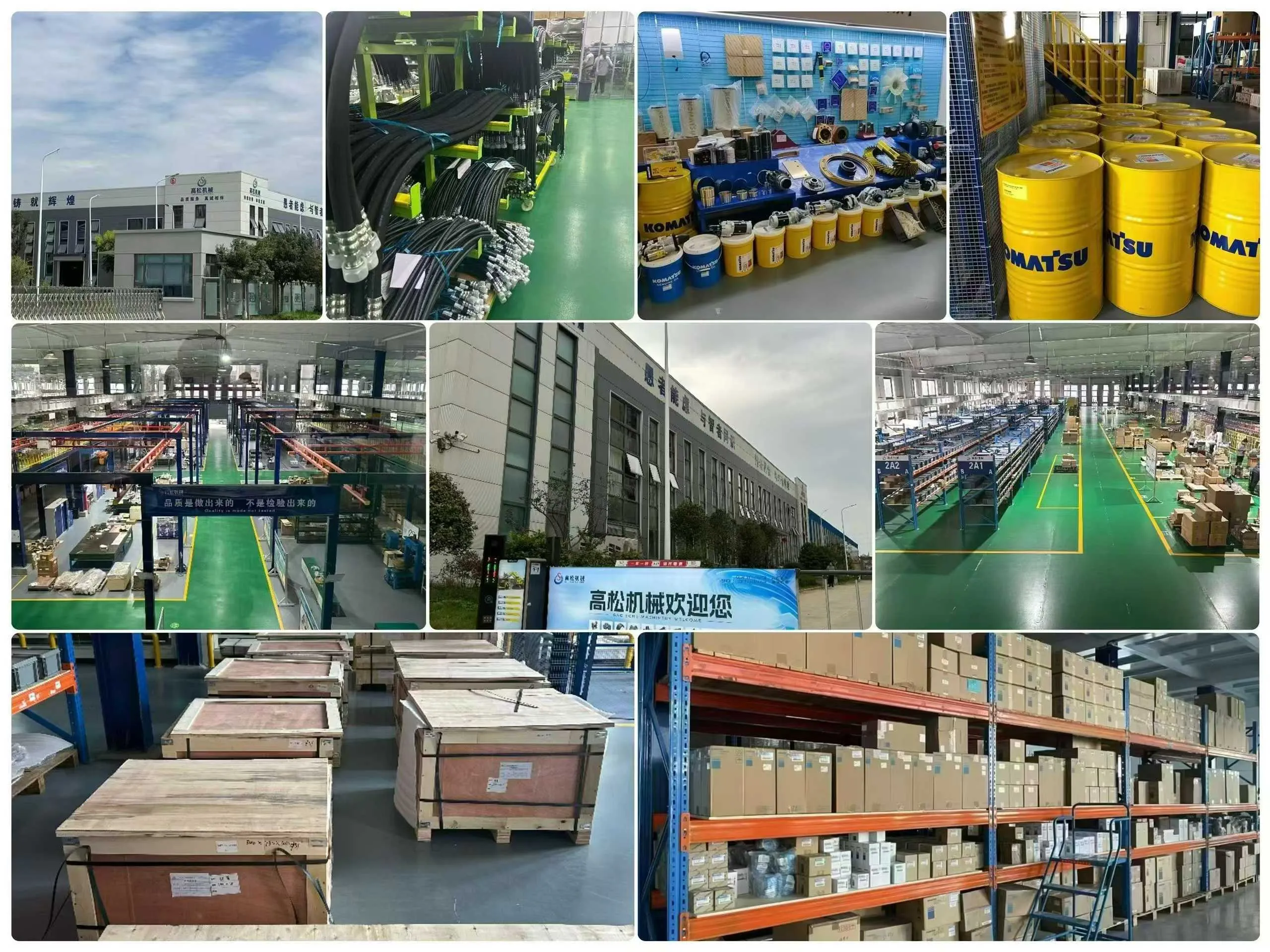
This is where the landscape gets interesting. The official Komatsu system is impeccable but not always agile for every global pocket. This gap has given rise to specialized suppliers who operate within the ecosystem but with more flexibility. I've worked with a company called Jining Gaosong Construction Machinery Co., Ltd. that positions itself precisely in this niche. They are an OEM product supplier within the Komatsu system, which lends a layer of credibility, but they also function as a third-party sales channel. Their stated goal—helping to solve parts supply challenges in certain countries—rings true based on my interactions. It’s not just marketing speak; they often have access to pipelines that are less congested than the main arteries.
For example, sourcing a WB140 parts kit for a swing bearing overhaul. The official quote had a 12-week lead time from Japan. Through a channel like Gaosong's portal at https://www.takematsumachinery.com, we located a compatible OEM-spec kit from a partner factory (with full traceability) that shipped in three weeks. It wasn't the cheapest option, but it wasn't the most expensive either. It was the available option that met our quality threshold. That's the practical value.
Identifying Chronic Failure Points and Sourcing Strategies
Beyond general sourcing, you develop a sense for chronic issues. On the WB140, the pilot control lines for the attachment hydraulics are a frequent culprit for leaks, especially on machines with a lot of auxiliary hammer work. The factory lines are good, but after a decade of vibration, they fatigue. Instead of chasing the exact, often overpriced, factory assembly, we started sourcing the correct metric fittings and having high-pressure hydraulic hoses made locally. The downtime went from days waiting for a shipped part to a few hours. This is the kind of adaptive thinking you need.
Another tricky one is the electronic control module for the later-model WB140-2 machines. This isn't something you gamble on. A faulty aftermarket ECU can cause intermittent, maddening faults that are nearly impossible to diagnose. Here, the value of a supplier with direct ties to the OEM system is clear. They can often source refurbished, tested units with warranties, which is a godsend when a brand-new one is astronomically priced or simply discontinued. It’s about intelligent triage: what can you adapt, and what must you source authentically?
I recall a failed attempt to save money on a complete undercarriage rebuild package. We went with a budget aftermarket supplier for rollers, idlers, and chains. The fit was almost right, but the slight dimensional variances accelerated wear on the sprockets, leading to a premature failure of the entire set within 80% of its expected life. The lesson was expensive: for high-wear, precision-matched assemblies, compromising on the core Komatsu parts specification is false economy. Now, we might mix—genuine Komatsu chains with high-quality aftermarket rollers from a certified foundry, but only after physical inspection and measurement.
The Practicalities of Verification and Logistics
Ordering parts, especially online or from a new supplier, requires a verification ritual. You can't just trust a catalog image. The first thing I do is request actual photos of the part, focusing on casting numbers, machining marks, and packaging. A reputable supplier like the one mentioned earlier will usually provide these without hesitation. If they balk, it's a red flag. For critical components, I’ll ask for a material certification or a test report if it's a rebuilt part like a torque converter.
Logistics is half the battle. In stock can mean in a warehouse on another continent. You need to clarify shipping terms—EXW, FOB, DDP—immediately. A part priced slightly higher with DDP shipping (where the supplier handles all duties and taxes) is often cheaper and infinitely less stressful than a bargain-basement part that gets stuck in customs for three weeks while you're paying operator and site standby costs. Clear communication on this front separates professional suppliers from parts peddlers.
Finally, build a relationship with a few key suppliers. I don't mean just getting on a mailing list. I mean having a direct contact who understands your operational pressures. When you call and say, I need a WB140 travel motor seal kit, and the machine is down in a muddy pit, they know to check the physical shelf, not just the computer inventory, and get you a realistic ETA. This human layer in the supply chain is irreplaceable, turning a transactional part search into a operational partnership.
Concluding Thoughts: Beyond the Search Query
So, 'Komatsu WB140 parts' is really a search for a solution, not just an item. It's a process of diagnosis, triage, and strategic sourcing. The market has layers: the pure OEM, the OEM-affiliated third parties like Jining Gaosong Construction Machinery Co., Ltd., the premium aftermarket, and the generic aftermarket. Your job is to navigate these layers based on the part's criticality, your budget, and your downtime cost.
The goal is never to have the cheapest parts bin, but to have the most reliable machine uptime. Sometimes that means paying the premium for a genuine part air-freighted in. Other times, it means a smart alternative sourced through a flexible, knowledgeable channel. The difference between a costly breakdown and a minor maintenance blip often comes down to the quality and provenance of the WB140 parts you put in it, and the wisdom you use to find them.
It's messy, it's imperfect, and it requires constant judgment calls. There's no one-size-fits-all answer, which is why you can't just rely on a search engine algorithm. You need experience, a network of contacts, and the willingness to dig into the details of each component failure. That's what keeps these machines, and the projects they're on, moving forward.
Related Products
Related Products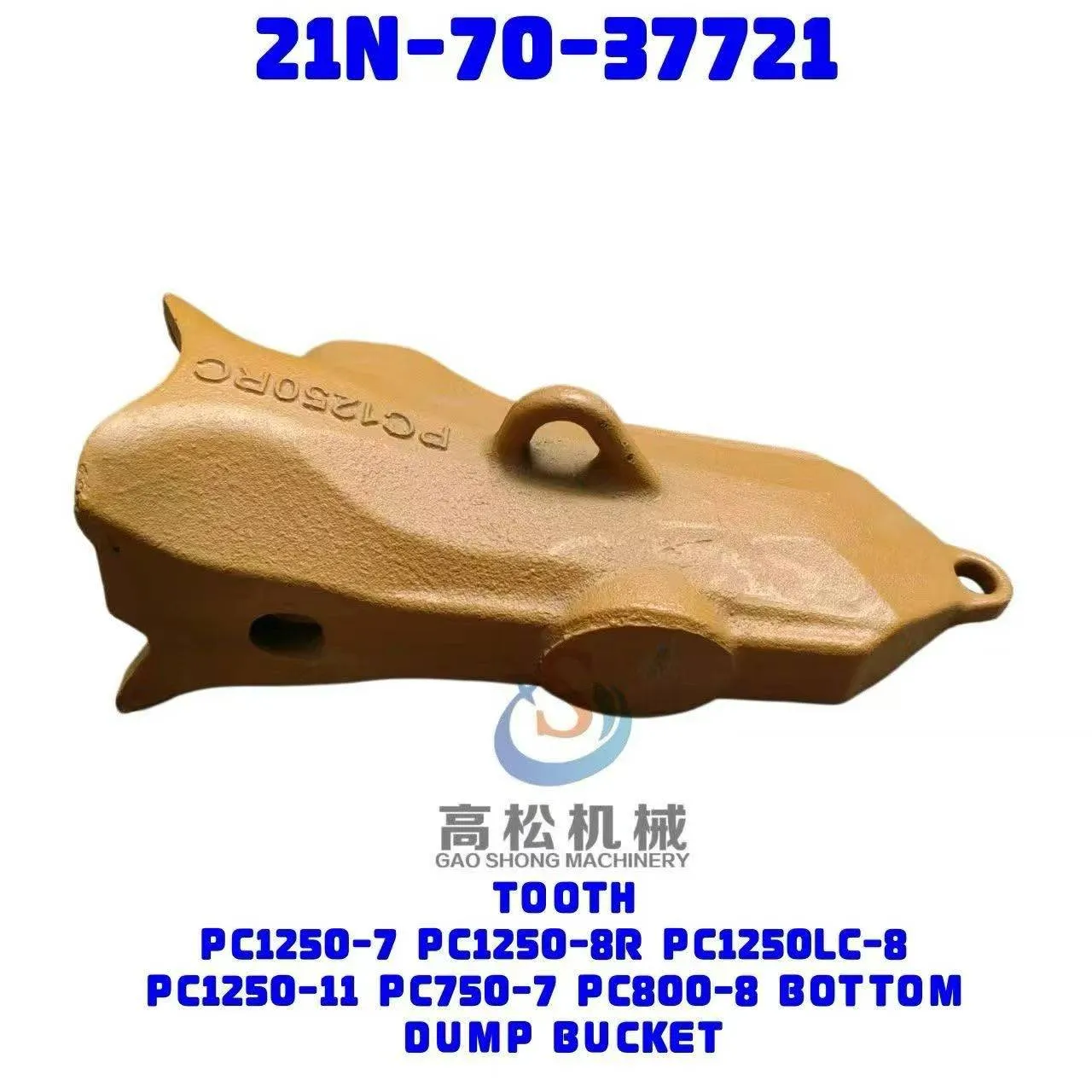
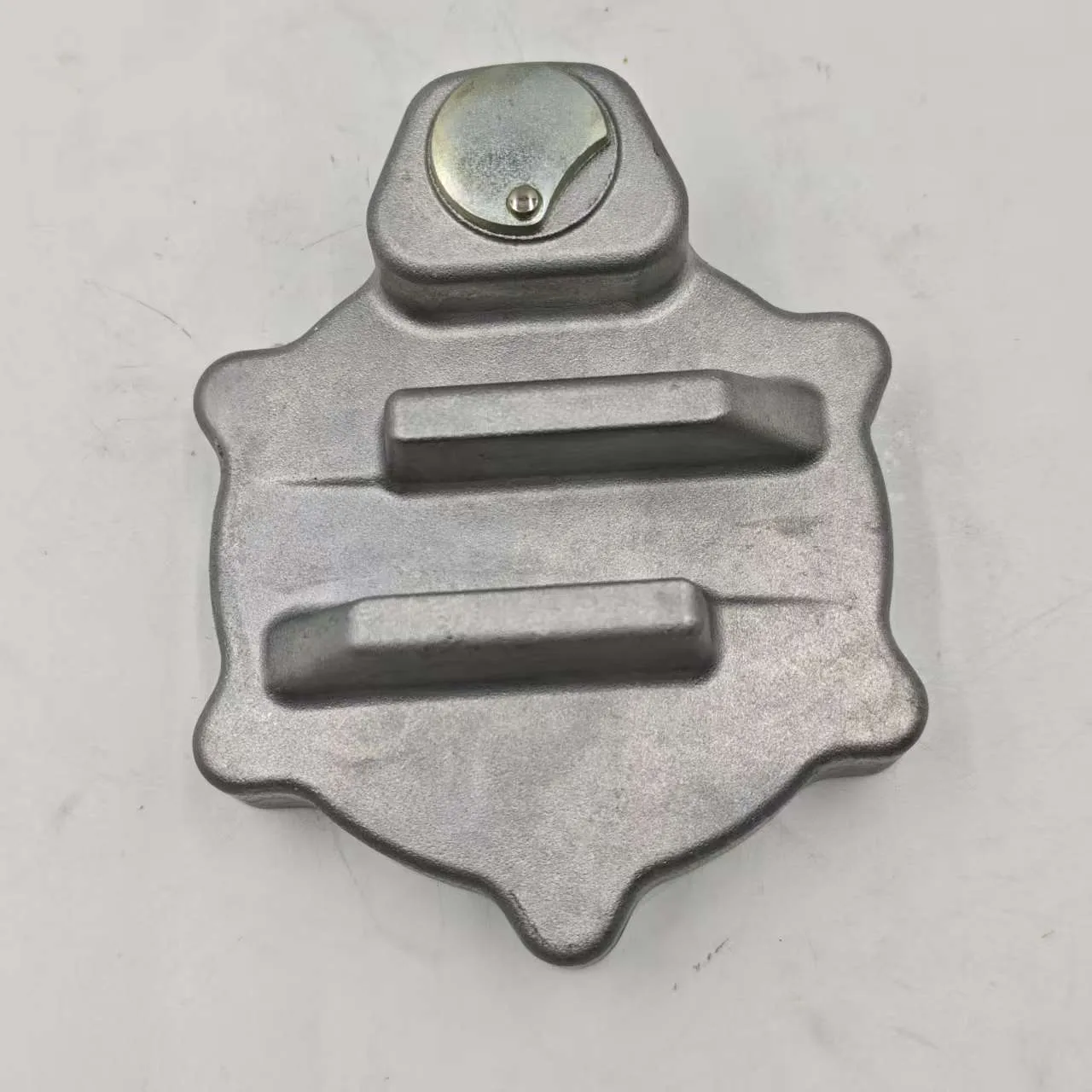
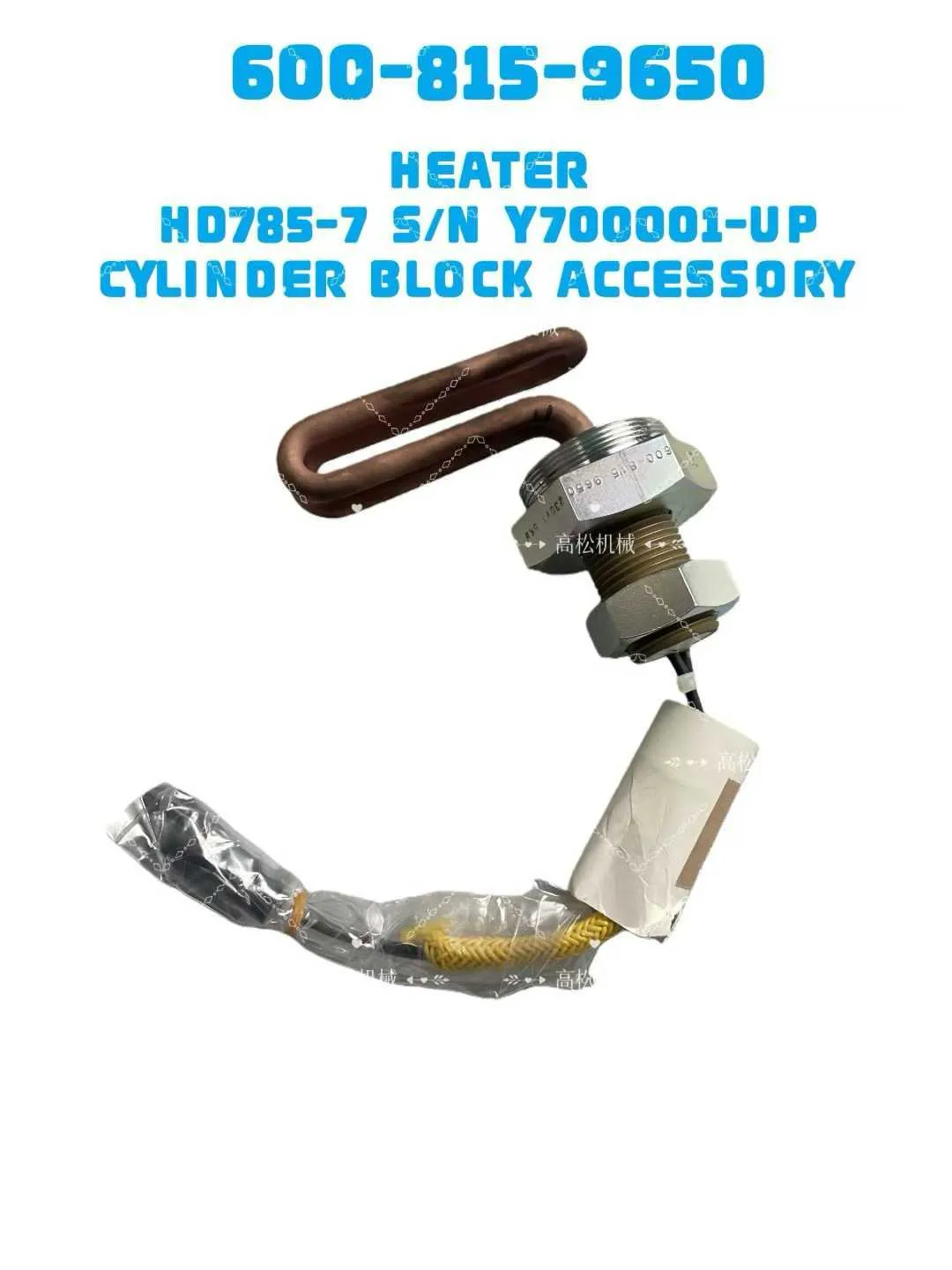

Best Selling Products
Best Selling Products-
 6156-71-1131 6156-71-1132 Fuel Injection Pump Compatible For Komatsu PC450-8 Excavator
 -
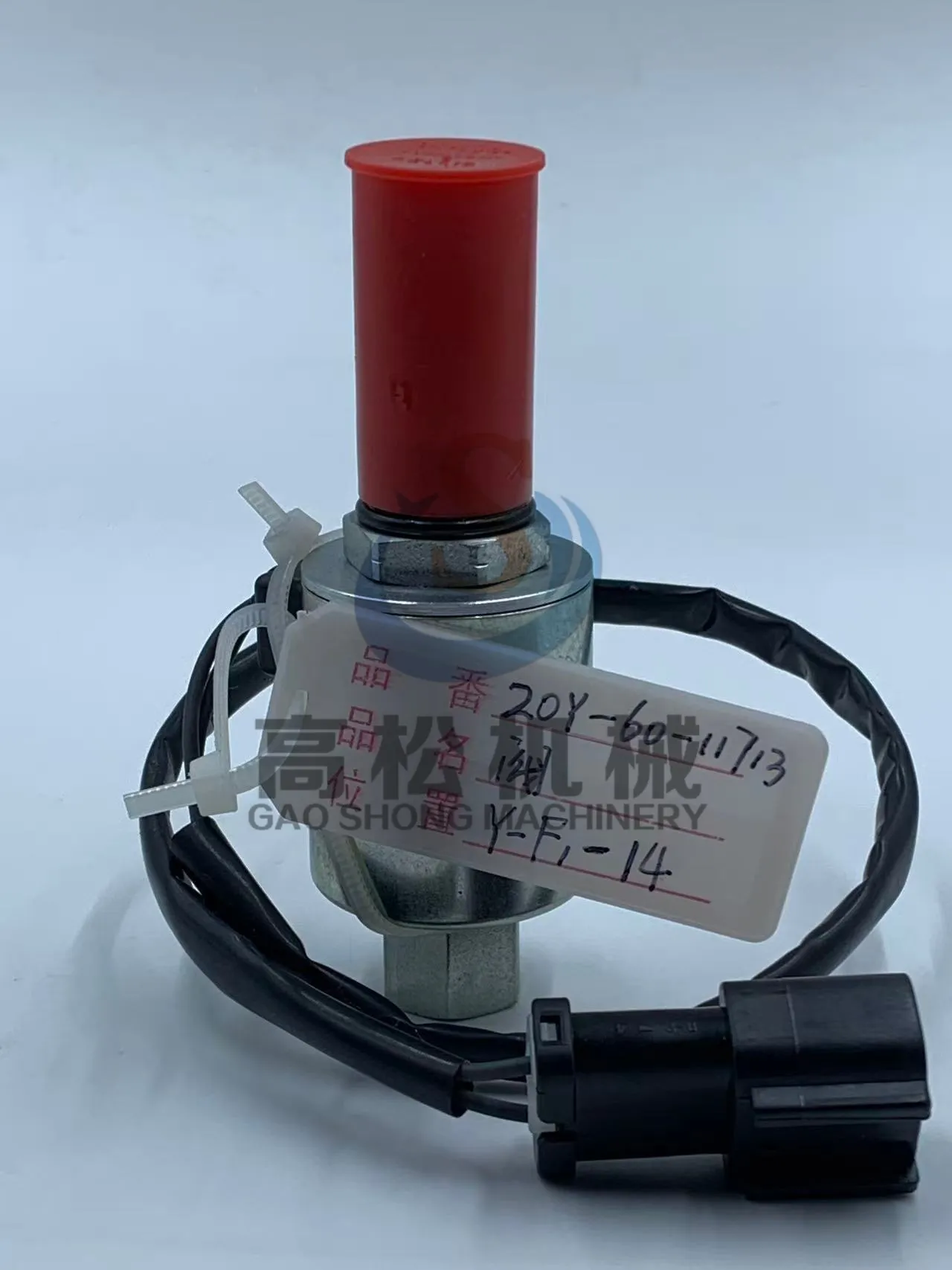 Swing Motor Solenoid Valve 20Y-60-11713
 -
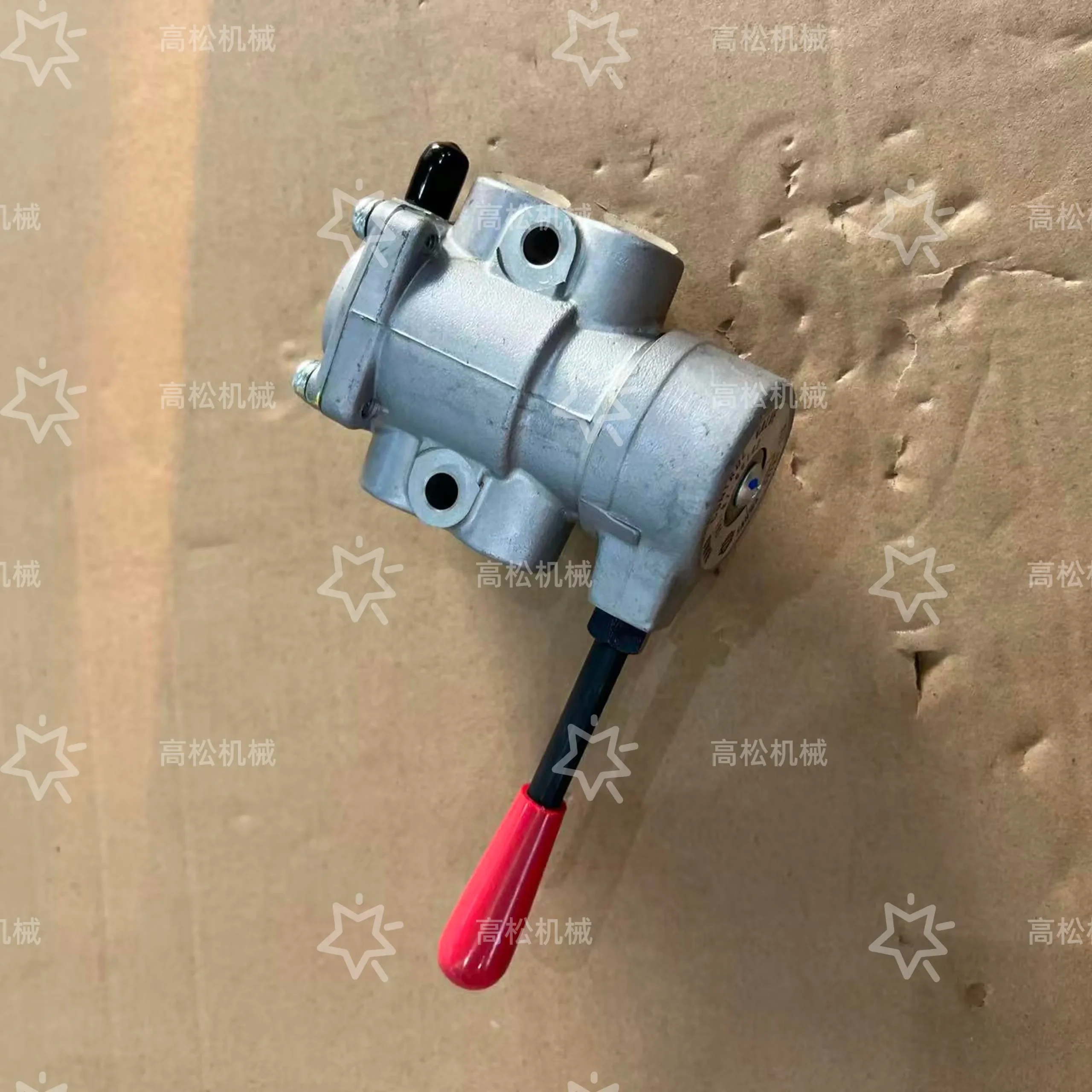 Dump Truck HD605-5 Valve Ass’y, Emergency Brake 561-87-66102 5618766102
 -
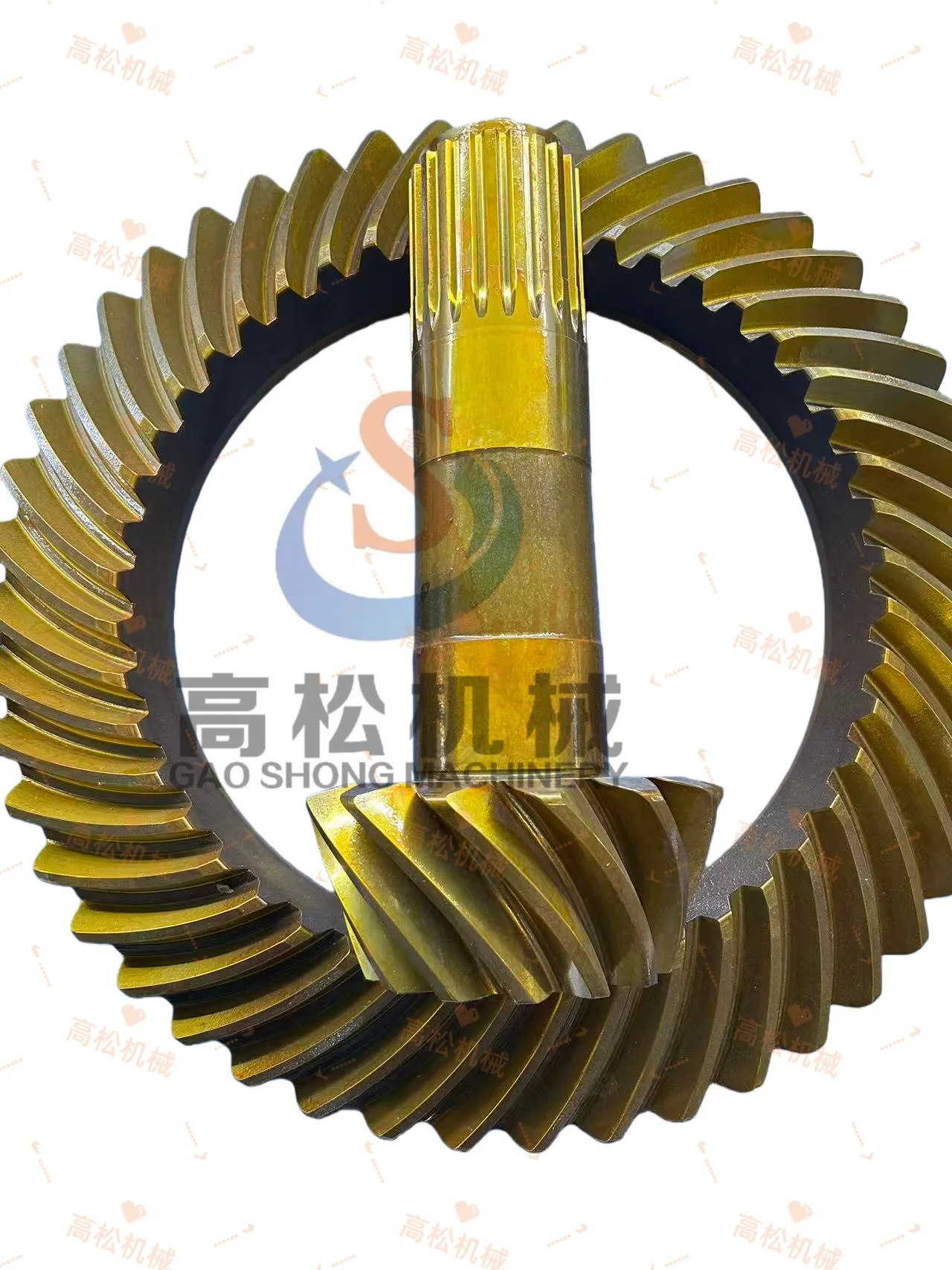 561-22-71207 561-22-71203 PINION GEAR ASS’Y HD785-7 REAR AXLE
 -
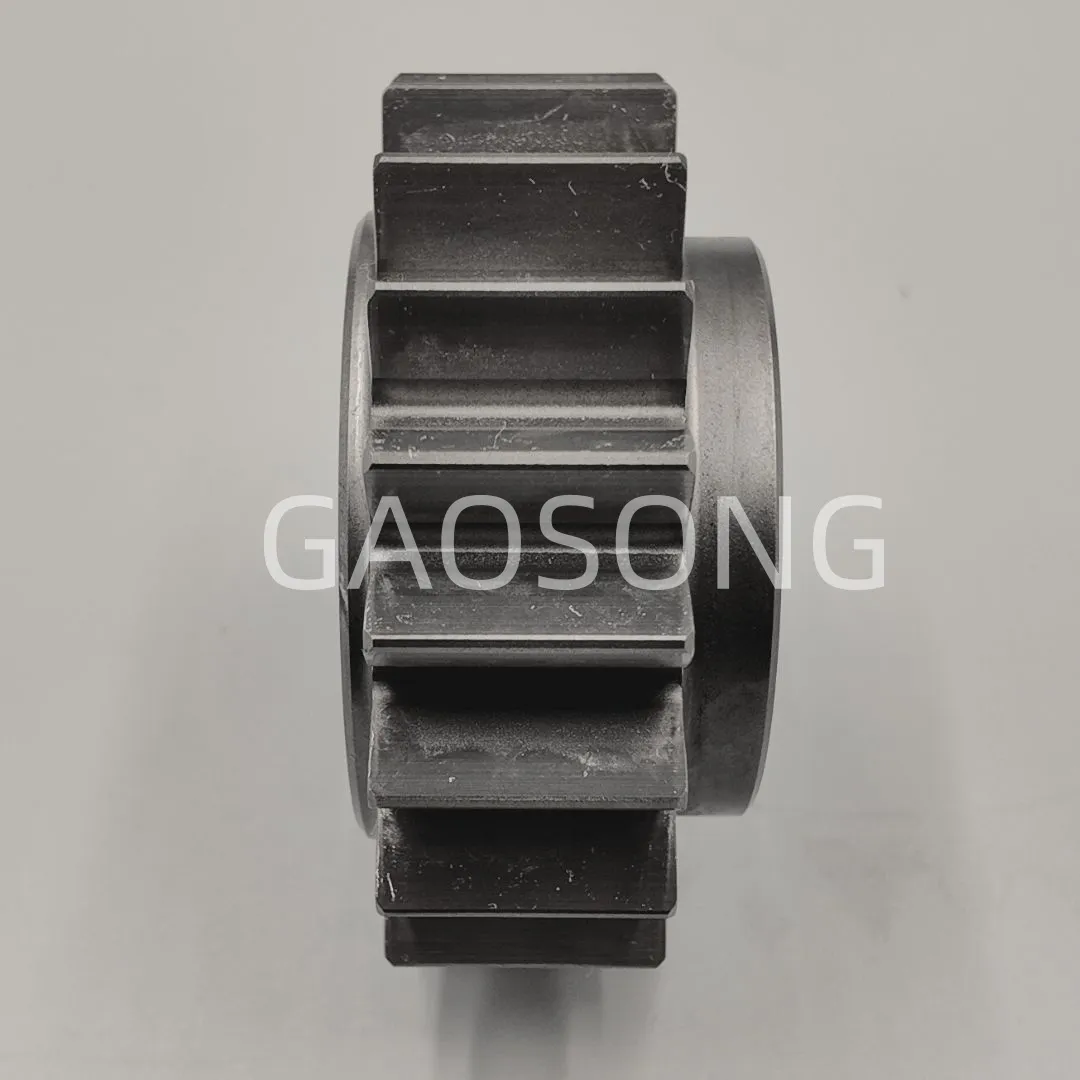 207-26-71510 Gear–Komatsu Original Factory
 -
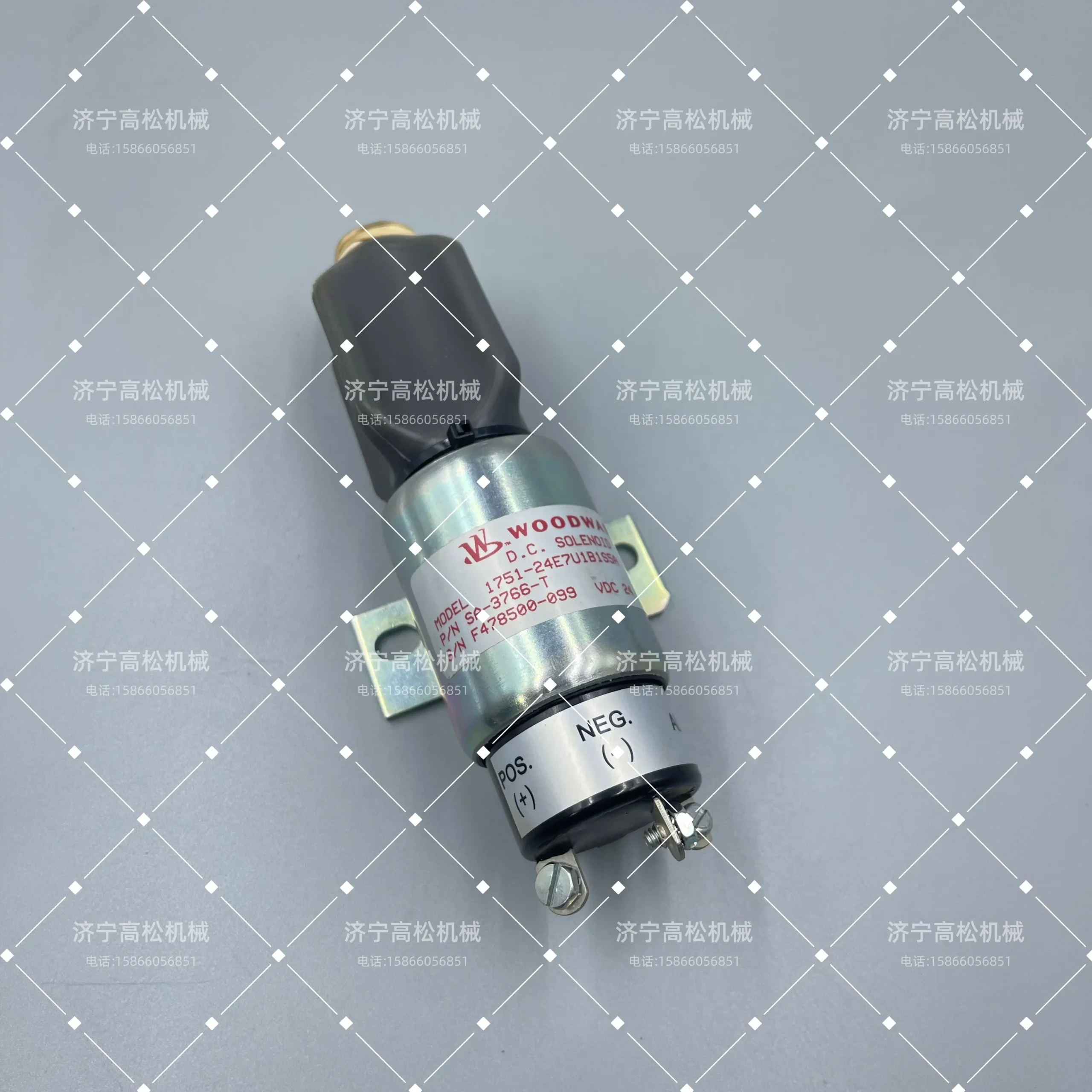 Solenoid Valve 600-815-7550 For Komatsu D41pf-6, High Quality…
 -
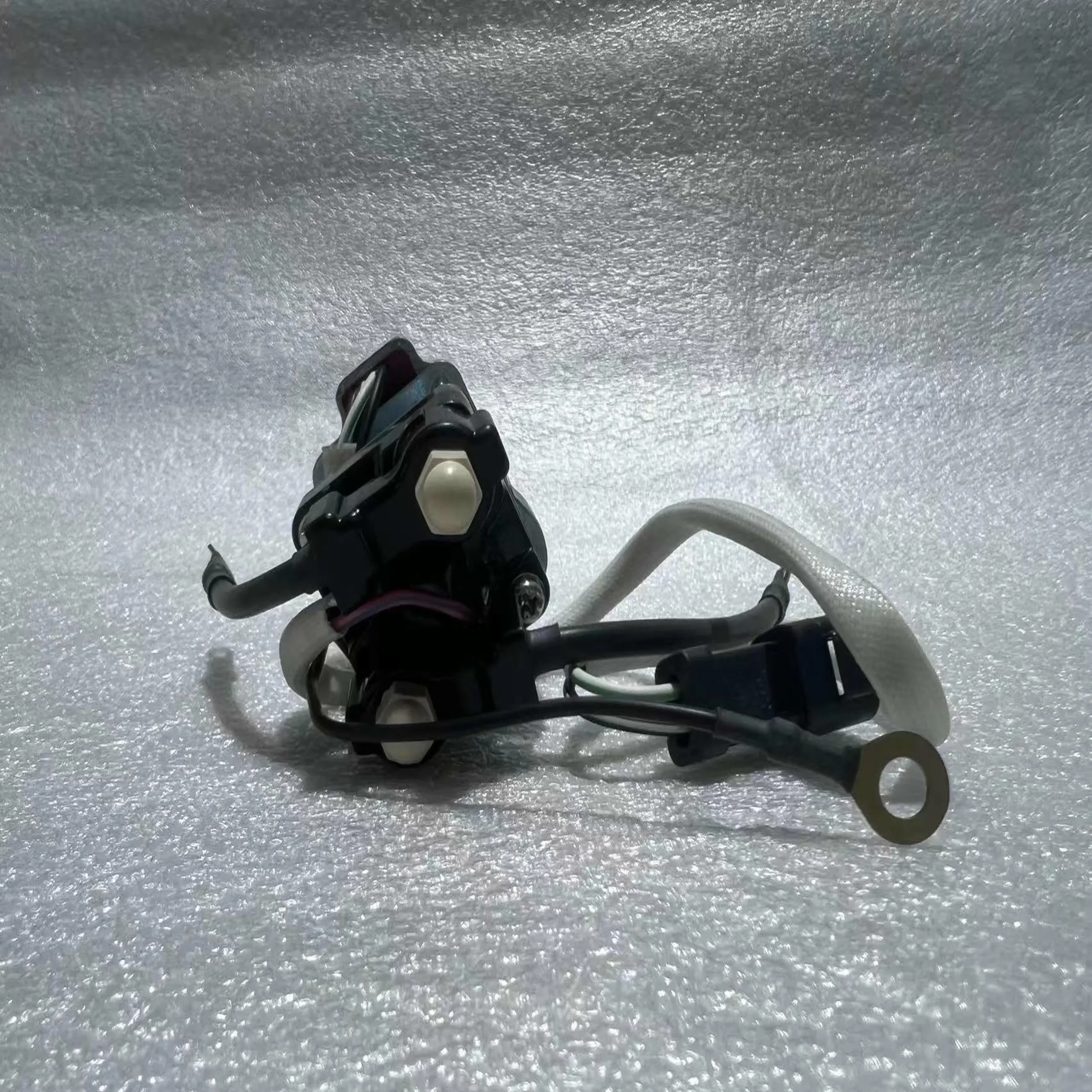 SWITCH ASSEMBLY KD0-25000-8332 – KOMATSUD61EX, D61PX, HM300, HM350, HM400, PC300, PC300HD, PC300LL, PC350LL, PC360, PC400, PC450, PC490, S6D125E, SA6D114E, SA6D125E, SA6D140E, SAA12V140E, SAA6D114E, SAA6D125E, SAA6D140E
 -
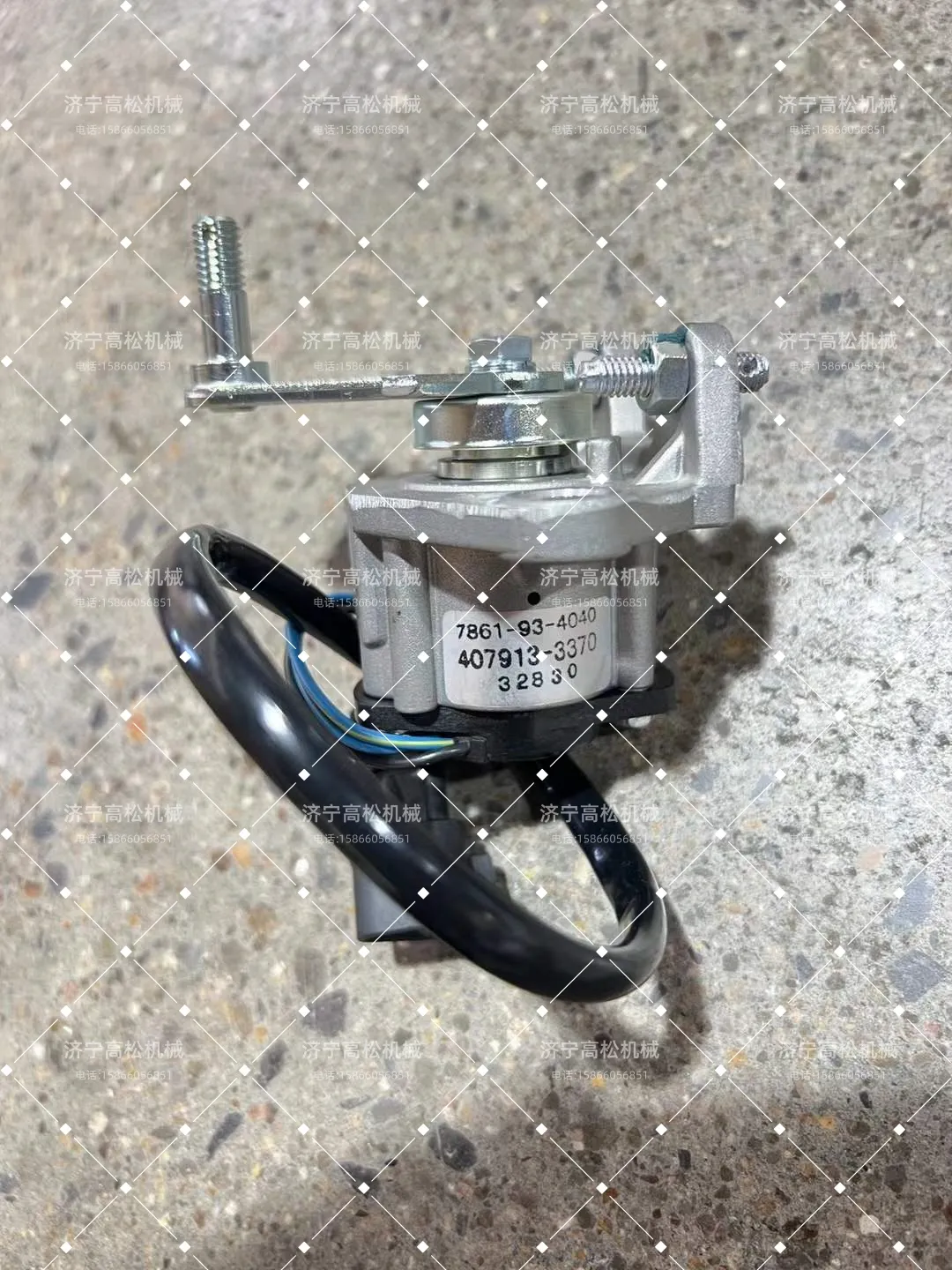 Bulldozer D275 D375 Sensor 7861-93-4040| Alibaba.com
 -
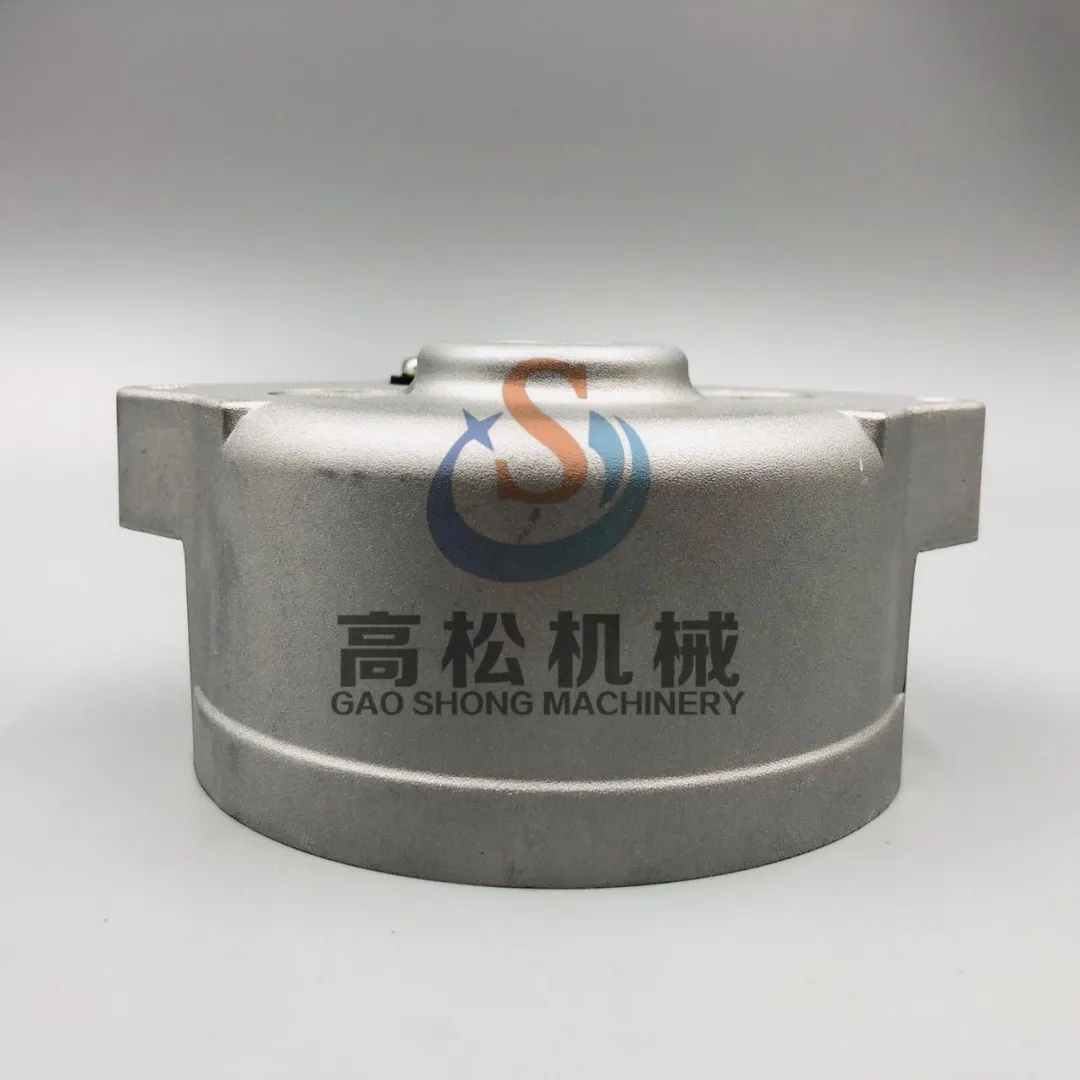 Komatsu KD0-23700-0130 Bracket
 -
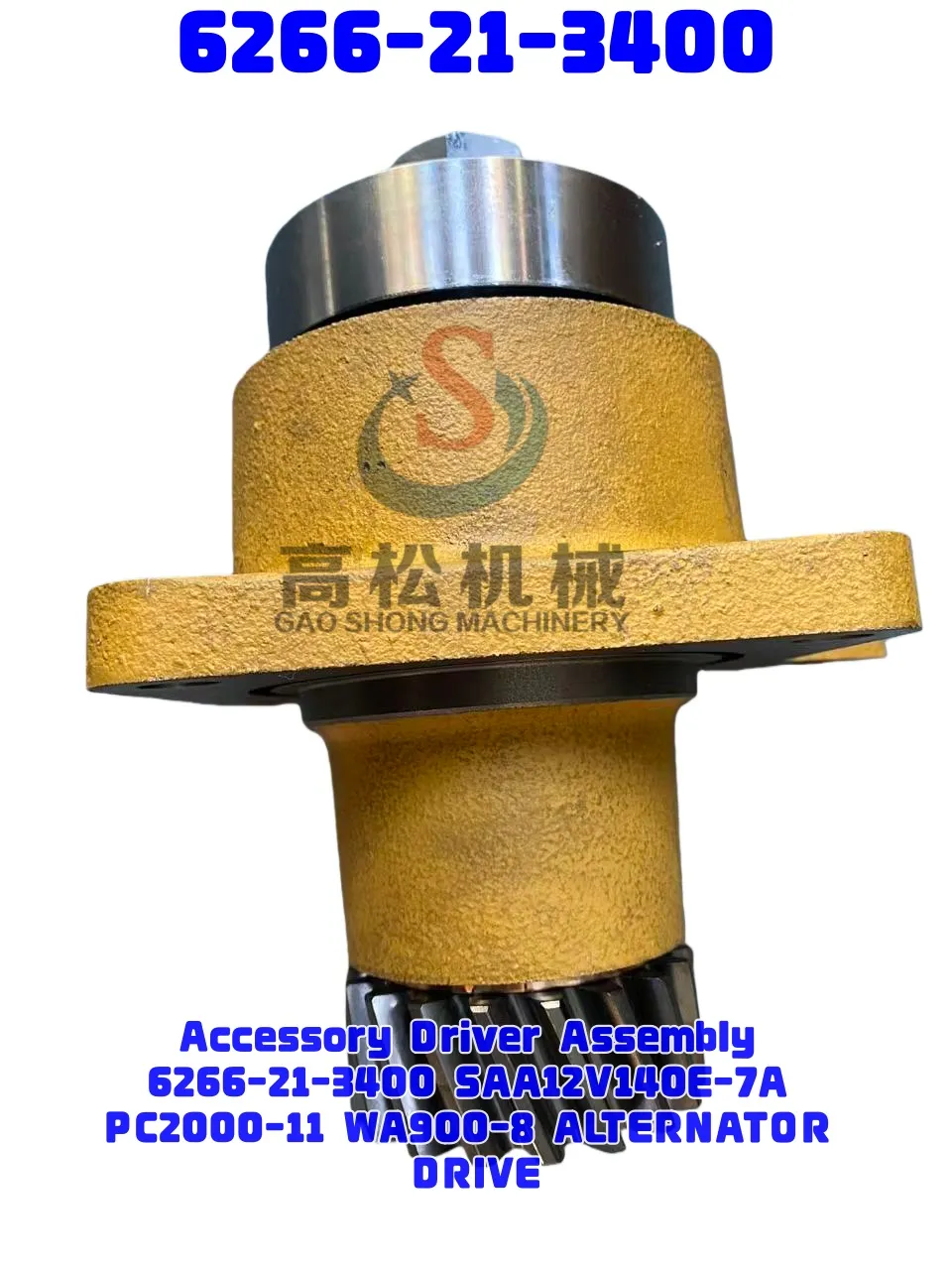 Accessory Driver Assembly 6266-21-3400 SAA12V140E-7A PC2000-11 WA900-8 ALTERNATOR DRIVE
 -
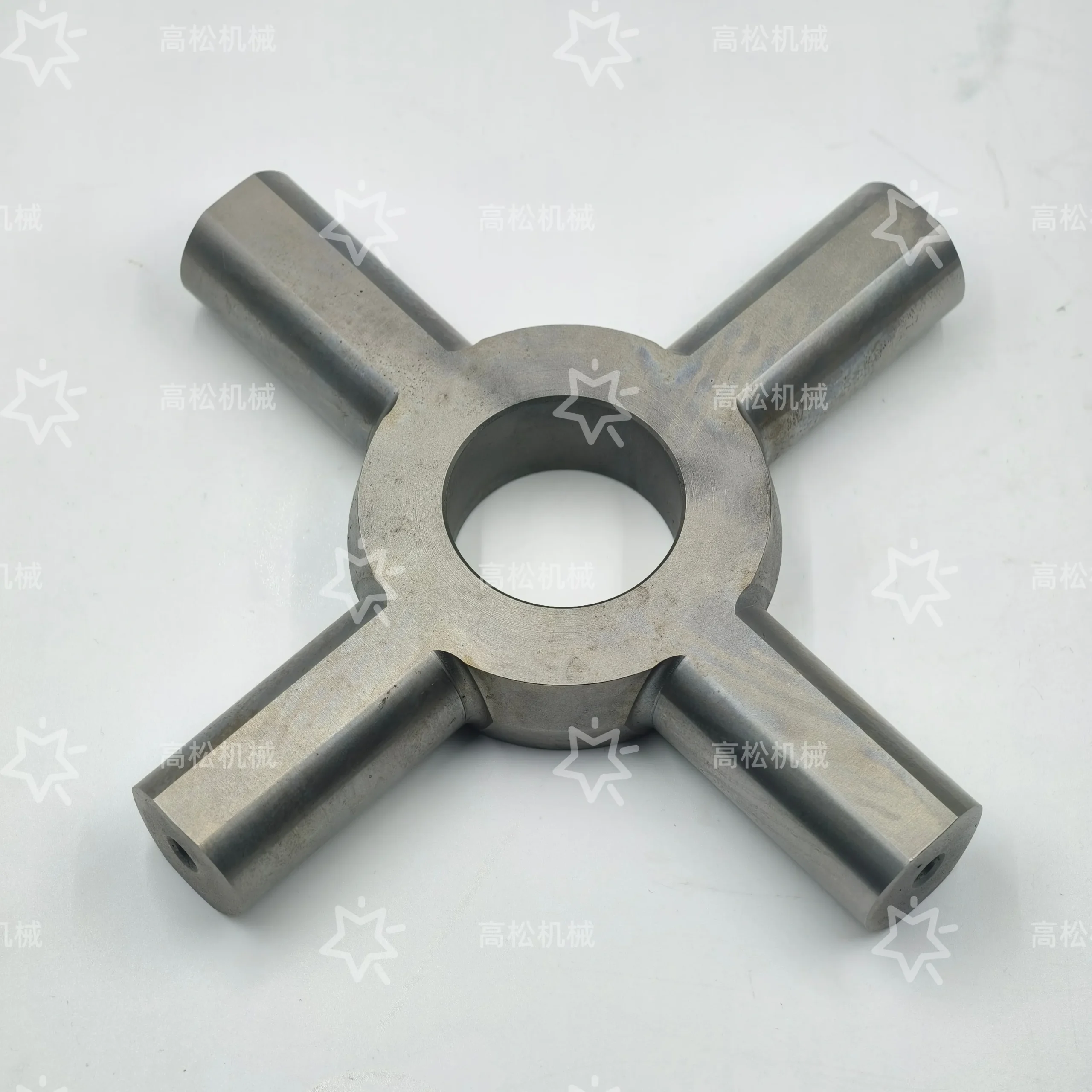 SHAFT 421-22-11440 for Komatsu WA300-3 WA320-3 WA380-3 WA430-3 WA470-3 WA450-3
 -
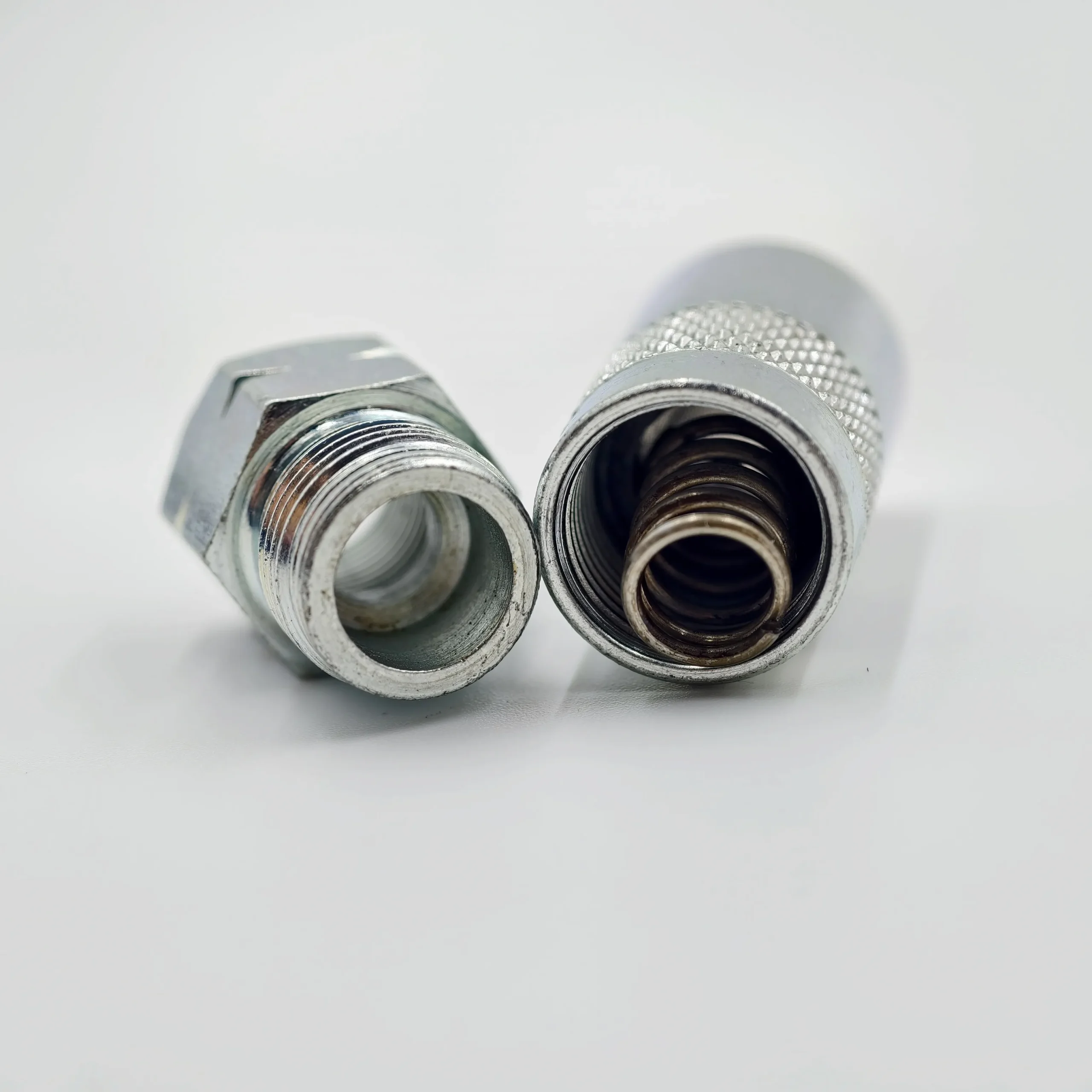 209-68-11640• COUPLER ASS’Y-Komatsu Original Factory