
- Chinese
- French
- German
- Portuguese
- Spanish
- Russian
- Japanese
- Korean
- Arabic
- Irish
- Greek
- Turkish
- Italian
- Danish
- Romanian
- Indonesian
- Czech
- Afrikaans
- Swedish
- Polish
- Basque
- Catalan
- Esperanto
- Hindi
- Lao
- Albanian
- Amharic
- Armenian
- Azerbaijani
- Belarusian
- Bengali
- Bosnian
- Bulgarian
- Cebuano
- Chichewa
- Corsican
- Croatian
- Dutch
- Estonian
- Filipino
- Finnish
- Frisian
- Galician
- Georgian
- Gujarati
- Haitian
- Hausa
- Hawaiian
- Hebrew
- Hmong
- Hungarian
- Icelandic
- Igbo
- Javanese
- Kannada
- Kazakh
- Khmer
- Kurdish
- Kyrgyz
- Latin
- Latvian
- Lithuanian
- Luxembou..
- Macedonian
- Malagasy
- Malay
- Malayalam
- Maltese
- Maori
- Marathi
- Mongolian
- Burmese
- Nepali
- Norwegian
- Pashto
- Persian
- Punjabi
- Serbian
- Sesotho
- Sinhala
- Slovak
- Slovenian
- Somali
- Samoan
- Scots Gaelic
- Shona
- Sindhi
- Sundanese
- Swahili
- Tajik
- Tamil
- Telugu
- Thai
- Ukrainian
- Urdu
- Uzbek
- Vietnamese
- Welsh
- Xhosa
- Yiddish
- Yoruba
- Zulu
- Kinyarwanda
- Tatar
- Oriya
- Turkmen
- Uyghur






komatsu wb140 engine
When you hear 'Komatsu WB140 engine', most folks immediately jump to the S6D102 or S6D105 model numbers. That's the textbook answer. But on the ground, that's just the starting point. The real story isn't in the parts catalog; it's in the oil pan sludge, the specific torque curve for the hydraulic pump drive, and the way a particular batch of fuel injector nozzles from the early 2000s had a habit of wearing just a micron too fast. If you're just ordering parts by the book, you're probably fixing symptoms, not the machine.
The Core: It's a System, Not Just a Block
The heart of the WB140, whether in the backhoe or the wheel loader variant, is that inline-six. Dependable, yes, but its true performance is dictated by its marriage to the Komatsu TORQFLOW transmission. You can't talk about the engine in isolation. I've seen mechanics chase phantom power loss issues for weeks, swapping out turbos and pumps, only to find the fault was in the transmission's modulator valve bleeding off pressure, making the engine lug unnecessarily. The Komatsu WB140 engine is tuned to work within a very specific load and RPM band for that machine. Drop a perfectly good replacement from a different model in without recalibrating the pump settings, and you'll burn 15% more fuel without gaining an ounce of useful power.
Cooling is another classic oversight. The factory radiator is sized for a clean core and a specific ambient temp. Add a few years of dust compaction, a secondary hydraulic cooler for an aftermarket attachment, and you're flirting with chronic overheating in a desert climate. The fix isn't always a bigger radiator; sometimes it's just rerouting airflow or changing the fan clutch engagement point. We learned this the hard way on a fleet in Australia, where three machines kept tripping sensors until we stopped fighting the spec sheet and started observing the actual air flow.
Then there's the fuel system. The denso pumps on these are robust, but they're sensitive to poor filtration. A common mistake is using a generic fuel filter that meets the micron rating but doesn't have the correct flow rate or water separation efficiency. The result is a slight, almost imperceptible drop in injection pressure over time. The machine doesn't fail outright; it just becomes a dog on slopes and burns dirtier. You need to trace the problem back through the entire system, not just the engine bay.
Parts Pitfalls and the OEM-Plus Reality
This is where the rubber meets the road, and where companies like Jining Gaosong Construction Machinery Co., Ltd. come into the picture. As an OEM product supplier within the Komatsu system, they see the gap between factory-perfect and field-necessary. The official Komatsu network is impeccable for genuine parts, but supply chains can break, especially in remote regions or for older models like some WB140s. That's the challenge their site, https://www.takematsumachinery.com, aims to solve.
I recall a project in West Africa where a WB140's cylinder head cracked. The official lead time for a genuine head was 12 weeks. The machine was critical for site drainage. We sourced a pattern head from a reputable third-party manufacturer—a path Jining Gaosong often facilitates as a third-party sales company for Komatsu. But here's the critical bit: the head alone wasn't the solution. We had to match it with the correct head gasket thickness from the original OEM range to maintain compression ratio, and we had to re-use the original, inspected camshaft and followers because the new head's cam journals had a slightly different finish. A pure non-OEM swap would have led to premature wear. Their role isn't just about selling an alternative part; it's about providing the technical context to make it work.
The value of a supplier that understands both the OEM blueprint and the aftermarket landscape is in this nuanced support. They're not just a warehouse; they help you navigate the compromise. For instance, for the Komatsu WB140 engine, a high-quality aftermarket turbocharger might be a viable, cost-effective fix, but you must insist on one that replicates the original's wastegate actuator spring pressure exactly. A few PSI off, and the entire fueling map is out of sync. A knowledgeable supplier will know that detail and flag it.
Failures That Teach You More Than Manuals
You never really learn from a perfect rebuild. You learn from the one that smoked on first start-up. One painful lesson involved a full overhaul where we replaced every bearing, ring, and seal. We followed the manual to the letter. On start-up, blue smoke poured out. Panic. After tearing half of it down again, we found the issue: the new valve stem seals, while OEM-equivalent, had a slightly different polymer composition. They didn't seat correctly in the African heat during installation, and one had rolled. The lesson? Even with perfect torque specs and clean rooms, component pedigree and subtle material differences matter immensely for the Komatsu WB140 engine. Sometimes, the genuine Komatsu seal, even at triple the cost, is the only part that will work because its material was formulated for that exact application.
Another common, subtle failure point is the vibration damper on the front of the crankshaft. It doesn't fail often, but when it does, it's catastrophic. The rubber bonding degrades over 10,000+ hours. I've seen one let go, allowing torsional vibrations to crack the crank. The symptom beforehand? A faint, rhythmic knock at certain RPMs that everyone dismissed as normal diesel noise. Now, during any major service, we check the damper for any outer ring slippage with a simple paint mark. It's a five-minute check that can save a $20,000 engine.
Electrical gremlins on these older mechanical engines are usually straightforward, but the alternator and starter are wear items. The mistake is buying based on amperage and bolt pattern alone. The starter's pinion gear tooth profile and engagement timing are critical. A mismatched starter can sound like it's engaging but can grind the flywheel ring gear over time. It's a slow-motion failure you won't notice until you're stranded.
Operational Longevity: It's in the Operator's Hands
The Komatsu WB140 engine can run 20,000 hours if treated right. The biggest factor isn't the oil change interval; it's the warm-up and cool-down cycle. An operator who hits full throttle on a cold engine is doing more damage in a minute than 50 hours of normal work. We started installing simple coolant temp gauges with a green operate zone in the cab. No tech, just a visual cue. It cut cold-start wear dramatically.
Hydraulic load management is equally crucial. These engines are designed for intermittent high load. An operator who constantly digs to the stops and stalls the hydraulics is shock-loading the drivetrain and causing the engine to lug. Training them to work with the machine's power curve, not against it, is the cheapest longevity upgrade you can make. You can hear a good operator; the engine RPM sounds steady, with a smooth rise and fall, not wild fluctuations.
Finally, the most overlooked item: the exhaust manifold. It develops hairline cracks, usually between cylinders 3 and 4. This causes a loss of turbo spool at low RPM and a slight hiss. Many mistake it for a turbo issue. A careful listen with a mechanic's stethoscope or an infrared temp gun showing a cold spot on the manifold gives it away. It's a cheap part, but a pain to replace—worth catching early.
The Bottom Line: Context is King
So, the Komatsu WB140 engine isn't a commodity. It's a well-engineered component that exists in a specific ecosystem of hydraulics, transmission, operator habit, and environmental stress. Success with it comes from respecting that ecosystem. You need the right parts, yes, but more importantly, you need the right knowledge about how they interact.
This is why the model of a supplier that bridges the OEM and quality aftermarket worlds, like the one described by Jining Gaosong, is so relevant. They're not just filling an order; they're helping solve parts supply challenges by providing options with the necessary technical caveats. In the field, that practical, problem-solving support is often more valuable than a shiny new part in a box.
In the end, keeping a WB140 running isn't about heroic rebuilds. It's about the mundane, attentive practices: listening to the engine, understanding its dependencies, and sourcing parts with a critical eye on fit, form, and—most elusive—function. The manual gives you the outline, but the dirt under your nails fills in the details.
Related Products
Related Products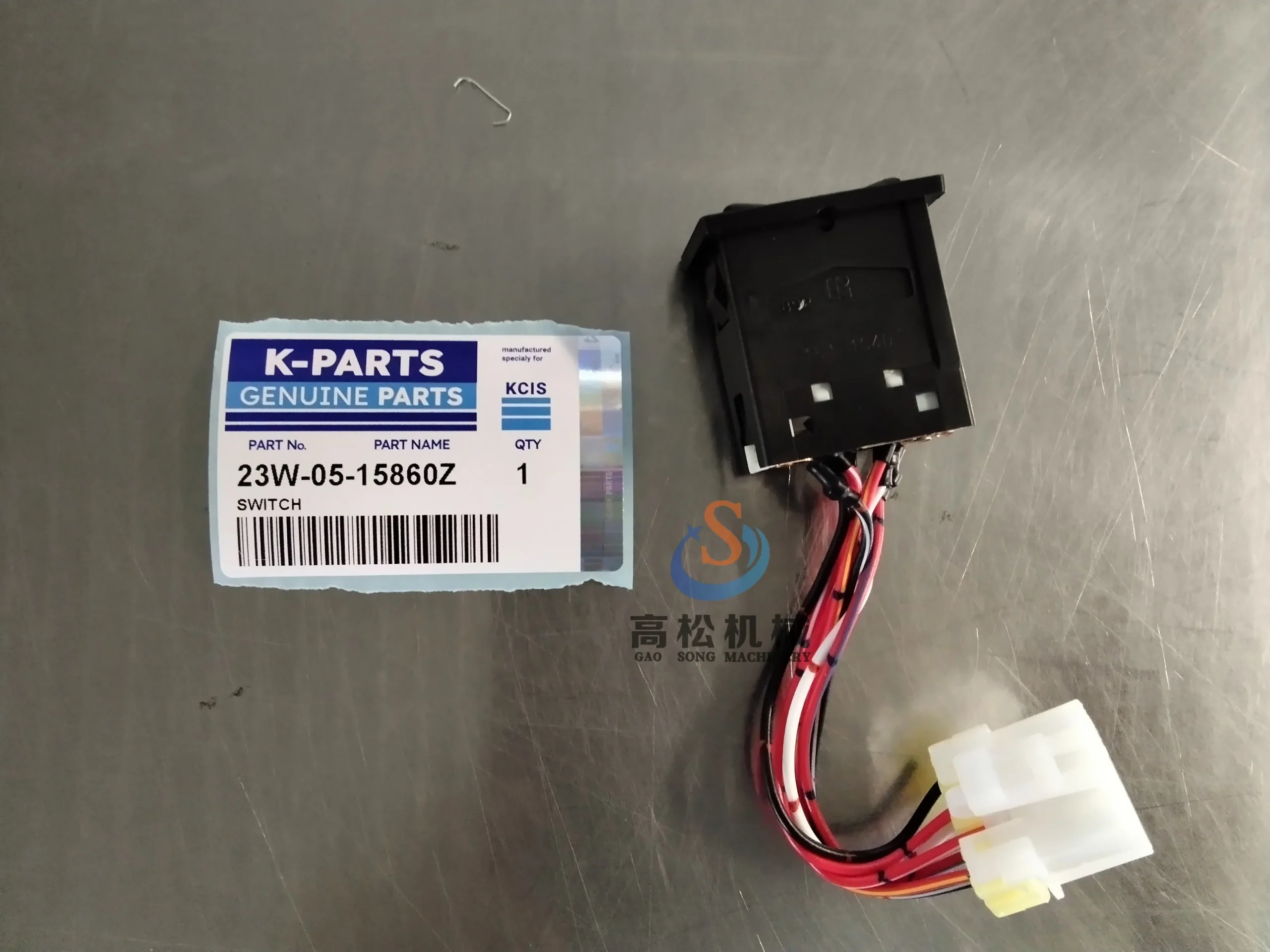
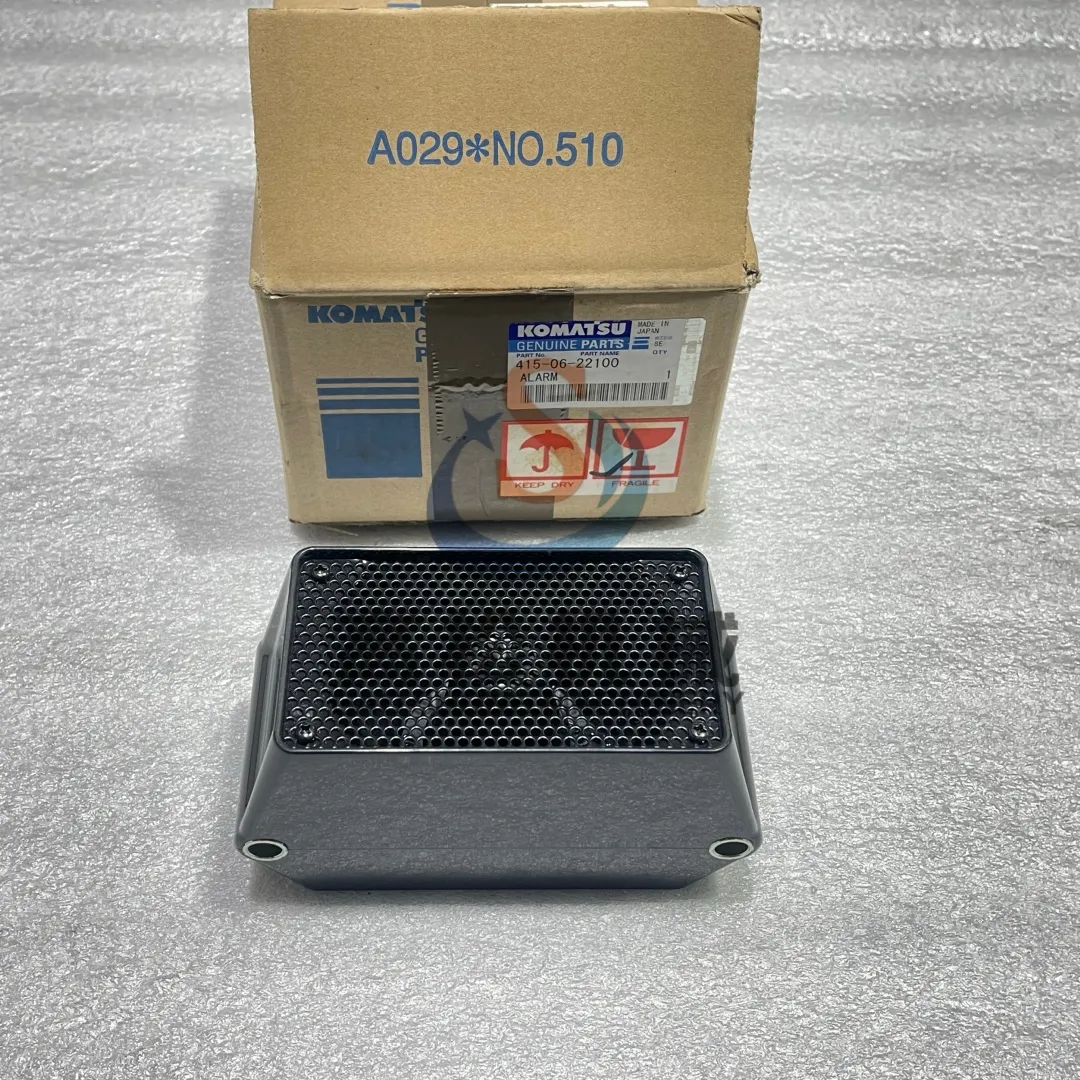
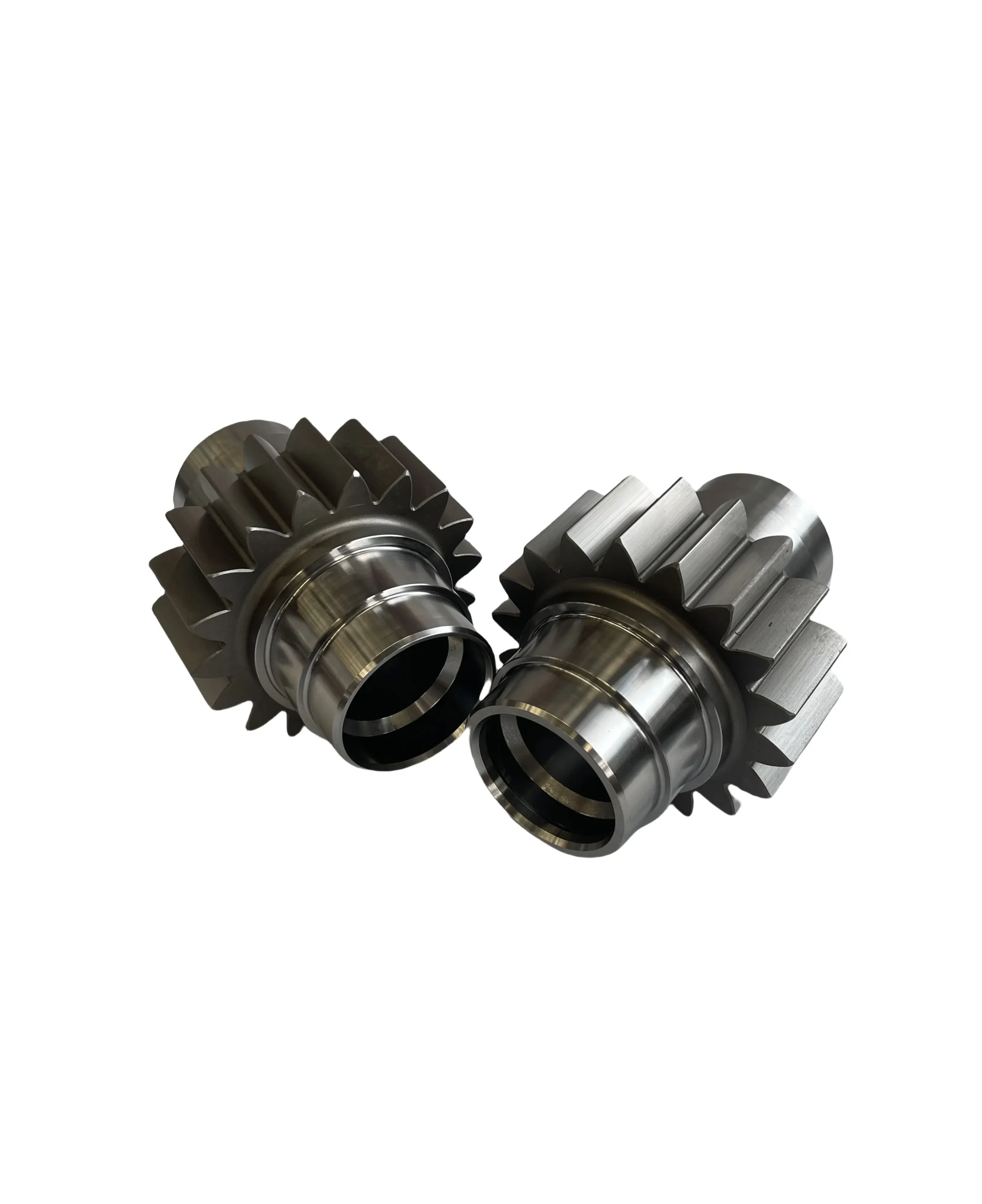
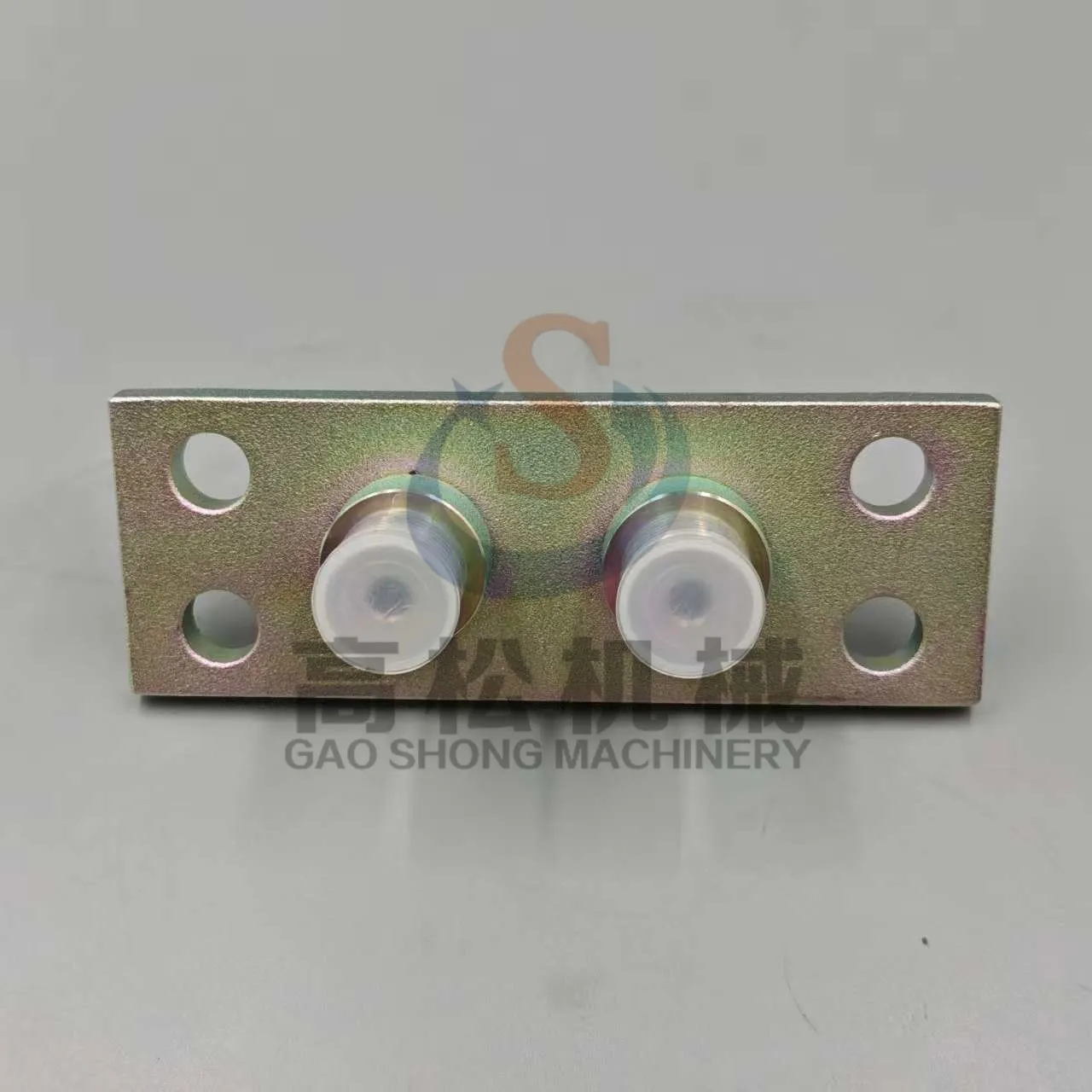

Best Selling Products
Best Selling Products-
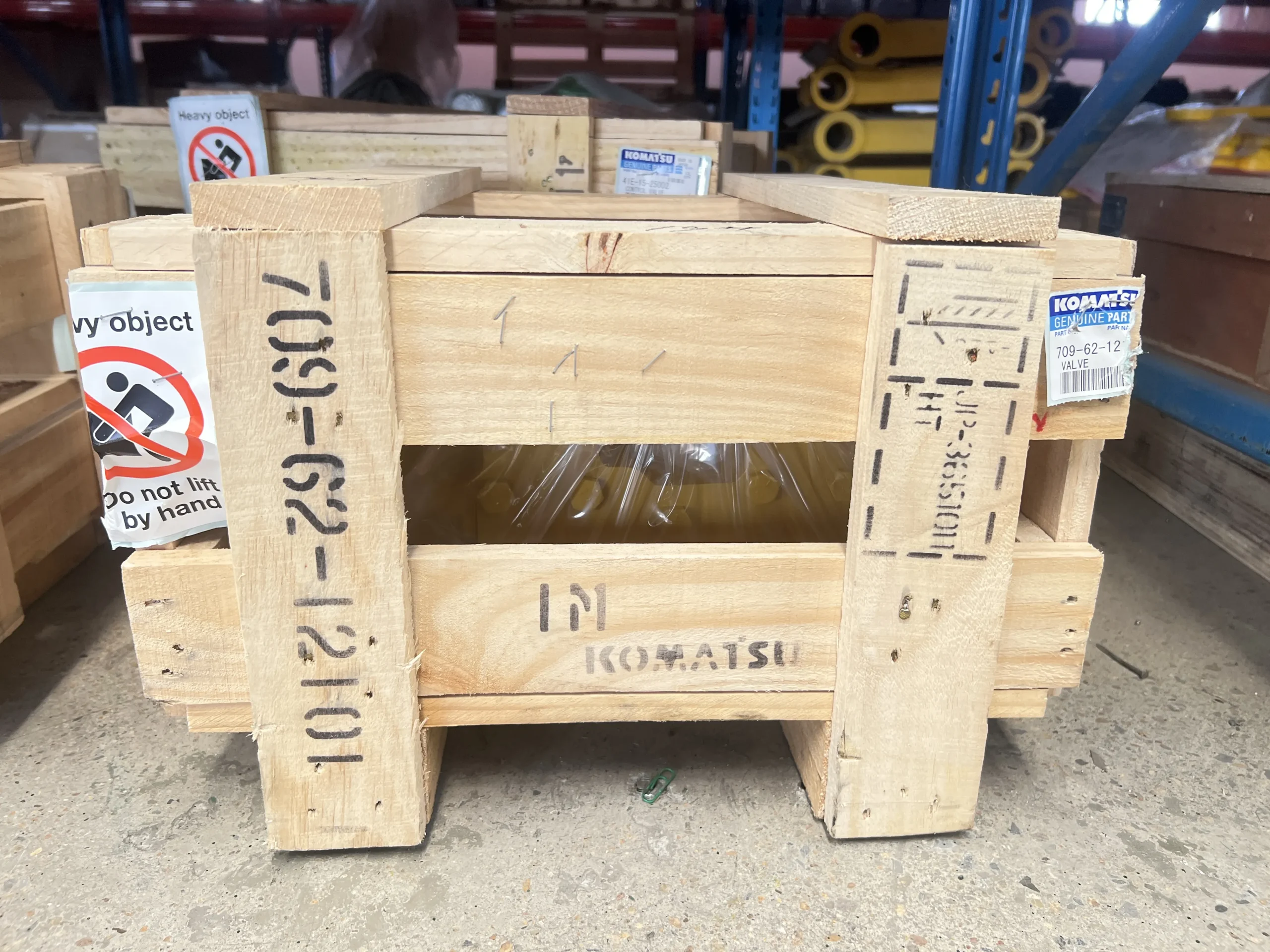 D375A-5E0 Valve Assembly 709-62-12101
 -
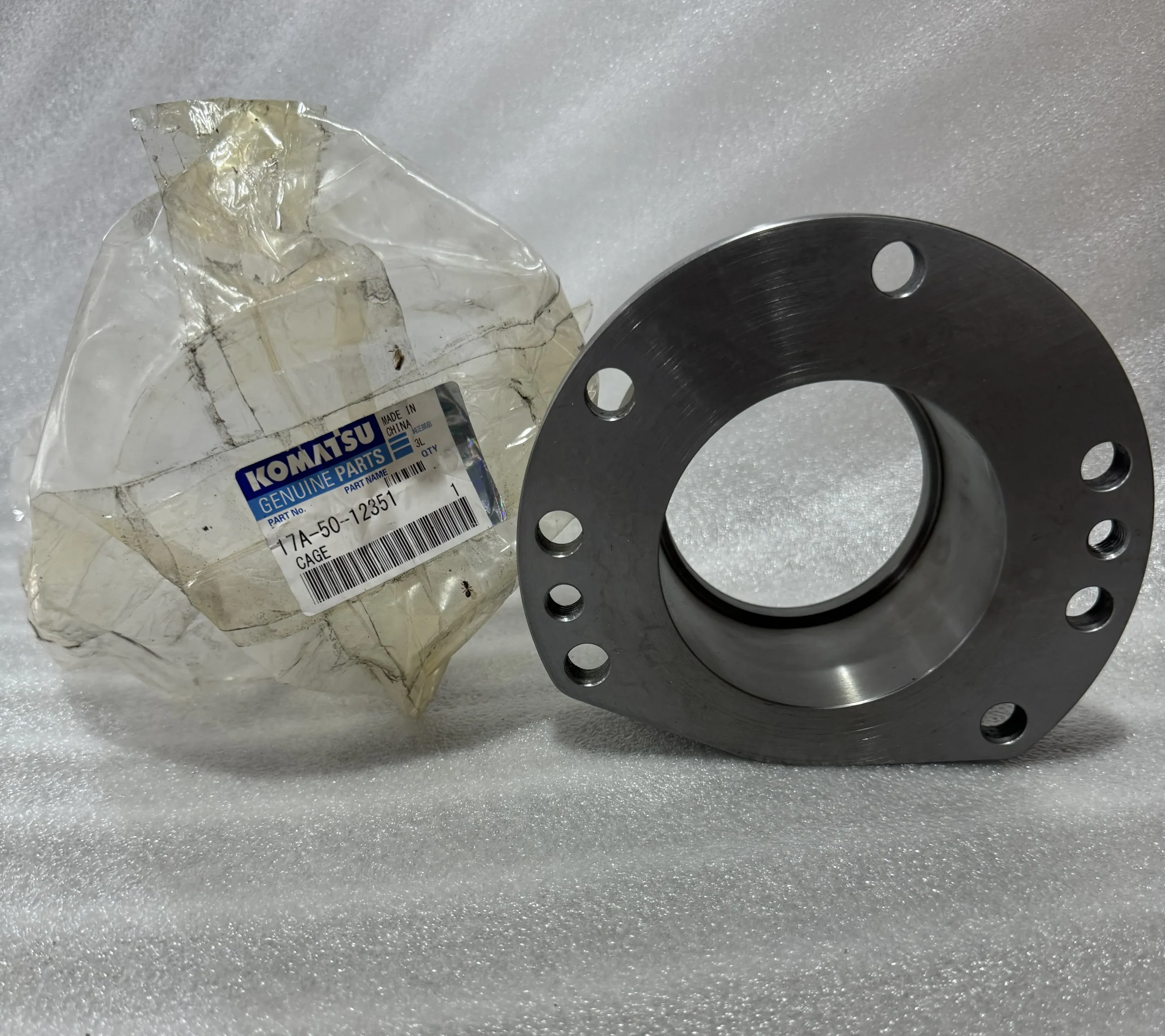 D155AX-3 Bearing Housing 17A-50-12351
 -
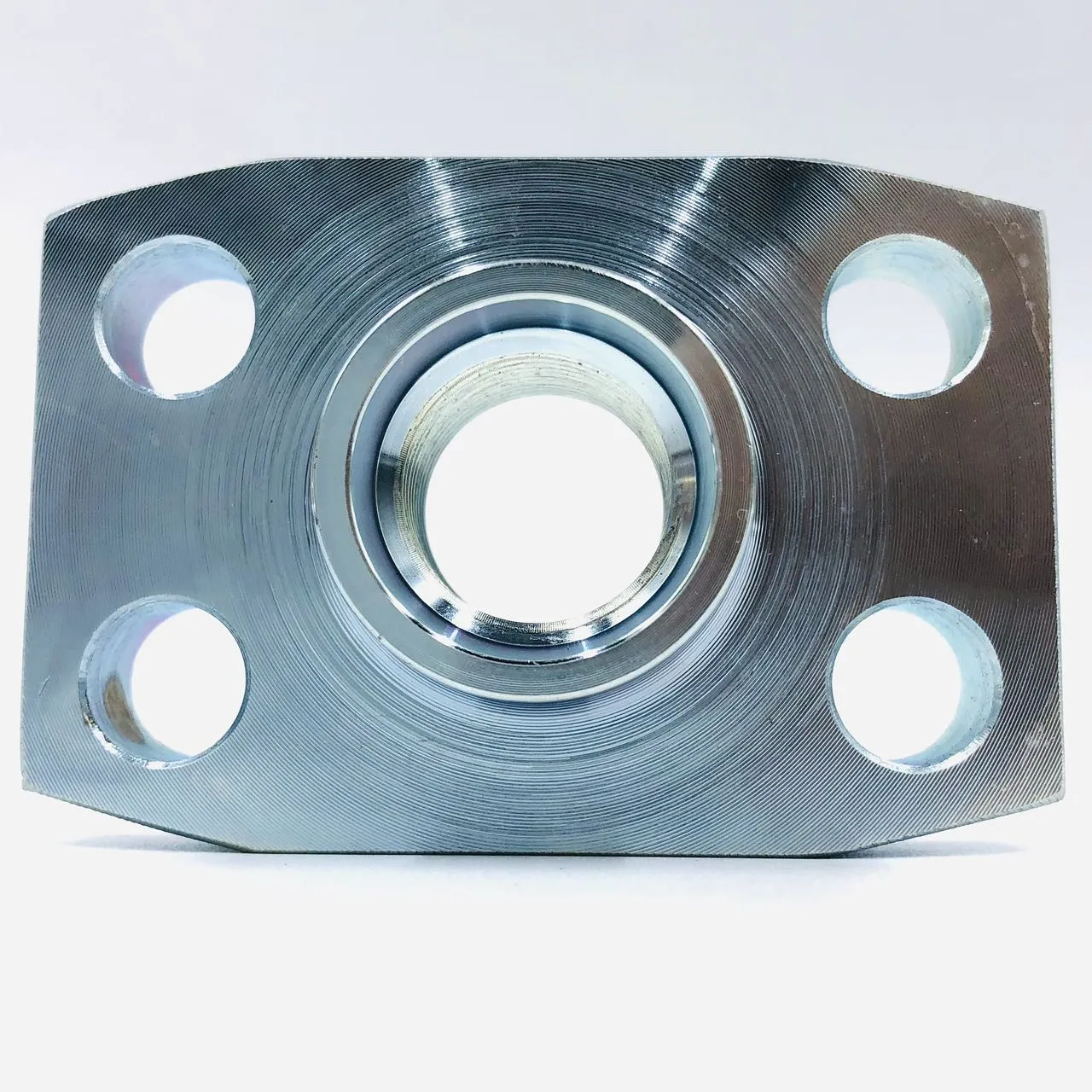 21N-38-12310 Komatsu FLANGEKomatsu Original Equipment Excavator Parts
 -
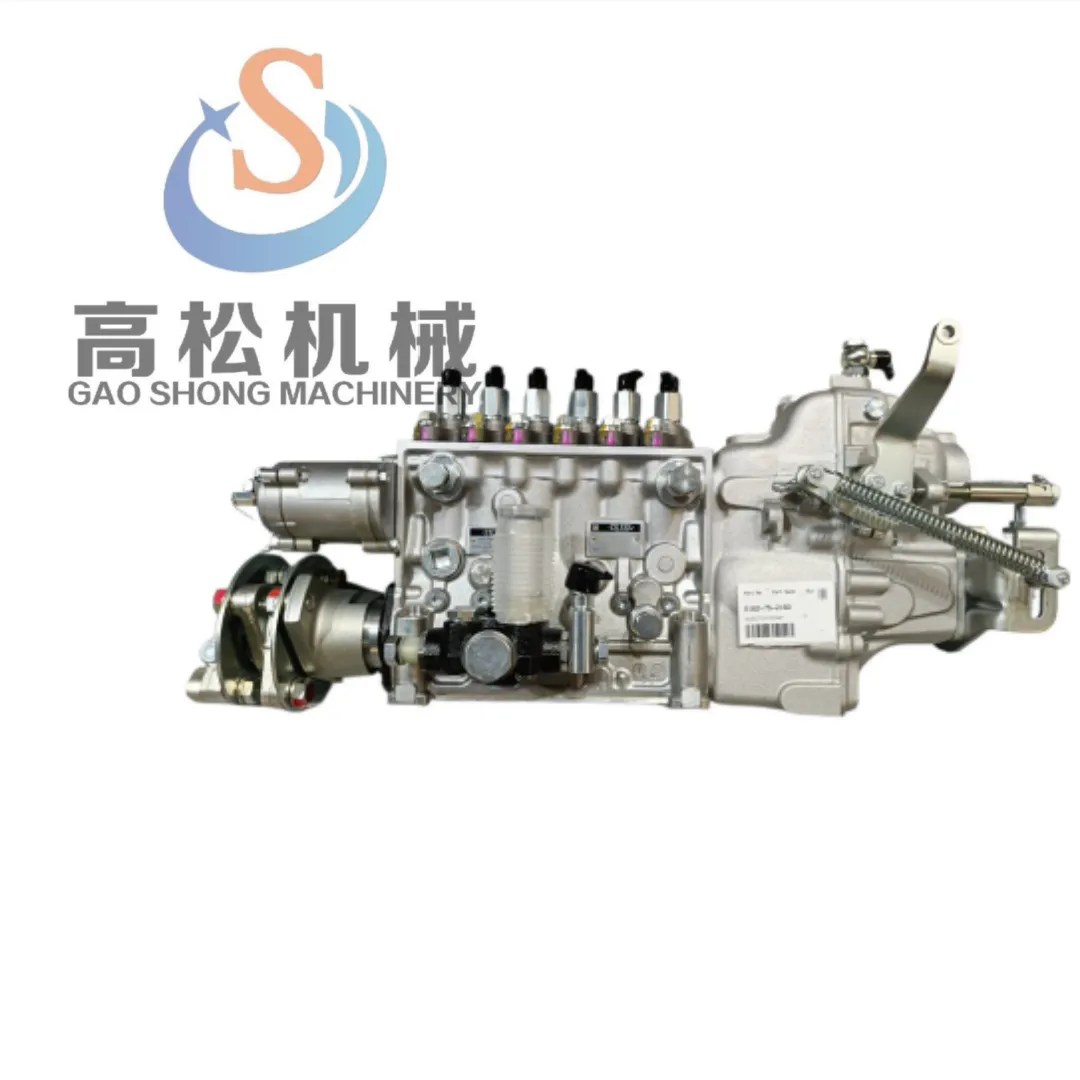 Engine Fuel Injection Pump 6162-75-2160 for SA6D170E
 -
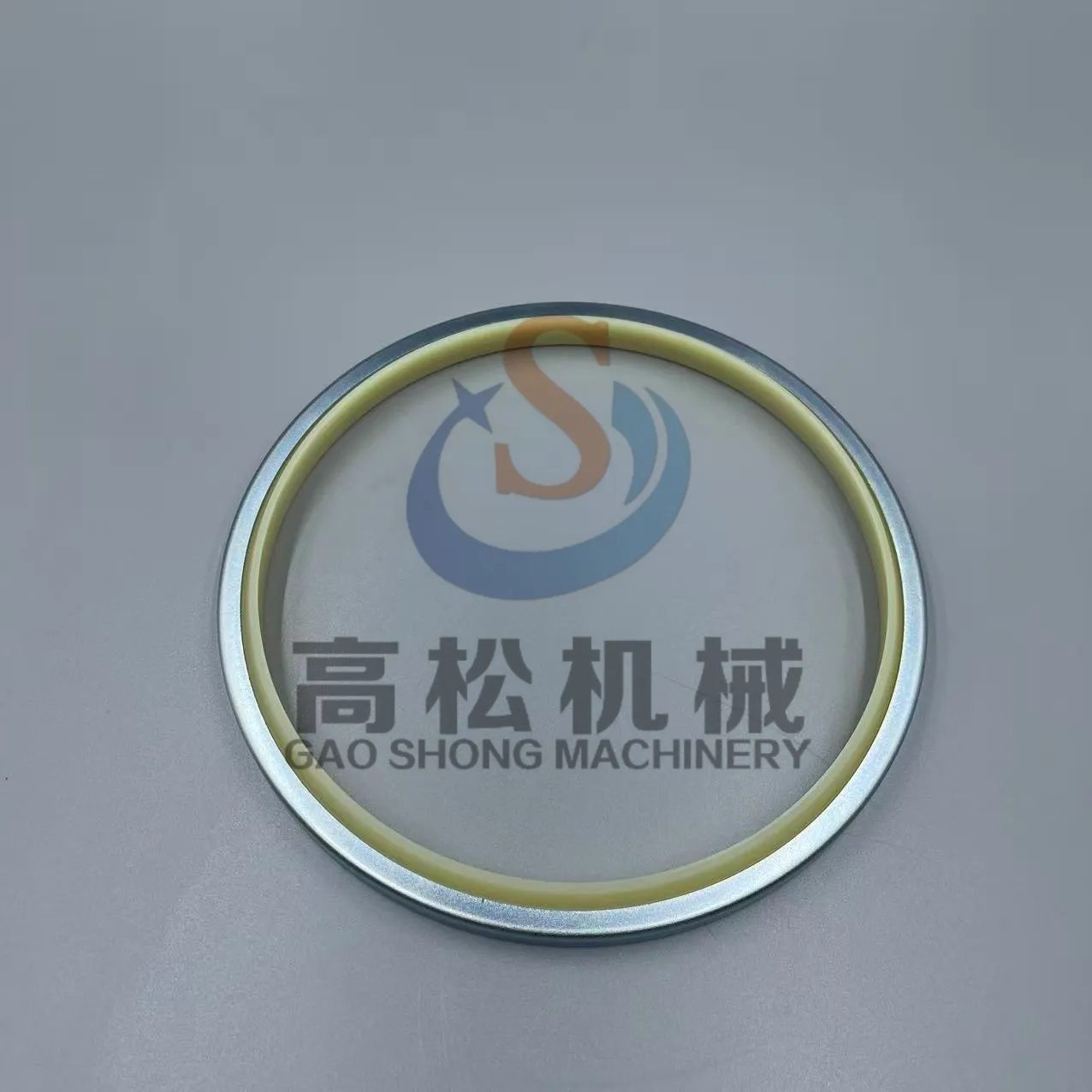 Seal 21N-30-14180 – KOMATSU
 -
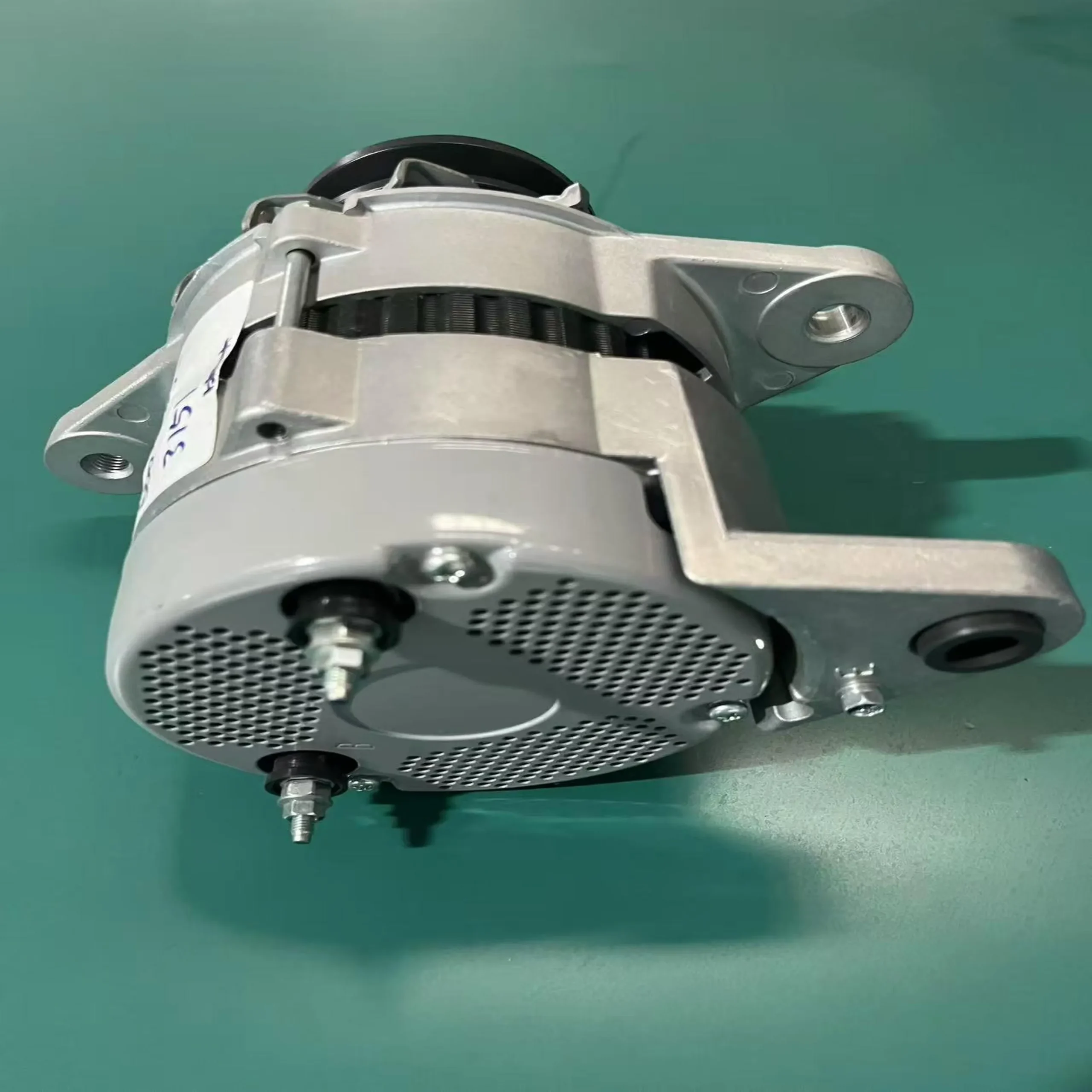 Komatsu D53a D53p Alternator Is Compatible600-825-3250 600-825-3260
 -
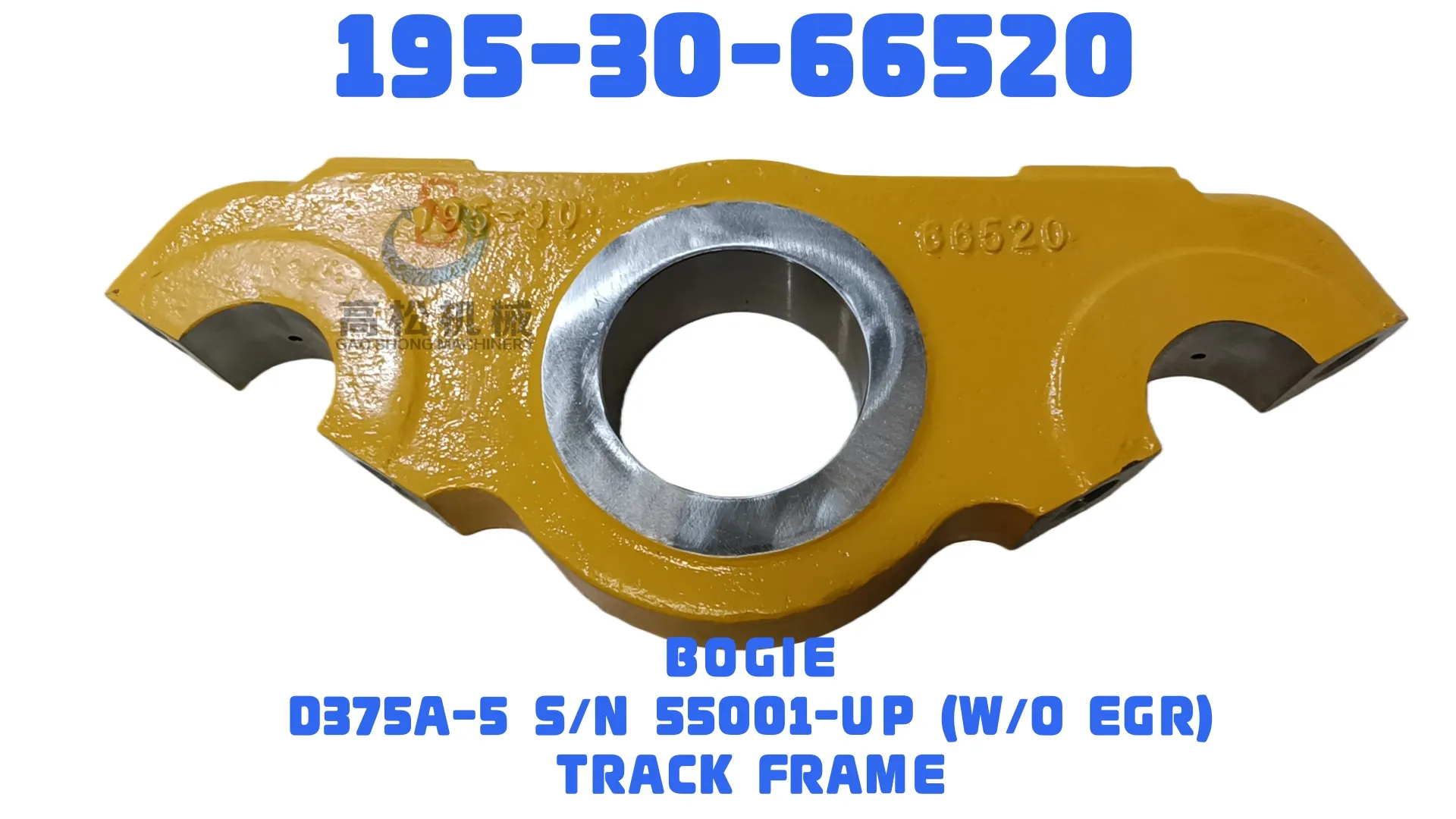 Komatsu Bogie Assembly, 195-30-66520 D375A-5 and D375A-5D TRACK FRAME, BOGIE
 -
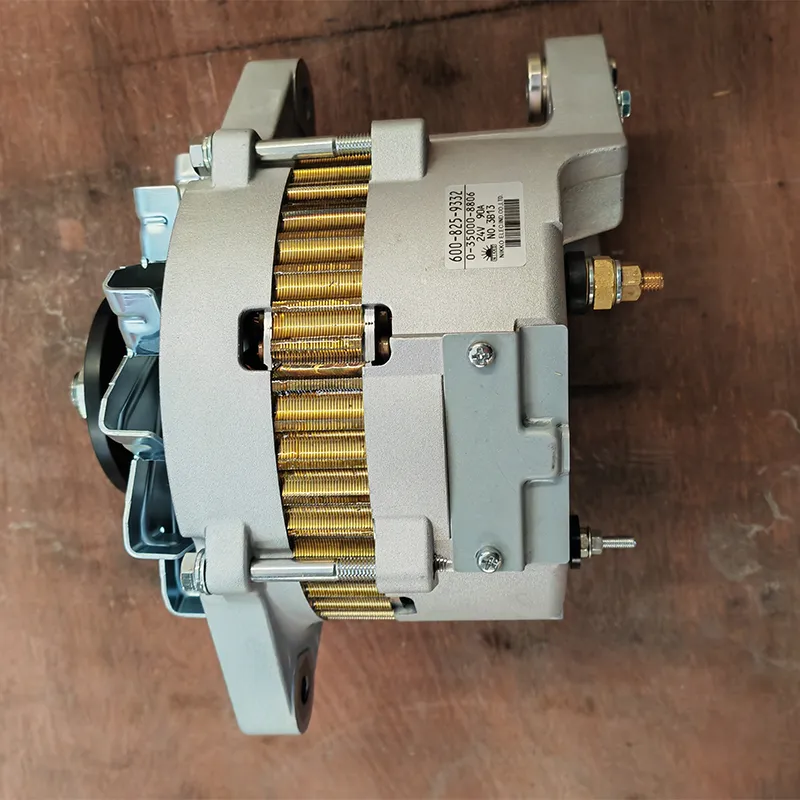 600-825-9332 Original komatsu alternator for S6D125 6D140 12V140
 -
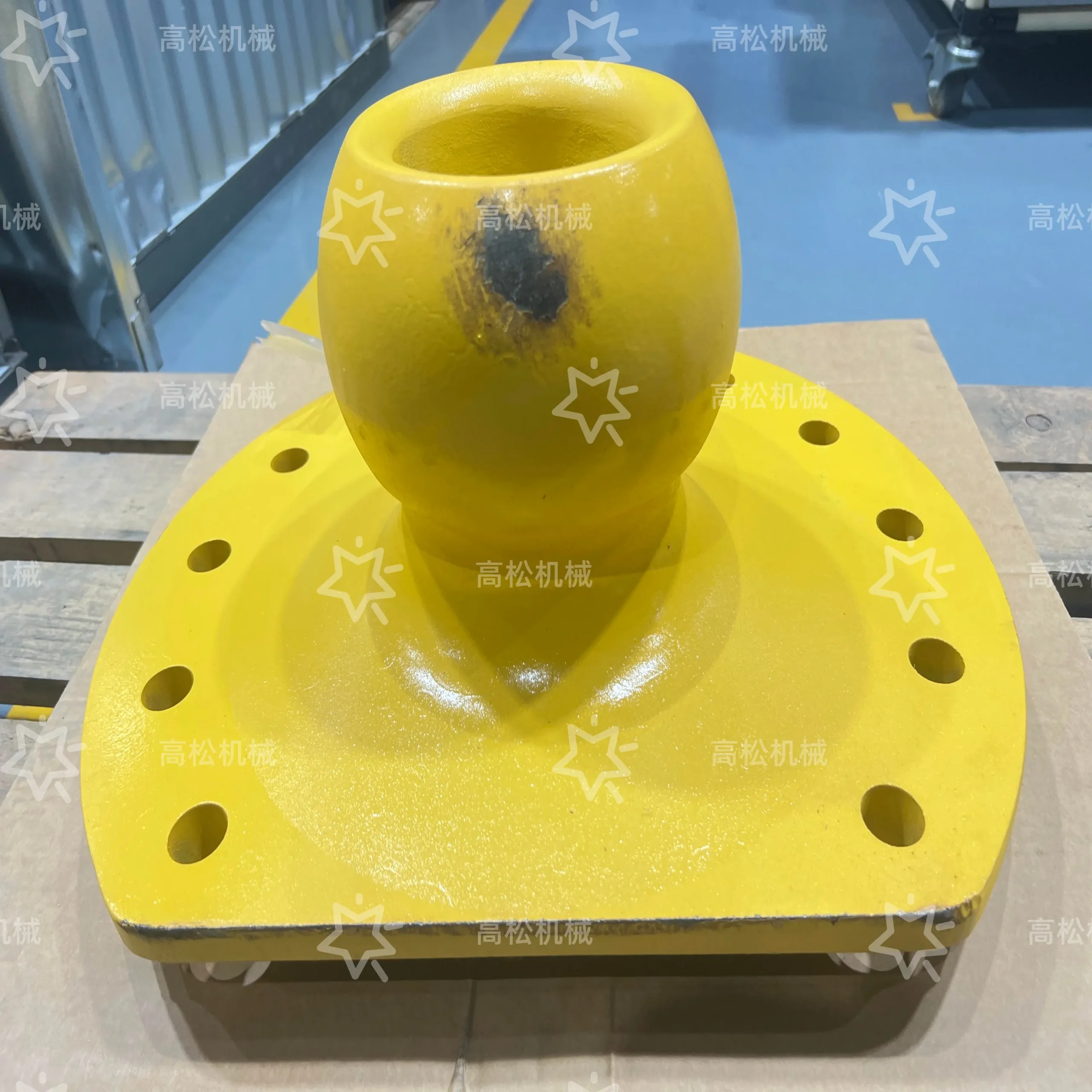 Trunnion 195-71-51191 for Bulldozer D375A-1/3/5/6
 -
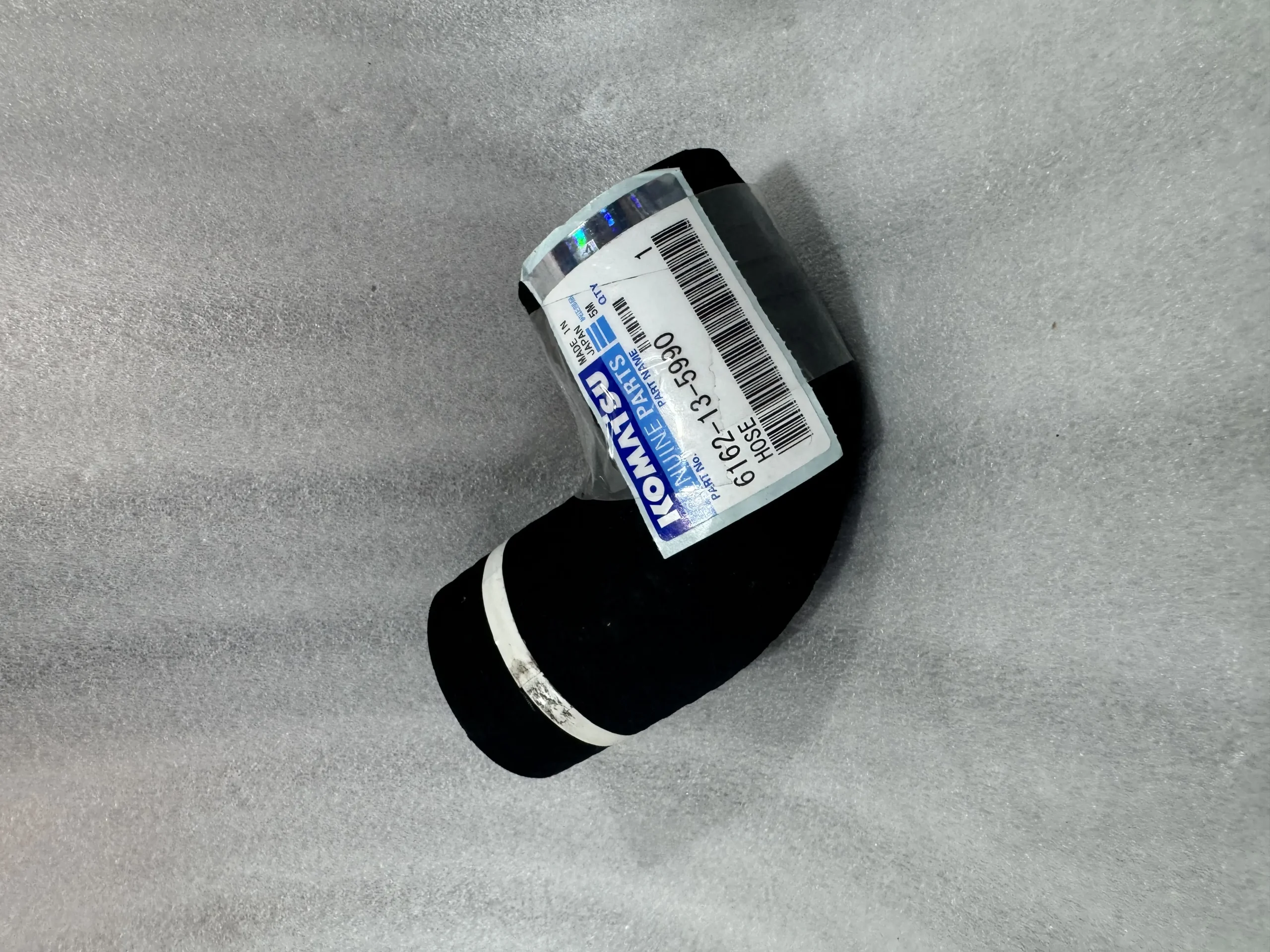 6D170-2 Hose 6162-13-5990
 -
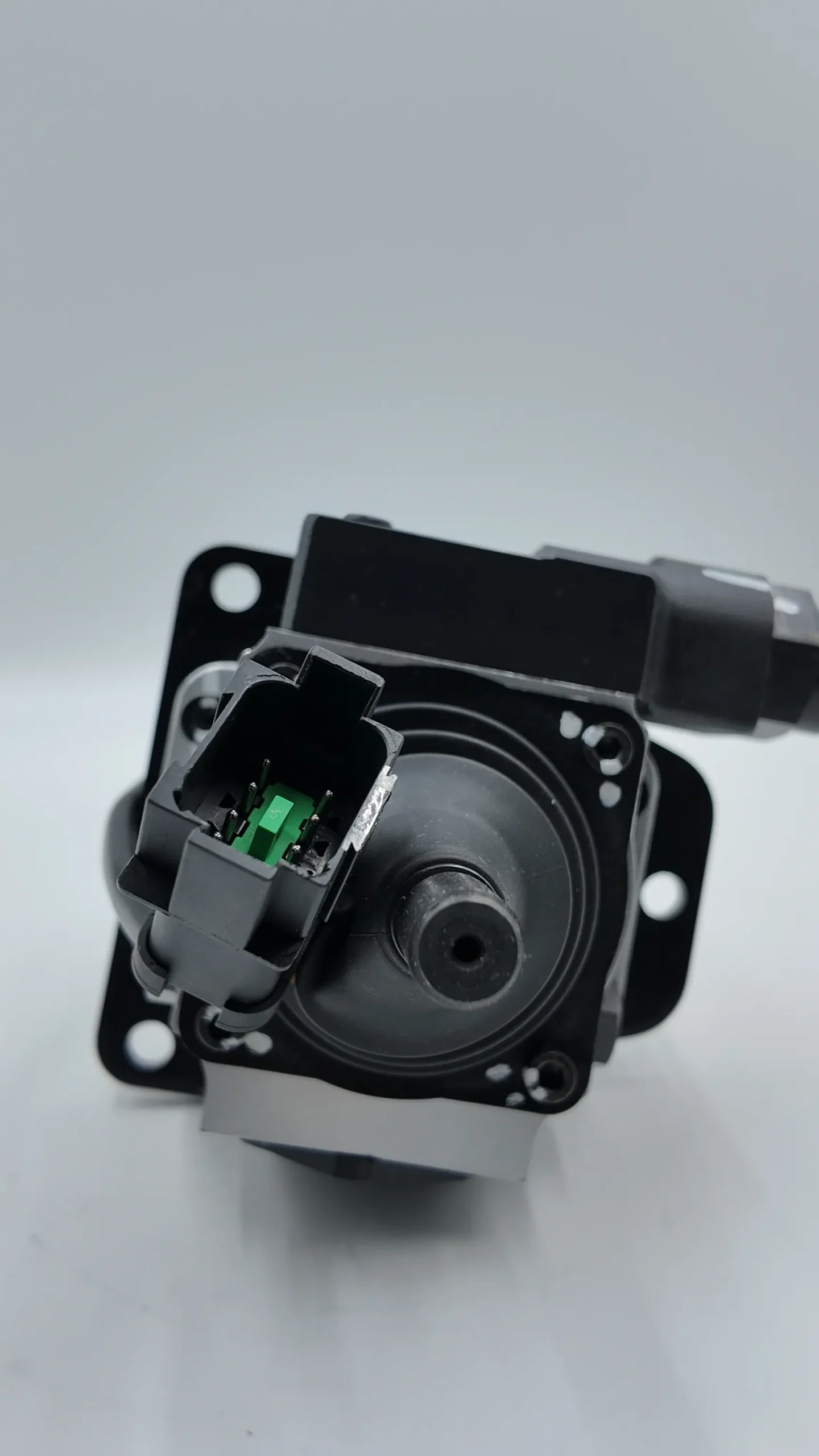 702-16-02290,702-16-02210,702-16-02212 LEVER ASS’Y Komatsu Original Factory
 -
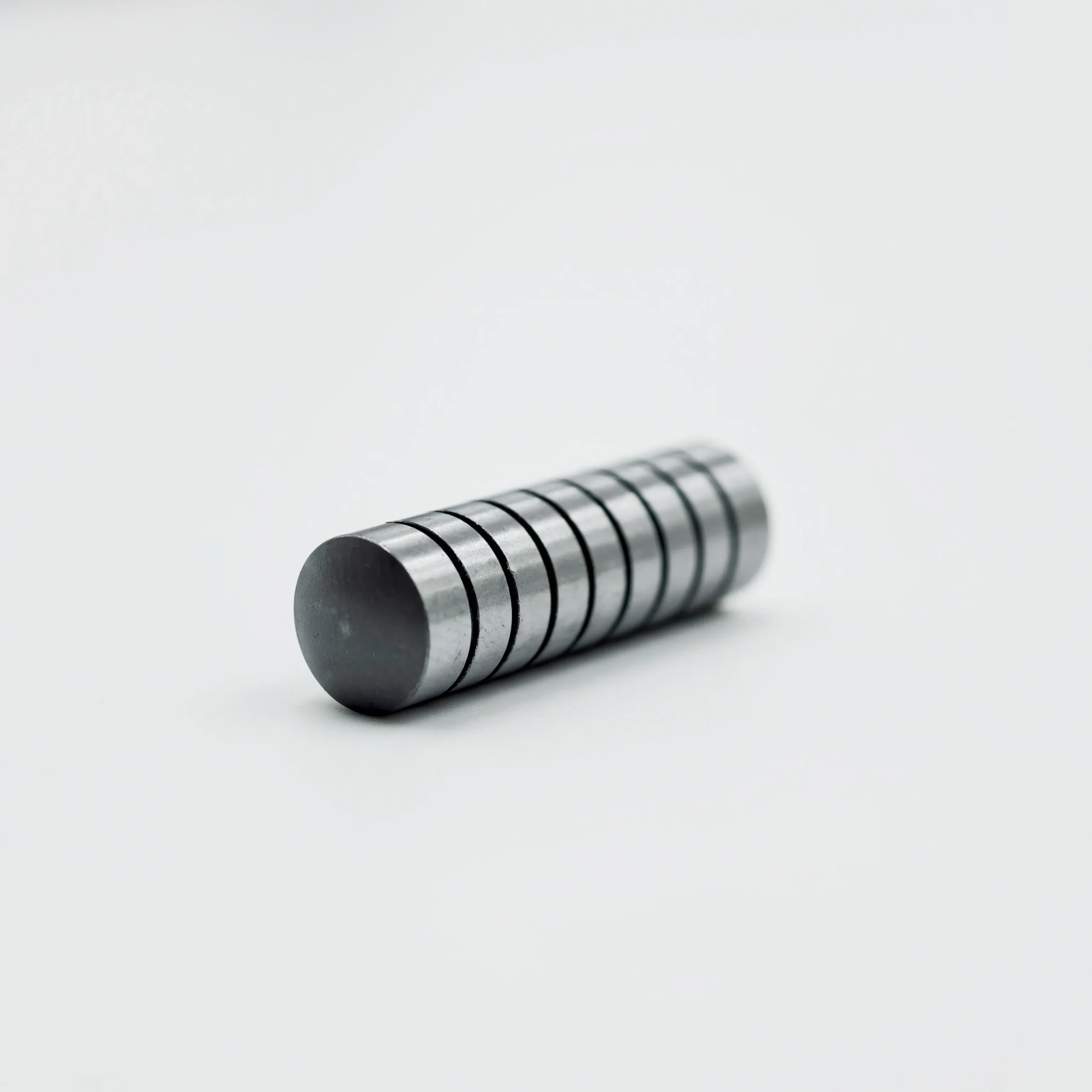 (KOMATSU)19M-40-11160 PISTON