
- Chinese
- French
- German
- Portuguese
- Spanish
- Russian
- Japanese
- Korean
- Arabic
- Irish
- Greek
- Turkish
- Italian
- Danish
- Romanian
- Indonesian
- Czech
- Afrikaans
- Swedish
- Polish
- Basque
- Catalan
- Esperanto
- Hindi
- Lao
- Albanian
- Amharic
- Armenian
- Azerbaijani
- Belarusian
- Bengali
- Bosnian
- Bulgarian
- Cebuano
- Chichewa
- Corsican
- Croatian
- Dutch
- Estonian
- Filipino
- Finnish
- Frisian
- Galician
- Georgian
- Gujarati
- Haitian
- Hausa
- Hawaiian
- Hebrew
- Hmong
- Hungarian
- Icelandic
- Igbo
- Javanese
- Kannada
- Kazakh
- Khmer
- Kurdish
- Kyrgyz
- Latin
- Latvian
- Lithuanian
- Luxembou..
- Macedonian
- Malagasy
- Malay
- Malayalam
- Maltese
- Maori
- Marathi
- Mongolian
- Burmese
- Nepali
- Norwegian
- Pashto
- Persian
- Punjabi
- Serbian
- Sesotho
- Sinhala
- Slovak
- Slovenian
- Somali
- Samoan
- Scots Gaelic
- Shona
- Sindhi
- Sundanese
- Swahili
- Tajik
- Tamil
- Telugu
- Thai
- Ukrainian
- Urdu
- Uzbek
- Vietnamese
- Welsh
- Xhosa
- Yiddish
- Yoruba
- Zulu
- Kinyarwanda
- Tatar
- Oriya
- Turkmen
- Uyghur





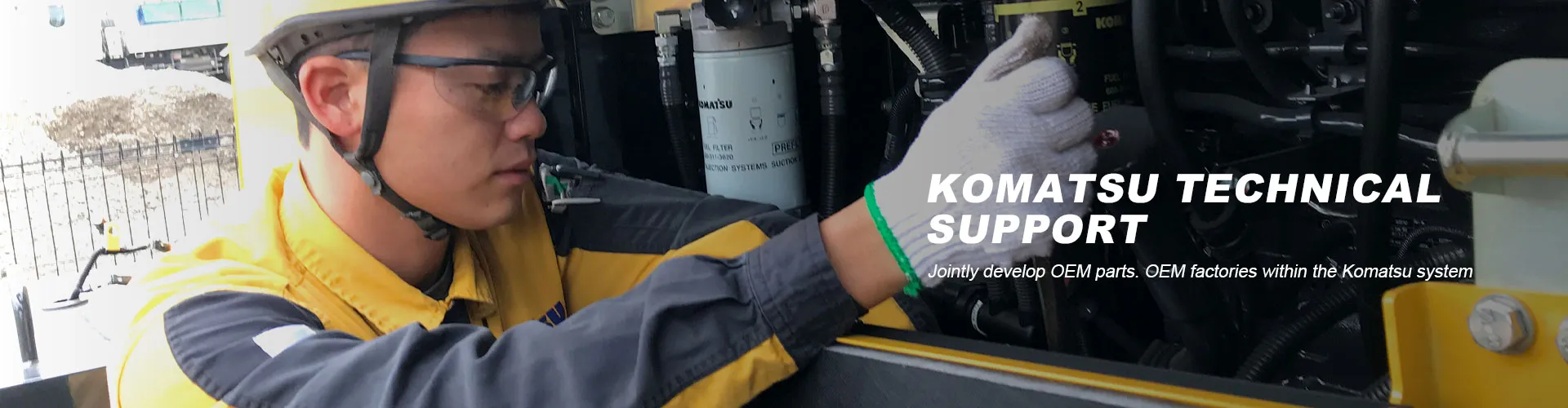
komatsu wb140 backhoe parts
When you start digging into Komatsu WB140 backhoe parts, there's an immediate assumption many make: it's just another Komatsu machine, so parts flow should be straightforward through the main dealer network. That's the first pitfall. The WB140, especially older models or those operating in regions like Africa or South America, exists in a kind of twilight zone. It's a solid, ubiquitous machine, but its age and global dispersion mean the official supply chain isn't always the answer. You're often hunting for specific wear items like the swing cylinder rebuild kits, the final drive sprocket segments, or those oddly fragile seat suspension components that fail under constant vibration. The challenge isn't just finding a part; it's finding the right spec part that doesn't fail in three months.
The OEM Promise vs. The Aftermarket Maze
Officially, you go to your Komatsu distributor. For the WB140, you might get a new hydraulic pump assembly or a genuine swing bearing, but the lead time can be prohibitive—we're talking 12+ weeks for some items, which is a lifetime for a machine on a tight project. That's where the landscape gets interesting. A flood of aftermarket suppliers claim compatibility, but quality is a brutal lottery. I've seen OEM-equivalent boom hinge pins shear because the hardening process was skipped. The trick is identifying which parts you can risk with a quality aftermarket source and which must be genuine. Pumps, control valves? I lean heavily toward genuine or certified remanufactured. Bucket teeth, hoses, simple pins? A reputable aftermarket can work.
This is where entities that operate within the Komatsu ecosystem but with more flexibility become critical. I've worked with suppliers who are, for lack of a better term, hybrid. They have formal ties but can navigate outside the strict catalog to solve problems. For instance, Jining Gaosong Construction Machinery Co., Ltd. positions itself precisely in this niche. They note they are an OEM product supplier within Komatsu's system and act as a third-party sales channel. In practice, this often means they can access genuine or OEM-spec parts for models like the WB140 through alternative routes, helping to bypass regional supply blockages. Their site, takematsumachinery.com, is one of those resources you bookmark after a desperate search for a steering clutch pack that no local dealer had in stock.
The real test is a scenario like a failed backhoe main control valve. The dealer quote is astronomical, and the delivery is unknown. A company like Gaosong might offer a certified rebuilt unit with a proper warranty, sourced through their Komatsu-linked channels but at a better price and timeline. It's not magic; it's leveraging a different point in the supply web. You have to vet these suppliers, ask for serial number compatibility, and ideally, get a reference from someone who's run the part for a few hundred hours.
Specific Pain Points: The WB140's Usual Suspects
Let's get concrete. The WB140's backhoe attachment has a few chronic issues. The stabilizer leg cylinders are prone to external leakage, not just from seals but where the barrel meets the mounting bracket—fatigue cracks. Finding just the barrel as a replacement part, rather than the whole assembly, is a classic sourcing headache. Then there's the PTO shaft for the front loader pump. Its support bearings fail regularly, and the OEM part number often leads you to a complete shaft kit. A good supplier should be able to provide just the specific Timken or NTN bearing that matches, saving cost and downtime.
The hydraulic system is another area. The priority valve for the backhoe parts circuit can get sticky, causing slow or jerky operation. Many mechanics just swap it out. But I've found sometimes a thorough cleaning and a replacement of the small internal springs and check balls—items rarely sold separately—can fix it. This requires a supplier who understands the sub-components, not just the major assembly. It's this granular knowledge that separates a parts vendor from a true partner.
Electrical components for the older WB140s are now becoming a nightmare. The alternator, starter, and even simple switches are discontinued. Here, the solution isn't a Komatsu part but a cross-reference to a standard Denso or Mitsubishi component. A competent supplier's value is in providing that cross-reference or a direct replacement that plugs in, not just saying part not found.
The On-Site Reality and Failed Experiments
I recall a job in Ecuador where two WB140s were down for want of swing gearbox seals. The local dealer had none. We tried a generic metric seal from a local industrial shop. It lasted a week. The issue was the Komatsu seal had a proprietary lip design for higher pressure and contamination exclusion. We finally sourced the correct ones through a third-party specialist who, like Jining Gaosong Construction Machinery Co., Ltd., focuses on solving these exact supply gaps in certain countries. The part arrived in a plain box but was the exact OEM-spec Japanese-made seal. Machine ran for two years after that.
Another failed experiment was with aftermarket bucket cylinders. We bought a pair that looked identical, right down to the port threads. They mounted fine, but the performance was sluggish. After troubleshooting, we found the piston bore was off by a few millimeters, reducing the oil volume and creating a bottleneck. The lesson was brutal: for complex hydraulic components, dimensional accuracy is everything. Now, for such parts, I either go genuine or use a supplier that provides detailed dimensional drawings for approval before shipping.
These experiences shape a pragmatic approach. You build a shortlist of reliable sources for different part categories. For wear-and-tear items, you might have a go-to aftermarket brand. For mission-critical drivetrain and hydraulic components, you need a source with direct lineage to the OEM quality, even if it's not through the main dealer door.
Navigating Quality and Documentation
When you're not buying from the dealer, documentation is your first line of defense. A proper parts supplier should provide material certifications for critical components like pins and shafts, showing the grade of steel and heat treatment. For a WB140's lift arm pivot shaft, this isn't paperwork—it's a safety issue. I've started asking for this upfront; if a supplier hesitates, it's a red flag.
Packaging is a subtle clue. Parts arriving in flimsy plastic bags with blurred laser etching on the surface are suspect. OEM or proper OEM-spec parts usually have better packaging, clear part numbering, and often protective coatings. It's not foolproof, but it's an indicator of attention to detail. The website takematsumachinery.com, for example, lists its affiliation, which adds a layer of accountability. It suggests they are answerable to Komatsu's system to some degree, which generally raises the quality floor.
Finally, communication is key. When I inquire about a part, I want to hear specifics: This fits models WB140-1 through WB140-3, but for the -5 you need a different revision due to a port change. That shows depth. A reply that just says yes, it fits is a warning. The good suppliers know the machine's evolution and its quirks.
Conclusion: A Pragmatic Sourcing Strategy
So, what's the takeaway for keeping a WB140 running? Don't rely on a single channel. The official dealer is your first call for safety-critical and complex parts, but be prepared for cost and wait time. For everything else, cultivate relationships with specialized third-party suppliers who have proven their mettle. Companies that operate as part of the OEM ecosystem, like the mentioned Jining Gaosong Construction Machinery Co., Ltd., fill a vital role by providing an alternative route for genuine or equivalent parts, especially for machines in harder-to-service regions.
The goal is uptime. Sometimes that means paying the premium for a dealer part tomorrow. Often, it means working with a knowledgeable intermediary who can get you the right component in a week at a fair price. It's about having a network, not just a catalog. You learn which battles to fight—never compromise on structural or high-pressure hydraulic components—and where you can safely use a quality alternative. The WB140 is a workhorse; keeping it running requires a workhorse mentality in parts sourcing too, blending caution with practicality.
In the end, the machine doesn't care about the logo on the box. It cares about the precision, material, and durability of the component you install. Your job is to find the source that consistently delivers on those three points, regardless of the sales channel. That's the real art of managing Komatsu WB140 backhoe parts.
Related Products
Related Products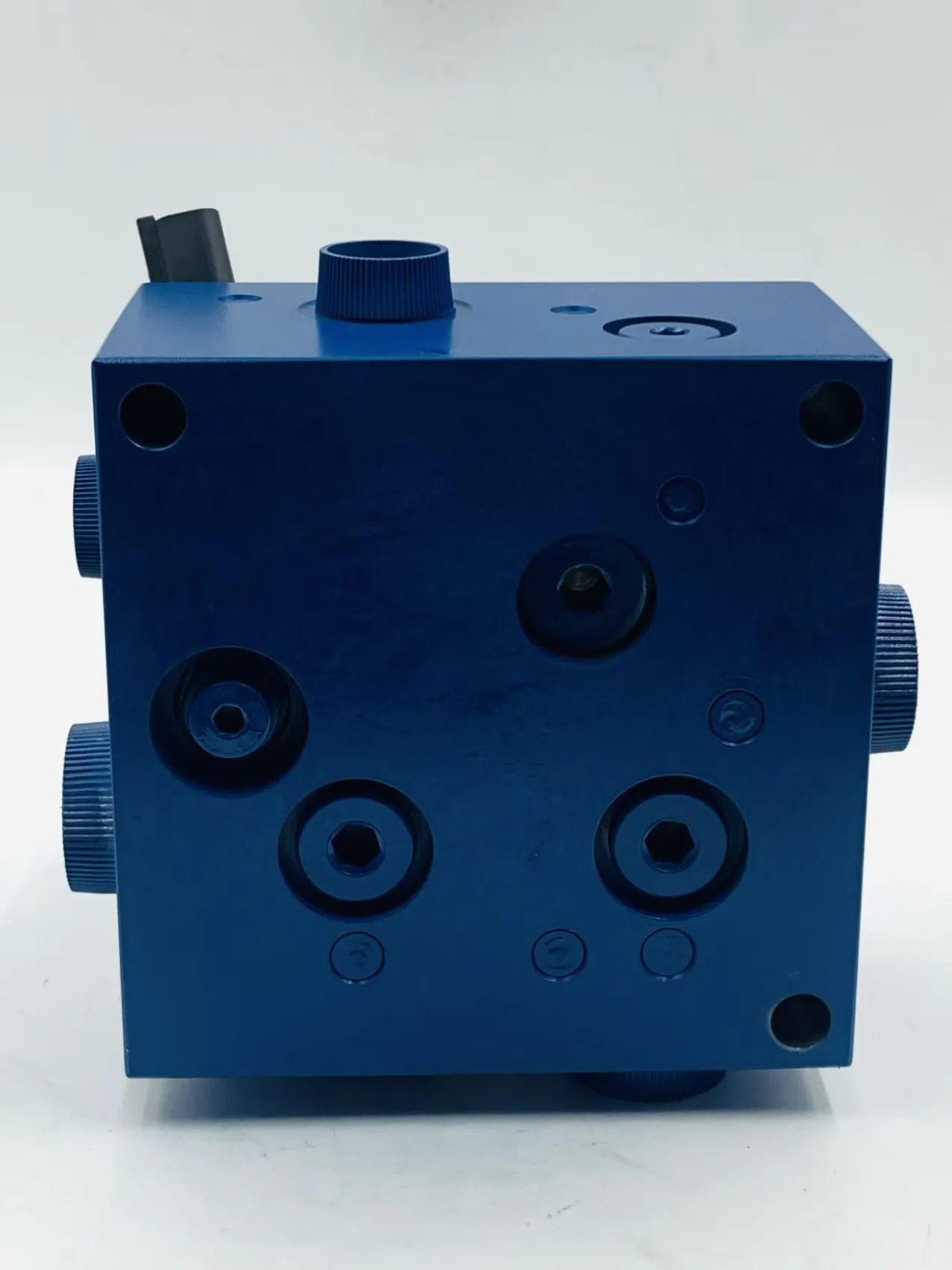
Best Selling Products
Best Selling Products-
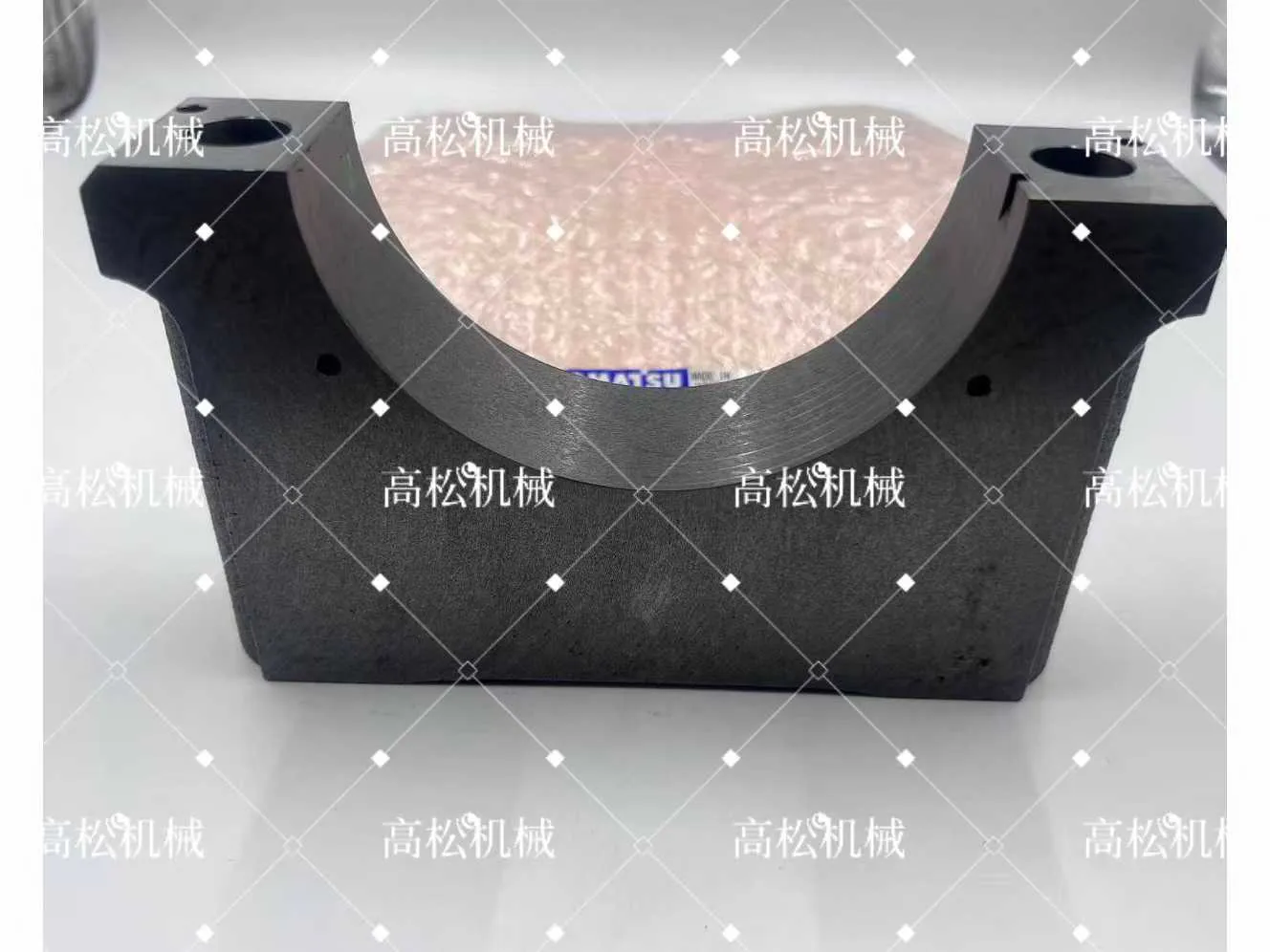 Komatsu Genuine CAP, MAIN METAL, WA470-3, 6150-29-1210
 -
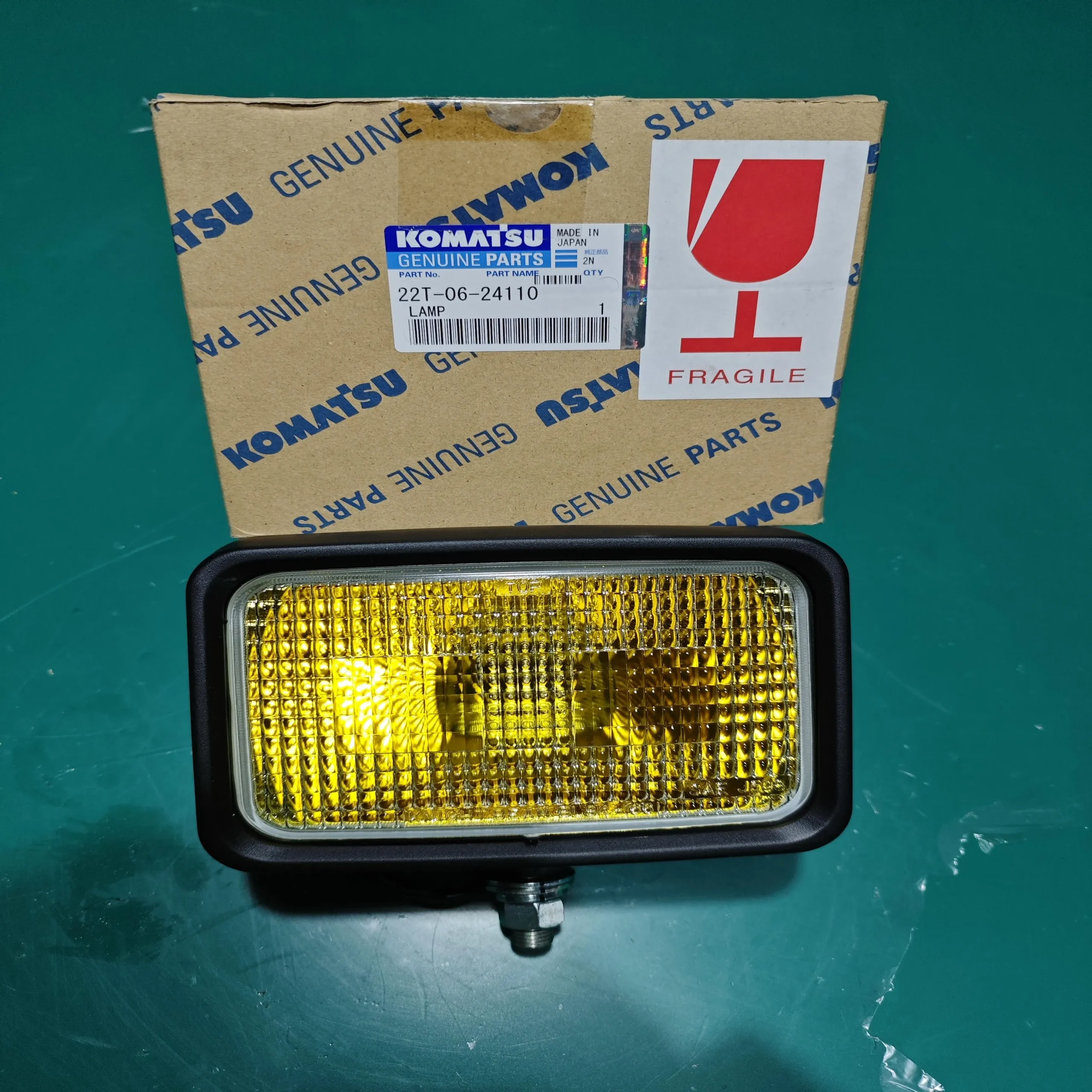 Komatsu HD465/785/HM350/WA155 22T-06-24110 Lamp
 -
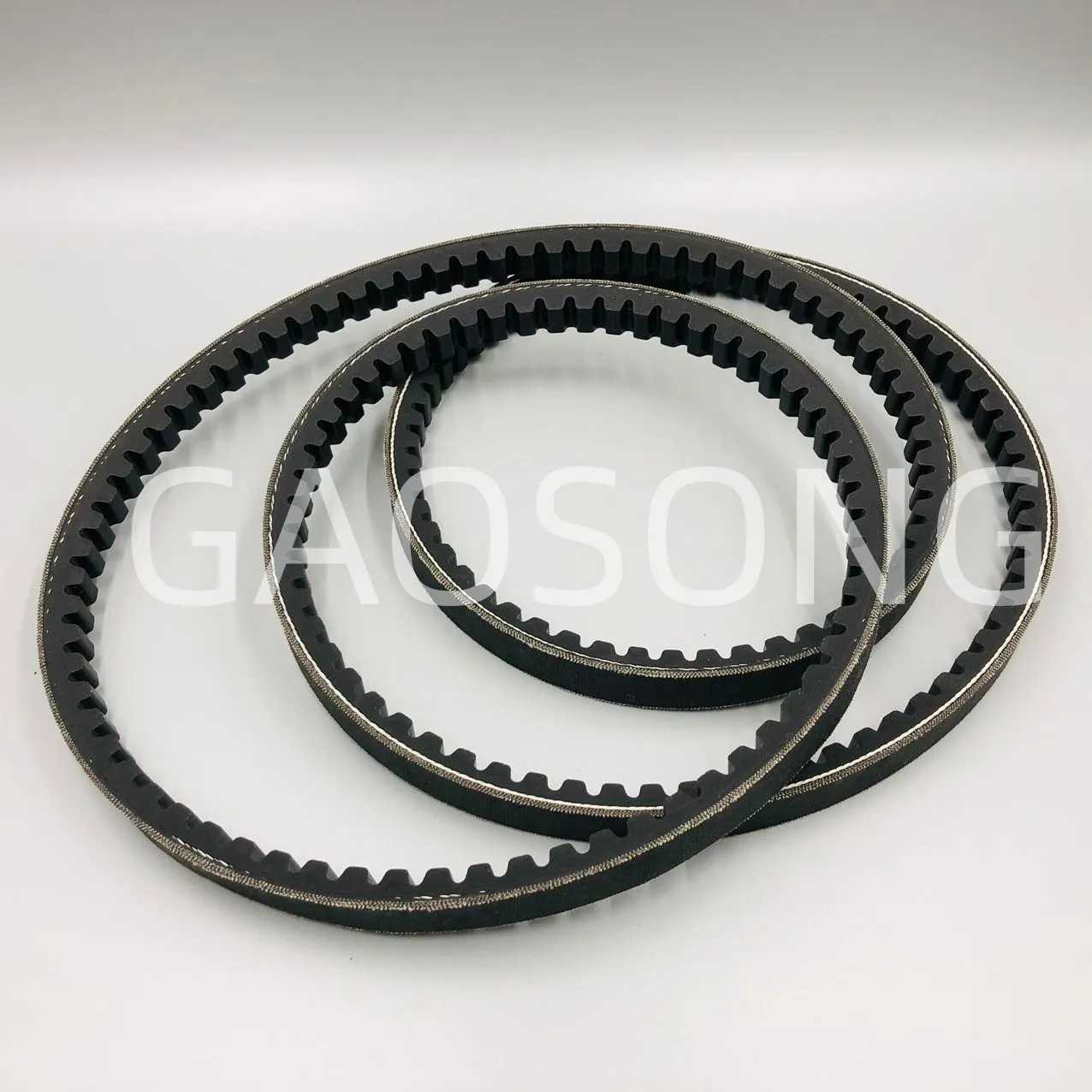 6219- 61- 3420 Komatsu factory belt
 -
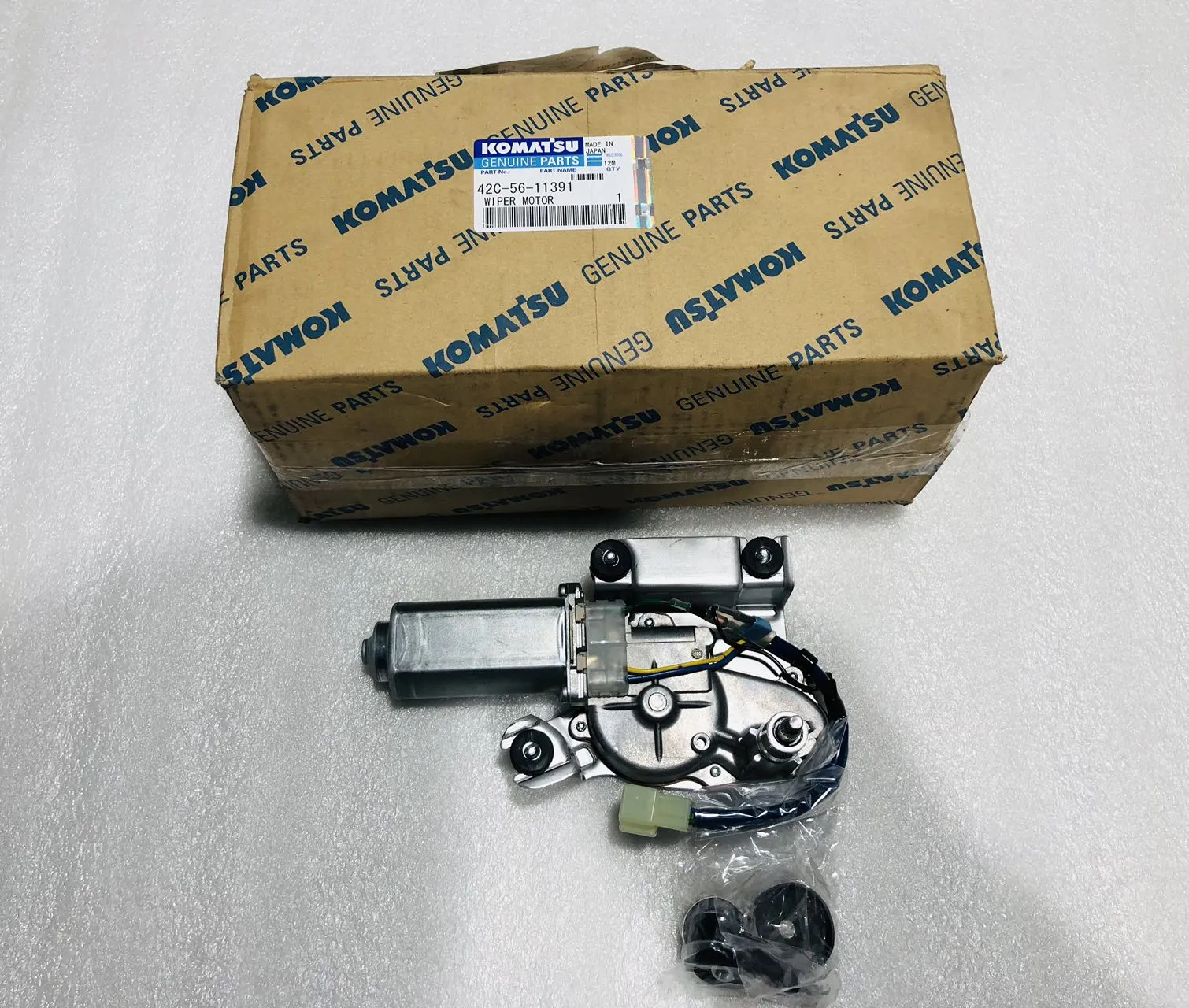
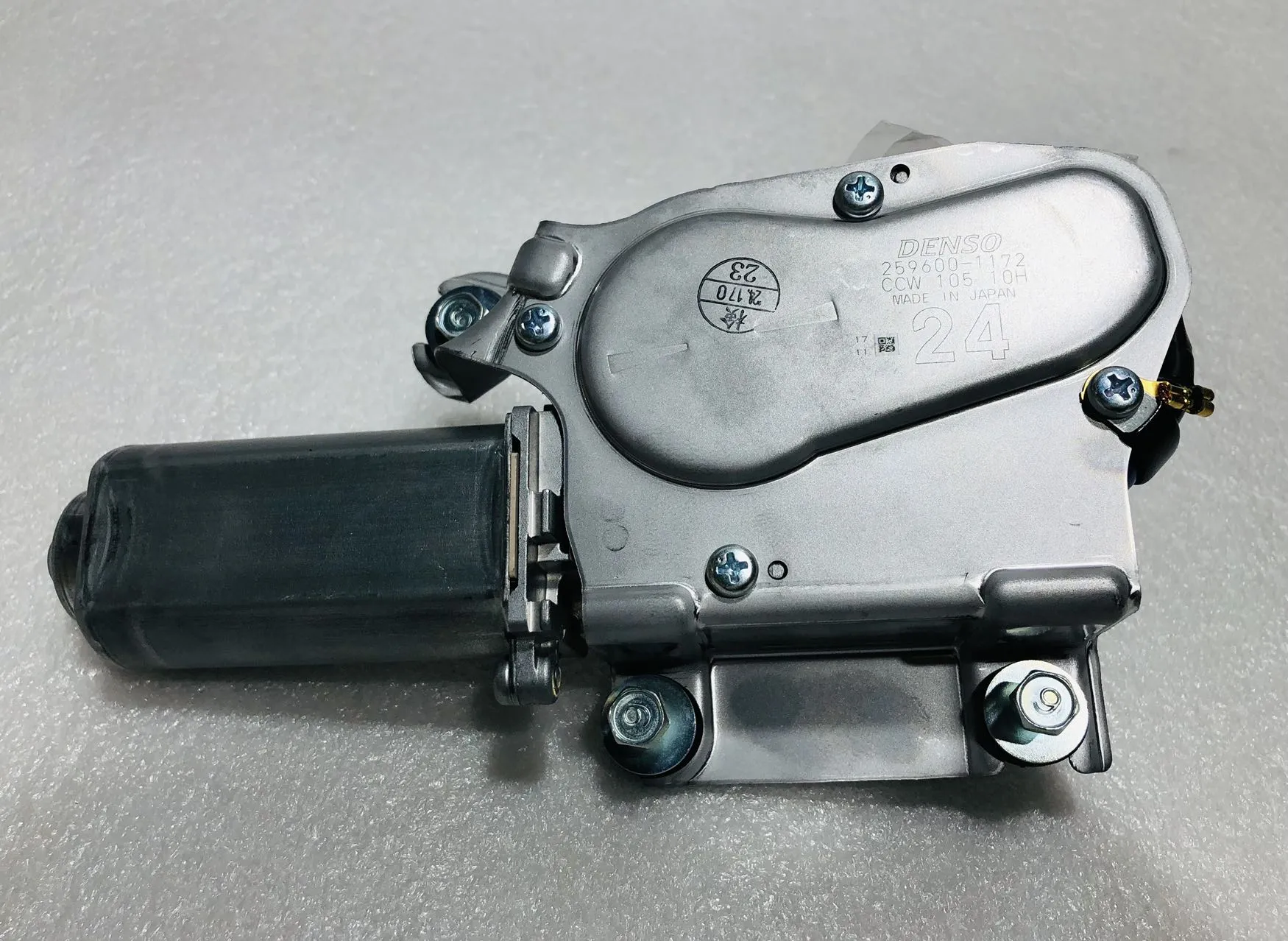 42C-56-11391 Komatsu Motor, Wiper
 -
 21N-26-33240 Komatsu Pin
 -
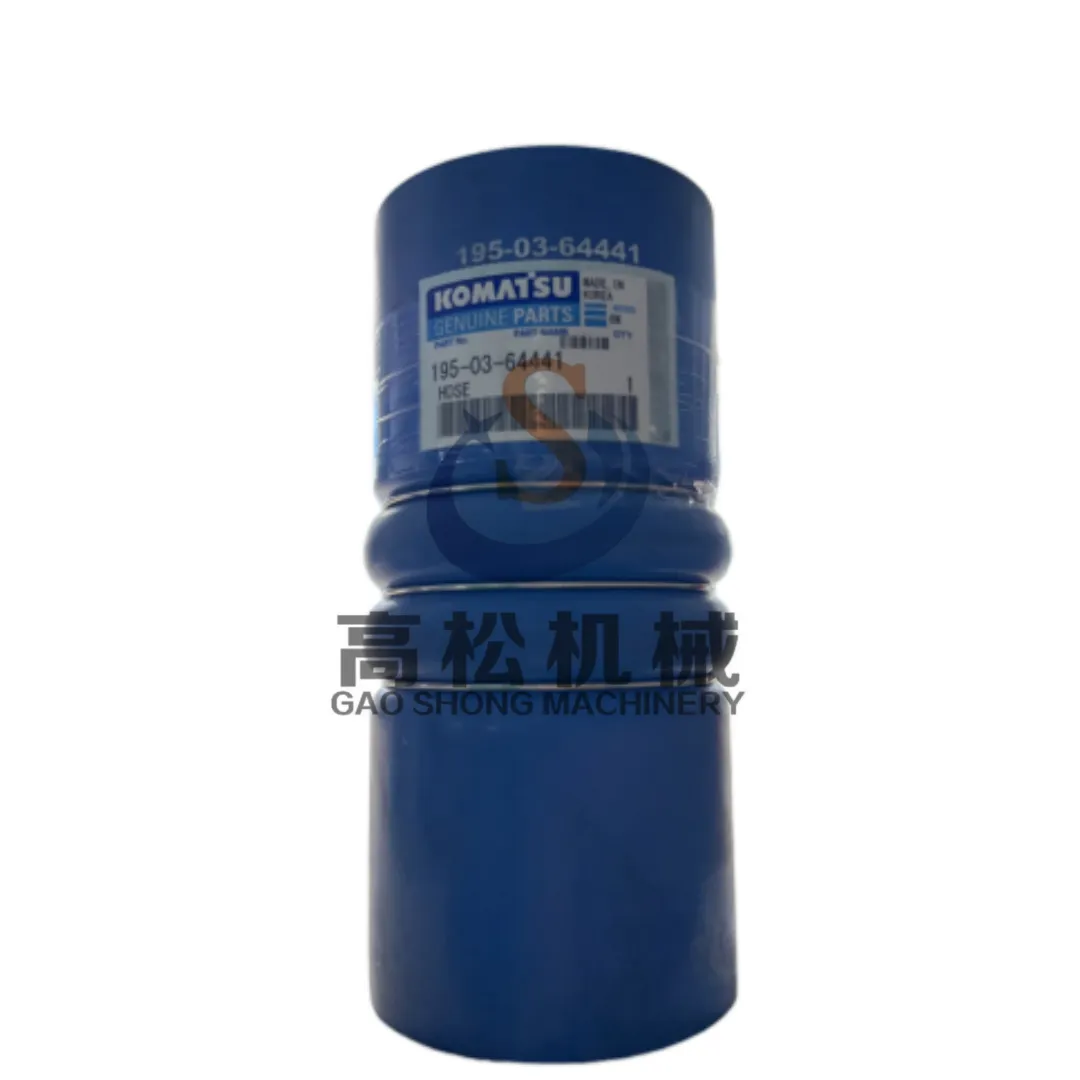 195-03-64441 Komatsu Hose komatsu parts
 -
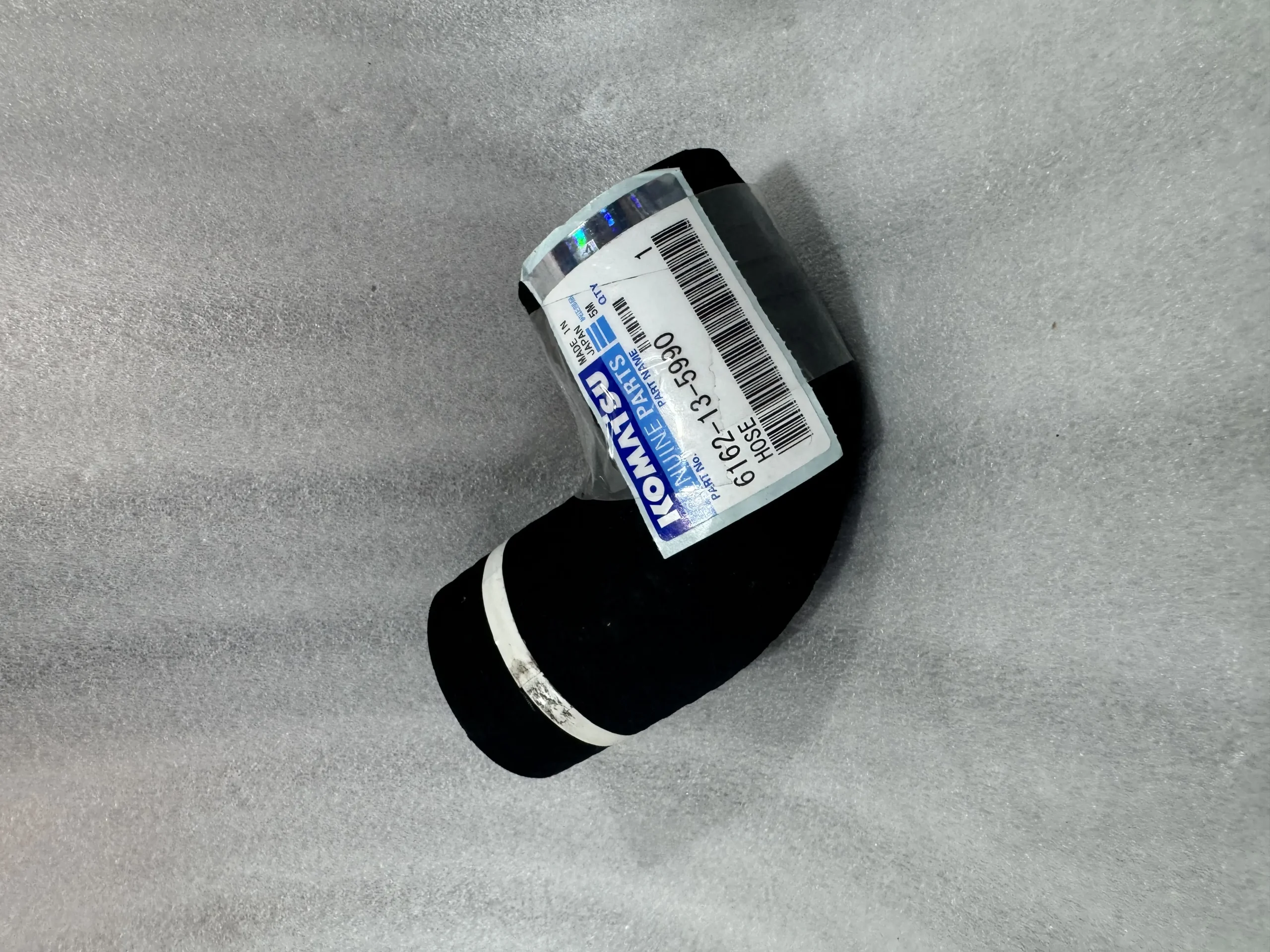 6D170-2 Hose 6162-13-5990
 -
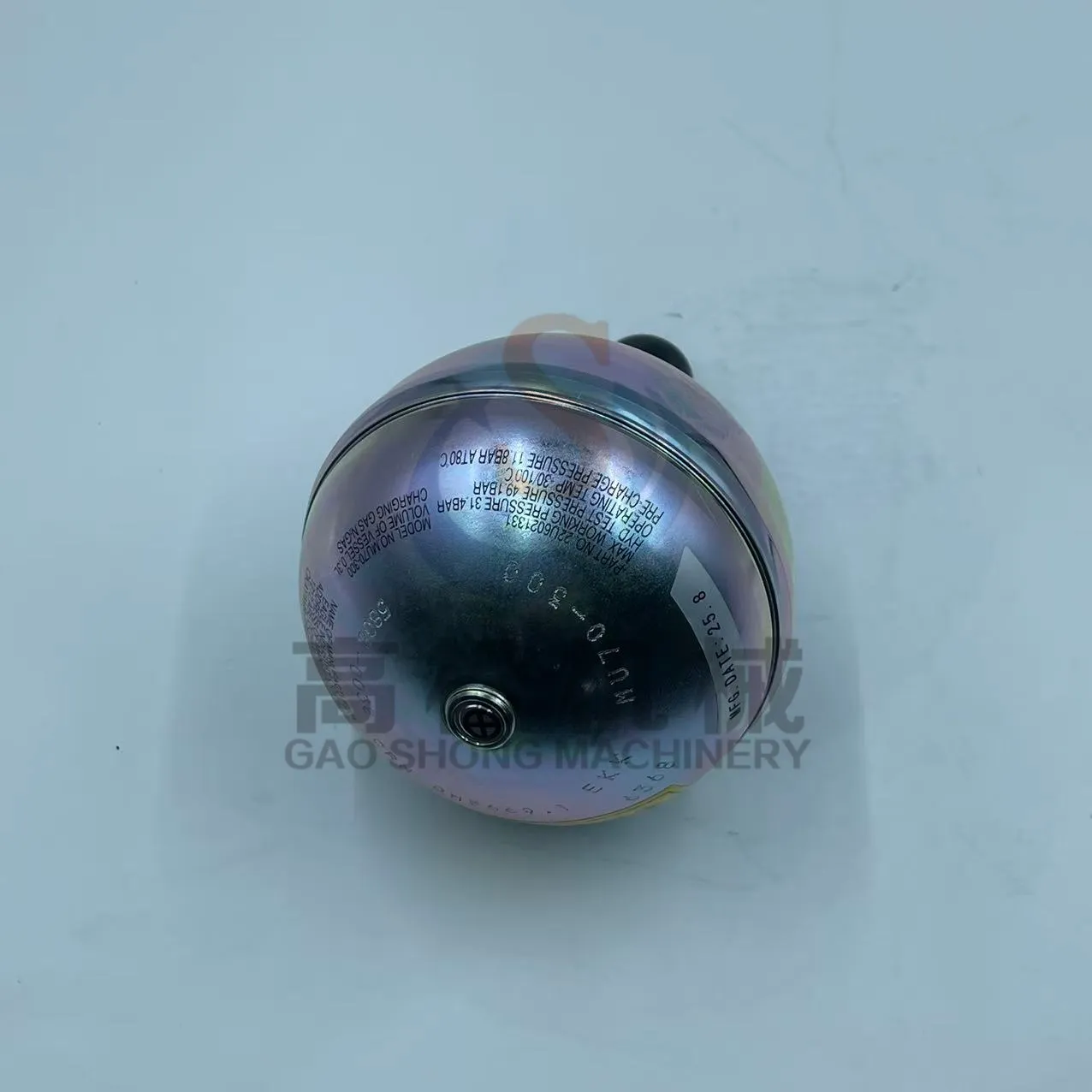 PC210 Excavator Accumulator 22U-60-21331 22U6021331 for Excavator PC300-8 PC350-8 PC130-8 PC200-8 PC220LC-8
 -
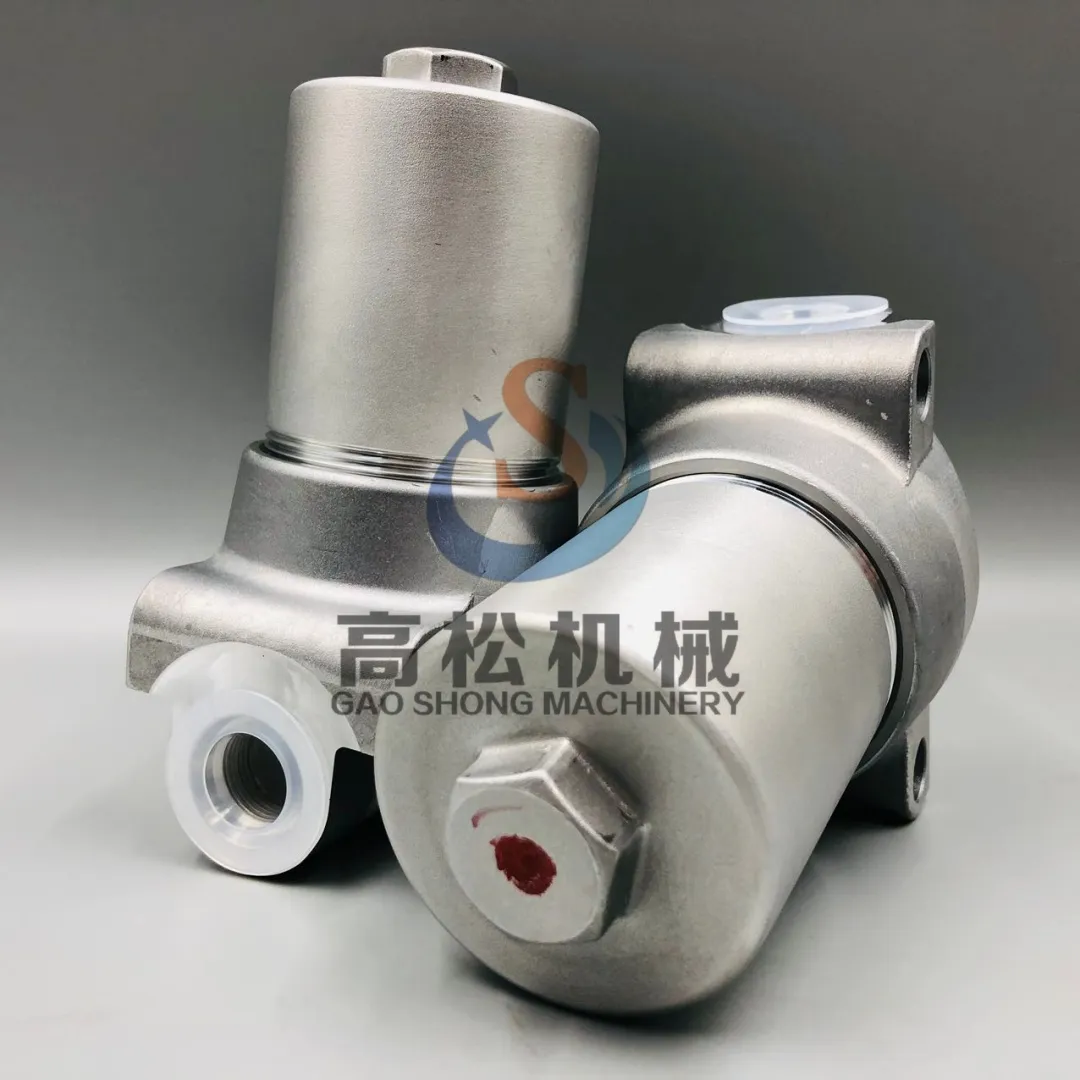 20Y-62-51681Komatsu Filter 20Y-62-51681 for Crawler excavator PC210LC-8
 -
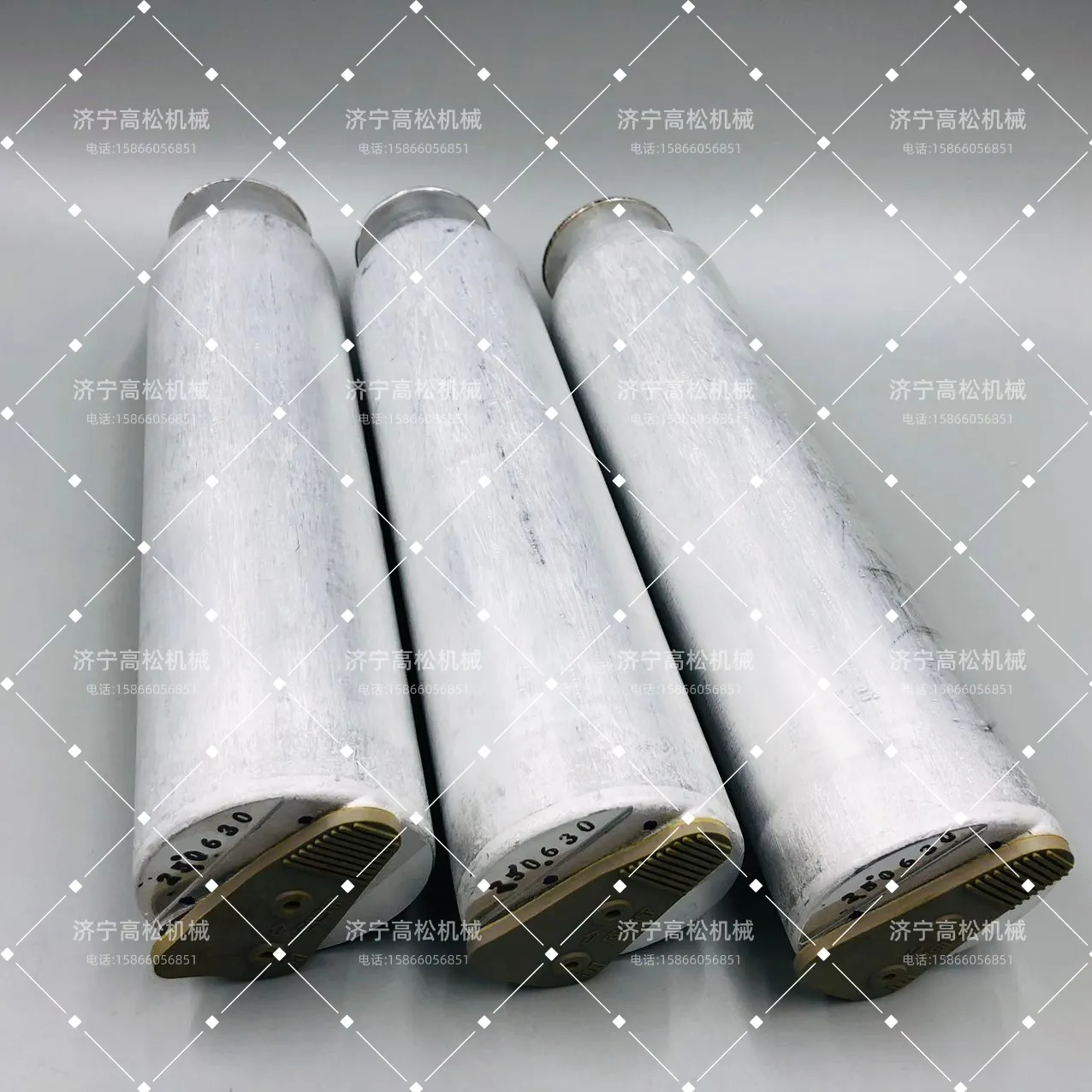 20Y-979-3120 Filter Receiver Drier for Komatsu – COOL MAKER
 -
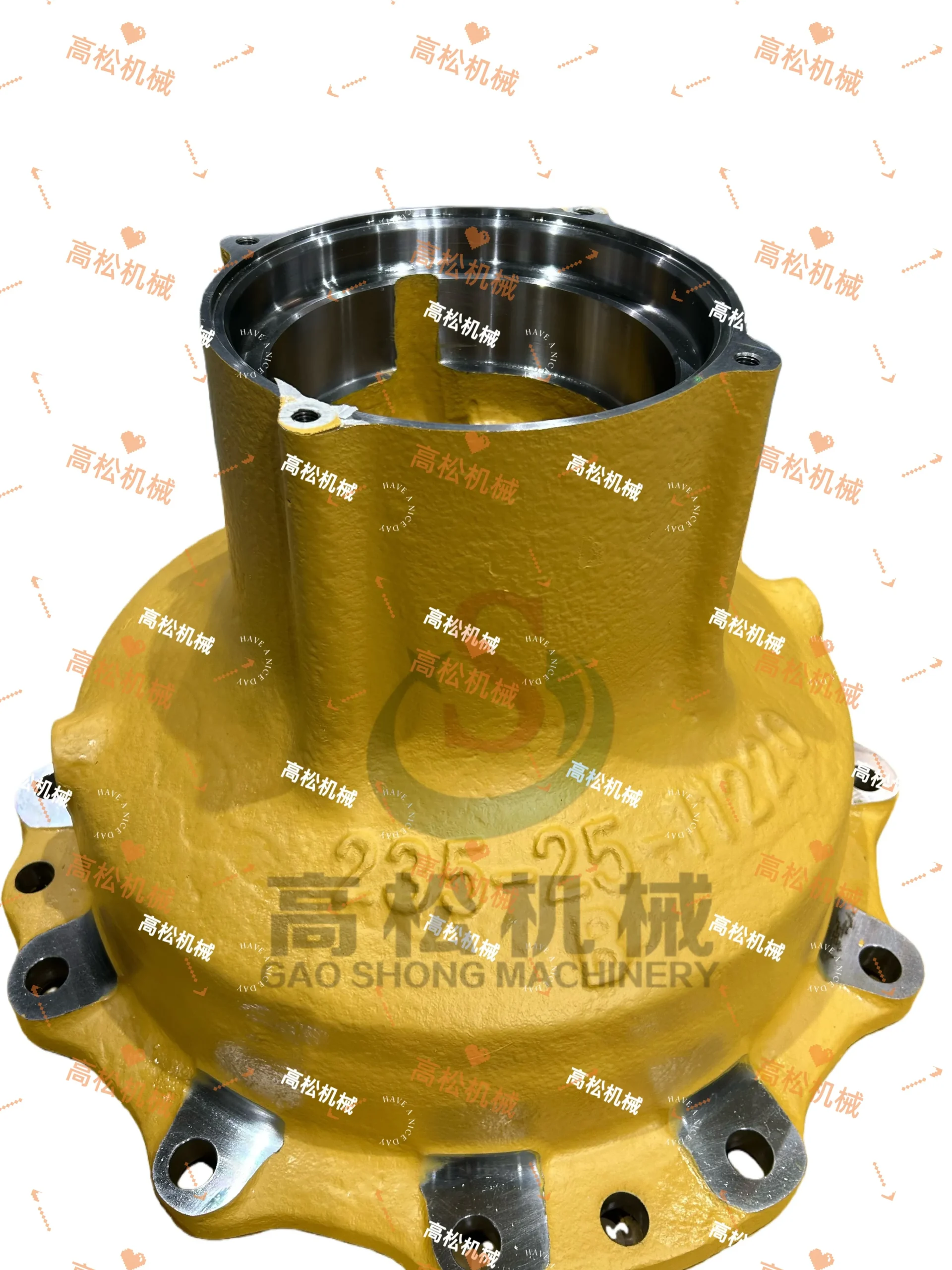 komatsu-part-235-25-11220 CAGE GD805A-1 GD825A-2 GD825A-2E0 TANDEM DRIVE GEAR AND CHAIN TANDEM DRIVE GEAR
 -
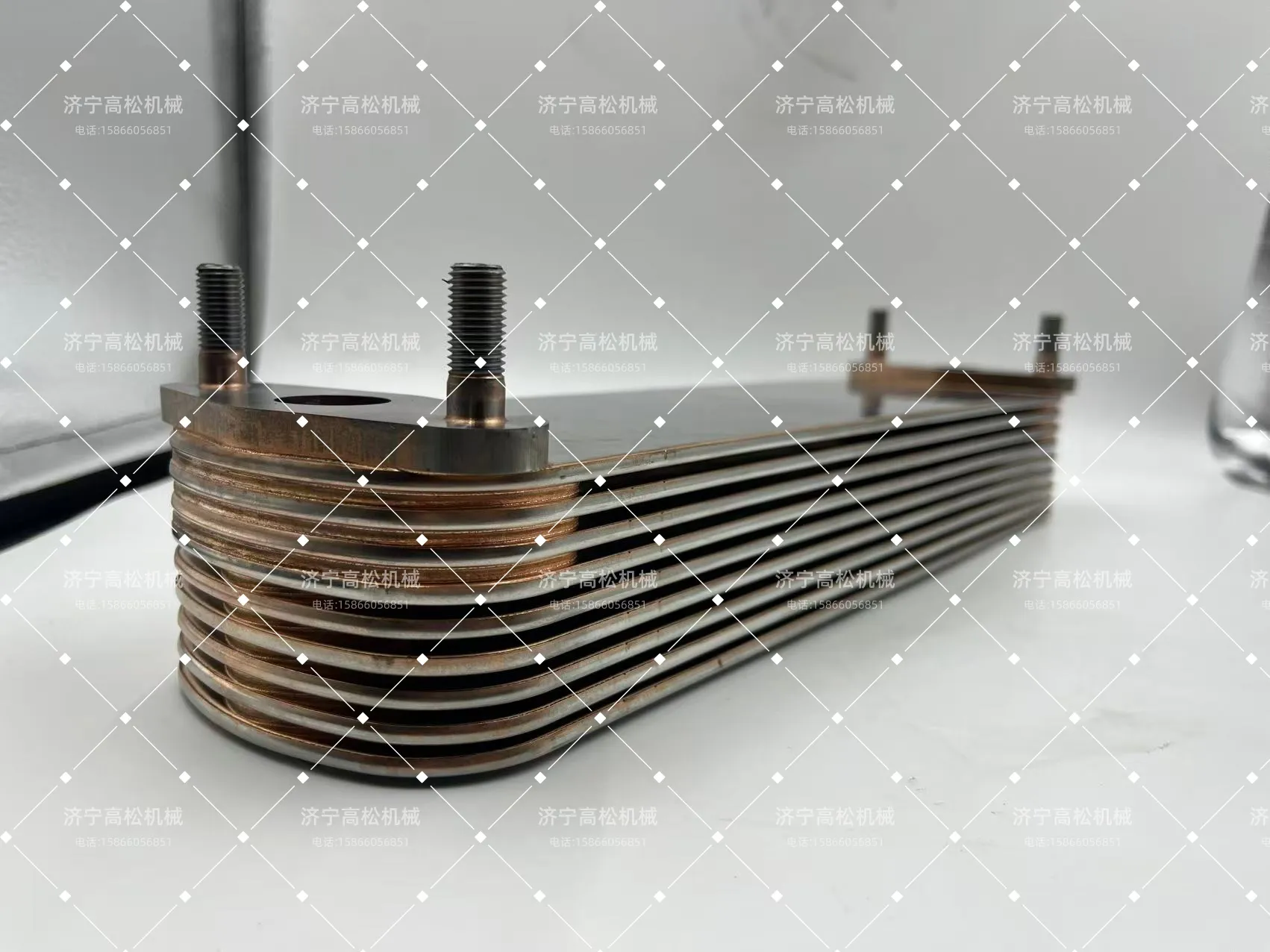 PC1250sp-7 Komatsu Excavator Oil Cooler 9 Plate 6240-61-2111 for…