
- Chinese
- French
- German
- Portuguese
- Spanish
- Russian
- Japanese
- Korean
- Arabic
- Irish
- Greek
- Turkish
- Italian
- Danish
- Romanian
- Indonesian
- Czech
- Afrikaans
- Swedish
- Polish
- Basque
- Catalan
- Esperanto
- Hindi
- Lao
- Albanian
- Amharic
- Armenian
- Azerbaijani
- Belarusian
- Bengali
- Bosnian
- Bulgarian
- Cebuano
- Chichewa
- Corsican
- Croatian
- Dutch
- Estonian
- Filipino
- Finnish
- Frisian
- Galician
- Georgian
- Gujarati
- Haitian
- Hausa
- Hawaiian
- Hebrew
- Hmong
- Hungarian
- Icelandic
- Igbo
- Javanese
- Kannada
- Kazakh
- Khmer
- Kurdish
- Kyrgyz
- Latin
- Latvian
- Lithuanian
- Luxembou..
- Macedonian
- Malagasy
- Malay
- Malayalam
- Maltese
- Maori
- Marathi
- Mongolian
- Burmese
- Nepali
- Norwegian
- Pashto
- Persian
- Punjabi
- Serbian
- Sesotho
- Sinhala
- Slovak
- Slovenian
- Somali
- Samoan
- Scots Gaelic
- Shona
- Sindhi
- Sundanese
- Swahili
- Tajik
- Tamil
- Telugu
- Thai
- Ukrainian
- Urdu
- Uzbek
- Vietnamese
- Welsh
- Xhosa
- Yiddish
- Yoruba
- Zulu
- Kinyarwanda
- Tatar
- Oriya
- Turkmen
- Uyghur






Komatsu water pump
When you hear 'Komatsu water pump,' you immediately think of the genuine part, the one with the stamped logo that costs a premium. That's the assumption, and it's where a lot of people, even some seasoned mechanics, get tripped up. They see the failure, order the 'OEM' part from the usual channels, and face weeks of downtime waiting for a crate to ship across an ocean. The reality in the field, especially in markets outside Japan or North America, is far messier. The genuine pump is fantastic, but the supply chain isn't always. That's where the actual expertise comes in—knowing what you're really looking at, what you can use, and how to keep a machine running when the 'official' route is a dead end for the next month.
The Core Function and The Common Failure Point
Let's be clear about its job. The Komatsu water pump isn't just a coolant circulator; it's a critical thermal management component for engines like the SAA6D140E or the older S6D125. Its failure is rarely subtle. You'll see overheating under load first, maybe some coolant seepage from the weep hole. Ignore that, and soon you're dealing with bearing noise—a grinding whine that spells imminent seizure. The real killer is the shaft play. Once that develops, it throws off the impeller alignment, reduces flow dramatically, and can even cause the fan to damage the radiator. I've seen it happen on a PC300-8 where the operator kept pushing through alarms. Result? A cooked head gasket and a bill five times the cost of a timely pump replacement.
The design itself is robust, but it has a predictable lifecycle. The seal is the consumable. It faces constant abrasion from coolant (which often isn't maintained properly) and thermal cycling. The bearings are typically a matched pair, and when one starts to go, it takes the other with it rapidly. The mistake is trying to just replace the seal. On a high-hour unit, that's a temporary fix. The wear on the shaft seat and the bearing housings means a full assembly swap is the only reliable repair. Trying to cheap out here just guarantees a comeback job.
What's interesting is the variance between models. The pump on a D65EX dozer is a simpler, more serviceable beast than the one on a newer hybrid excavator. The latter often integrates sensors and has tighter clearances. You can't just swap concepts between them. You need the exact part number, or a verified cross-reference. I learned that the hard way early on, assuming a pump from a 200-series excavator would fit a 300-series with a 'similar' engine. The bolt pattern matched, but the impeller depth was off by 4mm, causing cavitation and chronic overheating. A costly lesson in assuming Komatsu meant universal across lines.
The OEM System and The On-the-Ground Reality
This is where theory meets the mud. Komatsu's official OEM system is built for traceability and guaranteed performance. When you buy a genuine pump from a Komatsu dealer, you're paying for that assurance. But in many regions—think parts of Southeast Asia, Africa, South America—that dealer network is thin or non-existent. Lead times can be 60-90 days. For a contractor with three machines down, that's bankruptcy.
This gap is where companies operating within the system but addressing its logistical shortcomings become vital. Take Jining Gaosong Construction Machinery Co., Ltd., for example. They list themselves as an OEM product supplier within the Komatsu system and a third-party sales company. In practice, what that means is they have access to the genuine supply chain or can produce to the exact OEM specifications, but they operate outside the rigid regional dealership constraints. Their site, https://www.takematsumachinery.com, explicitly states they help solve parts supply challenges in certain countries. That's not marketing fluff; that's a direct response to the real-world blockage. They aren't selling counterfeit parts; they are providing an alternative channel for the real thing, or components built to the same tolerances, when the primary channel is clogged.
I've worked with channels like this. The key is verification. You can't just order a Komatsu-style pump. You need to confirm the source. Does the supplier have the engineering drawings? Can they provide material certifications for the castings and the seal? For a company like Gaosong, their value hinges on being a known entity within the broader Komatsu ecosystem—a shadow OEM, if you will. They fill the orders that the main system can't fulfill efficiently, often for older models that are still working hard but have been phased out of priority production.
Failure Analysis and The Good Enough Replacement
Let's talk about a specific case. A client had a Komatsu WA470-6 wheel loader with a failing pump. The local dealer quoted a 45-day wait and a price that made the site manager wince. The machine was on a remote road project. We pulled the pump (a 20N-61-11120) and did a post-mortem. The seal had failed, but crucially, the shaft showed scoring where the seal lip ran. A simple seal kit was useless; the shaft was compromised.
We had two options: wait for the genuine part and lose weeks of production, or find an alternative. We sourced a pump from a third-party supplier who claimed OEM equivalence. The first step was a physical comparison. Side-by-side, the casting marks were different, but the critical dimensions—flange thickness, bolt hole centers, shaft diameter and length, impeller offset—were within a few hundredths of a millimeter. The bearing brand was Japanese, not the original, but a reputable SKF equivalent. The seal was a double-lipped, silicon carbide design, which was actually an upgrade over the original.
We took a chance. Installation was straightforward. The test was a 12-hour continuous run under full load in a quarry. Coolant temperatures held steady within the normal band, and no leaks developed. That was two years ago. I checked last month; the pump is still running. This isn't to say all aftermarket or alternative channel parts are good. Many are trash. But it shows that with diligent inspection and sourcing from a technically competent supplier (the kind that understands they are part of the Komatsu support infrastructure, not just a parts reseller), you can get a functionally identical outcome without the downtime. The client saved about 35% on the part cost and, more importantly, saved 45 days of machine rental and project delay.
Preventive Wisdom and Cost-Benefit Thinking
So, when do you insist on the boxed genuine Komatsu water pump, and when do you explore the alternative channel? It's a judgment call. For a machine under warranty, always go genuine. No debate. For a critical machine on a major, time-sensitive project where a failure would be catastrophic, the genuine part's provenance might be worth the premium and wait if you have lead time.
But for the vast majority of machines—those with 10,000+ hours, working in tough but not mission-critical roles—the calculus changes. Here, the total cost of ownership matters more. If a high-quality alternative from a verified supplier like Jining Gaosong can get you 90-95% of the service life at 70% of the cost and with immediate availability, that's often the smarter business decision. The key is verified. You need a supplier that provides more than a website; they need technical backup, clear traceability, and a reputation in the industry.
Preventive replacement is another area. If you're doing a major engine overhaul, replacing the water pump with a high-quality unit, regardless of its immediate condition, is cheap insurance. At that point, the labor cost dwarfs the part cost. Whether you use a genuine pump or an OEM-spec equivalent matters less than using a new, reliable one. Sticking the old one back on is the real failure point I see too often.
Final Take: It's About Keeping Things Moving
At the end of the day, the brand on the pump matters less than the coolant flowing through it. The ideal world is all genuine parts, readily available. We don't live there. The practical world is about solutions. Understanding the Komatsu water pump—its failure modes, its precise specifications—is the first step. The second step is knowing the landscape of supply. Companies that position themselves as problem-solvers within the Komatsu sphere, like the mentioned Gaosong, are part of that landscape. They exist because the official system has gaps.
The professional's skill isn't just in turning a wrench. It's in navigating that gray area between the parts catalog and the reality on the ground. It's in inspecting a casting, judging a seal quality, and making a call that keeps the asset producing. Sometimes that call is to wait for the stamped part. Often, especially when you find a reliable technical partner in the supply chain, it's to use a functionally identical component that gets the machine back to work tomorrow. That's the unglamorous, essential truth of equipment maintenance far from the distributor's front door.
Related Products
Related Products

Best Selling Products
Best Selling Products-
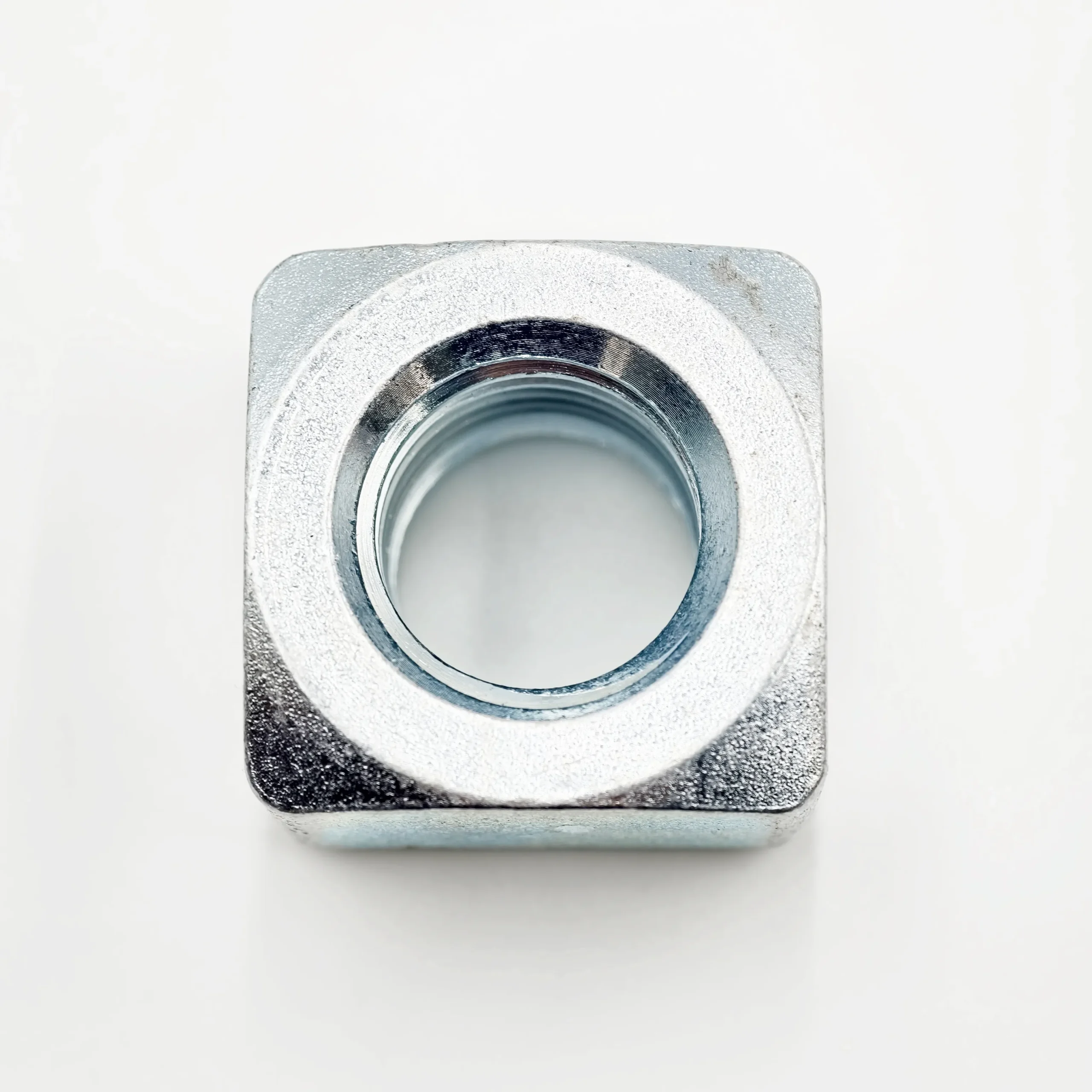 KOMATSU 130-70-13241 Square NUT
 -
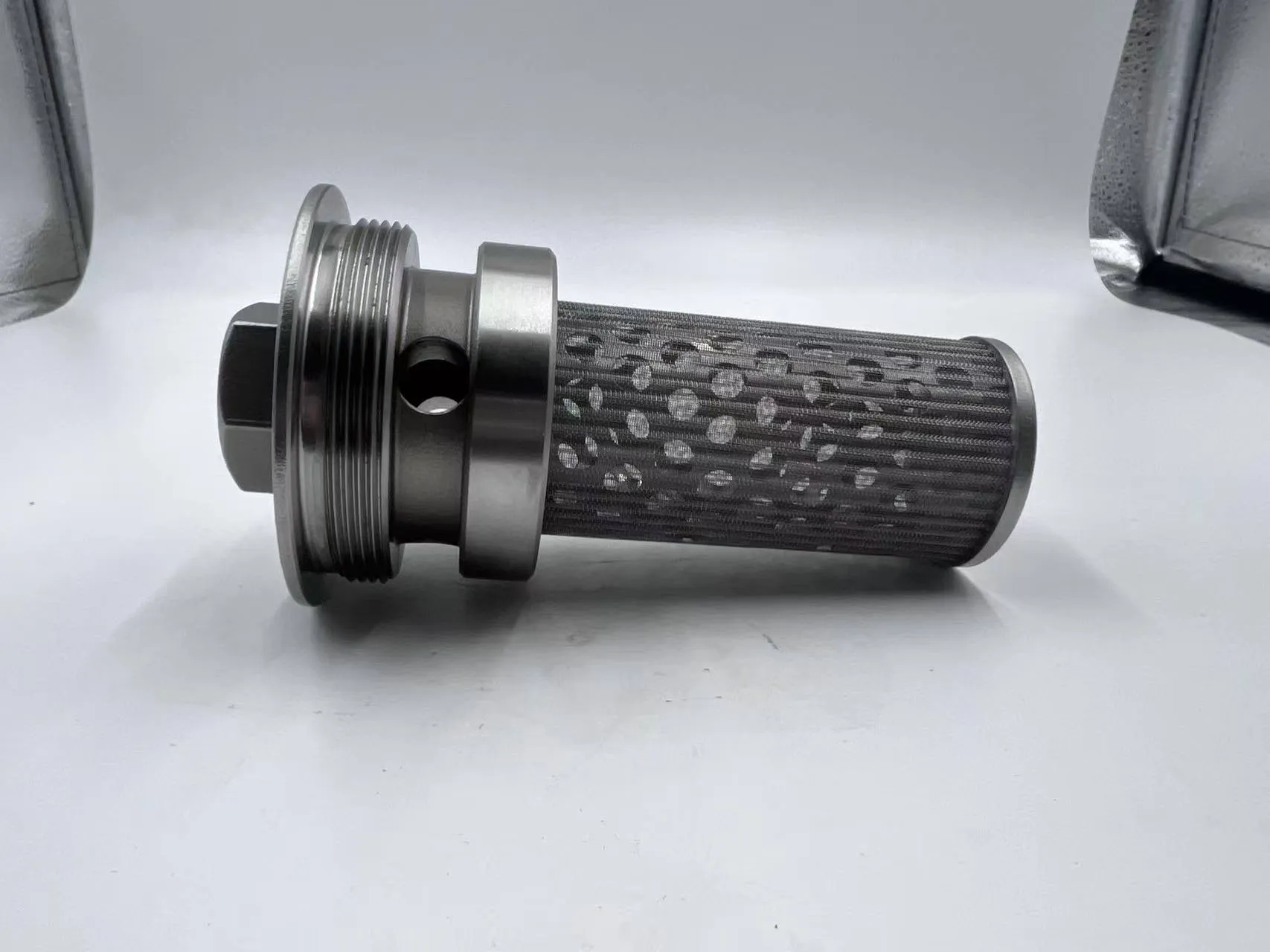 195-04-11150 STRAINER Suitable For Komatsu
 -
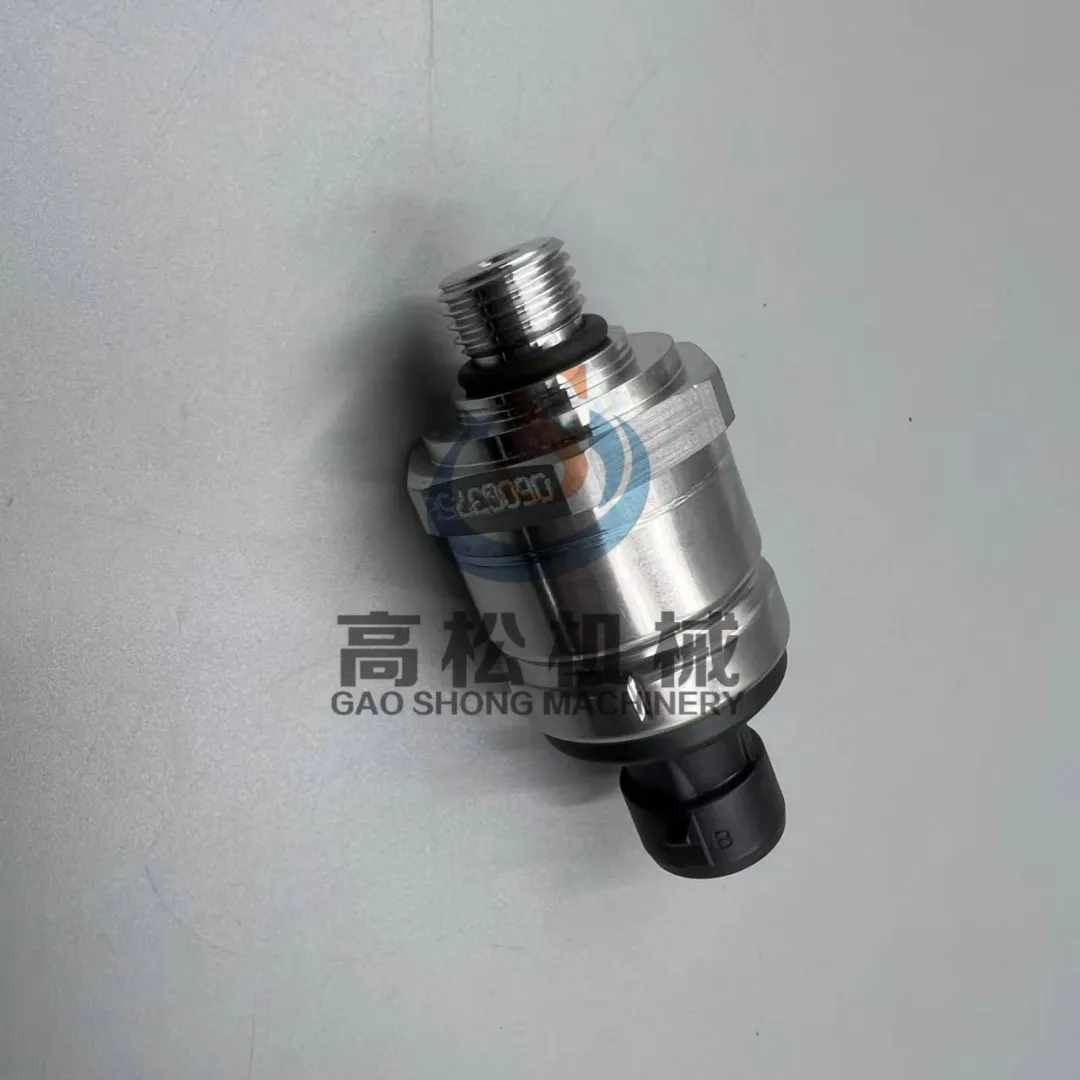 Pressure Sensor 6560-51-6200 6560-51-6201 6560-51-6202 for Komatsu WA600-3 Loader
 -
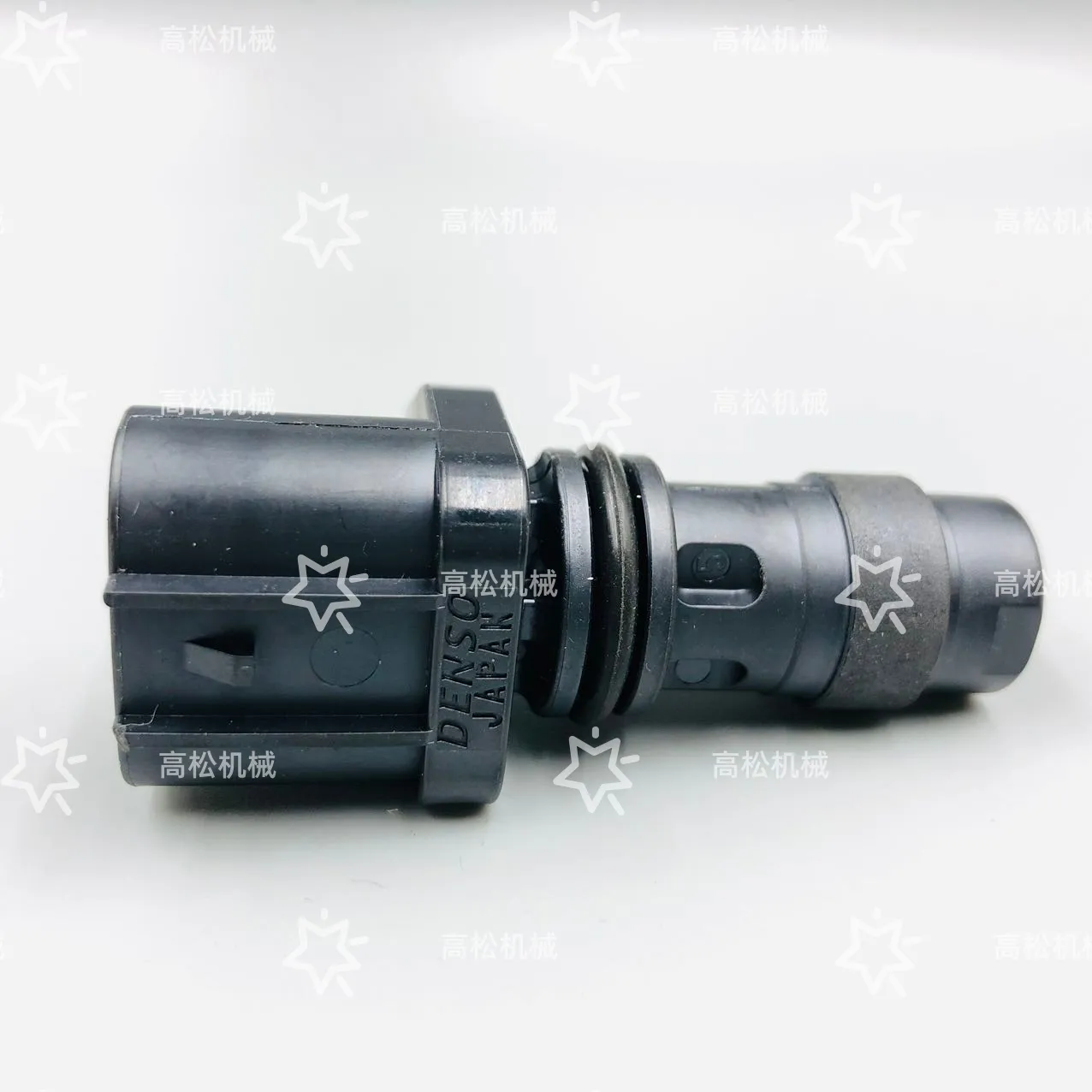 ND949979-1300 Camshaft Position Sensor for Komatsu Excavator PC400-8 PC450-8
 -
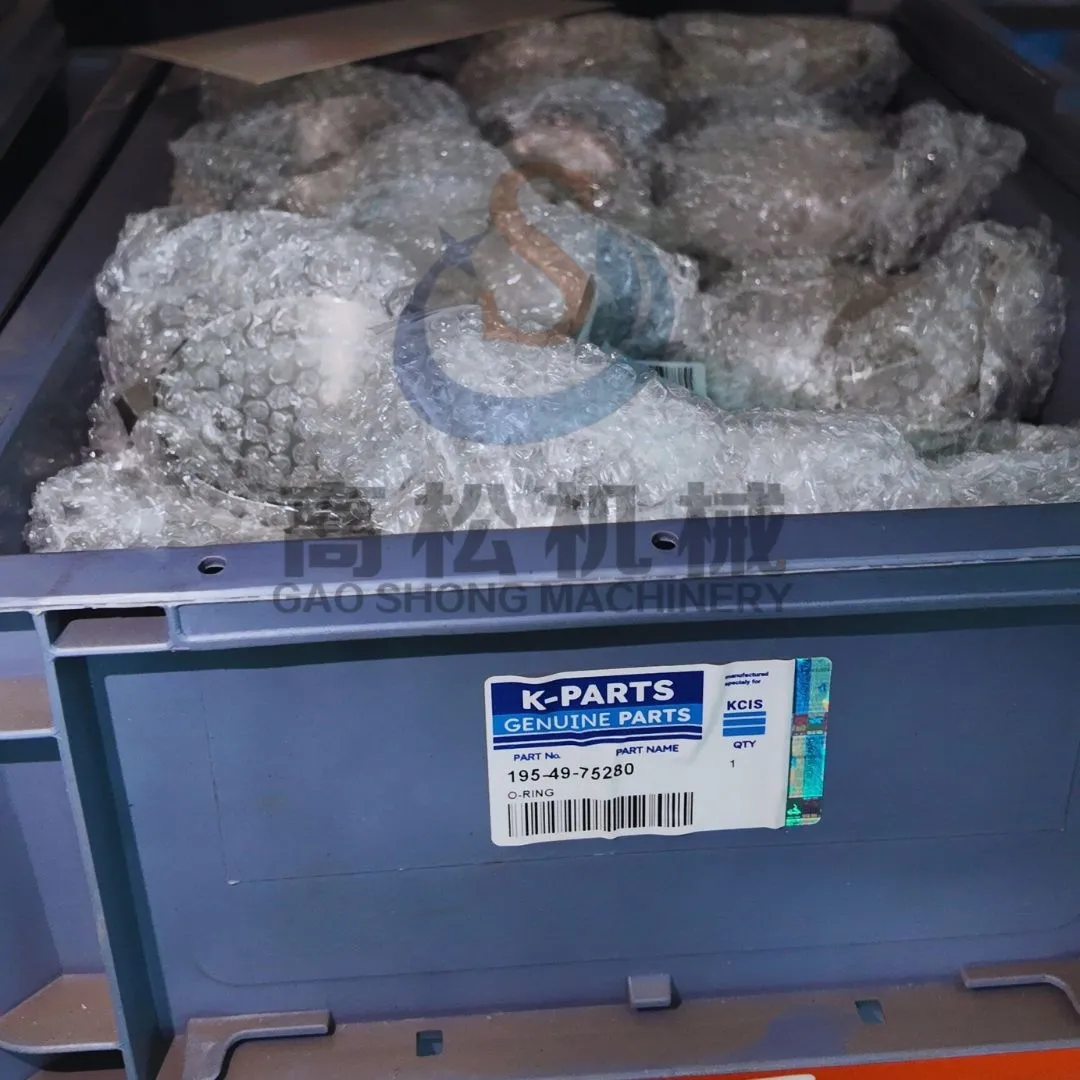 195-49-75280 Komatsu O-ring
 -
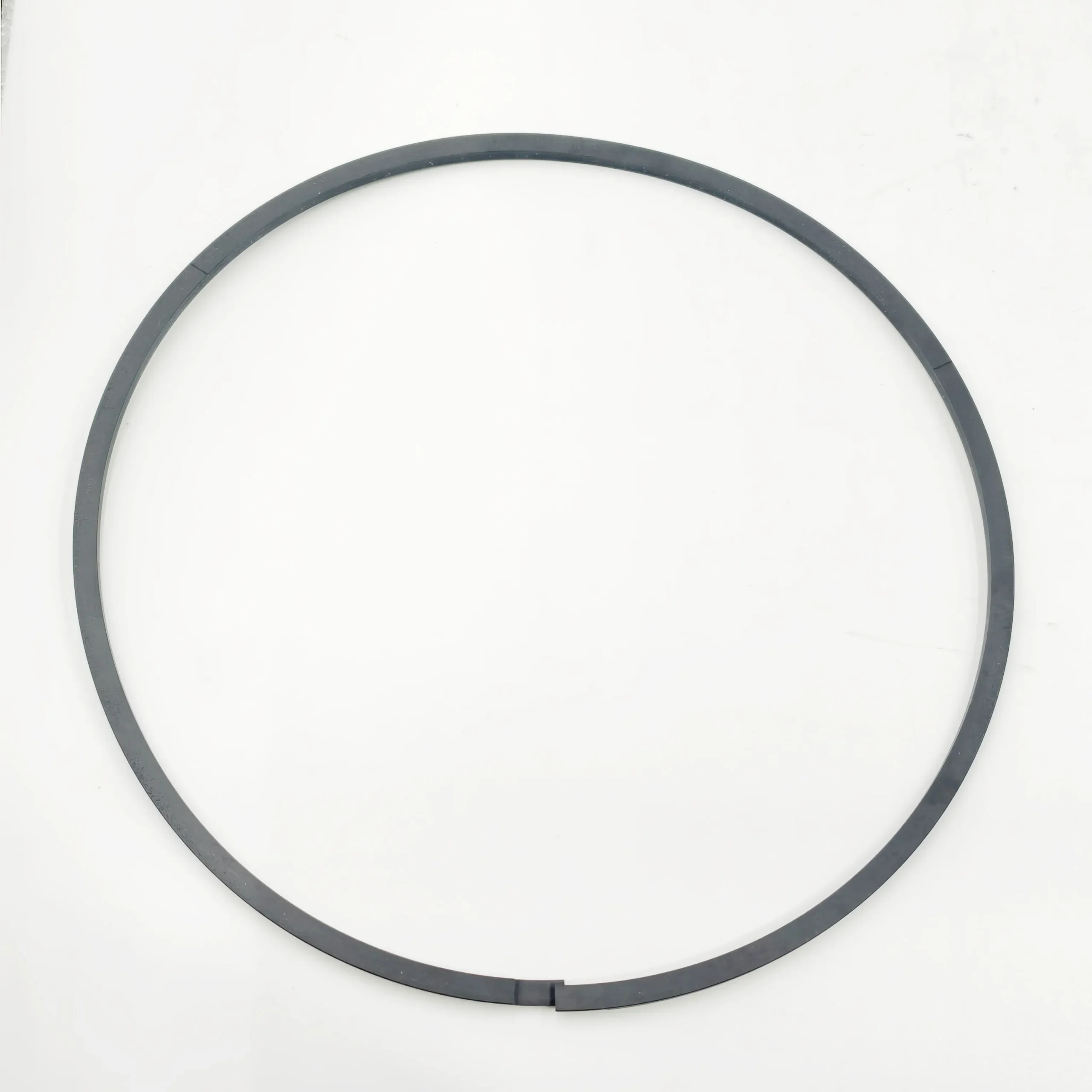 KOMATSU-SEAL RING 14X-15-19210
 -
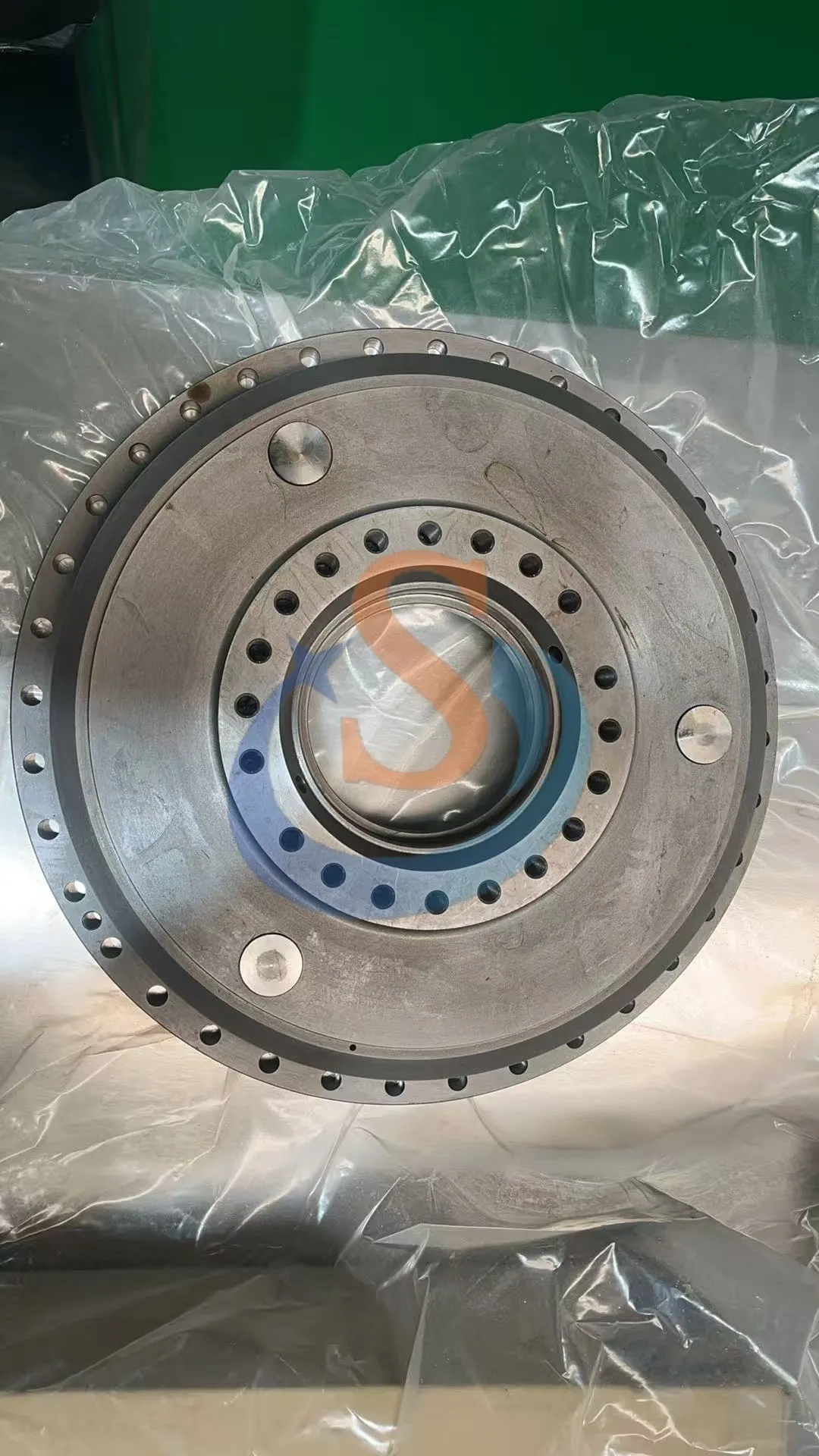 14X-13-57111 komatsu Housing D65
 -
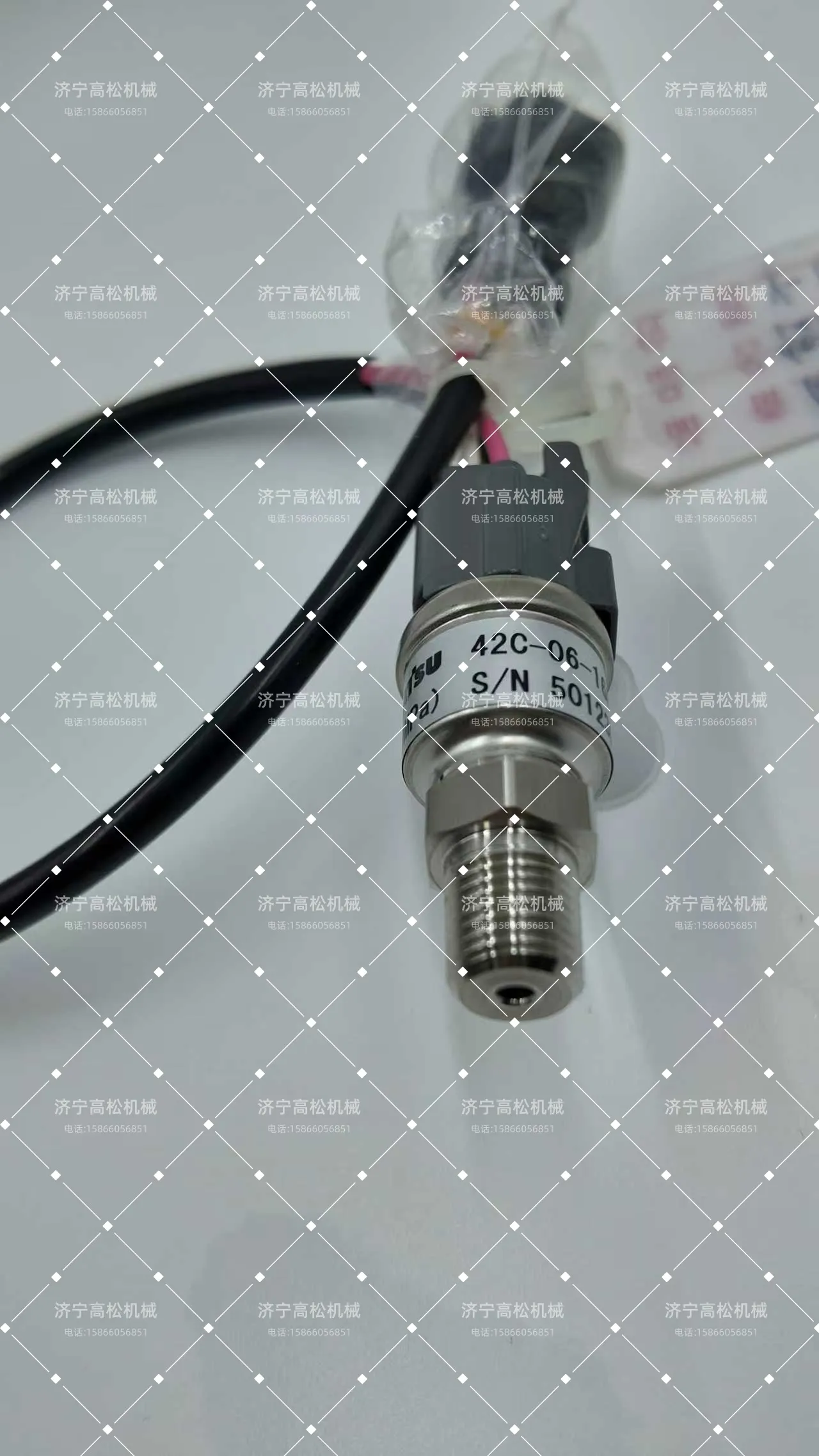 7861-93-1680 Pressure Sensor For Komatsu WA1200 SDA12V140E
 -
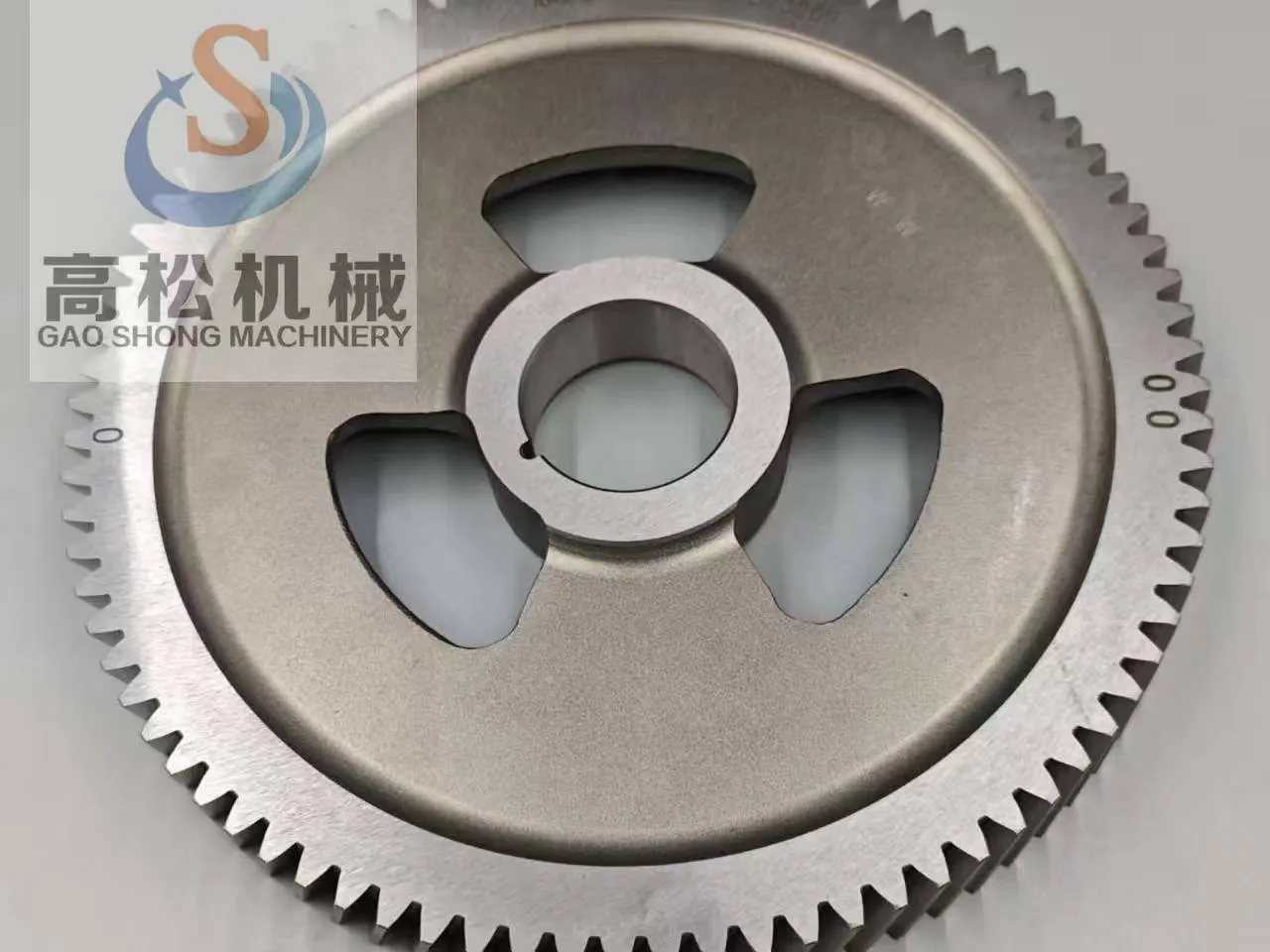 Gear 6745-41-1130 6745411130 6745-41-1131 for excavator PC300 PC350 WA430
 -
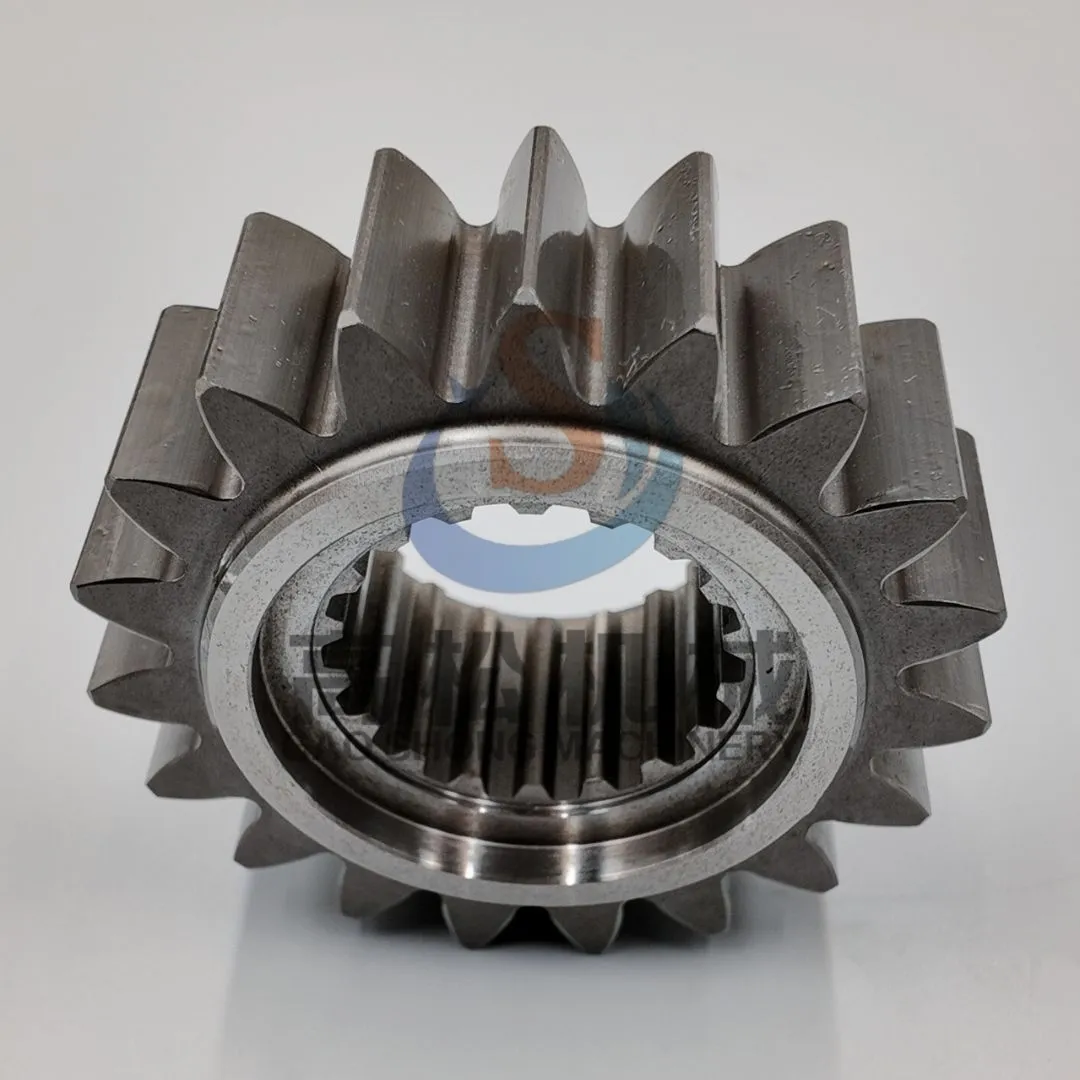 GEAR 207-26-71510 – KOMATSU
 -
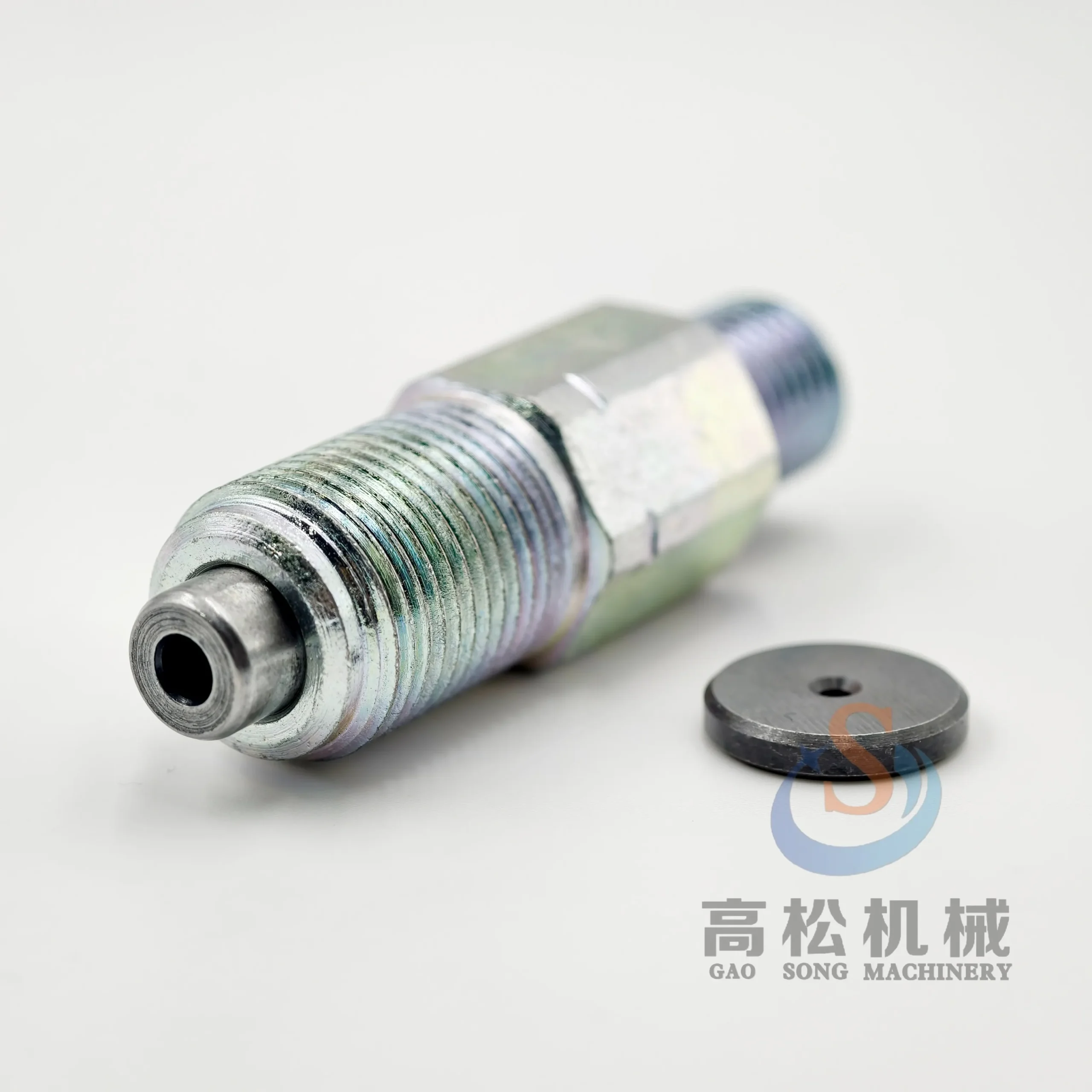 ND095400-0310 komatsu-parts LIMITER
 -
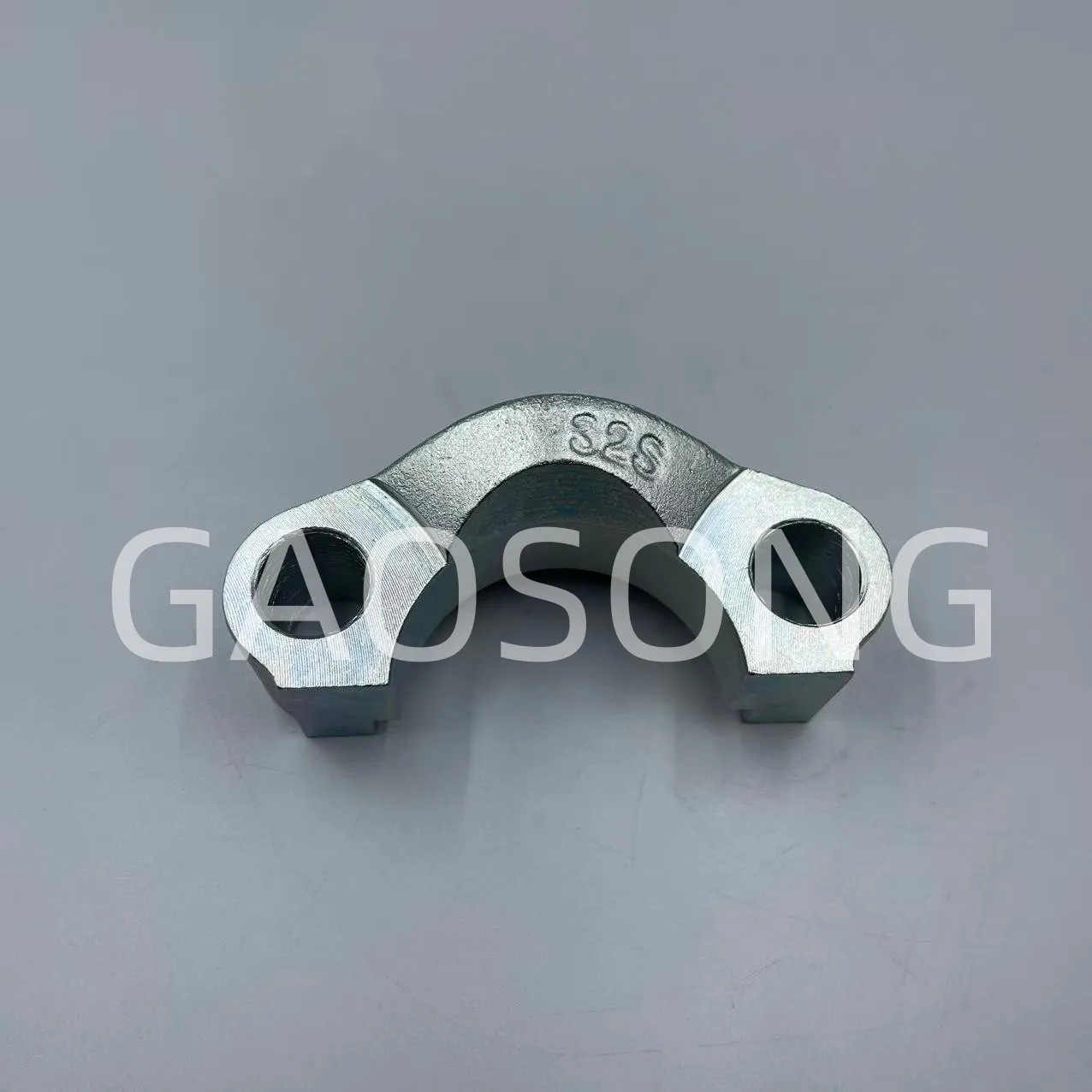 707-40-28020 • SPACER-Komatsu Original Factory