
- Chinese
- French
- German
- Portuguese
- Spanish
- Russian
- Japanese
- Korean
- Arabic
- Irish
- Greek
- Turkish
- Italian
- Danish
- Romanian
- Indonesian
- Czech
- Afrikaans
- Swedish
- Polish
- Basque
- Catalan
- Esperanto
- Hindi
- Lao
- Albanian
- Amharic
- Armenian
- Azerbaijani
- Belarusian
- Bengali
- Bosnian
- Bulgarian
- Cebuano
- Chichewa
- Corsican
- Croatian
- Dutch
- Estonian
- Filipino
- Finnish
- Frisian
- Galician
- Georgian
- Gujarati
- Haitian
- Hausa
- Hawaiian
- Hebrew
- Hmong
- Hungarian
- Icelandic
- Igbo
- Javanese
- Kannada
- Kazakh
- Khmer
- Kurdish
- Kyrgyz
- Latin
- Latvian
- Lithuanian
- Luxembou..
- Macedonian
- Malagasy
- Malay
- Malayalam
- Maltese
- Maori
- Marathi
- Mongolian
- Burmese
- Nepali
- Norwegian
- Pashto
- Persian
- Punjabi
- Serbian
- Sesotho
- Sinhala
- Slovak
- Slovenian
- Somali
- Samoan
- Scots Gaelic
- Shona
- Sindhi
- Sundanese
- Swahili
- Tajik
- Tamil
- Telugu
- Thai
- Ukrainian
- Urdu
- Uzbek
- Vietnamese
- Welsh
- Xhosa
- Yiddish
- Yoruba
- Zulu
- Kinyarwanda
- Tatar
- Oriya
- Turkmen
- Uyghur






komatsu wa800 engine
When you hear 'Komatsu WA800 engine', most guys immediately think of the SAA6D170E-7. That's correct, but it's also where the oversimplification starts. The real story isn't just the model code stamped on the valve cover; it's about the ecosystem around that power unit—the sourcing headaches, the aftermarket gamble, and the operational tweaks that make or break your uptime. I've seen too many projects stall because someone ordered a WA800 engine assuming it was a simple drop-in, only to find a rat's nest of compatibility issues with the hydraulics or the ECM. The engine doesn't work in a vacuum, and treating it like a commodity part is the first, and most expensive, mistake.
The Core Power Unit: SAA6D170E-7 Realities
Let's get into the guts of it. The SAA6D170E-7 is a 15.2L turbocharged diesel. On paper, it's rated around 544 hp. But paper ratings and dyno results in a dusty pit can be two different things. The torque curve is what matters for a loader this size, and Komatsu tuned it for a broad, flat band. However, I've logged data where machines with identical engine specs showed a 5-7% variance in actual output at the PTO, depending on intake restriction and the health of the twin sequential turbos. It's not always the engine's fault; a clogged air cleaner or a slightly leaking intercooler pipe can kneecap performance, and guys will blame the Komatsu WA800 engine first.
One specific pain point is the fuel system. It uses a high-pressure common rail setup with extremely tight tolerances. We had a case where a fleet was experiencing intermittent power loss. Everyone suspected injectors or the HP pump. After days of diagnostics, it traced back to a batch of off-spec fuel that had microscopic particulate contamination. It passed the standard site filter but wrecked the injector control valves. The lesson? The engine's sophistication demands fuel quality that many remote sites struggle to guarantee consistently. You can't just pour any diesel in there.
Cooling is another beast. The integrated aftercooler and the layout of the radiator core are critical. In high-ambient temperatures, we've seen issues not with the coolant temp, but with charge air temperature creeping up, triggering derates. The fix sometimes wasn't a bigger radiator, but ensuring the fan shroud was perfectly sealed and the fins were clean—basic maintenance, but often overlooked until the machine goes into limp mode on a hot day. It's these operational nuances that separate a theoretical understanding from a practical one.
The Parts Labyrinth and the OEM+ Solution
This is where theory meets the frustrating reality of global supply chains. You need a cylinder head for a WA800-8. You call the local Komatsu dealer. Maybe it's on backorder for 12 weeks, maybe the price makes your CFO wince. So you look at aftermarket. Some patterns are good, some are outright dangerous. I've seen aftermarket heads with slightly different coolant passage geometries that lead to hot spots and premature cracking. The risk isn't worth it for a core component.
This is precisely the gap that companies operating within the Komatsu ecosystem aim to fill. Take Jining Gaosong Construction Machinery Co., Ltd. as an example. They position themselves as an OEM product supplier within the Komatsu system. In practice, what does that mean? It often means access to genuine or OEM-spec components—maybe from the original foundry or machining line—without the traditional dealer markup or logistical bottleneck. For a site manager staring down a six-figure downtime cost, a reliable third-party source that understands the Komatsu WA800 engine inside and out is a lifeline. Their role in solving parts supply challenges in certain regions isn't just sales; it's about keeping fleets moving.
But caution is still key. OEM product supplier needs verification. It's not about fancy websites; it's about traceability. A good supplier will provide batch numbers, material certifications, and sometimes even coordinate with Komatsu's technical bulletins. We once sourced a set of piston kits from a similar intermediary. The critical step was cross-referencing the kit's ring end-gap spec against the latest service bulletin, which had been updated. The supplier knew about the update and had the correct parts. That's the difference between a parts peddler and a technical partner.
Failures and Forensic Teardowns
Nothing teaches you more about an engine than tearing down a failed one. We had a WA800-7 with a catastrophic connecting rod failure. The initial blame went to oil starvation. The teardown told a different story. The rod bolt had failed in fatigue. Further investigation pointed not to a manufacturing defect in the bolt itself, but to an earlier overhaul where the torque-plus-angle procedure hadn't been followed precisely. The bolt was over-stretched, leading to a time-bomb failure. The Komatsu WA800 engine is intolerant of procedural shortcuts. The service manual isn't a suggestion.
Another common failure pattern involves the EGR and cooler assembly on later Tier 4 Final or equivalent models. The carbon buildup is immense. I've advocated for more frequent passive regenerations and even manual cleaning cycles, but the default strategy for many fleets is to run it until it faults. Then you're looking at a costly cooler replacement. A proactive approach—monitoring differential pressure and temperature across the cooler—can predict the blockage. But that requires buying into the data, which many old-school shops still resist.
Then there's the simple stuff that causes big problems. The ground straps. Sounds trivial, right? We chased an elusive electronic throttle control fault for a week. Replaced sensors, the ECM, re-flashed software. The issue was a corroded ground strap from the engine block to the frame. The reference voltage for the throttle position sensor was floating. A five-dollar part caused thousands in downtime and misdiagnosis. Now, checking and cleaning major grounds is the first step in any electrical diagnosis on these machines.
Performance Tweaks and Operational Wisdom
You don't mess with the factory ECU mapping lightly. But there are peripheral adjustments that yield real benefits. One is focusing on the hydraulic system demand. The Komatsu WA800 engine drives massive hydraulic pumps. Ensuring the pump control linkages are perfectly adjusted to minimize deadhead pressure at standby reduces the load on the engine, cutting fuel consumption and heat generation. We saw a 3% fuel improvement on a fleet just by re-calibrating the pump regulators during PM services—a non-invasive tweak with a tangible ROI.
Oil choice is a religious debate, but for the SAA6D170E-7, sticking to Komatsu's preferred spec (like KES 07.84.1) is wise. However, oil analysis is wiser. We switched a fleet to a synthetic blend that met the spec but had a slightly different additive package. The oil analysis showed a reduction in soot loading and iron wear particles compared to the standard mineral oil. The key was doing the analysis to prove it, not just assuming a more expensive oil was better. It allowed us to confidently extend drain intervals slightly, offsetting the higher fluid cost.
Finally, operator training is an engine mod. An operator who uses the automatic shift modes properly, avoids lugging the engine, and allows for proper cool-down periods will get twice the component life from one who doesn't. It's the cheapest performance and reliability upgrade available. You can have the best-maintained Komatsu WA800 engine in the world, and a ham-fisted operator can kill it in a month.
Sourcing Strategy: Building a Resilient Supply Chain
Relying on a single channel for parts or support is a vulnerability. A smart strategy involves a tiered approach: the official dealer for critical electronics and ECMs, a trusted OEM-aligned supplier like Jining Gaosong Construction Machinery Co., Ltd. for major assemblies and mechanical components, and a vetted aftermarket source for non-critical, wear-and-tear items like hoses, clamps, and filters. The goal is to have options that balance cost, availability, and risk.
This requires building relationships and doing due diligence. Order a non-critical part first. Assess the packaging, the documentation, the physical quality. Have your lead mechanic inspect it. Does the machining look right? Are the casting marks clean? Then, if it passes the sniff test, maybe try a more important component. The website takematsumachinery.com is a point of contact, but the real test is the technical conversation you have with their support. Can they discuss the updated piston ring design for the -8 model? Do they know about the service bulletin on the water pump seal? That's the knowledge that adds value beyond a price list.
In the end, managing the Komatsu WA800 engine is about understanding it as a dynamic, integrated system, not a static part number. It's about combining strict adherence to service protocols with operational savvy, and backing it all up with a pragmatic, multi-source supply chain. The engine is a masterpiece of industrial engineering, but its reliability in your fleet is determined by the quality of the support ecosystem you build around it. That's the part they don't put on the spec sheet.
Related Products
Related Products

Best Selling Products
Best Selling Products-
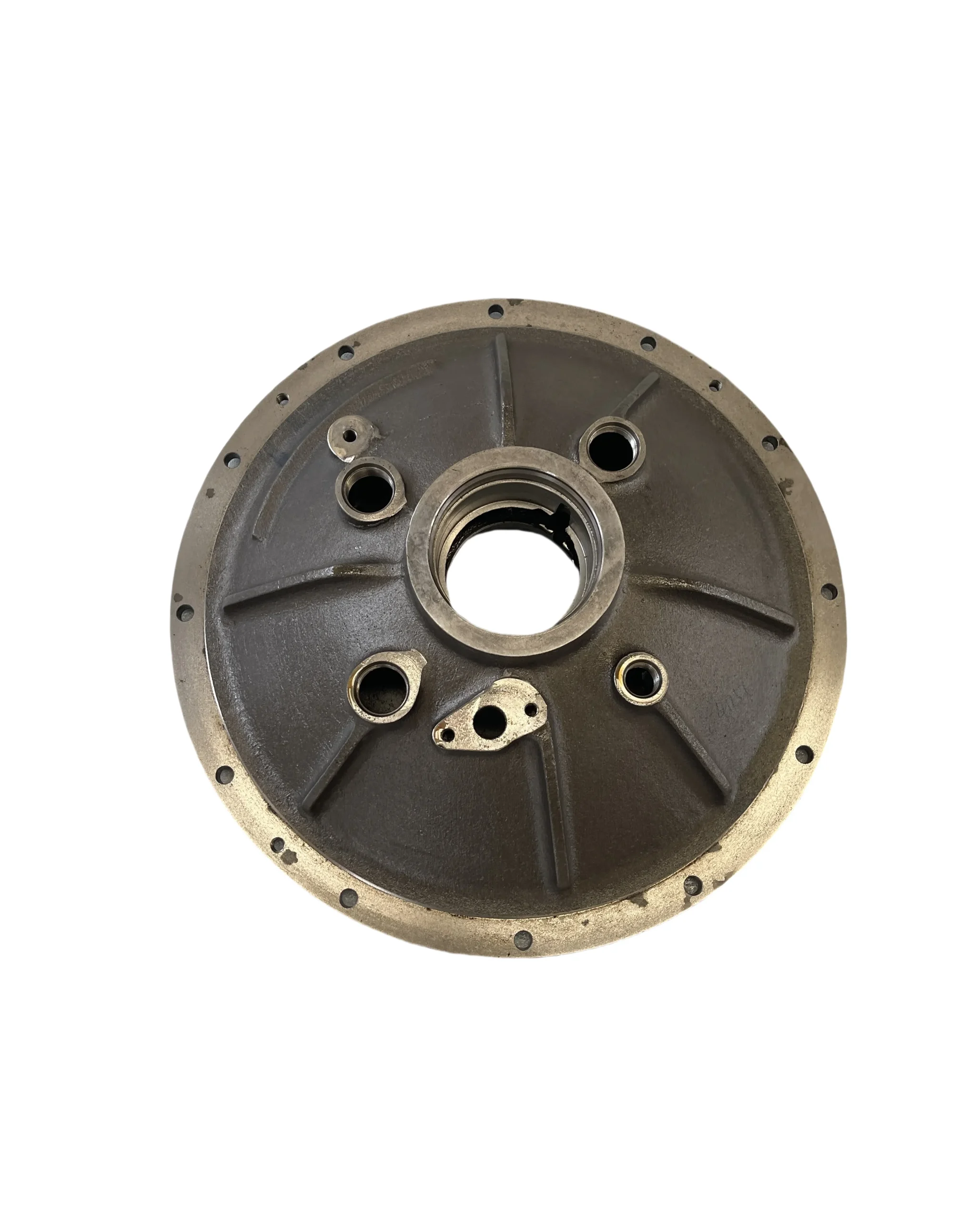 17M-12-41150 cover for Komatsu D275A-5
 -
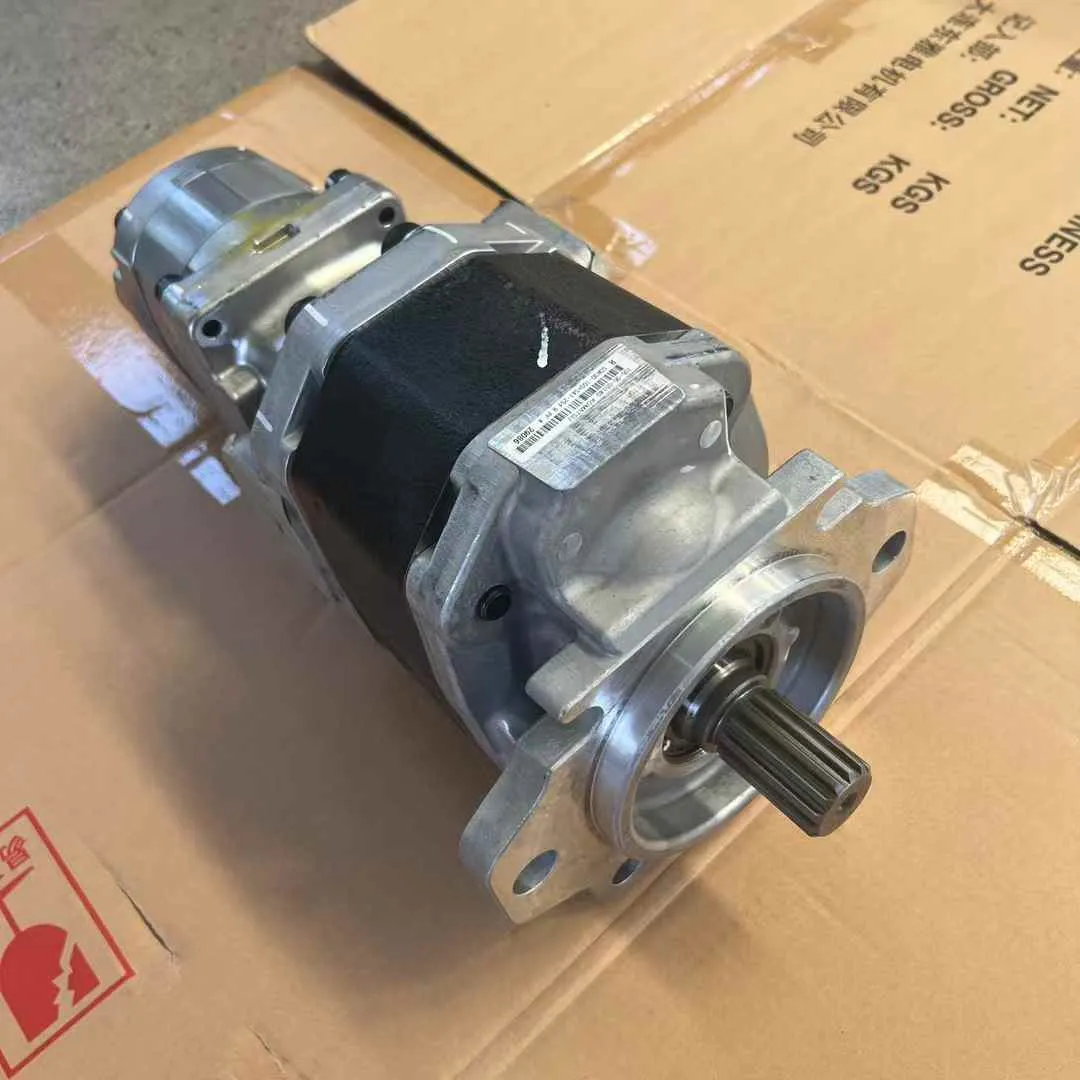 705-95-05140 HydraulicPump
 -
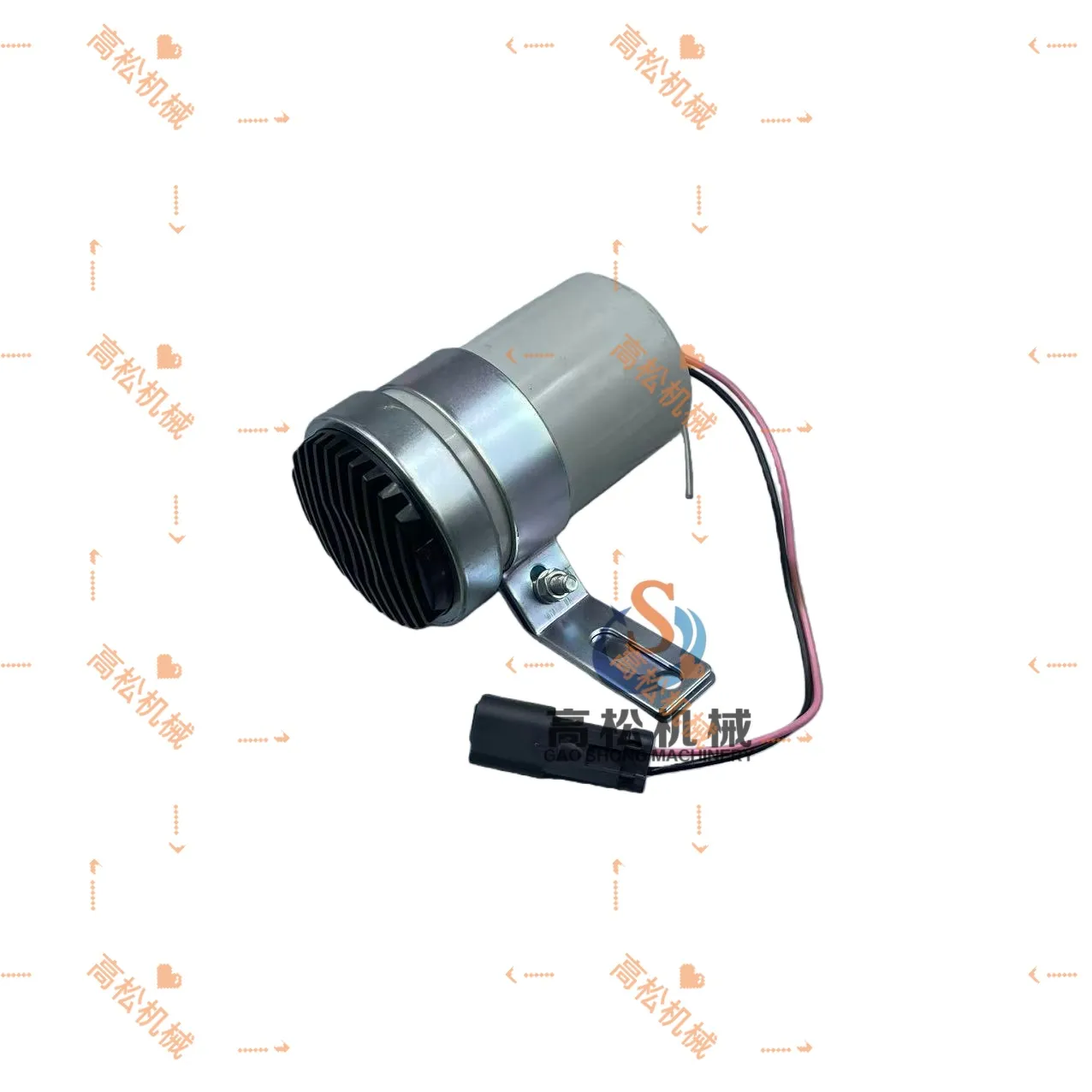 198-06-56570 BUZZER KOMATSU parts D155AX, D275A, D275AX, D375A, D475A, D475ASD, D85EX, D85MS, D85PX, DRAWBAR
 -
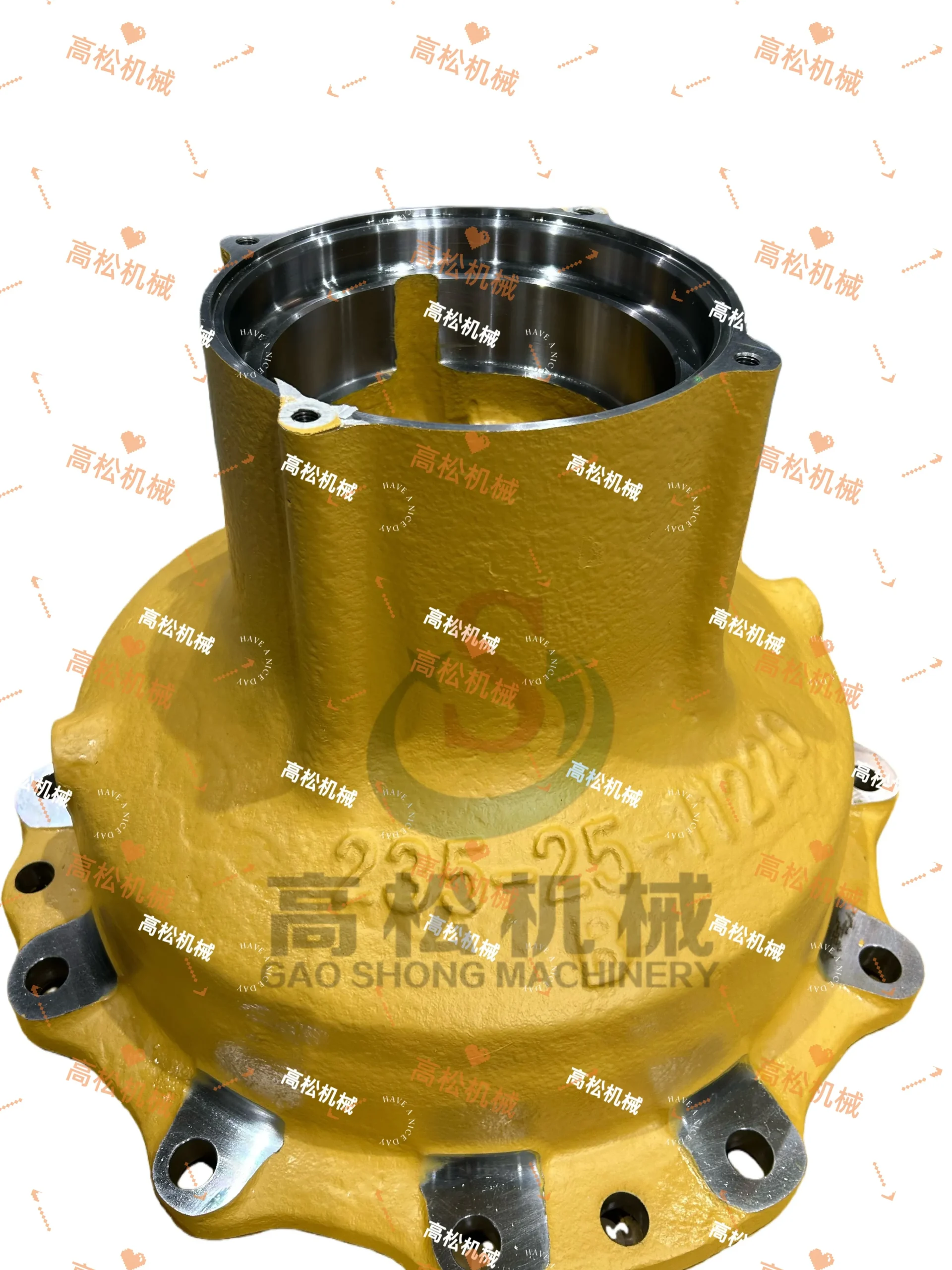 komatsu-part-235-25-11220 CAGE GD805A-1 GD825A-2 GD825A-2E0 TANDEM DRIVE GEAR AND CHAIN TANDEM DRIVE GEAR
 -
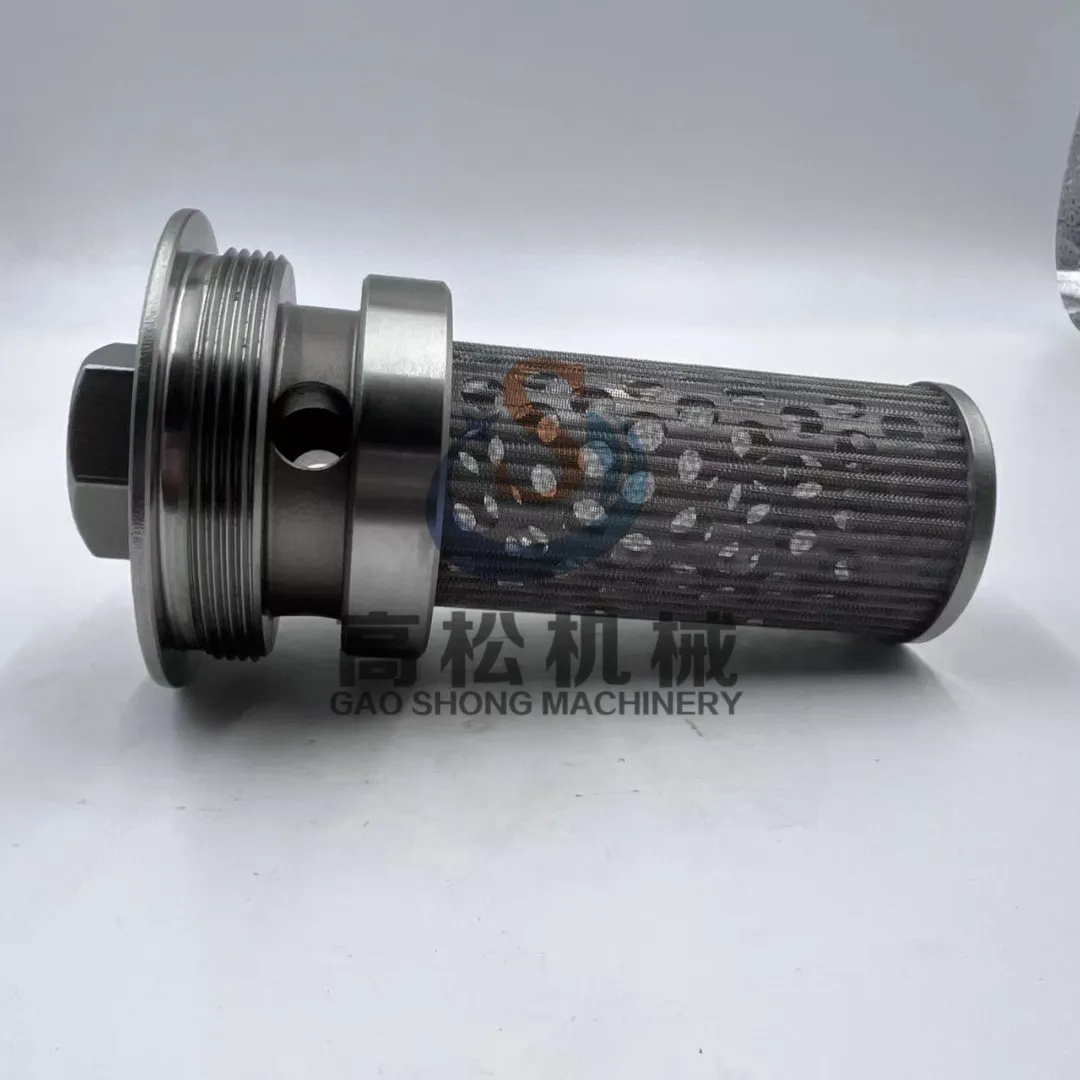 Komatsu 195-04-11150 Strainer 195041150
 -
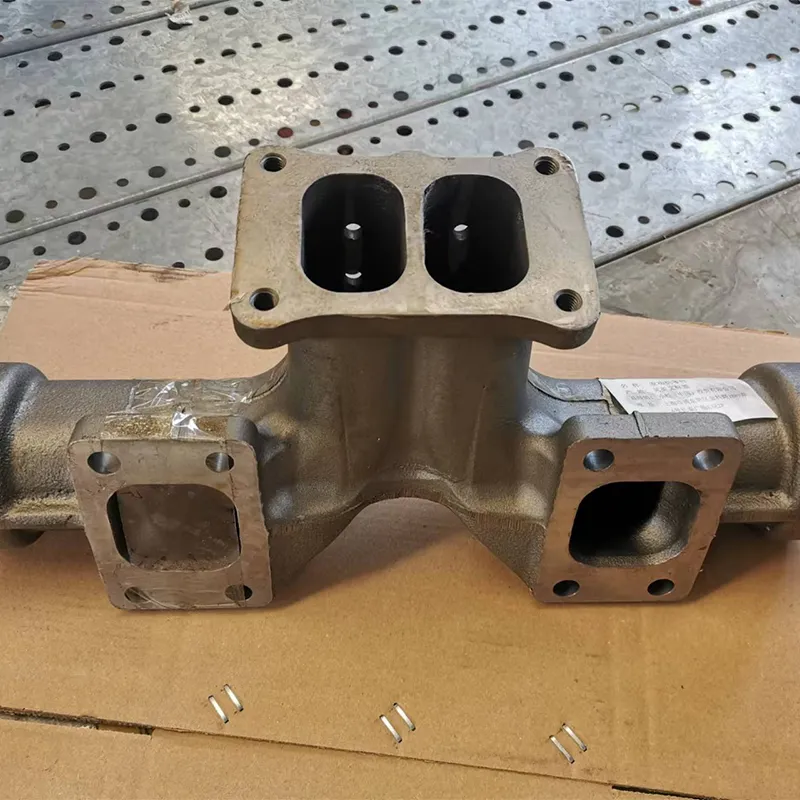 Original komatsu 6215-11-5182 HD785-7 Exhaust Manifold
 -
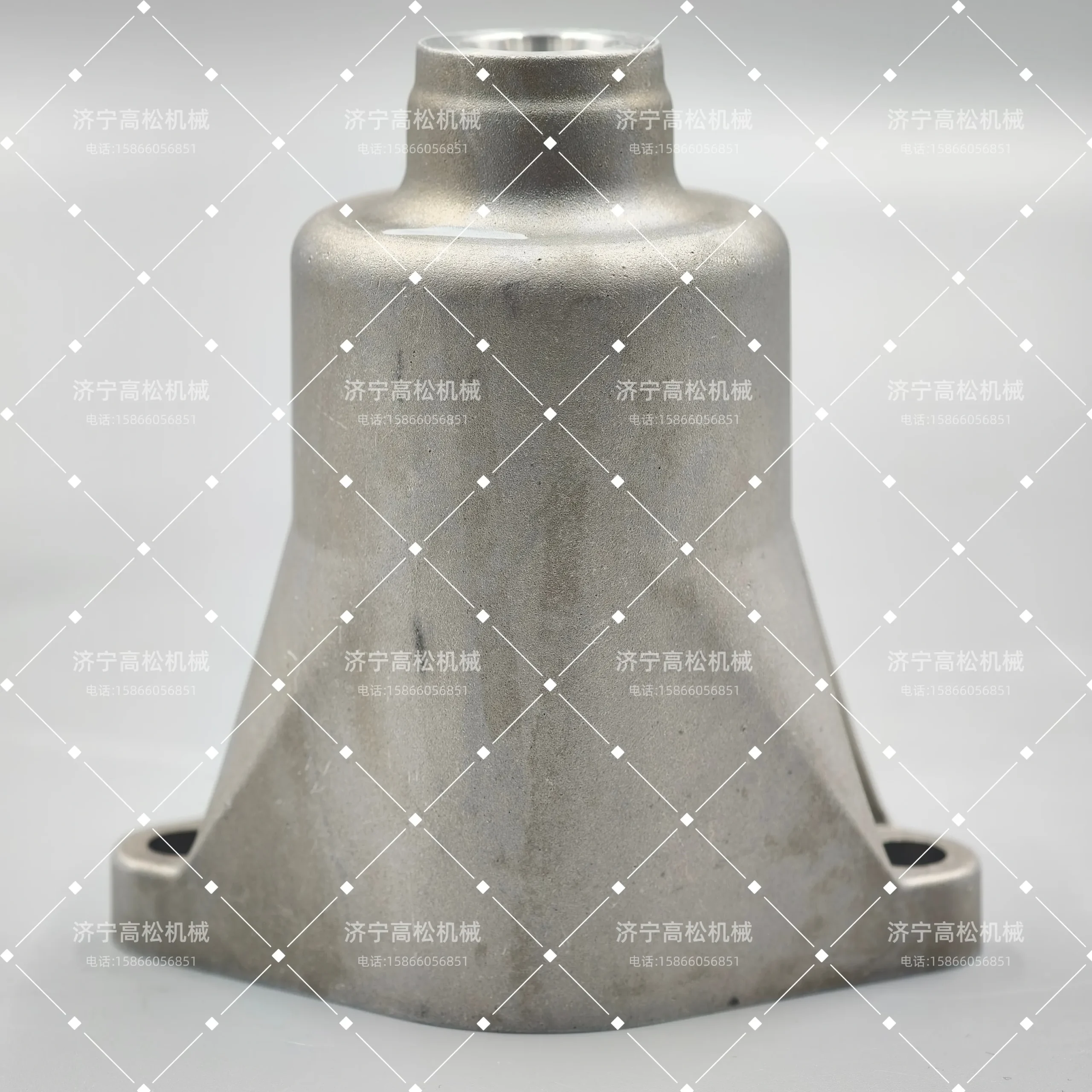 Excavator Valve Case 723-46-15111: Parts Search, High Quality…
 -
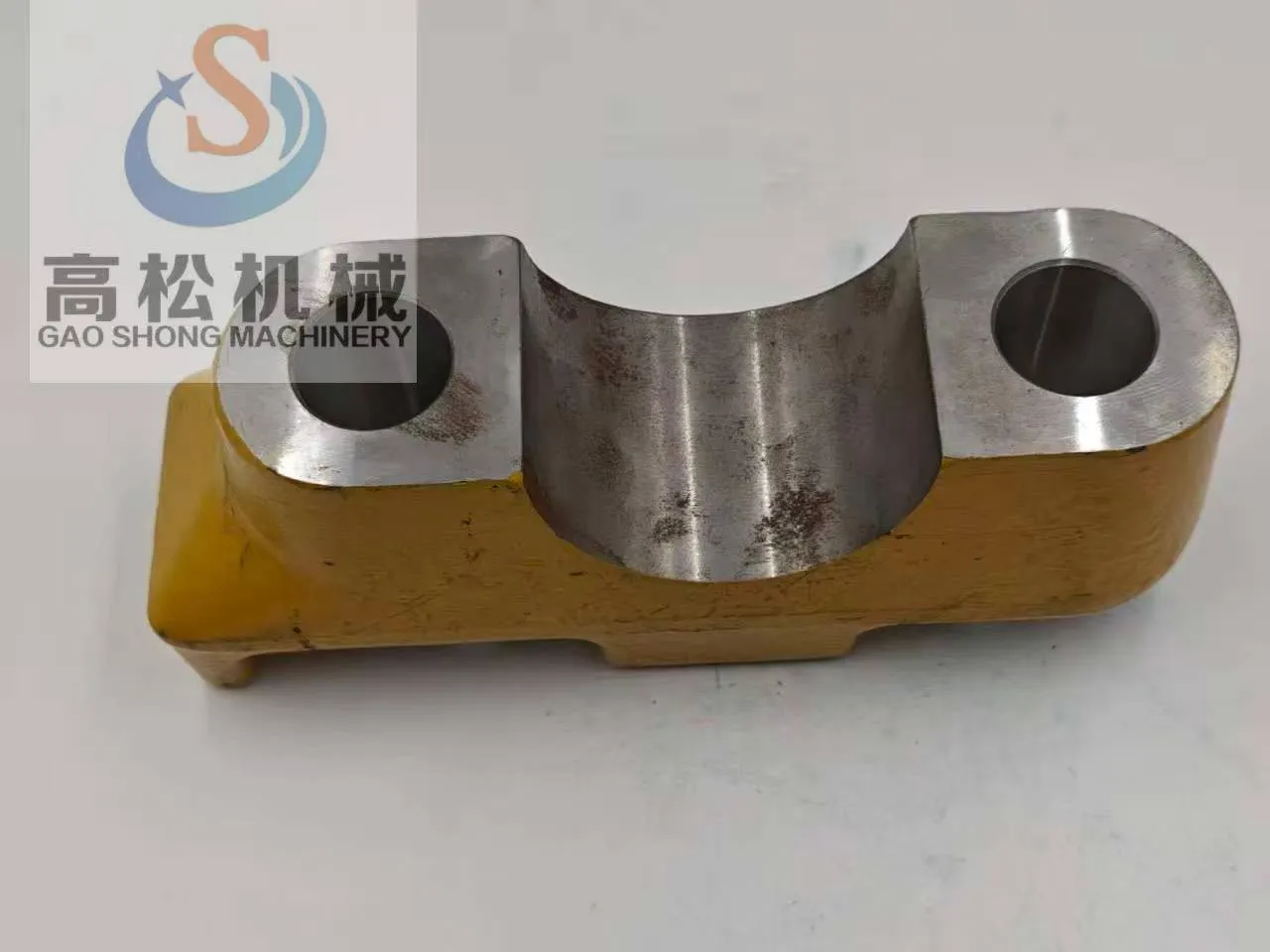 Cover 195-30-62141 for Komats bulldozer D375A
 -
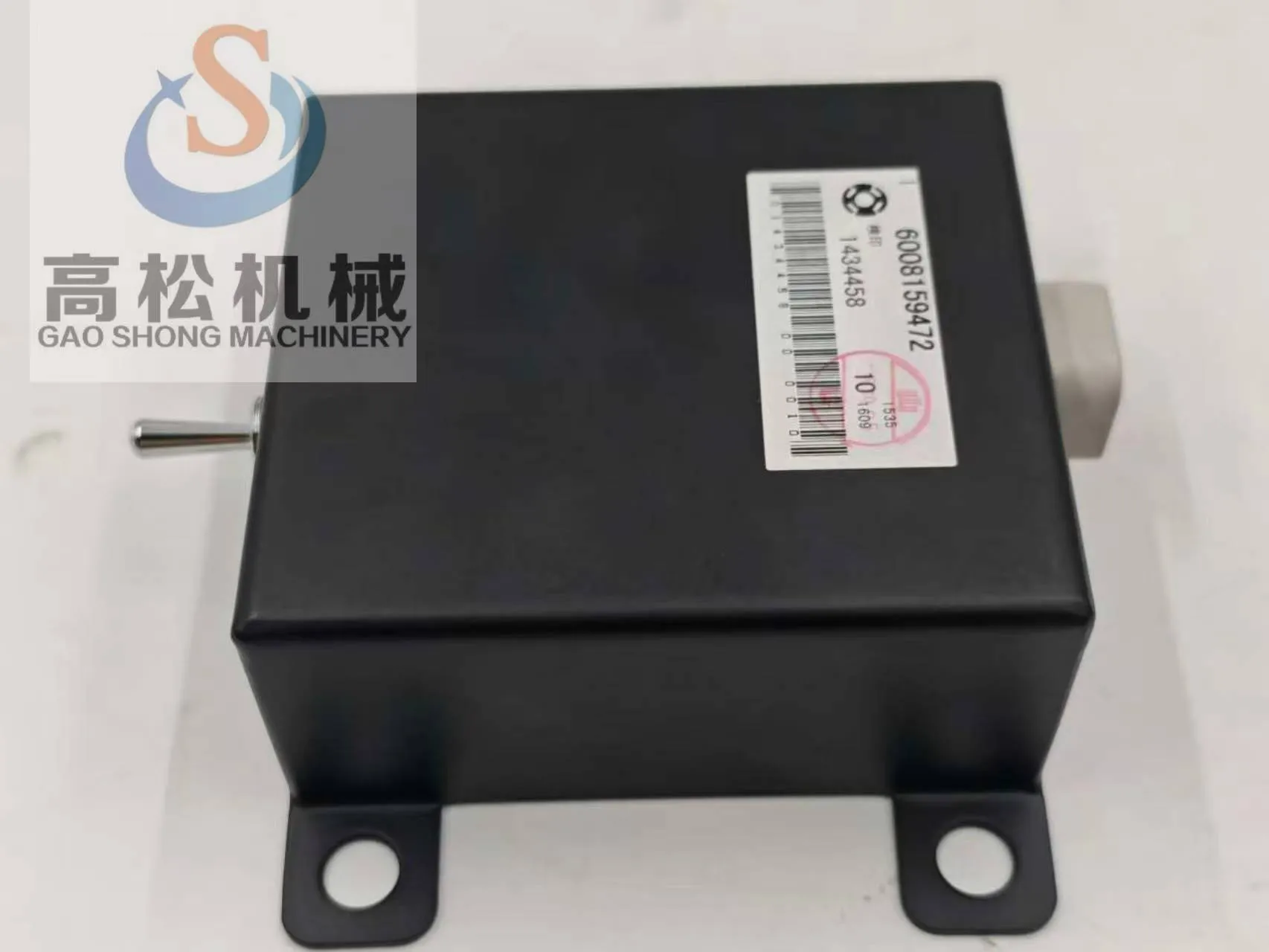 Original new switch 600-815-9472 for d375a-6 bulldozer komatsu pc1250sp-8r hd785-7 dump truck
 -
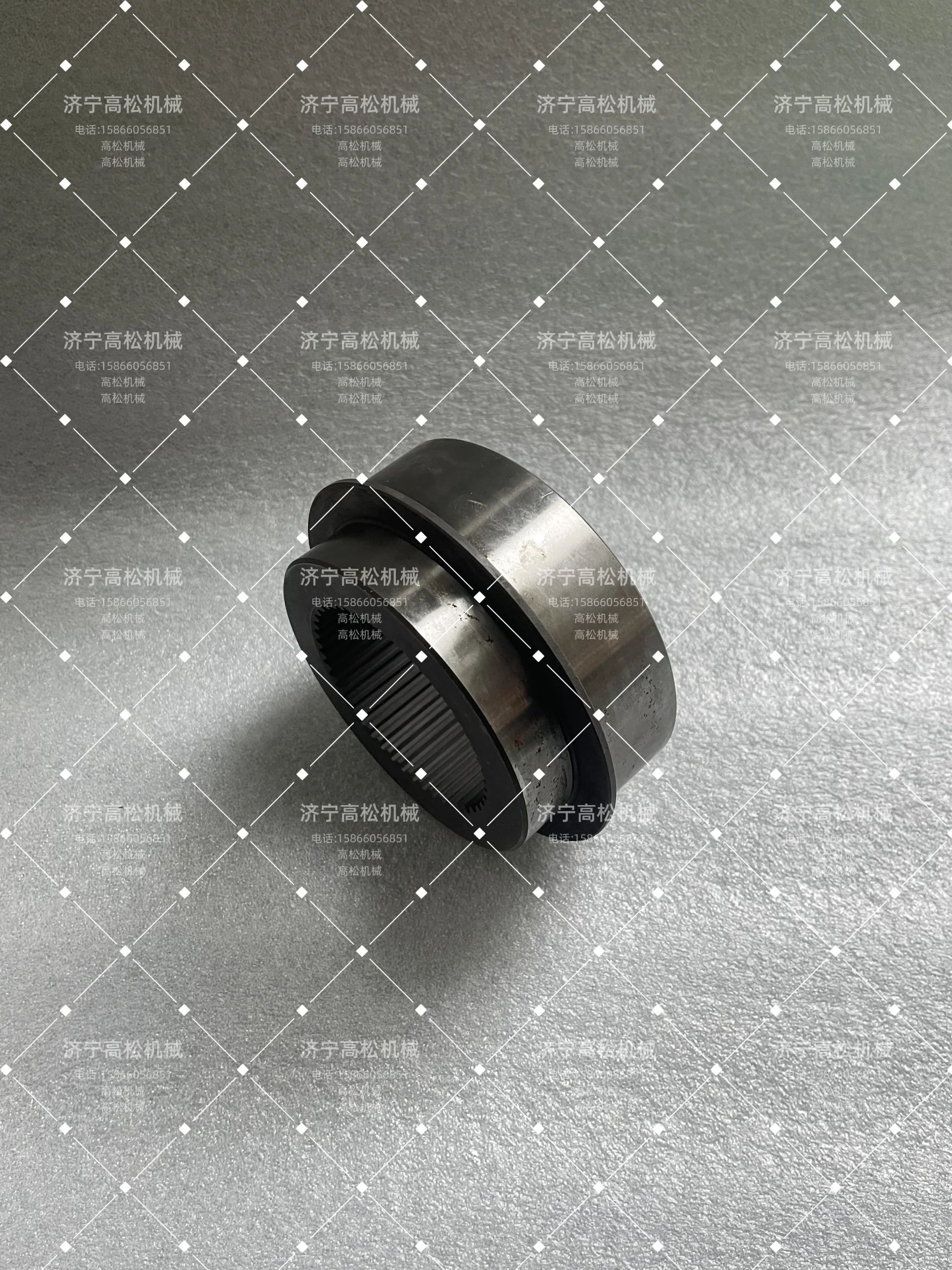 195-15-82570 Komatsu Spacer
 -
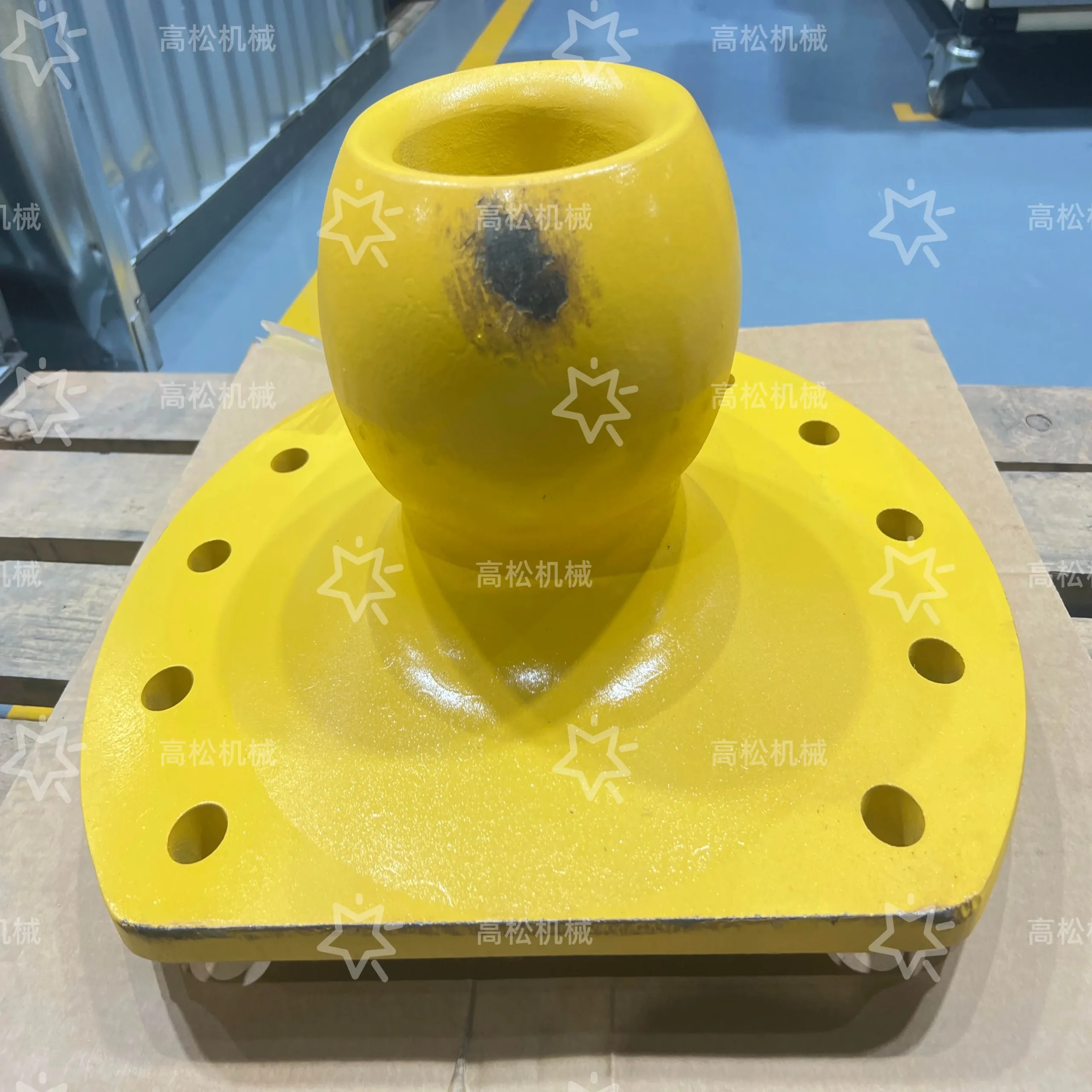 195-71-51191Trunnion 195-71-51191 for Bulldozer D375A-1/3/5/6
 -
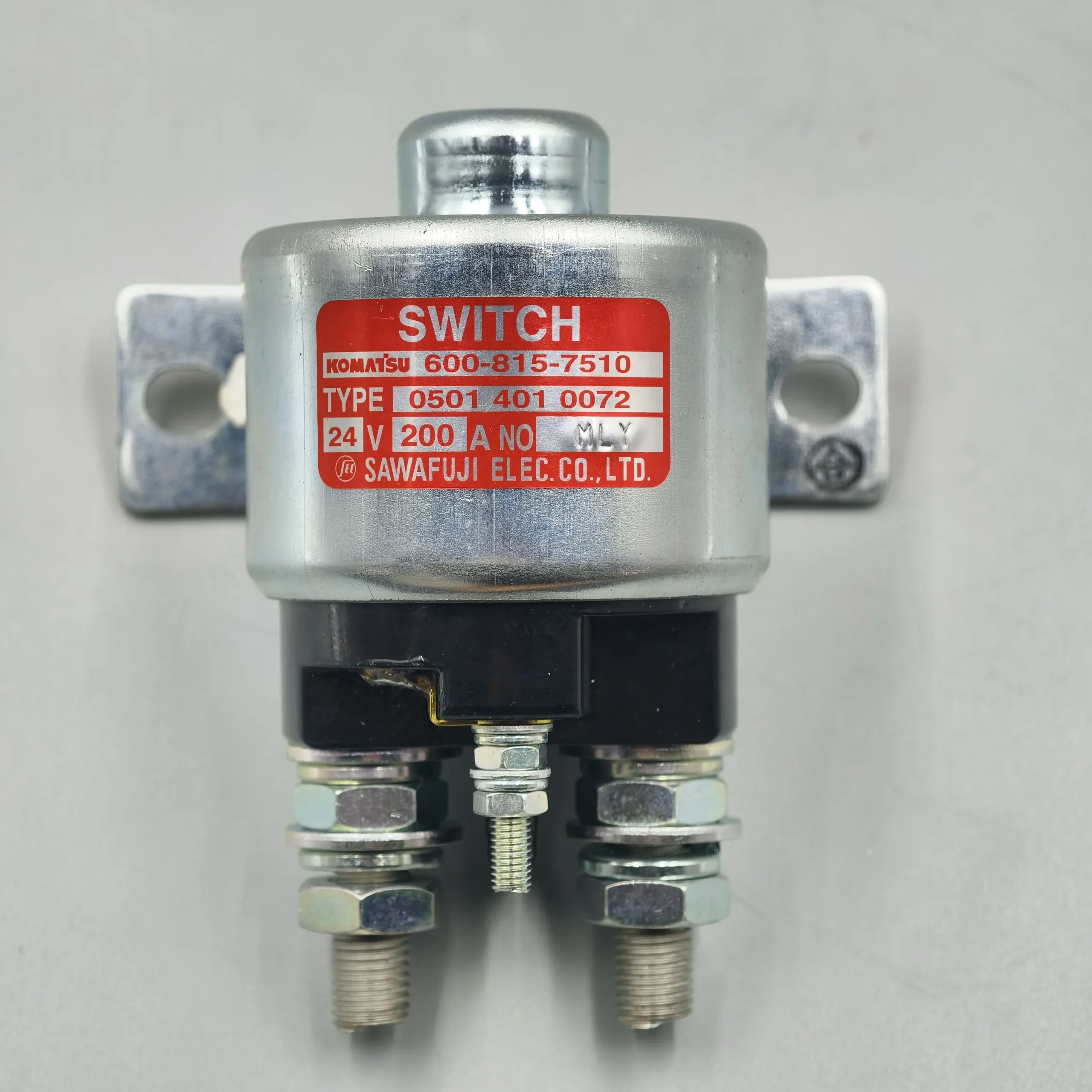 Accessories D375A-5 Switch Heater 600-815-7510 6008157510