
- Chinese
- French
- German
- Portuguese
- Spanish
- Russian
- Japanese
- Korean
- Arabic
- Irish
- Greek
- Turkish
- Italian
- Danish
- Romanian
- Indonesian
- Czech
- Afrikaans
- Swedish
- Polish
- Basque
- Catalan
- Esperanto
- Hindi
- Lao
- Albanian
- Amharic
- Armenian
- Azerbaijani
- Belarusian
- Bengali
- Bosnian
- Bulgarian
- Cebuano
- Chichewa
- Corsican
- Croatian
- Dutch
- Estonian
- Filipino
- Finnish
- Frisian
- Galician
- Georgian
- Gujarati
- Haitian
- Hausa
- Hawaiian
- Hebrew
- Hmong
- Hungarian
- Icelandic
- Igbo
- Javanese
- Kannada
- Kazakh
- Khmer
- Kurdish
- Kyrgyz
- Latin
- Latvian
- Lithuanian
- Luxembou..
- Macedonian
- Malagasy
- Malay
- Malayalam
- Maltese
- Maori
- Marathi
- Mongolian
- Burmese
- Nepali
- Norwegian
- Pashto
- Persian
- Punjabi
- Serbian
- Sesotho
- Sinhala
- Slovak
- Slovenian
- Somali
- Samoan
- Scots Gaelic
- Shona
- Sindhi
- Sundanese
- Swahili
- Tajik
- Tamil
- Telugu
- Thai
- Ukrainian
- Urdu
- Uzbek
- Vietnamese
- Welsh
- Xhosa
- Yiddish
- Yoruba
- Zulu
- Kinyarwanda
- Tatar
- Oriya
- Turkmen
- Uyghur






Komatsu WA500 parts
When you're deep in a project and a WA500 goes down, the search for parts isn't just about a part number. It's a scramble against downtime. A lot of folks immediately think genuine Komatsu or bust, and while that's often the right call for critical components, the reality on the ground, especially in certain regions, is more nuanced. The supply chain isn't always perfect, and the definition of genuine can get blurry outside the primary dealer network. I've seen too many projects stall waiting for a back-ordered seal kit or a hydraulic hose assembly that's supposedly weeks out. That's where the whole ecosystem of Komatsu WA500 parts suppliers comes into play, and you learn to navigate it fast.
The OEM Promise vs. Field Reality
Komatsu's OEM parts are engineered to spec, no argument. For the engine, the transmission, the main pump—you want that box with the Komatsu logo. But here's the thing: a WA500-6 has thousands of parts. Not all of them are manufactured by Komatsu themselves. Many are sourced from trusted tier-one suppliers. This is where the confusion starts. When a dealer says a part is genuine, it means it's approved and meets the spec. But there are companies operating within Komatsu's own system that supply these very same components.
I remember a job in West Africa where we had a recurring issue with the swing bearing on an older WA500-3. The local Komatsu dealer's quote was astronomical, with a 12-week lead time. The machine was a cornerstone of the site. We couldn't wait. We started digging and found suppliers who specialized in these legacy models. The part that arrived wasn't in a Komatsu box, but the casting marks and metallurgy report matched the OEM design. It worked perfectly. That was a lesson: genuine is a quality and specification standard, not always a branding exercise.
This is precisely the gap that some specialized companies fill. Take Jining Gaosong Construction Machinery Co., Ltd., for instance. They position themselves as an OEM product supplier within the Komatsu system. In practice, what that often means is they supply components that go into the OEM supply chain or provide parts that are built to original engineering drawings. For a site manager, this isn't about bypassing the dealer; it's about finding an alternative, validated source when the primary channel is blocked. Their website, https://www.takematsumachinery.com, outlines their role in solving parts supply challenges, which is a very real pain point in many developing markets.
Third-Party and the Quality Spectrum
Then you have the broad world of third-party or aftermarket parts. This is a minefield, but also a potential goldmine. The spectrum is vast. On one end, you have cheap, reverse-engineered knock-offs that might get you running for a week before failing catastrophically. I've seen aftermarket fan blades disintegrate. On the other end, you have companies that produce parts under license or to such a high standard that they meet or exceed OEM specs, often because they are the original manufacturer for other brands.
The trick is knowing which parts you can risk. Hydraulic cylinders? I'd be very cautious with third-party, unless it's a reputable rebuilder. Filters? A high-quality brand like Fleetguard or Donaldson is often perfectly fine, sometimes better. Wear parts like bucket teeth, cutting edges, or even some linkage pins? That's where a good third-party supplier can save a fortune without compromising uptime. For the WA500, the loader linkage is a high-wear area. Sourcing durable, heat-treated pins and bushings from a quality-focused third party is a common and sensible practice.
Companies that act as a third-party sales company for Komatsu, like the one mentioned earlier, occupy a middle ground. They aren't the first-party dealer, but they have a direct relationship with the OEM supply chain. They can often offer the same or equivalent parts without the regional markup or logistics bottleneck. Their value proposition isn't just price; it's availability and logistical problem-solving for certain countries, as their site says. When your local dealer's system shows zero stock globally, these channels become your lifeline.
Identifying the Critical vs. the Replaceable
This is the core of the practical judgment call. You develop a feel for it. Electronic control modules (ECUs), sensors on the engine or transmission, main propulsion valves—these are critical. The cost of a failure is too high. You go OEM, full stop. But what about a seat cushion, a cab door handle, a step plate, a wiring harness for the lights? These are replaceable. For these, you look for functional equivalence. A wiring loom from a reputable parts house that uses the same gauge wire and proper connectors is a no-brainer compared to the OEM price.
The WA500's electrical system, particularly on the -6 and -7 models, can be finicky. I once used a non-OEM alternator on a -5. It fit, it worked, but its voltage regulator had a slightly different response curve. It didn't play nice with the machine's monitoring system, throwing intermittent warnings. Was it a bad part? Not really. It just wasn't fully integrated. We swapped it back for an OEM unit to eliminate the ghost fault. Lesson: for anything that talks to the machine's computer, lean towards OEM or a supplier that guarantees full compatibility.
This is where the detail matters. A supplier's knowledge is tested not on the common parts, but on the obscure ones. Can they get you the specific O-ring for the lift cylinder gland on a WA500-2? Do they know the difference in the brake valve between serial number ranges? That depth of detail separates a parts vendor from a true partner. The Komatsu WA500 parts supply challenge is as much about data and knowledge as it is about physical inventory.
Logistics and the True Cost of a Part
The invoice price is only part of the story. The real cost is: Price + Shipping + Time + Risk of Failure. A cheap part that takes 3 weeks to arrive and fails after 50 hours is the most expensive option. You start to build relationships with suppliers who have transparent logistics. Air freight is expensive but calculable; sea freight is cheap but unpredictable. Some of these specialized suppliers have consolidated shipping routes to specific regions, which can cut time and cost dramatically.
I've worked with suppliers who, because they focus on the Komatsu ecosystem, batch orders to common destinations. You might get your part in 10 days instead of 30 because it hitched a ride on a regular container shipment to your port, arranged by the supplier. That kind of logistical efficiency is a hidden value. A company helping to solve parts supply challenges in certain countries is often doing exactly this—navigating customs, using established freight forwarders, and holding strategic buffer stock for high-demand items.
Failure to plan logistics is a classic mistake. Ordering a critical Komatsu WA500 drive pump without confirming the shipping method and customs clearance process can add weeks of delay. Always ask: How is it shipped, and what's the realistic door-to-door time? The best suppliers give you a straight answer.
Building a Reliable Sourcing Strategy
So, what's the takeaway? Don't put all your eggs in one basket. Your primary source should be your Komatsu dealer. Build a good relationship there. But your secondary source should be a vetted, specialized supplier who understands the OEM landscape and the machine intimately. For us, that list includes a couple of companies like Jining Gaosong for certain component categories, especially when dealing with older models or urgent needs in remote locations.
Keep a detailed log. When you try a new part from a new supplier, note the part number, supplier, machine serial number, installation date, and hours until failure or next inspection. This log becomes your proprietary database of what works and what doesn't. Over time, you'll know that for WA500 final drive sprocket seals, Supplier A is good, but for torque converter rebuild kits, you must use OEM or Supplier B.
It's not a perfect science. You'll get burned occasionally by a part that looked right but wasn't. But the goal is to minimize total cost of ownership and maximize availability. The discussion around Komatsu WA500 parts is ultimately about practical problem-solving. It's about keeping iron moving. The right supplier isn't just selling you a widget; they're selling you a solution to downtime, and that requires a deep, practical understanding of the machine, the parts, and the real-world chaos of a construction site. That's the expertise you're really paying for.
Related Products
Related Products

Best Selling Products
Best Selling Products-
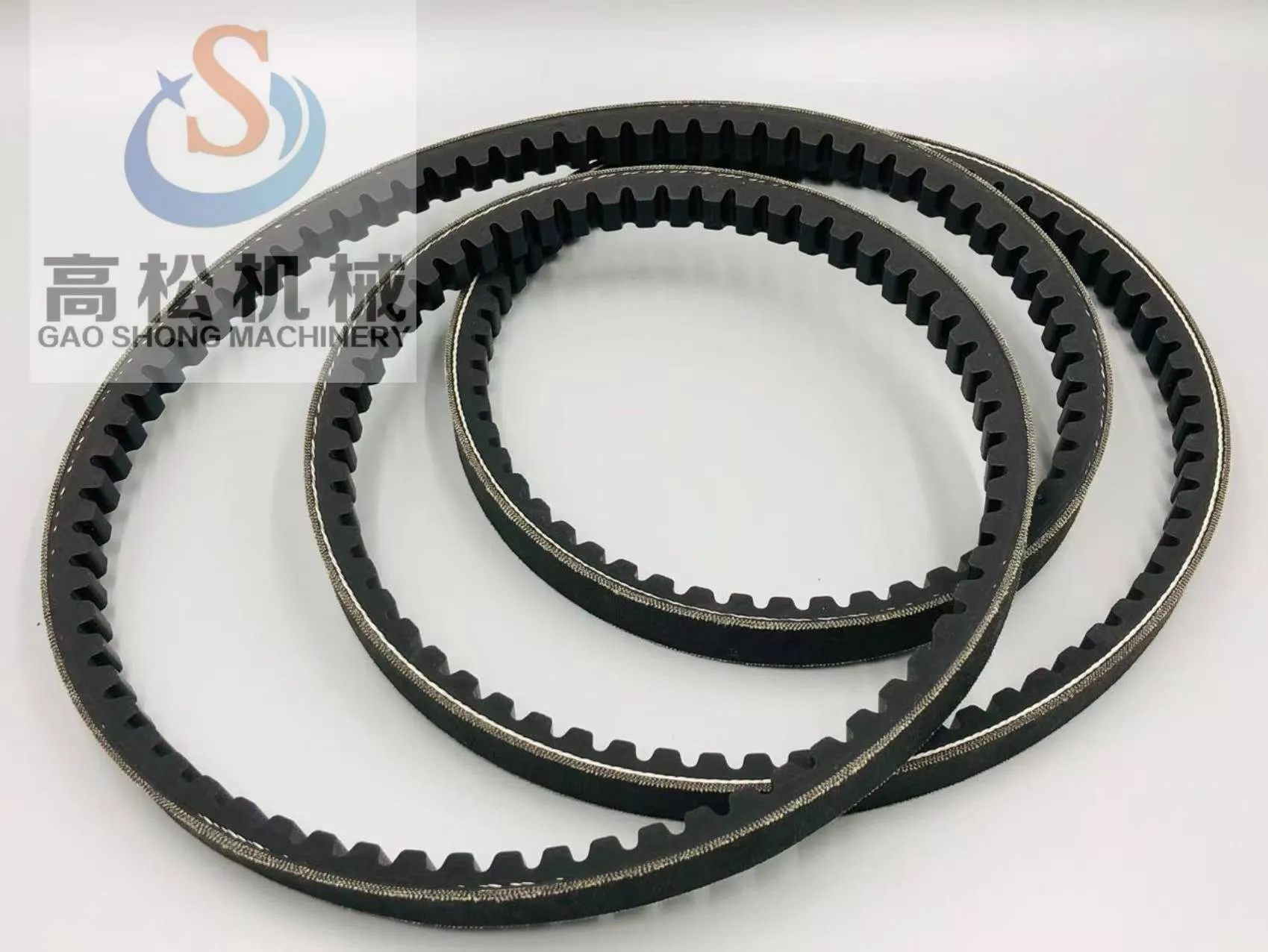 Genuine KOMATSU V-Belt for KOMATSU/SA12V140E-3/D375A-5/HD785-7 | P/N 6219-61-3420
 -
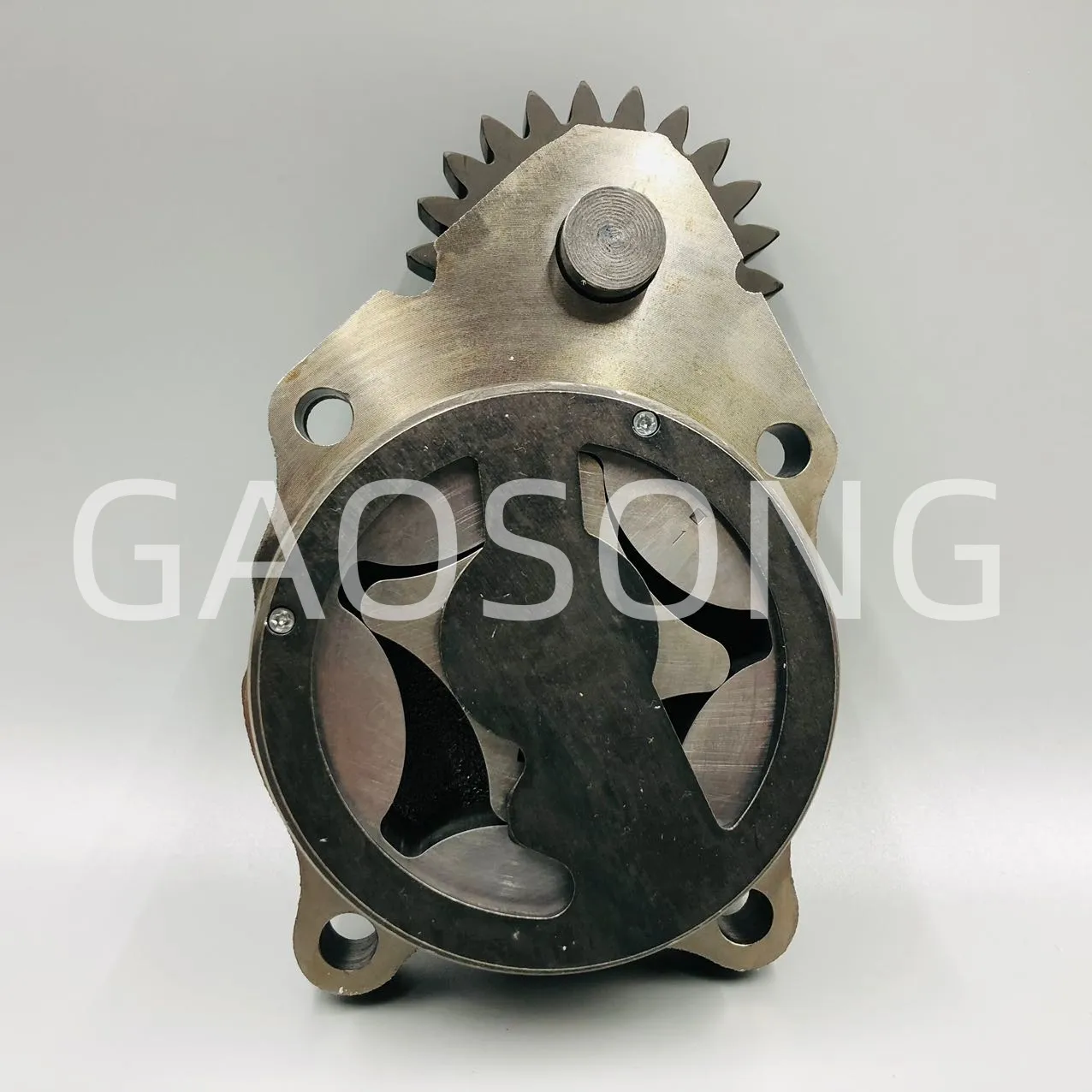 6754-51-1111 Pump Assembly
 -
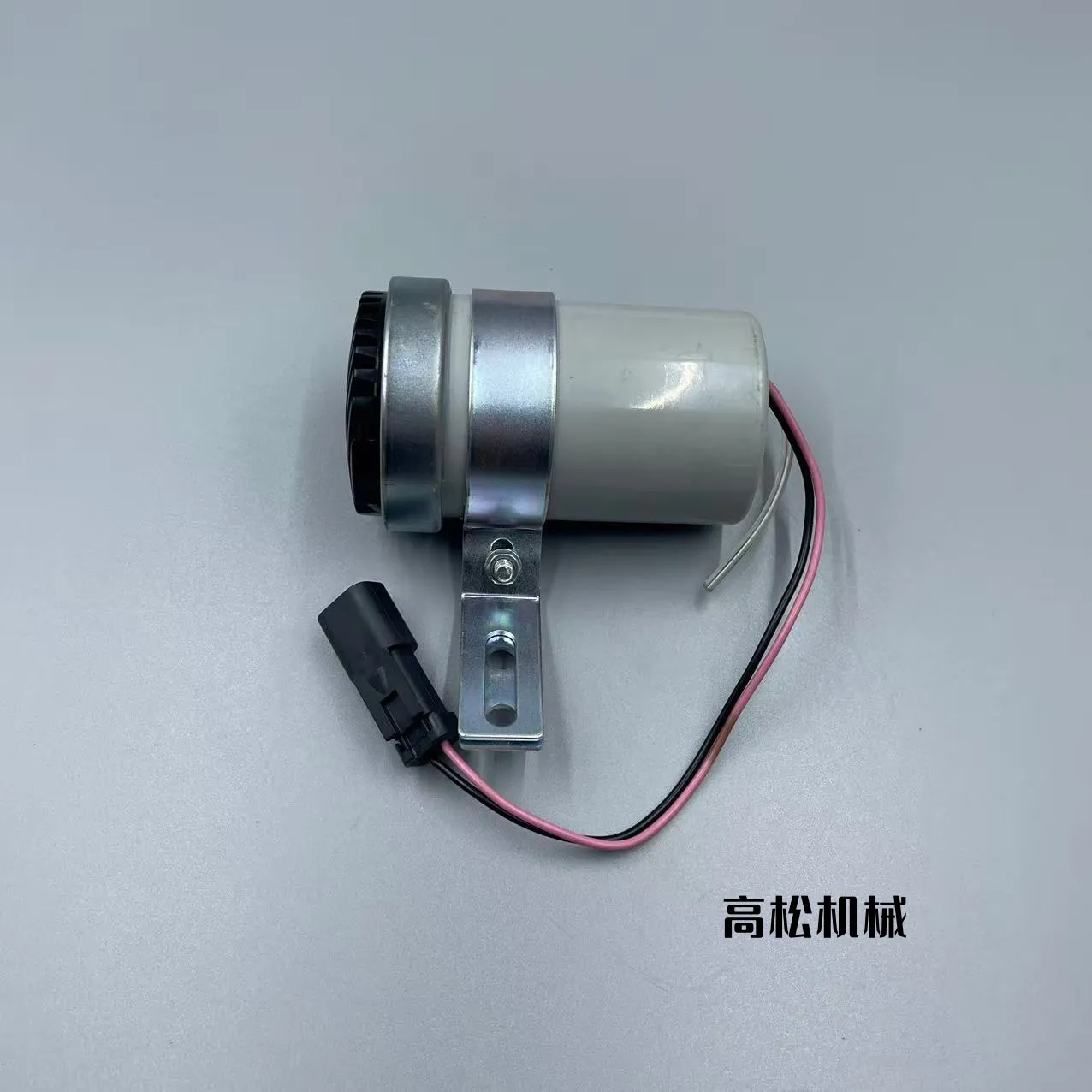 198-06-56570-BUZZER-Komatsu Original Factory
 -
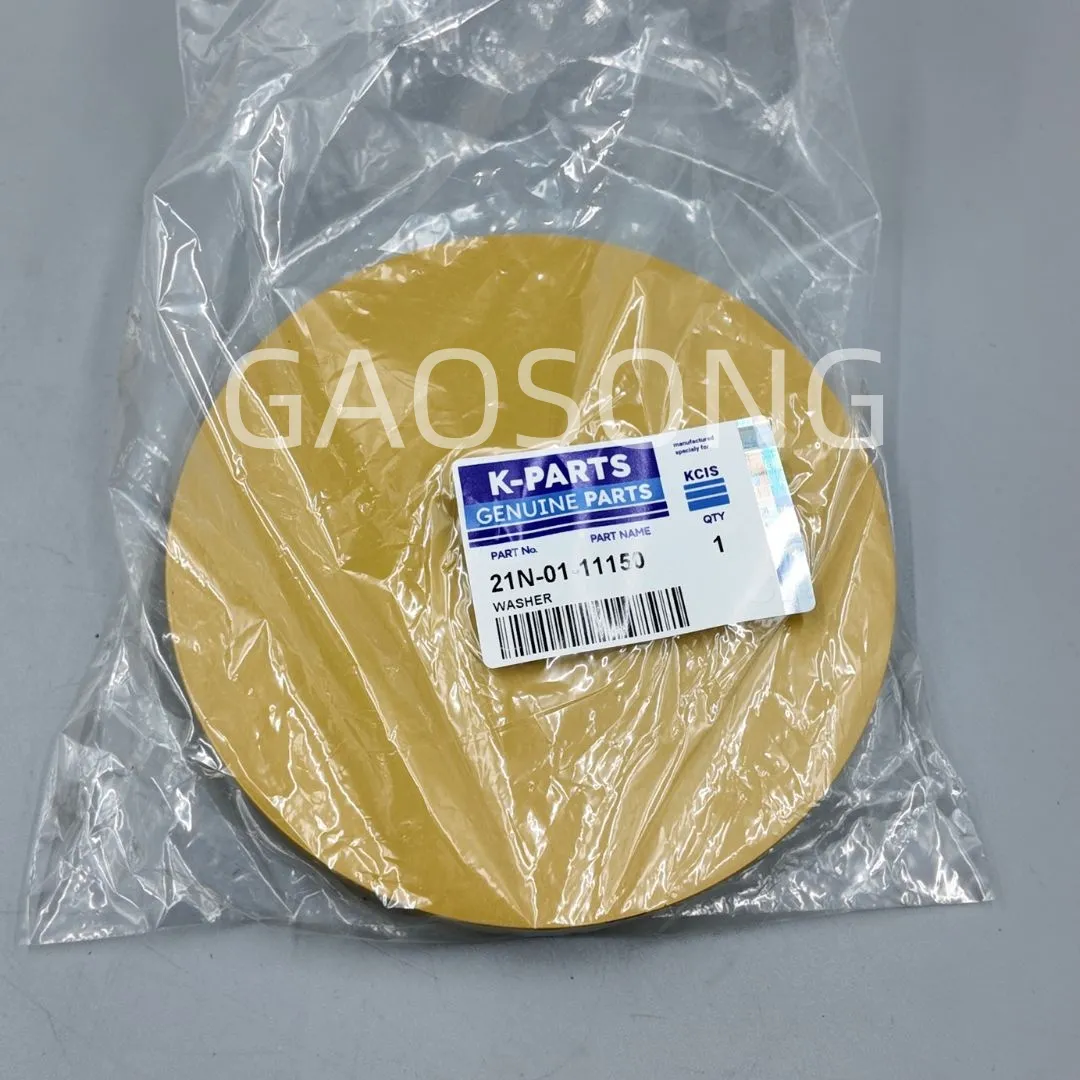 21N-01-11150 WASHER-Komatsu Original Factory
 -
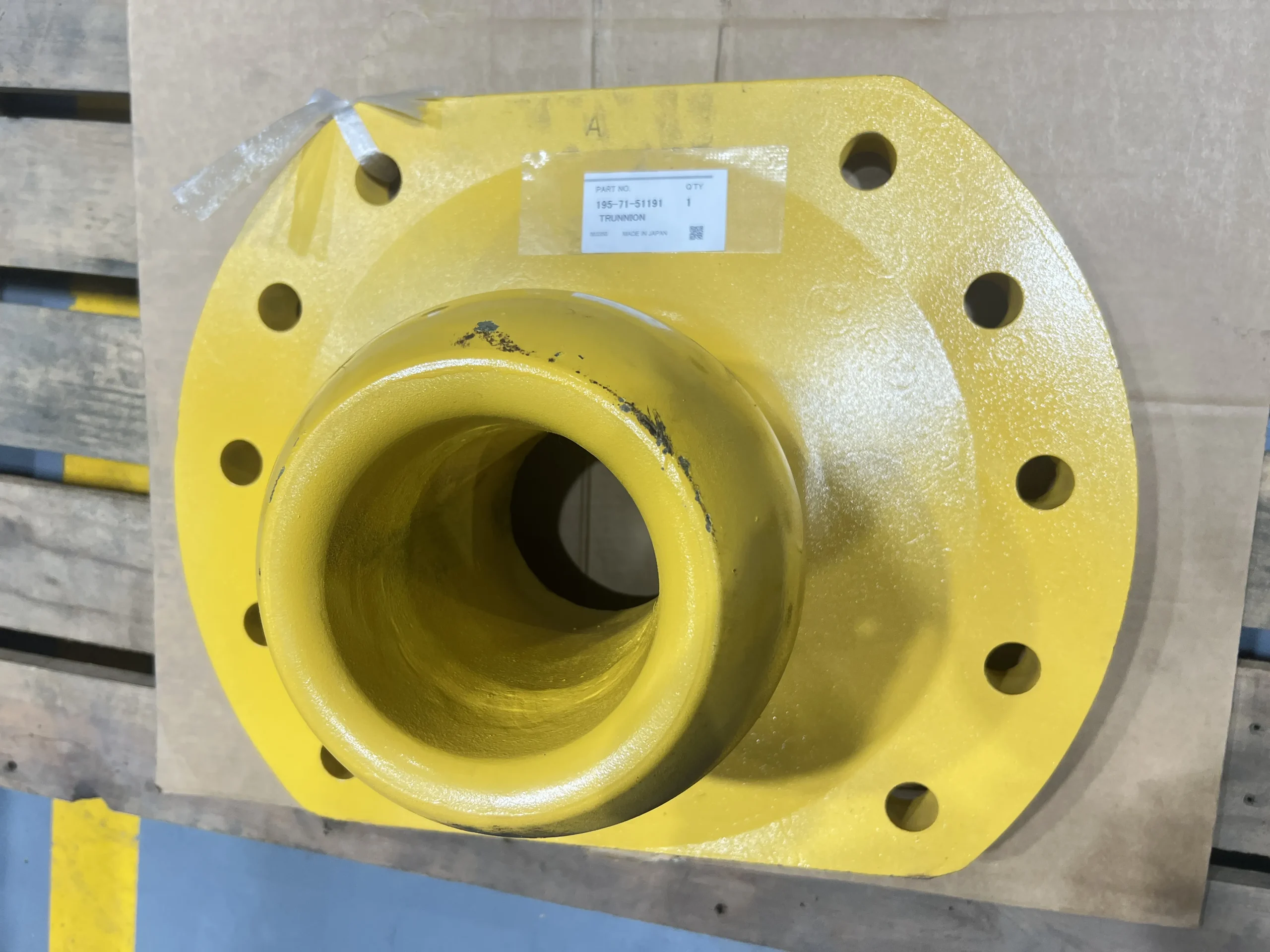 TRUNNION 195-71-51191 – KOMATSU
 -
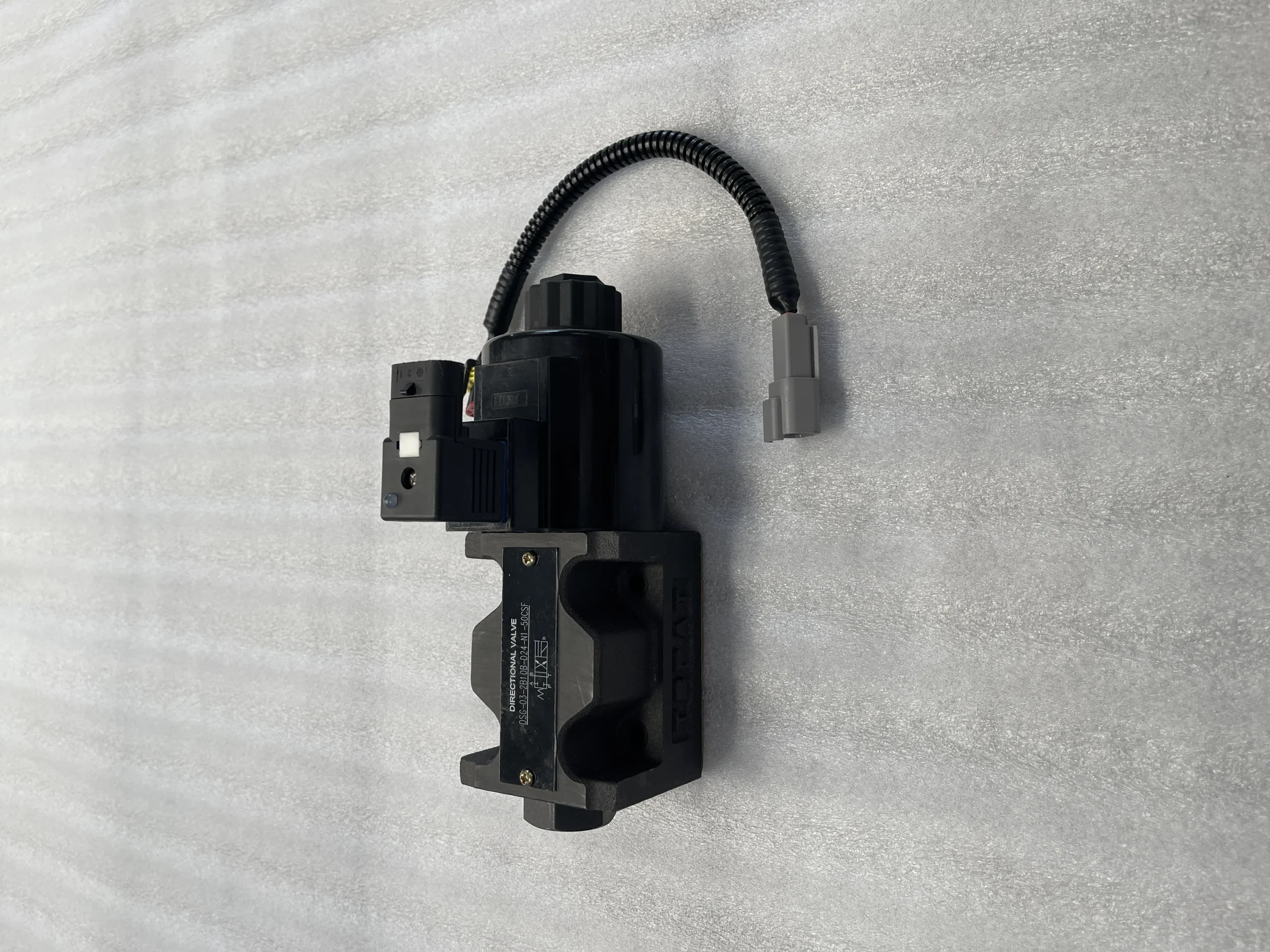 HD785-7 Electromagnetic Valve 561-43-8A881
 -
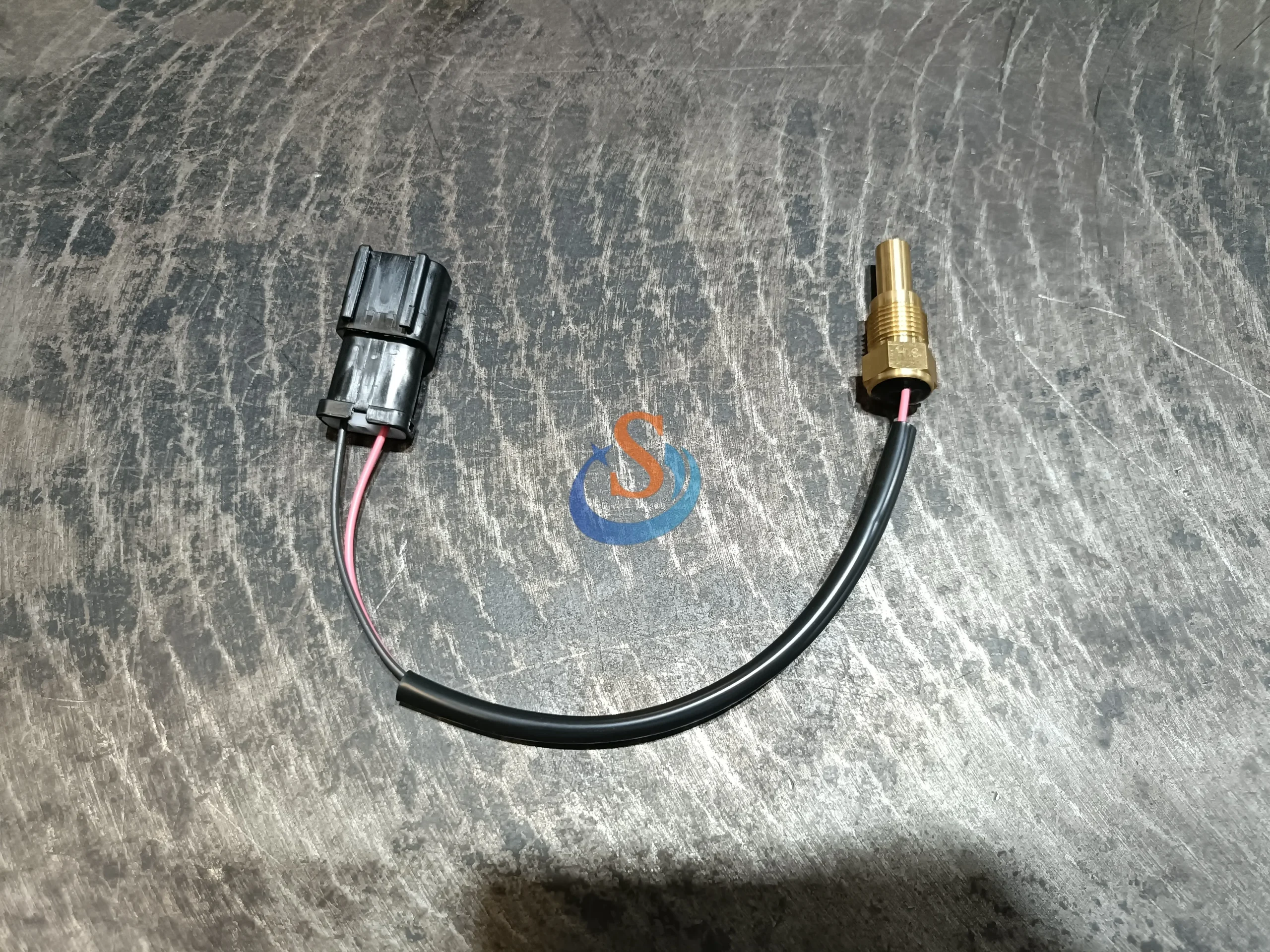 14X-06-12370 SENSOR D60/D65/S6D125E
 -
 707-40-28020 • SPACER-Komatsu Original Factory
 -
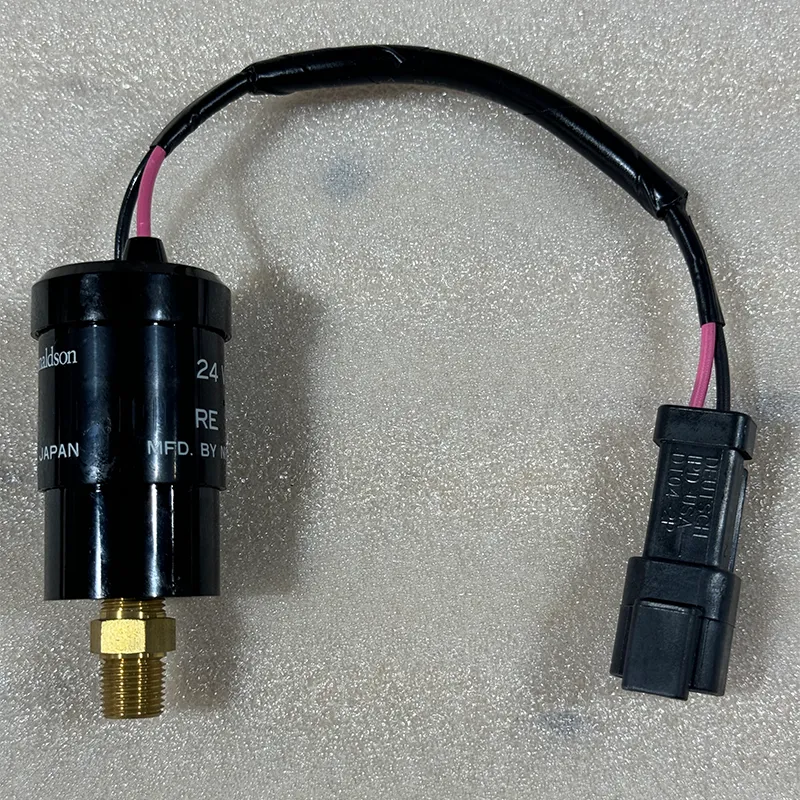 600-815-8860 Original komatsu Indicator Air Cleaner for HD325-7R WA500-6 HM300-2
 -
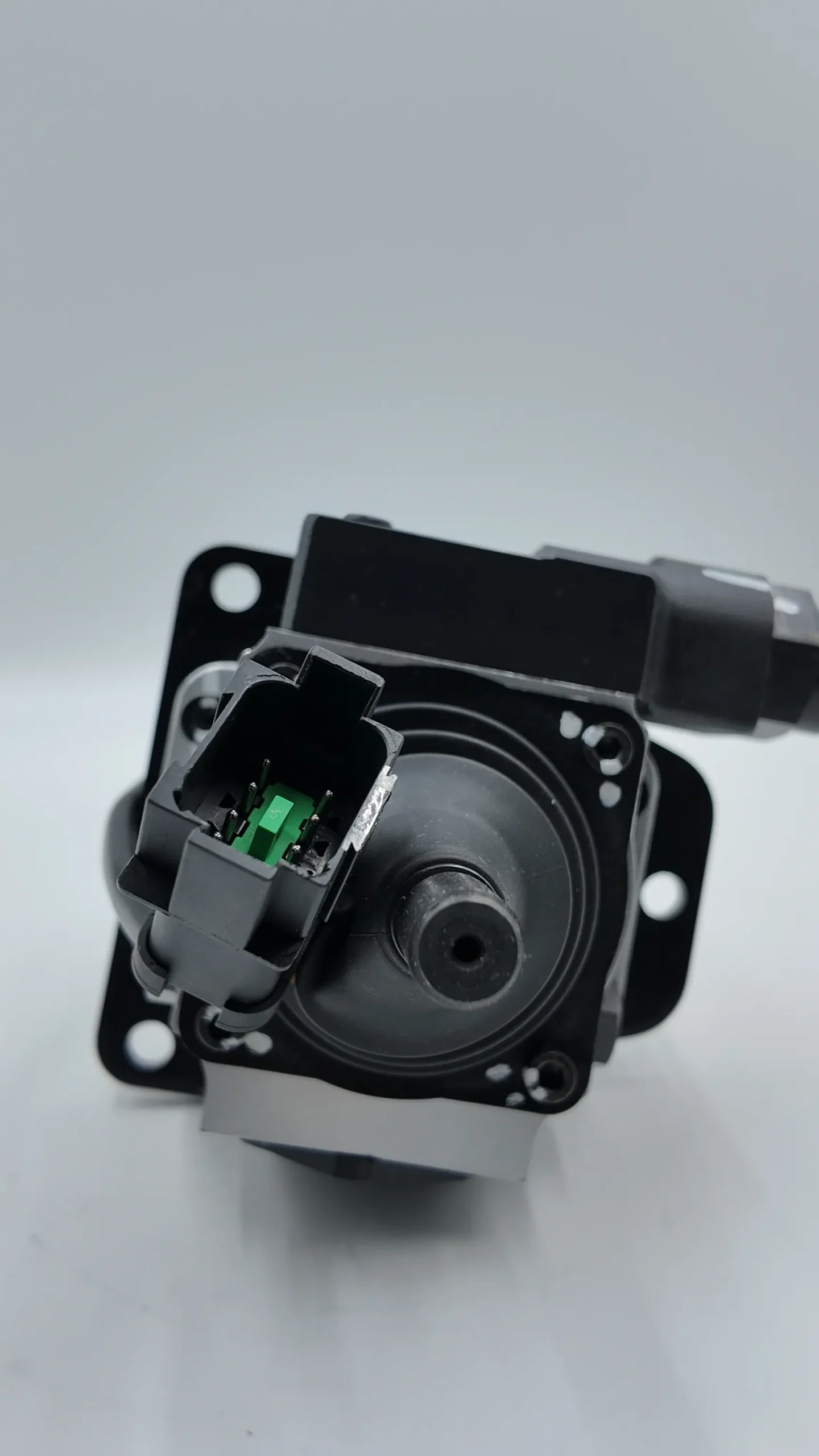 702-16-02290,702-16-02210,702-16-02212 LEVER ASS’Y Komatsu Original Factory
 -
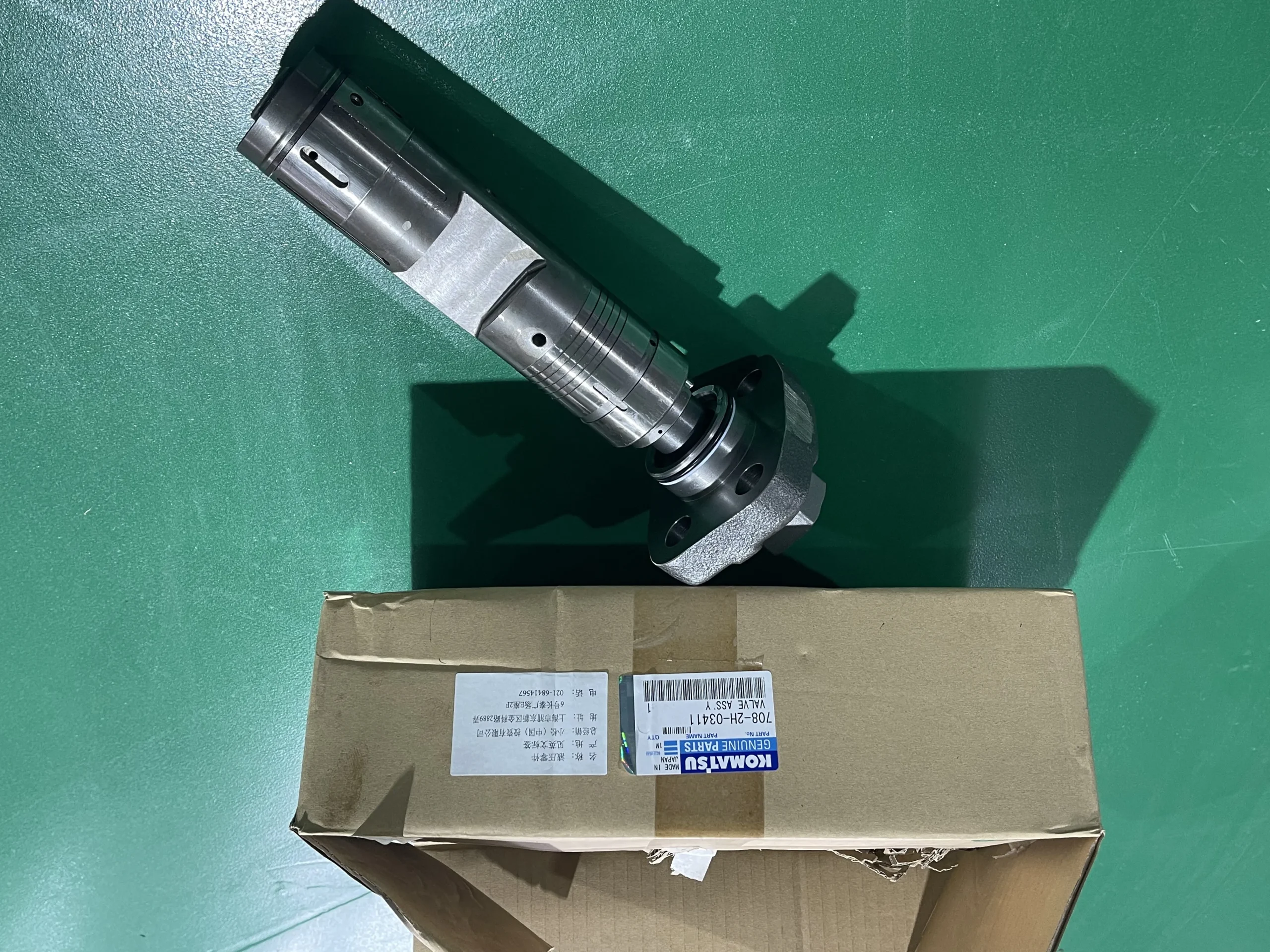 Relief Valve 708-2H-03411
 -
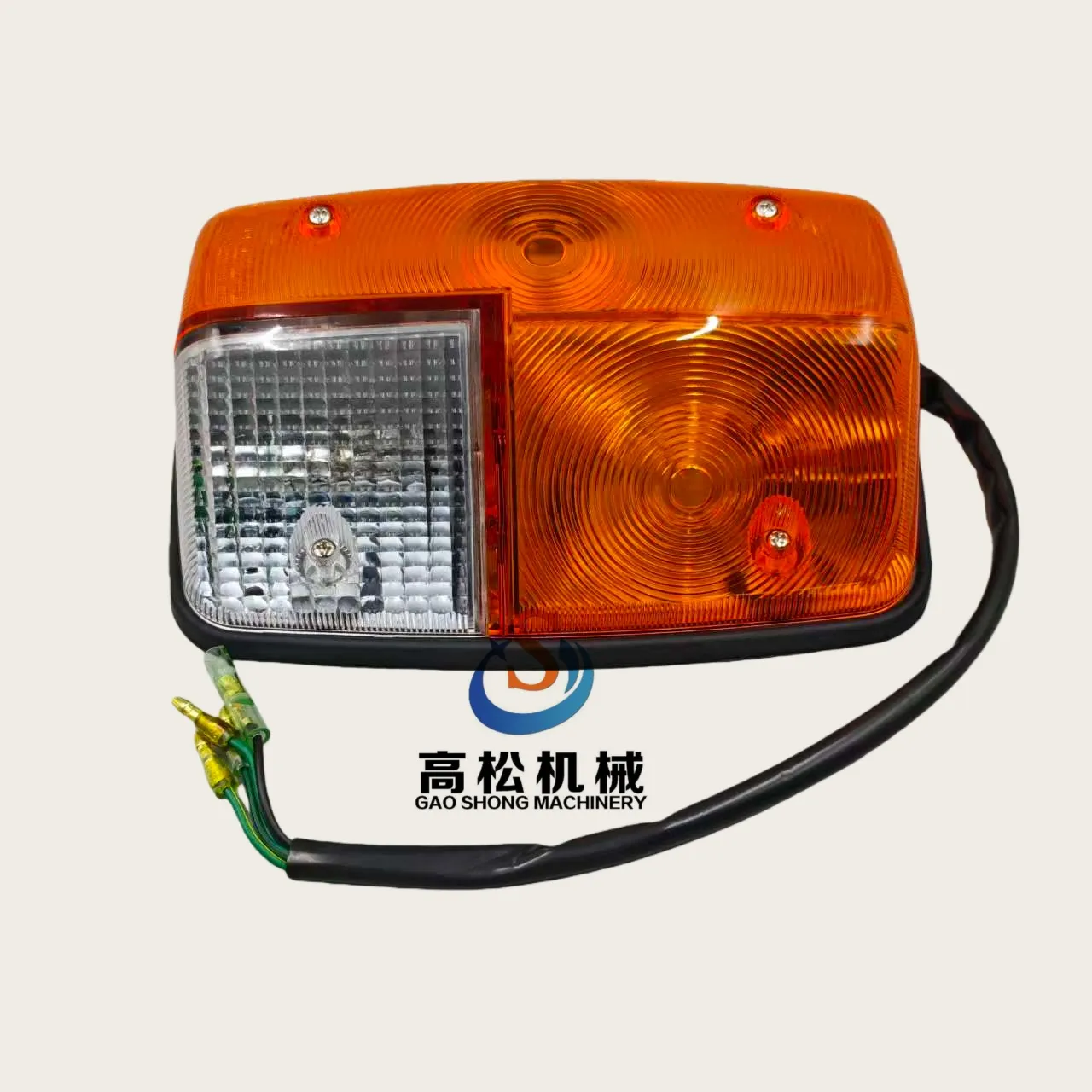 komatsu-part-421-06-13401 LAMP ASS’Y,R.H. HD255-5 HD255-5EO GS360-2 GD305A-1 GD355A-1 GD405A-2 GC380F-1 GD605A-5 HD325-6W HD605-5 HD605-7 HD465-7 HD465-5 HD785-3 HD985-5 WA100-1 WA120-1 WA150-1 WA100SS-1 WA350-1 WA420-1 WA600-1 WA470-1 WA450-1 WA500-1LC 330M LAMP AND FUSE ELECTRICAL SYSTEM (FRONT LAMP)