
- Chinese
- French
- German
- Portuguese
- Spanish
- Russian
- Japanese
- Korean
- Arabic
- Irish
- Greek
- Turkish
- Italian
- Danish
- Romanian
- Indonesian
- Czech
- Afrikaans
- Swedish
- Polish
- Basque
- Catalan
- Esperanto
- Hindi
- Lao
- Albanian
- Amharic
- Armenian
- Azerbaijani
- Belarusian
- Bengali
- Bosnian
- Bulgarian
- Cebuano
- Chichewa
- Corsican
- Croatian
- Dutch
- Estonian
- Filipino
- Finnish
- Frisian
- Galician
- Georgian
- Gujarati
- Haitian
- Hausa
- Hawaiian
- Hebrew
- Hmong
- Hungarian
- Icelandic
- Igbo
- Javanese
- Kannada
- Kazakh
- Khmer
- Kurdish
- Kyrgyz
- Latin
- Latvian
- Lithuanian
- Luxembou..
- Macedonian
- Malagasy
- Malay
- Malayalam
- Maltese
- Maori
- Marathi
- Mongolian
- Burmese
- Nepali
- Norwegian
- Pashto
- Persian
- Punjabi
- Serbian
- Sesotho
- Sinhala
- Slovak
- Slovenian
- Somali
- Samoan
- Scots Gaelic
- Shona
- Sindhi
- Sundanese
- Swahili
- Tajik
- Tamil
- Telugu
- Thai
- Ukrainian
- Urdu
- Uzbek
- Vietnamese
- Welsh
- Xhosa
- Yiddish
- Yoruba
- Zulu
- Kinyarwanda
- Tatar
- Oriya
- Turkmen
- Uyghur






Komatsu WA470 parts
When you're searching for Komatsu WA470 parts, the first thing that comes up is usually a flood of options. But here's the thing—many operators and even some maintenance managers get tripped up thinking all parts are created equal, or that the aftermarket is just a cheaper, identical copy. That's a quick way to find yourself with a machine down for an extra week. The WA470, especially the -5 and -6 models, has its quirks; the hydraulic system in particular isn't always a direct swap if you don't match the spec exactly. I've seen too many compatible pumps fail within 200 hours because the pressure relief valve setting was off by a bar. It's not just about the part number; it's about knowing which serial number range you're dealing with and what that specific machine's work history has been.
The Core Challenge: Genuine vs. Aftermarket in Real Terms
Let's be clear: for critical wear items like swing circle bearings or the main hydraulic pump shaft, I almost always lean towards genuine Komatsu. The cost is higher, but the downtime risk is lower. However, the supply chain for these genuine parts can be a real bottleneck, especially in regions outside major markets. This is where the reality of our work hits. You can't always wait 6-8 weeks for a sealed container from an official distributor when your loader is the primary machine on a tight earthmoving job.
This is precisely the gap that companies like Jining Gaosong Construction Machinery Co., Ltd. operate in. They position themselves interestingly—as an OEM product supplier within the Komatsu system and a third-party sales company. In practice, what this often means is they can source genuine or OEM-spec parts through channels that might be more responsive for certain countries, helping to solve those acute parts supply challenges. It's a nuanced role. They're not just another aftermarket seller; they're plugged into the system, which can make a difference for components like Komatsu WA470 final drive gears or controller assemblies where tolerances are non-negotiable.
I recall a project in Southeast Asia where we had a WA470-6 with a failing transmission control valve. The local Komatsu dealer quoted a 12-week lead time. We found a cross-reference part from a well-known aftermarket brand, but the solenoid response time was slightly slower, which threw off the machine's shift logic and caused jerking. We ended up working with a supplier with a similar model to Jining Gaosong, who provided an OEM-spec valve body that was functionally identical to the genuine part, sourced from within the Komatsu ecosystem, and it got to us in 10 days. The machine ran flawlessly. That experience cemented the value of suppliers who understand the difference between fits and works as intended.
Where the Aftermarket Actually Works (And Where It Doesn't)
Don't get me wrong, the aftermarket has its place. For non-critical, high-wear items like Komatsu WA470 bucket teeth, cutting edges, and even some hydraulic hoses and filters, the quality from top-tier aftermarket manufacturers is often more than sufficient. The cost savings here are real and justifiable. The key is vetting the supplier. A good rule of thumb: if the part doesn't require precise machining or isn't integral to the machine's electronic or hydraulic control logic, a quality aftermarket option is usually safe.
However, the moment you step into the realm of electronics—the monitor panels, sensors, and especially the controller—or into the heart of the powertrain, that's where you tread carefully. I learned this the hard way years ago with a temperature sensor for the torque converter. The aftermarket part was 30% cheaper. It fit perfectly, but its resistance curve was slightly different. It didn't trigger the warning light until the actual temperature was about 8 degrees Celsius higher than it should have been. We caught it before a major failure, but it was a close call. Now, for sensors, I either go genuine or use suppliers who explicitly state they are providing OEM-spec parts with full traceability.
This is why the model of a company like the one mentioned (you can find their details at https://www.takematsumachinery.com) is relevant. Their claim of being an OEM product supplier within the Komatsu system suggests they might have access to these more sensitive components that meet the original specifications, not just the physical dimensions. For a machine like the WA470, that distinction is everything for its performance and longevity.
Practical Sourcing and the Fitment Mirage
Sourcing parts online is a minefield. The biggest trap is the word fits. A part listing that says fits Komatsu WA470 is virtually meaningless without the model dash number and a relevant serial number range. The WA470-1 and the WA470-6 share a basic design concept, but countless components evolved. The boom cylinder pin diameter, for instance, changed. You can hammer in the wrong pin and it might fit, but you'll create abnormal stress points.
My process is always to pull the exact part number from the machine's service manual or the tag on the old component first. Then, I cross-reference. If I'm considering a non-genuine part, I demand material certifications for things like pins, bushings, and gears. For a hydraulic component, I ask for a test report showing its flow and pressure characteristics. Most aftermarket sellers can't provide this. The suppliers that can—often those with closer ties to the OEM manufacturing base—are the ones worth building a relationship with.
I've used platforms that aggregate suppliers, but for critical parts, I prefer dealing directly with a known entity. It's about accountability. If a final drive assembly fails, I need to know who stands behind it. The website for Jining Gaosong Construction Machinery, which states they help solve parts supply challenges in certain countries, aligns with this need for direct, solution-oriented sourcing rather than anonymous e-commerce transactions.
The Hidden Cost: Downtime and Labor
When calculating the cost of a Komatsu WA470 part, the invoice price is maybe 40% of the story. The real cost is downtime and the labor to install it—twice, if the part fails prematurely. Let's say you save $500 on an aftermarket steering metering pump. If it fails in three months and you have to pull the machine off a rental contract, you've lost thousands in revenue, plus another full day of a mechanic's time. That savings is now a massive loss.
This calculus forces you to categorize parts by risk. High-risk: anything in the power train, hydraulics, and electronics. Medium-risk: linkage components, cylinders (seal kits can be medium, but the barrel itself is high). Low-risk: cosmetic parts, simple hardware. Your sourcing strategy should change for each category. For high-risk items, even if the lead time is longer, the certainty of a proper part from a reliable channel like an OEM-system supplier is worth the wait and the premium.
We maintain a hybrid inventory because of this. Genuine/OEM-spec for high-risk, vetted aftermarket for medium, and most cost-effective for low. It's not a perfect system, but it balances budget and reliability. The core of the business described—being part of the Komatsu system while acting as a third-party solver—targets this high-risk category, aiming to reduce that lead-time premium that forces people into bad decisions.
Building a Reliable Supply Chain, Not Just Finding a Part
The end goal isn't to find a single part; it's to build a shortlist of reliable sources for different needs. For Komatsu WA470 parts, this means having contacts for genuine parts, for quality aftermarket wear items, and for those critical OEM-spec components where the official channel is blocked or too slow.
A supplier's value is in their technical knowledge. Can they tell you the difference between the PTO on an early WA470-3 versus a -5? Do they ask for your serial number before quoting? The good ones do. They prevent mistakes before they happen. The company profile we discussed, which you can look into at their site Takematsu Machinery, explicitly mentions solving supply challenges. In my experience, that language usually comes from a place of dealing with real, on-the-ground frustrations where machines are idle, not just moving boxes.
So, when you're next searching for a part, look beyond the price and the in-stock tag. Ask about the origin, ask for specs, and gauge the supplier's depth of knowledge. The right source for a Komatsu WA470 final drive isn't the one with the fastest checkout process; it's the one that emails you back with a clarifying question about your machine's service bulletin history. That's the difference between a transaction and a solution.
Related Products
Related Products

Best Selling Products
Best Selling Products-
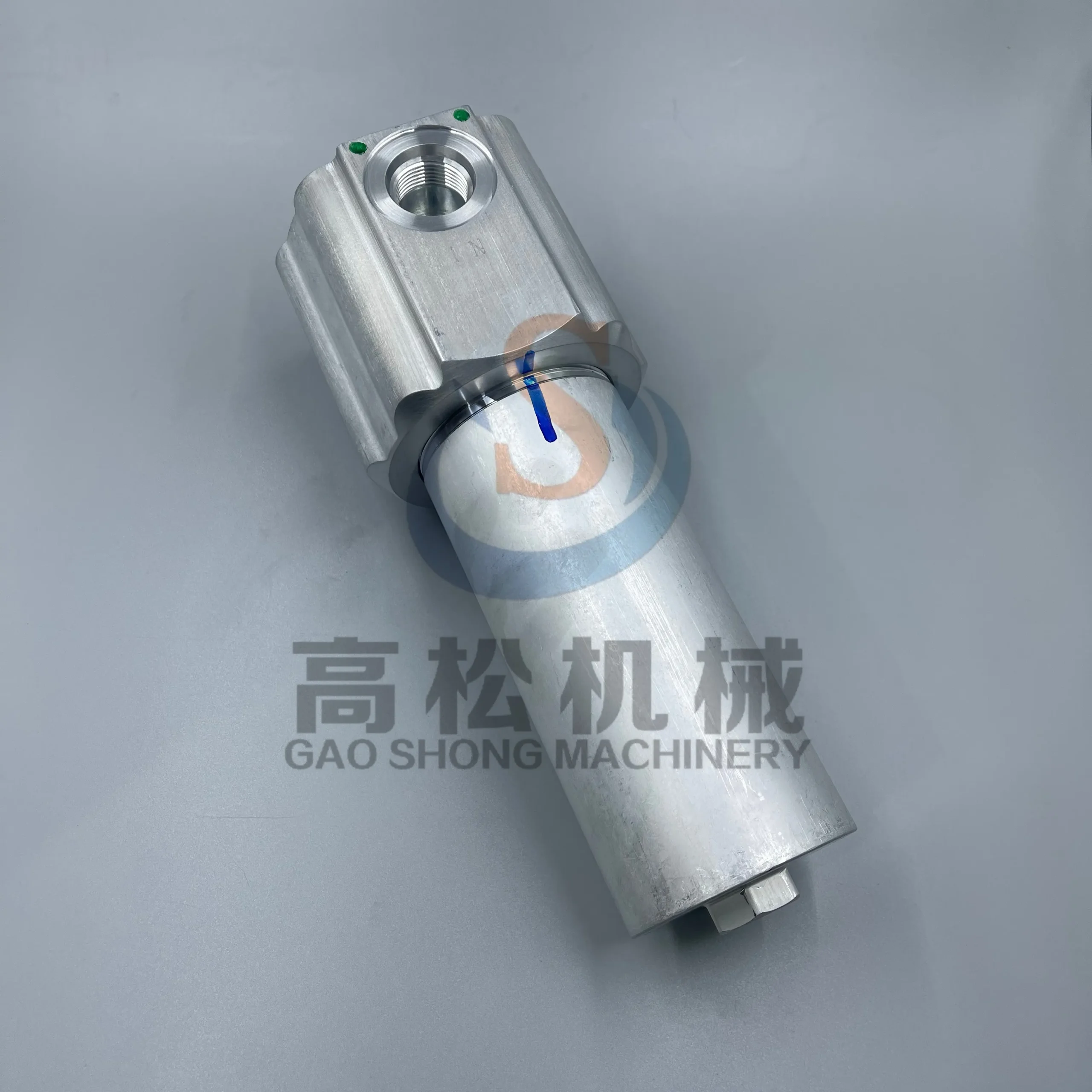 569-43-83911 Komatsu Filter Assembly
 -
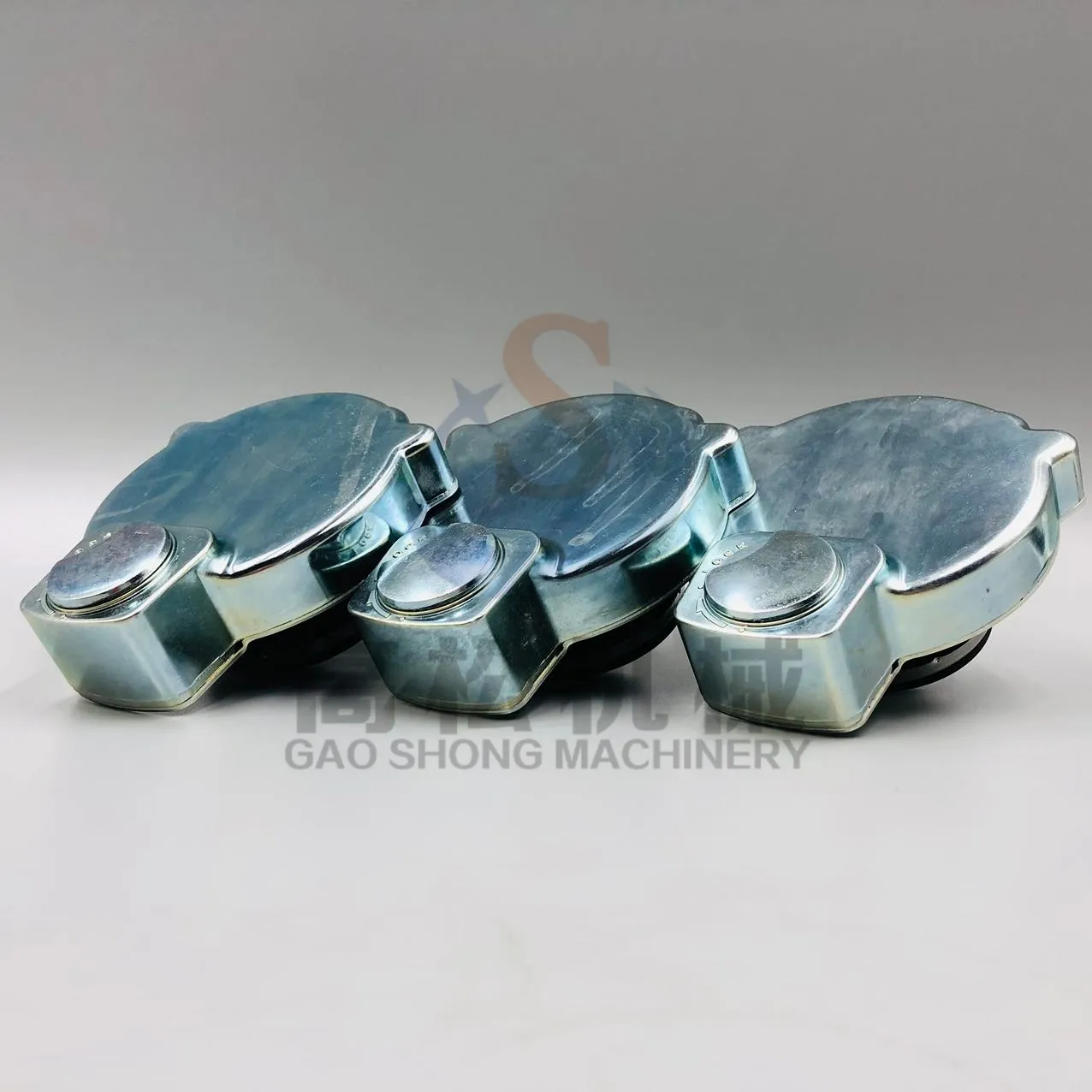 CAP ASS’Y 17A-60-11310 – KOMATSU
 -
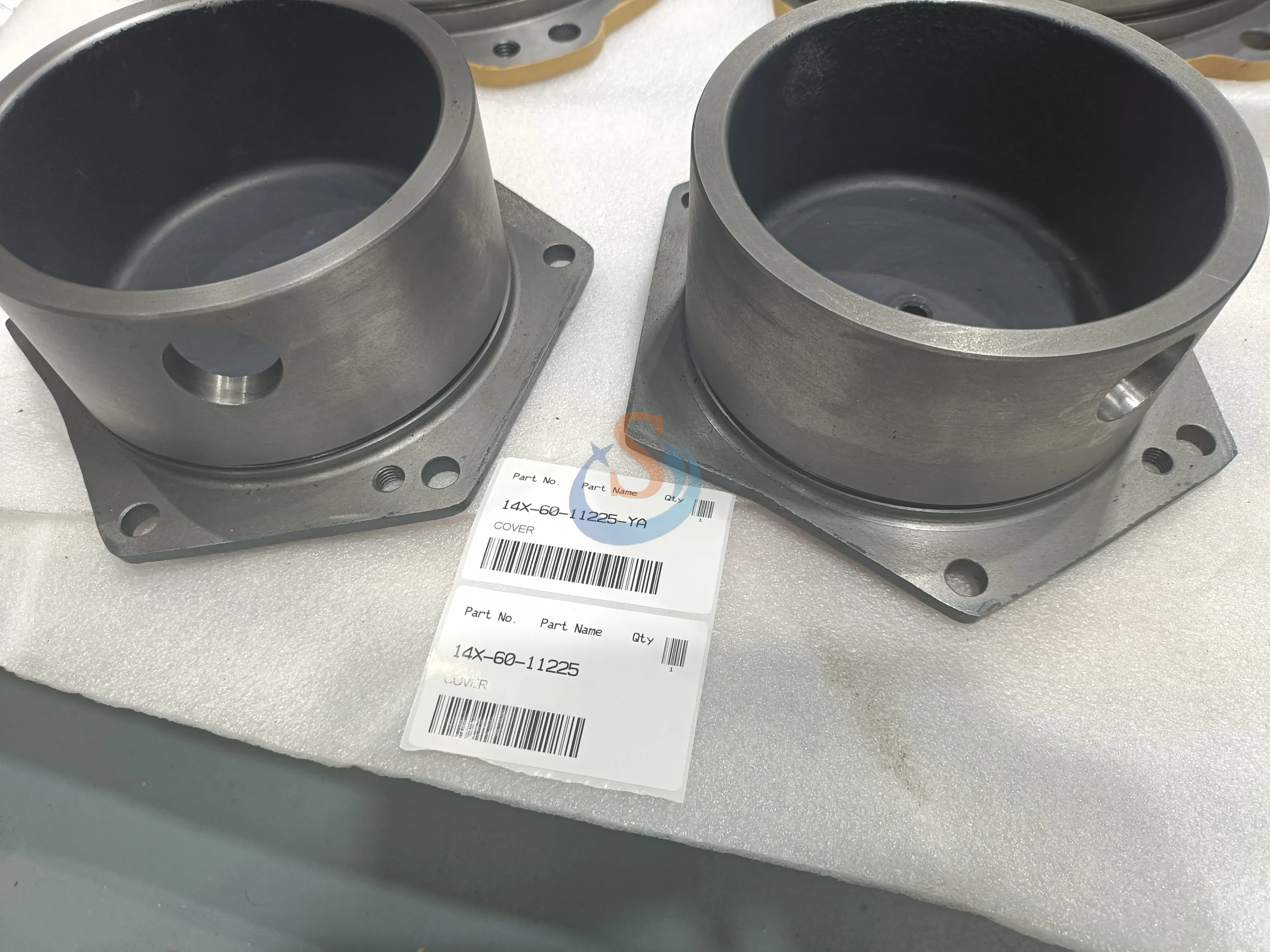 14X-60-11225,COVER,D65PX,D85ESS
 -
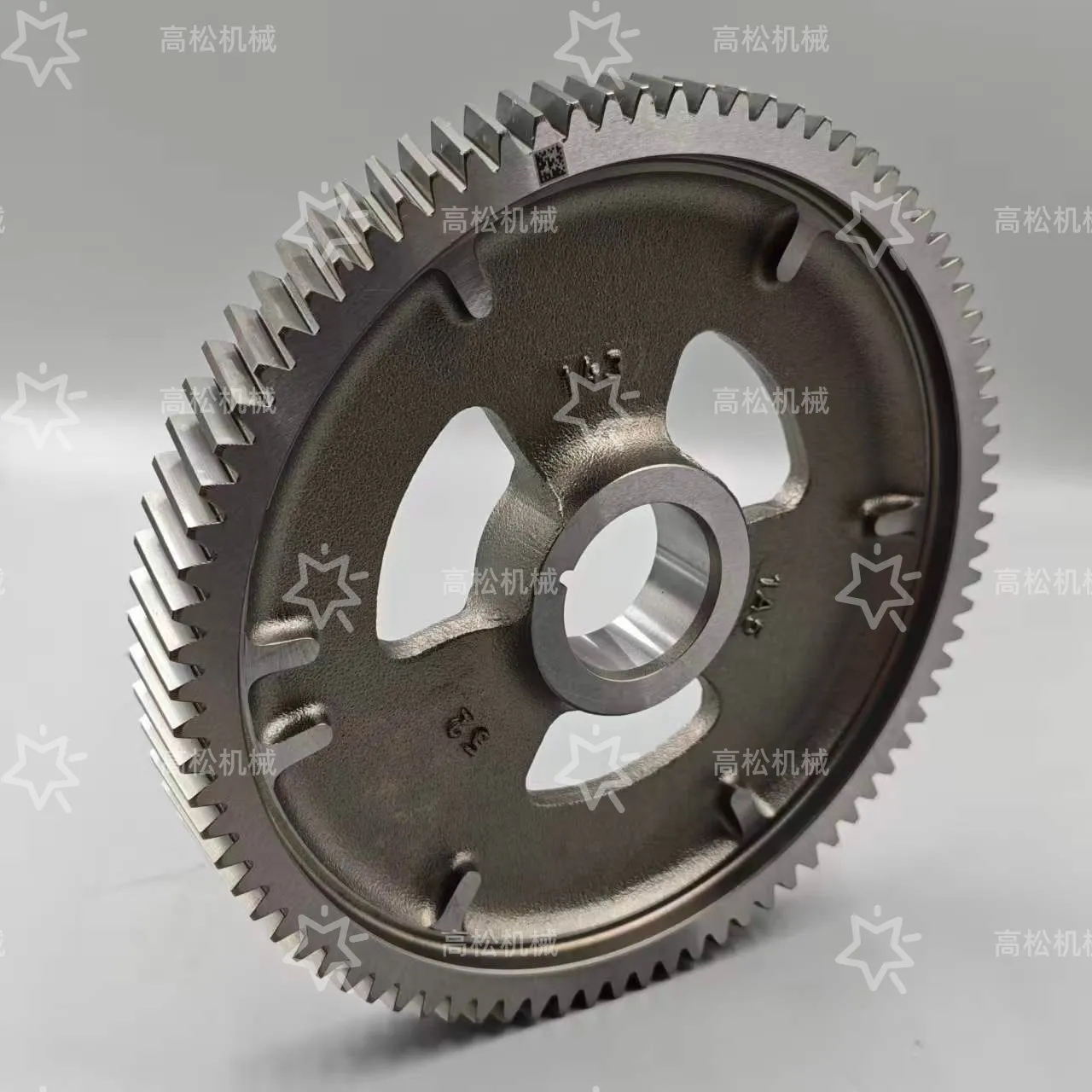 6745-41-1131 GEAR – CAMSHAFT Suitable for komatsu
 -
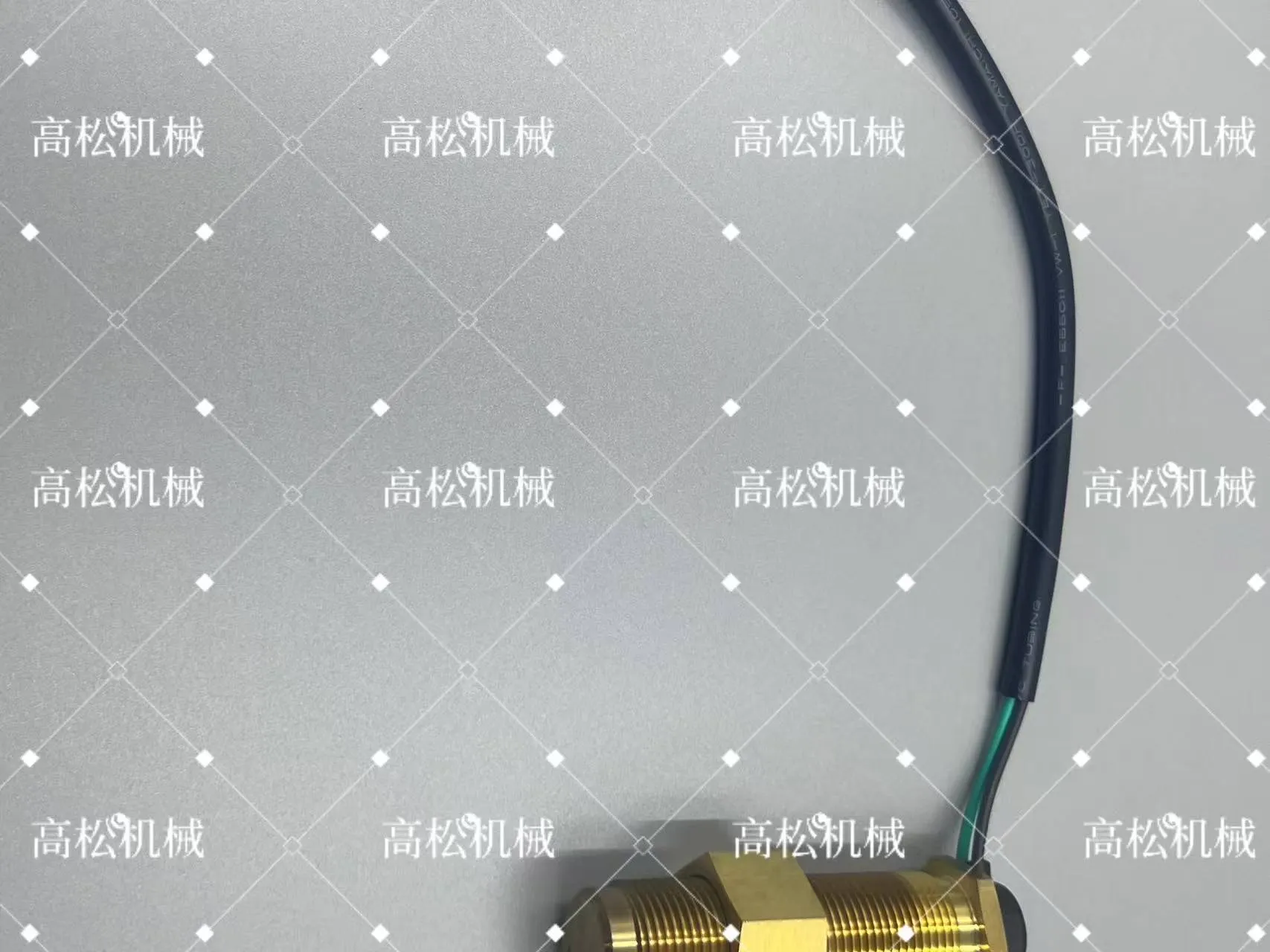 The PC300-6 tachometer sensor 7861-93-2330 is suitable for Komatsu parts
 -
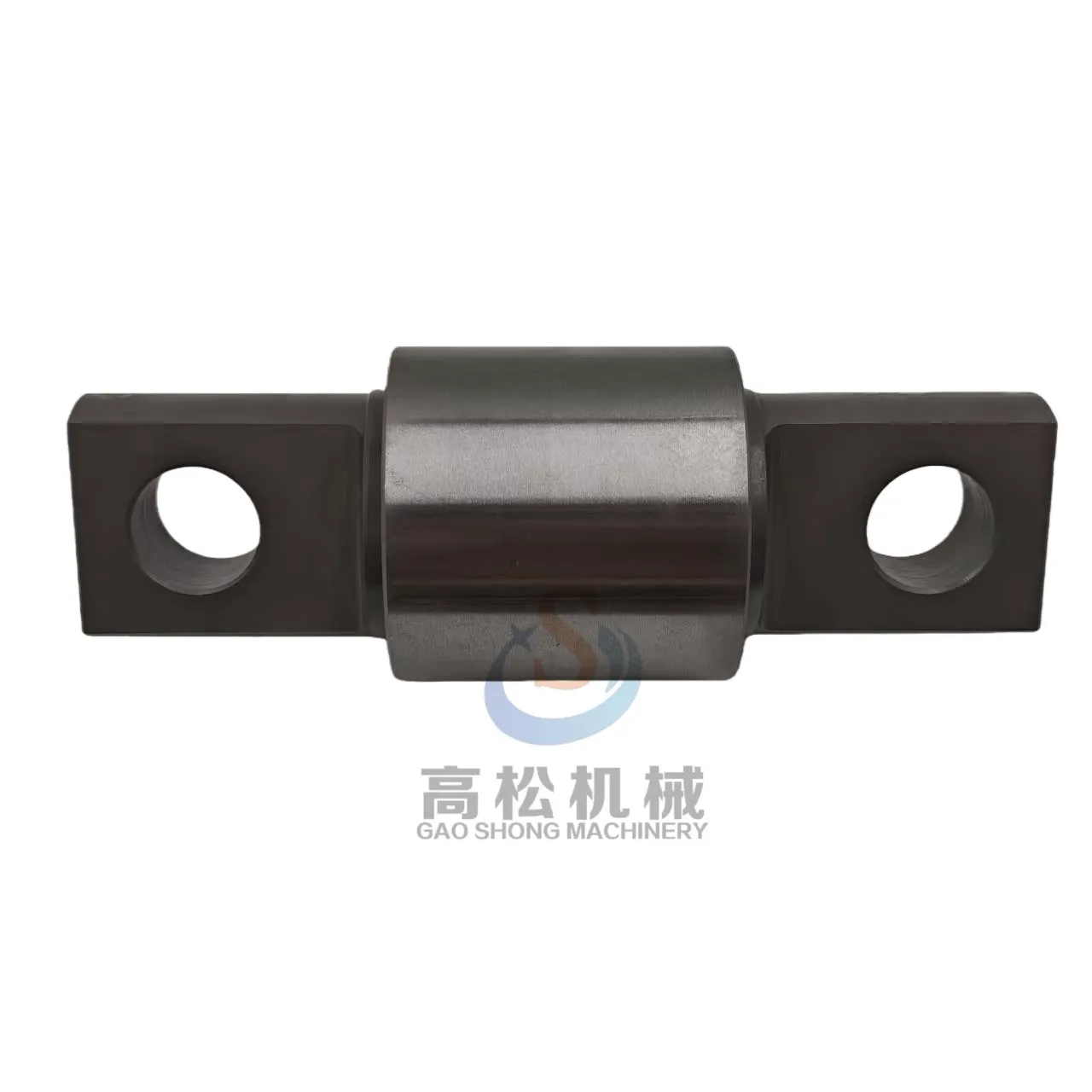 56B-16-11211 CUSHION HM350-2 HM350-2R HM400-3R HM400-2 HM400-1 FRONT DIFFERENTIAL MOUNTING
 -
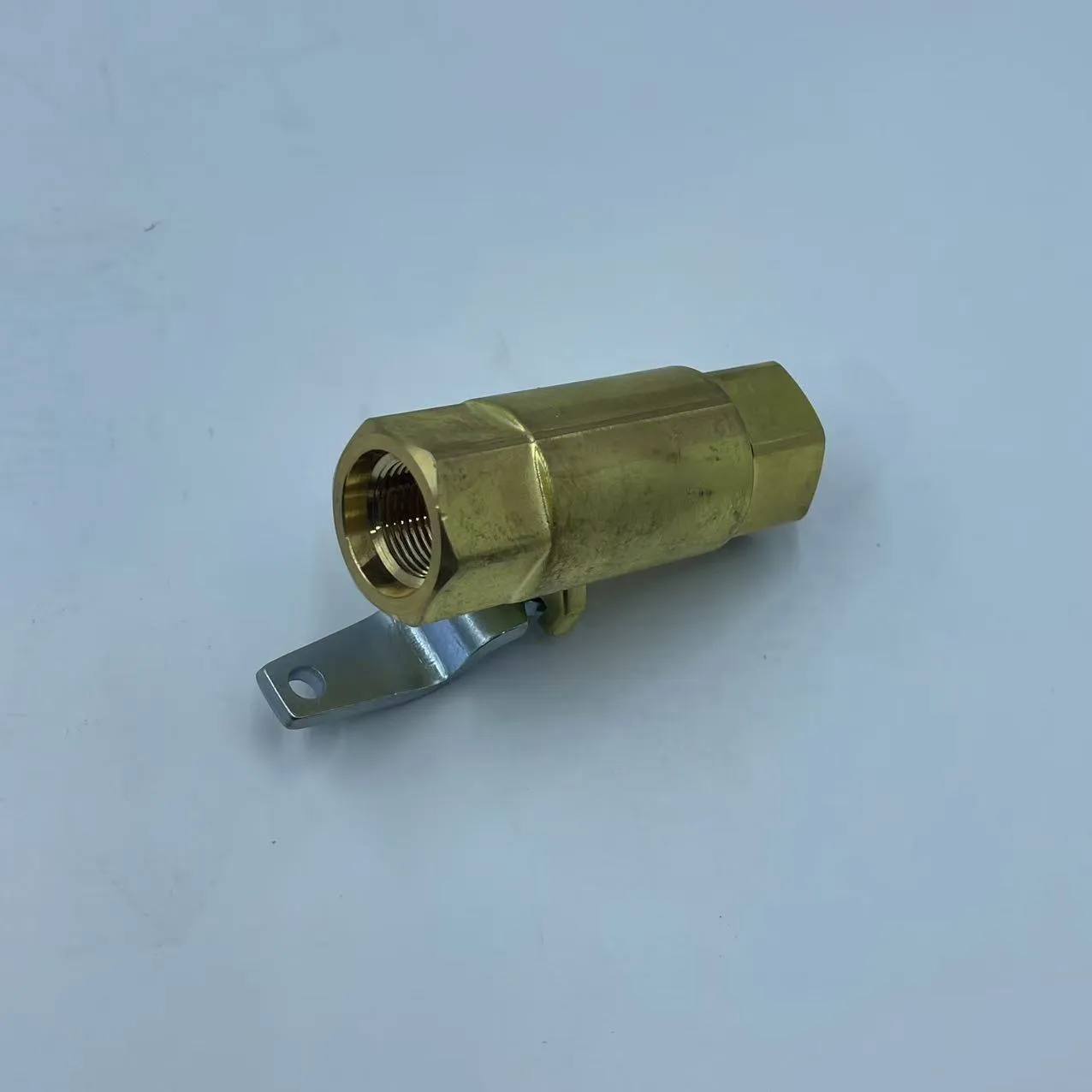 Komatsu Excavator PC200 Valve 20Y-62-15651
 -
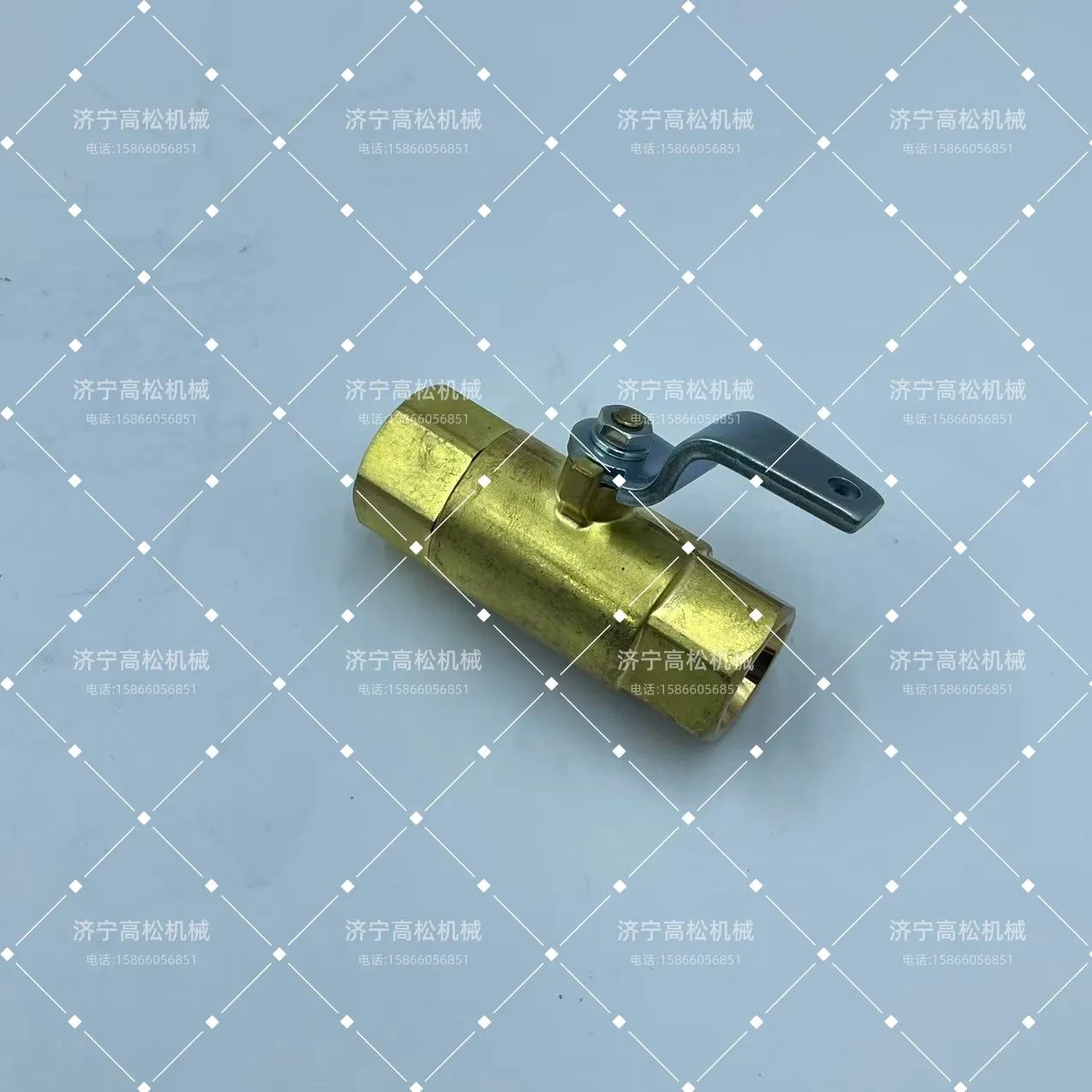 VALVE 20Y-62-15651 – KOMATSU Part catalog
 -
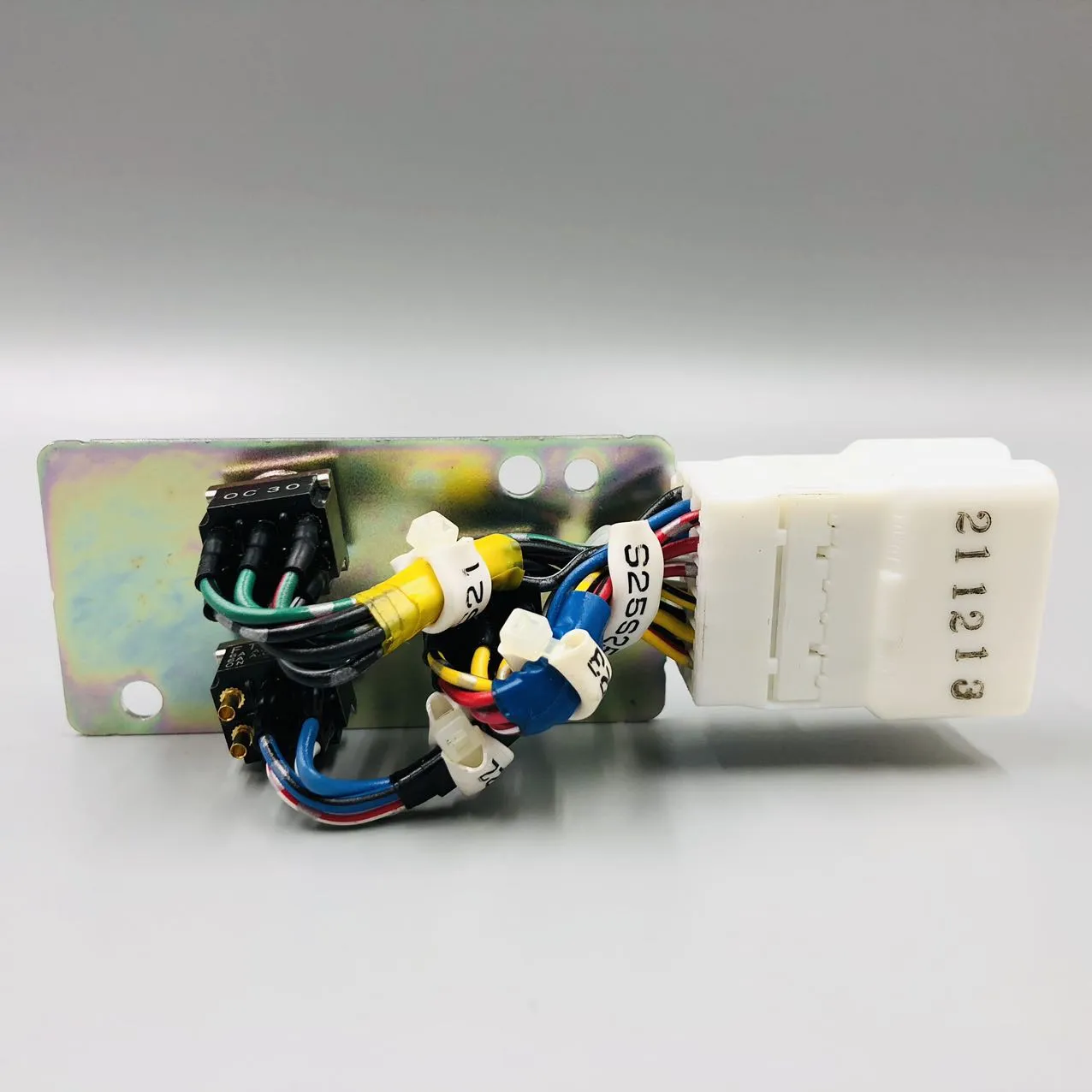 22U-06-22370 Switch Assembly
 -
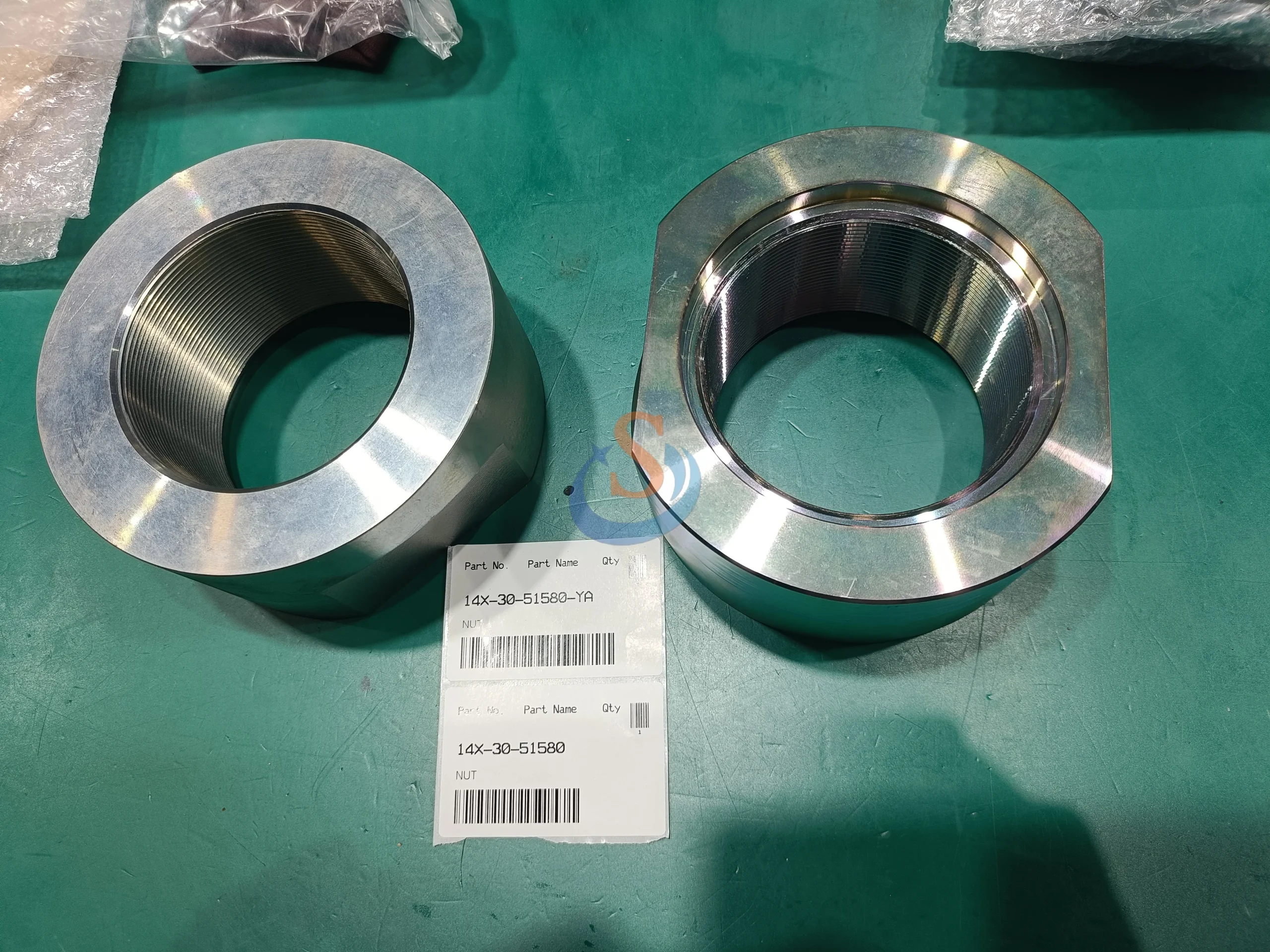 14X-30-51580,NUT,D65EX,D65PX,D65WX
 -
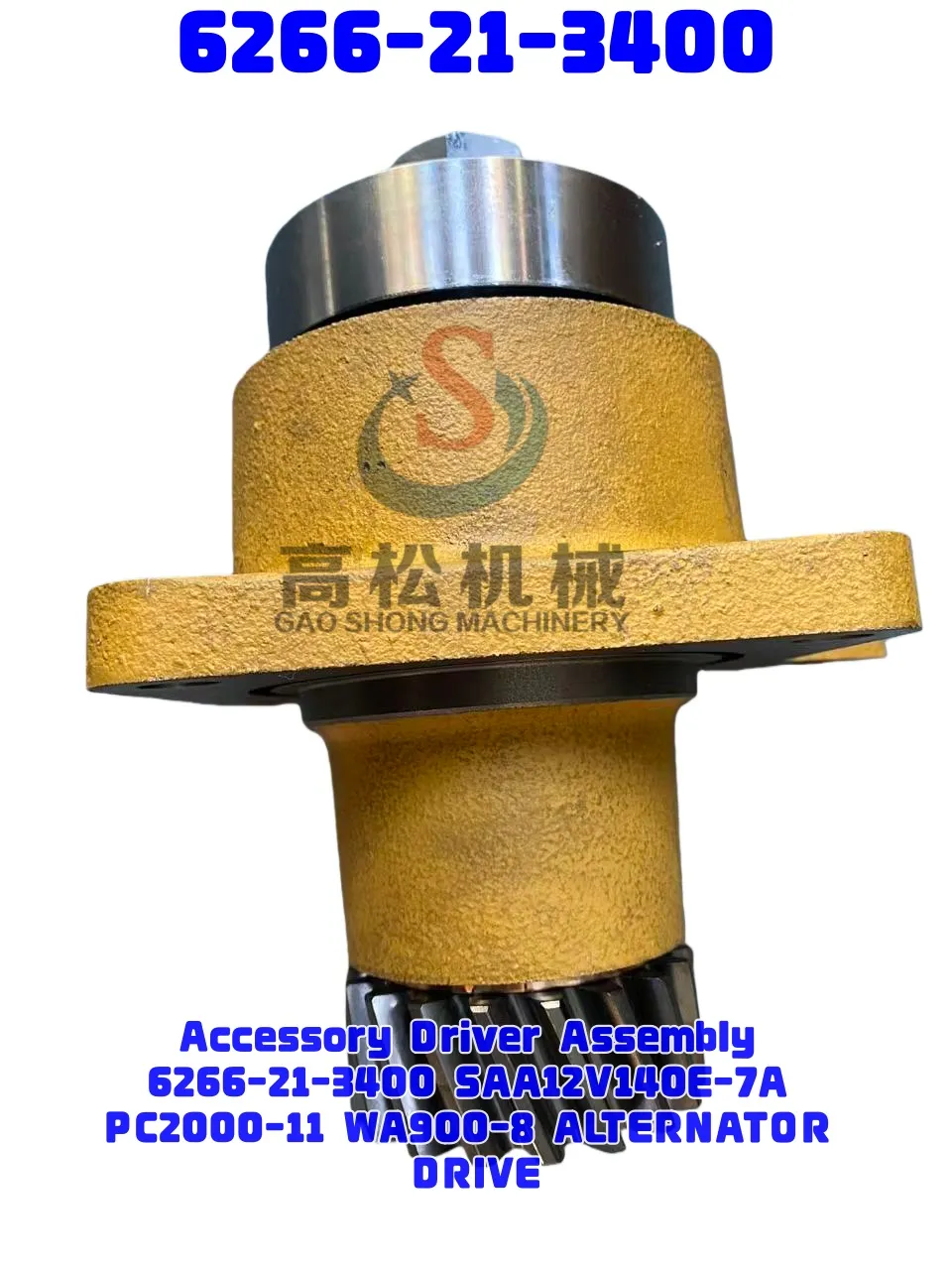 Accessory Driver Assembly 6266-21-3400 SAA12V140E-7A PC2000-11 WA900-8 ALTERNATOR DRIVE
 -
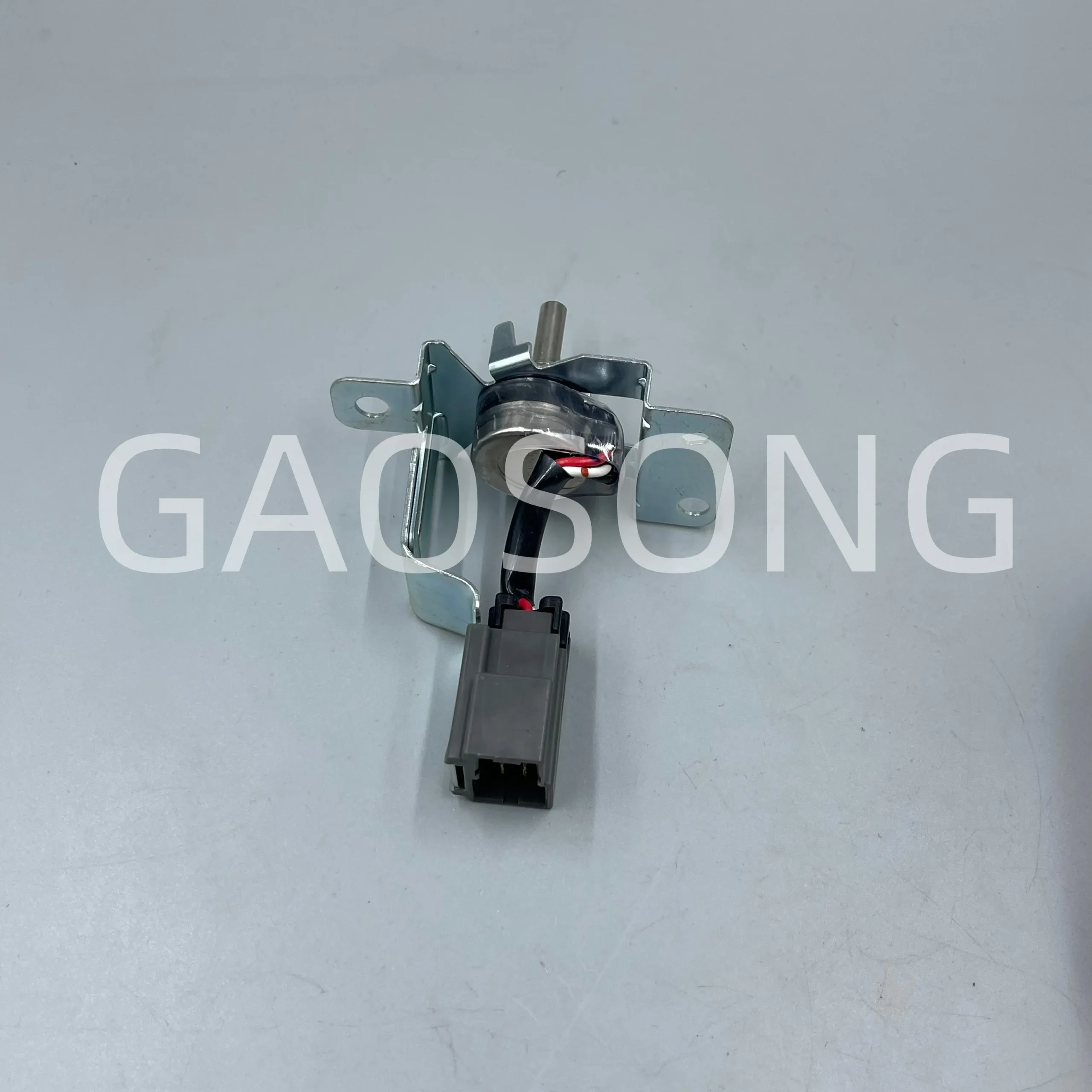 22U-06-22420 POTENIOMETER ASS’Y-Komatsu Original Factory