
- Chinese
- French
- German
- Portuguese
- Spanish
- Russian
- Japanese
- Korean
- Arabic
- Irish
- Greek
- Turkish
- Italian
- Danish
- Romanian
- Indonesian
- Czech
- Afrikaans
- Swedish
- Polish
- Basque
- Catalan
- Esperanto
- Hindi
- Lao
- Albanian
- Amharic
- Armenian
- Azerbaijani
- Belarusian
- Bengali
- Bosnian
- Bulgarian
- Cebuano
- Chichewa
- Corsican
- Croatian
- Dutch
- Estonian
- Filipino
- Finnish
- Frisian
- Galician
- Georgian
- Gujarati
- Haitian
- Hausa
- Hawaiian
- Hebrew
- Hmong
- Hungarian
- Icelandic
- Igbo
- Javanese
- Kannada
- Kazakh
- Khmer
- Kurdish
- Kyrgyz
- Latin
- Latvian
- Lithuanian
- Luxembou..
- Macedonian
- Malagasy
- Malay
- Malayalam
- Maltese
- Maori
- Marathi
- Mongolian
- Burmese
- Nepali
- Norwegian
- Pashto
- Persian
- Punjabi
- Serbian
- Sesotho
- Sinhala
- Slovak
- Slovenian
- Somali
- Samoan
- Scots Gaelic
- Shona
- Sindhi
- Sundanese
- Swahili
- Tajik
- Tamil
- Telugu
- Thai
- Ukrainian
- Urdu
- Uzbek
- Vietnamese
- Welsh
- Xhosa
- Yiddish
- Yoruba
- Zulu
- Kinyarwanda
- Tatar
- Oriya
- Turkmen
- Uyghur






komatsu wa380 parts manual
When you punch 'komatsu wa380 parts manual' into a search bar, you're probably just hoping to find a PDF to download. That's the common trap. In reality, that search is the start of a much deeper process—it's about finding the right reference to solve a real-world problem on a machine that might be 15 years old. The manual isn't just a book; it's the key to identifying the correct part number, and that's where the real challenge begins, especially for older models where supply chains have thinned out.
The Illusion of the Universal Manual
Here's the first practical hurdle: there is no single, universal Komatsu WA380 parts manual. The WA380-3, WA380-5, WA380-6, and later variants all have different manuals. The serial number break is everything. I've seen guys order a costly hydraulic pump based on a -5 manual, only to find their machine was a late-model -3 with a different configuration. The manual is your first filter, and using the wrong one is an expensive mistake. It's not just about the book; it's about matching the book to the specific machine plate in front of you.
This gets even trickier with regional specifications. A WA380 built for the North American market might have different emission-related components than one for Southeast Asia. The parts manual might have supplemental pages or entirely different section codes for these. If you're sourcing parts internationally, which is often the case now, you need to be acutely aware of this. A part number that looks correct might be for the wrong region's spec, leading to fitment issues that only show up during installation.
And let's talk about the quality of the manual itself. The official Komatsu PDFs are pristine, of course. But the scans floating around on various forums or shady manual aggregation sites? Often terrible. Blurred diagrams, missing pages, or sections from a different machine altogether. Relying on a poor-quality manual is worse than having none at all—it gives you false confidence. I learned this the hard way early on, wasting half a day tearing down a final drive only to realize the exploded view I was using omitted a critical shim stack detailed on the very next page, which was missing from my downloaded file.
From Part Number to Physical Part: The Real Supply Chain
So you've used a correct, high-quality manual and nailed down the part number. Say, 20Y-70-11310 for a sprocket segment. Now what? For a current or recent model, your local Komatsu distributor is the straightforward route. But for a WA380, which started production in the late 90s? Many parts are discontinued or on indefinite backorder from the primary network. This is the gap that creates the need for specialized suppliers.
This is where companies with a dual role become critical. Take Jining Gaosong Construction Machinery Co., Ltd., for instance. They operate as an OEM product supplier within the Komatsu system, meaning they have access to genuine or OEM-specification parts pipelines. But crucially, they also function as a third-party sales company for Komatsu, specifically positioned to solve parts supply challenges in certain countries. When the main distribution channel is blocked or prohibitively slow for an older machine, a source like their platform at takematsumachinery.com becomes a practical alternative. You're not just buying a part; you're leveraging a parallel, often more flexible supply chain that understands the lifecycle of these older machines.
The verification process is key here. A reputable supplier won't just take your part number at face value. They'll ask for your machine's serial number to cross-reference. They might point out that for your specific S/N range, there was a running change, and a later superseded part number is actually a better, more available fit. This level of service is what separates a parts vendor from a true partner in maintenance. It turns a transactional search for a WA380 parts manual into a diagnostic and sourcing collaboration.
Case in Point: The Elusive Brake Valve
Let me give you a concrete example from last year. A client had a WA380-3 with a failing brake control valve. The part number from the manual was long obsolete. The local Komatsu dealer quoted a 6-month lead time and a staggering price for a possible remanufactured unit. The machine was down, and that timeline was a non-starter.
We went the alternative route. Using the precise manual, we confirmed the valve's specification and port sizes. Then, through a supplier with deep Komatsu system knowledge—like the kind Jining Gaosong describes in their mission—we were able to source a direct OEM-equivalent component. It wasn't in a Komatsu box, but it was built to the same prints. The critical step was sending them the old valve's photos and the exact page from the parts manual. Their technical team confirmed the match and even noted a common failure mode for that specific valve body, advising us to check the pilot pressure line for debris upon installation. That's value-added insight you never get from a simple online parts catalog.
The installation was straightforward because the part was correct. The machine was back running in three days, not six months. The cost was about 40% of the dealer's quote. This experience cemented the idea that the manual is the starting bible, but navigating the post-OEM support landscape requires these alternative, knowledgeable channels. It's not about avoiding genuine parts; it's about finding the right source for them when the traditional one dries up.
Manual as a Diagnostic Tool, Not Just a Parts List
Too often, mechanics only crack open the parts manual when they need to order something. That's underutilizing it. The diagrams, especially the hydraulic and electrical schematics in the later sections of a comprehensive manual, are invaluable for diagnostics. Tracing a hydraulic leak on the WA380's complicated steering system is a nightmare without the schematic. Is that leaking hose a pressure line, a return line, or a pilot line? The manual tells you instantly, saving hours of blind tracing.
I use it proactively during inspections. For instance, when checking the front axle pivot area for wear, I'll have the relevant manual page open. It shows all the seals, bushings, and thrust washers in their correct order. This lets me build a preemptive parts list for a potential rebuild while I'm inspecting, comparing what I see to the diagram. It turns a routine check into a planning session. You start to think, Okay, seal 6 looks weepy, and bushing 4 has visible play. I should price out that entire sub-assembly kit now, before it fails catastrophically.
This approach also helps you communicate more effectively with suppliers. Instead of saying, I need a seal for the WA380 axle, you can say, I need part number , the double-lip seal for the pivot shaft on a WA380-5, S/N 5XXXX and up. That precision gets you the right part faster and builds your credibility. Suppliers like the one mentioned earlier thrive on this precision—it allows them to provide the exact solution without guesswork.
Digital vs. Physical and the Archival Problem
The shift to digital manuals is mostly a blessing. You can search them, zoom in on diagrams, and carry them all on a tablet in the field. But there's a hidden risk: digital obsolescence. The proprietary software some manufacturers use to view their manuals gets discontinued. I've had to hunt down old laptops with specific OS versions just to open some archived files. For a machine like the WA380 with a long lifespan, I always recommend printing and binding the critical sections—the hydraulic schematics, the torque specs, the major assembly diagrams. Keep that binder in the service truck. It never runs out of batteries, and it survives a drop into a mud puddle better than a tablet.
Furthermore, the official digital manuals are often updated with revision notes. A page from a 2005 printing of the Komatsu WA380 parts manual might have different supersession notes than the 2012 revision. When sourcing from alternative OEM suppliers, confirming you're looking at the latest revision is part of the due diligence. A good supplier will have access to these updates and can alert you to a superseded part number that improves on the original design, perhaps with a better material or seal design.
This archival mindset extends to your own records. When you finally source a rare part, annotate your manual (or its digital copy). Write down the supplier you used, the cross-reference number they provided, and any installation notes. Over years, your manual becomes a living document, a history of that specific machine's maintenance journey. That annotated copy is far more valuable than a pristine, generic PDF.
Closing the Loop: Knowledge as the Ultimate Tool
At the end of the day, searching for a WA380 parts manual is the initiation rite. The real skill lies in using it correctly, interpreting its diagrams in the context of greasy, real-world iron, and then navigating the complex global parts ecosystem to find what you need. The manual gives you the language—the part numbers and the relationships between components. Companies that bridge the OEM and third-party gap, like Jining Gaosong with their stated role, are the translators and facilitators in that ecosystem.
The process is never perfectly linear. You'll hit dead ends, discover incorrect supersessions, and sometimes have to make educated judgments based on similar assemblies. That's the nature of keeping legacy equipment running. The goal isn't just to find a part; it's to restore function reliably and economically. The parts manual is your first and most important map, but knowing there are multiple paths to the destination—through official channels, through specialized OEM-system suppliers, or through quality aftermarket manufacturers—is what keeps these machines, and your operation, moving forward. It's a puzzle where the manual shows you the picture on the box, but experience tells you where to find the missing pieces.
Related Products
Related Products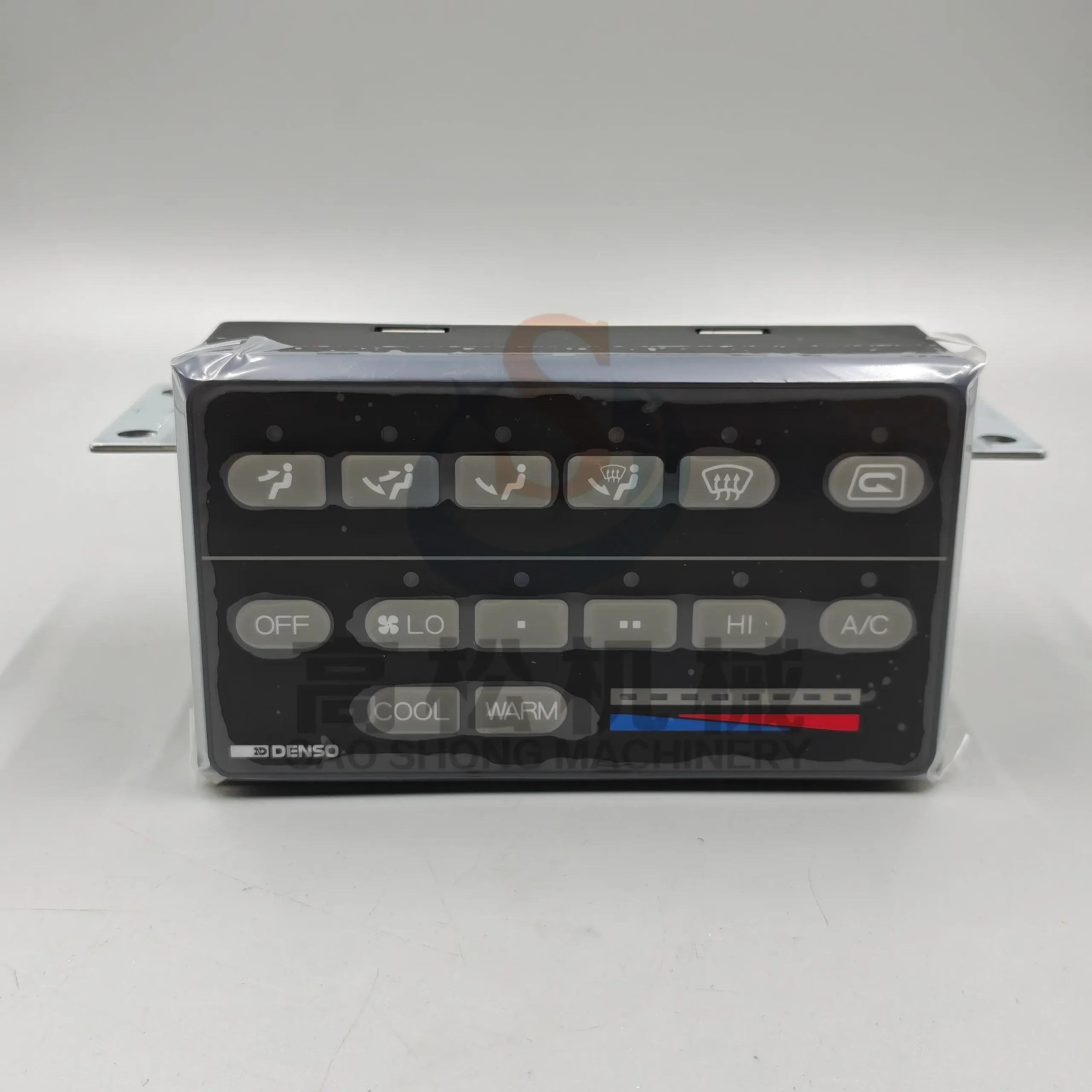
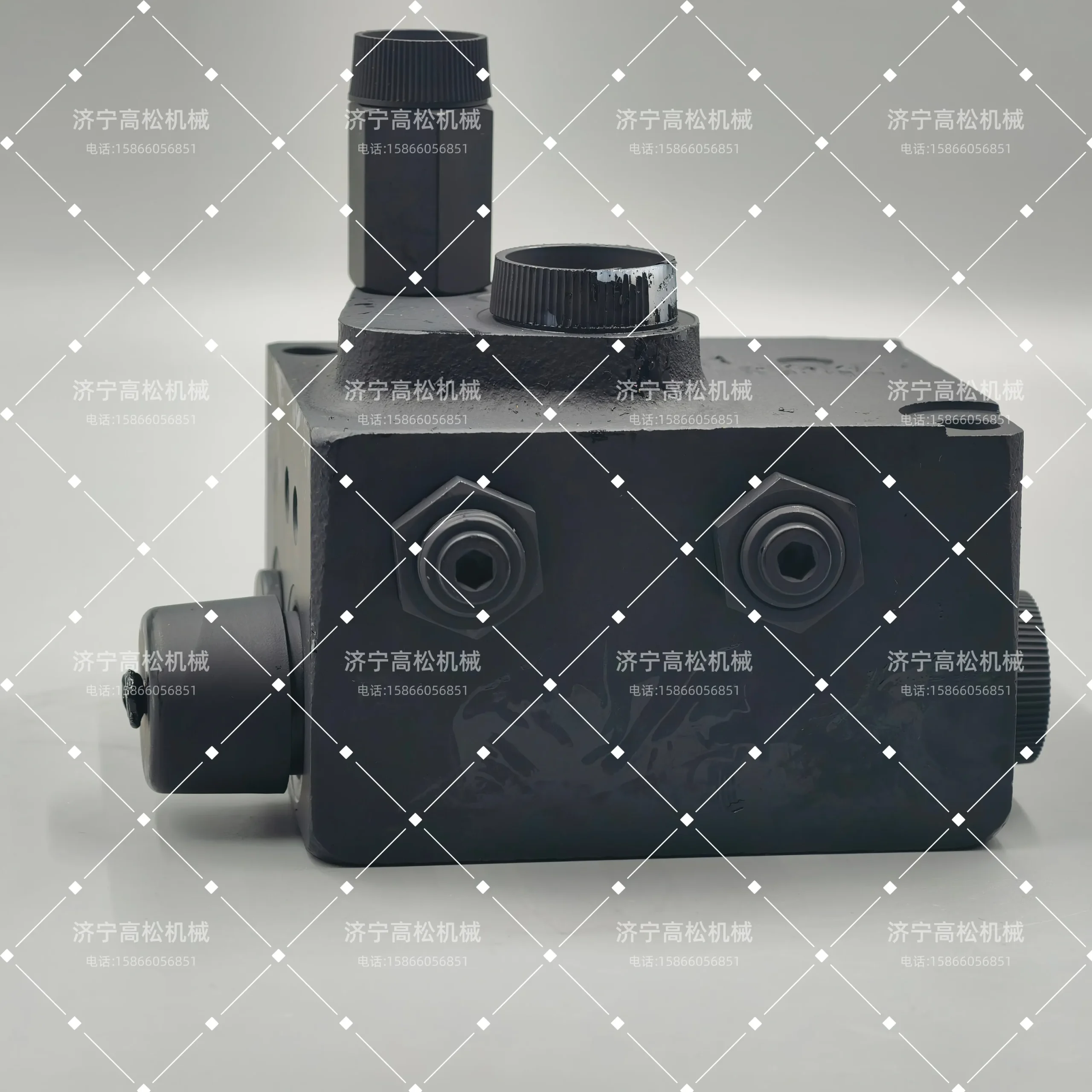
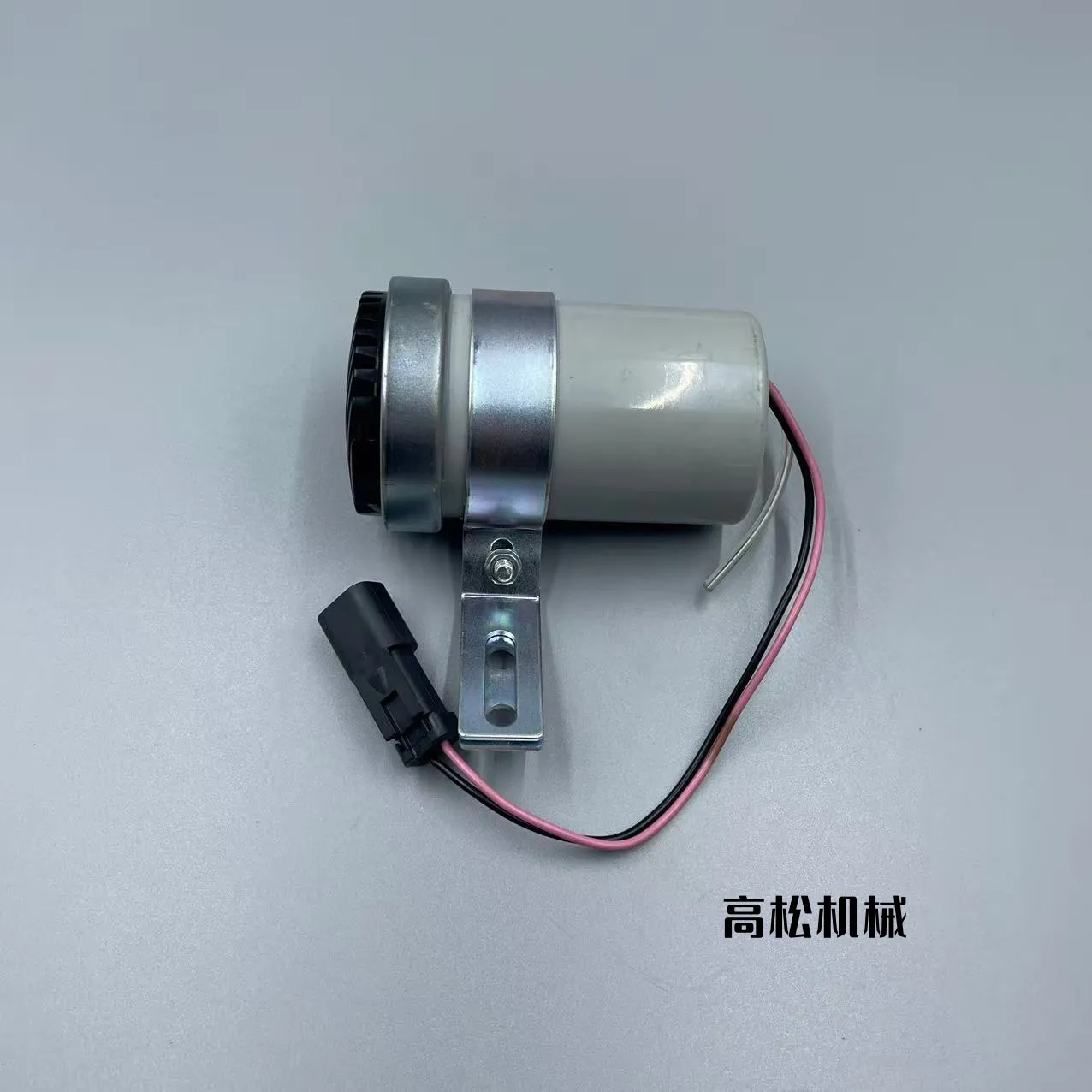

Best Selling Products
Best Selling Products-
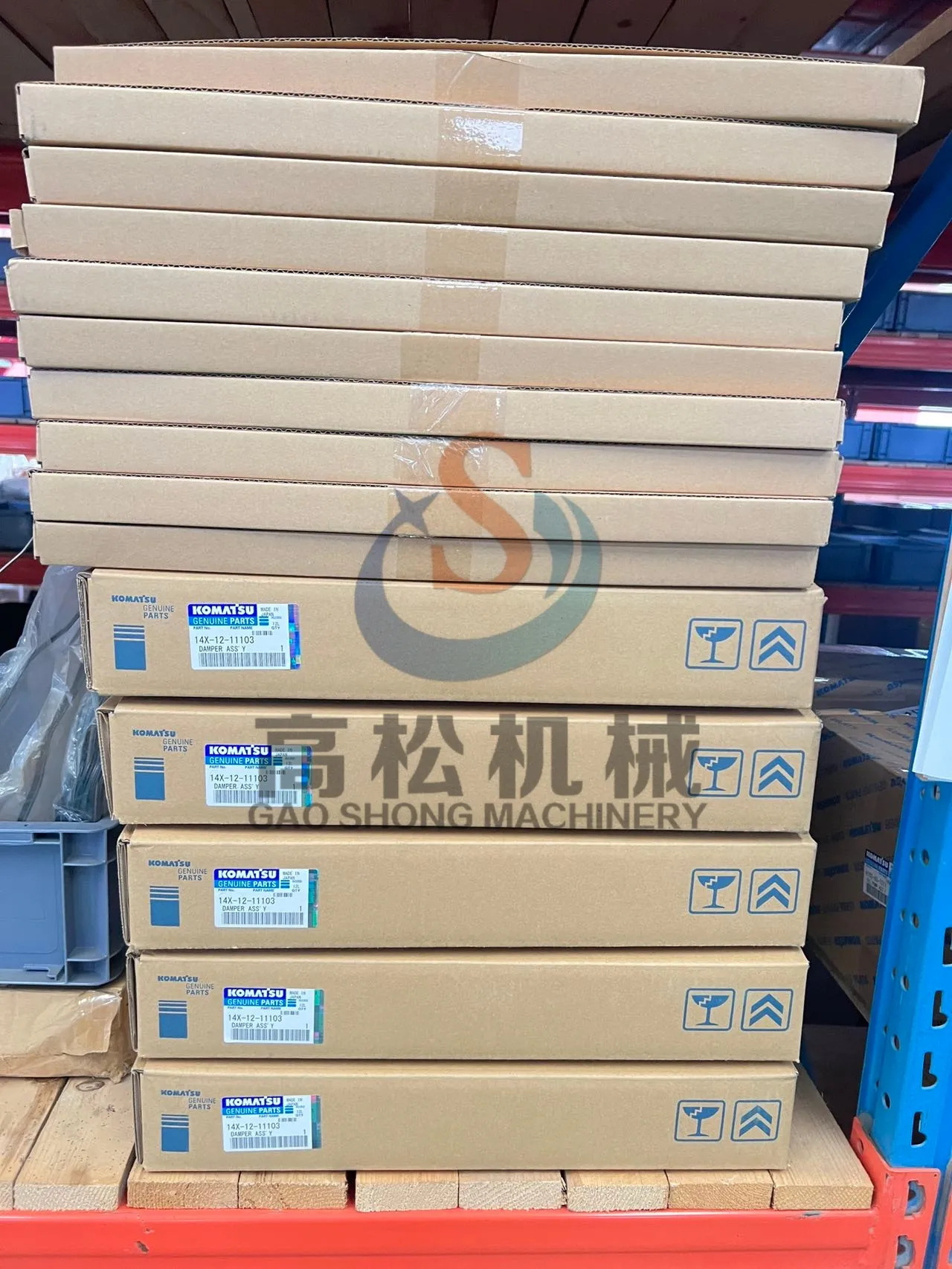 14X-12-11103 Komatsu Damper Disc Assembly
 -
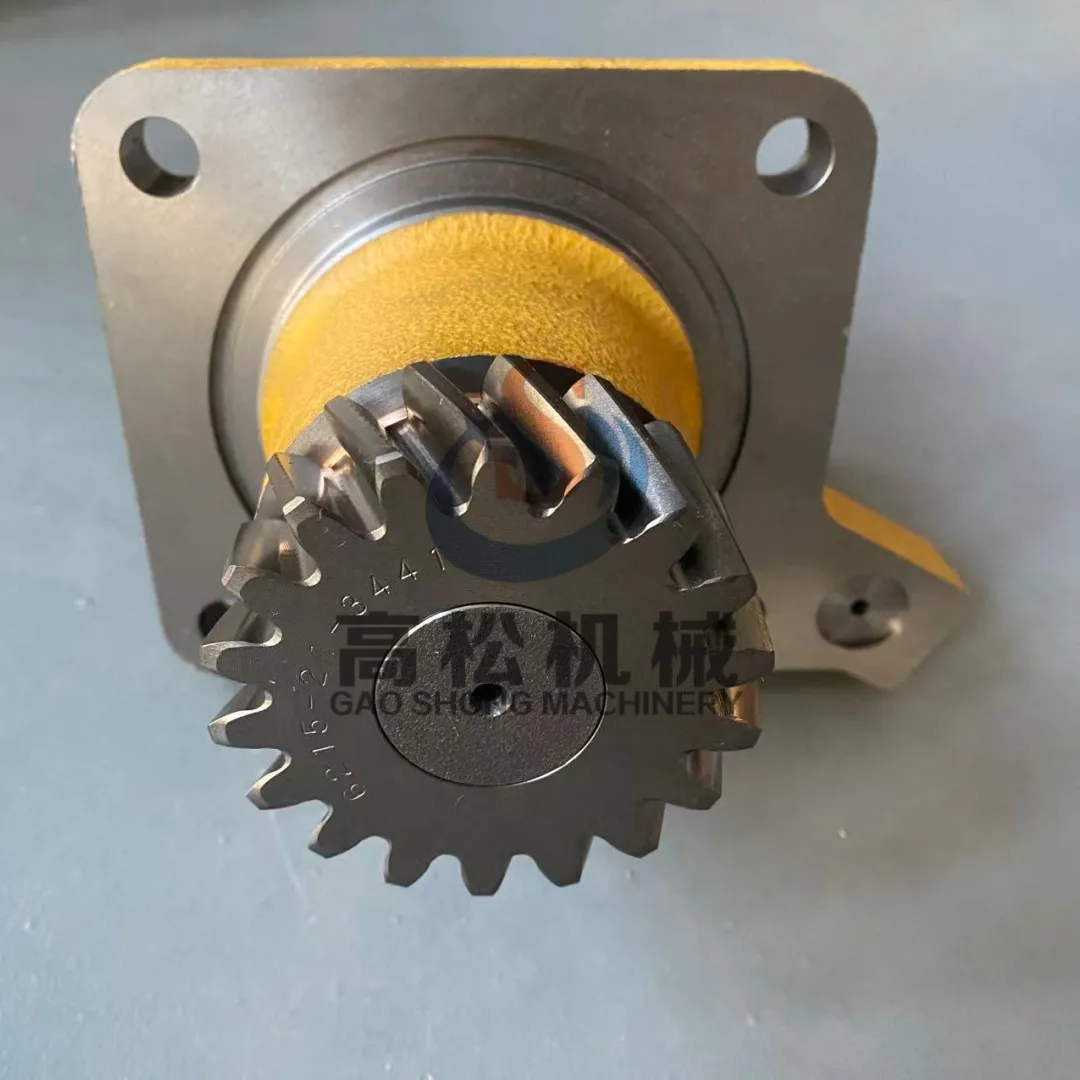 6266-21-3400Accessory Driver Assembly SAA12V140E ENGINE
 -
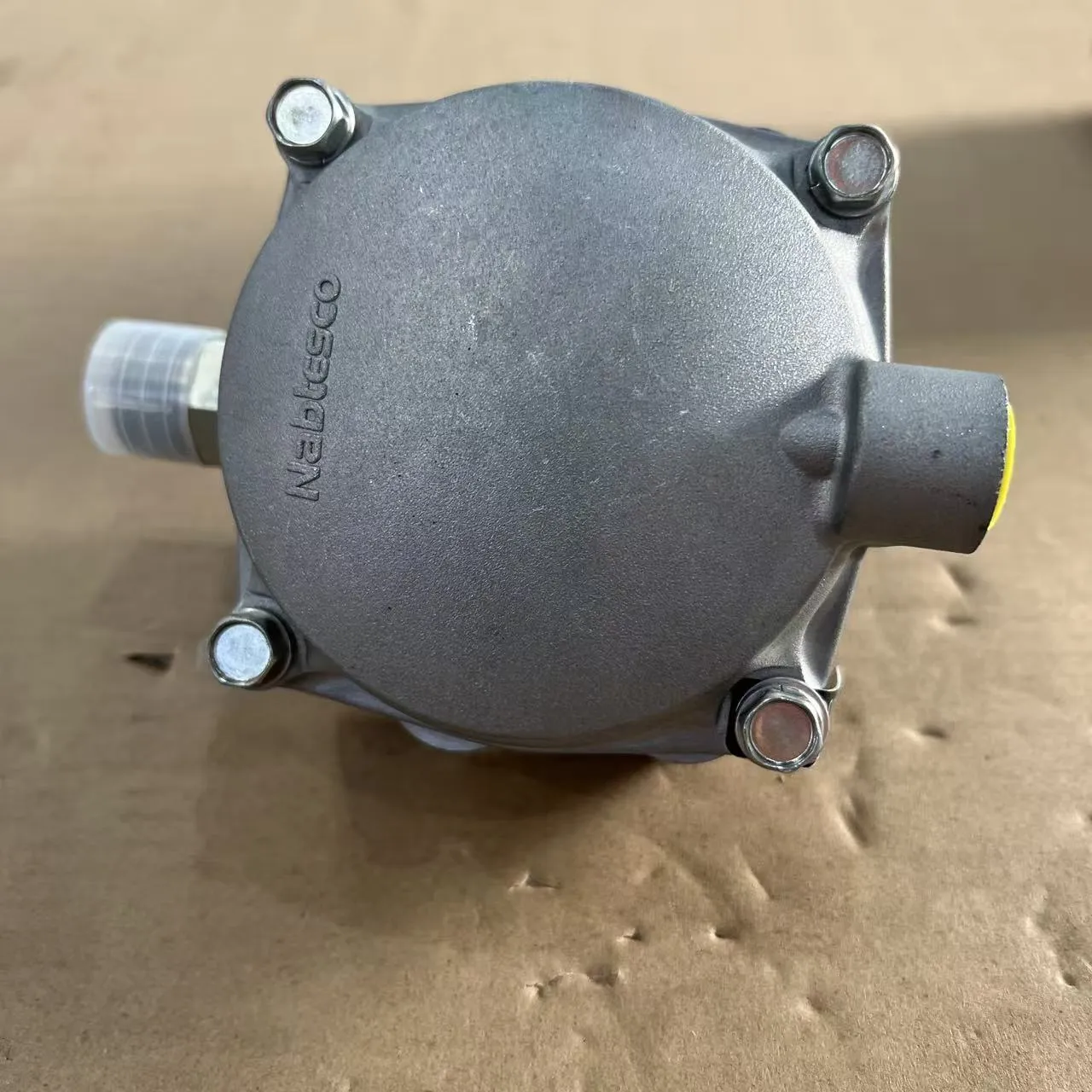 Relay Valve 561-35-61601 for Komatsu Dump Truck…
 -
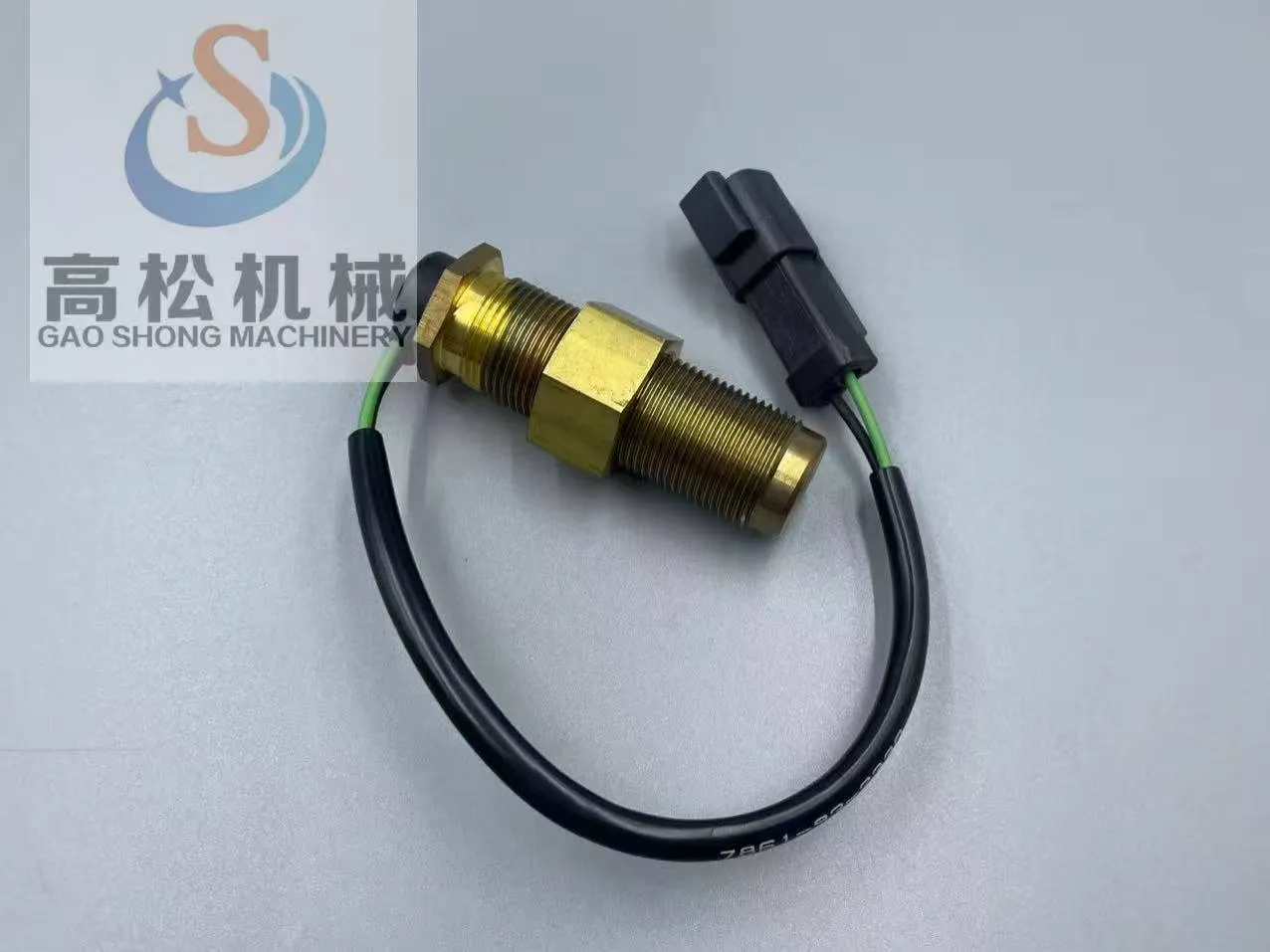 PC130-7 PC300-7 Engine Speed Sensor 7861-93-2330
 -
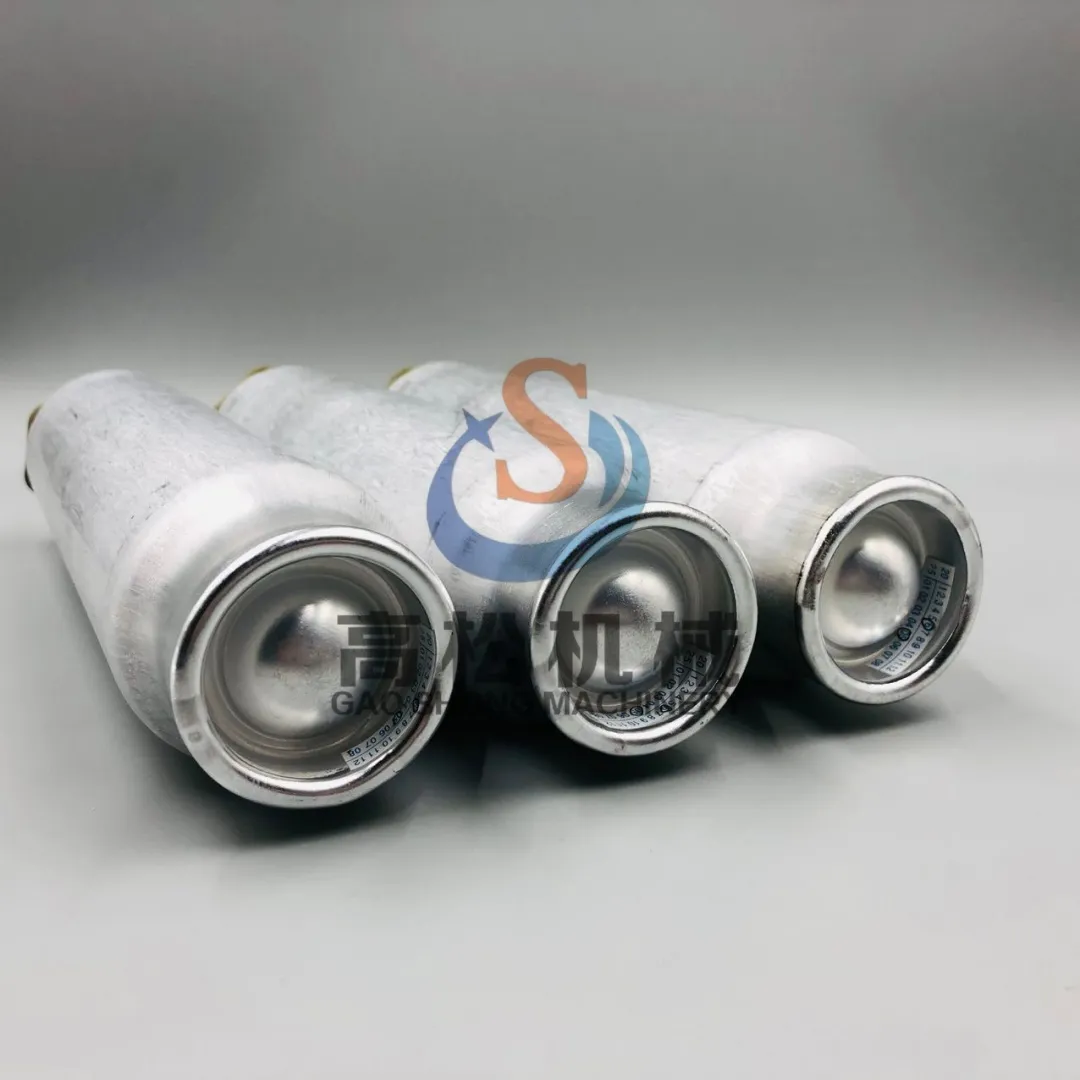 Receiver Drier 20Y-979-3120
 -
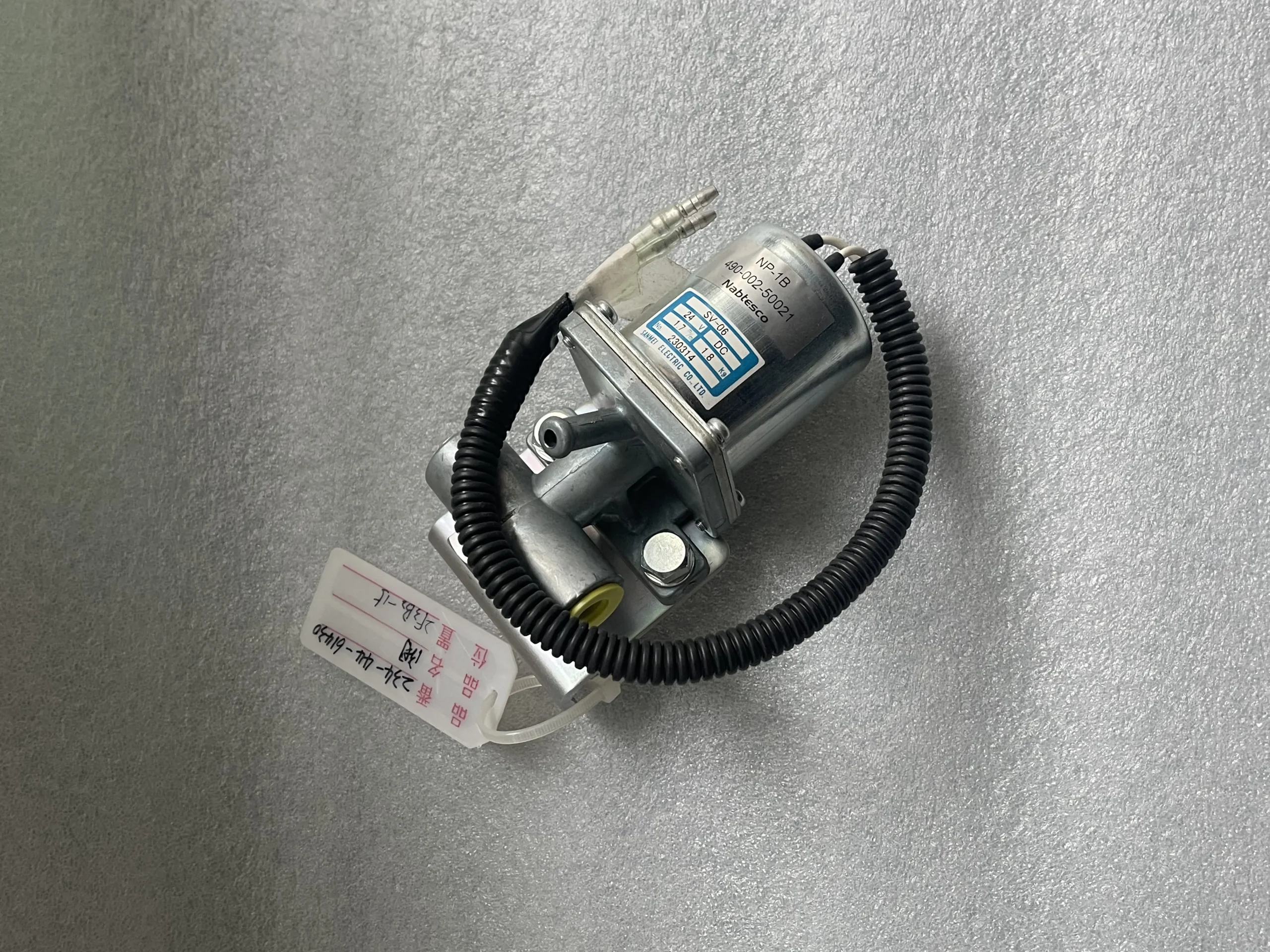 VALVE 234-44-61430
 -
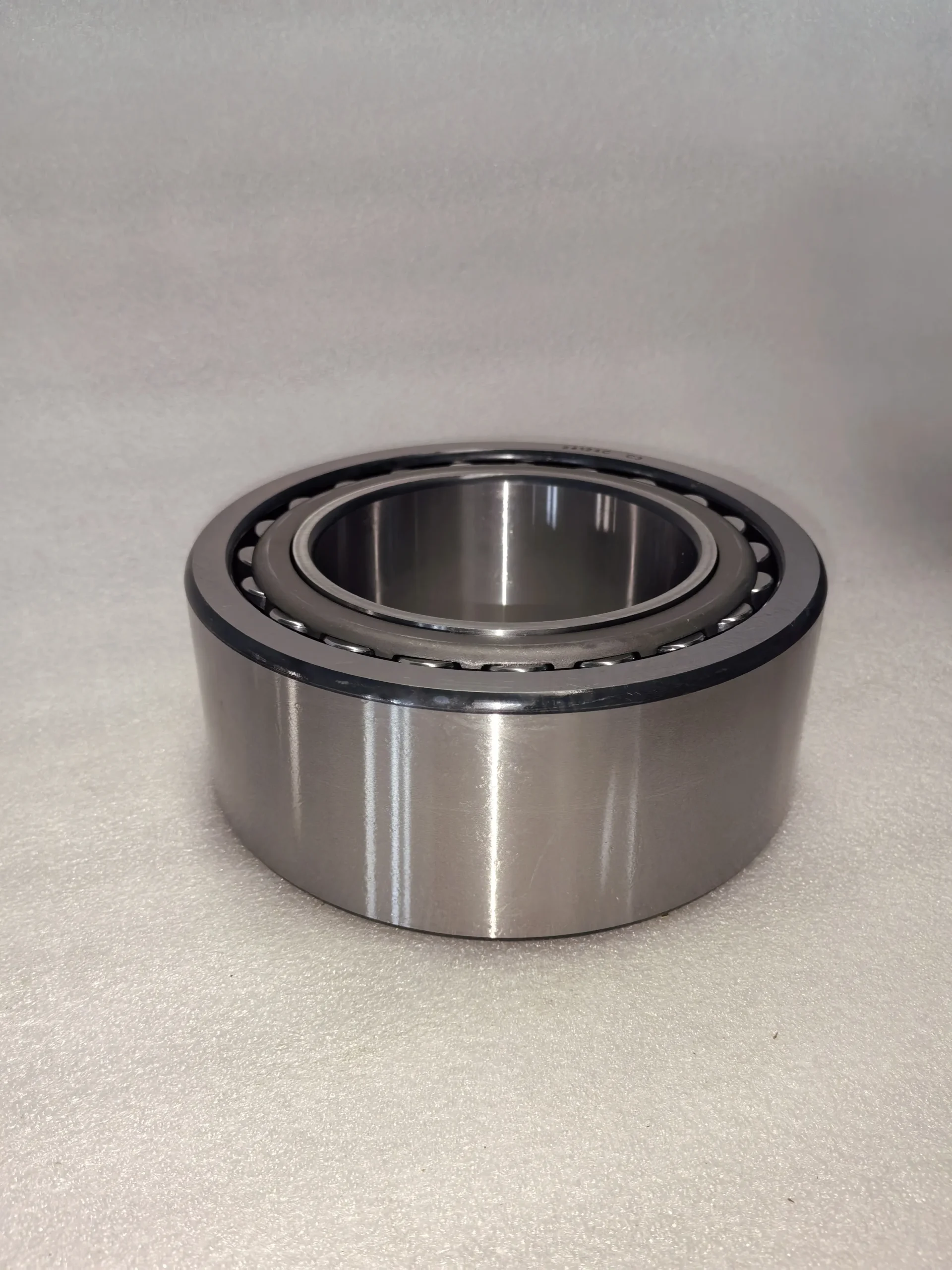 170-09-13250 Komatsu Bearing – Komatsu
 -
 Original New PC400-7 Excavator Parts – Control Valve 708-2H-03411
 -
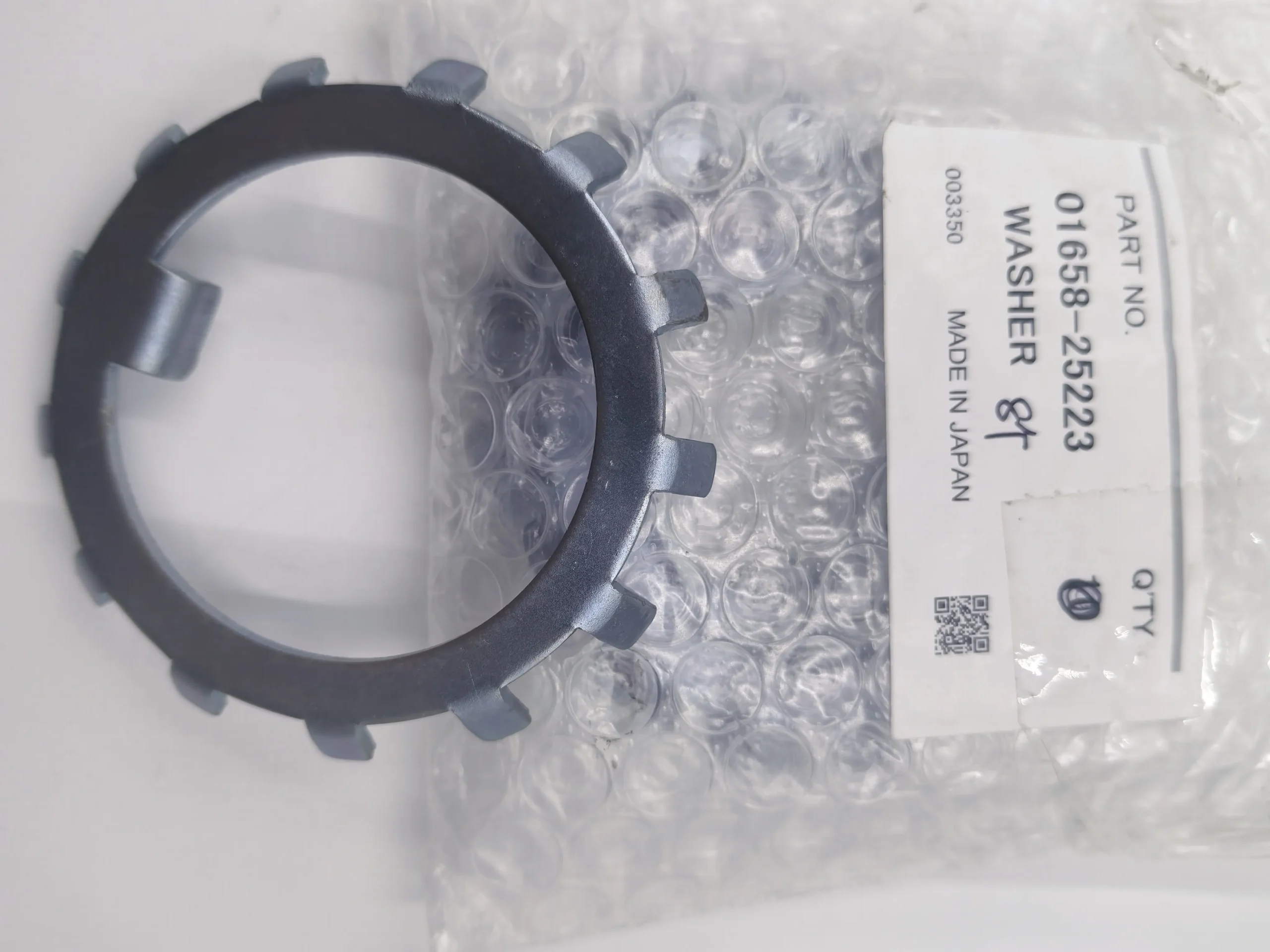 01658-25223、01658-05223•• WASHER Komatsu Original Factory
 -
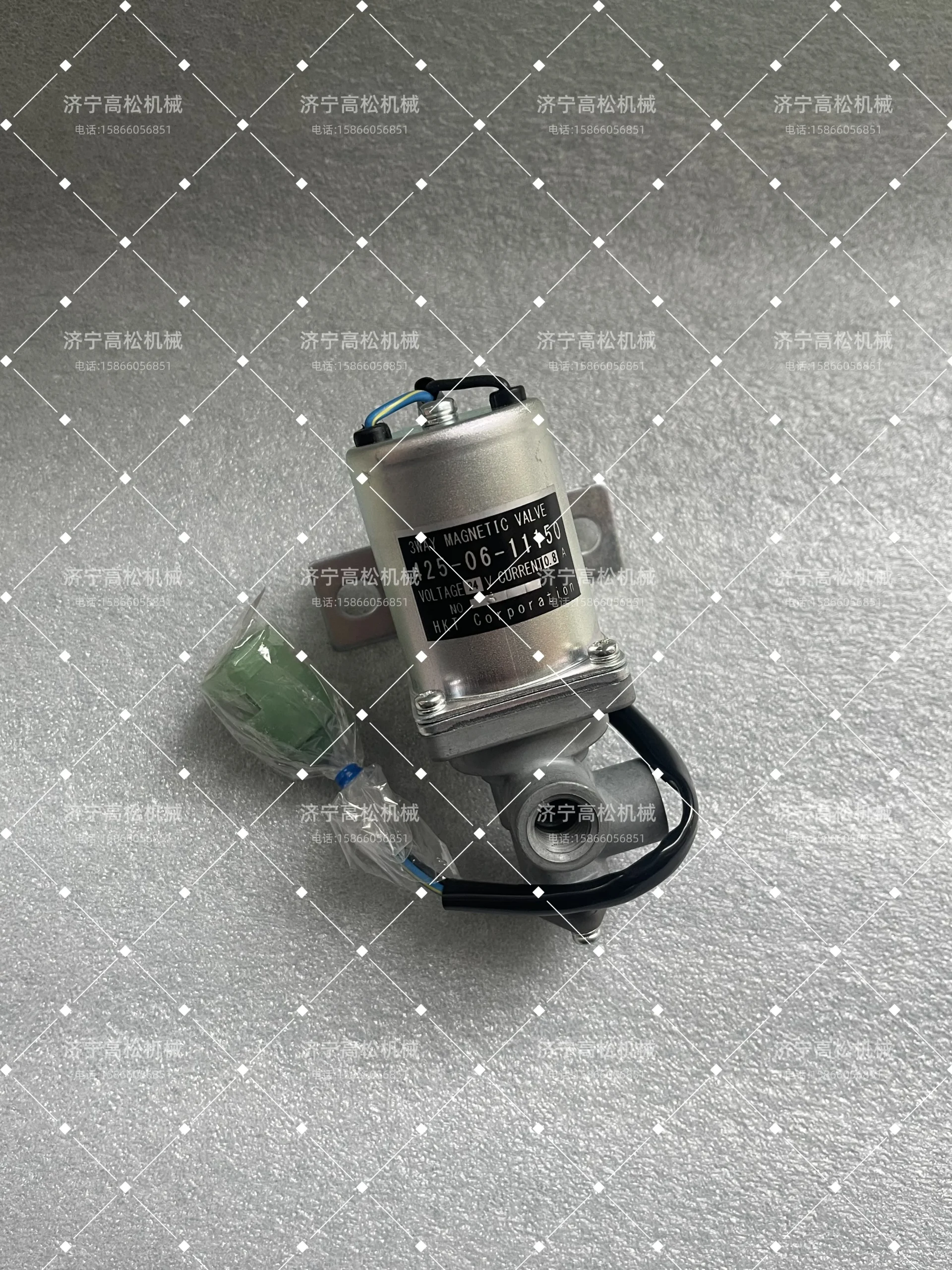 Reliable Cost-Effective Original New 425-06-11150 VALVE for…
 -
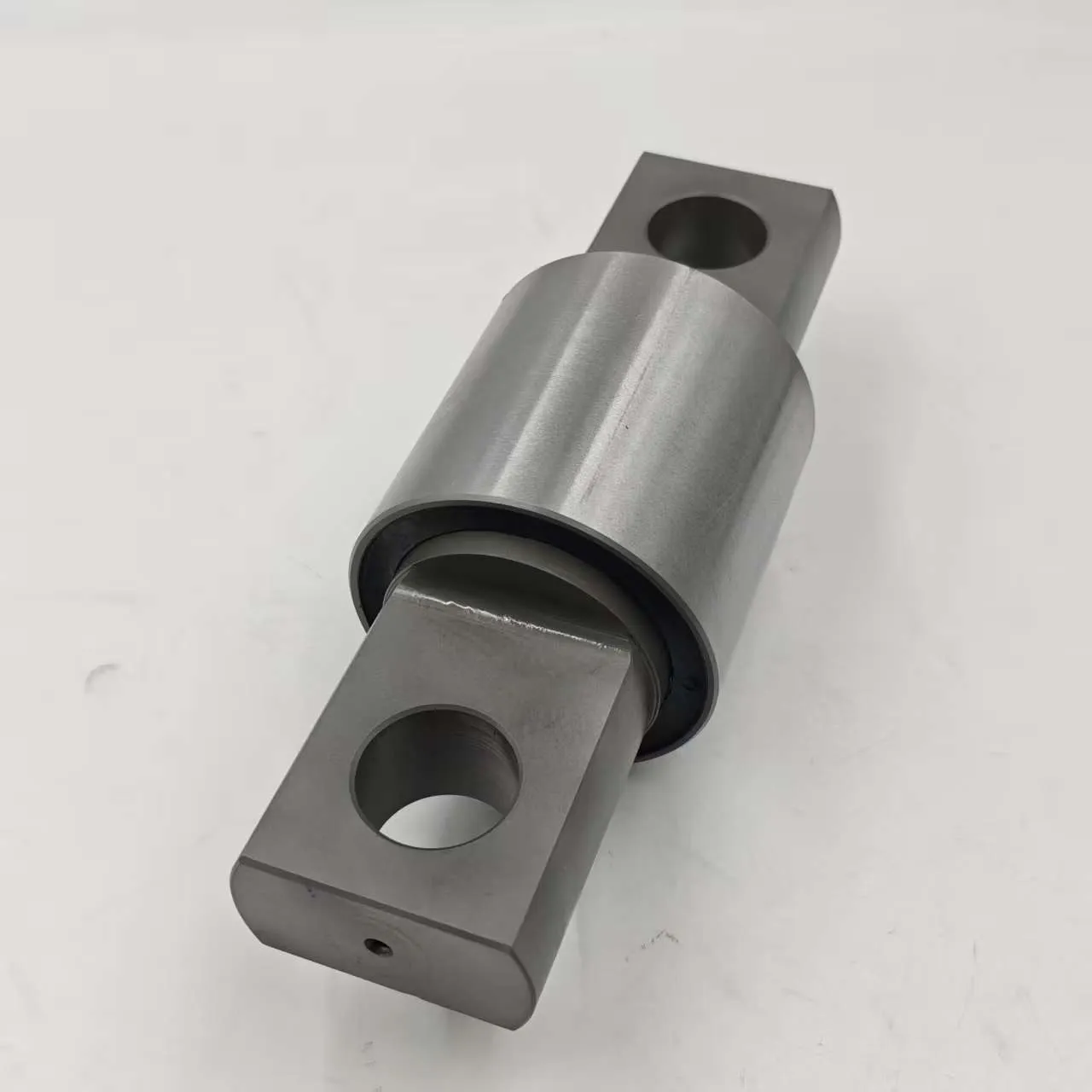 56B-16-11211CUSHION HM400 DUMP TRUCK 56B-16-11211
 -
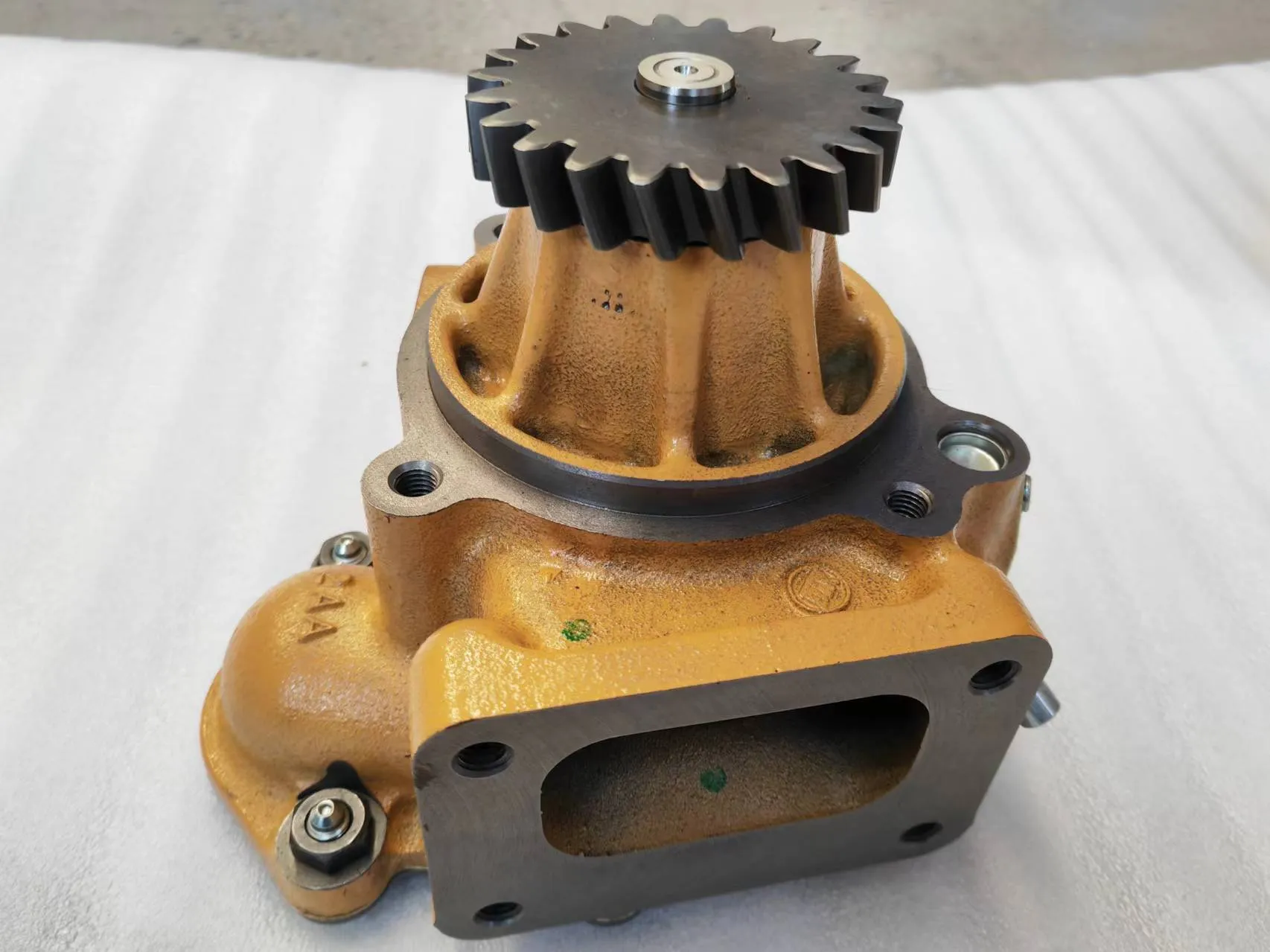 WA480-6 engine water pump 6251-61-1101