
- Chinese
- French
- German
- Portuguese
- Spanish
- Russian
- Japanese
- Korean
- Arabic
- Irish
- Greek
- Turkish
- Italian
- Danish
- Romanian
- Indonesian
- Czech
- Afrikaans
- Swedish
- Polish
- Basque
- Catalan
- Esperanto
- Hindi
- Lao
- Albanian
- Amharic
- Armenian
- Azerbaijani
- Belarusian
- Bengali
- Bosnian
- Bulgarian
- Cebuano
- Chichewa
- Corsican
- Croatian
- Dutch
- Estonian
- Filipino
- Finnish
- Frisian
- Galician
- Georgian
- Gujarati
- Haitian
- Hausa
- Hawaiian
- Hebrew
- Hmong
- Hungarian
- Icelandic
- Igbo
- Javanese
- Kannada
- Kazakh
- Khmer
- Kurdish
- Kyrgyz
- Latin
- Latvian
- Lithuanian
- Luxembou..
- Macedonian
- Malagasy
- Malay
- Malayalam
- Maltese
- Maori
- Marathi
- Mongolian
- Burmese
- Nepali
- Norwegian
- Pashto
- Persian
- Punjabi
- Serbian
- Sesotho
- Sinhala
- Slovak
- Slovenian
- Somali
- Samoan
- Scots Gaelic
- Shona
- Sindhi
- Sundanese
- Swahili
- Tajik
- Tamil
- Telugu
- Thai
- Ukrainian
- Urdu
- Uzbek
- Vietnamese
- Welsh
- Xhosa
- Yiddish
- Yoruba
- Zulu
- Kinyarwanda
- Tatar
- Oriya
- Turkmen
- Uyghur





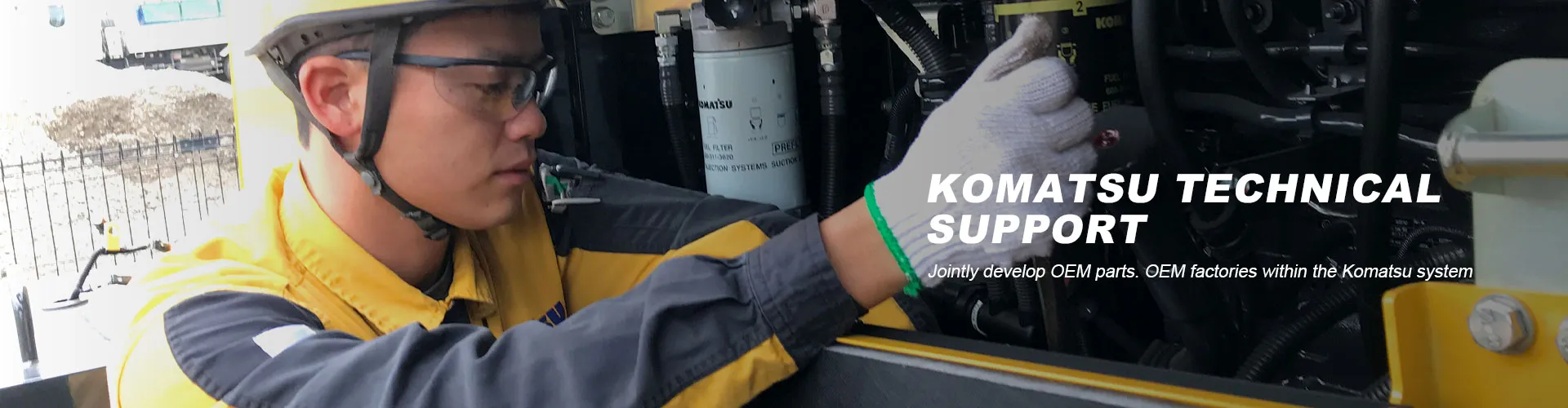
Komatsu WA380 parts
When you're deep into a rebuild or a rush repair on a Komatsu WA380, the term 'parts' takes on a whole different weight. It's not just a shopping list; it's a puzzle where cost, availability, and authenticity clash daily. A common trap? Assuming all aftermarket options are equal, or worse, that every OEM-stamped part out there is genuinely up to Komatsu's spec. The supply chain for these wheel loaders, especially for older or high-hour machines, can be surprisingly fragmented. You learn that the hard way after waiting six weeks for a pump assembly that doesn't quite fit the mounting bracket on your Series-3 machine, all because the supplier's catalog was vague on model-year splits.
The OEM vs. Aftermarket Dilemma in Real Operations
Let's be clear: for critical wear items like Komatsu WA380 parts for the final drive or torque converter, I lean heavily toward genuine or certified OEM. The failure risk is too high. But for panels, seals, some hydraulic lines? A quality aftermarket part from a known manufacturer can save a project without compromising uptime. The key is traceability. I've used suppliers who provide mill certificates for steel or full pedigree for bearings. That's the level of detail you need.
Here's a practical snag: the WA380's steering cylinder. The OEM part is flawless but priced steeply. We tried a reputable aftermarket alternative once. It fit, it worked... for about 400 hours. Then a slight weep started at the rod seal. Not a catastrophic fail, but enough to schedule an unplanned downtime. Was it worth the 40% savings? On that job, no—because the machine was on a tight-site contract. On a lower-intensity stockpile operation, maybe. It's a judgment call based on the machine's role.
This is where a specialized intermediary can cut through the noise. I've dealt with Jining Gaosong Construction Machinery Co., Ltd. before. Their model is interesting: they're an OEM product supplier within the Komatsu system but also operate as a third-party sales channel. In practice, this means they can sometimes access genuine Komatsu parts pipelines for markets where the official distribution is thin or slow, which aligns with their stated goal of solving parts supply challenges in certain countries. Checking their resource at https://www.takematsumachinery.com, you get a sense of their focus on bridging that gap.
Specific Pain Points: Hydraulics and Undercarriage
The WA380's hydraulic system is robust but intolerant of contamination. Sourcing Komatsu WA380 parts like control valves or piston pumps isn't just about the component. You need the kit—the seals, the gaskets, the specific O-rings that can handle the pressure cycles. A lesson learned: ordering a rebuilt pump without the specific seal kit for your serial number range is a waste of time. The ports might match, but the internal clearances could be off by a few thousandths, leading to premature cavitation.
Undercarriage is another beast. Track chains, rollers, idlers—the wear life varies wildly based on material. I've seen aftermarket rollers with bushings that wore out 30% faster than the Komatsu originals. The initial cost saving evaporated quickly. For these, I now cross-reference the Komatsu part number to the actual manufacturer (like Kayaba or Mitsubishi Steel) and see if I can source from their industrial channels. It's more legwork, but the cost-benefit is clearer.
One failure I won't forget: a non-genuine fan drive motor for the cooling system. It matched the bolt pattern and port sizes, but its displacement was slightly lower. The result was insufficient fan speed under high ambient temps, leading to chronic overheating that took us weeks to diagnose. We chased thermostat, radiator, and water pump issues before landing on the underperforming motor. The moral? Not all specs are in the dimensional drawing.
The Importance of Cross-Referencing and Serial Numbers
Never, ever order a major Komatsu WA380 parts without the full machine serial number. The WA380 went through several iterations. A transmission clutch pack for an early WA380-1 is different from one for a later WA380-6. Suppliers like the mentioned Jining Gaosong understand this; their technical support usually asks for the S/N first. This is a good sign. It shows they're dialed into the nuances rather than just selling from a generic 'WA380' bin.
I maintain a simple spreadsheet for my fleet: serial number, major components replaced, and the source part number (both Komatsu and any quality aftermarket equivalents). This living document has saved countless hours. For instance, knowing that the swing bearing on machine XYZ123 was replaced with a specific Japanese-made aftermarket unit that's still running strong after 5,000 hours gives me confidence to use it again on a similar unit.
Cross-referencing extends to brands. A Komatsu-specific part might actually be a standard Nachi bearing or a Parker hose fitting. Identifying this can open up local industrial supplier options for emergency repairs, though you must be certain of the grade and specification. It's not a shortcut, it's an informed workaround.
Logistics and the Real Cost of Downtime
Finding the part is half the battle. Getting it to your yard is the other. For operations in regions with less dense Komatsu dealer networks, air freight for a 200kg transmission part can double the project cost. This is the specific supply challenge that third-party specialists aim to address. Their value isn't always in a cheaper price, but in smarter logistics—consolidating orders, using established freight channels, or holding strategic regional stock.
We had a scenario where a WA380's input shaft sheared. The local dealer quoted a 12-week lead time for the assembly. Through a channel that operates much like Jining Gaosong Construction Machinery Co., Ltd., we sourced a genuine Komatsu assembly from a different regional warehouse. It was flown in within 10 days. The part cost was similar, but the logistics premium was far less than the cost of 12 weeks of downtime for that machine. Their role as an OEM supplier within the system likely facilitated that access.
This experience changed our procurement strategy. We now factor in 'probable downtime cost' into our parts sourcing decisions. A part that costs 20% more but arrives in 3 days versus 30 days is almost always the cheaper option in a production environment.
Final Thoughts: Building a Reliable Supply Chain
Managing Komatsu WA380 parts isn't a one-vendor solution. It's about building a shortlist of reliable sources for different needs: a core Komatsu dealer for warranty and critical engine/transmission parts, a certified aftermarket source for wear items like pins and bushings, and a specialized intermediary for navigating supply gaps and logistics hurdles. The company profile we discussed fits into that last category, particularly for teams operating where direct dealer support is slow.
The goal is resilience. It means having validated alternatives for when the primary source fails. It means knowing which parts are truly serial-number sensitive and which have more flexibility. It comes down to experience—like knowing the bolt grade for the loader arm pivot or the specific flavor of hydraulic oil the system prefers.
In the end, it's a practical grind. You'll make a few wrong calls, get stuck with a non-returnable part that doesn't fit, and face unexpected downtime. But each of those incidents sharpens your judgment. You start to read between the lines of a supplier's website, like the one at takematsumachinery.com, and gauge if they truly understand the machine's anatomy or are just moving boxes. The right partners don't just sell parts; they help solve the operational puzzle of keeping the machine earning its keep.
Related Products
Related Products
Best Selling Products
Best Selling Products-
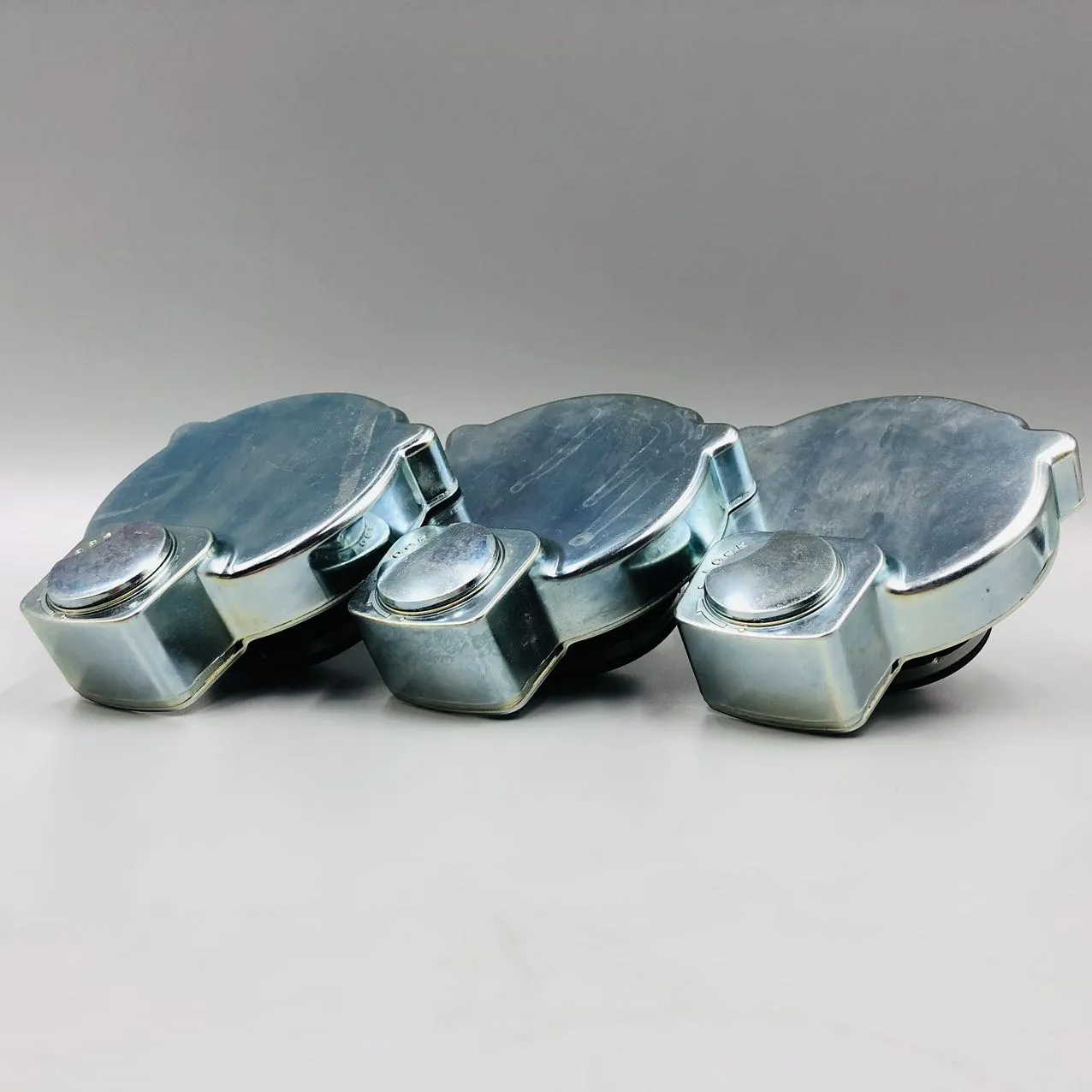 Hydraulic Oil Tank Cap 17A-60-11310 For Komatsu PC200-6 PC220-6 Parts
 -
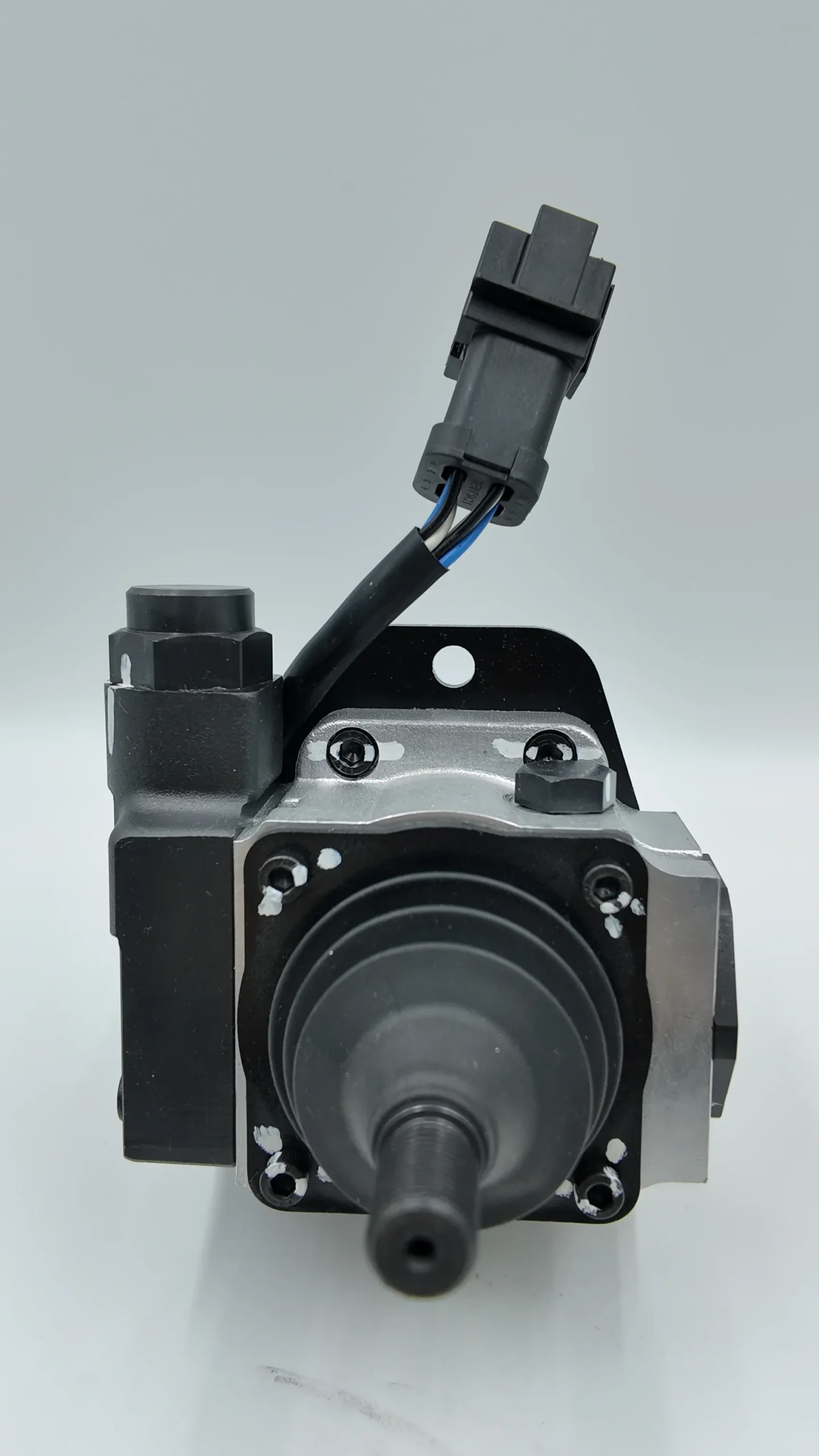 702-16-02290 LEVER ASS’Y-Komatsu Original Factory
 -
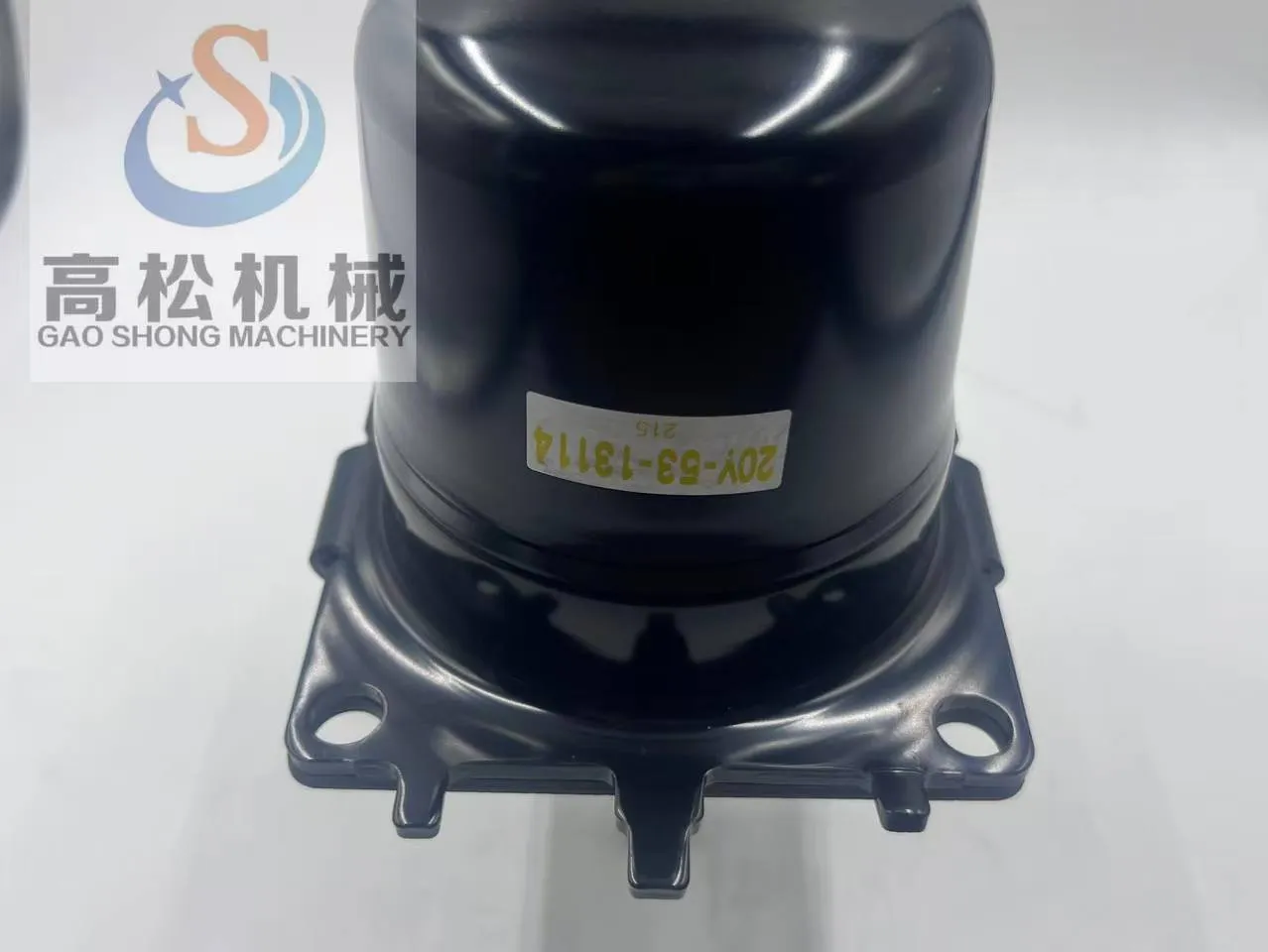 20Y-53-13114/20Y5313114 Buffer pad suitable for excavator PC200-8
 -
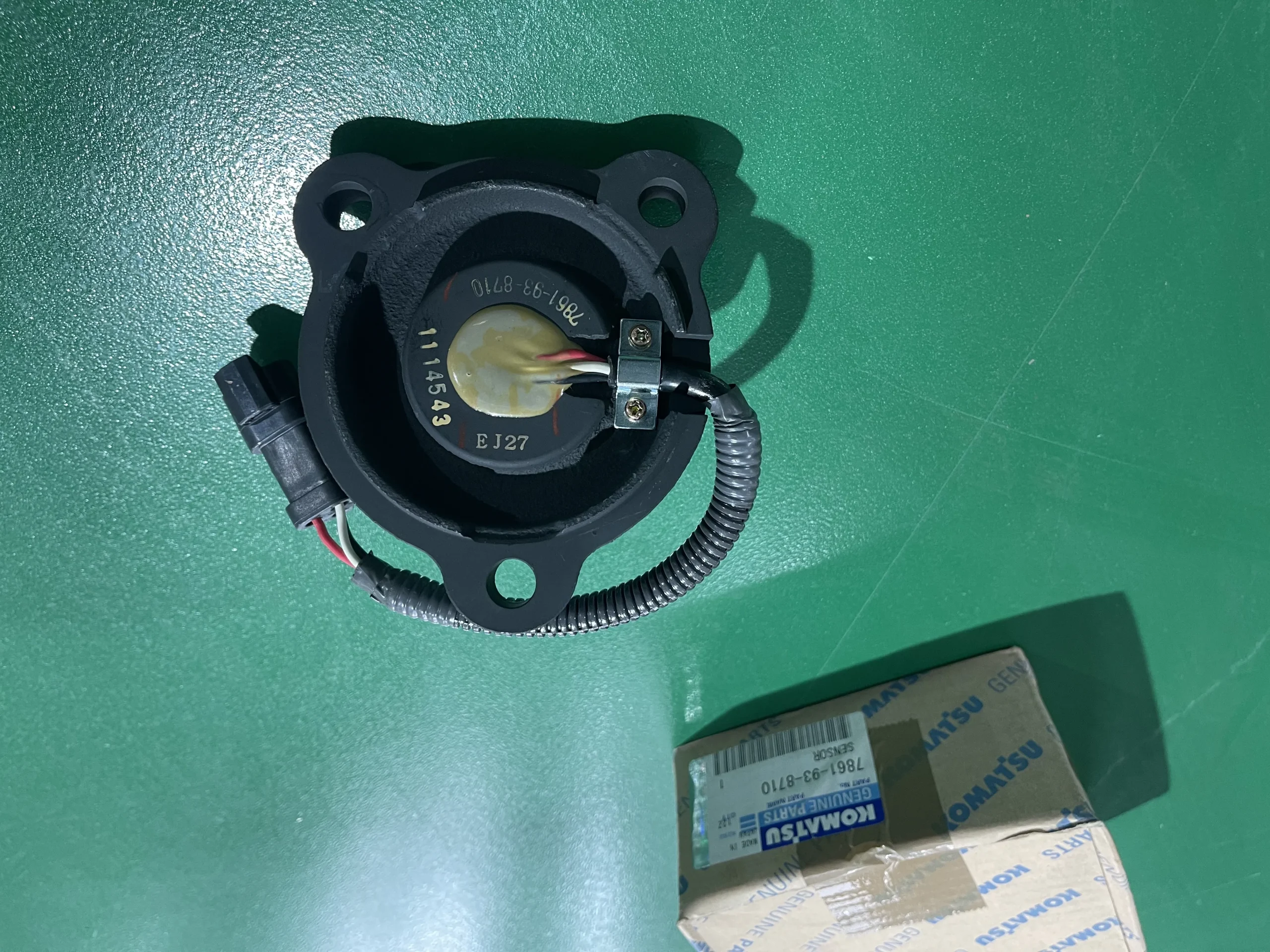 Angle Sensor 7861-93-8710 for Komatsu
 -
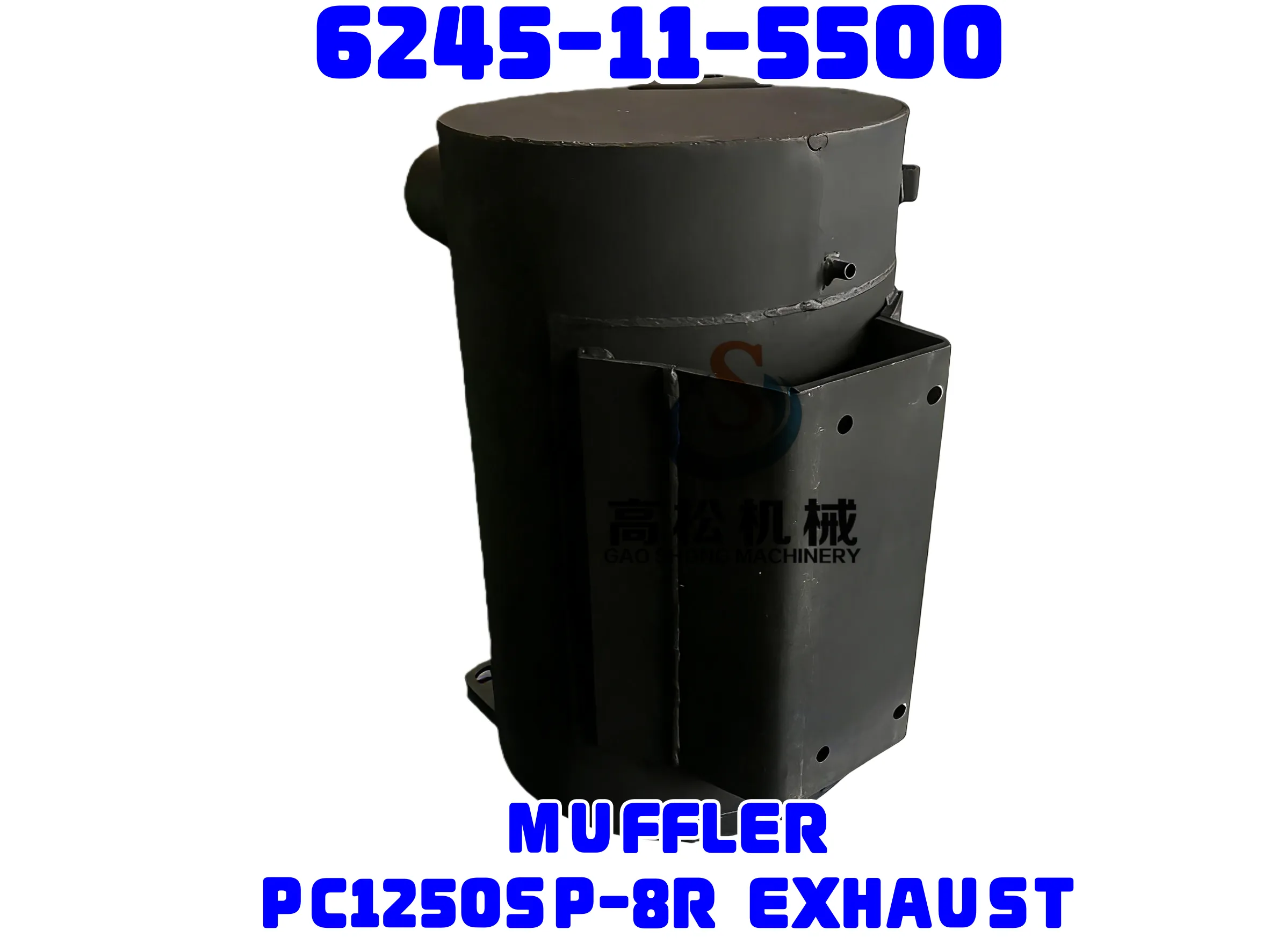 Muffler Silencer 6245-11-5500
 -
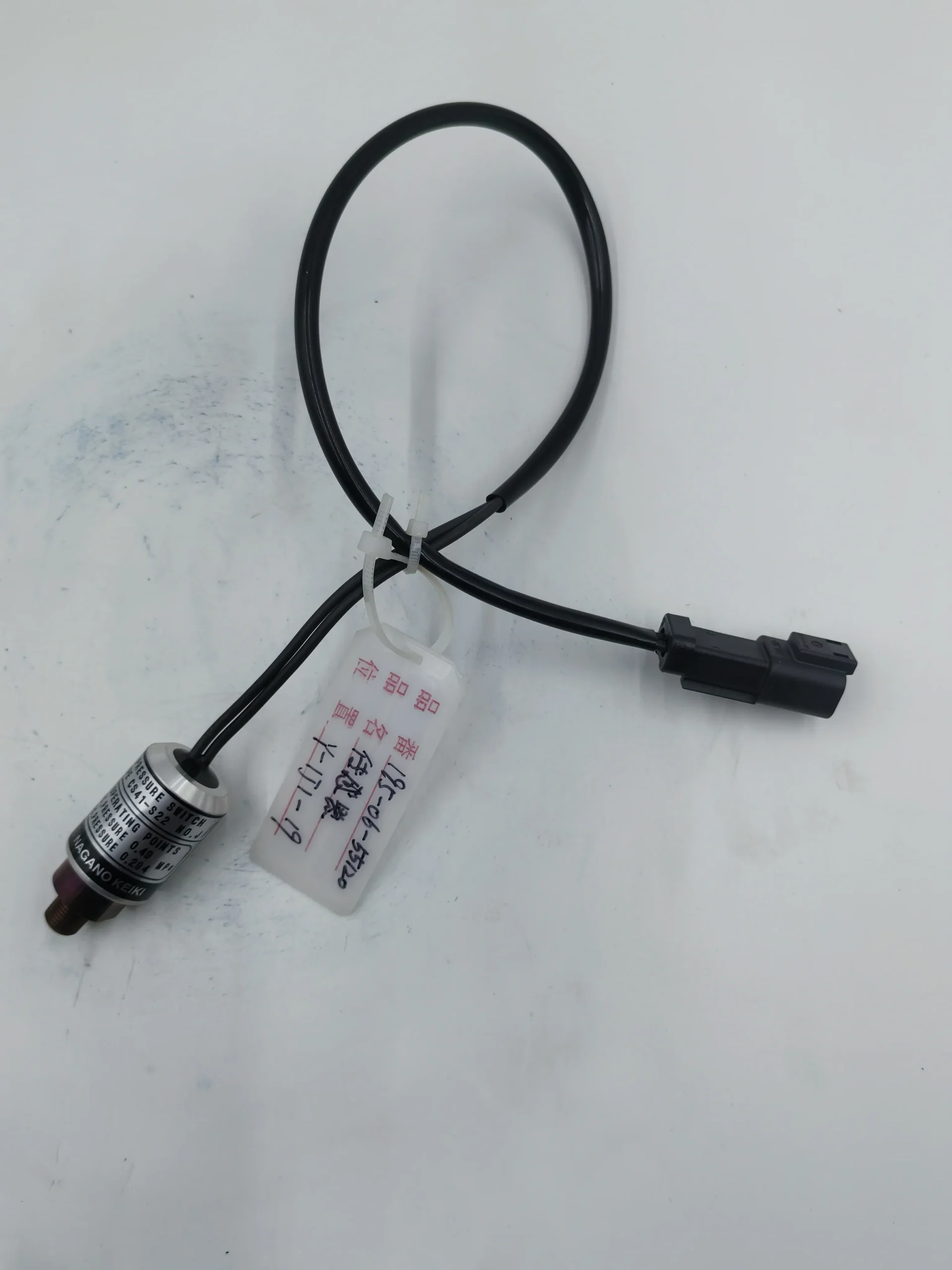 Electrical Parts 195-06-55120 Switch
 -
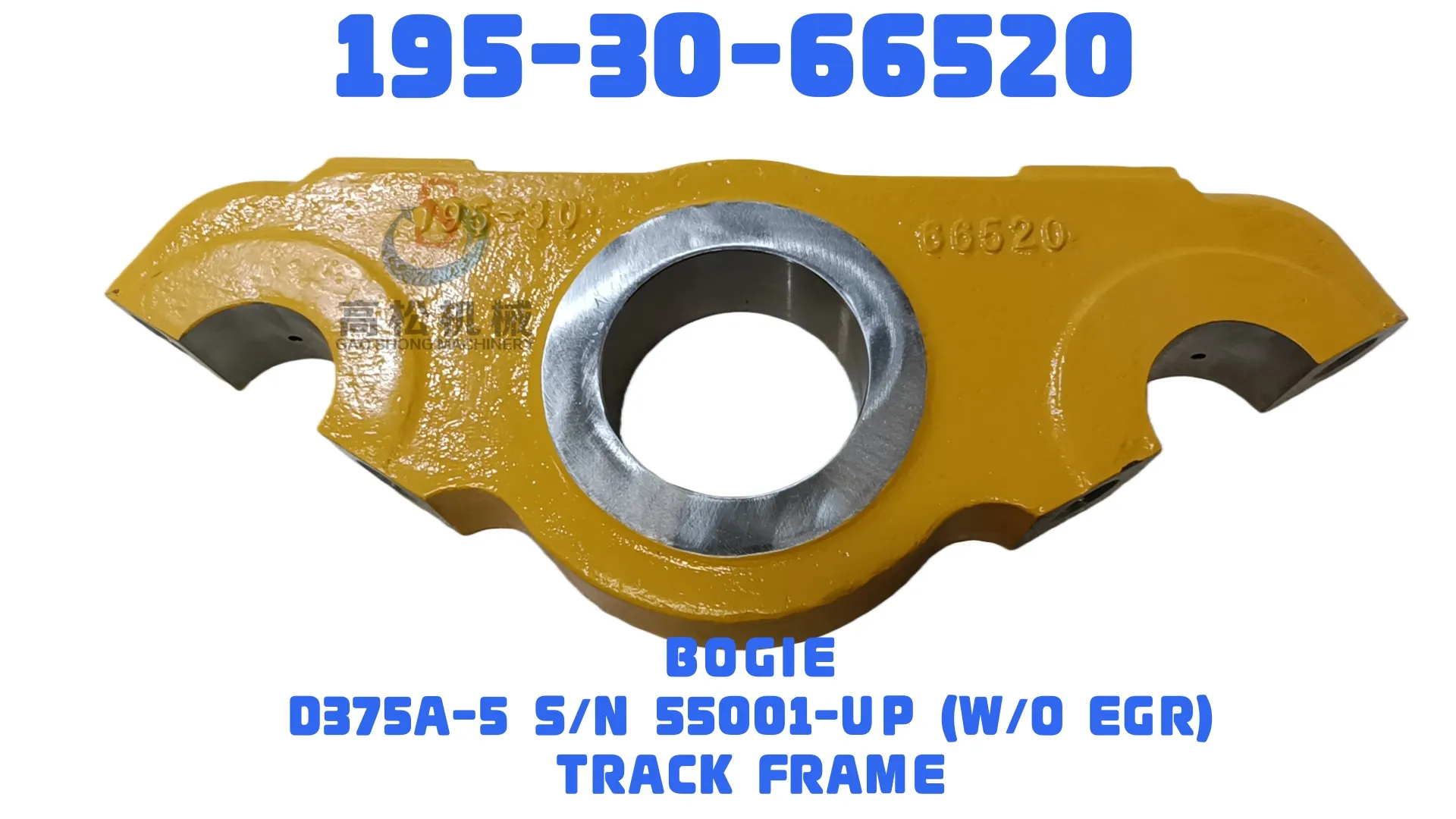 Komatsu Bogie Assembly, 195-30-66520 D375A-5 and D375A-5D TRACK FRAME, BOGIE
 -
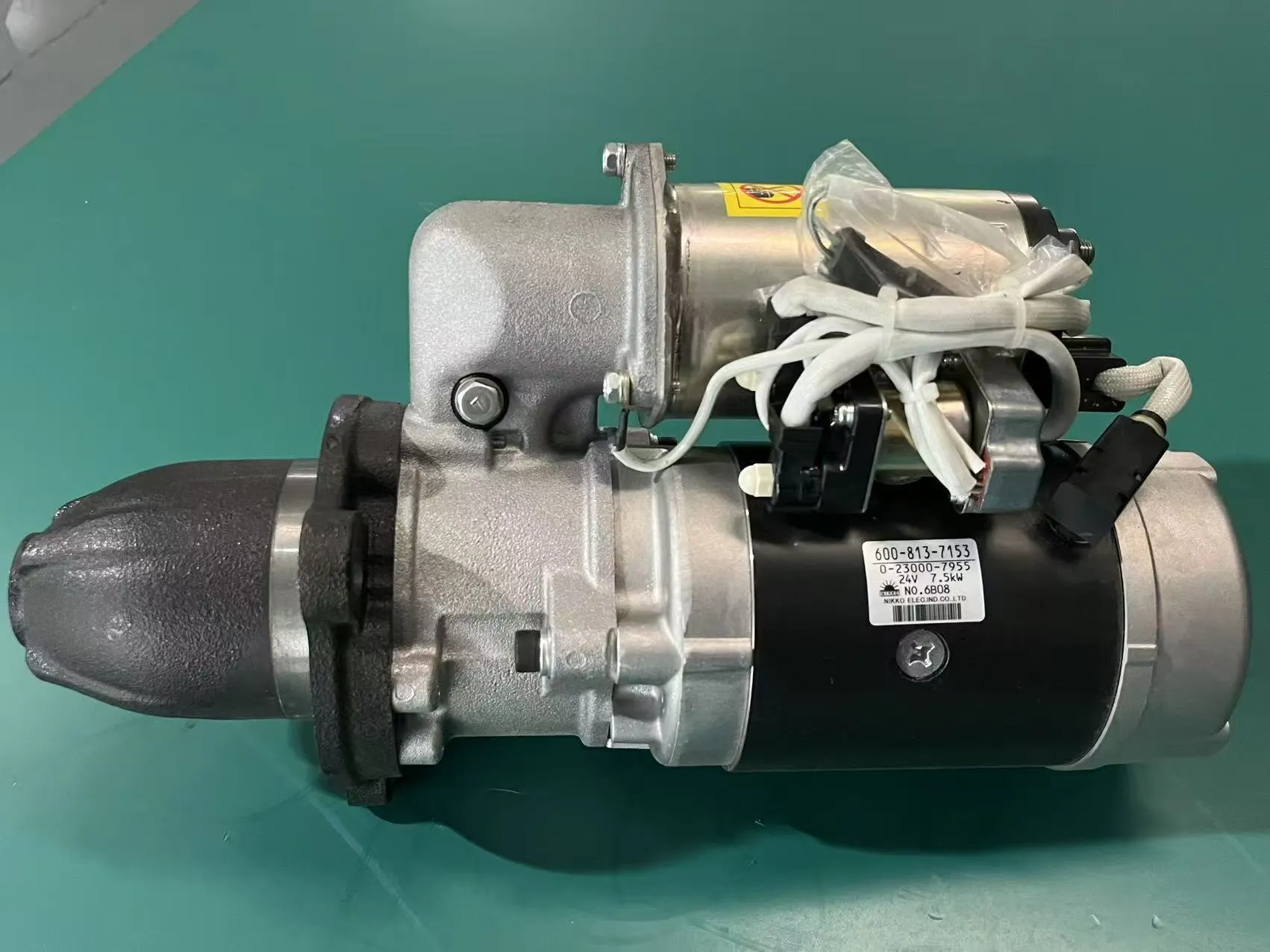 Starting Motor 7.5kw 600-813-7153
 -
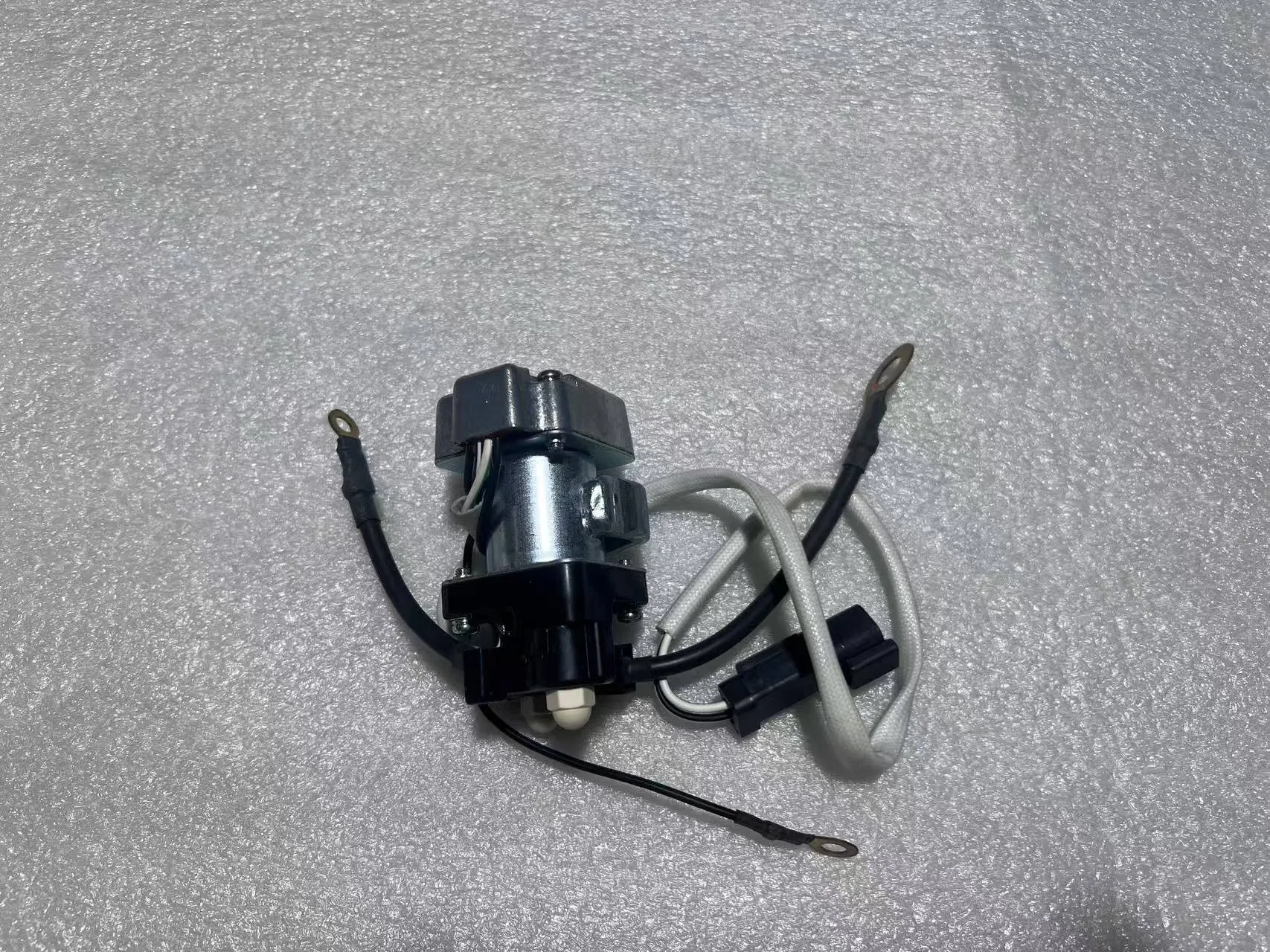 High-Quality Komatsu Spare Parts 421-06-11440 BREAKER for…
 -
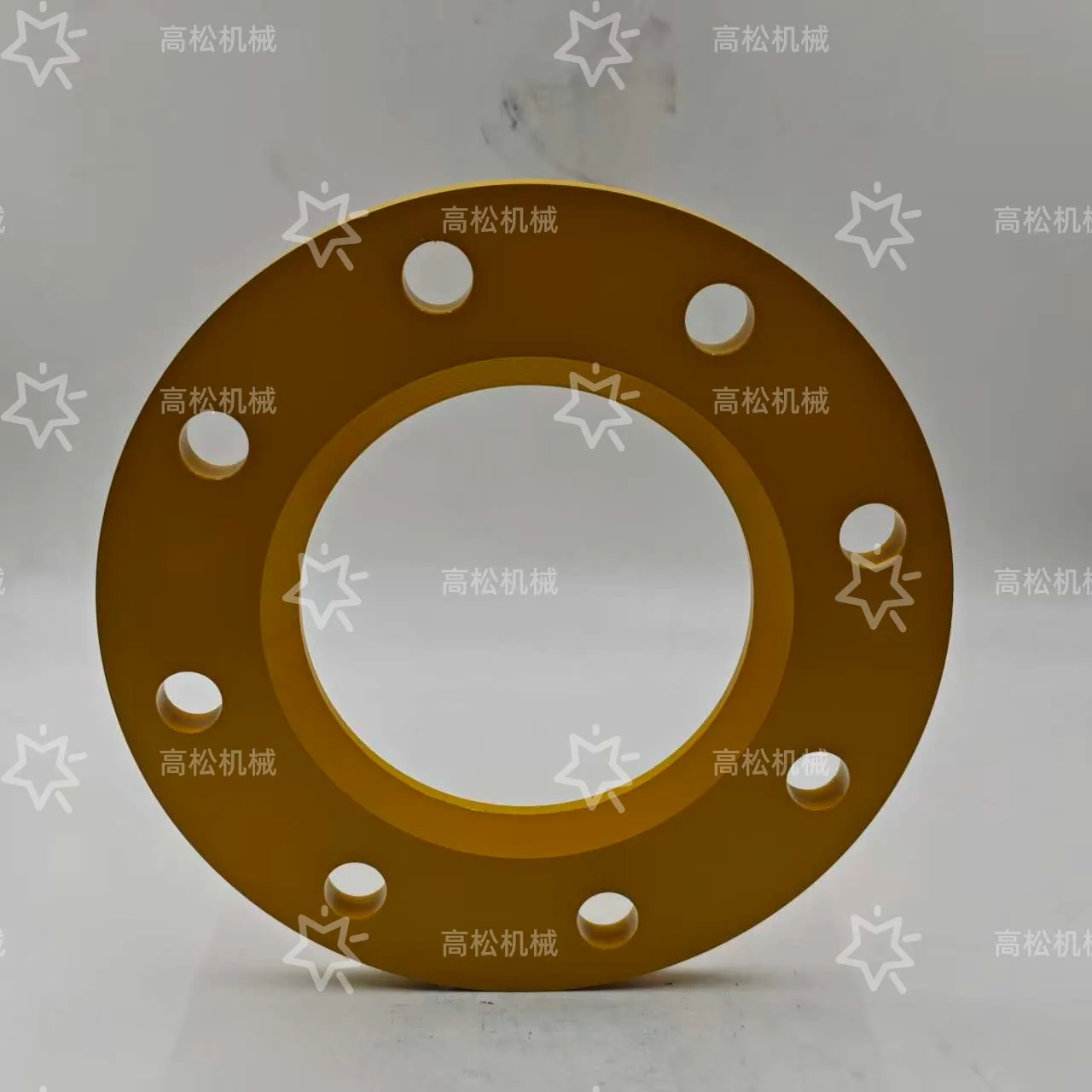 Komatsu 41E-70-15461 board
 -
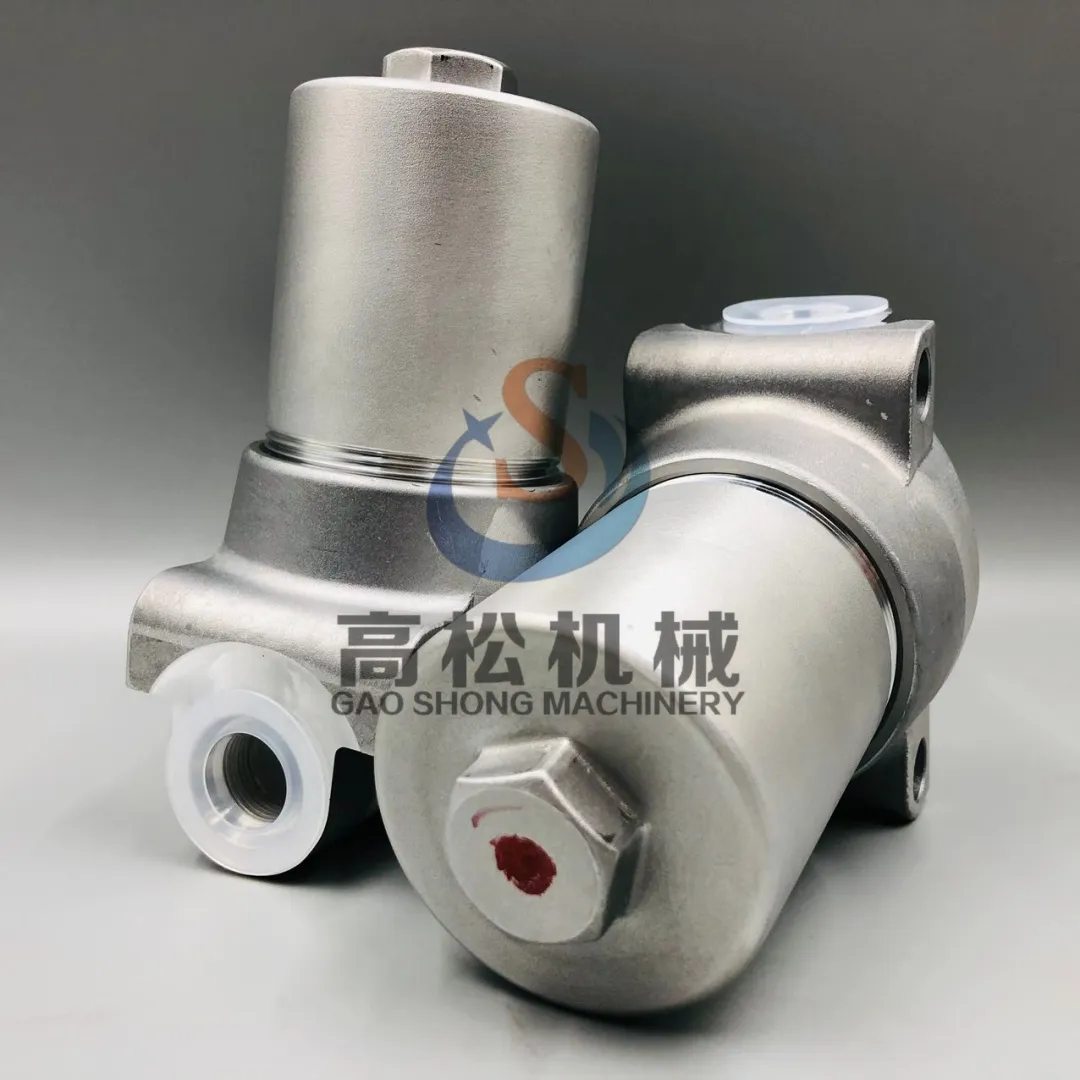 20Y-62-51681Filter Assembly 20Y-62-51681 – KOMATSU
 -
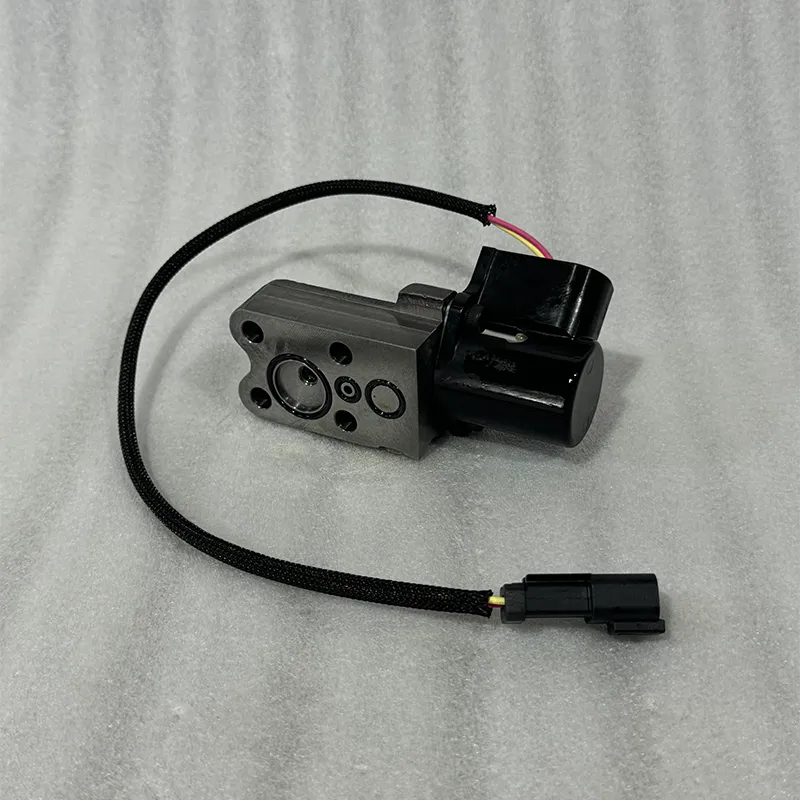 Original komatsu PC2000-8 Pilot Valve 708-7S-01330
Related Search
Related Search- Komatsu brake pads
- komatsu d21p parts
- OEM AND ORIGINAL KOMATSU WIRING HARNESS 426-06-33272
- 427-22-42960
- komatsu d31p engine
- OEM AND ORIGINAL KOMATSU STARTER 600-813-9512
- used komatsu excavator parts for sale
- OEM AND ORIGINAL KOMATSU ALTERNATOR 600-825-6371
- Komatsu aftermarket grader parts
- OEM AND ORIGINAL KOMATSU WIRING HARNESS 195-06-48430