
- Chinese
- French
- German
- Portuguese
- Spanish
- Russian
- Japanese
- Korean
- Arabic
- Irish
- Greek
- Turkish
- Italian
- Danish
- Romanian
- Indonesian
- Czech
- Afrikaans
- Swedish
- Polish
- Basque
- Catalan
- Esperanto
- Hindi
- Lao
- Albanian
- Amharic
- Armenian
- Azerbaijani
- Belarusian
- Bengali
- Bosnian
- Bulgarian
- Cebuano
- Chichewa
- Corsican
- Croatian
- Dutch
- Estonian
- Filipino
- Finnish
- Frisian
- Galician
- Georgian
- Gujarati
- Haitian
- Hausa
- Hawaiian
- Hebrew
- Hmong
- Hungarian
- Icelandic
- Igbo
- Javanese
- Kannada
- Kazakh
- Khmer
- Kurdish
- Kyrgyz
- Latin
- Latvian
- Lithuanian
- Luxembou..
- Macedonian
- Malagasy
- Malay
- Malayalam
- Maltese
- Maori
- Marathi
- Mongolian
- Burmese
- Nepali
- Norwegian
- Pashto
- Persian
- Punjabi
- Serbian
- Sesotho
- Sinhala
- Slovak
- Slovenian
- Somali
- Samoan
- Scots Gaelic
- Shona
- Sindhi
- Sundanese
- Swahili
- Tajik
- Tamil
- Telugu
- Thai
- Ukrainian
- Urdu
- Uzbek
- Vietnamese
- Welsh
- Xhosa
- Yiddish
- Yoruba
- Zulu
- Kinyarwanda
- Tatar
- Oriya
- Turkmen
- Uyghur






komatsu wa380 engine
When you hear 'Komatsu WA380 engine', most guys immediately think of the S6D102E. That's the textbook answer. But in the yard, that's just the starting point. The real story isn't just the model number stamped on the block; it's about how that power plant lives, breathes, and sometimes frustrates you over 10,000 hours in a wheel loader that's seen better days. There's a common misconception that these engines are bulletproof set-and-forget units. They're built tough, sure, but that Komatsu design philosophy also means they have their own peculiarities that you only learn by getting your hands dirty, or by dealing with the parts headaches that come when the official supply chain hits a wall.
The Heart of the Workhorse: S6D102E Realities
Let's talk about the S6D102E itself. On paper, it's a 6-cylinder, turbocharged, direct injection diesel. Reliable torque curve, decent on fuel for its class. But the practical nuance is in the ancillaries and the integration. The engine management system on the later WA380-5 and -6 models is sensitive. I've seen more than one mechanic throw parts at a rough idle or power loss issue, replacing injectors and sensors, only to find it was a simple harness rub-through near the valve cover. The vibration over time gets to it. The layout is tight, especially around the rear of the engine where it mates to the transmission. Replacing the rear main seal? It's a job you block out a full day for, not because the seal itself is complex, but because getting clear access without pulling more than you need is a puzzle.
Cooling is another one. These machines often work in high-dust environments. The core itself is robust, but the fan clutch... that's a component worth watching. A failing fan clutch won't always scream at you. It might just lead to gradual overheating under heavy load, which then stresses the head gasket. I recall a unit that kept creeping up the temp gauge only when the A/C was running. Took a while to diagnose because everyone assumed it was a radiator blockage. Turned out the fan clutch wasn't engaging fully with the extra load from the condenser. A simple fix, but the diagnostic path wasn't linear.
Then there's the fuel system. The Komatsu WA380 engine uses a proprietary fuel pump and injector setup. This is where the OEM vs. aftermarket debate gets hot. You can find cheaper alternatives, but the calibration is never quite perfect. I tried a set of pattern injectors on a rebuild once. The engine ran, but the smoke at low RPM and a slight lag in response was noticeable. The owner ended up going back to genuine parts after 500 hours. The lesson? For the core fuel and injection components, cutting corners often costs more in downtime and performance loss.
Parts Supply: The Real-World Bottleneck
This is where theory meets the gritty reality of keeping machines running. Komatsu's official network is comprehensive, but what happens when you're in a region where certain parts are on backorder for months? Or when the local distributor doesn't stock older WA380-3 components anymore? The machine stops, and the project bleeds money. This isn't a hypothetical. It's a daily challenge for many fleet managers outside major industrial hubs.
This is precisely the gap that companies like Jining Gaosong Construction Machinery Co., Ltd. aim to fill. They operate in a unique space. As they note on their site https://www.takematsumachinery.com, they're an OEM product supplier within the Komatsu system but also function as a third-party sales channel. In practice, this means they can often source genuine or OEM-equivalent parts through alternative pipelines, helping to solve parts supply challenges in certain countries. For someone staring at a downed WA380 waiting for a turbocharger cartridge or a specific gasket kit, that alternative pipeline is a lifeline.
I've had a situation where a water pump for an S6D102E was unavailable locally for 8 weeks. The machine was a key piece for a quarry operation. Through a contact, we were put in touch with a third-party supplier with OEM affiliations. They had the pump, it was a Komatsu-approved part, and it arrived in 10 days. The machine was back online. The supplier's role wasn't to undercut the main dealer, but to provide a solution when the primary channel was clogged. Understanding this ecosystem—official Komatsu, OEM suppliers, and trusted third-party vendors—is critical for operational continuity.
Rebuilds and Overhauls: Judgment Calls
Deciding to overhaul a Komatsu WA380 engine is a major economic calculation. The engine itself is a capital component. Around the 12,000-15,000 hour mark, depending on duty cycle, you'll see oil consumption creep up, maybe some blow-by. The question is: in-frame overhaul or full pull-out? With the S6D102E, if you're just doing rings, bearings, and a valve job in-frame, you have to be extremely meticulous about cleaning. Any debris left in the cylinder liner cooling passages or oil galleries can come back to haunt you. The design makes a full, hospital-clean environment tough to achieve on the job site.
I prefer a full pull-out for anything beyond a top-end refresh. It allows you to properly inspect the crankshaft, check the block for hairline cracks (especially around the main bearing webs), and reseal everything perfectly. Yes, it's more labor. But a half-done in-frame that fails in another 2000 hours is far more expensive. One specific pitfall: the cylinder head. It's a stout piece, but it's prone to warping if it's ever overheated significantly. Resurfacing it is mandatory during a major overhaul, and you must check the valve seat inserts for micro-cracks. Skipping a pressure test here is asking for a comeback.
And let's talk about parts kits. When you source an overhaul kit, whether from the main dealer or an OEM-aligned supplier like Jining Gaosong, you need to verify the contents. Some master kits might exclude the rear main seal or the oil cooler gaskets. For the WA380, the oil cooler o-rings are a critical item—if they fail, you get coolant in the oil, and that's a recipe for a catastrophic bearing failure. Always lay out every single piece against the service manual before you start tearing down. I learned this the hard way years ago, having to halt a rebuild mid-way because the kit was missing the tiny seals for the injector sleeves.
Electrical and Sensor Nuances
Modern engines aren't just mechanical. Even the later models of the WA380 with the S6D102E have a suite of sensors governing everything. The engine speed sensor, the coolant level sensor, the boost pressure sensor—they're generally reliable, but their failure modes can be misleading. A faulty boost pressure sensor might not throw a blatant code; it might just derate the engine, making you suspect a turbo or fuel issue.
The wiring harness connectors are a known wear point. The constant heat cycling makes the plastic brittle. A poor connection at the coolant temperature sensor can send erratic signals to the controller, causing the fan to cycle oddly or triggering phantom overheat warnings. The fix isn't always replacing the sensor; sometimes it's cleaning the connector pins and ensuring the locking tab is intact. This is the kind of hands-on, detail-oriented troubleshooting that separates a good mechanic from a parts changer. It's not glamorous, but it gets the machine moving.
When replacing these electronic components, the source matters. A non-genuine sensor might have a slightly different resistance curve, leading to inaccurate readings. For critical sensors, I stick to Komatsu OEM or the highest-grade OEM-approved alternatives. The cost difference is minor compared to the downtime from an incorrect diagnosis. Suppliers that understand this nuance and can provide parts with traceable quality, not just the cheapest option, add real value.
Longevity and Operator Impact
Finally, no discussion about the WA380 engine is complete without mentioning the human factor. This engine will tolerate a lot, but it hates two things most: chronic low-idle operation and poor air filtration. Letting the machine idle for extended periods glazes the cylinders and loads up the DPF on later models. It's hard on the turbo seals. Operators need to be trained to work it hard and then let it cool down properly.
The air filter system is critical. The pre-cleaner and primary filter must be serviced religiously. I've torn down engines where the only real wear was on the turbo compressor wheel and the cylinder bores, all from fine dust ingestion over time. It's a slow death. Investing in good filter elements and checking the seal every day is the cheapest insurance policy for this engine.
So, when you're dealing with a Komatsu WA380, you're not just dealing with an engine. You're managing a system—mechanical, electrical, logistical, and human. The S6D102E is a solid foundation, but its longevity depends on informed maintenance, quality parts from reliable sources (whether direct or through specialized channels), and an understanding that the spec sheet is just chapter one. The rest of the manual is written in grease, coolant, and the lessons from getting it wrong once in a while.
Related Products
Related Products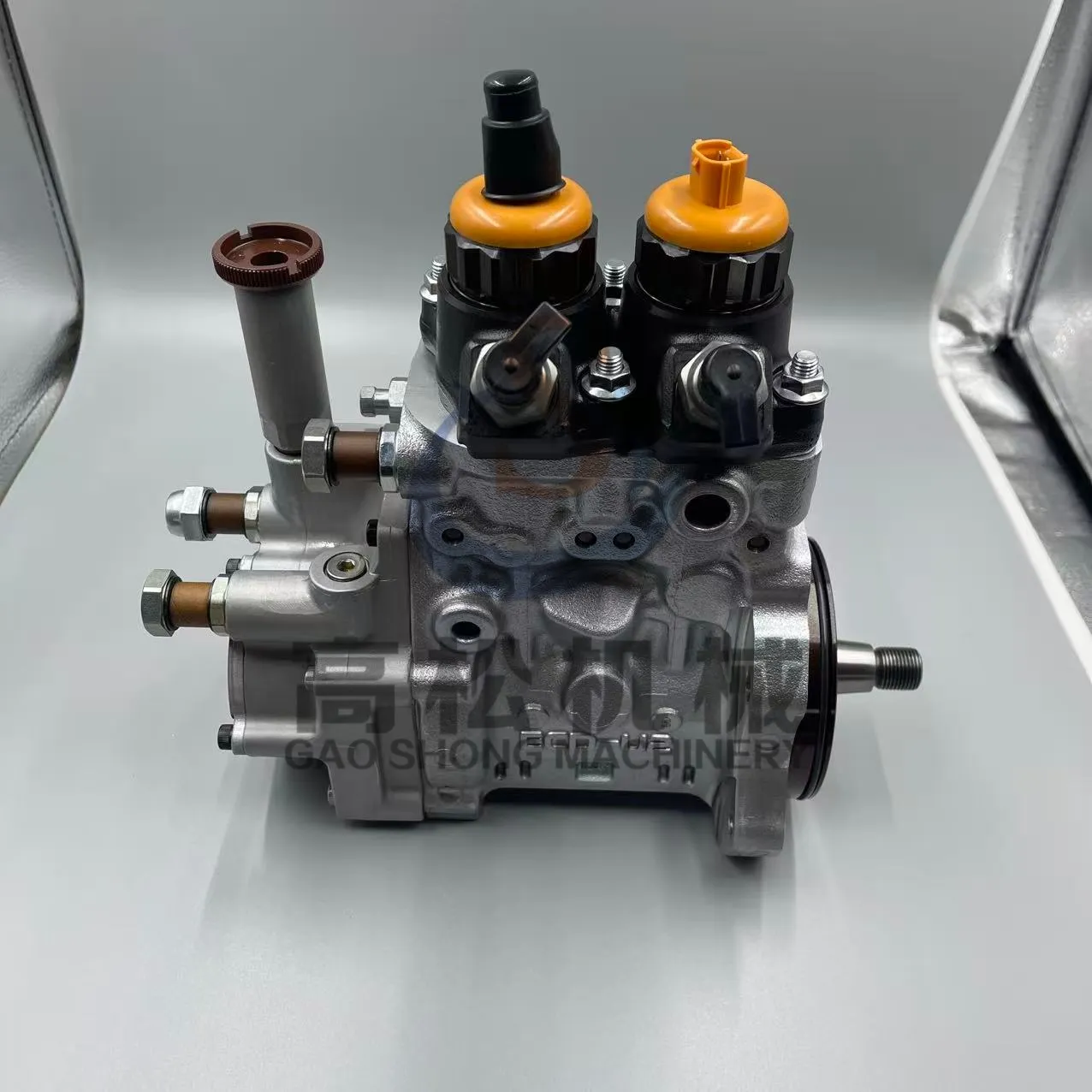
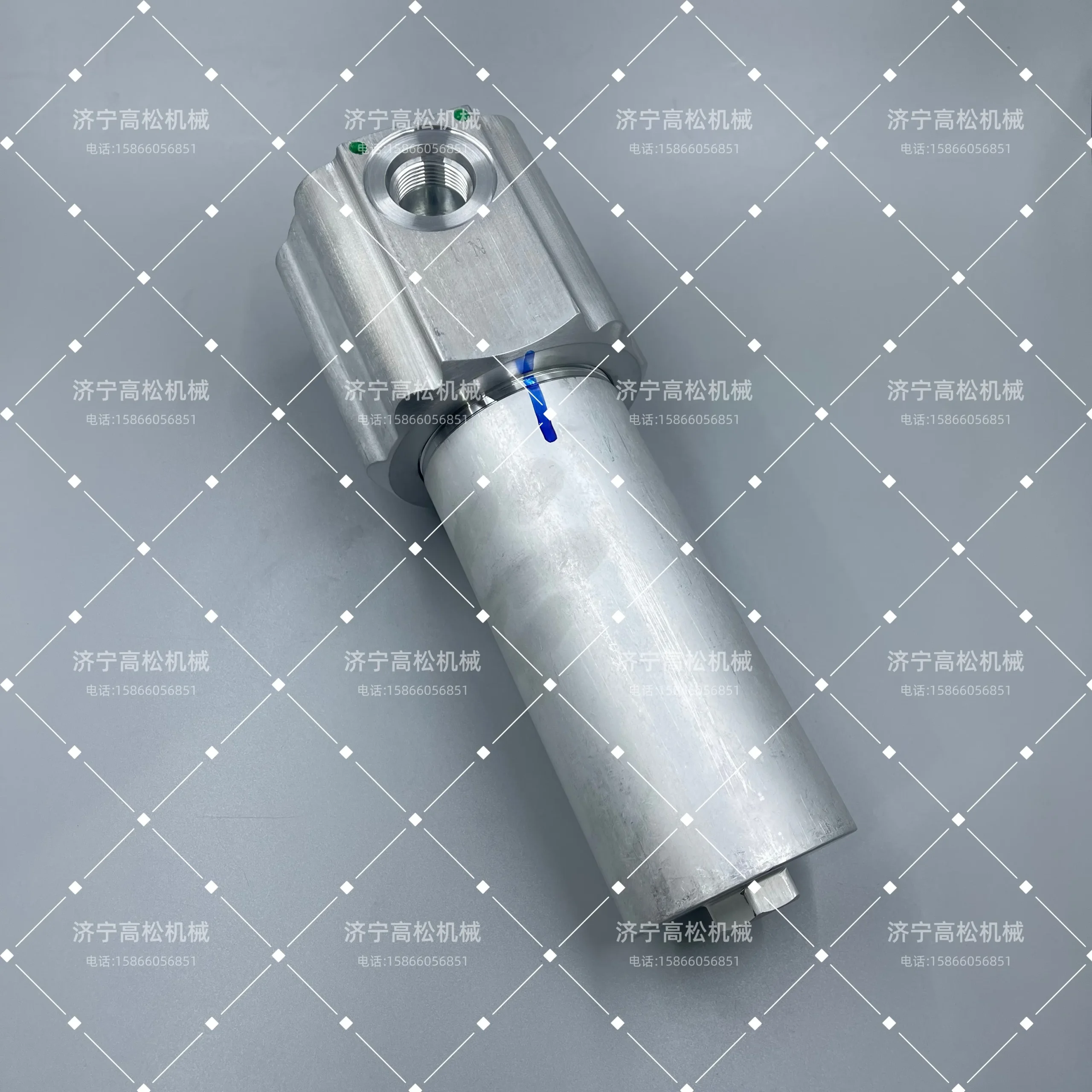
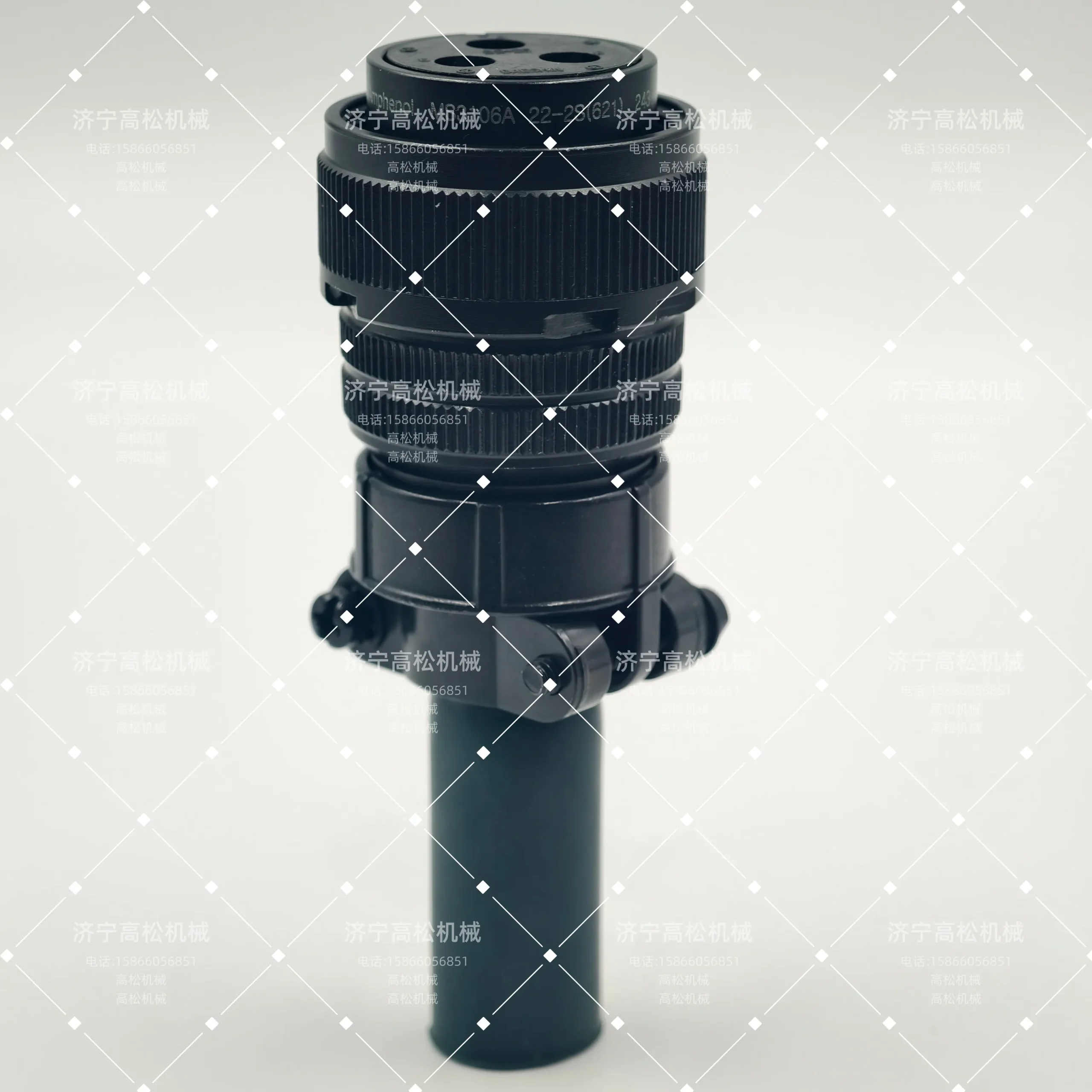
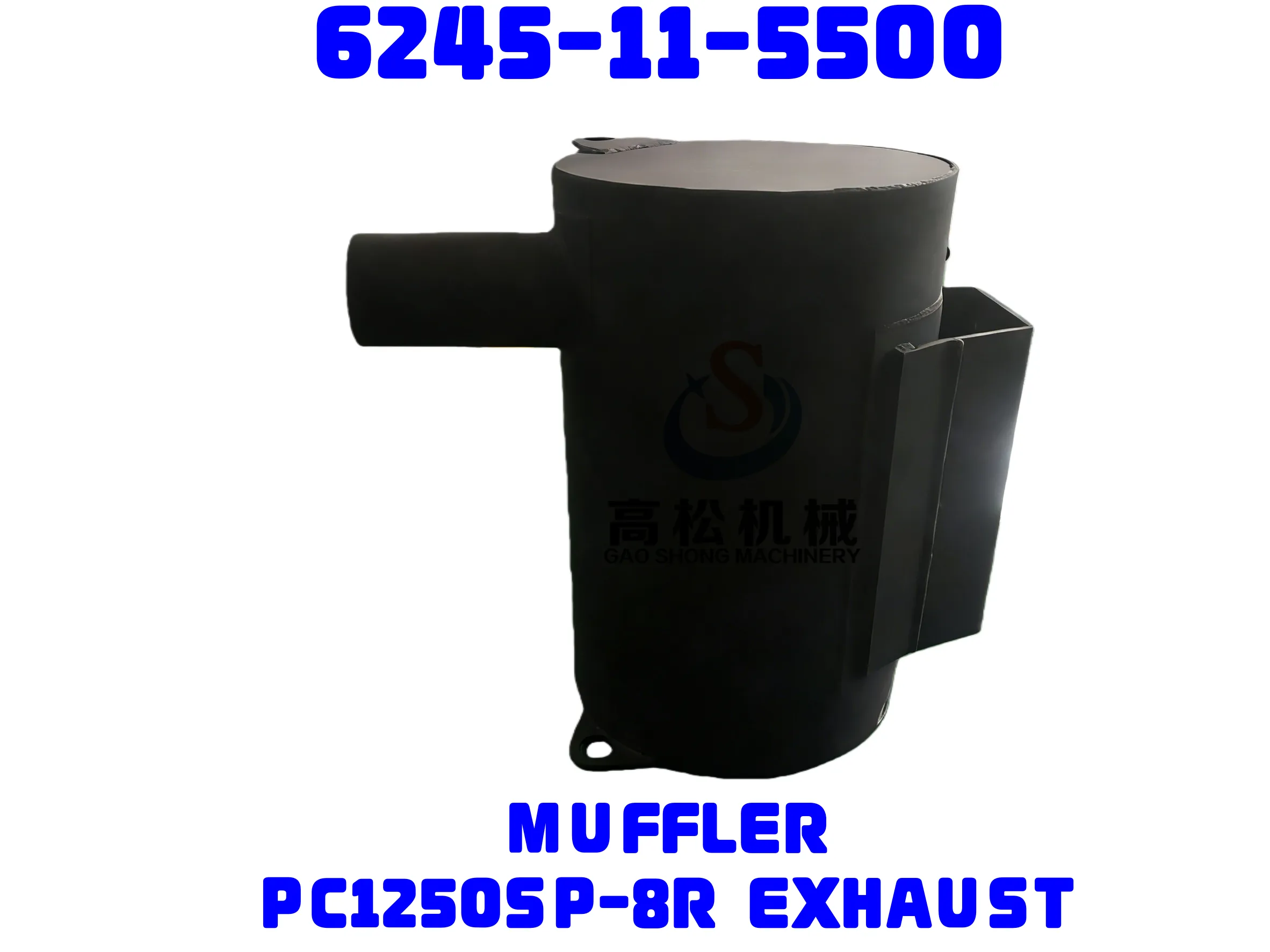

Best Selling Products
Best Selling Products-
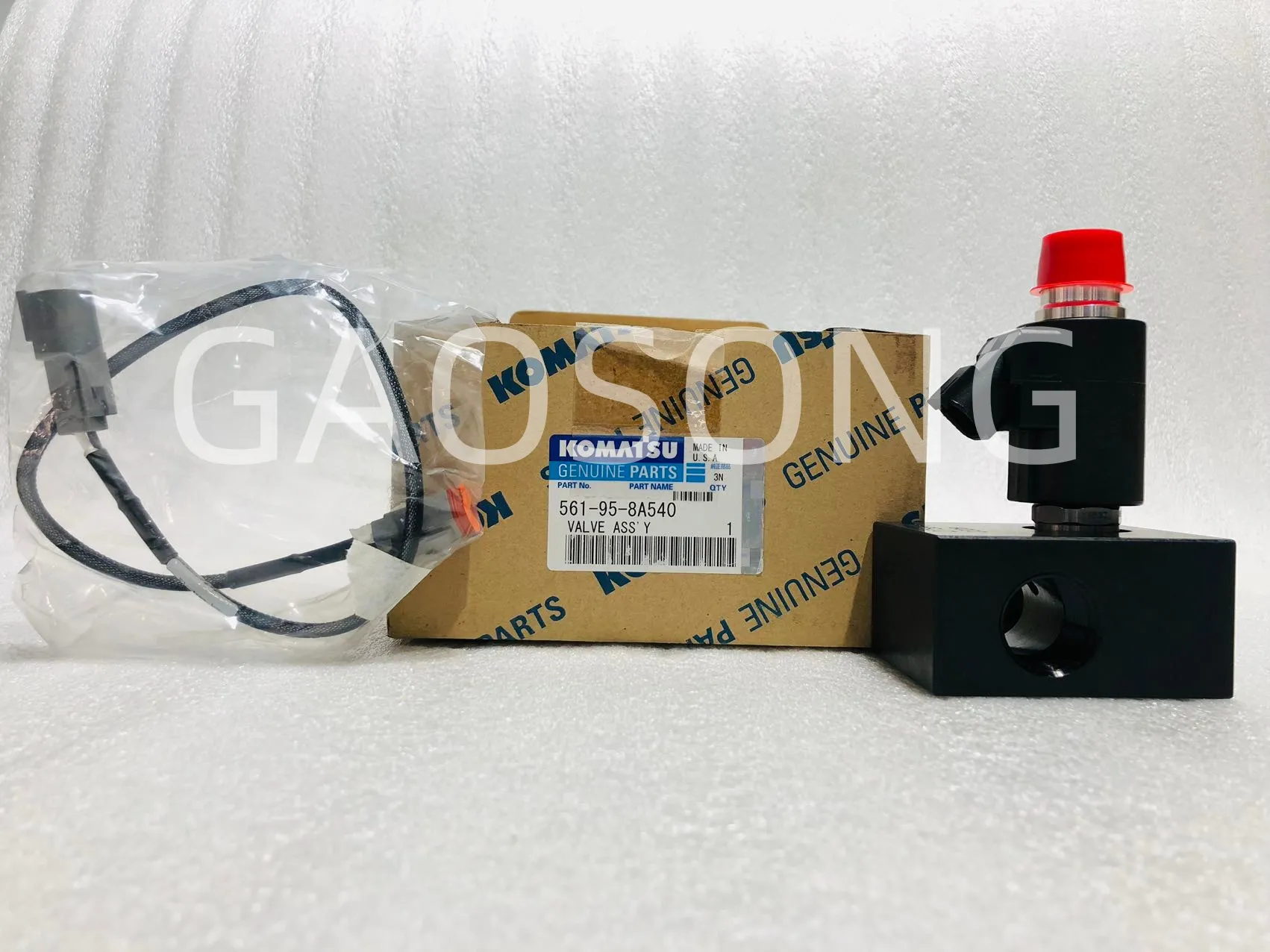 561-95-8A530 • PUMP ASSEMBLY-Komatsu Original Factory
 -
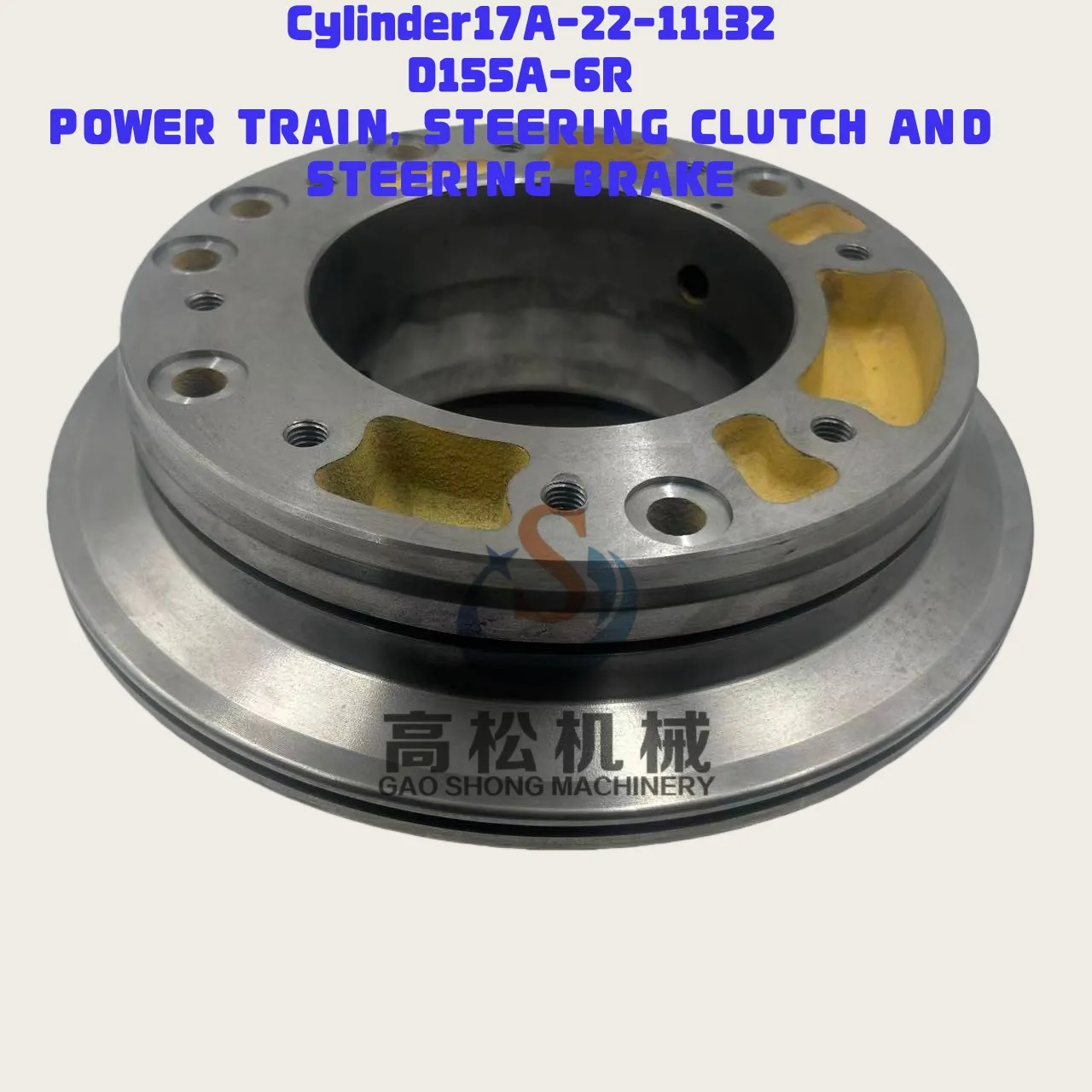 CYLINDER 17A-22-11132 D155A-6 D155A-3 D155A-5 D155A-6R STEERING CLUTCH AND BRAKE
 -
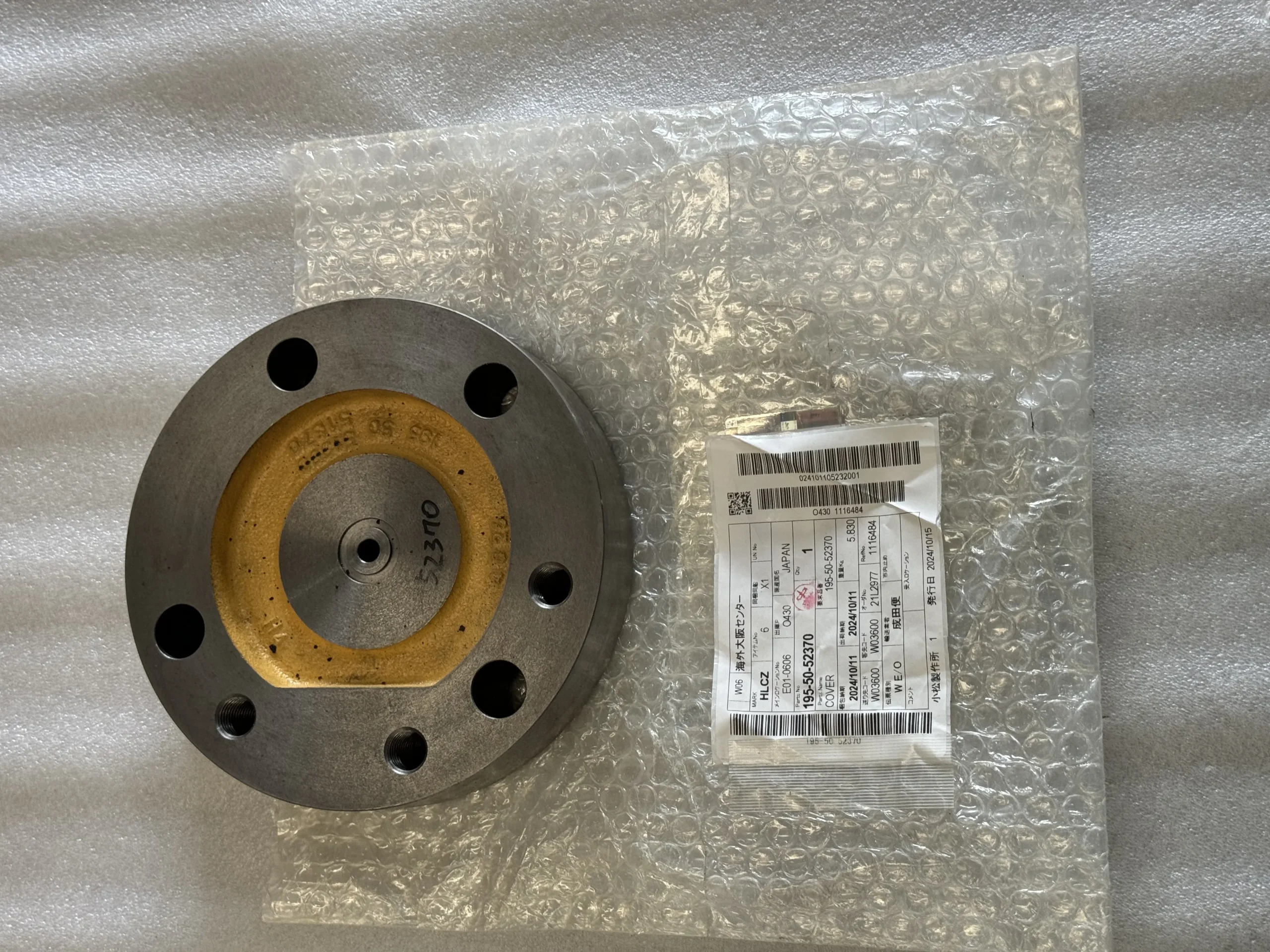 D375A-5 Cover 195-50-52370
 -
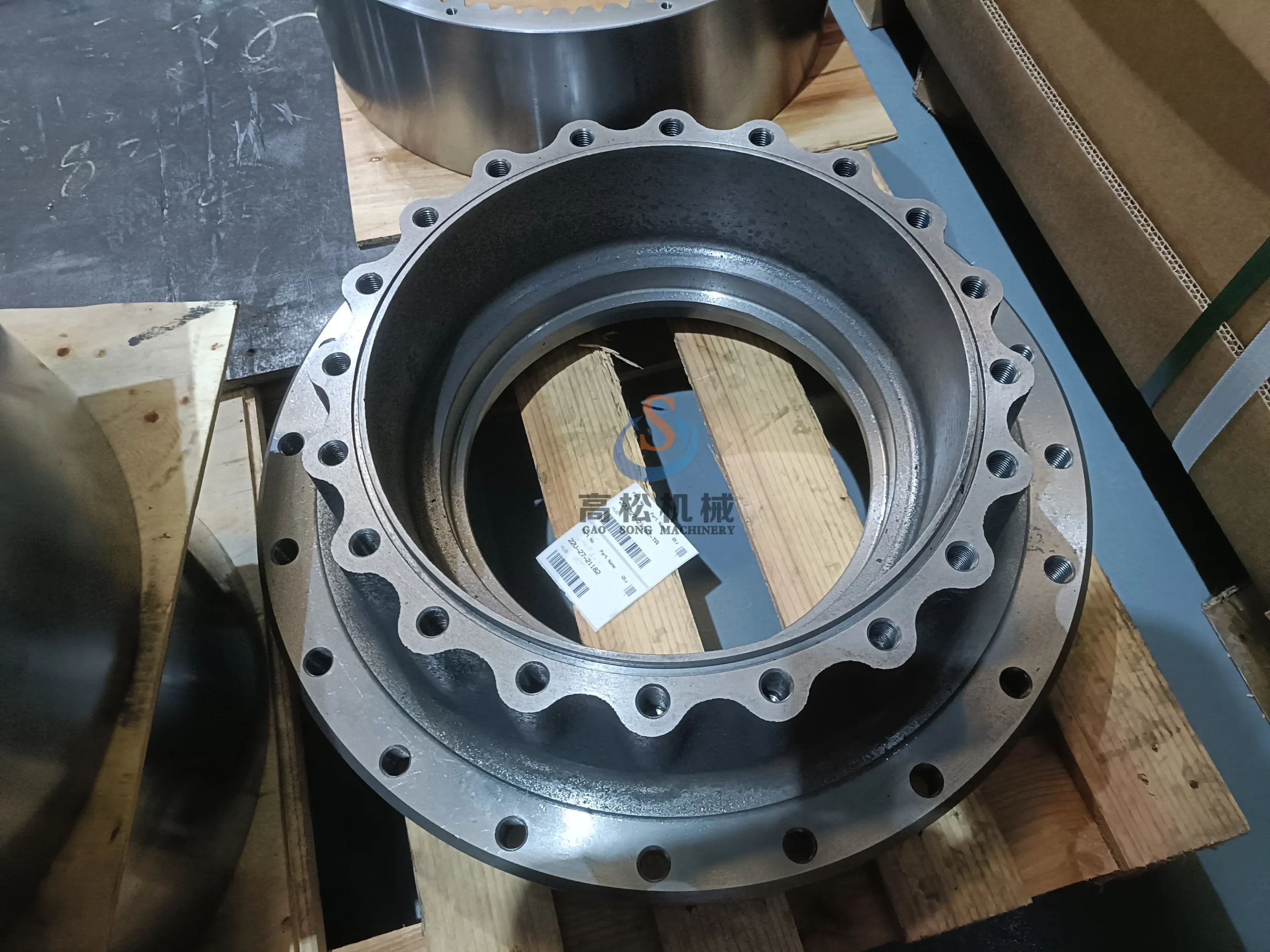 22U-27-21182 komatsu HUB-PC200/PC220/PC228
 -
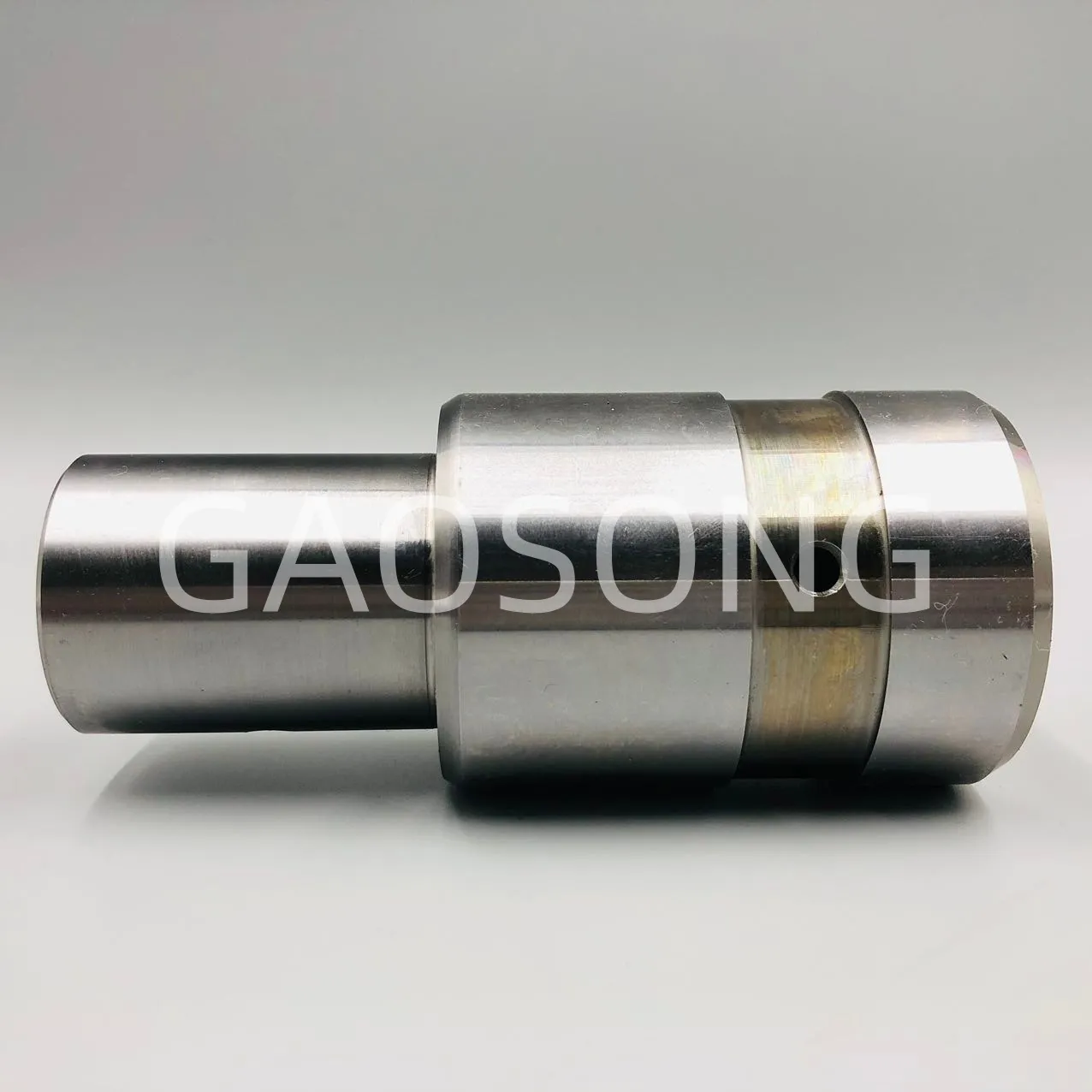 SHAFT 6240-61-4630 – KOMATSU
 -
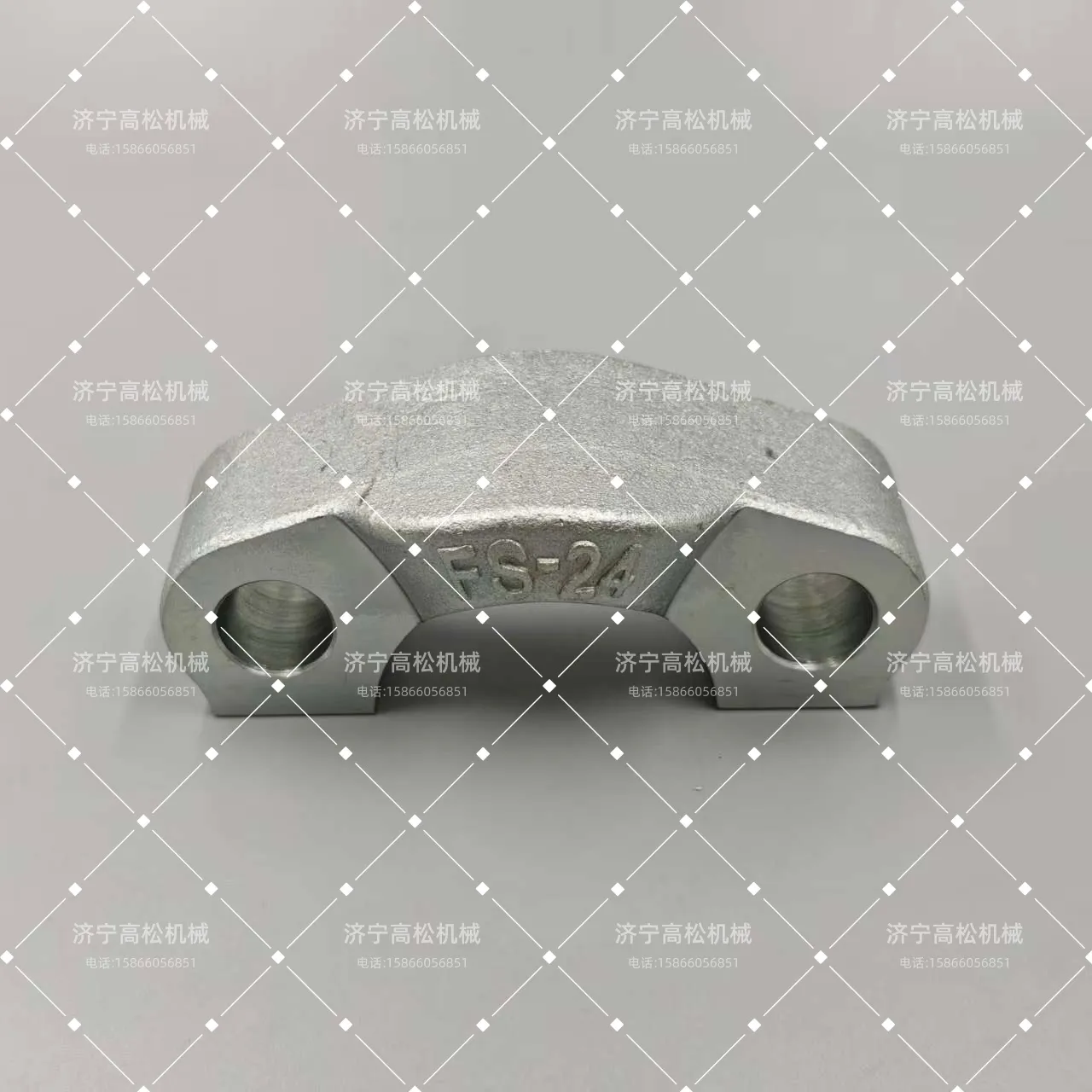 FLANGE 07371-51470 – KOMATSU Part catalog
 -
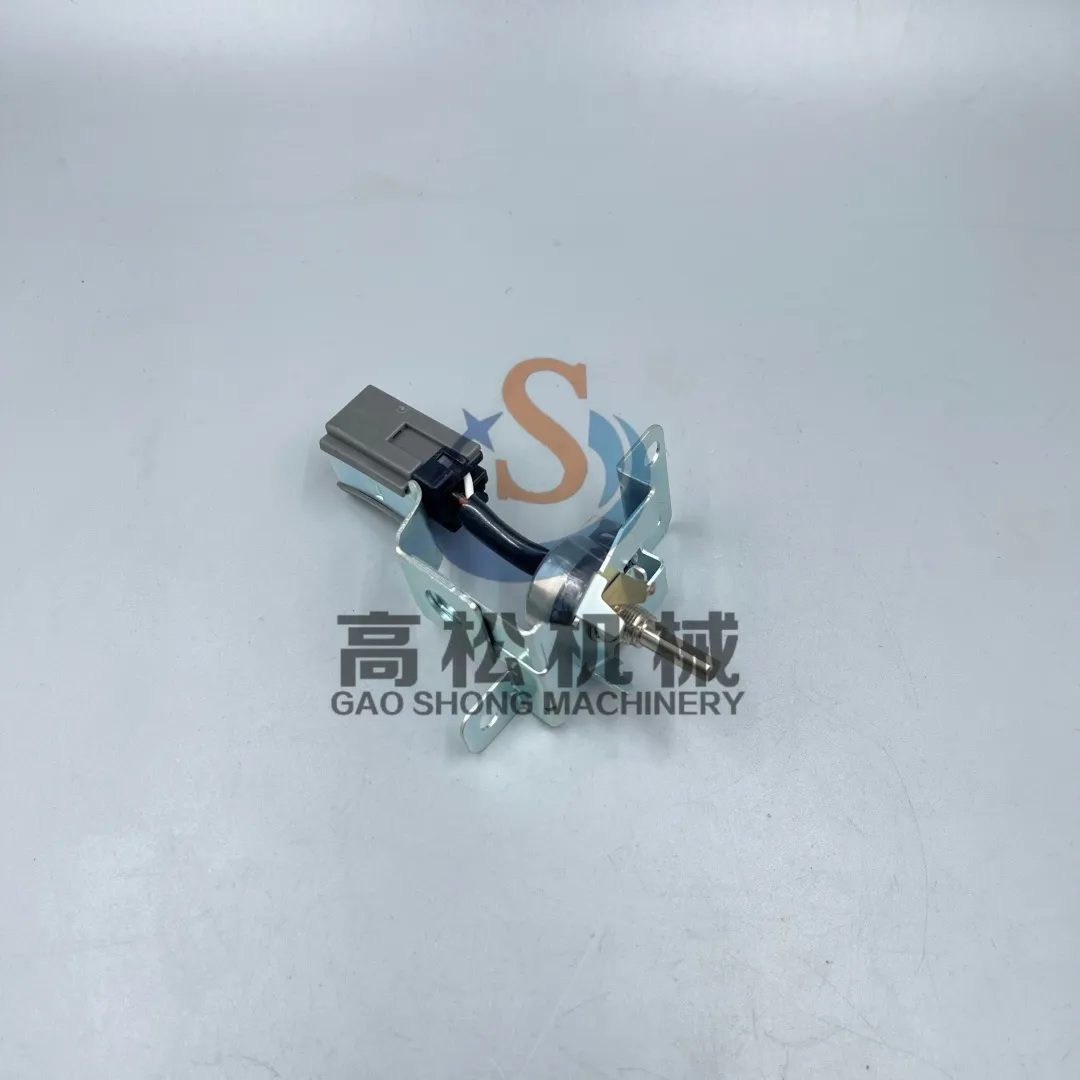 22U-06-22420 Komatsu Potentiometer Assembly
 -
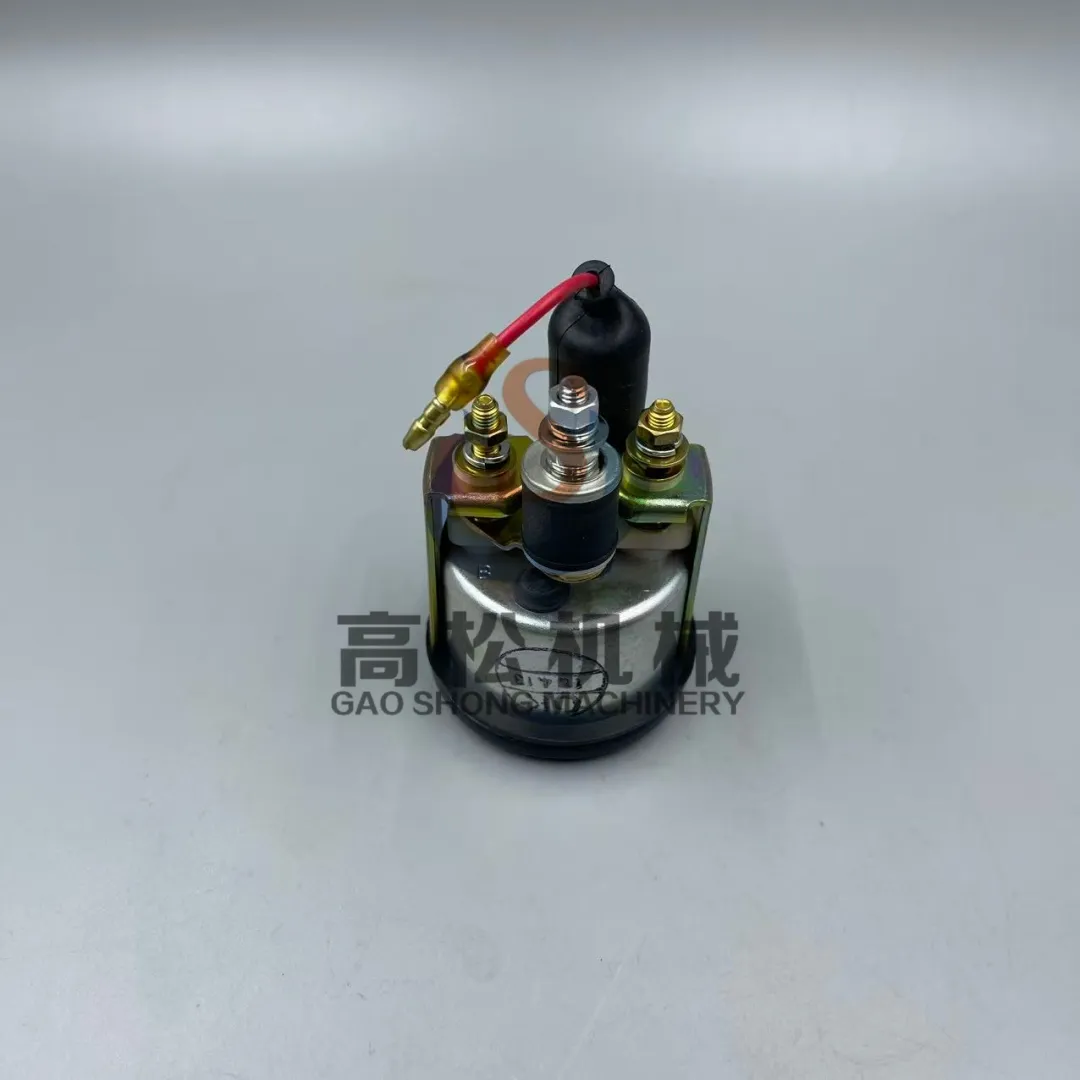 195-06-23110 – GAUGE, WATER TEMP 1950623110 fits KOMATSU
 -
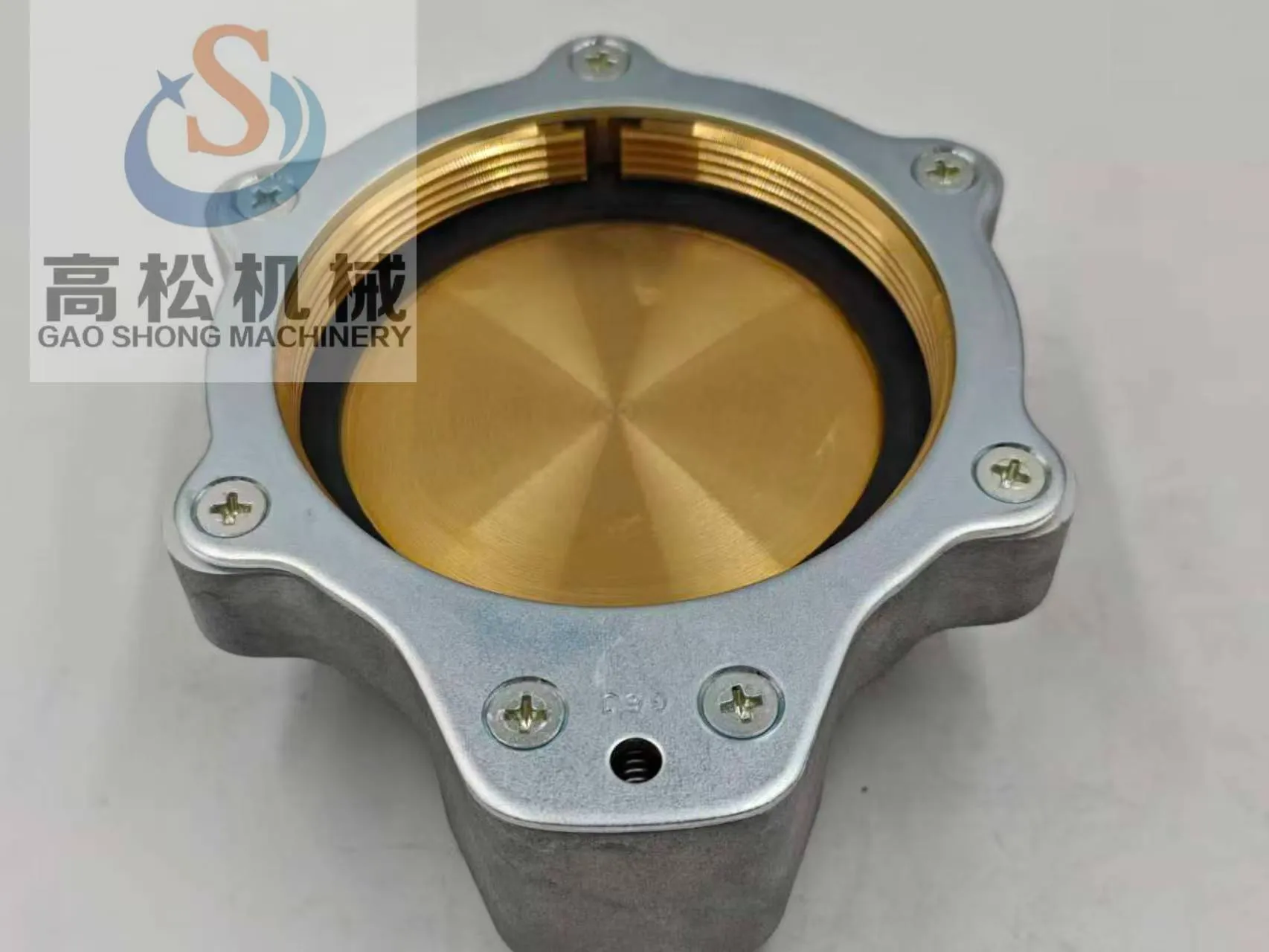 Original new water tank lid 07093-20000 lid suitable for bulldozer komatsu d85 d275
 -
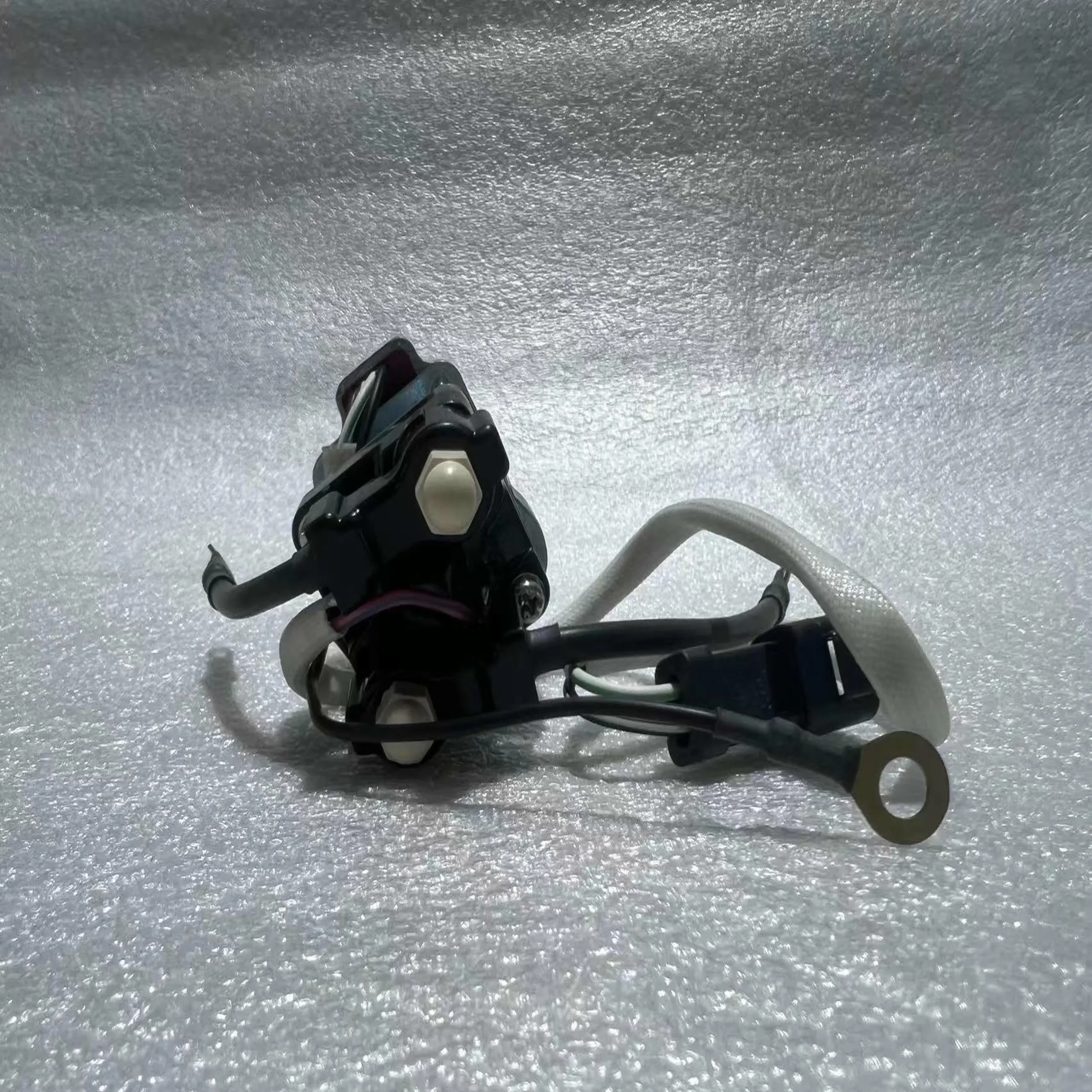 SWITCH ASSEMBLY KD0-25000-8332 – KOMATSUD61EX, D61PX, HM300, HM350, HM400, PC300, PC300HD, PC300LL, PC350LL, PC360, PC400, PC450, PC490, S6D125E, SA6D114E, SA6D125E, SA6D140E, SAA12V140E, SAA6D114E, SAA6D125E, SAA6D140E
 -
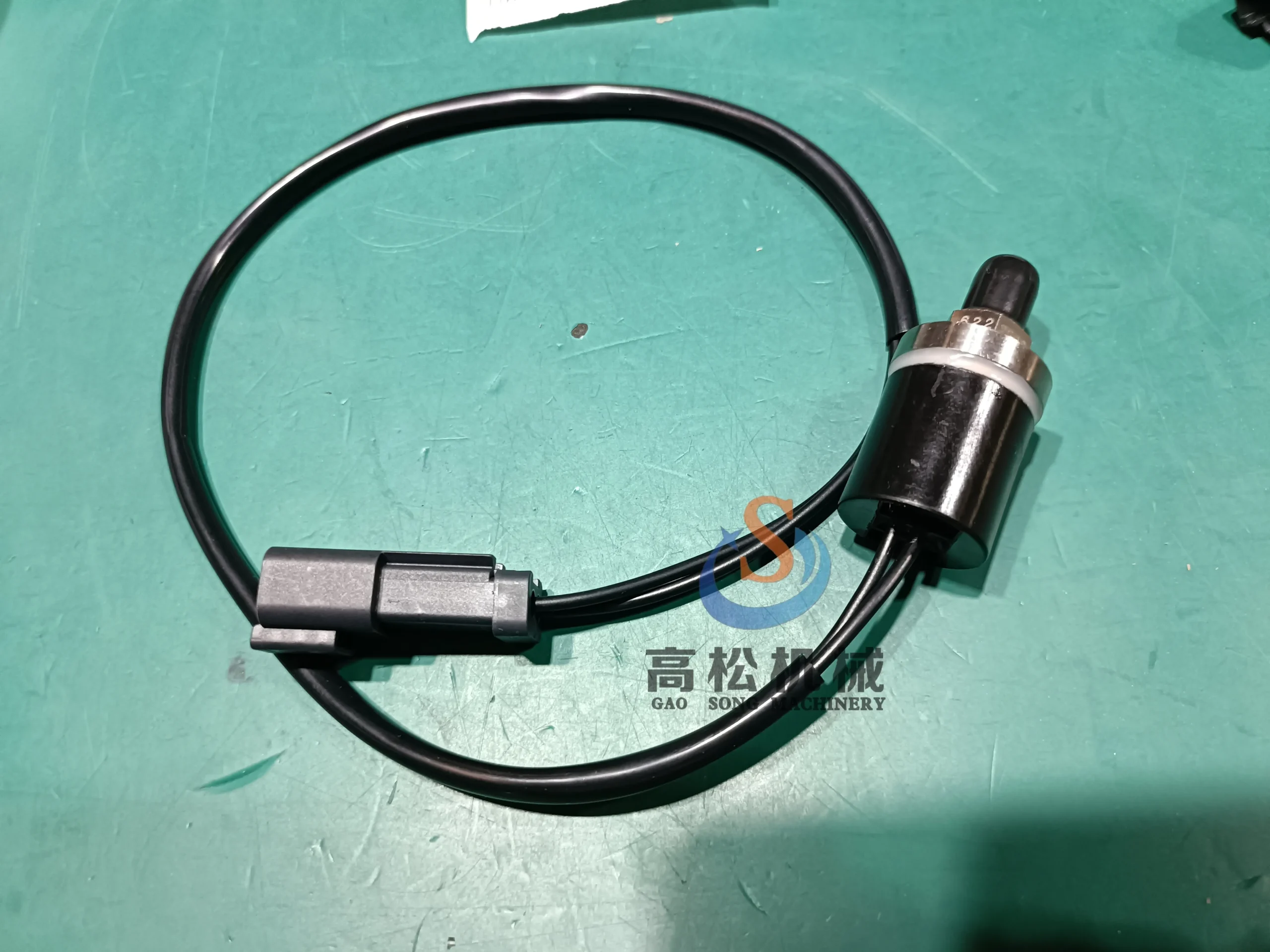 42C-06-15121 komatsu SWITCH-WA380/WA400/WA900
 -
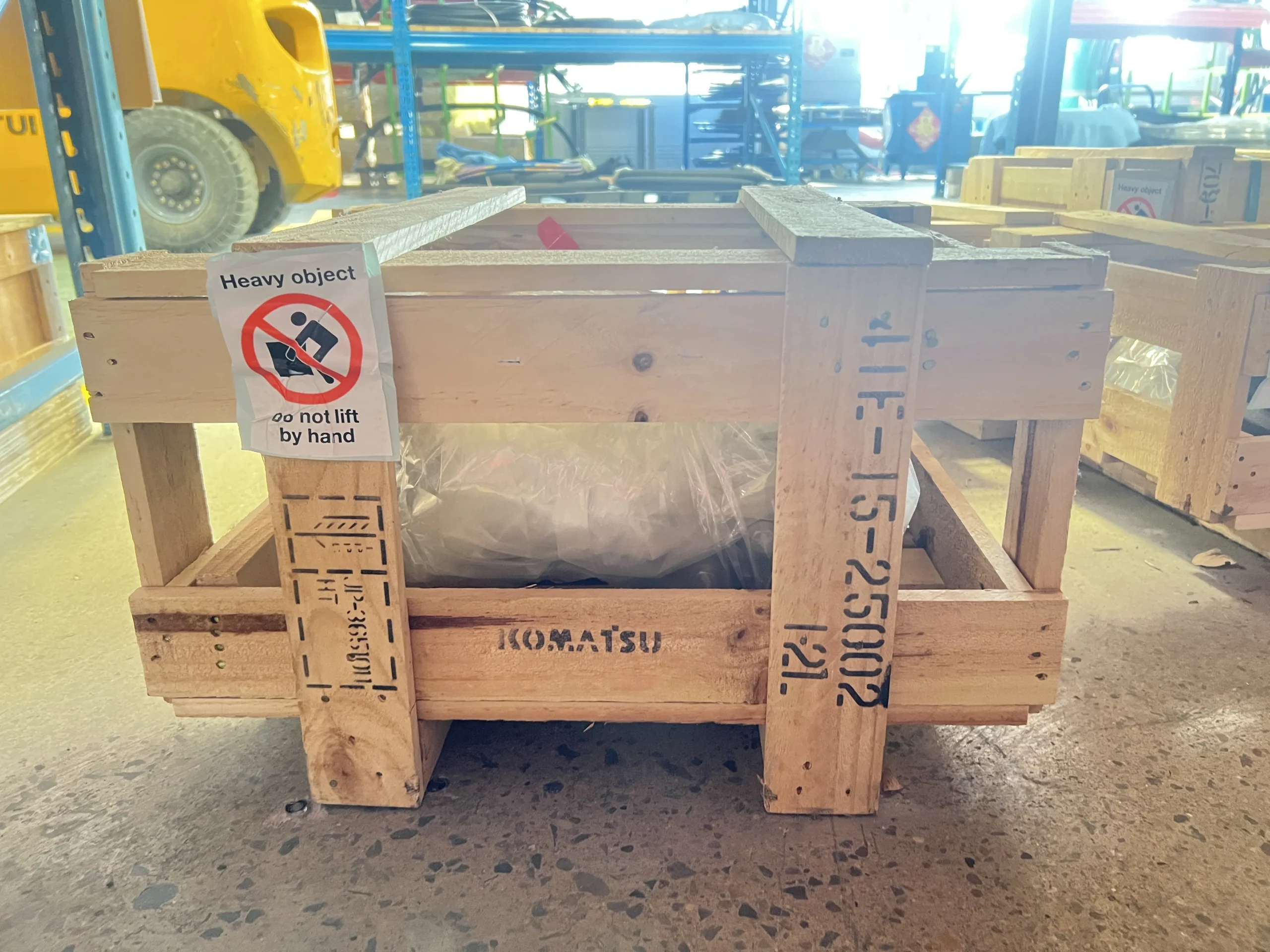 WD600-3 Control Valve Assembly 41E-15-25002