
- Chinese
- French
- German
- Portuguese
- Spanish
- Russian
- Japanese
- Korean
- Arabic
- Irish
- Greek
- Turkish
- Italian
- Danish
- Romanian
- Indonesian
- Czech
- Afrikaans
- Swedish
- Polish
- Basque
- Catalan
- Esperanto
- Hindi
- Lao
- Albanian
- Amharic
- Armenian
- Azerbaijani
- Belarusian
- Bengali
- Bosnian
- Bulgarian
- Cebuano
- Chichewa
- Corsican
- Croatian
- Dutch
- Estonian
- Filipino
- Finnish
- Frisian
- Galician
- Georgian
- Gujarati
- Haitian
- Hausa
- Hawaiian
- Hebrew
- Hmong
- Hungarian
- Icelandic
- Igbo
- Javanese
- Kannada
- Kazakh
- Khmer
- Kurdish
- Kyrgyz
- Latin
- Latvian
- Lithuanian
- Luxembou..
- Macedonian
- Malagasy
- Malay
- Malayalam
- Maltese
- Maori
- Marathi
- Mongolian
- Burmese
- Nepali
- Norwegian
- Pashto
- Persian
- Punjabi
- Serbian
- Sesotho
- Sinhala
- Slovak
- Slovenian
- Somali
- Samoan
- Scots Gaelic
- Shona
- Sindhi
- Sundanese
- Swahili
- Tajik
- Tamil
- Telugu
- Thai
- Ukrainian
- Urdu
- Uzbek
- Vietnamese
- Welsh
- Xhosa
- Yiddish
- Yoruba
- Zulu
- Kinyarwanda
- Tatar
- Oriya
- Turkmen
- Uyghur






komatsu wa380 6 parts manual
When you punch 'komatsu wa380 6 parts manual' into a search bar, you're not really looking for just the PDF. You're looking for a solution. The manual is the starting point, the map. But the real challenge begins when you need the actual part it references—especially for a machine that's been around, maybe not in current production, but still vital on a job site. A lot of folks, even some seasoned mechanics, conflate having the manual with having a clear path to the part. The manual gives you the part number, sure, but then what? That's where the real industry knowledge, and often the headaches, begin.
The Manual is a Diagnosis Tool, Not a Procurement Promise
I've got the WA380-6 manual on my tablet, dog-eared digitally in all the usual spots: the hydraulic schematics for the steering system, the torque specs for the final drive, the exploded view of the loader linkage. It's indispensable for knowing what you're looking at. You see a seal leaking on the lift cylinder, you cross-reference the diagram, you get the Komatsu part number. That's step one. The assumption is that you call your local Komatsu dealer, give them the number, and it shows up in a week. In an ideal world, maybe. But for machines operating in remote areas or in markets where the official dealer network is thin, that part number can feel like a dead end if the dealer tells you it's on backorder from Japan with a 90-day lead time. The machine is down now.
This is where the nuance comes in. The manual doesn't tell you about supply chain realities. For the WA380-6, certain wear items—bucket teeth adapters, hydraulic hose assemblies, even specific sensor plugs—have known substitutes or cross-references that aren't in the official book. Experience teaches you that the seal kit for a particular valve on the -6 model is functionally identical to one used on a later -7 model, but the part number suffix is different. The manual won't tell you that. You learn it by having to get a machine back up and running on a Friday afternoon with what you can source.
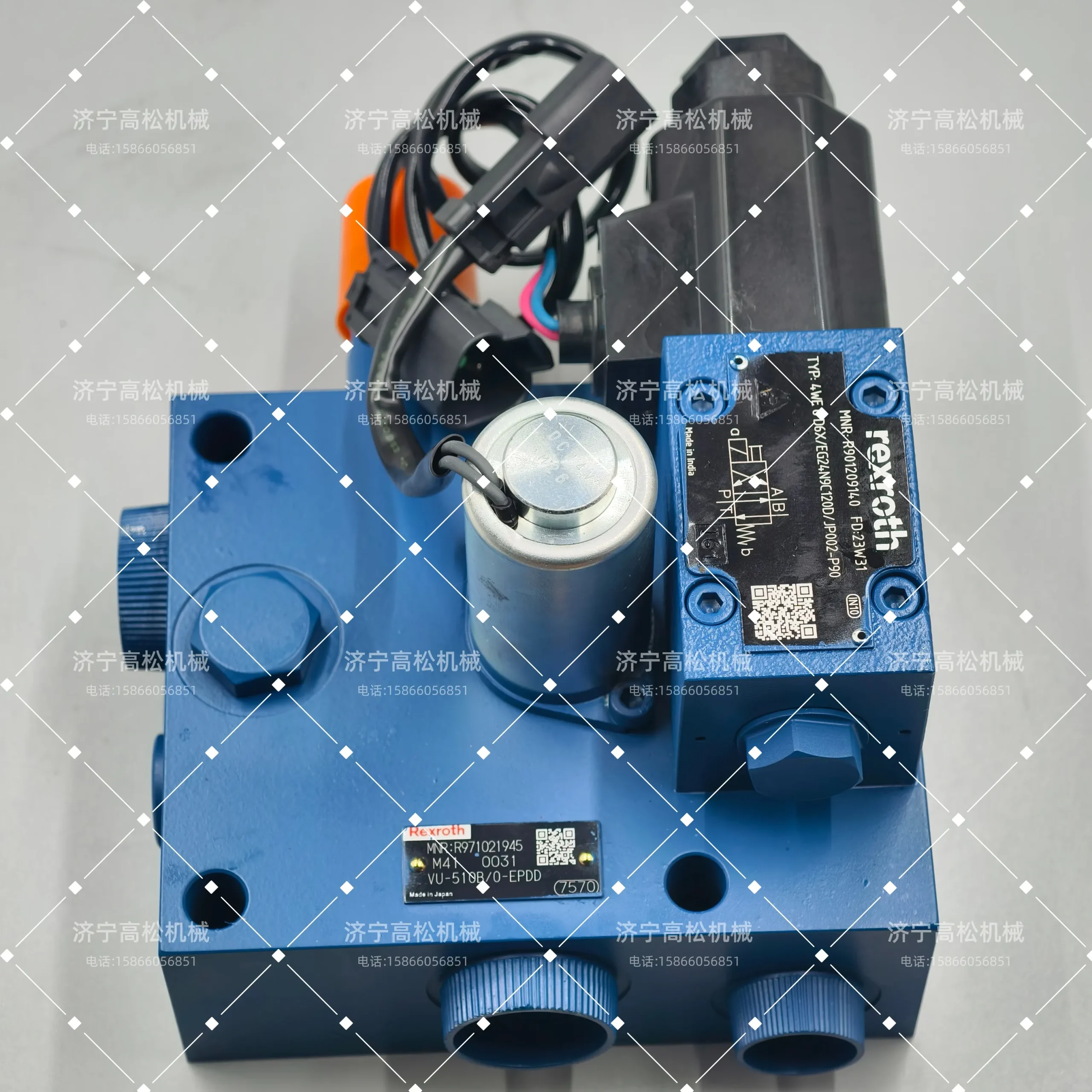
I remember a specific case with a WA380-6 where the pilot pressure solenoid failed. The manual's electrical diagram got us to the right component. The official part was quoted with a long delay. We ended up cross-referencing the solenoid's specifications—voltage, pressure rating, thread size—against a generic hydraulic catalog and found a match from a reputable third-party manufacturer. It wasn't a Komatsu box, but it worked perfectly. The trick is knowing when this is acceptable (a standard solenoid) and when it's absolutely not (like a critical engine internal component). The manual gives you the baseline; your judgment builds from there.
Bridging the Gap: The Role of Specialized Suppliers
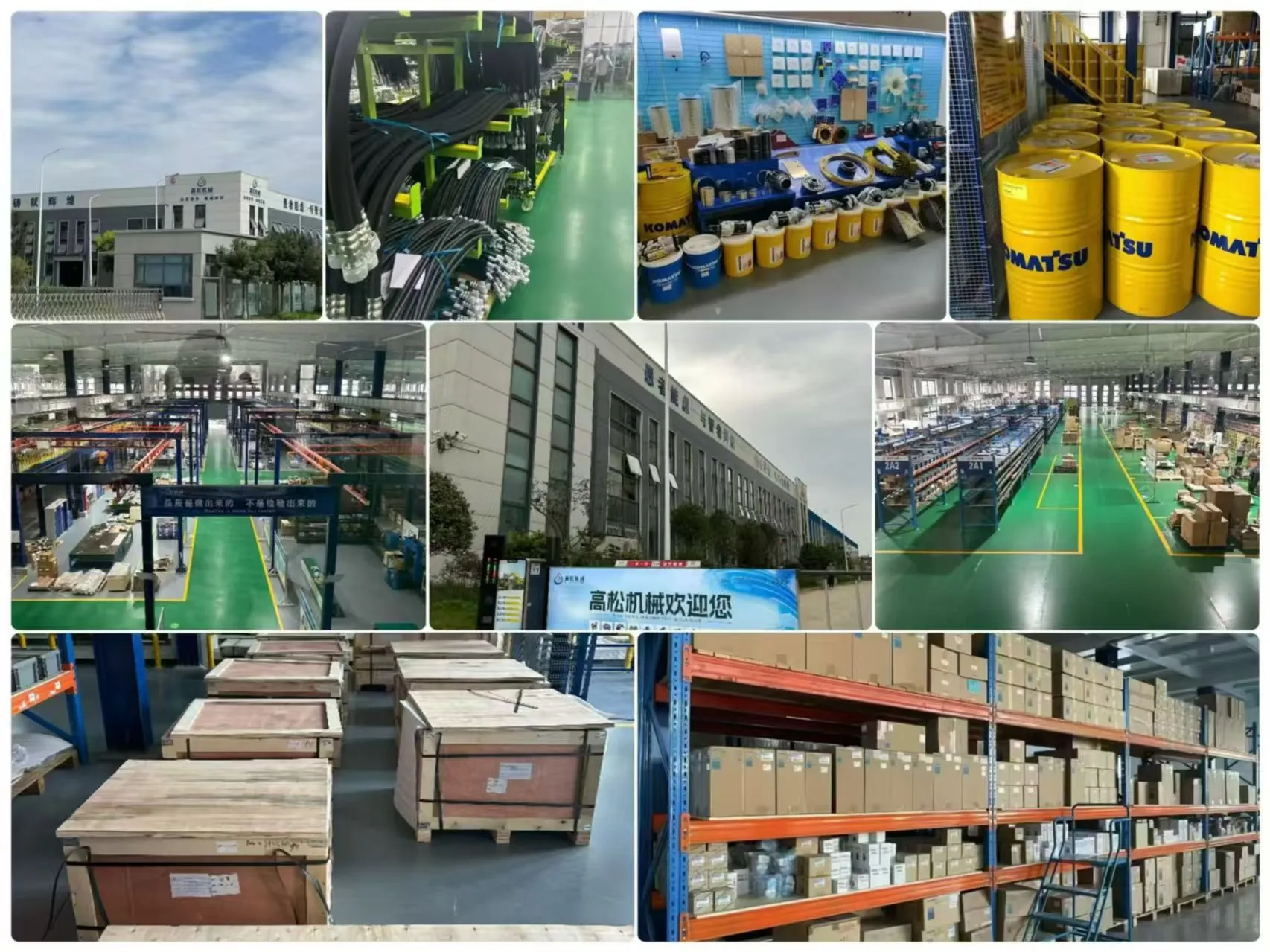
This is precisely the gap that companies like Jining Gaosong Construction Machinery Co., Ltd. exist to fill. You find them when you go deeper than the first page of search results for a part number. Their stated role as an OEM product supplier within the Komatsu system and a third-party sales company is more than corporate jargon. In practice, it means they often have access to the genuine Komatsu pipeline for parts that are still in production but might be stuck in logistics, and they also have the network to source high-quality, compatible alternatives for parts that are discontinued or prohibitively expensive through official channels.
For instance, looking for a WA380-6 transmission control module? The official one might cost a fortune. A supplier like this might offer a fully remanufactured unit with a warranty, tested on the same machine model. They've seen the common failure points. Their website, https://www.takematsumachinery.com, becomes a resource not just for ordering, but for validation. You can call and actually talk to someone who knows the difference between the early and late serial number breaks for the WA380-6, because they've physically handled the parts. That's the helping to solve parts supply challenges in certain countries part in action. It's not just sales; it's troubleshooting support.
I've used their service for a clutch pack for a WA380-6. The official line was a 6-week wait. Gaosong had a kit—not Komatsu-branded, but built to OEM specifications—in stock. They were able to confirm it included the updated friction plates that addressed a known overheating issue in that particular model range. That kind of detail comes from hands-on experience, not just reading a catalog. It saved a project from a major delay.
When According to the Manual Isn't Enough
The parts manual is static. Machines live dynamic, hard lives. You'll encounter situations where the manual's assembly order seems almost impossible in the field, or where a recommended replacement procedure ignores a common corrosion problem. On the WA380-6, replacing the swing circle bearing seal per the manual is a straightforward-sounding job. But if the machine has worked in a saline environment, the bearing housing might be slightly pitted. The manual doesn't tell you about the specific Loctite grade or the machining tolerances for a repair sleeve that a field welder and machinist can realistically achieve. You learn that from forums, from talking to old-timers, and from suppliers who've sold the seal kit and then gotten a call back about the pitting issue, so they now stock the repair sleeve alongside it.
Another example: the manual lists a specific bolt for the loader arm pivot. Grade, length, thread pitch. But in the field, you might find that bolt consistently fails due to fatigue. A specialist supplier might recommend an upgraded, higher-grade bolt from a different manufacturer that fits perfectly but has a better fatigue rating. This isn't deviating from the manual; it's building upon its foundation with real-world metallurgy and failure analysis. The goal is machine uptime, not just blind adherence.
This is where the judgment call is critical. You can't just throw any bolt in there. You need to understand the load, the stress points. A good supplier won't just sell you a random stronger bolt; they'll be able to explain why their recommended part is a suitable upgrade for that specific application on the WA380-6. That conversation is worth more than a thousand PDFs.
Sourcing Strategy: Genuine, OEM, or Aftermarket?
Your approach to the komatsu wa380 6 parts manual should directly inform your sourcing strategy. The first step is always to identify the exact part number from the manual. Then, you triage. For safety-critical components (brake system parts, steering linkage, ROPS structure components), the path is almost always genuine Komatsu or a certified OEM supplier. The risk is too high. For a wear item like a hydraulic filter or a grease nipple, a high-quality aftermarket part from a known brand is often perfectly fine and more cost-effective.
The grey area is in the middle—components like hydraulic pumps, sensors, even certain gear sets. This is the domain of companies like the one mentioned. They can often provide parts that are OEM in everything but the Komatsu box, coming from the same factory line, or they can offer professionally remanufactured cores that are bench-tested. For an older machine like the WA380-6, this is frequently the most sensible economic choice. The key is transparency. A reputable supplier will tell you upfront what you're getting: This is a new old-stock Komatsu part, or This is a remanufactured unit using genuine Komatsu seals.
I've been burned before, early in my career, ordering a fully compatible water pump that turned out to have an impeller cast from inferior metal. It failed in three months. Now, I ask more questions. Where is it made? What's the warranty? Can you provide a material certification? The good suppliers welcome these questions. They have the answers because they've dealt with the failures, too.
The Bottom Line: Manual as Compass, Experience as Guide
So, circling back. The search for a WA380-6 parts manual is the initiation of a process. The document itself is vital—it's the truth. But the value is unlocked by what you do with that information. It's about knowing that the part number for the cab door hinge might also fit a newer model, or that a certain hydraulic valve is notorious for a specific o-ring failure that isn't called out in the manual's breakdown.
Resources like specialized suppliers become extensions of your own parts department. They fill the logistical and knowledge gaps that the manual, by its nature, cannot. When you find a source that understands the machine's lifecycle, its common failures, and the practicalities of keeping it running, you hold onto it. It turns the part number from a dead end into a starting point for a solution.
In the end, the goal is never just to own the manual. It's to have the machine working. The manual gets you 30% there. The other 70% is experience, a reliable network, and the judgment to know when to follow the book to the letter and when to write a footnote of your own based on what actually works in the dirt and dust.
Related Products
Related Products

Best Selling Products
Best Selling Products-
 561-74-61540 Komatsu Shim Compatible Model: HD985. Available for immediate shipment.
 -
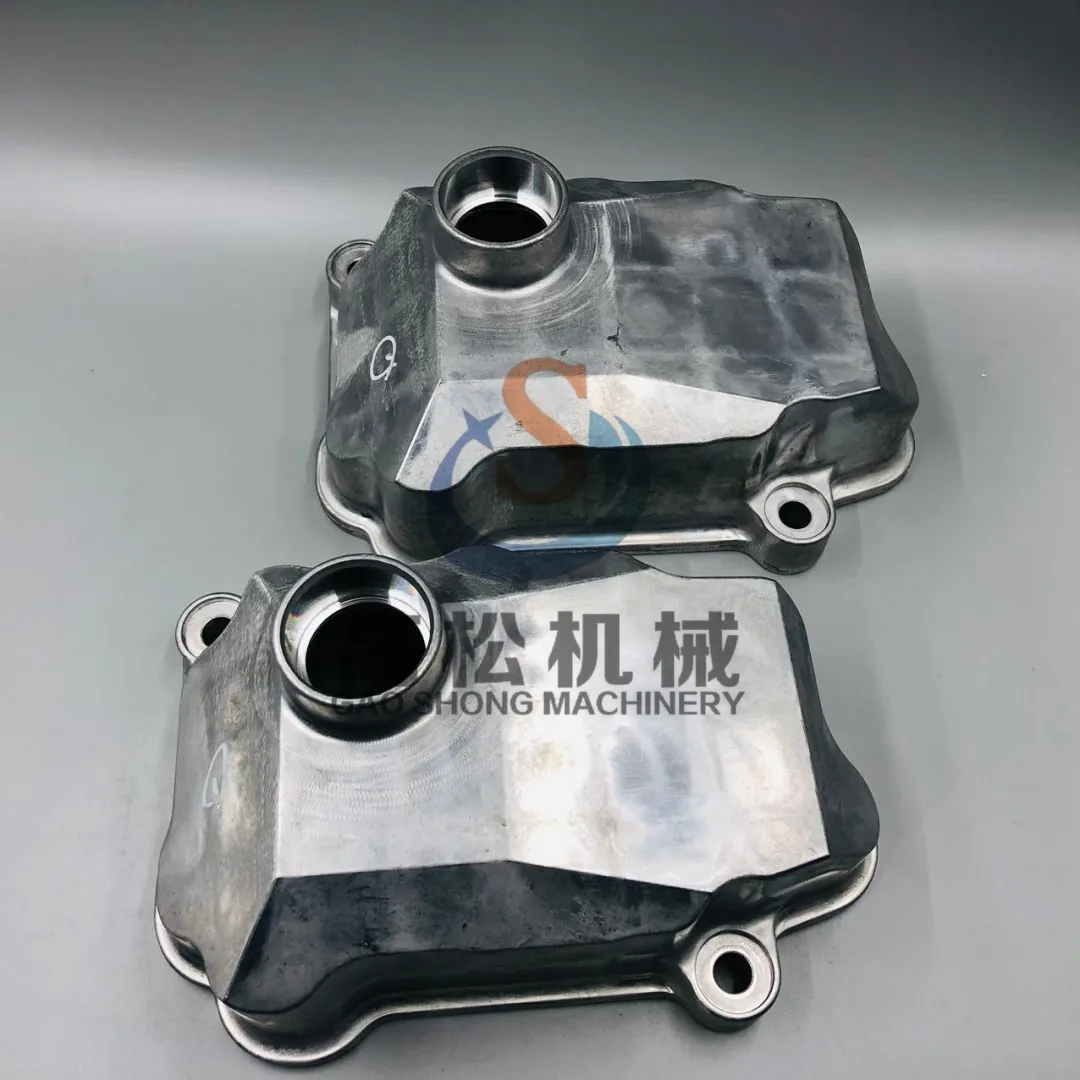 Komatsu SAA6D125E-5 Valve Cover | Part Number 6251-11-8150
 -
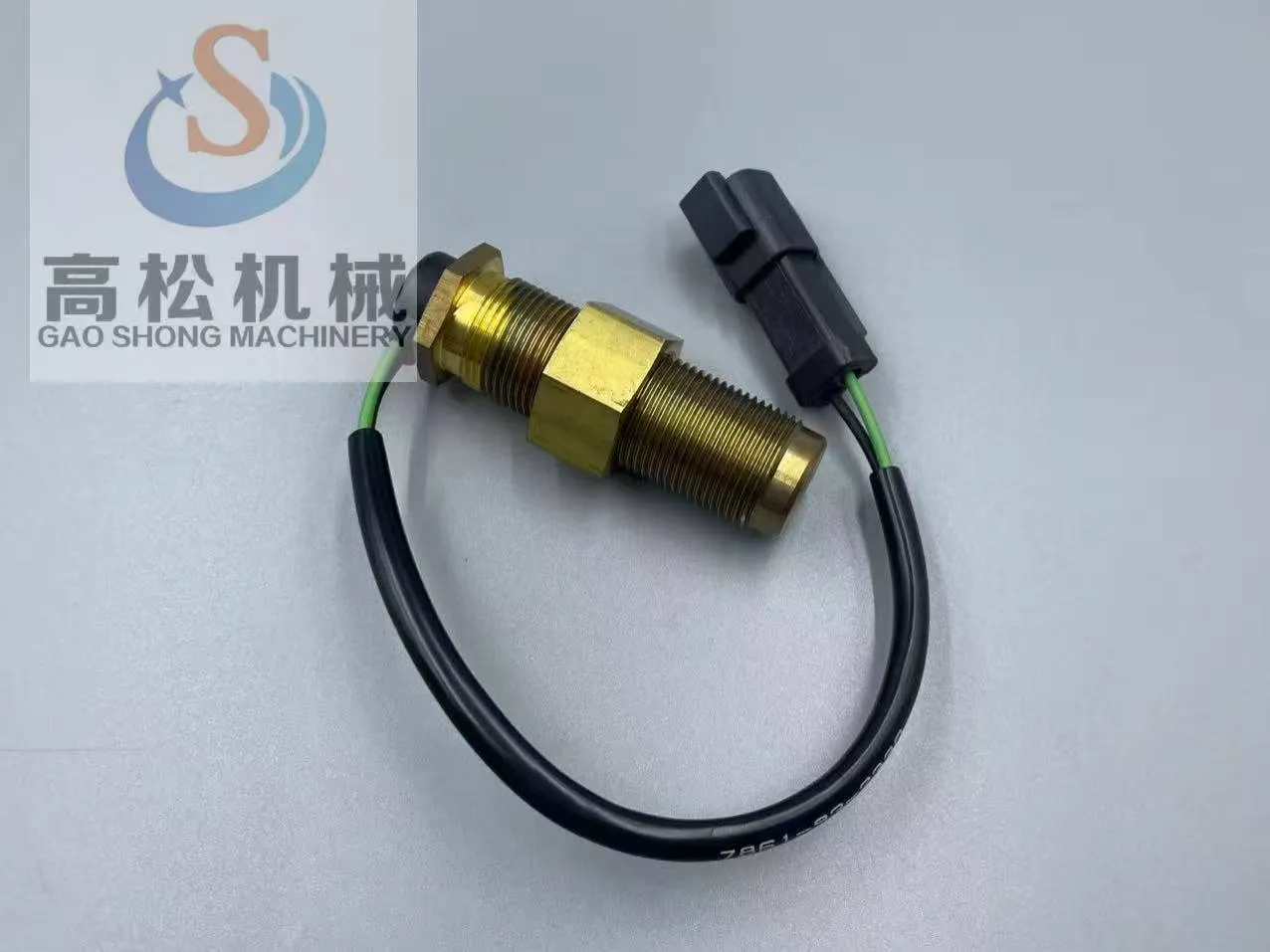 PC130-7 PC300-7 Engine Speed Sensor 7861-93-2330
 -
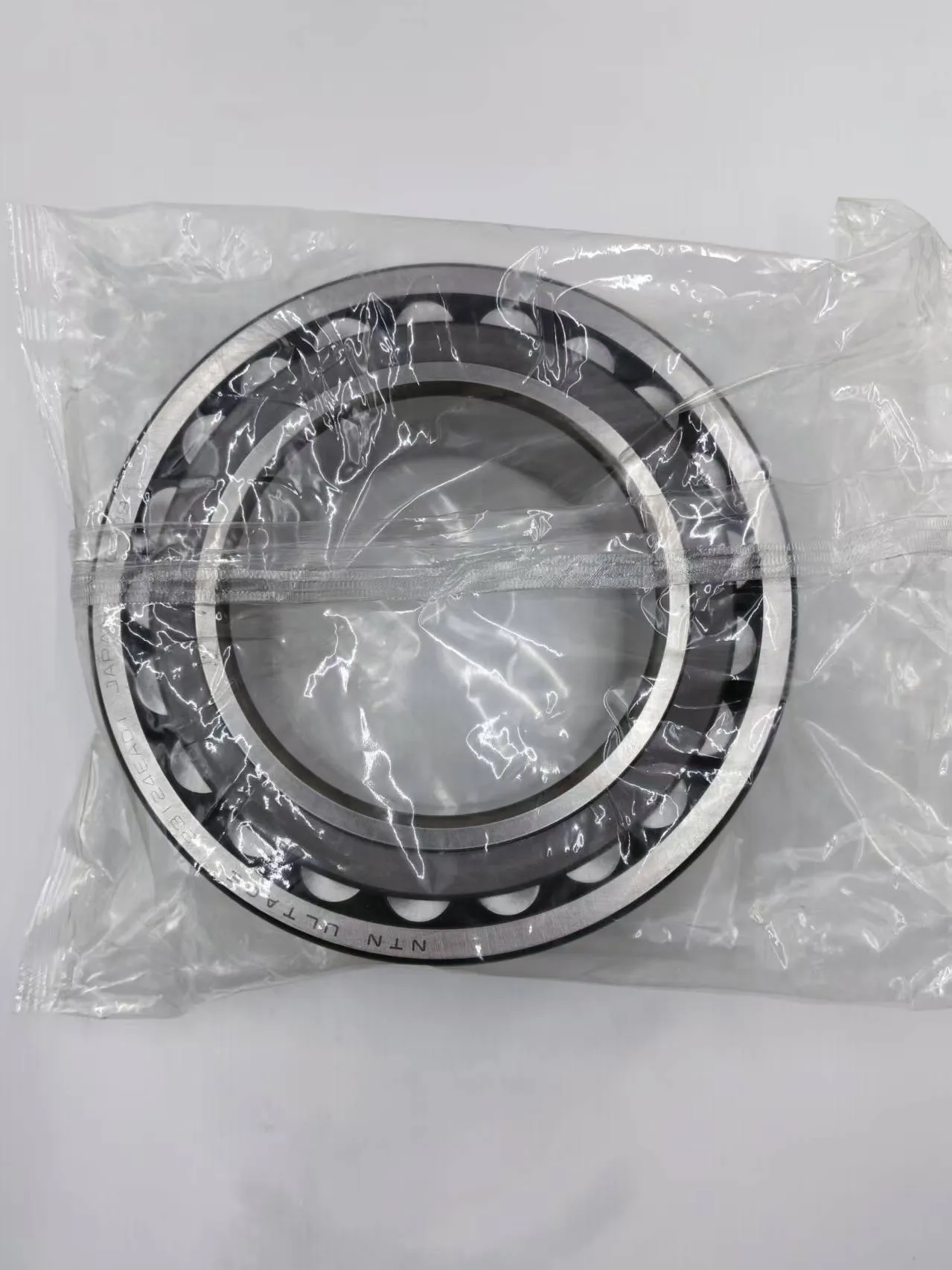 208-26-71530 Bearing for Komatsu PC450 PC460 PC500 Excavator Swing Drive Bearing Reducer Bearing
 -
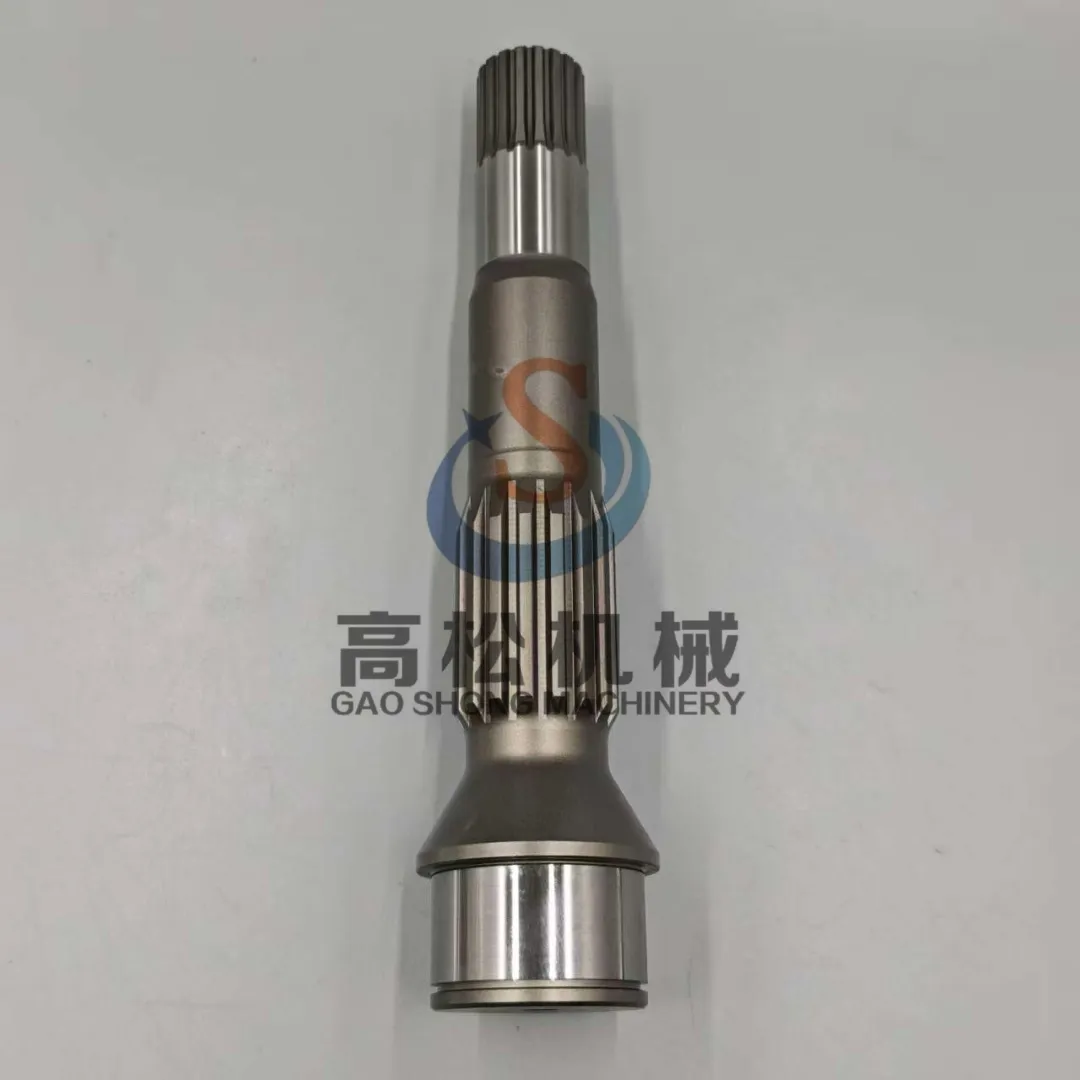 708-2G-12121 Shaft Drive L Fits Komatsu PC300-7 PC360-7 PC350-7 HPV140 Pump
 -
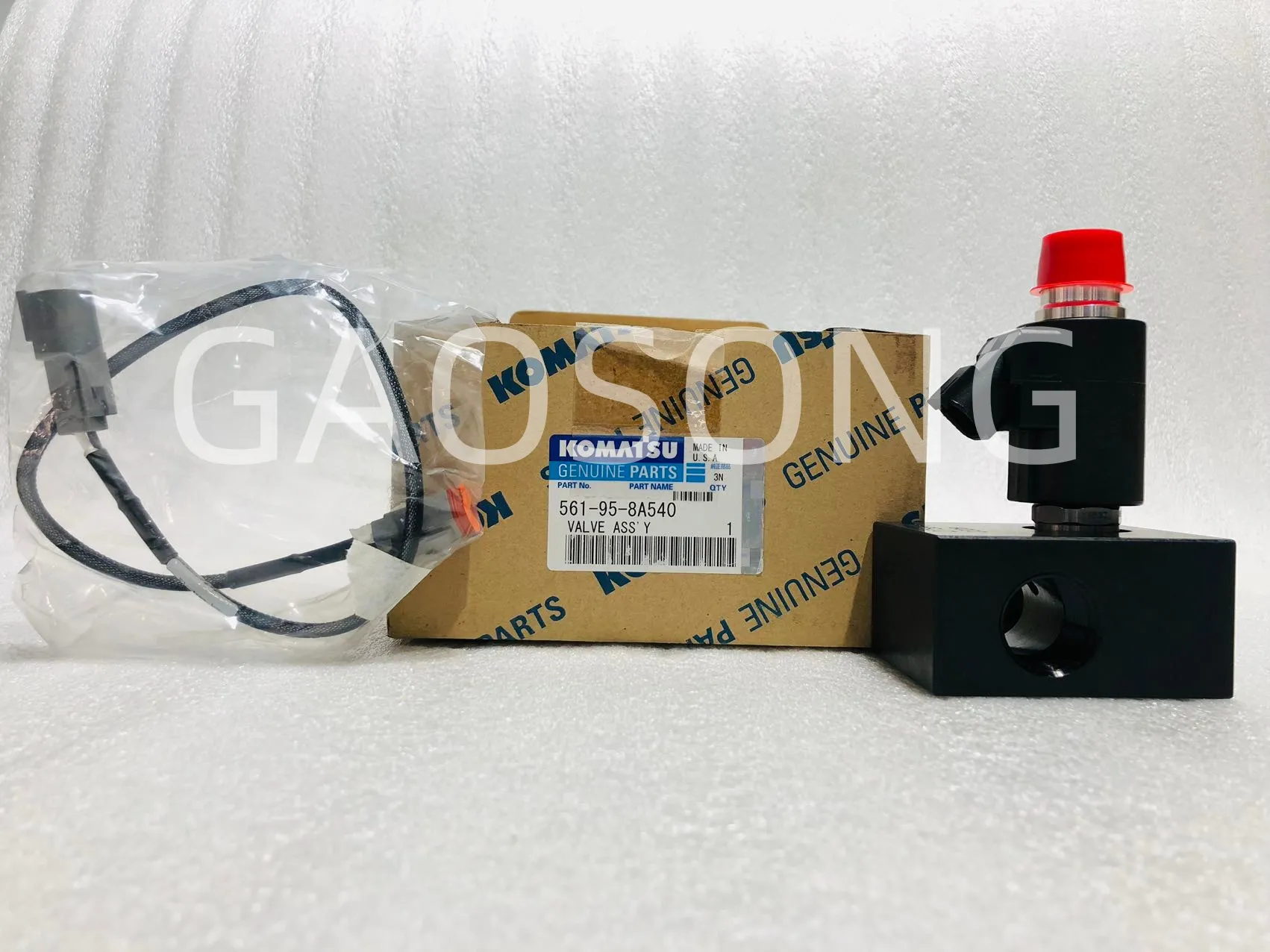 561-95-8A530 • PUMP ASSEMBLY-Komatsu Original Factory
 -
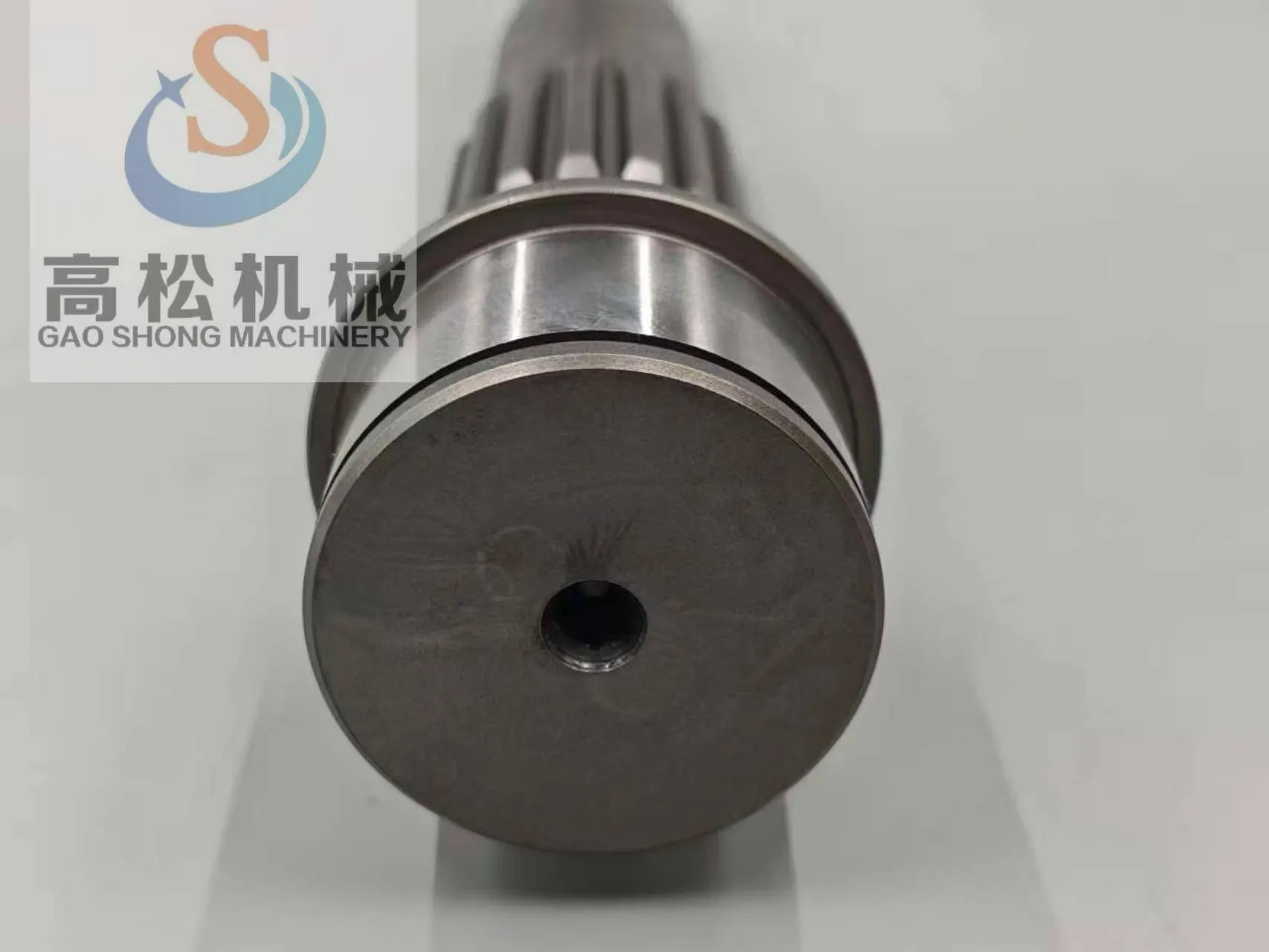 Hydraulic pump original parts 708-2g-12121 708-2g-04153 708-2g-04151 708-2g-03710 708-2g-03910 for pc300-7 excavator
 -
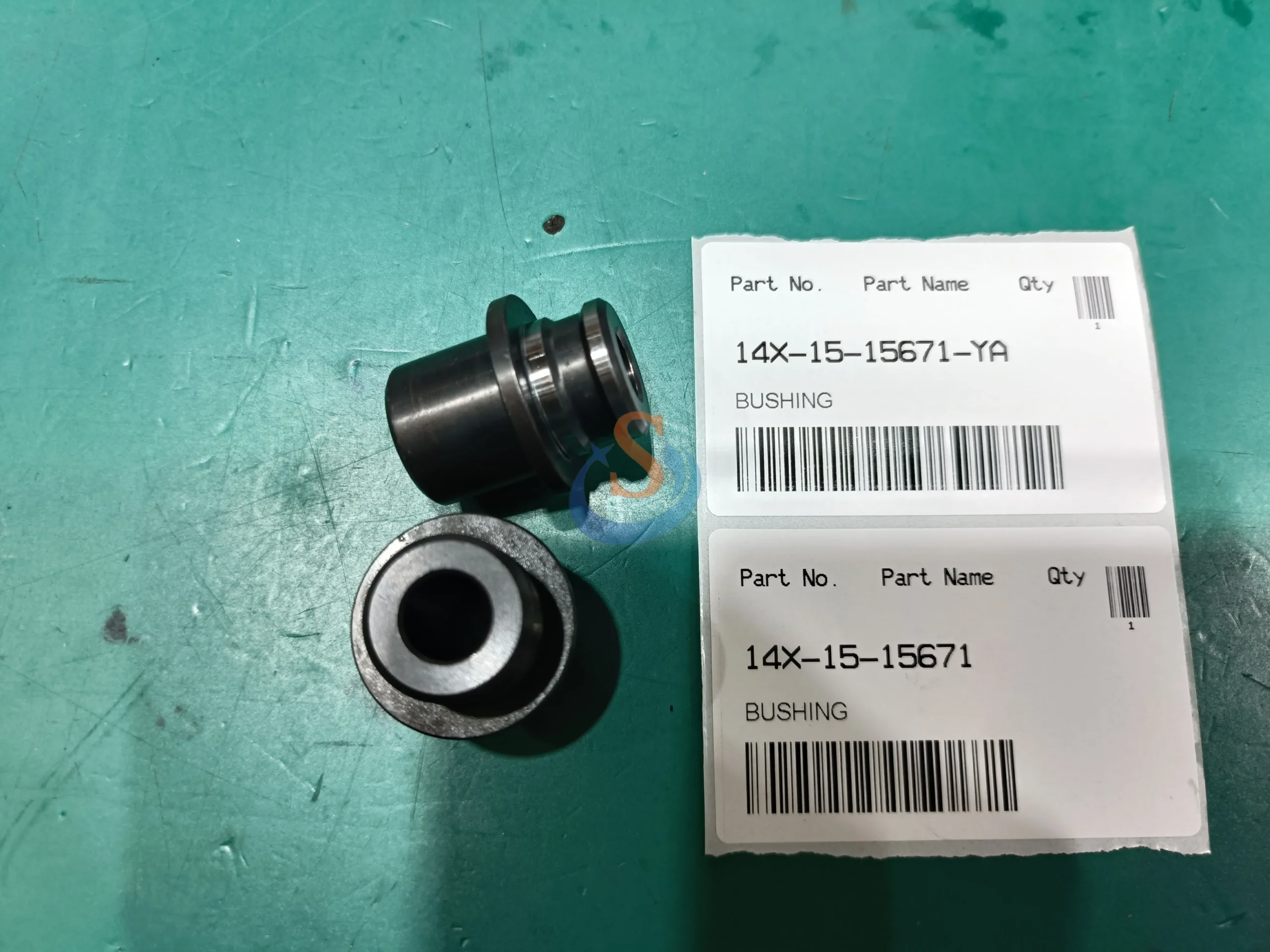 14X-15-15671 komatsu BUSHING D155A/D65EX
 -
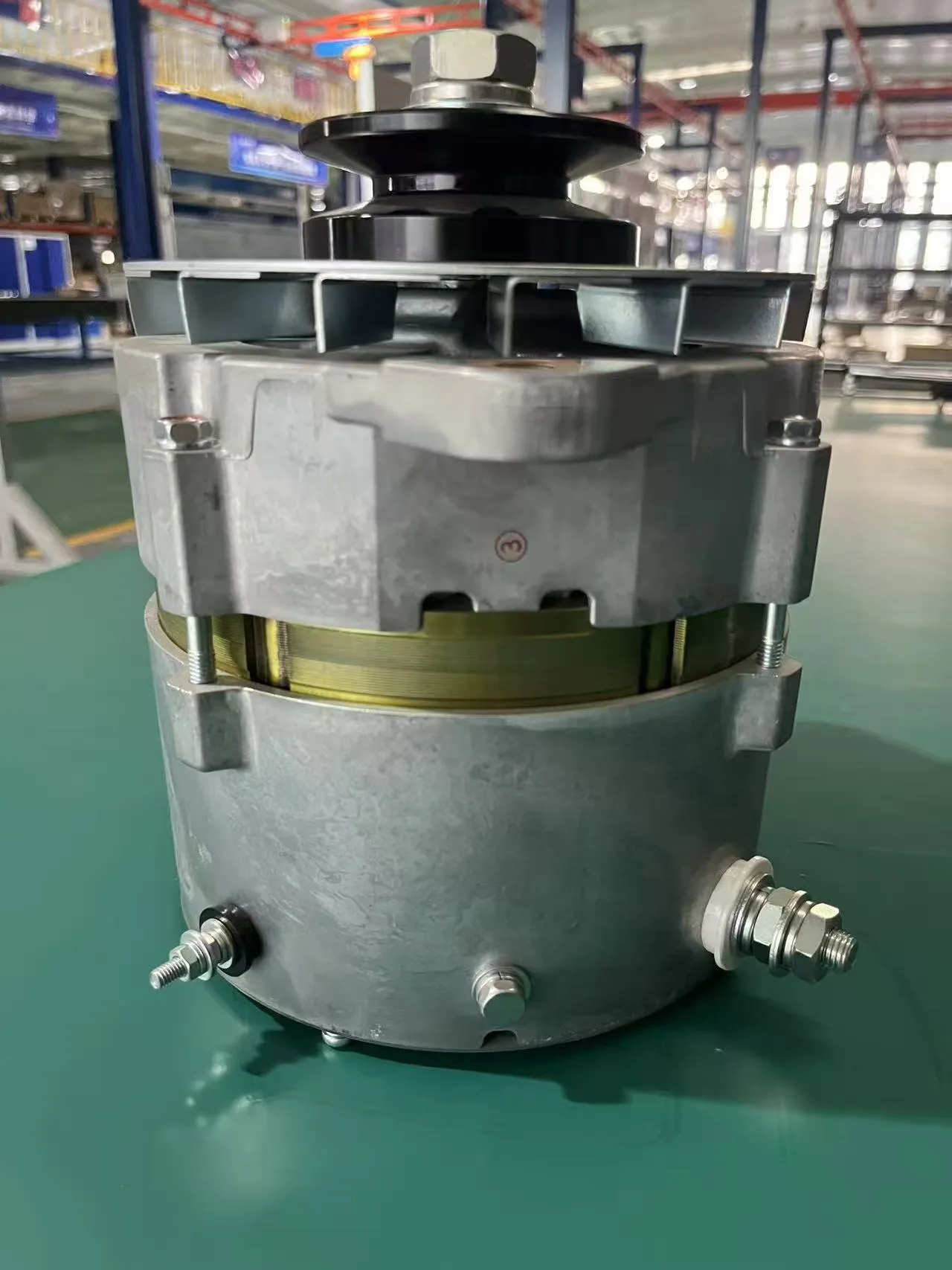 Hd 6d170 12v140 Engine Alternator Parts 600-821-9631…
 -
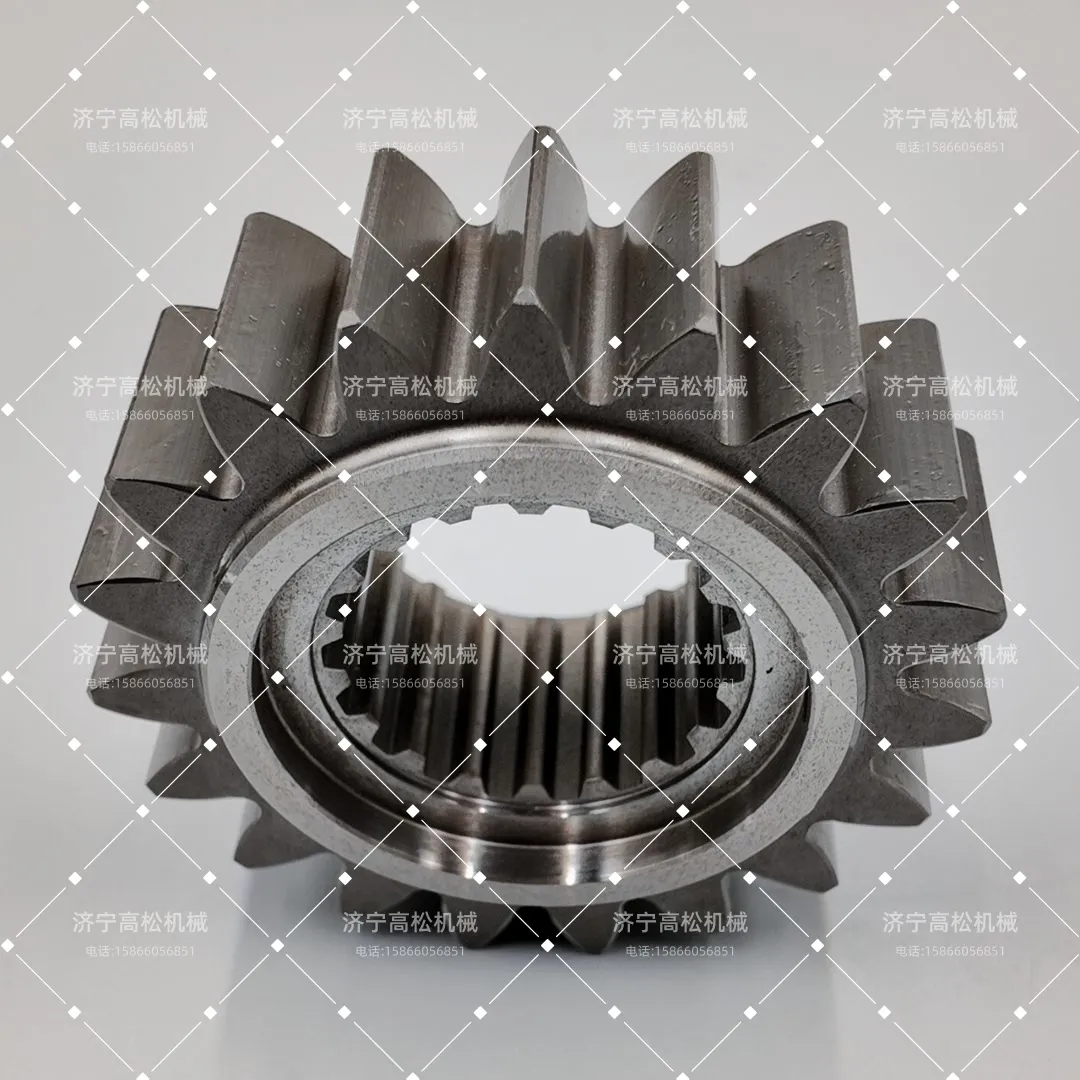 207-26-71510 Komatsu Gear
 -
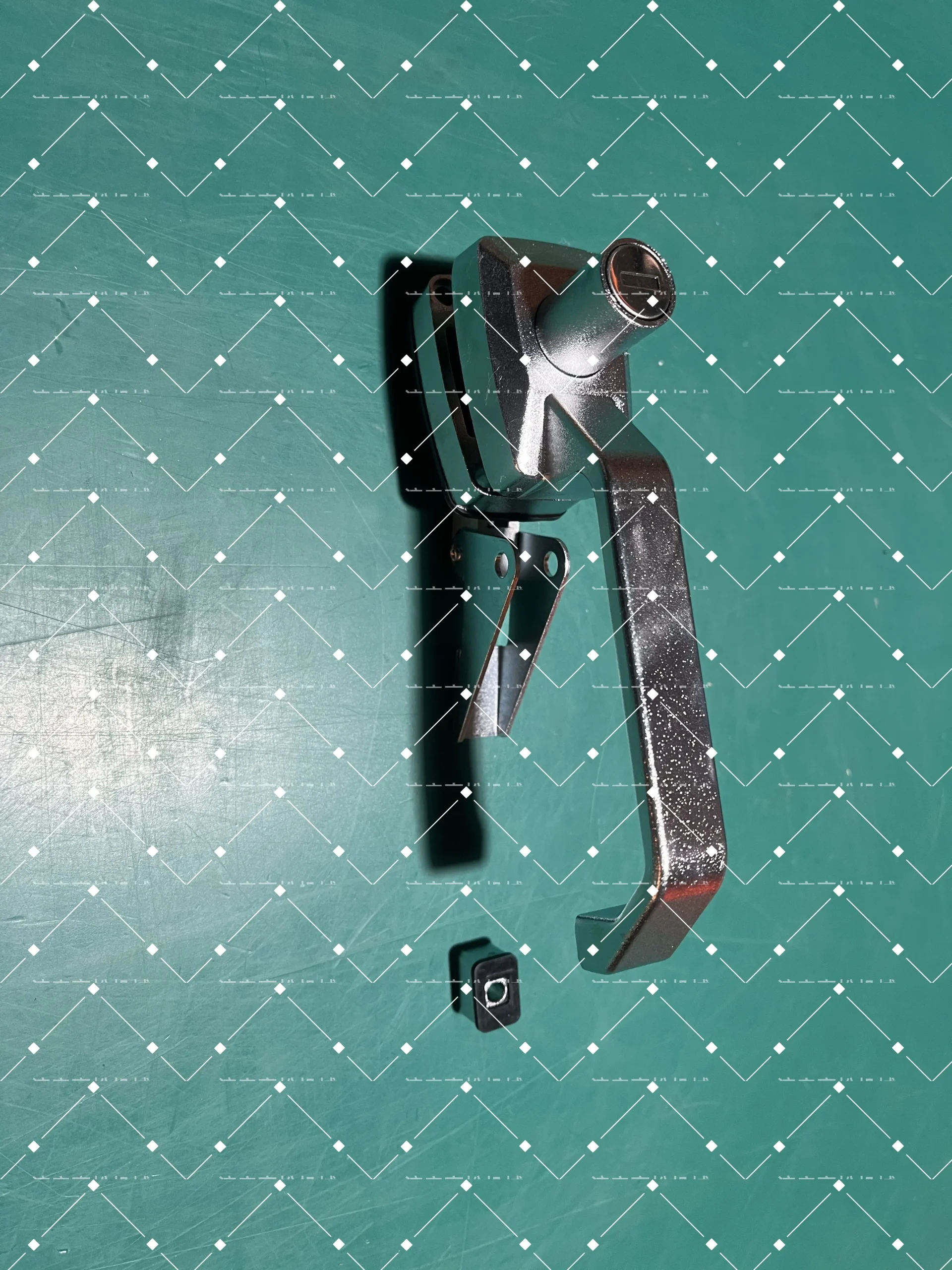 198-Z11-3710 Komatsu Handle Assembly
 -
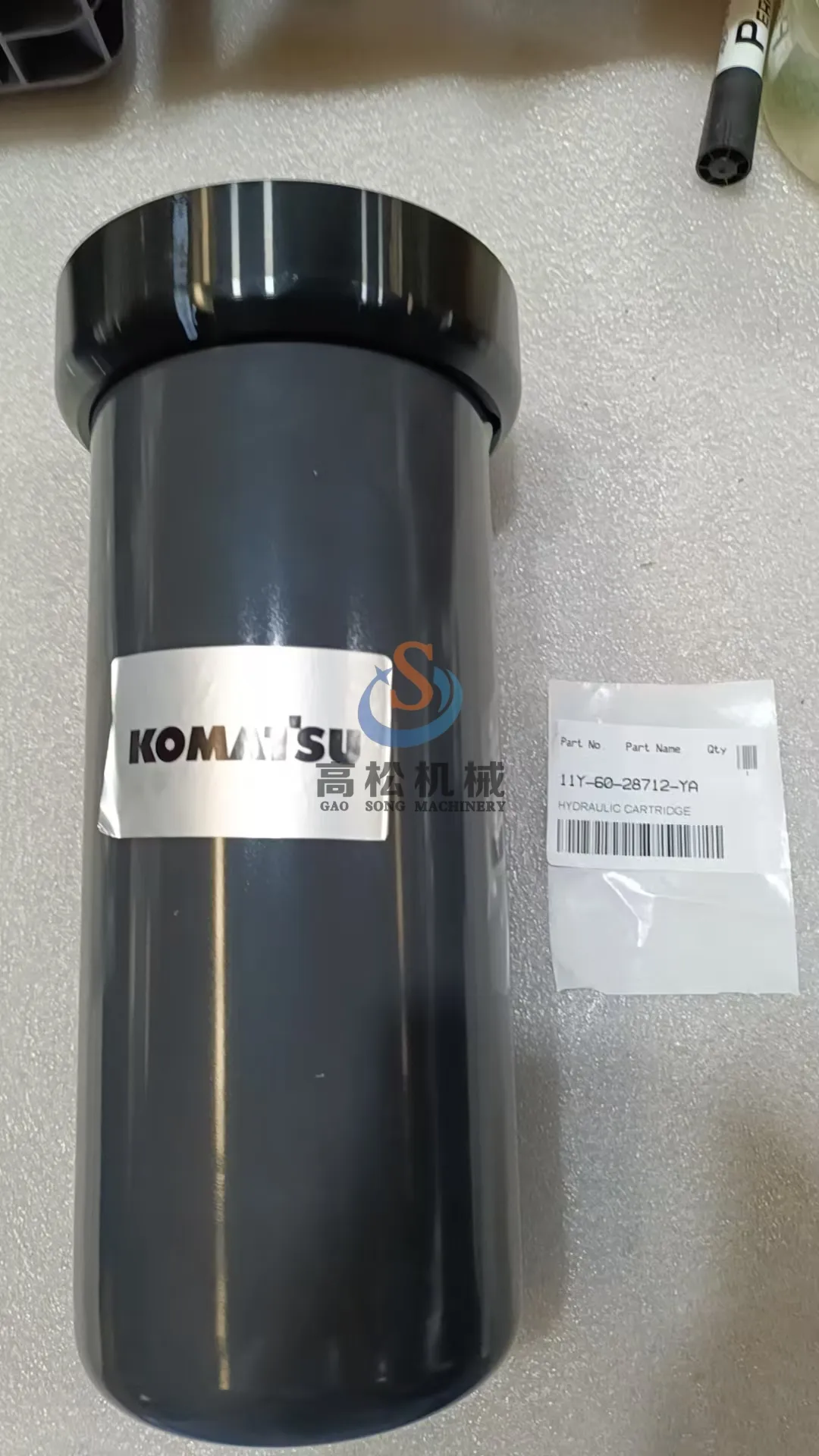 11Y-60-28712 komatsu CARTRIDGE-D37/D61
Related Search
Related Search- Komatsu wheel loader parts
- komatsu pc200 bucket teeth
- OEM part number
- komatsu 210 engine
- OEM AND ORIGINAL KOMATSU BRACKET 154-71-71731
- OEM AND ORIGINAL KOMATSU WIRING HARNESS 427-06-22152
- komatsu d31p parts
- 427-33-41260
- OEM AND ORIGINAL KOMATSU BRACKET 235-27-31410
- OEM AND ORIGINAL KOMATSU BRACKET 154-71-71340