
- Chinese
- French
- German
- Portuguese
- Spanish
- Russian
- Japanese
- Korean
- Arabic
- Irish
- Greek
- Turkish
- Italian
- Danish
- Romanian
- Indonesian
- Czech
- Afrikaans
- Swedish
- Polish
- Basque
- Catalan
- Esperanto
- Hindi
- Lao
- Albanian
- Amharic
- Armenian
- Azerbaijani
- Belarusian
- Bengali
- Bosnian
- Bulgarian
- Cebuano
- Chichewa
- Corsican
- Croatian
- Dutch
- Estonian
- Filipino
- Finnish
- Frisian
- Galician
- Georgian
- Gujarati
- Haitian
- Hausa
- Hawaiian
- Hebrew
- Hmong
- Hungarian
- Icelandic
- Igbo
- Javanese
- Kannada
- Kazakh
- Khmer
- Kurdish
- Kyrgyz
- Latin
- Latvian
- Lithuanian
- Luxembou..
- Macedonian
- Malagasy
- Malay
- Malayalam
- Maltese
- Maori
- Marathi
- Mongolian
- Burmese
- Nepali
- Norwegian
- Pashto
- Persian
- Punjabi
- Serbian
- Sesotho
- Sinhala
- Slovak
- Slovenian
- Somali
- Samoan
- Scots Gaelic
- Shona
- Sindhi
- Sundanese
- Swahili
- Tajik
- Tamil
- Telugu
- Thai
- Ukrainian
- Urdu
- Uzbek
- Vietnamese
- Welsh
- Xhosa
- Yiddish
- Yoruba
- Zulu
- Kinyarwanda
- Tatar
- Oriya
- Turkmen
- Uyghur






Komatsu WA320 parts
When you're searching for Komatsu WA320 parts, you immediately hit the industry's open secret: the gap between the official catalog and what's actually available, at a reasonable cost and lead time, on the ground. Too many operators think it's a simple choice between genuine and aftermarket, but that's a surface-level view. The real challenge is finding a source that understands the machine's lifecycle—from the early -5 series to later models—and can provide parts that don't just fit, but work under real strain without failing in six months. It's not just about a part number; it's about knowing which batch of a component had a known flaw, or which aftermarket supplier actually got the heat treatment right on a final drive gear. That's where the real value lies.
The OEM Promise vs. The On-Site Reality
Officially, you go through Komatsu channels. For a WA320 wheel loader, that means genuine parts with traceability. But here's the rub: for older machines, or for operations in regions with complex import logistics, the official pipeline can freeze up. Lead times stretch from weeks to months. I've seen projects stall because a simple hydraulic hose assembly was on backorder from the central warehouse. The cost isn't just the part price; it's the downtime. This is where the role of specialized suppliers within the Komatsu ecosystem becomes critical. They aren't just resellers; they are pressure-release valves for the system.
Take a company like Jining Gaosong Construction Machinery Co., Ltd.. Their position is interesting. They describe themselves as an OEM product supplier within the Komatsu system and a third-party sales company. In practice, this often means they have access to genuine or OEM-specification parts, but they operate with the flexibility to address supply chain gaps that the primary network can't immediately fill. For a model like the WA320, this could be the difference between getting a compatible steering cylinder in 3 days versus 3 weeks. Their site, https://www.takematsumachinery.com, positions them as solving parts supply challenges in certain countries, which aligns perfectly with the headaches I've witnessed in Southeast Asia and Africa.
The nuance is in the term OEM product supplier. It doesn't always mean the part is stamped with the Komatsu logo. It can mean it's produced to the original blueprints, sometimes in the same factory that supplies Komatsu, but distributed through a parallel channel. For a component like a WA320 bucket hinge pin or a brake disc, this is often perfectly acceptable. The key is the supplier's credibility. Do they know which manufacturing run had a material certification issue? A good supplier will.
Where Compatible Becomes a Dirty Word
This leads to the biggest pitfall: the flood of generic compatible parts. The market is saturated with them. You order a WA320 water pump based on a matching part number, and what arrives might look identical. But the impeller material might be a cheaper alloy, corroding in a season, or the bearing seal might be a lower-grade rubber. I learned this the hard way years ago, trying to save a few hundred dollars on a pump for a contractor's machine. It failed within 400 hours, taking the thermostat housing with it due to overheating—a repair that cost triple the savings.
The failure wasn't just mechanical; it was a failure of sourcing. I didn't ask the right questions. Now, my first question to any supplier is about the provenance and material specs. For critical wear items like piston rings or turbocharger cartridges, I'm far less likely to gamble. A supplier like Gaosong, by virtue of its stated OEM affiliation, would be expected to have tighter controls on this. Their value proposition is built on bridging that quality gap, not just the availability gap.
It's also about the obscure parts. Everyone carries filters and seals. But what about the seat suspension valve for the operator's cab? Or the specific solenoid for the transmission control module? These are the items that test a supplier's depth. A broad-line aftermarket seller often won't have it. A system-integrated supplier might, because they deal with the complete machine, not just its high-turnover components.
The Diagnostic Dance: When the Part Isn't the Problem
Chasing parts sometimes blinds you to the real issue. I recall a WA320 presenting with erratic transmission shifting. The immediate reaction was to suspect the transmission control valve or sensors. We replaced a few pricey electronic parts with units from a trusted stockist, but the problem persisted. It turned out to be a corroded ground wire connection on the chassis, causing voltage drops that confused the controller. The parts we bought weren't needed.
This is where a good technical dialogue with your supplier matters. A parts specialist who has field experience, or at least access to technical service bulletins, might have asked, Did you check the wiring harness continuity and grounds before ordering the valve? The best suppliers act as a mild technical filter. They might not offer free diagnostics, but their questions can steer you away from a misdiagnosis. When looking at a site like Takematsu Machinery, the unspoken question is: does their operation have that technical backbone, or are they just a logistics hub? Their claim of being within the Komatsu system suggests they should have better access to those TSBs and common fault trees than a purely independent trader.
For hydraulic issues on the WA320—like weak lift or drift—the dance is even more intricate. It could be the main hydraulic pump, the control valve seals, or a worn cylinder. Ordering the most expensive component (the pump) first is a costly mistake. A methodical pressure test is cheaper than any single part. A supplier providing quality seal kits and wear plates for the valve might solve the problem for 10% of the pump's cost.
Logistics: The Invisible Cost in Every Part Number
Let's talk about getting the part from the shelf to the machine. A $500 part that arrives in 2 days is often more valuable than a $400 part that arrives in 3 weeks. For companies like Jining Gaosong, their entire reason for being is to optimize this equation in certain countries. This implies they've likely established local warehousing or consolidated shipping routes to reduce that friction.
I've dealt with suppliers who drop-ship everything from a central warehouse overseas. Every order is a customs adventure. For urgent breakdown parts, this is a nightmare. The ideal supplier has regional stock for common failure items for popular models like the WA320. Think drive belt kits, injection nozzles, wheel bearing sets. If their website or sales rep can immediately confirm regional stock, it's a huge plus. It shows an investment in the practicalities of downtime, not just in inventory.
Packaging is another tell. Parts arriving damaged because of flimsy boxing is a classic problem with some channels. OEM-system suppliers typically inherit the OEM's packaging standards, which are designed for industrial freight. It's a small detail, but when you unbox a perfectly protected cylinder rod with no shipping damage, you know the supplier understands the chain from factory floor to muddy job site.
Building a Relationship, Not Just a Contact List
In the end, sourcing Komatsu WA320 parts reliably is about building a relationship with a few key suppliers. It's not about finding the absolute cheapest price online once. It's about finding a partner who provides consistent quality, offers logical technical support, and has a logistics network that matches your operational tempo. A company positioning itself as we are an OEM product supplier within the Komatsu system, and we are also a third-party sales company, helping to solve parts supply challenges is explicitly offering that partnership model.
The test is in the tough situations. When you need a discontinued part for an older WA320, do they have a cross-reference or a remanufactured solution? When there's a quality dispute, is there a clear channel to resolve it? These factors matter more than a 5% price difference. Over time, you learn which suppliers have the depth for your fleet. For a common yet complex machine like the WA320, your parts strategy needs layers: genuine for critical engine and transmission internals, trusted OEM-system suppliers for hydraulic and chassis components, and a very selective approach to generic parts for non-critical items.
It's a continuous process of verification. Even with a good supplier, always inspect the part upon arrival. Check casting marks, material finish, and packaging. Compare it to the one you removed. That hands-on check is the final, indispensable step in the supply chain—the one that turns a purchased part into a working solution. That's the real world of keeping a WA320, or any machine, earning its keep.
Related Products
Related Products

Best Selling Products
Best Selling Products-
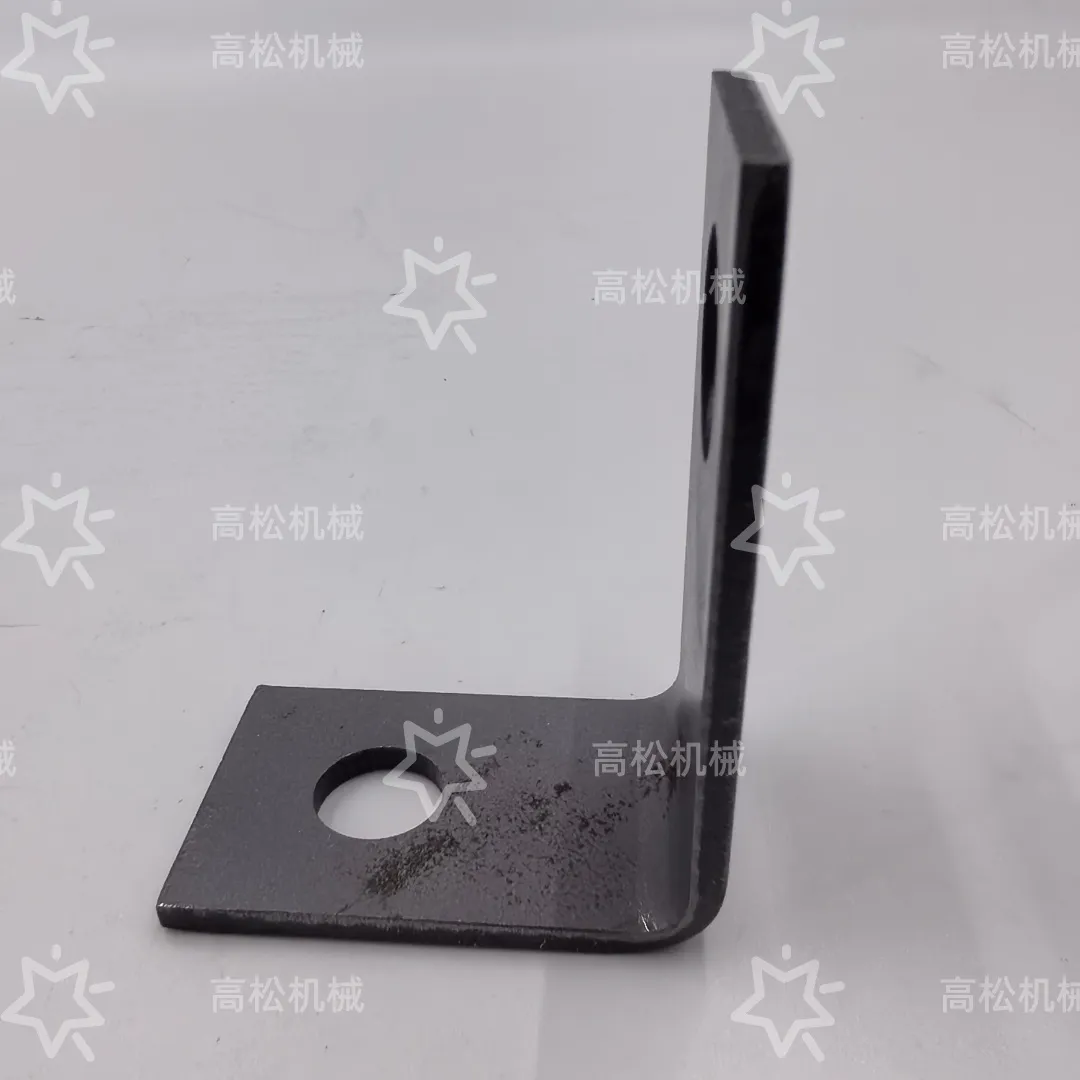 23C02-15720 23S-15-12710 Komatsu Machinery Parts
 -
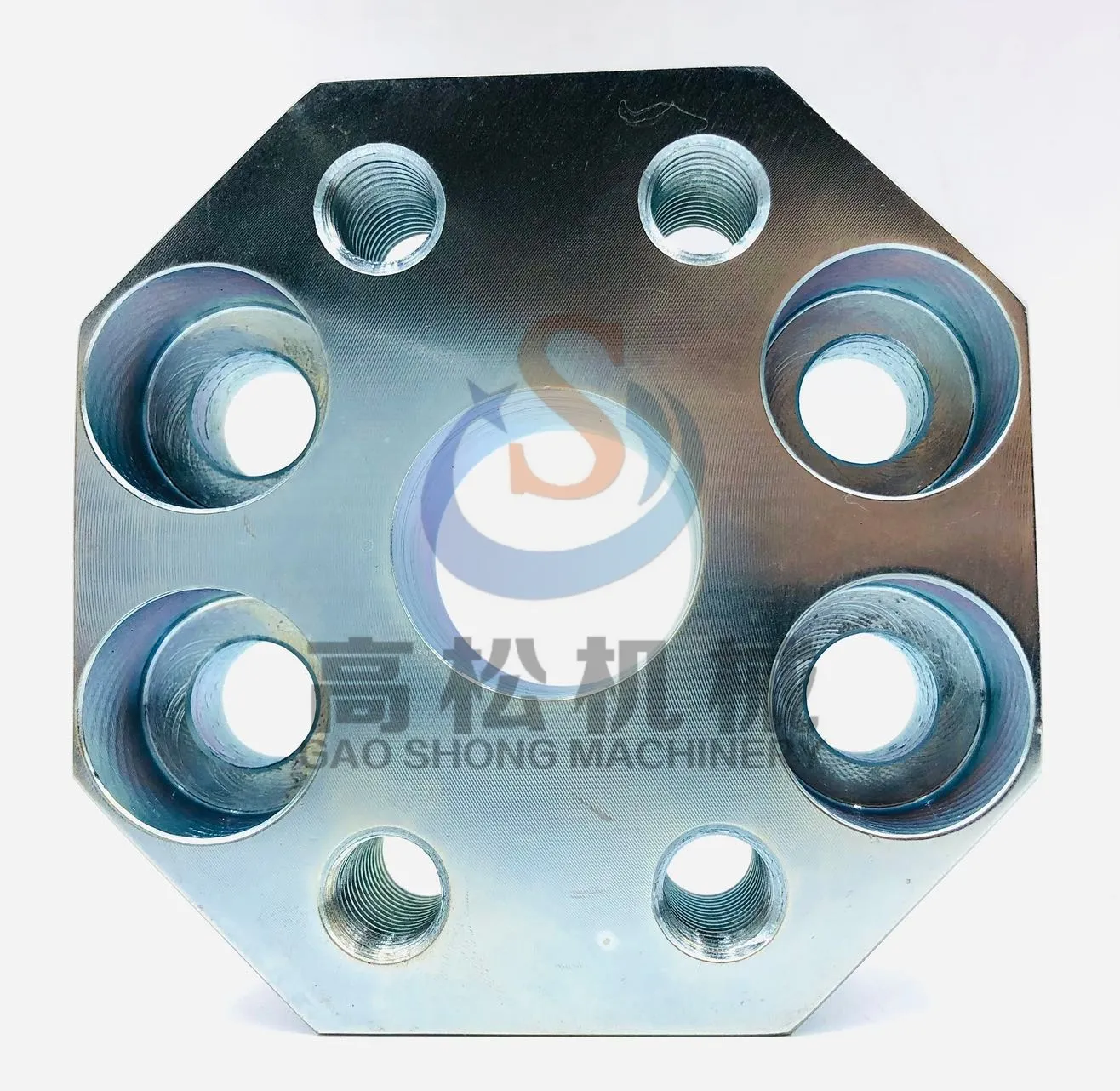 Komatsu excavator PC1250 flange 21N-62-11361
 -
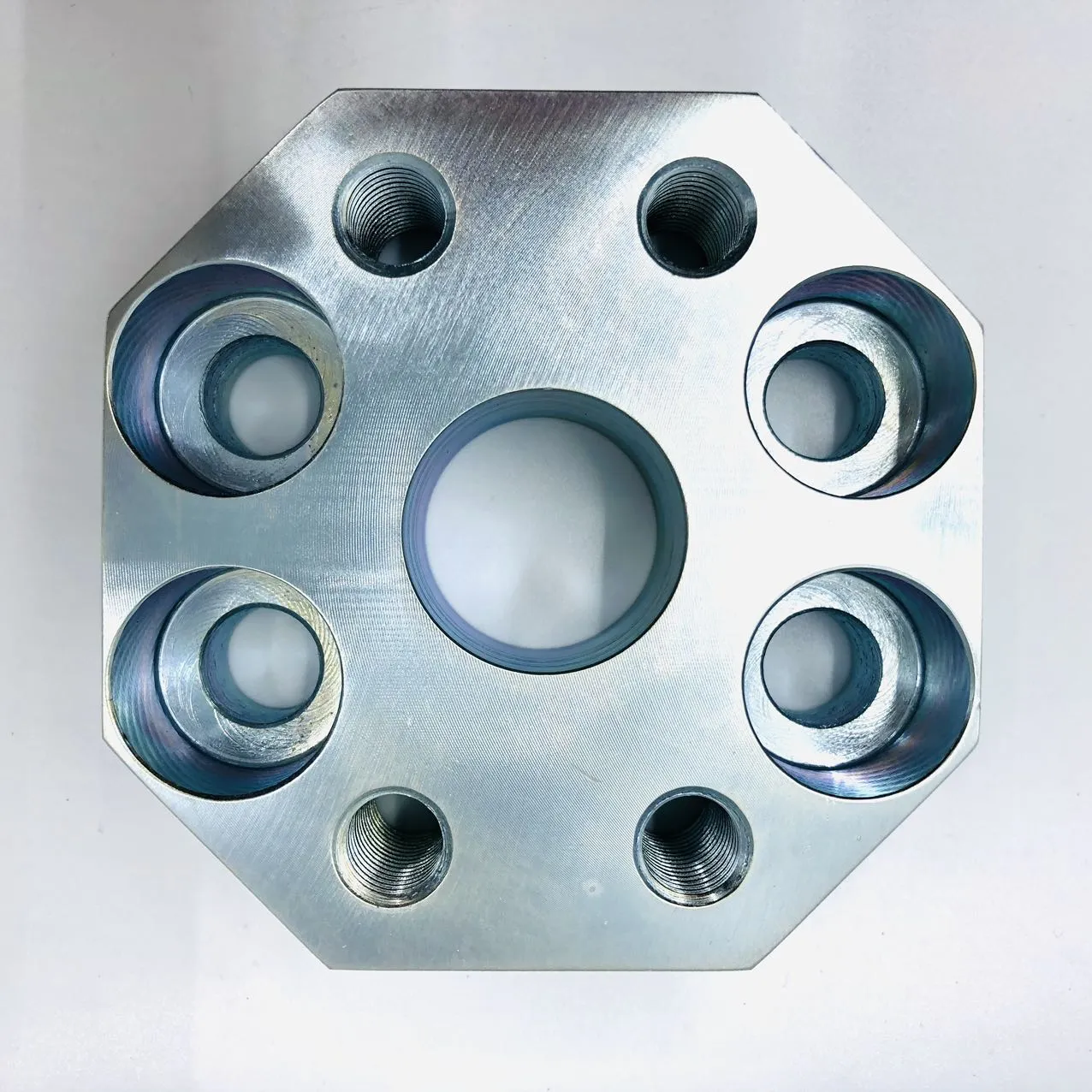 21N-62-11361 Komatsu Flange
 -
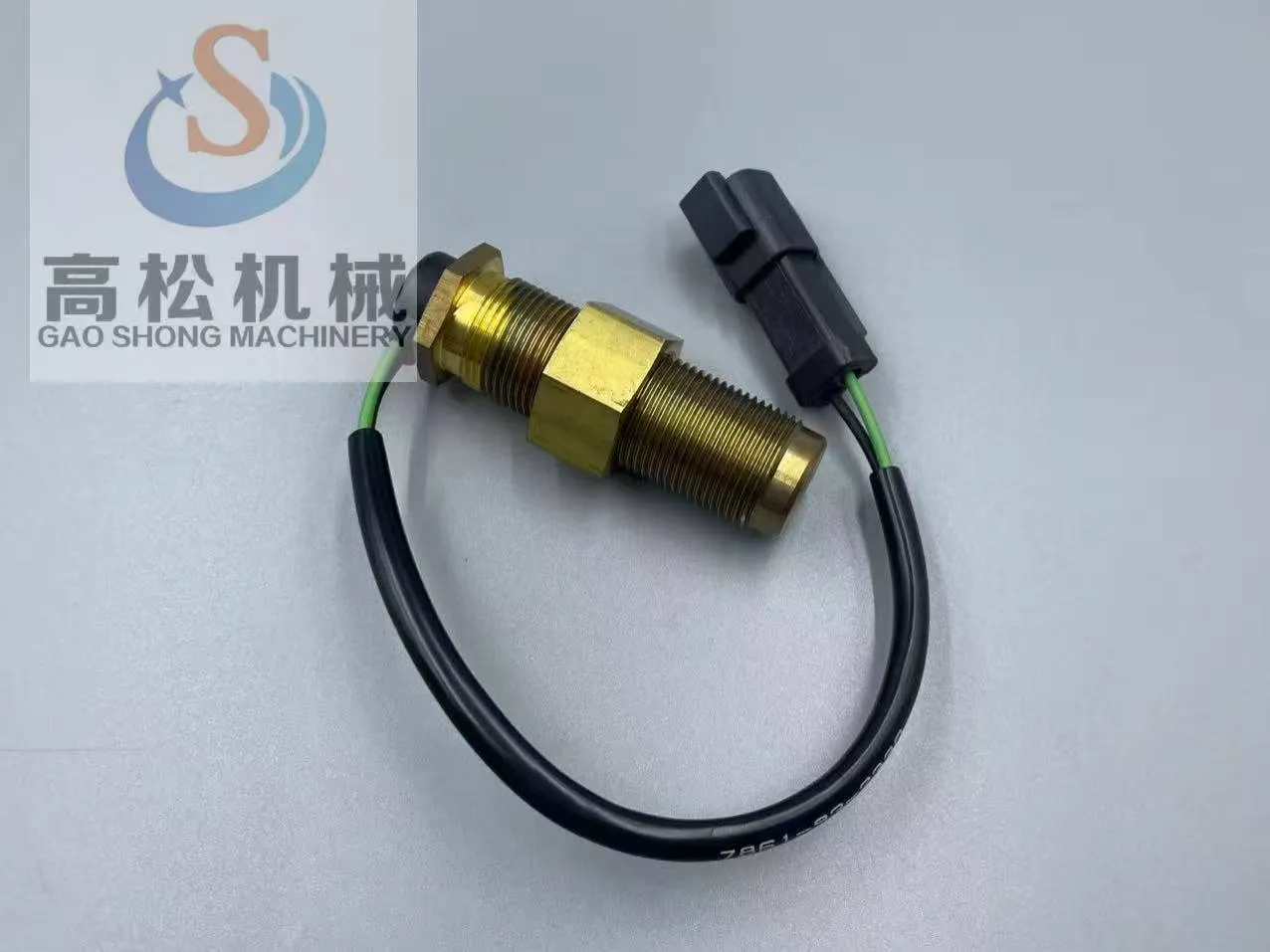 PC130-7 PC300-7 Engine Speed Sensor 7861-93-2330
 -
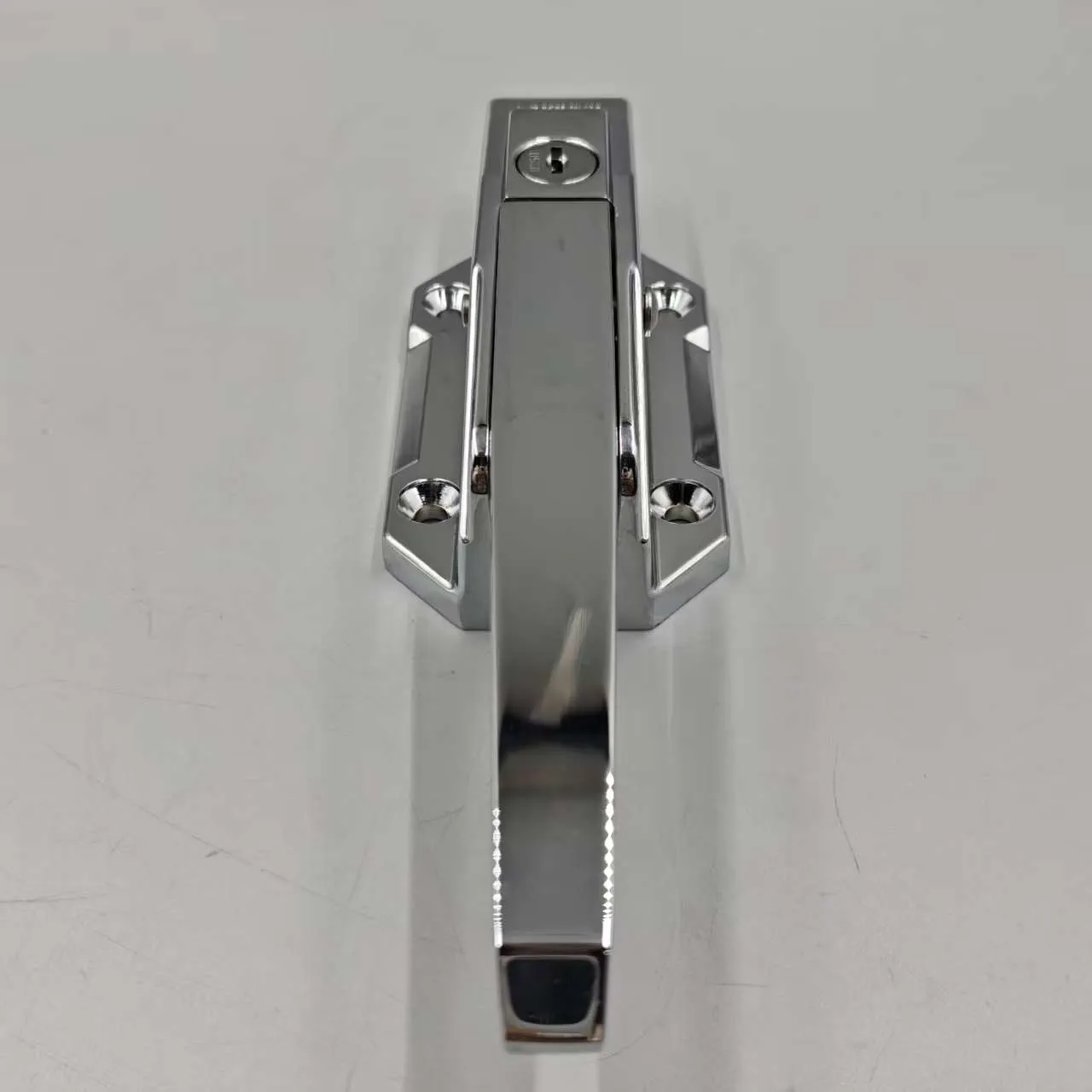 21T-54-35421excavator handle
 -
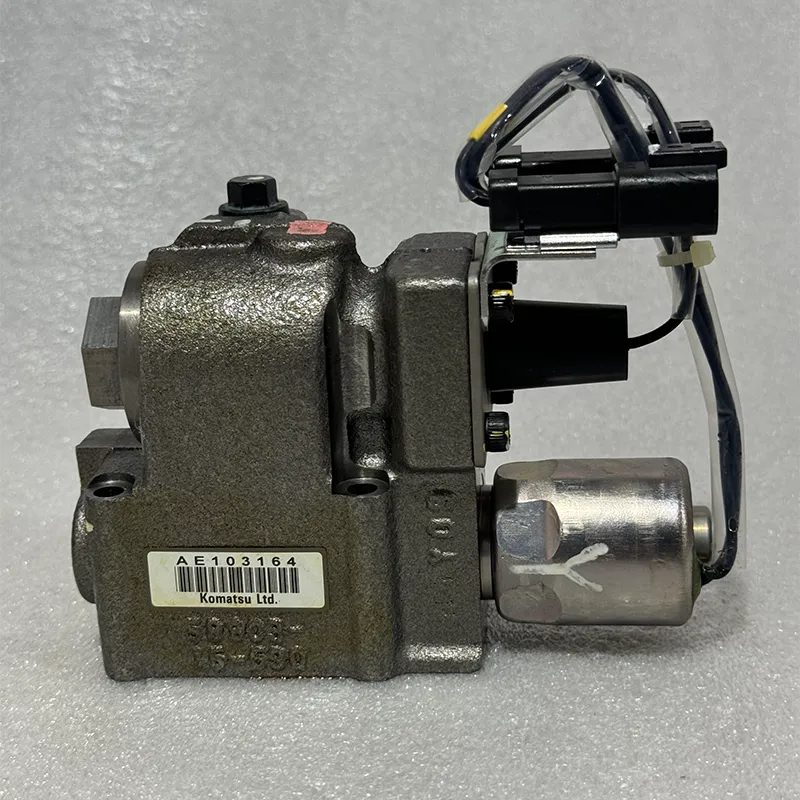 Original komatsu HD785-7 Valve 561-15-75701
 -
 561-74-61540 SHIM¤ 1.0MM-Komatsu Original Factory
 -
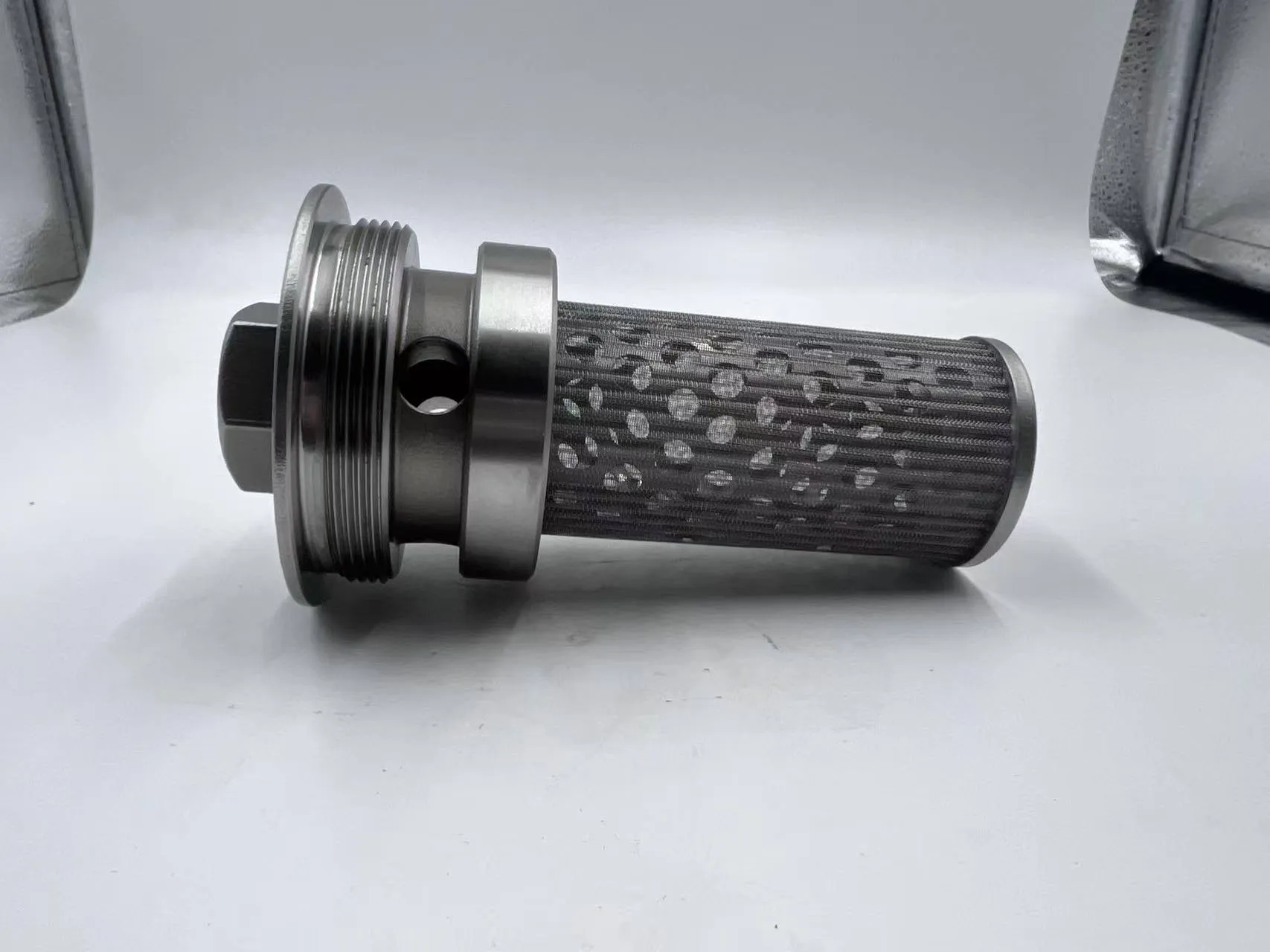 195-04-11150 STRAINER Suitable For Komatsu
 -
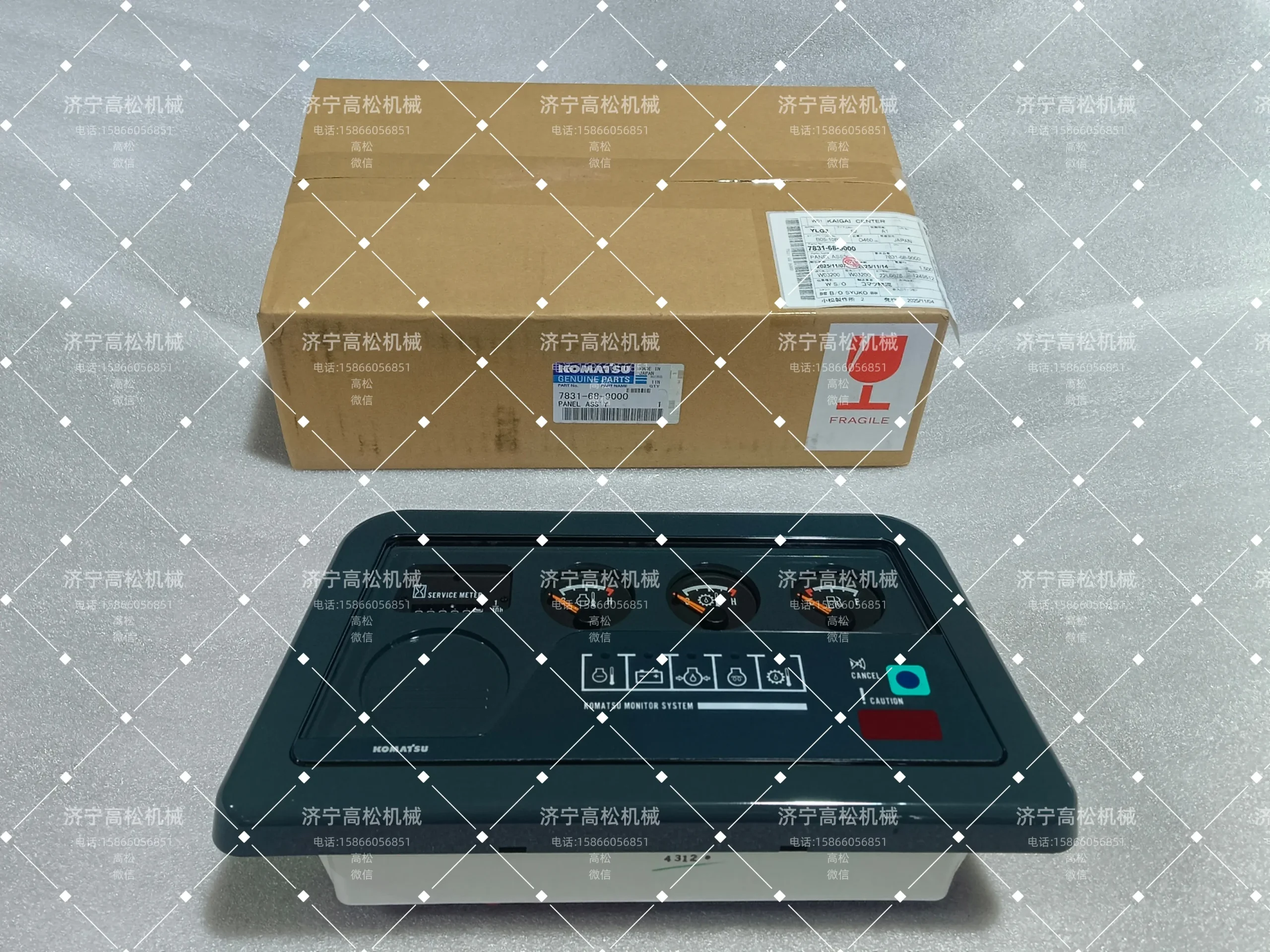 Komatsu 7831-68-9000 PANEL ASS’Y, price for… — Pricing.Parts
 -
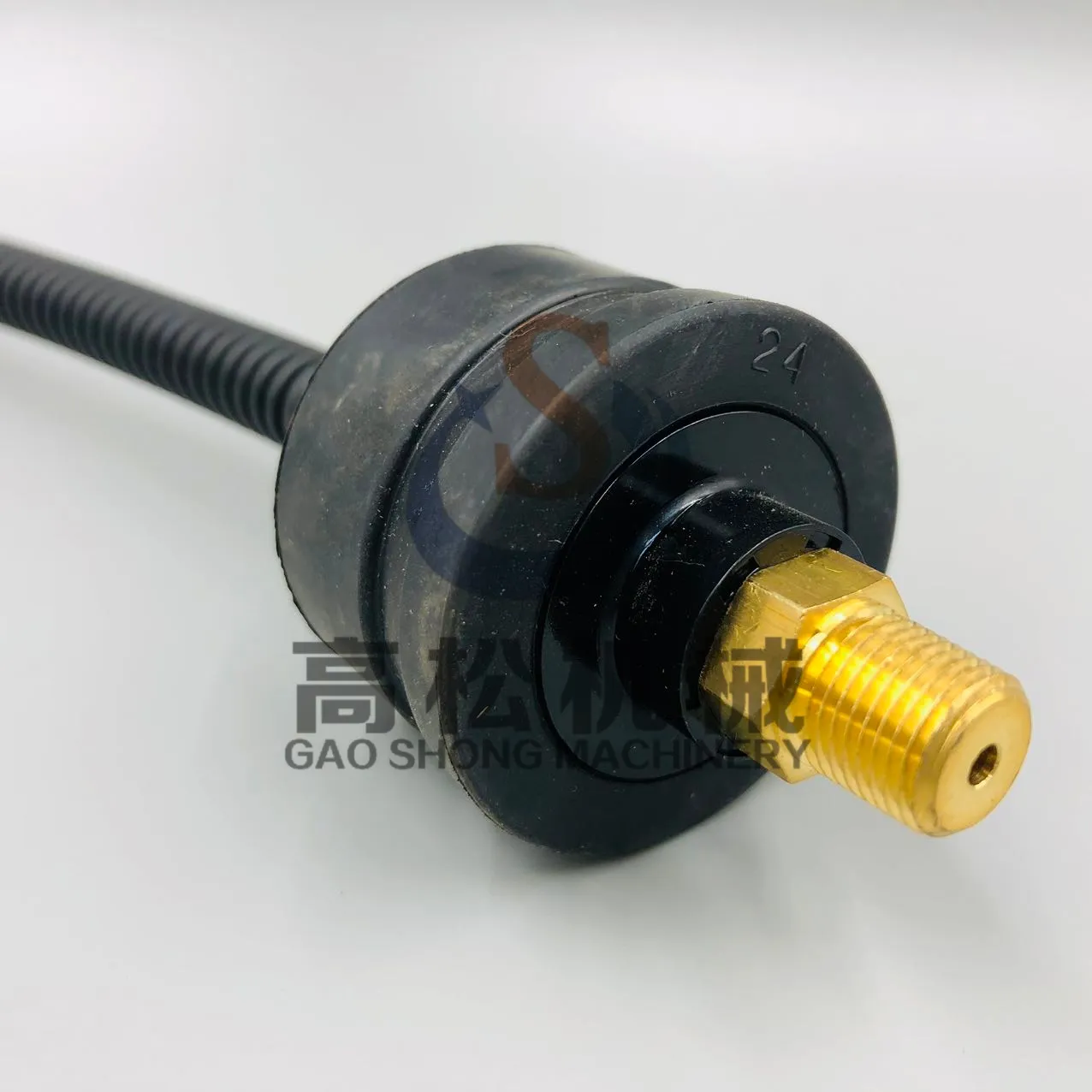 7861-93-1430Komatsu Sensor, Dust Indicator
 -
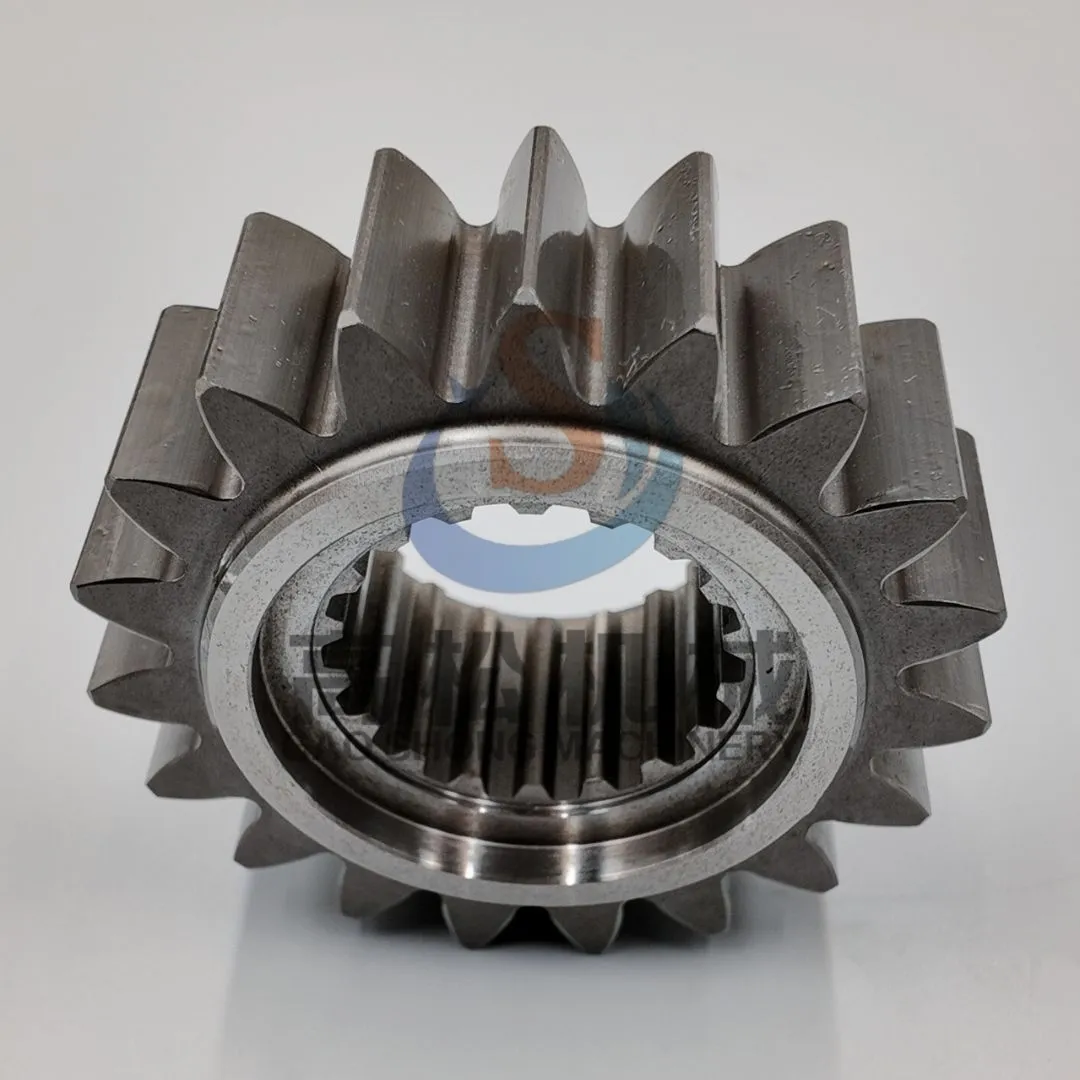 GEAR 207-26-71510 – KOMATSU
 -
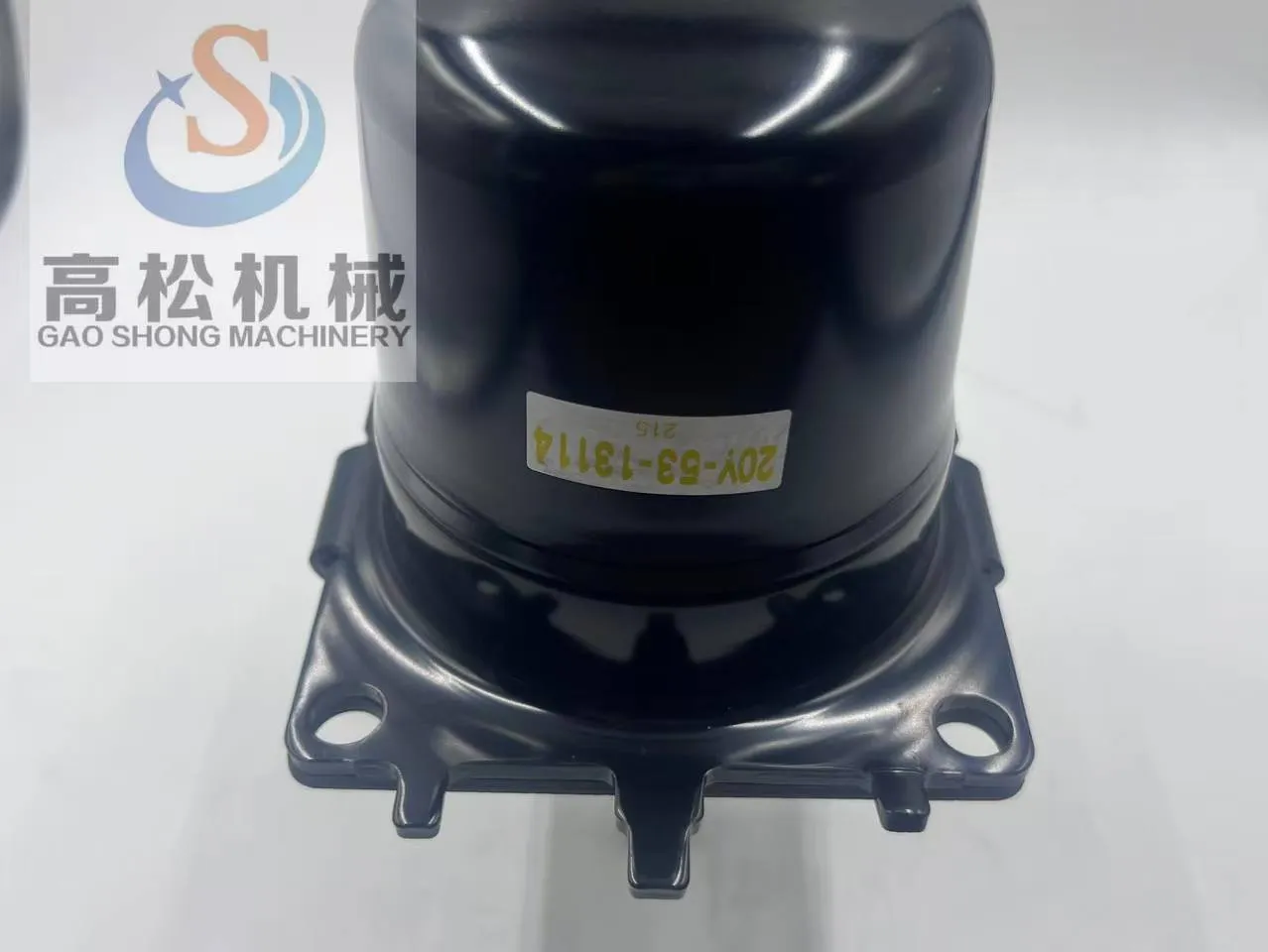 20Y-53-13114/20Y5313114 Buffer pad suitable for excavator PC200-8