
- Chinese
- French
- German
- Portuguese
- Spanish
- Russian
- Japanese
- Korean
- Arabic
- Irish
- Greek
- Turkish
- Italian
- Danish
- Romanian
- Indonesian
- Czech
- Afrikaans
- Swedish
- Polish
- Basque
- Catalan
- Esperanto
- Hindi
- Lao
- Albanian
- Amharic
- Armenian
- Azerbaijani
- Belarusian
- Bengali
- Bosnian
- Bulgarian
- Cebuano
- Chichewa
- Corsican
- Croatian
- Dutch
- Estonian
- Filipino
- Finnish
- Frisian
- Galician
- Georgian
- Gujarati
- Haitian
- Hausa
- Hawaiian
- Hebrew
- Hmong
- Hungarian
- Icelandic
- Igbo
- Javanese
- Kannada
- Kazakh
- Khmer
- Kurdish
- Kyrgyz
- Latin
- Latvian
- Lithuanian
- Luxembou..
- Macedonian
- Malagasy
- Malay
- Malayalam
- Maltese
- Maori
- Marathi
- Mongolian
- Burmese
- Nepali
- Norwegian
- Pashto
- Persian
- Punjabi
- Serbian
- Sesotho
- Sinhala
- Slovak
- Slovenian
- Somali
- Samoan
- Scots Gaelic
- Shona
- Sindhi
- Sundanese
- Swahili
- Tajik
- Tamil
- Telugu
- Thai
- Ukrainian
- Urdu
- Uzbek
- Vietnamese
- Welsh
- Xhosa
- Yiddish
- Yoruba
- Zulu
- Kinyarwanda
- Tatar
- Oriya
- Turkmen
- Uyghur






komatsu wa250 parts manual
When someone types 'komatsu wa250 parts manual' into a search bar, they're usually in one of two situations: they're either trying to identify a broken component on their shop floor right now, or they're a new mechanic trying to get a grip on the machine's anatomy. The common mistake is thinking the manual is just a static reference book. In reality, especially for a workhorse like the WA250 wheel loader, that manual is the starting point for a much deeper conversation about parts sourcing, quality tiers, and long-term machine viability. It's not just about finding part number 20Y-60-11310; it's about understanding what that hydraulic pump shaft failure means for your operation and where you can reliably get a replacement that won't fail in six months.
The Reality Behind the Part Numbers
Let's be clear: the official Komatsu parts manual is the bible. You need it to understand the assembly sequences, torque specs, and the original design intent. I've seen too many guys try to wing a reassembly on the WA250's Z-bar linkage or the steering cylinder without it, and it always costs more time in the end. The diagrams for the transmission valve body or the brake adjustment procedure are non-negotiable. But here's the practical rub: having the number doesn't mean you can get the part, at least not from the official channel, without significant cost or lead time, especially if you're operating in regions outside major markets.
This is where the gap between the manual and the real world appears. You look up the komatsu wa250 parts manual, find the seal kit for the axle, but then the official quote has a 12-week delivery. Your machine is down. You can't wait. This forces you into the aftermarket, and that's where your experience reading the manual pays off. You need to know not just the part number, but the critical dimensions, material specs, and adjacent components. Is this a generic O-ring or a custom-molded lip seal? The manual gives you the clues to judge third-party part quality.
I remember a specific case with a WA250-3. The swing bearing was shot. The official bearing assembly was priced astronomically. By cross-referencing the manual's detailed sectional view and dimensions with engineering catalogs, we were able to source a high-quality industrial bearing from a reputable European maker that matched the spec, at about 40% of the cost. It's been running for three years now. The manual provided the technical baseline; the real-world sourcing solved the problem.
OEM vs. Aftermarket: A Supplier's Perspective
This brings me to the ecosystem around these parts. There's a legitimate role for quality-alternative suppliers, particularly those with formal ties to the OEM system. They understand the pressure points. For instance, a company like Jining Gaosong Construction Machinery Co., Ltd. positions itself interestingly. As they state on their site https://www.takematsumachinery.com, they are an OEM product supplier within the Komatsu system and also a third-party sales company. This dual role is key. It means they likely have access to genuine Komatsu supply chains for some components (maybe castings, forgings, or sub-assemblies they manufacture under contract) while also curating or producing alternative parts for others.
For a fleet manager, this is valuable. When you hit a dead-end with a classic machine like the WA250-5 or even older models, a supplier with this profile can be a single point of contact. They can tell you, For this fan drive motor, we have the genuine Komatsu unit, but for this hydraulic hose assembly, we have a high-spec alternative that meets SAE standards and we can ship today. Their stated goal of helping to solve parts supply challenges in certain countries isn't just marketing—it's the daily reality for many operations in Africa, South America, or remote parts of Asia.
The trust factor is everything. When a supplier references the komatsu wa250 parts manual accurately in communication—using the correct group numbers, subsection references—it builds confidence. It shows they're working from the same map you are. I've dealt with suppliers who just ask for a blurry photo; you're guaranteed a game of parts roulette. The ones who ask for the manual's page number and the item number from the illustrated list are the ones who usually get it right the first time.
Manual as a Diagnostic Tool, Not Just a Catalog
Beyond sourcing, the manual's true power is in troubleshooting. The WA250 is relatively straightforward, but its systems interact. A loss of power, for example, could be fuel, air, or hydraulic related. The manual's system schematics and component location guides let you methodically rule things out. I often tell newer techs: don't just jump to the parts pages. Read the system operation descriptions first. Understanding how the TORQFLOW transmission is supposed to work will help you diagnose why it's not, before you start ordering clutch plates willy-nilly.
There's a failure I've seen a few times on older WA250s: chronic overheating under load. Everyone goes straight to the radiator, thermostats, water pump. But the manual's hydraulic schematic shows the hydraulic oil cooler circuit is in series with the transmission oil cooler. If the flow divider or a priority valve fails, it can starve the transmission cooler of oil flow, causing the trans oil to overheat, which then overheats the coolant via the shared heat exchanger. The part you need isn't in the cooling group; it's in the hydraulic valve group. The manual connects those dots.
This diagnostic use is why a digital, searchable PDF of the komatsu wa250 parts manual is worth its weight in gold compared to a greasy paper copy. Being able to search for priority valve across all sections can cut diagnosis time in half. It's a simple thing, but it changes how you use the document from a passive lookup to an active investigation tool.
The Pitfalls and How to Avoid Them
It's not all smooth sailing. One major pitfall is assuming all manuals labeled WA250 are the same. The -1, -3, -5, -6, and -7 models have significant differences in engines, transmissions, and control systems. Using a -5 manual for a -3 machine will lead you to order the wrong parts. Always, always match the serial number prefix. I got burned once ordering a complete gasket set for what I thought was a WA250-3, only to find the engine in the machine was a later retrofit with a different head design. The serial number plate told the true story; my assumption didn't.
Another issue is the quality of aftermarket manuals or poorly scanned PDFs. Critical details in illustrations get blurred, or pages are missing. If you're relying on a manual for a critical rebuild, like the differential or the injector pump, you need a crisp, complete version. Sometimes, paying for an official digital copy from a reliable portal is the cheapest option in the long run, even if it seems expensive upfront. It's your primary technical data.
Finally, don't neglect the companion documents. The komatsu wa250 parts manual works hand-in-glove with the Service Manual (for repair procedures) and the Operation & Maintenance Manual (for intervals and adjustments). Having all three gives you the full picture. Isolating just the parts catalog is like having a map with street names but no road connections.
Synthesizing the Information for Practical Use
So, what's the endgame? When you have a Komatsu WA250 in your fleet, your goal is to build a living file around that machine. The core is the correct parts manual. Around it, you attach notes: reliable suppliers for specific assemblies (like Jining Gaosong for certain OEM-sanctioned components or vetted alternatives), cross-reference numbers you've validated, and even notes on which aftermarket brands worked and which failed for specific items. Did those aftermarket bucket teeth last as long as the Komatsu originals? Note it down next to that group in the manual.
This turns the static document into a dynamic maintenance history and sourcing guide. It becomes institutional knowledge. When a new mechanic comes on, you can point them to this file and say, For the brake system on this machine, we use these seals from this supplier, and here's the torque sequence from the service manual that's critical. You've solved the supply challenge and preserved the technical integrity.
Ultimately, the search for a 'komatsu wa250 parts manual' is the search for control and predictability over a critical asset. It's the first step in moving from reactive breakdown management to proactive, cost-effective maintenance. The manual isn't the answer itself, but it's the single most important tool to help you find the right answers, whether you're talking to an official dealer, a third-party specialist, or an OEM-aligned supplier bridging the gap. It grounds every conversation in the actual technical reality of the machine sitting in your yard.
Related Products
Related Products

Best Selling Products
Best Selling Products-
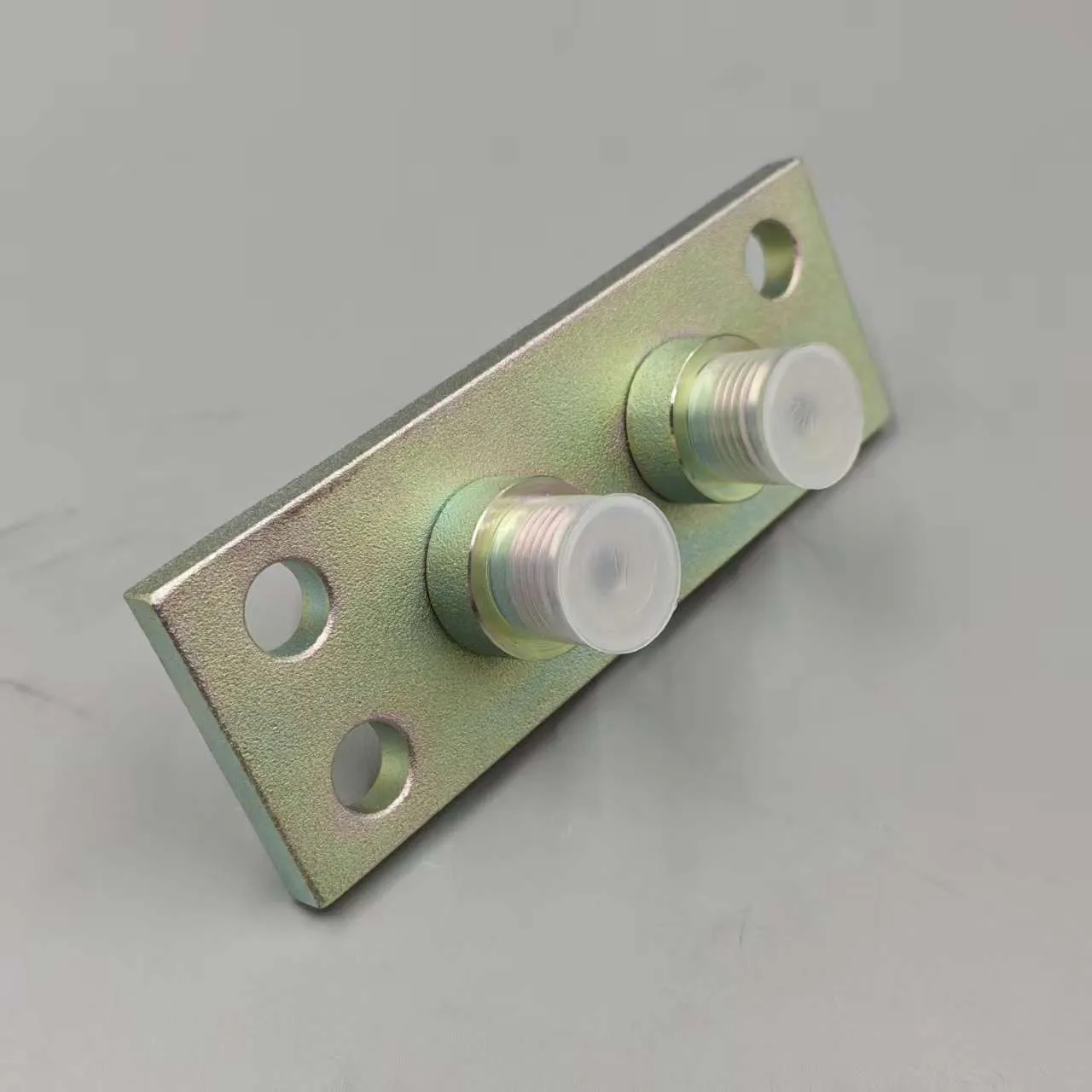 14Y-62-31411 BRACKET KOMATSU parts D60P, D65E, D65EX, D65P, D65PX, D65WX, D85E, D85ESS
 -
 KOMATSU GAUGE 207-01-31150
 -
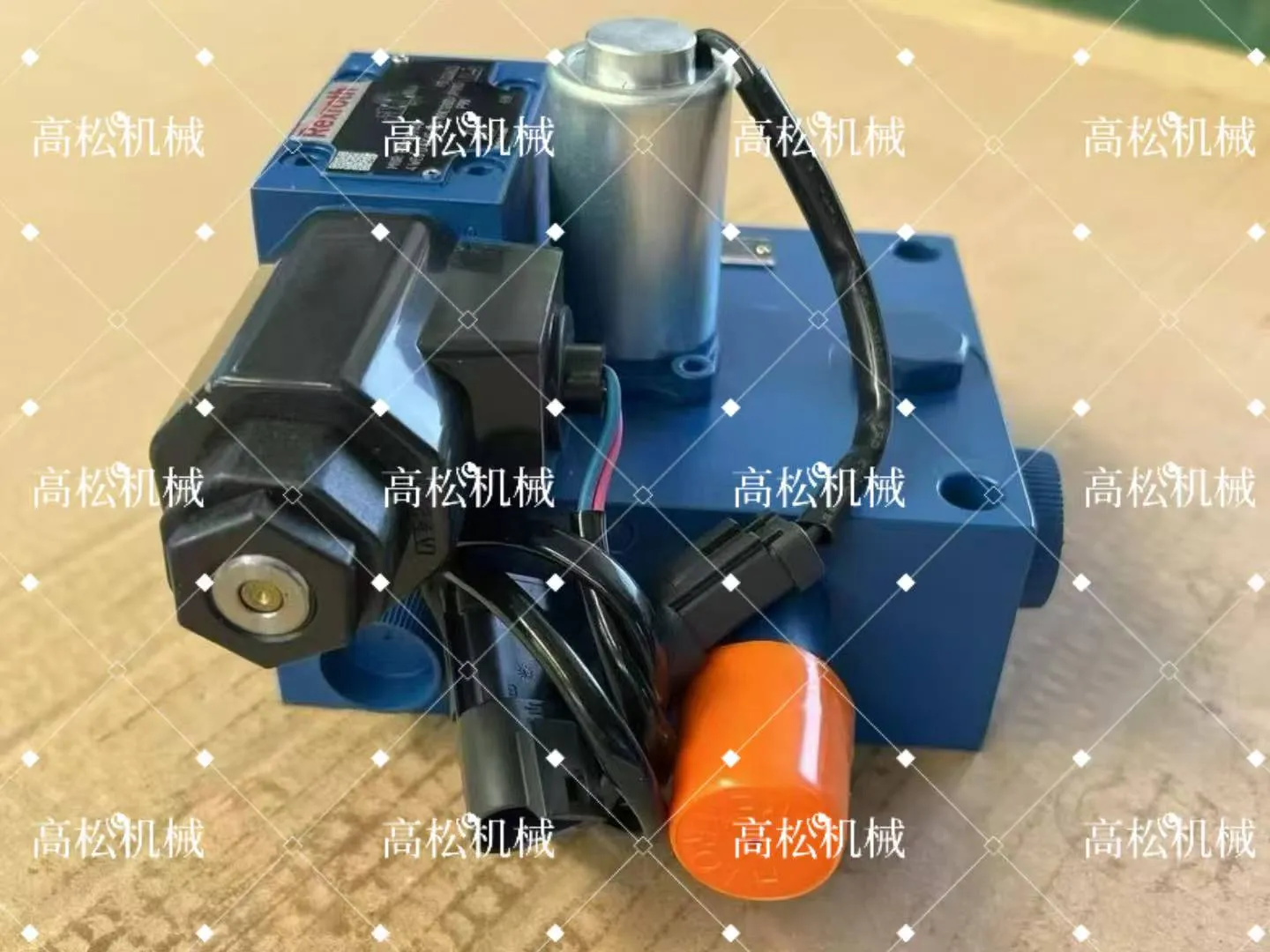 New available valve assembly hm300-5 for charging the hydraulic battery 56d-43-37101 for earth-digging machinery of komatsu
 -
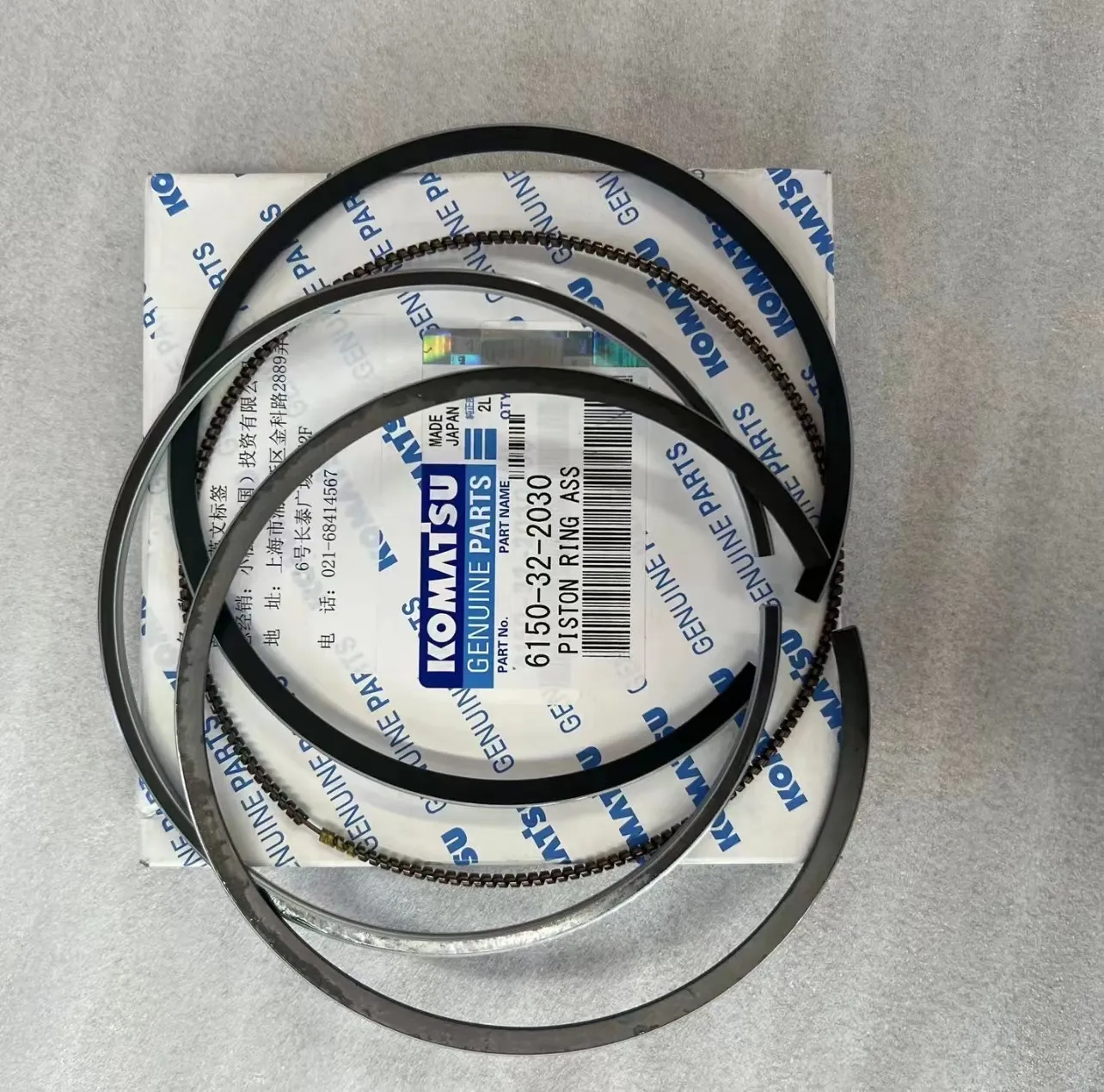 WA470-3 Piston Ring 6150-32-2030
 -
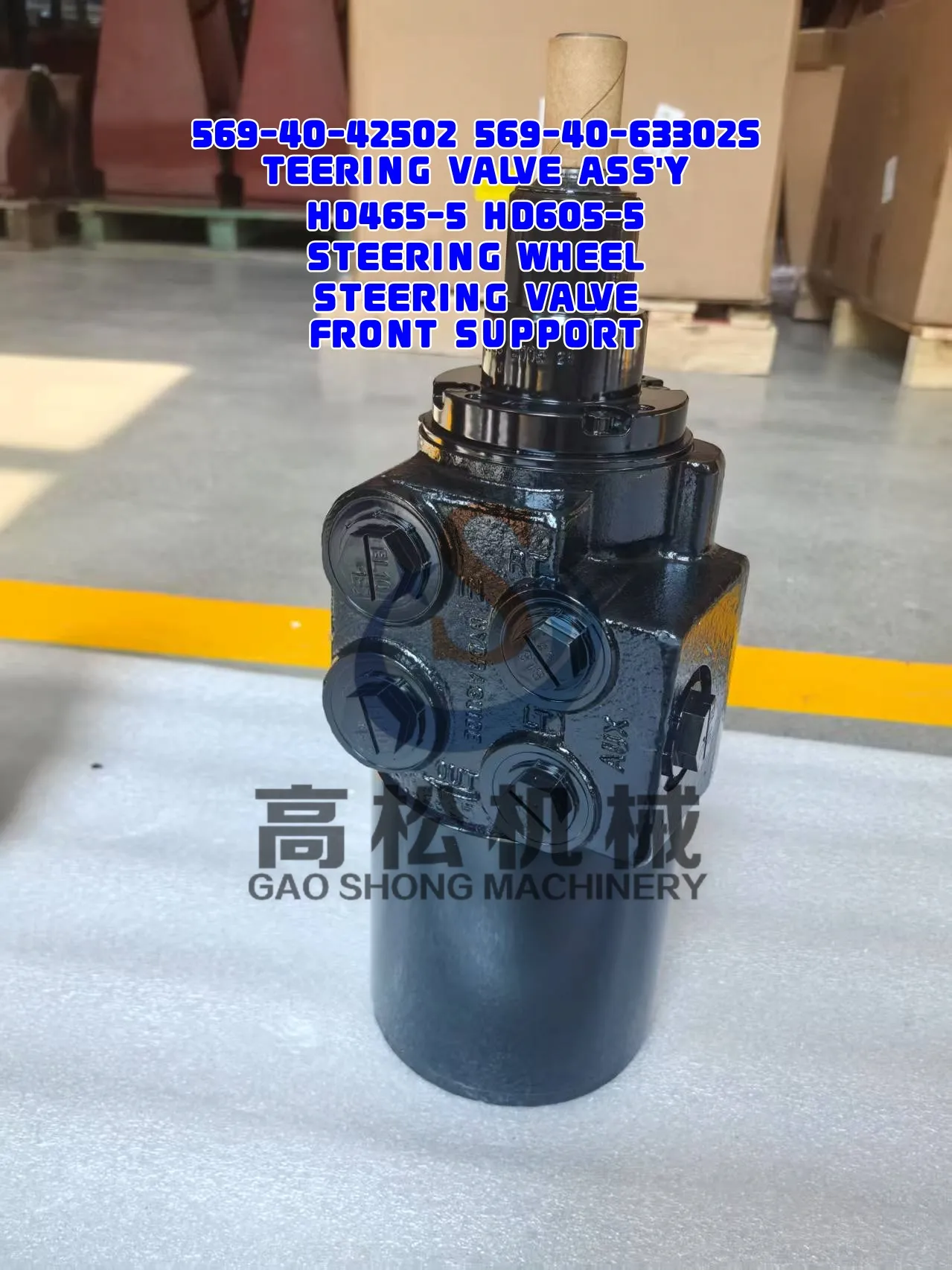 komatsu-part-569-40-42502 569-40-63302 STEERING VALVE ASS’Y HD465-5 HD465-7 HD465-7E1 HD465-7R HD465-7E0 HD605-7R HD605-5 HD605-7 HD465-7E0 STEERING WHEEL STEERING VALVE FRONT SUPPORT (STEERING VALVE MOUNTING PARTS)
 -
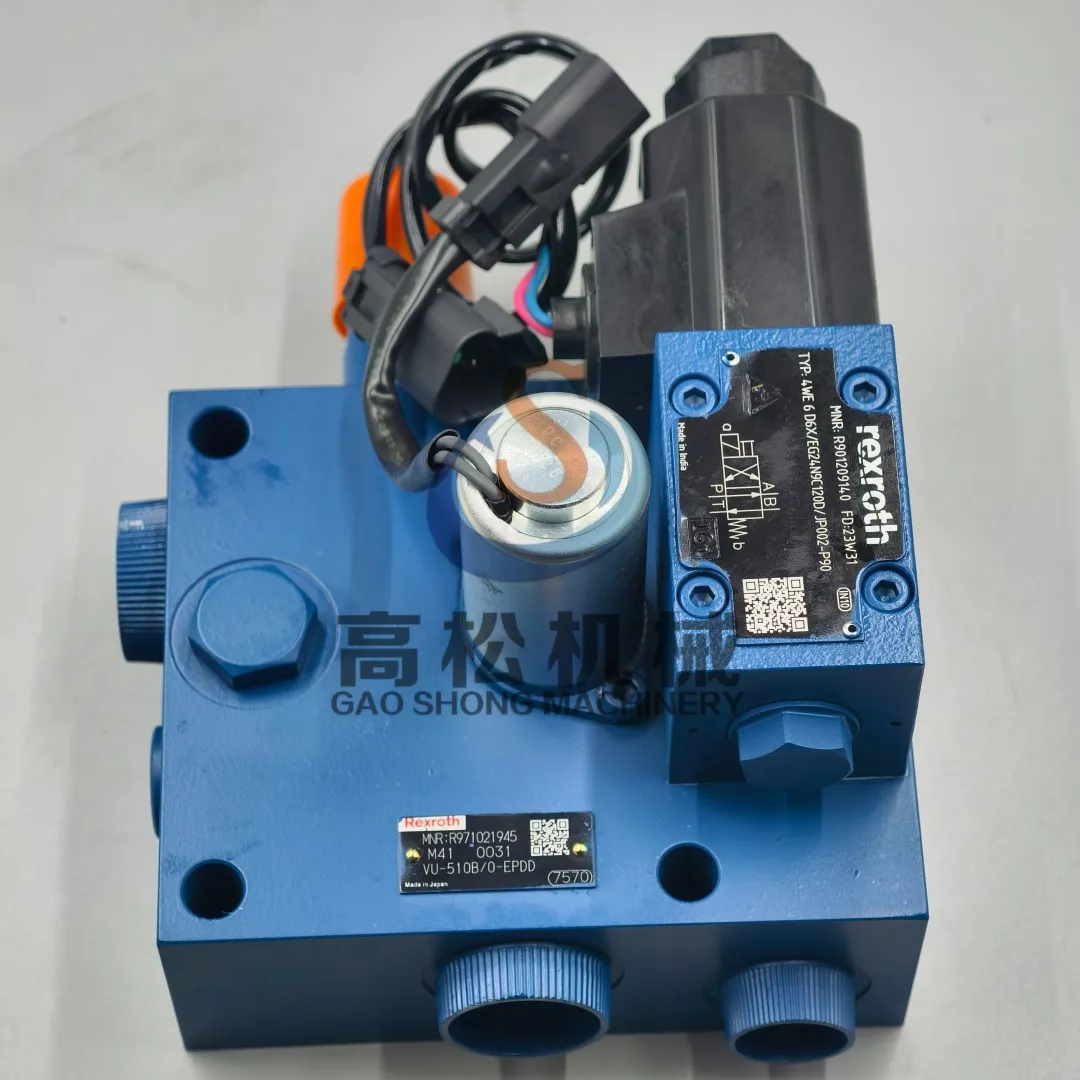 Valve Ass’y 56B-43-12402 56B-43-17340 For KOMATSU Dump Truck HD785 HD325 HD605
 -
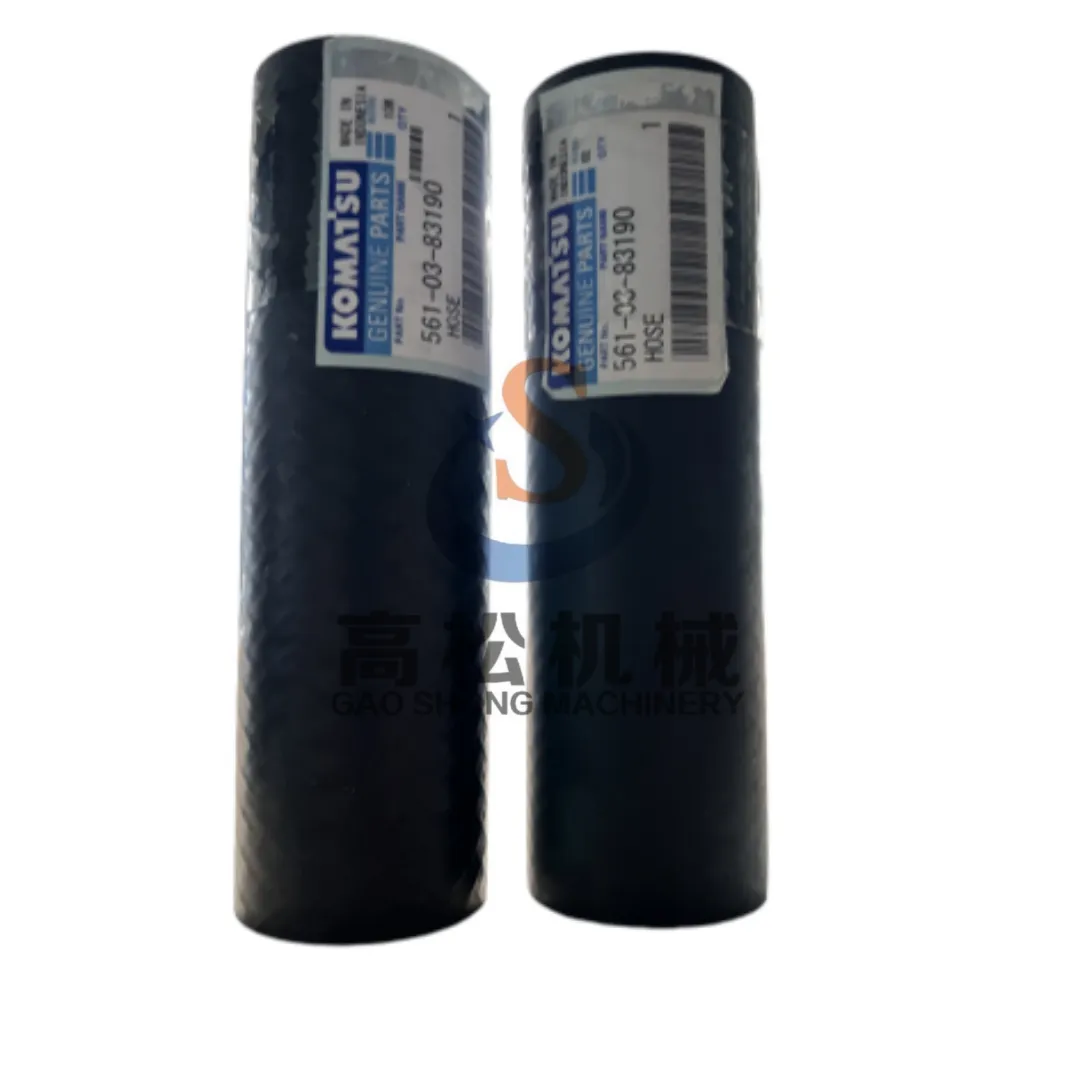 Dump Truck Parts DH785-7 Radiator Hoses 561-03-83190
 -
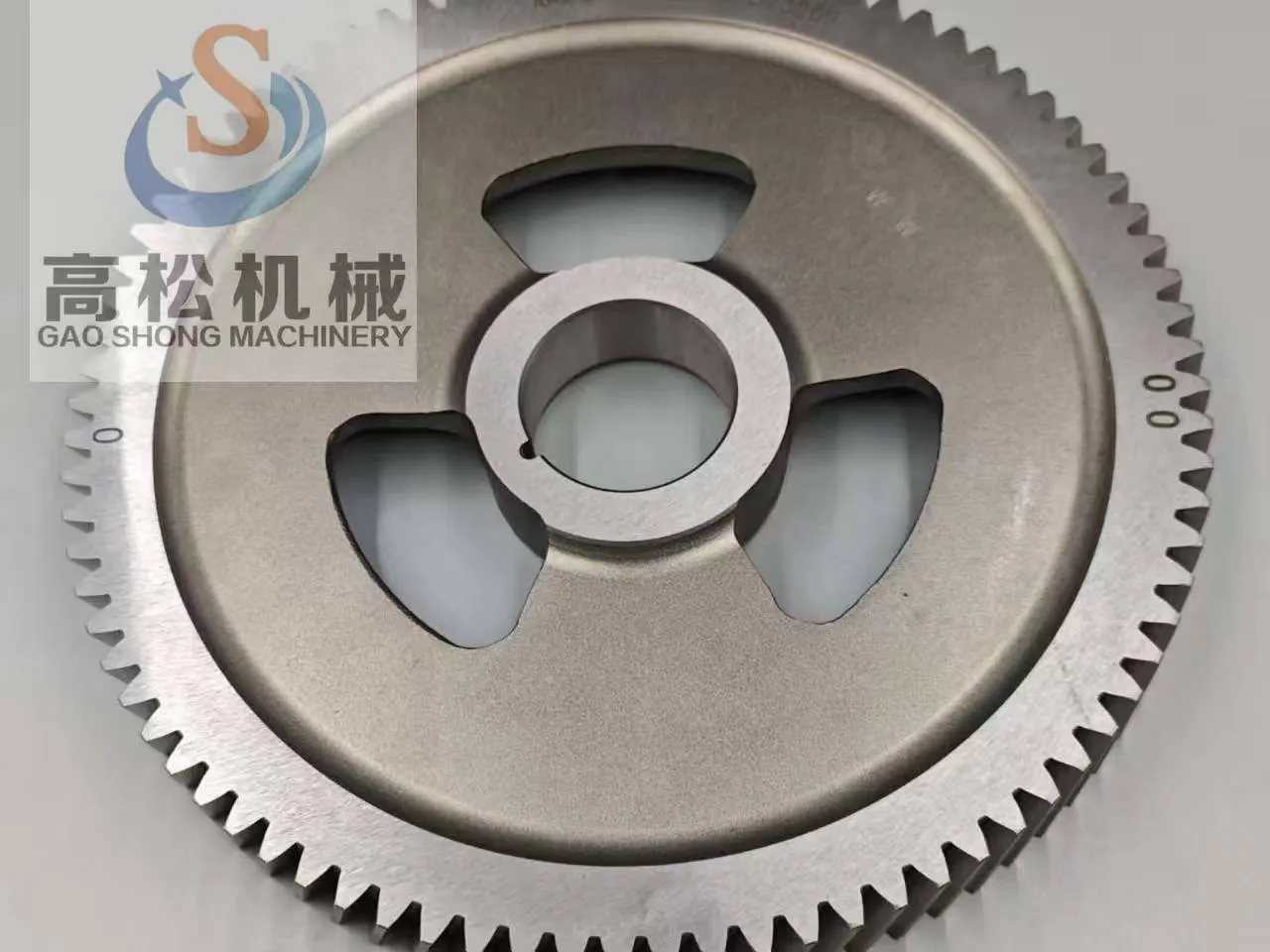 Gear 6745-41-1130 6745411130 6745-41-1131 for excavator PC300 PC350 WA430
 -
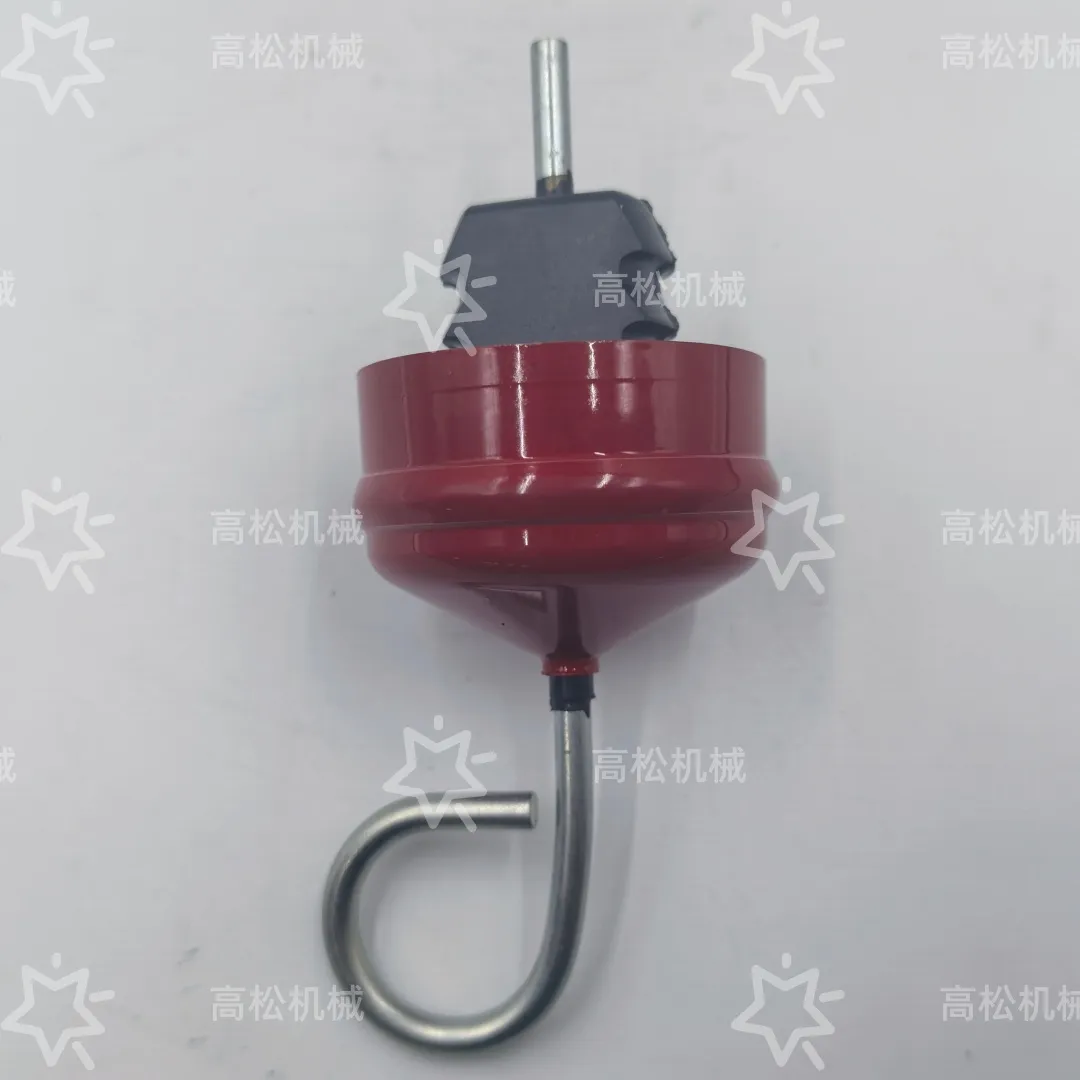 Excavator Hydraulic Main Pump GAUGE 207-01-31150 207-01-41710 2070131150 2070141710 GAUGE for Komatsu PC200 PC300 PC400 Excavator
 -
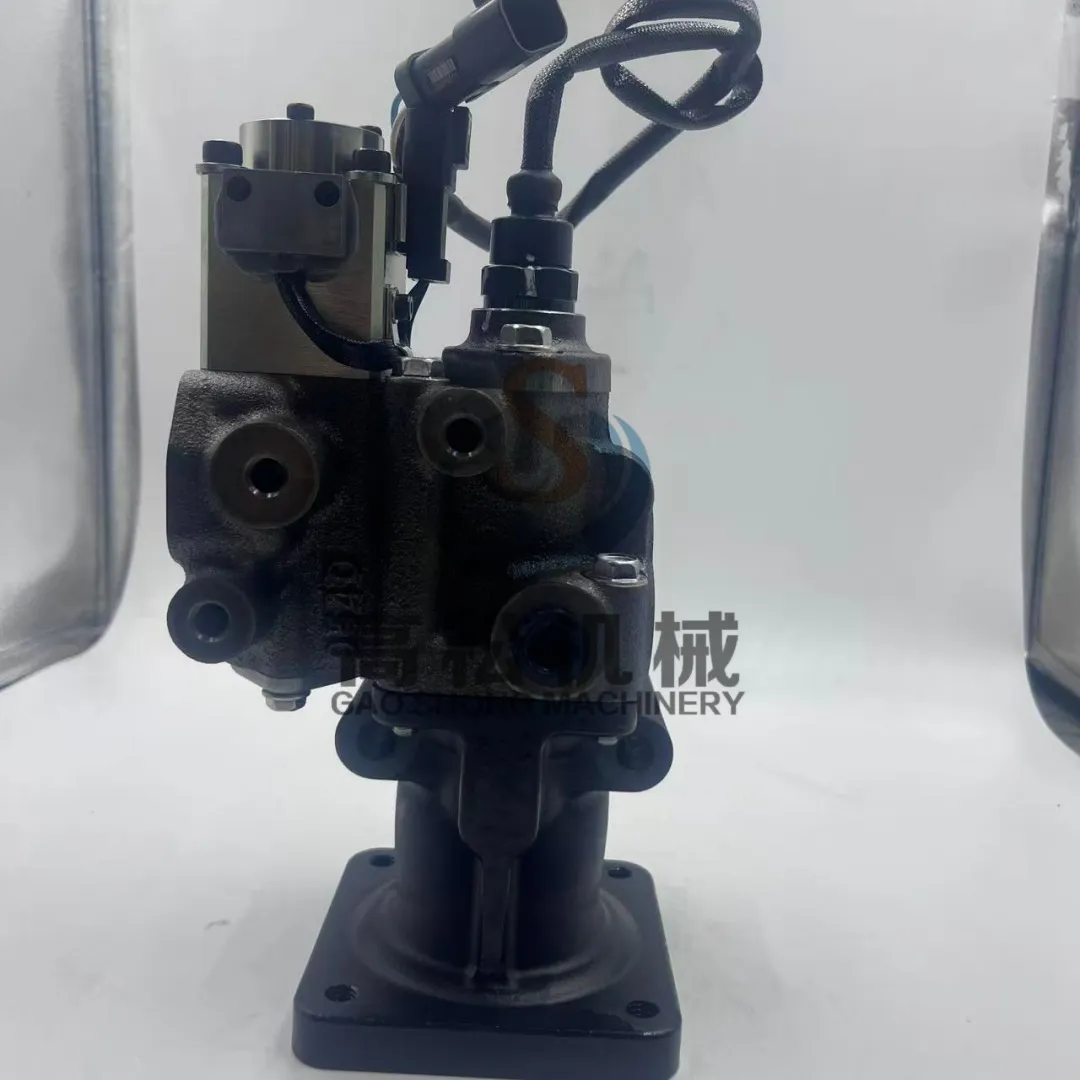 6261-41-9500 Komatsu Valve Assembly, Bypass
 -
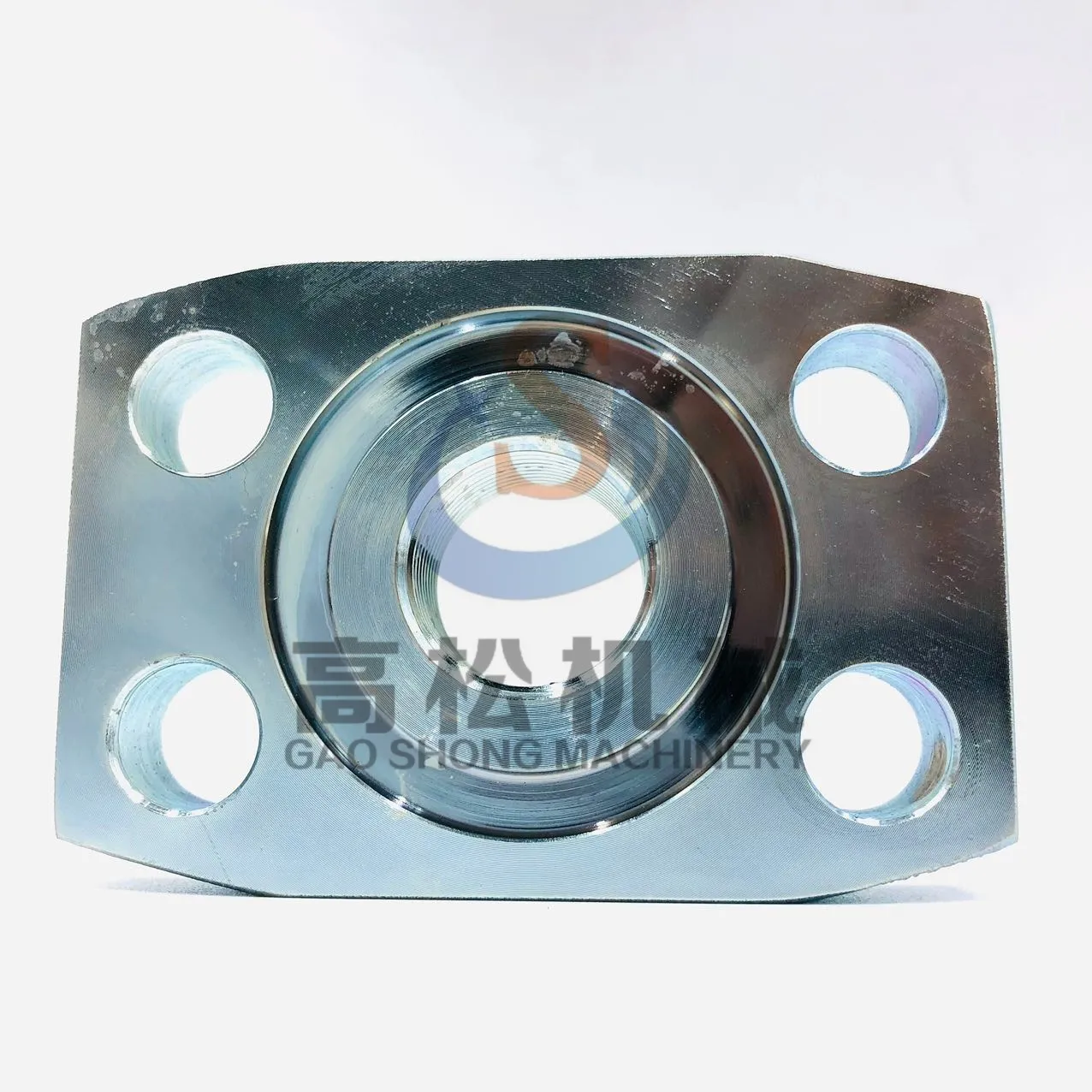 Spare part 21N-38-12310 Flange (Komatsu)
 -
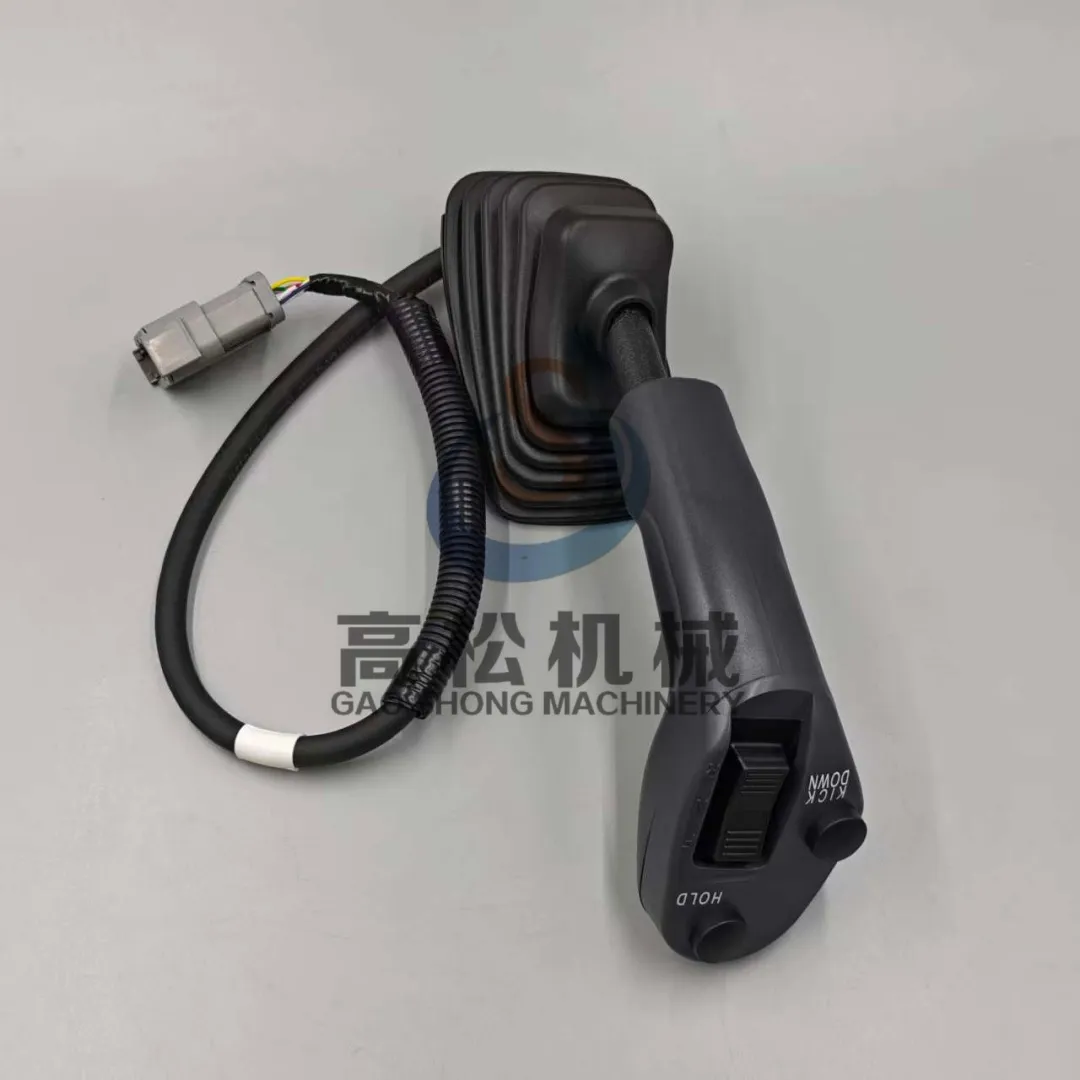 Original New Lever Assembly 423-V91-4144 Handle
Related Search
Related Search- OEM AND ORIGINAL KOMATSU COVER 198-27-45530
- komatsu d155 engine
- 195-15-12910
- OEM AND ORIGINAL KOMATSU GEAR 198-27-45163
- OEM AND ORIGINAL KOMATSU BUSHING 707-76-16011
- OEM AND ORIGINAL KOMATSU PIN 427-S95-3461
- Komatsu dozer parts
- OEM AND ORIGINAL KOMATSU ARM 569-40-81120
- Komatsu bearing kit
- Komatsu heavy equipment parts