
- Chinese
- French
- German
- Portuguese
- Spanish
- Russian
- Japanese
- Korean
- Arabic
- Irish
- Greek
- Turkish
- Italian
- Danish
- Romanian
- Indonesian
- Czech
- Afrikaans
- Swedish
- Polish
- Basque
- Catalan
- Esperanto
- Hindi
- Lao
- Albanian
- Amharic
- Armenian
- Azerbaijani
- Belarusian
- Bengali
- Bosnian
- Bulgarian
- Cebuano
- Chichewa
- Corsican
- Croatian
- Dutch
- Estonian
- Filipino
- Finnish
- Frisian
- Galician
- Georgian
- Gujarati
- Haitian
- Hausa
- Hawaiian
- Hebrew
- Hmong
- Hungarian
- Icelandic
- Igbo
- Javanese
- Kannada
- Kazakh
- Khmer
- Kurdish
- Kyrgyz
- Latin
- Latvian
- Lithuanian
- Luxembou..
- Macedonian
- Malagasy
- Malay
- Malayalam
- Maltese
- Maori
- Marathi
- Mongolian
- Burmese
- Nepali
- Norwegian
- Pashto
- Persian
- Punjabi
- Serbian
- Sesotho
- Sinhala
- Slovak
- Slovenian
- Somali
- Samoan
- Scots Gaelic
- Shona
- Sindhi
- Sundanese
- Swahili
- Tajik
- Tamil
- Telugu
- Thai
- Ukrainian
- Urdu
- Uzbek
- Vietnamese
- Welsh
- Xhosa
- Yiddish
- Yoruba
- Zulu
- Kinyarwanda
- Tatar
- Oriya
- Turkmen
- Uyghur






komatsu wa250 parts
When you type 'komatsu wa250 parts' into a search, you're not just looking for a bolt or a seal. You're likely in a bind, machine down, and need a solution that's both reliable and doesn't take weeks to arrive. There's a common misconception that all parts labeled for a WA250 are created equal, or that the OEM channel is always the slowest or most expensive route. In my experience running equipment and later dealing with procurement, that's where the real story begins.
The Core Challenge: Genuine vs. Aftermarket in the Real World
Let's be clear: for critical wear items on the WA250's powertrain—think komatsu wa250 parts like final drive planetaries or torque converter components—I've rarely gambled with aftermarket. The risk of cascading failure is too high. But for less critical areas? A hydraulic hose, a seat cushion, even some linkage pins? That's where the aftermarket can save a project. The trap is assuming a part's 'criticality' based on price alone. A cheap, non-OEM solenoid valve can strand a machine just as effectively as a failed transmission.
I recall a site manager insisting on aftermarket swing bearings for a fleet of WA250s, lured by a 40% cost saving. The bearings wore out in under 800 hours, introducing play that then damaged the gear teeth on the swing circle. The total repair bill ended up being triple what genuine Komatsu parts would have cost initially, not counting the three weeks of downtime across two machines. It was a brutal lesson in total cost of ownership versus upfront price.
This is precisely where a specialized supplier's role becomes crucial. You need a source that understands this dichotomy, not just a catalog. A company like Jining Gaosong Construction Machinery Co., Ltd. presents an interesting hybrid model. Being an OEM product supplier within the Komatsu system means they have legitimate access to genuine parts streams. But their parallel role as a third-party sales company suggests they navigate the gray areas of global supply chains to address shortages, which is the daily reality for many of us.
The Supplier Landscape and the Certain Countries Problem
The phrase helping to solve parts supply challenges in certain countries from their site intro at takematsumachinery.com is not marketing fluff. It's the core of the issue. If you're operating in regions far from Komatsu's central distribution hubs, or in areas with complex import regulations, your standard dealer's 6-week backorder promise is a death sentence for project timelines.
These challenges often mean customs holdups, lack of local dealer technical support, or simply a market deemed too small for major distributors to stock deeply. A supplier operating in this space needs a robust logistics network and, frankly, a lot of creativity. They aren't just drop-shipping from a warehouse in Tokyo; they're often consolidating containers from multiple sources, including OEM and high-quality aftermarket manufacturers, to get you a complete kit.
For a WA250, a common headache is the hydraulic pump. A complete genuine replacement is astronomically expensive. A savvy supplier might offer a genuine Komatsu pump body but pair it with a rebuilt rotor kit from a certified rebuilder, providing a cost-effective and reliable solution. This kind of practical bundling is what you learn to look for.
Case in Point: The WA250 Steering Cylinder Saga
Nothing tests a parts supply chain like a failed steering cylinder on a wheel loader. It's a safety-critical, high-pressure component. We had one fail on an older WA250-3 model. The local dealer quoted a 12-week lead time and a price that made the accountant wince. The aftermarket options were a mixed bag—some with obviously inferior rod plating, others with vague origin stories.
We turned to a third-party solution, a company with a profile similar to Jining Gaosong. Their proposal was instructive: they offered a fully remanufactured cylinder using the original housing (which was sound), fitted with a new OEM-grade rod and genuine Komatsu seal kits. The lead time was 10 days air freight. The cost was 60% of the new OEM part. It worked flawlessly for over 5000 hours. This experience cemented my view that the optimal path often lies in these hybrid solutions, leveraging genuine komatsu wa250 parts where it matters most, within a pragmatically assembled unit.
The key was their willingness to explain the provenance of the sub-components. The rod is from a Japanese steel mill we audit, the seals are Komatsu-branded, the welding and machining follow the OEM service manual. That level of detail builds trust. It's a far cry from the opaque compatible with listings that flood the market.
Identifying Reliable Partners in a Crowded Market
So how do you vet a supplier when your WA250 is down? First, I ignore the websites that list every part under the sun with perfect stock and 3-day global delivery. It's usually nonsense. I look for specificity. Do they list part numbers for specific WA250 series (WA250-1, WA250-5, etc.)? Can they discuss the differences in the brake systems between generations? A quick technical question like What's the torque spec for the wheel hub nut on a WA250-6? can separate the wheat from the chaff.
A legitimate supplier's site, such as https://www.takematsumachinery.com, should reflect this specialized knowledge. Their claim of being an OEM system supplier should be backed by offering actual Komatsu part numbers, not just model-fit descriptions. I also pay attention to how they communicate. Do they ask for your machine's serial number? That's a good sign—it shows they understand that even within the same model, configurations change.
Another practical test is to ask for a composite quote: one for a genuine Komatsu engine water pump, and one for a reliable alternative for the same WA250. Their response tells you everything. Do they push the cheaper option indiscriminately? Or do they outline the pros, cons, and typical application (e.g., for a machine with less than 5000 hrs remaining in its lifecycle, the alternative offers solid value)? The latter shows professional judgment.
Concluding Thoughts: Beyond the Search Query
Ultimately, sourcing komatsu wa250 parts is less about a single transaction and more about building a resource network. The goal isn't to always buy the cheapest or always buy the most expensive. It's to have access to the right option for the specific failure, budget, and timeline you're facing. This requires suppliers who act as consultants, not just order-takers.
Companies that position themselves as problem-solvers for supply chain gaps, like Jining Gaosong Construction Machinery Co., Ltd. describes itself, are filling a vital niche. Their value isn't just in a warehouse; it's in their understanding of the friction points in global parts distribution and their ability to assemble technically sound solutions under pressure.
My advice? Start the conversation before the crisis. Reach out to a couple of these specialized suppliers with a routine parts list. Gauge their response time, their depth of questions, and the clarity of their options. That way, when you get that 3 AM call about a downed WA250, you already know who can actually help you navigate the maze, not just sell you a part number from a database.
Related Products
Related Products

Best Selling Products
Best Selling Products-
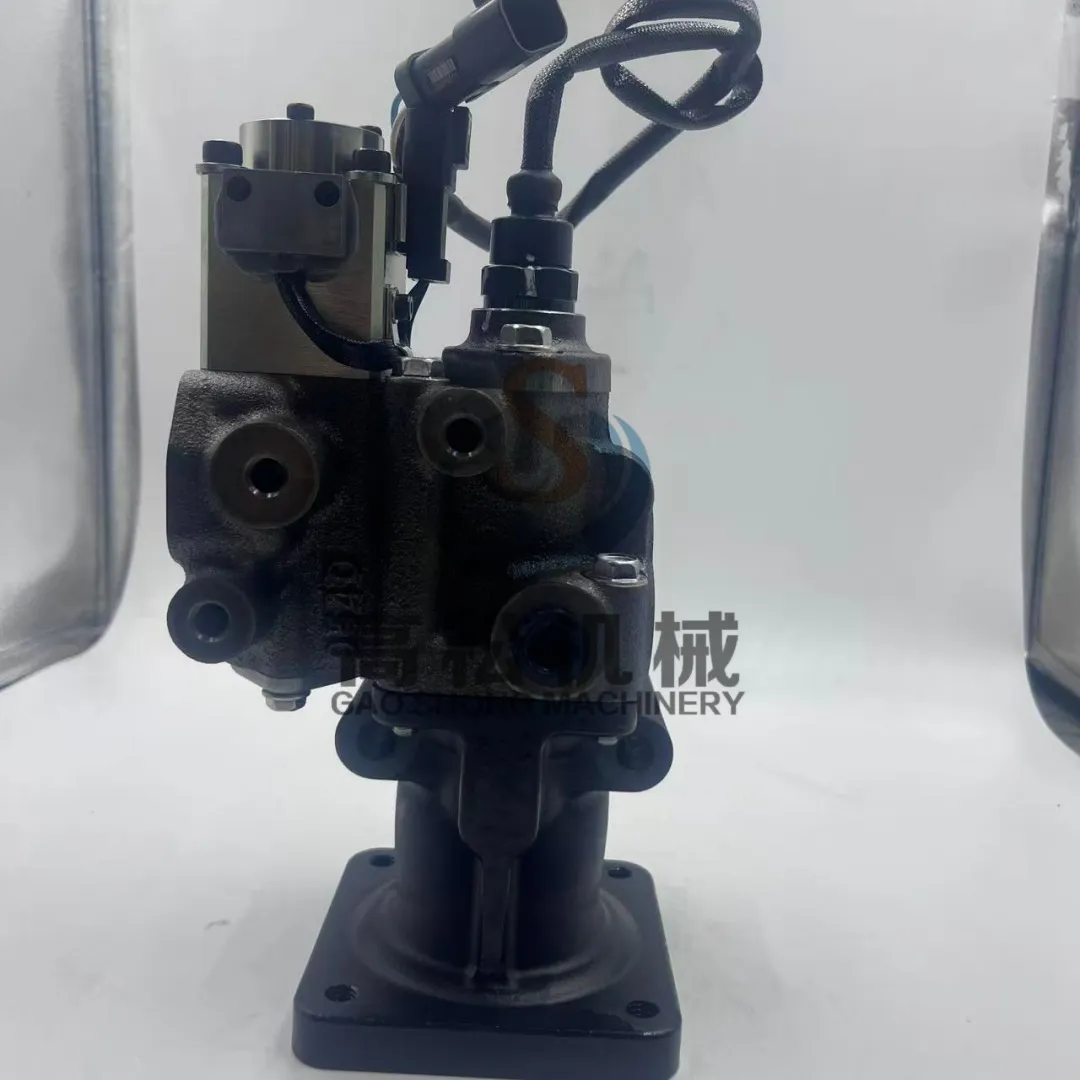 6261-41-9500 Komatsu Valve Assembly, Bypass
 -
![[Hot Item] Generator Engine Part 600-825-3151 for PC400-6-7](https://www.takematsumachinery.com/wp-content/uploads/微信图片_20251224093522_43_1619-1.webp) [Hot Item] Generator Engine Part 600-825-3151 for PC400-6-7
[Hot Item] Generator Engine Part 600-825-3151 for PC400-6-7 -
 CORE ASSEMBLY 6506-21-5921, myKomatsu
 -
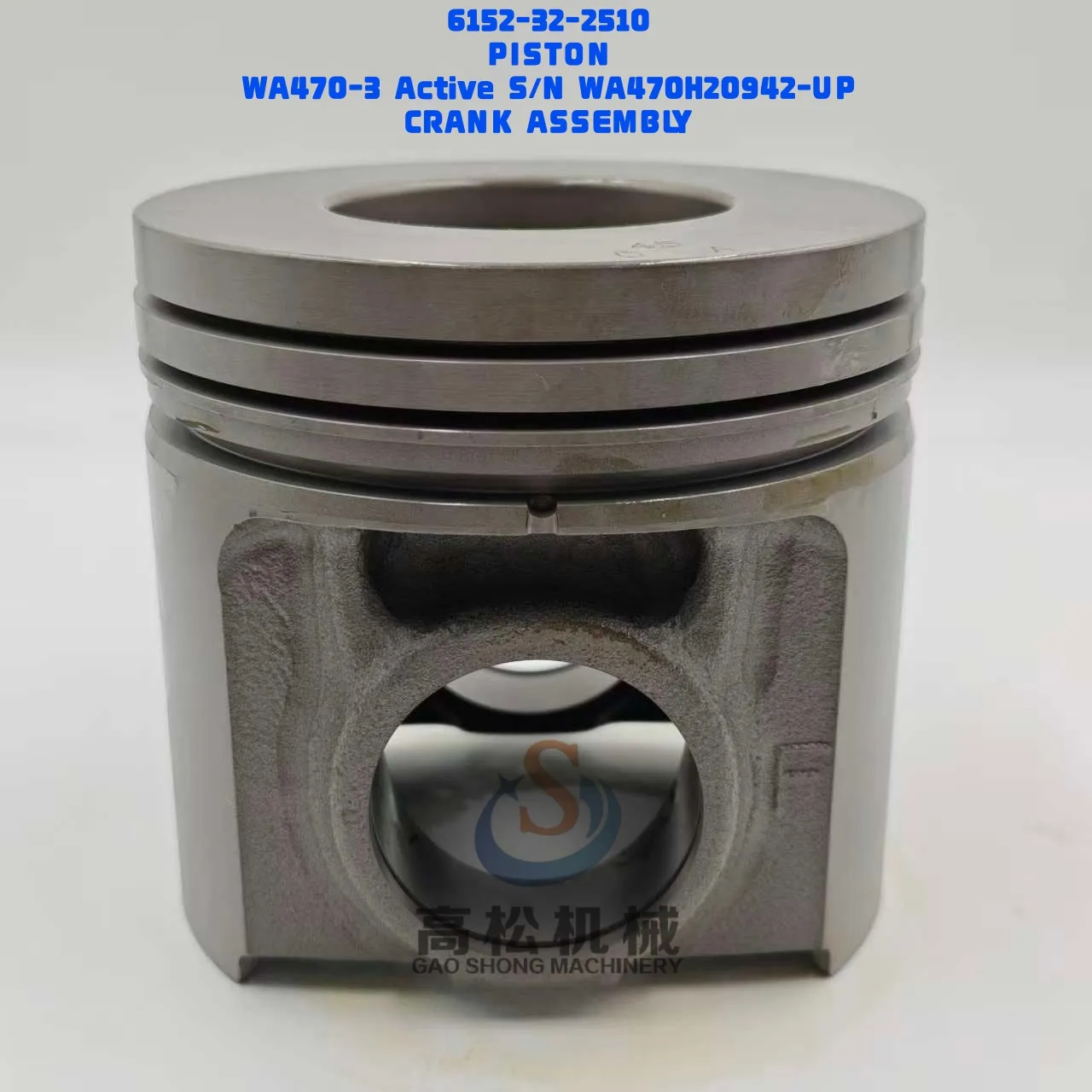 6152-32-2510 PISTON KOMATSU parts D87E, D87P, DCA, EGS360,380, PC400, PW400MH, S6D125E, SA6D125E, SAA6D125E, WA450, WA470, WA480
 -
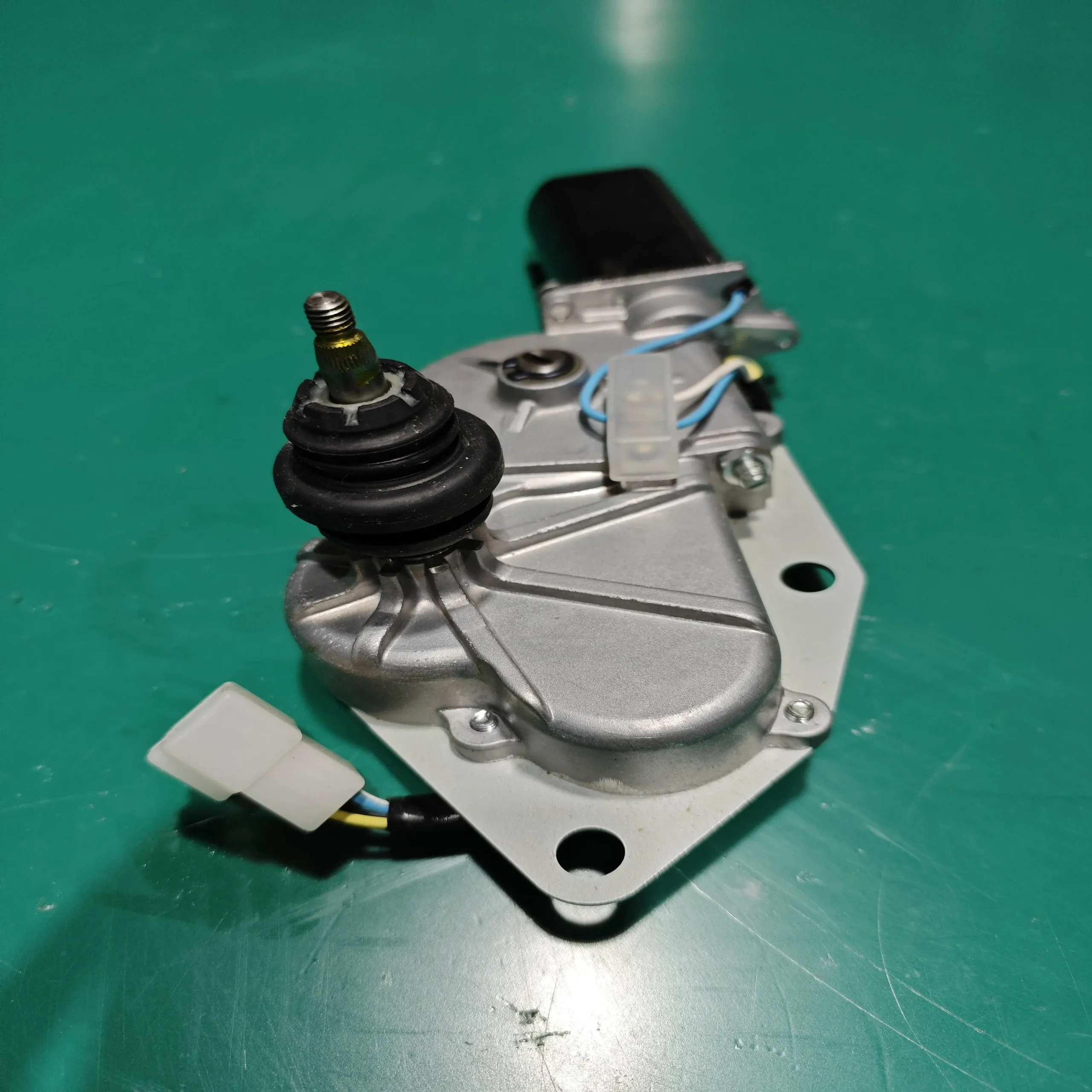 23B-951-2610 Komatsu WIPER MOTOR
 -
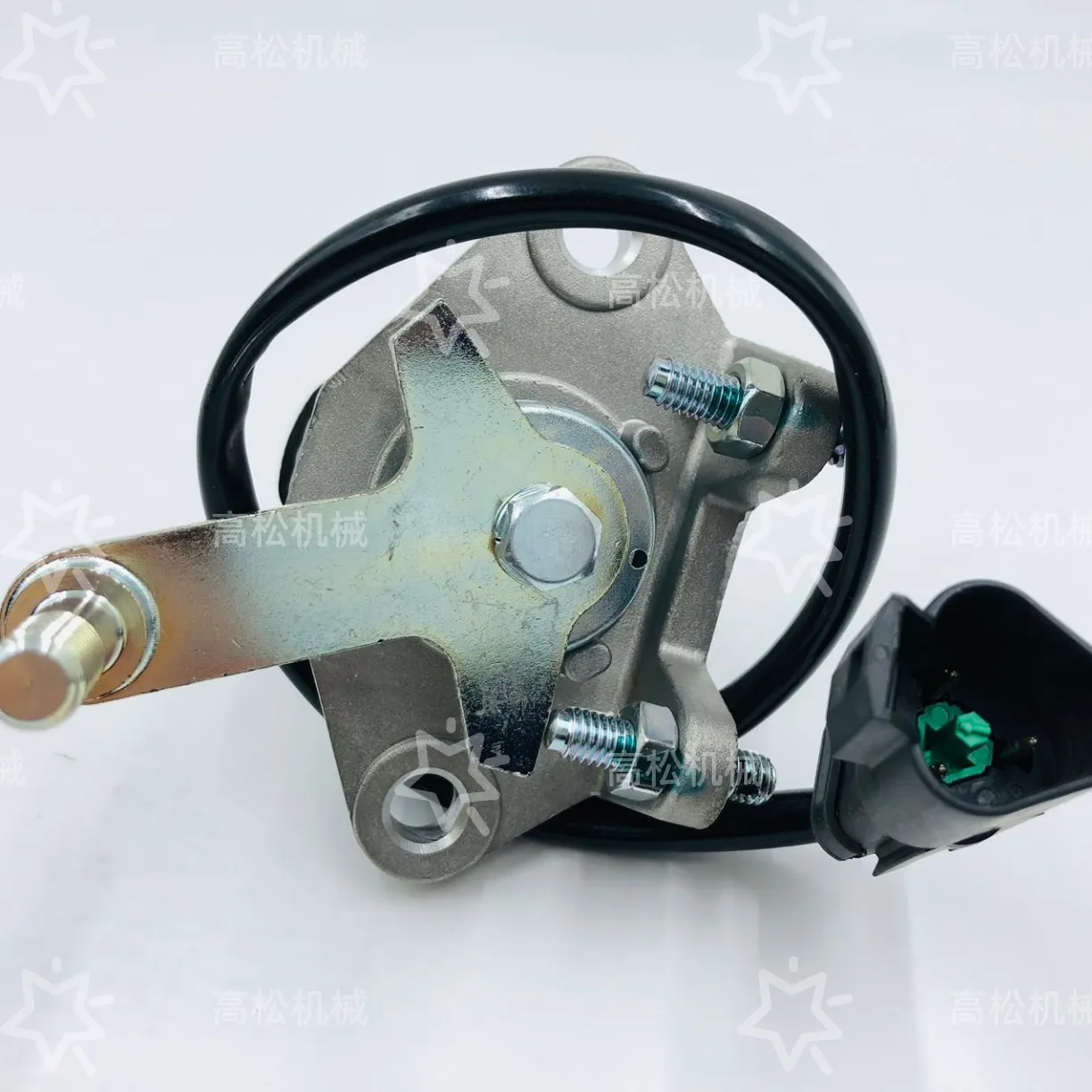 7861-93-4040 Bulldozer D275 D375 Sensor
 -
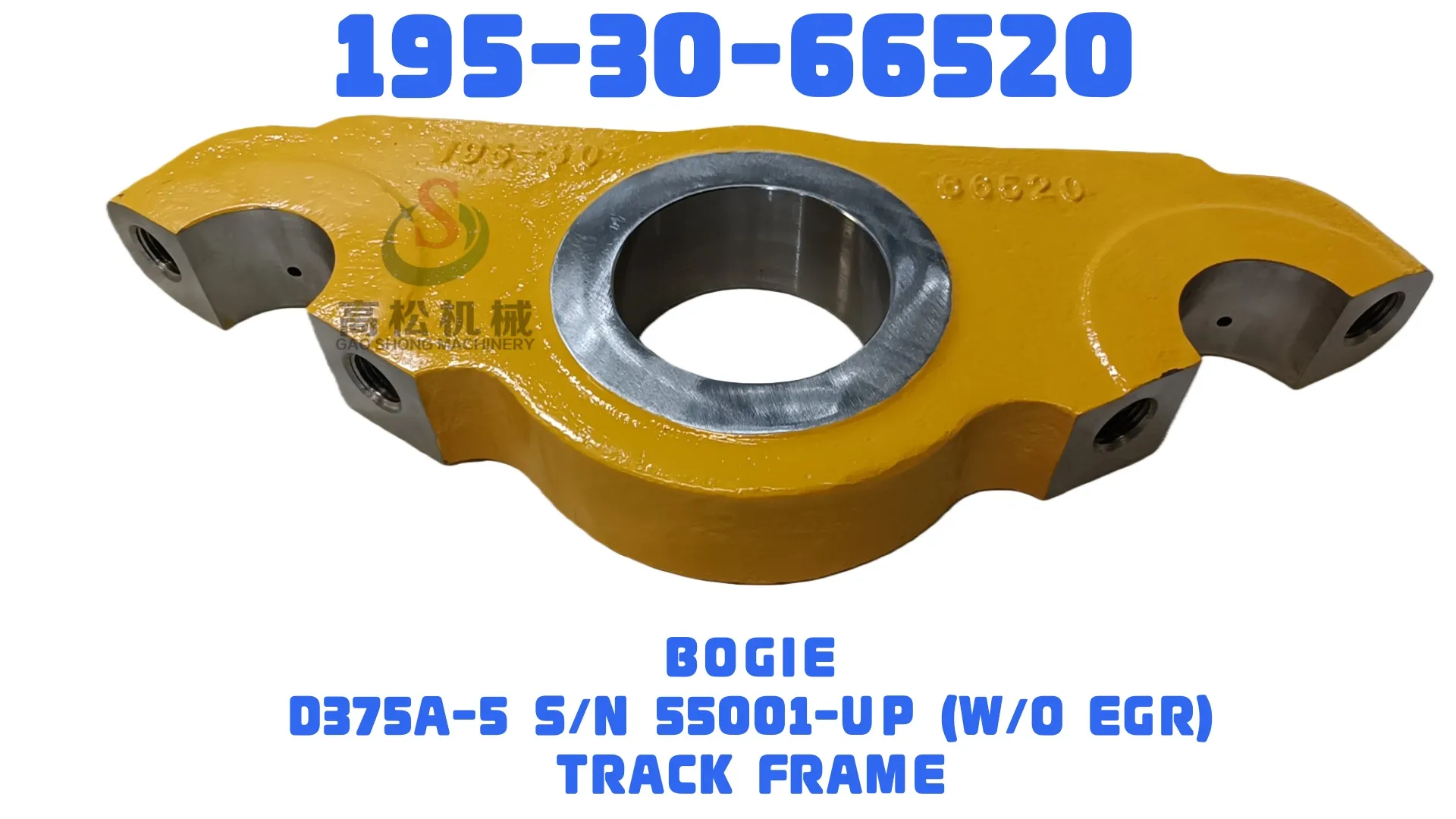 komatsu-part-195-30-66520 BOGIE D375A-5 D375A-5D D375A-6 D375A-6R TRACK FRAME TRACK FRAME, BOGIE
 -
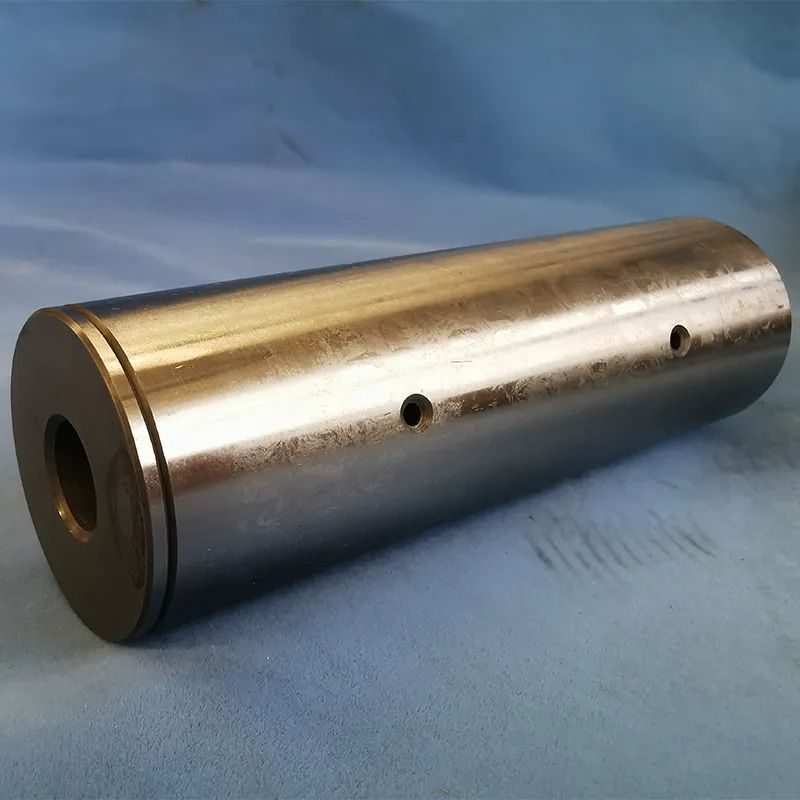 Komatsu original D375A-5 axis 195-15-72520
 -
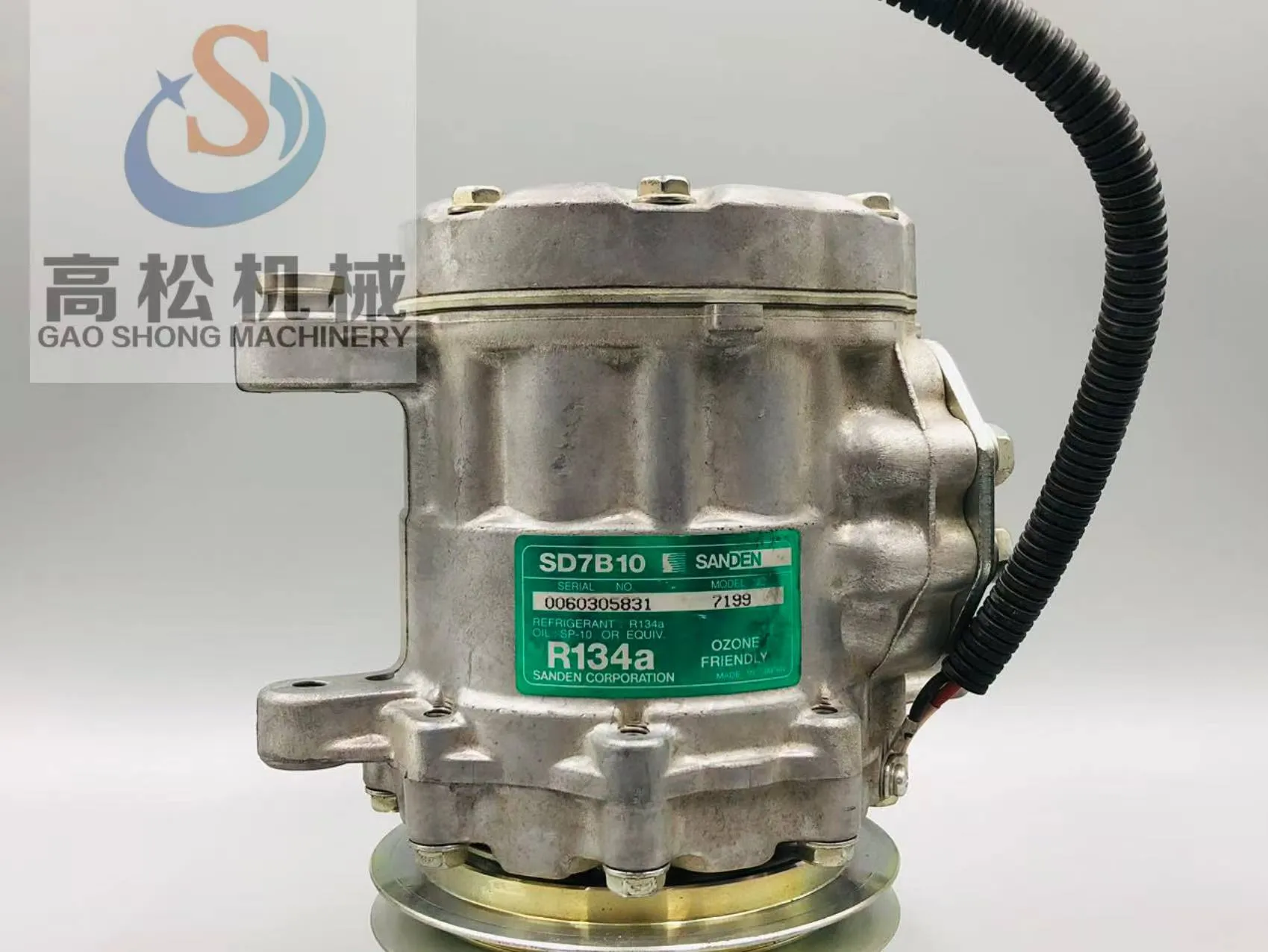 PC55MR PC56-7 Excavator Compressor PC45MR Air Conditioning 22L-979-2200 Compressor Ass’y
 -
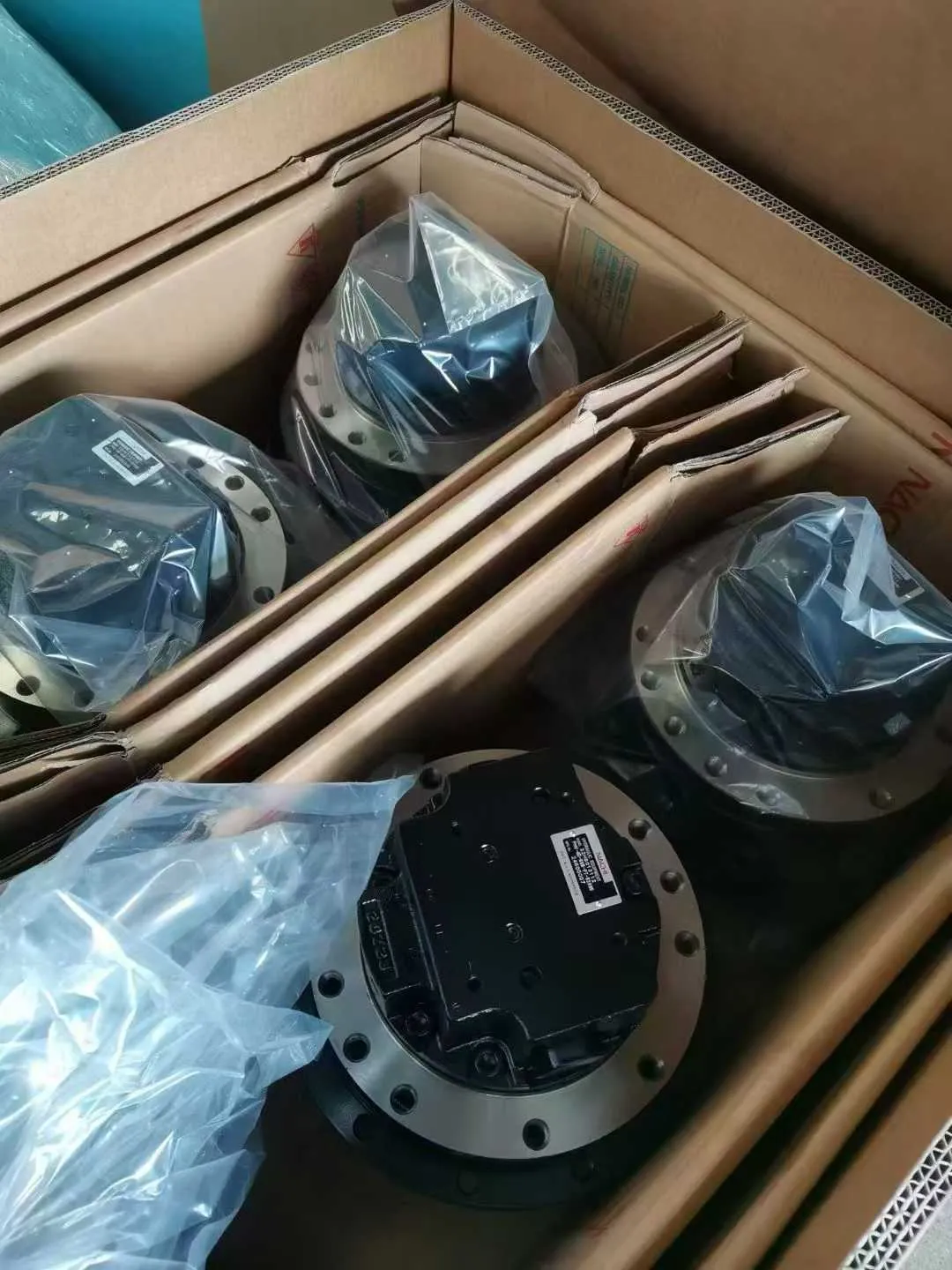 PC57-7 traveling motor assembly 22H-60-13112 in stock for sale #komatsu #komatsuparts #komatsuexcavator #pc57-7 #22H6013112
 -
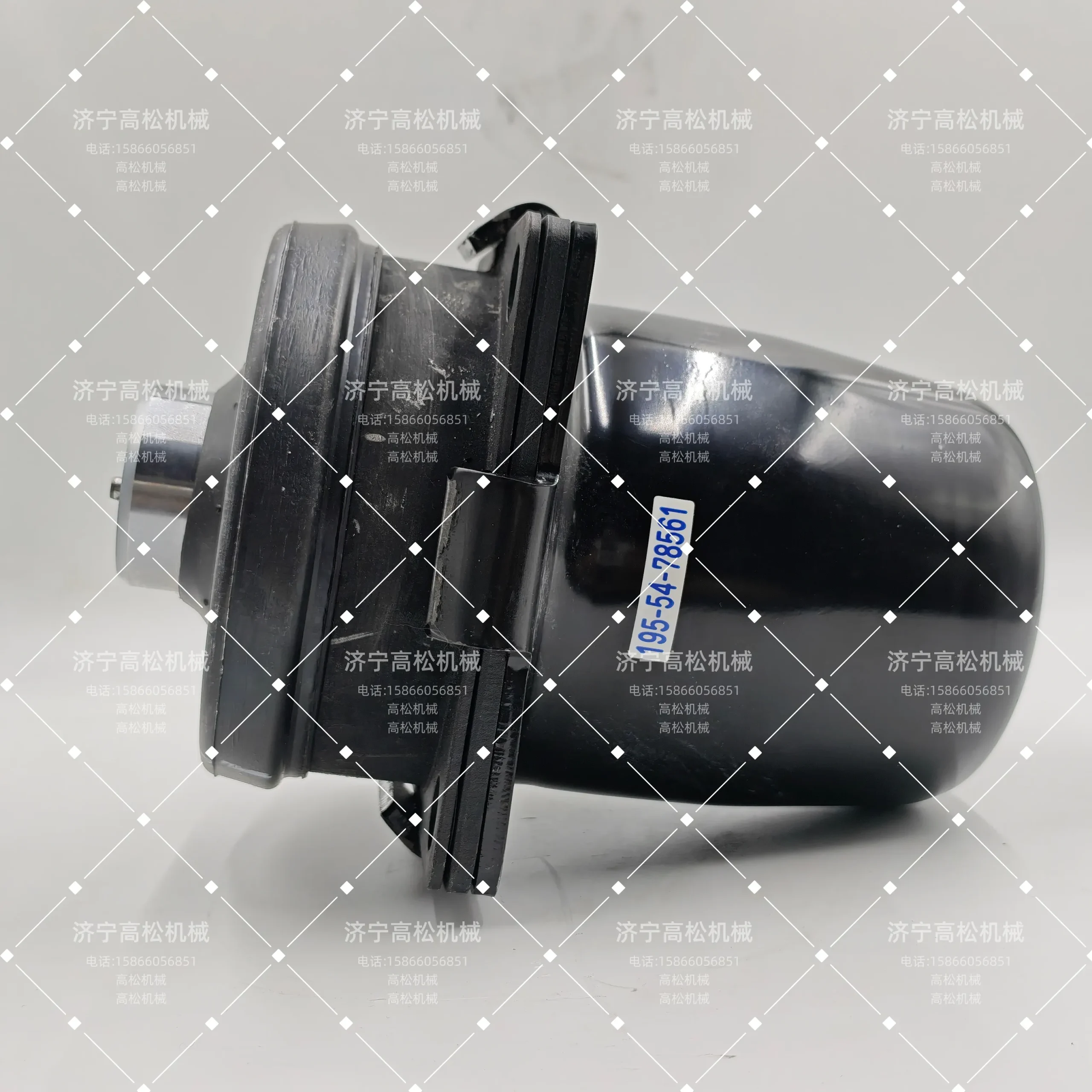 Komatsu Shock Absorbers 195-54-78412 195-54-78561 for D375A-6
 -
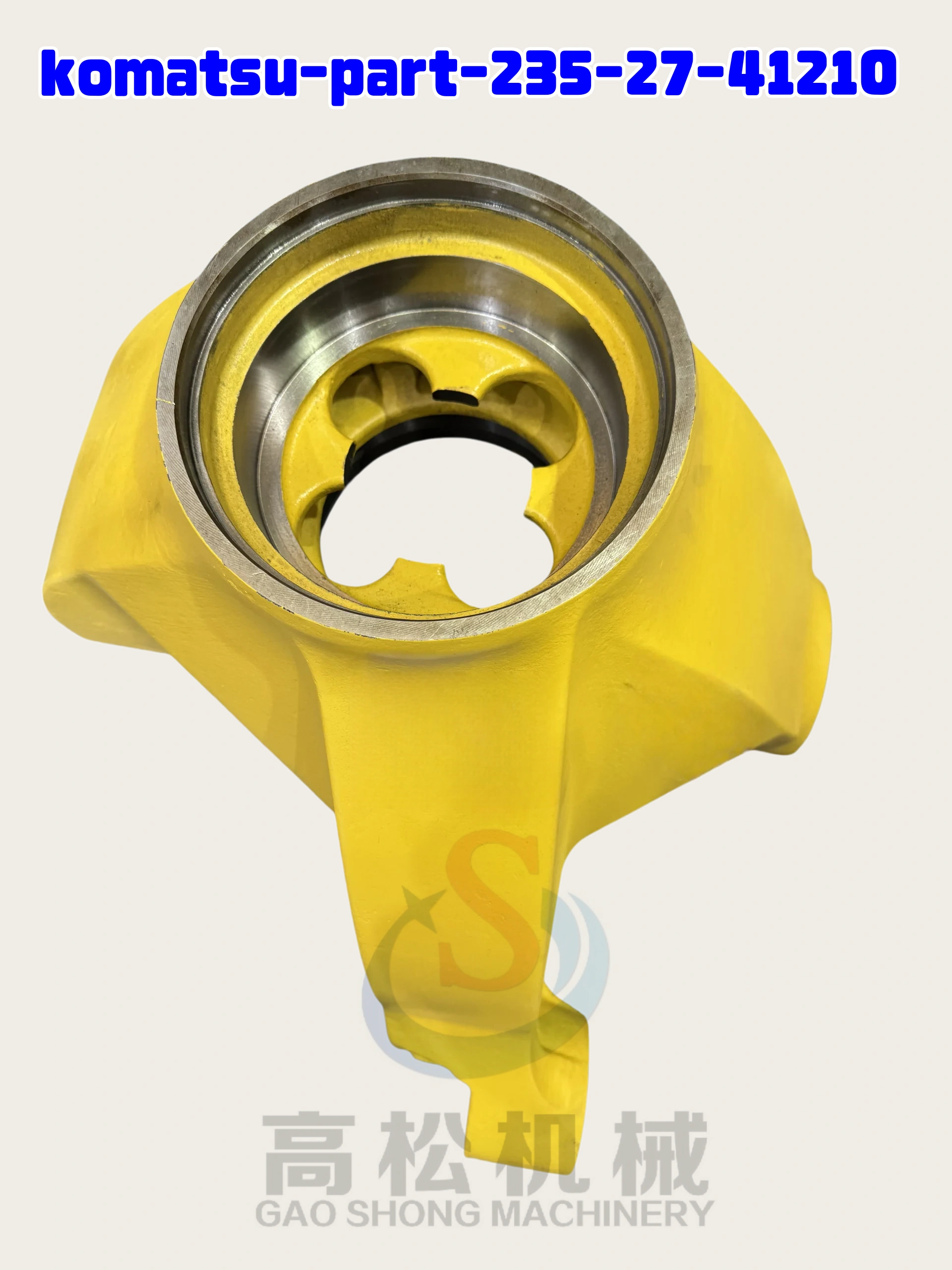 komatsu-part-235-27-41210 HOUSING,L.H. GD825A-2 GD825A-2E0 FRONT AXLE