
- Chinese
- French
- German
- Portuguese
- Spanish
- Russian
- Japanese
- Korean
- Arabic
- Irish
- Greek
- Turkish
- Italian
- Danish
- Romanian
- Indonesian
- Czech
- Afrikaans
- Swedish
- Polish
- Basque
- Catalan
- Esperanto
- Hindi
- Lao
- Albanian
- Amharic
- Armenian
- Azerbaijani
- Belarusian
- Bengali
- Bosnian
- Bulgarian
- Cebuano
- Chichewa
- Corsican
- Croatian
- Dutch
- Estonian
- Filipino
- Finnish
- Frisian
- Galician
- Georgian
- Gujarati
- Haitian
- Hausa
- Hawaiian
- Hebrew
- Hmong
- Hungarian
- Icelandic
- Igbo
- Javanese
- Kannada
- Kazakh
- Khmer
- Kurdish
- Kyrgyz
- Latin
- Latvian
- Lithuanian
- Luxembou..
- Macedonian
- Malagasy
- Malay
- Malayalam
- Maltese
- Maori
- Marathi
- Mongolian
- Burmese
- Nepali
- Norwegian
- Pashto
- Persian
- Punjabi
- Serbian
- Sesotho
- Sinhala
- Slovak
- Slovenian
- Somali
- Samoan
- Scots Gaelic
- Shona
- Sindhi
- Sundanese
- Swahili
- Tajik
- Tamil
- Telugu
- Thai
- Ukrainian
- Urdu
- Uzbek
- Vietnamese
- Welsh
- Xhosa
- Yiddish
- Yoruba
- Zulu
- Kinyarwanda
- Tatar
- Oriya
- Turkmen
- Uyghur






komatsu wa200 parts manual
You search for 'komatsu wa200 parts manual' and you're probably expecting a quick download, a magic bullet. In my experience, that's the first mistake. That search term isn't just about finding a file; it's about accessing a system, understanding a machine's DNA, and often, navigating a supply chain puzzle. The manual is the starting point, but the real knowledge is in knowing what to do when the part number on page 247 is discontinued or has a six-month lead time from official channels.
The Manual as a Blueprint, Not a Solution
Every seasoned mechanic or fleet manager has a folder of these PDFs. The Komatsu WA200 manual is crucial, don't get me wrong. It gives you the breakdown: the swing circle assembly, the hydraulic pump group, the precise torque specs for the final drive. But the manual assumes a perfect world of available parts. It lists the OEM number, say, Komatsu WA200 parts manual might reference pump part 20Y-60-11100. You look it up, and the price or the delivery time makes your project untenable. That's where the real work begins.
I've seen guys waste days trying to match a complex assembly from the manual when the issue was a single, generic seal inside it. The manual shows the whole pump; experience tells you to disassemble and identify the failed component—often a standard item you can cross-reference. The value isn't just in having the document, but in being able to interpret it against real-world inventory and wear patterns. The WA200's steering clutches, for instance, have common failure modes that the manual describes, but it won't tell you which aftermarket friction disc material lasts longer in high-mud conditions.
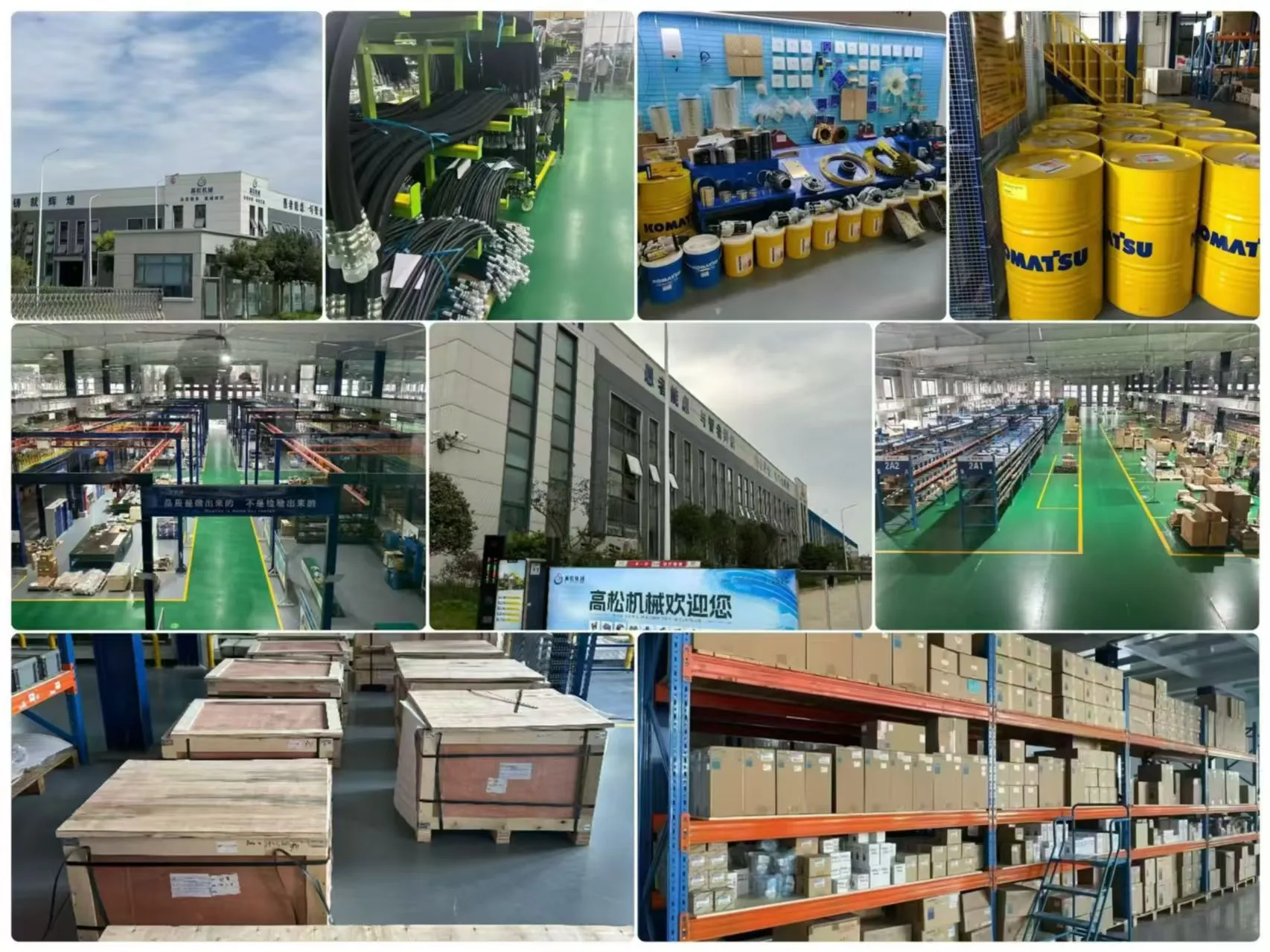
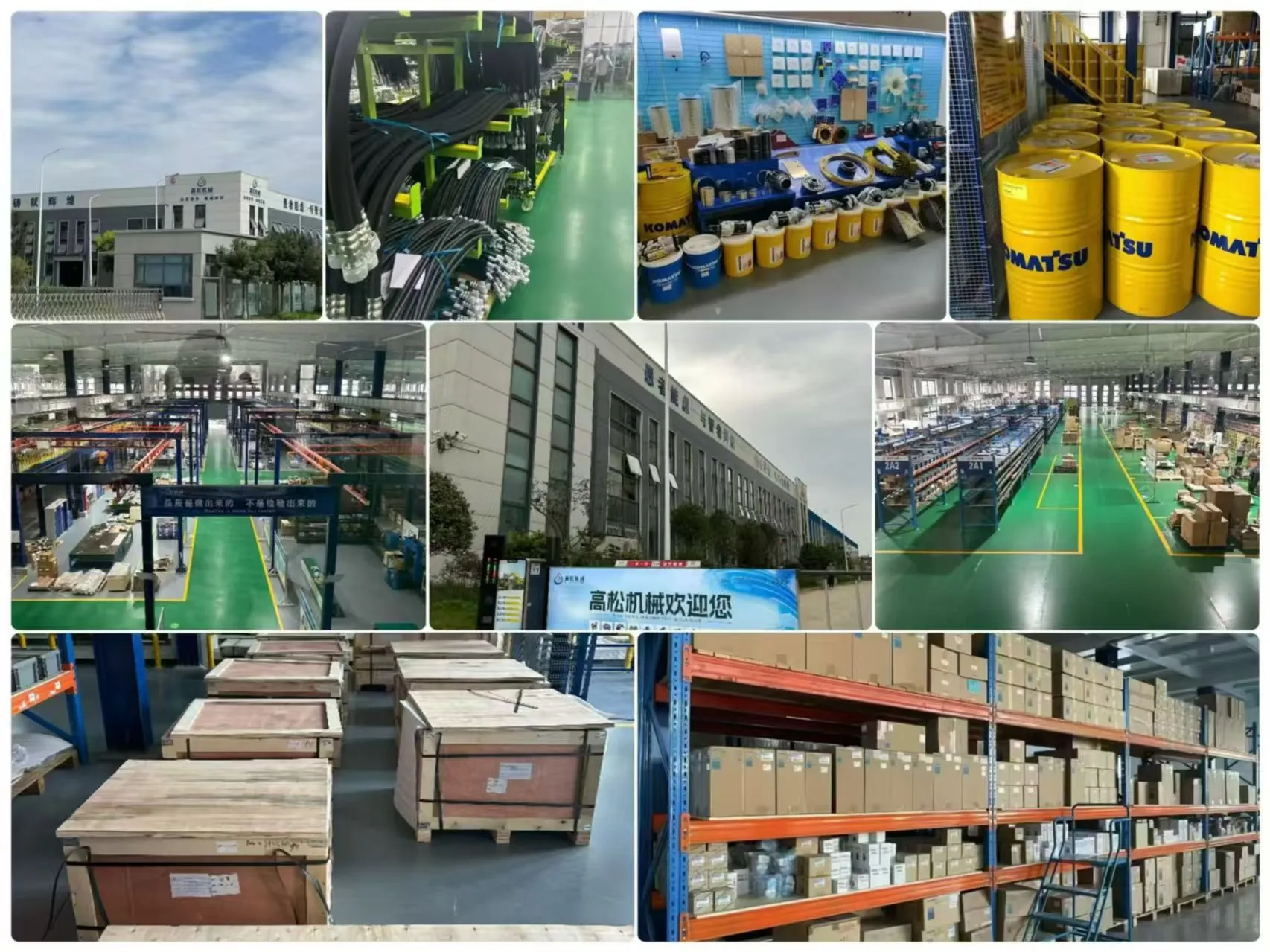
This is where a supplier's role shifts from just providing a document to providing a pathway. A company that understands this, like Jining Gaosong Construction Machinery Co., Ltd., operates in that space. Being an OEM product supplier within the Komatsu system means they have access to the authentic diagrams and specifications—the very blueprint. But their parallel role as a third-party sales company is what solves problems. They can look at that part 20Y-60-11100 and potentially offer a compatible alternative or source it through channels that bypass regional shortages.
Bridging the Gap Between Part Number and Part in Hand
Let's talk about a concrete scenario. A WA200 from the early 2000s has a cracked steering clutch cover. The manual gives you the assembly drawing. The OEM part is obsolete. What now? You need a supplier who can either fabricate that cover using the original specs from the Komatsu WA200 parts manual or find a suitable donor part from a compatible model. This isn't just sales; it's technical sourcing.
I recall a project in Southeast Asia where the local Komatsu dealer quoted a 4-month wait for a hydraulic valve bank. The machine was down, costing thousands per day. We had the manual, so we knew the exact configuration. We reached out to a third-party specialist, one that operates like the mentioned Takematsu Machinery site, which essentially represents Jining Gaosong's portal. Their value was in confirming the OEM spec, then immediately checking their network—which includes OEM stock and verified third-party manufacturers—to locate a functional unit. They had it shipped in 11 days. The manual told us what we needed; their operational model told us how to get it.
Their company intro hits the nail on the head: helping to solve parts supply challenges in certain countries. That's the unsexy reality. The challenge isn't usually the technical knowledge from the manual; it's the logistics and availability. A supplier embedded in the system can see if a part is available in another region's warehouse or if a newly manufactured batch meets the OEM tolerance. This is the layer of service that turns a static document into a dynamic tool.
When Equivalent Isn't Equal: The Judgment Call
This leads to the biggest risk: using the manual to find a part number, then blindly buying a cheap equivalent. For critical components like main hydraulics or the swing bearing on the WA200, this is a gamble. I learned this the hard way years ago with a travel motor. The aftermarket unit fit, but its internal clearances were just off-spec. It failed within 200 hours, taking out the seal kit and contaminating the system. The downtime and cleanup cost far more than the premium for a correctly sourced part.
A reliable supplier uses the Komatsu WA200 parts manual as a baseline for quality control. They can tell you, This aftermarket pump is good for the gear section, but we recommend using the OEM control valve for reliability. That kind of advice comes from seeing hundreds of these machines in the field, not just from reading a catalog. It's a hybrid approach—mixing OEM, quality third-party, and sometimes remanufactured cores—that keeps machines running profitably.
For example, engine components like injectors or gasket sets are often fine from reputable aftermarket sources. But for the intricate servo valves in the pilot control system? I'd lean heavily on OEM or a supplier that can certify the component meets Komatsu's factory test sheets. The manual doesn't make this distinction for you; it's a judgment built from failures and successes.
The Digital and the Physical: More Than a Download Link
So, when you land on a site like takematsumachinery.com, you're not just looking for a 'download manual' button. You're evaluating a resource. A good supplier's site should let you confirm part numbers, see diagrams, and then immediately inquire about availability and alternatives. The manual is the shared language. If they are truly an OEM system supplier, they should be able to pull up the same technical bulletins and updates that the dealers see.
In practice, this means when you send them an email with WA200-3, Serial 5KX-103, need part from page 43-20 of the parts manual, they should come back with more than a price. They might note, That seal kit was updated in 2010, here's the new kit number that includes the improved lip seal, or That gear is on backorder, but we have a remanufactured assembly with a warranty ready to ship. This transforms the manual from a static reference into a live document.
The physical logistics matter too. Sourcing a part from a manual is one thing; getting it through customs, with the right paperwork, to a remote site is another. A company focused on solving supply challenges in certain countries will have that process figured out—the right HS codes, the reliable freight forwarders. That's the unspoken part of the value chain.
Conclusion: The Manual is the Map, Not the Territory
Ultimately, the search for a Komatsu WA200 parts manual is the search for clarity and control over your machine's maintenance. But the document itself is just the map. The territory is the global, messy, often frustrating world of heavy equipment parts supply. The real expertise lies in using that map to navigate the territory effectively.
This is why the dual role of a company like Jining Gaosong is so relevant. The OEM connection gives them the authoritative map—the genuine manual, the engineering specs. The third-party sales capability gives them the vehicles and routes to travel the territory, finding paths where official roads are blocked. For anyone keeping an older WA200 or any Komatsu machine running, that combination is often more valuable than the manual alone.
So next time you pull up that PDF, remember it's the first step. The second is having a resource that understands both what's on the page and what's possible—or impossible—in the warehouse and the workshop. That's how you turn a parts manual into uptime.
Related Products
Related Products

Best Selling Products
Best Selling Products-
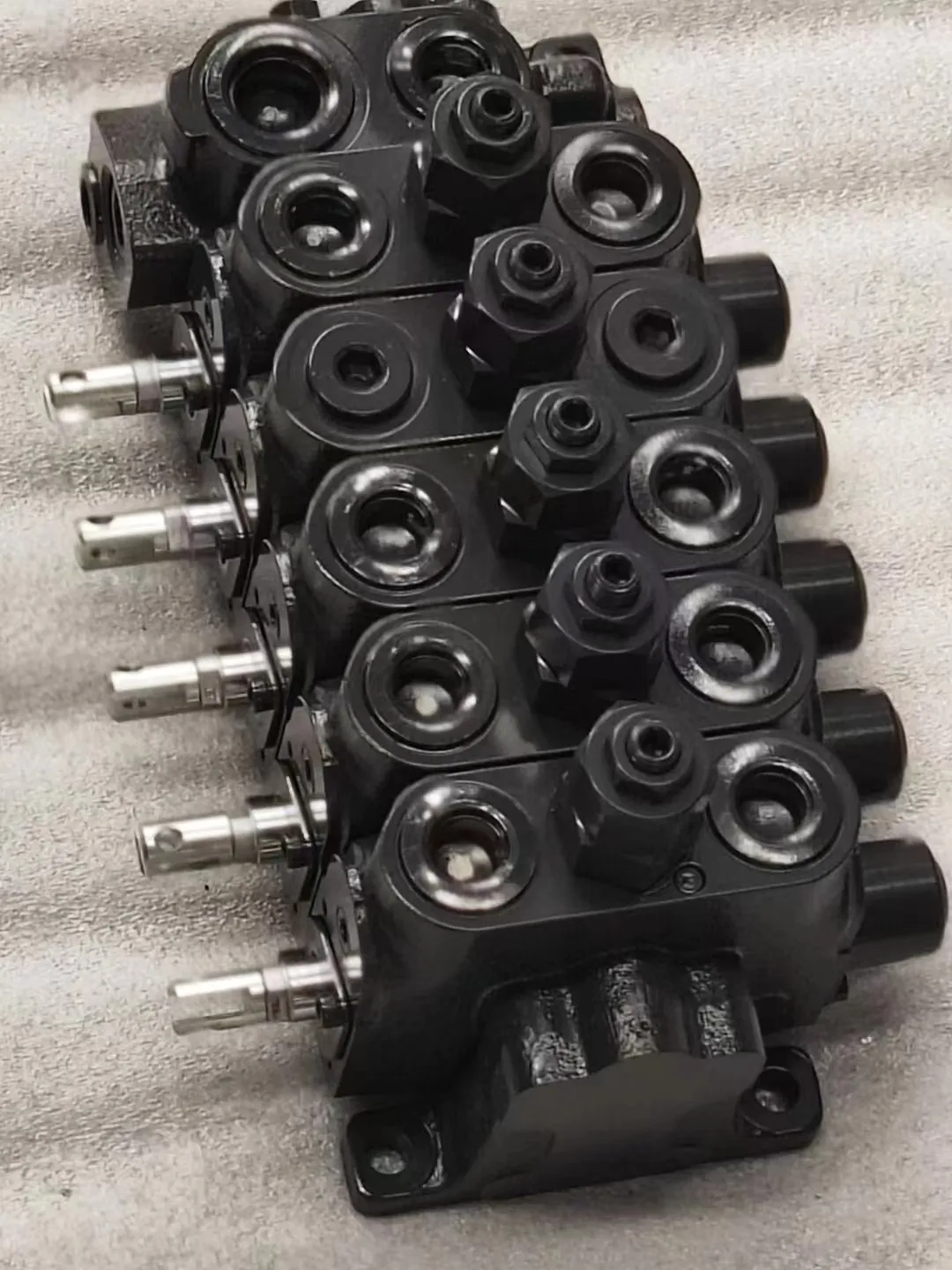 GD825A-2 Control Valve 235-60-35401
 -
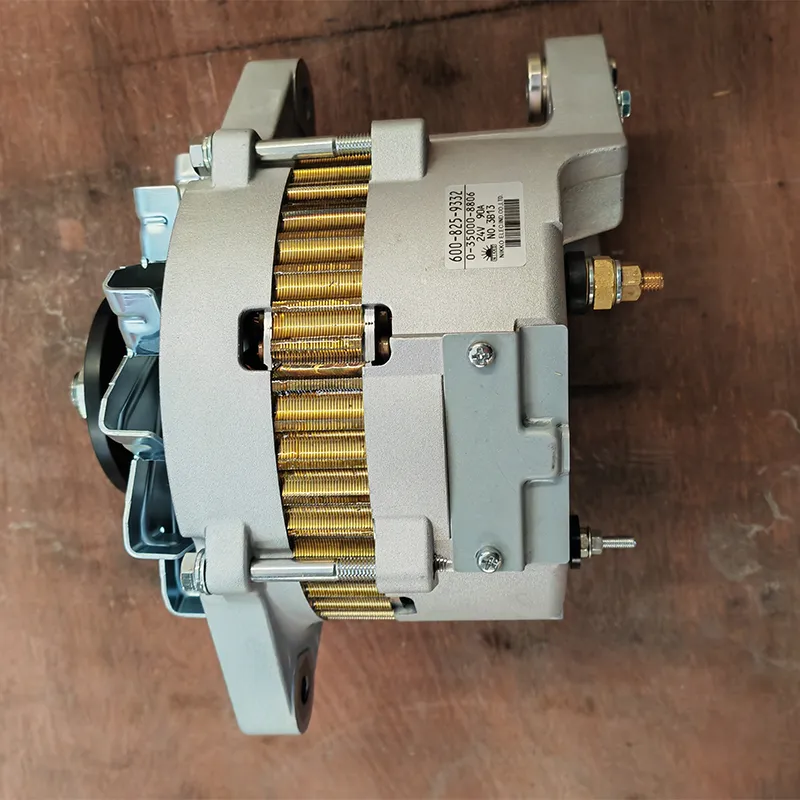 600-825-9332 Original komatsu alternator for S6D125 6D140 12V140
 -
 207-26-71510 Komatsu Gear
 -
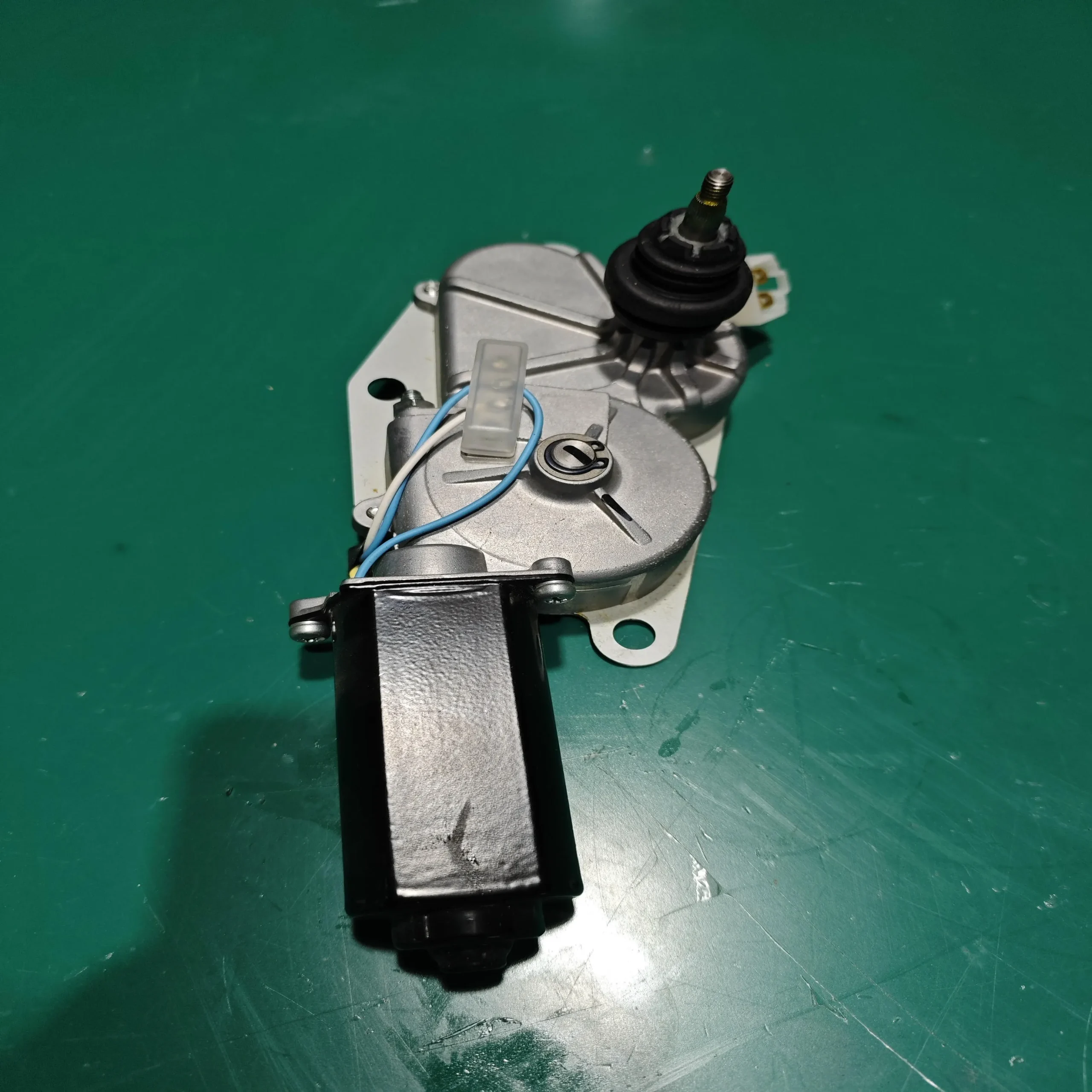 Komatsu Construction Machinery Full Series Accessories 23B-951-2610 Loader Parts
 -
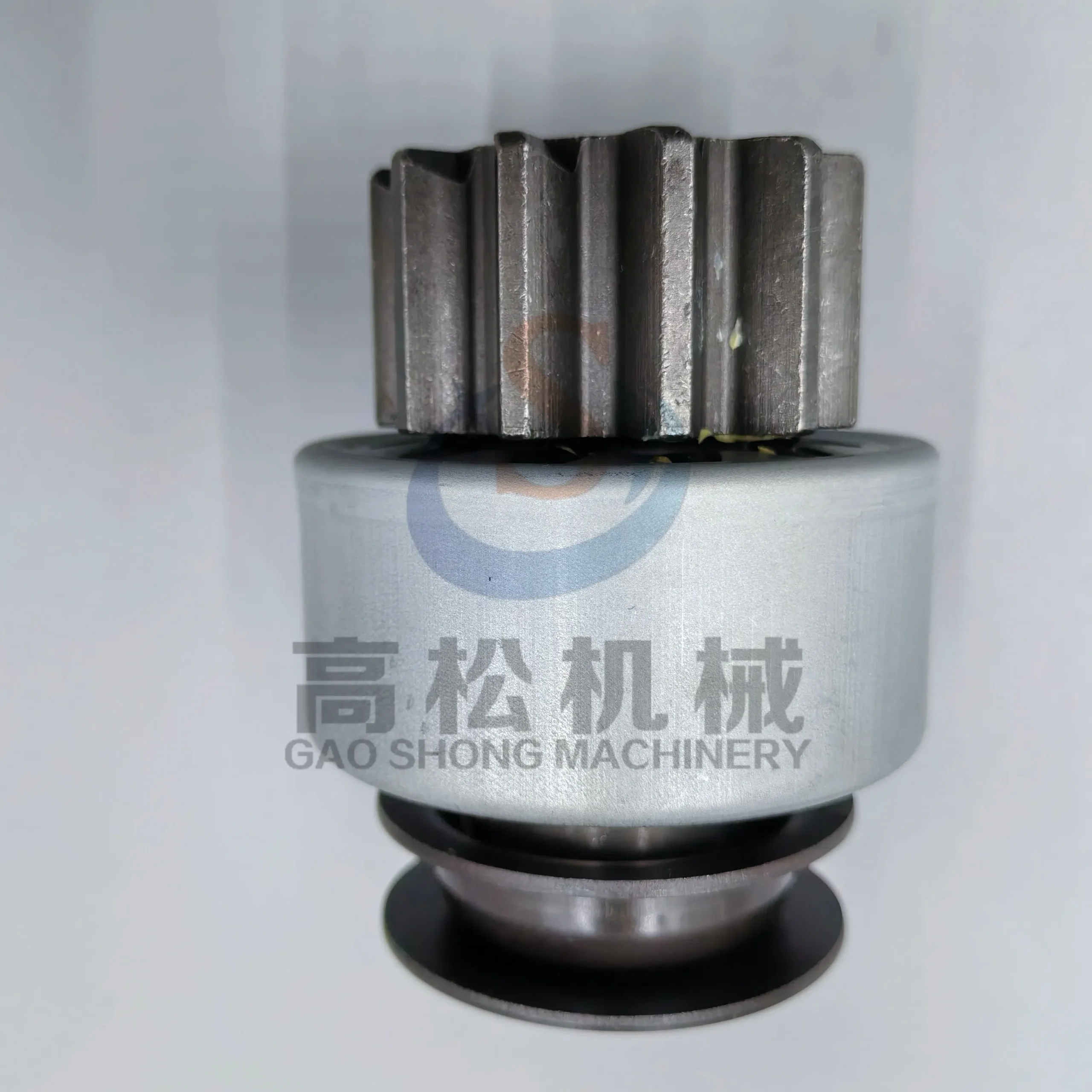 KD0-23500-1024 Komatsu Clutch Assembly
 -
 232-15-19220 – SEAL RIN
 -
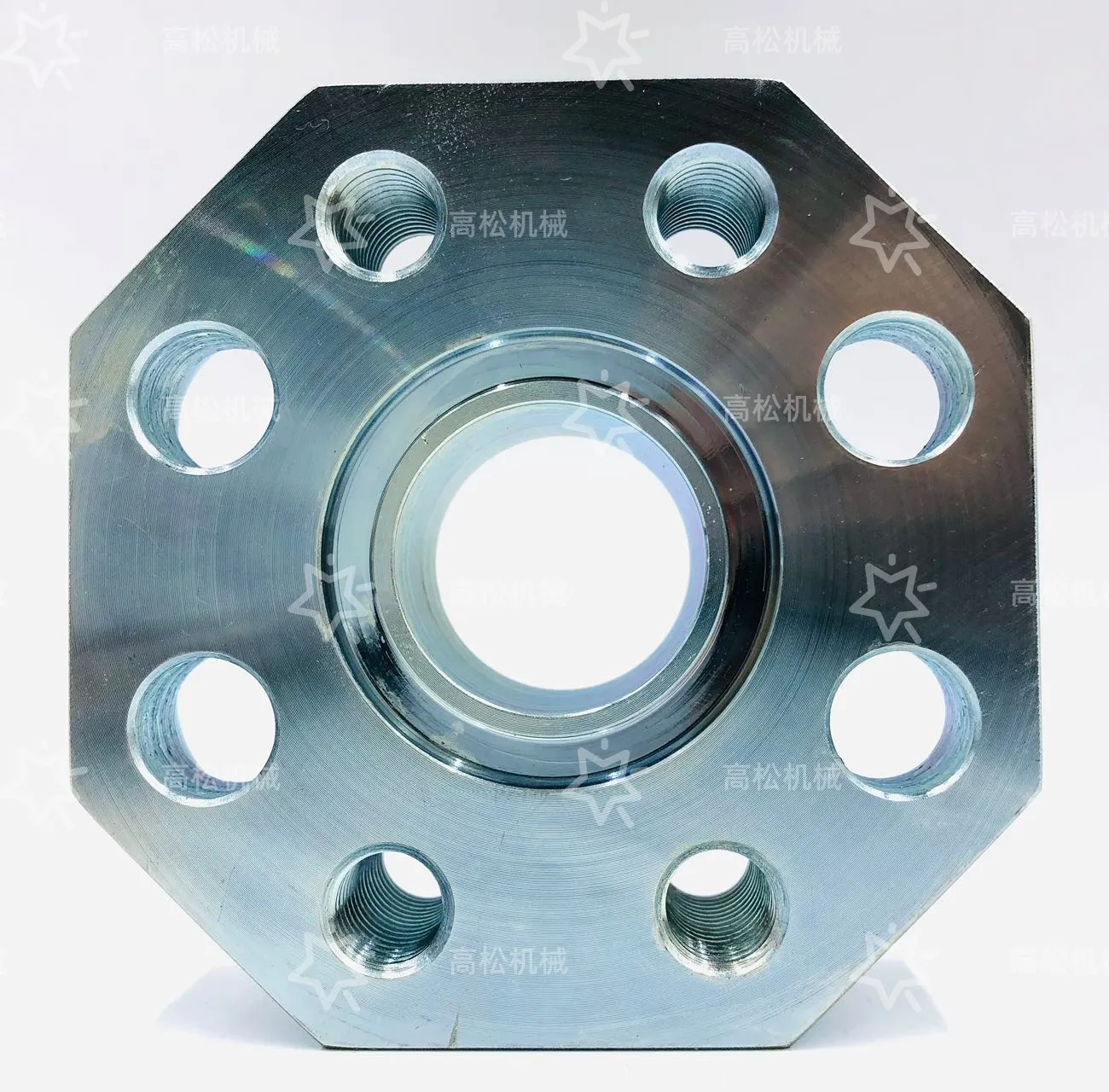 21N-62-11361 Komatsu FLANGE
 -
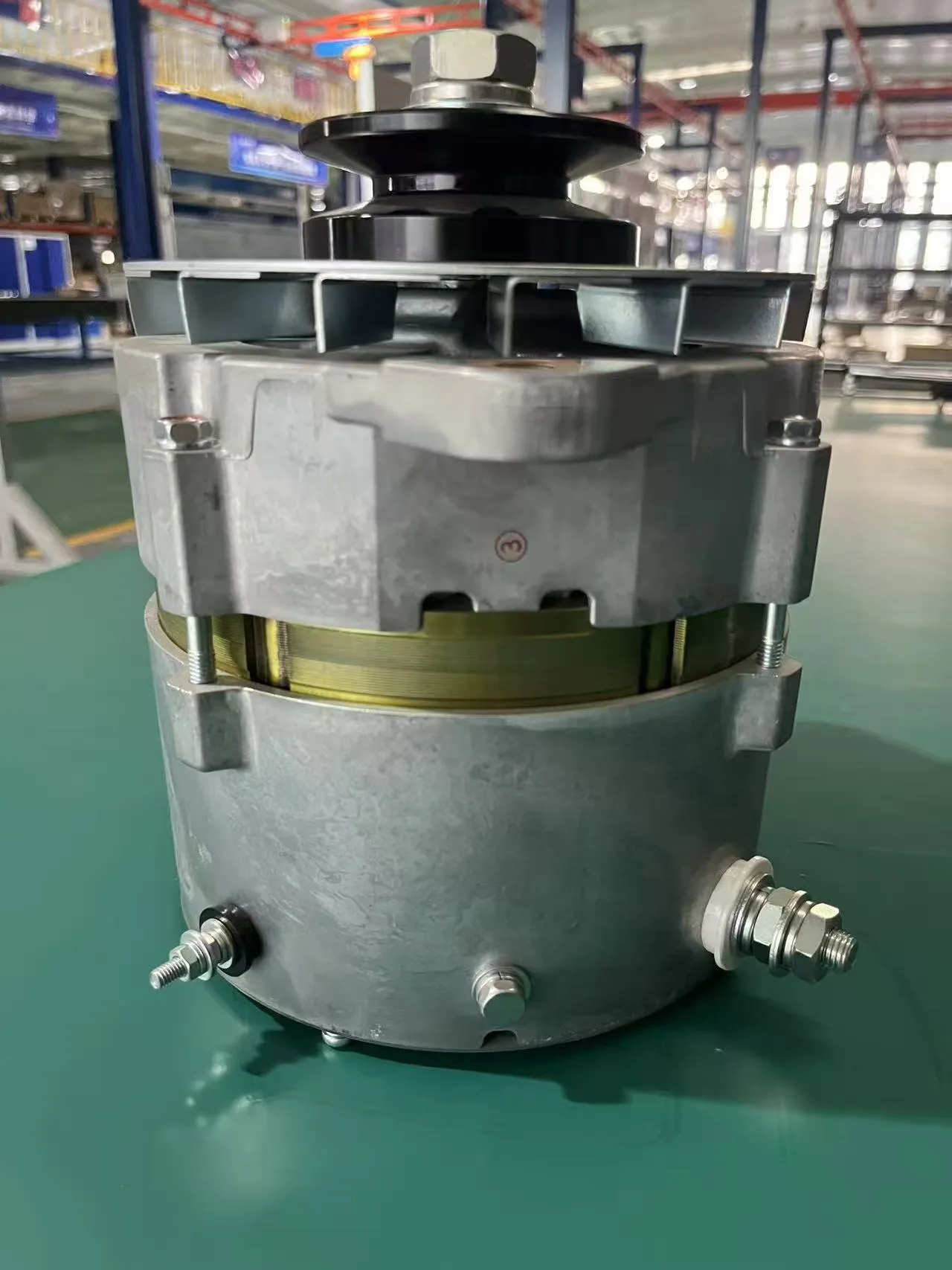 Hd 6d170 12v140 Engine Alternator Parts 600-821-9631…
 -
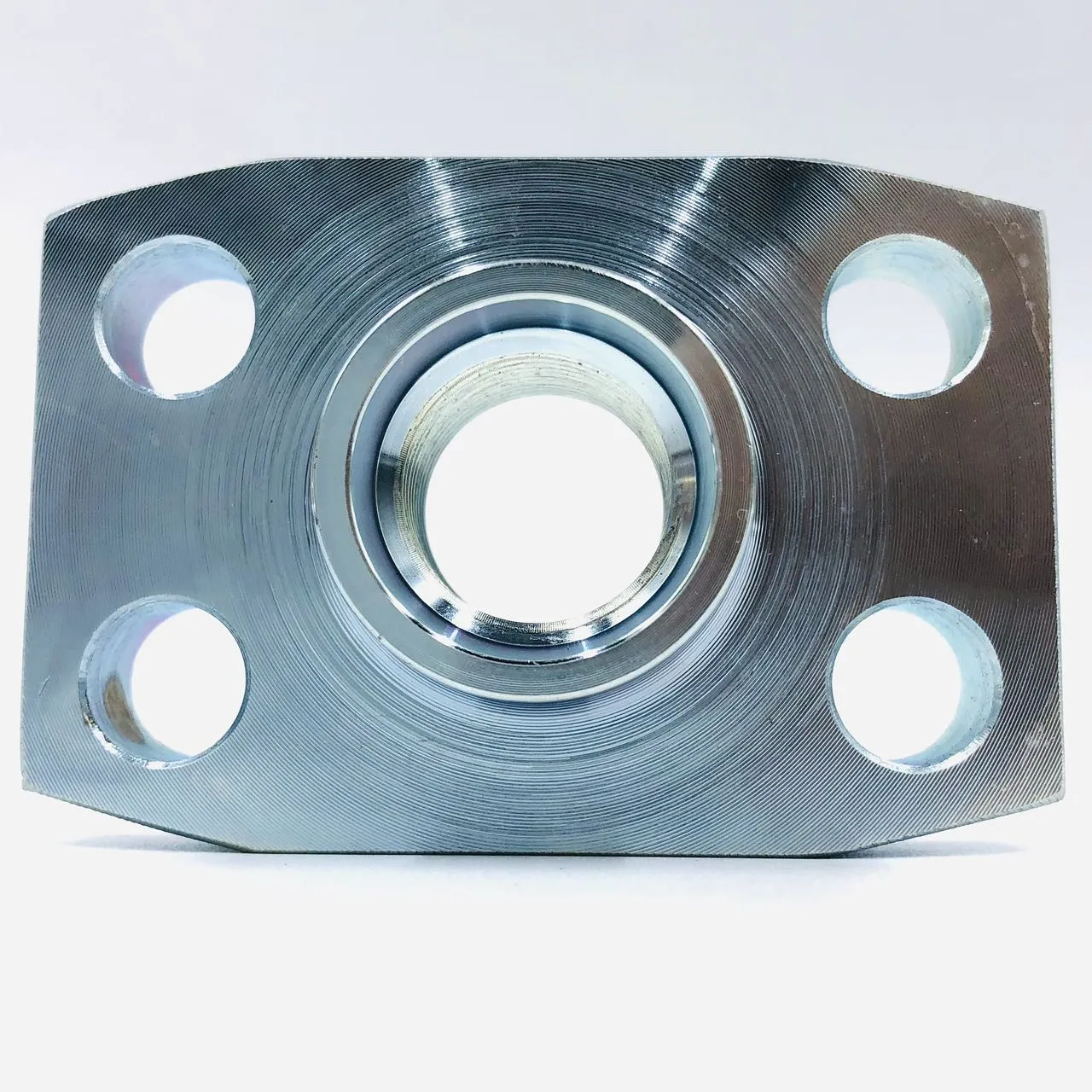 21N-38-12310 Komatsu FLANGEKomatsu Original Equipment Excavator Parts
 -
 6240-61-2120 Cover for Engine SAA6D170E-3F-8 Parts – Komatsu
 -
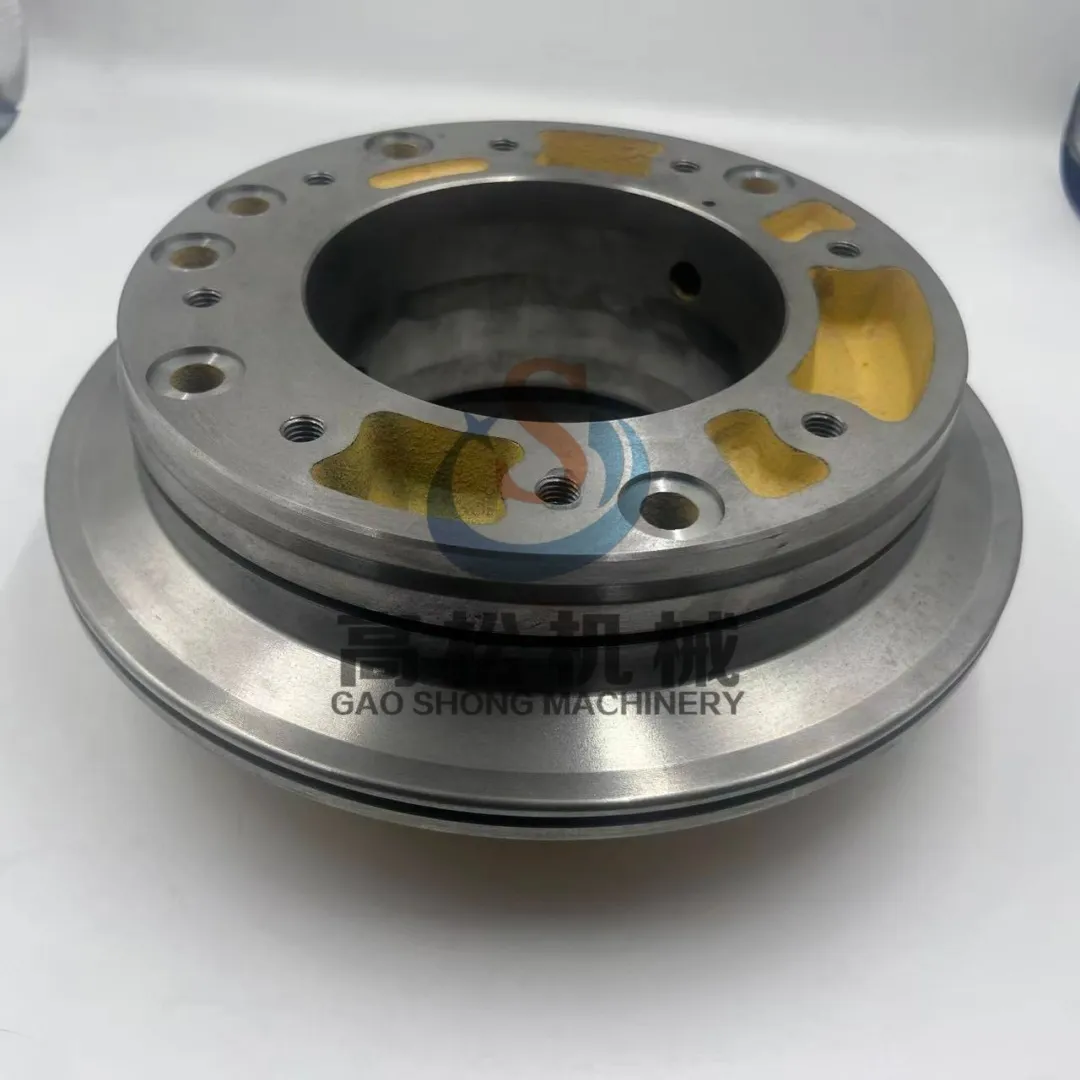 17A-22-11132 Cylinder (Komatsu)
 -
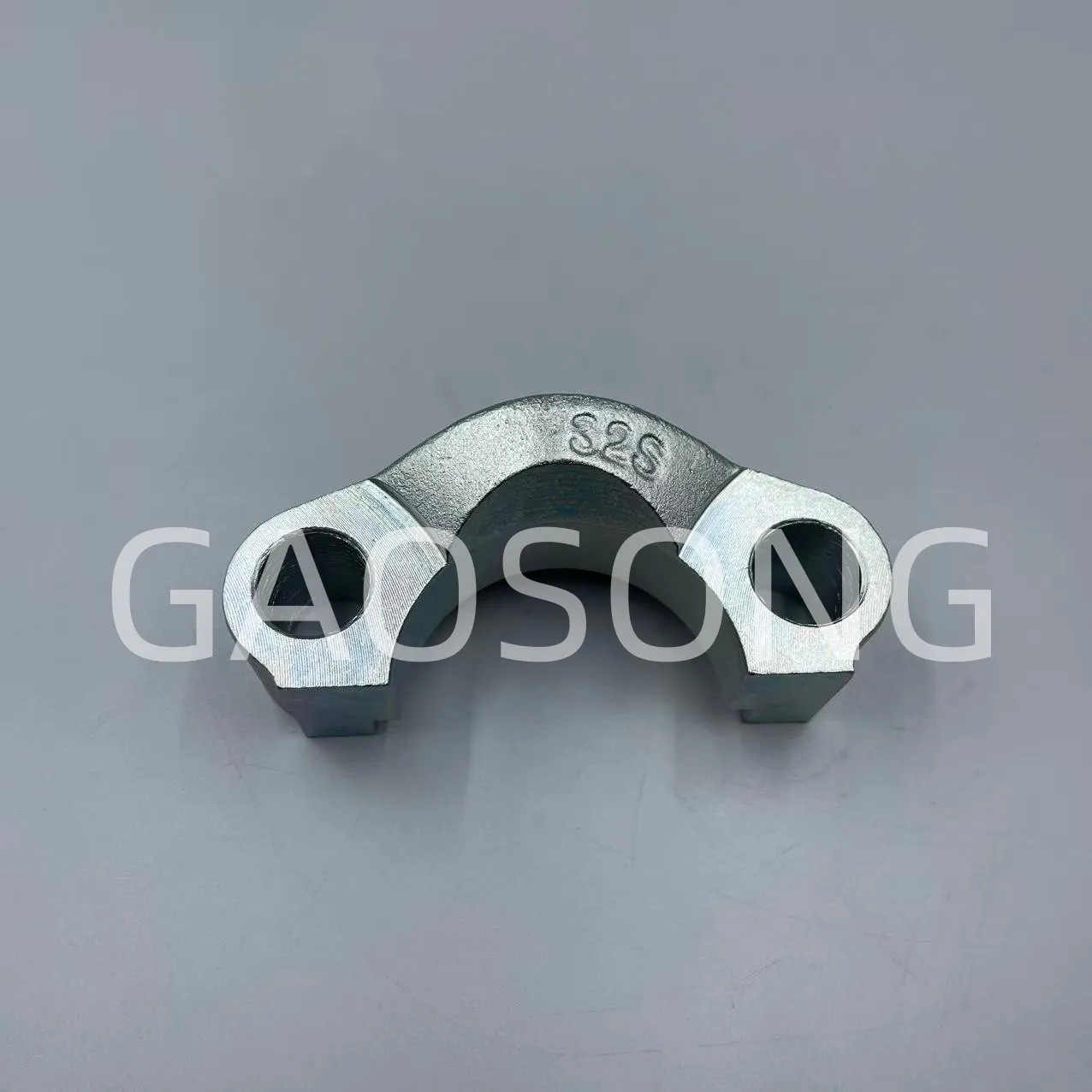 707-40-28020 • SPACER-Komatsu Original Factory