
- Chinese
- French
- German
- Portuguese
- Spanish
- Russian
- Japanese
- Korean
- Arabic
- Irish
- Greek
- Turkish
- Italian
- Danish
- Romanian
- Indonesian
- Czech
- Afrikaans
- Swedish
- Polish
- Basque
- Catalan
- Esperanto
- Hindi
- Lao
- Albanian
- Amharic
- Armenian
- Azerbaijani
- Belarusian
- Bengali
- Bosnian
- Bulgarian
- Cebuano
- Chichewa
- Corsican
- Croatian
- Dutch
- Estonian
- Filipino
- Finnish
- Frisian
- Galician
- Georgian
- Gujarati
- Haitian
- Hausa
- Hawaiian
- Hebrew
- Hmong
- Hungarian
- Icelandic
- Igbo
- Javanese
- Kannada
- Kazakh
- Khmer
- Kurdish
- Kyrgyz
- Latin
- Latvian
- Lithuanian
- Luxembou..
- Macedonian
- Malagasy
- Malay
- Malayalam
- Maltese
- Maori
- Marathi
- Mongolian
- Burmese
- Nepali
- Norwegian
- Pashto
- Persian
- Punjabi
- Serbian
- Sesotho
- Sinhala
- Slovak
- Slovenian
- Somali
- Samoan
- Scots Gaelic
- Shona
- Sindhi
- Sundanese
- Swahili
- Tajik
- Tamil
- Telugu
- Thai
- Ukrainian
- Urdu
- Uzbek
- Vietnamese
- Welsh
- Xhosa
- Yiddish
- Yoruba
- Zulu
- Kinyarwanda
- Tatar
- Oriya
- Turkmen
- Uyghur






komatsu wa180 parts
When you type 'komatsu wa180 parts' into a search, you're not just looking for a bolt or a seal. You're likely in a bind, machine down, pressure on. The immediate results can be misleading—a flood of generic listings that treat a WA180 wheel loader like any other machine. That's the first trap. The WA180, especially older models, has its own quirks. Its hydraulic system, the steering linkage specifics, even the common wear points on the bucket linkage aren't always interchangeable with, say, a WA150 or WA200. Assuming they are is how you waste a day and a few hundred bucks on the wrong part.
The OEM vs. Aftermarket Maze for WA180 Components
Here's where experience dictates the path. For critical drivetrain and hydraulic components—think main hydraulic pump, torque converter, or axle differential parts—I lean heavily toward genuine or certified OEM channels. The tolerances are just different. I've seen aftermarket pumps for the WA180 that fit and even run, but they develop internal leakage within 200 hours because the casting quality for the valve plate wasn't up to Komatsu's spec. The cost savings evaporated fast when you factor in the second round of labor and downtime.
However, going pure OEM isn't always feasible or smart. For non-critical wear items, the landscape has changed. A company like Jining Gaosong Construction Machinery Co., Ltd. occupies a crucial niche. They position themselves as an OEM product supplier within the Komatsu system, which in practical terms, often means they have access to the same manufacturing lines or hold original blueprints for certain components. For the WA180, this might cover things like seat brackets, bolt kits, specific hoses, or even refurbished cylinder rods. Their role as a third-party sales company, as noted on their site https://www.takematsumachinery.com, is key for markets where official distribution is thin or slow.
The real value from such a supplier isn't just the part in a box. It's the specificity. A good third-party OEM supplier will ask for your machine serial number. They know that a late-model WA180-3 might have a different brake valve configuration than an early WA180-1. That level of detail in the query separates the parts peddlers from the problem-solvers.
Common Failure Points and the While You're In There Rule
Let's get specific. On the WA180, the front axle pivot bushings are a notorious wear item, especially if the machine does a lot of turning on hard surfaces. The symptom is excessive side-to-side play in the entire loader assembly. Now, when you're sourcing those bushings, you must also check the condition of the kingpins and the seals. It's a classic while you're in there job. Ordering just the bushings from a supplier might get the machine going, but if the kingpins are scored, you're tearing it down again in six months.
I learned this the hard way on a site years ago. We got the bushings from a local supplier, pressed them in, and the play was gone... for a while. The vibration from the worn-but-not-replaced kingpins accelerated wear on the new bushings. The lesson? When sourcing for a known wear assembly, ask your supplier—be it Komatsu direct or a partner like Gaosong—for a kit or a recommended parts list for the entire repair procedure. It often ends up cheaper in the long run.
Another hotspot is the pilot pressure system for the transmission. Weak shifting or delayed response often points to a worn pump or cloged filter. Here, I absolutely insist on genuine Komatsu filters. The aftermarket ones sometimes have a slightly different bypass valve pressure, which can starve the system. For the pump itself, a certified remanufactured unit from a trusted OEM-aligned supplier is often a better value proposition than a brand-new aftermarket unit of unknown provenance.
Sourcing Logistics and the Reality of Lead Times
This is the unglamorous heart of the matter. You find the right part number, you decide on the source, then you hit the wall of availability. For a machine like the WA180, which isn't the newest model, parts aren't always on a shelf in your country. This is exactly the parts supply challenges in certain countries that a company like Jining Gaosong addresses. Their model is built on bridging that gap.
In practice, dealing with an international supplier requires a different mindset. You need to build in lead time—sometimes 10-14 days even for air freight, once customs is factored in. The communication is vital. A good supplier will provide a proforma invoice with a clear breakdown of part numbers, descriptions aligned with Komatsu manuals, and shipping terms. Vague descriptions are a red flag. If the email just says hydraulic hose for WA180, walk away. It should read something like Hose, Hydraulic (Komatsu P/N 20Y-63-21710), for WA180-1/2 Control Valve to Cylinder.
I've had successes and failures here. A success was sourcing a complete steering metering pump assembly for a WA180-2 through a similar OEM-aligned channel. The part was a certified rebuild, arrived with all gaskets and seals, and the serial number tag matched the sub-model. It bolted right up. A failure was ordering what was advertised as an OEM equivalent swing bearing. The dimensions were off by half a millimeter, which was enough to cause a binding issue during installation. We had to send it back, eating the shipping cost. The takeaway? For ultra-precision components, even within the OEM network, request dimensional verification photos if possible.
Cost-Benefit Analysis: Repair, Replace, or Rebuild?
The search for komatsu wa180 parts inevitably leads to this question. Is it worth fixing? For a major component like the engine or transmission, the decision tree is complex. A complete genuine Komatsu engine rebuild kit can cost a significant fraction of the machine's value. Here, third-party OEM or high-quality aftermarket kits from known brands (like NPR for pistons) can be a viable, money-saving path, provided the machinist doing the work is top-notch.
For the hydraulic system, I'm more conservative. Valve blocks and control valves are intricate. A faulty komatsu wa180 main control valve isn't something you want to rebuild with a generic seal kit unless you have the test bench to verify pressures afterward. In these cases, a replacement valve body from a supplier that specializes in Komatsu, or even a reliable exchange program, is often the smarter play. It swaps downtime from days to hours.
This analysis forces you to look at the machine as a whole. If the undercarriage is shot, the bucket is thin, and you're facing a major powertrain repair, pouring money into new parts might be throwing good money after bad. But if the machine is structurally sound, finding a reliable parts pipeline—whether through official or trusted third-party OEM channels like the one mentioned—can extend its life for thousands of profitable hours.
Building a Reliable Supply Chain for the Long Haul
Ultimately, managing an older machine like the WA180 isn't about one-off parts searches. It's about building relationships with suppliers who understand the machine's lifecycle. You want a partner who can tell you, Yes, we have that idler gear in stock, but we've seen a pattern of failures with the mating gear on that serial number range. You should check yours. That's the level of insight that turns a parts vendor into an asset.
Companies that explicitly state they help solve supply challenges, as Jining Gaosong does, are targeting this pain point. Their value isn't just in a database of part numbers, but in having the technical knowledge to cross-reference and the logistics network to move parts efficiently across borders. For a fleet manager or an owner-operator with a couple of these loaders, establishing a go-to contact at such a firm is worth its weight in gold.
So, the next time you're digging for komatsu wa180 parts, look beyond the first page of results. Look for the suppliers who ask for your serial number, who provide detailed diagrams, and who communicate clearly about origin and lead time. The right part, from the right source, at the right time—that's what keeps a WA180 earning its keep, long after the factory warranty is a distant memory. It's less about a single transaction and more about finding a resource you can trust for the next breakdown, because with an older machine, there will always be a next one.
Related Products
Related Products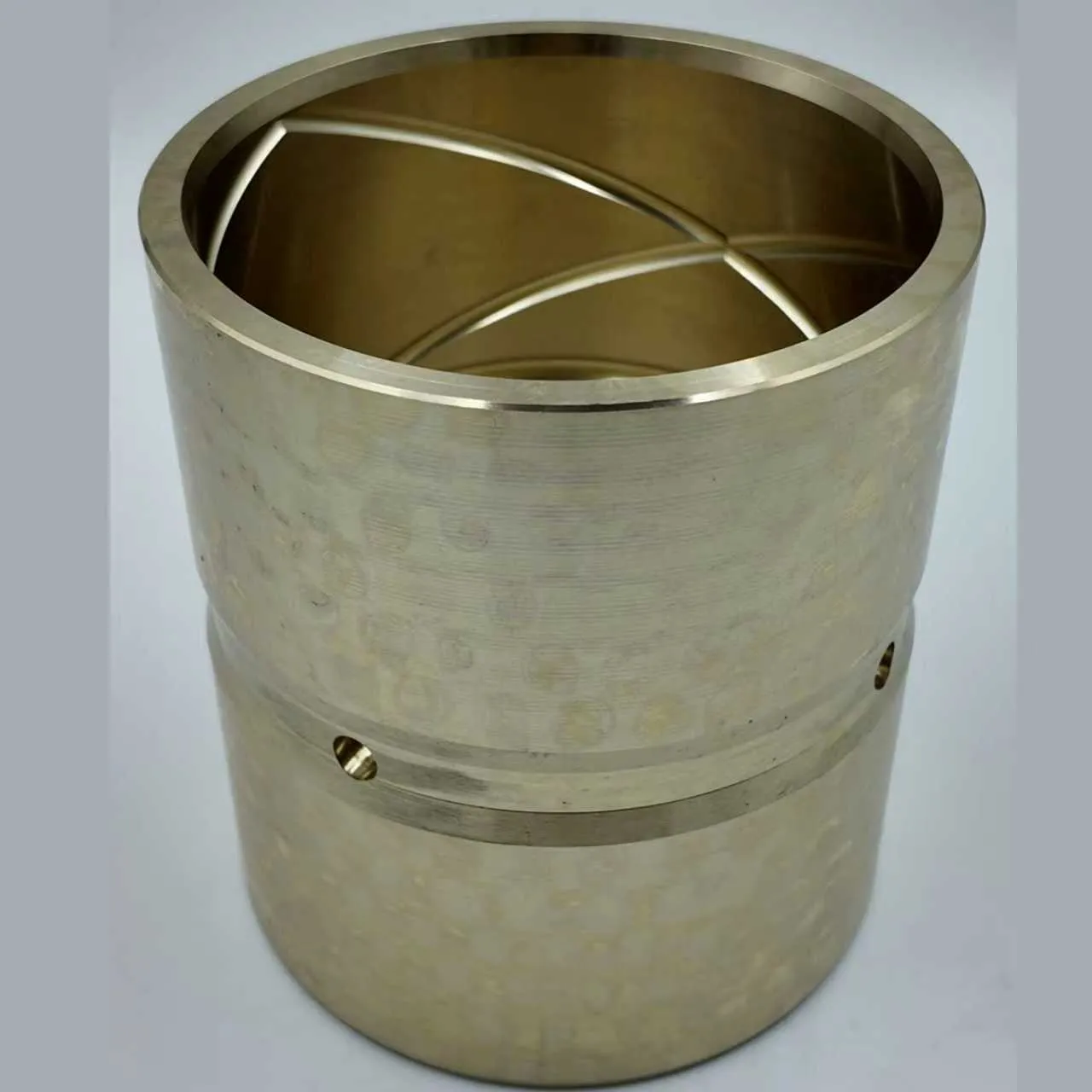
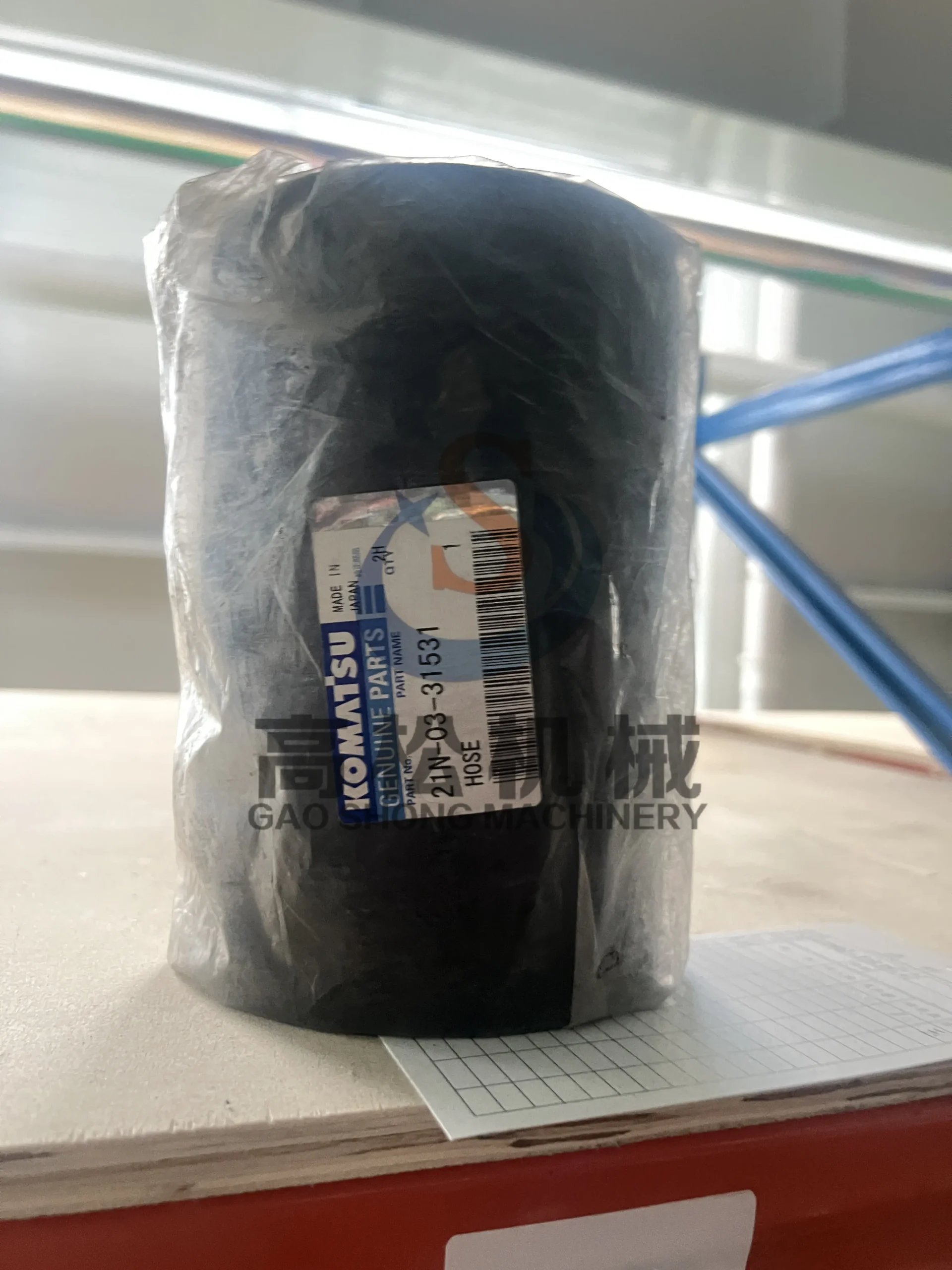
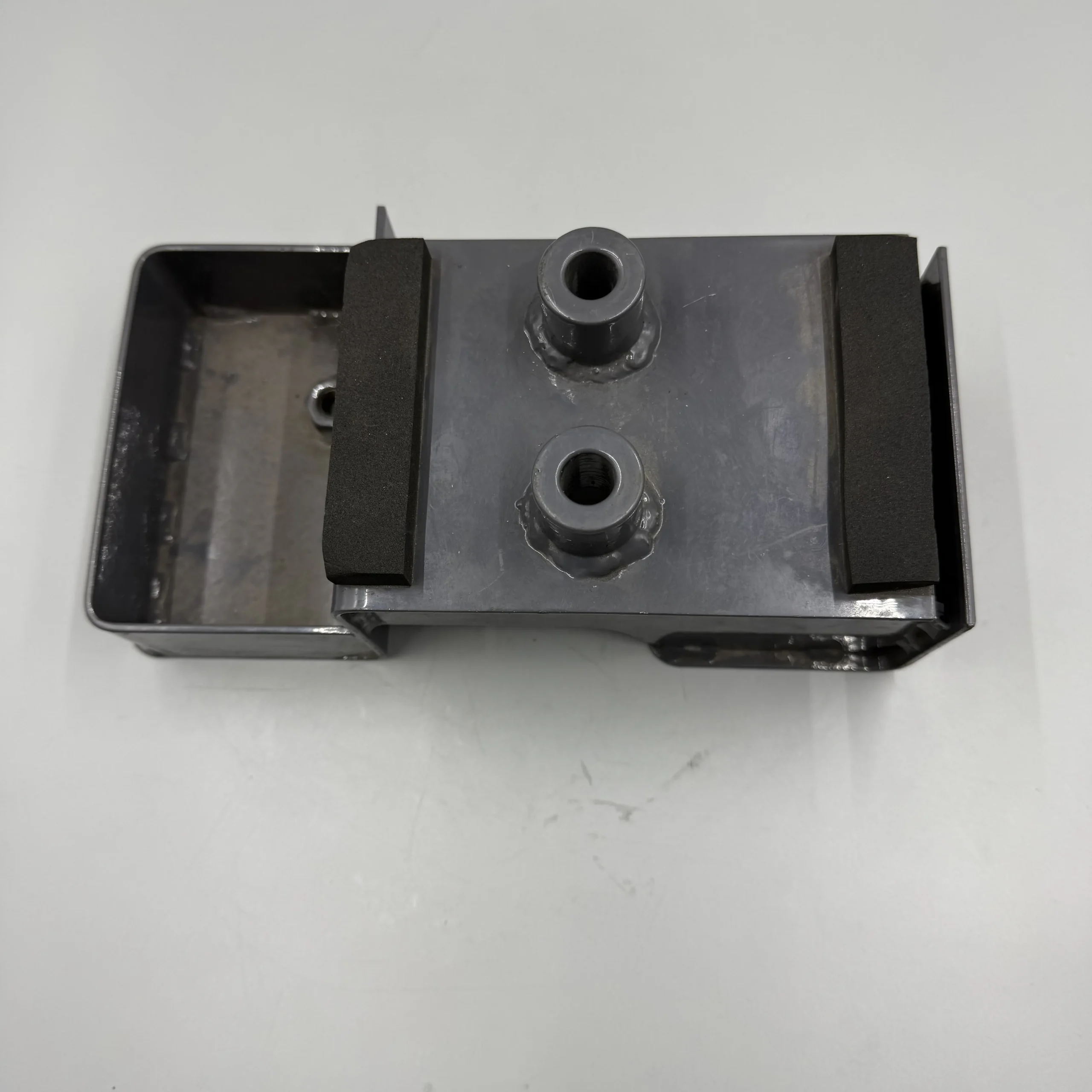
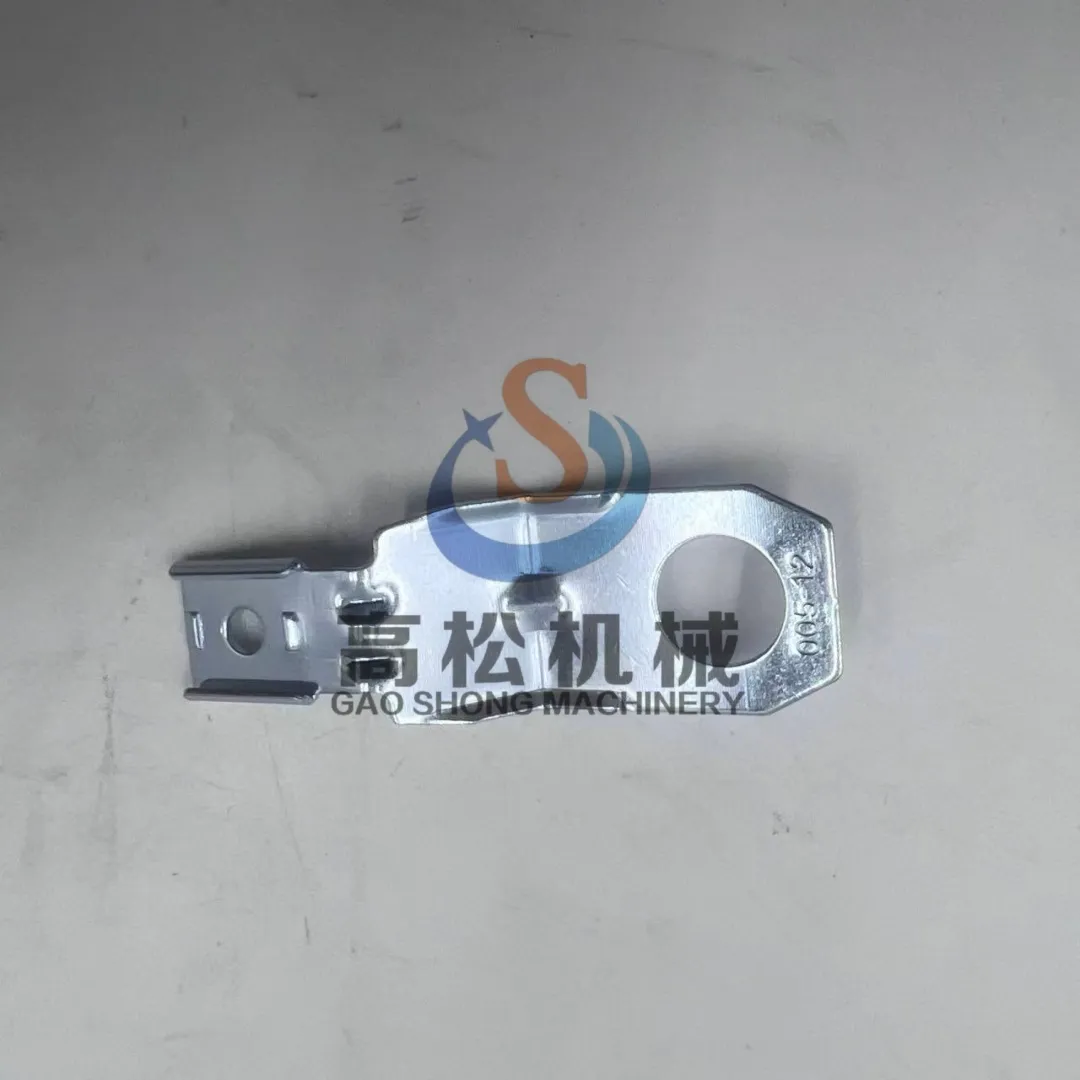
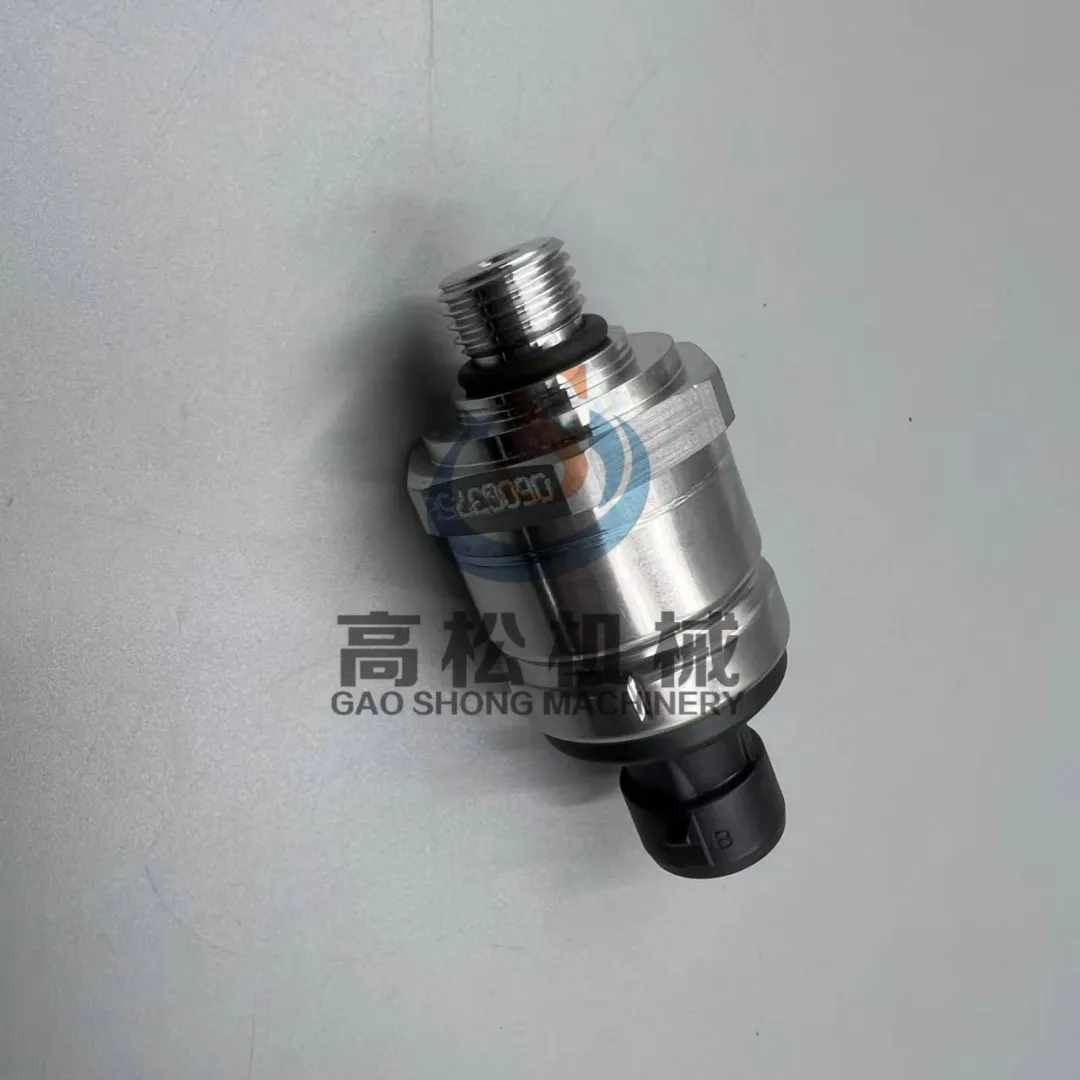
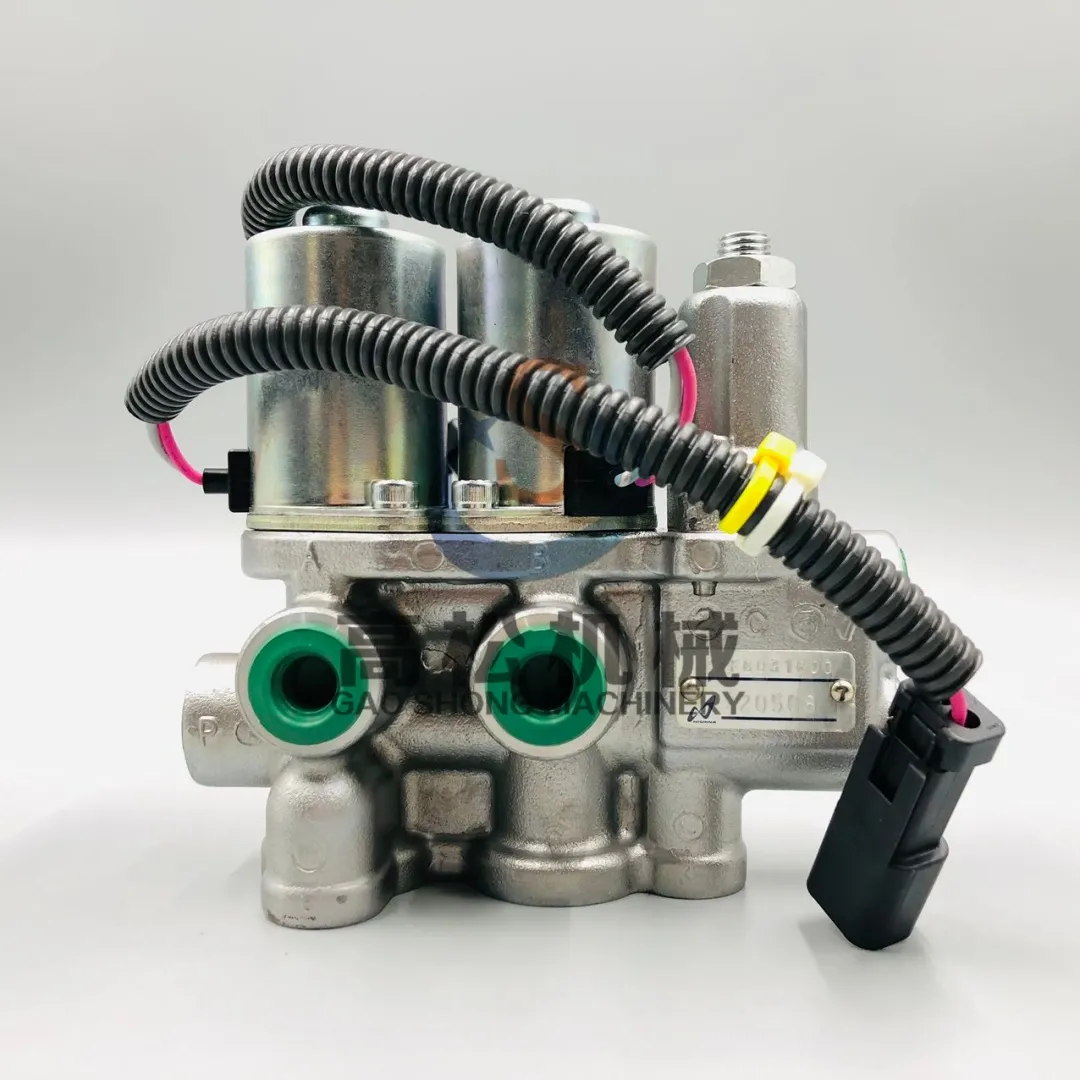
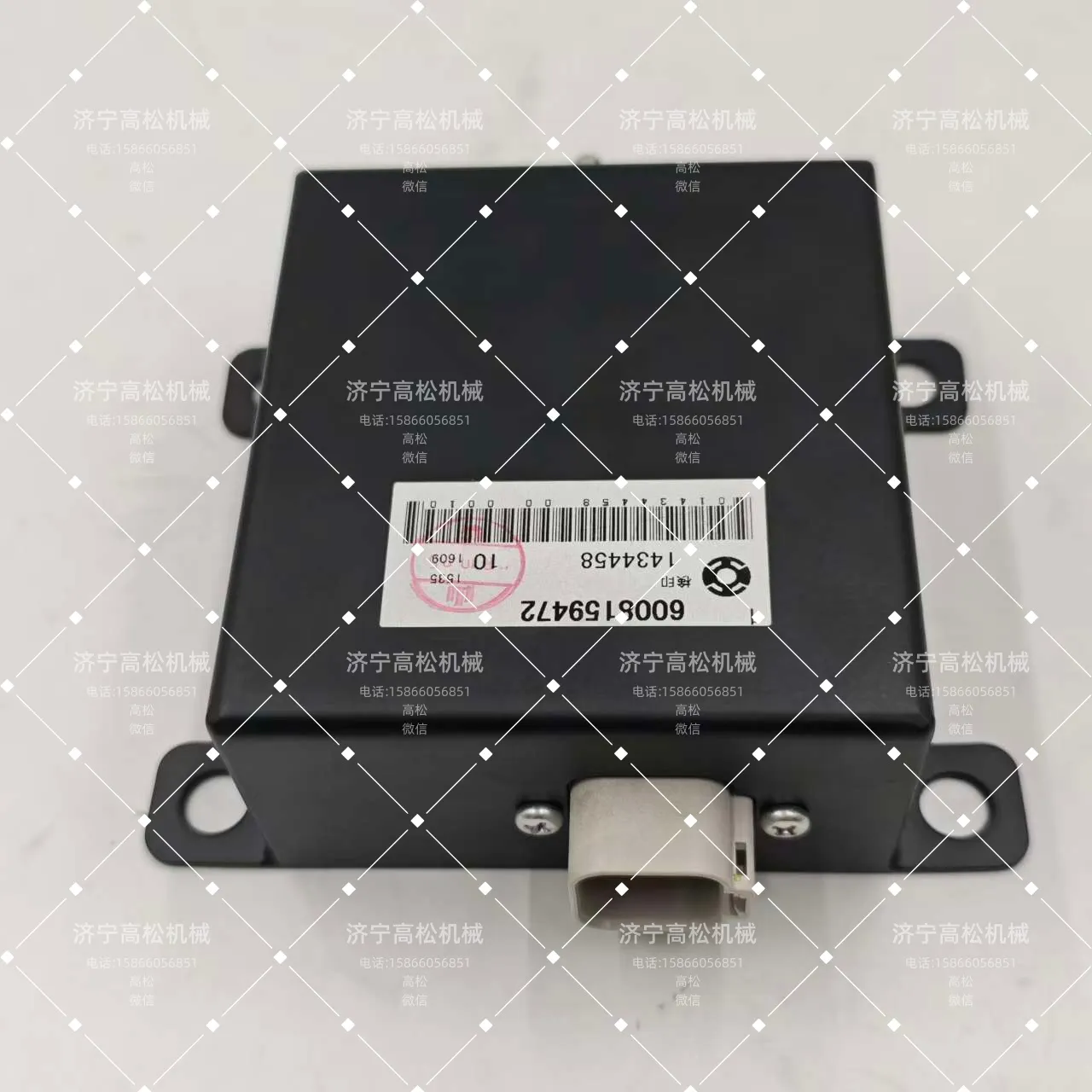
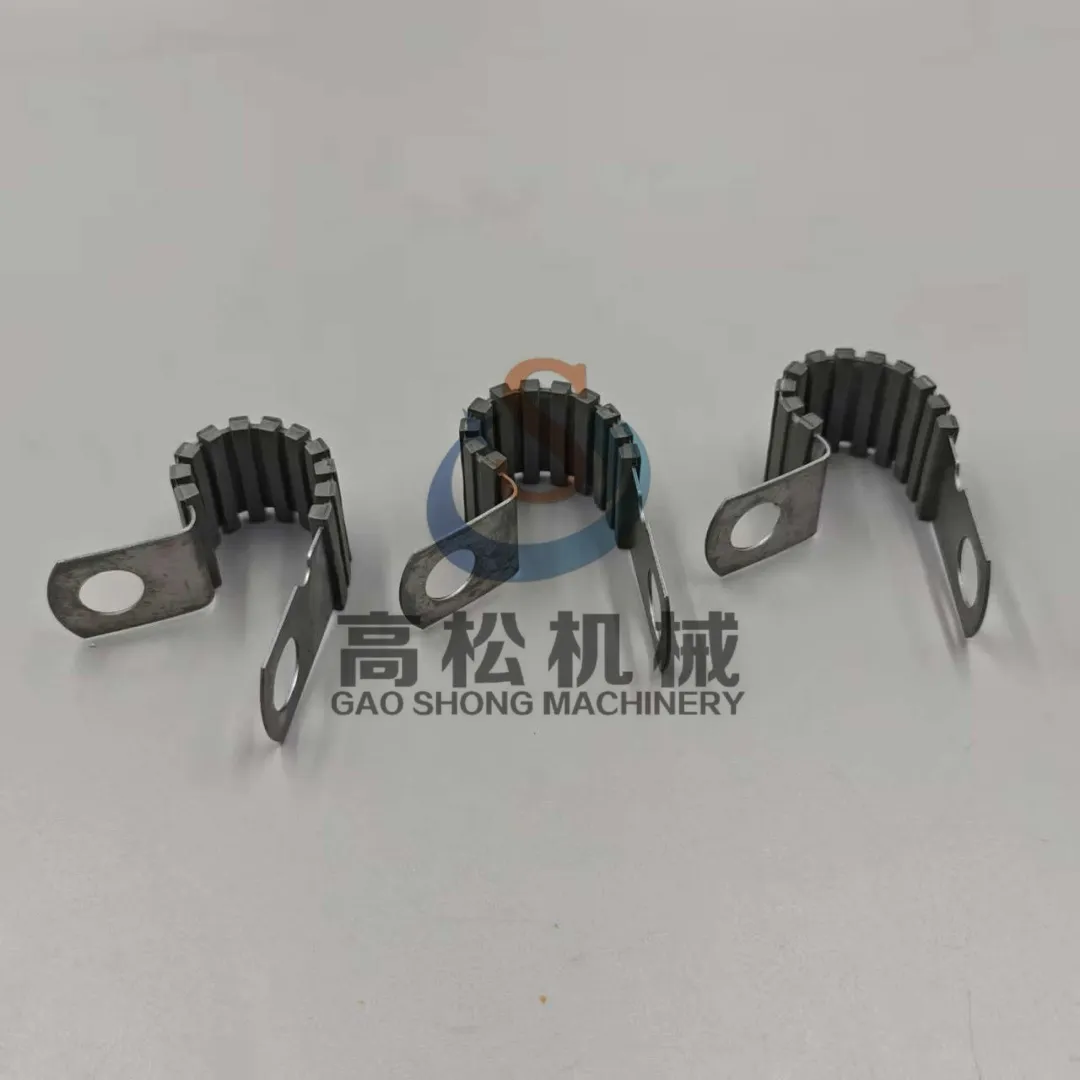
Best Selling Products
Best Selling Products-
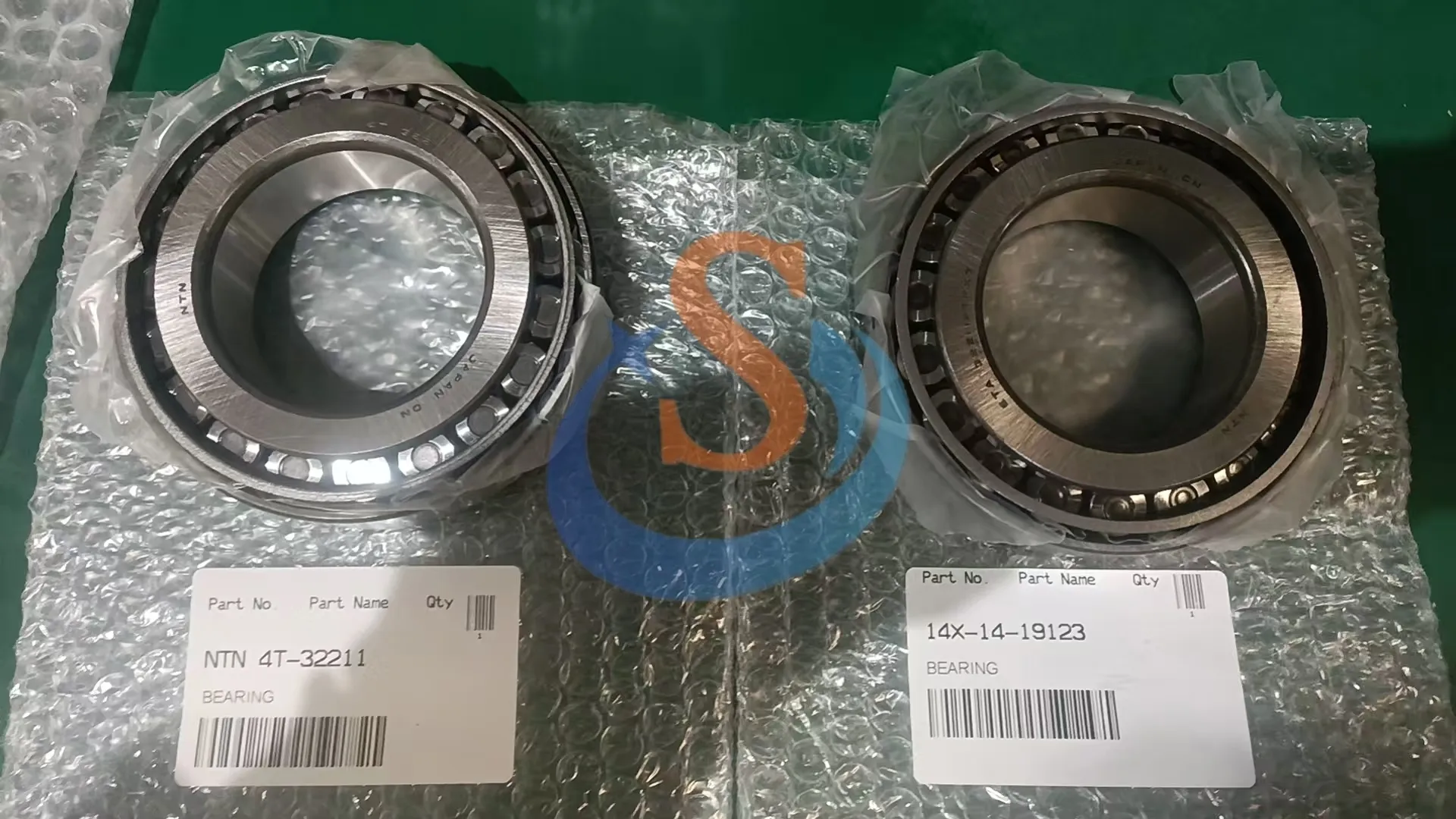 14X-14-19123 BEARING WA380/WA430/WA400
 -
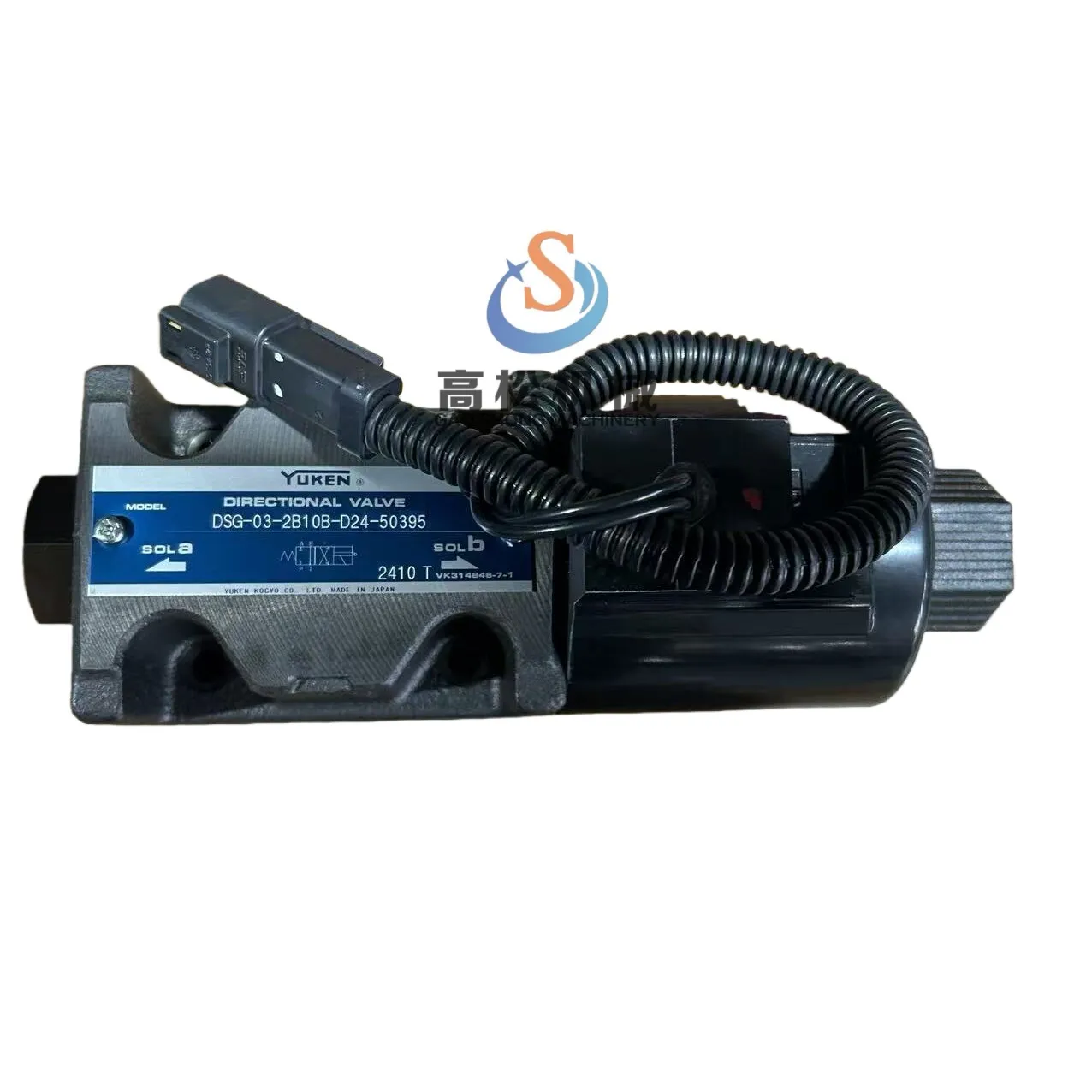 SOLENOID VALVE – 561-43-8A882
 -
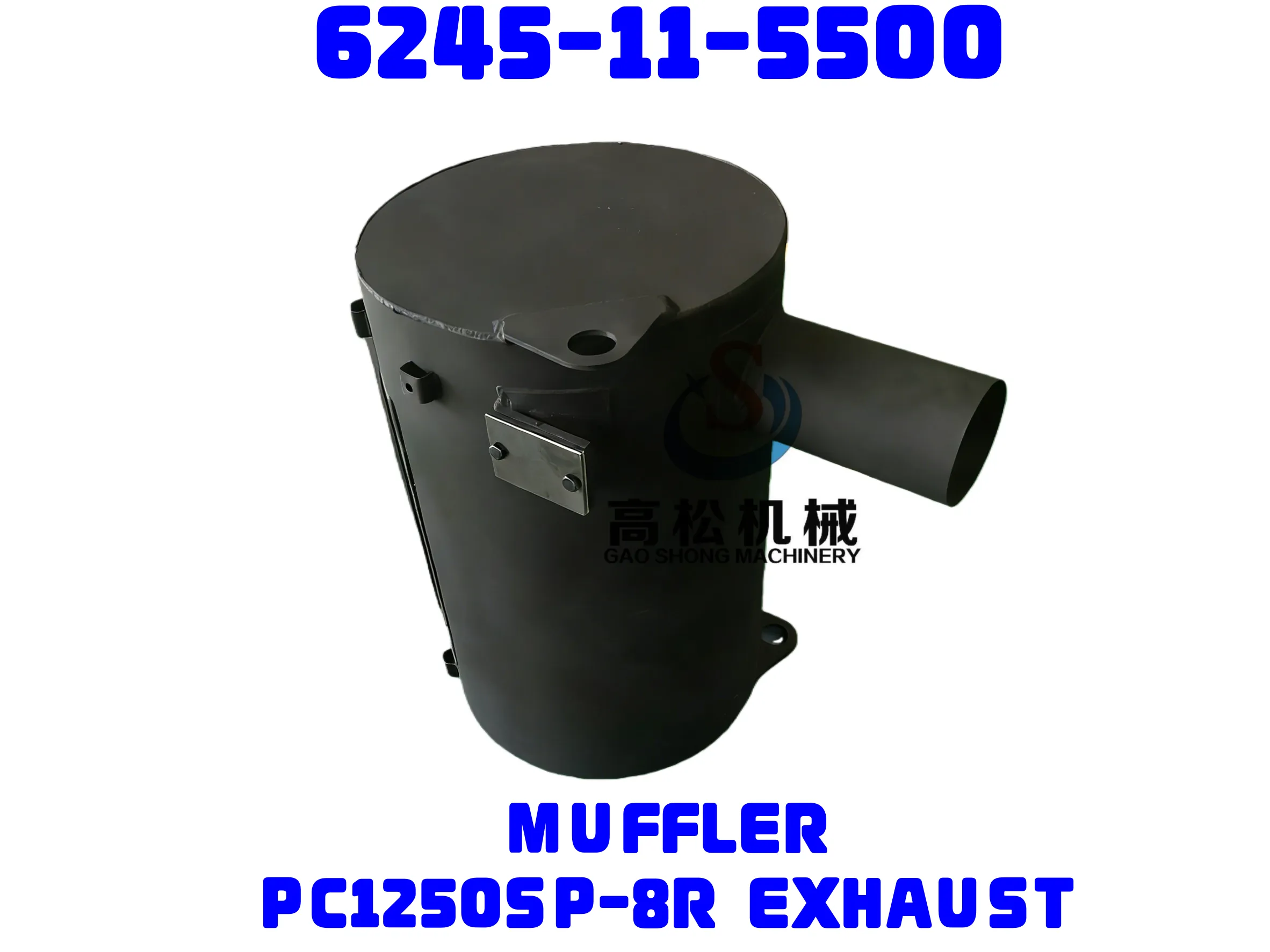 komatsu parts 6245-11-5500 MUFFLER PC1250SP-8R EXHAUST MUFFLER SAA6D170E-5CR-W MUFFLER MOUNTING
 -
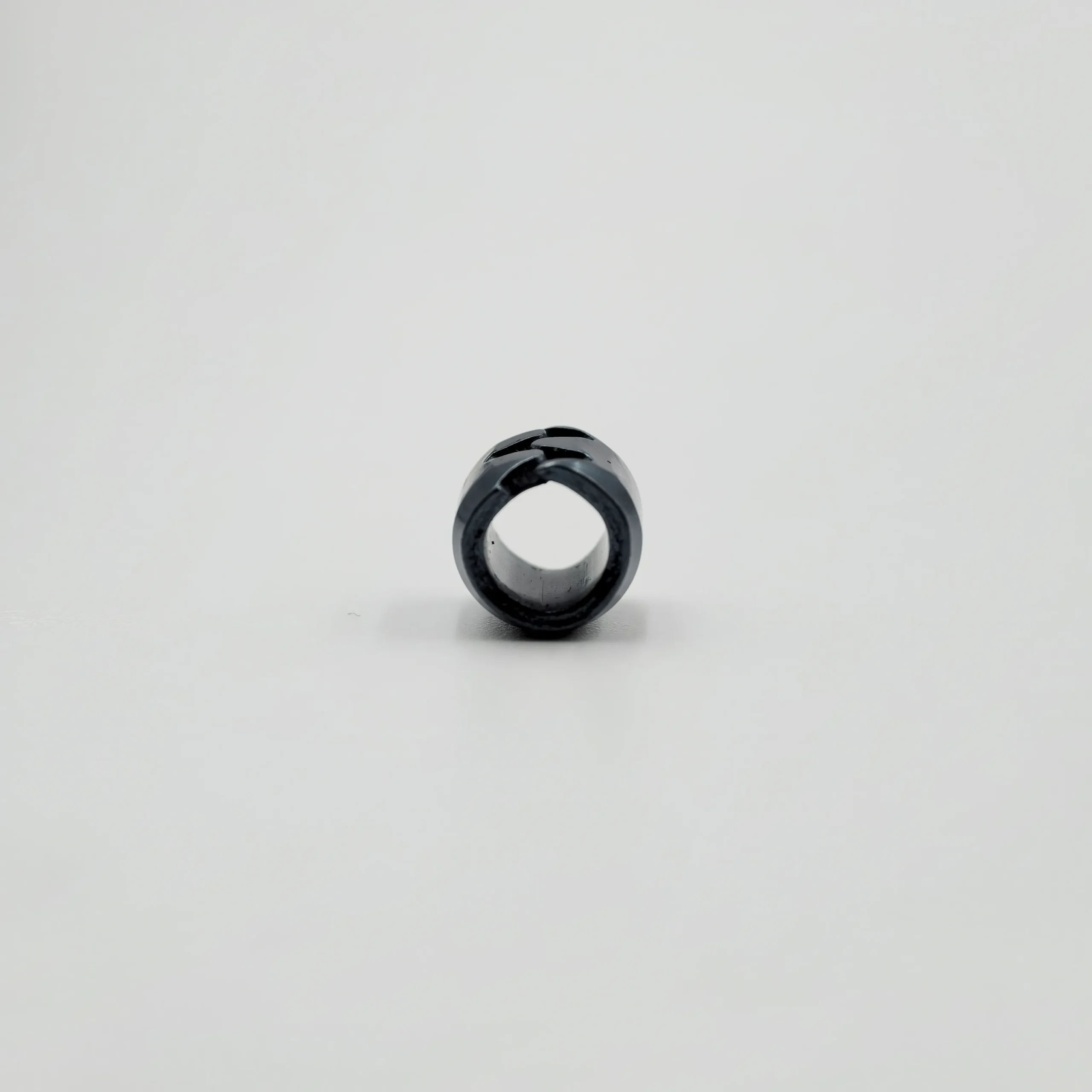 144-70-15251 Komatsu Pin, Dowel
 -
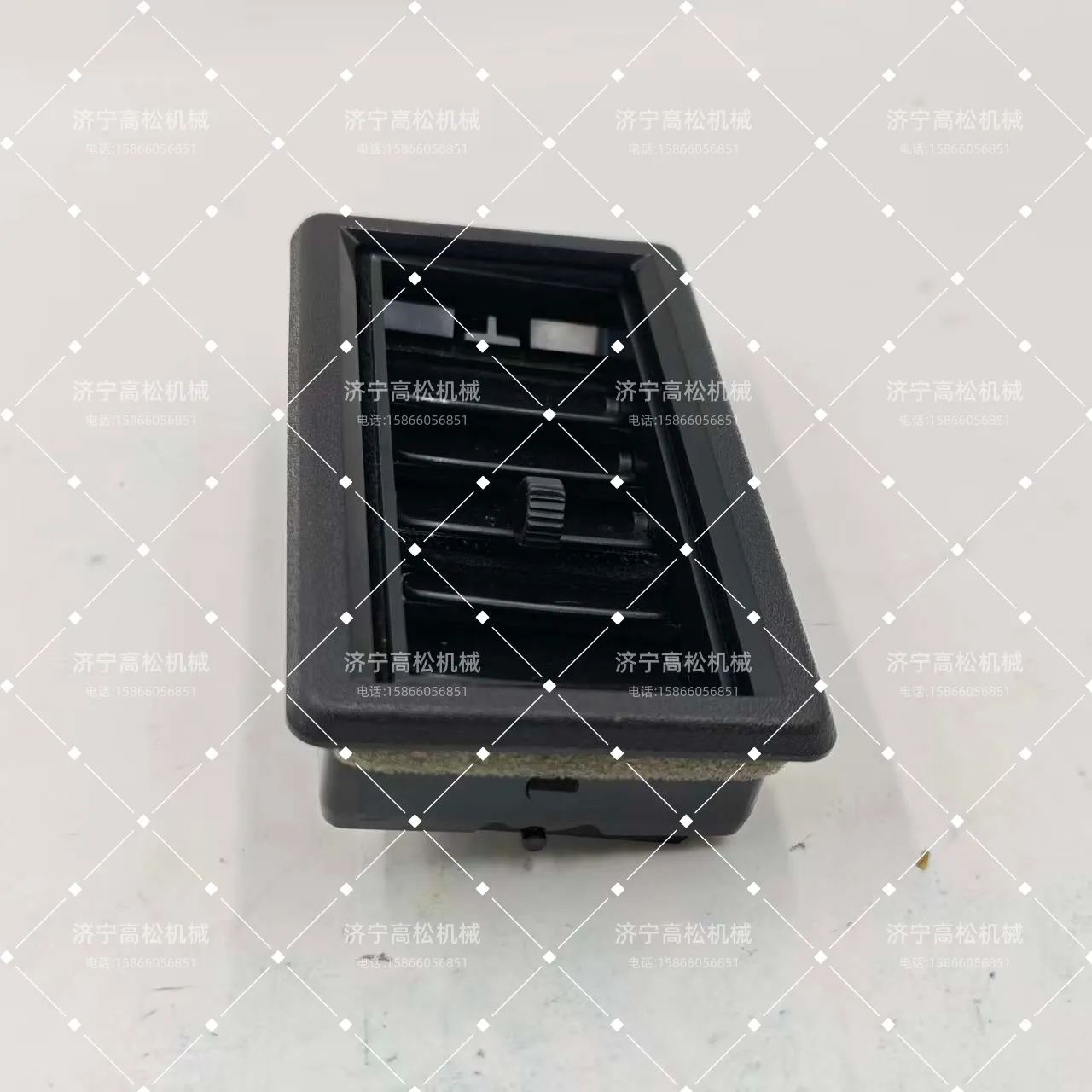 Komatsu 17A-54-18270 Inside cover for D155AX-5 Bulldozer
 -
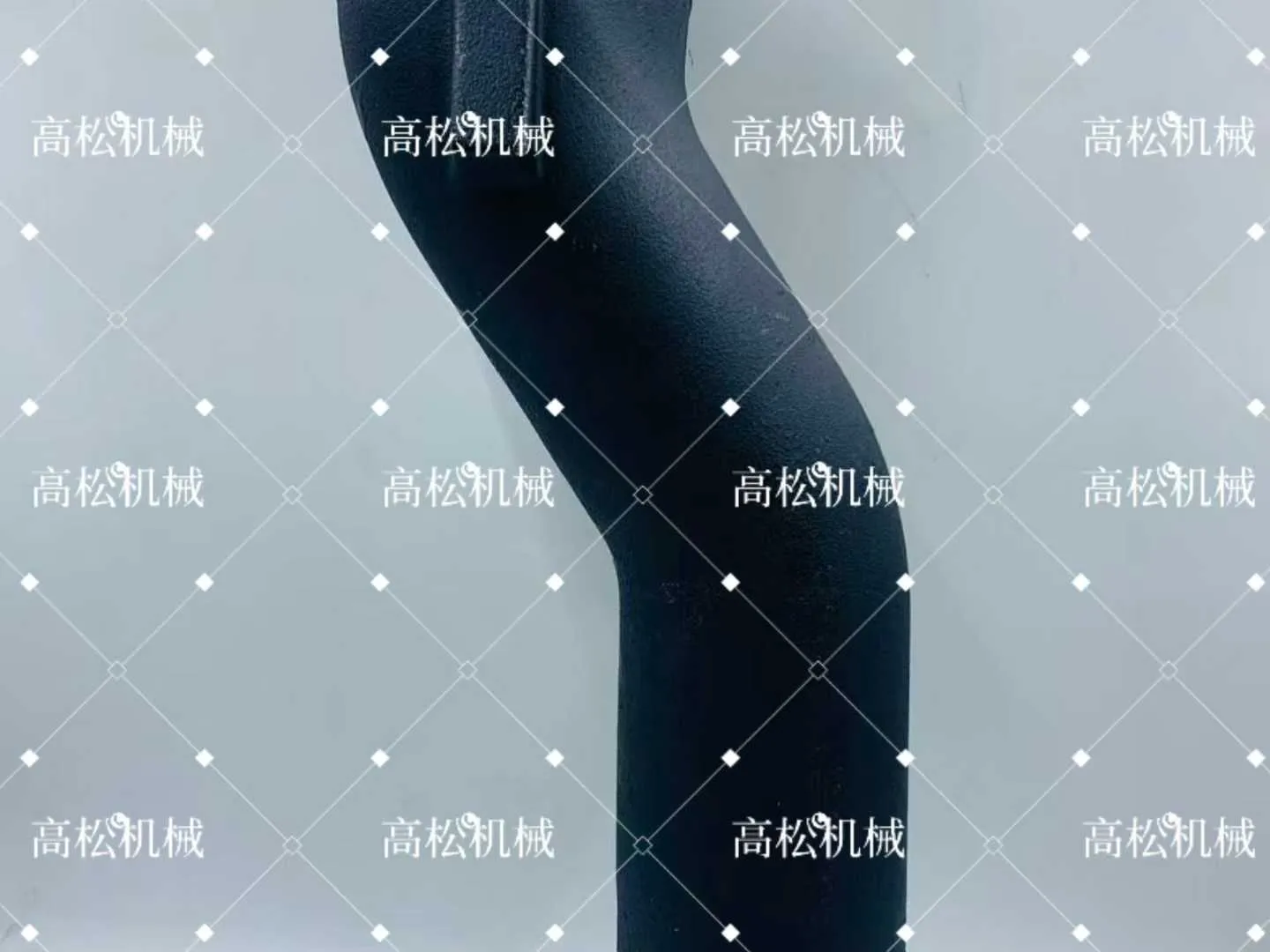 Connector Hose 6156-11-5521 for SAA6D125E Engine, PC400-7 Excavator Spare Part
 -
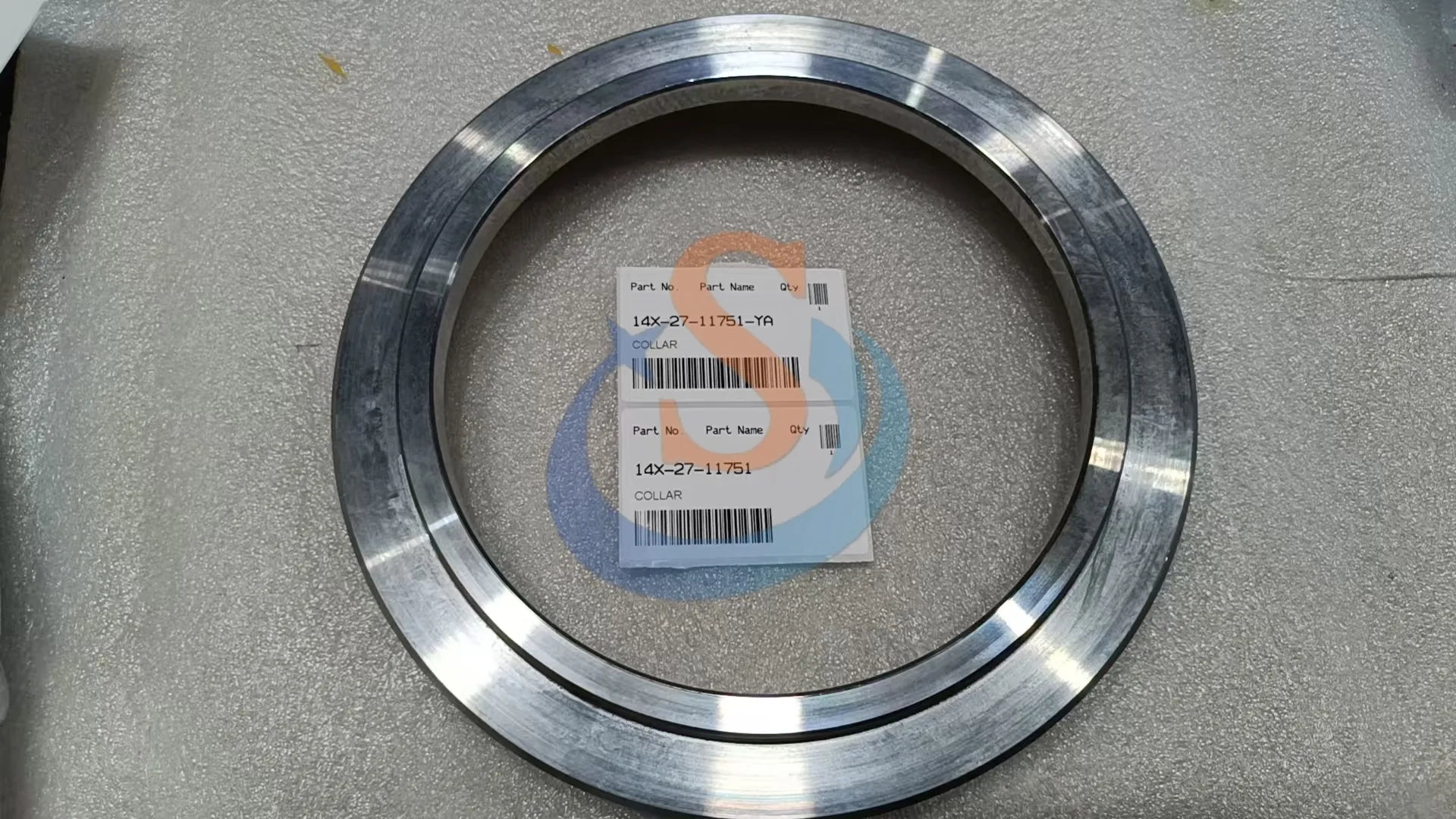 14X-27-11751,COLLAR,D65PX,D65WX,D85E
 -
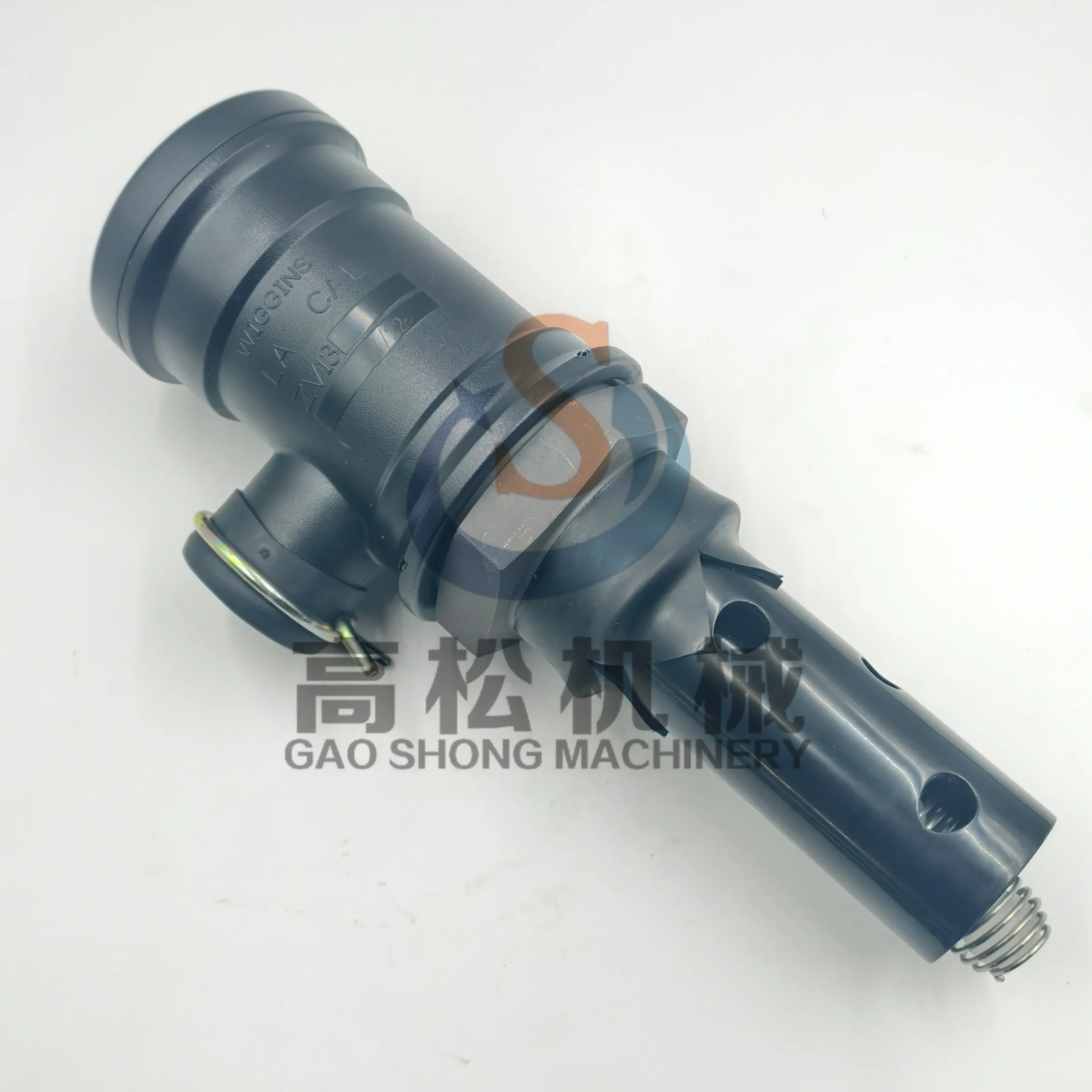 21T-04-31130 VENT ASS’Y (Komatsu)
 -
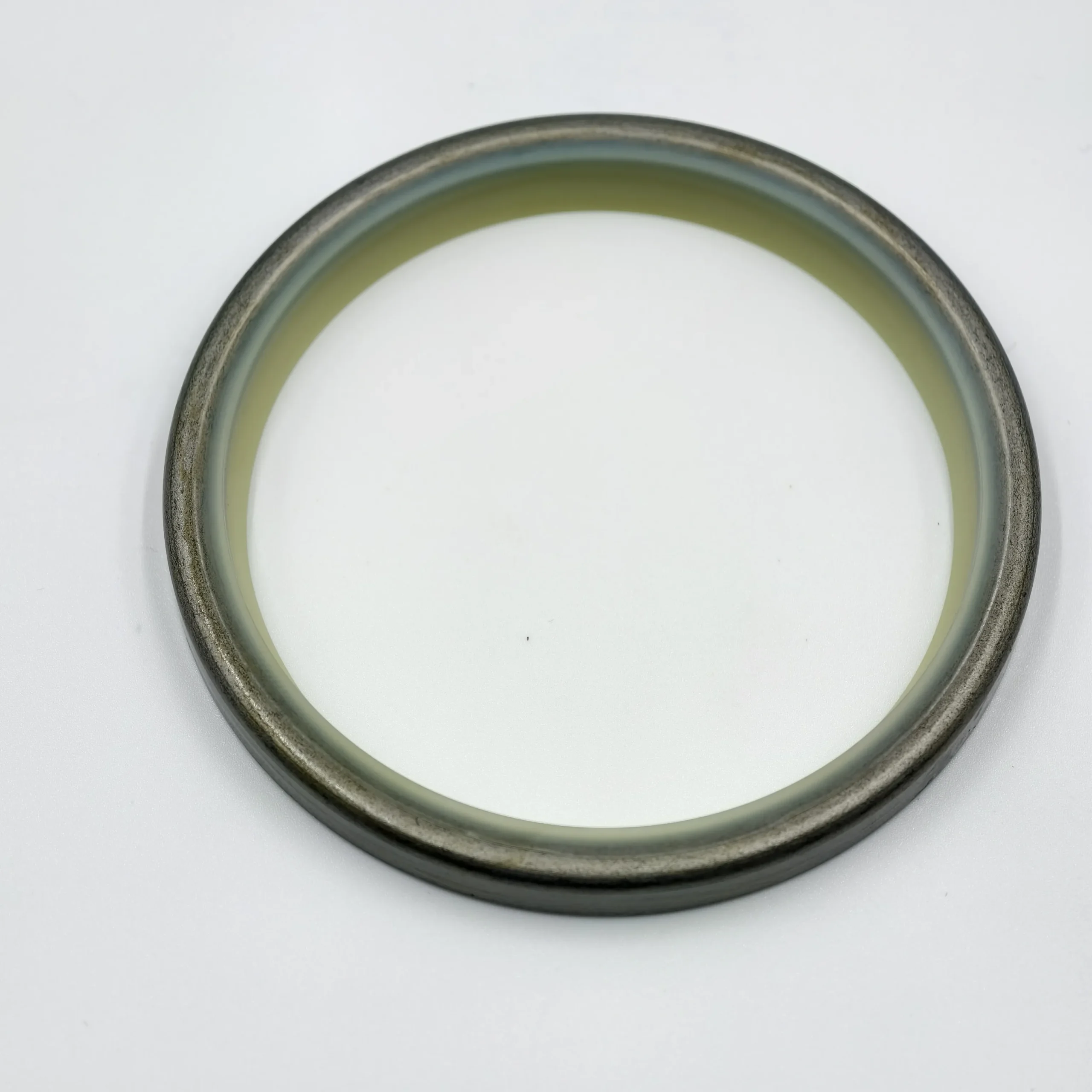 Komatsu 17M-50-24360 Seal, price for original and… — Pricing.Parts
 -
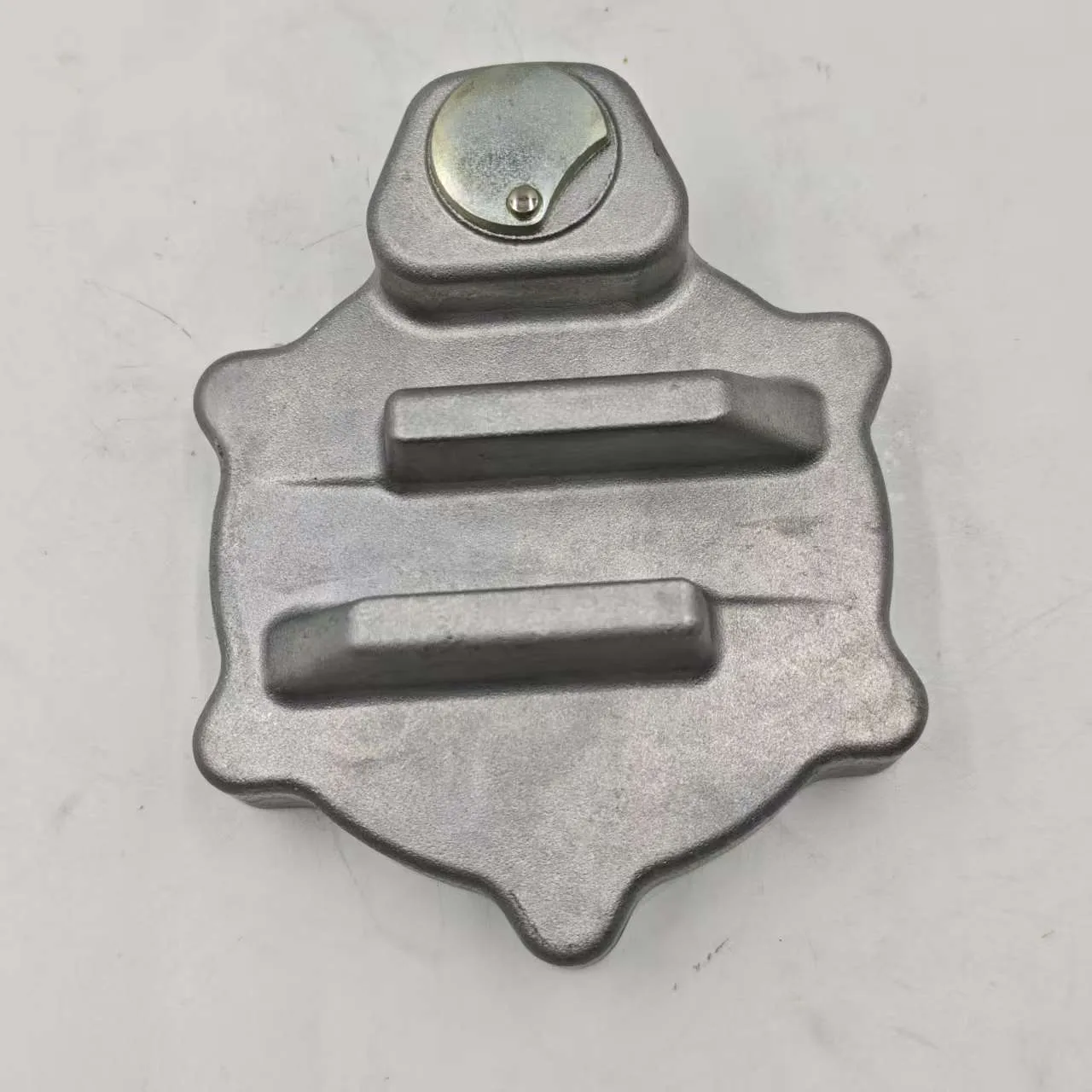 07053-10000 Cap-Radiator Fits KOMATSUU Models
 -
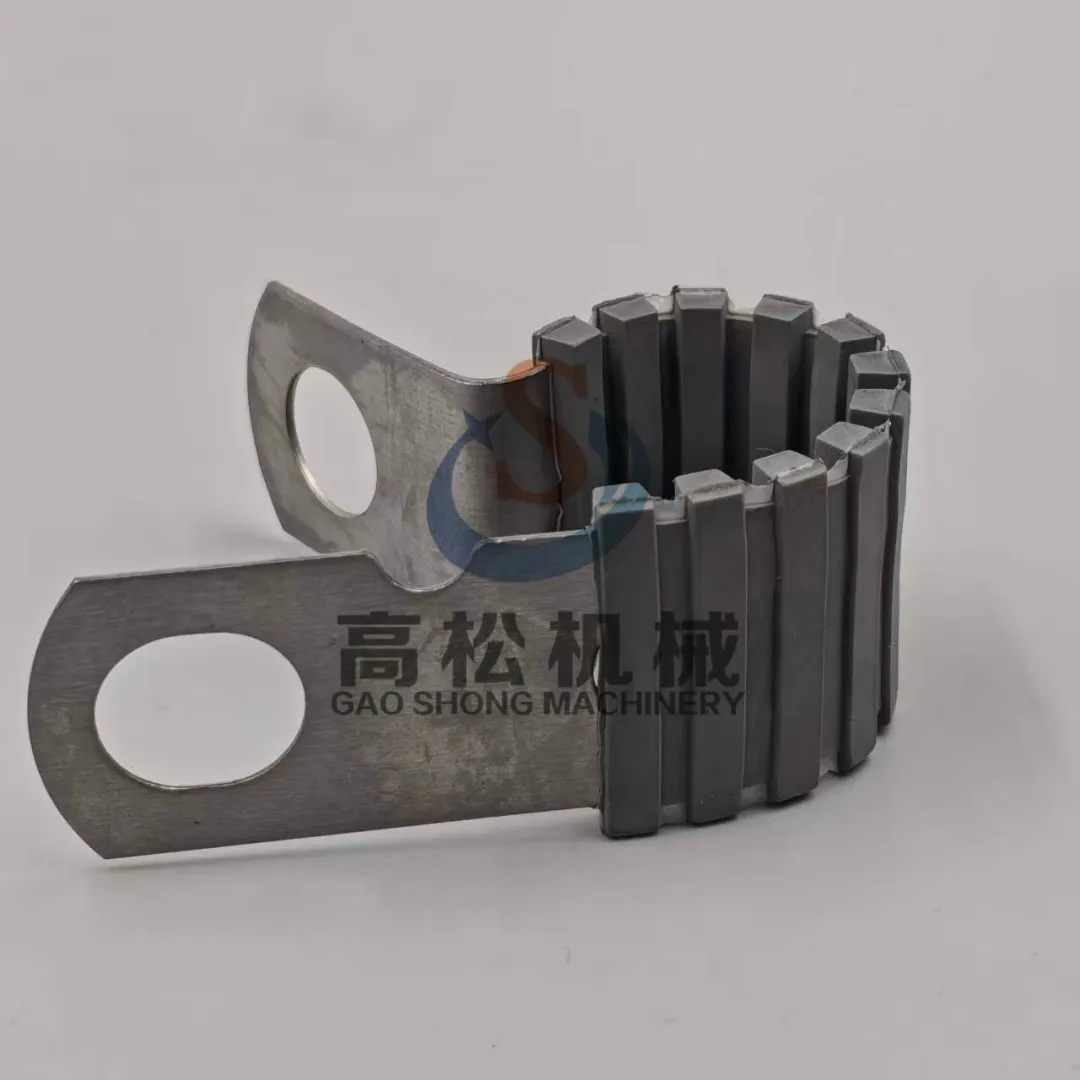 600-051-2180Spare part 600-051-2180 Clip (Komatsu)
 -
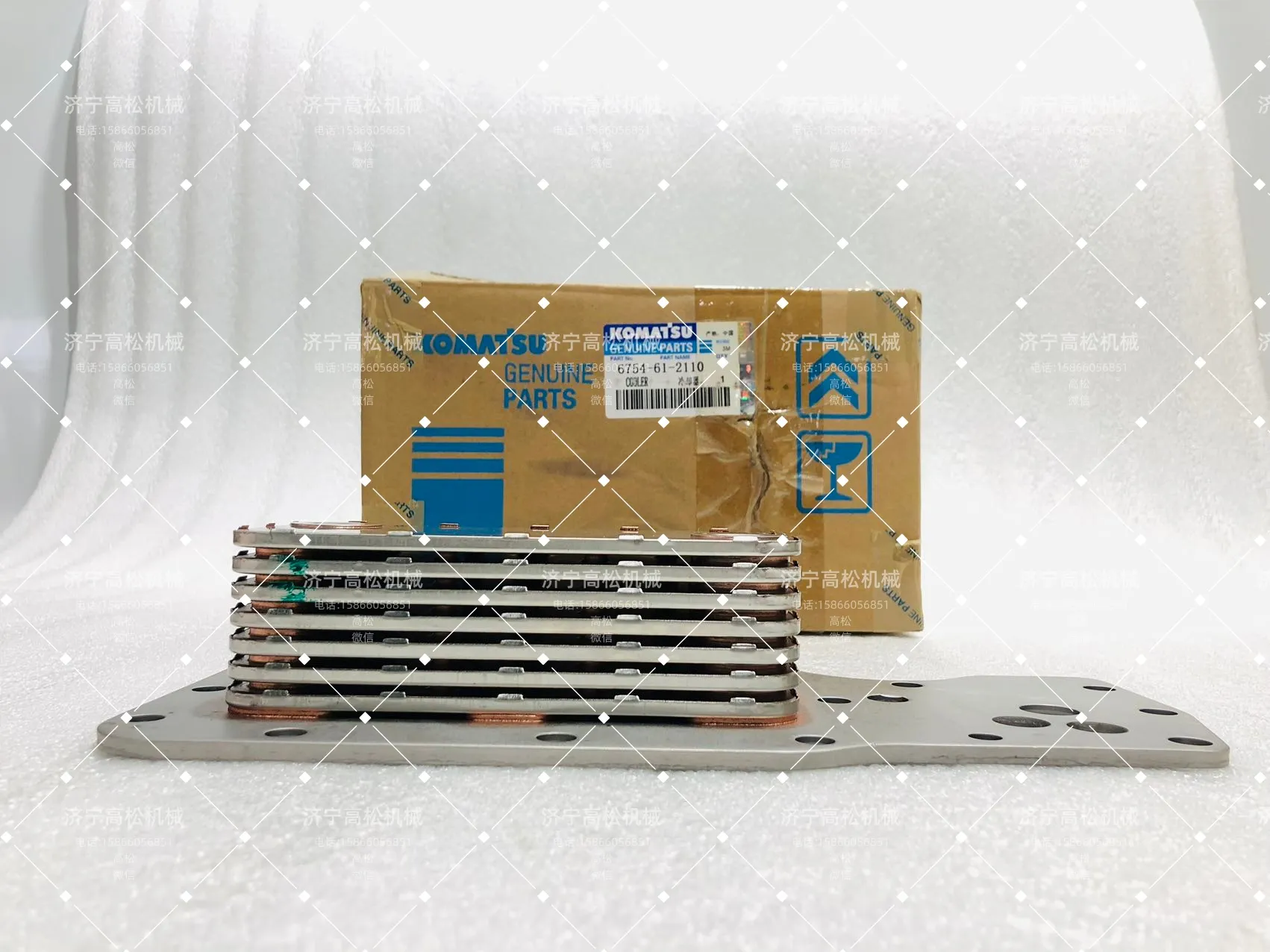 6754-61-2110 komatsu:core CORE, COOLER