
- Chinese
- French
- German
- Portuguese
- Spanish
- Russian
- Japanese
- Korean
- Arabic
- Irish
- Greek
- Turkish
- Italian
- Danish
- Romanian
- Indonesian
- Czech
- Afrikaans
- Swedish
- Polish
- Basque
- Catalan
- Esperanto
- Hindi
- Lao
- Albanian
- Amharic
- Armenian
- Azerbaijani
- Belarusian
- Bengali
- Bosnian
- Bulgarian
- Cebuano
- Chichewa
- Corsican
- Croatian
- Dutch
- Estonian
- Filipino
- Finnish
- Frisian
- Galician
- Georgian
- Gujarati
- Haitian
- Hausa
- Hawaiian
- Hebrew
- Hmong
- Hungarian
- Icelandic
- Igbo
- Javanese
- Kannada
- Kazakh
- Khmer
- Kurdish
- Kyrgyz
- Latin
- Latvian
- Lithuanian
- Luxembou..
- Macedonian
- Malagasy
- Malay
- Malayalam
- Maltese
- Maori
- Marathi
- Mongolian
- Burmese
- Nepali
- Norwegian
- Pashto
- Persian
- Punjabi
- Serbian
- Sesotho
- Sinhala
- Slovak
- Slovenian
- Somali
- Samoan
- Scots Gaelic
- Shona
- Sindhi
- Sundanese
- Swahili
- Tajik
- Tamil
- Telugu
- Thai
- Ukrainian
- Urdu
- Uzbek
- Vietnamese
- Welsh
- Xhosa
- Yiddish
- Yoruba
- Zulu
- Kinyarwanda
- Tatar
- Oriya
- Turkmen
- Uyghur





Komatsu undercarriage parts
When most people hear 'Komatsu undercarriage parts,' they immediately think of track links and rollers. That's the surface stuff. The real conversation, the one that happens between mechanics at 3 AM when a D375 dozer is down in a muddy pit, is about everything that happens between those components. It's about the metallurgy of the bushings, the precise hardness of the sprocket teeth, and why a seemingly identical aftermarket idler might fail in 800 hours when the OEM part goes for 2500. There's a pervasive myth that if it bolts on, it's good enough. That mindset is what costs operations real money, not in the part cost, but in the downtime and collateral damage. I've seen a failed lower roller take out a final drive seal. Suddenly, you're not just replacing a roller.
The OEM Blueprint vs. The Real World
Working with an OEM-aligned supplier like Jining Gaosong changes your perspective. They operate within the Komatsu system, which means they see the engineering specs, the tolerance sheets, the exact grade of steel mandated. But more importantly, they see what happens in the field. The official Komatsu parts catalog is the bible, but the annotations in the margins—those come from experience. For instance, the factory spec for a D65ex-18 track bolt torque is precise. But in high-impact, rocky conditions, we found that a specific thread-locking compound, not originally in the manual, reduced loosening incidents by maybe 70%. That's not in any official bulletin; it's a field fix that becomes tribal knowledge.
This is where the value of a company that is both an OEM product supplier and a third-party specialist comes in. They aren't just a warehouse. They understand the supply chain gaps in certain regions—why a part might be six months out from Japan but can be sourced through approved channels. Their role at Takematsumachinery.com isn't just to sell a Komatsu undercarriage roller; it's to solve the how do I keep this machine moving tomorrow problem. They can tell you, Look, the OEM carrier roller for your PC700 is back-ordered, but we have an OEM-equivalent batch here that passed our wear-testing. Here's the data from the last three we fitted. That's a different conversation.
The nuance is in the details they notice. A common failure point we used to see was in the intermediate rollers on older 300-series excavators. The aftermarket versions often got the outer diameter and width right, but the internal ribbing for structural support was thinner. Under load, it would flex just enough to accelerate wear on the pin and bushing. A proper OEM-spec part from a source like Gaosong has that internal geometry correct. You only learn that by cutting failed parts apart with a torch and comparing them side-by-side.
Material Science Isn't Marketing
Let's talk about steel. It's not just hard steel. For a Komatsu undercarriage track link, you need a specific balance of surface hardness for abrasion resistance and core toughness to handle impact. Cheap parts often achieve the hardness through a shallow carburizing process. It wears through that hard shell quickly, and then the softer core erodes like butter. The OEM process involves a deeper, more controlled heat treatment. I recall a project in a copper mine where we trialed a set of aftermarket links against OEM-spec ones from our usual channel. The aftermarket ones looked perfect, even heavier. But at the 1500-hour mark, the bushing bores were ovalized. The OEM-spec links were worn, but the bore was still round. That ovalization is what kills your pins and creates that awful, expensive squealing.
Sealing is another black art. A roller or idler isn't just a metal shell on bearings. Its life is determined by its labyrinth seals and the quality of the grease. Third-party parts often use a simpler, single-lipped seal. It keeps dirt out... until it doesn't. The OEM design usually has a multi-path seal with a grease purge channel. The difference? In a wet, abrasive environment, the former might last 1200 hours. The latter can push 3000. When Jining Gaosong Construction Machinery Co., Ltd. supplies a part, they're ensuring these sub-component specs are adhered to, not just the outer dimensions.
I made a mistake once, early on. We needed a sprocket segment for a D155 dozer urgently. The price difference between a premium aftermarket and the OEM-spec one was significant. We went cheap. The tooth profile looked right. It installed fine. But within 400 hours, we started seeing abnormal wear on the new track links. The root cause? The heat treatment on the sprocket teeth was inconsistent, creating a harder and softer wear pattern that acted like a file on the link bushings. We saved $1500 on the sprocket and spent over $7000 prematurely on a partial track chain rebuild. A brutal lesson in system harmony.
The Logistics of Failure
Availability is a technical spec. An undercarriage part isn't useful if it's sitting in a port across the world. The parts supply challenges in certain countries mentioned in Gaosong's intro isn't corporate fluff. It's the reality of customs delays, import duties, and fractured logistics. I've worked in territories where the official distributor might only have one regional warehouse. If they're out, you're waiting. A supplier that operates as a third-party sales company for Komatsu, like the one behind https://www.takematsumachinery.com, often has multiple pipelines. They might have stock in a bonded warehouse in Singapore, Dubai, and Rotterdam, ready to move.
This logistics network is built on predicting failure, not just reacting to it. They know that in Southeast Asia's monsoon season, demand for PC200 carrier rollers and track shoes spikes. They preposition stock. That's the kind of insight that comes from being deep in the trenches, not just in an office. It turns a potential 4-week downtime into a 3-day air freight solution.
The challenge is always verification. When a non-official supplier says this is OEM, you need proof. Reputable ones provide material certificates, traceable lot numbers, and sometimes even coordinate with Komatsu's own logistics for direct shipment. It's a grey area, but a necessary one to keep global fleets running. The key is transparency. A good supplier will tell you, This is an OEM-part, made for the Japanese domestic market, and here's the Komatsu part number it correlates to. A bad one just says, It fits.
On-Site Judgment and System Thinking
You can't just replace parts in isolation. A new set of track shoes on a worn-out chain and sprocket is a waste of money. The entire Komatsu undercarriage system wears together. A professional assessment involves measuring link pitch, sprocket tooth wear, and roller flange dimensions. Sometimes, the most cost-effective move is to run the worn-but-serviceable components a bit longer and then replace the entire system in one go. Other times, you need to replace a single seized roller immediately to prevent catastrophic chain derailment.
This is where the advice from a technical supplier is gold. I've called them with measurements: My D85 link pitch is stretched to 152mm, sprockets are at 30%. They might run the numbers and say, You can get another 500 hours if you just flip your links now and replace the two worst rollers. Start budgeting for a full UC kit in 6 months. That saves a client $25k today. That's operational partnership.
It also means knowing when not to use a Komatsu part. Shocking, I know. But for some older, phased-out models, the genuine part might be astronomically priced or simply nonexistent. In those cases, a high-quality, engineered-aftermarket alternative from a trusted foundry is the only practical solution. The supplier's job is to guide you to that vetted alternative, not just sell you the most expensive option. Honesty builds the long-term relationship.
The Unseen Cost: Downtime Calculus
Finally, the real cost is never on the invoice. It's in the hourly rate of a stranded 40-ton excavator and the crew standing around. A $2,000 idler that fails in 6 months is far more expensive than a $3,000 idler that lasts 2 years. The math is simple, but the pressure to cut the upfront capital cost is always there. My role, and the role of a good supplier, is to translate the engineering reality into that business reality.
Using a source that is embedded in the OEM system but agile enough to navigate global supply issues mitigates that downtime risk. It means you're getting a part whose provenance and performance are understood. You're not just getting a box with a metal object inside; you're getting the cumulative engineering and field experience of Komatsu, filtered through a practical, logistics-savvy partner.
So when I think about Komatsu undercarriage parts now, I don't just see components. I see a system of metallurgy, logistics, field data, and on-the-ground judgment. The right part in the right place at the right time isn't luck. It's the result of a network built by companies that understand the problem from the machine up, not from the catalog down. That's what makes the difference between a machine that's down and a machine that earns.
Related Products
Related Products
Best Selling Products
Best Selling Products-
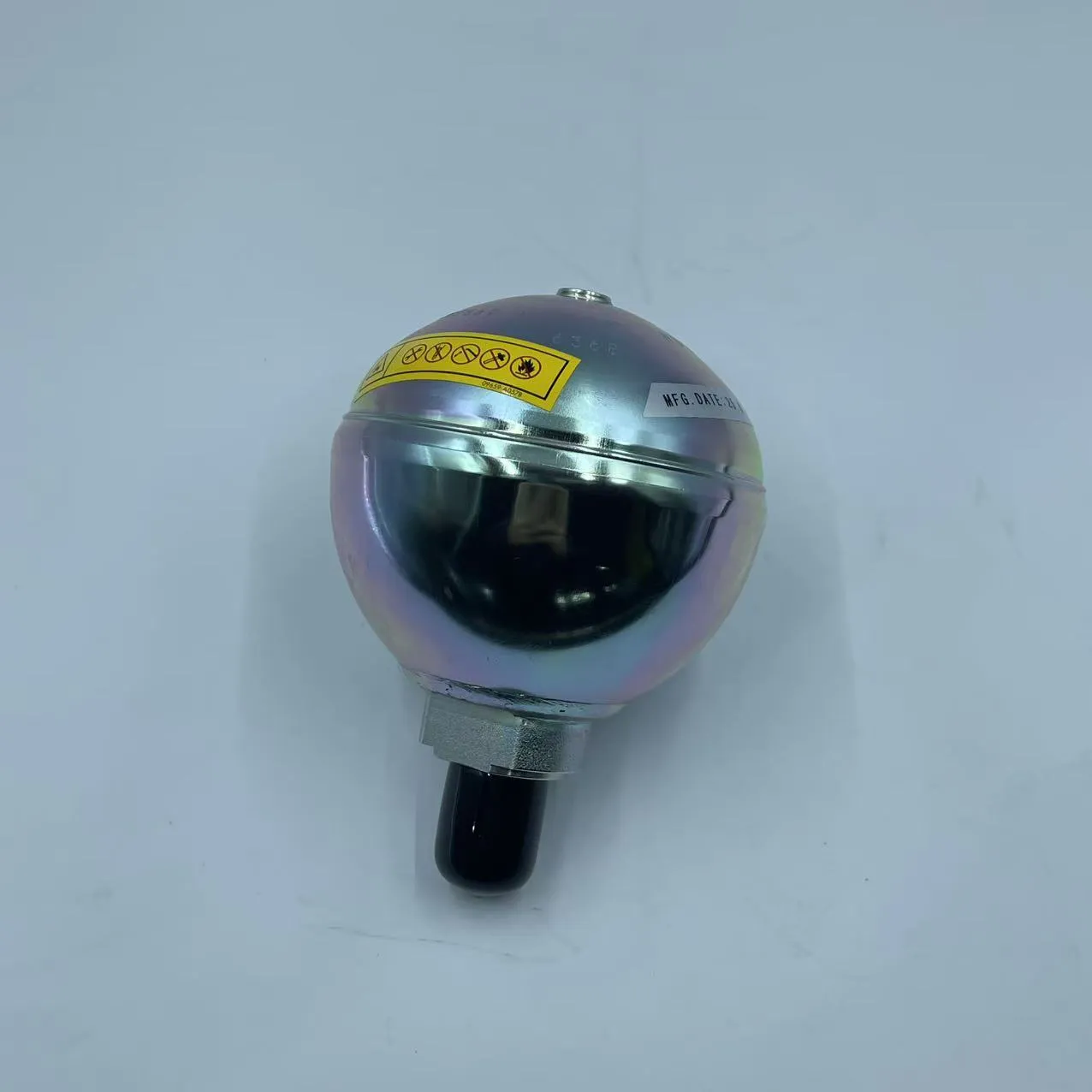 accumulator 22U-60-21331 22U-60-21330 For Komatsu PC300-8 excavator
 -
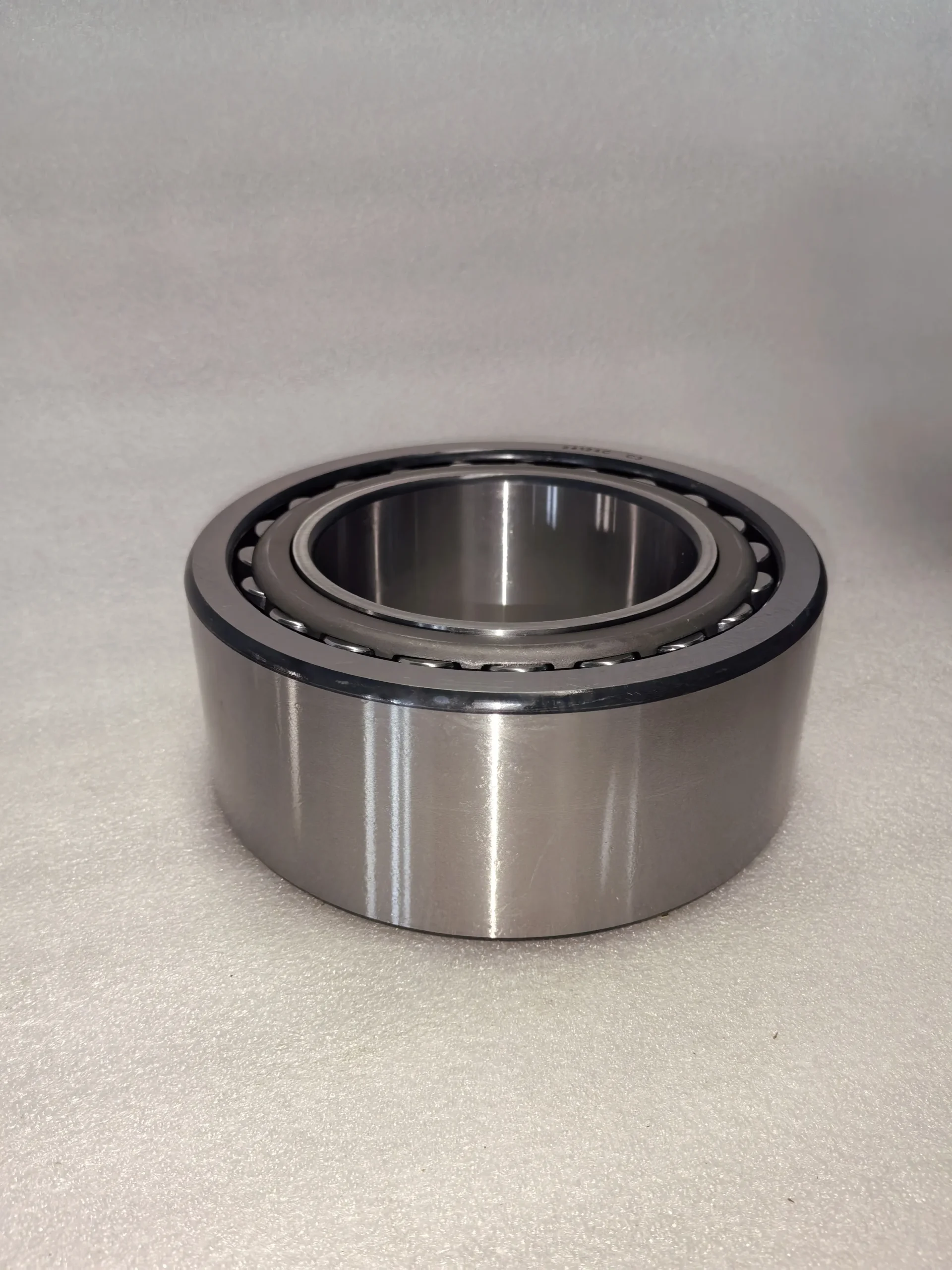 170-09-13250 Komatsu Bearing – Komatsu
 -
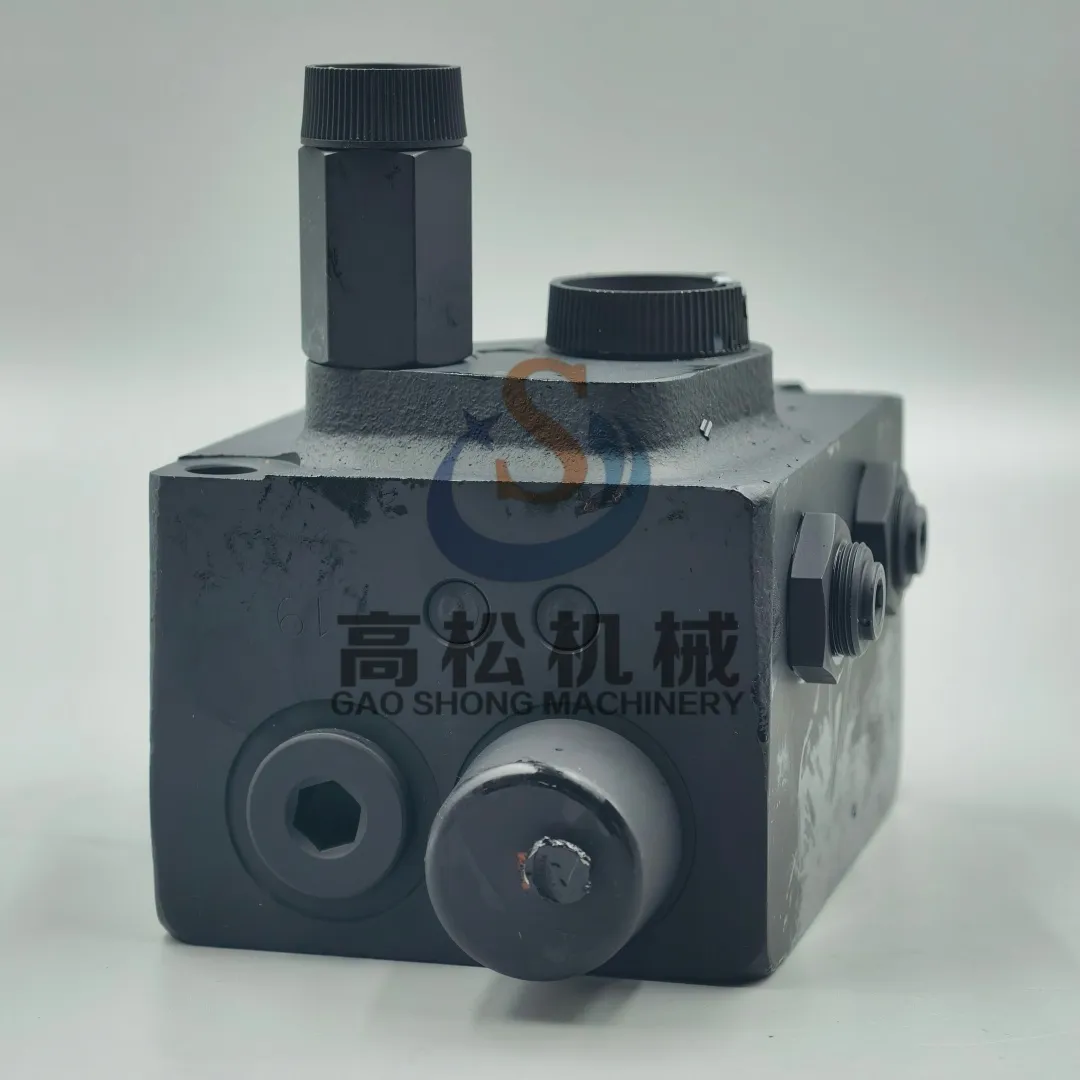 419-43-27401WA320-3 Loader Parts Charge Valve 419-43-27401
 -
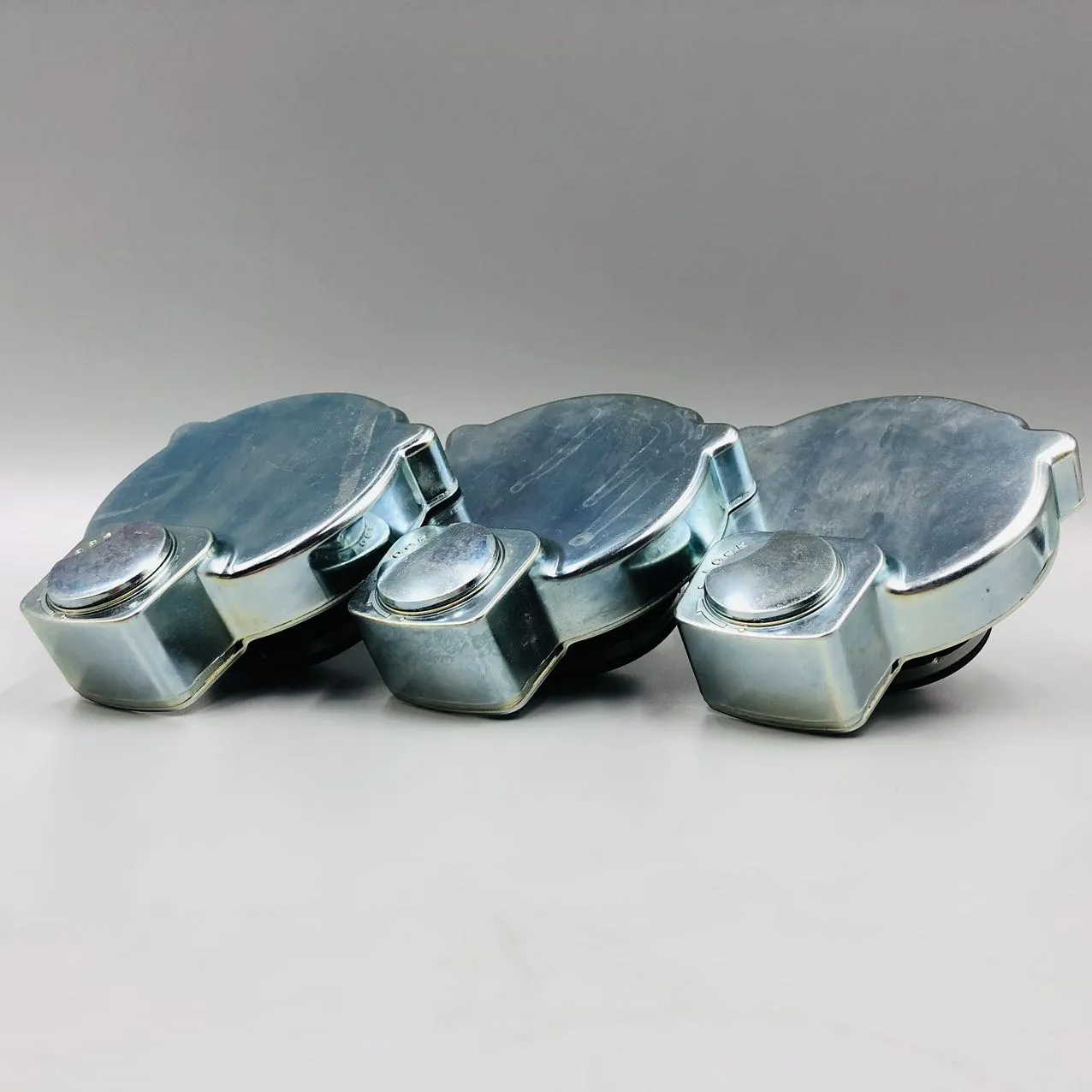 Hydraulic Oil Tank Cap 17A-60-11310 For Komatsu PC200-6 PC220-6 Parts
 -
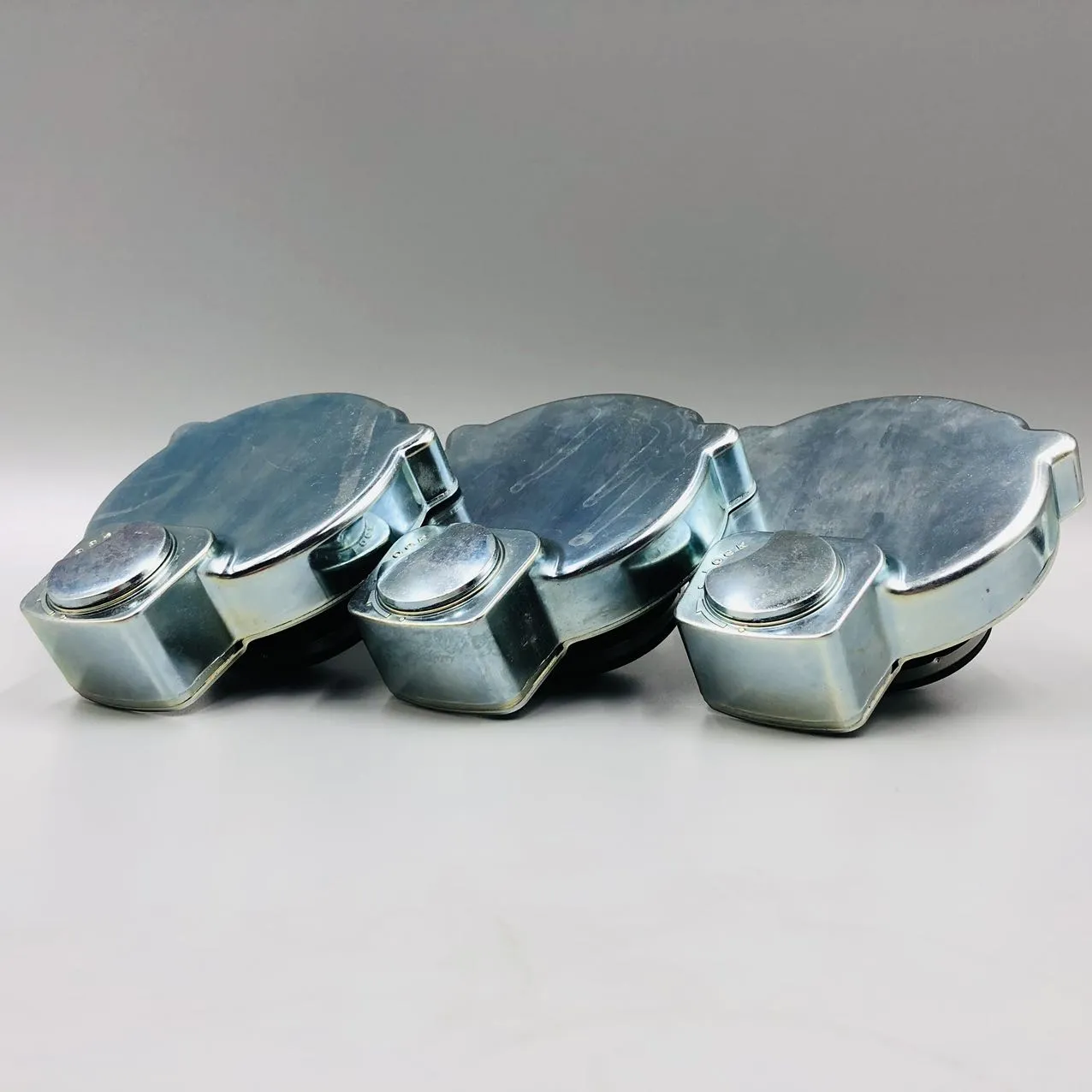 Hydraulic Oil Tank Cap 17A-60-11310 For Komatsu
 -
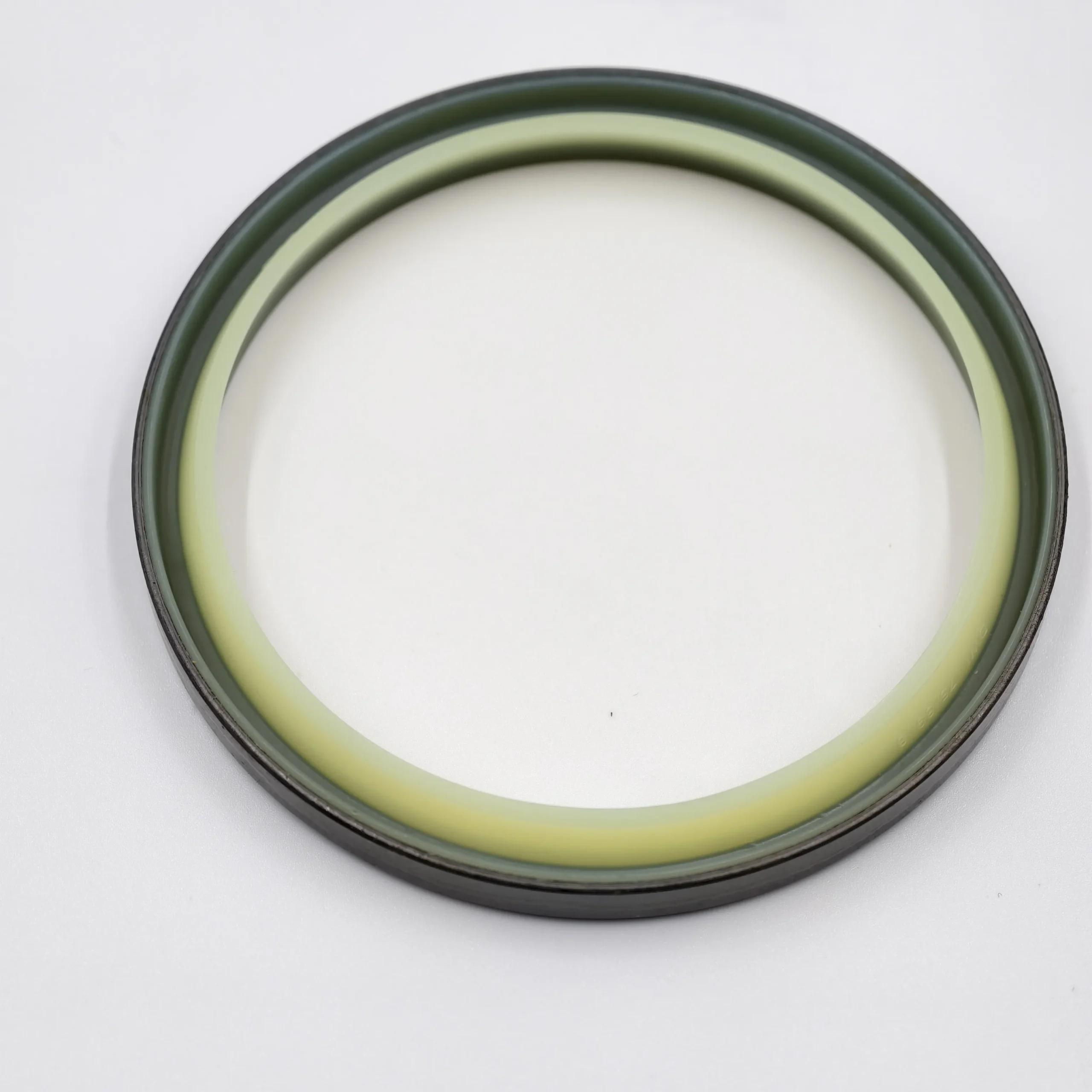 Seal 17M-50-24360 for Komatsu Dozer D275A-2 D61EX-12 D61PX-12 D61PX-23 D61PX-24 D61PXI-23 D61PXI-24 D63E-12 D68ESS-12 D68ESS-12E0komatsu
 -
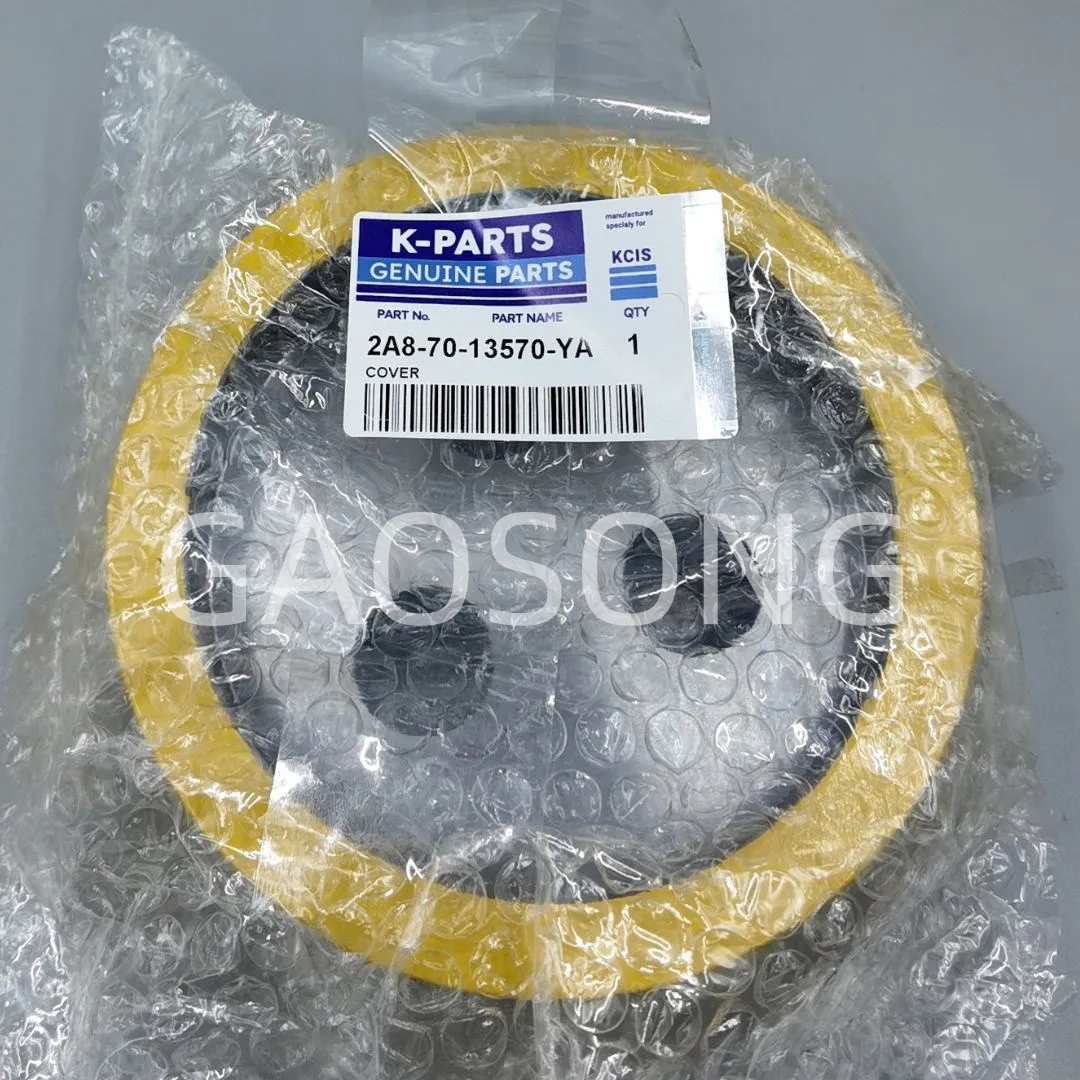 2A8-70-13570 Cover-Komatsu Original Factory
 -
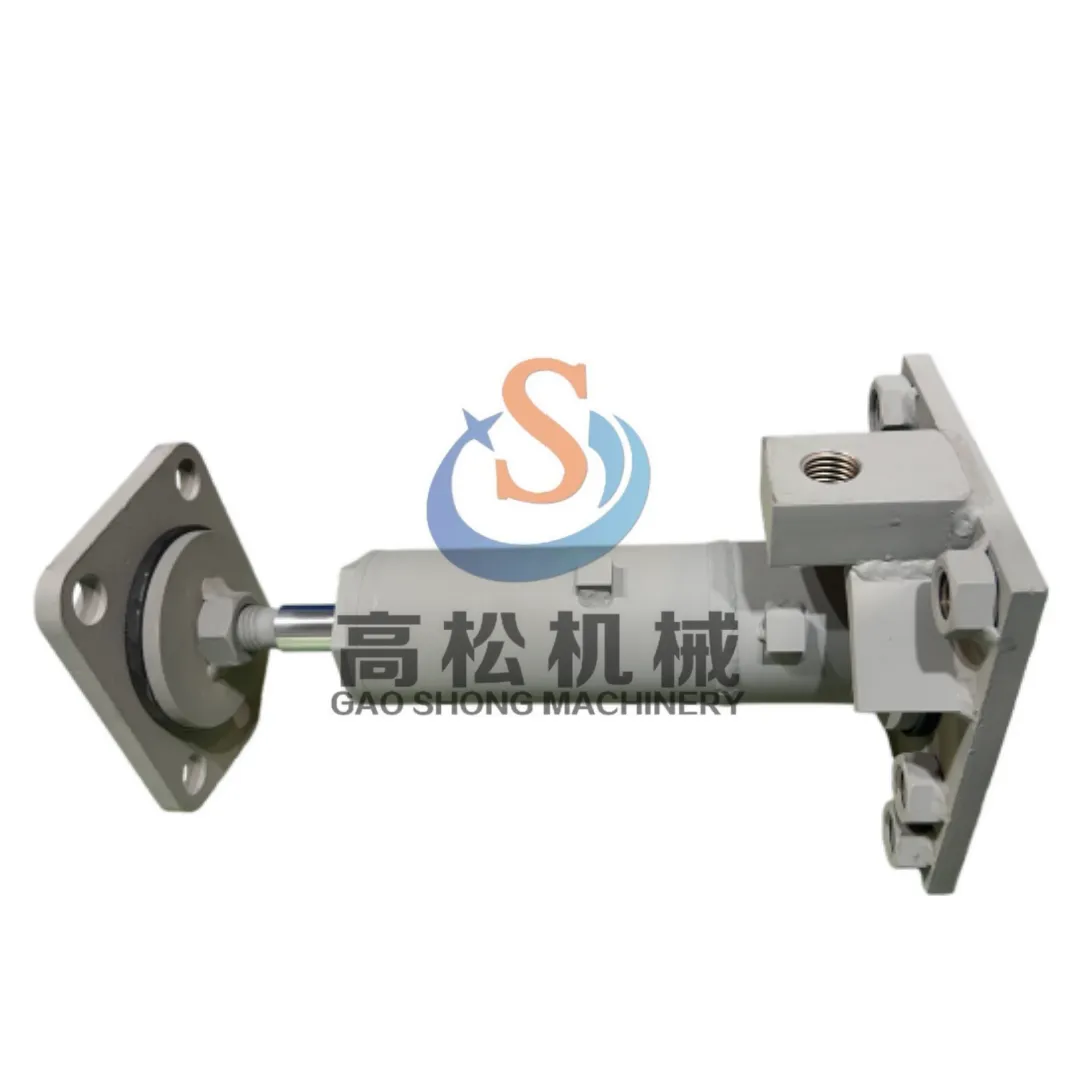 suspension ass’y 17a-54-16201 – komatsu
 -
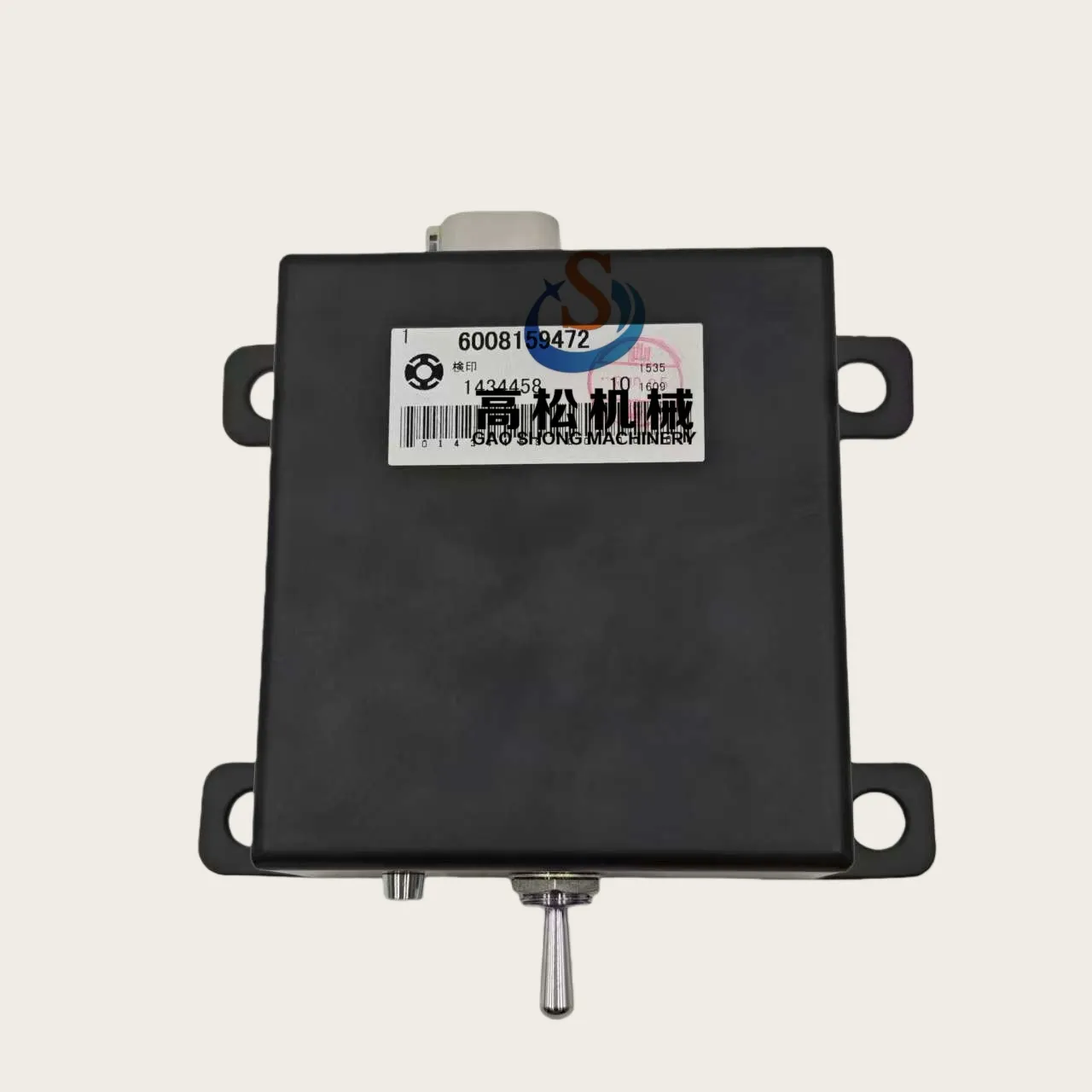 Switch 600-815-9472 D375A-6 WD600-6R HD605-7E1 HD465-7E1 HD785-7 SAA6D170E-5F ENGINE HOOD AND SIDE COVER GROUP, FUEL PRIMING PUMP SWITCH
 -
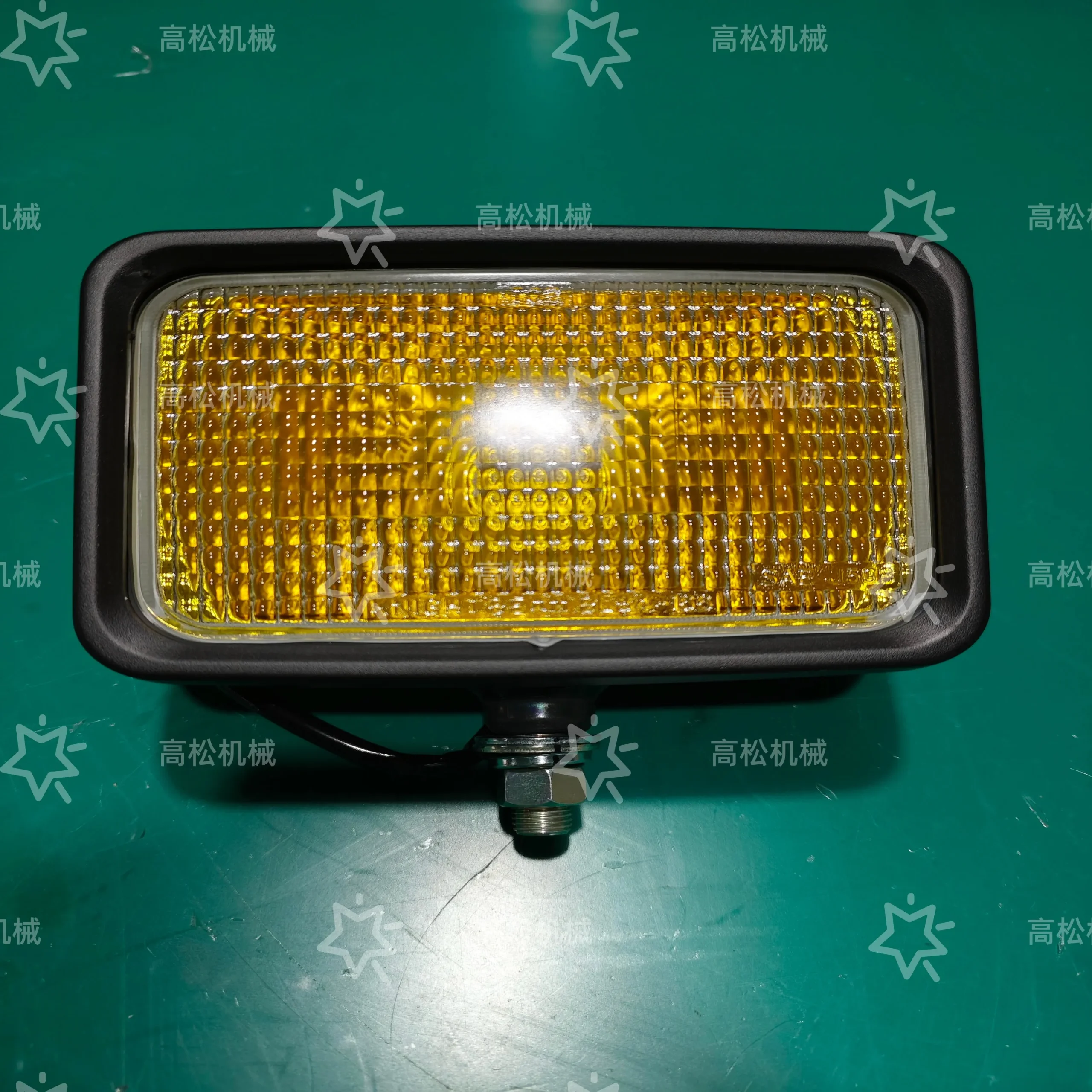 22T-06-24110Hd350 2 Front Light Lamp 22t 06 24110
 -
 2A8-70-13570 Excavator Arm Bucket Link Cover for PC500-10
 -
 Hose 6743-11-4931 6743114931 Fits For Komatsu PC300 PC300HD PC340 PC350 PC360