
- Chinese
- French
- German
- Portuguese
- Spanish
- Russian
- Japanese
- Korean
- Arabic
- Irish
- Greek
- Turkish
- Italian
- Danish
- Romanian
- Indonesian
- Czech
- Afrikaans
- Swedish
- Polish
- Basque
- Catalan
- Esperanto
- Hindi
- Lao
- Albanian
- Amharic
- Armenian
- Azerbaijani
- Belarusian
- Bengali
- Bosnian
- Bulgarian
- Cebuano
- Chichewa
- Corsican
- Croatian
- Dutch
- Estonian
- Filipino
- Finnish
- Frisian
- Galician
- Georgian
- Gujarati
- Haitian
- Hausa
- Hawaiian
- Hebrew
- Hmong
- Hungarian
- Icelandic
- Igbo
- Javanese
- Kannada
- Kazakh
- Khmer
- Kurdish
- Kyrgyz
- Latin
- Latvian
- Lithuanian
- Luxembou..
- Macedonian
- Malagasy
- Malay
- Malayalam
- Maltese
- Maori
- Marathi
- Mongolian
- Burmese
- Nepali
- Norwegian
- Pashto
- Persian
- Punjabi
- Serbian
- Sesotho
- Sinhala
- Slovak
- Slovenian
- Somali
- Samoan
- Scots Gaelic
- Shona
- Sindhi
- Sundanese
- Swahili
- Tajik
- Tamil
- Telugu
- Thai
- Ukrainian
- Urdu
- Uzbek
- Vietnamese
- Welsh
- Xhosa
- Yiddish
- Yoruba
- Zulu
- Kinyarwanda
- Tatar
- Oriya
- Turkmen
- Uyghur





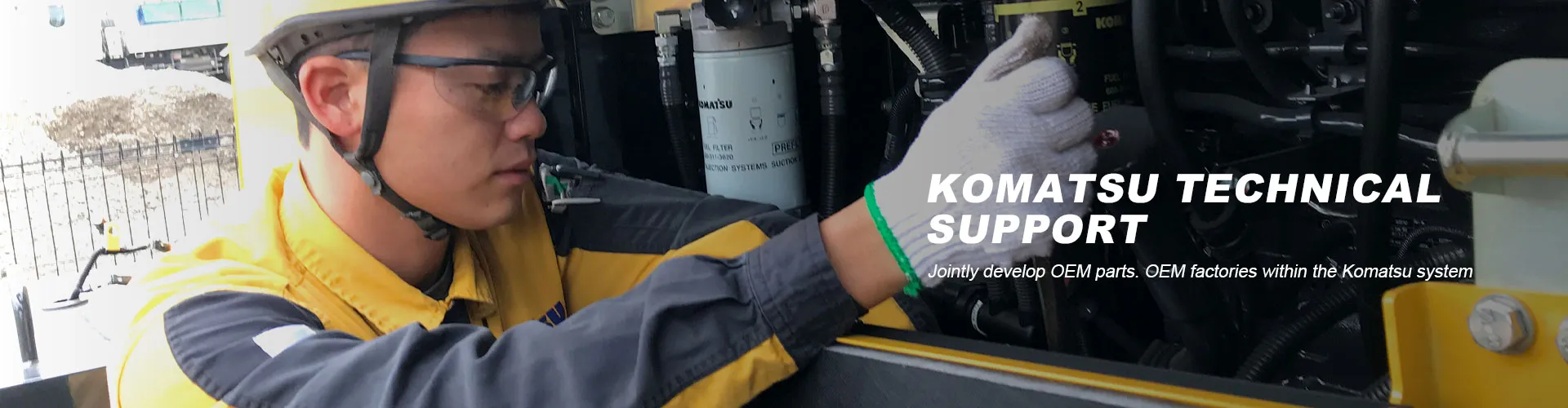
Komatsu undercarriage
When most people hear 'Komatsu undercarriage,' they immediately picture the track chain—the links, the bushings, the sprockets. That's the obvious part. But the real story, the one that determines whether a machine earns its keep or bleeds money in a quarry, is in the entire system's interaction and the philosophy behind its maintenance. I've seen too many operations treat the undercarriage as a wear item to be replaced, not a precision component to be managed. The biggest mistake? Assuming all aftermarket parts are created equal and that a lower upfront cost on a roller or idler won't come back to haunt you with triple the downtime later. It's a mindset that costs more than just parts.
The Core Philosophy: It's a System, Not Just Parts
You can't talk about a Komatsu undercarriage without understanding it's a closed, interdependent system. The Komatsu undercarriage is engineered so that the track link, the bushing, the sprocket tooth, and the roller flange all wear in a calculated relationship. The goal is uniform wear. When you start mixing components from different sources—say, an OEM-quality track link with a sub-par bushing—you disrupt that balance. The sprocket might start wearing prematurely, or you get abnormal wear on the link rails. I've measured machines where this mismatch caused a 40% faster wear rate on the sprockets alone. It's not just about the component you replace; it's about what that new part does to the five components it touches.
This is where the role of a specialized supplier becomes critical. A company like Jining Gaosong Construction Machinery Co., Ltd. operates in a unique space. As they note on their site https://www.takematsumachinery.com, they are an OEM product supplier within the Komatsu system and a third-party sales company. This dual role is key. It means they have access to the genuine Komatsu engineering specs and manufacturing tolerances for core components, but they also understand the real-world supply and cost pressures in various markets. They're not just selling a bag of bolts; they're supposed to be selling the correct system integrity.
Let me give you a concrete example from a copper mine project a few years back. They were running a fleet of PC1250s on brutal, abrasive material. The mine manager, under pressure to cut costs, sourced idlers and rollers from a local fabricator. The price was attractive. But within 800 hours, we started seeing catastrophic failures—not just worn-out rollers, but seized ones. The seals had failed prematurely, the hardening on the tread was inconsistent. The fallout? It took out the track links and put immense stress on the final drives. The total cost of that savings was two weeks of unscheduled downtime per machine and a repair bill that dwarfed the initial part cost. The lesson was painful but clear: the undercarriage is the foundation. You compromise on it, and everything above it pays the price.
OEM vs. Aftermarket: The Nuance in the Genuine Debate
The industry loves a binary argument: Always use OEM vs. Aftermarket is just as good. Reality is messier. For a Komatsu undercarriage, certain components are non-negotiable for OEM or OEM-spec. The track link itself, the bushings, the sprockets. The metallurgy and heat treatment processes are proprietary for a reason. However, for components like some rollers or intermediate rollers, there are third-party manufacturers who have reverse-engineered the process to an acceptable standard. The trick is knowing which is which, and having a supplier who is transparent about the provenance.
This is the practical value of a partner like Gaosong. Their position as an OEM supplier within Komatsu's network suggests they can provide those critical, system-defining components—the links, chains, sprockets—that must meet the original blueprint. Their third-party sales role then allows them to offer vetted alternatives for other components where it might make economic sense, but with a clear understanding of the trade-offs. They should be the ones advising, For your application, you need the genuine sprocket, but we have a validated source for these guards that will save you money without risk. That advisory role is everything.
I recall a conversation with a maintenance superintendent in West Africa. He was frustrated because the official parts pipeline for his Komatsu dozers was slow and expensive. He found a local supplier with OEM-equivalent undercarriage parts. The first set seemed okay. The second set was a disaster—dimensions were off by a millimeter or two. That's enough to cause mis-tracking and rapid seal wear. He later connected with a supplier (one like Gaosong, operating in that third-party space but with OEM ties) who could explain the certification process for the steel and the quality control checks. It wasn't just about having the part; it was about having the data behind the part. That's the difference between a parts seller and a solutions provider.
Failure Analysis: Reading the Wear Patterns
Any seasoned mechanic will tell you that a worn Komatsu undercarriage tells a story. It's a diagnostic tool. Excessive wear on the link rail's top? That's often undercarriage misalignment or a failing roller. Sharp, hook-shaped sprocket teeth? That's a sure sign the bushings are worn beyond their turning point, and now the chain pitch has elongated, letting the sprocket grind into the link. You see this a lot when people run the chain too long, trying to squeeze every last hour out of it. It's a false economy because it inevitably takes the sprocket with it, and a sprocket costs a lot more than a set of bushings.
One specific, often-overlooked detail is the grease in the track pins. Komatsu's sealed and lubricated track (SALT) system is brilliant—if maintained. I've seen machines where the customer used the wrong grease viscosity. In cold climates, the grease wouldn't flow, leading to dry pins and accelerated internal bushing wear. In hot climates, too-thin grease would simply weep out. The undercarriage isn't a fit and forget system. It requires you to understand the service manuals, which specify not just intervals but the type of lubricant. A good supplier should remind you of these nuances, not just push the hardware.
A case that stuck with me involved a D375 dozer working on a dam project. The machine was coming in for recoiling, and the crew reported a slight clunking sound. Everyone assumed it was a loose link. Upon inspection, we found the issue was with the front idler. The mounting brackets had developed hairline cracks from material fatigue, allowing the idler to shift minutely under load. This misalignment was causing asymmetric wear on one side of the track chain. If we'd just replaced the chain, the problem would have recurred in a few hundred hours. The fix required welding and reinforcing the bracket—a structural fix, not an undercarriage fix. The point is, you have to look upstream. The undercarriage failure is frequently the symptom, not the disease.
The Supply Challenge and the Niche of System-Aware Suppliers
Komatsu's global parts network is robust, but it's not infallible, especially in remote regions or countries with complex import regulations. Delays happen. This is where the model described by Jining Gaosong Construction Machinery Co., Ltd. becomes operational reality. Their stated mission is helping to solve parts supply challenges in certain countries. This isn't marketing fluff. It's a critical function. When a key machine is down because a track roller assembly is stuck in customs, a two-week delay can derail a project's critical path.
Having a supplier that can navigate these challenges, potentially holding strategic stock of high-wear Komatsu undercarriage components for specific models, is a huge asset. But it's not just about having inventory. It's about having the right inventory. It's knowing that for the Komatsu HD785-7 truck in a particular mining region, the front idler bearings are a common failure point due to dust ingress, and stocking the complete hub assembly, not just the bearing. That level of insight comes from being in the field and seeing the failure modes repeatedly.
I've been on the desperate end of a phone call trying to source a PC700 track chain in a country where the official distributor had a 6-week lead time. We found a third-party supplier who claimed to have it. The chain arrived, and the serial numbers didn't match—it was for an older model variant, and the pin diameter was different. It was useless. The supplier was just a warehouse, not a technical partner. The eventual solution came from a company operating on a model similar to Gaosong's. They had the correct, OEM-spec chain because they understood the model variants intimately and had sourced it through their Komatsu-system channels. They solved the supply challenge because they first understood the technical challenge.
Final Take: Cost Per Hour, Not Cost Per Part
At the end of the day, managing a Komatsu undercarriage boils down to one metric: total cost per operating hour. The cheapest part gives you the highest cost per hour if it fails early and takes other components with it. The most expensive part isn't always the answer either, especially if your application is mild. The art is in the specification matching.
This requires a shift from being a parts purchaser to a lifecycle manager. You need to track wear rates, understand your material conditions (abrasive, corrosive, impact), and build a relationship with a supplier who provides data and advice, not just a catalog. A supplier whose background, like Gaosong's, includes direct OEM engagement brings that crucial layer of system knowledge to the table. They should help you plan your undercarriage rebuilds proactively, not just react to failures.
It's not glamorous work. It's about grease, dirt, and micrometer measurements. But get it right, and your machine stability, fuel efficiency, and uptime all improve. Get it wrong, and you're just feeding a money pit. The undercarriage is the machine's connection to the earth. Everything it does—push, pull, carry—flows through that system. You wouldn't build a skyscraper on a weak foundation. Don't run a half-million-dollar excavator on one either. Choose your parts, and more importantly, choose your partners, based on that understanding.
Related Products
Related Products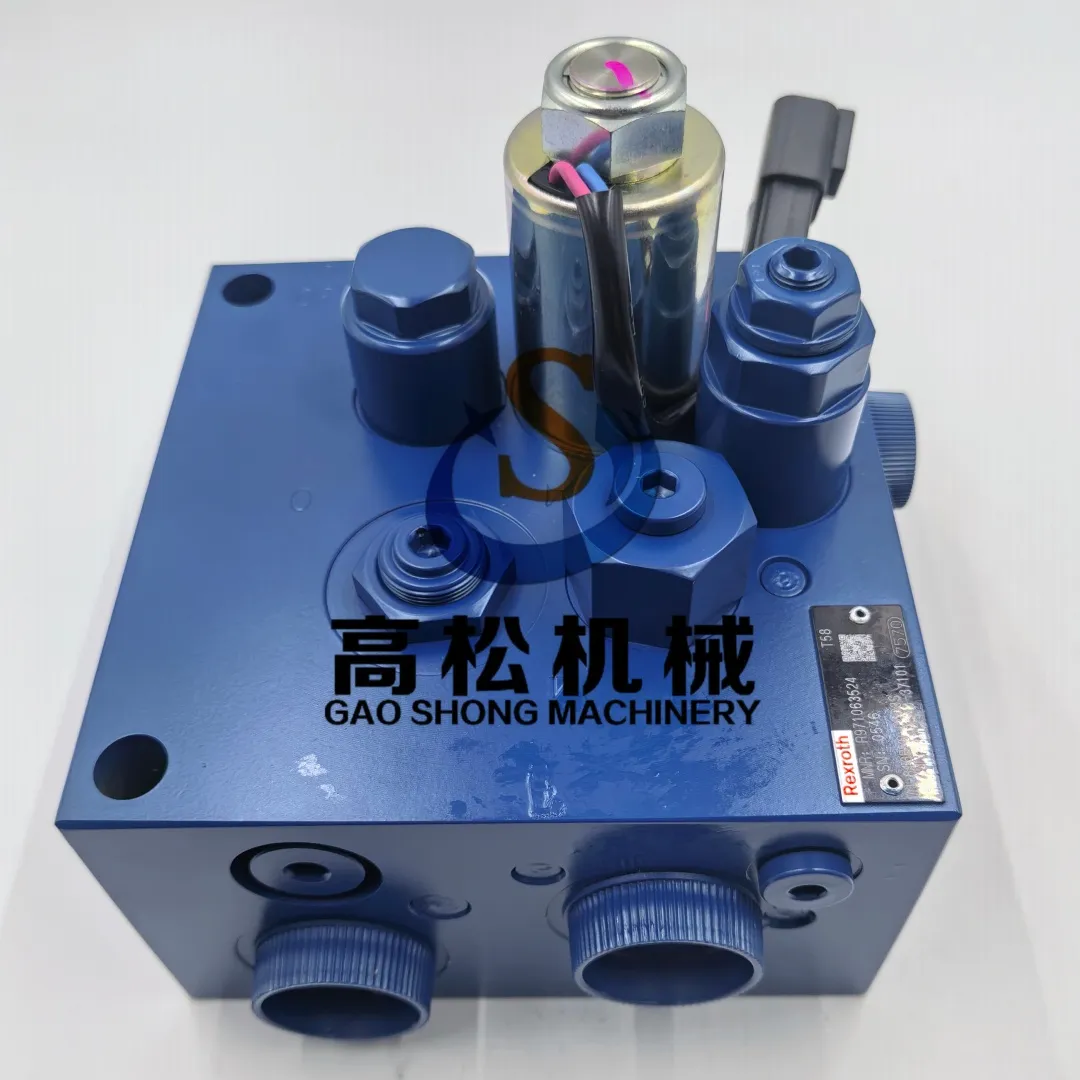
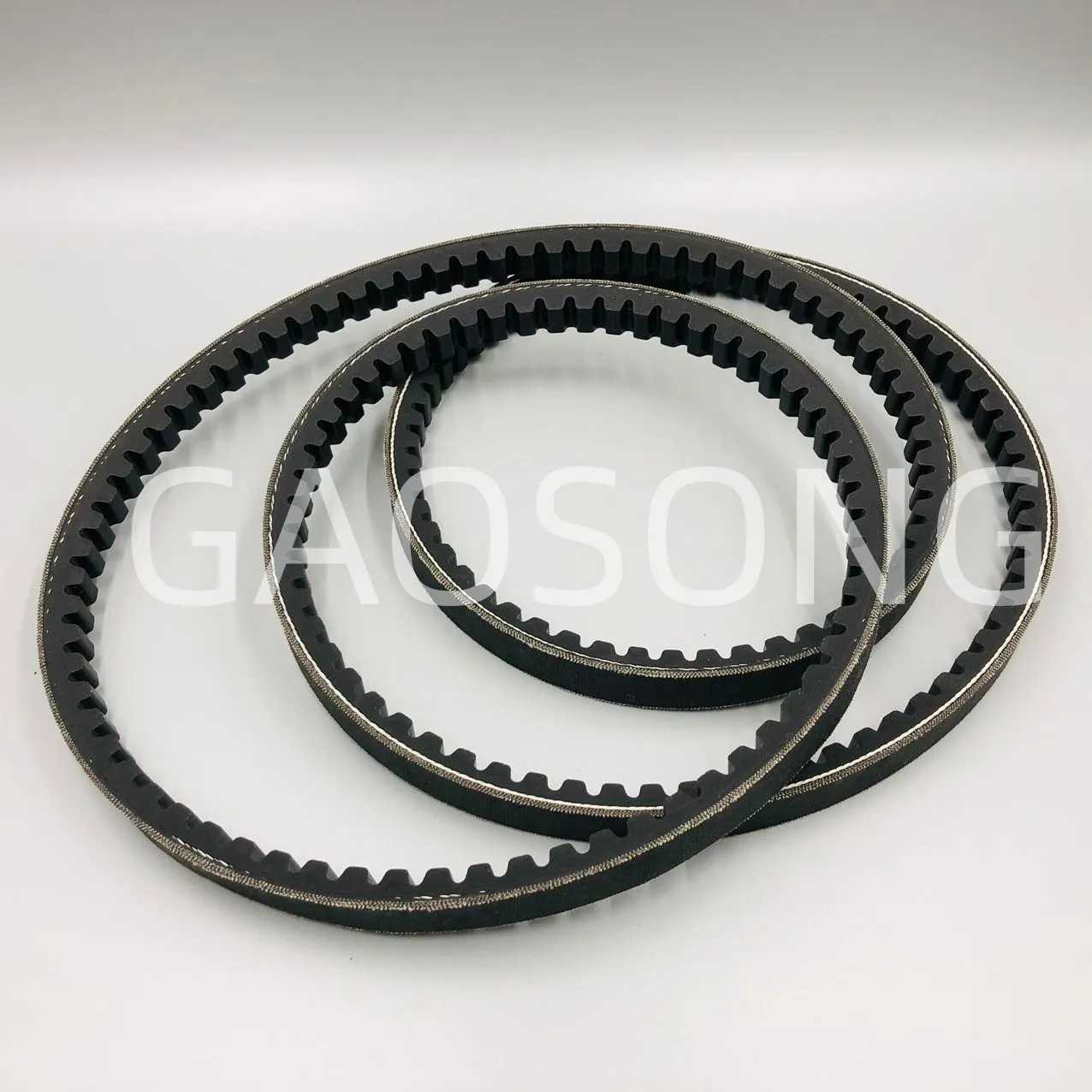
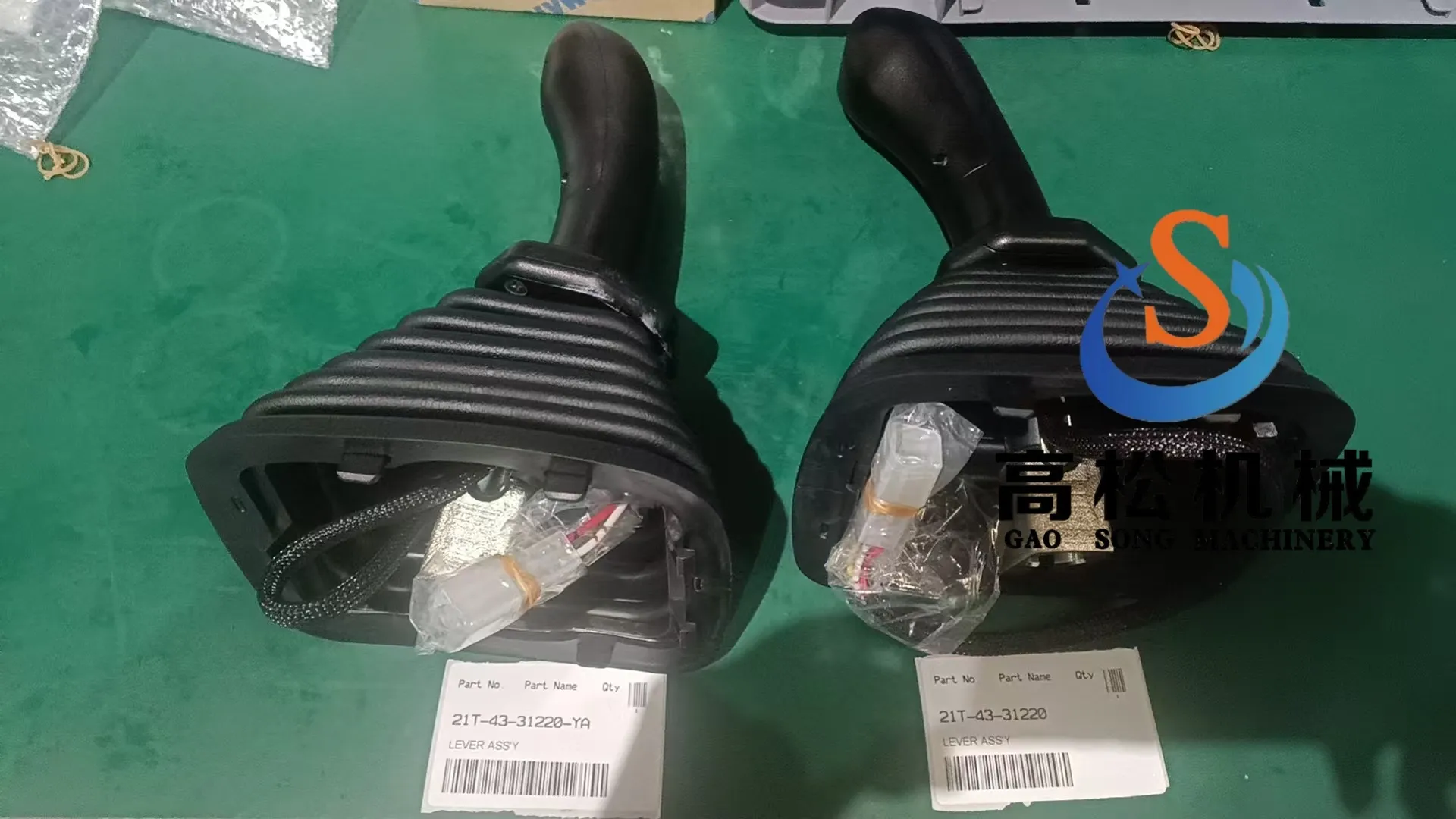
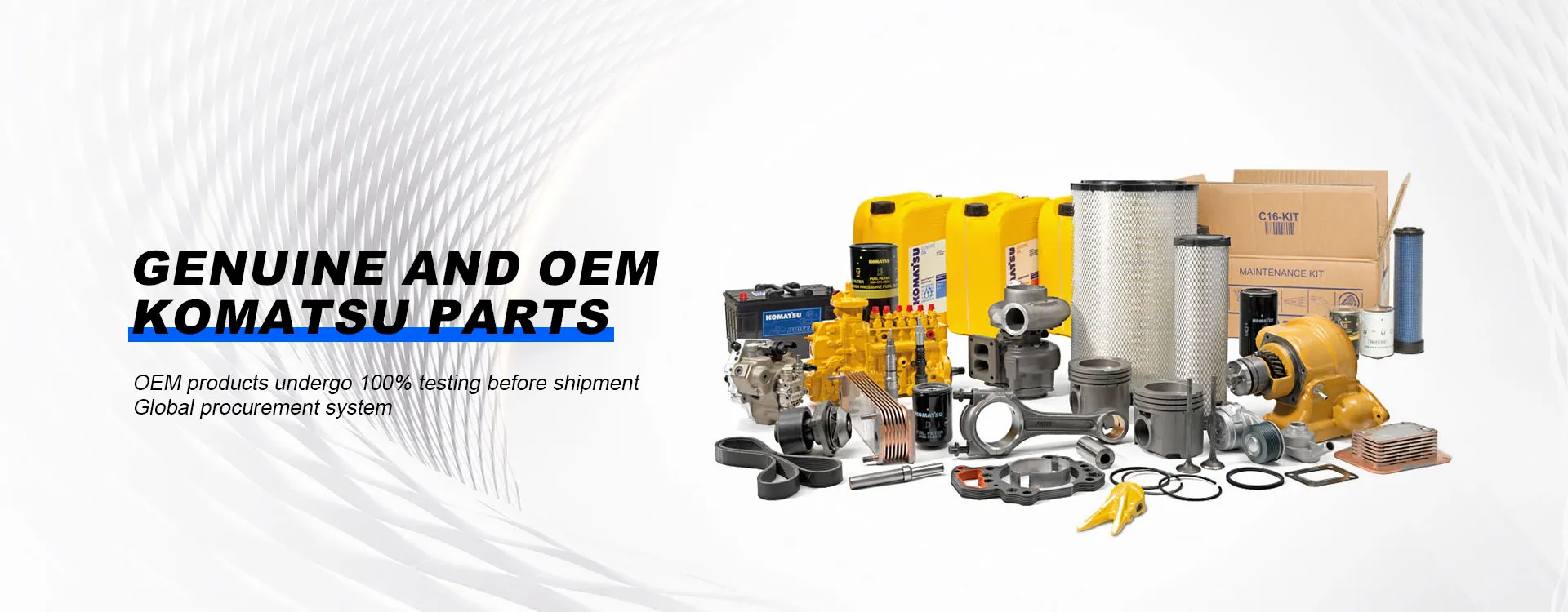
Best Selling Products
Best Selling Products-
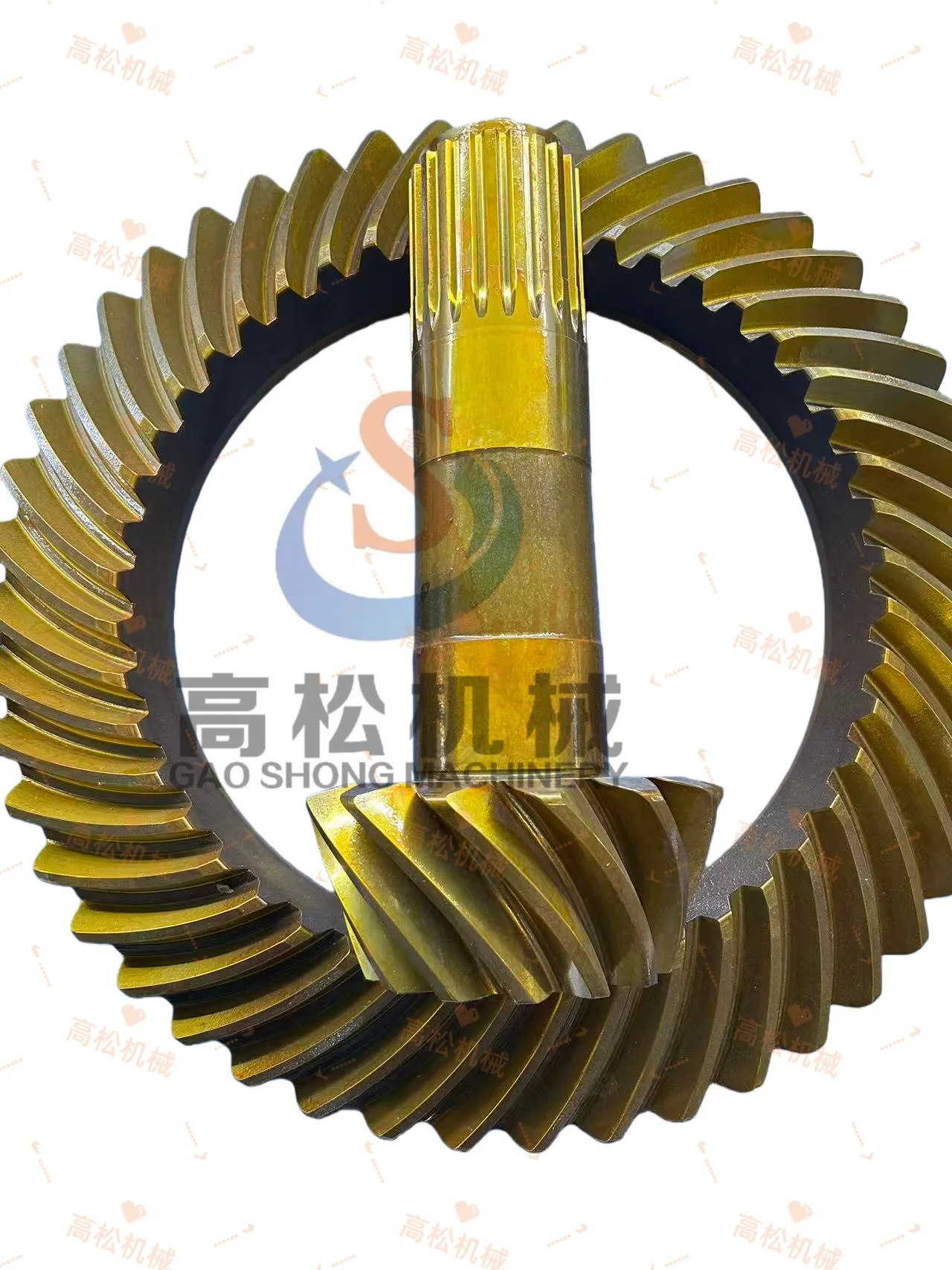 561-22-71207 561-22-71203 PINION GEAR ASS’Y HD785-7 REAR AXLE
 -
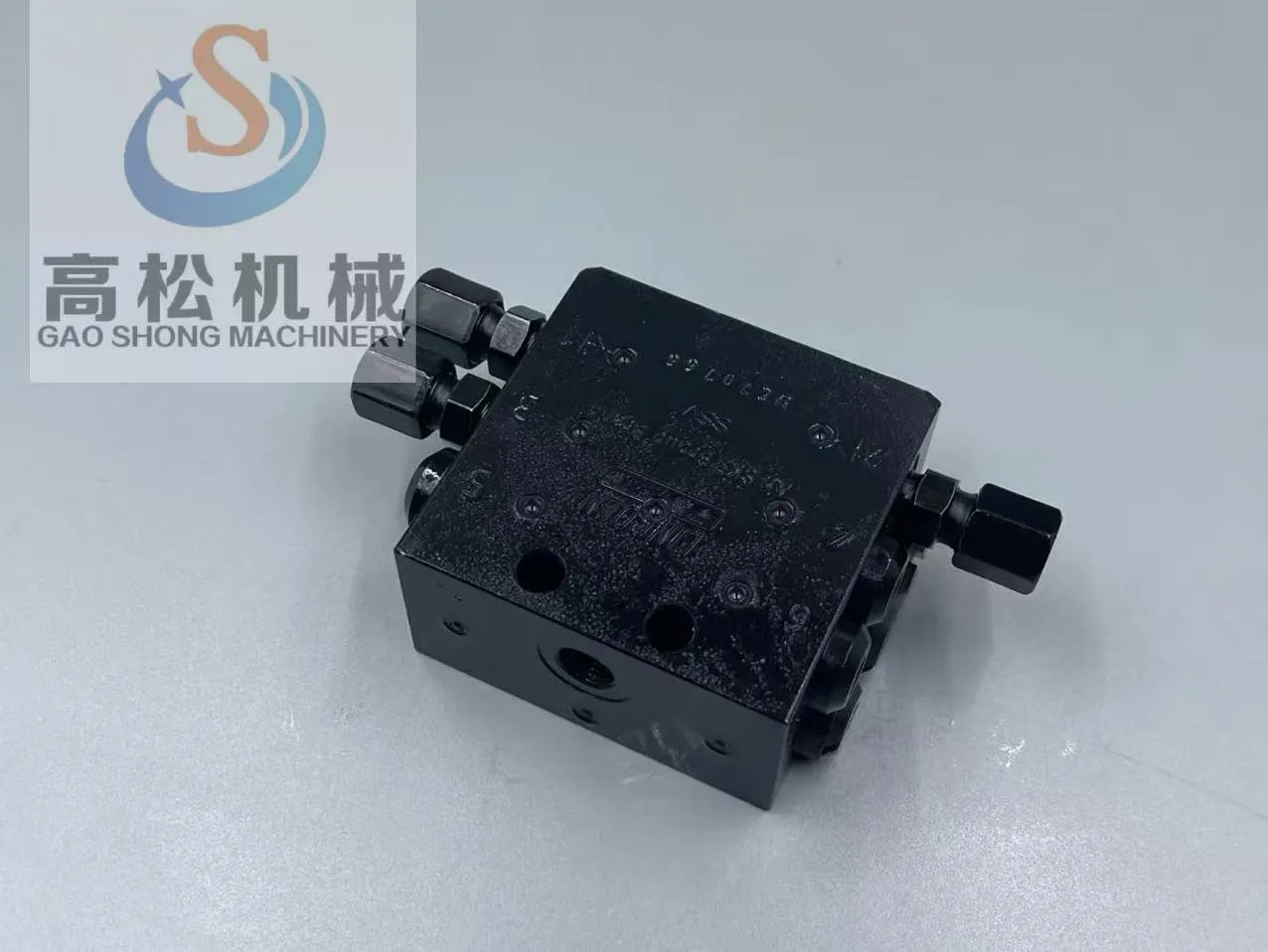 Valve Assembly 21T-68-67940 for Komatsu PC2000-8 Excavator
 -
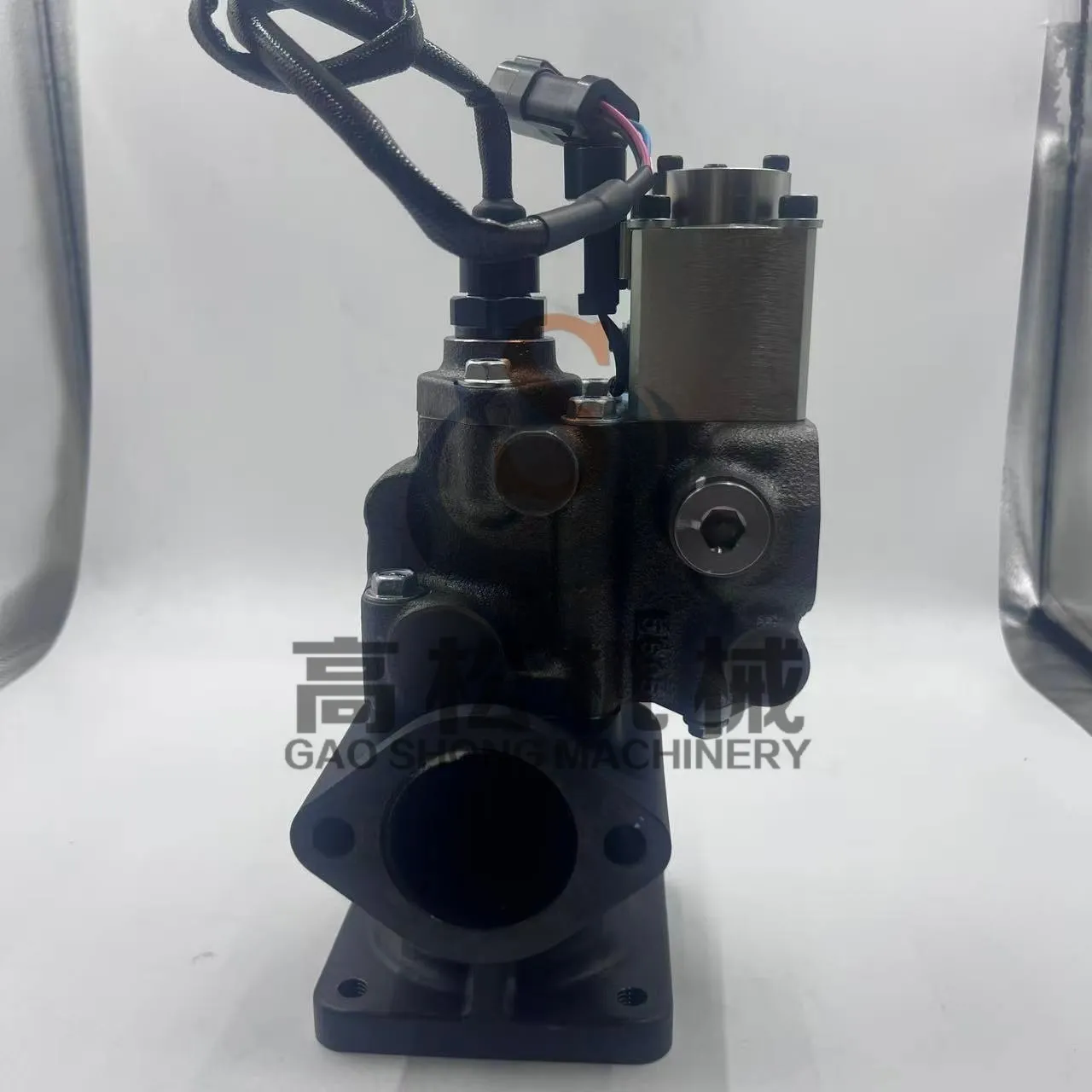 6261-41-9500 Komatsu Valve Assembly
 -
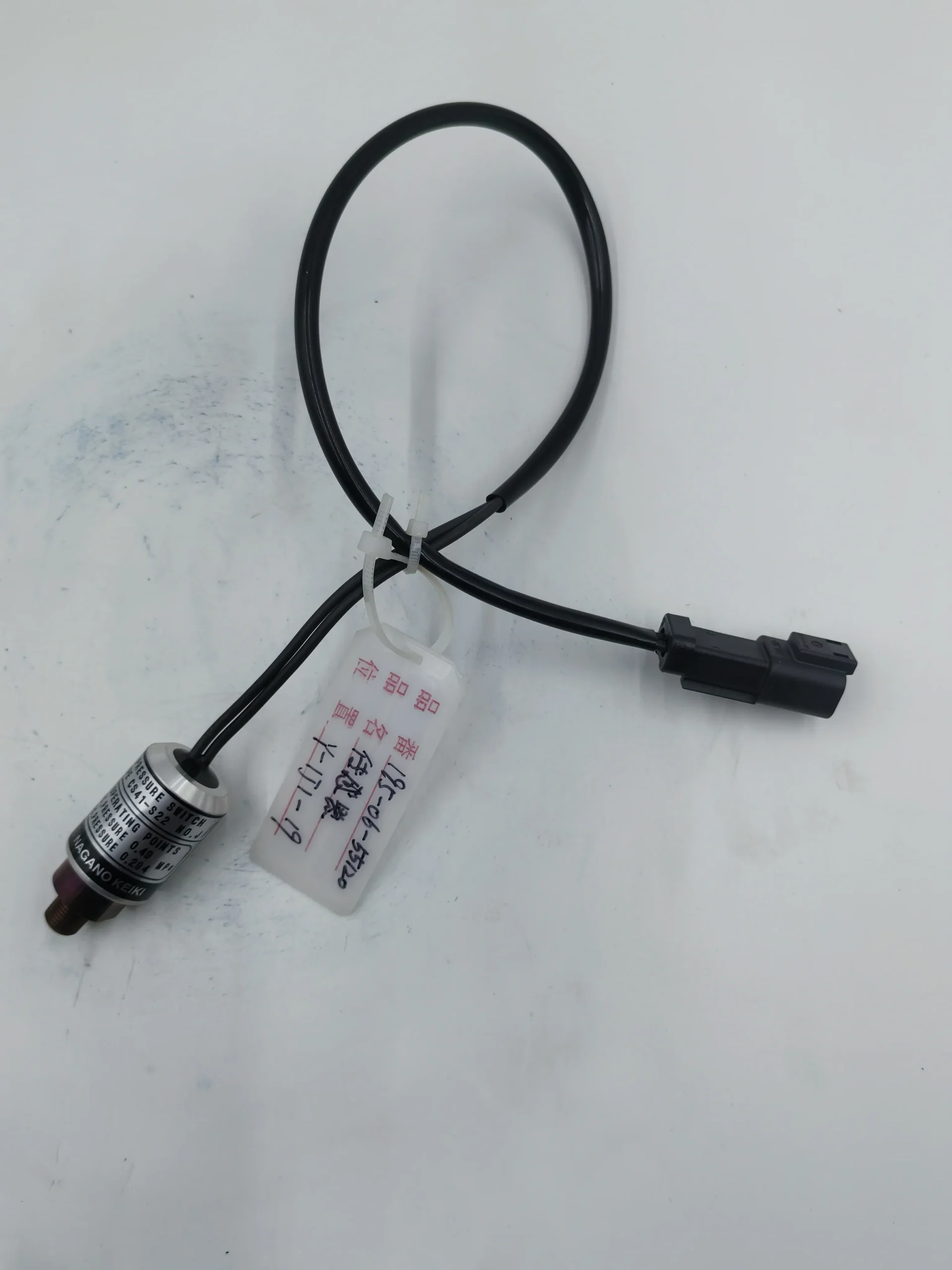 Electrical Parts 195-06-55120 Switch
 -
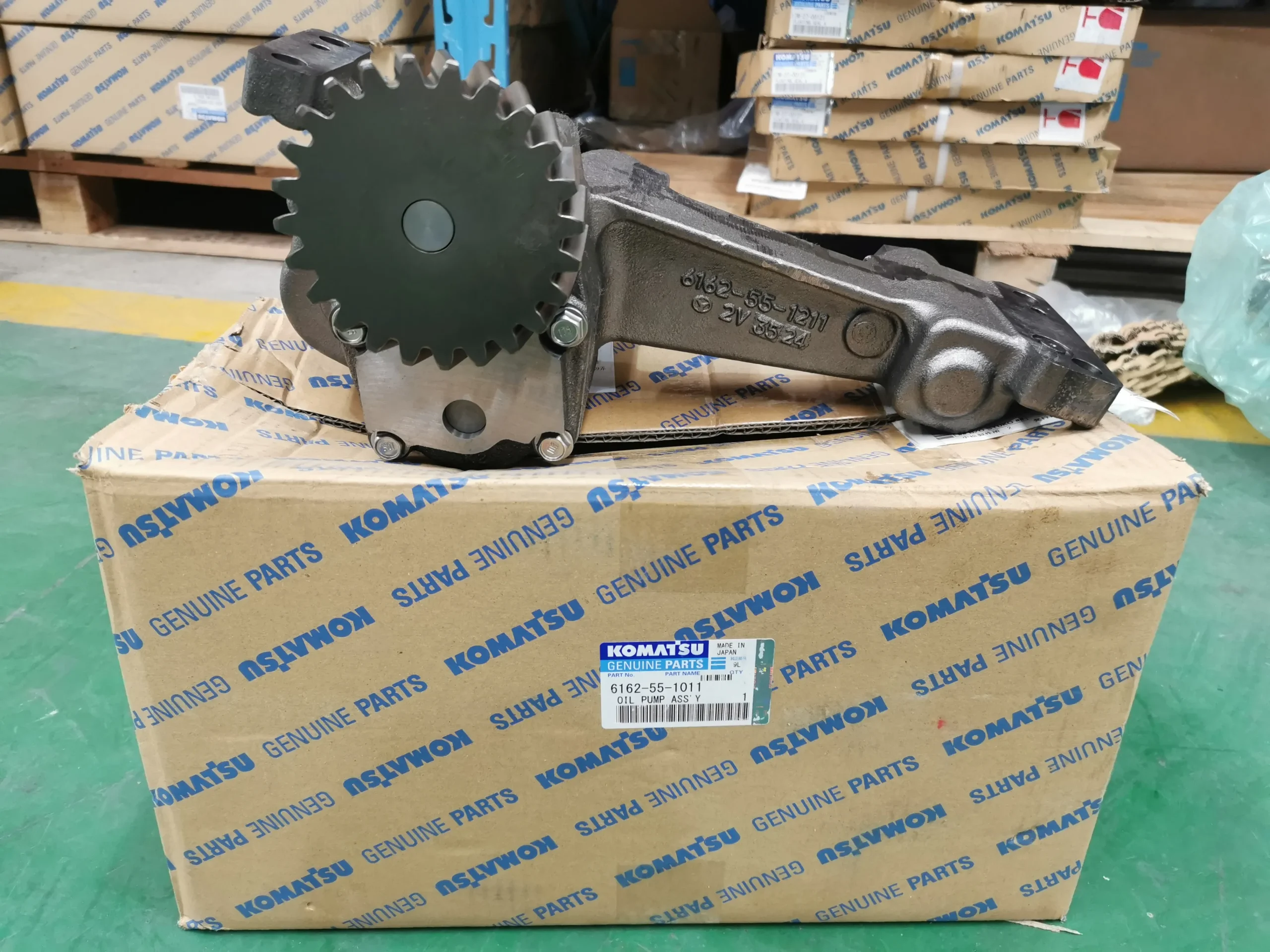 S6D170E-2A Oil Pump 6162-55-1011
 -
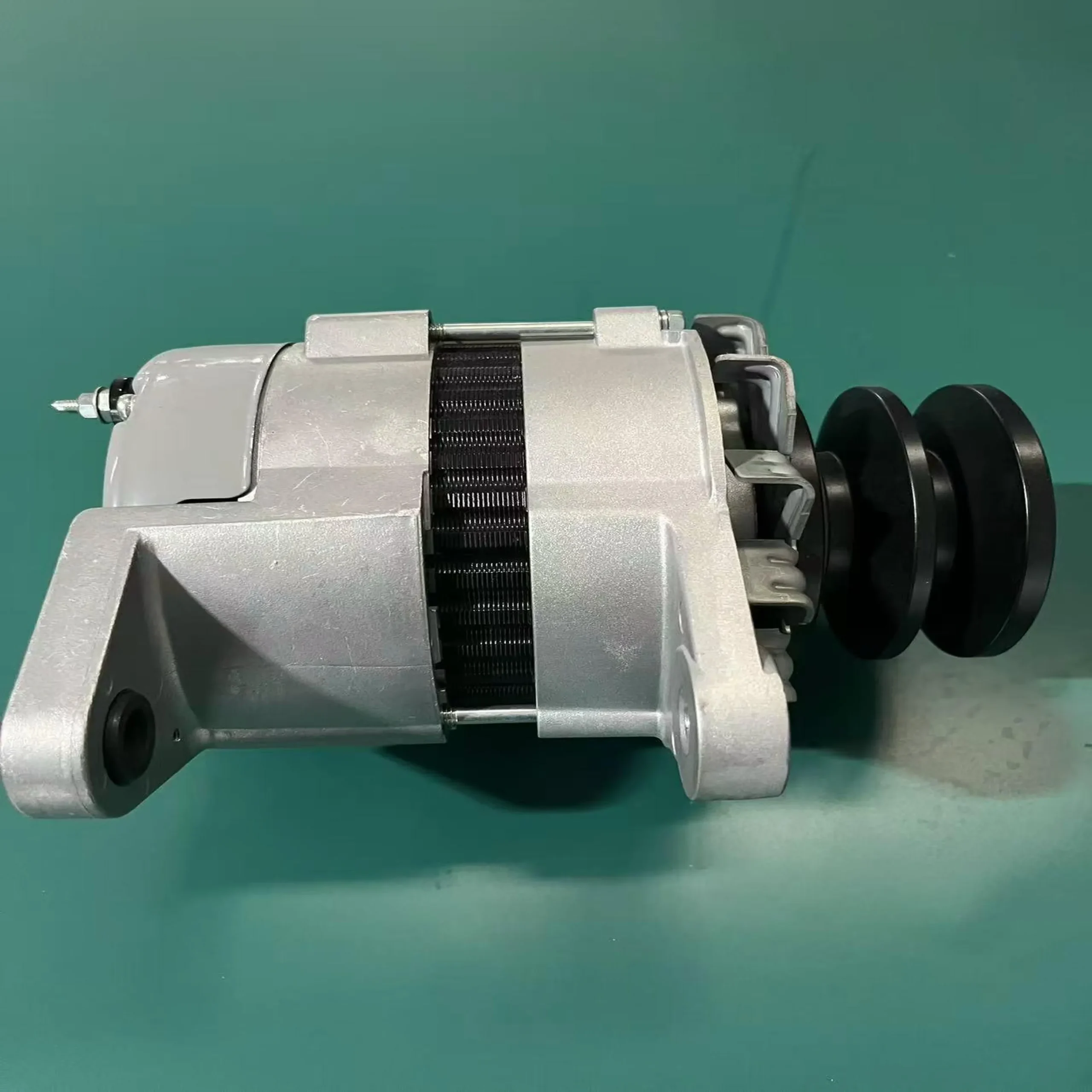 600-825-3151OEG Parts New Alternator Compatible With KOMATSU D65E Crawler & PC130 PC400 EXCAVATOR WA320 LOADER 6008253120, 6008253150, 6008253151, 6008253160, 6008253161, ANK0005, 40050015
 -
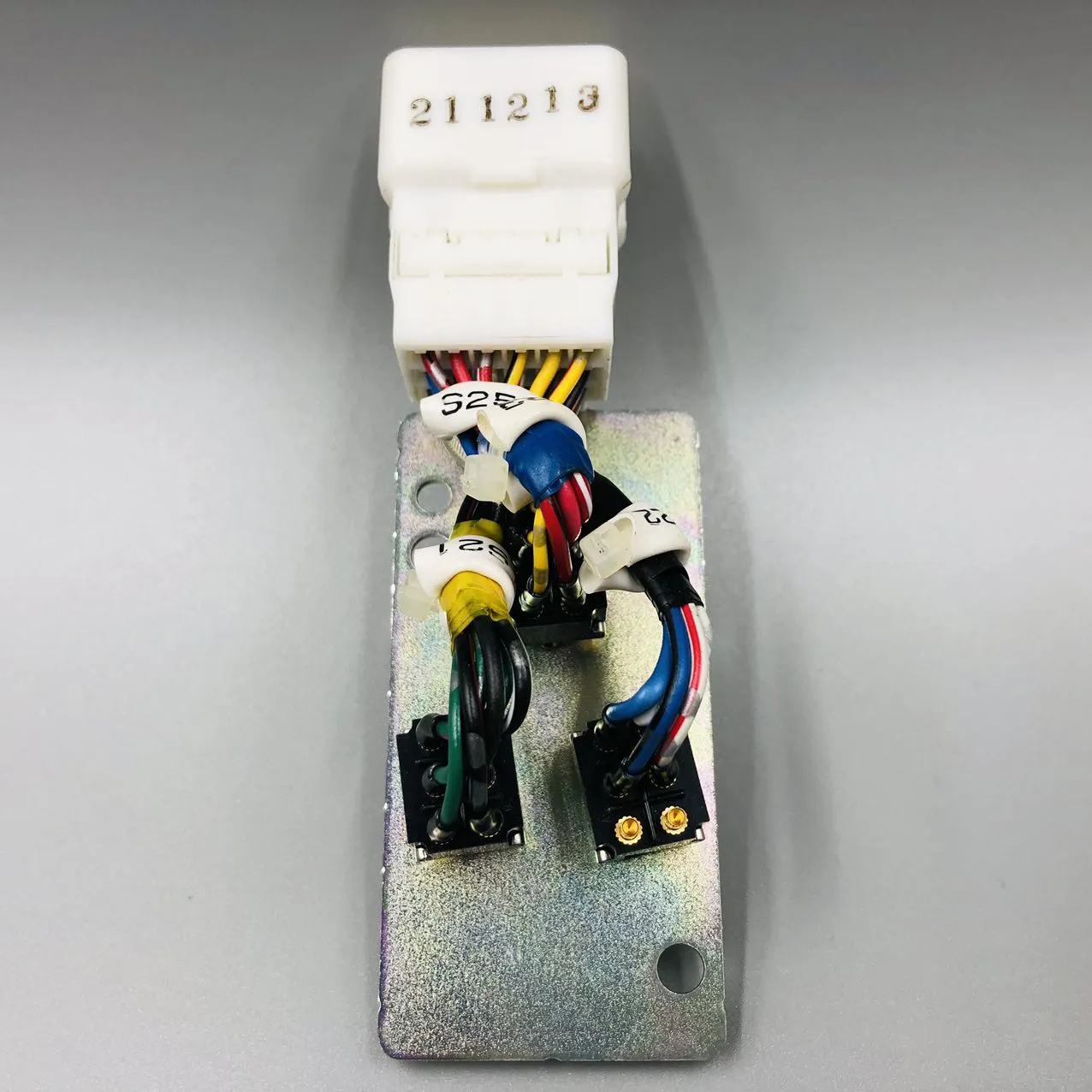 PC300-7 PC350-7 Switch Assy 22U-06-22370
 -
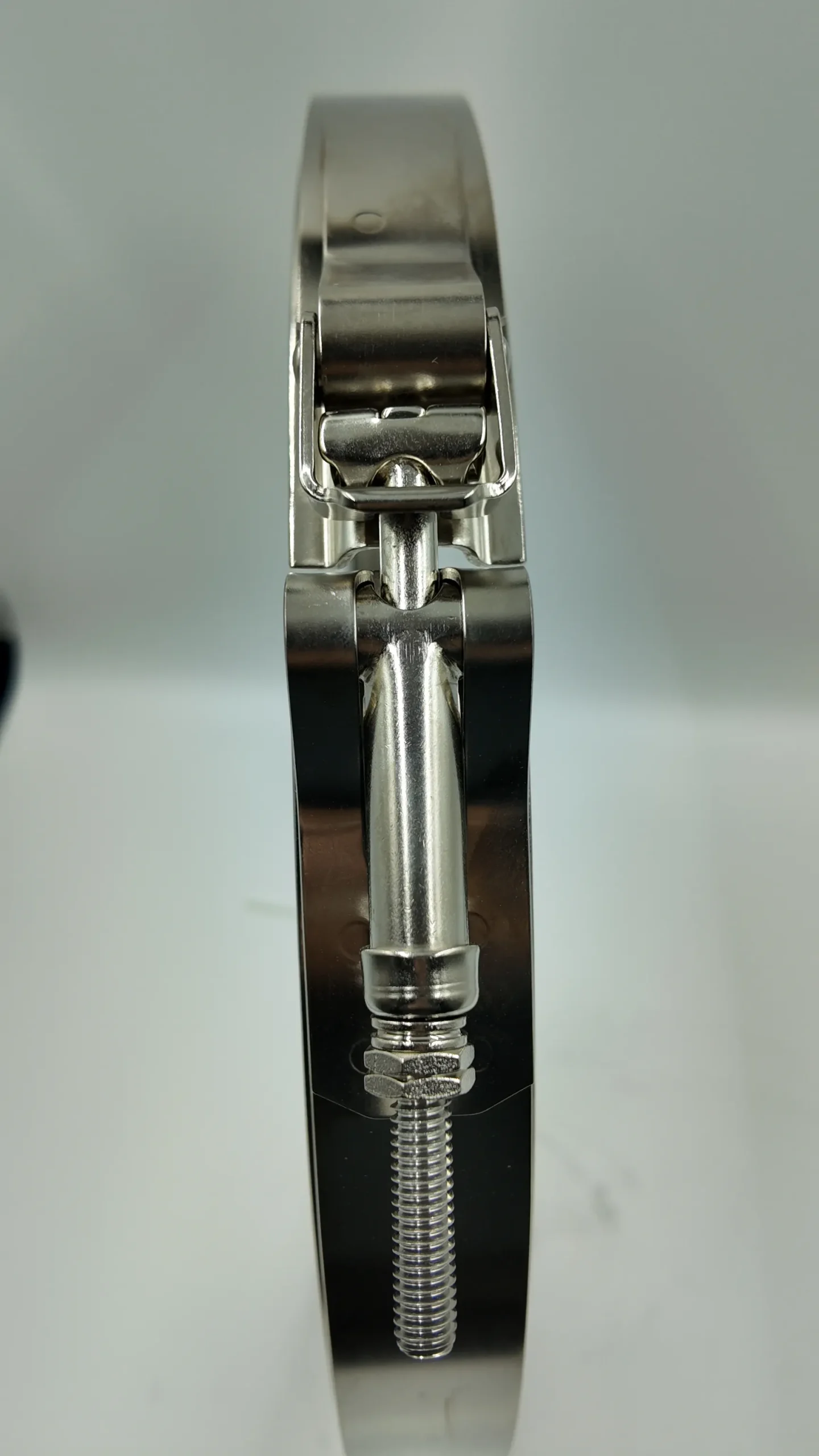 195-21-32821 COUPLING HEAVY DUTY Komatsu
 -
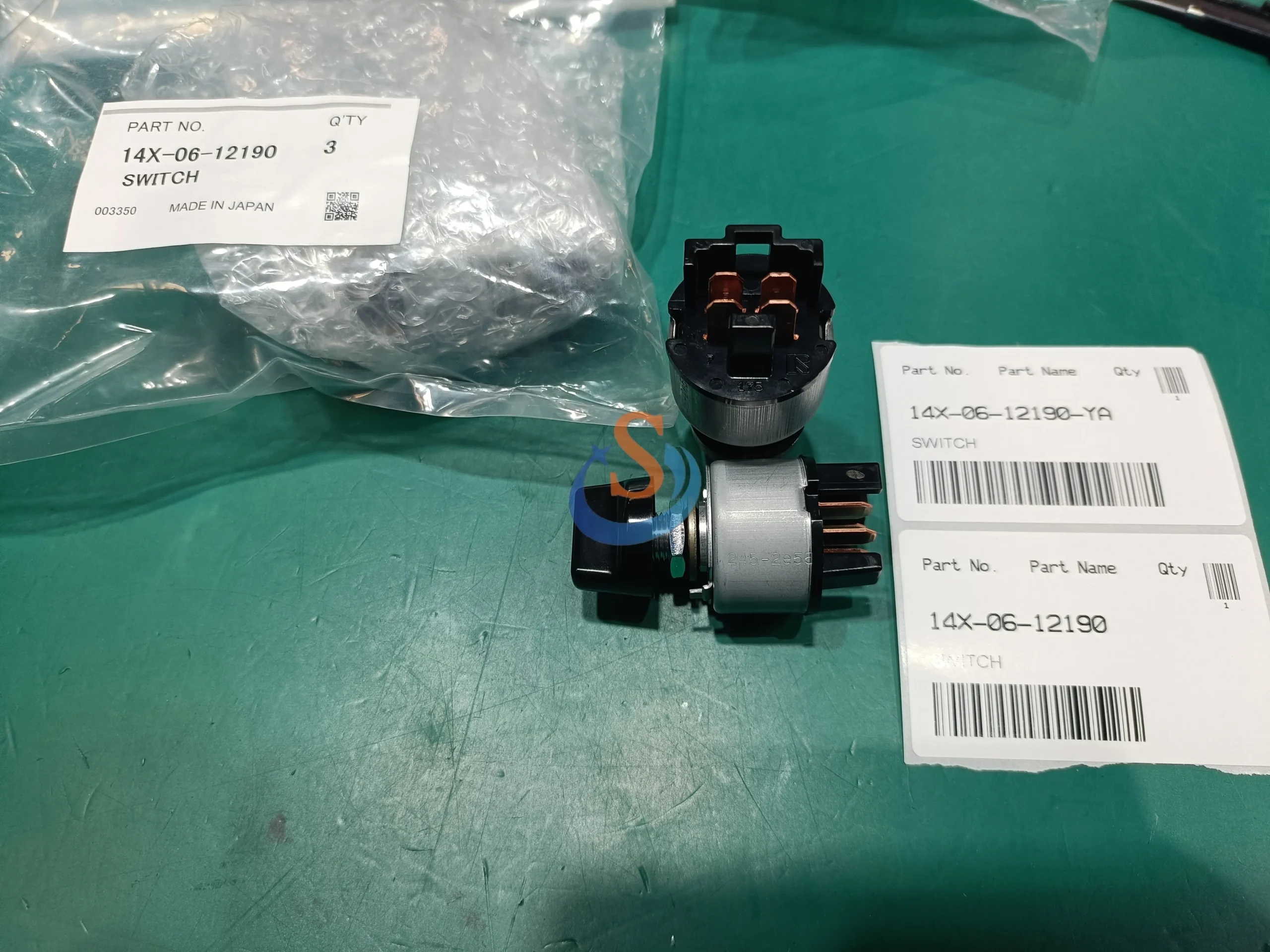 14X-06-12190 SWITCH D375A/D475A
 -
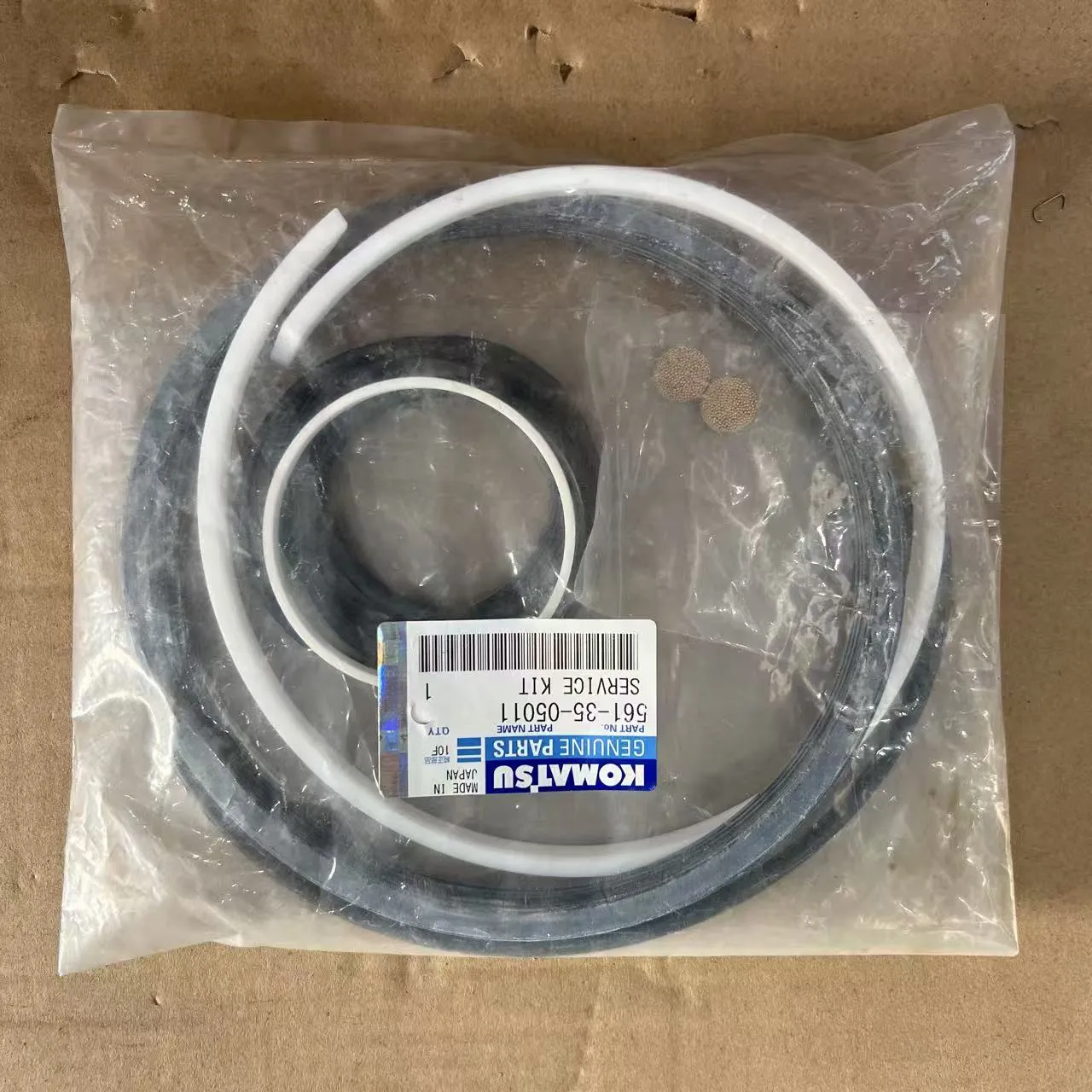 SERVICE KIT – 561-35-05011
 -
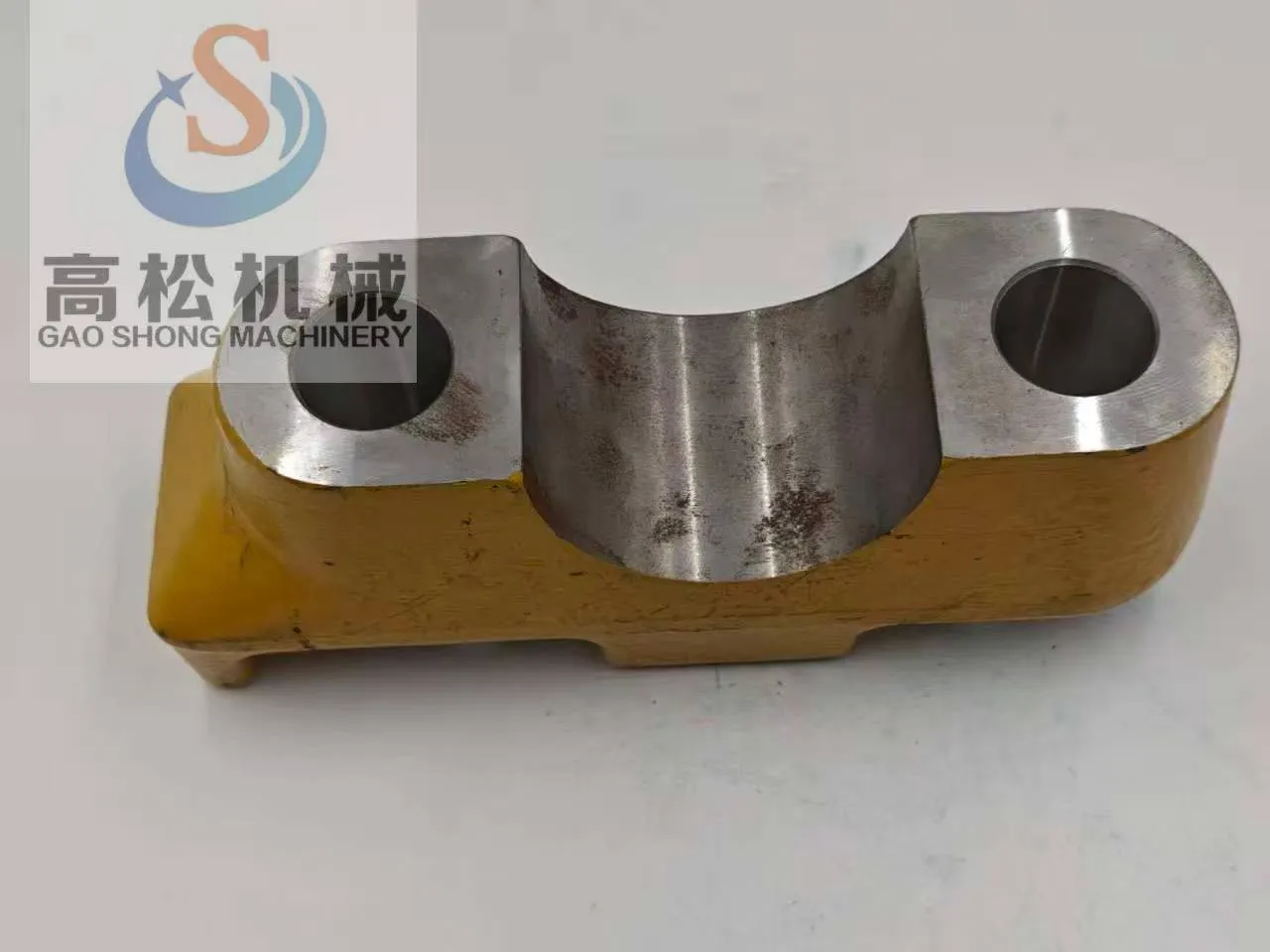
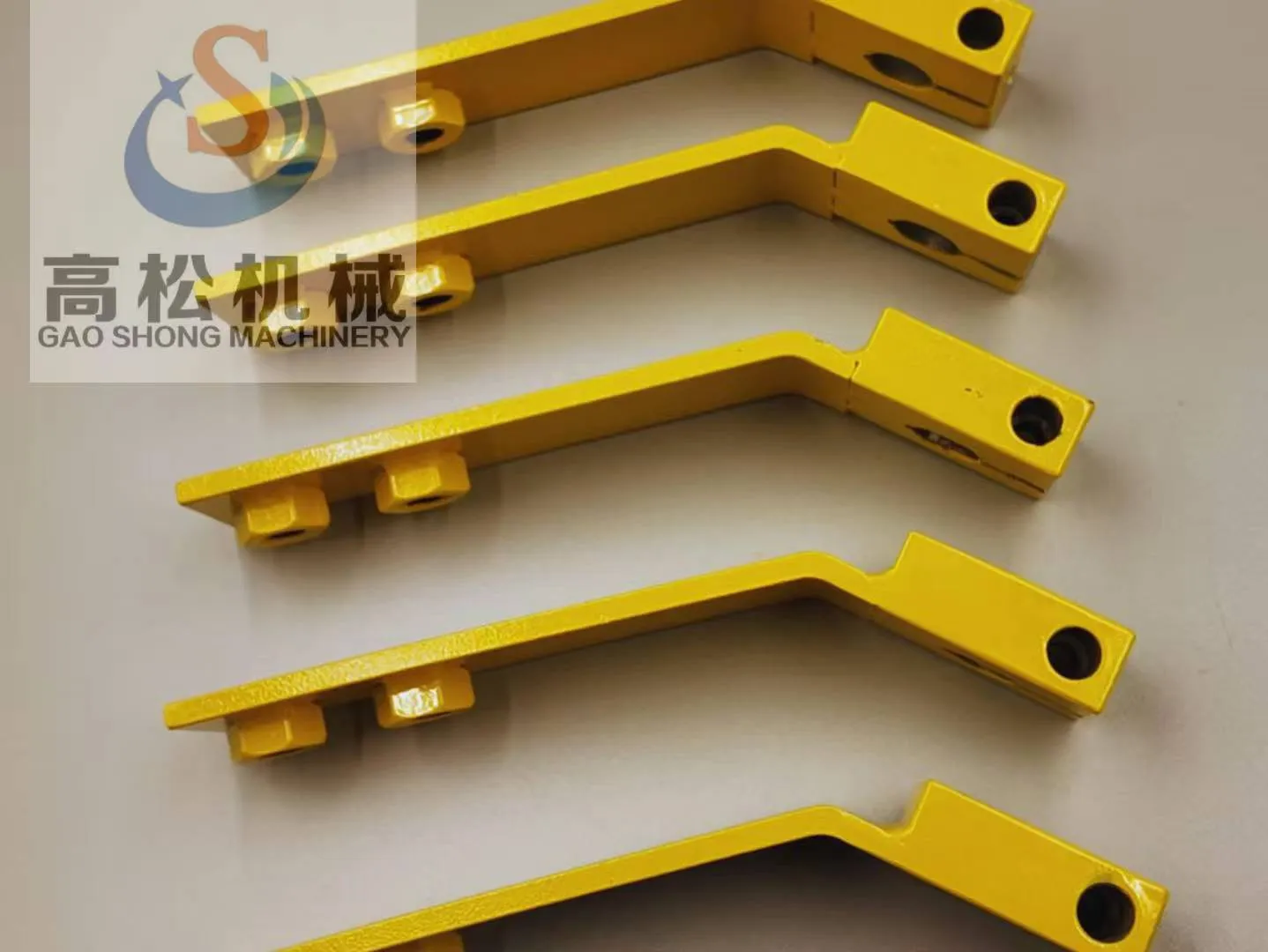 566-86-6K430 Komatsu factory bracket. Compatible with models HD325, HD785. Large inventory available.
 -
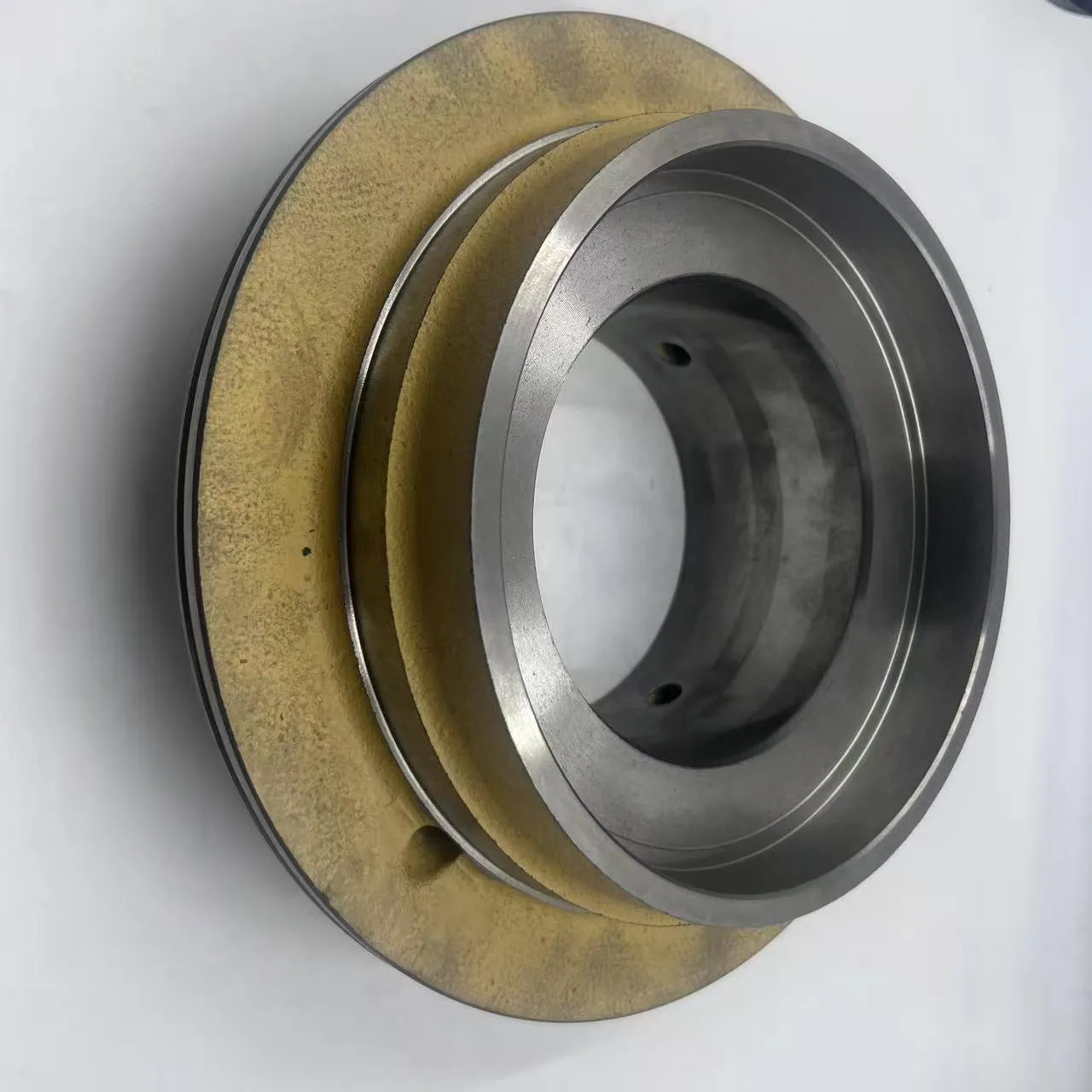 17A-22-11132 Komatsu Cylinder