
- Chinese
- French
- German
- Portuguese
- Spanish
- Russian
- Japanese
- Korean
- Arabic
- Irish
- Greek
- Turkish
- Italian
- Danish
- Romanian
- Indonesian
- Czech
- Afrikaans
- Swedish
- Polish
- Basque
- Catalan
- Esperanto
- Hindi
- Lao
- Albanian
- Amharic
- Armenian
- Azerbaijani
- Belarusian
- Bengali
- Bosnian
- Bulgarian
- Cebuano
- Chichewa
- Corsican
- Croatian
- Dutch
- Estonian
- Filipino
- Finnish
- Frisian
- Galician
- Georgian
- Gujarati
- Haitian
- Hausa
- Hawaiian
- Hebrew
- Hmong
- Hungarian
- Icelandic
- Igbo
- Javanese
- Kannada
- Kazakh
- Khmer
- Kurdish
- Kyrgyz
- Latin
- Latvian
- Lithuanian
- Luxembou..
- Macedonian
- Malagasy
- Malay
- Malayalam
- Maltese
- Maori
- Marathi
- Mongolian
- Burmese
- Nepali
- Norwegian
- Pashto
- Persian
- Punjabi
- Serbian
- Sesotho
- Sinhala
- Slovak
- Slovenian
- Somali
- Samoan
- Scots Gaelic
- Shona
- Sindhi
- Sundanese
- Swahili
- Tajik
- Tamil
- Telugu
- Thai
- Ukrainian
- Urdu
- Uzbek
- Vietnamese
- Welsh
- Xhosa
- Yiddish
- Yoruba
- Zulu
- Kinyarwanda
- Tatar
- Oriya
- Turkmen
- Uyghur






Komatsu turbocharger
When you hear 'Komatsu turbocharger', the immediate thought is often just a black box bolted to the side of a Komatsu engine, a genuine part you order from the dealer. That's the surface. The reality, especially in markets outside the primary distribution channels, is a lot messier and more interesting. It's not just about the part itself, but the entire ecosystem of supply, application stress, and the subtle differences between what's on the blueprint and what's in the field. Having dealt with these systems for years, I've seen the gap between the catalog image and the oily, heat-soaked unit you're actually trying to source or troubleshoot. There's a common misconception that if it fits, it works. That assumption has cost more than a few operations serious downtime.
The Core and Its Vulnerabilities
The heart of any Komatsu turbocharger is its bearing system and the turbine/compressor wheel balance. Komatsu designs these for specific duty cycles—think the steady, high-load grind of a PC360 excavator versus the transient spikes of a HD785 truck. The core failure I see most often isn't catastrophic blade failure; it's oil coking on the turbine side bearing due to improper shutdown, or slow degradation from minor ingestion. The tell isn't always loud whining. Sometimes it's just a slight loss of low-end torque, a 2-3% fuel efficiency drop the operator can't quite pinpoint, but the telematics flags.
We had a case with a Komatsu WA470 wheel loader where the machine was just lacking power. The local mechanic swapped filters, checked the intercooler, and was ready to condemn the injection pump. But pulling the intake pipe to the turbo revealed a fine, almost glittering layer of dust on the compressor wheel—not enough to seize it, but enough to disrupt the airflow profile. The machine was working in a quarry, and the pre-cleaner was damaged. The turbo was fine mechanically, but its performance was off. That's the kind of nuance you miss if you just treat it as a spare part number.
The metallurgy matters too. The turbine wheel handles exhaust gas that can spike well above 700°C. Substituting a cheaper compatible cartridge often uses inferior alloys that creep over time, leading to wheel growth and eventual housing contact. I've cut open failed aftermarket units where the wheel had literally machined its own housing. The genuine Komatsu part might cost 60% more upfront, but it's accounting for that thermal fatigue in its design life. It's a calculation of total cost, not unit price.
The Supply Chain Labyrinth
This is where theory meets the real world's friction. Official Komatsu channels are straightforward but can be prohibitively slow or expensive in remote regions. This gap creates a secondary market, which is where companies operating like Jining Gaosong Construction Machinery Co., Ltd. come into play. Their model, as an OEM product supplier within the Komatsu system and a third-party sales company, is fascinating. They aren't just selling grey-market parts; they're providing a legitimate alternative pipeline for genuine or OEM-equivalent components where the official one is clogged.
I've used channels like theirs for a fleet of older Komatsu dozers in a region where the local dealer had closed. The challenge wasn't finding a turbocharger; it was finding the right one. The model plate was faded, and the engine serial number was the only true key. A supplier who understands the Komatsu system knows that a S6D140 engine in a D65EX-12 might have a different turbo spec than the same engine code in a D61EX. They ask for the serials, they cross-reference build lists. A generic parts seller just matches the basic model.
The website takematsumachinery.com positions itself to solve parts supply challenges. In practice, this means they often have access to NOS (New Old Stock) or high-quality OEM-spec rebuilds for models that are phased out. For a Komatsu turbocharger on a legacy machine like a PC200-6, this is often a better path than a questionable new aftermarket unit. You're getting a component built to the original design tolerance, which matters immensely for spool-up characteristics and engine mapping.
Rebuild or Replace? A Practical Calculus
Facing a failed turbo, the first decision is rebuild versus new unit. For newer Tier 4 Final or Stage V engines, with their complex variable geometry or wastegate actuators integrated into the turbo assembly, a new unit is usually the only sane choice. The calibration is too tight. But for older, simpler models—the workhorses still running in many developing markets—a professional rebuild is viable.
The catch is in the definition of rebuild. A proper rebuild isn't just cleaning and new bearings. It involves a balanced rotating assembly. I learned this the hard way early on. We sent a Komatsu SAA6D140E turbo from a Dash-8 grader to a local shop for a rebuild. It came back looking clean, but within 50 hours, the seals were weeping oil. The issue? They hadn't dynamically balanced the cartridge after assembly. The vibration, minute but present, wore the new seals prematurely. A quality rebuilder, often the same ones supplying third-party companies, will have the proper balancing equipment and source genuine KHI or NGK bearings.
Sometimes, the failure points you to other issues. A recurring oil leak from the turbo center section might not be the turbo's fault at all. It could be a clogged crankcase breather causing excessive crankcase pressure, forcing oil past the turbo seals. Replacing the Komatsu turbocharger without fixing the root cause just leads to a repeat failure. You start chasing the symptom, not the disease.
Integration and the Adjacent Failures
A turbo doesn't work in isolation. Its health is tied to the air system upstream and downstream. The most common adjacent failure I encounter is intercooler leakage. On a Komatsu machine, the charge air cooler is often massive and tucked away. A small internal leak can cause a gradual loss of boost pressure, making the ECU inject more fuel to compensate, which raises EGTs, which then stresses the Komatsu turbocharger turbine side. It's a vicious cycle. Diagnosing a weak turbo often requires checking intercooler efficiency with a pressure test.
Then there's the plumbing. The oil feed line to the turbo is critical. It's small-bore and must be free of any debris. I've seen a mechanic replace a turbo only to have the new one fail within minutes because a tiny piece of old gasket or sludge from the engine block traveled down the new oil line and starved the bearings. Now, the procedure is to always flush the line or, better yet, replace it with the turbo. It's a $50 part that insures a $2000+ component.
Electronic controls add another layer. On newer Komatsu equipment, the wastegate or VGT actuator is controlled by the engine ECU. A fault code for boost pressure low could be the turbo, a leaking hose, a faulty MAP sensor, or a sticking actuator. You need to look at the live data: commanded vs. actual actuator position, desired vs. actual boost. It moves the diagnosis from pure mechanics to mechatronics.
The Verdict on Sourcing and Longevity
So, back to the original point: what does a Komatsu turbocharger represent? It's a precision air pump, designed for a specific engine profile. Its longevity is 30% design, 70% operation and maintenance. Proper warm-up and cool-down cycles are non-negotiable. Using the correct spec oil and changing it on time is more critical for the turbo than for almost any other engine component.
When sourcing, especially through third-party but system-integrated suppliers, the key question isn't just is it genuine? but is it correct and is it quality? A supplier like Jining Gaosong, by virtue of being an OEM product supplier within the Komatsu system, theoretically has access to the correct technical specifications and proper homologated parts. That's their value proposition. You're buying their cross-referencing expertise and their pipeline as much as the physical part.
In the end, the black box on the side of the engine is anything but. It's a dynamic, stressed component that tells you a lot about the overall health of the machine. Treating it as a simple spare part is a shortcut to recurring problems. Understanding its context—the supply chain, the adjacent systems, the failure modes—is what separates a quick fix from a proper repair. That understanding often comes from working with partners who navigate the complexity between the factory floor and the jobsite, not just from a glossy parts catalog.
Related Products
Related Products

Best Selling Products
Best Selling Products-
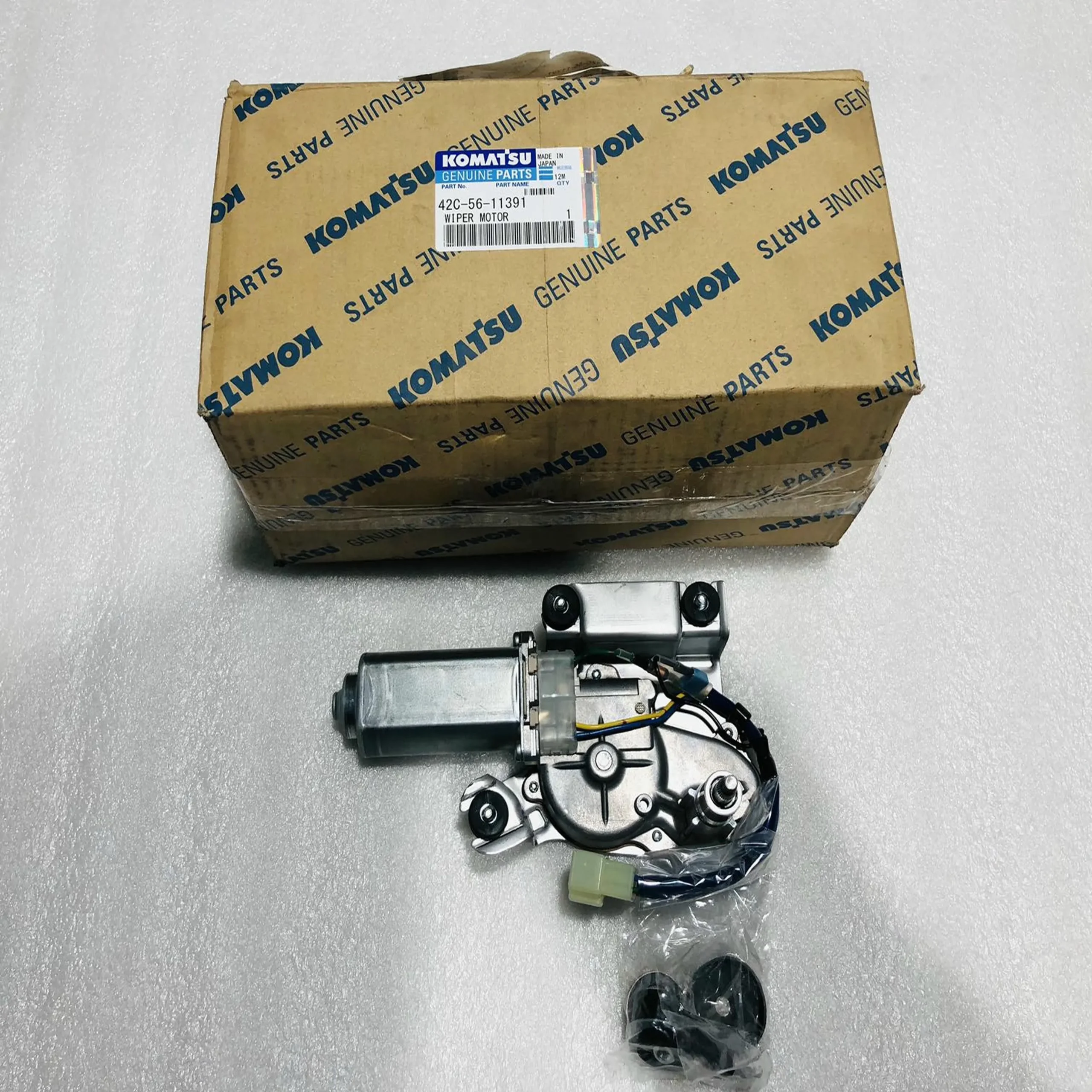 WIPER MOTOR,R.H. 42C-56-11391 – KOMATSU
 -
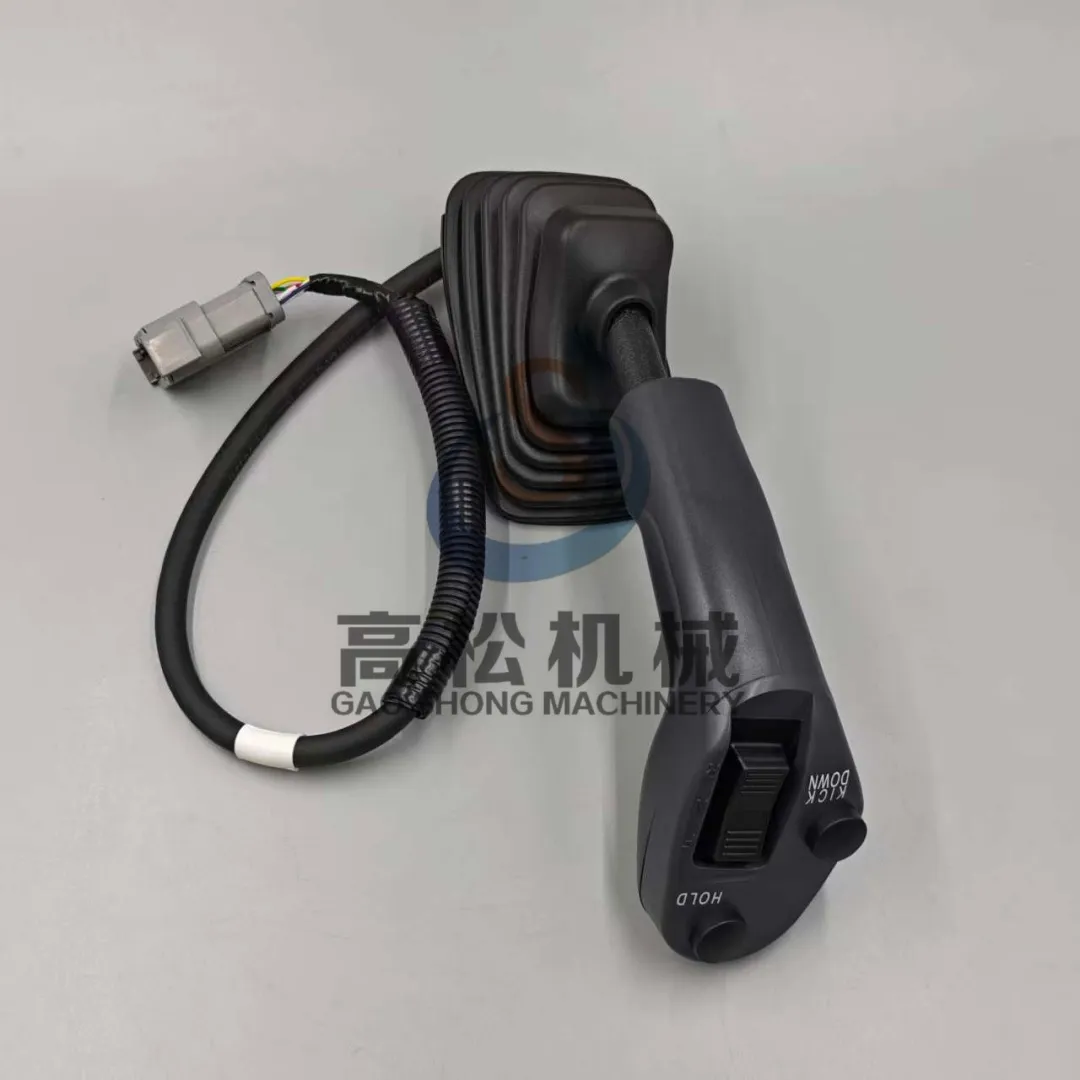 Original New Lever Assembly 423-V91-4144 Handle
 -
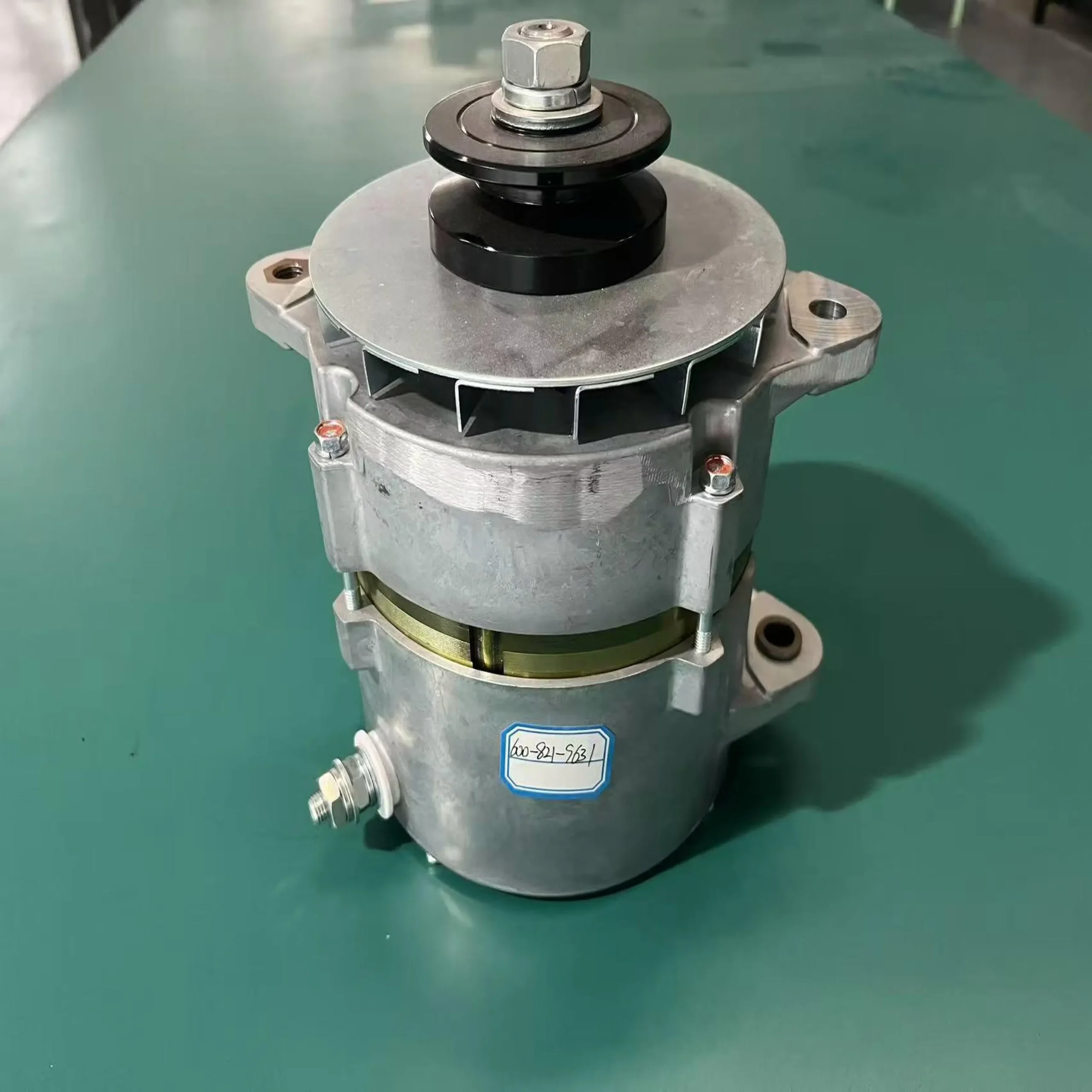 ATG20053 Alternator Compatible With Komatsu Cummins QSK23 600-821-9631 600-821-8260 600-821-9360 600-821-9550 600-821-9311 600-821-9511
 -
 56D-15-19250 RING
 -
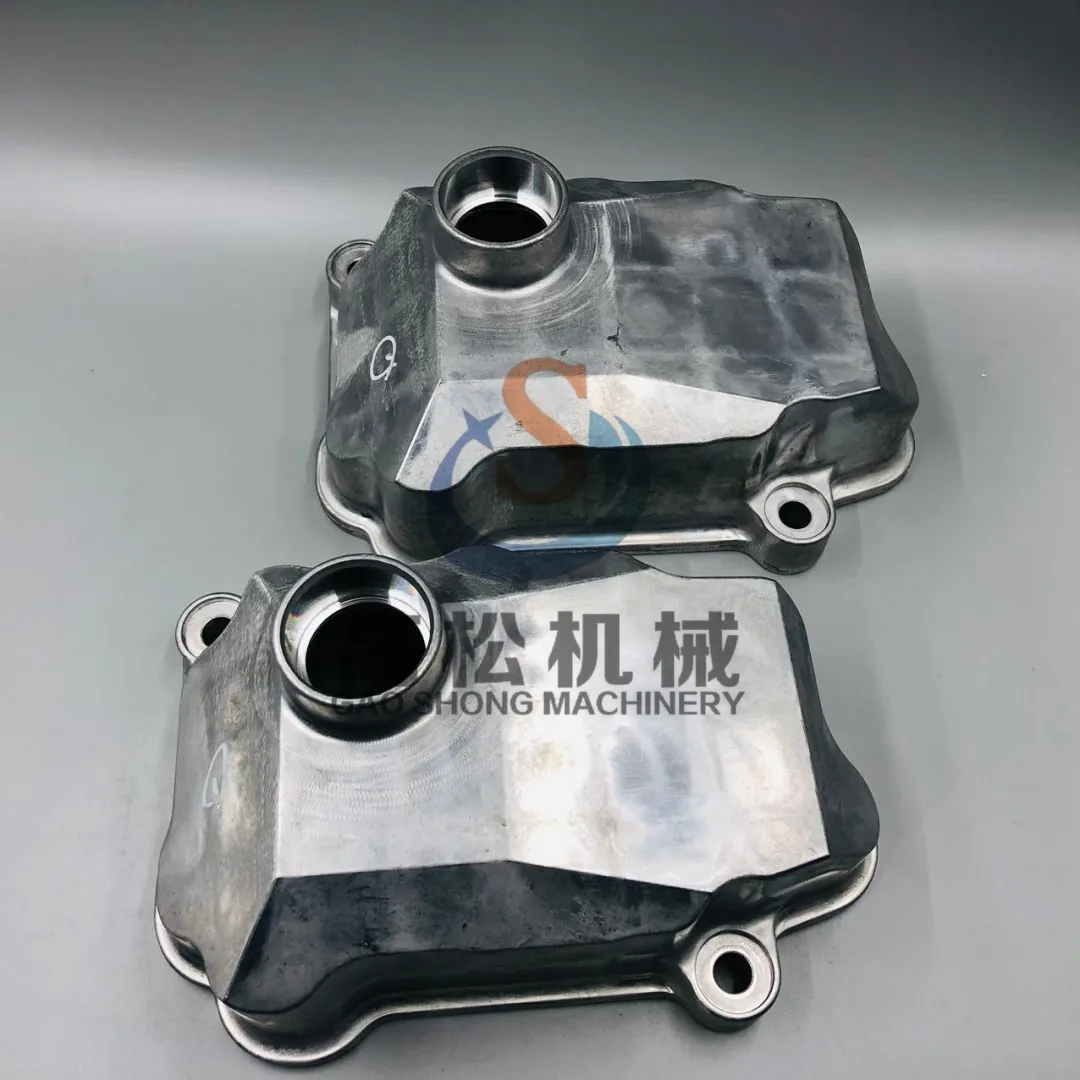 Komatsu SAA6D125E-5 Valve Cover | Part Number 6251-11-8150
 -
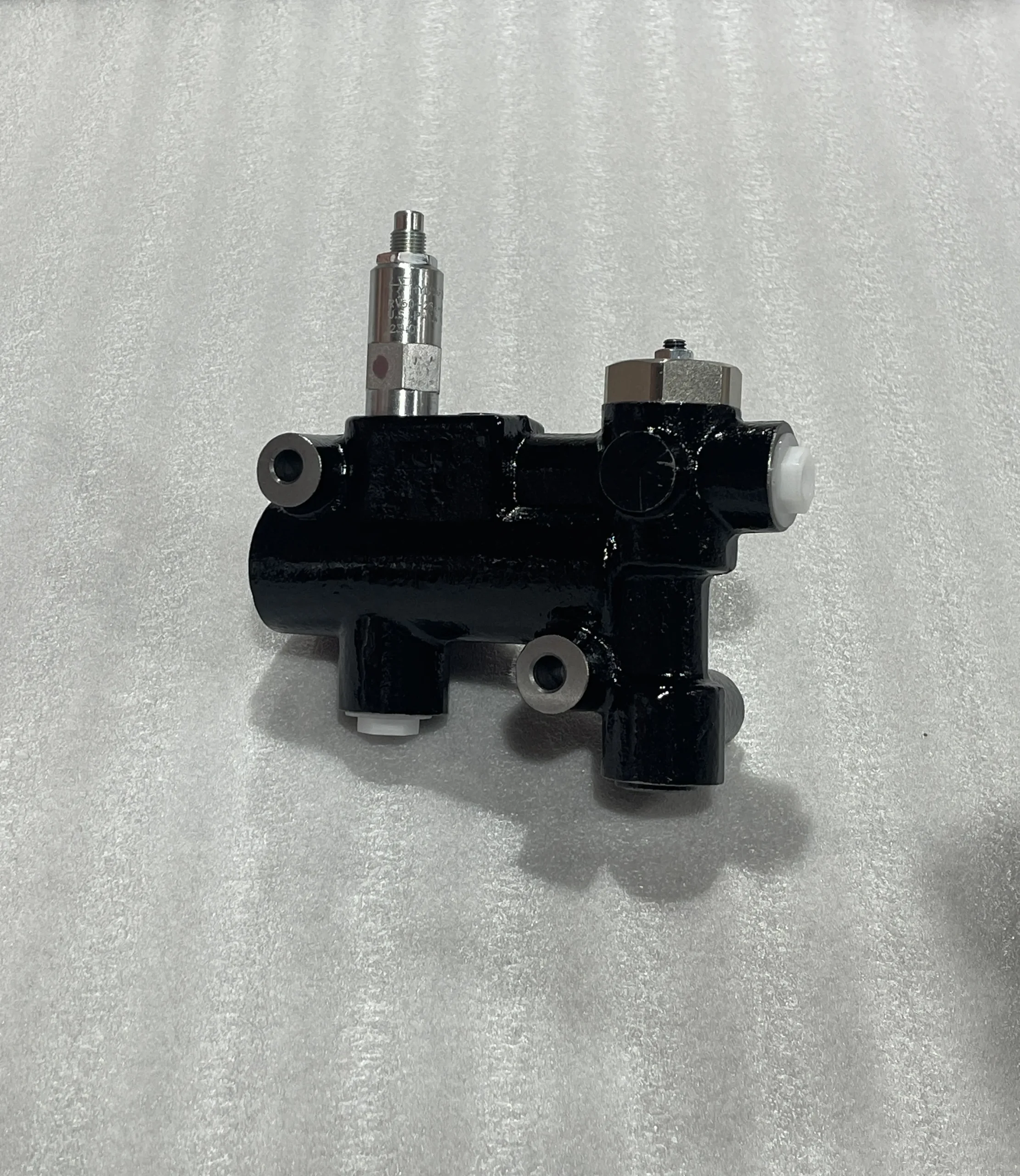 accumulator inflation valve
 -
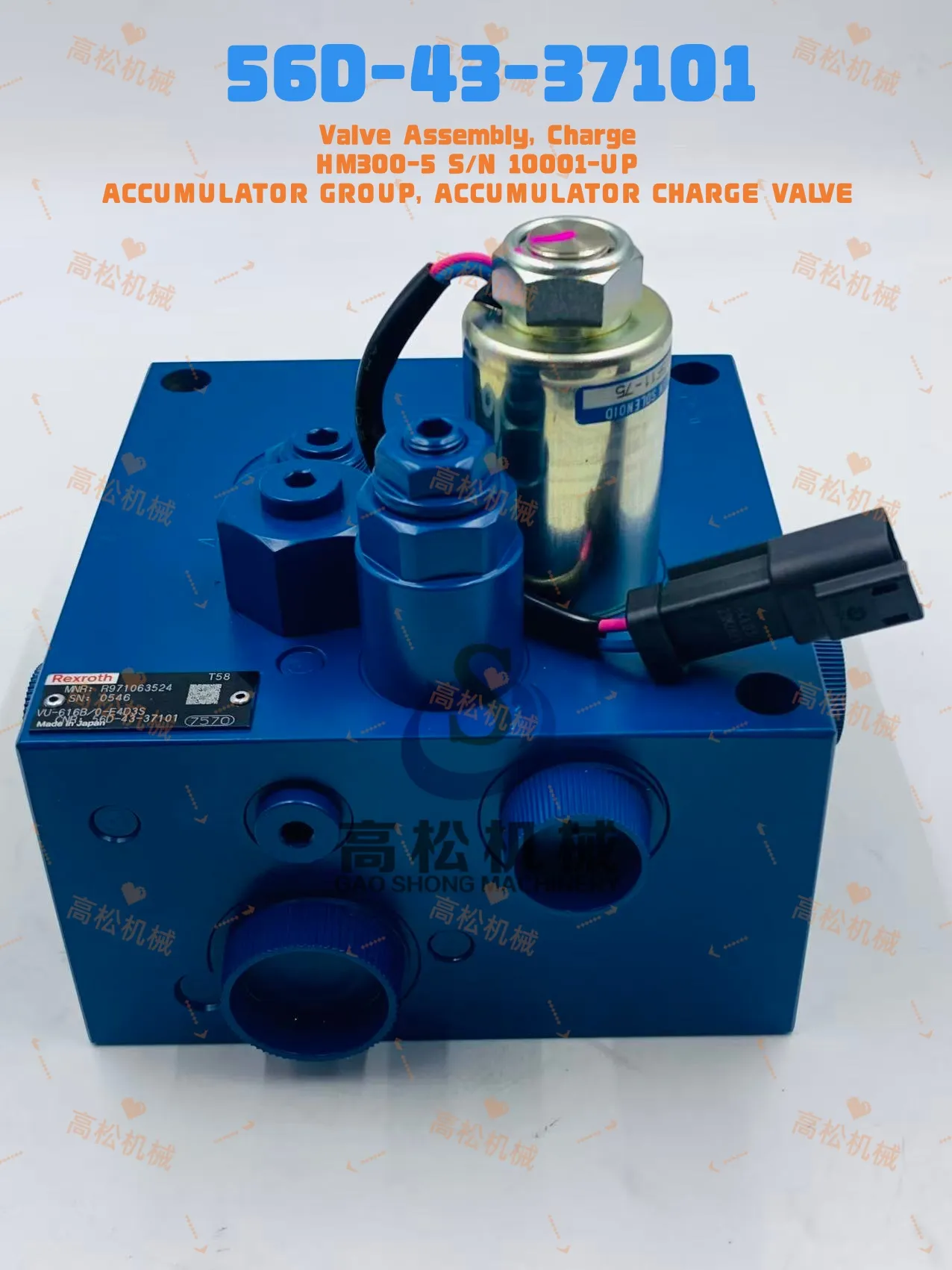 56D-43-37101 Valve Assembly, Charge HM300-5 ACCUMULATOR GROUP, ACCUMULATOR CHARGE VALVE
 -
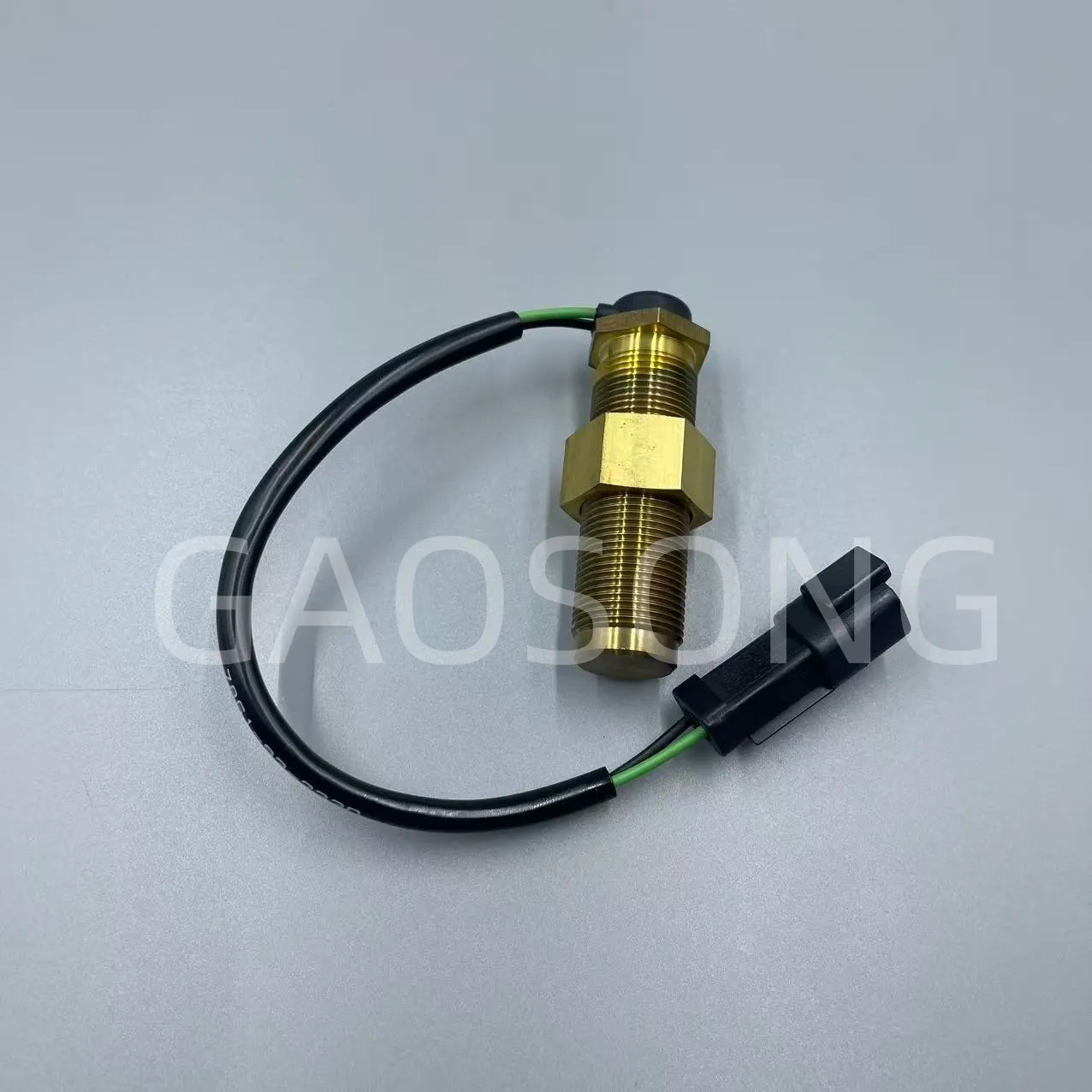 7861-93-2330 SENSOR,REVOLTION–Komatsu Original Factory
 -
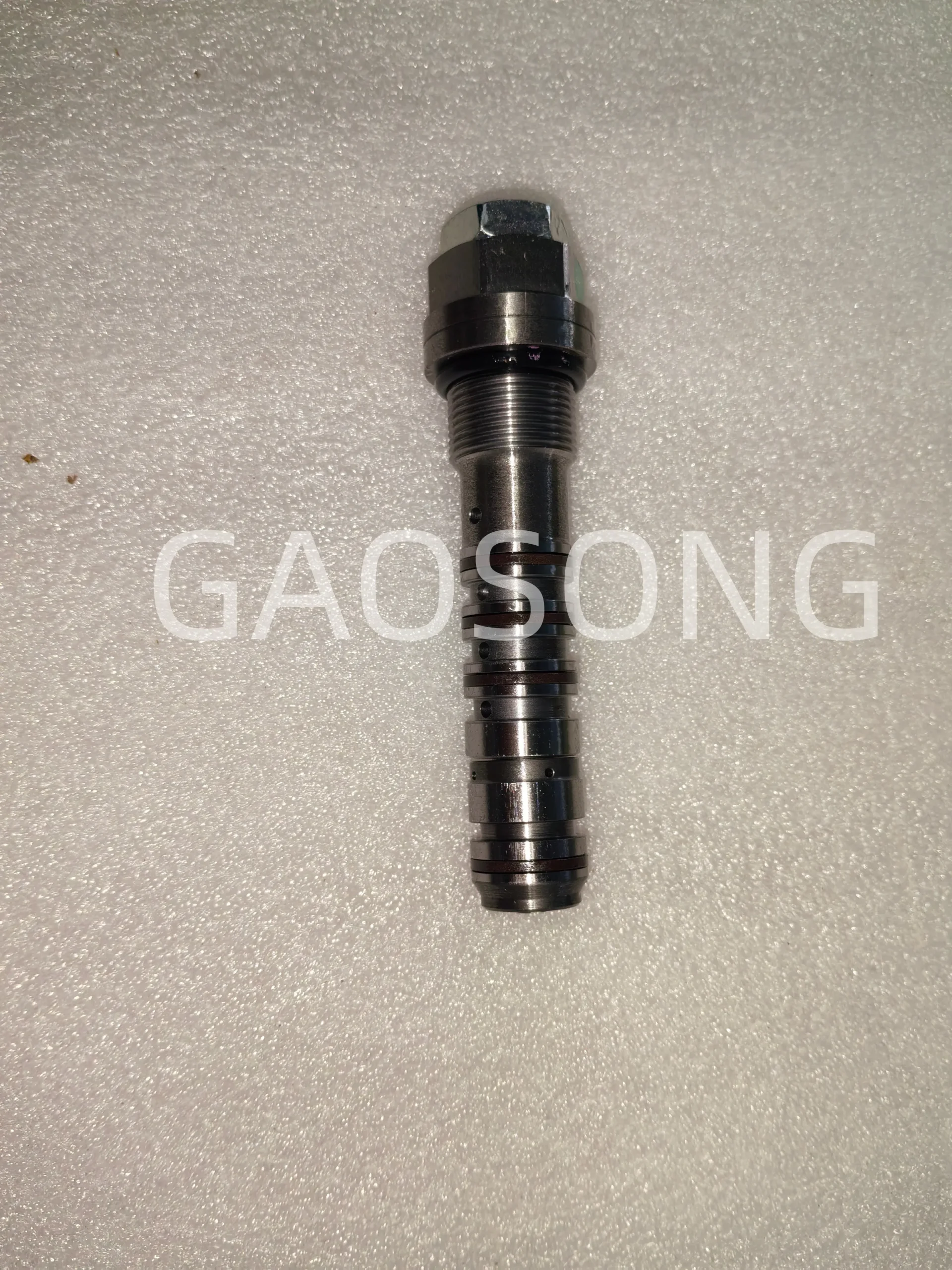 708-2G-03720 • Valve Assembly-Komatsu Original Factory
 -
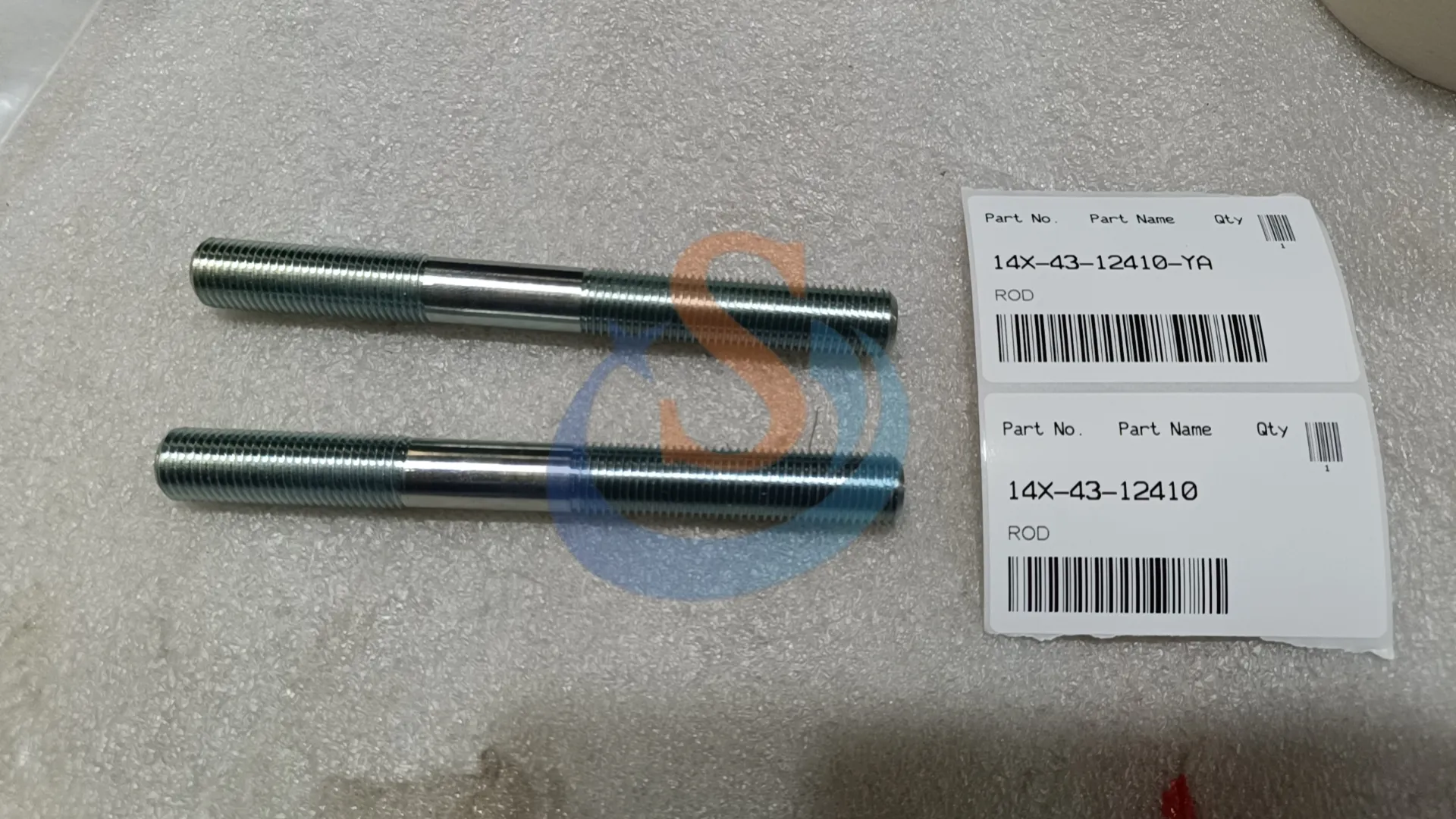 14X-43-12410,ROD,komatsu,D155A,D375A,D275A
 -
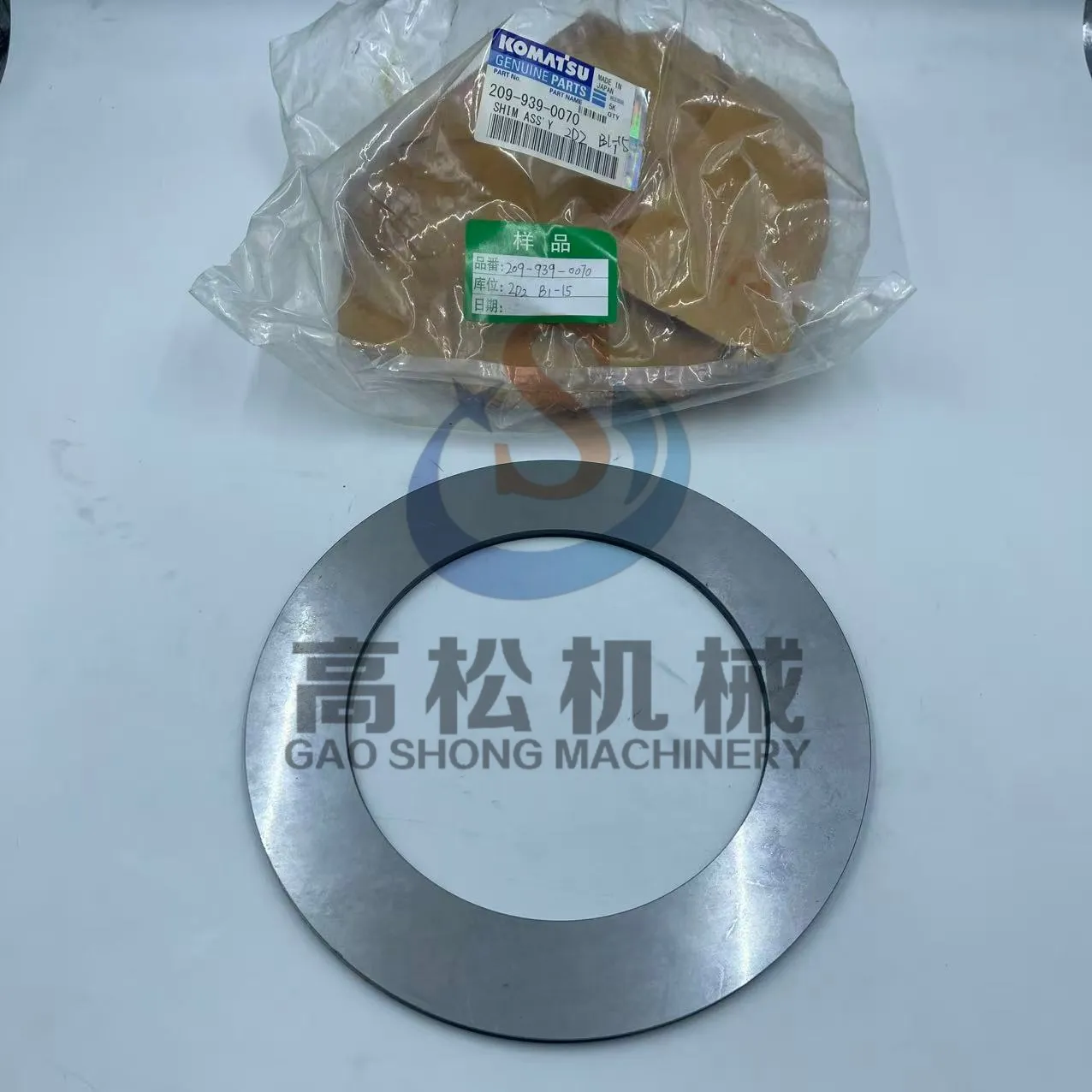 209-939-0070 Komatsu Shim Assembly
 -
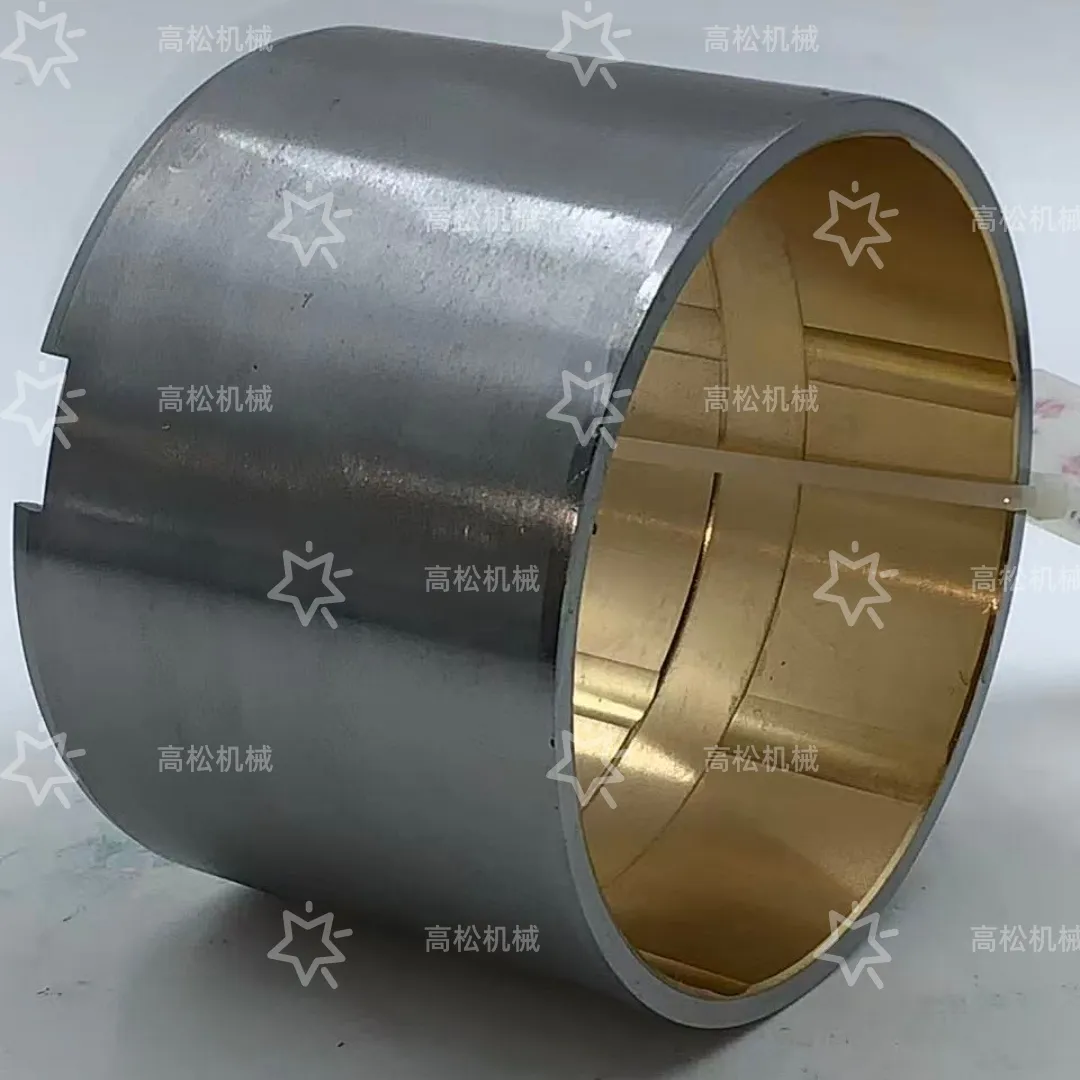 BUSHING 195-61-41160, myKomatsu – Buy Komatsu Parts