
- Chinese
- French
- German
- Portuguese
- Spanish
- Russian
- Japanese
- Korean
- Arabic
- Irish
- Greek
- Turkish
- Italian
- Danish
- Romanian
- Indonesian
- Czech
- Afrikaans
- Swedish
- Polish
- Basque
- Catalan
- Esperanto
- Hindi
- Lao
- Albanian
- Amharic
- Armenian
- Azerbaijani
- Belarusian
- Bengali
- Bosnian
- Bulgarian
- Cebuano
- Chichewa
- Corsican
- Croatian
- Dutch
- Estonian
- Filipino
- Finnish
- Frisian
- Galician
- Georgian
- Gujarati
- Haitian
- Hausa
- Hawaiian
- Hebrew
- Hmong
- Hungarian
- Icelandic
- Igbo
- Javanese
- Kannada
- Kazakh
- Khmer
- Kurdish
- Kyrgyz
- Latin
- Latvian
- Lithuanian
- Luxembou..
- Macedonian
- Malagasy
- Malay
- Malayalam
- Maltese
- Maori
- Marathi
- Mongolian
- Burmese
- Nepali
- Norwegian
- Pashto
- Persian
- Punjabi
- Serbian
- Sesotho
- Sinhala
- Slovak
- Slovenian
- Somali
- Samoan
- Scots Gaelic
- Shona
- Sindhi
- Sundanese
- Swahili
- Tajik
- Tamil
- Telugu
- Thai
- Ukrainian
- Urdu
- Uzbek
- Vietnamese
- Welsh
- Xhosa
- Yiddish
- Yoruba
- Zulu
- Kinyarwanda
- Tatar
- Oriya
- Turkmen
- Uyghur






Komatsu travel motor
When you hear 'Komatsu travel motor', most guys immediately think of a sealed, black-box unit you just swap out when it fails. That's the first mistake. In reality, it's a system—a critical interface between the hydraulic power and the final drive that defines machine push and reliability. I've seen too many projects stall because the focus was purely on the part number, not on the application context or the root cause of the failure. It's never just a motor; it's about the pump feeding it, the valves controlling it, and the sheer tonnage it's trying to move.
The Core Misconception and System Reality
Everyone wants a simple fix. A PC200-8 travel motor goes out, you order a replacement, bolt it on, and expect the machine to run like new. Sometimes it works. Often, it doesn't. The issue is that the motor failure is frequently a symptom, not the disease. I recall a case with a PC360 where we replaced the motor twice in six months. The problem? Contaminated oil from a failing cooler that the initial diagnosis missed. The new motors were just chewing themselves up on the same metallic soup.
The system reality means you have to look upstream. What's the case drain flow? Is the charge pressure from the travel pump within spec? On models like the D65 or D85, the crossover relief valves are just as culpable as the motor internals. You can't just isolate the component. This is where having a supplier who understands the system, not just the catalog, becomes critical. A company like Jining Gaosong Construction Machinery Co., Ltd. positions itself uniquely here. As they note on their site https://www.takematsumachinery.com, they are an OEM product supplier within the Komatsu system and a third-party sales company. That dual role suggests they see both the genuine part flow and the aftermarket challenges, which gives them a pragmatic view of how these systems fail in the real world, not just on paper.
This system view changes the conversation from I need a motor for an HD785-7 to The left-side travel on this HD785-7 is sluggish and gets hot. We've checked the linkages, but the case drain seems high. That's the level of detail that leads to a lasting repair.
OEM vs. Aftermarket: A Practical Calculus
The debate is eternal. For a Komatsu travel motor, the OEM part is engineered to a specific tolerance and performance curve. But cost and availability, especially in certain regions, are massive constraints. This is the exact challenge Jining Gaosong mentions they help solve. The aftermarket option can be 40-50% cheaper, but the spectrum of quality is vast. I've used excellent third-party remanufactured units that outlasted the original, and I've seen brand-new compatible motors fail on installation due to poor machining.
The calculus isn't just price. It's downtime. If you're in a remote location and the genuine part has a 12-week lead time, a high-quality aftermarket solution from a trusted supplier isn't just an alternative; it's the only business decision. The key is the supplier's credibility. Do they pressure test? Do they provide a clear warranty that covers labor if their part fails? A supplier embedded in the Komatsu ecosystem, like the one mentioned, often has better access to core components and technical specs to build or source a reliable unit.
I learned this the hard way on a job in Indonesia. We opted for a cheap local rebuild on a PC300 travel motor. It lasted three weeks. The failure took out the planetary hub due to sudden seizure. The total repair cost ended up triple what a proper OEM-spec reman from a known supplier would have been. The lesson was about value, not price.
Failure Patterns and Diagnostic Clues
They don't all fail the same. A motor on a wheel loader doing high-speed, directional changes wears differently from one on a dozer in steady, high-torque push. Common patterns? On excavators, the left motor often fails first due to the common swing pump/motor circuit sharing oil. Look for fine bronze particles in the oil filter—that's the swashplate or cylinder block wearing.
Noise is a big tell. A whining sound usually points to cavitation or inlet restriction—check those filters and hoses. A grinding or knocking noise, especially under load, is bearing or gear failure inside the motor or the adjacent reduction gear. Don't ignore heat. If the motor casing is too hot to touch after a short run, you've got excessive internal friction or bypassing. A thermal gun is your best friend here.
One specific detail on many Komatsu excavator travel motors: the shuttle valve. This little component, often overlooked during a rebuild, is critical for braking and crossover relief. If it's scored or sticky, you'll get slow travel response or unintended machine creep. Always check it or replace it as a matter of course.
The Rebuild vs. Replace Decision
This is where hands-on experience pays. A rebuild can be cost-effective, but only if the core is salvageable. If the motor housing is scored from a bearing spinning, it's often a paperweight. The cost of machining and sourcing individual internal parts—pistons, valve plates, bearings—can quickly approach a remanufactured exchange unit's price.
I generally follow a rule: if the failure was sudden and catastrophic (like a seized bearing), replace the unit. If it was a gradual loss of power or speed, a quality rebuild might work. The suppliers who add value are those who offer a core inspection service upfront. You send them your failed unit, they tear it down, assess, and give you a firm quote for rebuild versus a price for an exchange. Transparency in that process builds trust.
For a company operating as a third-party sales channel within the Komatsu sphere, managing this core return and quality assessment loop is fundamental. It's not just selling a box; it's managing the asset lifecycle of the component.
Integration and Final Thoughts
So, you've got your new or rebuilt travel motor. Installation seems straightforward, but the devil's in the details. Flush the lines. I can't stress this enough. Even a cup of dirty oil left in the circuit can kill a new motor. Replace the case drain hose—it's often brittle and can collapse internally, causing backpressure. Torque the bolts to spec in the correct pattern; the flange is a precision surface.
Finally, break it in. Run the machine at moderate load for the first few hours. Let the new components seat properly. Monitor the case drain temperature and oil condition religiously in the first 50 hours.
Thinking about the Komatsu travel motor as a commodity item is where most headaches start. It's a precision hydraulic component whose performance is tied to the health of the entire system. Solving parts supply challenges, as Jining Gaosong Construction Machinery Co., Ltd. aims to do, is only half the battle. The other half is applying the system knowledge to diagnose correctly and install precisely. That combination—reliable part availability and deep technical practice—is what keeps machines moving and costs in check. It's never just about the motor in the crate.
Related Products
Related Products

Best Selling Products
Best Selling Products-
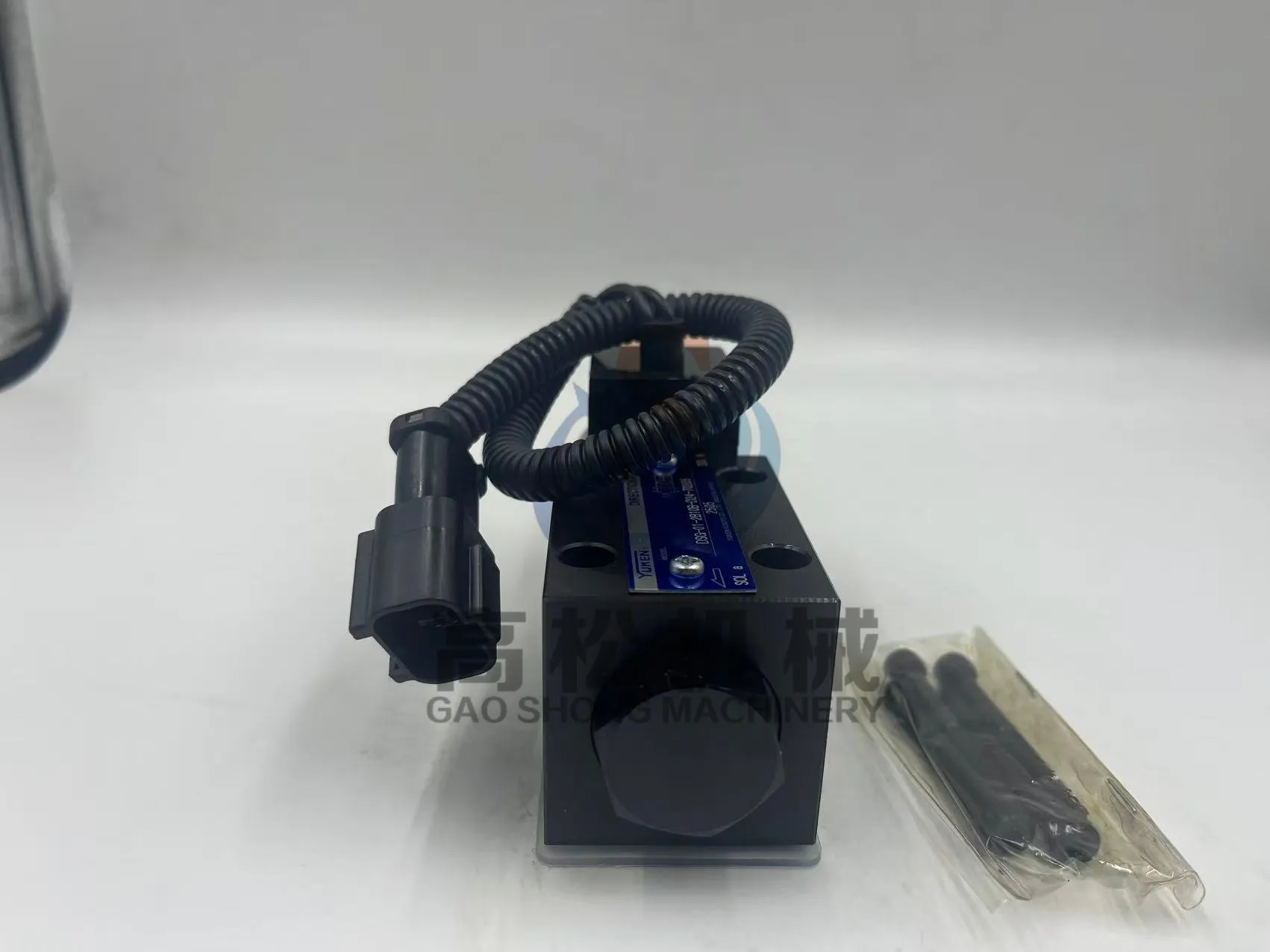 VALVE ASS’Y 23W-60-28230 – KOMATSU
 -
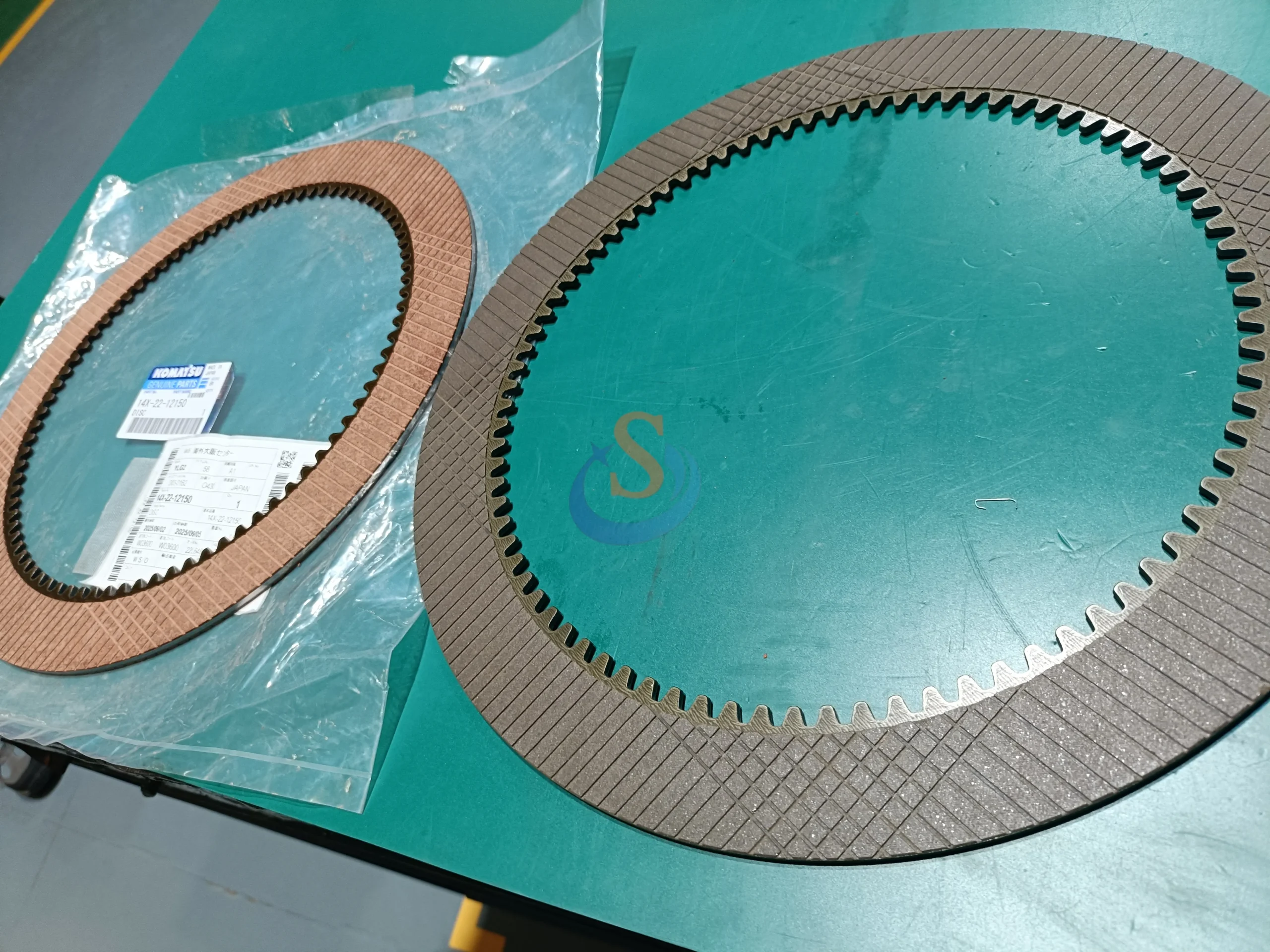 Komatsu frosted sheet 23S-15-12710
 -
 6241-K6-9900
 -
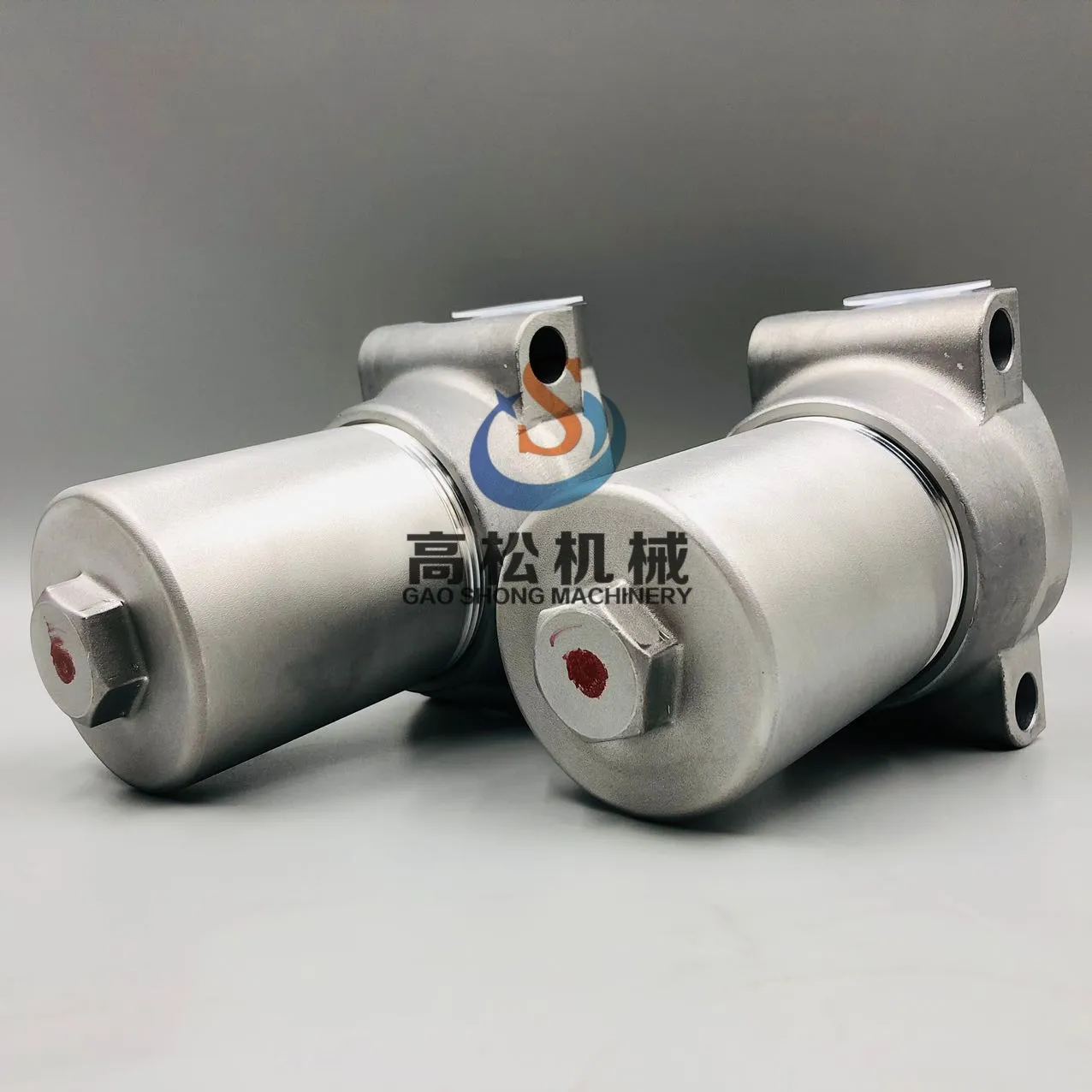 Komatsu Filter 20Y-62-51681 for Crawler excavator PC210LC-8 Filter Assembly 20Y-62-51681
 -
 RING 234-15-29220
 -
 17A-22-11132 Komatsu Original Cylinder Compatible with Bulldozer 155
 -
 SOLENOID WA600-3LK. CONTROL VALVE AND MOUNTING 6560-51-1510 SOLENOID Suitable For Komatsu 6560511510 SAA6D170E-3C-8
 -
 22B-54-17612 komatsu LAMP-PC200/PC300/PC400
 -
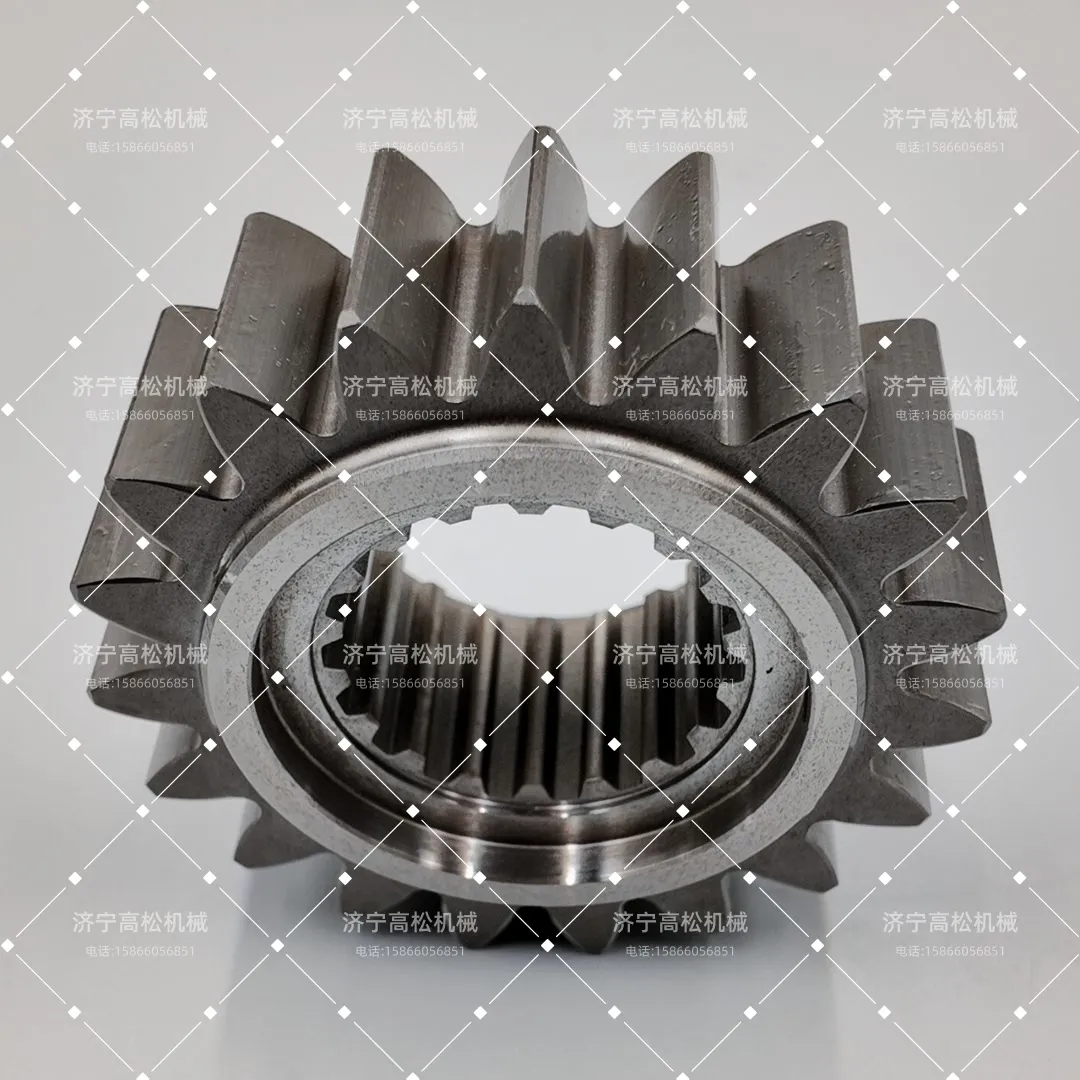 207-26-71510 Komatsu Gear
 -
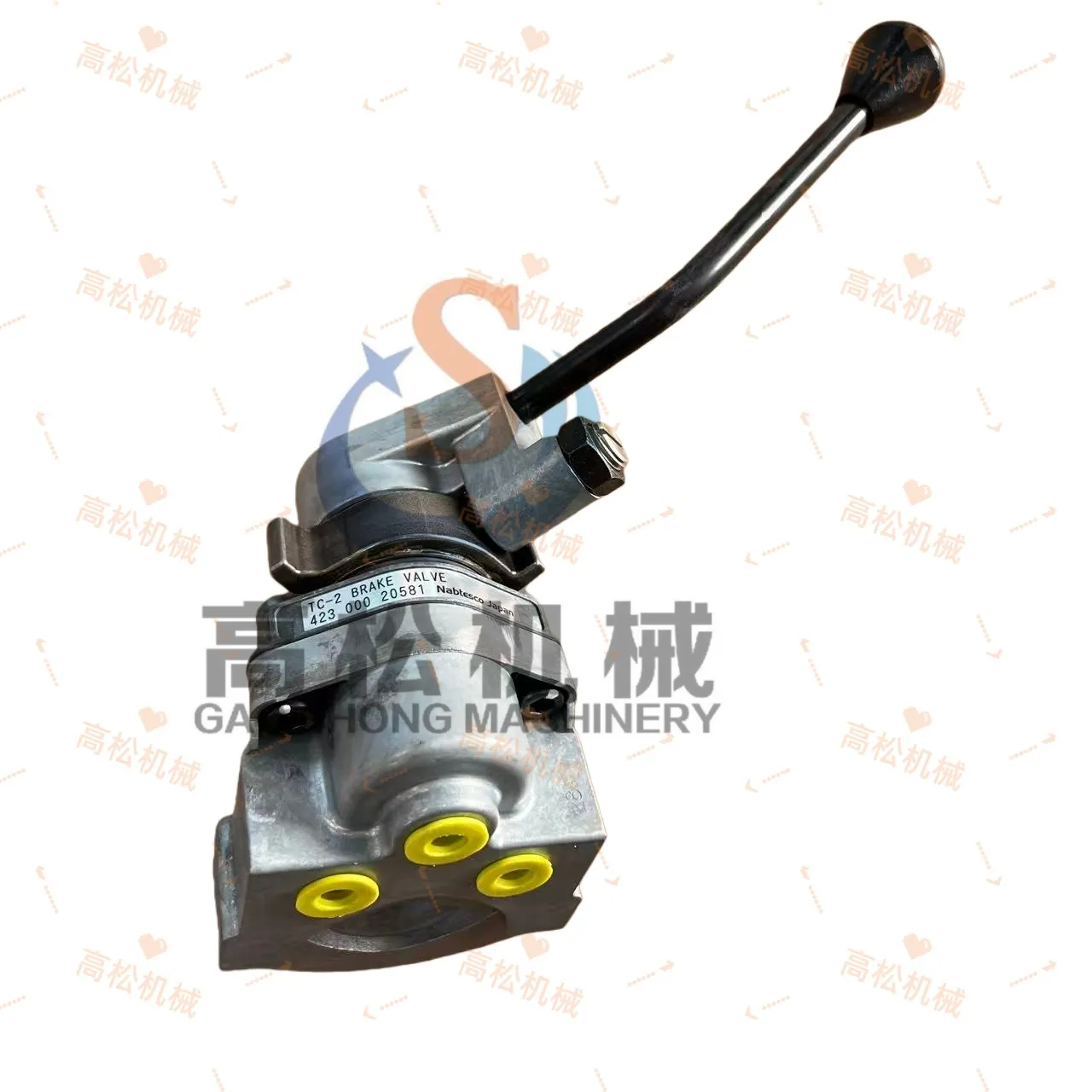 RETARDER VALVE ASS’Y HD785-5 RETARDER VALVE ASS’Y HD985-5 RETARDER VALVE ASS’Y HD255-5
 -
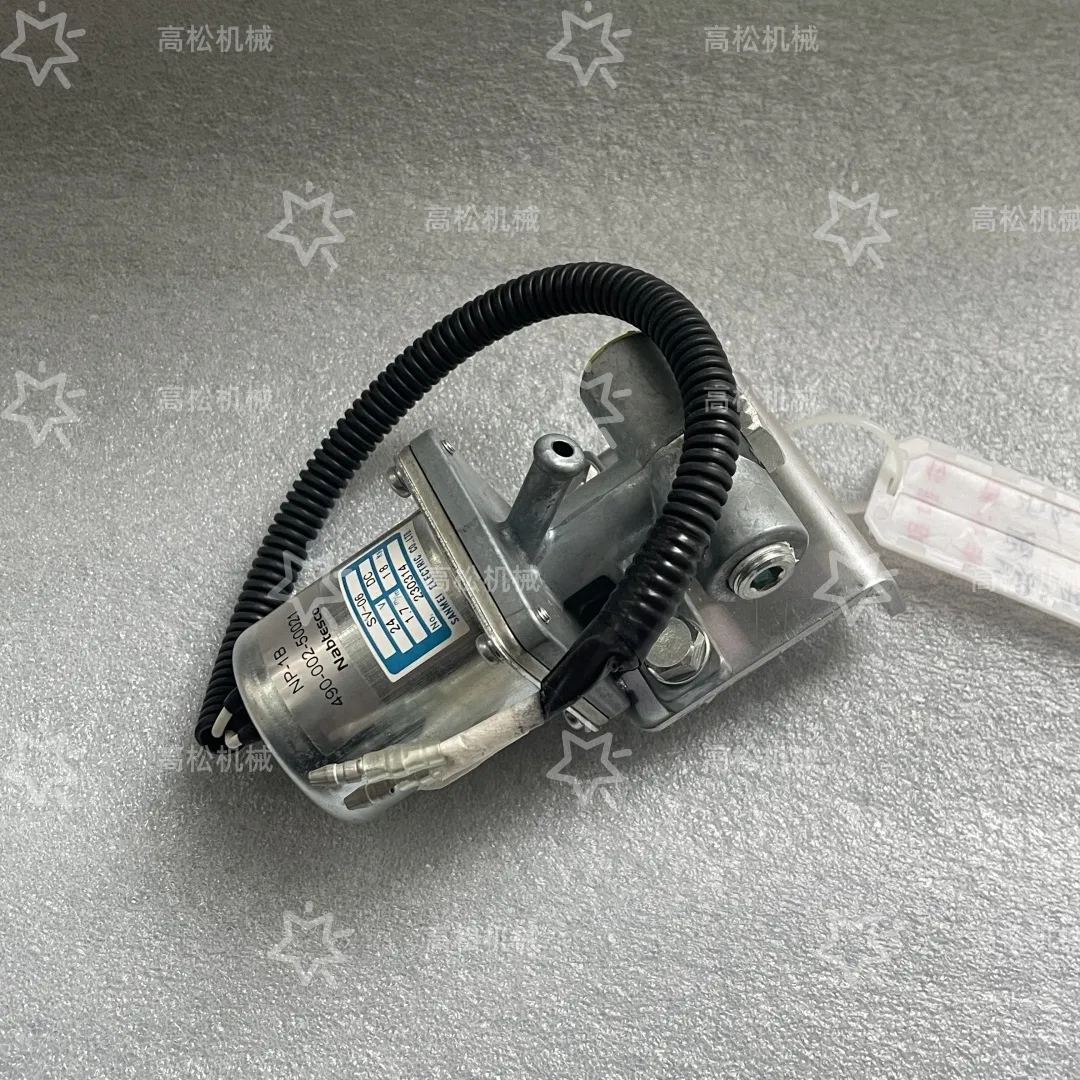 234-44-61430SOLENOID VALVE 234-44-61430 BANK CUTTING CONTROL PIPING AUTO TRANSMISSION SPEC for GD705/825
 -
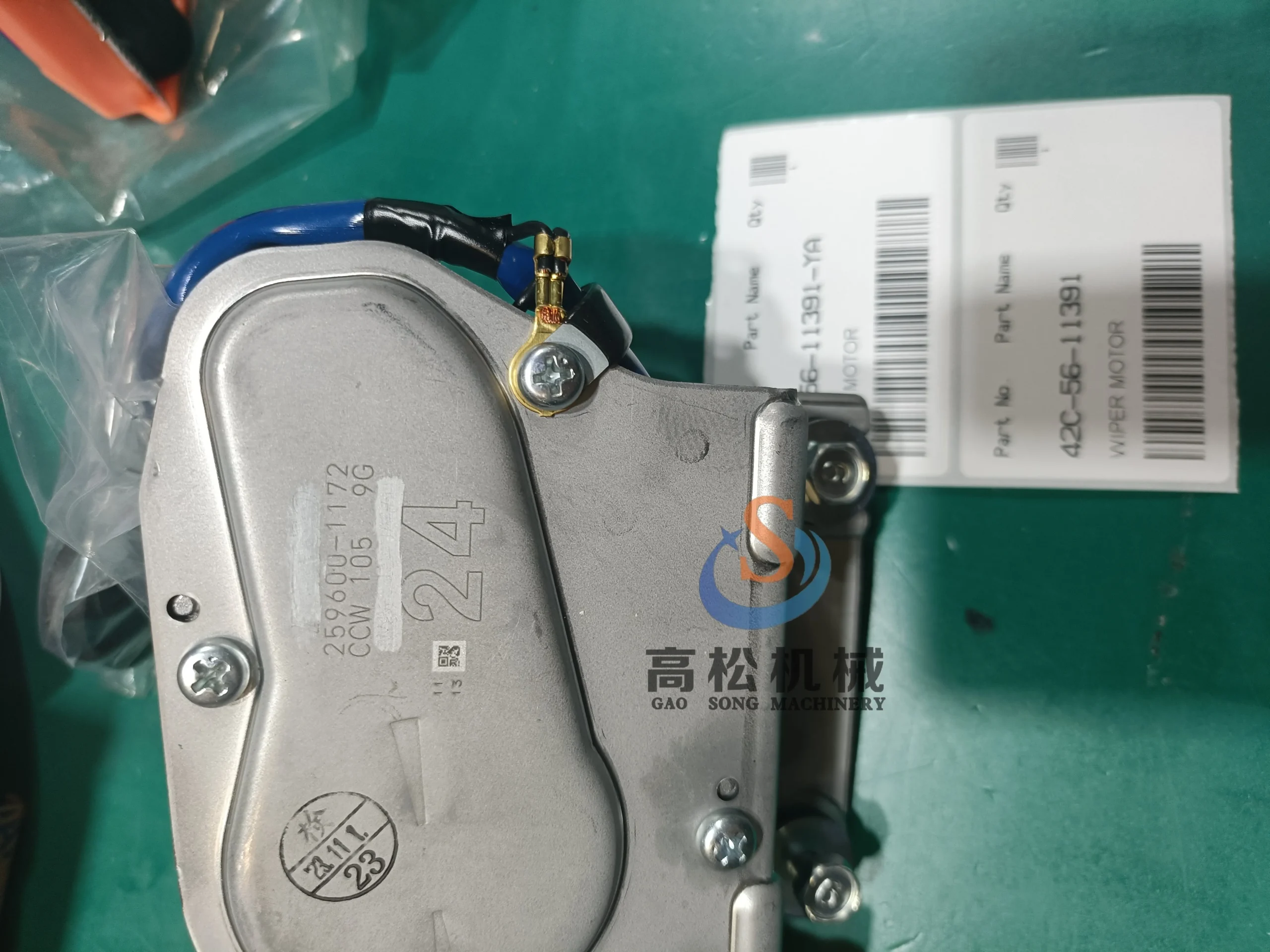 42C-56-11391 komatsu WIPER MOTOR-D375A/WA1200