
- Chinese
- French
- German
- Portuguese
- Spanish
- Russian
- Japanese
- Korean
- Arabic
- Irish
- Greek
- Turkish
- Italian
- Danish
- Romanian
- Indonesian
- Czech
- Afrikaans
- Swedish
- Polish
- Basque
- Catalan
- Esperanto
- Hindi
- Lao
- Albanian
- Amharic
- Armenian
- Azerbaijani
- Belarusian
- Bengali
- Bosnian
- Bulgarian
- Cebuano
- Chichewa
- Corsican
- Croatian
- Dutch
- Estonian
- Filipino
- Finnish
- Frisian
- Galician
- Georgian
- Gujarati
- Haitian
- Hausa
- Hawaiian
- Hebrew
- Hmong
- Hungarian
- Icelandic
- Igbo
- Javanese
- Kannada
- Kazakh
- Khmer
- Kurdish
- Kyrgyz
- Latin
- Latvian
- Lithuanian
- Luxembou..
- Macedonian
- Malagasy
- Malay
- Malayalam
- Maltese
- Maori
- Marathi
- Mongolian
- Burmese
- Nepali
- Norwegian
- Pashto
- Persian
- Punjabi
- Serbian
- Sesotho
- Sinhala
- Slovak
- Slovenian
- Somali
- Samoan
- Scots Gaelic
- Shona
- Sindhi
- Sundanese
- Swahili
- Tajik
- Tamil
- Telugu
- Thai
- Ukrainian
- Urdu
- Uzbek
- Vietnamese
- Welsh
- Xhosa
- Yiddish
- Yoruba
- Zulu
- Kinyarwanda
- Tatar
- Oriya
- Turkmen
- Uyghur






Komatsu transmission parts
When most people hear 'Komatsu transmission parts,' they immediately think of the big-ticket items: torque converters, planetary gearsets, the main transmission case itself. That's the surface level. Where the real work—and the real headaches—happen is in the supporting cast. The solenoid valves, the clutch packs, the little sensors and seals that don't get a second thought until they fail and bring a 30-ton machine to a halt. There's a common misconception that if you stick strictly to OEM-sourced parts for these, you're golden. In my experience, that's not always the most practical or even the most reliable path, especially when you're dealing with supply chain gaps in certain regions. That's where the nuance of this business lies.
The OEM Promise vs. On-Ground Reality
Let's be clear: Komatsu's OEM parts are engineered to a specific standard. For core components like gears and shafts, deviating from that is a gamble I rarely take. But the supply system isn't perfect. I've waited 14 weeks for a simple Komatsu transmission parts kit—just gaskets and seals—for a PC360 because the regional warehouse was out. The machine was down, the project was bleeding money. That's the challenge the official channels sometimes can't solve quickly enough.
This is precisely the gap that specialized suppliers aim to fill. I've worked with companies that position themselves within this space, like Jining Gaosong Construction Machinery Co., Ltd.. Their stated role as both an OEM product supplier within the Komatsu system and a third-party solutions provider makes sense on paper. They're not just an alternative; they're meant to be a pressure valve for the system. The key question is whether their offerings hold up under strain.
I recall a specific instance with a D65EX-12. We had a recurring issue with transmission pressure dropping after operating for a few hours. The local Komatsu dealer replaced the main pump twice under warranty, but the problem resurfaced. Out of frustration, we sourced a set of control solenoid valves from a third-party supplier—one that emphasized direct OEM compatibility. The fix worked. It turned out the issue wasn't the pump but a batch of slightly out-of-spec solenoids that couldn't maintain consistent flow. The OEM-supplied replacement part was, ironically, from the same problematic batch.
Decoding Quality in Aftermarket and OEM-Alternative Parts
So how do you judge quality when you step outside the pure OEM box? It's not about the shiny catalog. For Komatsu transmission parts, especially hydraulic and electronic controls, I've learned to look for a few tangible things. First, the material certificates for any sintered metal components or clutch friction plates. A reputable supplier should provide these, or at least reference the standard they meet (like JIS or a specific Komatsu internal code). If they hesitate, walk away.
Second, the packaging and machining marks. This sounds trivial, but it's telling. I once received a set of planetary carrier pins that were supposed to be for a HD785-5. They came in a plain white box, and the machining had visible tooling marks and no chamfer on the edges. OEM pins are polished, with precise chamfers to aid installation and oil flow. Those aftermarket pins? We installed them under duress, and they wore out the bushing in half the expected time. The cost savings were wiped out tenfold by the subsequent repair.
This is where a company's stated mission gets tested. When Jining Gaosong Construction Machinery says they help solve parts supply challenges, it implies they've vetted these quality pitfalls. The useful ones don't just sell a cheaper part; they should be able to tell you why theirs is a viable alternative—what material difference there is, what testing was done. I've had good experiences with certain non-OEM solenoid blocks that actually used better-grade O-rings than the original, solving a common leak point. That's value-added.
Failure Analysis: The Best Teacher
Nothing teaches you more about Komatsu transmission parts than a catastrophic failure. We had a WA600 loader whose transmission just gave up—metal everywhere. The initial diagnosis from a junior mechanic was bad torque converter. After tearing it down, the real story emerged. The failure started with a cracked piston in a clutch assembly. Not the main clutch, but a small one for a directional shift. The crack was hairline, almost impossible to spot during a routine rebuild.
The piston was a non-OEM part from a previous repair two years prior. It hadn't failed from pressure, but from a material fatigue issue. The lesson wasn't never use non-OEM, but to be hyper-selective about which components you source from where. High-stress, dynamic metal components? Lean OEM. Static seals, certain sensors, harness connectors? A well-reviewed alternative can be perfectly fine, and often more available.
This analysis process is critical. A good supplier, whether OEM-aligned like Takematsu Machinery or not, should engage in this. I appreciate when I can call a tech line and discuss a failure mode, and they can immediately point to a known issue with a specific part number or batch. That shows they're in the trenches, not just moving boxes.
The Logistics and Authenticity Tightrope
Another huge piece is logistics and provenance. Genuine parts can take a detour through several distributors, and sometimes boxes get opened, parts get mixed. I've received a new OEM clutch plate pack that clearly had one plate with slight wear marks. It was likely a return that got mishandled. So, authenticity isn't just a sticker.
Suppliers that position themselves as problem-solvers need bulletproof logistics. For a company like Jining Gaosong, their value proposition hinges on this. Can they get a critical transmission part to a port in West Africa or a mine in South America faster than the standard channel? And with clear documentation of origin? That's their battleground. I've used similar services where the part arrived with a full chain-of-custody document, even photos of it being pulled from a labeled OEM shelf. That builds trust.
Conversely, I've also been burned by expedited parts that turned out to be cannibalized from old units and poorly refurbished. The price was right, the delivery was fast, but the part failed in 400 hours. The supplier vanished. The stability of the company behind the part is as important as the part itself.
Practical Takeaways for the Field Mechanic
So, what's the actionable advice? Don't have a blanket policy. For core, load-bearing Komatsu transmission parts—sun gears, planet carriers, output shafts—I still default to the OEM route unless I have absolute, proven confidence in an alternative. The risk is too high.
For the ecosystem around it—valves, sensors, seals, gaskets, filters—develop a shortlist of reliable alternative suppliers. Test them on less critical equipment first. A company that serves as an authorized OEM conduit and offers vetted third-party options, like the model described by Jining Gaosong Construction Machinery, can be a useful single source if they maintain clear lines between what's genuine OEM and what's a qualified alternative. The biggest red flag is a supplier who blurrs that line or can't provide specifics.
Finally, document everything. Keep a log of what non-OEM part went into which machine, the supplier, and the hours until failure or the next service. That data is gold. It turns your experience from guesswork into a strategic parts strategy. It moves the conversation from Is this part cheap? to Is this part, from this source, reliable for this application? That's the professional difference.
In the end, managing Komatsu transmission parts is about risk management and practical availability. The ideal isn't a 100% OEM machine; it's a machine that stays running with optimal cost-efficiency. Sometimes that means paying the OEM premium for peace of mind. Other times, it means having a trusted partner who can navigate the gaps in the global supply chain with quality solutions. Knowing when to choose which path is the real skill.
Related Products
Related Products

Best Selling Products
Best Selling Products-
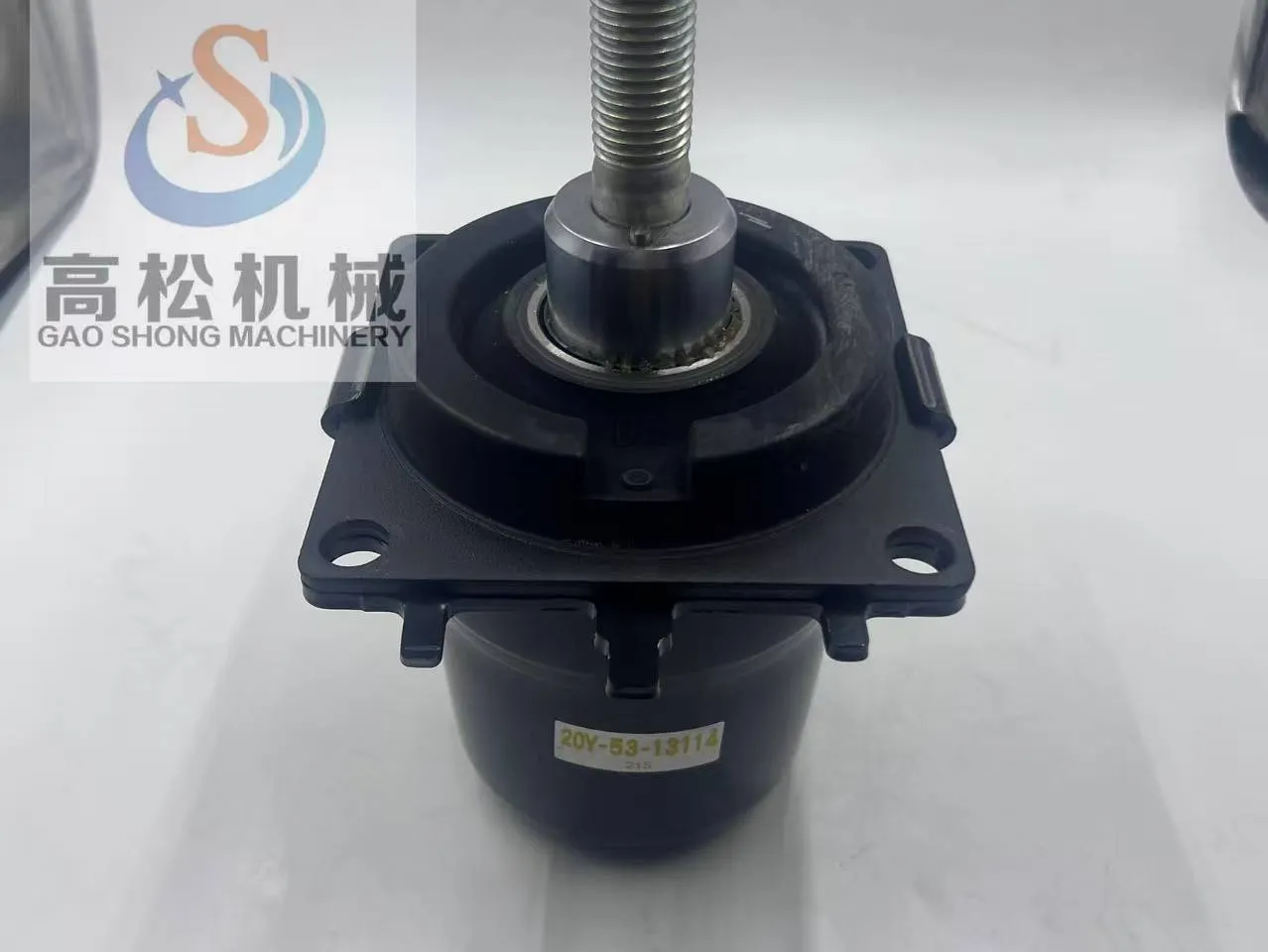 20Y-53-13114 Compatible with PC200-8, Komatsu original buffer.
 -
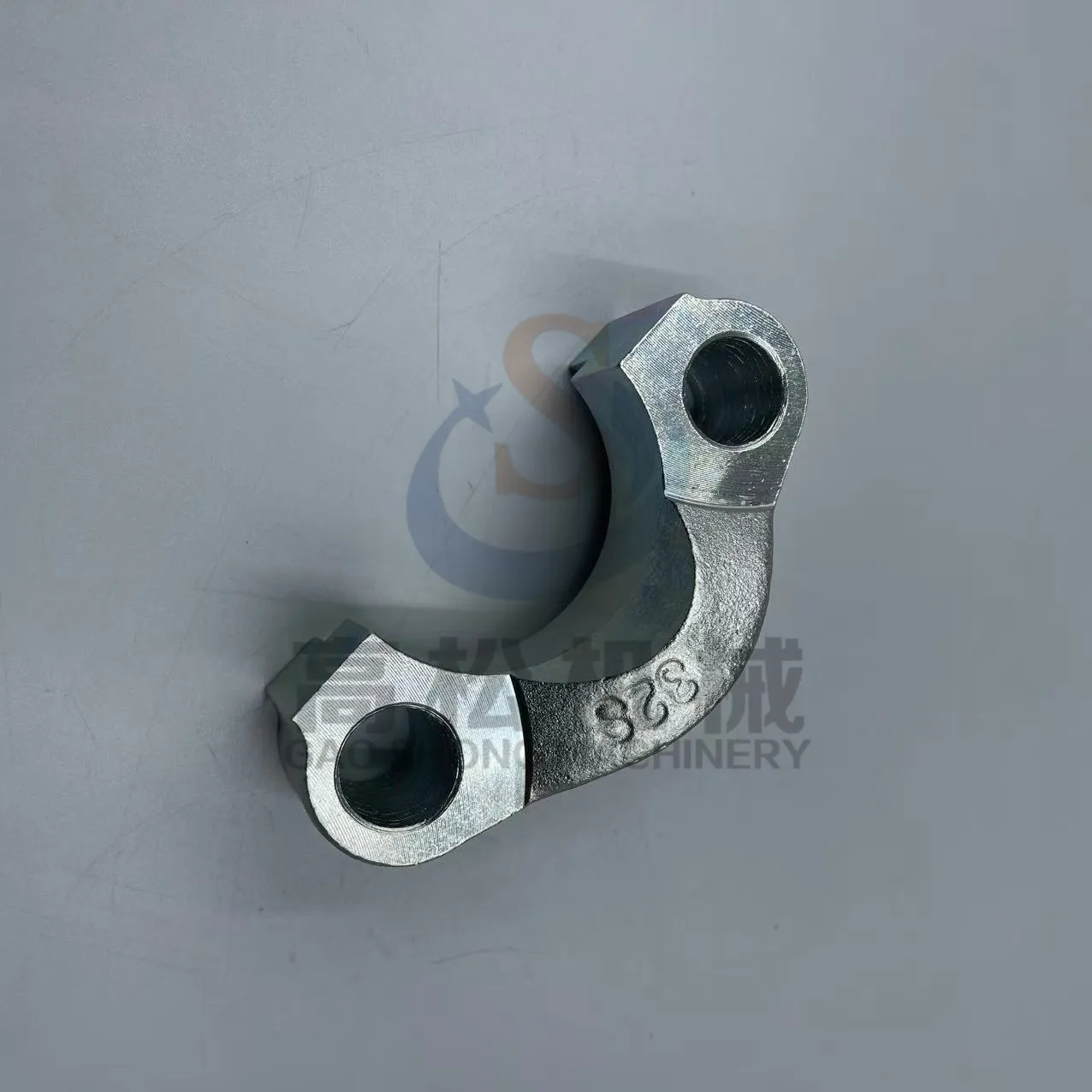 FLANGE 07371-52080 – KOMATSU
 -
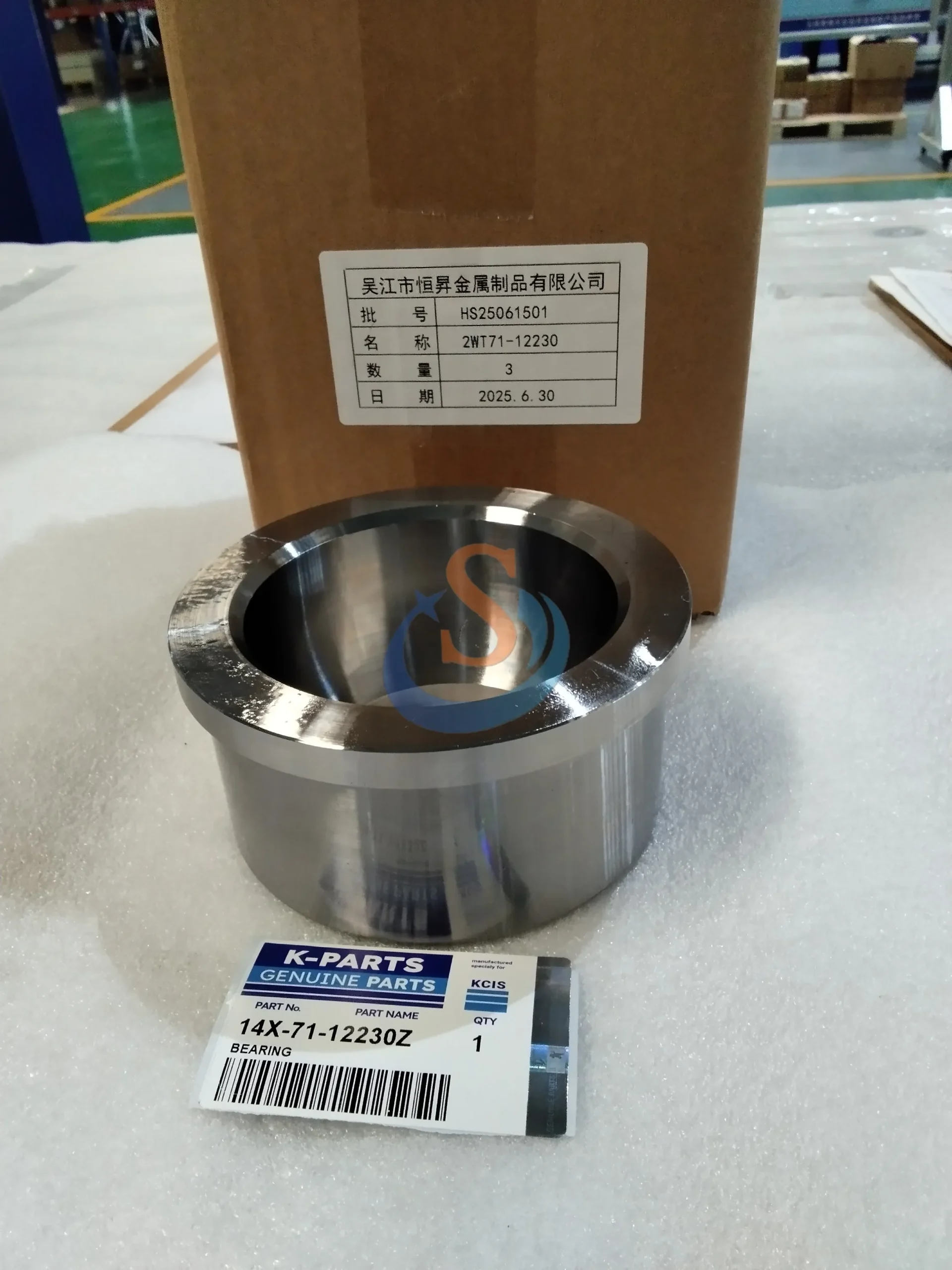 14X-71-12230,BEARING,D65WX,D65PX,D85ESS
 -
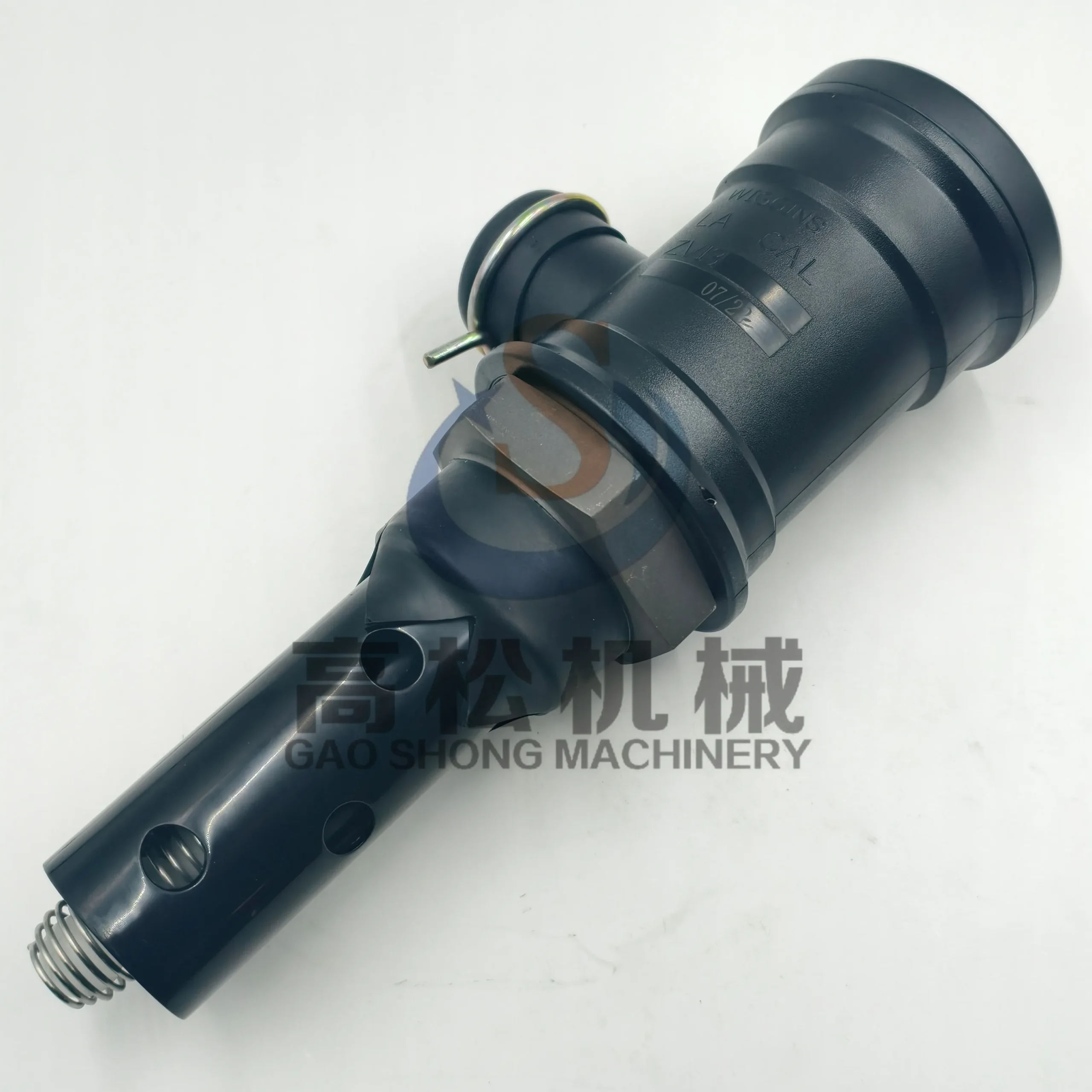 21T-04-31130 KOMATSU VENT ASSY
 -
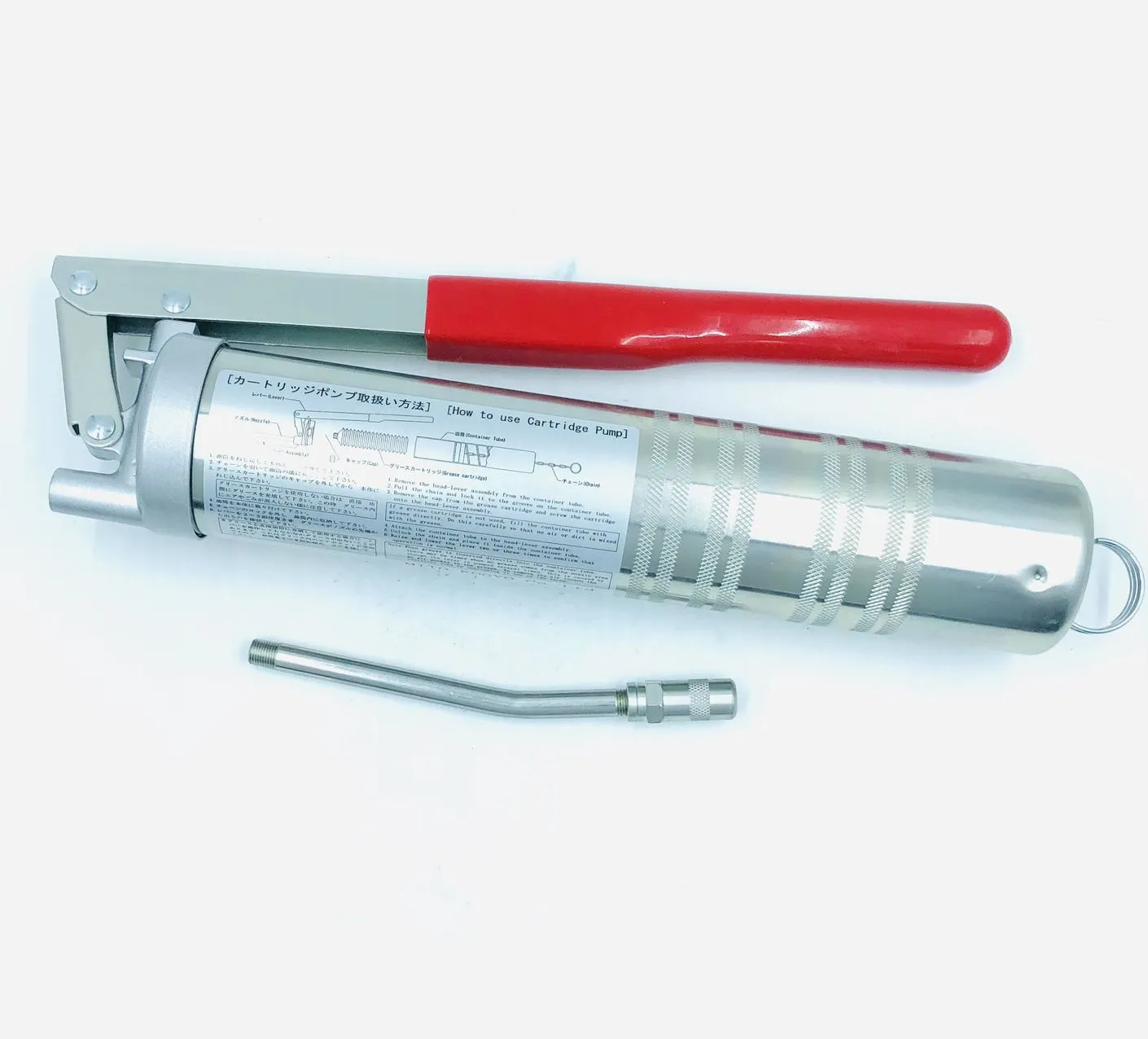 07952-70014- Pump Assembly-Komatsu Original Factory
 -
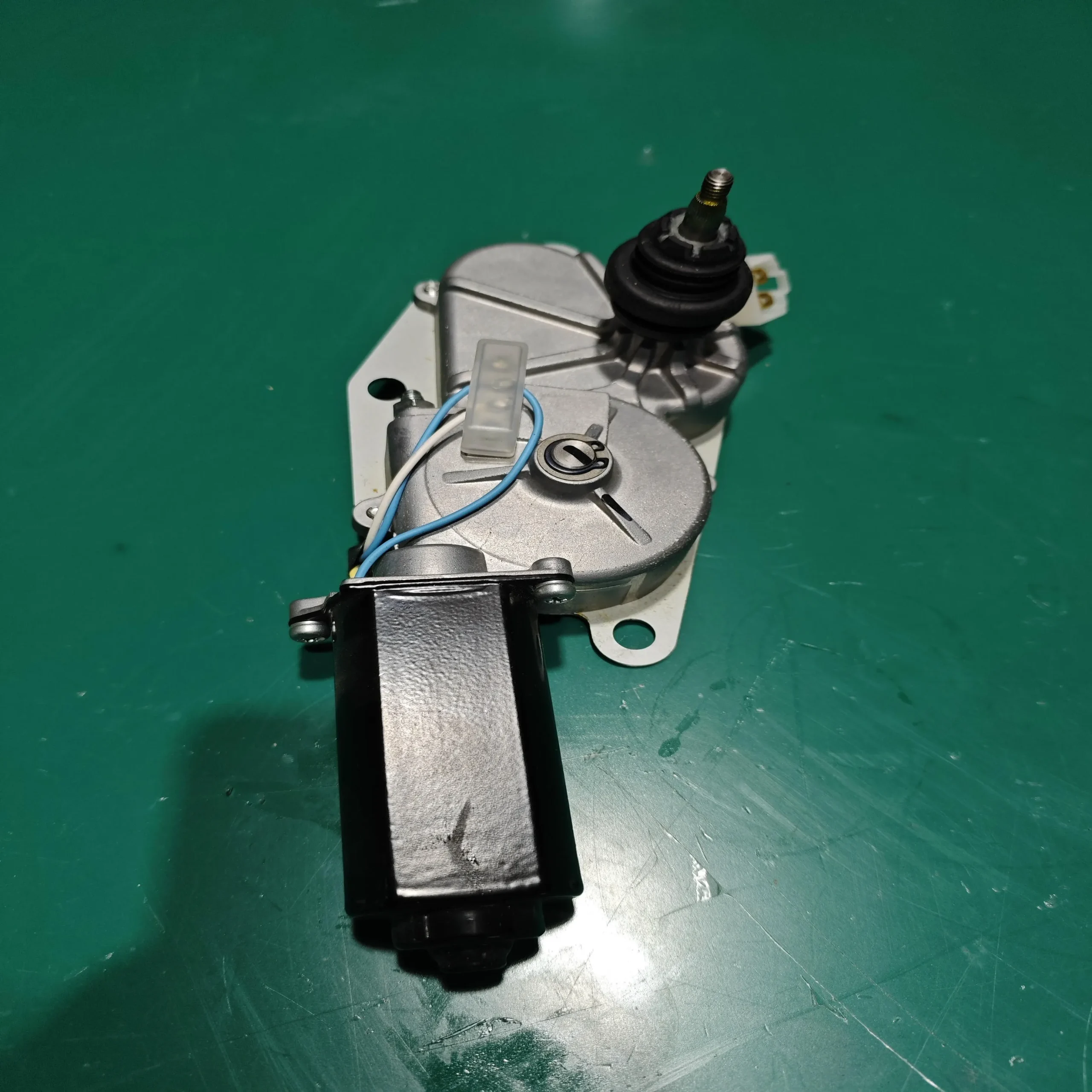 Komatsu Construction Machinery Full Series Accessories 23B-951-2610 Loader Parts
 -
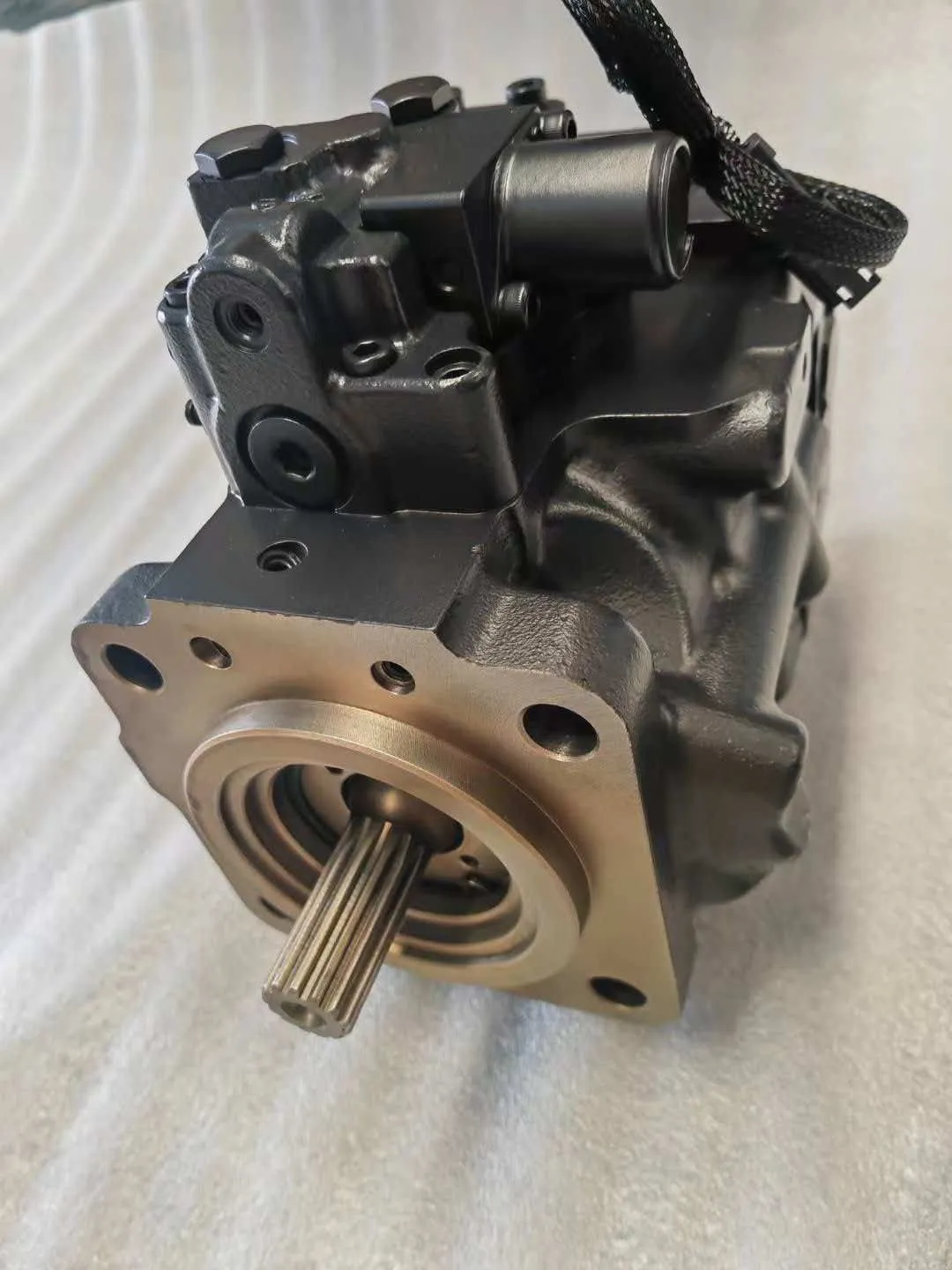 Compatible for Komatsu D61EX-16 D61PX-16 D65PX-17 D65EX-17 GD755-5R Bulldozer Fan Pump 708-1S-00460
 -
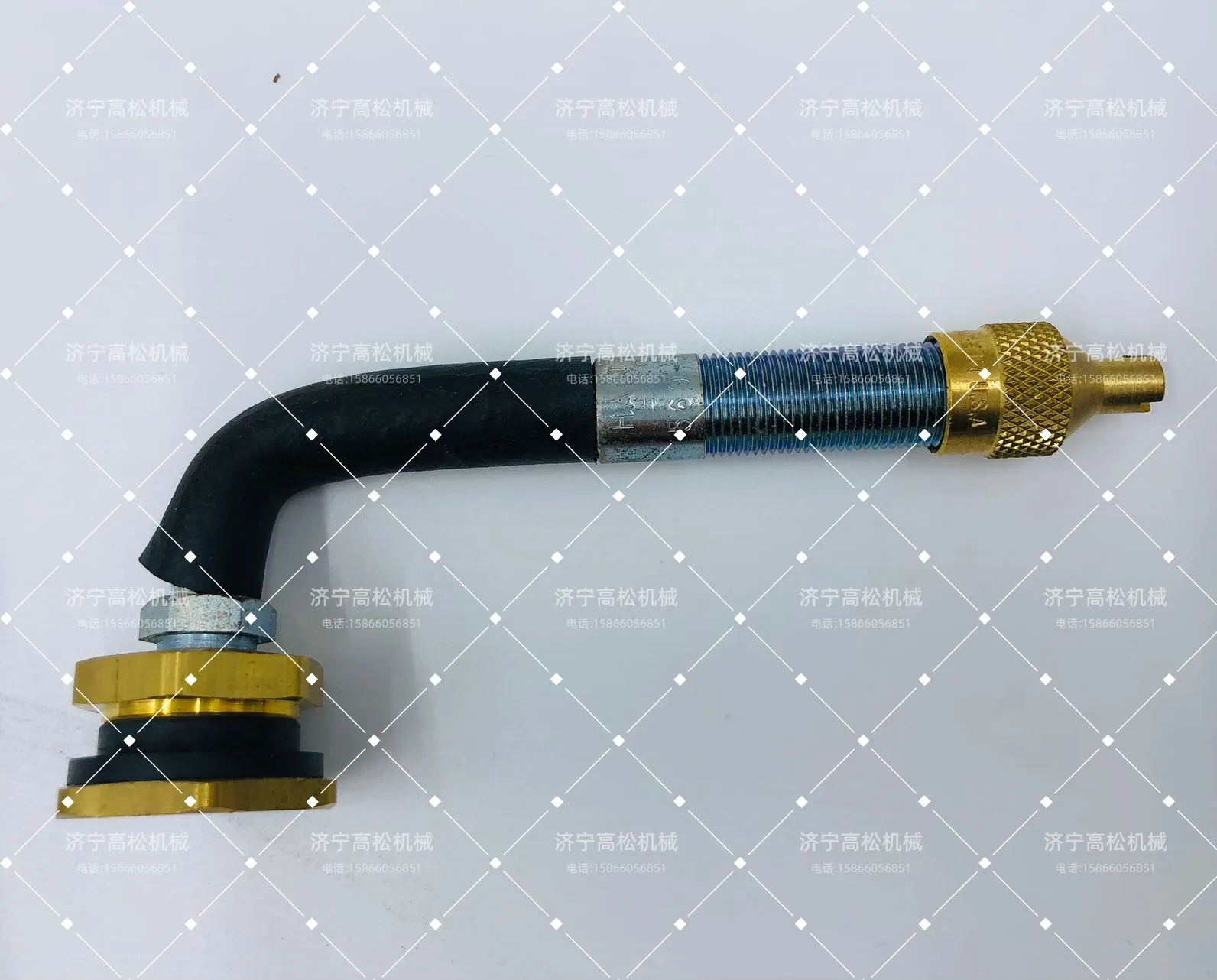 569-30-11600 Komatsu VALVE ASS’Y
 -
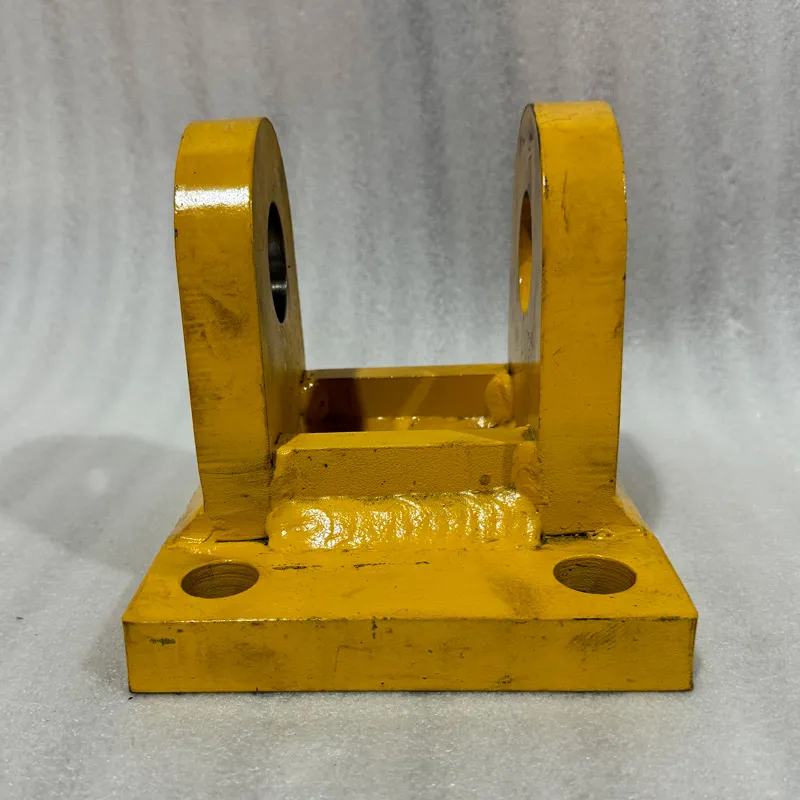 Original komatsu GD661A-1 Pull Rod 238-46-11810
 -
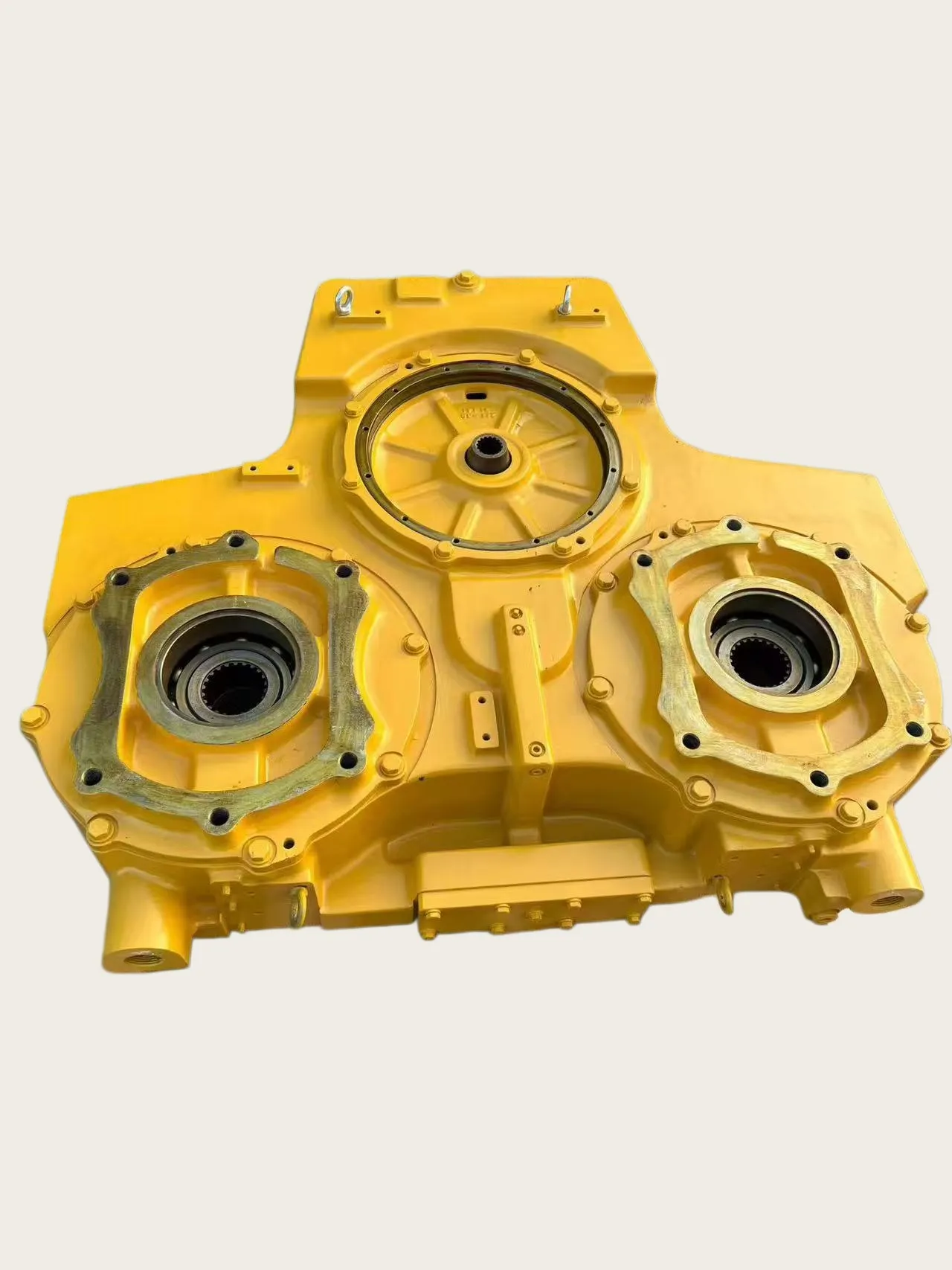 komatsu-part-21T-38-00160 21T-38-00170 21T-38-00180 21T-38-00190 PTO Assembly PC2000-8 PC2000-11 PTO (POWER TAKE OFF), INNER PARTS POWER TAKE OFF
 -
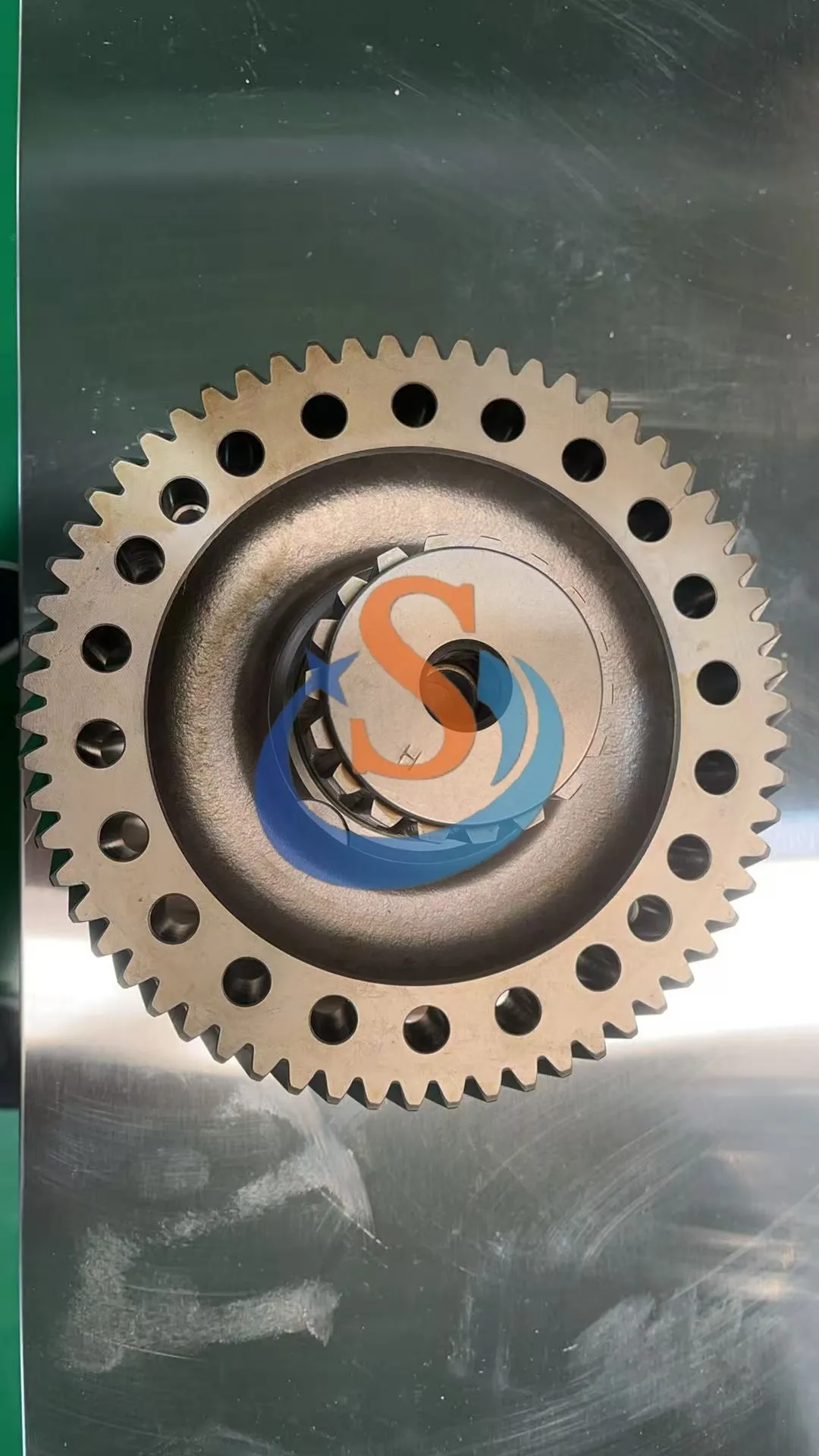 14X-13-51351 Shaft D65WX/D65PX/D65EX
 -
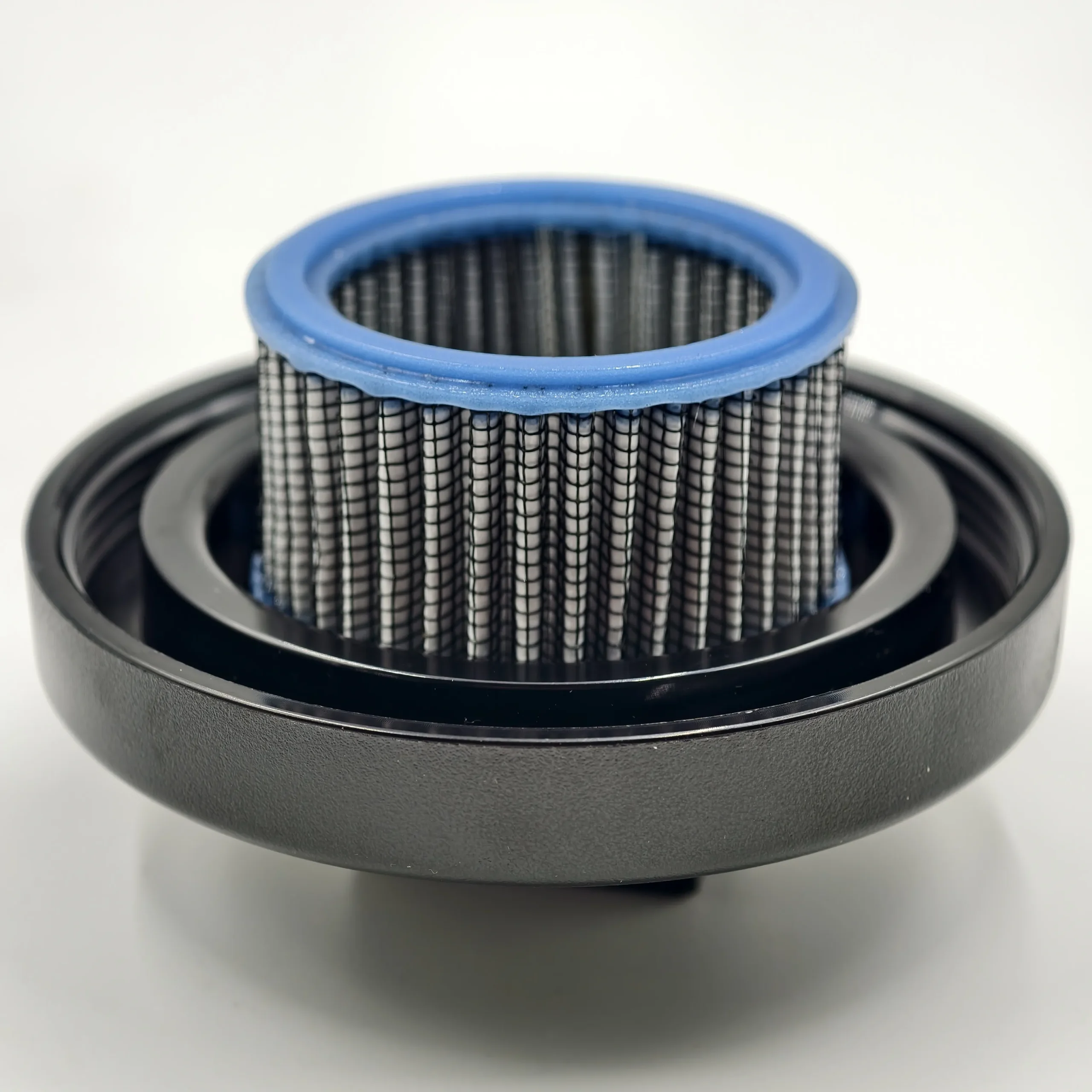 21T-04-31170 Komatsu Cap Assembly