
- Chinese
- French
- German
- Portuguese
- Spanish
- Russian
- Japanese
- Korean
- Arabic
- Irish
- Greek
- Turkish
- Italian
- Danish
- Romanian
- Indonesian
- Czech
- Afrikaans
- Swedish
- Polish
- Basque
- Catalan
- Esperanto
- Hindi
- Lao
- Albanian
- Amharic
- Armenian
- Azerbaijani
- Belarusian
- Bengali
- Bosnian
- Bulgarian
- Cebuano
- Chichewa
- Corsican
- Croatian
- Dutch
- Estonian
- Filipino
- Finnish
- Frisian
- Galician
- Georgian
- Gujarati
- Haitian
- Hausa
- Hawaiian
- Hebrew
- Hmong
- Hungarian
- Icelandic
- Igbo
- Javanese
- Kannada
- Kazakh
- Khmer
- Kurdish
- Kyrgyz
- Latin
- Latvian
- Lithuanian
- Luxembou..
- Macedonian
- Malagasy
- Malay
- Malayalam
- Maltese
- Maori
- Marathi
- Mongolian
- Burmese
- Nepali
- Norwegian
- Pashto
- Persian
- Punjabi
- Serbian
- Sesotho
- Sinhala
- Slovak
- Slovenian
- Somali
- Samoan
- Scots Gaelic
- Shona
- Sindhi
- Sundanese
- Swahili
- Tajik
- Tamil
- Telugu
- Thai
- Ukrainian
- Urdu
- Uzbek
- Vietnamese
- Welsh
- Xhosa
- Yiddish
- Yoruba
- Zulu
- Kinyarwanda
- Tatar
- Oriya
- Turkmen
- Uyghur





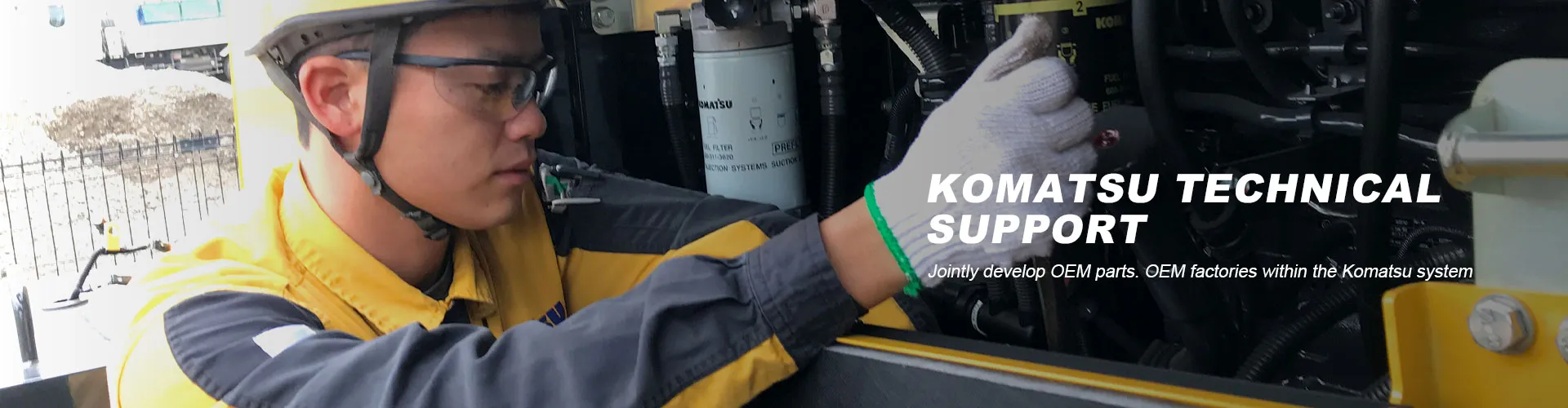
komatsu tractor parts
When you hear 'Komatsu tractor parts', most folks immediately think of the official dealer network. That's the standard route, sure, but it's not the whole story. The real challenge, especially for older models or in regions with complex logistics, isn't just finding parts—it's finding the right balance between genuine spec, availability, and cost without compromising uptime. There's a common misconception that anything not packaged in Komatsu's branded box is automatically inferior or risky. In practice, the landscape is more nuanced, involving OEM suppliers within Komatsu's own system and reliable third-party channels that fill critical gaps the main network sometimes can't reach efficiently.
The OEM Layer: More Than Just a Supplier Name
Many don't realize that Komatsu, like other major manufacturers, relies on a network of certified OEM (Original Equipment Manufacturer) suppliers. These companies manufacture components—think hydraulic pumps, cylinder assemblies, or even intricate castings—to Komatsu's exact engineering drawings and quality protocols. The parts are functionally identical to those sold through dealers. The key differentiator is often the packaging and the supply chain path. Working with a recognized OEM supplier like Jining Gaosong Construction Machinery Co., Ltd. means you're tapping directly into that manufacturing layer. Their role as an OEM product supplier within the Komatsu system is crucial; they understand the tolerances, material specs, and testing procedures firsthand. It's not about copying a design; it's about being part of its original production.
This relationship creates a parallel supply stream. For instance, I've sourced SAA6D107E-1 engine gasket kits and main hydraulic valve blocks for a D65EX-12 through such channels. The parts arrived in plain, industrial packaging, but the machining marks, part numbering, and material quality were spot-on compared to the 'genuine' parts I've handled for years. The lead time was nearly half of what was quoted by the regional distributor at the time. This isn't magic; it's simply a shorter logistical chain from the factory floor to the job site.
However, it requires due diligence. OEM can be a loosely used term. You have to verify the company's actual standing. A quick check of their history, whether they list specific Komatsu OEM part numbers, and their ability to provide technical documentation separates the real players from the resellers. The website https://www.takematsumachinery.com explicitly states their position within the Komatsu system, which aligns with the kind of transparent sourcing info you need to look for.
The Third-Party Bridge: Solving Geographic and Availability Gaps
This is where the model gets interesting. A company can wear two hats: an OEM supplier and a third-party sales company. The third-party role, as mentioned by Gaosong, is about helping to solve parts supply challenges in certain countries. I've seen this firsthand in parts of Southeast Asia and Africa. Official distribution might be thin, or certain parts for legacy equipment are on indefinite backorder. A dedicated third-party firm aggregates supply from the OEM network and other certified channels to create a viable inventory for these markets.
It's not just about selling a part. It's about providing the right part for a specific machine serial number range. A failure I recall involved a PC300-6 final drive hub. The customer sourced a 'compatible' part from a local market that looked right but had a slight hardness variance. It failed catastrophically within 200 hours. A proper third-party supplier would have cross-referenced the serial number, identified the sub-revision, and supplied the correct hub. The cost was higher than the local part, but far lower than the official dealer, and it solved the problem permanently. This is the value-add: technical knowledge applied to the sourcing.
The challenge for the end-user is vetting these third-party companies. Do they have engineers or seasoned parts specialists on staff? Can they explain why a certain part number supersedes an older one? Their website should reflect this expertise, not just be a parts catalog. The ability to navigate Komatsu's technical bulletins is a good sign of depth.
On-the-Ground Realities: Filters, Undercarriage, and the Simple Stuff
Let's get concrete. People obsess over major components, but daily operational headaches often come from consumables and wear items. Take Komatsu tractor undercarriage parts—pins, bushings, track links. OEM-supplied steel for these items has a specific wear life formula. I've tested non-OEM bushings that wore out 30% faster, throwing off track tension and increasing fuel consumption across a fleet. The savings on the purchase price were wiped out multiple times over. A reliable supplier in the Komatsu ecosystem will be upfront about the origin and specification of such wear parts.
Hydraulic and fuel filters are another minefield. The pricing differential can be huge. I once made the mistake of using a visually identical but non-spec filter on a WA380 loader's hydraulic system. The bypass pressure rating was slightly off, which I didn't catch. It led to premature pump wear signs within 500 hours. Lesson learned: for critical filtration, the part number isn't just a reference; it's a contract for a specific performance standard. Suppliers like the one we're discussing should treat these 'small' parts with the same technical seriousness as an engine cylinder head.
This is where the practical experience shows. You develop a feel for which components are truly sensitive and which have more tolerance. Radiators? Maybe you can go with a quality aftermarket unit if the core specs match. But for a Komatsu torque converter assembly? I'd lean heavily on the OEM or a certified remanufacturer linked to that system. The judgment call is continuous.
Failures and Lessons in Sourcing
Not every attempt to find an alternative source for Komatsu parts has been successful. Early in my career, lured by a 60% price discount, I bought a set of steering clutch plates for an old D155 from a supplier with vague credentials. The plates themselves seemed okay, but the bonding material on the friction discs failed under high temperature. The result was a down machine, a costly tear-down to do twice, and a valuable lesson in the hidden value of material science and quality control that comes with proper OEM lineage.
Another common pitfall is the will-fit or interchange list. While useful, it's a starting point, not a final answer. I've seen interchange lists lead to a seal that almost fits, causing a slow leak that's maddening to diagnose. A professional supplier, especially one operating as a third-party specialist, should validate these interchanges against service manuals or their own field data before confirming compatibility. Their role is to reduce your risk, not just sell you a part that physically bolts on.
These experiences shape a more cautious, evidence-based approach. Now, I prioritize suppliers who can provide batch testing reports or material certificates for critical components, even if it takes a few extra days. That's the level of detail that separates parts sourcing from parts gambling.
The Future: Information as Important as the Part Itself
The landscape for Komatsu tractor parts is evolving. The most valuable suppliers today are those who pair the physical part with accurate, actionable information. This includes clear OEM equivalence statements, documentation of any modifications or supersessions, and honest lead time forecasts. A company's online presence, like their website, should serve as a tool for this. It shouldn't just be a storefront; it should educate. For example, explaining the difference between a generic bucket cylinder and one built to Komatsu's specific cycle life and pressure spike ratings for a certain model.
For operations managers and mechanics, this means the sourcing decision is increasingly a partnership. You're not just buying a widget; you're buying confidence in a supply chain. You need a contact who understands that a part number is sometimes the beginning of a conversation, not the end. Can this valve bank be used on a Dash-3 model if we also change the pilot line?—good suppliers engage with these questions.
In the end, whether it's through the formal OEM link like Jining Gaosong Construction Machinery Co., Ltd. represents or through their structured third-party sales channel, the goal is the same: keep the machine running reliably. It's a mix of technical knowledge, supply chain agility, and old-fashioned trust built on delivering the correct part, on time, every time. The label on the box matters less than the integrity behind it.
Related Products
Related Products
Best Selling Products
Best Selling Products-
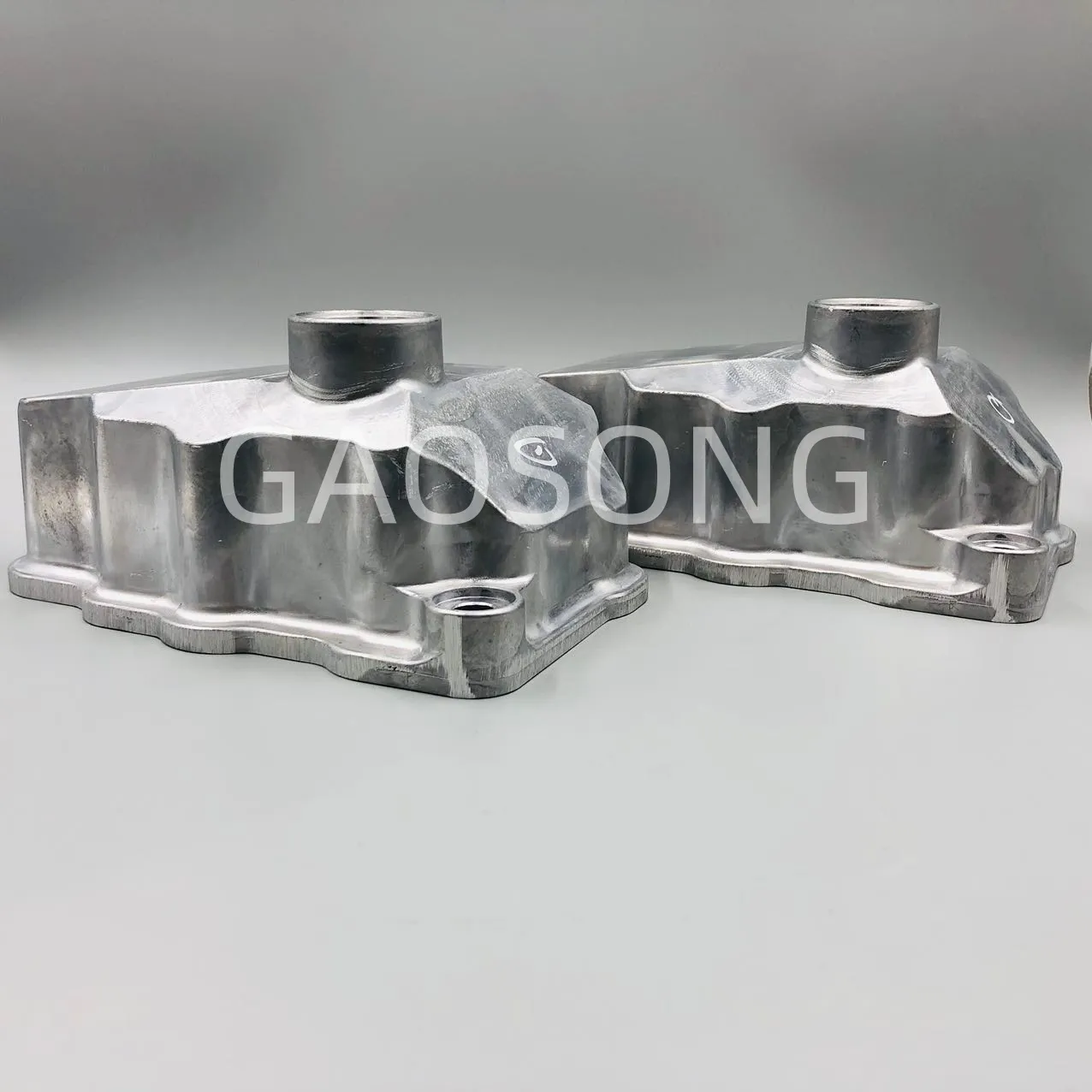 6251-11-8150 Komatsu Cover, Rocker Arm Housing
 -
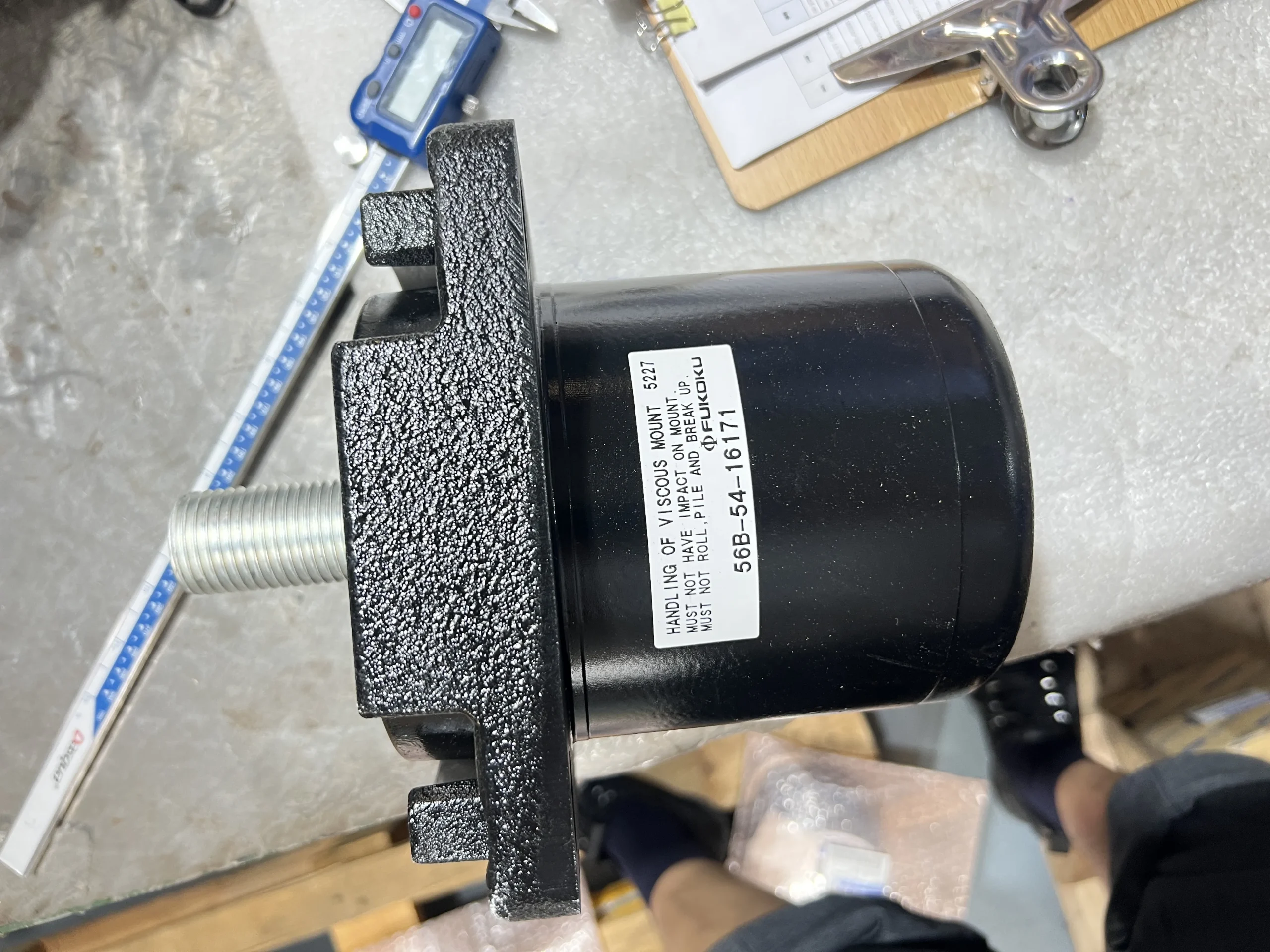 56B-54-16171 Cabin Mount
 -
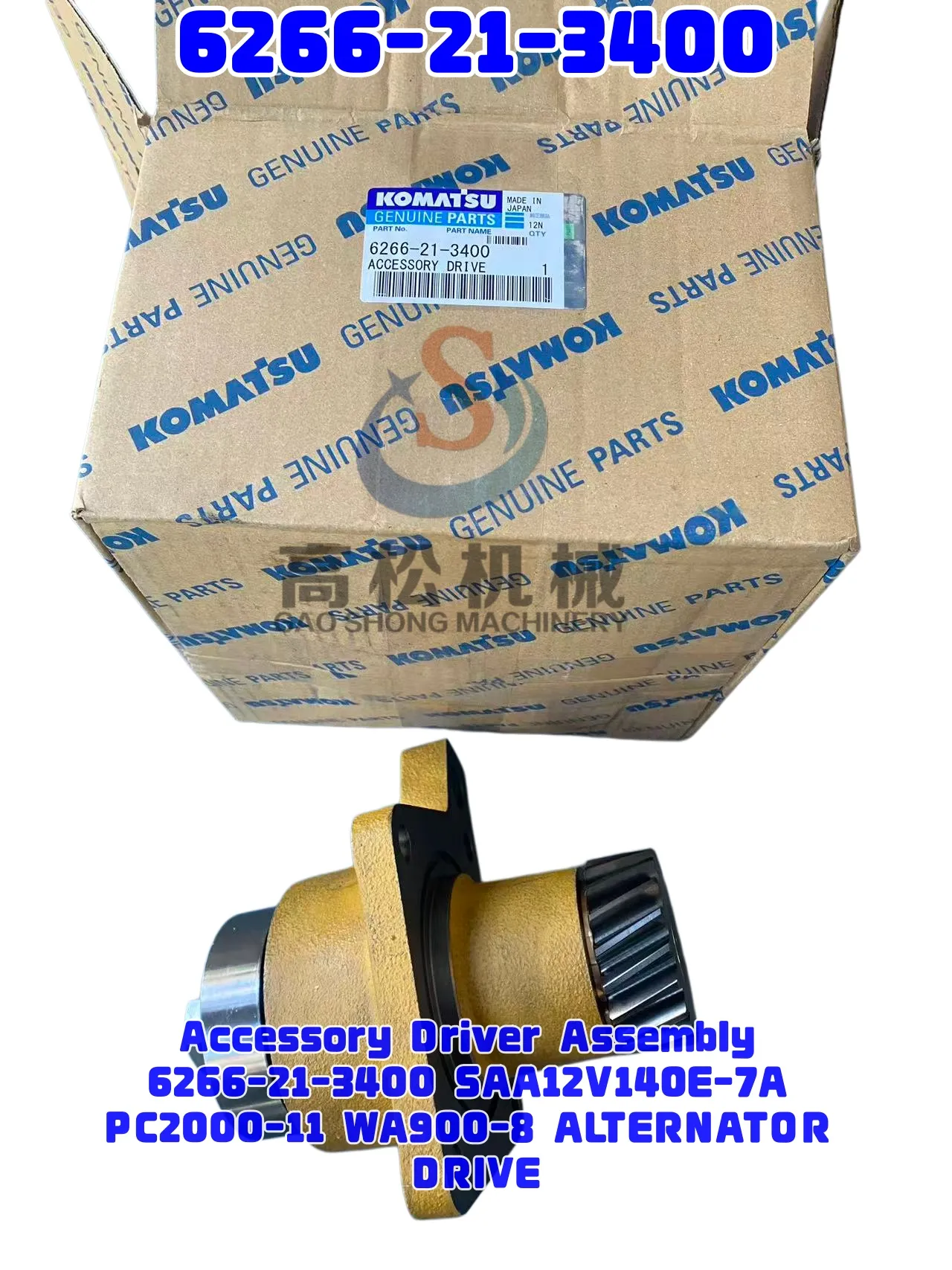 komatsu-part-6266-21-3400 Accessory Driver Assembly SAA12V140E-7A S/N 800001-UP (For PC2000-11) ALTERNATOR DRIVE Accessory Driver Assembly SAA12V140E-7 S/N 800004-UP (For WA900-8) ALTERNATOR DRIVE (#800004-)
 -
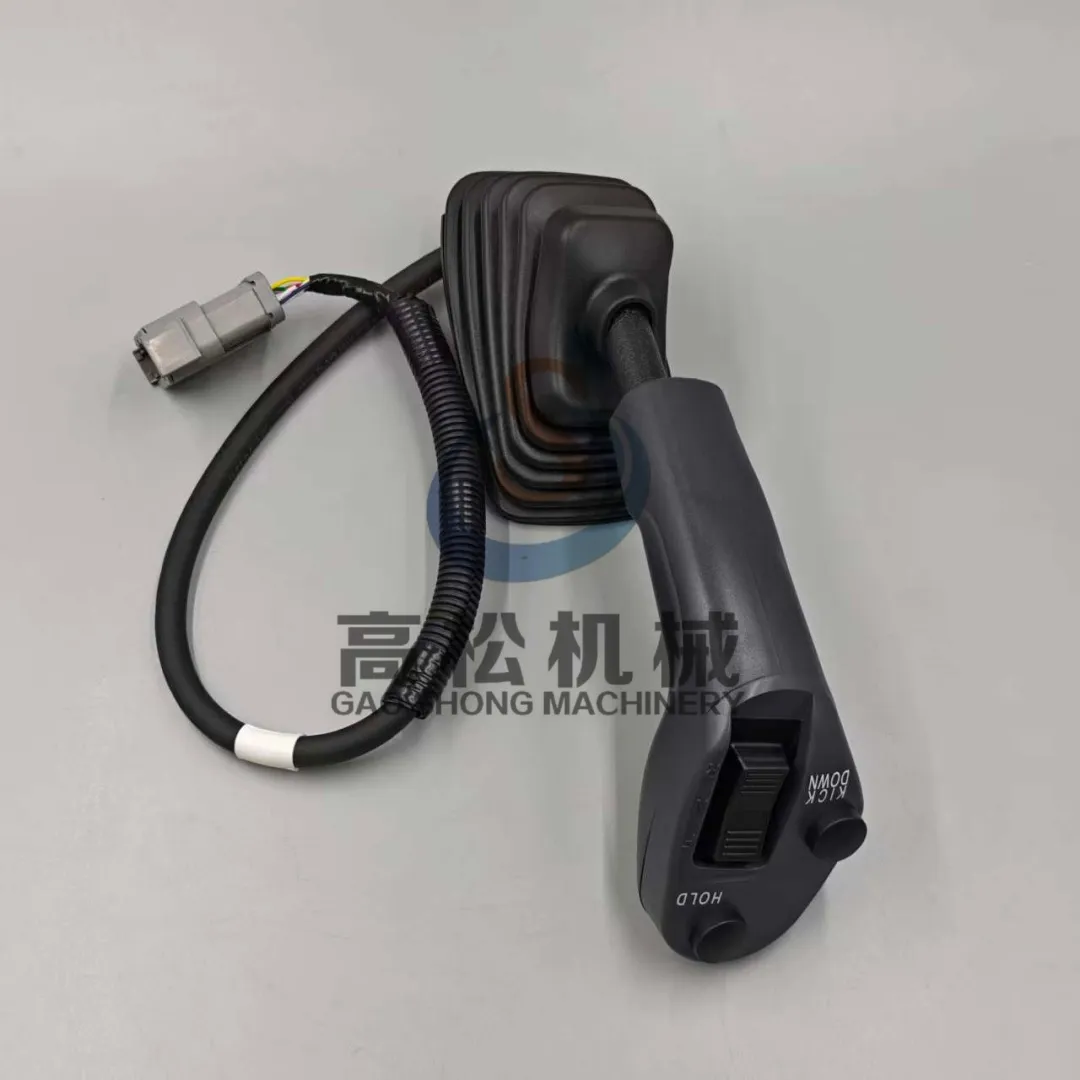 Original New Lever Assembly 423-V91-4144 Handle
 -
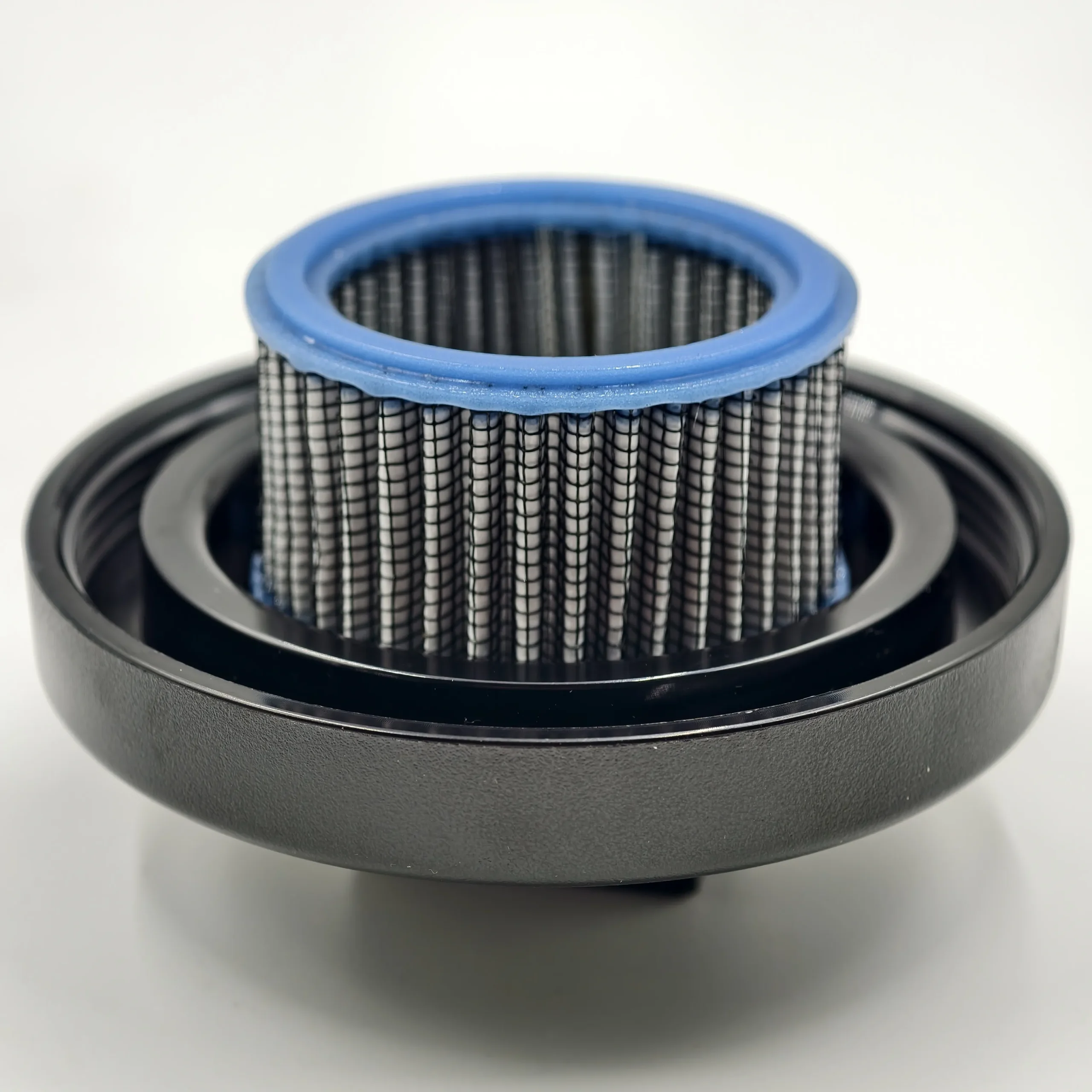 21T-04-31170 Komatsu Cap Assembly
 -
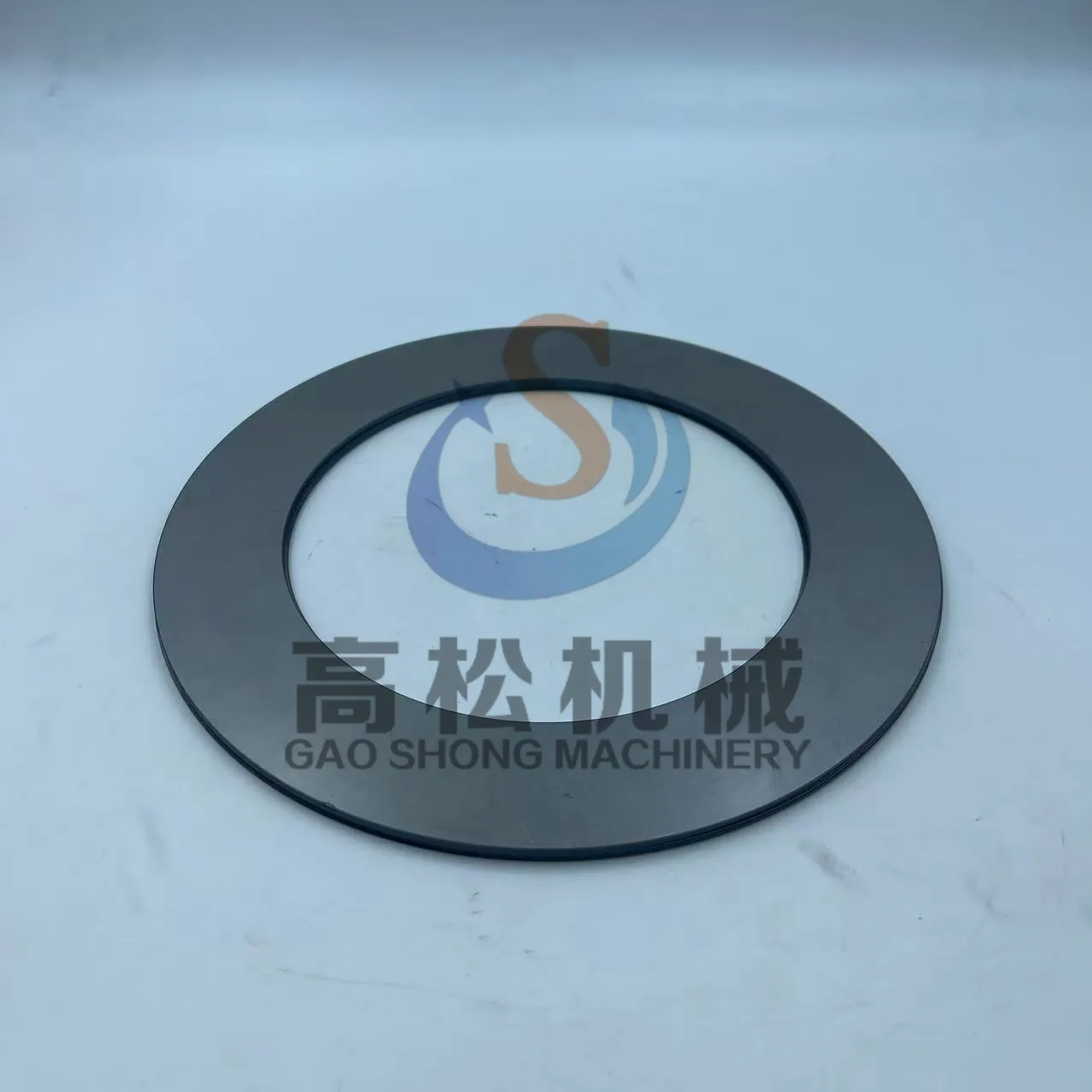 Komatsu D275 17M-50-41170 ring
 -
 Hot Selling at Low Prices 21P-62-K1520 21M-62-11230 21T-01-67330 21U-62-34760 Underground Facilities
 -
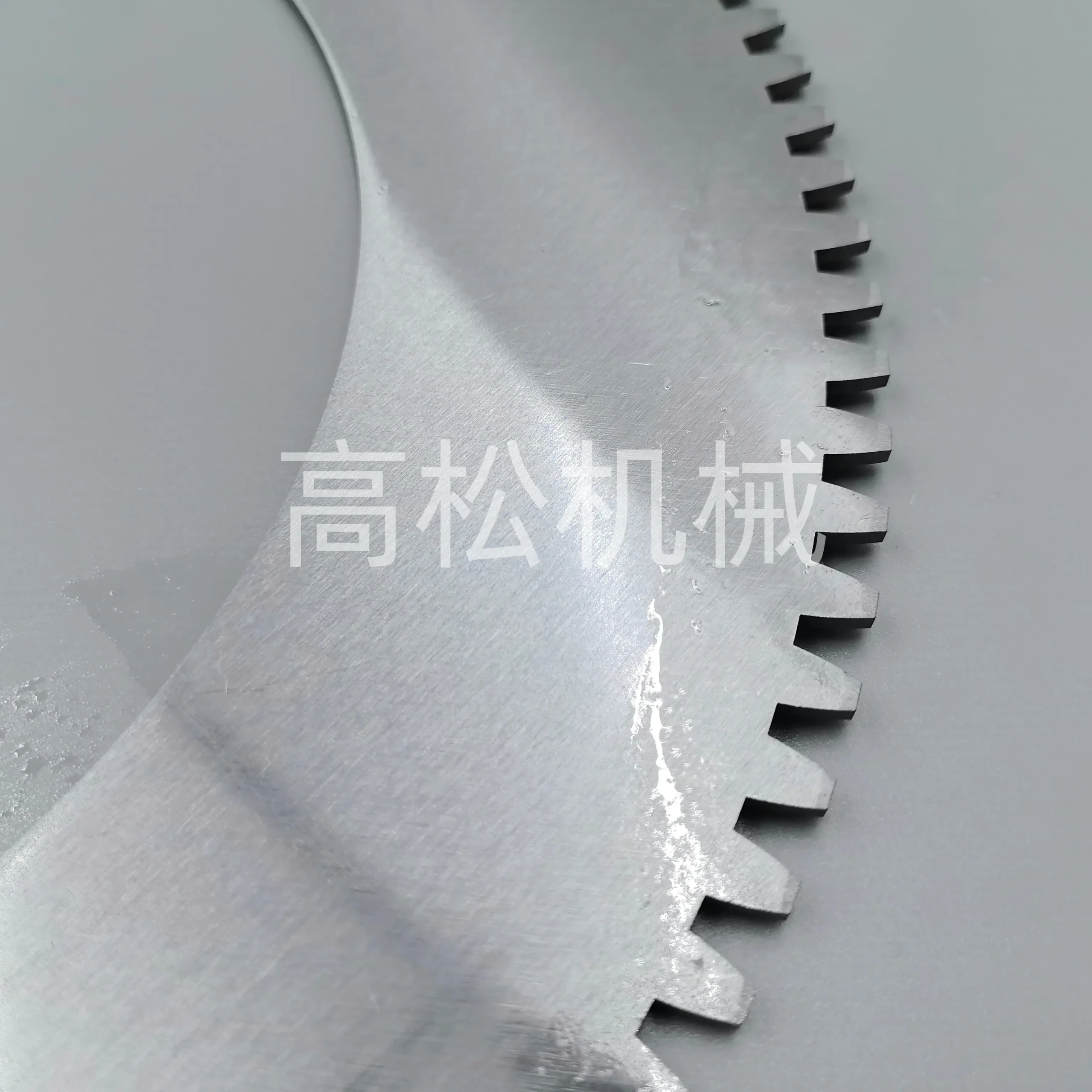 235-22-11550 •• PLATE-Komatsu Original Factory
 -
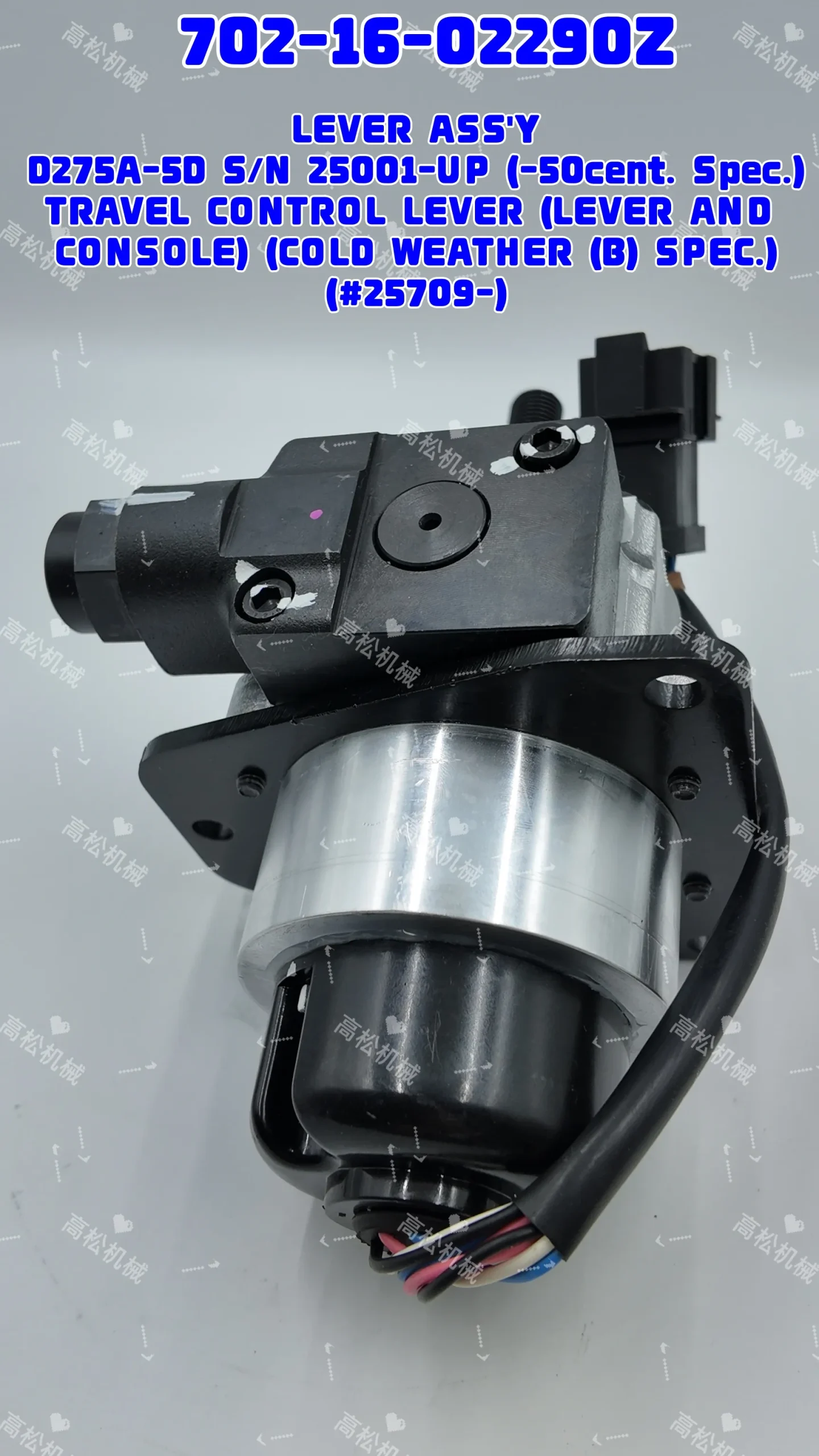 702-16-02290 Original Lever Assy for Bulldozer D275A-5r D65ex-16 D65px D155ax-6 in Stock
 -
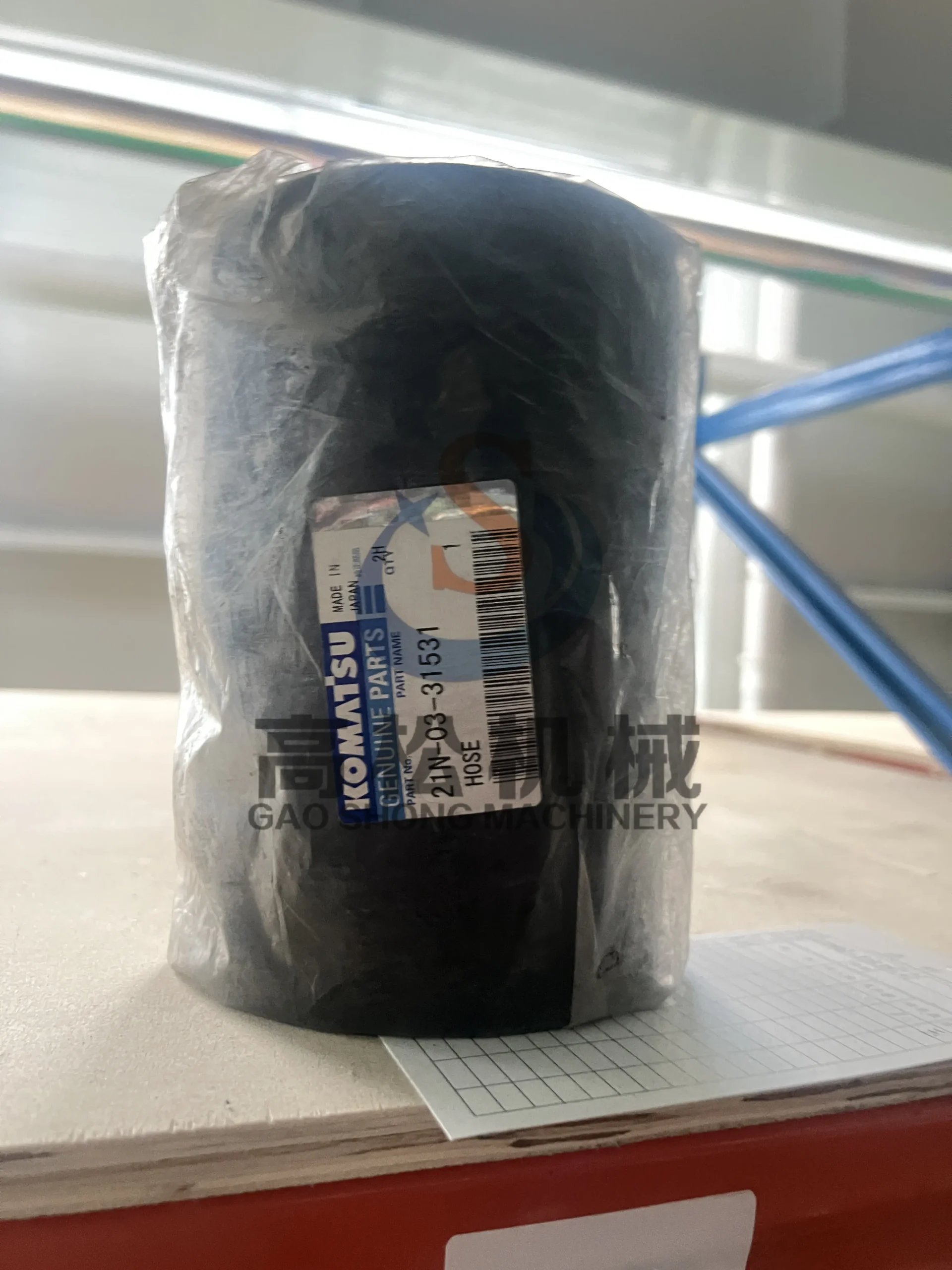 HOSE 21N-03-31531 – KOMATSU
 -
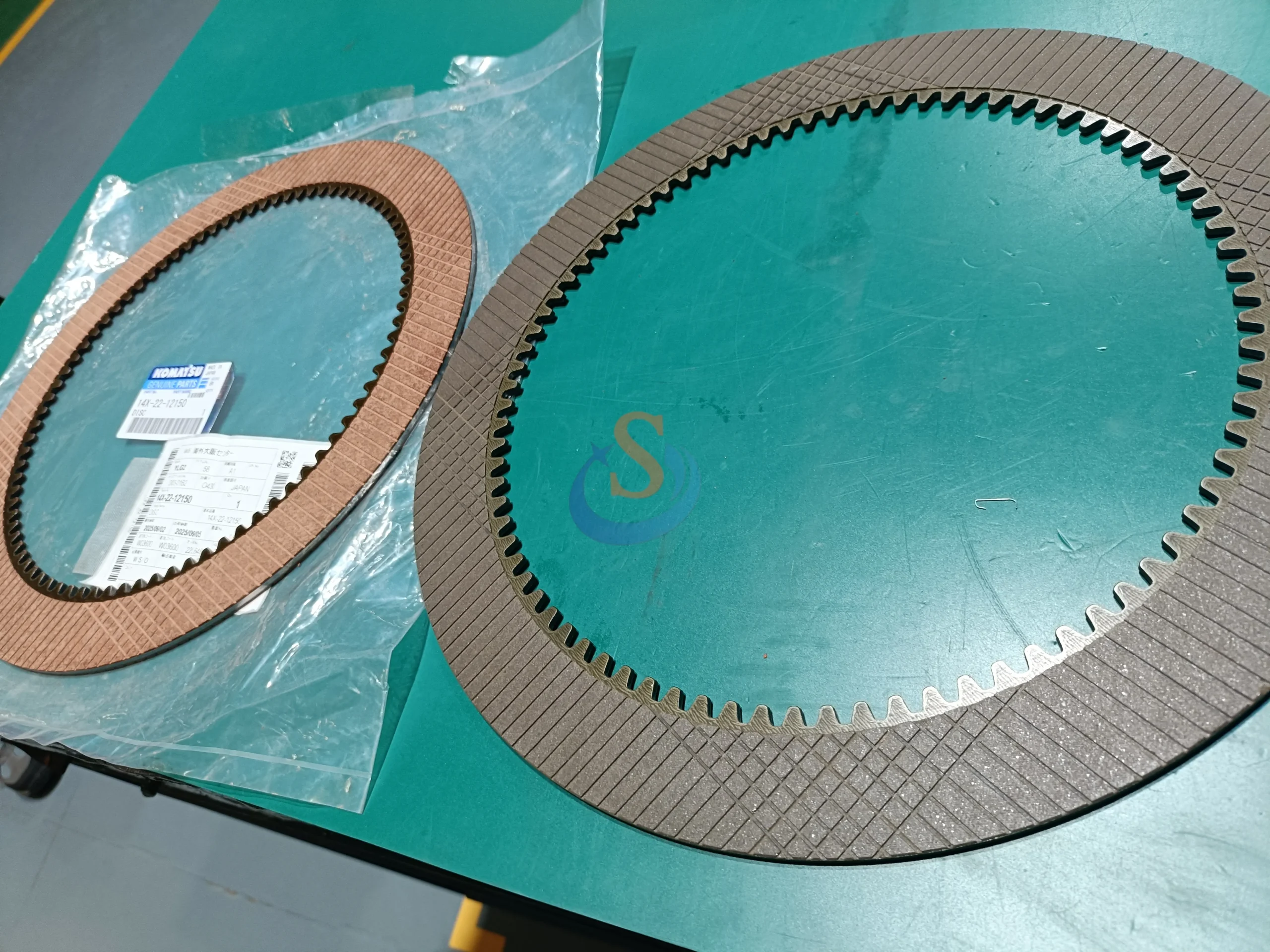 Komatsu frosted sheet 23S-15-12710
 -
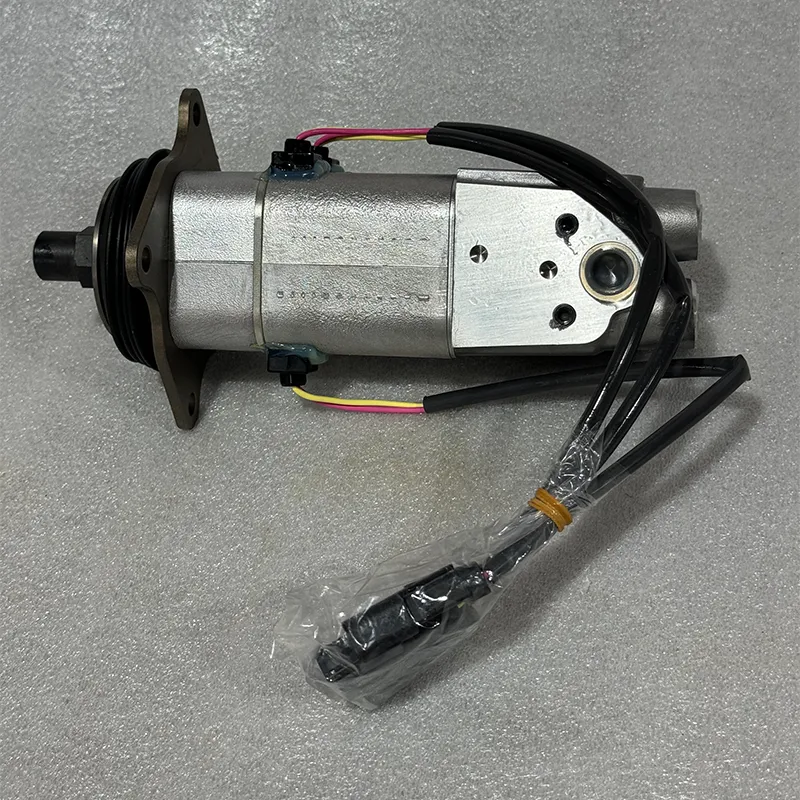 Original komatsu WA480-6 Pilot Valve 702-16-03461