
- Chinese
- French
- German
- Portuguese
- Spanish
- Russian
- Japanese
- Korean
- Arabic
- Irish
- Greek
- Turkish
- Italian
- Danish
- Romanian
- Indonesian
- Czech
- Afrikaans
- Swedish
- Polish
- Basque
- Catalan
- Esperanto
- Hindi
- Lao
- Albanian
- Amharic
- Armenian
- Azerbaijani
- Belarusian
- Bengali
- Bosnian
- Bulgarian
- Cebuano
- Chichewa
- Corsican
- Croatian
- Dutch
- Estonian
- Filipino
- Finnish
- Frisian
- Galician
- Georgian
- Gujarati
- Haitian
- Hausa
- Hawaiian
- Hebrew
- Hmong
- Hungarian
- Icelandic
- Igbo
- Javanese
- Kannada
- Kazakh
- Khmer
- Kurdish
- Kyrgyz
- Latin
- Latvian
- Lithuanian
- Luxembou..
- Macedonian
- Malagasy
- Malay
- Malayalam
- Maltese
- Maori
- Marathi
- Mongolian
- Burmese
- Nepali
- Norwegian
- Pashto
- Persian
- Punjabi
- Serbian
- Sesotho
- Sinhala
- Slovak
- Slovenian
- Somali
- Samoan
- Scots Gaelic
- Shona
- Sindhi
- Sundanese
- Swahili
- Tajik
- Tamil
- Telugu
- Thai
- Ukrainian
- Urdu
- Uzbek
- Vietnamese
- Welsh
- Xhosa
- Yiddish
- Yoruba
- Zulu
- Kinyarwanda
- Tatar
- Oriya
- Turkmen
- Uyghur






Komatsu track shoe
When you hear 'Komatsu track shoe,' most guys immediately picture that iconic blue iron, thinking it's all about the brand stamp. That's the first trap. The reality on the ground, especially in markets with supply chain gaps, is that the shoe's performance often hinges more on the foundry process and material pedigree than the logo. I've seen plenty of genuine shoes fail prematurely because the application was wrong, and robust aftermarket ones outlast simply because they matched the ground conditions. It's never just a part; it's a system interface.
The OEM Spec vs. Field Reality
Working within the Komatsu system, you get a deep respect for their engineering. Their track shoe specifications are a masterpiece of balance—wear life, weight, traction, and stress distribution. But here's the rub: those specs are optimized for a global average condition. Throw them into the abrasive, high-silica quarries in certain regions, and the wear rate can be shocking. The OEM standard might call for a specific grade of boron steel, but local heat treatment variations can alter the hardness profile, making it either too brittle or too soft. I recall a project in Southeast Asia where we tracked premature failure on a PC700. The shoes were cracking at the grouser base. Komatsu's initial diagnosis pointed to overloading, but upon inspection, the metallurgy was off. The local supplier had tweaked the quenching process to speed up production, sacrificing core toughness.
This is where a company's role gets critical. As an OEM product supplier within the Komatsu system, like Jining Gaosong Construction Machinery Co., Ltd., the job isn't just moving boxes. It's about having the technical backbone to understand these deviations. Their site, https://www.takematsumachinery.com, isn't just a catalog; it reflects a dual role: supplying system-approved parts and acting as a third-party solver for supply challenges. They're not just selling a shoe; they're often providing the forensic analysis that bridges the gap between the pristine OEM blueprint and the muddy, unpredictable field.
You learn that a track shoe's life isn't solely determined at the design stage. It's determined at the moment of casting and forging. Air pockets in the casting, improper tempering—these are the silent killers. An OEM supplier has the prints, but replicating them with consistent integrity is the real challenge. I've had batches where the hardness was perfect on the surface, but core sampling revealed inconsistencies. That shoe will fail from the inside out, a classic fatigue fracture waiting to happen.
Material Science in the Dirt
Let's talk steel. The common misconception is harder is better. Not true. For a Komatsu track shoe, you need a balance of surface hardness to resist abrasion and core ductility to absorb impact shocks. A rock-solid shoe on a rocky terrain will spall and chip. We experimented with a high-chromium alloy on a D155 dozer in a mining site. The initial wear was negligible, fantastic. But within 400 hours, we started seeing catastrophic cracks. The material couldn't handle the cyclic loading from dozing impact; it was too brittle. We reverted to a modified medium-carbon steel with a better Charpy impact rating, and service life normalized.
The geometry of the grouser is another overlooked detail. A Komatsu shoe for a swamp application has a wide, flat profile for flotation. Use that in a hard-pack quarry, and you lose traction and induce bending stress on the links. The pitch, the angle of attack—it all matters. I remember specifying the wrong shoe pattern for a PC360 working on a demolition site littered with rebar. The standard single grouser shoe allowed rebar to jam and pry between the shoe and the link, causing immense damage. Switching to a multi-grouser, self-cleaning design solved it. This isn't in any manual; it's pattern recognition from being on site.
Suppliers who get this, like Gaosong, add value by understanding these nuances. Their work as a third-party sales company means they often see the failure modes that never make it back to Komatsu's main engineering loop. They can advise on alternatives, sometimes even facilitating the supply of region-specific shoe variants that are still within the OEM's quality umbrella but better suited to local punishment.
The Logistics of Failure
A broken track shoe isn't just a maintenance issue; it's a logistics nightmare. When you're in a country with parts supply challenges, a downed 30-ton excavator bleeds money by the hour. The official channel might promise a shoe in 12 weeks. You can't wait that long. This is the practical niche third-party suppliers fill. It's not about undercutting the OEM; it's about continuity. Having a reliable local stock, or the connections to air-freight a matched set from a trusted foundry, is what keeps projects alive.
I've been in situations where we had to mix shoes from different batches on a single track—a cardinal sin. The minute height differences accelerate wear on the entire undercarriage. A professional supplier knows this and will go to great lengths to provide a complete, matched set. They understand that selling one shoe is pointless; you need a system solution. The description on Takematsu Machinery's site about solving parts supply challenges isn't marketing fluff. It's the core of their operation. It means they've navigated customs, understood local machine population demographics, and built inventory based on real failure rates, not just sales forecasts.
There's also the counterfeit problem. The market is flooded with shoes that look right but are made of repurposed railroad track steel. They wear out three times faster. A reputable supplier within the system acts as a filter. Their reputation hinges on providing parts that meet or exceed the operational life expectancy, even if they aren't packaged in the original blue box. Trust is built when the mechanic doesn't have to change the track shoes again in 1500 hours.
Case in Point: The Quarry Conundrum
Here's a concrete example. A large granite quarry was running several Komatsu HD785 trucks. They were burning through track shoes on the loading excavators at an alarming rate. The official recommendation was to upgrade to the XT-3 wear material. It helped, but only marginally. The cost was prohibitive. We got involved, alongside a local technical partner, and did a site analysis. The issue wasn't just abrasion; it was impact from massive, sharp granite blocks being dropped into the bucket, transmitting shock through the track.
We sourced a track shoe through a channel that understood both OEM specs and aftermarket innovation—a company functioning like Gaosong. This shoe used the OEM-approved base design but incorporated a slightly different alloy mix and a reinforced grouser root radius. It was a hybrid solution. The result? A 40% increase in service life over the standard shoe, at a 20% lower cost than the premium OEM option. The key was the supplier's ability to communicate the specific failure mode to their manufacturing network and get a tailored product. This isn't a story about beating Komatsu; it's about complementing their system where local conditions demand adaptation.
The takeaway? The track shoe is the literal point of contact between the machine and its profit. Choosing it requires a blend of respect for the original engineering and a pragmatic understanding of the dirt it will work in. It's where textbook metallurgy meets the brutal, unforgiving reality of the job site.
Closing the Loop: From Part to Partnership
So, what does this all mean for someone specifying a Komatsu track shoe? Don't just order by part number. Understand the application's dominant wear factor: is it abrasion, impact, or corrosion? Communicate this to your supplier. A good supplier will ask these questions. If they just take an order, be wary.
The value of a specialist supplier lies in this consultative layer. Companies that position themselves as problem-solvers, like Jining Gaosong Construction Machinery does by being both an OEM supplier and a third-party solution provider, are effectively extending Komatsu's support network. They fill the geographical and logistical gaps, ensuring that the machine's performance—starting from its track shoes—isn't compromised by supply chain hiccups.
Ultimately, the track shoe is a consumable. But its selection is a strategic decision. It affects undercarriage health, fuel efficiency, and machine availability. Getting it right requires more than a catalog; it requires experience, a reliable supply chain, and a partner who has seen enough failed shoes to know why they fail. That's the difference between buying a part and investing in uptime.
Related Products
Related Products
Best Selling Products
Best Selling Products-
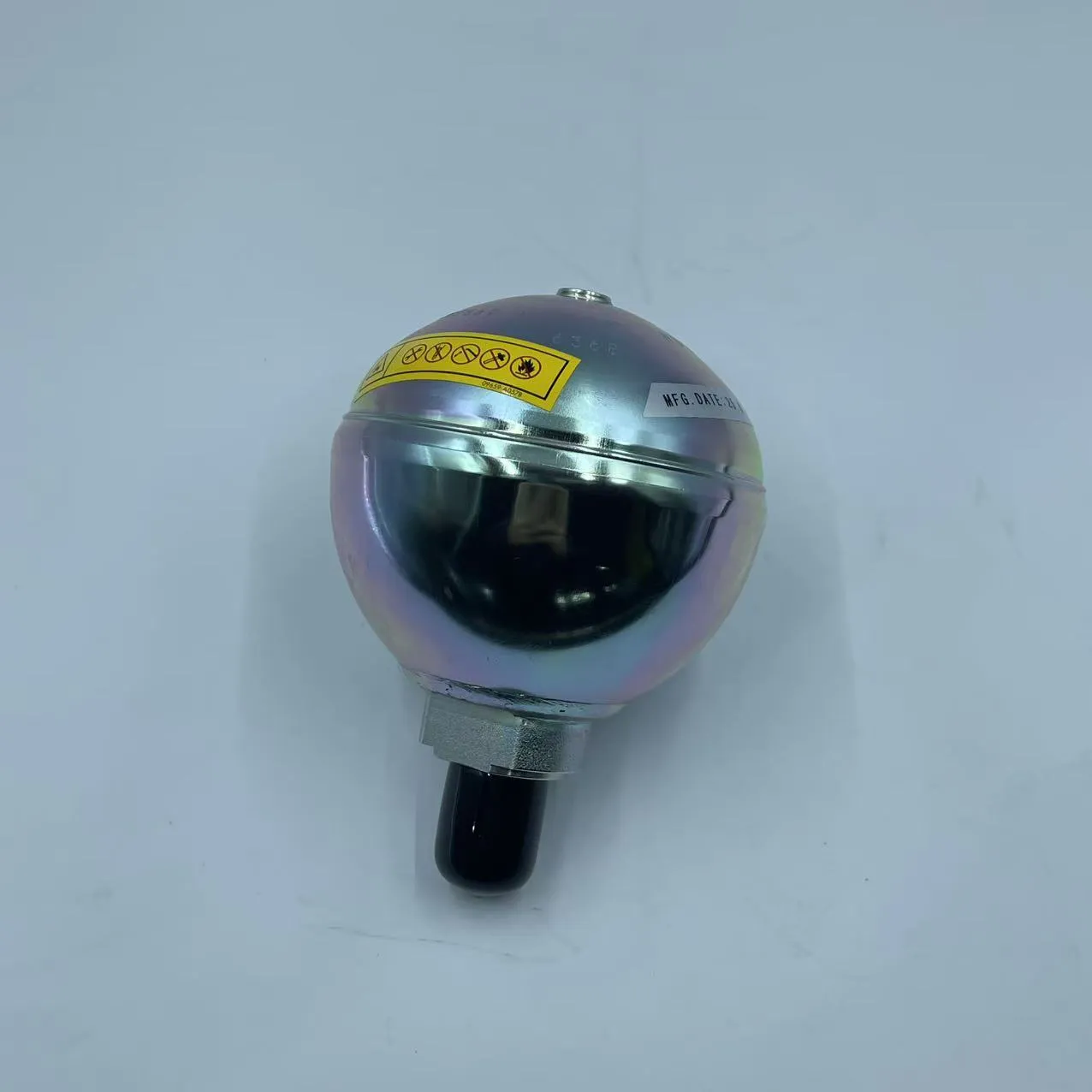 accumulator 22U-60-21331 22U-60-21330 For Komatsu PC300-8 excavator
 -
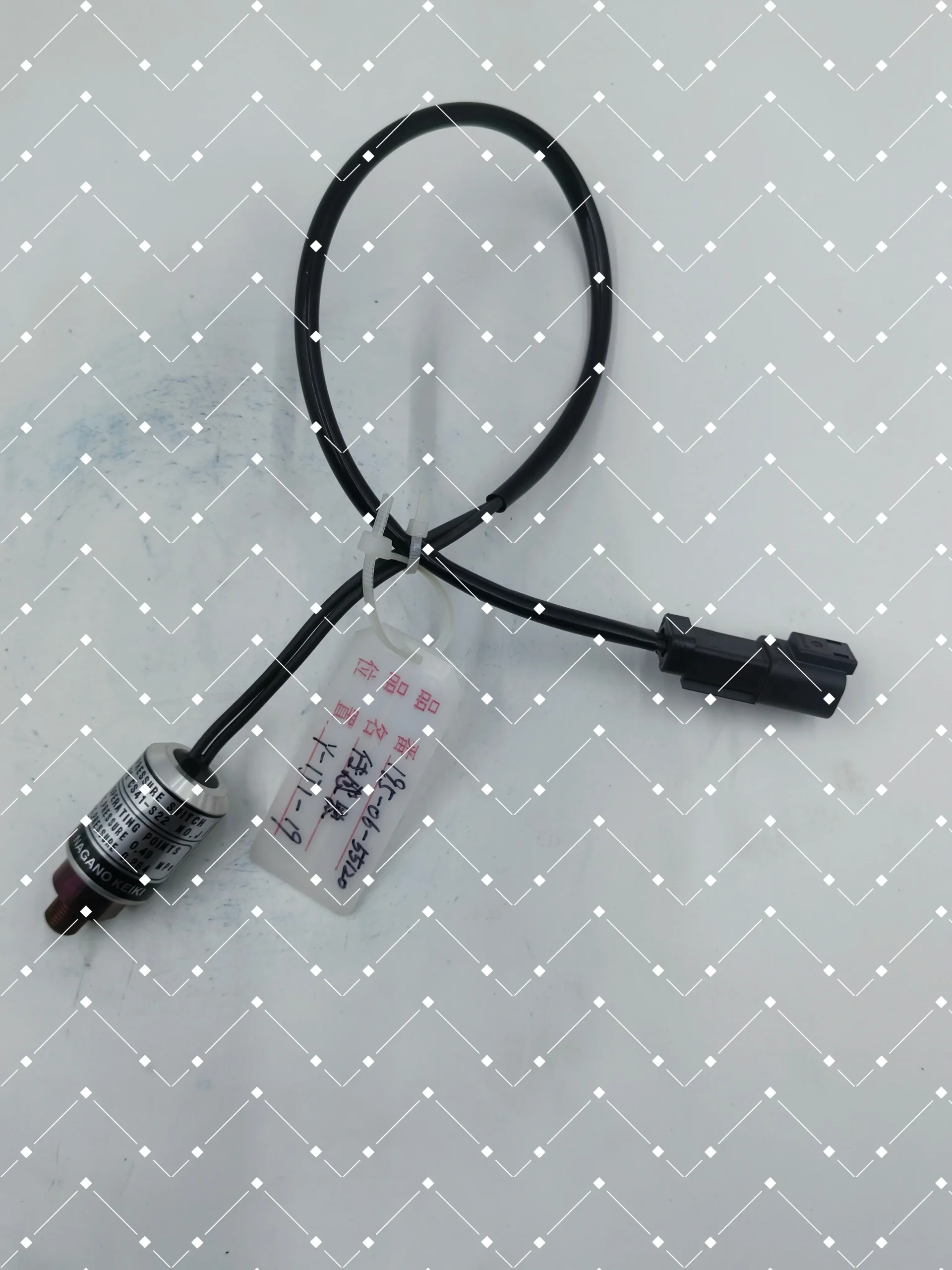 Komatsu 195-06-55120 Switch, price for original and… — Pricing.Parts
 -
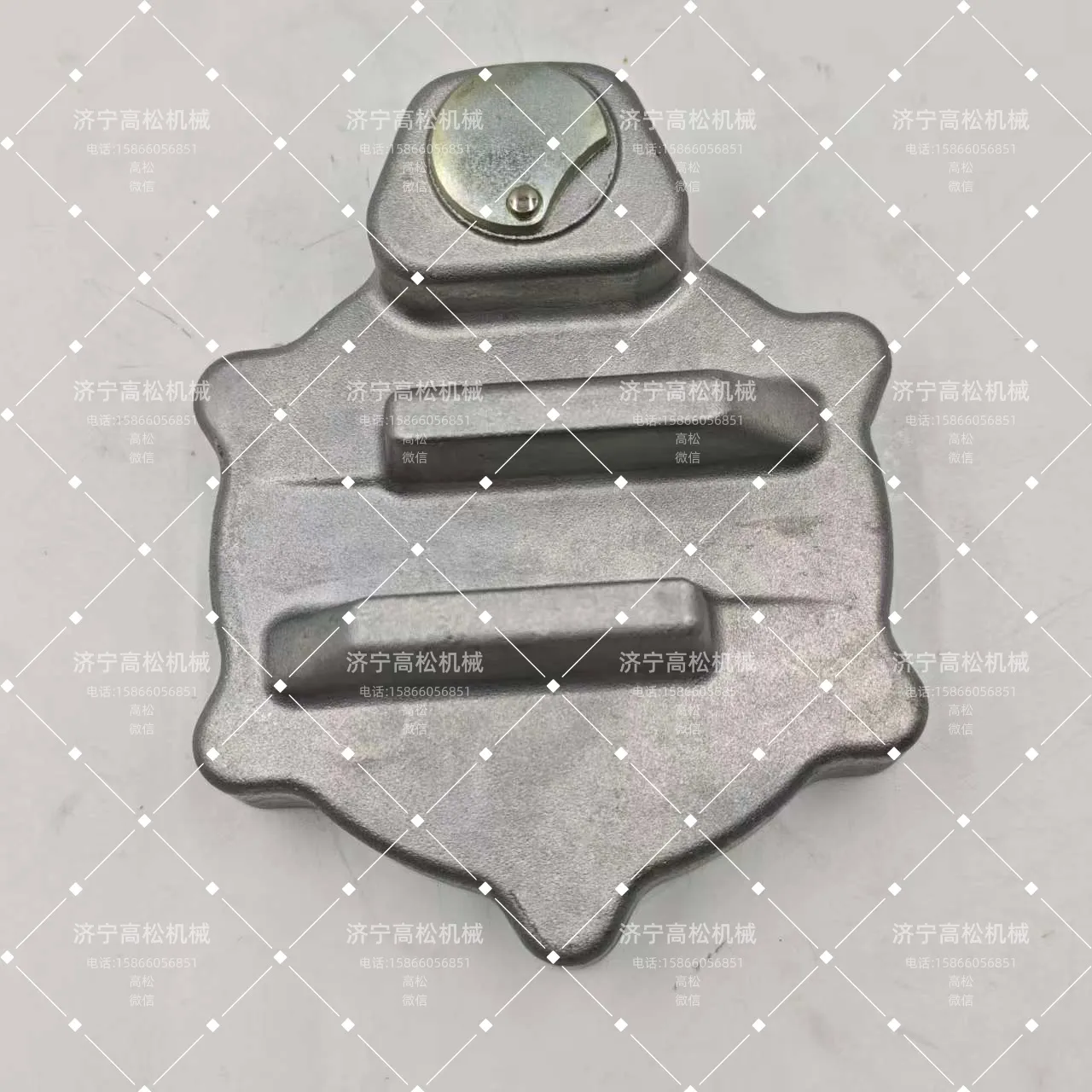 07053-10000 Cap-Radiator Fits KOMATSUU Models
 -
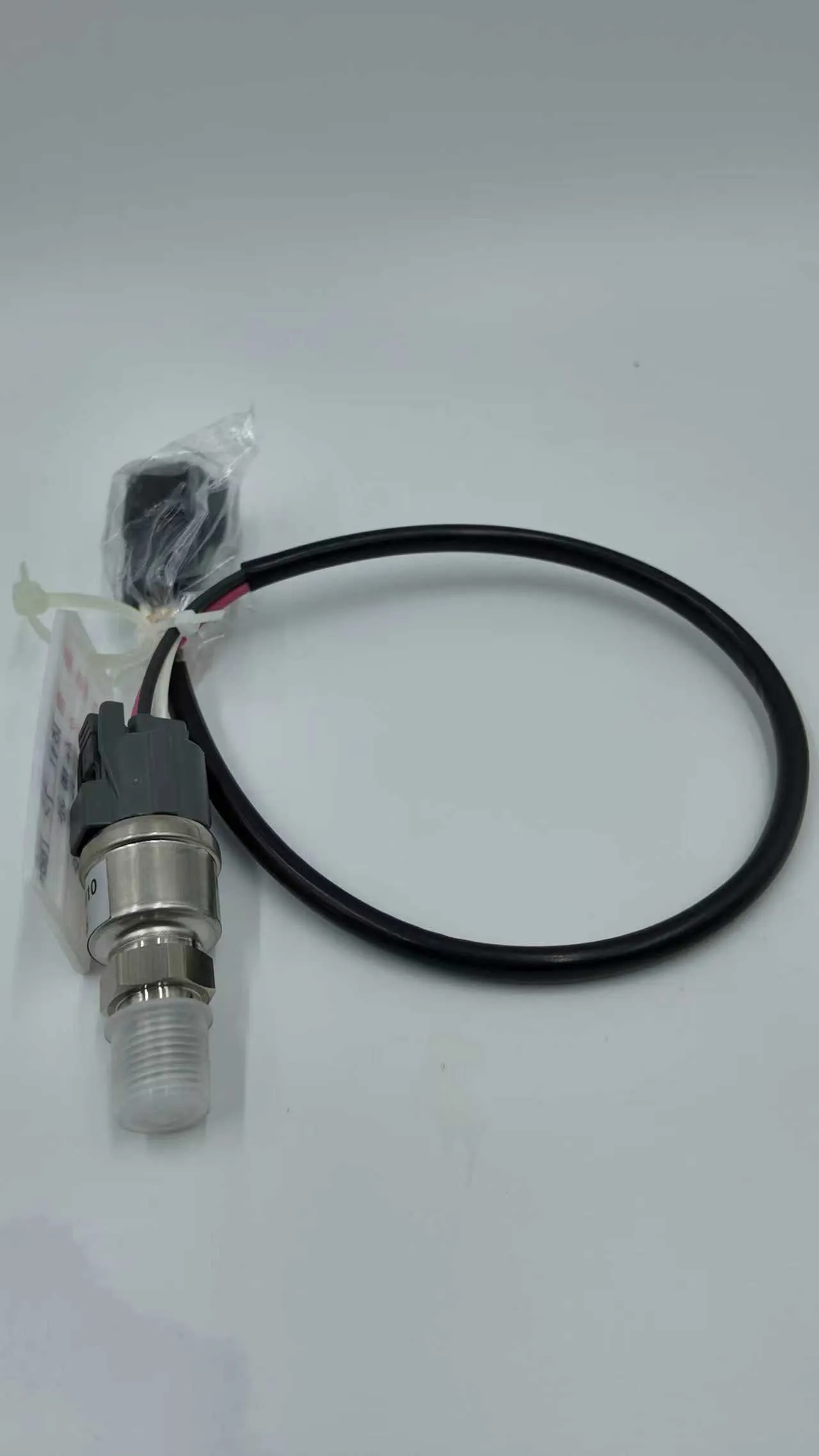 7861-93-1680-SENSOR-Komatsu Original Factory
 -
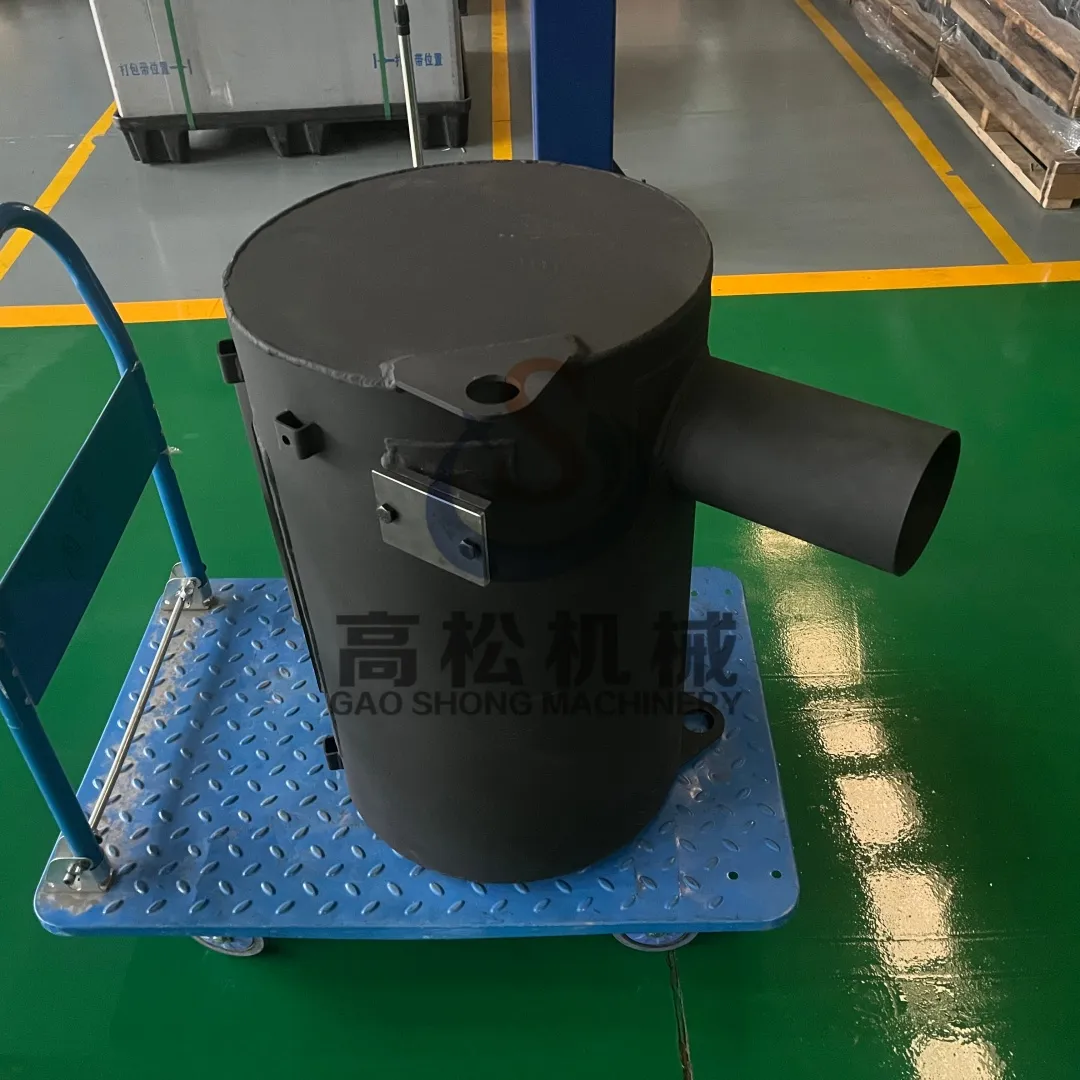 Muffler Silencer 6245-11-5500 for Komatsu Engine 6D170E-5 Excavator PC1250-8 PC1250-8R PC1250LC-8 PC1250SP-8 PC1250SP-8R
 -
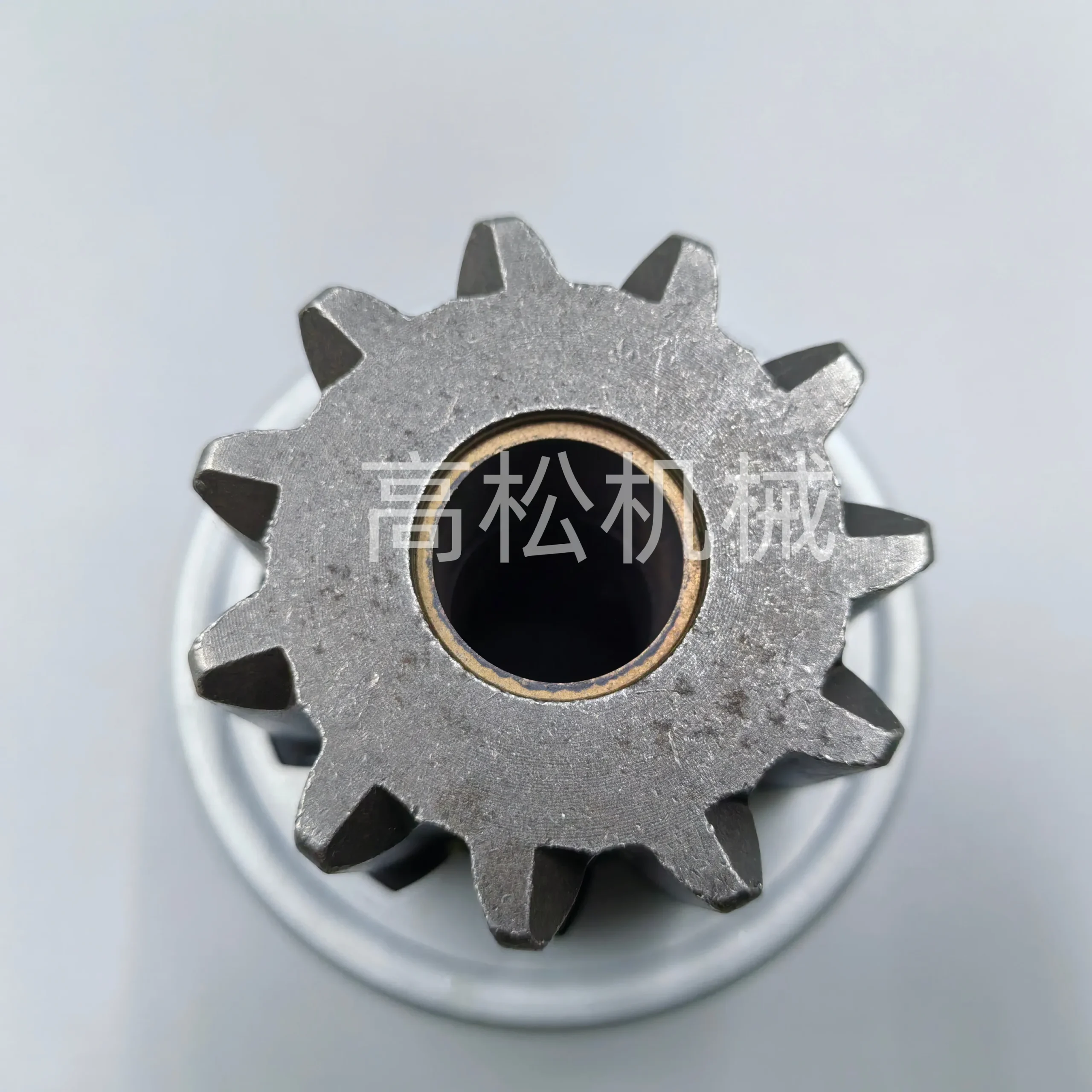 KD0-23500-1024 • CLUTCH ASS’Y-Komatsu Original Factory
 -
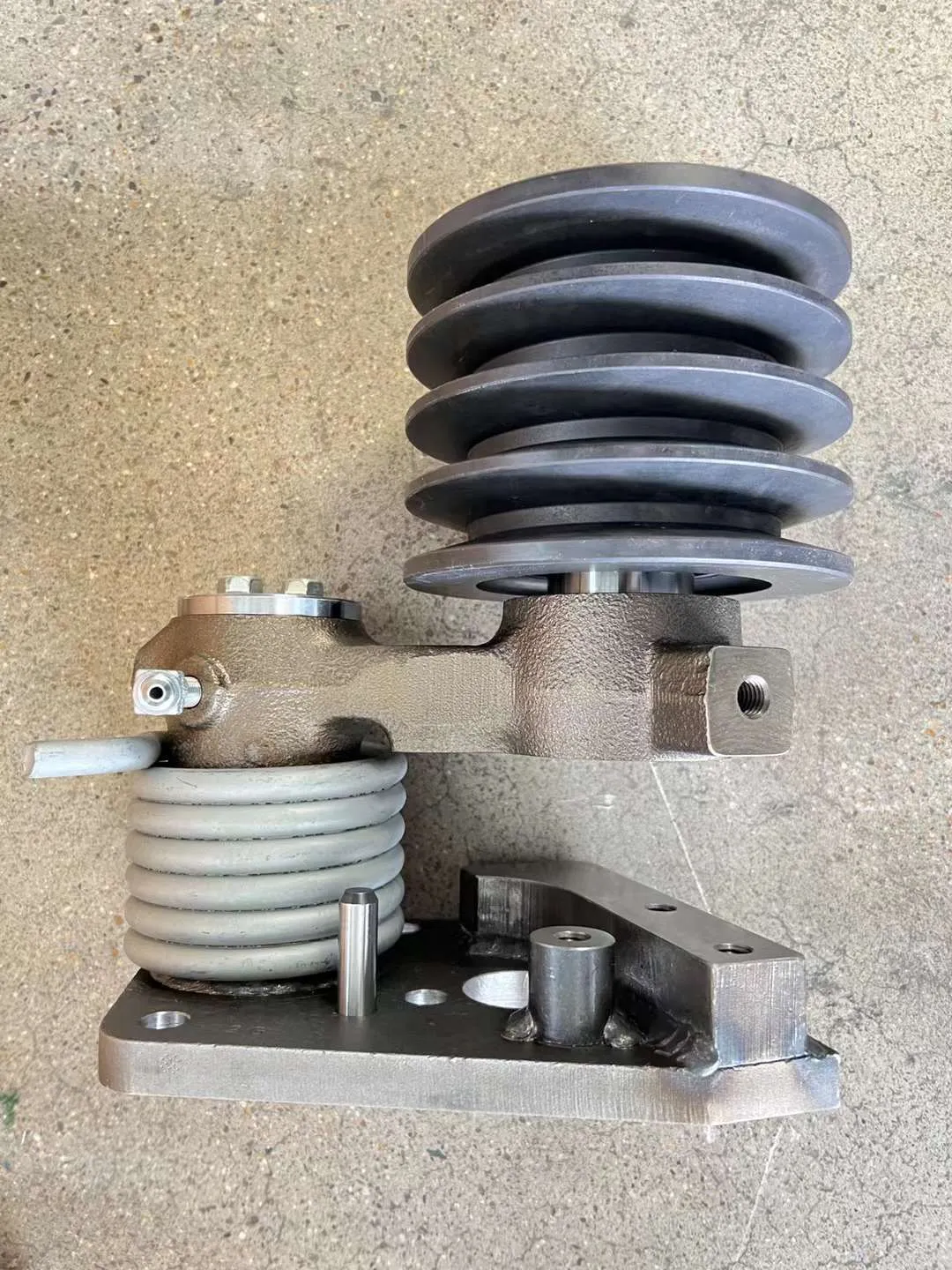 HD465-7R Tension Assembly 6245-61-3901
 -
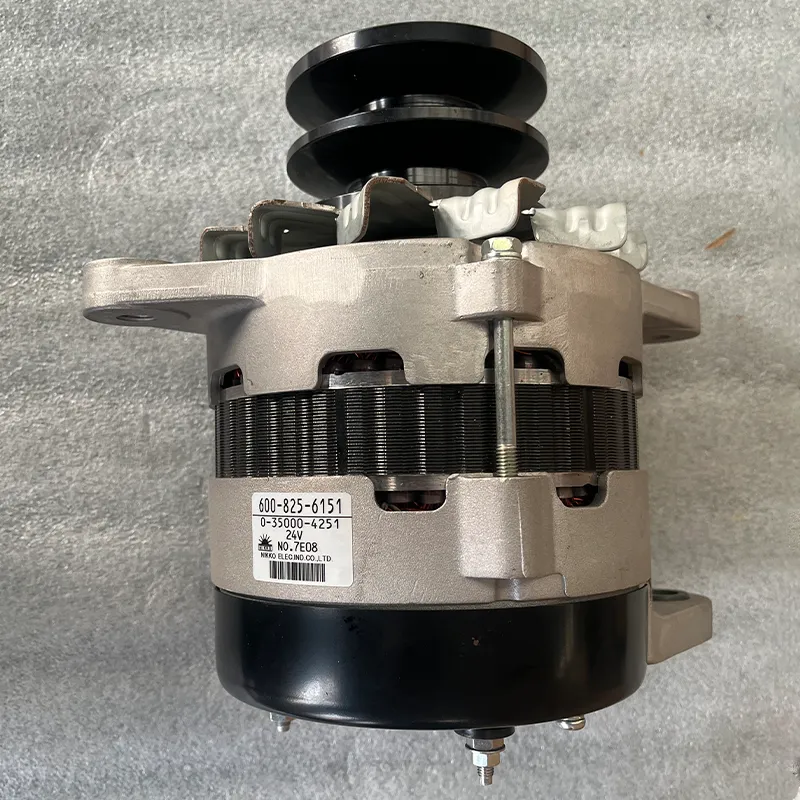 600-825-6151 Original komatsu alternator for PC300-7 PC360-7 PC400-78 PC450-8
 -
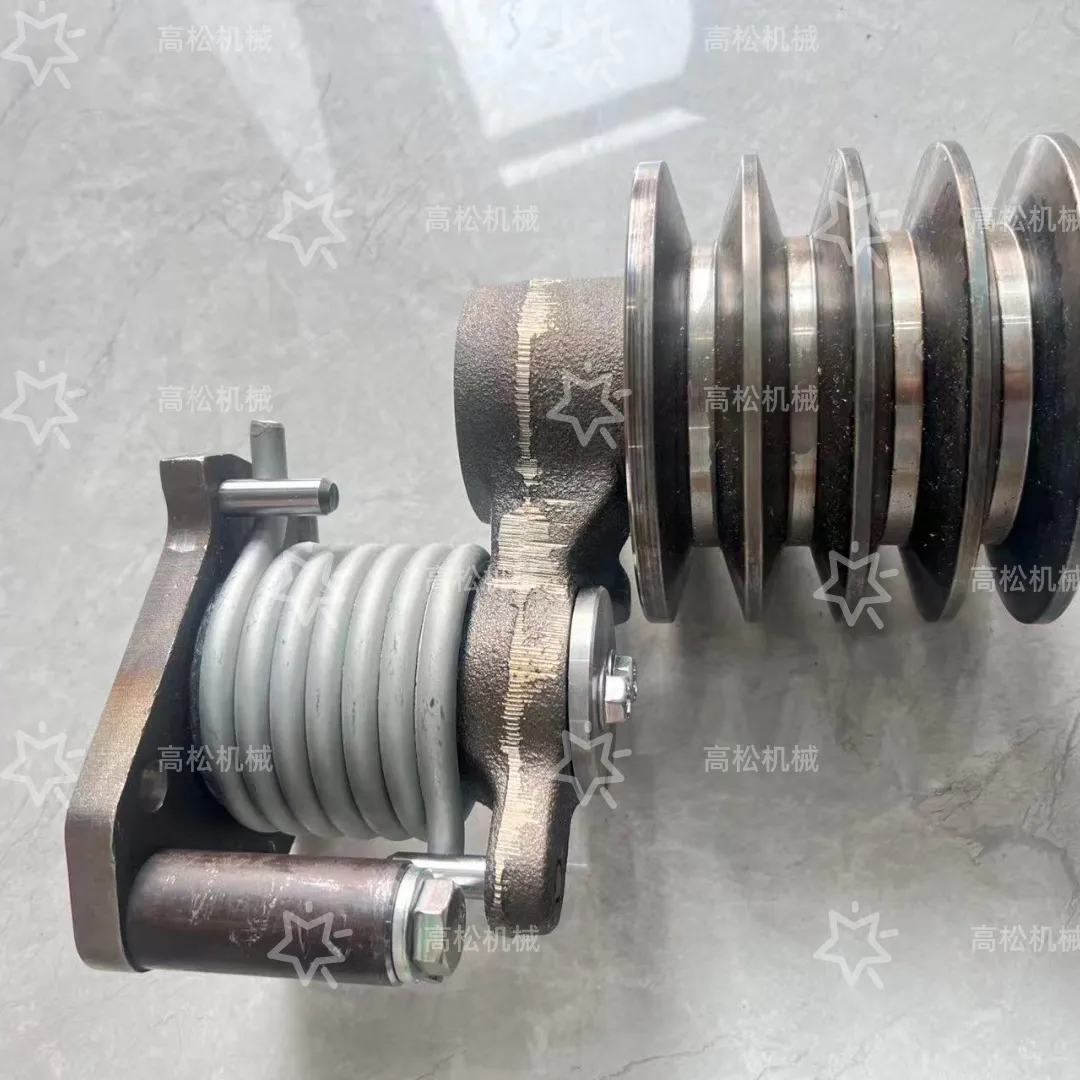 tension pulley ass’y 6240-61-4500 – komatsu
 -
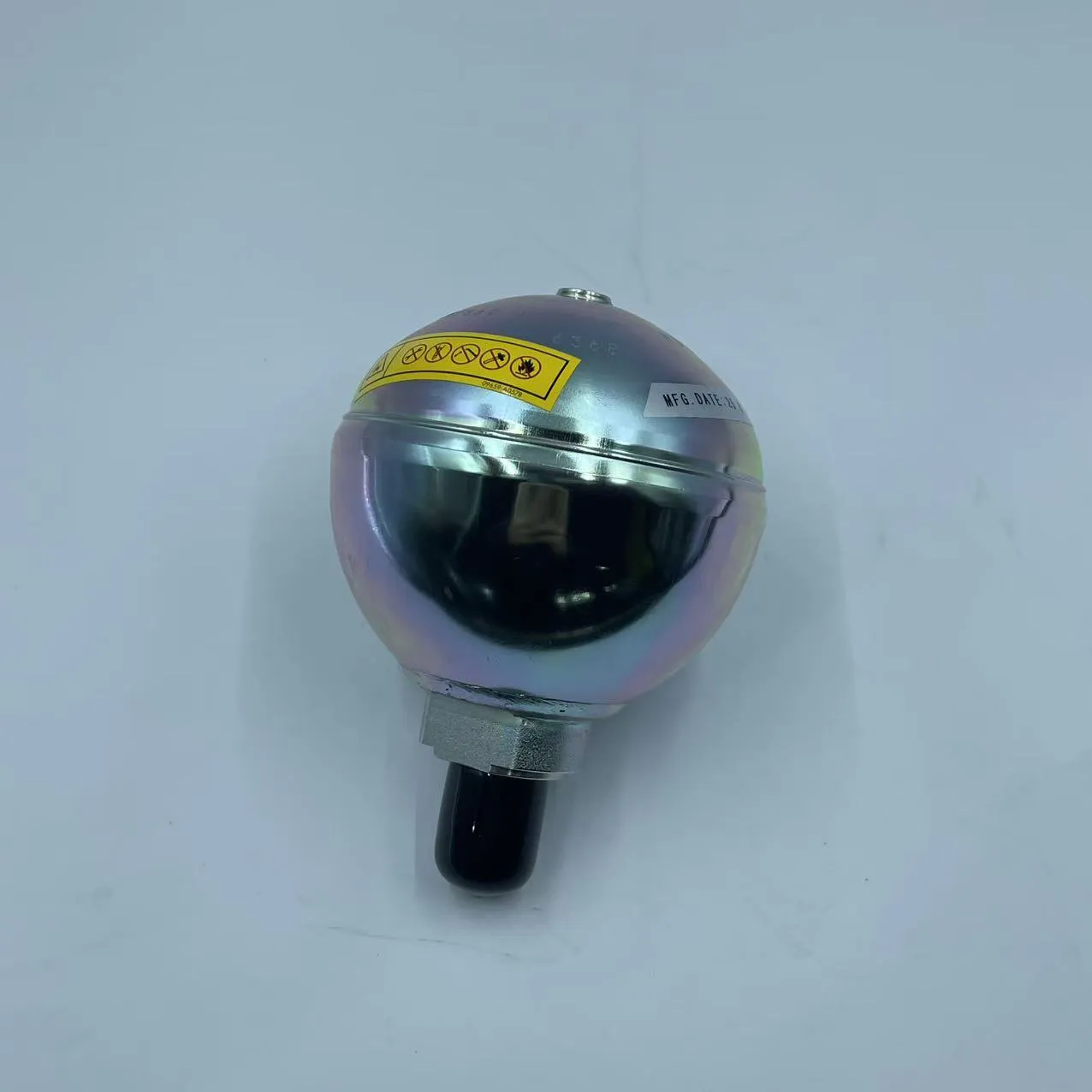 Accumulator 22U-60-21330 22U-60-21331 For Komatsu Excavator PC300-8 PC350-8 PC130-8 PC200-8 PC220LC-8
 -
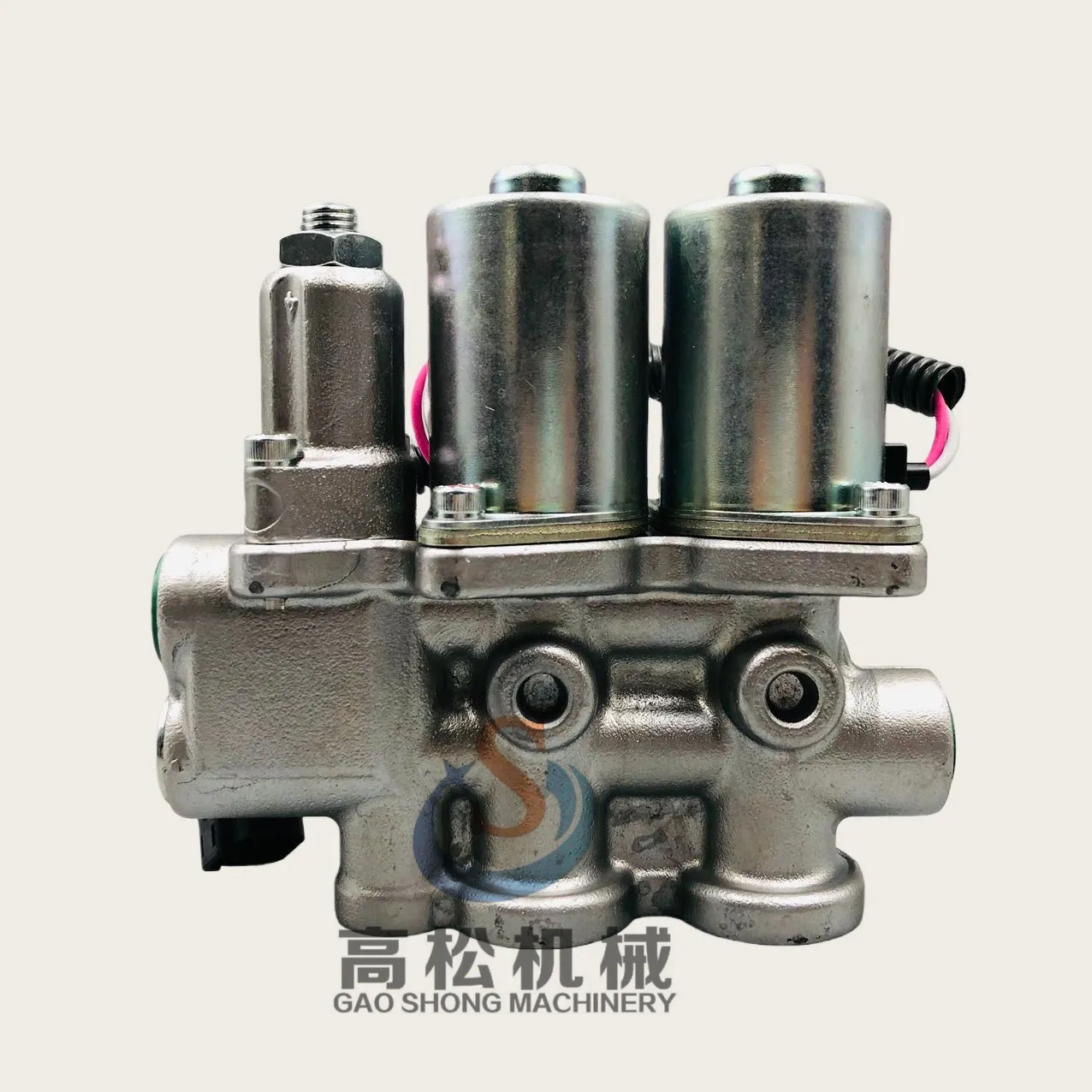 Solenoid Valve Assy 22F-60-31600
 -
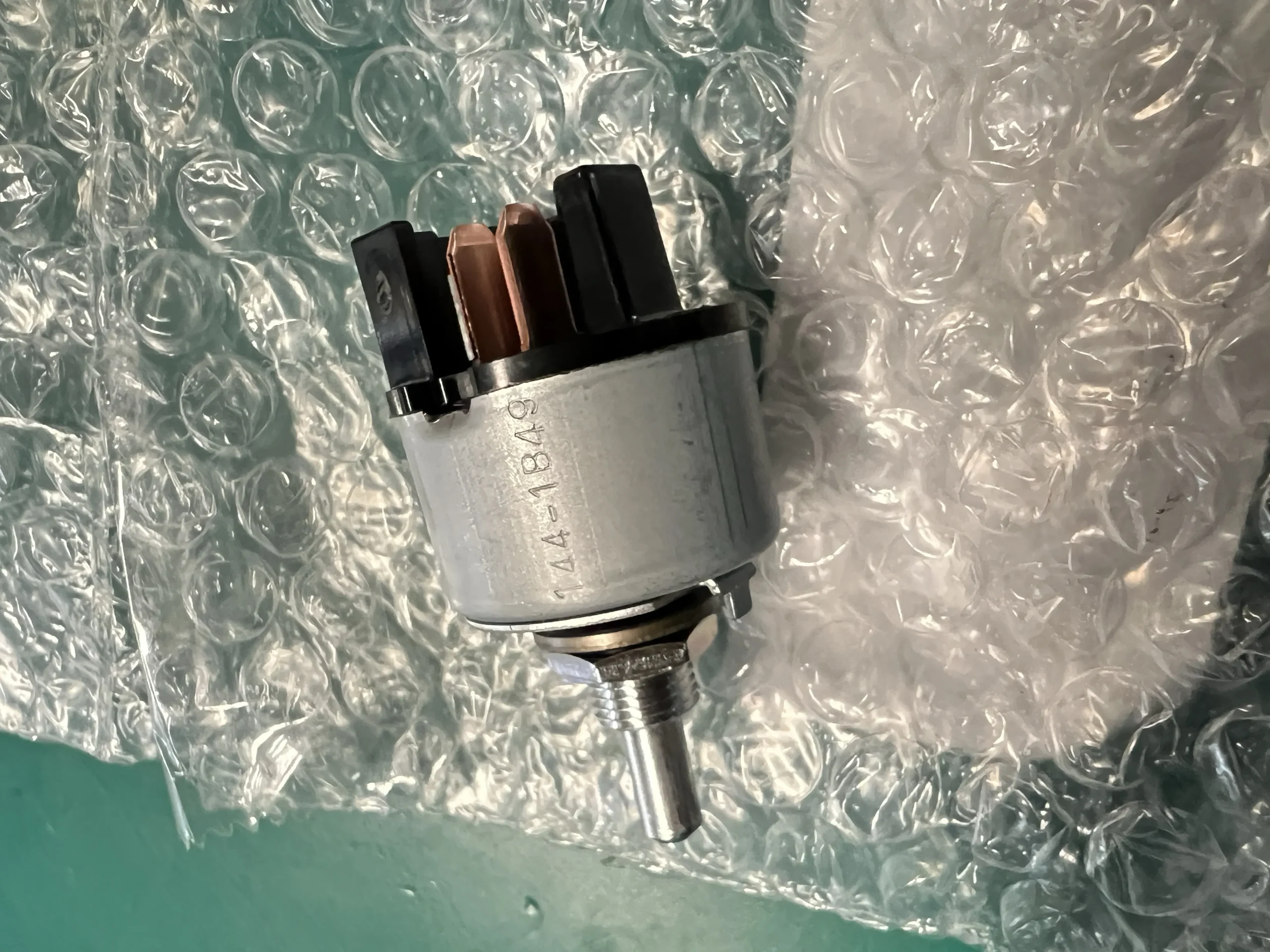 205-06-71380 Switch